
Driving through rain, light snow, or wet pavement can challenge even experienced motorists. Traction control has developed to become one of the most important safety features for everyday vehicles, allowing tires to maintain grip when conditions fluctuate.
A car that handles unpredictably slick roads confidently not only reduces stress but also boosts driver confidence and safety. Modern systems blend electronic stability control with advanced sensors to detect wheel slip and adjust power delivery instantaneously.
Traction control is no longer limited to high-performance or luxury vehicles. Compact SUVs, sedans, and crossovers now employ sophisticated algorithms that distribute torque efficiently between wheels, enhancing cornering and braking under less-than-ideal surfaces.
Some vehicles even allow drivers to adjust the sensitivity or select modes optimized for snow, rain, or gravel. This adaptability can make a noticeable difference when leaving city streets for a country road or driving through sudden weather changes.
For those shopping for a vehicle that offers consistent control in variable conditions, understanding which models provide superior traction is essential. Cars with All Wheel Drive paired with electronically assisted systems tend to excel, but Front Wheel Drive models equipped with modern traction control technology can also impress.
Each vehicle on this list demonstrates how engineering, electronics, and smart tire performance work together to maintain stability. From compact crossovers to midsize sedans, these selections reflect a balance between real-world drivability and technological refinement.
They allow drivers to feel secure without compromising on comfort, handling, or responsiveness. If slipping on rain-slick streets or cautiously approaching snowy hills has been a concern, these models deserve attention. Each entry delivers measurable improvements over standard configurations, making road conditions more predictable and driving safer.
1. Subaru Outback Wilderness 2024
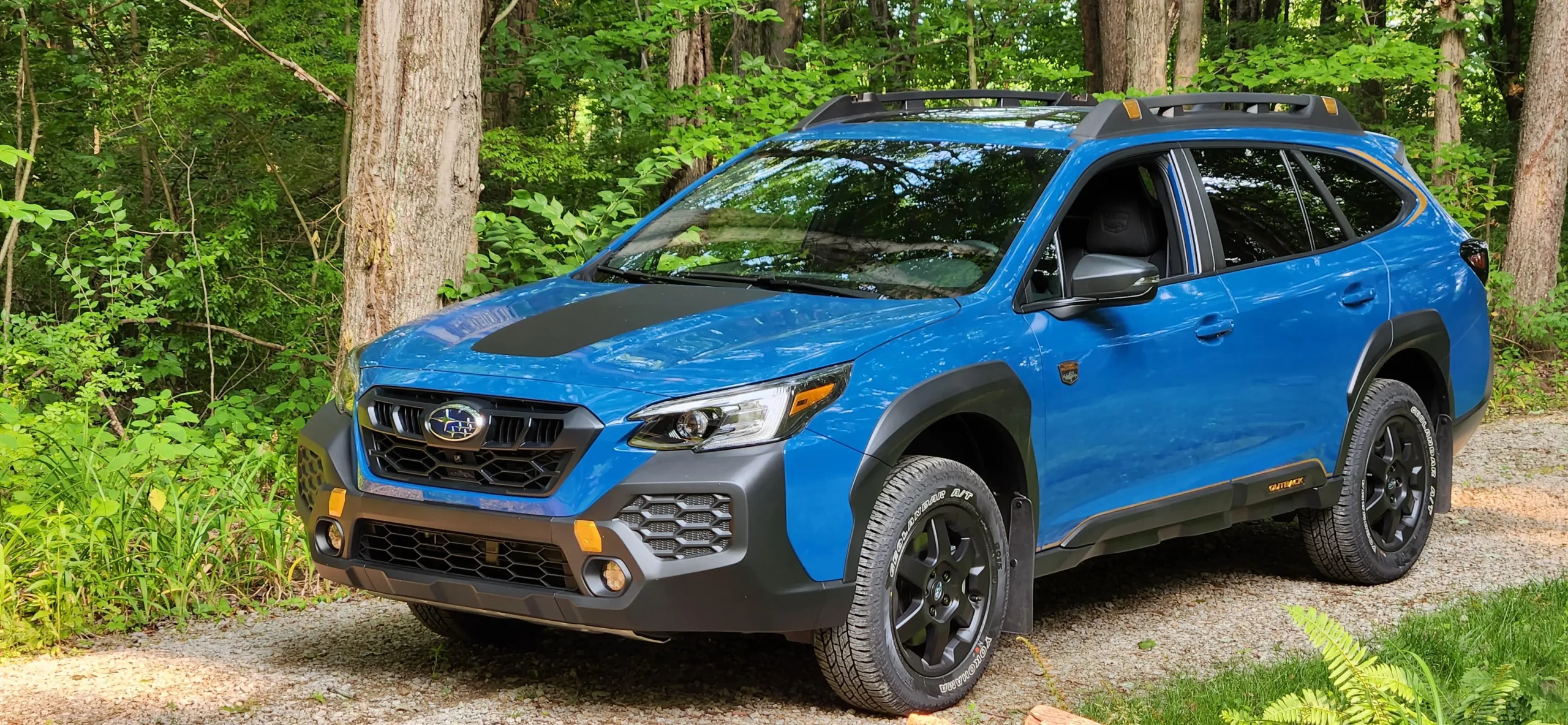
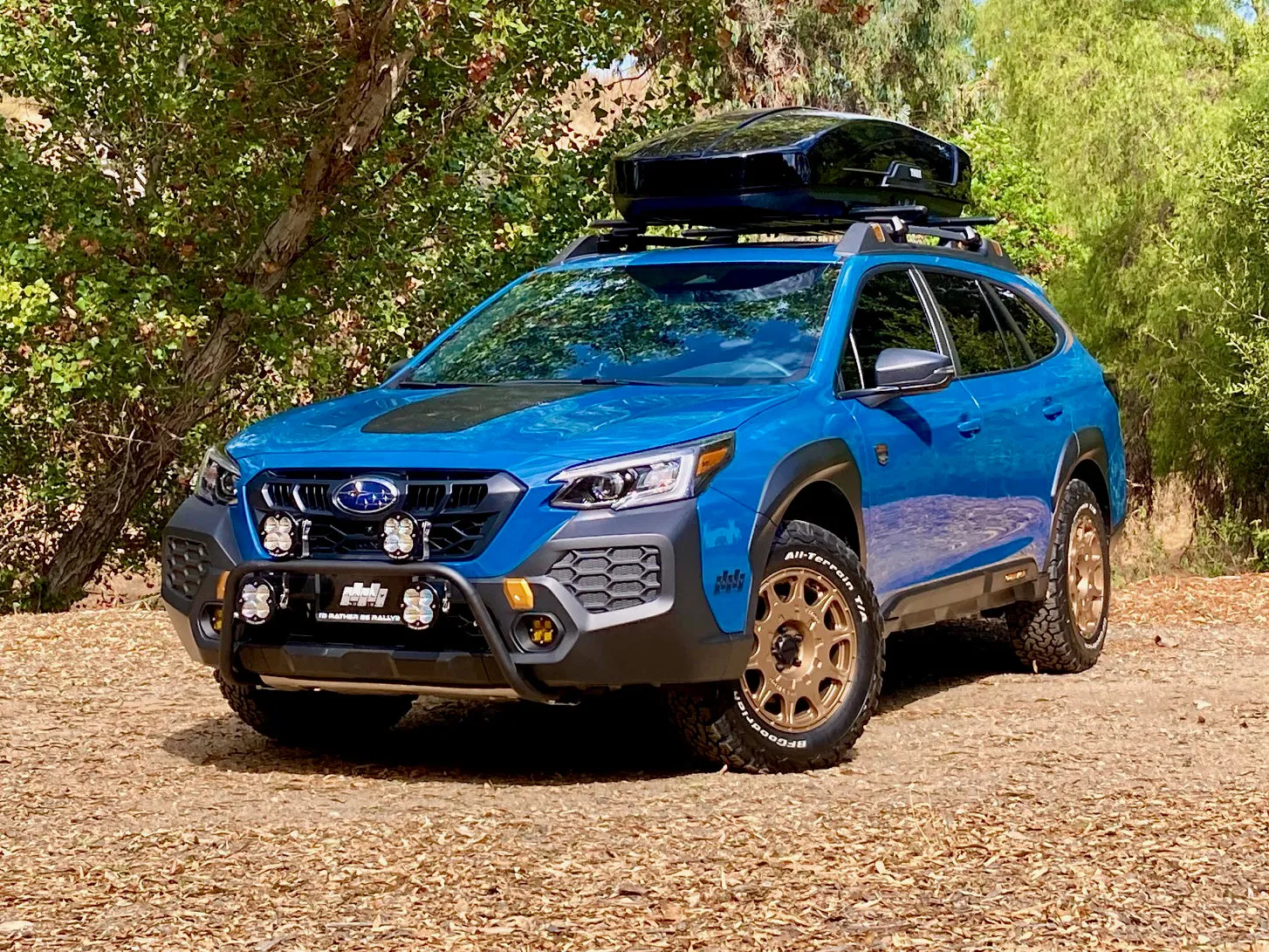
Subaru has long emphasized All Wheel Drive capability, and the 2024 Outback Wilderness demonstrates how far traction control technology has advanced. Its X-MODE system integrates throttle management, braking, and torque distribution to maintain grip on uneven surfaces.
When cornering on wet asphalt or climbing icy inclines, sensors detect wheel slip almost instantly, adjusting power between the front and rear axles to prevent loss of control. Ground clearance and off-road tuned suspension complement electronic aids. A 2.4-liter turbocharged engine provides sufficient torque at low speeds, ideal for uphill or slippery surfaces.
Steering is calibrated to remain communicative, and the combination of mechanical grip and digital intervention ensures predictability. Drivers experience controlled acceleration even when starting on wet gravel or snow-covered driveways.
Inside, driver assist displays offer visual feedback on traction status. Knowing which wheels are engaging and how X-MODE is functioning adds confidence in challenging conditions. Even during everyday commutes, the system prevents wheel spin when accelerating from a stop on slick roads, subtly managing power delivery without interrupting the driving experience.
High-traction tires installed on the Wilderness trim further enhance stability. Combined with the dynamic control systems, the Outback Wilderness handles both urban rain and light off-road excursions with ease. The cabin remains quiet, with no excessive alerts, letting the technology operate seamlessly in the background.
Practicality and safety converge in this Subaru. With standard All Wheel Drive, generous ground clearance, and a traction control system that reacts faster than the average driver could, it performs exceptionally in slippery conditions.
The Outback Wilderness demonstrates how electronic and mechanical design can merge to produce confidence-inspiring stability, making every trip less stressful regardless of the weather.
2. Audi Q5 45 TFSI Quattro 2024
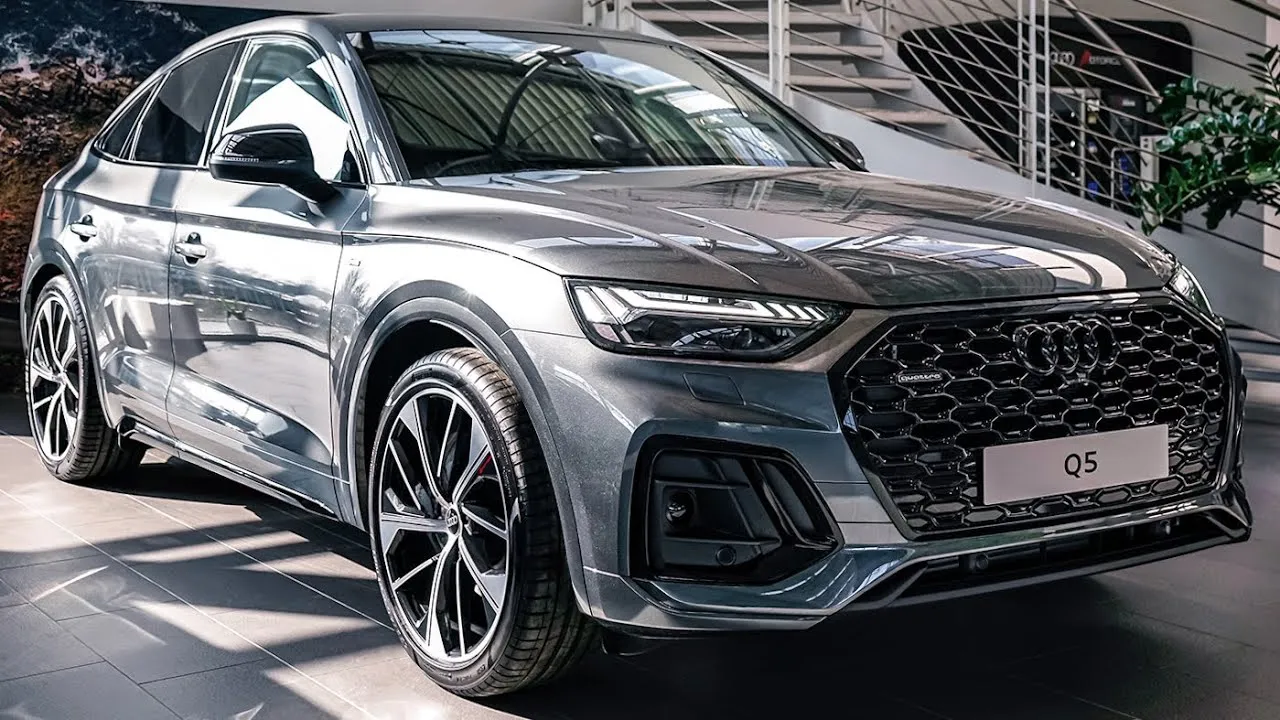
Audi’s Quattro All Wheel Drive system has earned a reputation for delivering excellent traction, and the 2024 Q5 45 TFSI Quattro carries that legacy forward. The system employs an electronically controlled center differential that constantly monitors wheel speed, steering input, and road conditions.
By directing torque to the wheels with the most grip, it enhances stability on rain-soaked roads or when accelerating through curves. Power comes from a turbocharged 2.0-liter four-cylinder engine, paired with a seven-speed dual-clutch transmission.
The engine provides smooth, immediate torque, while the electronic stability program (ESP) coordinates braking and power output. Cornering becomes confident, as the system can brake individual wheels to counteract understeer or oversteer tendencies.
Adaptive drive modes allow drivers to adjust the behavior of traction control. Snow, wet, and dynamic settings tune throttle response, braking intervention, and torque split. For example, selecting snow mode allows slower throttle engagement and more aggressive torque distribution to prevent slipping.
Wet settings focus on stabilizing high-speed maneuvers. Drivers find the car reactive yet predictable, providing reassurance during sudden weather changes. Cabin comfort and interface design emphasize usability.
Audi’s MMI screen displays driving information, including wheel engagement and power distribution, enhancing situational awareness. In combination with luxury interior materials and responsive controls, the Q5 blends performance with refinement.
The vehicle’s tires, suspension, and low center of gravity also contribute to all-season stability. Even light ice patches or steep driveways present minimal challenge, allowing drivers to focus on road awareness instead of constantly compensating for potential slips.
Audi’s integrated approach shows how hardware, software, and driver aids can work together to maintain composure under unpredictable conditions.
Also Read: Top 10 Vehicles With Brake Systems That Are Cheap to Overhaul
3. Toyota RAV4 Adventure 2024
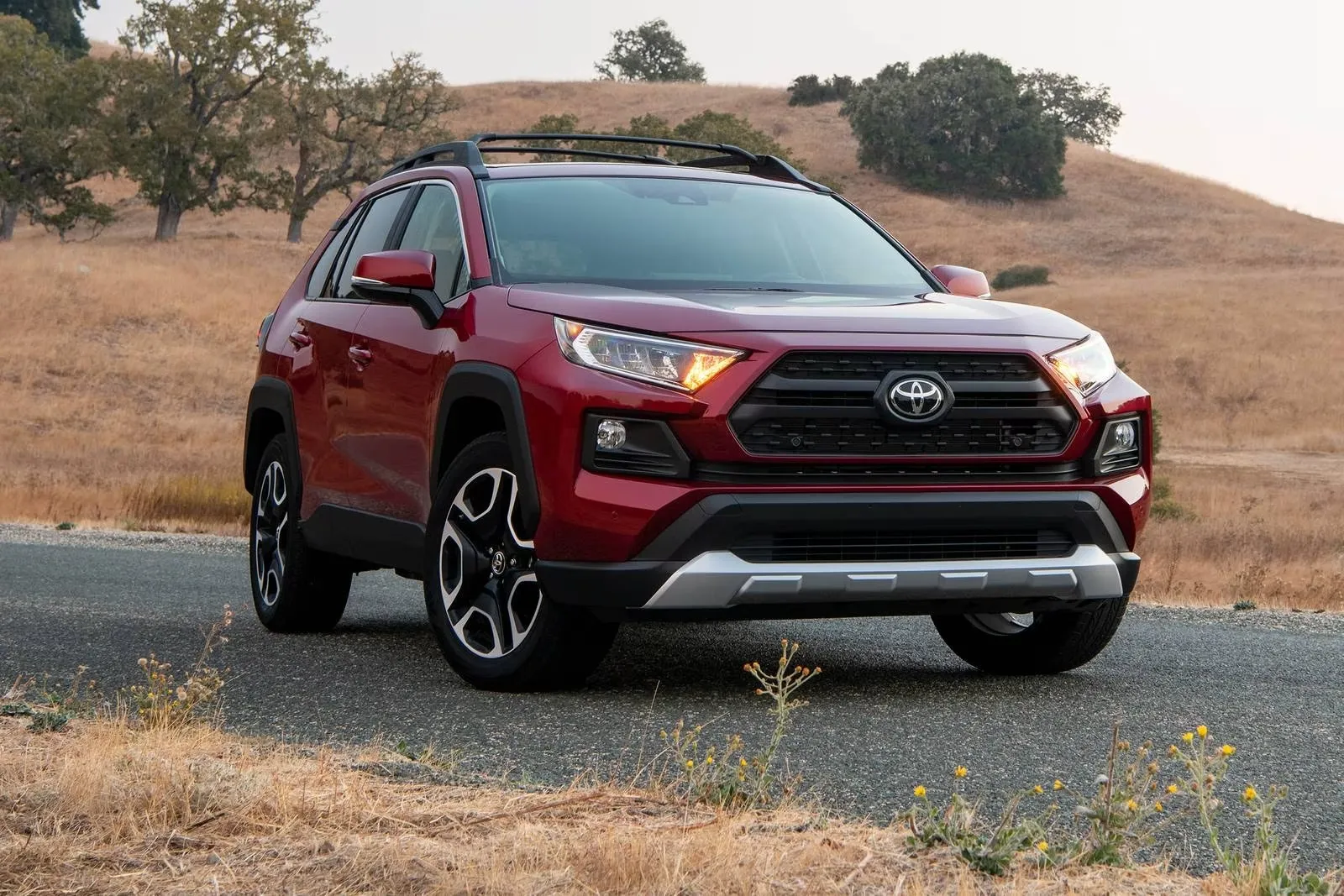
Toyota’s RAV4 Adventure trim demonstrates the strength of combining intelligent All Wheel Drive with active traction control. The system constantly evaluates wheel speed, throttle input, and lateral forces, sending torque where it is needed to maintain traction during wet, snowy, or muddy conditions.
A 2.5-liter four-cylinder engine produces sufficient torque for both urban commuting and light off-road excursions. Dynamic Torque Control AWD directs power between the front and rear wheels, while brake-controlled traction intervention prevents slip at individual wheels. Drivers immediately notice the balance when accelerating from stop signs on slick surfaces, as the system modulates power without requiring conscious input.
The Adventure trim includes off-road-tuned suspension and slightly higher ground clearance. Together with traction control, these elements allow the RAV4 to handle slippery inclines or uneven surfaces without hesitation. Steering remains communicative, providing feedback on the road surface. Drivers can rely on the car for confidence in winter or rain-prone areas without sacrificing everyday comfort.
Interior feedback shows traction status through the multi-information display. This subtle visual cue helps drivers anticipate traction limitations during acceleration or cornering. Standard safety features like lane departure warning, adaptive cruise control, and forward collision mitigation work in tandem with traction control to create a cohesive safety system.
Tire selection also plays a role in grip. Adventure models receive all-season tires designed to optimize traction in wet, snowy, or dry conditions. The combination of intelligent software, mechanical systems, and appropriate tires results in a vehicle that delivers reliability and confidence.
Daily commuting and weekend excursions both benefit. The RAV4 Adventure provides peace of mind when encountering sudden weather changes or patchy road conditions. It proves that careful integration of traction control technology with mechanical engineering can transform a compact SUV into a highly capable all-season performer.
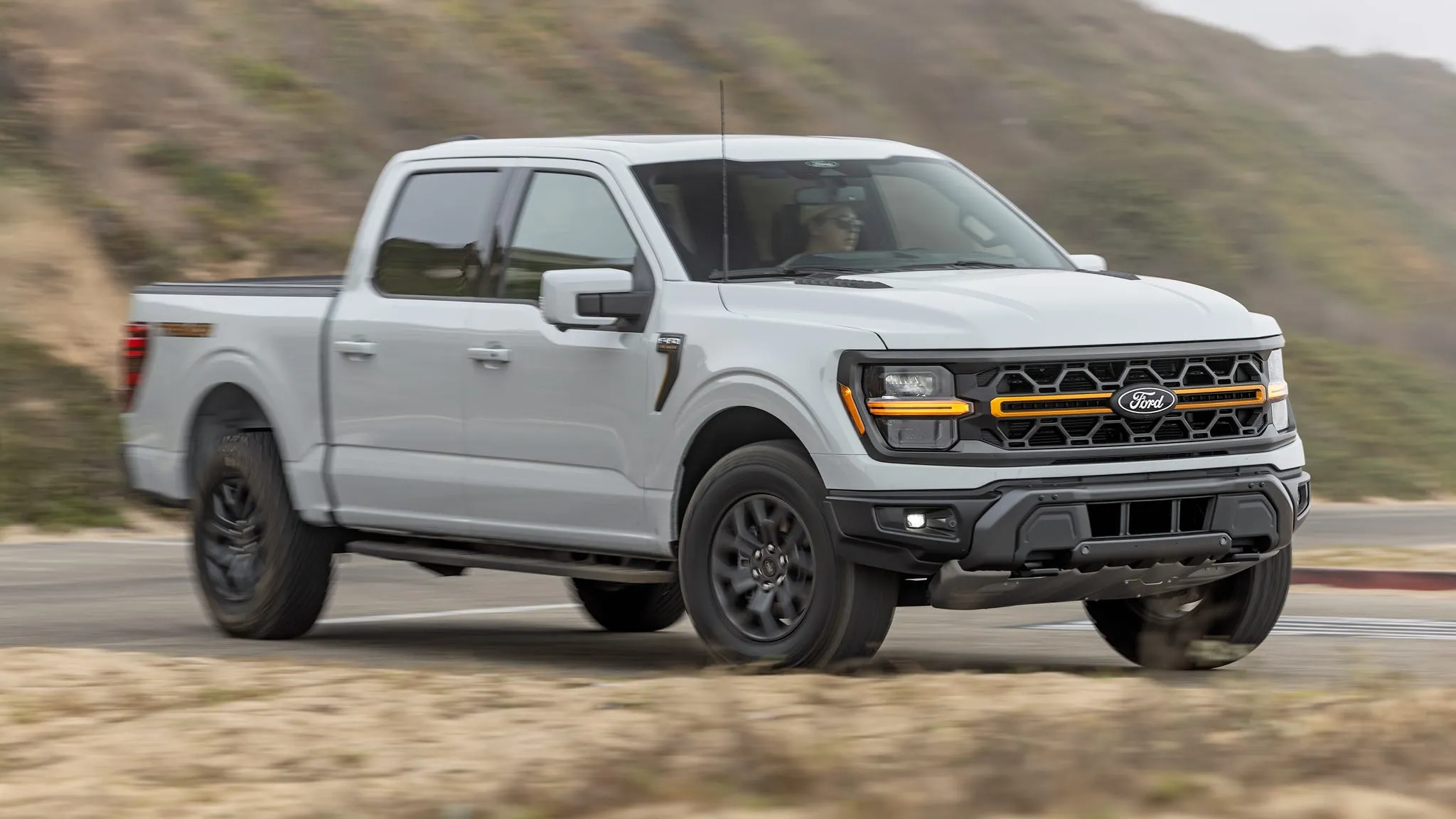
4. Ford F-150 Tremor 2024
The 2024 Ford F-150 Tremor uses advanced traction management to tame one of the most popular full-size pickups on slippery surfaces. Its 4×4 system works with electronic traction control to detect wheel slip instantly and adjust torque delivery. Heavy-duty tires and specialized suspension tuning complement the electronic aids.
The Tremor trim’s 3.5-liter EcoBoost V6 engine generates abundant torque across a wide rev range. The truck’s traction control coordinates throttle and brake input to maintain grip during acceleration on wet driveways, muddy roads, or light snow.
Unlike traditional pickups, modern control software reduces wheel spin while preserving driver input and feel. Cabin technology displays active traction information and allows drivers to select road modes. Snow, mud, and sand modes adjust throttle response and torque distribution for optimal traction.
When driving uphill on loose gravel, the truck maintains momentum without sudden wheel spin, showcasing the system’s responsiveness. Braking systems also interact with traction control. Anti-lock braking and stability control cooperate with torque management to prevent fishtailing during abrupt stops or cornering maneuvers.
Steering remains responsive, allowing precise vehicle placement even in challenging conditions. Truck owners also benefit from visual and audible alerts that communicate traction system engagement. Tremor’s package emphasizes off-road utility without sacrificing comfort, creating a versatile vehicle suitable for work sites, recreational driving, and daily commuting.
By integrating mechanical design, electronic traction aids, and off-road-focused components, the F-150 Tremor delivers impressive stability. Drivers experience confidence during sudden weather changes or uneven road surfaces, showing that a large pickup can be both powerful and secure under varying conditions.
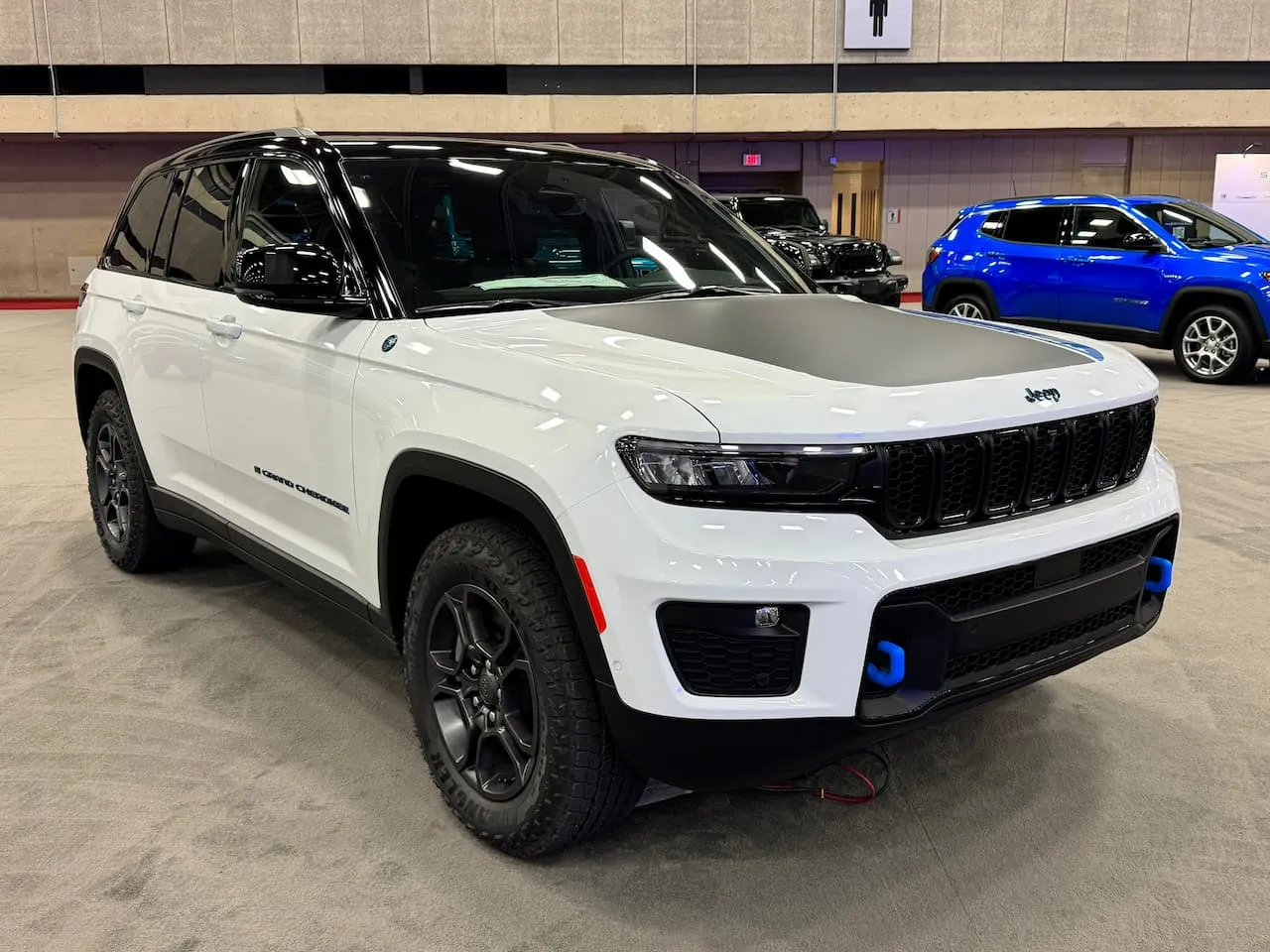
5. Jeep Grand Cherokee L Trailhawk 2024
Jeep’s Grand Cherokee L Trailhawk combines sophisticated Four Wheel Drive technology with active traction control to tackle a variety of surfaces. Its Quadra Trac I system integrates with electronic aids to monitor wheel slip and adjust torque between axles. This ensures grip on wet pavement, snow, or gravel roads.
Power comes from a 3.6-liter V6 engine paired with an 8-speed automatic transmission. Low-range gearing and selectable drive modes allow drivers to engage more aggressive traction control strategies when climbing steep inclines or descending slippery slopes. Trailhawk’s suspension is tuned for off-road stability, enhancing wheel contact with uneven roads.
Dynamic traction intervention brakes individual wheels to prevent slip during acceleration or cornering. Steering and throttle remain responsive, giving drivers confidence without abrupt intervention. Tires with all-terrain properties complement the system, enhancing grip in adverse weather conditions.
The cabin features multiple information displays that show terrain mode, wheel engagement, and traction activity. This keeps the driver informed while allowing the vehicle to manage power distribution intelligently. Safety systems like lane keep assist, blind spot monitoring, and forward collision mitigation operate alongside traction aids, creating a holistic safety net.
Every day driving benefits as much as off-road excursions. Whether commuting on rain-soaked city streets or traveling on snow-covered back roads, the Grand Cherokee L Trailhawk adapts seamlessly. Its combination of hardware and software provides an adaptable, predictable driving experience that reinforces Jeep’s reputation for capable, all-season vehicles.
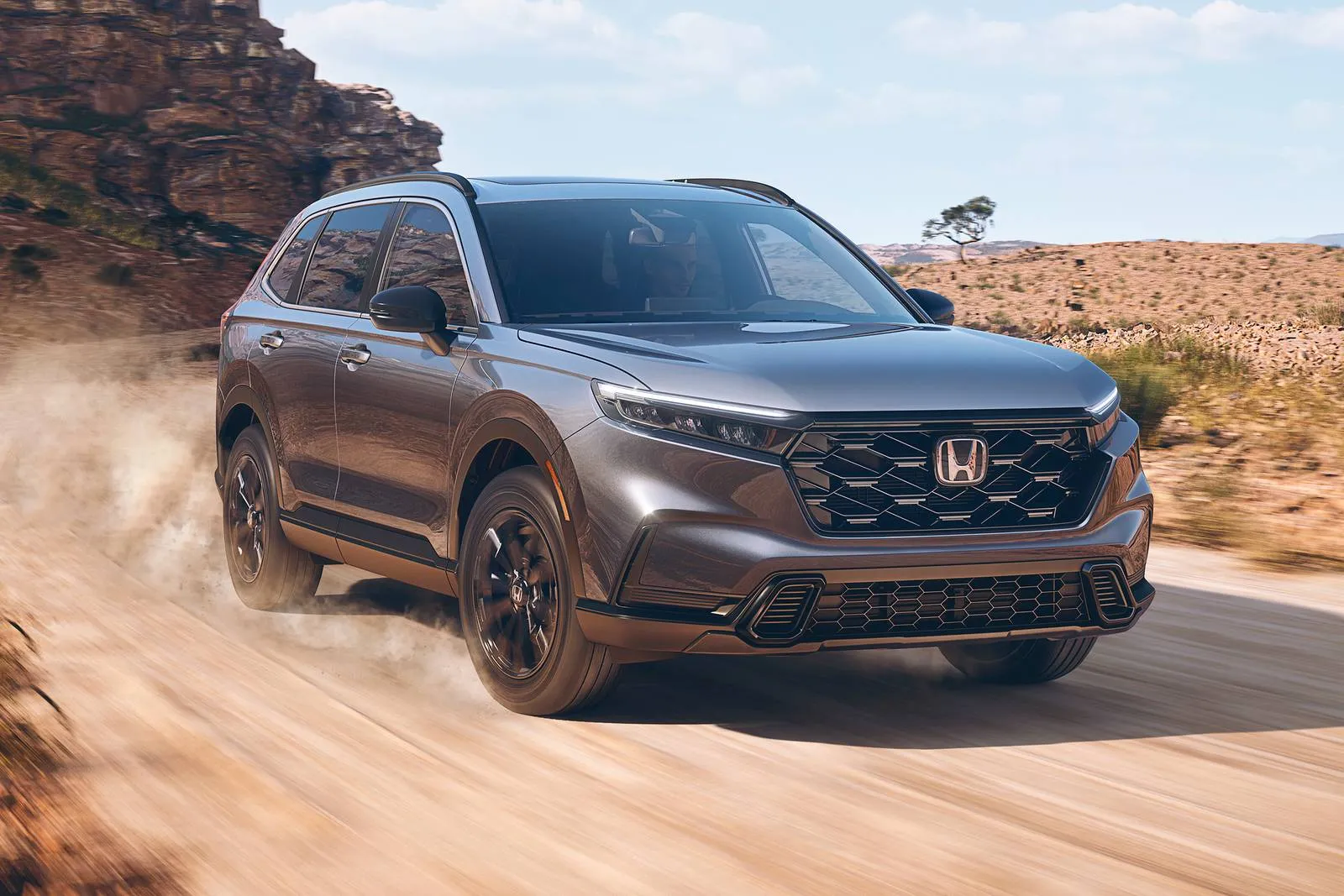
6. Honda CR-V Touring 2024
The 2024 Honda CR-V Touring integrates advanced traction control with All Wheel Drive technology, producing confident handling under wet or slippery conditions. Its real-time AWD system actively monitors wheel slip and redirects torque to maintain grip.
Sensors detect even slight wheel spin and adjust braking and power distribution instantly, allowing smooth acceleration on rainy or snow-covered roads. A 1.5-liter turbocharged four-cylinder engine powers the CR-V with ample torque at low and mid-range RPMs.
The continuously variable transmission (CVT) works in tandem with electronic aids to provide seamless torque transfer to the wheels that need it most. Unlike older models that can feel disconnected under poor traction, this system reacts quietly and efficiently, giving a sense of control without abrupt interruptions.
Honda’s integrated drive modes include a snow setting, which adjusts throttle response and torque distribution to reduce wheel spin from standstill. When cornering on slick surfaces, traction control prevents understeer and stabilizes the vehicle, allowing confident maneuvering without requiring heavy braking or overly cautious inputs. Even small inclines covered in ice or water become manageable with the system engaged.
Interior displays provide visual confirmation of the All Wheel Drive and traction system status. Drivers can see real-time torque distribution, adding assurance when tackling wet roads, steep driveways, or uneven parking lot surfaces. The cabin remains quiet, and the system operates without distracting alerts, letting technology work seamlessly in the background.
Tires fitted to the Touring trim complement traction management, with all-season rubber that optimizes grip in dry, wet, and light snow conditions. Suspension geometry ensures predictable body control while turning, and electronic stability control enhances cornering performance.
Daily commuting and longer journeys benefit from this combination of mechanical design and software assistance. Drivers report a tangible sense of confidence when starting from slick intersections or driving through slippery curves.
The CR-V Touring proves that a compact SUV can combine practicality, comfort, and advanced traction systems to deliver predictable handling year-round. By blending mechanical All Wheel Drive, electronic torque management, and adaptive software, Honda has created a model that minimizes the risks of slippery conditions while maintaining a natural, responsive driving feel.
It demonstrates that careful integration of traction technology can transform everyday driving into a secure and composed experience.
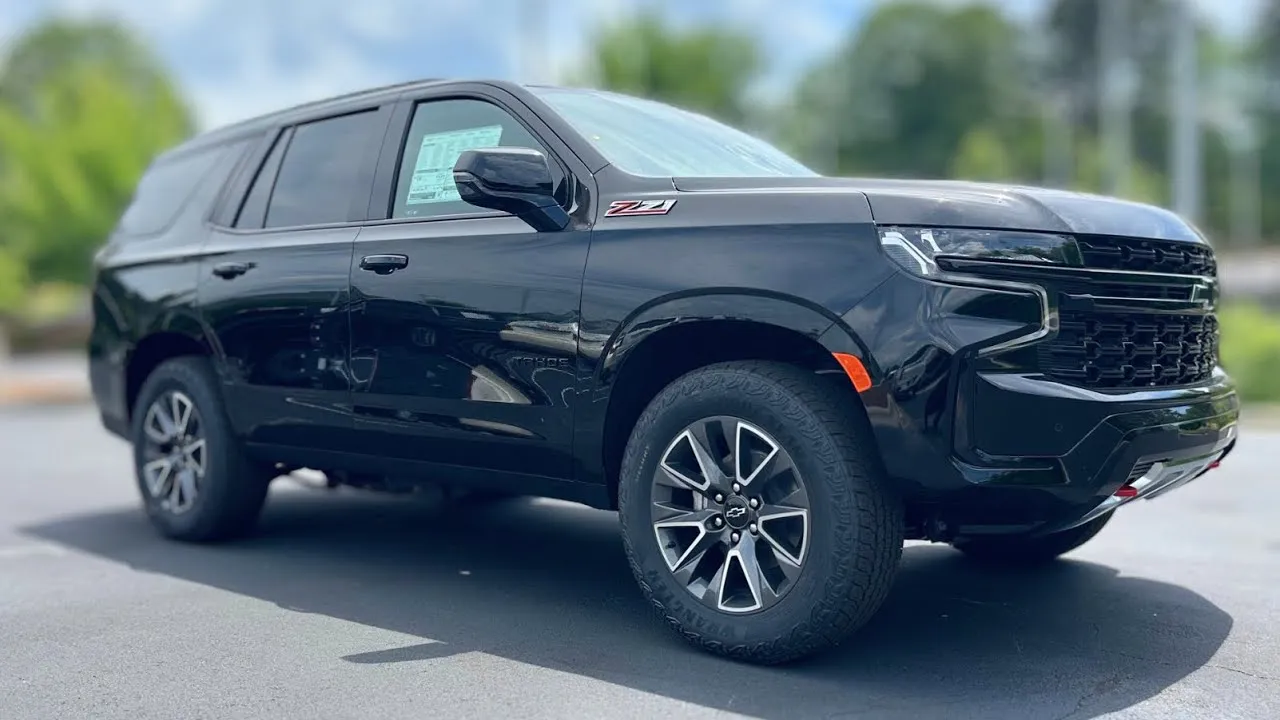
7. Chevrolet Tahoe Z71 2024
The 2024 Chevrolet Tahoe Z71 equips drivers with a sophisticated traction control system designed for a large SUV. Paired with Four Wheel Drive, this system monitors wheel speed, throttle input, and road conditions, adjusting power delivery to maintain stability on wet or icy roads.
Powered by a 5.3-liter V8 engine, the Tahoe Z71 provides robust torque across a broad range of speeds. Electronic traction control works in harmony with the truck’s heavy-duty suspension, controlling wheel spin and ensuring predictable handling during acceleration or cornering. Drivers experience smooth transitions even on snow-covered highways or rain-slick surfaces.
Selectable drive modes allow adjustments for off-road, snow, and normal driving. Snow mode reduces throttle sensitivity, improves low-speed traction, and increases braking modulation, while the standard mode maintains balanced handling for everyday driving. Cornering remains stable, and torque is redirected to the wheels with the most grip, preventing slide and maintaining control.
Interior technology complements the performance system. Drivers can access displays showing wheel engagement, vehicle pitch, and torque distribution, allowing awareness of traction system activity. Even in challenging conditions, the Tahoe’s electronic aids operate quietly and efficiently, without requiring the driver to override the system.
All-season tires enhance grip, while Z71 suspension tuning adds lateral stability and smooths out uneven surfaces. Braking and steering responses are calibrated to work with traction control, providing predictable handling under acceleration or on inclines.
Large SUVs can often feel cumbersome in slippery conditions, but the Tahoe Z71 delivers confidence and control. By combining robust engine output, electronic torque management, and adaptive suspension, Chevrolet has crafted a vehicle capable of maintaining composure across a variety of surfaces, from wet asphalt to light snow.
The Tahoe Z71 is a reminder that even full-size SUVs can achieve stability comparable to smaller vehicles, thanks to intelligent traction systems. Drivers can tackle diverse road conditions with peace of mind, knowing that technology and engineering work together to prevent loss of control.
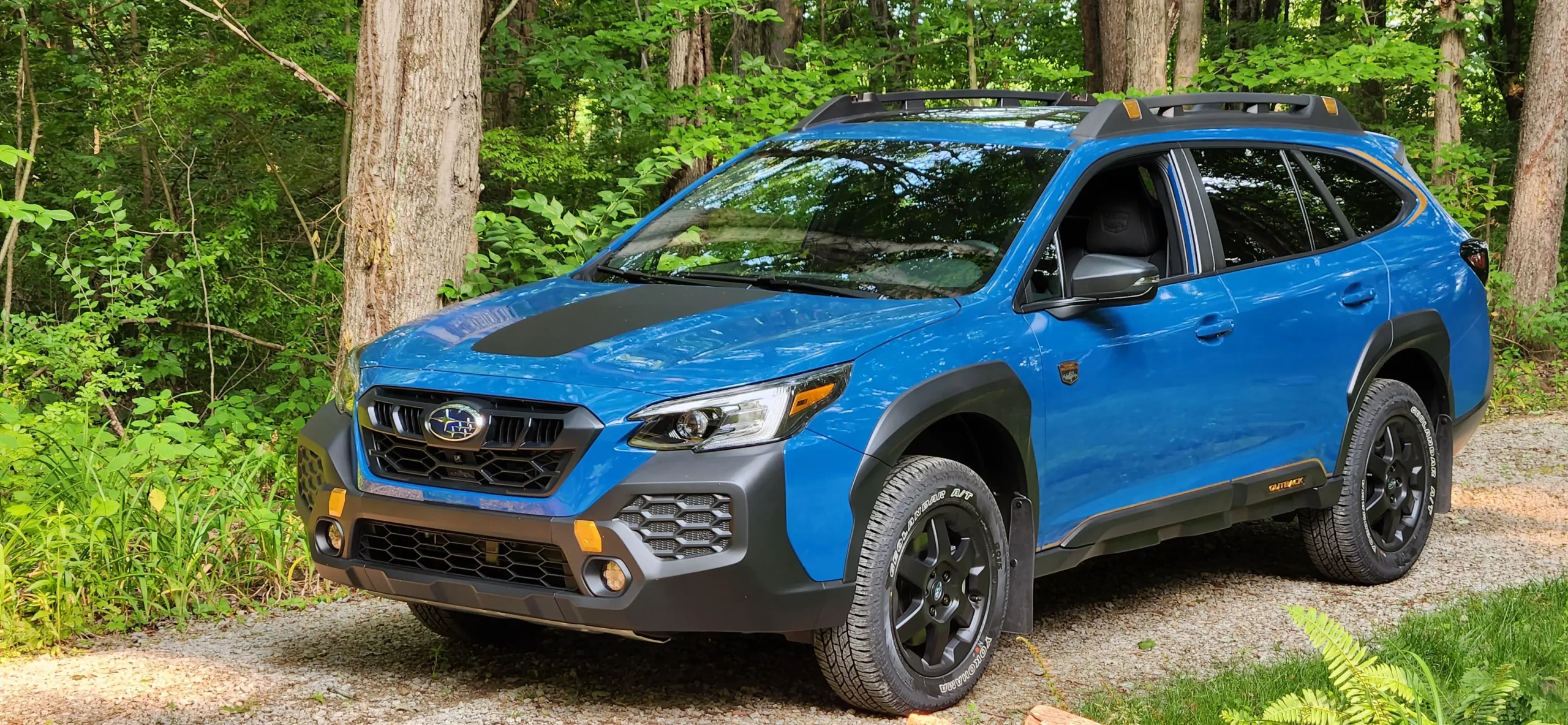
8. Subaru Outback Wilderness 2024
Subaru’s 2024 Outback Wilderness brings advanced traction control to rugged yet everyday driving. Its standard Symmetrical All Wheel Drive works in tandem with X-Mode, a system that adjusts throttle, braking, and transmission responses when encountering low-traction surfaces. X-Mode also optimizes hill descent control, allowing confident navigation of steep inclines covered in snow, mud, or loose gravel.
Under the hood, a 2.4-liter turbocharged flat four provides responsive power. The horizontally opposed engine layout lowers the center of gravity, which enhances stability when cornering on slippery roads. Torque is continuously distributed between front and rear axles, and the system detects wheel spin almost instantaneously, applying brake force selectively to maintain forward motion without compromising vehicle balance.
Tire selection plays a major role. Wilderness models come equipped with all-terrain tires that combine firm grip with comfort. Drivers notice how the tires bite into wet surfaces or light snow, while traction control ensures wheel spin is minimized during acceleration or tight maneuvers. Steering feedback remains communicative, letting the driver sense surface conditions through subtle adjustments rather than abrupt interventions.
Inside the cabin, drivers receive visual cues for traction system activity, including wheel engagement and torque allocation. This allows informed adjustments during off-road adventures or city driving in adverse weather. The system’s quiet operation ensures that the driver’s attention remains on the road rather than on technology alerts.
Suspension geometry is tuned for stability and ride comfort. Body roll remains limited when cornering, and the electronically controlled damping works seamlessly with traction aids. This combination allows drivers to maintain speed on curvy roads, even when rain or ice reduces available grip.
Daily usability is also enhanced. Despite the off-road-focused hardware, the Outback Wilderness maintains smooth handling for urban driving and highway commuting. Cargo capacity and seating comfort remain uncompromised, proving that advanced traction control systems can blend safety, utility, and performance without sacrificing practicality.
The Outback Wilderness demonstrates how integrating All Wheel Drive with adaptive electronic aids and purpose-designed tires can provide a confident driving experience throughout the year. Drivers gain a vehicle capable of tackling both challenging roads and slippery pavement, with a sense of control that comes from thoughtful engineering and careful calibration of traction systems.
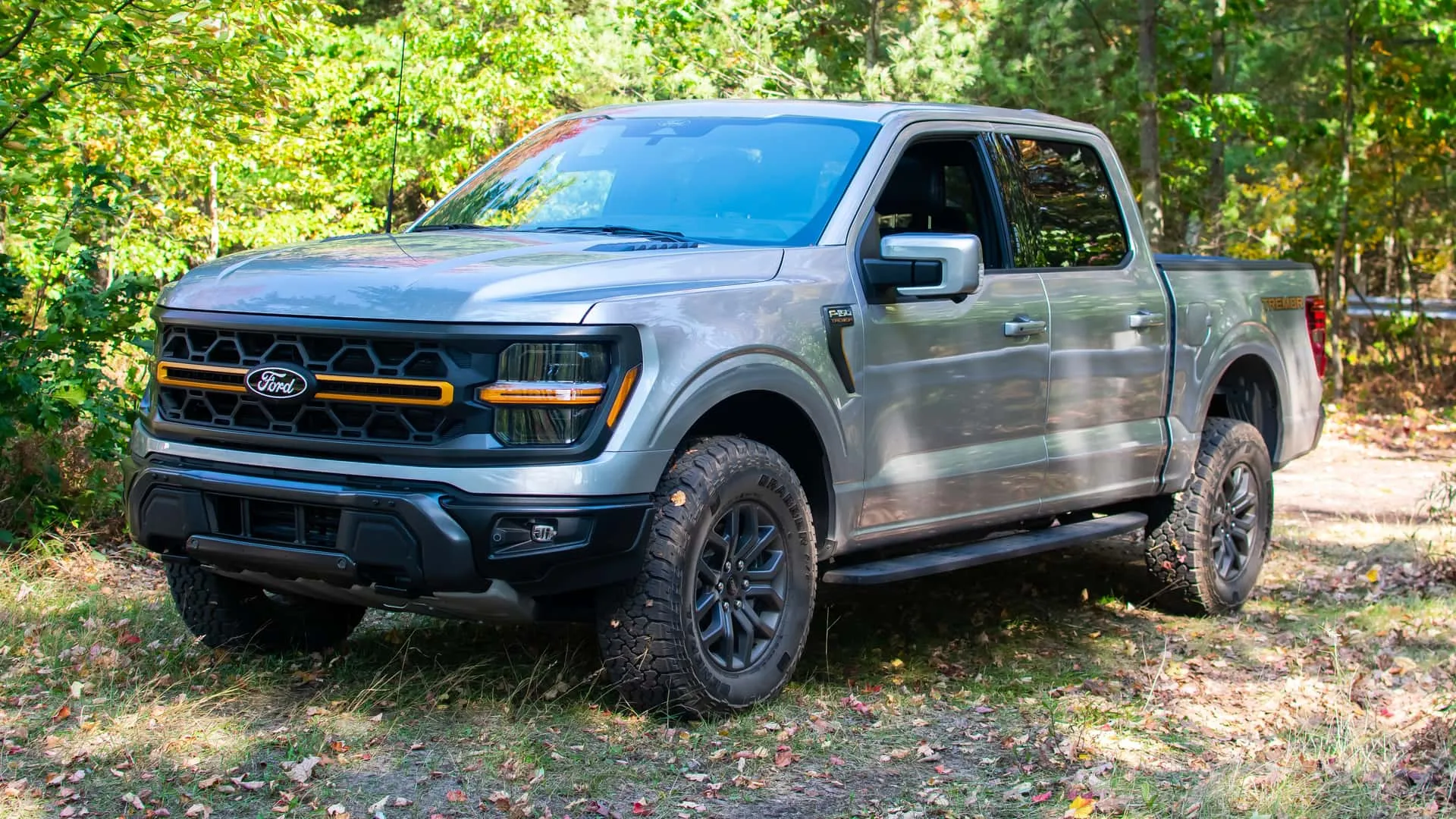
9. Ford F-150 Tremor 2024
The 2024 Ford F-150 Tremor exemplifies how a full-size pickup can excel in all-season traction. Its Four Wheel Drive system pairs with electronic stability control and traction management to maintain grip across mud, ice, snow, or wet asphalt.
The Tremor also incorporates selectable drive modes for snow, sand, and off-road, which tune throttle response, braking, and torque distribution to optimize traction. A 3.5-liter EcoBoost V6 engine provides strong torque across low and mid-range speeds.
Traction control monitors wheel slip at each corner and adjusts engine output while applying braking selectively to spinning wheels. Even when hauling a heavy load, the Tremor maintains composure under acceleration or on tight corners, allowing drivers to focus on the road instead of constantly adjusting for traction loss.
Suspension tuning complements the traction system. Bilstein shocks and heavy-duty springs control body motions, preventing excessive roll and maintaining tire contact with the road. All-terrain tires enhance grip in wet or icy conditions, while braking calibration ensures smooth deceleration even on slippery surfaces. Steering feedback remains predictable, avoiding sudden corrections from traction interventions.
Drivers can view system activity on digital displays, showing torque split and wheel engagement. This information is useful when climbing slick inclines, descending slippery hills, or accelerating out of tight corners. Despite its size, the Tremor feels balanced and responsive in low-traction conditions.
Daily usability is impressive. Even in urban settings, the Tremor’s traction aids prevent wheel spin during winter starts or wet turns. Long highway drives benefit from the system’s seamless operation, and it quietly adjusts torque and braking without drawing attention.
The F-150 Tremor proves that pickups can handle challenging weather without compromising performance or stability. By combining intelligent traction management, advanced suspension, and durable tires, Ford has created a vehicle that delivers confidence for work, adventure, or commuting.
Drivers can rely on traction aids to maintain control in situations that might challenge less-equipped trucks, turning challenging conditions into manageable drives.
Also Read: 10 Vehicles With the Lowest Lifetime Carbon Footprints

10. Toyota Highlander XSE 2024
Toyota’s 2024 Highlander XSE provides a well balanced all wheel drive system with advanced traction control, ideal for families and commuters alike. Its Dynamic Torque Control AWD monitors wheel slip continuously, applying brake force and torque adjustments to keep the vehicle stable on wet, icy, or uneven roads.
Power comes from a 3.5-liter V6 engine paired with an eight-speed automatic transmission. The system works proactively, reducing wheel spin before it becomes an issue. Acceleration on rain-slick streets or snow-covered drives remains smooth, and stability is maintained through tight corners or sudden steering inputs.
Adaptive drive modes let drivers select normal, eco, or snow settings, optimizing throttle response and traction. Snow mode limits wheel spin from a standstill, while torque is distributed efficiently for uphill climbs. Electronic stability control enhances lateral stability, helping maintain composure during evasive maneuvers or sharp turns.
All-season tires complement traction technology, delivering consistent grip across temperature and surface changes. Suspension tuning limits body roll and keeps tires in contact with the road, improving driver confidence when accelerating or braking on slick surfaces. Steering feedback remains natural, allowing subtle adjustments without interference from traction aids.
Cabin technology provides visual feedback for traction control and AWD operation. Drivers can see torque split and wheel engagement, reinforcing confidence in variable road conditions. This real-time feedback is especially useful during winter commutes, highway rainstorms, or gravel road drives.
Highlander XSE balances comfort, performance, and safety. Families benefit from interior space and convenience features while remaining confident that traction aids keep the vehicle stable in diverse weather. Whether commuting in rain, traveling in snow, or driving on damp roads, the Highlander XSE delivers predictable handling and secure control.
By combining electronic torque management, adaptive drive modes, and all-season tires, Toyota has created a mid-size SUV capable of handling slippery roads with minimal effort from the driver. Advanced traction systems make everyday driving safer while maintaining a responsive and engaging driving experience for varied conditions.
