Northern winters in the United States present a unique set of challenges for drivers.
From heavy snow and black ice to sub-zero temperatures and prolonged storms, conditions in states like Minnesota, Maine, North Dakota, and even upstate New York can quickly turn a routine commute into a test of vehicle capability and driver confidence.
Choosing the right car for these conditions isn’t simply about picking the most powerful model; it’s about a holistic blend of traction, stability, safety features, reliability in cold weather, and the ability to function when the thermostat drops well below freezing.
In this article, we examine ten vehicles, across SUVs, crossovers, and a few rugged cars, that consistently demonstrate their strengths in harsh northern winter conditions.
These selections balance performance with practicality, considering factors such as all-wheel drive (AWD) or four-wheel drive (4WD) systems, ground clearance, stability control features, winter safety ratings, and owner satisfaction in cold climates.
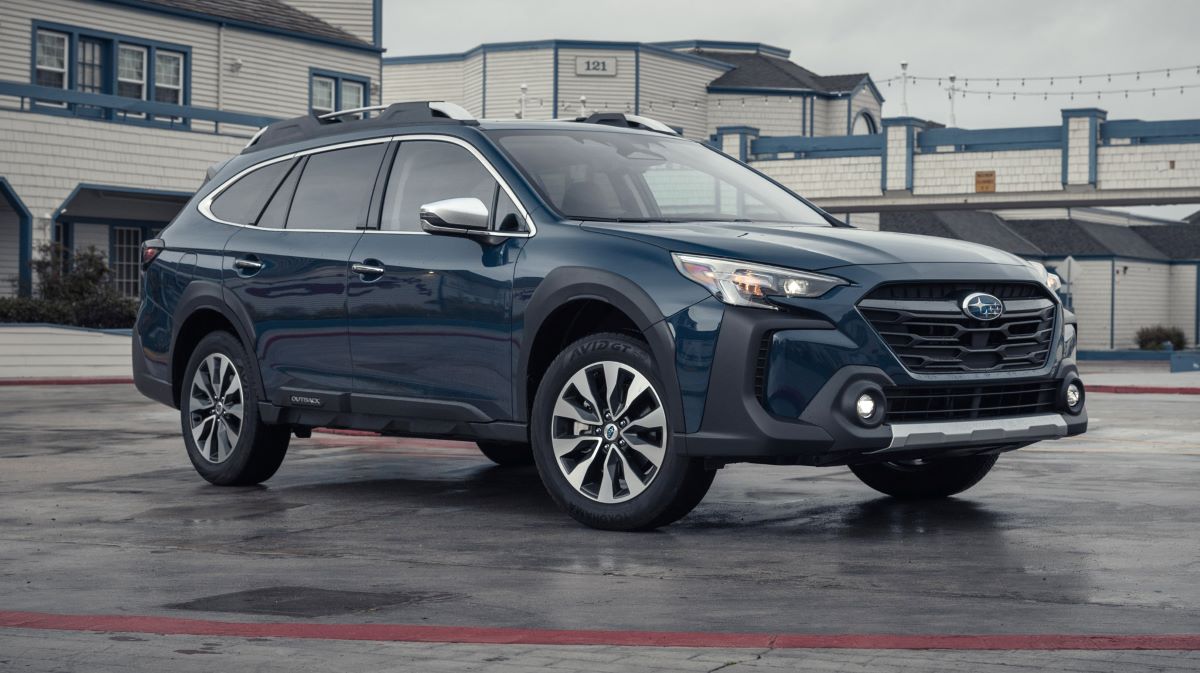
1. Subaru Outback
For decades, the Subaru Outback has been synonymous with all-weather capability.
Standard Symmetrical All-Wheel Drive comes on every trim level, providing balanced traction and control on snowy or icy roads without the owner having to select a mode manually.
Its ground clearance, typically around 8.7 inches, helps it navigate through deeper snowdrifts that can stall lesser vehicles, and its boxer engine layout lowers the center of gravity for better stability.
In cold climates, drivers often cite the Outback’s reliability. The cabin heats quickly, which is a welcome trait on frigid mornings, and Subaru’s reputation for durable AWD systems means fewer worries about getting stuck.
Safety ratings from the Insurance Institute for Highway Safety (IIHS) and the National Highway Traffic Safety Administration (NHTSA) are consistently high, adding peace of mind during black ice or reduced-visibility conditions.
The Outback’s cargo area also makes it practical for winter gear like shovels, blankets, and ice scrapers.
The Subaru Outback offers two primary powertrains. The standard engine is a 2.5-liter naturally aspirated flat-four (boxer) producing 182 horsepower and 176 lb-ft of torque, paired with a continuously variable transmission (CVT).
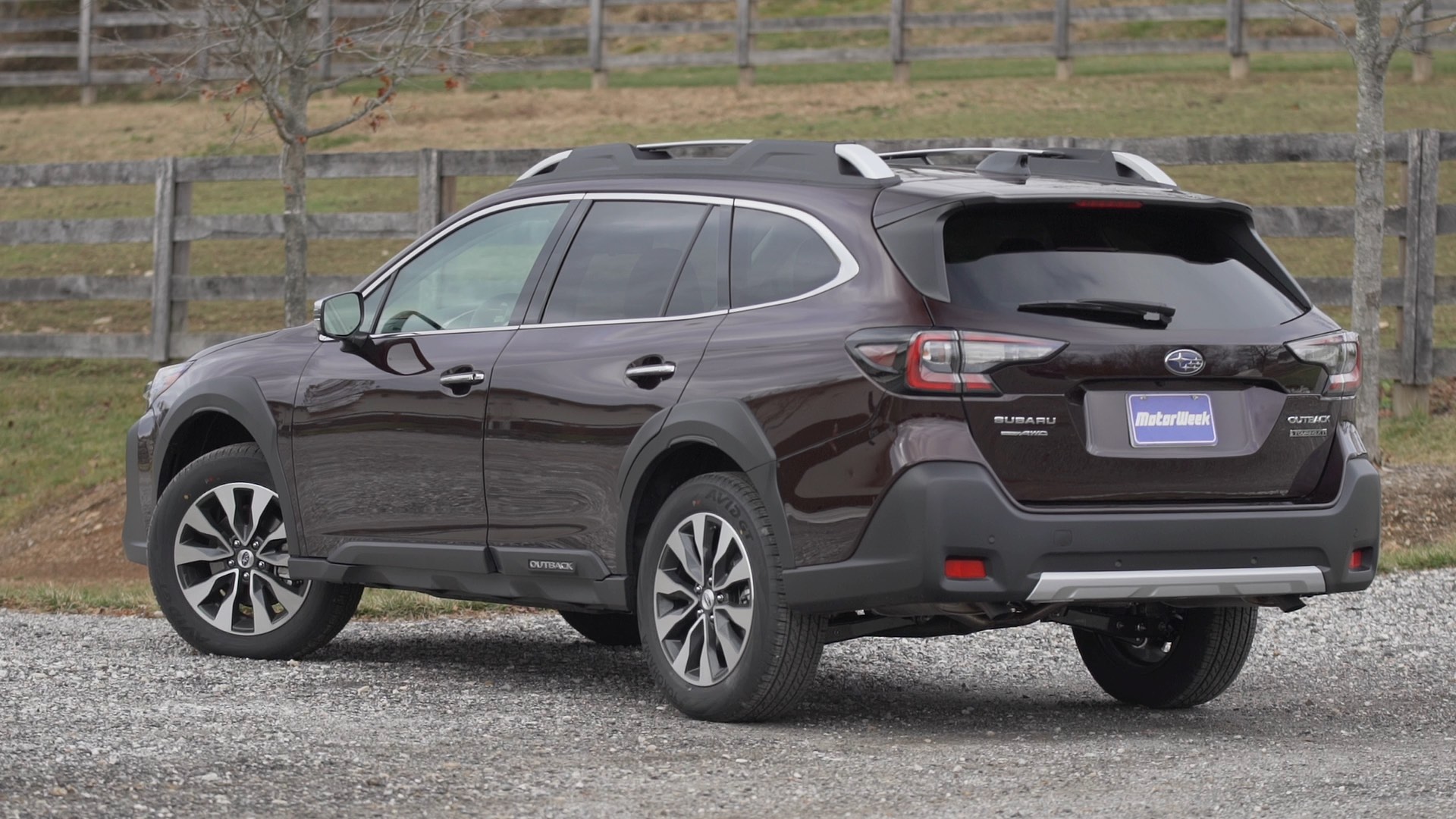
Higher trims feature a 2.4-liter turbocharged boxer engine delivering 260 horsepower and 277 lb-ft of torque. Both configurations use Subaru’s Symmetrical All-Wheel Drive as standard equipment.
With the 2.5-liter engine, 0–60 mph acceleration typically occurs in approximately 8.5–9.0 seconds. The turbocharged XT models reduce that figure to roughly 5.8–6.1 seconds, depending on trim and test conditions. Top speed is electronically limited to around 120–130 mph.
Fuel economy for the 2.5-liter variant averages about 26 mpg city and 32 mpg highway (EPA estimates), while the turbocharged version returns approximately 23 mpg city and 30 mpg highway.
Ground clearance stands at 8.7 inches, contributing to light off-road capability. Towing capacity reaches 2,700 pounds with the base engine and up to 3,500 pounds with the turbocharged powertrain.
The Outback balances moderate acceleration with traction-focused stability, emphasizing all-weather performance over outright sport dynamics.
2. Toyota 4Runner
If your winter driving involves rugged rural roads or you need to pull a trailer or boat from icy launch points, the Toyota 4Runner is one of the most reliable trucks you can choose.
This body-on-frame SUV excels off pavement, and its 4WD system includes a locking rear differential, critical for maintaining traction when one wheel loses grip.
Ground clearance of 9.6 inches means the 4Runner is at home in deeper snow that would challenge many crossovers.
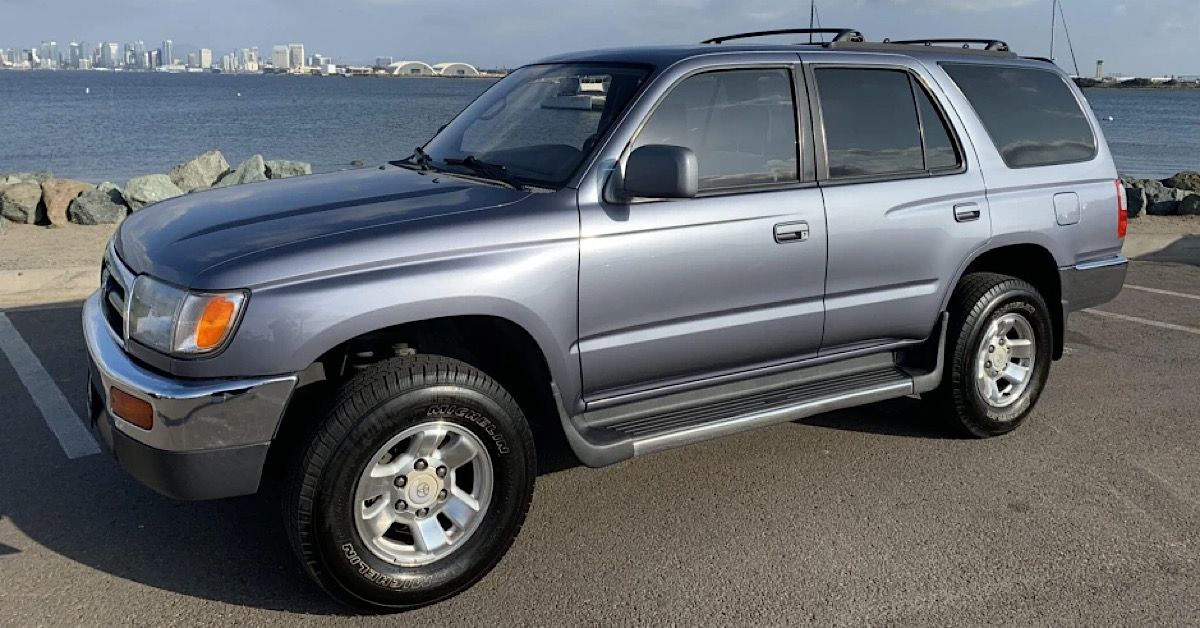
Unlike some modern SUVs that prioritize on-road comfort, the 4Runner’s tried-and-true design prioritizes durability and simplicity.
That ruggedness translates well to winter, where electronics and complex systems can sometimes fail at low temperatures. Its cargo space and roof rack options are ideal for hauling winter equipment.
The trade-off is fuel economy; winter climates already sap efficiency, but many owners accept this for the confidence it brings when weather turns severe.
The standard engine is a 2.4-liter turbocharged inline-four producing 278 horsepower and 317 lb-ft of torque, paired with an 8-speed automatic transmission. Rear-wheel drive is standard on select trims, while part-time or full-time four-wheel drive systems are available depending on configuration.
An available i-FORCE MAX hybrid setup increases output to 326 horsepower and 465 lb-ft of torque, delivering significantly stronger low-end response. The hybrid pairs the turbocharged engine with an electric motor integrated into the transmission.
Acceleration for the standard turbo model is estimated at around 7.0 seconds to 60 mph, while the hybrid trims are expected to achieve 0–60 mph in approximately 6.5 seconds. Towing capacity reaches up to 6,000 pounds when properly equipped.
Ground clearance ranges from roughly 8.8 to over 9.0 inches depending on trim, with off-road-focused variants such as TRD Pro adding upgraded suspension, skid plates, locking differentials, and multi-terrain drive modes. Fuel economy is expected to average around 20–22 mpg combined for the gasoline model, with the hybrid offering modest efficiency gains.
3. Jeep Grand Cherokee
The Jeep Grand Cherokee pairs refined interior comfort with serious winter performance.
Available Quadra-Drive II 4×4 systems automatically adjust torque between front and rear axles and even side-to-side, making traction more responsive than basic AWD setups.
Many trims also offer a low-range transfer case for severe off-road conditions, a feature that can be surprisingly useful in deep snow or rutted backroads.
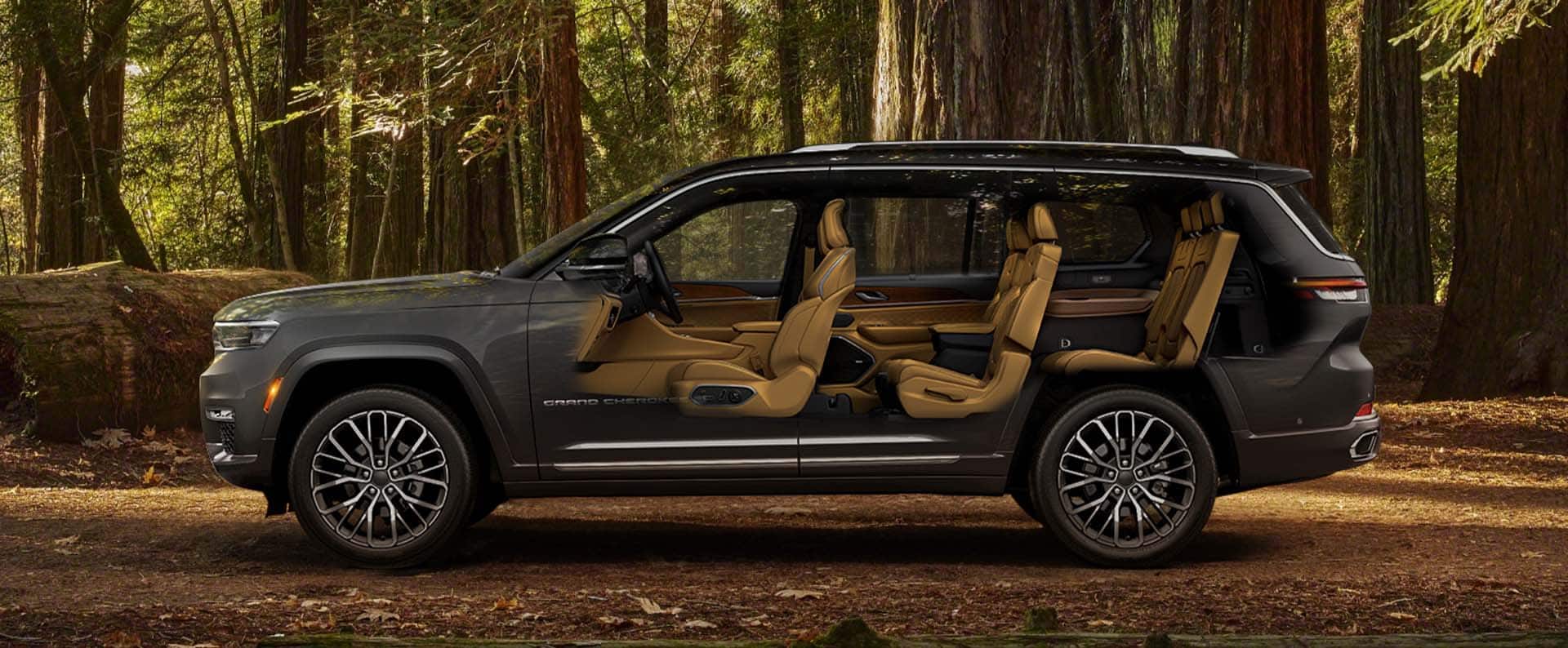
While not every Grand Cherokee comes standard with the most advanced 4WD, choosing a model with the Premium or Trailhawk package offers the best winter readiness out of the factory.
The vehicle’s available adaptive air suspension can raise ride height to clear deeper snow, and the Uconnect infotainment system integrates useful tools like weather updates and Siri Eyes Free, which helps drivers stay focused when conditions deteriorate.
The Jeep Grand Cherokee offers multiple powertrains balancing on-road refinement with off-road capability. The standard engine is a 3.6-liter Pentastar V6 producing 293 horsepower and 260 lb-ft of torque, paired with an 8-speed automatic transmission.
Rear-wheel drive is standard on select trims, while Quadra-Trac I, Quadra-Trac II, or Quadra-Drive II four-wheel-drive systems are available depending on configuration.
The 4xe plug-in hybrid variant combines a 2.0-liter turbocharged inline-four with two electric motors, delivering a combined 375 horsepower and 470 lb-ft of torque. This setup significantly enhances low-end torque and trail performance.
Acceleration to 60 mph takes approximately 7.4 seconds with the V6, while the 4xe achieves 0–60 mph in about 5.3 seconds. The 4xe also provides an estimated 25 miles of all-electric driving range and up to 56 MPGe when operating in hybrid mode. The V6 returns roughly 19–26 mpg depending on drivetrain.
Towing capacity reaches up to 6,200 pounds with the V6 and about 6,000 pounds with the 4xe. Ground clearance ranges from about 8.4 inches to 11.3 inches with available Quadra-Lift air suspension.
4. Ford F-150 with 4WD
Trucks often dominate in wintry regions, and the Ford F-150 is no exception. With available 4WD and optional snow/ice drive modes, this full-size pickup excels at starting, stopping, and navigating snowy roads.
High ground clearance and large tires mean the F-150 can climb out of snow banks that would trap smaller vehicles.
One major advantage is weight distribution. In rear-wheel-drive base layouts, adding weight to the truck bed (such as sandbags or emergency gear) increases traction on slippery surfaces.
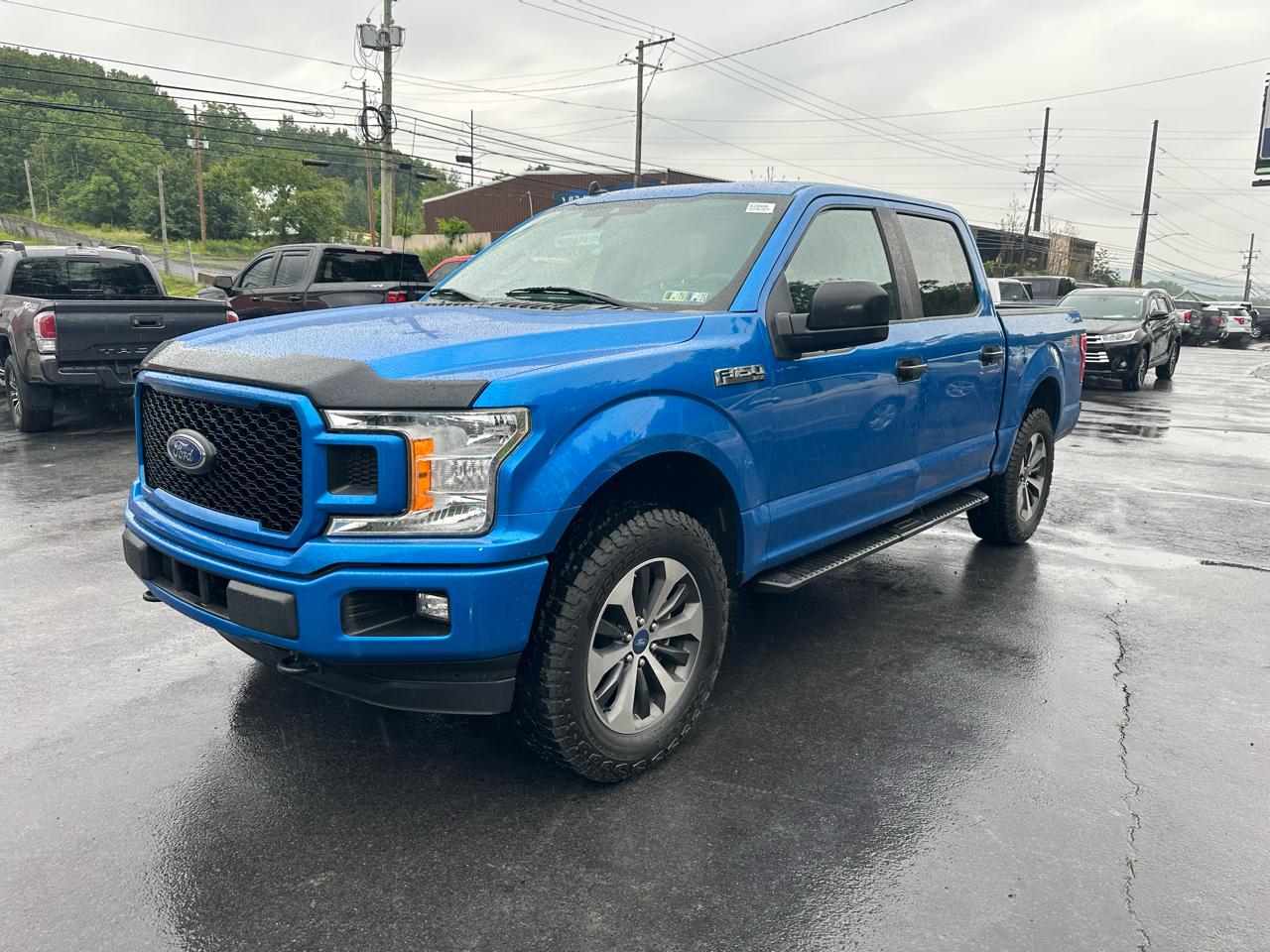
The F-150 also offers multiple engine choices and a high-capacity cabin heater that combats frigid temps better than many compact vehicles.
For people in rural or mountainous areas where plows come infrequently and snow depth is measured in feet rather than inches, the F-150’s mix of power and traction makes it a practical choice.
The 2020 Ford F-150 with 4WD offers a broad range of engine configurations, each paired with a 10-speed automatic transmission and selectable four-wheel drive.
Engine options include a 3.3-liter naturally aspirated V6 producing 290 hp and 265 lb-ft of torque; a 2.7-liter EcoBoost twin-turbo V6 delivering 325 hp and 400 lb-ft; a 5.0-liter V8 generating 395 hp and 400 lb-ft; and a 3.5-liter EcoBoost twin-turbo V6 rated at 375 hp and 470 lb-ft. A high-output version of the 3.5-liter in the Raptor produces 450 hp and 510 lb-ft.
0–60 mph times vary by engine. The 5.0-liter V8 and standard 3.5-liter EcoBoost models typically reach 60 mph in approximately 5.8–6.3 seconds in 4WD form, while the 2.7-liter averages around 6.5–7.0 seconds. Top speed is electronically limited to roughly 105–120 mph depending on configuration.
Maximum towing capacity with 4WD can exceed 12,000 pounds when properly equipped (3.5L EcoBoost), while payload capacity approaches 3,000 pounds. Ground clearance ranges from about 8.5 to over 9.4 inches, increasing with off-road packages such as FX4. Fuel economy ranges between 16–22 mpg combined depending on engine and gearing.
5. Honda CR-V AWD
Compact-SUV buyers who still want strong winter performance should consider the Honda CR-V with AWD. While it doesn’t boast the clearance of a 4Runner or F-150, its AWD system responds quickly and efficiently to loss of traction.
The CR-V is lighter and more fuel-efficient than many larger SUVs, which can be an advantage on long winter trips where fuel stations may be sparse.
Owners in cold regions often praise the CR-V’s cabin comfort and heating system.
Seat heaters come on many trims, and defrost systems are designed to clear ice quickly, which matters on mornings when the temperature is well below zero.
Honda’s reputation for reliability also means that these vehicles tend to age gracefully, even when exposed to road salt and freeze-thaw cycles that can accelerate wear on lesser cars.
The 2025 Honda CR-V offers two primary powertrain configurations, both paired with a continuously variable transmission (CVT) or Honda’s two-motor hybrid system. The standard gasoline model uses a 1.5-liter turbocharged inline-four producing 190 horsepower and 179 lb-ft of torque. Front-wheel drive is standard, with Real Time AWD available.
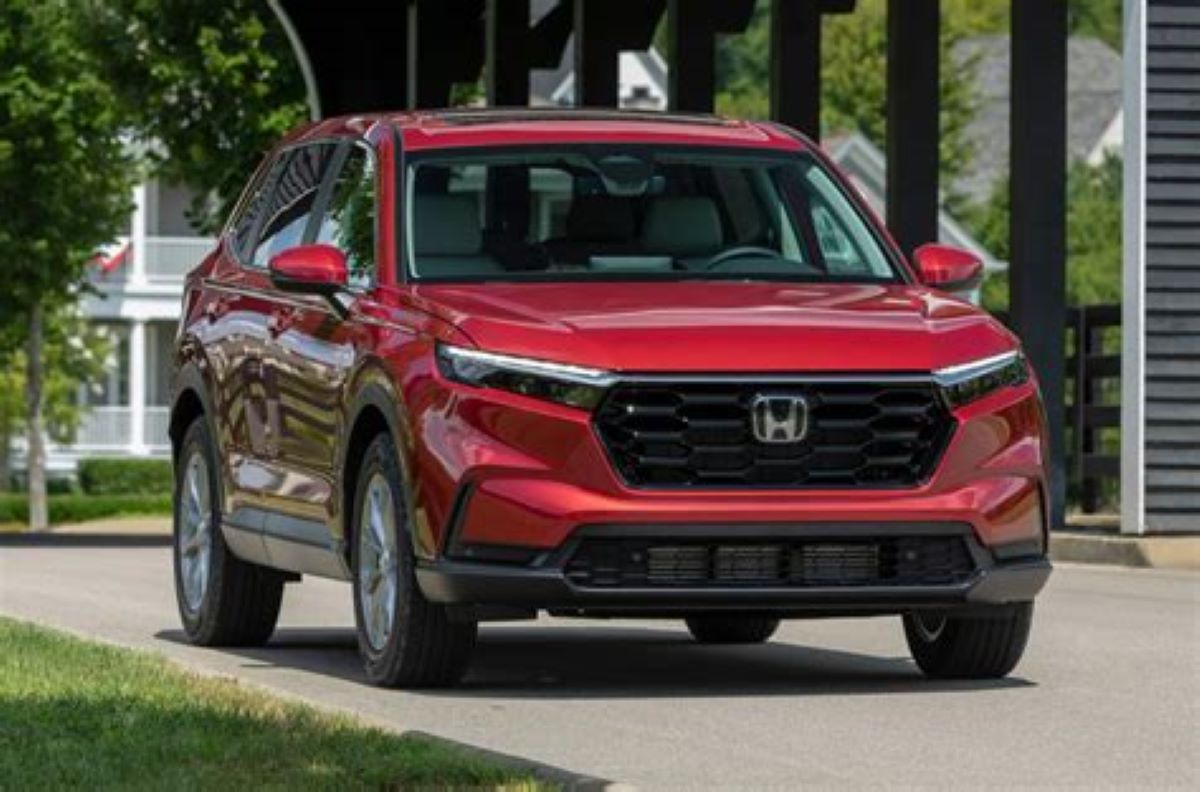
The hybrid variant combines a 2.0-liter Atkinson-cycle four-cylinder engine with dual electric motors, generating a combined 204 horsepower and 247 lb-ft of torque. The hybrid system delivers stronger low-speed response and smoother acceleration compared to the turbo-only model.
In performance terms, the 1.5T CR-V accelerates from 0–60 mph in approximately 8.0 seconds. The hybrid trims reduce that time slightly to around 7.5–7.9 seconds. Top speed is electronically limited to roughly 112–115 mph.
Fuel economy is a key strength. The gasoline model averages about 28 mpg city and 34 mpg highway (FWD), while the hybrid achieves approximately 40–43 mpg city and 34–36 mpg highway depending on drivetrain. Towing capacity is rated at up to 1,500 pounds. Ground clearance ranges from about 7.8 to 8.2 inches depending on configuration.
6. Chevrolet Tahoe Z71
The Chevrolet Tahoe, particularly with the Z71 off-road package, is a large SUV that balances winter capability with passenger and cargo space.
The Z71 package adds off-road suspension tuning, a two-speed transfer case, and rugged underbody protection. With 4WD and an available locking rear differential, the Tahoe can tackle snowy highways and unplowed backroads alike.
For families or groups that need space for ski equipment, campers, or other gear, the Tahoe’s three-row layout is valuable.
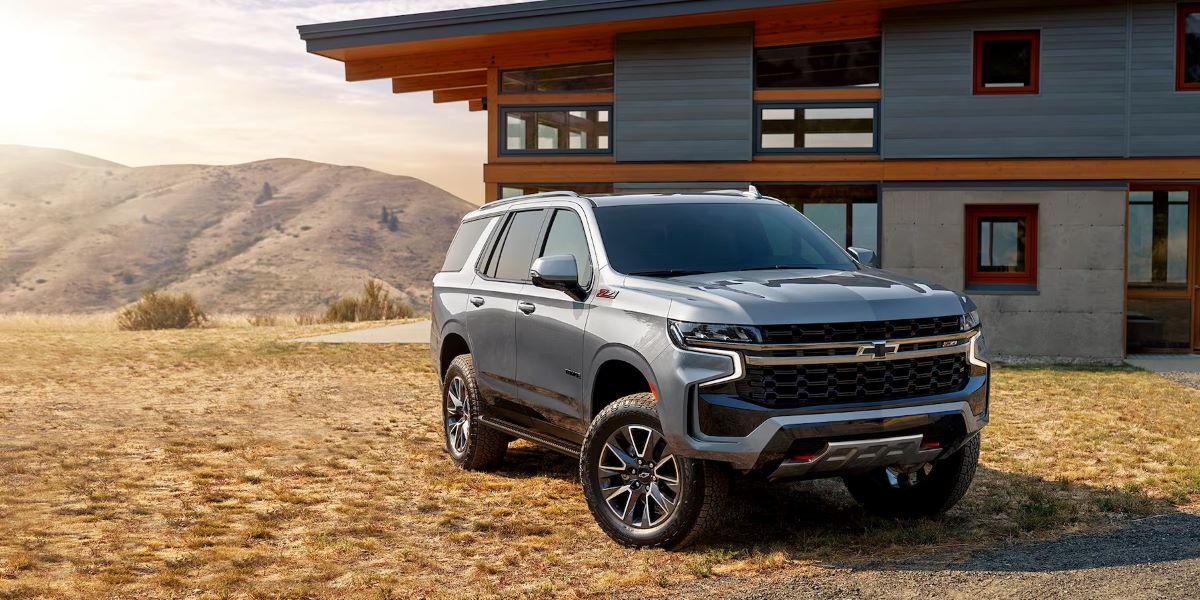
Its size and weight also contribute to confidence on slick roads, as heavier vehicles tend to be less easily tossed by wind and ice.
Combined with modern stability control systems, the Tahoe remains a strong choice for northern climates where space and winter readiness are equally important.
The Chevrolet Tahoe Z71 is the off-road-oriented trim of Chevrolet’s body-on-frame SUV, combining V8 performance with enhanced trail capability.
It is typically equipped with a 5.3-liter naturally aspirated V8 producing 355 horsepower and 383 lb-ft of torque, paired with a 10-speed automatic transmission and standard four-wheel drive with a two-speed transfer case. Some configurations may offer the larger 6.2-liter V8, generating 420 horsepower and 460 lb-ft of torque.
Acceleration to 60 mph occurs in approximately 6.7–7.2 seconds with the 5.3-liter engine, while the 6.2-liter variant reduces that time to roughly 5.9–6.2 seconds. Top speed is electronically limited to about 112–124 mph depending on setup.
The Z71 trim includes off-road suspension tuning, skid plates, hill descent control, all-terrain tires, and increased approach angle compared to standard Tahoe models. Ground clearance measures around 8.0 inches, with improved underbody protection.
Maximum towing capacity reaches approximately 8,200–8,400 pounds when properly equipped. Fuel economy averages about 15–20 mpg combined depending on engine choice and drivetrain configuration.
7. Audi Q5
If you are looking for a luxury crossover that still performs well in winter, the Audi Q5 offers standard Quattro AWD on many trims.
Audi’s Quattro system is an intelligent AWD configuration that shifts torque not only between the front and rear wheels but between wheels on the same axle when needed.
This nuanced torque management translates to enhanced traction in slippery conditions without driver intervention.
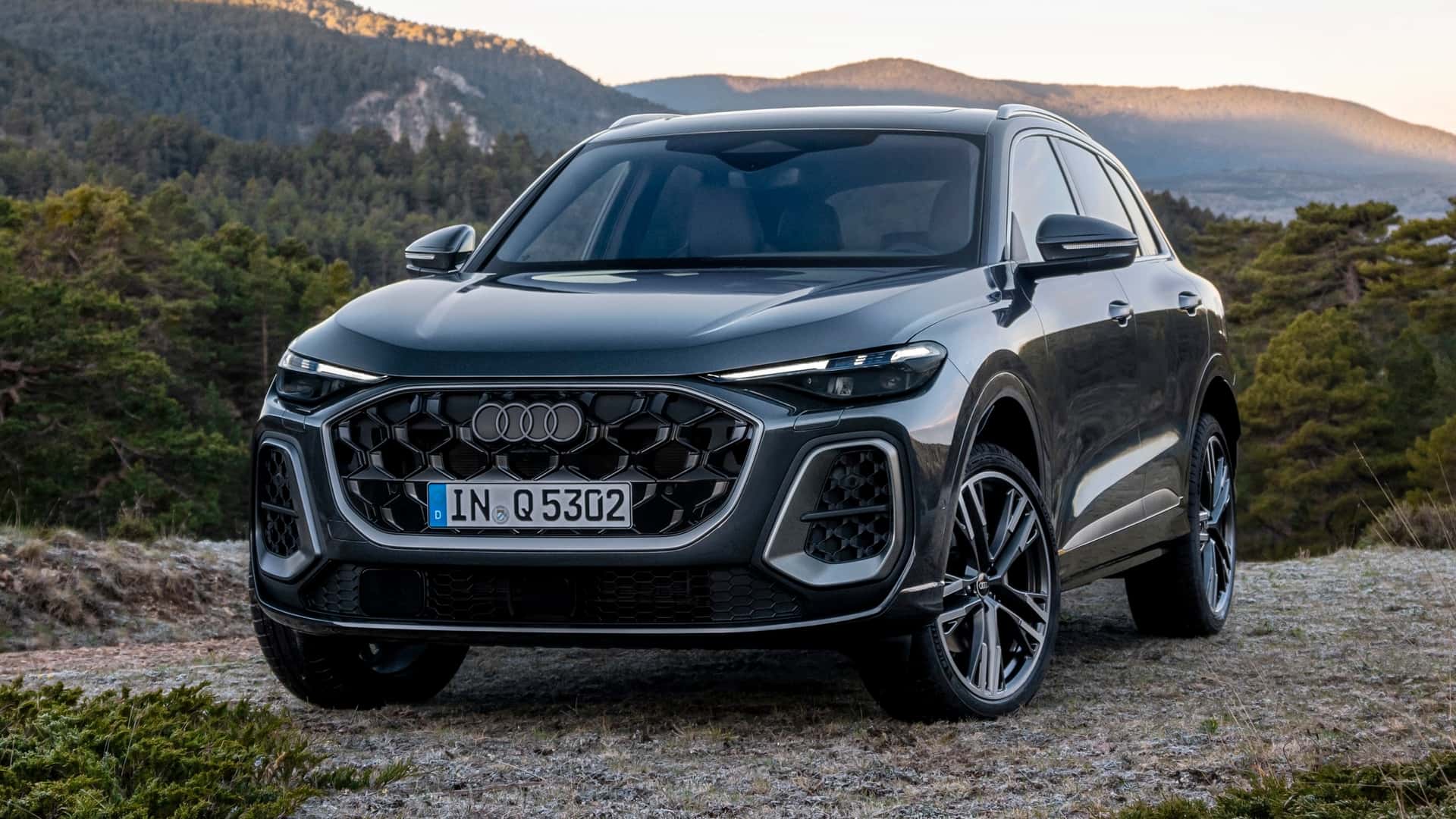
The Q5’s ride height is modest compared with rugged SUVs, but many owners supplement this with quality winter tires, which dramatically increase snow-season performance.
The Q5 also offers heated seats and steering wheel options, quick-reacting climate systems, and driver assistance features like hill descent and blind-spot monitoring, all of which reduce stress in challenging winter conditions.
8. Toyota Tacoma with 4×4
Midsize pickup trucks like the Toyota Tacoma hold a niche for winter warriors who want off-road capability without the footprint of a full-size truck.
When equipped with its part-time 4×4 system, the Tacoma can handle deep snow tracks and steep, icy forest roads.
Crawl control and a locking rear differential are available on higher trims, giving this truck traction advantages usually found on larger vehicles.
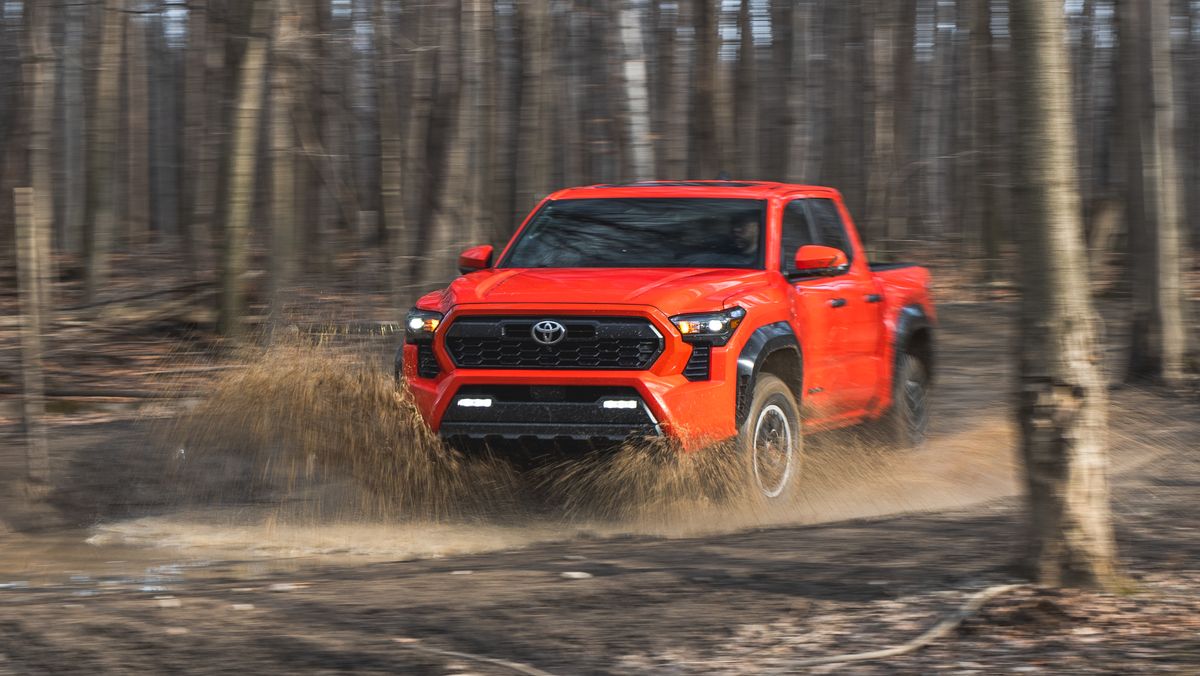
The Tacoma’s compact size allows it to navigate tight roads and congested winter parking situations more easily than bigger trucks.
Its durability and reputation for long-term reliability also inspire confidence when you might be hours from the nearest service center.
Towing capacity and bed utility add flexibility for winter activities like hauling snowmobiles or moving heavy gear.
The 2024 Toyota Tacoma enters a new generation built on Toyota’s TNGA-F global truck platform, offering both turbocharged gasoline and hybrid powertrains.
The standard i-FORCE 2.4-liter turbocharged inline-four produces between 228 and 278 horsepower depending on trim, with torque ranging up to 317 lb-ft. It is paired with either an 8-speed automatic transmission or a 6-speed manual on select grades. Rear-wheel drive is standard, while part-time four-wheel drive is available.
The i-FORCE MAX hybrid system pairs the same 2.4-liter turbo engine with an integrated electric motor, delivering a combined 326 horsepower and 465 lb-ft of torque. This setup significantly improves low-end torque output, particularly for towing and off-road driving.
0–60 mph acceleration for the standard turbo model averages approximately 7.0–7.5 seconds, while hybrid variants reduce that figure to roughly 6.0–6.5 seconds. Maximum towing capacity reaches up to 6,500 pounds when properly equipped, with payload ratings approaching 1,700 pounds.
Fuel economy is estimated at around 20–23 mpg combined for gasoline models, with modest gains for the hybrid. Ground clearance ranges from about 8.5 inches to over 9.5 inches in off-road trims such as TRD Pro and Trailhunter.
9. Volvo XC90
Volvo has long emphasized safety, and the XC90 embodies that philosophy in a winter-ready luxury SUV package.
With AWD available on all powertrains and advanced stability and traction control software, the XC90 handles snowy roads with measured control.
Ground clearance is competitive for the class, and adaptive air suspension can help keep the body level and responsive when conditions change rapidly.
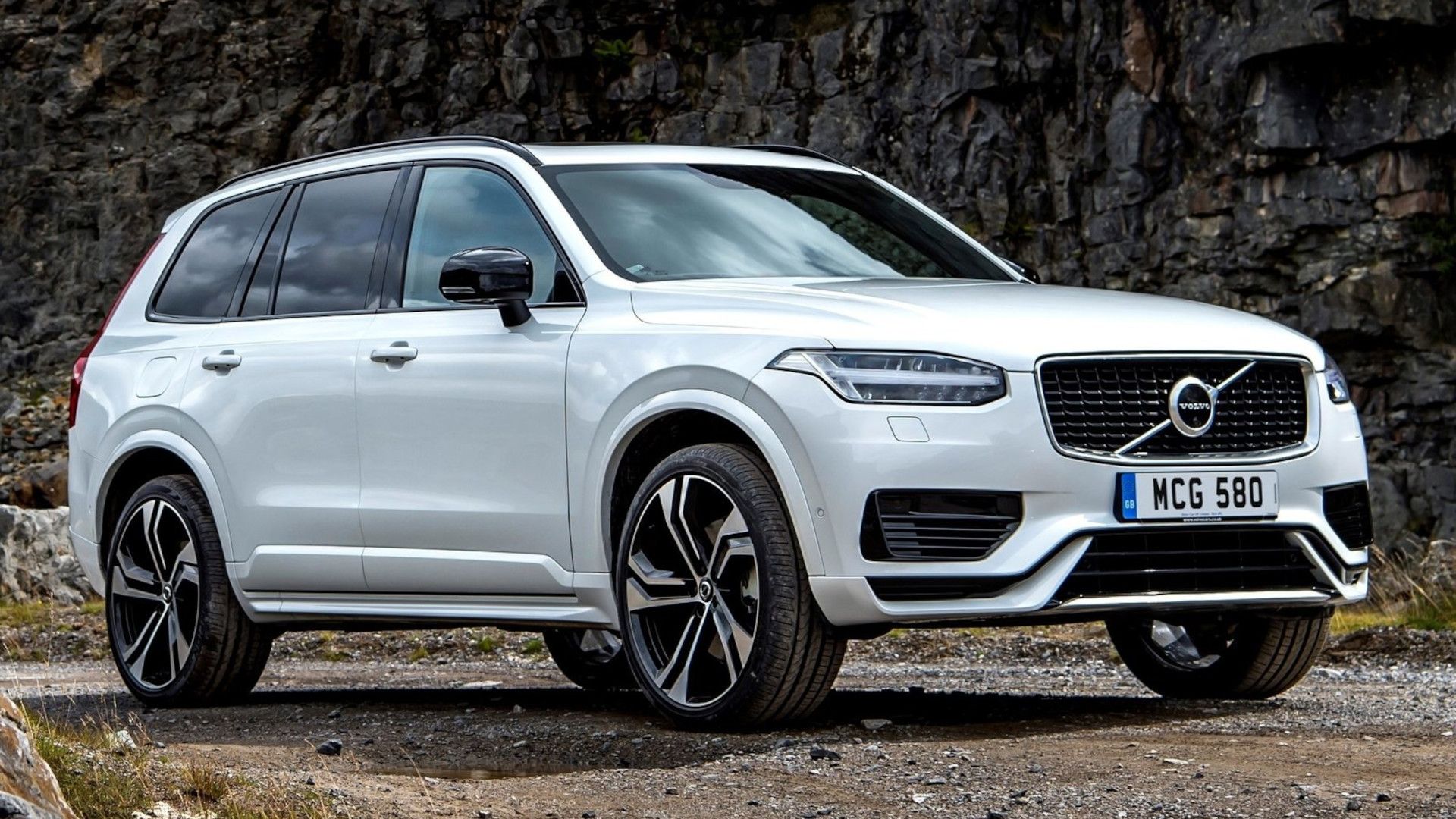
Safety features such as Pilot Assist, run-off road mitigation, and automatic emergency braking offer additional peace of mind when visibility is low or ice appears unexpectedly.
The interior’s emphasis on comfort and ergonomics makes long winter drives less fatiguing, and Volvo’s reputation for build quality means the XC90 performs well year after year despite exposure to cold and road salt.
The Volvo XC90 offers multiple electrified powertrains, combining efficiency with refined performance. The B5 mild-hybrid variant uses a 2.0-liter turbocharged inline-four paired with a 48-volt system, producing approximately 247 horsepower and 258 lb-ft of torque.
The B6 version adds supercharging to the turbocharged engine, increasing output to 295 horsepower and 310 lb-ft. Both are matched to an 8-speed automatic transmission and standard all-wheel drive in most U.S. configurations.
At the top of the range is the T8 Recharge plug-in hybrid. It combines a turbocharged and supercharged 2.0-liter engine with an electric motor, delivering a combined 455 horsepower and 523 lb-ft of torque. This configuration enables 0–60 mph acceleration in approximately 5.0 seconds, while the B6 achieves the sprint in about 6.4 seconds and the B5 in roughly 7.3 seconds.
The T8 offers an electric-only range of around 30–35 miles (EPA estimate) and can achieve over 55 MPGe in combined electric operation. Gas-only fuel economy ranges from approximately 22–27 mpg combined depending on trim. Towing capacity is rated up to 5,000 pounds, and ground clearance measures about 8.3 inches.
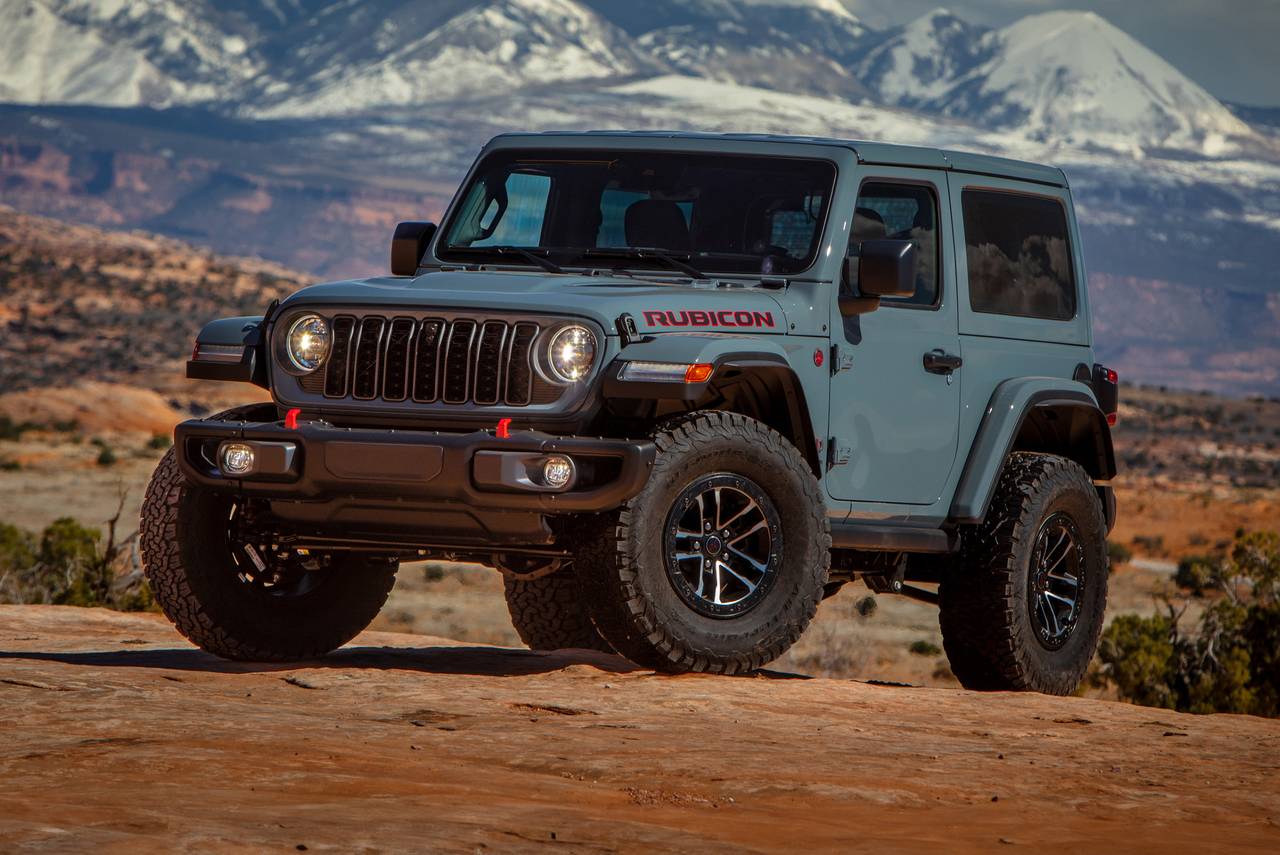
10. Jeep Wrangler Rubicon
Finally, for those whose winter terrain is as demanding as their summer trails, the Jeep Wrangler Rubicon deserves its place on this list.
Its solid axles and heavy-duty 4×4 system, with locking differentials and Rock-Trac low range, provide maximum traction in deep snow and off-trail conditions that would leave most vehicles stuck.
High ground clearance helps avoid snow-bank hazards, and skid plates protect essential components from hidden obstacles.
The Wrangler’s removable doors and top might seem out of place in winter, but they speak to its unique character and adaptability.
With proper winter tires installed, even the Wrangler’s rugged approach geometry becomes an advantage on icy surfaces.
It is less refined on pavement than some crossover SUVs, but for snowbound trails and unplowed backwoods roads, it is hard to beat.
Selecting a vehicle for harsh northern winters requires evaluating more than just engine size or horsepower.
Traction systems, ground clearance, safety ratings, and the vehicle’s ability to perform reliably at low temperatures all play key roles.
The 2025 Jeep Wrangler Rubicon is engineered for maximum trail capability, combining solid-axle durability with advanced four-wheel-drive hardware.
The standard powertrain is a 3.6-liter Pentastar V6 producing 285 horsepower and 260 lb-ft of torque, paired with either a 6-speed manual or 8-speed automatic transmission. An available 2.0-liter turbocharged inline-four generates 270 horsepower and 295 lb-ft of torque, offering stronger low-end pull.
The Rubicon comes standard with the Rock-Trac 4×4 system, featuring a 4:1 low-range transfer case, electronic locking front and rear differentials, heavy-duty Dana 44 axles, and an electronically disconnecting front sway bar. The crawl ratio exceeds 70:1 with the manual transmission, enabling precise low-speed rock control.
0–60 mph acceleration averages around 6.5–7.5 seconds depending on engine choice. Top speed is typically electronically limited to approximately 100–112 mph.
Ground clearance measures roughly 10.8 inches, with approach, breakover, and departure angles optimized for severe off-road terrain. Maximum towing capacity is rated at 3,500 pounds. Fuel economy ranges between 17–21 mpg combined depending on configuration.
From rugged pickups like the Ford F-150 and Toyota Tacoma to capable crossovers like the Subaru Outback and Honda CR-V, and even luxury options such as the Audi Q5 and Volvo XC90, each vehicle on this list has demonstrated strengths in challenging winter environments.
For drivers in cold climates, pairing any of these vehicles with high-quality winter tires will significantly improve performance and safety.
Regular maintenance, including battery health checks and antifreeze levels, further ensures that the car you choose will keep you moving when winter weather is at its worst.