
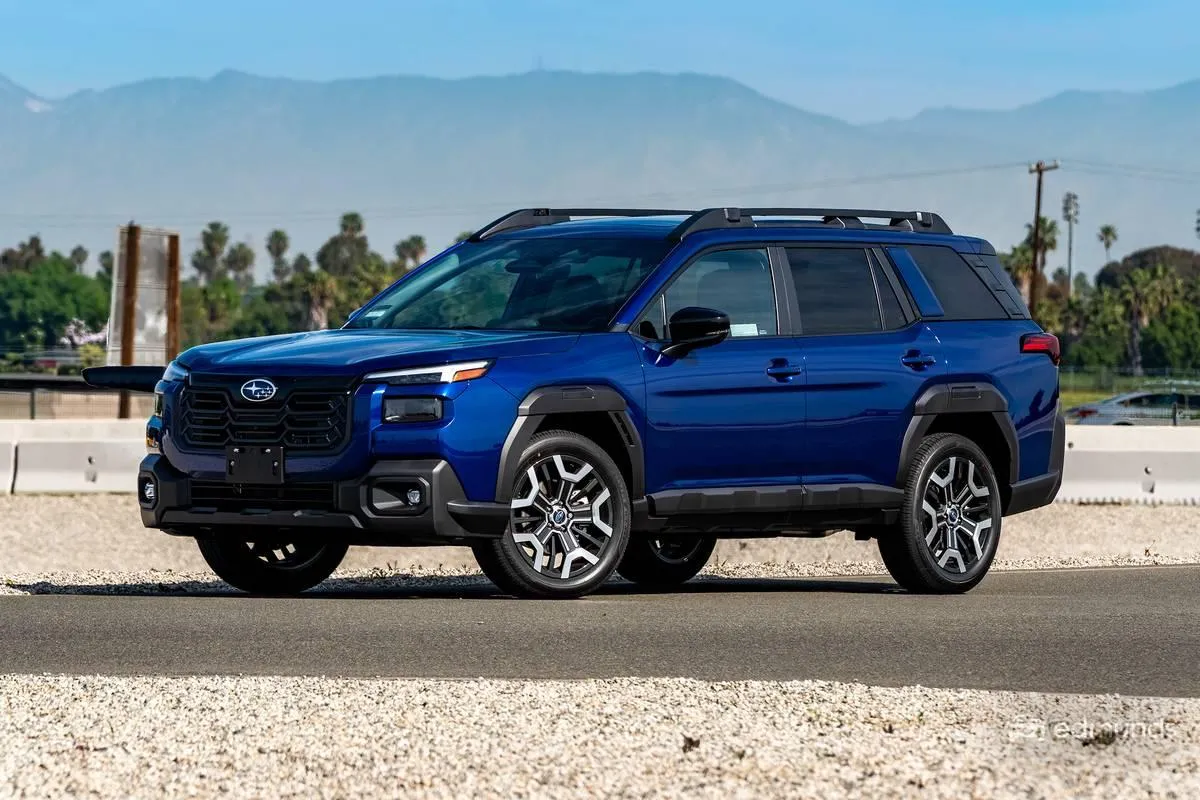
Picture this: you have a full weekend planned. Kayaks, mountain bikes, camping gear, ski equipment, or all of the above. Everything is packed, the excitement is real, and then comes the moment of reckoning at the driveway. Where exactly is all of this going to go?
For outdoor enthusiasts who refuse to leave anything behind, a vehicle with a genuinely capable roof rack system is not a luxury. It is a necessity that shapes the entire experience of getting out there and doing what you love. Roof rack systems have come a long way from the basic crossbar setups that used to rattle at highway speeds and leave you praying nothing shifted mid-trip.
Today’s factory-integrated and OEM-compatible rack systems are engineered with real precision, offering load ratings that handle serious equipment, aerodynamic profiles that do not destroy fuel economy, and modular designs that let you swap between bike carriers, kayak saddles, ski holders, cargo baskets, and rooftop tents without needing a degree in mechanical engineering to do it.
Not all vehicles handle roof-mounted gear equally well, though. Roof height, load capacity, crossbar spread, and compatibility with aftermarket accessories vary enormously from one model to the next.
Some vehicles were clearly designed with the outdoors in mind, sporting factory roof rails and rack mounting points that integrate so seamlessly you would think the engineers spent their weekends doing exactly what you do. Others require aftermarket investment to reach the same level of functionality.
This page looks at eight vehicles that genuinely stand out when it comes to roof rack capability. These are cars, trucks, and SUVs that earned their place on this list through real, measurable qualities: load capacity, rack compatibility, factory integration quality, and how well their roof architecture supports serious outdoor gear hauling. If you are buying your next vehicle with adventure in mind, this is the list to read before you sign anything.
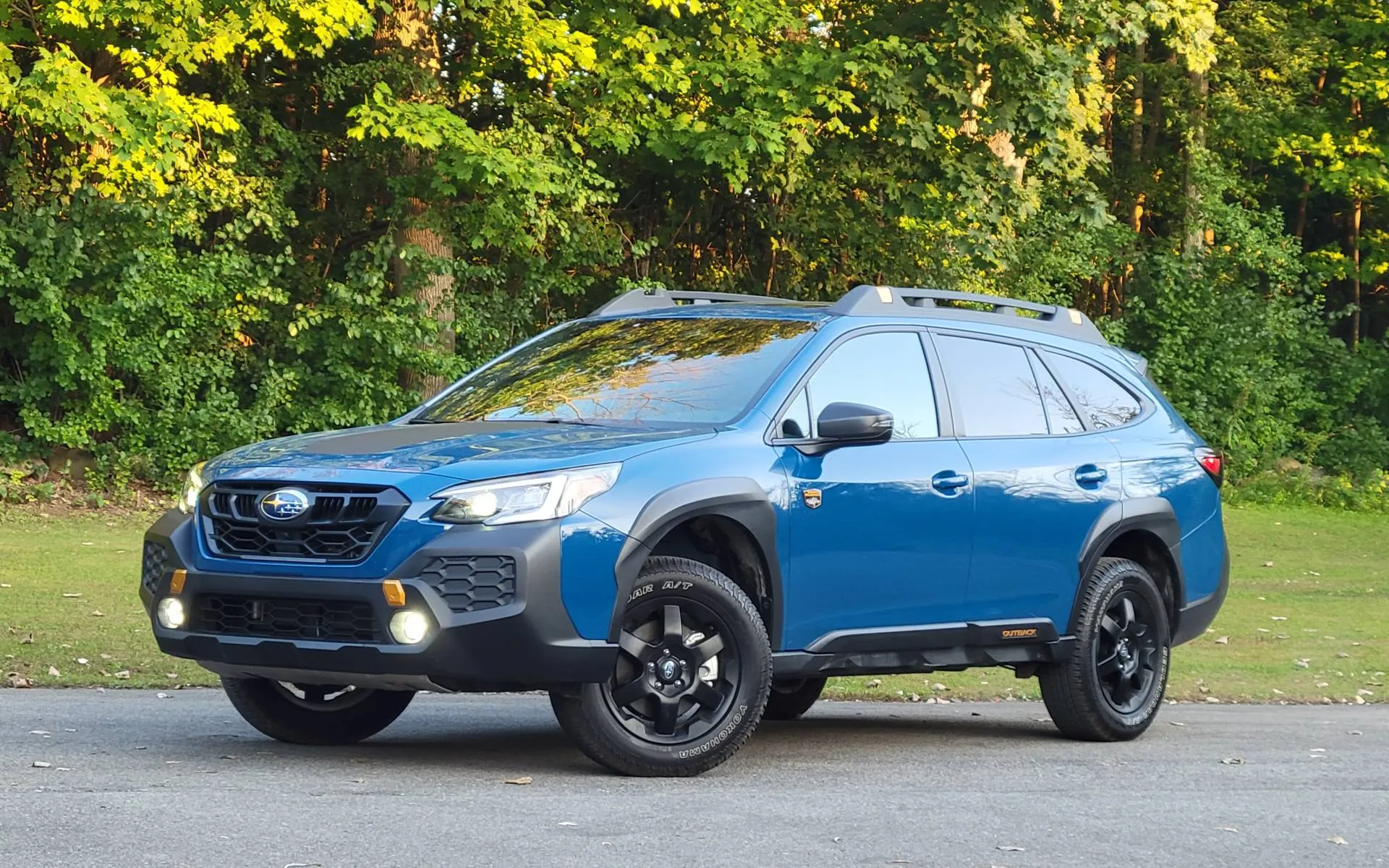
1. 2024 Subaru Outback Wilderness (Sixth Generation)
Ask any outdoor community which brand has built the strongest association between its vehicles and adventure culture, and Subaru will almost certainly come up within the first two answers. But reputation alone does not earn a vehicle a spot on a list like this.
What earns the 2024 Subaru Outback Wilderness sixth generation its place here is a combination of factory engineering, load capacity, and rack system integration that is genuinely hard to match at its price point.
Subaru fits the Outback Wilderness sixth generation with factory-installed roof rails as standard equipment, not an optional add-on but a built-in feature that signals exactly what this vehicle was designed to do.
Those rails are low-profile, aerodynamically shaped, and spaced to accommodate a wide range of Yakima and Thule crossbar systems, which are among the two most respected names in the aftermarket rack industry.
Mounting crossbars to the Outback’s factory rails is a straightforward process that most owners can complete without specialized tools, and the resulting setup is rock-solid at highway speeds.
That number matters when you are loading two full-sized mountain bikes in fork-mount carriers, a rooftop cargo basket loaded with camping gear, or a pair of kayaks in saddle-style carriers. Getting close to the load limit on a standard rack vehicle is a constant concern. Getting close to the limit on an Outback Wilderness feels like a much less likely scenario in real-world use.
Subaru also engineered the Outback Wilderness sixth generation with a raised ride height compared to the standard Outback, which pays dividends not just off-road but also when loading tall roof-mounted equipment.
Standing at the side of the vehicle and reaching overhead to secure gear is easier when the roof sits at a loading-friendly height, and the Wilderness trim gets this balance right between usable height and easy access.
Compatibility with the full Yakima and Thule product ecosystem means that Outback Wilderness owners can outfit their roof for almost any outdoor discipline without custom fabrication or compatibility guesswork. From the Yakima FrontLoader bike carrier to the Thule Motion XT rooftop cargo box, the rack system on this vehicle handles it all with authority.
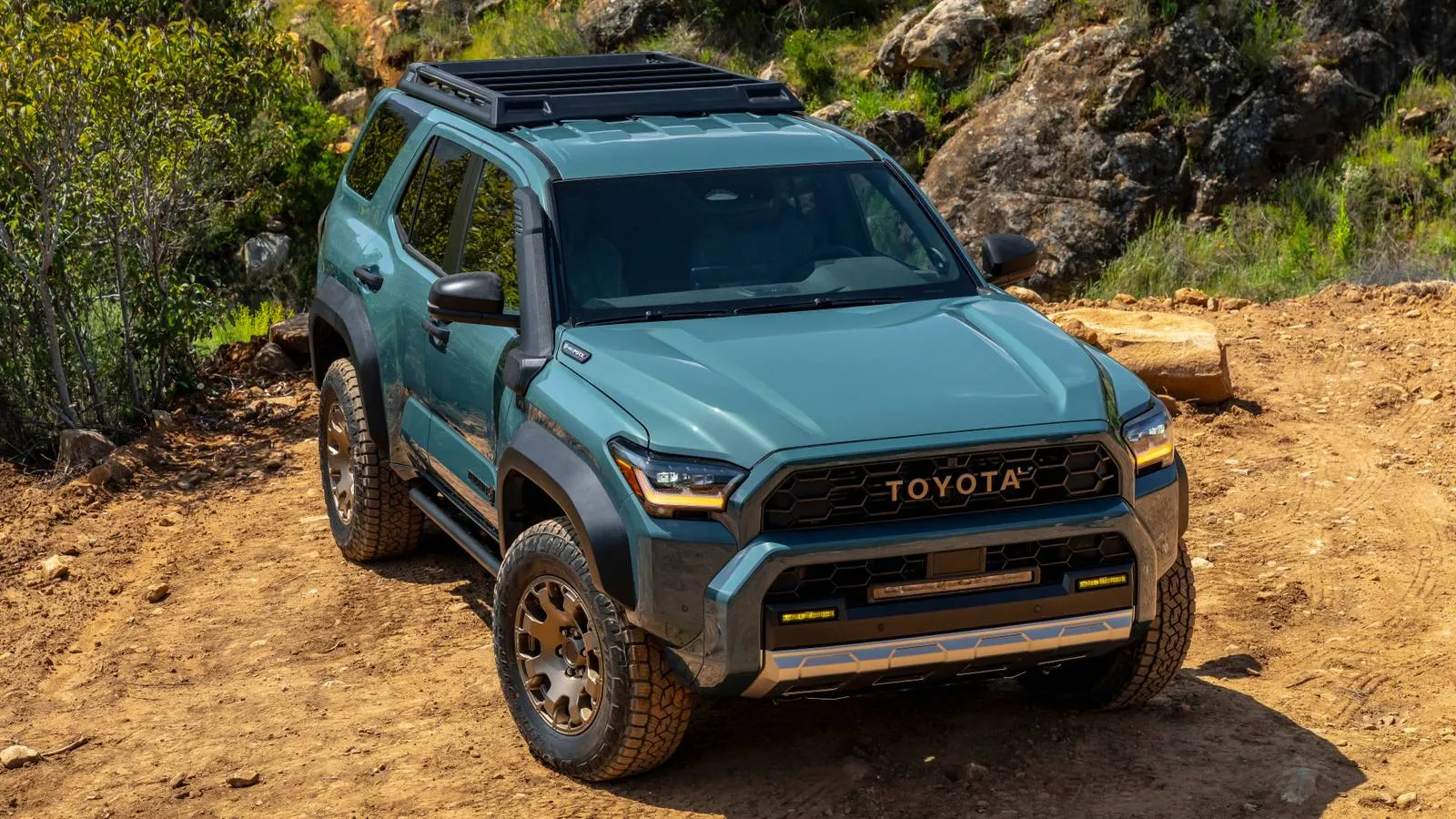
2. 2024 Toyota 4Runner TRD Pro (Fifth Generation Refresh)
Rugged does not begin to cover what the 2024 Toyota 4Runner TRD Pro fifth-generation refresh brings to the roof rack conversation.
This is a body-on-frame SUV built with a DNA that traces back to decades of trail-rated, overland-capable performance, and its roof rack system reflects that heritage in hardware that feels built to last considerably longer than a single adventure season.
Toyota fits the TRD Pro trim of the 4Runner with a factory-installed roof rack that goes well beyond the basic rail-and-crossbar setup found on most passenger vehicles. This is a full-perimeter roof basket-style rack with integrated crossbars, a design that provides a large, flat loading platform across the entire roof rather than just two parallel load bars.
That design philosophy makes a practical difference when loading large, unwieldy items like rooftop tents, oversized cargo bags, or bulky overlanding equipment that does not fit neatly between two crossbars. Load capacity on the 2024 4Runner TRD Pro fifth-generation refresh is rated at 150 pounds dynamic, which is the standard figure for this platform.
What makes the TRD Pro’s rack more capable in real-world use than that number suggests is the structural rigidity of the factory rack itself. Because it is integrated directly into the vehicle’s roof architecture rather than clamped onto door frame channels, the TRD Pro rack distributes load more evenly and resists flex and vibration more effectively than aftermarket setups on vehicles with standard rail systems.
Mounting points on the TRD Pro factory rack are spaced to accept a wide range of gear-specific accessories, including rooftop tent mounting hardware from brands like iKamper and CVT, Yakima and Thule cargo accessories, and custom overland equipment from companies like Front Runner and ARB.
That accessory compatibility is a major practical asset for buyers who want to build out a dedicated overlanding setup on a vehicle with a proven track record of reliability in genuinely demanding conditions. 4Runner buyers who choose the TRD Pro trim are typically planning to use the vehicle in conditions where a flimsy rack system would be a liability.
Rock crawling, forest road driving, and extended backcountry travel all put dynamic stress on roof-mounted loads that standard setups cannot always absorb reliably. Toyota’s factory rack on the TRD Pro fifth-generation refresh is built specifically with those conditions in mind, and it shows in how confidently it handles both the load capacity and the dynamic stress of serious off-road driving with gear aboard.
Also Read: Top 10 Cars With Manual Transmissions You Can Still Buy Brand New
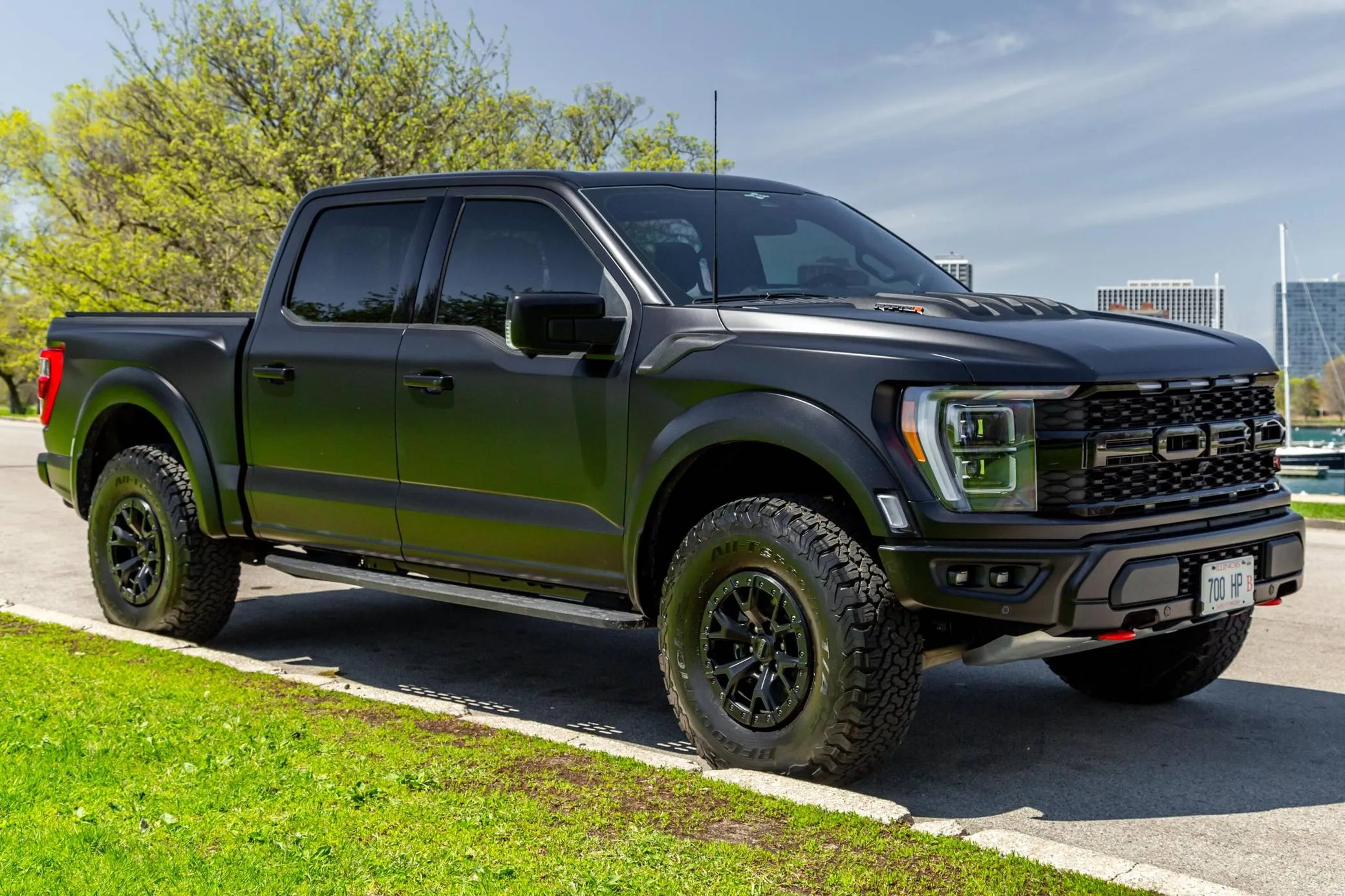
3. 2023 Ford F-150 Raptor R (Generation 3)
Pickup trucks present a unique roof rack equation. Without a traditional enclosed roof structure, standard rack systems do not apply. What makes the 2023 Ford F-150 Raptor R generation 3 one of the strongest vehicles on this list is not a conventional roof rack at all.
It is the combination of a factory-fitted bed rack system, an available upfitter-compatible cab roof structure, and Ford’s extensive OEM accessory ecosystem that together create one of the most versatile gear-hauling roof setups available on any production vehicle.
Ford offers the F-150 Raptor R generation 3 with an OEM-compatible bed rack system that mounts in the stake pocket positions along the bed rails, creating a structure that rises above the cab roofline on some configurations and provides a large, elevated loading platform for gear that needs to stay accessible and secure.
For buyers who add a hard or soft tonneau cover to the bed, the bed rack system works in conjunction with the cover to create a layered storage solution that handles both enclosed and exposed gear simultaneously. Above the cab, the Raptor R generation 3 accepts aftermarket cab rack systems from companies like Prinsu, Sherpa, and Yakima, all of which mount using the vehicle’s existing anchor points without drilling or permanent modification.
These cab racks provide a secure mounting platform for light bars, antennas, and smaller gear items, and they work in combination with the bed rack to create a complete overland gear management system across the entire vehicle length. What gives the 2023 Ford F-150 Raptor R generation 3 a clear advantage over similarly capable trucks is its high-output 5.2-liter supercharged V8 powertrain.
That engine gives the Raptor R the towing and payload capacity to carry loaded gear both on the roof structure and in the bed without the performance compromises that affect lighter-duty trucks. Carrying two loaded motorcycles on a bed rack, a rooftop tent over the cab, and a full load of camping gear in the bed is well within the Raptor R’s operational capability.
Buyers who live an active outdoor lifestyle and need a truck that handles maximum gear loads without compromise have consistently pointed to the Raptor R’s rack ecosystem as one of its strongest selling points. It is not the simplest rack setup on this list, but it is arguably the most capable in terms of total gear-carrying capacity.
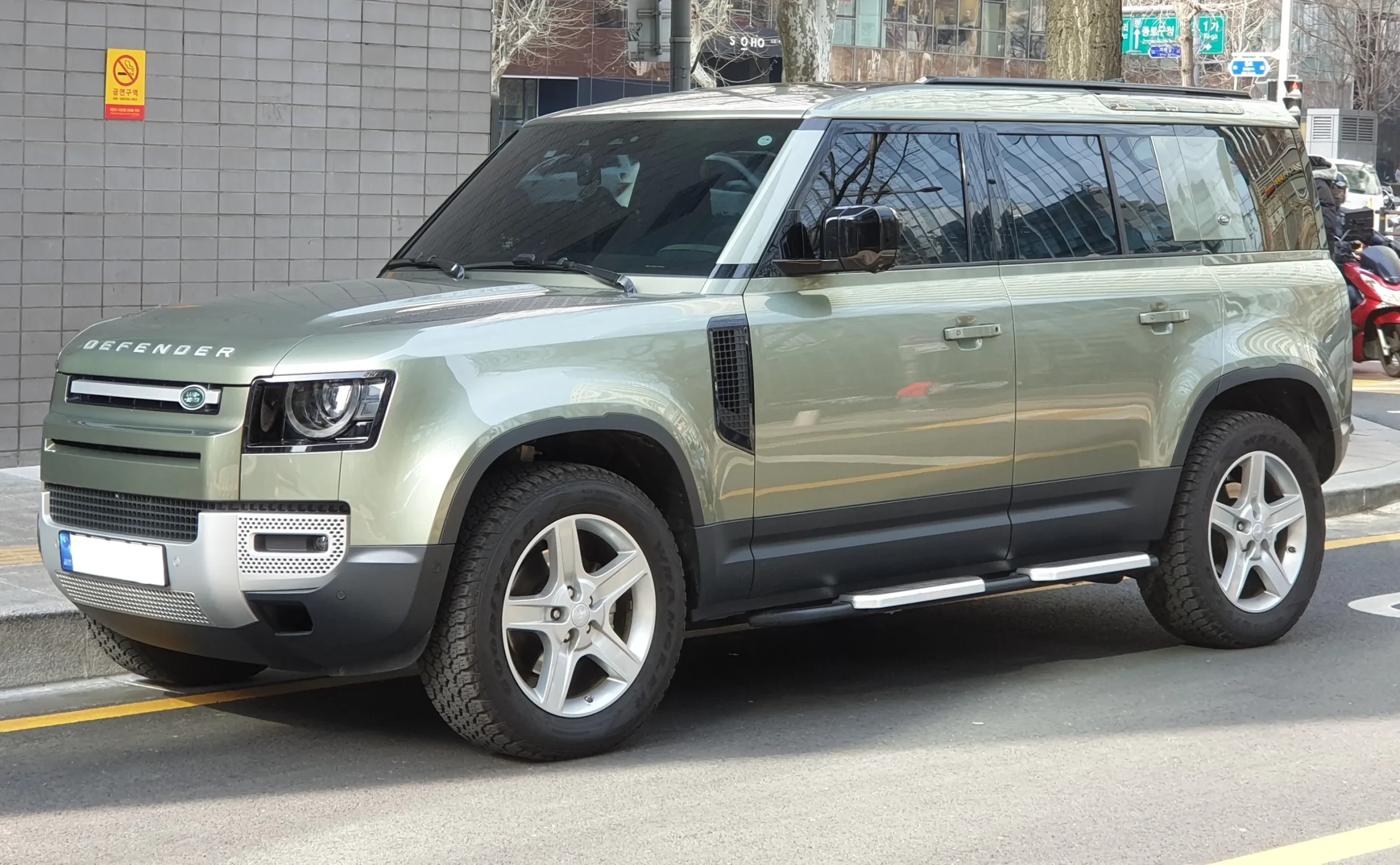
4. 2024 Land Rover Defender 110 (L663 Platform)
British engineering meets serious outdoor capability in the 2024 Land Rover Defender 110 L663 platform, and nowhere is that combination more evident than in the vehicle’s roof rack architecture. Land Rover did not design the Defender 110 with a half-hearted roof rail setup. It designed a complete, integrated roof system that treats the roof as a legitimate gear-hauling platform from the factory.
Land Rover fits the Defender 110 L663 with factory roof rails and integrated load bars that are part of the vehicle’s structural roof design. These are not decorative rails that flex under load. They are rated for up to 168 pounds of dynamic roof load, and their integration into the roof structure means that the weight sits directly on the vehicle’s body architecture rather than being transferred through clamping pressure on door frame channels.
That structural approach produces a more confidence-inspiring rack platform than almost any aftermarket setup achievable on a different vehicle. Land Rover’s own accessory catalogue for the Defender 110 L663 is one of the most comprehensive OEM rack accessory programs offered by any manufacturer.
Factory-designed roof tent mounts, expedition roof racks, safari-style roof cages, cargo basket extensions, and gear-specific carriers are all available as genuine Land Rover accessories, engineered specifically for the Defender’s roof architecture and tested to Land Rover’s durability standards.
Buying these accessories through the OEM channel means they integrate with the factory rails without the compatibility uncertainty that sometimes accompanies aftermarket solutions.
Practical roof access on the Defender 110 is helped by the vehicle’s available side-mounted gear steps and grab handles, which make loading and unloading gear from the roof a safer and more manageable process than it is on vehicles with no provision for roof access.
When you are loading heavy kayaks, rooftop tents, or ski racks, the ability to step up securely and reach the roof load zone without balancing precariously on a tire or bumper makes a genuine operational difference.
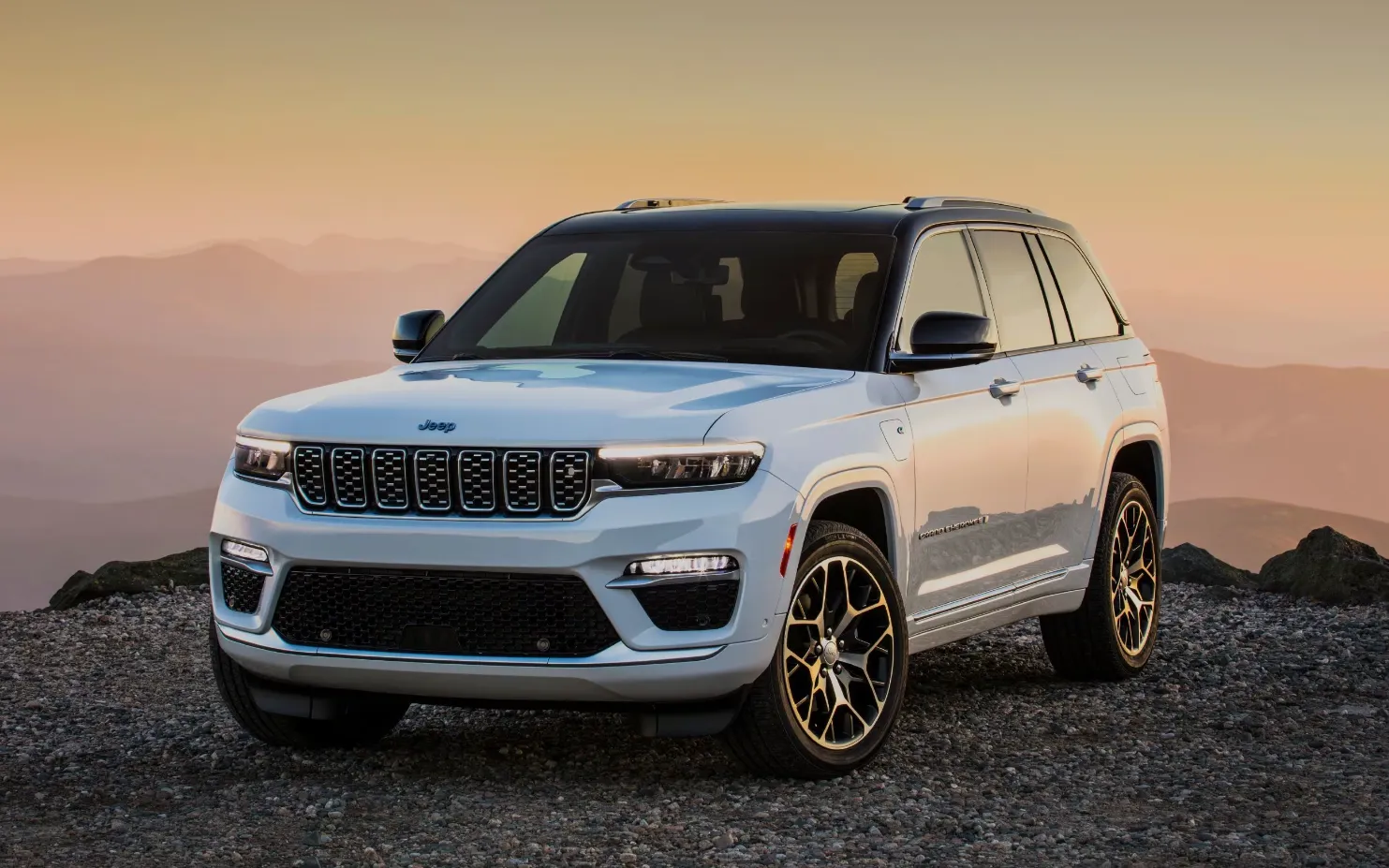
5. 2024 Jeep Grand Cherokee Trailhawk 4xe (WL Generation)
Jeep has spent decades building vehicles for people who treat the road as the beginning of the trip rather than the destination, and the 2024 Jeep Grand Cherokee Trailhawk 4xe WL generation takes that philosophy and applies it to a plug-in hybrid platform that does not ask buyers to sacrifice outdoor utility for efficiency.
From a roof rack perspective, the Trailhawk 4xe earns its place on this list through a combination of factory rail quality, load capacity, and thoughtful compatibility with the gear systems that outdoor-focused buyers actually use.
Factory roof rails on the 2024 Grand Cherokee Trailhawk 4xe WL generation are low-profile, integrated flush with the roofline, and designed to accept Mopar-branded crossbar systems as well as the broader Thule and Yakima product ecosystems.
Dynamic roof load capacity is rated at 150 pounds, and the rails’ structure distributes that load reliably across the width of the vehicle without the lateral flex that affects some lighter-duty rail setups. What sets the Trailhawk trim apart from lower Grand Cherokee configurations is the combination of trail-rated hardware and the Trailhawk’s specific approach to approach and departure angle management.
Vehicles that venture off paved roads put dynamic stress on all structural systems, including roof-mounted loads, through a combination of body flex, lateral movement, and vibration that paved-road driving never replicates. Jeep’s engineering of the Trailhawk 4xe for genuine off-road use means the rack mounting system is tested against exactly those conditions.
Jeep’s Mopar accessory program for the Grand Cherokee Trailhawk 4xe includes a factory-designed roof cargo basket, bike carriers, ski and snowboard holders, and a rooftop cargo box mount system. All Mopar accessories carry Jeep’s warranty and are engineered to the same specifications as the vehicle itself.
For buyers who prefer the assurance of OEM accessories over aftermarket alternatives, the breadth of Jeep’s Mopar catalogue is a practical advantage.
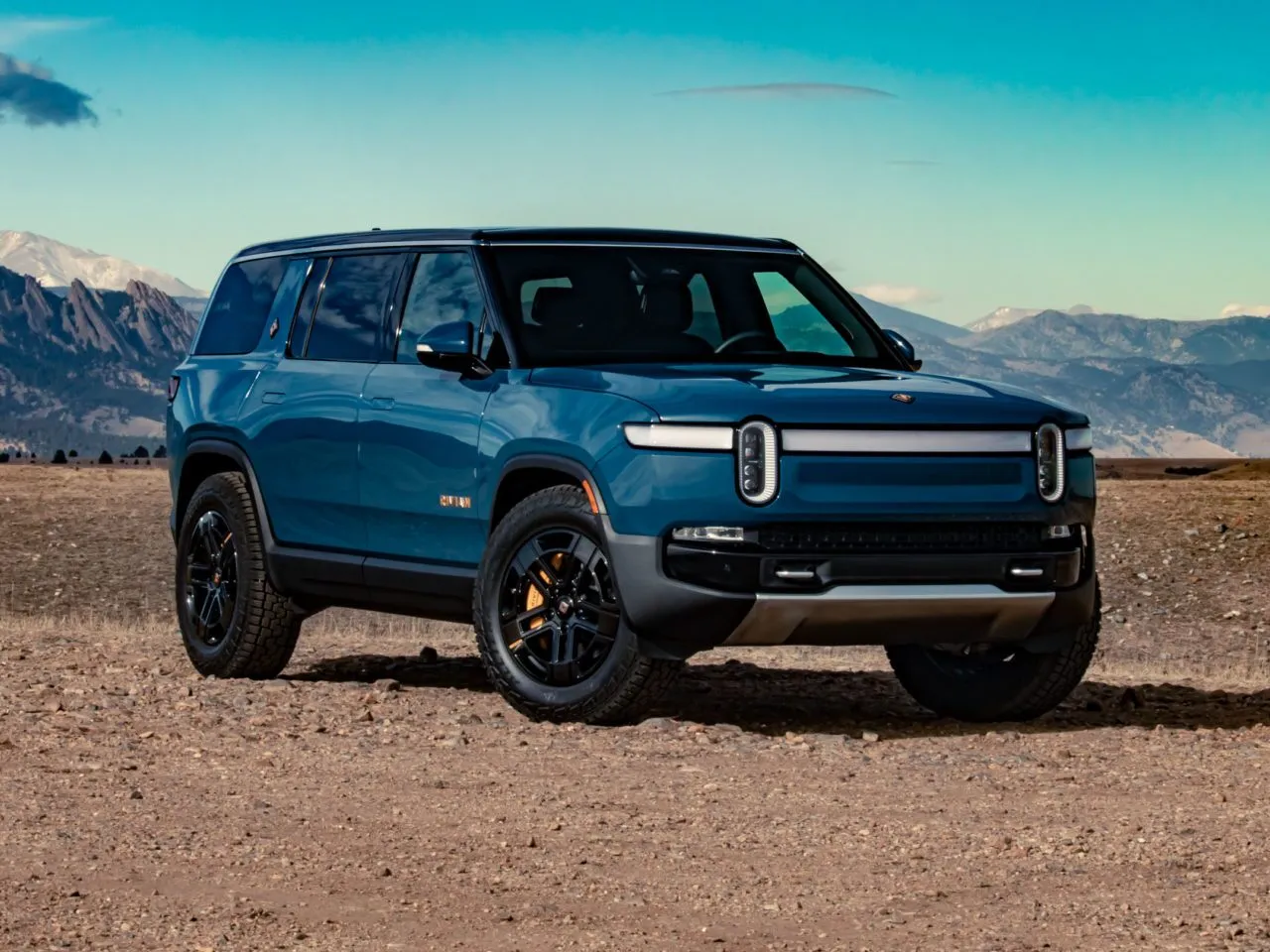
6. 2023 Rivian R1S Launch Edition (First Generation)
Electric vehicles and outdoor adventure have not always seemed like natural partners, but the 2023 Rivian R1S Launch Edition first generation makes a compelling argument that they belong together, and its roof rack system is one of the hardware points that support that argument most effectively.
Rivian engineers the R1S with factory roof rails and crossbars as standard equipment on the Launch Edition trim, a decision that reflects Rivian’s positioning as an adventure-oriented brand rather than a conventional electric SUV manufacturer.
Those factory crossbars are rated to handle 165 pounds of dynamic roof load, a strong figure for a large SUV and one that accommodates serious outdoor gear loads without requiring buyers to upgrade to a heavier aftermarket setup.
Rivian has also developed a proprietary gear accessory ecosystem that mounts directly to the R1S factory crossbar system. This includes a Rivian-branded rooftop tent, a cargo carrier, and a ski/snowboard holder, all designed to integrate with the factory crossbars without adapters or compatibility modifications. For buyers who want a single-brand gear ecosystem,
Rivian’s in-house accessories are well-engineered and visually cohesive with the vehicle’s distinctive design language. Beyond the rack system itself, the R1S Launch Edition brings a practical outdoor advantage that combustion-powered vehicles cannot offer: the ability to power camping equipment, lighting systems, and other electrical gear directly from the vehicle’s battery pack without a separate generator.
Rivian’s Camp Mode and the vehicle’s available power export capability mean that a fully loaded R1S going into the wilderness carries not just gear storage on the roof but a substantial portable power station in the vehicle itself.
Roof access on the R1S is straightforward thanks to the vehicle’s integrated step and grab handle provisions, and the wide body of the platform creates a generous roof loading width that accommodates large items like rooftop tents and oversized cargo boxes more easily than narrower vehicles.
Rivian’s commitment to outdoor utility across every aspect of the R1S design, from its underbody lighting to its gear tunnel storage to its roof rack compatibility, makes the R1S Launch Edition one of the most thoroughly adventure-ready vehicles available in any powertrain category.
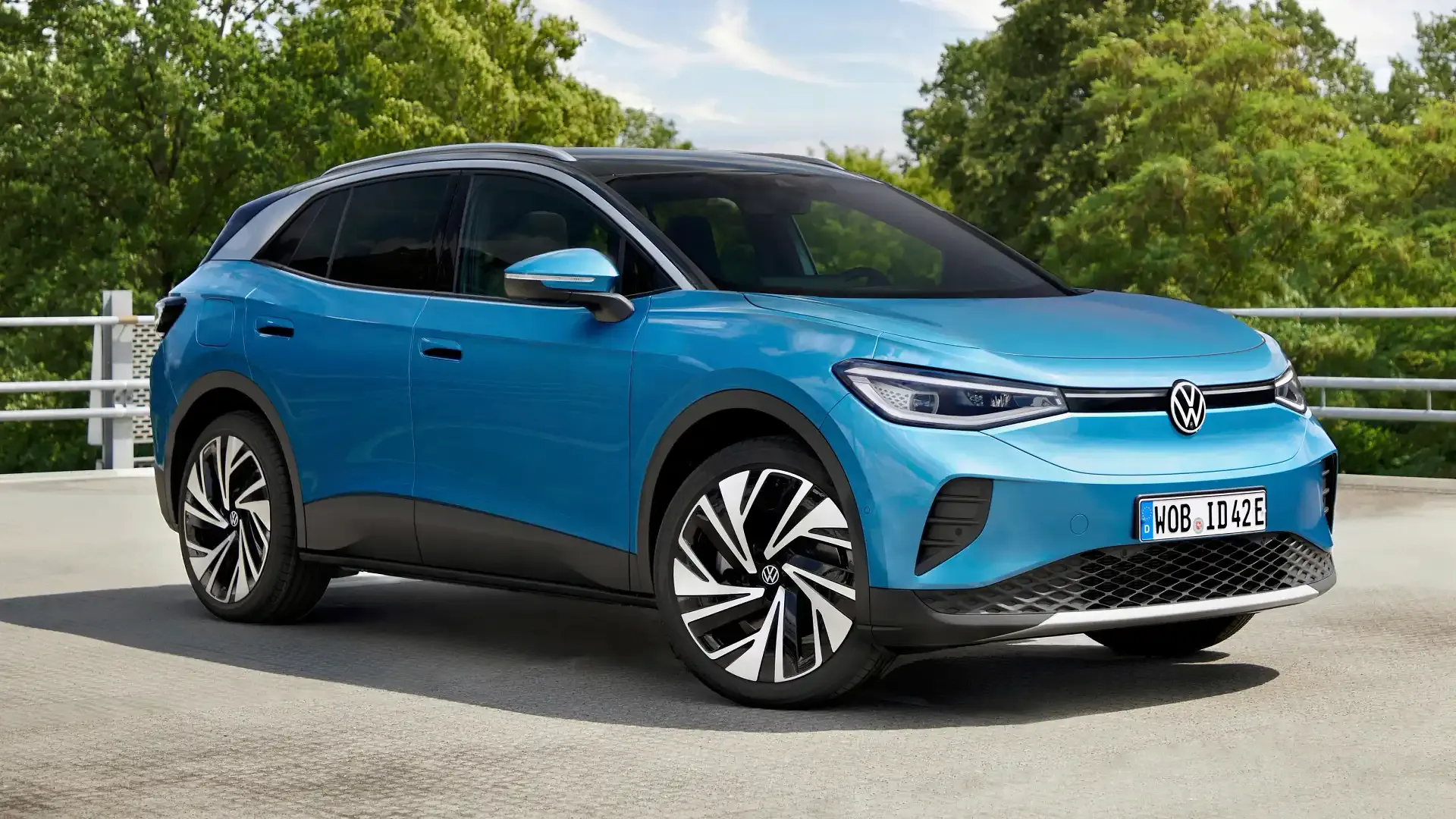
7. 2024 Volkswagen ID.4 GTX (Second Generation AWD)
European engineering discipline meets practical outdoor utility in the 2024 Volkswagen ID.4 GTX second-generation AWD, a vehicle that might not be the first name that comes to mind in a roof rack conversation, but absolutely deserves its place on this list based on what it actually delivers in factory rack capability and real-world gear-hauling practicality.
Volkswagen fits the ID.4 GTX second generation with factory roof rails as standard equipment, and the quality of those rails reflects VW’s engineering standards for structural integrity and load distribution. Dynamic roof load capacity is rated at 165 pounds, matching the Rivian R1S and exceeding several competitors in the electric SUV category.
For an electric vehicle that prioritizes aerodynamic efficiency, carrying that capacity without compromising the roof’s structural integrity required careful engineering of both the rail anchoring system and the vehicle’s roof skin architecture.
Thule and Yakima crossbar systems mount to the ID.4 GTX factory rails without compatibility issues, giving owners access to both brands’ full product catalogues for bikes, skis, kayaks, cargo boxes, and rooftop tents.
VW also offers a range of OEM-compatible accessories through its accessories programme that integrate specifically with the ID.4 platform, providing buyers who prefer factory-backed accessories with a solid set of options.
One aspect of the ID.4 GTX’s roof rack appeal that often gets overlooked is how well the vehicle’s low center of gravity, provided by the floor-mounted battery pack, compensates for the dynamic effects of roof-mounted loads.
Vehicles with high centers of gravity become noticeably more sensitive in cornering and crosswind conditions when roof loads are added. With the ID.4 GTX’s battery-induced low center of gravity working against that effect, handling with a fully loaded roof rack is more composed than it would be on a comparably sized conventional SUV.
For buyers who have chosen an electric vehicle for daily driving but refuse to compromise on outdoor capability, the 2024 Volkswagen ID.4 GTX second-generation AWD delivers a rack system that works as hard as those of its combustion-powered competitors, packaged within a vehicle that adds the running cost advantages of electric propulsion to a genuinely capable outdoor adventure platform.
Also Read: Top 10 Cars Under 15000 Dollars That Feel Like They Cost Double
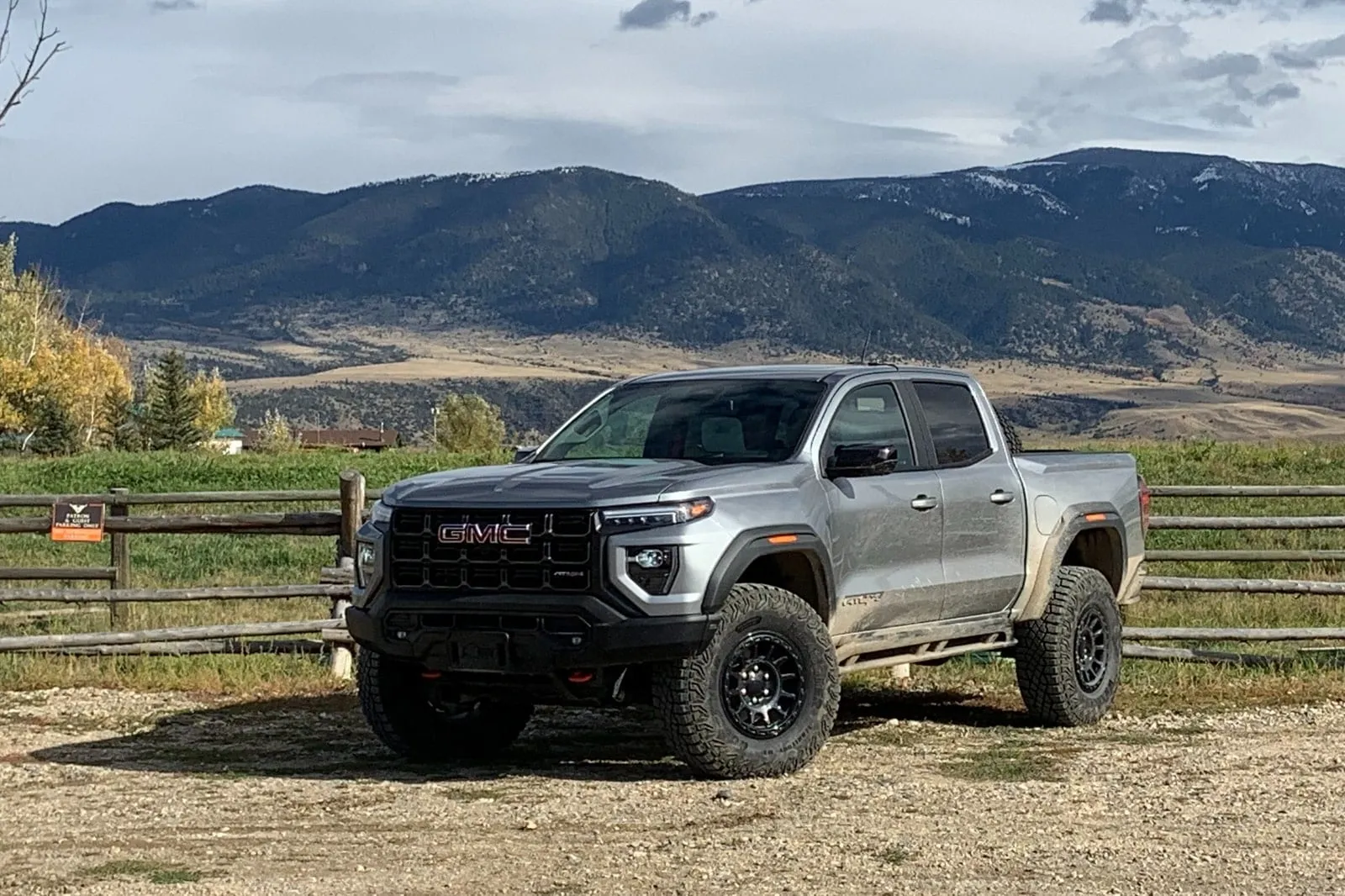
8. 2024 GMC Canyon AT4X AEV Edition (Third Generation)
Closing out this list is a truck that represents the most purpose-built approach to outdoor gear hauling of any vehicle covered here: the 2024 GMC Canyon AT4X AEV Edition third generation. AEV, which stands for American Expedition Vehicles, is one of the most respected names in purpose-built overlanding vehicle preparation, and its involvement in the Canyon AT4X AEV Edition raises the roof rack and gear-hauling capability of this midsize truck to a level that most full-size trucks struggle to match.
GMC and AEV co-engineer the AT4X AEV Edition with a factory-approved cab rack system that mounts to the vehicle’s existing structure without permanent modification, creating a roof platform above the cab that accepts a wide range of overlanding accessories.
This cab rack is not an afterthought bolted on for marketing purposes. It is a structural component designed and tested to AEV’s expedition standards, which means it is validated for the kind of vibration, flex, and dynamic stress that backcountry driving generates over extended periods.
Load capacity for the AT4X AEV Edition cab rack is rated to handle rooftop tents and full camping setups, which is the real-world benchmark that serious overlanders use to evaluate rack systems. Companies like iKamper, Roofnest, and Tepui all produce tent models that mount directly to the AT4X AEV Edition cab rack without custom hardware, giving buyers immediate access to the best rooftop tent products on the market without compatibility research.
GMC’s stake pocket bed rail system on the Canyon AT4X AEV Edition works in coordination with the cab rack to create a complete overland gear platform spanning the full vehicle length. Bed-mounted accessories from brands like Leitner Designs and Decked integrate with the bed rail system to create organized, accessible gear storage at bed level that complements the elevated storage provided by the cab rack above.
What makes the 2024 GMC Canyon AT4X AEV Edition third generation the strongest truck on this list is the coherence of its rack system design. Rather than assembling a gear-hauling solution from disparate aftermarket components, buyers get a factory-approved system where each element was designed with the others in mind.
That coherence produces a more reliable, better-performing, and better-looking gear-hauling setup than most owners could assemble independently, and it comes backed by both GMC’s factory warranty and AEV’s expedition-grade quality standards.
For outdoor enthusiasts who need a midsize truck that can handle serious backcountry conditions with maximum gear loaded on and above the vehicle, the AT4X AEV Edition delivers a roof rack capability that genuinely justifies its position at the top of the midsize truck category. It is, from the ground up, a vehicle built to carry everything you need to go wherever you want to go.
