Choosing a hot hatch for daily driving requires balancing performance, practicality, and reliability. The market offers several models that deliver exhilarating driving experiences without sacrificing everyday usability. From the track-ready Honda Civic Type R (2017–2022) to the practical yet powerful Skoda Octavia vRS (2013–2020), modern hot hatches have evolved to meet diverse driver needs.
Many of these cars combine responsive handling, turbocharged engines, and advanced chassis technology with comfortable cabins, ample storage, and safety features suitable for commuting, errands, or long-distance drives.
Reliability is a key factor, and these models demonstrate how manufacturers like Honda, Volkswagen, Hyundai, Ford, Suzuki, Toyota, Audi, and Skoda have engineered vehicles capable of enduring high mileage and spirited driving while maintaining strong mechanical durability. This list of eight used hot hatchbacks highlights models that provide both excitement and peace of mind for everyday motoring.
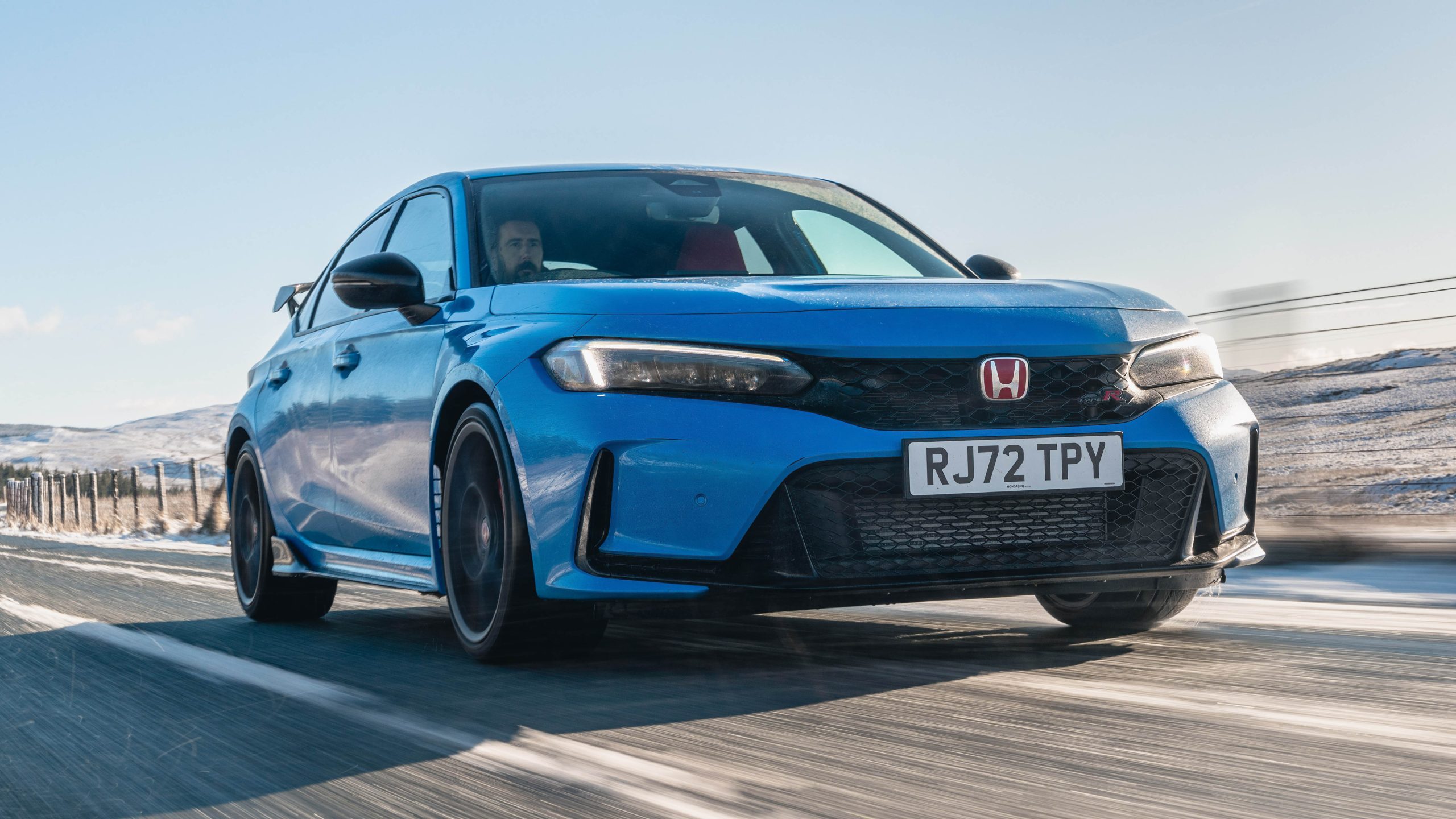
1. Honda Civic Type R (2017–2022)
The 2017–2022 FK8-generation Honda Civic Type R stands out as one of the most complete front-wheel-drive performance cars ever built, successfully blending everyday usability with genuine track capability. While its aggressive, winged styling can divide opinion, beneath the dramatic exterior lies a remarkably well-engineered and durable hot hatch that excels as a daily driver.
At its heart is a 2.0-litre VTEC Turbocharged four-cylinder engine producing around 320PS (306+ hp). It delivers strong acceleration 0–62 mph in approximately 5.8 seconds and a top speed of approximately 169 mph.
More importantly, the engine has earned a reputation for robustness. Built in line with Honda’s long-standing reliability standards, it is capable of exceeding 200,000 miles with proper routine maintenance. Unlike many high-strung rivals, the Type R’s powertrain feels resilient rather than fragile, contributing to its “unburstable” mechanical image.
A key factor in its daily usability is the adaptive suspension system. The FK8 introduced a dedicated “Comfort” mode that softens the dampers, making the car far more compliant over potholes and rough urban roads compared to the aggressive +R driving mode.
This dual personality allows the Type R to transition seamlessly from weekday commuting to weekend track sessions. The six-speed manual gearbox is widely praised for its short, precise throws, although some owners report occasional grinding when shifting quickly between first and second or into third gear, particularly on harder-driven examples.
Practicality is another major strength. As a hatchback, it offers around 410–420 litres of boot space, class-leading for a performance car in this segment. The rear cabin comfortably accommodates two adults, even those over six feet tall.
The red bucket seats provide excellent support while remaining comfortable over long distances. Standard safety features include automatic emergency braking, lane-keeping assistance, and adaptive cruise control, enhancing its appeal as a dependable daily vehicle.
However, ownership is not without considerations. Fuel economy typically sits in the mid-20s MPG and requires premium petrol. The 20-inch wheels are prone to bending on rough roads, replacement tires and Brembo brake components can be costly, and some owners note delicate paintwork. Early models were also subject to a side airbag recall, and air-conditioning faults have been reported across the broader Civic range.
Despite these drawbacks, the FK8 retains strong resale value and remains highly sought after. Its combination of thrilling performance, everyday comfort, impressive cargo space, and Honda-engineered durability makes it a rare example of a genuinely practical yet exciting modern hot hatch.
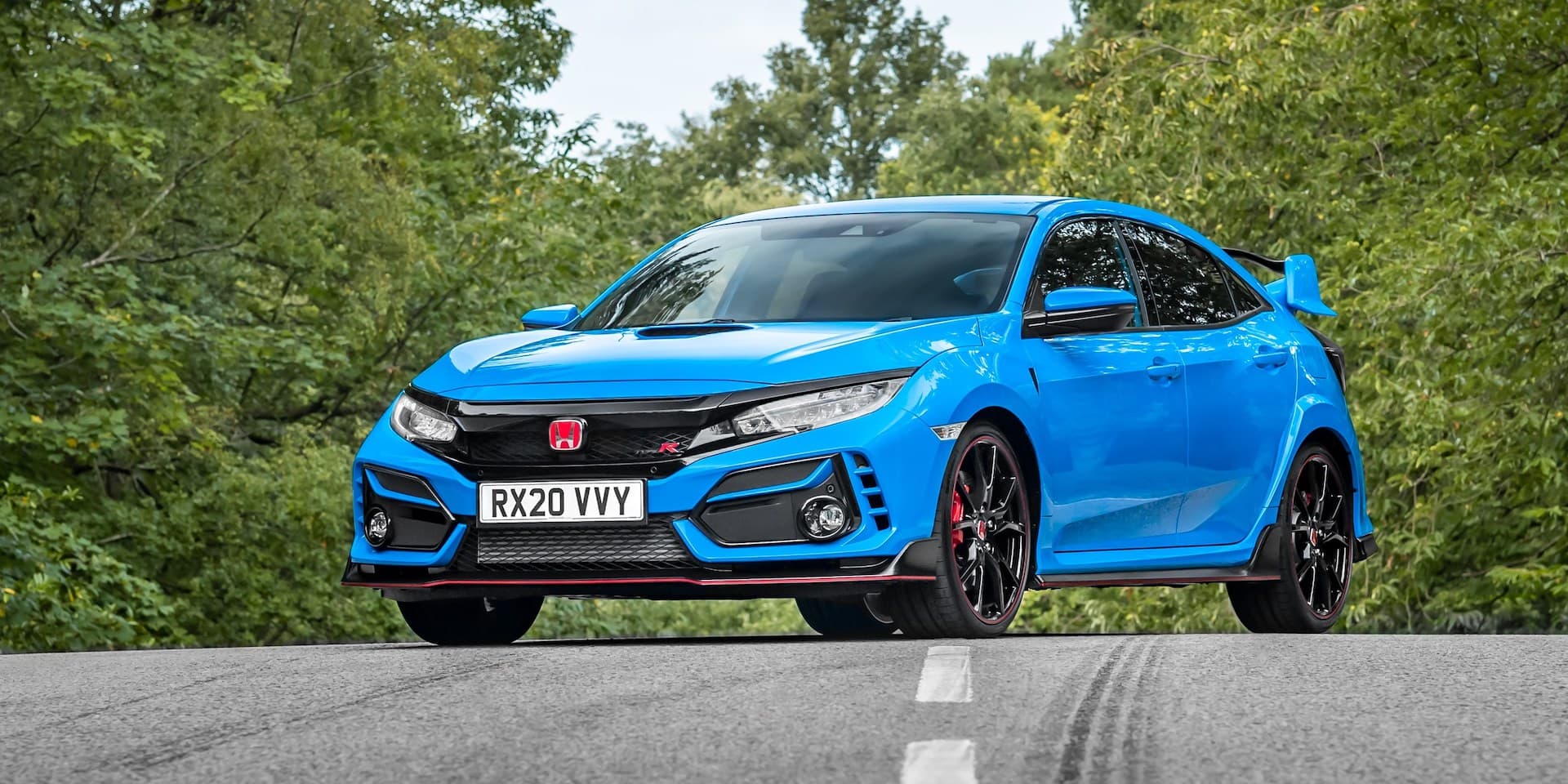
2. Volkswagen Golf GTI (2013–2020)
The Mk7 and Mk7.5 Volkswagen Golf GTI, produced from 2013 to 2020, is widely considered one of the most well-rounded hot hatchbacks ever made. Known for combining performance, comfort, practicality, and refinement, it stands out as a car that works equally well as a daily commuter and an enjoyable weekend driver.
Its understated styling allows it to blend into everyday traffic while still delivering engaging performance when driven enthusiastically.
Under the hood is Volkswagen’s 2.0-liter TSI EA888 Gen 3 turbocharged engine, producing between 227 bhp and 245 bhp depending on the variant and Performance Pack specification. This engine marked a major improvement in reliability compared with earlier GTI generations and is capable of handling high mileage when maintained properly.
Power delivery is smooth and accessible, with strong torque available from low engine speeds, making the car easy to drive in stop-and-go traffic without constant downshifting. Acceleration is quick, with DSG automatic models reaching 0 to 62 mph in roughly 6.5 seconds.
Buyers could choose between a six-speed manual transmission and a six or seven-speed DSG dual clutch automatic. Both options are generally reliable when serviced correctly.
The manual gearbox appeals to enthusiasts because of its simplicity and engagement, while the DSG suits urban driving thanks to its smooth and fast gear changes. Regular maintenance, particularly DSG fluid servicing every 40,000 miles, plays a key role in long-term durability.
Practicality remains one of the GTI’s greatest strengths. It offers a 380-liter boot that expands to 1,270 liters with the rear seats folded, making it suitable for groceries, luggage, or daily errands.
The cabin comfortably seats four adults and features excellent visibility and ergonomic design. Interior quality is often praised, with soft-touch materials, supportive sports seats, and a quiet cabin that feels more premium than many competitors.
On the road, the GTI balances comfort and handling exceptionally well. Steering is precise, body control is composed, and front-end grip inspires confidence. The suspension remains compliant enough for long commutes, even though the car retains sporty responsiveness. Safety is another highlight, with a five-star Euro NCAP rating and driver assistance features such as automatic emergency braking.
Common issues include water pump and thermostat housing failures, carbon buildup typical of direct injection engines, occasional sunroof leaks, and minor electrical or infotainment faults. These problems are generally manageable through preventative maintenance and inspections.
The 2013 to 2020 Golf GTI delivers a refined and practical driving experience with dependable performance, making it one of the best everyday performance cars in its class.
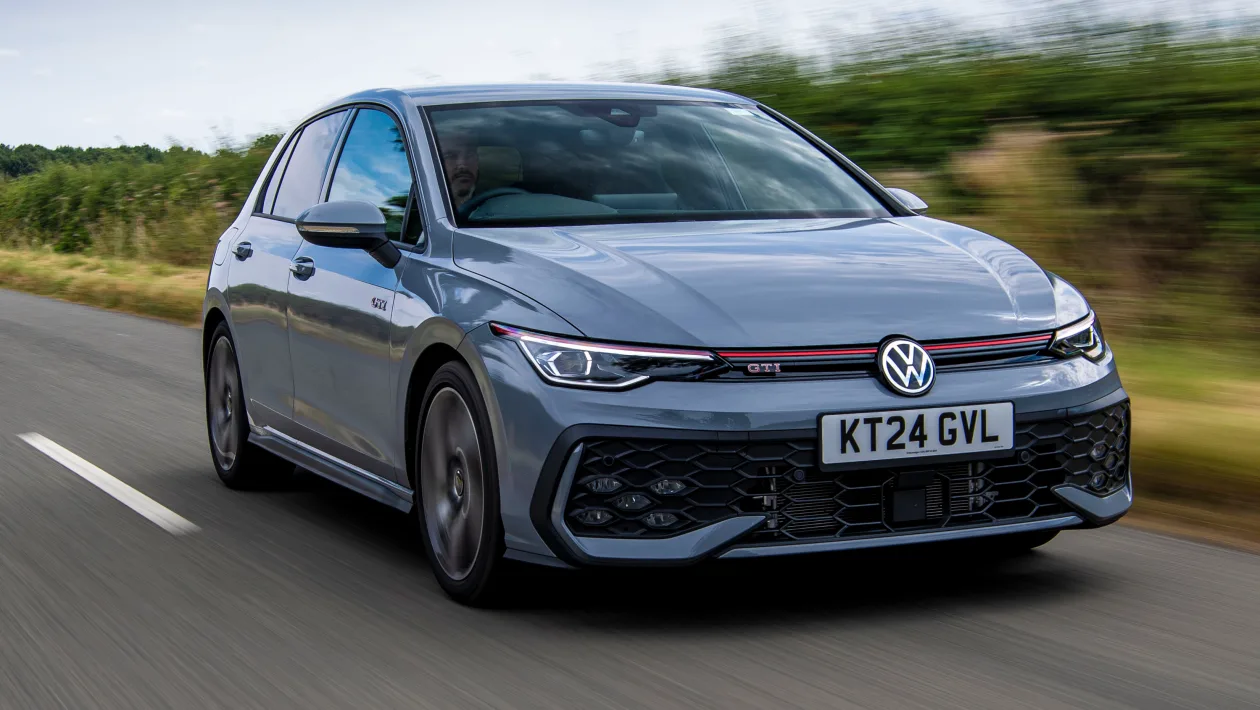
3. Hyundai i30 N (2018–2024)
The Hyundai i30 N, produced from 2018 to 2024, marked Hyundai’s first serious entry into the high-performance hot hatch segment and quickly earned a reputation as one of the most exciting yet dependable cars in its class.
Developed with extensive Nürburgring testing, the i30 N was engineered to handle both aggressive driving and everyday commuting, successfully combining track-inspired performance with real-world usability. Strong owner satisfaction scores and a reported reliability rating of over 96 percent further strengthened its appeal as a practical daily performance car.
Power comes from a turbocharged 2.0 litre petrol engine offered initially in two outputs: a 247 bhp standard version and a more powerful Performance variant producing up to 271 bhp, later increased to about 276 bhp after the 2021 update. The engine is responsive and durable, designed to withstand sustained spirited driving without sacrificing long-term reliability.
Performance models add upgraded brakes, an electronic limited-slip differential, and an active exhaust system that enhances driving engagement while improving traction and stability during cornering.
One of the i30 N’s greatest strengths is its adaptability. Adjustable driving modes and adaptive dampers allow the car to shift from comfortable daily transport to a sharp performance machine.
In softer settings, steering becomes lighter, and suspension compliance improves, making commuting manageable even on imperfect roads. Despite this flexibility, the ride remains firmer than many rivals, which some drivers may notice during long urban drives.
Practicality is solid thanks to a five-door hatchback layout and a usable 381-litre boot. Cabin space is adequate for passengers, with good headroom and supportive sports seats up front. Interior design is functional rather than luxurious, lacking the premium feel of some competitors, but controls are logically arranged and easy to use.
Physical buttons and a responsive infotainment system, including a modern 10.25-inch display in later models, enhance everyday convenience. Standard safety technology includes autonomous emergency braking, lane-keeping assistance, and automatic headlights, reinforcing its daily-driver credentials.
Running costs reflect its performance focus. Fuel economy averages around 34 to 35 mpg, dropping with enthusiastic driving, and consumables such as tires and brakes can be expensive. Maintaining a full service history is important to ensure performance components remain in good condition.
While the boot and rear legroom are slightly smaller than those of key rivals, the i30 N compensates with engaging handling, strong braking performance, and impressive chassis stability. Hyundai’s five-year transferable warranty also provides reassurance for used buyers.
The i30 N delivers a compelling balance of reliability, excitement, and practicality, offering a “race car for every day” experience without sacrificing modern comfort or safety.
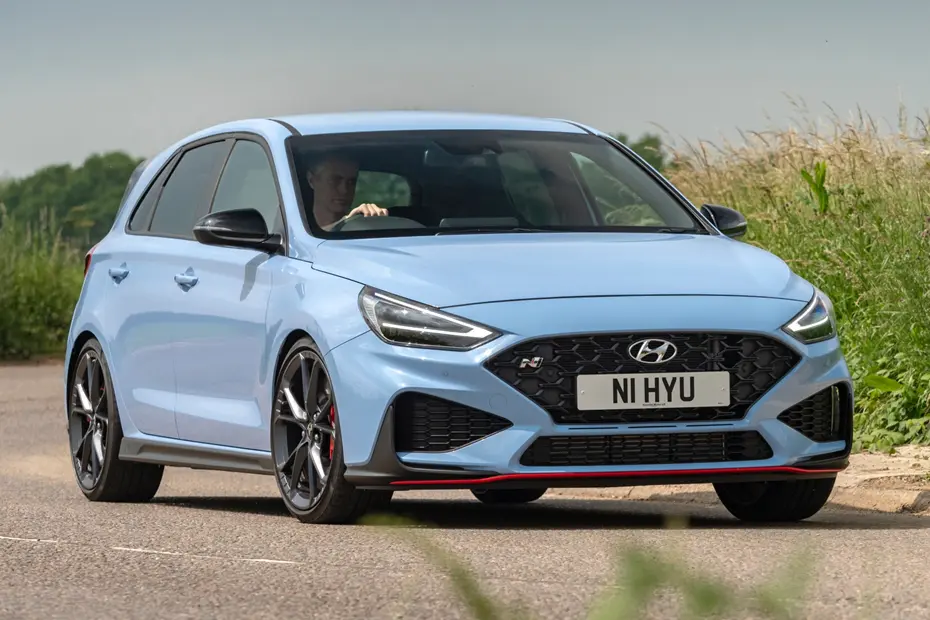
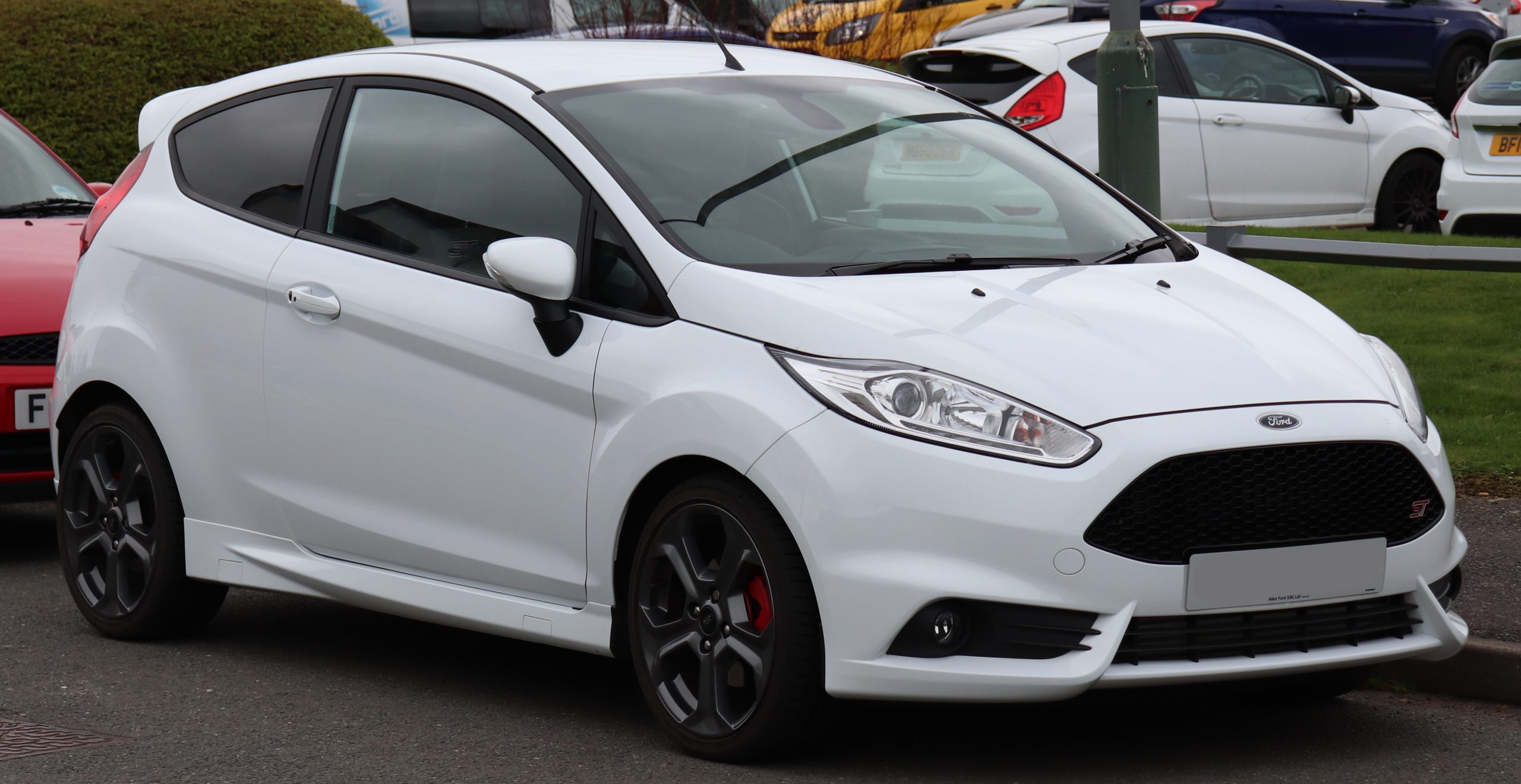
4. Ford Fiesta ST (2013–2017)
The 2013–2017 Ford Fiesta ST is widely regarded as one of the most entertaining and affordable hot hatchbacks ever produced. Often described as the “budget king” of the segment, it combines engaging performance, relatively simple mechanical design, and low ownership costs, making it an appealing choice for drivers seeking daily driving excitement without premium car expenses.
While it sacrifices some comfort and refinement, its focus on driving enjoyment gives it one of the highest “smiles per mile” ratios in the used car market.
Power comes from a 1.6 litre turbocharged EcoBoost engine producing around 182 PS, with an overboost function temporarily increasing output to nearly 197 bhp. The limited-run ST200 variant raises performance further to approximately 200 PS.
Acceleration from 0 to 62 mph takes about 6.9 seconds, though the car often feels quicker thanks to its light weight and responsive throttle. The engine is generally reliable when properly maintained and benefits from a simpler layout compared with more complex modern performance cars.
The Fiesta ST is paired exclusively with a six-speed manual gearbox that is widely praised for its short, precise shifts and strong driver engagement. Its chassis tuning is a major highlight, featuring retuned suspension and torque-vectoring technology that uses braking to reduce understeer.
This setup delivers sharp steering response and exceptional cornering confidence, making the car feel agile and playful on winding roads. However, this performance focus comes with a compromise. The suspension is notably firm and can feel harsh or “crashy” on rough urban surfaces, which may reduce comfort during daily commuting.
Running costs remain one of the car’s strongest advantages. Because it is based on the standard Ford Fiesta platform, parts are widely available and relatively inexpensive. Fuel economy is impressive for a performance hatchback, often exceeding 40 mpg and approaching 50 mpg on motorway drives when driven gently. This efficiency makes it one of the cheapest hot hatches to operate daily.
Inside, practicality is adequate but not class-leading. Supportive Recaro sports seats provide excellent comfort during spirited driving, although some drivers find the seating position slightly high. The interior design feels dated, with a cluttered button layout and a small infotainment screen lacking modern smartphone connectivity. Rear passenger space and boot capacity are also limited compared with newer rivals.
Reliability is generally solid, though buyers should confirm recall work on early models addressing potential cylinder head overheating issues. Common wear items include suspension bushes, engine mounts, sticking brake calipers, and minor cabin rattles. A full service history is essential, as many examples have been driven enthusiastically.
The Fiesta ST delivers exceptional driving fun, affordable ownership, and dependable performance, making it a standout choice for enthusiasts prioritizing engagement over luxury.
Also read: 5 Cars With Simple Dash Layouts vs 5 With Confusing Ones
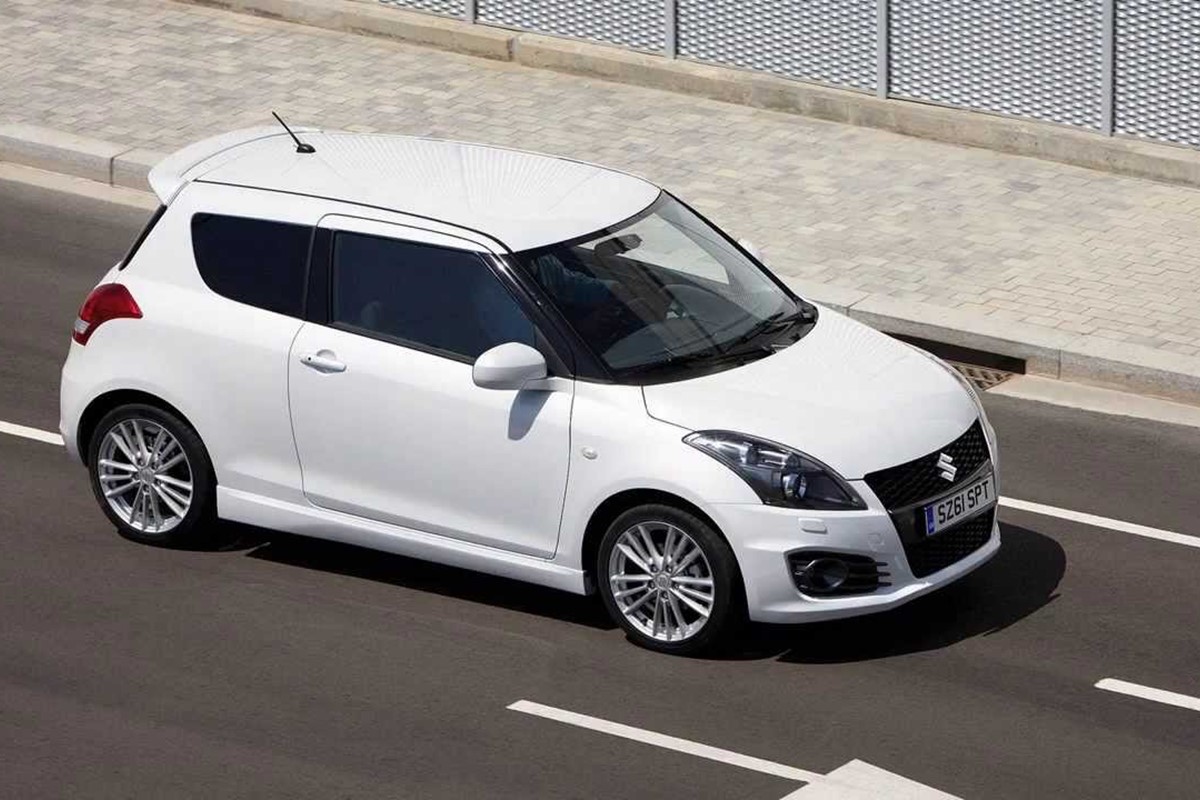
5. Suzuki Swift Sport (2012–2017)
The 2012–2017 Suzuki Swift Sport is widely regarded as a hidden gem among affordable hot hatchbacks, offering dependable engineering, low running costs, and engaging driving dynamics in a simple and lightweight package.
Unlike many modern performance cars that rely on turbocharging and complex electronics, the Swift Sport focuses on mechanical simplicity and reliability, making it an excellent daily driver for those who want sporty character without high ownership expenses.
At the heart of the car is a naturally aspirated 1.6 litre M16A petrol engine producing around 136 bhp. While modest in power compared with turbocharged rivals, the engine is well known for durability and long service life.
The absence of a turbocharger reduces mechanical complexity and eliminates common forced-induction failures, contributing to lower maintenance costs and improved long-term reliability. Acceleration from 0 to 62 mph takes about 8.7 seconds, but the car’s lightweight construction, at just over 1,000 kg, makes it feel lively and responsive in real-world driving.
Both the six-speed manual gearbox and optional CVT transmission are generally dependable, with few widespread mechanical issues reported. The manual version is especially popular among enthusiasts thanks to its direct feel and driver involvement. Mechanical simplicity also makes the car friendly for DIY maintenance, further reducing ownership costs compared with more complex European hot hatches.
One of the Swift Sport’s greatest strengths is its balance between comfort and handling. The suspension delivers a sporty yet compliant ride, avoiding the harshness found in more track-focused competitors.
Lightweight and agile steering allow the car to change direction quickly, providing an entertaining driving experience on twisty roads while remaining comfortable enough for daily commuting and city use. Its compact dimensions also make parking and maneuvering in urban environments easy.
Practicality is reasonable for a small hatchback. Buyers can choose between three-door and five-door versions, and rear seats fold to increase cargo flexibility. However, the boot is relatively small, and rear passenger space is limited compared with larger rivals. The interior prioritizes durability over luxury, featuring hard plastics that feel basic but are solidly assembled and resistant to long-term wear.
Running costs are among the lowest in the hot hatch segment. Fuel economy averages around 44 mpg, insurance premiums are typically lower than those of more powerful alternatives, and servicing remains inexpensive through Suzuki’s fixed-price maintenance programs. Standard equipment is generous, including climate control, cruise control, keyless entry, and multiple airbags.
Common issues are minor and manageable, such as clutch pedal return problems, gearbox bearing noise, thin paint prone to stone chips, and occasional suspension wear. Regular servicing usually prevents serious concerns.
The Suzuki Swift Sport offers reliable performance, affordability, and everyday usability, making it an ideal choice for drivers seeking simple, enjoyable motoring without complexity or high costs.
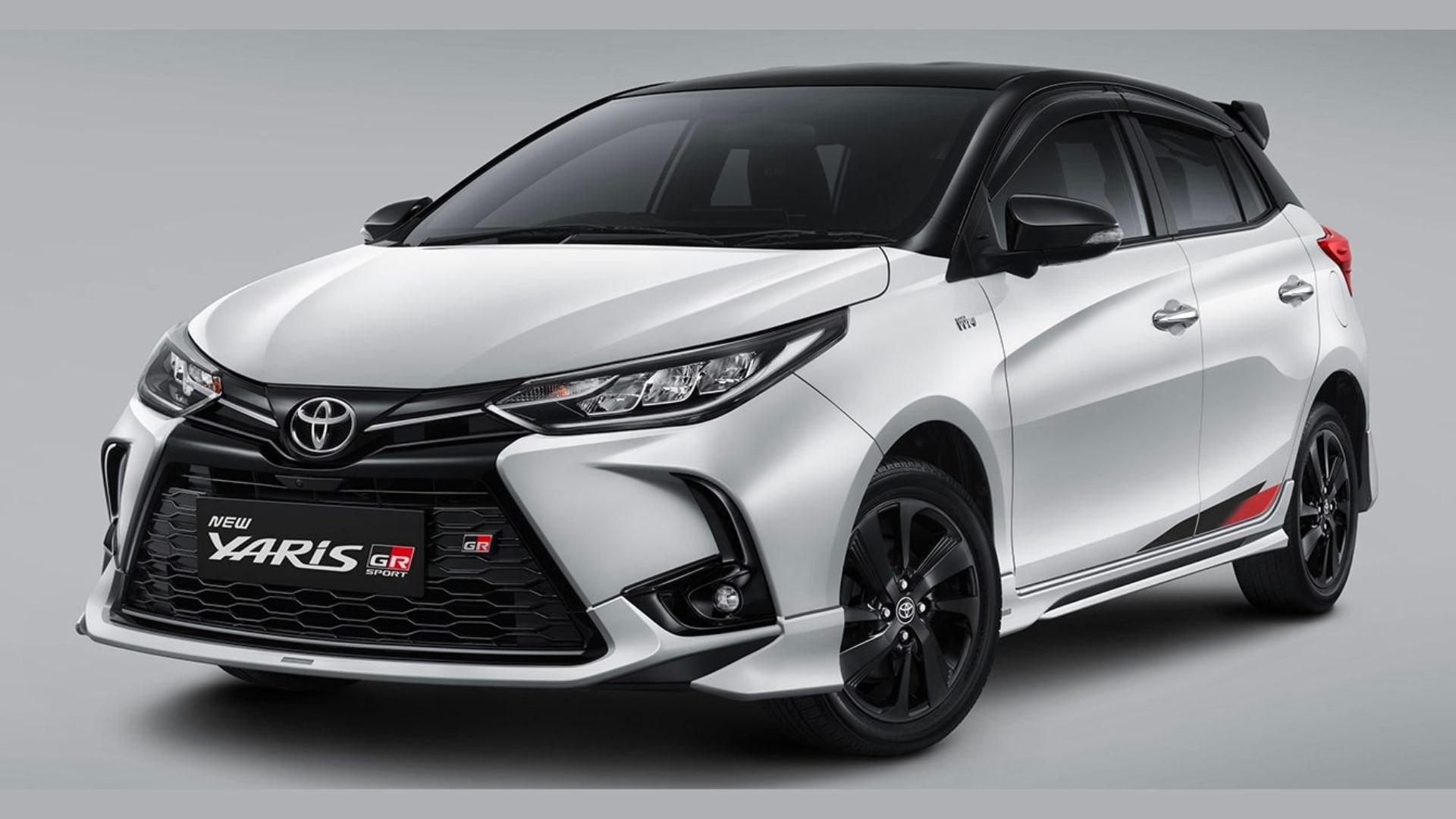
6. Toyota GR Yaris (2020–Present)
The Toyota GR Yaris, introduced in 2020, stands apart from typical hot hatchbacks by combining rally-inspired engineering with Toyota’s long-standing reputation for durability and reliability.
Built as a homologation-style performance car developed by Toyota Gazoo Racing, it was designed from the outset to withstand aggressive driving while remaining practical enough for daily use. This rare balance of motorsport capability and dependable ownership makes the GR Yaris one of the most unique performance cars currently available.
At its core is a highly advanced 1.6 litre turbocharged three-cylinder engine, known as the G16E-GTS, producing approximately 257 bhp. Despite being the world’s most powerful production three-cylinder engine, it has proven mechanically robust thanks to overengineered internals and extensive durability testing.
The car is assembled in a dedicated Gazoo Racing facility in Japan, emphasizing precision build quality and long-term resilience. Paired with a six-speed manual transmission, the engine delivers rapid acceleration, reaching 0 to 60 mph in about 4.6 seconds while maintaining strong reliability when properly serviced.
A defining feature of the GR Yaris is its GR-FOUR All Wheel Drive system. Drivers can vary the torque distribution between the front and rear wheels depending on driving mode, improving traction and confidence in wet or slippery conditions.
This capability makes the car especially suitable for year-round commuting compared with traditional Front Wheel Drive hot hatches. Exceptional grip, precise steering, and a lightweight chassis create remarkable handling performance without sacrificing everyday drivability.
Despite its performance focus, the GR Yaris retains useful daily-driver qualities. Its compact size makes urban maneuvering and parking easy, while modern safety technologies such as adaptive cruise control, lane-trace assist, and autonomous emergency braking support comfortable commuting.
Front seats are supportive and comfortable for long journeys, though rear passenger space is tight and best suited for occasional use. The 174-litre boot is small, limiting practicality compared with larger hatchbacks, but folding rear seats provide additional cargo flexibility when needed.
There are some compromises. Fuel economy typically ranges between 25 and 30 mpg in mixed driving, and the suspension feels firm over rough roads. Cabin noise from tires and wind can also be noticeable at highway speeds, and rear visibility is restricted by the car’s design. Interior materials are functional rather than luxurious, although build quality remains solid.
For used buyers, a full service history is essential, and heavily modified examples should be approached cautiously. Early cars may show minor gearbox notchiness when cold, but serious mechanical issues are uncommon.
The GR Yaris delivers rally-car excitement with genuine reliability, offering enthusiasts an engaging yet dependable performance hatch suited to daily driving.
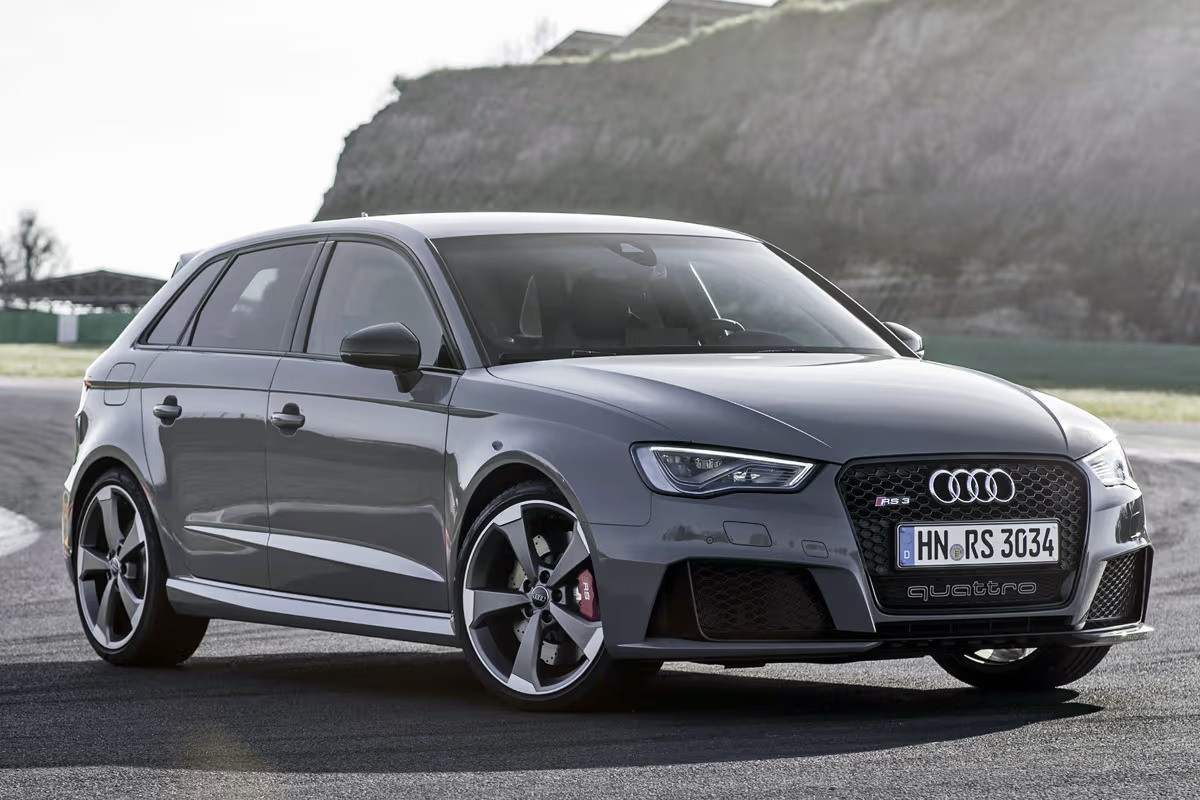
7. Audi S3 Sportback (2013–2020)
The Audi S3 Sportback (8V generation) represents a refined interpretation of the modern hot hatch, blending strong performance with premium comfort and everyday usability.
Positioned as the more mature alternative within the performance hatchback segment, it combines understated styling, advanced technology, and dependable engineering, making it an excellent choice for drivers seeking both excitement and practicality in a daily vehicle.
At the heart of the S3 Sportback lies the widely used 2.0 litre TFSI turbocharged four cylinder engine from the Volkswagen Group’s EA888 family. This proven powertrain produces around 296 bhp for most model years, briefly increasing to 306 bhp after the 2016 facelift before returning to 296 bhp due to emissions regulations.
Acceleration is brisk, with 0 to 62 mph achieved in under five seconds, delivering performance comparable to more aggressive sports cars while maintaining everyday drivability. Buyers could choose between a six-speed manual gearbox or the more common S tronic dual clutch automatic, which offers quick, smooth shifts suited to both commuting and spirited driving.
A defining feature of the S3 is its quattro All Wheel Drive system, based on a Haldex setup that automatically distributes power between the front and rear wheels. This system enhances traction and stability in wet or slippery conditions, making the car particularly capable as an all-weather commuter.
Handling is secure and predictable, prioritizing confidence and composure over raw driving drama, which reinforces its reputation as a balanced all-rounder rather than a track-focused machine.
Inside, the S3 Sportback stands out for its high-quality cabin. Audi’s minimalist interior design emphasizes ergonomics and durable materials, creating a comfortable environment for long journeys. Higher specification models include the Audi Virtual Cockpit, a fully digital instrument display introduced after the facelift.
The five-door Sportback body style adds everyday practicality, offering usable rear seating and a boot capacity suitable for groceries, luggage, or daily errands, even though quattro components slightly reduce cargo space compared with standard A3 models.
Reliability is generally strong, with surveys reporting high owner satisfaction when maintenance schedules are followed. However, several known issues require attention. The Haldex All Wheel Drive system must be serviced regularly to prevent pump failure, while water pumps and thermostats may develop coolant leaks due to plastic housings.
Some owners also report minor electrical issues, sunroof rattles, and interior trim noises. Maintenance costs are higher than non-premium rivals, particularly for brakes and dealership servicing, but remain manageable relative to performance.
The Audi S3 Sportback succeeds as a sophisticated do-everything hot hatch, delivering speed, comfort, and practicality in a discreet, premium package well suited to daily driving.
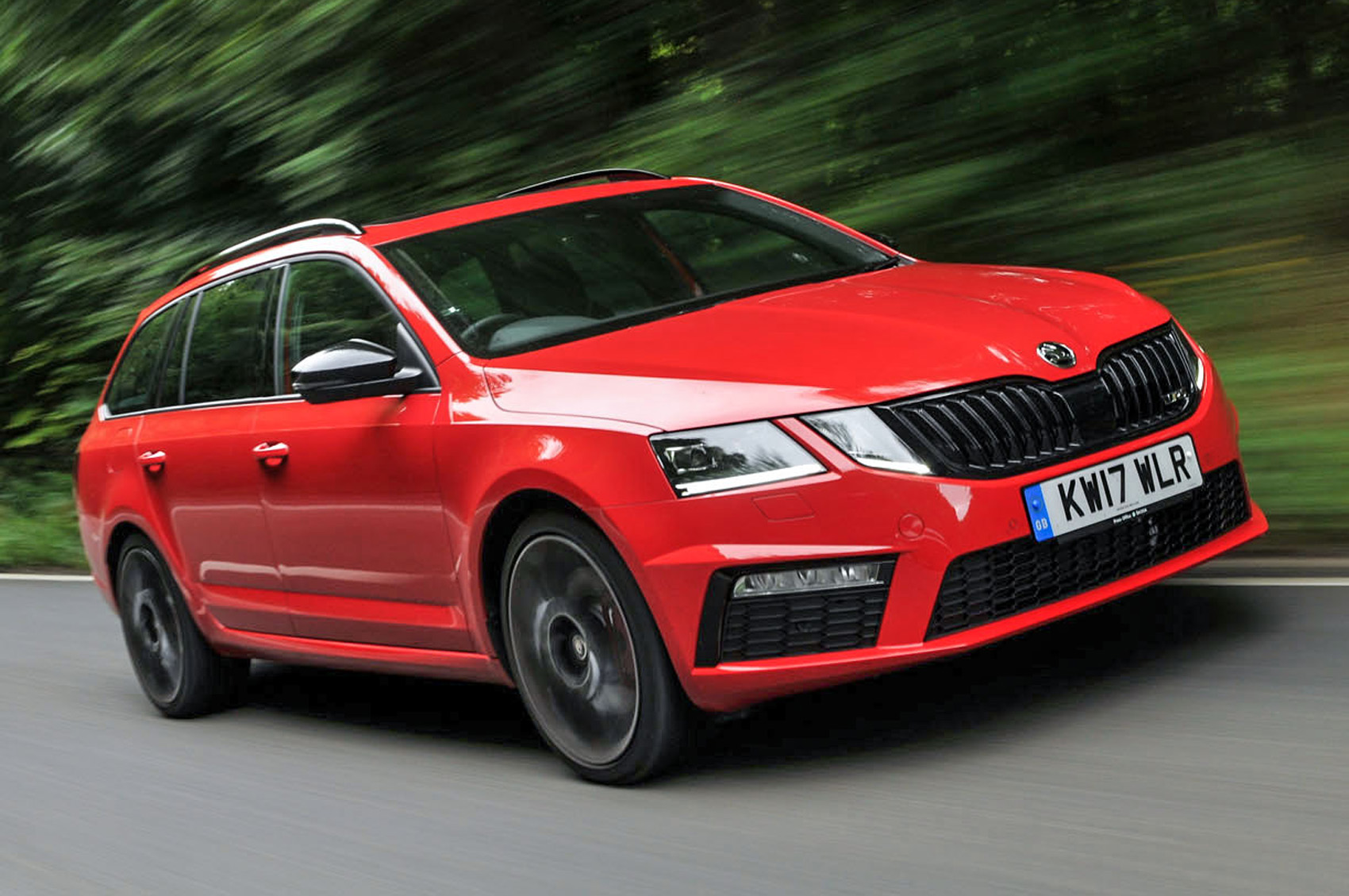
8. Skoda Octavia vRS (2013–2020)
The Skoda Octavia vRS (2013–2020) is a practical and reliable performance hatchback that combines the proven engineering of Volkswagen Group platforms with exceptional space and comfort. Effectively a more usable alternative to the Volkswagen Golf GTI, it offers strong performance with everyday usability, making it ideal for families, commuters, or anyone needing a performance car without sacrificing practicality.
The Octavia vRS is powered by a choice of dependable engines. Petrol models use the 2.0 TSI engine producing between 220 and 245 bhp. The facelifted vRS 245 benefits from an electronic front differential for improved traction and cornering.
Diesel variants use the 2.0 TDI engine with 184 bhp, which is suited to long-distance driving and offers the option of all-wheel drive for better grip in wet conditions. Both petrol and diesel models are available with a manual gearbox or DSG automatic. DSG models require regular oil changes every 38,000 to 40,000 miles to maintain smooth operation.
Handling is confident and tuned for daily driving comfort while still providing a sporty feel. Suspension is 15 mm lower than standard Octavia models, and the optional Dynamic Chassis Control allows drivers to adjust firmness, making the car adaptable for both spirited driving and city commuting. Cars fitted with 19-inch wheels may feel firmer over rough roads, but ride quality remains controlled and composed.
Practicality is a key strength of the Octavia vRS. Both hatchback and estate models have large cargo capacities of 590 litres and 610 litres respectively, which surpass most hot hatch competitors. Rear legroom is generous enough for tall adults.
Facelift models from 2017 feature upgraded infotainment systems with 8.0- or 9.2-inch touchscreens, Apple CarPlay, and Android Auto. Skoda’s clever features, like a fuel-flap ice scraper and door-mounted umbrellas, add convenience for daily use.
Used reliability is strong, but buyers should check common issues, including water pump and thermostat leaks in petrol engines, DSG gearbox jerking, and diesel DPF or EGR problems if used mainly for short trips. Timing belt replacements for diesels and timing chain monitoring for early petrols are recommended.
Fuel economy is competitive with diesel models, achieving over 50 mpg on long journeys, and petrol models averaging low to mid-30s mpg. Skoda offers fixed-price servicing for cars over three years old, which keeps maintenance costs reasonable.
The 2013–2020 Skoda Octavia vRS blends hot hatch performance with practicality and reliability. Its spacious cabin, large boot, and well-engineered engines make it a capable family car while still delivering an engaging and fun driving experience.
These eight used hot hatches prove that performance and daily usability are not mutually exclusive. Cars like the Civic Type R, Golf GTI, and GR Yaris offer thrilling acceleration and engaging handling while maintaining reliability standards that make them suitable for regular commuting.
Meanwhile, options such as the Octavia vRS and Suzuki Swift Sport show that practicality, low running costs, and clever interior features can coexist with sporty driving dynamics.
Each model balances comfort, technology, and durability differently, allowing buyers to select one that fits their priorities, whether that is outright speed, all-weather capability, or family-friendly versatility.
By focusing on cars that combine robust engineering, thoughtful design, and proven longevity, enthusiasts can enjoy spirited drives without compromising reliability, making these eight hot hatchbacks excellent choices for daily use.
Also Read: Top 10 Cars With Manual Transmissions You Can Still Buy Brand New