When it comes to cars, performance is only part of the story. The sound they produce from their factory exhaust often defines the emotional connection between machine and driver. From the high-pitched wail of Japan’s Lexus LFA to the raw, guttural roar of American muscle like the Dodge Challenger SRT Hellcat, exhaust notes are carefully engineered to excite, thrill, and make each car unmistakable.
Naturally aspirated engines, turbocharged setups, and supercharged V8s all produce distinct tones that complement their powertrains and driving dynamics. Some cars, like the Ferrari 458 Italia and Lamborghini Aventador SVJ, combine refined engineering with operatic, high-revving notes, while others, such as the Dodge Viper SRT-10, emphasize pure, unfiltered aggression.
This list of the top 10 cars that sound great with their factory exhaust systems highlights the vehicles that deliver exceptional auditory experiences straight from the factory, showcasing how engineers fuse acoustics, performance, and design to create unforgettable machines.
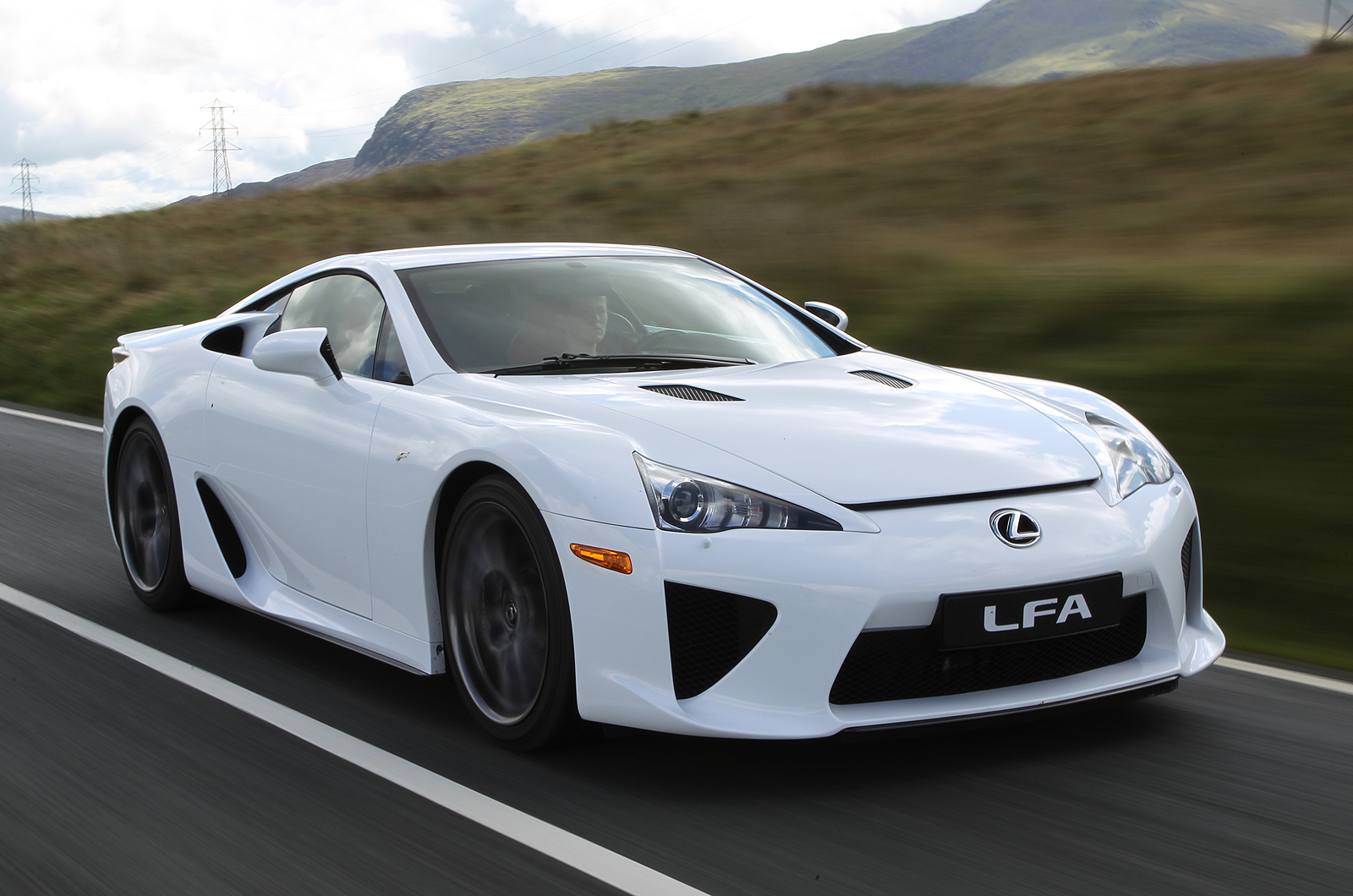
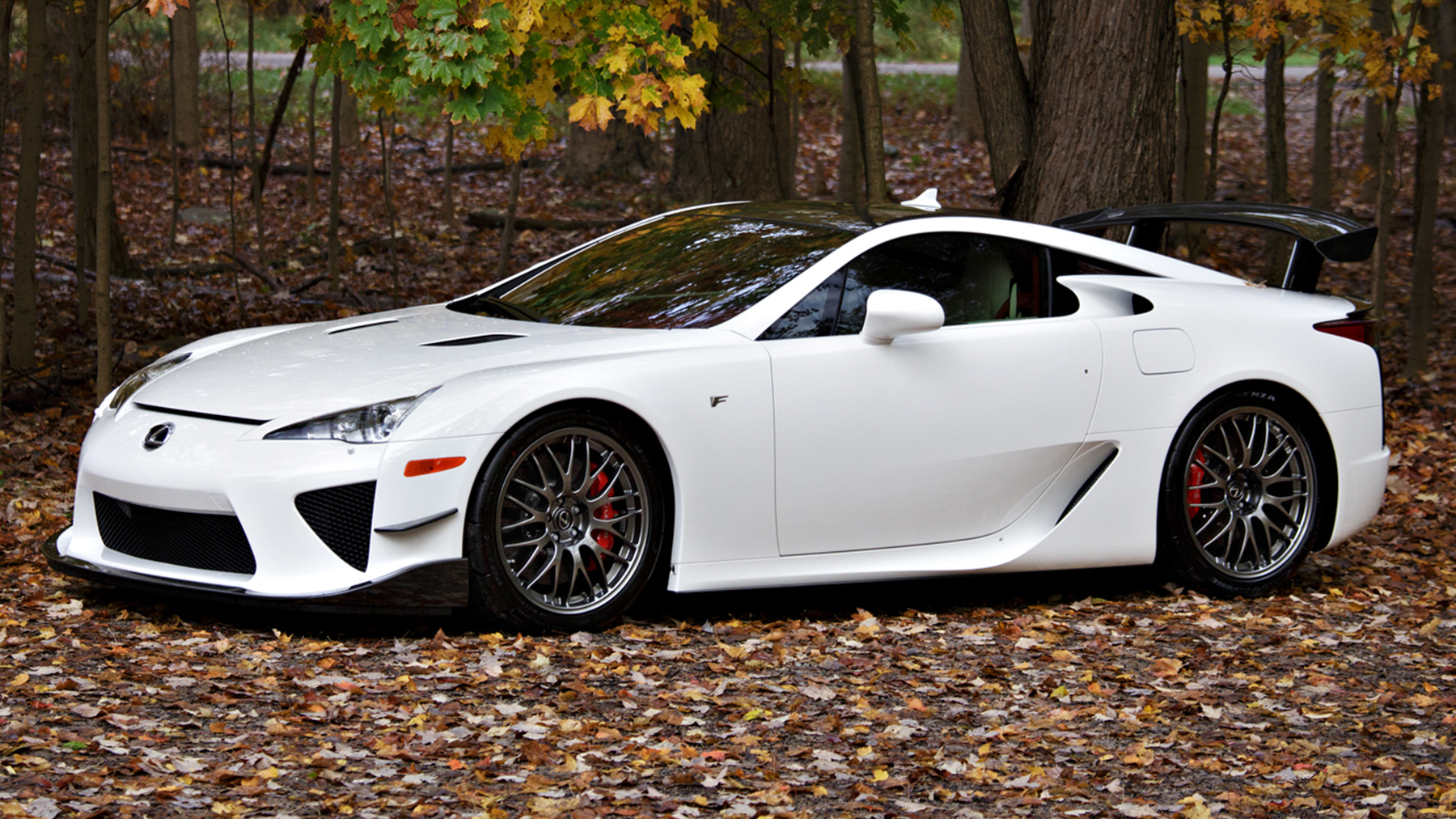
1. Lexus LFA: Japan’s Sonic Supercar
The Lexus LFA is a unique supercar that combines Japanese engineering precision with the emotional impact of a musical instrument. At its core is a naturally aspirated 4.8L V10 engine co-developed with Yamaha’s musical instrument division to produce a high-pitched, spine-tingling scream similar to a Formula 1 car.
The 72-degree V10 revs to 9,000 RPM and produces 552 horsepower at 8,700 RPM. Its triple-exit exhaust with titanium silencers balances intake roar, mechanical howl, and high-frequency tones.
Acoustic ducts channel the engine sound directly into the cabin, giving the driver an immersive and unforgettable audio experience. While not the most powerful among its peers, the engine is praised for its responsiveness, tonal clarity, and analog feel.
The LFA was conceived by Toyota CEO Akio Toyoda in the early 2000s while Toyota was entering Formula 1. Development lasted nearly a decade and evolved from an all-alloy prototype to a carbon-fiber reinforced chassis. Engineers created a bespoke suspension and braking system to maximize precision.
The transaxle layout with a rear-mounted gearbox and integrated exhaust optimized weight distribution, placing the driver at the center of the car’s balance. The single-clutch sequential gearbox may not match modern dual-clutch systems in speed, but it delivers a direct mechanical connection that enhances the driving experience.
Driving the LFA is both thrilling and approachable. Its double-wishbone front suspension and multilink rear suspension, paired with carbon-ceramic Brembo brakes, provide precision and confidence. The engine’s linear torque and high-rev excitement reward patient driving and skillful inputs. Inside, the cabin combines luxury with functionality.
Carbon-fiber steering controls, aluminum and magnesium switches, and soft leather seats are arranged around a digital tachometer that keeps up with the engine’s extreme revs. Every detail from steering to throttle response to exhaust sound is designed to create a highly engaging driving experience.
The LFA launched in the US at approximately $370,000 in 2010. Only 500 units were produced, making it a rare collector’s item. It competed with the Ferrari 599 GTO and Lamborghini Aventador, but its combination of mechanical artistry and Yamaha-tuned acoustics made it distinct.
Today, values for the LFA exceed $1 million for the rare Nürburgring Edition. The LFA is more than a car. It is a statement of engineering excellence, driving engagement, and sonic mastery that represents one of the greatest Japanese supercars of the 21st century.
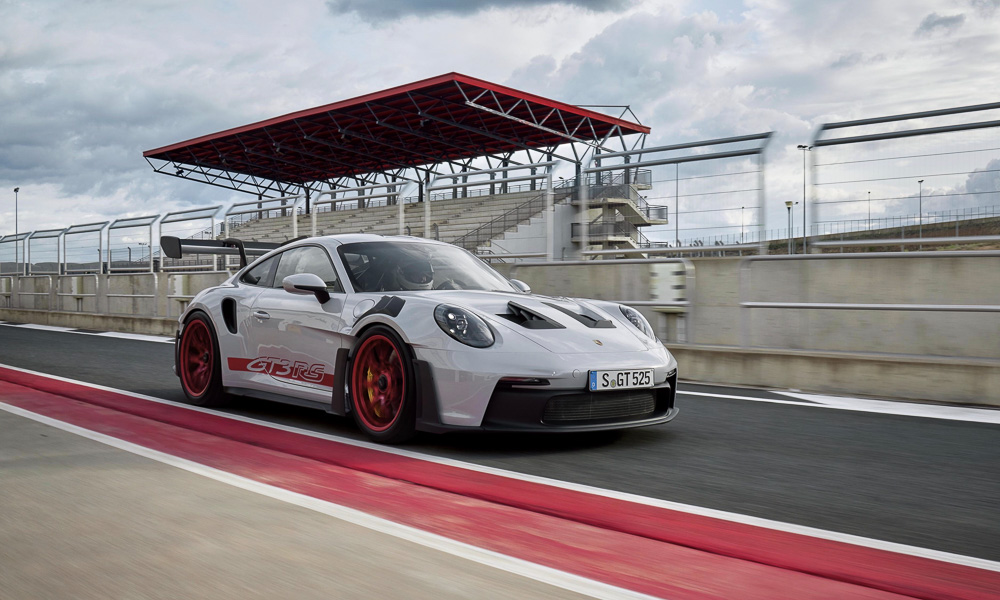
2. Porsche 911 GT3 RS (992): The Ultimate Road-Legal Track Machine
The Porsche 911 GT3 RS (992) is a street-legal racing car built around a naturally aspirated 4.0L flat-six engine that revs to 9,000 RPM. Its high-revving powerplant produces 518 horsepower at 8,500 RPM and a mechanical wail that is both aggressive and precise.
The factory exhaust, featuring electronically controlled bypass valves, delivers a raw, motorsport soundtrack above 5,000 RPM while maintaining a quieter, street-friendly tone at lower speeds. Lightweight materials, precision engineering, and optimized exhaust flow ensure the GT3 RS sounds as exhilarating as it performs, reaching 108 decibels at full throttle.
Porsche has combined racing technology with road usability. The GT3 RS features an extensive aerodynamic package, including a swan-neck rear wing and front flaps that generate up to 860 kilograms of downforce at 177 mph. Adjustable suspension allows on-the-fly damper tuning via the steering wheel, while rose-jointed components and track-focused geometry maintain precision on uneven roads.
Carbon-fiber anti-roll bars and magnesium wheels in the Weissach Package reduce unsprung weight and enhance responsiveness. The seven-speed PDK transmission, optimized with shorter ratios and a revised final drive, delivers crisp, immediate shifts that match the engine’s intensity.
Driving the GT3 RS offers a blend of extreme performance and approachability. Its steering is sharp and communicative, brakes are powerful and predictable, and chassis balance allows overlap of throttle and cornering without unsettling the car.
On the track, the RS is precise and confidence-inspiring, with massive grip and aerodynamic stability. On the road, it retains engagement and excitement, with tactile feedback, responsive throttle mapping, and immersive engine sound that make even normal driving feel thrilling.
Performance is complemented by a focused yet comfortable interior. Alcantara trim, carbon-fiber details, and supportive racing seats create a purposeful cockpit while retaining Porsche’s modern infotainment and driver-assistance features.
Starting at approximately $230,000, the 992 GT3 RS sits alongside supercars like the McLaren Senna and Maserati MC20 but offers a rare combination of track capability, road usability, and mechanical purity. It represents the most extreme and accomplished GT3 RS ever produced, making it one of the most engaging and versatile track-oriented cars available today.
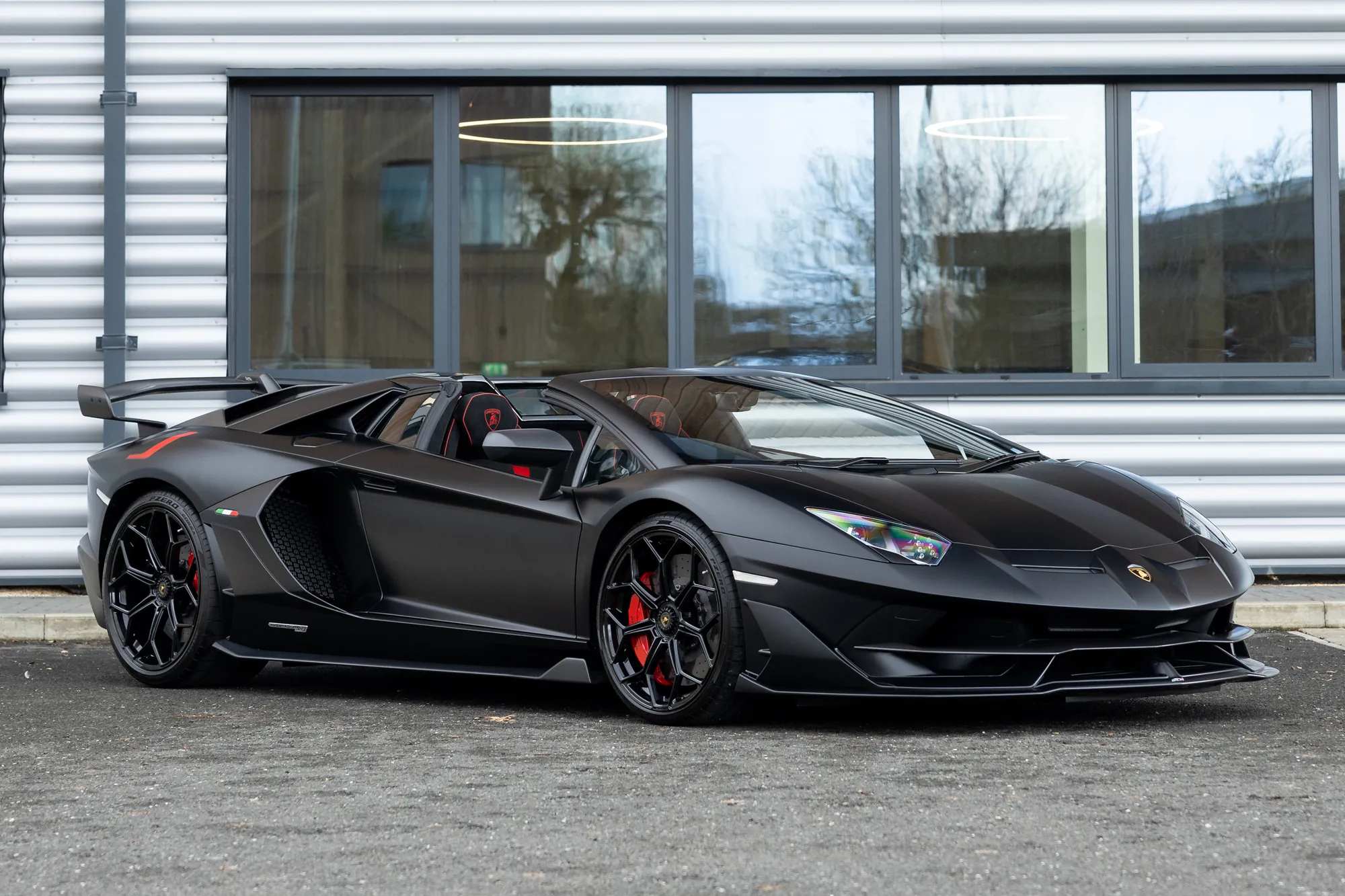
3. Lamborghini Aventador SVJ: The Pinnacle of Naturally Aspirated V12 Performance
The Lamborghini Aventador SVJ represents the apex of naturally aspirated V12 engineering, powered by a 6.5-liter V12 that produces 759 horsepower at 8,500 RPM and 531 lb-ft of torque at 6,750 RPM. Its high-revving engine delivers a piercing, aggressive scream often likened to a “demon screaming,” enhanced by a high-mounted dual-exit factory exhaust that minimizes backpressure and maximizes tonal clarity.
The system features valvetronic controls that bypass mufflers at high RPMs, producing dramatic overrun pops, visible flames on deceleration, and a pure, unfiltered V12 soundtrack. Titanium valves, a redesigned cylinder head, intake manifold, lighter flywheel, and a shorter exhaust further reduce internal inertia and improve midrange torque.
Performance is complemented by Lamborghini’s active aerodynamics (ALA 2.0) and LDVA 2.0 vehicle dynamics integration. ALA manipulates front and rear flaps to increase downforce by 40 percent during cornering while reducing drag on straights, creating a car that is both agile and stable at high speeds.
The SVJ also features recalibrated dampers, stiffer anti-roll bars, four-wheel steering, dynamic steering, and bespoke Pirelli Trofeo R tires, enabling precise handling and confidence-inspiring grip. Despite its 3,362-pound dry weight, extensive use of carbon fiber and lighter wheels offsets added technology, keeping the car nimble.
Acceleration is blistering: 0-62 mph in 2.8 seconds, 0-124 mph in 8.6 seconds, and a top speed exceeding 217 mph. The single-clutch automated gearbox has been recalibrated for sharper, more immediate shifts. On the road, the SVJ is surprisingly approachable: steering is precise, traction is excellent, and its chassis feels balanced even at lower speeds, while its engine and exhaust create an immersive driving experience.
Inside, the cockpit is intensely driver-focused, with low-slung bucket seats, carbon-fiber trim, and a minimalist layout. Visibility is limited, but the tactile feedback, paddle feel, and engine responsiveness make every drive exhilarating.
Originally priced from approximately $460,000, today’s SVJs are valued between $575,000 and $765,000, depending on options and condition. With only 900 units produced, the Aventador SVJ remains a visceral, mechanical celebration of Lamborghini’s V12 heritage, combining extreme track capability with dramatic, everyday usability in a way few modern supercars can match.
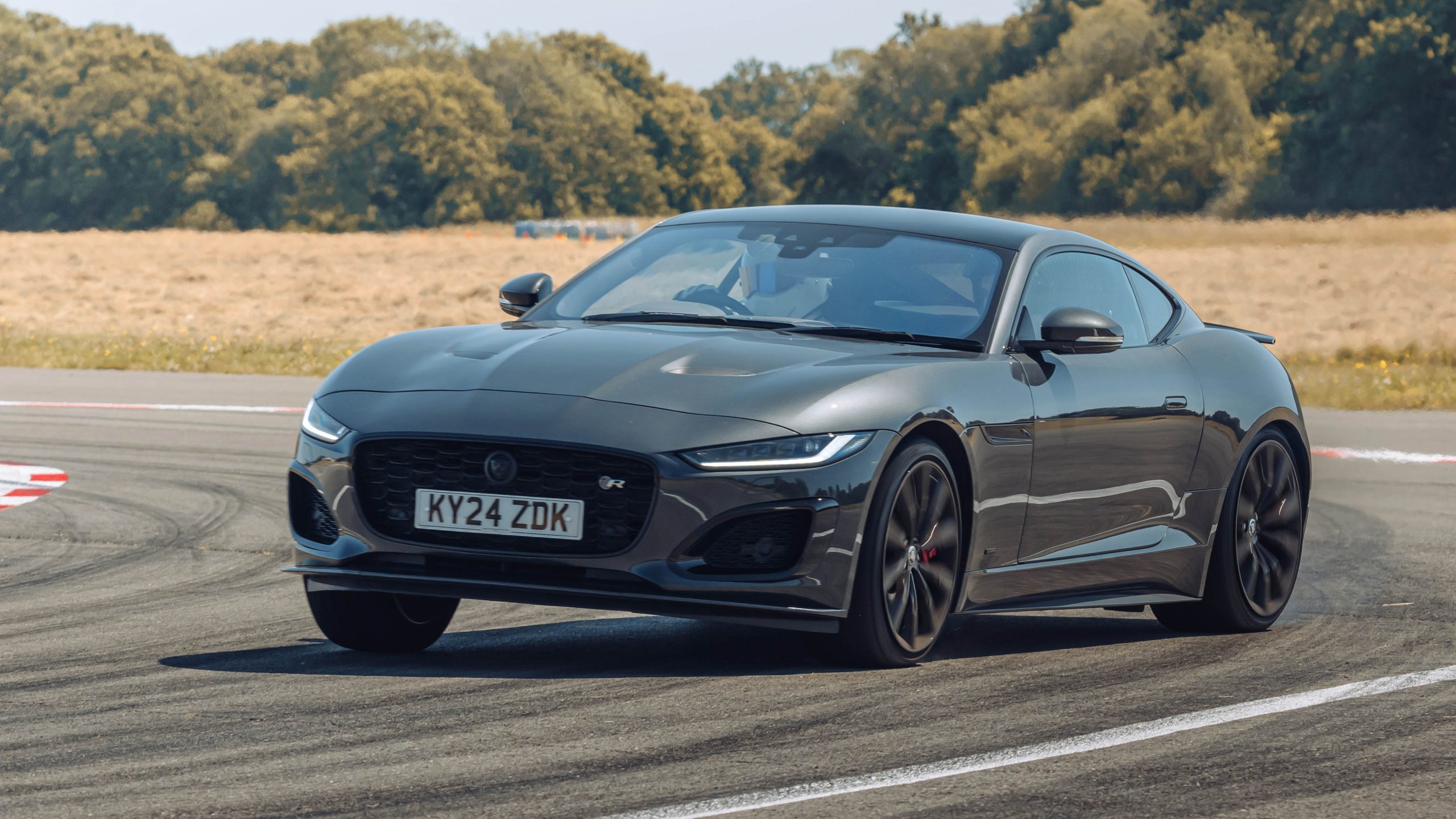
4. Jaguar F-Type R: A Roaring British Sports Car
The Jaguar F-Type R is a visceral, extroverted sports car built around a 5.0-liter supercharged V8 producing 575 horsepower and 516 lb-ft of torque. Its most defining feature is the factory active exhaust system, which uses electronically controlled valves to alternate between a refined growl and a full-throttle roar.
At high revs and during lift-off, the engine produces sharp pops and crackles, delivering a “rapid-fire” auditory experience reminiscent of artillery, a signature sound refined through over 85 iterations during development and even archived by the British Library for posterity.
Drivers can manually control the valves or engage Dynamic Mode to maximize the soundtrack, making the F-Type R one of the most characterful V8s in modern production cars.
Performance is impressive thanks to an all-wheel-drive system that channels power to all four wheels via an eight-speed ZF automatic transmission. The F-Type R accelerates from 0-60 mph in just 3.5 seconds, with a top speed well over 186 mph, while torque is instantly available from 3,500 RPM.
The chassis is composed of double-wishbone suspension at all corners, active dampers, and massive 265/35-20 front and 305/30-20 rear tires, providing precise cornering, strong grip, and minimal body roll.
The all-wheel-drive system tames the car’s raw power, making it manageable yet thrilling even with traction control off. Steering is sharp and communicative, especially in Dynamic Mode, complementing the precise brake pedal feel that inspires confidence in aggressive driving.
Inside, the F-Type R combines British flair with practicality. The cabin features firm, supportive seats, Alcantara and leather trim, a panoramic glass roof, and a clear digital dash, creating a focused yet comfortable driving environment. Visibility is mostly good, though rearward views are limited, and the infotainment system can be slow to connect with smartphones.
Exterior styling retains the F-Type’s muscular, low-slung proportions, with a short rear deck, sculpted front fascia, and LED headlights. Road noise is noticeable due to the aggressive suspension and large tires, but it suits the car’s track-ready character.
Priced at $115,110 for the reviewed example, the 2021 F-Type R blends jaw-dropping V8 drama, precise handling, and everyday usability. It continues Jaguar’s tradition of producing a sports car that is both visually stunning and intensely rewarding to drive, delivering a uniquely British take on the high-performance GT experience.
5. Dodge Challenger SRT Hellcat: Raw American Muscle
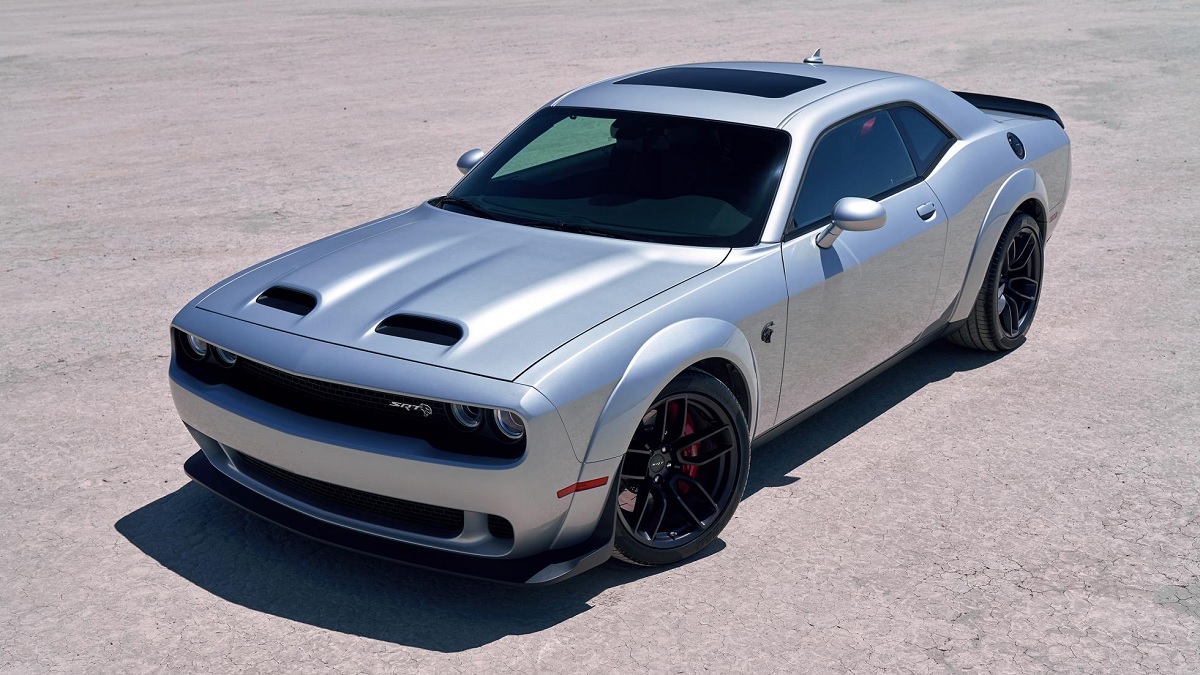
The Dodge Challenger SRT Hellcat represents unfiltered American muscle with a 6.2-liter supercharged HEMI V8 producing 707 horsepower and 650 lb-ft of torque. Its signature feature is the factory active exhaust, which balances a deep, guttural V8 roar with the high-pitched metallic whine of the 2.4-liter supercharger.
The exhaust uses electronic valves to control sound, keeping the car quieter at idle while opening fully under heavy throttle or in Sport and Track modes to deliver a thunderous and visceral soundtrack. The X-pipe and tuned resonators further enhance the exhaust tone, creating a rich, aggressive sound that can be felt as much as heard.
Driving the Hellcat is a dramatic and exciting experience. The wide 63.4-inch track and 116.2-inch wheelbase, combined with Pirelli PZero tires, provide stability through corners despite the car’s nearly 4,400-pound curb weight. The chassis remains composed under heavy braking or acceleration, allowing precise control while harnessing the immense power.
The car is available with a six-speed manual or an eight-speed automatic transmission with launch control. Quarter-mile times are around 11.2 seconds, and the top speed reaches approximately 199 mph. Sport and race modes enable rear-wheel slides even with electronic aids engaged, emphasizing the Hellcat’s raw and aggressive character.
The interior balances comfort and usability. The cabin is well-insulated, but the engine and exhaust remain audible, adding to the driving experience. Seats are supportive, and controls feel durable, while the infotainment system is straightforward and functional.
The exterior styling celebrates classic muscle car proportions with a long hood, wide fenders, and functional hood scoops. Minimal badging reinforces the car’s menacing appearance.
Starting at $60,990, including gas-guzzler and destination fees, the Hellcat delivers extreme performance at a fraction of the cost of European supercars. Fuel economy is low, averaging 8.8 mpg under spirited driving, but efficiency is secondary to the experience.
The Dodge Challenger SRT Hellcat is a modern muscle car that delivers pure power, dramatic sound, and unapologetic presence. It combines raw performance, thrilling handling, and a unique auditory experience to provide a driving sensation that few other vehicles in its class can match. This car redefines what it means to drive an American muscle car in the twenty-first century.
Also Read: 5 Cars Owners Are Happy With Long-Term vs 5 They Aren’t
6. Ferrari 458 Italia: The Last Great Naturally Aspirated V8
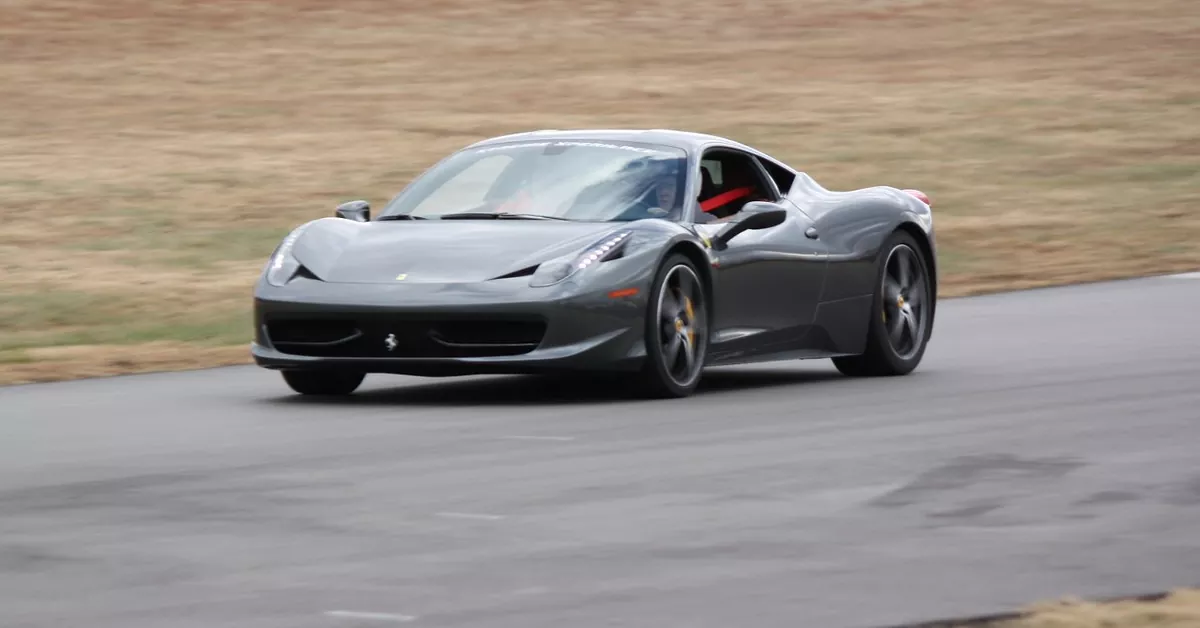
The Ferrari 458 Italia is widely regarded as one of the final masterpieces of naturally aspirated V8 Ferraris. It’s a 4.5-liter V8 revs to 9,000 RPM, producing a high-revving, Formula 1-inspired soundtrack thanks to a flat-plane crankshaft. The factory exhaust features a triple-exit layout with intelligent valved bypasses that change the tone as RPMs climb.
At low revs, the car hums with a refined Italian burble, while at high revs it delivers a piercing, operatic scream that rewards both driver and spectators. Intake resonance and equal-length headers further enhance the acoustic experience, creating a raw, spine-tingling, race-inspired note that turbocharged engines cannot match.
Performance is exceptional on both road and track. The 458 Italia produces 562 horsepower at 9,000 RPM and 398 lb-ft of torque at 6,000 RPM, delivered to the rear wheels via a dual-clutch seven-speed F1 transmission. Acceleration is explosive, with instantaneous throttle response and precise gear shifts.
Carbon-ceramic brakes provide tremendous stopping power, and the twin-wishbone front and multilink rear suspension deliver a balanced, neutral chassis. The car’s lightweight modular aluminum and alloy construction keeps the curb weight to just 3,042 pounds, allowing it to handle with go-kart-like agility.
Driving the 458 Italia emphasizes precision and control. Its steering is extremely fast and precise, though intentionally numb to maximize high-speed stability.
Electronic aids such as E-Diff3, F1-Trac traction control, and integrated ECU management make the car accessible even at high speeds, while the suspension and chassis maintain composure over uneven roads. Race-mode settings unlock the full engine and exhaust performance, creating an intoxicating blend of speed, sound, and handling.
The interior blends luxury and functionality with high-quality leather, optional racing seats, and carbon fiber accents. Options such as a carbon-fiber dashboard, colored stitching, and forged wheels enhance the visual appeal, while the panoramic driving experience remains connected to the engine and chassis.
With a base price of $227,725 and the test car reaching $310,463 including options, the 458 Italia combines performance, craftsmanship, and sensory drama. It remains a modern classic, offering a thrilling, precise, and unforgettable naturally aspirated V8 experience that continues to define Ferrari’s engineering excellence.
7. Audi RS3: Cultured Power in a Hot Hatch
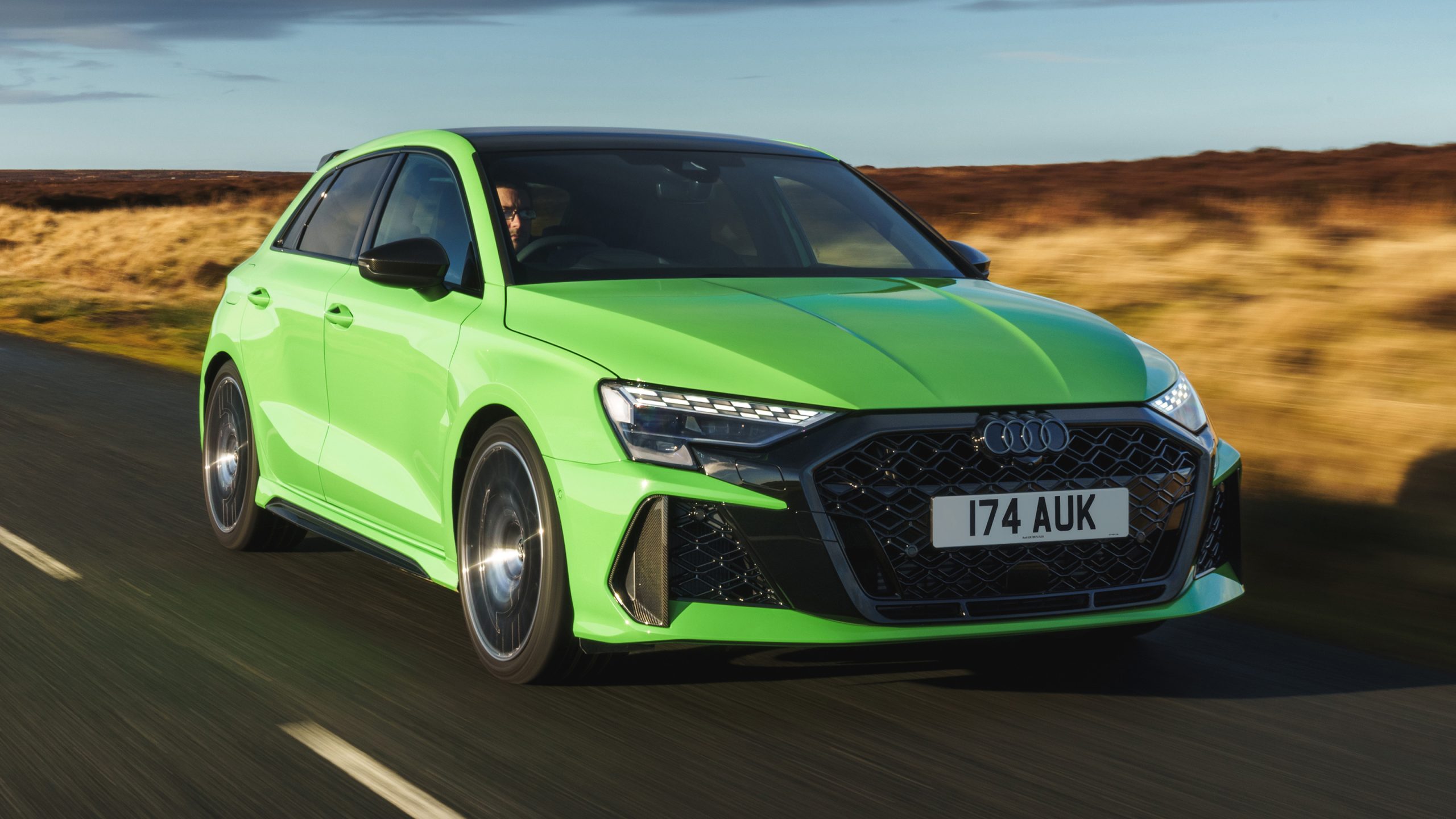
The Audi RS3 distinguishes itself in the hot hatch segment with its 2.5-liter turbocharged five-cylinder engine, producing 394 horsepower and 369 lb-ft of torque. Its unique 1-2-4-5-3 firing order generates a signature rhythmic “warble” and metallic howl, reminiscent of Audi’s legendary Group B rally cars.
The optional RS Sport Exhaust enhances this character with internal flaps that bypass the muffler in Dynamic mode, delivering a deeper, louder, and more aggressive tone while maintaining refinement at lower speeds.
The RS3’s performance is complemented by Audi’s quattro all-wheel-drive system, providing excellent traction and balance for both hatchback and saloon variants. It accelerates from 0 to 62 mph in a conservative 3.8 seconds and achieves a top speed of 174 mph when equipped with the Carbon Vorsprung trim.
The engine now benefits from software updates that open exhaust flaps at lower RPMs and offer an “emotional engine start,” enhancing the car’s auditory presence during morning starts.
The facelifted 2024 RS3 features updated styling with new front and rear bumpers, gloss black trim, larger side intakes, a more aggressive diffuser, and revised daytime running lights. Interior updates include a new flat-bottom steering wheel with easy-access performance buttons, subtle digital display changes, and a high-quality cabin with sports seats, a 12.3-inch digital cockpit, and premium materials.
Audi Drive Select allows extensive customization across seven modes, adjusting engine, suspension, steering, and stability systems for a tailored driving experience. The RS Torque Rear system adds brake torque vectoring, improving cornering balance and reducing understeer.
Ride quality remains impressive for a performance hatch, with adaptive suspension on the Carbon Vorsprung trim and standard RS suspension elsewhere.
The RS3 feels precise, stable, and confidence-inspiring even on bumpy or unknown roads, though it can feel slightly front-heavy on slick surfaces. With its combination of power, handling, and refinement, the RS3 offers the performance of a supercar in a practical, usable package.
Priced from approximately $68,000 for the RS3 TFSI Quattro 5-door with the S tronic transmission, the RS3 competes with vehicles such as the Mercedes-AMG A45 S, Honda Civic Type R, VW Golf R, and Toyota GR Yaris.
While not as aggressive as some rivals, it delivers a balanced, confident driving experience, exceptional engine character, and a blend of excitement and everyday usability that makes it one of the most compelling hot hatches on the market.
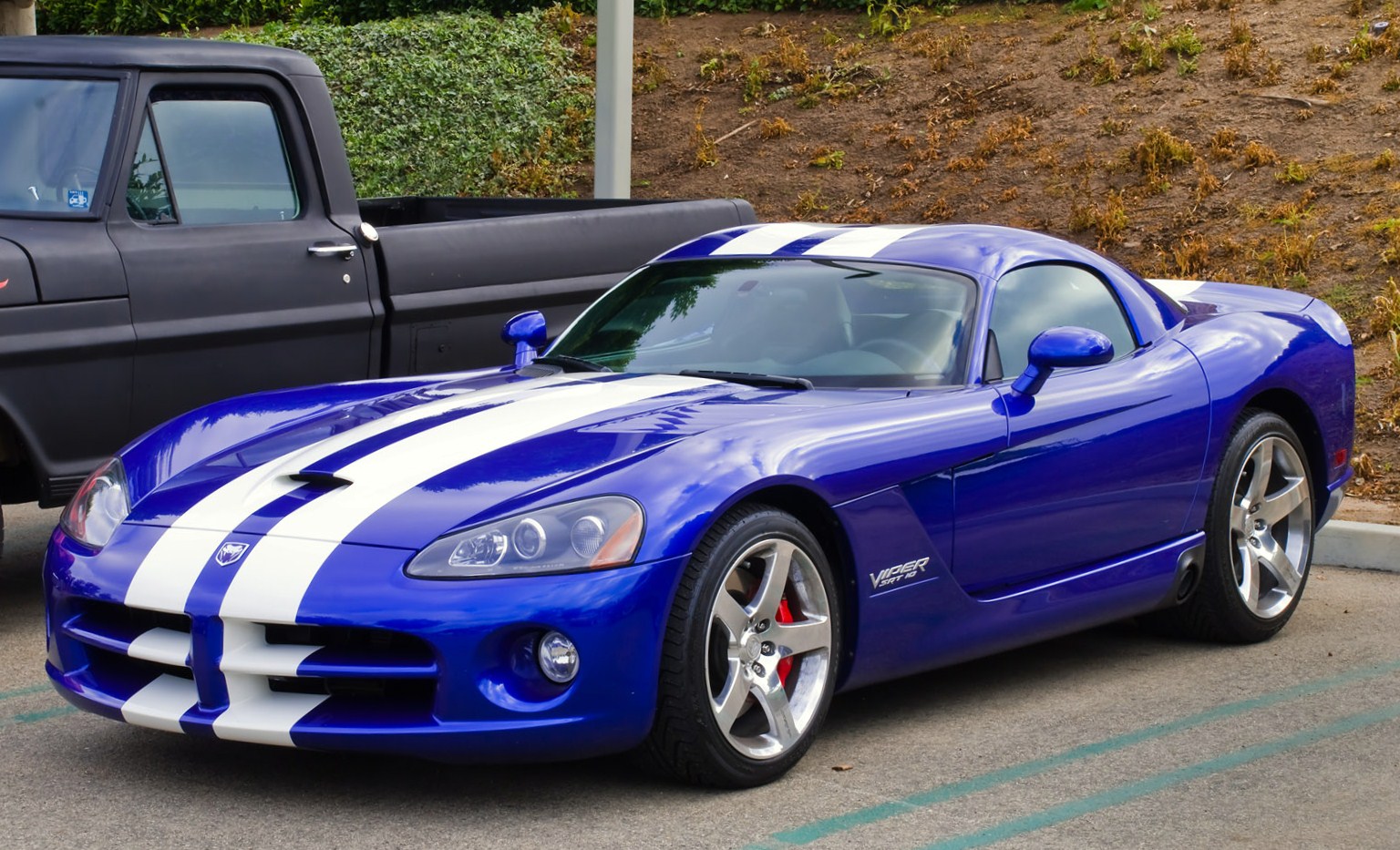
8. Dodge Viper SRT-10: Raw American Power
The Dodge Viper SRT-10 is an uncompromising performance machine, defined by its massive 8.4-liter V10 engine and signature side-exit exhaust system. Unlike European exotics, the Viper favors raw, low-frequency sound over high-pitched refinement. The side pipes deliver the engine’s roar directly under the driver’s ears, producing a primal, unfiltered auditory experience.
At wide-open throttle, the Viper emits a thunderous mechanical storm with a slightly discordant, truck-like growl that perfectly matches its reputation as a driver-focused supercar. The factory exhaust emphasizes the V10’s natural lope and torque, and even stock setups produce an earth-shaking rumble that can be further enhanced with aftermarket cat-back systems.
Performance is the heart of the Viper SRT-10. Early models from 2003 to 2006 featured an 8.3-liter V10 producing 500 horsepower and 525 lb-ft of torque. In 2008, variable valve timing increased displacement to 8.4 liters, raising output to 600 horsepower and 560 lb-ft of torque.
This power translates to blistering acceleration, with 0 to 60 mph times under 4 seconds and a top speed of 200 mph. Lacking modern traction and stability aids, the car demands skill and precision to manage its massive rear tires and explosive power.
Handling is sharp and communicative on smooth roads but can feel twitchy on uneven surfaces, requiring constant attention. Brembo brakes with 14-inch rotors provide world-class stopping power, bringing the Viper from 60 mph to a halt in less than 100 feet.
The interior reflects the Viper’s raw focus. It offers more legroom than earlier models but remains cramped with a narrow footwell and high center tunnel. Cabin heat from the side pipes, cheap plastic materials, and limited storage make it unsuitable as a daily driver. Reliability is generally strong, though issues such as loose harmonic balancer bolts, heat-related paint bubbling, and rapid tire wear are common.
Priced relatively affordably compared with other supercars, the Dodge Viper SRT-10 is an unapologetic American icon. It provides a visceral, unfiltered driving experience that rewards capable drivers while punishing the careless.
With its aggressive exhaust note, linear power delivery, and pure mechanical connection, the Viper remains a legendary example of raw performance for enthusiasts seeking speed, drama, and character in every corner.
9. Ford Mustang GT: Modern Muscle with a Legendary V8
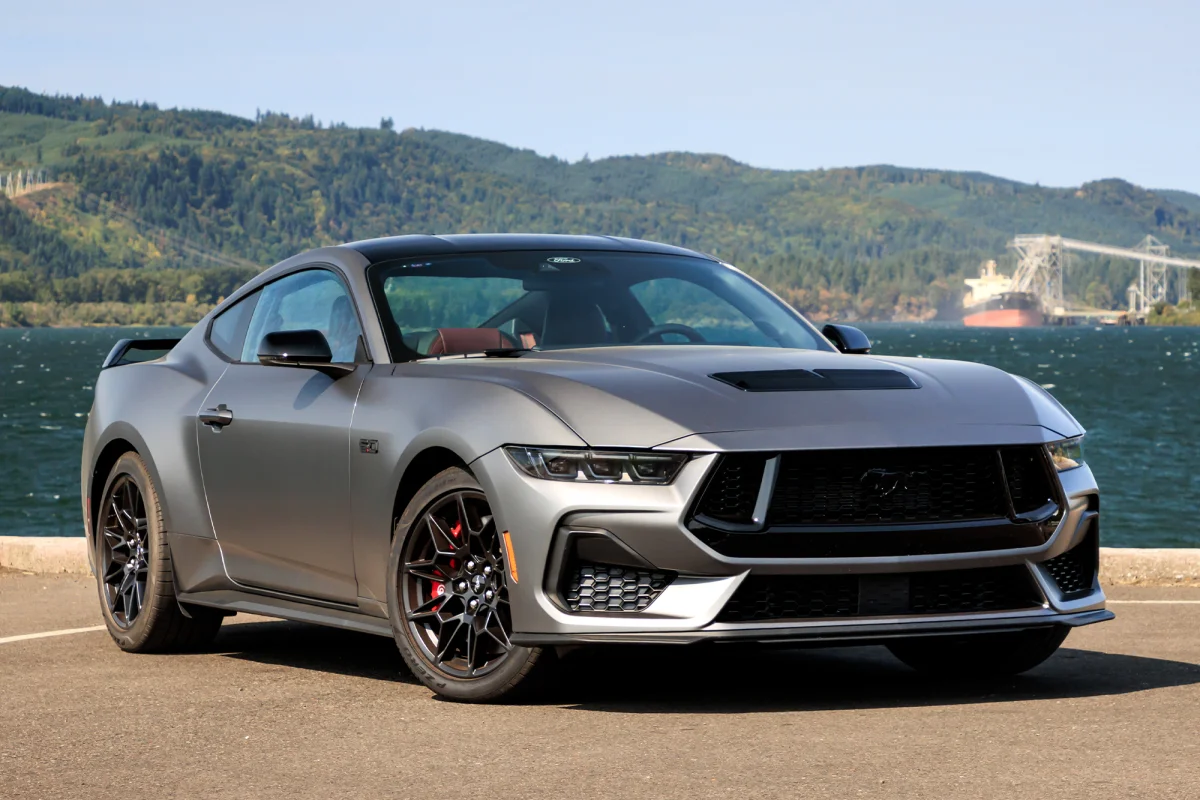
The Ford Mustang GT continues to define the American muscle car experience, powered by its naturally aspirated 5.0L “Coyote” V8. Celebrated for its remarkable sound, the engine features a factory active valve performance exhaust, allowing drivers to choose between a “Quiet” mode for daily driving and a thunderous “Track” mode that unleashes a deep, resonant V8 roar.
As the engine approaches its 7,500 RPM redline, the note sharpens into a metallic scream, maintaining a balance of classic muscle-car richness with modern high-rev precision. Engineered exhaust plumbing, stainless steel construction, and tuned resonators amplify its aggressive tone, while the Coyote’s firing order creates a distinctive rhythmic bark, making it a gold standard for factory-tuned V8 acoustics.
In the US, the Mustang GT stands as one of the last naturally aspirated V8 coupes available, appealing to enthusiasts seeking a manual, rear-wheel-drive experience.
The S650-generation GT focuses on road driving rather than track dominance, unlike its more specialized siblings, the Dark Horse or GTD, which feature beefed-up transmissions, uprated cooling, and more track-oriented setups. Despite being an entry-level GT, it retains the iconic styling, cabin character, and ‘5.0’ badging that define the Mustang brand.
The revised 5.0L V8 delivers 480 horsepower and 398 lb-ft of torque (US spec), paired with a six-speed manual as standard, or an optional 10-speed automatic. The manual gearbox complements the engine’s character, providing precise and engaging shifts, while the automatic tends to short-shift and slightly dull the driving experience.
The GT’s linear power delivery, balanced chassis, and available MagneRide adaptive suspension allow it to handle confidently on both highways and twisty roads, offering a satisfying mix of performance and comfort.
Inside, the Mustang embraces modern tech with dual screens, drive-mode customization, and an optional “drift brake” for spirited handling. While the cabin loses some classic Mustang charm, it remains low-slung, comfortable, and driver-focused, with a distinct muscle-car feel.
Starting at around $35,000 in the US, the Mustang GT competes with cars like the Porsche 718 Cayman, BMW Z4 M40, and Alpine A110. However, its standout feature is the visceral V8 experience, offering unmatched character, presence, and sound in its price range, making it a true embodiment of modern American muscle.
10. Pagani Zonda Cinque: The Operatic Hypercar
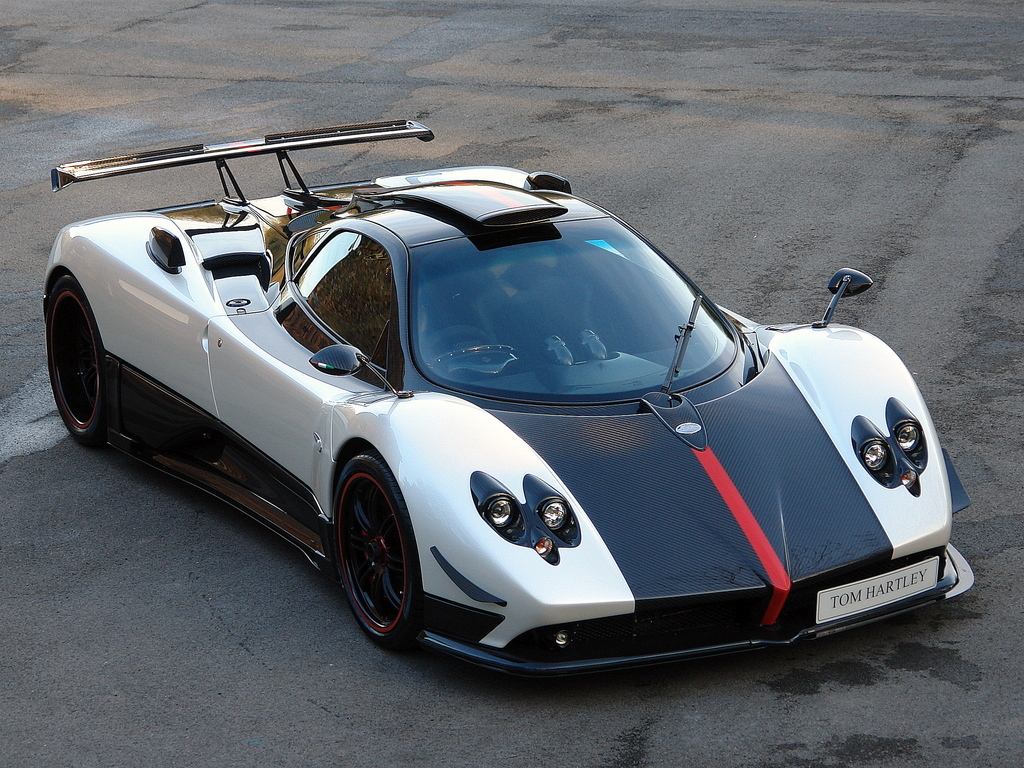
The Pagani Zonda Cinque is widely regarded as one of the most sonically impressive hypercars ever made. It pairs a naturally aspirated 7.3-liter Mercedes-AMG V12 with a bespoke titanium and Inconel exhaust system. The four-pipe central exit and equal-length headers produce a complex, high-pitched F1-style scream that is sharp, raw, and unfiltered, unlike modern turbocharged supercars.
The lightweight, heat-resistant exhaust enhances the metallic tonal quality while keeping the car light. With 678 horsepower and 575 pound-feet of torque, the high-revving V12 delivers an operatic, intense sound that reacts instantly to throttle input.
Performance in the Zonda Cinque is extraordinary. Titanium springs with fully adjustable Öhlins dampers, a suspension built from magnesium and titanium, and forged aluminum-magnesium wheels reduce unsprung weight while providing precise control over uneven roads.
Despite its low ride height, the car remains surprisingly compliant with bumps and irregularities thanks to a front suspension lift system. Aerodynamic elements, including a massive adjustable rear wing, front splitter, and rear diffuser, generate 750 kilograms of downforce at 186 miles per hour.
The chassis offers rapid directional changes with confident weight transfer, while the carbon-ceramic brakes provide immense stopping power.
The interior is focused and functional with a bare-carbon finish, an Alcantara-trimmed steering wheel, carbon bucket seats, and four-point harnesses. The cockpit includes tactile anodized switches and a paddle-shifted six-speed gearbox with Comfort, Sport, and Race modes.
Although the gearbox feels less fluid than the rest of the car, the Zonda responds to driver input with immediate precision. The lightweight construction and advanced materials create a feeling of direct connection to the road.
On the road, the Cinque delivers a thrilling experience. Acceleration is explosive, cornering feels precise, and the V12 exhaust produces a high-pitched, feral howl that fills the surroundings.
Even at moderate speeds, the engine sound emphasizes its mechanical intensity. Pagani’s use of carbo-titanium for the monocoque and meticulous attention to detail in aerodynamics and suspension make the Zonda more than fast. It is a hypercar engineered for a complete sensory experience.
Limited to only five units, the Zonda Cinque combines extreme sound, high-revving naturally aspirated power, lightweight materials, and precision engineering. It represents a rare synthesis of speed, drama, and mechanical artistry that few production cars can match.
The cars featured in this list prove that factory exhaust systems can deliver unforgettable sound without aftermarket modifications. Whether it’s the precise, musical scream of the Porsche 911 GT3 RS, the metallic warble of the Audi RS3, or the symphonic intensity of the Pagani Zonda Cinque, these machines remind us that the auditory experience is as crucial as speed and handling.
Factory exhausts are often designed to balance performance, regulations, and refinement while still delivering character, drama, and emotion. From classic American muscle to cutting-edge supercars and hypercars, these vehicles demonstrate how sound can define identity, enhance engagement, and amplify the thrill of driving.
Listening to these cars at full throttle is not just hearing a vehicle operate; it is experiencing mechanical artistry in its purest form, proving that great design extends from the engine to the ears of the driver.
Also read: Top 10 Cars With Manual Transmissions You Can Still Buy Brand New