

Car interiors tell a long story about how vehicles age. While engines and transmissions usually receive the most attention, the cabin is the place owners interact with every single day. Over time, the materials used inside a vehicle reveal whether a car was designed with longevity in mind or built primarily around short term visual appeal.
Some vehicles were engineered with simple interiors that focus on durability rather than flashy design. These cabins rely on sturdy buttons, well assembled panels, and materials that resist cracking, fading, or loosening. Years later, these interiors often remain functional and comfortable even after heavy daily use.
On the other hand, some cars were designed with complicated layouts, glossy trims, and large amounts of thin plastic components. While these interiors may look modern when the car is new, they can age poorly. Fragile plastics may develop rattles, scratches, or broken clips, which makes the cabin feel worn much sooner than expected.
This article compares both sides of the spectrum. First, we will look at five cars known for their simple interiors that age remarkably well. Then we will explore five vehicles that rely heavily on fragile plastic materials and complex trim pieces that often struggle to hold up over time.
Also Read: 5 Work Trucks That Can Handle Daily Abuse vs 5 That Are Too Fragile
5 Cars With Simple Interiors That Age Well
Interior durability is often the result of thoughtful engineering rather than luxury materials. Some of the most long lasting cabins belong to vehicles that intentionally avoid excessive complexity. These cars rely on straightforward layouts, practical materials, and mechanical controls that continue working reliably for years.
Automakers that prioritize long term usability usually focus on thicker plastics, strong mounting points, and minimal decorative trim.
These decisions might make the cabin look modest compared to modern designs filled with glossy panels and touch controls, but they help prevent common aging problems such as cracked surfaces, loose panels, and malfunctioning switches.
Simple interiors also tend to age better because they reduce the number of components that can fail. Fewer moving parts, fewer delicate materials, and fewer decorative elements mean fewer opportunities for wear and damage.
The following five vehicles are well known for interiors that remain solid long after their release. Even after many years of daily driving, these cabins often feel tightly assembled and easy to maintain. Each of these cars demonstrates how simplicity can be one of the most effective ways to achieve durability inside a vehicle.
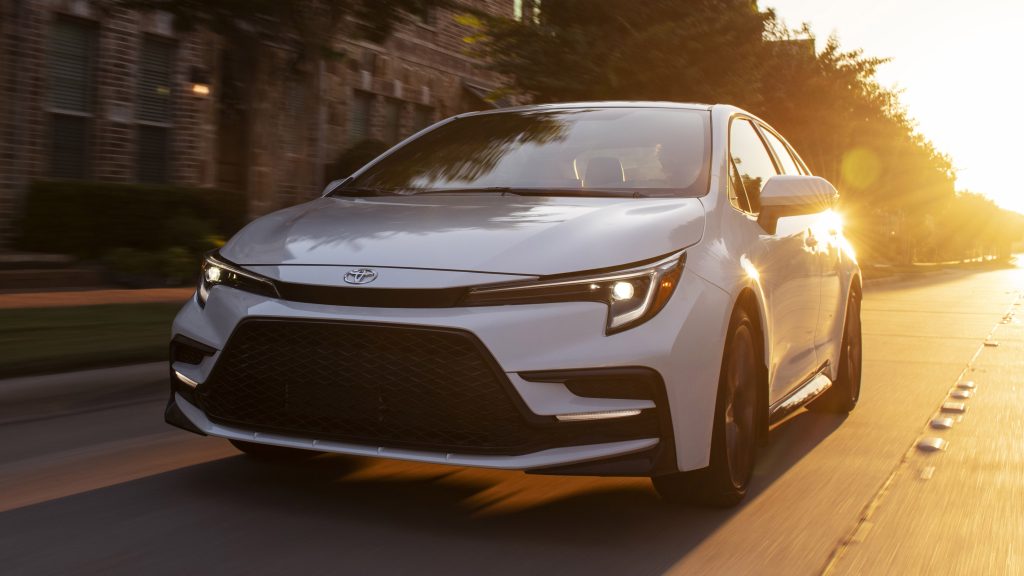
1. Toyota Corolla (2003–2008)
One of the clearest examples of an interior designed for long term durability is the early 2000s Toyota Corolla. While the design was never meant to impress with luxury or dramatic styling, its simplicity has proven to be one of its greatest strengths.
The dashboard layout focuses entirely on practicality. Large physical buttons control the climate system, and the radio unit is integrated into a straightforward center stack without fragile decorative panels. Drivers do not have to deal with thin plastic overlays or complex layered trims that commonly loosen over time.
Toyota used relatively thick plastic materials throughout the cabin. These surfaces resist cracking and fading even after years of sunlight exposure. Instead of glossy finishes that easily scratch, the Corolla relies on textured materials that hide wear effectively.
Another reason the interior ages well is the tight assembly quality. Many older examples still show minimal rattling despite high mileage. The door panels, dashboard sections, and center console pieces are mounted securely, which helps prevent the squeaks that often develop in more complicated interiors.
Seats also contribute to the long lasting cabin experience. The upholstery materials are designed to tolerate frequent use without tearing or losing shape quickly. Many owners report that even after a decade of ownership, the interior still feels solid and functional.
For drivers who value reliability and durability over flashy design, the Corolla’s simple interior stands as a strong example of how thoughtful engineering can preserve a cabin for many years.
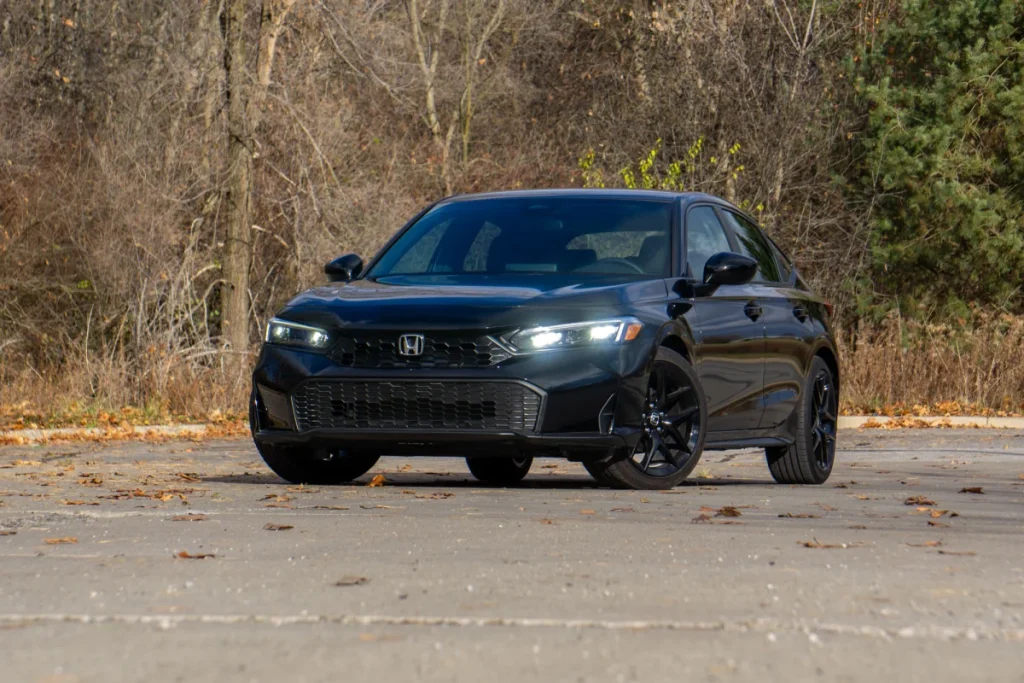
2. Honda Civic (2006–2011)
The eighth generation Honda Civic approached interior design with a balance of modern style and long term practicality. While its two tier dashboard looked futuristic when it first appeared, the underlying construction remained surprisingly simple.
Honda avoided overly delicate decorative materials and instead focused on components that could withstand years of regular use.
One reason this Civic’s interior ages well is the careful use of matte plastic surfaces rather than glossy finishes. These materials are less prone to visible scratching and tend to maintain their appearance even after extensive handling.
The dashboard panels rarely fade unevenly, which helps older examples maintain a consistent look across the cabin.
Another advantage comes from the placement and durability of the physical controls. Climate and audio buttons were designed with firm mechanical feedback, and many of them continue functioning smoothly after hundreds of thousands of presses.
Because these controls rely on straightforward mechanisms, they are less vulnerable to failure compared to modern touch based systems.
The seats also play a role in the interior’s long life. Honda selected upholstery fabrics that resist stretching and wear, allowing the seats to hold their shape over time. This contributes to the cabin feeling intact even after years of commuting and long distance driving.
Despite the car’s futuristic appearance when new, the Civic avoided unnecessary decorative elements. That restraint helped create an interior that still feels solid many years later.
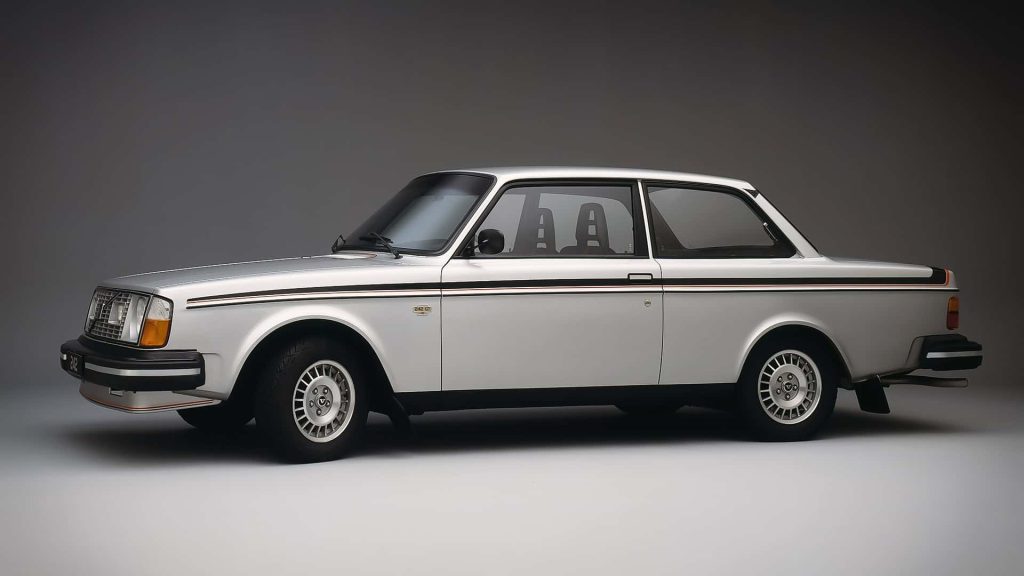
3. Volvo 240 (1975–1993)
Few vehicles demonstrate the value of simple interior design as clearly as the Volvo 240. Built during an era when durability was a central engineering priority, the cabin of this car was designed with straightforward functionality rather than visual trends.
The dashboard layout reflects this philosophy immediately. Large square buttons and thick control switches dominate the center console, making them easy to operate and difficult to break. Instead of relying on thin plastic trim pieces, Volvo used sturdy components that could withstand constant use without becoming loose or fragile.
Material selection also contributed heavily to the interior’s longevity. Many surfaces were built with dense plastics and durable vinyl that resist cracking even after decades of temperature changes. Unlike interiors filled with soft decorative coatings that deteriorate over time, the Volvo 240 relied on materials that remain stable for long periods.
Another defining characteristic is the structural rigidity of the interior panels. Door trims, dashboard mounts, and center console sections were designed with solid attachment points. Because of this, many well maintained examples still feel tightly assembled despite being several decades old.
The seats further reinforce the car’s reputation for durability. Volvo engineered them with strong internal frames and thick padding, which allows them to retain their support even after years of driving.
For this reason, the Volvo 240 continues to be admired not only for its mechanical reliability but also for an interior that remains functional and intact long after most vehicles from its era have deteriorated.
4. Toyota Land Cruiser (1998–2007)
Durability is often associated with the Toyota Land Cruiser’s mechanical components, but its interior design deserves equal credit. The cabin of the 100 Series Land Cruiser demonstrates how restrained design choices can allow an interior to remain solid even after many years of demanding use.
Unlike vehicles that chase modern styling trends, the Land Cruiser focused on practicality. The dashboard uses large physical switches and straightforward climate controls that are easy to operate even in rough driving conditions.
These buttons were built with thick plastic and firm internal mechanisms, which helps them maintain functionality long after the vehicle accumulates high mileage.
Material quality also plays a significant role. Toyota used durable plastics and strong mounting structures throughout the cabin. The panels are not overly thin, and they are secured with solid attachment points. Because of this, many older Land Cruisers still avoid the rattling sounds that often develop in vehicles with more complex interior assemblies.
The simplicity of the design helps reduce wear over time. Instead of large decorative trim pieces or fragile glossy surfaces, most of the interior relies on textured materials that hide scratches and minor aging. This approach keeps the cabin looking respectable even after years of off road adventures or family use.

Seat durability adds another advantage. The cushions were designed for long distance comfort and heavy use, which means the upholstery usually holds up well. Even older examples often show limited sagging compared with many SUVs of the same era.
All of these decisions combined create an interior that feels dependable long after newer vehicles begin showing signs of aging.
5. Ford Crown Victoria (1998–2011)
The Ford Crown Victoria represents a different philosophy of interior durability. Rather than emphasizing modern styling, Ford designed the cabin around practicality and long term reliability. This approach was essential because the car spent much of its life serving as a police vehicle or taxi, where durability was far more important than luxury.
The dashboard layout is extremely straightforward. Large knobs control the climate system, while the center stack avoids complicated trim layers. Every component is positioned with ease of use in mind, which also reduces the chances of fragile parts breaking over time.
One notable strength of the Crown Victoria’s interior is the thickness of the plastic components. These panels were designed to tolerate constant use, including frequent entry and exit by drivers working long shifts.
As a result, the dashboard and door trims rarely develop the loose or creaking behavior seen in many vehicles with thinner materials.
Another element that contributes to longevity is the simplicity of the control systems. Physical switches handle most functions, and these mechanical controls tend to remain reliable for years. Because there are fewer electronic interfaces or delicate touch surfaces, the interior avoids many of the aging problems that affect modern cabins.

The seats also reflect the car’s working purpose. Wide cushions and durable upholstery were designed to withstand heavy daily use. Even in high mileage examples, the seating structure often remains supportive.
Thanks to these practical design decisions, the Crown Victoria continues to demonstrate how simplicity can create an interior that remains dependable long after production ends.
5 Cars With Too Much Fragile Plastic
While some vehicles prove that simplicity can help interiors remain durable for many years, the opposite design philosophy has also become common in the automotive industry. In an effort to create cabins that look modern and visually impressive, many manufacturers began using thin decorative panels, glossy trims, and complex layered plastics.
At first glance these interiors can appear upscale. Large center stacks, shiny surfaces, and multiple trim elements give the cabin a high tech appearance that attracts buyers in showrooms. However, the long term results of these choices are often less impressive once the vehicle has been used for several years.
Fragile plastics tend to develop problems such as rattling panels, scratched surfaces, fading finishes, and broken clips. Because these interiors rely on numerous decorative pieces, even small amounts of wear can quickly make the cabin feel older than the vehicle actually is.
Another issue is the complexity of the design itself. When many thin components are layered together, small vibrations from daily driving can loosen connections over time. This leads to squeaks and interior noise that become difficult to eliminate.
The following vehicles illustrate how excessive reliance on fragile plastic materials can negatively affect interior aging. These examples highlight why durability should always be considered alongside appearance when designing a car’s cabin.
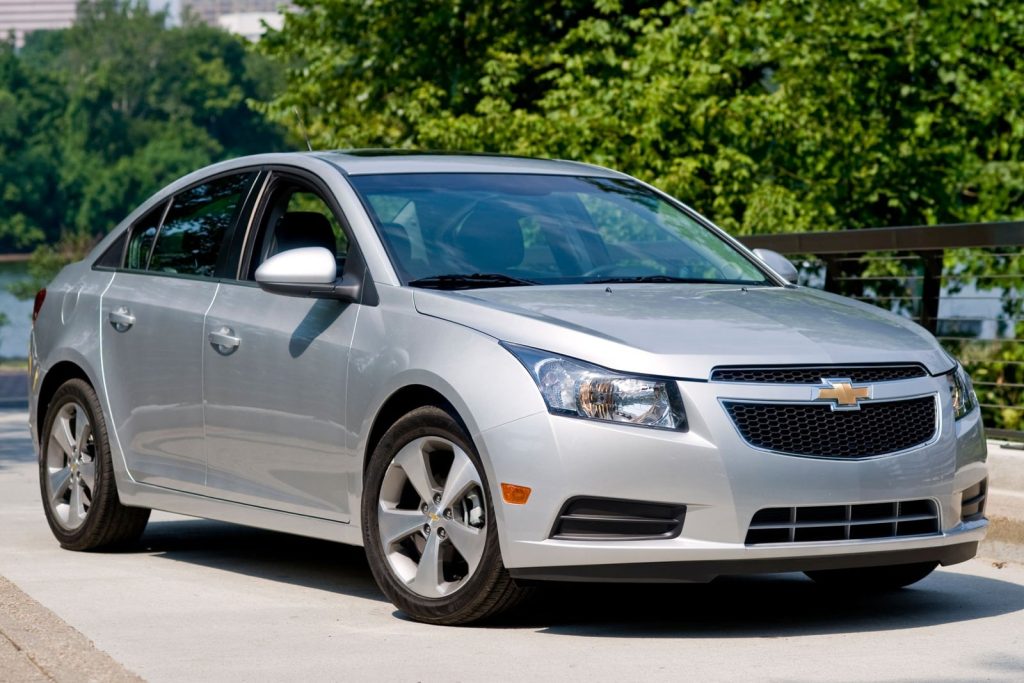
1. Chevrolet Cruze (2008–2016)
When the Chevrolet Cruze was introduced, it impressed many buyers with a cabin that looked far more premium than previous compact sedans from the brand. The dashboard included layered design elements, contrasting trims, and multiple textures that gave the interior a modern and stylish appearance.
However, long term ownership experiences have revealed some weaknesses in the materials used throughout the cabin.
A large portion of the dashboard and center console relies on thin plastic panels that can become prone to rattling as the vehicle accumulates mileage. Because these pieces are connected through small clips, repeated vibrations during daily driving may gradually loosen them.
The glossy trim surrounding the infotainment system is another area where aging becomes noticeable. These surfaces look clean and elegant when new, but they scratch easily and tend to collect fingerprints. Over time, the once polished finish can appear worn and dull.
Door panels in many Cruze models also use lightweight plastics. While they help keep manufacturing costs down, they may develop creaks after several years of use. Temperature changes, frequent door closing, and constant vibration can slowly affect the tightness of the panel attachments.
None of these issues necessarily make the car unusable, but they do illustrate how a visually attractive interior can struggle to maintain its quality if the materials are not robust enough for long term durability.
2. Nissan Altima (2013–2018)
The Nissan Altima was designed to appeal to drivers who wanted a comfortable midsize sedan with a modern looking cabin. At first glance, the interior appears spacious and stylish, with smooth dashboard contours and large trim sections that create a clean visual layout.
Yet the materials used in several areas of the cabin have raised concerns about long term durability.
Much of the dashboard and center console structure relies on thin molded plastics that can flex slightly when pressure is applied. While this flexibility is not immediately noticeable when the vehicle is new, it can contribute to small rattles as the interior ages.
The glossy trim pieces around the infotainment system are another example of style taking priority over durability. These shiny surfaces add visual contrast, but they tend to scratch easily. Even normal cleaning or everyday contact can gradually leave marks that reduce the interior’s appearance over time.
Door panel construction also includes lightweight plastic components. After several years of daily driving, some owners notice small creaking sounds during cornering or when the cabin experiences temperature changes. These noises are typically caused by panels shifting slightly against their mounting points.
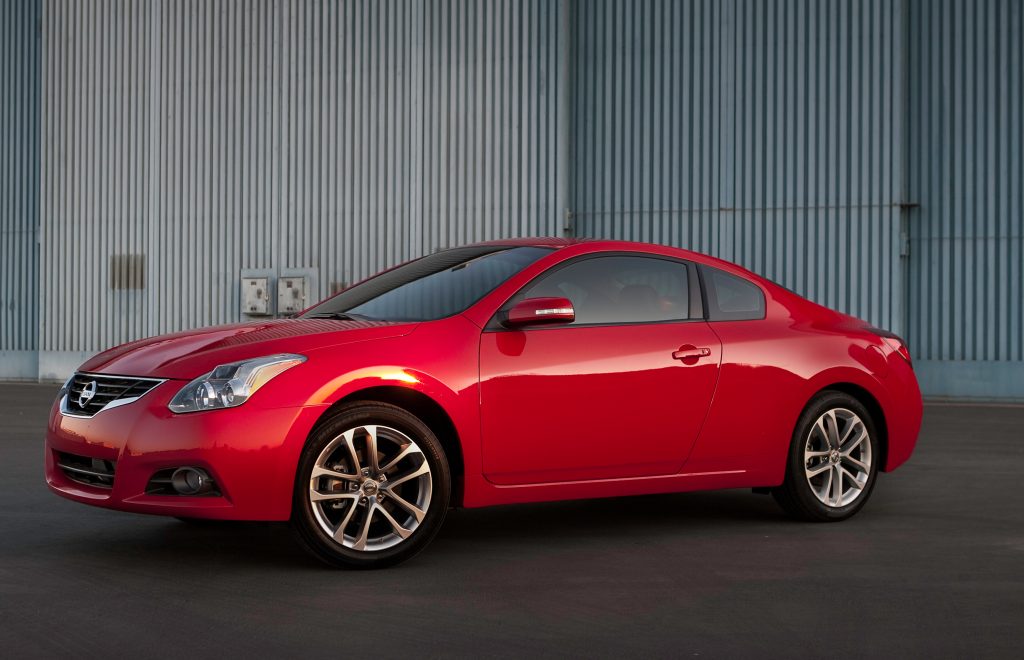
Although the Altima remains a practical and comfortable sedan, the heavy reliance on delicate plastic materials demonstrates how an interior that looks impressive initially may not age as gracefully as simpler designs.
3. Dodge Dart (2013–2016)
The Dodge Dart arrived with high expectations. It was meant to reintroduce Dodge into the competitive compact sedan segment with a design that felt modern, sporty, and technologically advanced.
On the surface, the interior succeeded in creating that impression. The dashboard used sweeping shapes, large center stack panels, and several decorative trim sections that gave the cabin a futuristic appearance.
However, the long term durability of many interior components became a concern as owners spent more time with the car.
A significant portion of the dashboard structure relies on molded plastic panels that are relatively thin compared to those found in more durability focused vehicles. Over time, these pieces can begin to shift slightly within their mounting points.
One of the most noticeable areas is the large center console assembly. Because the design integrates multiple layers of plastic surrounding the infotainment system and climate controls, vibrations from everyday driving can gradually affect how tightly those panels fit together. When this happens, small rattling noises may appear, especially on rough roads.
Another factor is the use of glossy decorative surfaces across the dashboard and door trims. While these materials initially create a premium look, they are susceptible to visible scratches. Regular interaction with buttons and storage compartments can slowly leave marks that become difficult to ignore.

Even the door panels illustrate how delicate interior construction can influence long term quality. Lightweight plastics make the panels easier to manufacture, but they may develop creaking sounds as the car ages.
The Dodge Dart’s cabin looked impressive in showrooms, yet its reliance on fragile plastic components shows how visual appeal does not always translate into lasting durability.
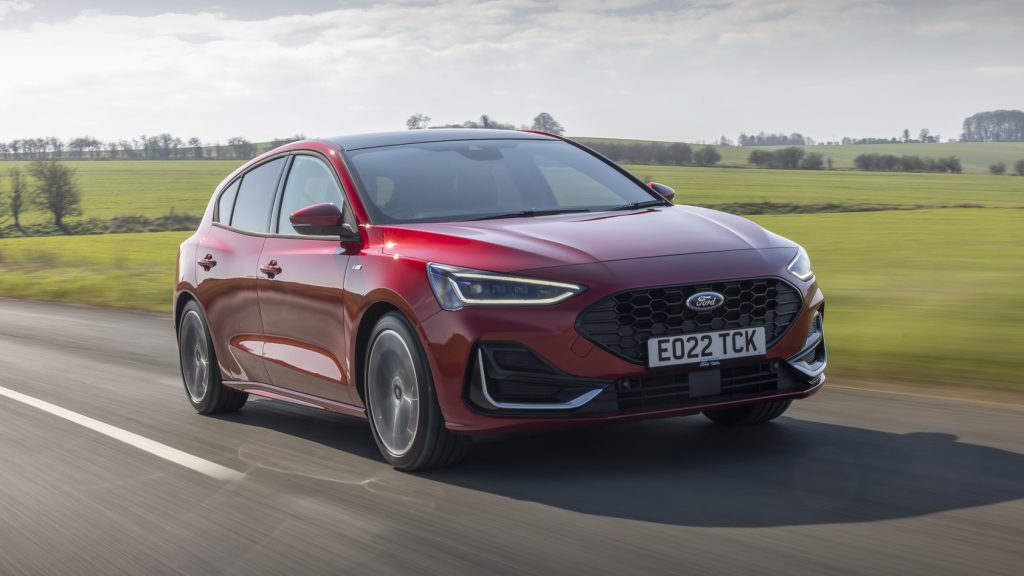
4. Ford Focus (2012–2018)
Ford attempted to make the third generation Focus stand out with a bold and futuristic interior design.
The dashboard features sharp angles, numerous buttons, and multiple layers of trim that surround the infotainment and climate control systems. Initially, this design gave the cabin a high tech personality that differentiated it from many competitors.
Yet the complexity of the interior also introduced several durability challenges. The center stack contains many small plastic sections arranged closely together, each attached with clips or small mounting brackets. As the vehicle accumulates mileage, these parts can gradually loosen due to constant vibrations during driving.
Another element that contributes to interior aging is the use of glossy plastic trim. These surfaces attract attention when the car is new, but they often become scratched after years of normal use. Because the finish is reflective, even small imperfections tend to stand out clearly.
The door panels and lower dashboard areas rely on lightweight molded plastics as well. While these materials help reduce vehicle weight and manufacturing costs, they may not feel as solid as thicker interior components found in more durability focused vehicles.
Drivers sometimes notice minor creaks when the cabin temperature changes, especially during very hot or cold weather. Plastic materials naturally expand and contract with temperature fluctuations, and thin panels are more likely to produce small noises as they move.
The Ford Focus remains an enjoyable car to drive, but its intricate interior design demonstrates how an abundance of fragile plastic elements can make a cabin age less gracefully over time.
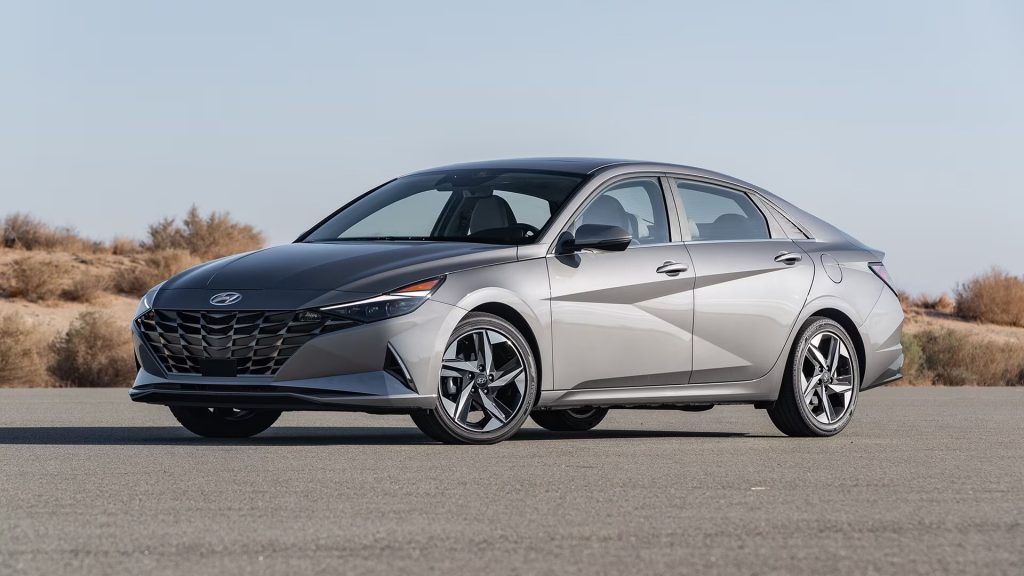
5. Hyundai Elantra (2011–2016)
The Hyundai Elantra from the early 2010s was designed during a period when the company was rapidly transforming its image. Hyundai wanted its vehicles to appear more stylish and technologically advanced, and the Elantra’s interior reflected that ambition.
The dashboard adopted sweeping curves, layered panels, and decorative trim pieces intended to create a futuristic atmosphere.
When new, the cabin felt visually impressive for a compact sedan. The center stack flowed smoothly into the dashboard, and multiple plastic surfaces created a sense of depth in the design. However, the emphasis on visual style also meant that a large portion of the interior relied on lightweight plastic components.
Many of these panels were thin in order to achieve the sculpted shapes used throughout the dashboard. While this approach allowed designers to create dramatic curves, it also made some sections of the cabin more susceptible to movement and vibration as the car aged. Over time, small rattles could appear in areas where multiple plastic pieces met.
Another aspect that affects aging is the finish used on several trim sections. Smooth plastic surfaces around the center console and control areas can show wear after years of daily interaction. Frequent contact with hands, keys, and other objects may gradually leave visible marks.
Door panels follow a similar pattern. They include molded plastic sections that look modern initially but may begin to produce slight creaks as the vehicle experiences temperature changes and road vibrations.
The Elantra remains a comfortable and efficient sedan, yet its interior demonstrates how prioritizing dramatic styling over robust materials can sometimes lead to faster visible aging inside the cabin.
The interior of a car plays a major role in how the vehicle feels over time. While performance and reliability are often discussed when evaluating long term ownership, the condition of the cabin can strongly influence how a car ages.
Materials, layout choices, and design philosophy all determine whether an interior remains solid after years of use or begins to feel worn much earlier.
Cars with simple interior designs often age better because they focus on durability instead of visual complexity. Vehicles like the Toyota Corolla, Honda Civic, Volvo 240, Toyota Land Cruiser, and Ford Crown Victoria demonstrate how straightforward construction can extend the life of a cabin.
These interiors rely on thicker plastics, physical buttons, and practical layouts that reduce the number of delicate parts. Because there are fewer decorative elements, there are also fewer components that can loosen, scratch, or break.
Another advantage of simple interiors is their resistance to everyday wear. Textured materials hide scratches better than glossy surfaces, and mechanical controls tend to remain reliable after years of repeated use.
Solid mounting points and strong panel construction also help prevent rattles, which keeps the cabin feeling tightly assembled even after high mileage.
In contrast, some vehicles prioritize appearance and complexity, which can create long term durability challenges. Cars like the Chevrolet Cruze, Nissan Altima, Dodge Dart, Ford Focus, and Hyundai Elantra illustrate how heavy use of fragile plastic components may affect interior aging.
These cabins often include multiple layers of decorative panels, glossy trim pieces, and lightweight materials designed to create a modern look.
While these interiors can feel stylish when the vehicle is new, the materials sometimes struggle to withstand years of daily driving.
Thin plastics may flex slightly, mounting clips can loosen, and glossy surfaces can become scratched with normal use. As these small issues accumulate, the interior may develop rattles, creaks, or visible wear that affects the overall impression of quality.
Another factor is design complexity. When dashboards include numerous overlapping trim pieces, vibrations from driving can gradually cause those parts to shift against each other. Even minor movement can lead to interior noise, which becomes more noticeable as the vehicle ages.
Ultimately, the comparison between these two groups highlights an important lesson in automotive design.
Interiors that emphasize durability and simplicity often remain comfortable and functional for many years, while cabins built around fragile materials and complex trim may show signs of aging much sooner.
Also Read: 5 New Engine Technologies That Are Keeping Internal Combustion Alive
