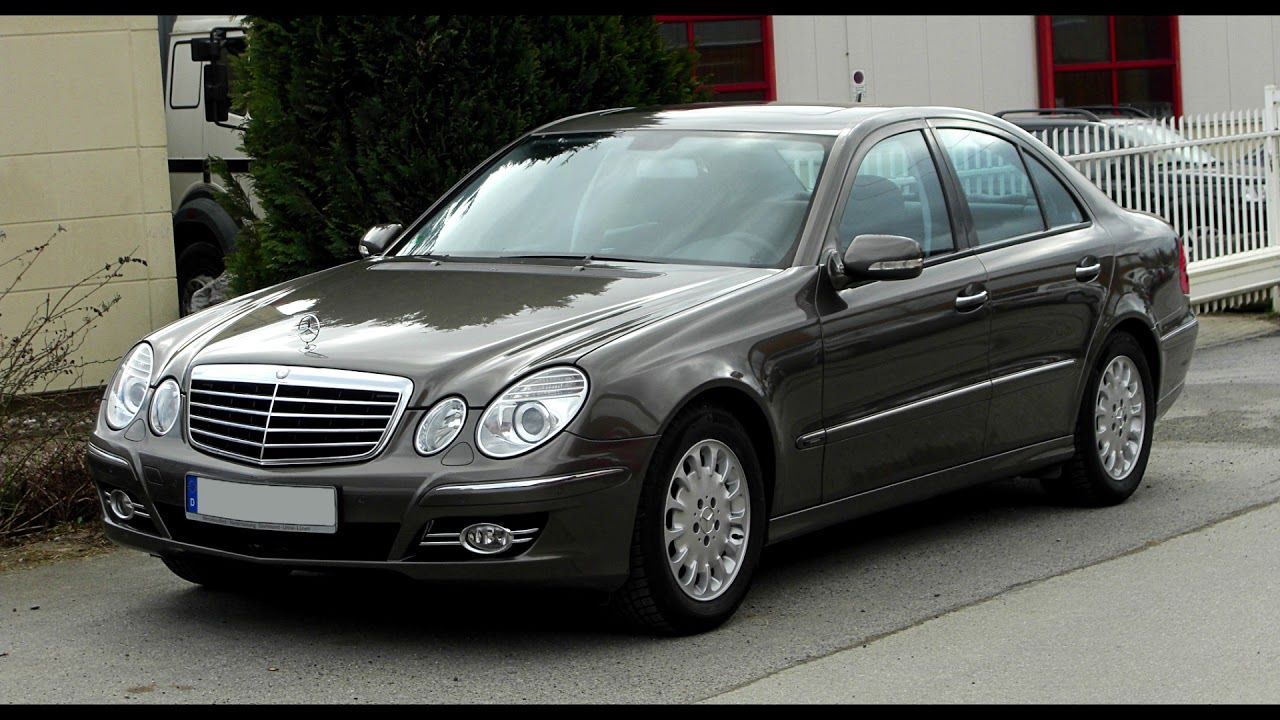
Most people assume that a powerful car has to look aggressive. Wide fenders, large spoilers, loud exhausts, and flashy paint often signal that a vehicle is built for speed.
However, some of the most impressive performance machines ever built hide their true capabilities behind ordinary styling. These vehicles are known as sleeper cars.
A sleeper car looks like a normal commuter vehicle at first glance. It might resemble a family sedan, a practical hatchback, or a quiet grocery getter. To the average observer it appears modest, sensible, and even boring.
Yet under the hood, these cars often hide powerful engines, upgraded suspensions, and performance components capable of surprising far more expensive sports cars.
Automakers sometimes create sleepers intentionally by placing high performance engines into conservative body designs. In other cases, the sleeper reputation grows through enthusiast communities that discover the car’s hidden potential.
Because these vehicles do not attract attention, they often deliver an exciting driving experience without the flashy image associated with traditional sports cars.
Sleeper cars appeal to drivers who enjoy performance but prefer subtlety. Instead of announcing speed through appearance, these cars reveal their true personality only when the accelerator is pressed. This contrast between ordinary looks and extraordinary performance creates a unique charm that many enthusiasts appreciate.
Another advantage of sleeper cars is practicality. Since they are often based on regular sedans or hatchbacks, they usually offer comfortable interiors, usable trunk space, and everyday reliability. This means drivers can enjoy thrilling acceleration without sacrificing daily usability.
Over the years, several manufacturers have quietly produced vehicles that perfectly embody the sleeper concept. Some have become legends among enthusiasts because they surprised drivers who underestimated them at stoplights or highway merges.
The following list highlights ten sleeper cars that look like ordinary commuters but deliver performance that few people expect.
Also Read: Top 10 Cars With the Most Bizarre Door Opening Mechanisms
1. Volvo S60 R
At first glance, the Volvo S60 R hardly looks like a performance machine. Its design follows the clean, conservative styling that Volvo used for many of its early 2000s sedans.
The body lines are smooth, the grille is simple, and the overall appearance feels more suited to a quiet professional commuting to work than someone interested in speed. This understated look is exactly what makes it a true sleeper.
Beneath that calm exterior, however, the S60 R hides serious engineering. Volvo equipped the car with a turbocharged 2.5 liter five cylinder engine producing around 300 horsepower. For a sedan that appears so restrained, this level of output is surprisingly strong. When the turbo spools up, the car accelerates with far more urgency than its appearance suggests.
The S60 R also benefited from advanced technology for its time. Volvo introduced a sophisticated all wheel drive system that improved traction in poor weather while also helping the car launch quickly from a standstill.
Combined with a responsive six speed manual or automatic transmission, the sedan delivered performance that rivaled well known German sports sedans.
Another important element of the S60 R was its adjustable suspension system. Drivers could select different modes that altered the firmness of the dampers, allowing the car to shift between comfortable daily driving and sharper performance handling. This versatility made the vehicle practical for commuting while still capable of spirited driving on winding roads.
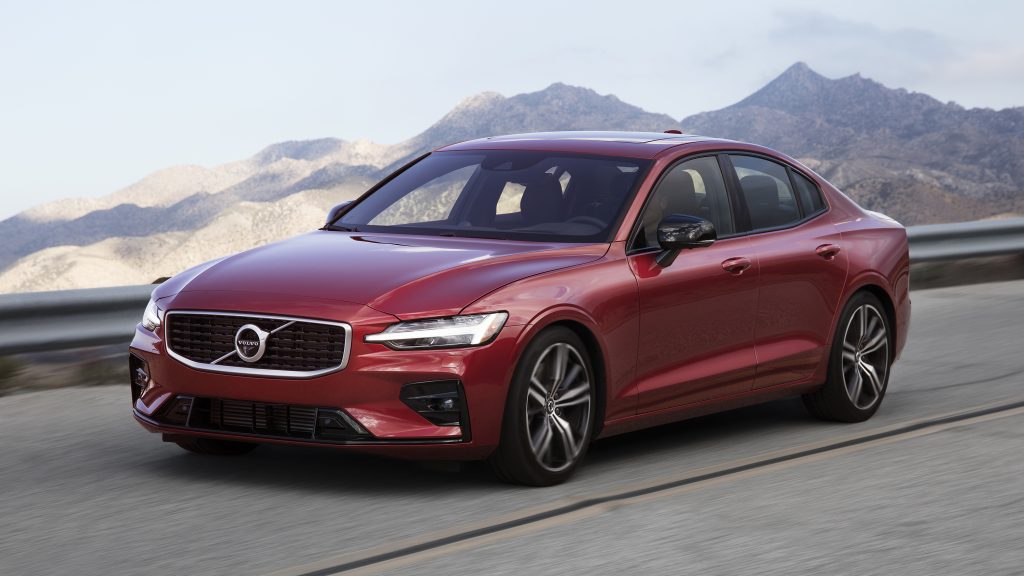
Inside the cabin, the S60 R maintained Volvo’s reputation for comfort and safety. The seats were supportive, the layout was simple, and the materials reflected the brand’s premium approach. Nothing about the interior screamed high performance, which only strengthened its sleeper identity.
For enthusiasts who appreciated subtle performance, the Volvo S60 R offered a rare combination of practicality, safety, and surprising speed. It proved that a calm looking Scandinavian sedan could deliver excitement without relying on flashy styling or aggressive design cues.
2. Chevrolet SS
Imagine walking into a parking lot filled with ordinary mid size sedans. Among them sits a car that looks completely average. The body is clean, the shape is simple, and nothing about the exterior demands attention. That quiet looking sedan could easily be mistaken for a rental car or a government fleet vehicle. Yet that is exactly the disguise worn by the Chevrolet SS.
This car carried one of the most unexpected performance packages ever placed in such an ordinary design. Under its hood lived a naturally aspirated 6.2 liter V8 engine producing about 415 horsepower.
The same basic engine family powered legendary American performance machines, which meant this calm looking sedan possessed the heart of a muscle car.
The power delivery was immediate and strong. Pressing the accelerator transformed the peaceful commuter into a serious performance sedan capable of sprinting to highway speeds in just a few seconds. Drivers who expected a gentle ride often found themselves surprised by the sudden surge of acceleration.
The Chevrolet SS also included performance focused engineering beyond the engine. It featured rear wheel drive, a sport tuned suspension, and powerful Brembo brakes.
These components gave the car confident handling and strong stopping ability, allowing it to perform well not only in straight line acceleration but also during aggressive driving.
One reason the SS remained such a perfect sleeper was its visual restraint. Chevrolet chose not to decorate the car with oversized wings or dramatic body kits. The sedan maintained a smooth, conservative appearance that blended easily with everyday traffic.
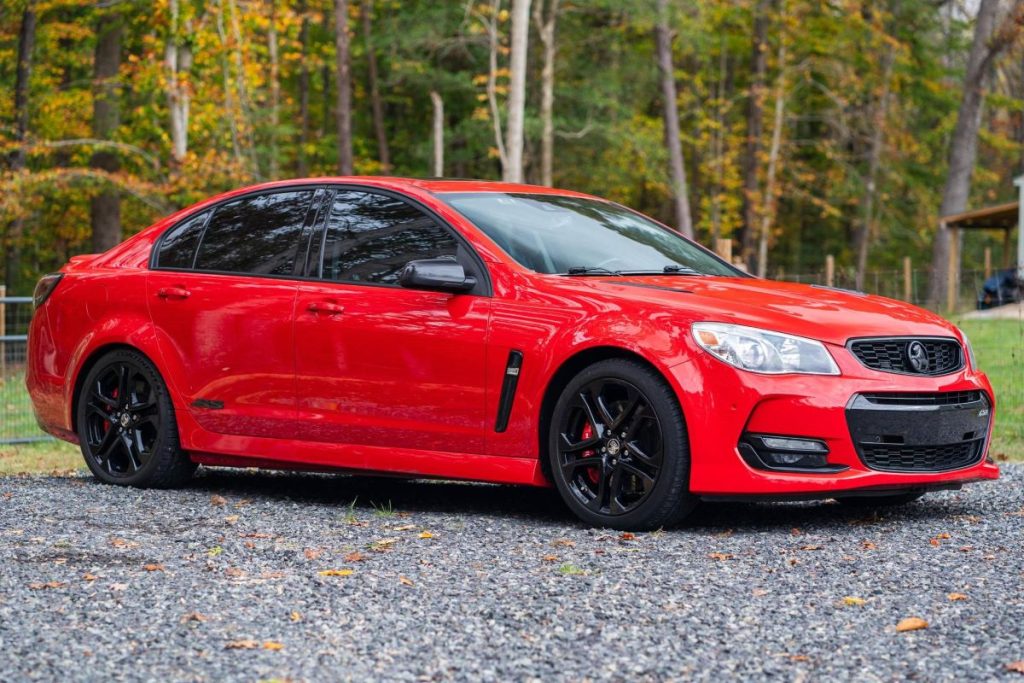
Inside, the car delivered comfort and technology expected from a modern sedan. Heated seats, quality materials, and a spacious cabin meant it could serve as a relaxed daily driver when the driver was not exploring its performance potential.
Because it avoided flashy styling, many people never realized what the Chevrolet SS truly was. That quiet disguise helped it become one of the most respected sleeper cars produced in the modern era.
3. Ford Taurus SHO
In many neighborhoods during the late 2000s and early 2010s, the Ford Taurus was a familiar sight. It was known primarily as a dependable family sedan often used for daily commuting, government fleets, and long highway drives.
Most people associated the Taurus with practicality rather than excitement. That reputation made the high performance Taurus SHO one of the most convincing sleeper cars of its era.
The letters SHO stood for Super High Output, a name that hinted at the serious engineering hidden beneath the car’s calm appearance.
While the exterior looked similar to a typical Taurus, the SHO carried a twin turbocharged 3.5 liter EcoBoost V6 engine capable of producing around 365 horsepower. This level of power transformed the otherwise ordinary sedan into something much more exciting.
Acceleration in the Taurus SHO was far stronger than most drivers expected from such a large four door vehicle. The turbocharged engine delivered impressive torque, allowing the car to surge forward quickly during highway merges and passing maneuvers.
Many people who underestimated the car quickly realized that it was far more capable than its modest design suggested.
Another factor that enhanced its sleeper character was the all wheel drive system. Unlike traditional rear wheel drive performance cars, the Taurus SHO could distribute power to all four wheels. This helped improve traction in different weather conditions and allowed the car to launch smoothly even when the road surface was less than ideal.
Ford also tuned the suspension to provide a balance between comfort and performance. The result was a sedan that could handle daily commuting duties while still delivering confident control during spirited driving. The steering felt composed and the chassis remained stable even when the driver pushed the car harder than expected.
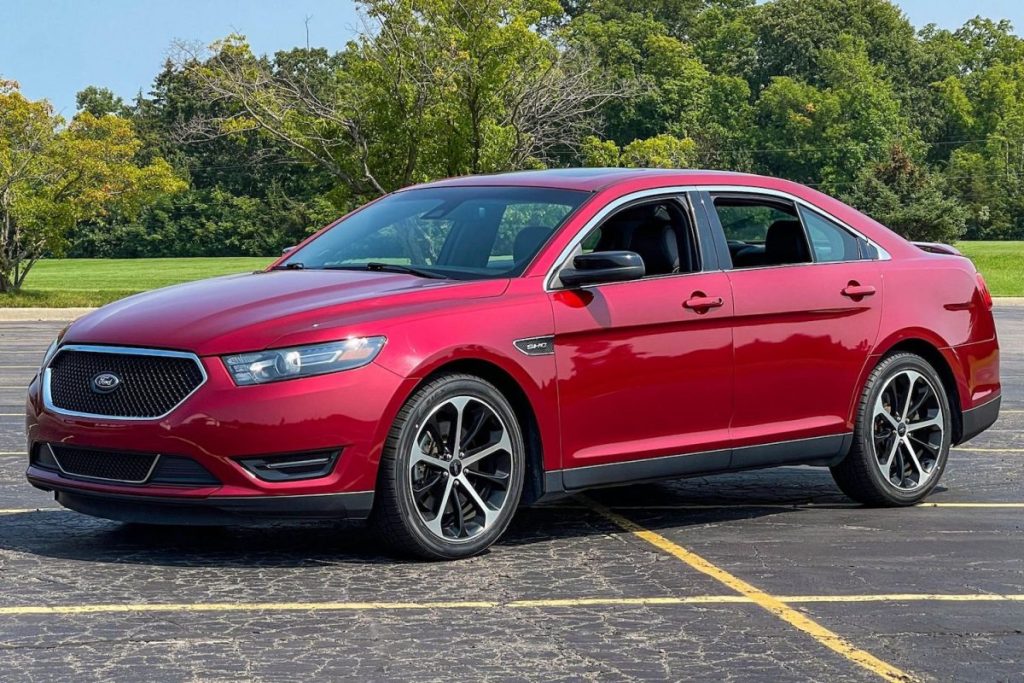
Inside the cabin, the Taurus SHO continued the theme of understated performance. The interior looked refined and comfortable rather than aggressive. Leather seats, modern infotainment features, and generous passenger space reinforced the car’s identity as a practical family vehicle.
That quiet practicality is exactly what allowed the Taurus SHO to hide its true personality. To most observers it looked like a typical commuter sedan, yet under the surface it possessed performance capable of surprising far flashier cars on the road.
4. Audi S4 (B8)
At first sight, the Audi S4 from the B8 generation appears almost indistinguishable from a standard Audi A4 sedan. Its proportions are tidy, the body lines are restrained, and the design reflects Audi’s preference for subtle elegance rather than loud styling. To someone unfamiliar with performance models, it simply looks like another premium German commuter car.
The secret of the S4 lies beneath its polished exterior. Audi equipped this model with a supercharged 3.0 liter V6 engine capable of producing about 333 horsepower. Instead of relying on a turbocharger, the supercharger provided immediate power delivery, giving the car strong acceleration the moment the driver pressed the throttle.
This instant response created a driving experience that felt both refined and powerful. While many sports sedans emphasize dramatic noise and aggressive styling, the S4 focused on delivering speed in a smooth and controlled way. The engine produced a satisfying surge of power without announcing itself loudly to everyone nearby.
Audi’s well known quattro all wheel drive system played a major role in the S4’s performance. By sending power to all four wheels, the car maintained excellent grip during acceleration and cornering. Drivers could confidently apply power even when road conditions were less than perfect, making the car both quick and dependable.
Handling also benefited from careful engineering. The suspension was tuned to remain comfortable for everyday driving while still allowing the car to feel planted during spirited cornering. This balance helped the S4 function equally well as a commuter sedan or a performance machine.
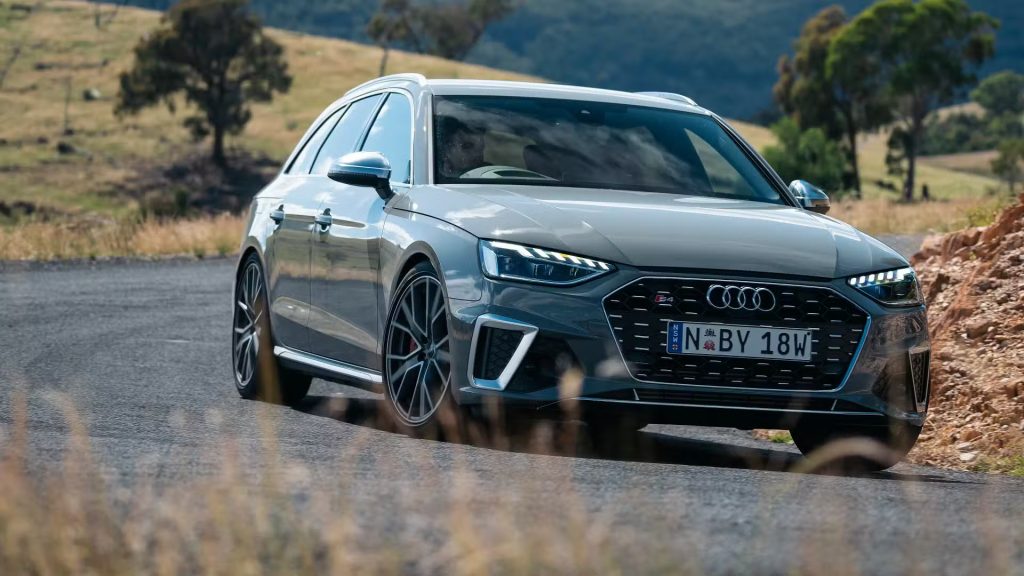
The interior reinforced the car’s dual personality. High quality materials, supportive seats, and a clean dashboard layout created an atmosphere of quiet luxury. Only small details such as subtle badges and sport seats hinted that the car possessed serious performance potential.
Because the Audi S4 avoided flashy visual cues, many people overlooked it on the road. That quiet appearance allowed it to surprise drivers who expected a calm luxury sedan. In reality, the B8 S4 delivered impressive speed while maintaining the sophisticated look of a professional commuter vehicle.
5. Buick Regal GS
During the early 2010s, Buick worked hard to reshape its image. For many years the brand had been associated mainly with comfort oriented sedans aimed at relaxed cruising rather than energetic driving.
The Regal GS quietly challenged that perception by delivering a surprisingly engaging performance package inside a design that still looked mature and understated.
From the outside, the Regal GS did not shout about its abilities. The body retained Buick’s traditional elegance with smooth curves and a balanced shape that blended easily into traffic.
A slightly sportier stance and larger wheels were present, but the overall look remained conservative enough that most people would assume it was simply a comfortable executive sedan.
Underneath that calm exterior lived a turbocharged 2.0 liter four cylinder engine producing roughly 270 horsepower. This engine delivered strong mid range torque, giving the Regal GS a quick response when the driver pressed the accelerator. For a car carrying Buick’s traditionally relaxed image, the performance felt surprisingly lively.
Another distinctive characteristic of the Regal GS was its performance oriented chassis tuning. Buick engineers equipped the car with a sport suspension designed to improve cornering stability and driver confidence. The steering felt more direct than what many expected from a Buick, and the car maintained composure through turns.
Some versions of the Regal GS also included advanced all wheel drive systems that improved grip during acceleration and helped distribute power effectively through corners. This allowed the sedan to maintain traction while still delivering energetic performance on different road surfaces.
Inside the cabin, the Regal GS continued to emphasize refinement. The interior featured premium materials, supportive sport seats, and modern technology features that made daily driving comfortable. The environment felt upscale rather than aggressive, reinforcing the idea that the car prioritized sophistication over flashy performance.
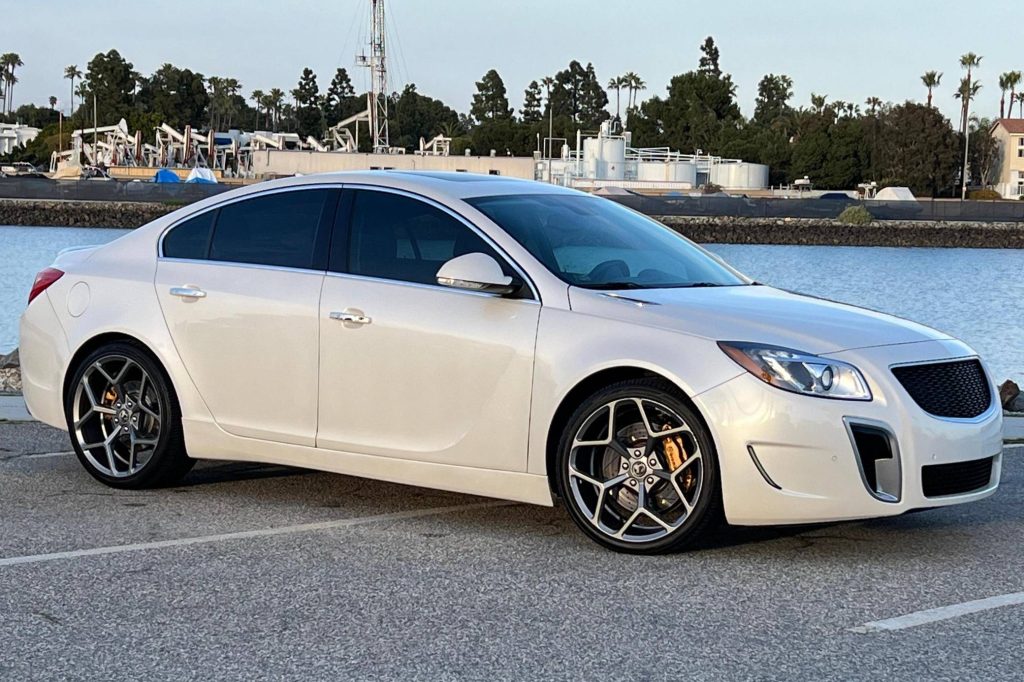
Because Buick rarely marketed the Regal GS as a hardcore sports sedan, it remained largely unnoticed by many drivers.
That quiet reputation worked perfectly for sleeper car enthusiasts. Behind its composed design and polished interior was a sedan capable of delivering far more excitement than most people expected from the Buick badge.
6. Mazda Mazdaspeed6
The mid 2000s Mazda6 looked like a well styled but completely ordinary family sedan. It had clean lines, a balanced shape, and the kind of design that blended naturally into office parking lots and suburban driveways.
Nothing about the basic appearance suggested that it could compete with serious performance cars. That normal exterior made the Mazdaspeed6 one of the most convincing sleeper cars of its time.
Mazda’s performance division transformed the standard sedan into something far more exciting without dramatically changing its visual identity.
The Mazdaspeed6 received a turbocharged 2.3 liter four cylinder engine that produced about 274 horsepower. For a practical four door sedan in that era, this level of power was impressive and immediately noticeable when driving.
Instead of focusing only on straight line acceleration, Mazda engineered the car with a driver focused philosophy. The Mazdaspeed6 came exclusively with a six speed manual transmission, encouraging drivers to engage directly with the car’s performance.
Gear changes felt precise and mechanical, adding to the sense of connection between driver and machine.
One particularly interesting feature of the Mazdaspeed6 was its advanced all wheel drive system. Unlike simple traction systems, Mazda designed this setup to actively send power between the front and rear wheels depending on driving conditions.
During aggressive acceleration the system could shift more power to the rear, helping the car maintain stability and improve handling balance.
The chassis also received significant attention. A sport tuned suspension, stronger brakes, and reinforced structural components helped the car remain composed during spirited driving. On winding roads the Mazdaspeed6 felt planted and responsive, delivering a driving experience that many enthusiasts praised.
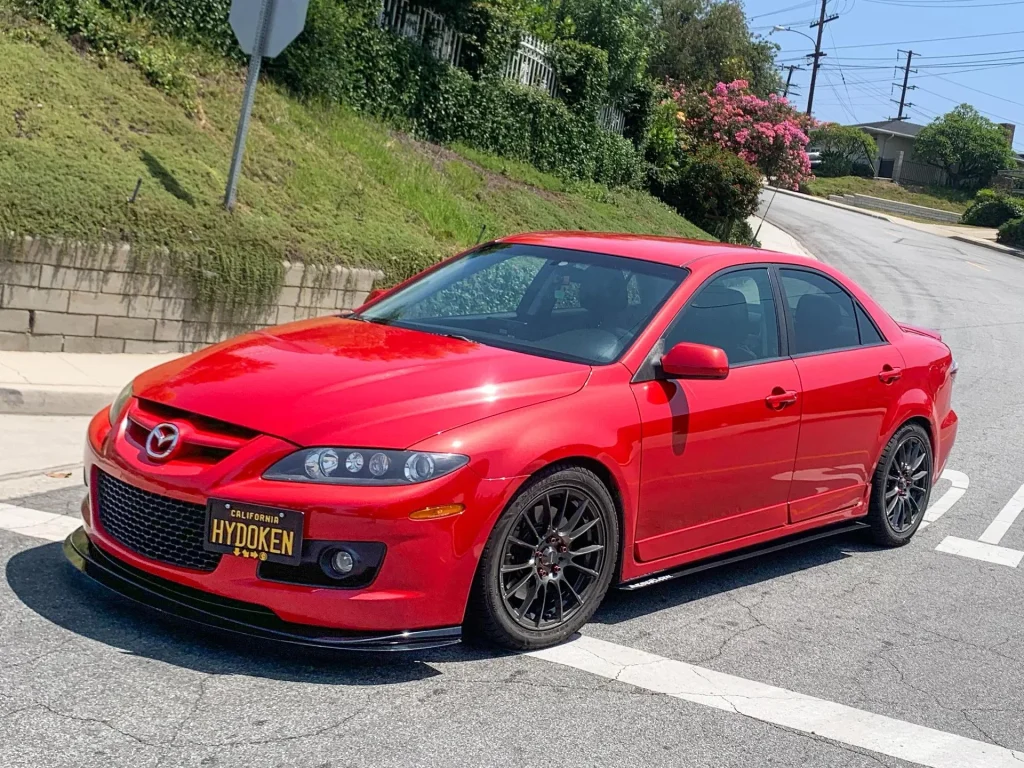
Inside the cabin, the sedan still felt practical and usable for everyday life. The layout remained similar to the regular Mazda6, offering comfortable seating and straightforward controls. While small details hinted at its performance nature, the interior never became overly flashy.
Because the Mazdaspeed6 retained the appearance of a typical commuter sedan, many drivers never realized what it was capable of. This quiet disguise allowed it to deliver thrilling performance while maintaining the practical identity of an everyday family car.
7. Mercedes Benz E55 AMG (W211)
Luxury sedans are usually associated with comfort, refinement, and smooth highway cruising. The Mercedes Benz E Class has long represented those qualities, often serving executives and professionals who value elegance over excitement.
The W211 generation E55 AMG followed that same visual formula, which is exactly why it became one of the most legendary sleeper sedans ever produced.
From a distance, the E55 AMG looked almost identical to a standard E Class. The body retained the clean lines, balanced proportions, and conservative styling expected from a Mercedes luxury sedan. There were no oversized wings or dramatic styling cues that would immediately signal extreme performance.
However, the engineering hidden under the hood told a completely different story. Mercedes AMG installed a hand built 5.4 liter supercharged V8 engine that produced around 469 horsepower and an enormous amount of torque. This power transformed the elegant sedan into an unexpectedly brutal performer.
The supercharger delivered immediate thrust the moment the accelerator was pressed. Instead of building power gradually, the E55 AMG surged forward with strong force, pushing the car to highway speeds far quicker than most people would expect from a refined luxury vehicle. Drivers unfamiliar with the car often underestimated it until they experienced that explosive acceleration.
Performance engineering extended beyond the engine. The car featured a reinforced suspension system, upgraded braking components, and advanced electronic stability controls that helped manage its substantial power. Despite the intense performance, the E55 AMG still maintained the smooth ride quality that Mercedes owners expected.
Inside, the cabin remained a place of luxury. Soft leather seats, polished wood trim, and a quiet interior environment reminded occupants that the car was still part of the prestigious E Class lineup. The combination of luxury and hidden power created a fascinating contrast.
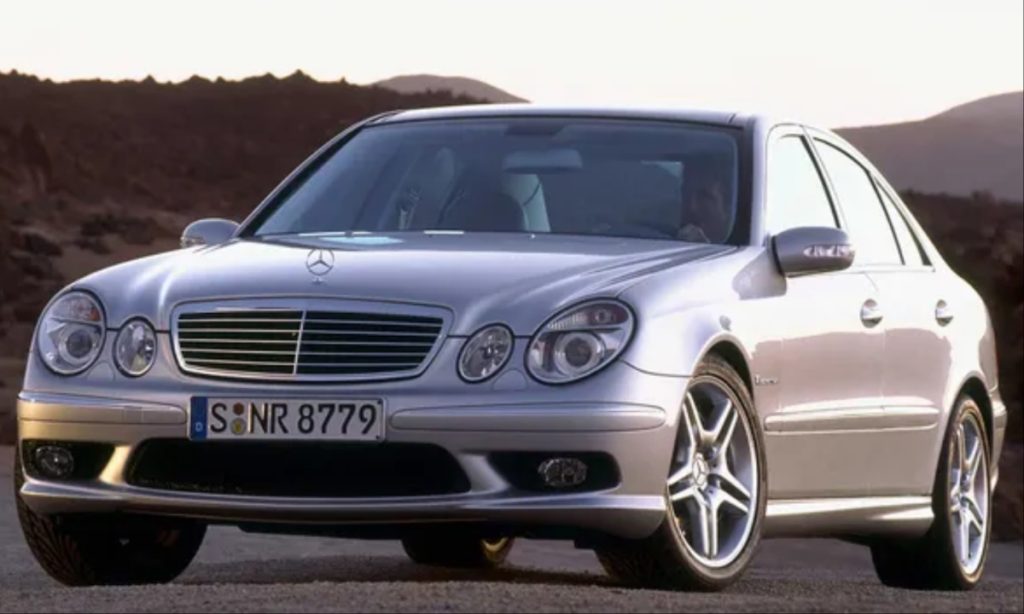
Because its appearance remained so restrained, the E55 AMG often surprised other drivers. Few people expected such aggressive performance from a car that looked like a comfortable executive sedan, which is precisely what made it such a perfect sleeper.
8. Pontiac G8 GT
In the late 2000s, Pontiac introduced the G8 as a replacement for the aging Grand Prix. At first glance, the car appeared to be a straightforward midsize sedan designed for everyday driving.
Its styling was clean and balanced, lacking the dramatic wings or aggressive body panels typically associated with performance vehicles. This ordinary appearance helped the Pontiac G8 GT blend into traffic like any other commuter car.
Yet beneath that simple design, the G8 GT carried the heart of a muscle car. The sedan was powered by a 6.0 liter V8 engine producing around 361 horsepower. This engine provided strong acceleration and a deep exhaust note that hinted at the car’s hidden strength once the throttle was opened.
What made the G8 GT especially interesting was its rear wheel drive platform. At a time when many family sedans had shifted toward front wheel drive layouts, Pontiac chose a configuration more commonly found in performance vehicles.
This decision gave the car better balance and improved driving dynamics when compared with typical commuter sedans.
Drivers who spent time behind the wheel often noticed that the car felt eager to move. Pressing the accelerator delivered a smooth but powerful surge of speed. The engine’s strong torque allowed the sedan to accelerate confidently during highway merges and passing situations, easily outpacing many vehicles that appeared more sporty.
The suspension also contributed to the car’s sleeper personality. Pontiac engineers tuned the chassis to remain comfortable during daily commuting while still maintaining solid control during enthusiastic driving. This balance allowed the G8 GT to function as a family sedan while secretly offering serious performance capability.
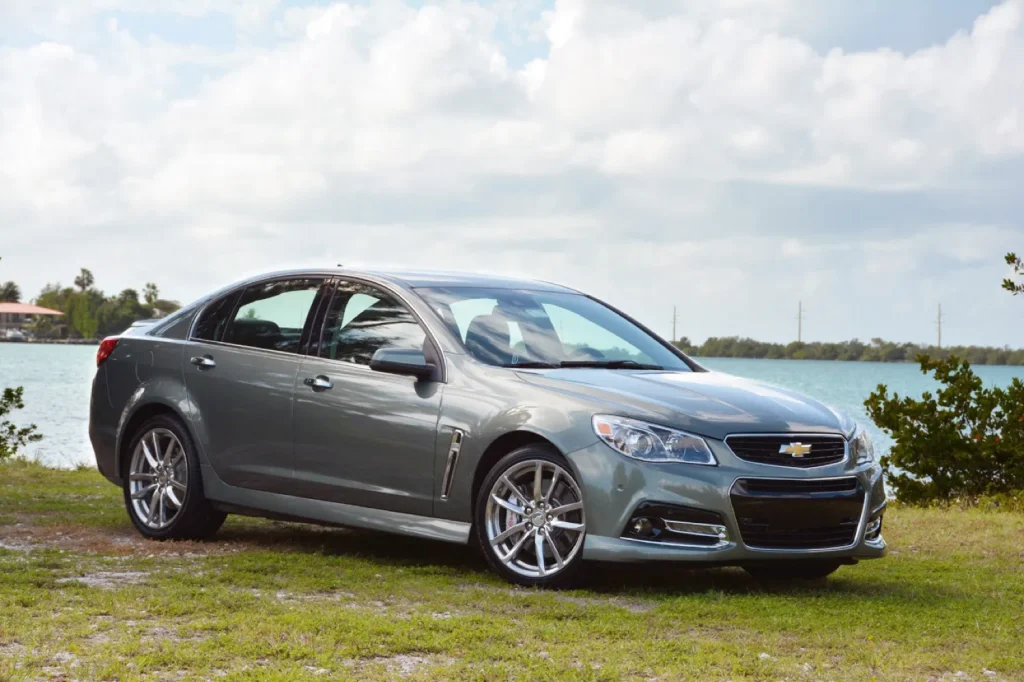
Inside, the cabin felt practical and straightforward. The layout focused on usability, providing comfortable seating for passengers and a clean dashboard design. There were no flashy racing inspired elements that would immediately reveal the car’s performance potential.
Because of its modest design and practical interior, many people underestimated the Pontiac G8 GT. Those who did often discovered that this quiet sedan could deliver performance that rivaled many recognized sports cars.
9. Saab 9 2X Aero
The Saab 9 2X Aero occupies a unique place in automotive history because it came from an unusual collaboration. At a glance, the car appeared to be a simple compact wagon designed for practical daily transportation.
Its modest size, understated design, and lack of aggressive styling made it look like the kind of vehicle someone would choose purely for reliability and convenience.
However, the story behind the 9 2X Aero revealed something far more interesting. Saab partnered with Subaru to create this model, which meant the car shared much of its engineering with the performance-oriented Subaru Impreza WRX.
As a result, the quiet-looking wagon actually possessed impressive performance capabilities hidden beneath its calm exterior.
The 9 2X Aero was equipped with a turbocharged 2.0-litre boxer engine that produced about 227 horsepower. While that number might seem moderate on paper, the car’s relatively light weight and responsive turbocharged power delivery made it feel lively and energetic on the road.
Another defining feature was its symmetrical All Wheel Drive system. This setup allowed the car to distribute power effectively between the wheels, improving traction during acceleration and providing confidence in challenging road conditions. Whether driving through rain, snow, or dry pavement, the system helped maintain stability and control.
The vehicle’s compact size also contributed to its engaging driving experience. Because the chassis was light and well balanced, the 9 2X Aero felt agile when navigating tight corners. Drivers could enjoy quick steering response and a sense of connection that many larger sedans lacked.
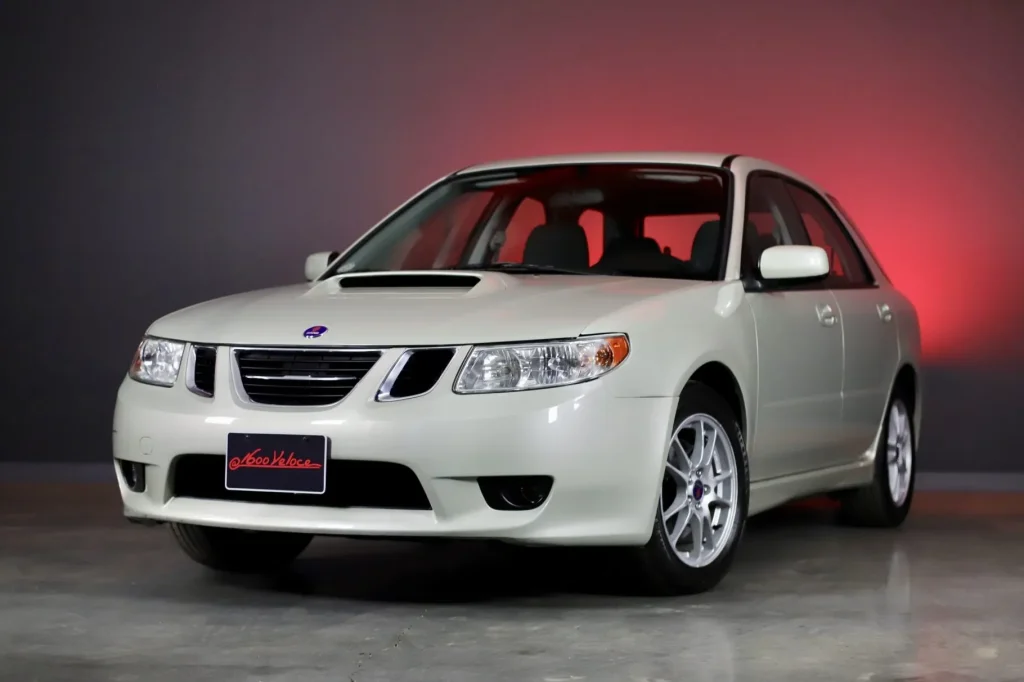
Inside the cabin, practicality remained the priority. The wagon body style offered useful cargo space while still providing comfortable seating for passengers. The interior design was simple and functional, reflecting Saab’s traditional approach to driver-focused ergonomics.
Since the Saab 9-2X Aero looked like a modest compact wagon, most people never expected it to deliver such spirited performance. This contrast between appearance and capability allowed it to become a fascinating sleeper car that quietly surprised drivers who underestimated it.
10. Toyota Camry TRD
Few cars have a reputation as calm and dependable as the Toyota Camry. For decades it has been known as one of the most sensible commuter sedans on the road.
Families choose it for reliability, professionals use it for daily transportation, and many drivers see it simply as a practical tool for getting from one place to another. That reputation makes the Camry TRD a particularly interesting sleeper.
At first glance, it still looks like a typical midsize sedan that prioritises comfort and efficiency. While the TRD version adds subtle sport elements such as unique wheels and slightly sharper styling, the overall design still resembles the familiar Camry that millions of people recognise.
Because of this, most drivers do not immediately expect anything unusual when they see one on the road.
The surprise begins when the engine comes into play. Toyota equipped the Camry TRD with a naturally aspirated 3.5-litre V6 producing roughly 301 horsepower. This engine is significantly stronger than what most commuters anticipate from a vehicle that carries the Camry name.
Acceleration feels energetic and confident, especially during highway driving. The V6 delivers smooth power that builds quickly as the car gains speed. Drivers who assume they are facing a normal commuter sedan often find themselves surprised when the Camry TRD moves ahead with impressive pace.
Toyota’s performance-oriented TRD division also improved the chassis. The suspension was tuned for sharper response, helping the sedan remain stable when driven more aggressively. Stronger brakes and structural reinforcements further improved the vehicle’s ability to handle the additional performance.
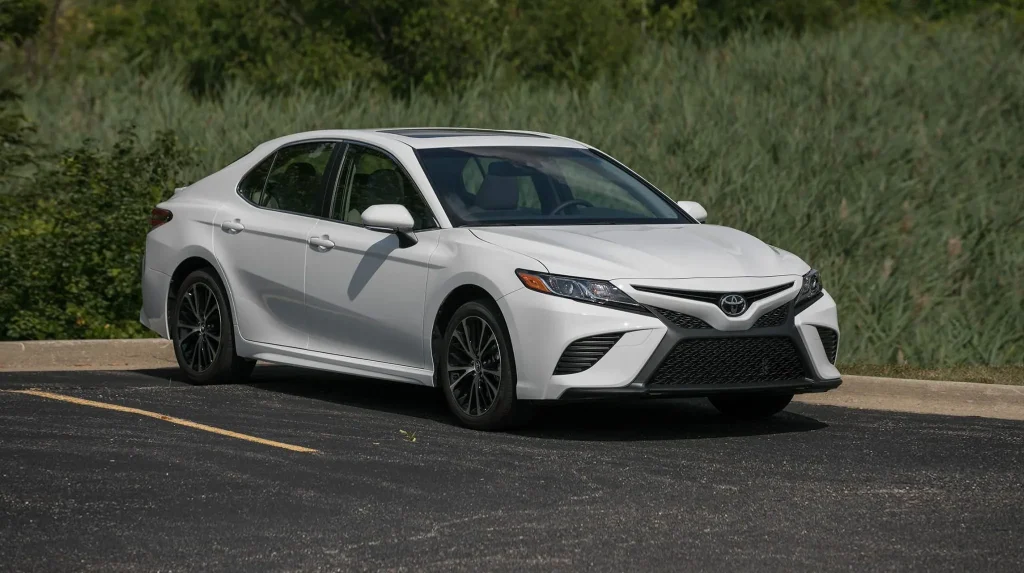
Inside the cabin, the Camry TRD remains comfortable and practical. The seating layout, dashboard design, and overall usability still reflect the Camry’s everyday focus. This means the car continues to function as a reliable daily driver despite its upgraded performance.
Because the Camry name is so strongly associated with calm commuting, many people overlook the TRD version. That unexpected blend of familiar practicality and surprising performance allows the Camry TRD to fit perfectly into the world of sleeper cars.
Also Read: 10 Cars That Use Strange Materials Like Wood or Fabric in the Frame