

Reaching 100000 miles is a significant milestone for any vehicle. It represents years of driving, thousands of trips, and a large number of moving parts working together to keep the car running smoothly.
While modern vehicles are built with impressive durability, certain components inevitably wear down over time. Ignoring those aging parts can lead to reduced performance, poor fuel efficiency, and in some cases serious mechanical failures.
Many drivers assume that if a vehicle is still running well at 100000 miles, there is no urgent need to replace anything. However, experienced mechanics often view this mileage point as a critical opportunity for preventive maintenance.
Replacing key components before they fail can save money, improve reliability, and extend the life of the vehicle significantly.
Some parts degrade slowly due to heat, friction, and vibration. Rubber seals may harden, metal components may weaken, and filters may become clogged after years of use. Even though these parts might still function, their performance can decline gradually without the driver noticing immediate symptoms.
Another reason the 100000 mile mark matters is that several manufacturer maintenance schedules recommend major inspections or replacements around this stage. By following those guidelines, drivers reduce the risk of unexpected breakdowns and maintain the overall health of the engine and related systems.
Preventive replacement is not about unnecessary spending. Instead, it is about addressing components that commonly reach the end of their reliable service life after extensive use. When these parts are replaced at the right time, the vehicle often feels smoother, more responsive, and more dependable during everyday driving.
In the sections ahead, we will explore eight components that drivers should strongly consider replacing once a vehicle approaches 100000 miles. Each plays a crucial role in keeping the car operating efficiently, and addressing them proactively can help ensure many more years of trouble free driving.
Also Read: Top 10 Cars for Beach Lovers With Easy to Clean Floors
1. Timing Belt
Among all engine maintenance items, the timing belt is one of the most critical components to monitor as a vehicle approaches 100000 miles. This reinforced rubber belt synchronizes the rotation of the crankshaft and camshaft, ensuring that engine valves open and close at the correct moments during the combustion cycle.
If this synchronization fails, the consequences can be severe. In many engines, a broken timing belt allows the valves and pistons to collide, leading to extensive internal damage. Repairing such damage can be extremely expensive and sometimes even exceed the value of an older vehicle.
Timing belts are designed to last a long time, but they are still made primarily from rubber materials. Over years of operation, the belt experiences constant tension, heat from the engine, and repeated cycles of stretching and contraction. These conditions slowly weaken the belt structure even if no visible cracks appear.
Because the belt is usually hidden behind protective covers, drivers rarely see its condition directly. This is why preventive replacement becomes so important. Waiting for signs of failure is risky because timing belts often break without warning.
Many manufacturers recommend replacing the timing belt somewhere between 60000 and 100000 miles depending on engine design. If a vehicle has already reached the higher end of that range without replacement, scheduling this service should become a priority.
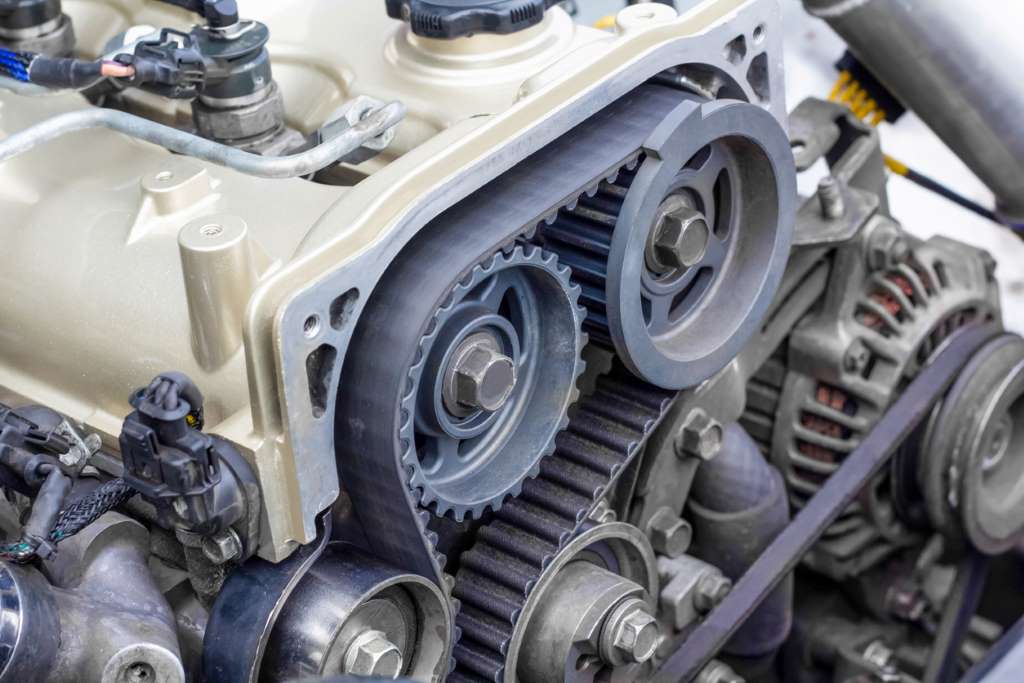
Another important consideration is that replacing the timing belt often provides access to several related components. Mechanics frequently suggest replacing the water pump, tensioner, and idler pulleys during the same service. These parts share similar lifespans and are located in the same area of the engine.
Although the replacement cost can seem significant, it is still far less expensive than repairing engine damage caused by belt failure. Viewed from a long term perspective, this maintenance step is an investment in engine protection.
Drivers who plan to keep their vehicles beyond 100000 miles benefit greatly from addressing the timing belt proactively. Once replaced, the engine can continue operating with the precise synchronization it requires for smooth and efficient performance.
2. Spark Plugs
Spark plugs are small components, yet they play an essential role in how an engine operates. Their job is simple in theory but critical in practice.
Each spark plug creates the electrical spark that ignites the air and fuel mixture inside the combustion chamber. Without that ignition event happening at exactly the right moment, the engine would not produce power.
After many years of driving and tens of thousands of miles, spark plugs gradually wear out. The electrodes slowly erode because they are exposed to extremely high temperatures and constant electrical discharge. Even high quality plugs designed for long life eventually lose efficiency.
At around 100000 miles, replacing spark plugs becomes an important maintenance step for many vehicles. While some modern plugs are engineered to last longer than older designs, they still experience performance decline as mileage accumulates. Waiting too long can lead to noticeable symptoms.
Drivers may begin to feel rough engine operation, slower acceleration, or reduced fuel economy. Sometimes the engine may hesitate during acceleration or idle unevenly. These issues occur because worn spark plugs produce weaker or inconsistent sparks, which means the combustion process inside the engine becomes less efficient.
Replacing spark plugs restores proper ignition performance. When fresh plugs are installed, the engine typically runs smoother and responds more quickly to throttle input. Fuel combustion becomes more consistent, which can also improve overall efficiency.
Another reason to replace spark plugs at high mileage is to prevent strain on the ignition system. Worn plugs require more voltage to create a spark.
Over time this extra demand can place stress on ignition coils and related electrical components. By installing new plugs, the ignition system operates under normal conditions again.
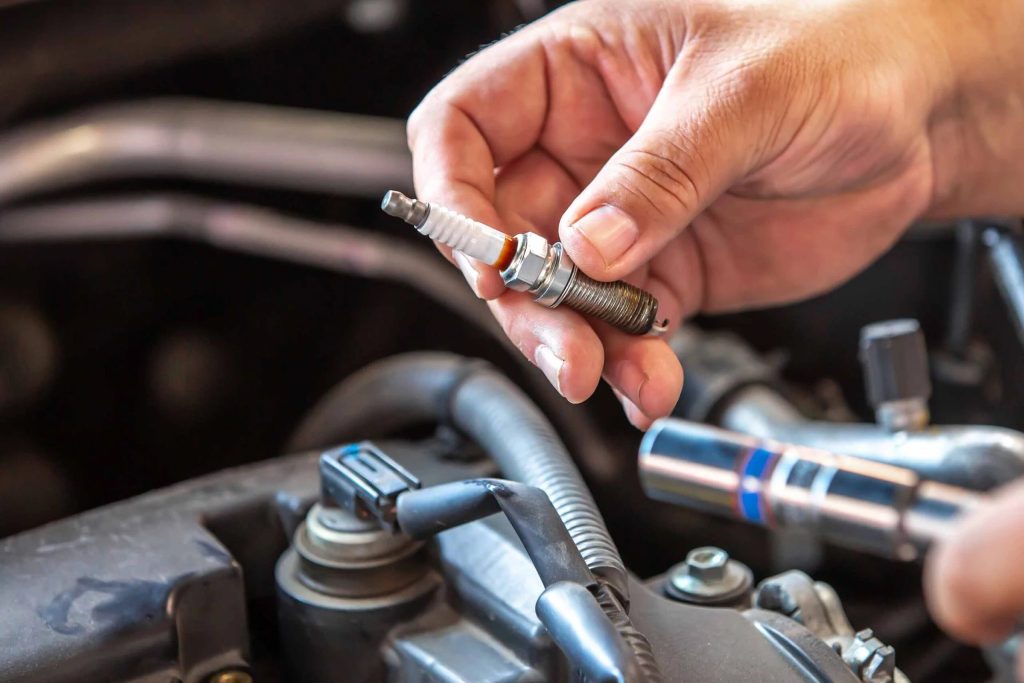
Access to spark plugs varies depending on the engine design. In some vehicles the plugs are easy to reach, while in others the process requires removing additional components such as intake parts or engine covers. Despite the difference in labor effort, the maintenance itself remains straightforward.
It is also wise to inspect ignition coils and wiring during the replacement process. While these components may not always require immediate replacement, checking their condition ensures the entire ignition system remains reliable.
When a vehicle crosses the 100000 mile mark, replacing spark plugs can bring noticeable improvements to engine behavior. The engine starts more easily, runs more smoothly, and delivers power more consistently.
Although spark plugs are relatively inexpensive compared with many other engine parts, their impact on performance is substantial. Taking the time to replace them at the right interval helps maintain engine efficiency and prevents minor ignition issues from developing into larger mechanical problems.
3. Fuel Injectors
Fuel injectors operate quietly in the background of every modern engine, but their role is essential for proper combustion.
These components deliver a precise amount of fuel into the engine cylinders at the correct moment. When they function correctly, the engine runs smoothly, efficiently, and with balanced power output.
By the time a vehicle reaches 100000 miles, fuel injectors have already performed millions of injection cycles. During every drive, they open and close rapidly while spraying a fine mist of fuel into the combustion chamber. Over time this constant activity exposes them to heat, carbon deposits, and microscopic fuel contaminants.
Gradually, buildup can form around the injector tips. When deposits accumulate, the spray pattern may change. Instead of delivering a consistent mist, the injector may produce uneven droplets or restricted flow. Even small irregularities in the fuel spray can influence how efficiently the engine burns fuel.
Drivers often notice subtle symptoms when injectors begin losing effectiveness. The engine might feel slightly less responsive, idle quality may decline, or fuel economy may slowly worsen. In some cases the engine control system may attempt to compensate by adjusting fuel delivery, masking the issue for a while.
At the 100000 mile milestone, many mechanics recommend either professional cleaning or replacement of fuel injectors depending on their condition.
Cleaning can sometimes restore the proper spray pattern if deposits are the primary issue. However, if the injectors show wear or internal damage, replacement becomes the better long term solution.
Another reason to inspect injectors at this stage is overall engine balance. Each cylinder depends on receiving the same fuel quantity for smooth operation. If one injector delivers less fuel than the others, the engine may develop roughness or vibration during operation.
Fuel system maintenance can also extend the life of the injectors. Replacing the fuel filter, using high quality fuel, and occasionally running fuel system cleaners can help prevent heavy deposit formation. These practices support injector performance over the long term.
When injectors operate correctly, combustion remains efficient and consistent. The engine responds more smoothly to acceleration and maintains stable idle behavior. Proper fuel delivery also supports lower emissions and improved fuel efficiency.
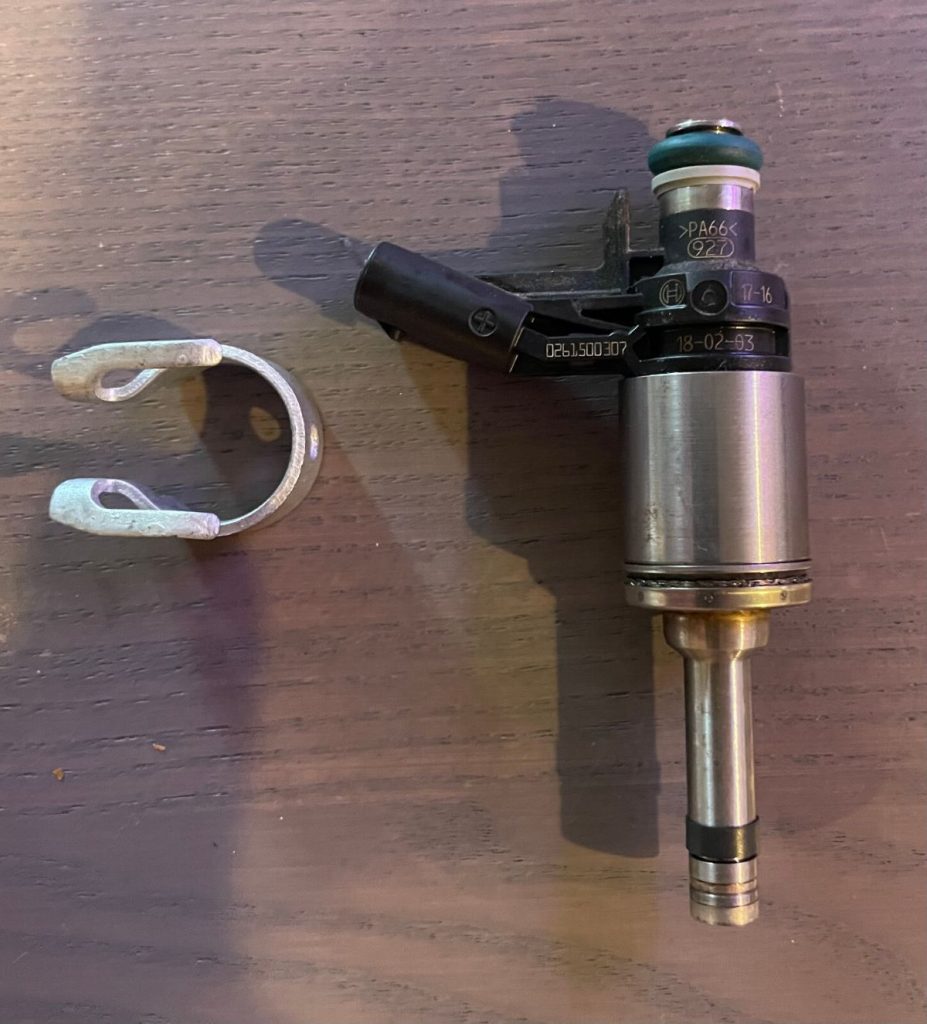
Although fuel injectors are designed for durability, their performance can decline gradually after extensive mileage. Addressing them around the 100000 mile point helps restore the precision that modern engines rely on.
Replacing or servicing fuel injectors at the right time ensures that the engine continues receiving the accurate fuel supply it needs for reliable performance during the next phase of the vehicle’s life.
4. Water Pump
Heat management is one of the most important responsibilities inside any engine. Every time fuel burns in the cylinders, temperatures rise dramatically.
Without an effective cooling system, those temperatures would quickly damage metal components and lead to severe mechanical failure. The water pump plays a central role in preventing that situation.
The purpose of the water pump is to circulate coolant continuously through the engine and radiator. As coolant moves through the engine block, it absorbs excess heat produced during combustion. That heated fluid then travels to the radiator where the heat dissipates before the coolant returns to repeat the cycle.
For thousands of miles this process occurs quietly and automatically. Drivers rarely notice the water pump while it works properly. However, like many mechanical parts, it contains components that gradually wear down after extended use.
Inside the pump are bearings, seals, and an impeller responsible for moving coolant through the system. Over time, constant rotation, exposure to heat, and contact with coolant can weaken these parts. Bearings may begin to loosen, seals may start to leak, and the impeller may lose efficiency.
Once a vehicle approaches 100000 miles, the likelihood of water pump wear increases. Some pumps may last longer, but many begin showing signs of fatigue around this mileage range. Because the pump is critical to temperature control, preventive replacement becomes a smart decision.
One of the earliest warning signs of water pump trouble is coolant leakage near the front of the engine. Drivers may also hear unusual noises such as whining or grinding coming from the pump area. In other situations the engine temperature may begin rising unexpectedly.
Waiting for complete pump failure can be risky. If the pump stops circulating coolant, the engine can overheat very quickly. Severe overheating may damage cylinder heads, gaskets, or other internal engine components.
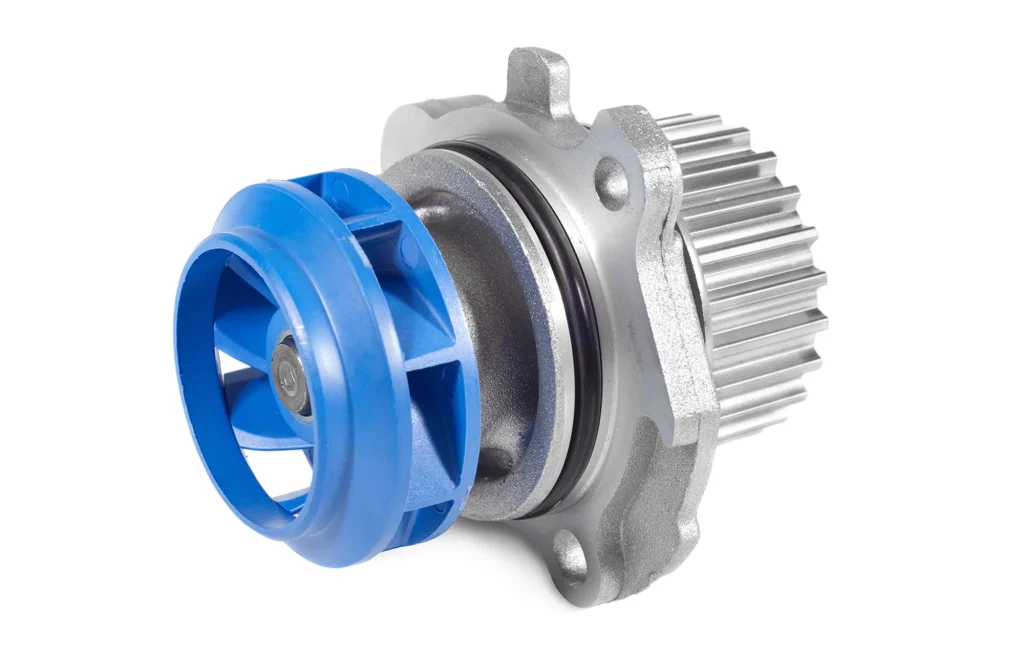
Another reason mechanics often replace the water pump around 100000 miles is convenience. In many vehicles the pump is located near the timing belt system. When the timing belt is replaced, installing a new water pump during the same service can save both labor time and future repair costs.
A fresh water pump restores proper coolant circulation and ensures the engine remains within its safe temperature range. This contributes to stable engine operation, better reliability, and longer component life.
Drivers who plan to keep their vehicles for many more years benefit greatly from replacing aging cooling system components before they fail. Addressing the water pump at the 100000 mile milestone is one of the most effective ways to prevent overheating problems later.
5. Oxygen Sensors
Hidden within the exhaust system, oxygen sensors constantly monitor how efficiently the engine is burning fuel. Although drivers rarely think about them, these sensors send crucial data to the engine control unit, allowing it to adjust the air and fuel mixture for optimal combustion. Their work happens every second the engine runs.
The basic function of an oxygen sensor is to measure the amount of oxygen remaining in the exhaust gases. When fuel burns in the engine, the ideal mixture of air and fuel produces the most efficient combustion. If the mixture becomes too rich or too lean, the oxygen sensor detects the imbalance and signals the control system to make corrections.
During the early years of a vehicle’s life, these sensors respond quickly and accurately. Over time, however, they begin to degrade. Continuous exposure to heat, carbon deposits, and chemical contaminants slowly affects their ability to read exhaust gases precisely.
By the time a vehicle reaches 100000 miles, oxygen sensors have completed millions of measurement cycles. Even if they have not failed completely, their response time may become slower. When that happens, the engine management system cannot adjust fuel delivery as efficiently as it once did.
A sluggish oxygen sensor may not trigger an immediate warning light, yet it can still influence performance. Fuel consumption may gradually increase, and the engine may lose some of its efficiency. Because the sensor provides delayed or inaccurate information, the control unit struggles to maintain the perfect air fuel balance.
Replacing oxygen sensors at high mileage restores accurate feedback to the engine management system. Once new sensors are installed, the engine can again adjust fuel delivery quickly and precisely. This often results in smoother operation and improved fuel economy.
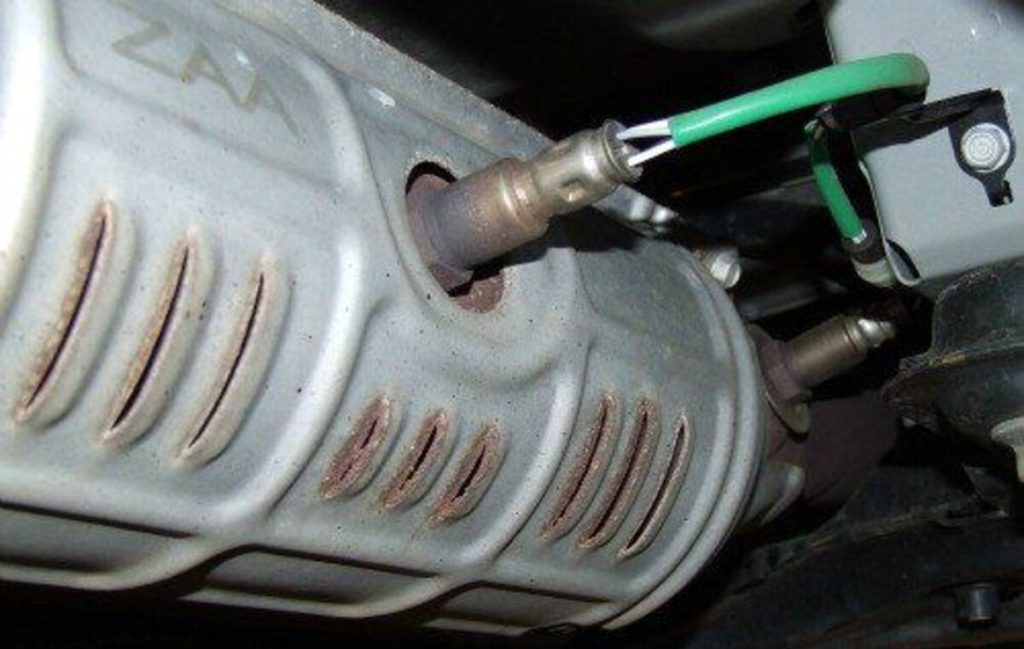
There are usually multiple oxygen sensors in modern vehicles. Some are positioned before the catalytic converter to monitor combustion efficiency, while others are located after the converter to track emissions performance. Each plays a different role in the vehicle’s emission control strategy.
Technicians often inspect these sensors during major service intervals. If a vehicle has already crossed the 100000 mile mark without sensor replacement, installing new ones can help ensure the engine continues operating efficiently.
Another advantage of fresh oxygen sensors is improved emissions control. Since the sensors help maintain the proper combustion mixture, they also reduce the amount of unburned fuel leaving the engine.
Although they are small components, oxygen sensors influence several important aspects of vehicle operation. Maintaining them properly allows the engine to run cleaner, more efficiently, and with more accurate fuel management.
6. Suspension Shocks and Struts
A vehicle’s suspension system quietly absorbs thousands of bumps, vibrations, and road imperfections every time it moves. Most drivers only notice the suspension when the ride becomes uncomfortable or when handling begins to feel unstable. Among the most important parts of this system are the shocks and struts.
Shocks and struts control the movement of the suspension and keep the tires firmly connected to the road surface. When a vehicle passes over uneven pavement, these components absorb the energy created by the impact. Without them, the car would continue bouncing long after hitting a bump.
During the first several years of driving, shocks and struts perform this job efficiently. The internal hydraulic fluid and mechanical components manage suspension movement smoothly, helping maintain both comfort and control.
However, by the time a vehicle approaches 100000 miles, these components have endured an enormous amount of stress. Every pothole, speed bump, and rough road surface contributes to gradual wear inside the suspension units.
The decline does not usually happen suddenly. Instead, shocks and struts lose effectiveness slowly over time. Because the change is gradual, drivers often adapt to the worsening ride quality without realizing how much performance has been lost.
One common sign of worn shocks or struts is excessive bouncing after driving over bumps. The vehicle may also lean more during turns or dip forward when braking. These symptoms indicate that the suspension is no longer controlling movement as effectively as it once did.
Another issue related to worn suspension components is uneven tire wear. When shocks or struts fail to keep the tires firmly planted on the road, the tires may lose consistent contact with the pavement. This can cause irregular tread patterns and shorten tire life.
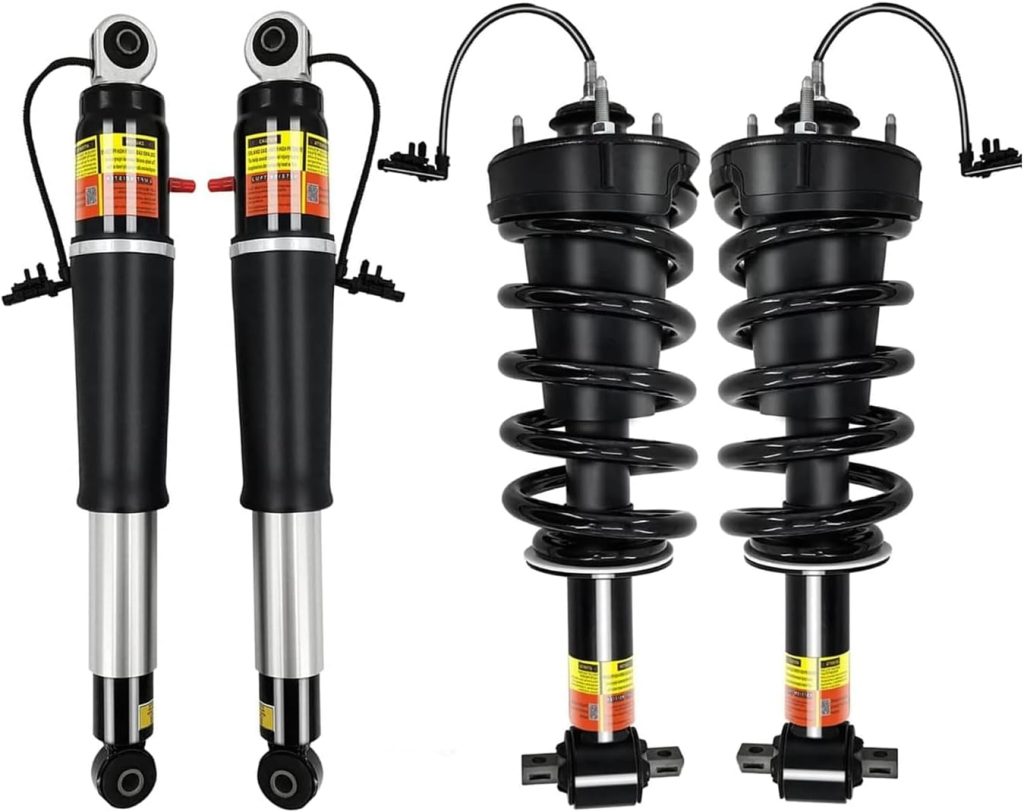
Replacing shocks and struts around the 100000 mile mark can dramatically improve driving comfort and stability. The vehicle may feel tighter, more controlled, and more predictable during both acceleration and braking.
Handling improvements are particularly noticeable during highway driving or cornering situations. With fresh suspension components, the car responds more confidently to steering input and remains stable over uneven surfaces.
Another advantage of replacing worn suspension parts is improved braking performance. When the suspension controls weight transfer properly, the tires maintain stronger grip with the road during sudden stops.
Although shocks and struts may continue functioning beyond 100000 miles, their effectiveness often declines significantly by that point. Replacing them restores the suspension system’s ability to manage road conditions properly.
Drivers who invest in suspension maintenance often discover that their vehicle feels noticeably younger afterward. A smoother ride, better stability, and improved tire longevity make this upgrade a valuable step in maintaining a high mileage vehicle.
7. Engine Mounts
Every engine generates vibration while running. Combustion inside the cylinders creates powerful movements that transfer energy through the engine block. If the engine were simply bolted directly to the vehicle frame, those vibrations would travel through the entire car and make driving extremely uncomfortable.
Engine mounts exist to prevent that problem. These components secure the engine to the chassis while also absorbing much of the vibration produced during operation. Most mounts are made with a combination of metal brackets and thick rubber or hydraulic materials designed to cushion movement.
When a vehicle is new, engine mounts perform their task quietly and effectively. The rubber sections remain flexible and strong, allowing the mounts to absorb vibration while still holding the engine firmly in place.
After many years of driving and roughly 100000 miles of use, the materials inside the mounts begin to age. Heat from the engine, constant movement, and exposure to road conditions slowly weaken the rubber sections. As the rubber hardens or cracks, the mounts lose their ability to dampen vibration.
The first sign of worn engine mounts is usually increased vibration felt inside the cabin. Drivers may notice shaking while the vehicle is idling or when the engine accelerates. These vibrations often travel through the steering wheel, dashboard, or floor.
Another symptom may appear when shifting gears. A worn mount can allow the engine to move slightly more than normal, producing a noticeable thump or movement during gear changes. Although the vehicle may still drive normally, the underlying support system is no longer working as effectively.
If engine mounts continue deteriorating, they may eventually fail completely. When this happens, the engine can shift excessively during acceleration or braking. Such movement can place stress on other nearby components including hoses, wiring, and exhaust connections.
Replacing worn engine mounts restores stability and reduces unwanted vibration throughout the vehicle. Once new mounts are installed, the engine sits firmly in its intended position while the rubber cushioning absorbs movement as designed.
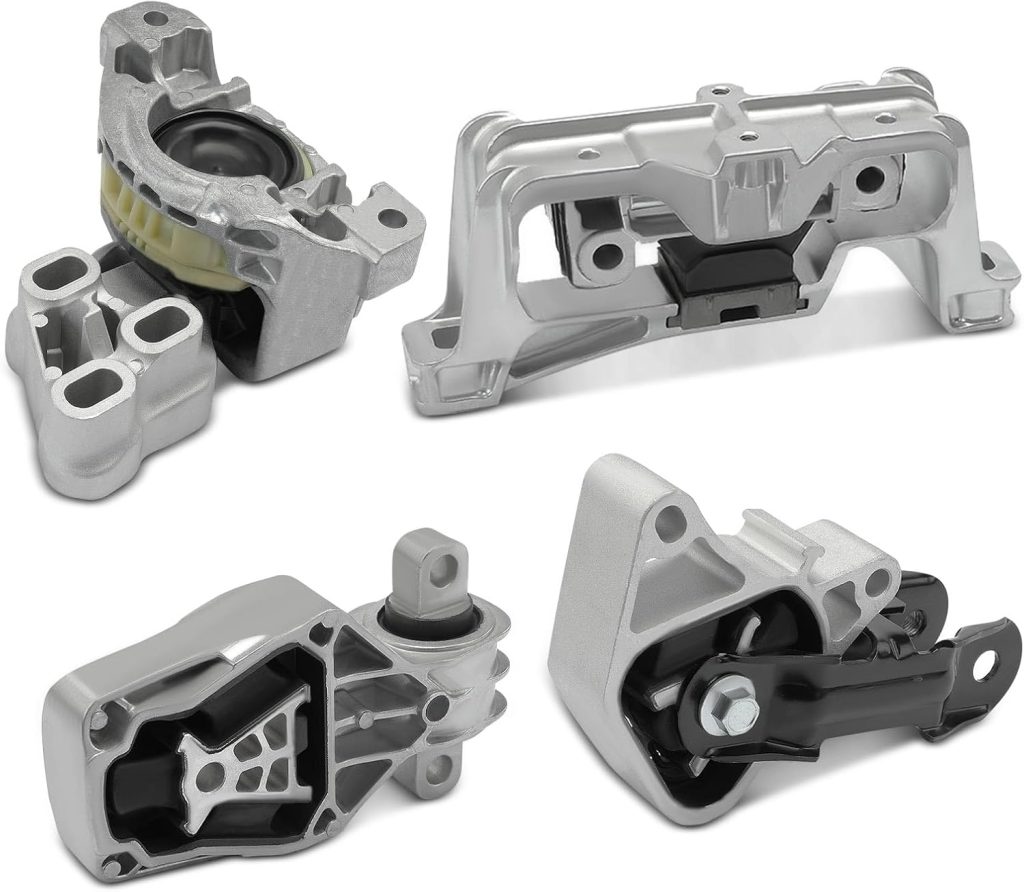
Drivers often notice immediate improvements after this repair. The engine feels smoother at idle, gear shifts become more stable, and overall cabin comfort increases. Even though engine mounts are rarely discussed compared with other engine components, their influence on driving comfort is significant.
Technicians frequently inspect mounts during major service intervals, especially when vehicles reach high mileage. If cracking, separation, or excessive movement is detected, replacement becomes the safest option.
Maintaining healthy engine mounts ensures that the engine remains properly supported and isolated from the rest of the vehicle structure. Addressing them around the 100000 mile milestone helps maintain both mechanical stability and passenger comfort.
8. Radiator Hoses
Radiator hoses may appear simple compared with other engine components, yet they play a vital role in maintaining proper engine temperature. These flexible hoses carry coolant between the engine and the radiator, allowing the cooling system to regulate heat produced during combustion.
Every time the engine runs, coolant travels through the upper and lower radiator hoses in a continuous cycle. Hot coolant exits the engine through one hose, moves into the radiator where heat is released, and then cooler fluid returns to the engine through another hose. This circulation process keeps engine temperatures within a safe operating range.
Although radiator hoses are designed to withstand high temperatures and pressure, they are still made from rubber materials. Over many years of driving, heat exposure gradually causes the rubber to weaken. The hoses may become brittle, develop small cracks, or lose their flexibility.
By the time a vehicle reaches approximately 100000 miles, radiator hoses have usually experienced thousands of heating and cooling cycles. Each cycle causes the rubber to expand and contract slightly. After repeated stress over long periods, the material begins to deteriorate.
Drivers may sometimes detect early warning signs. A hose that feels unusually soft, swollen, or excessively hard can indicate internal damage. In other cases small cracks may appear on the outer surface, suggesting the material is nearing the end of its service life.
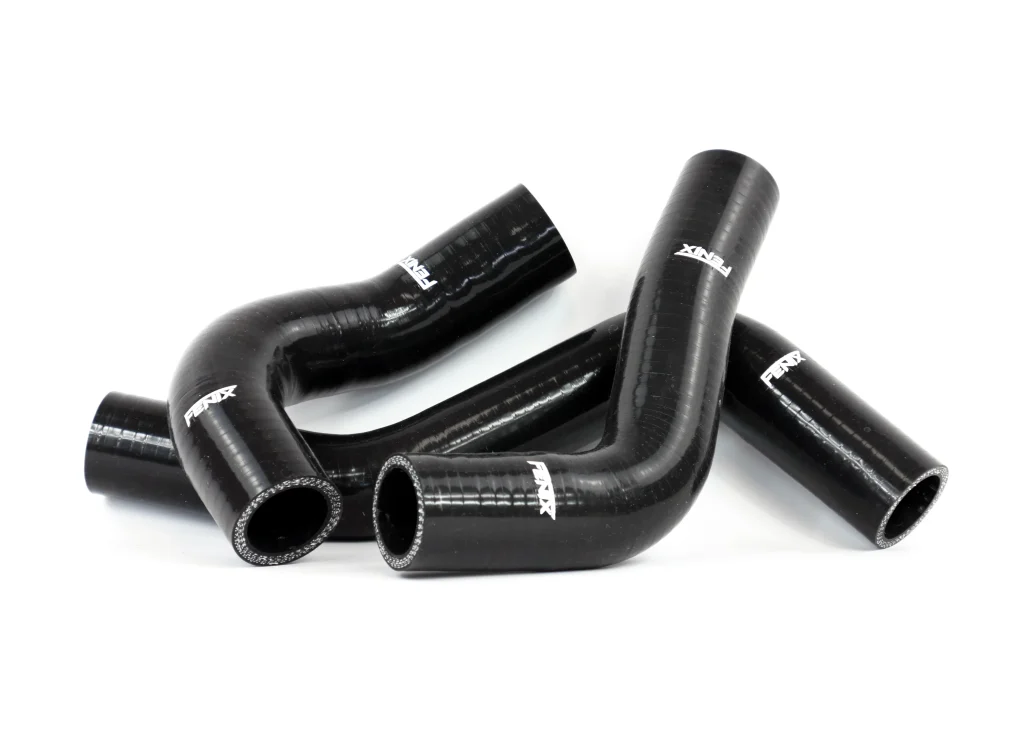
If a radiator hose fails while the engine is running, coolant can escape rapidly. Without sufficient coolant circulation, engine temperature may rise quickly and lead to overheating. Severe overheating can damage engine components such as gaskets, cylinder heads, and internal seals.
Because of this risk, many mechanics recommend replacing radiator hoses as part of preventive maintenance once vehicles approach high mileage. The cost of replacing these hoses is relatively small compared with the potential expense of repairing an overheated engine.
During hose replacement, technicians also inspect hose clamps and nearby cooling system connections. Ensuring that clamps are tight and properly positioned helps maintain secure coolant flow throughout the system.
Installing new radiator hoses restores confidence in the cooling system’s reliability. Fresh hoses remain flexible, maintain strong internal pressure resistance, and allow coolant to circulate without leaks.
For drivers who intend to keep their vehicles well beyond 100000 miles, replacing radiator hoses is a simple but valuable step in long term engine protection. Preventive attention to these small components helps ensure that the cooling system continues functioning efficiently during many more miles of driving.
Also Read: 10 Iconic Cars That Were Almost Named Something Very Different
