
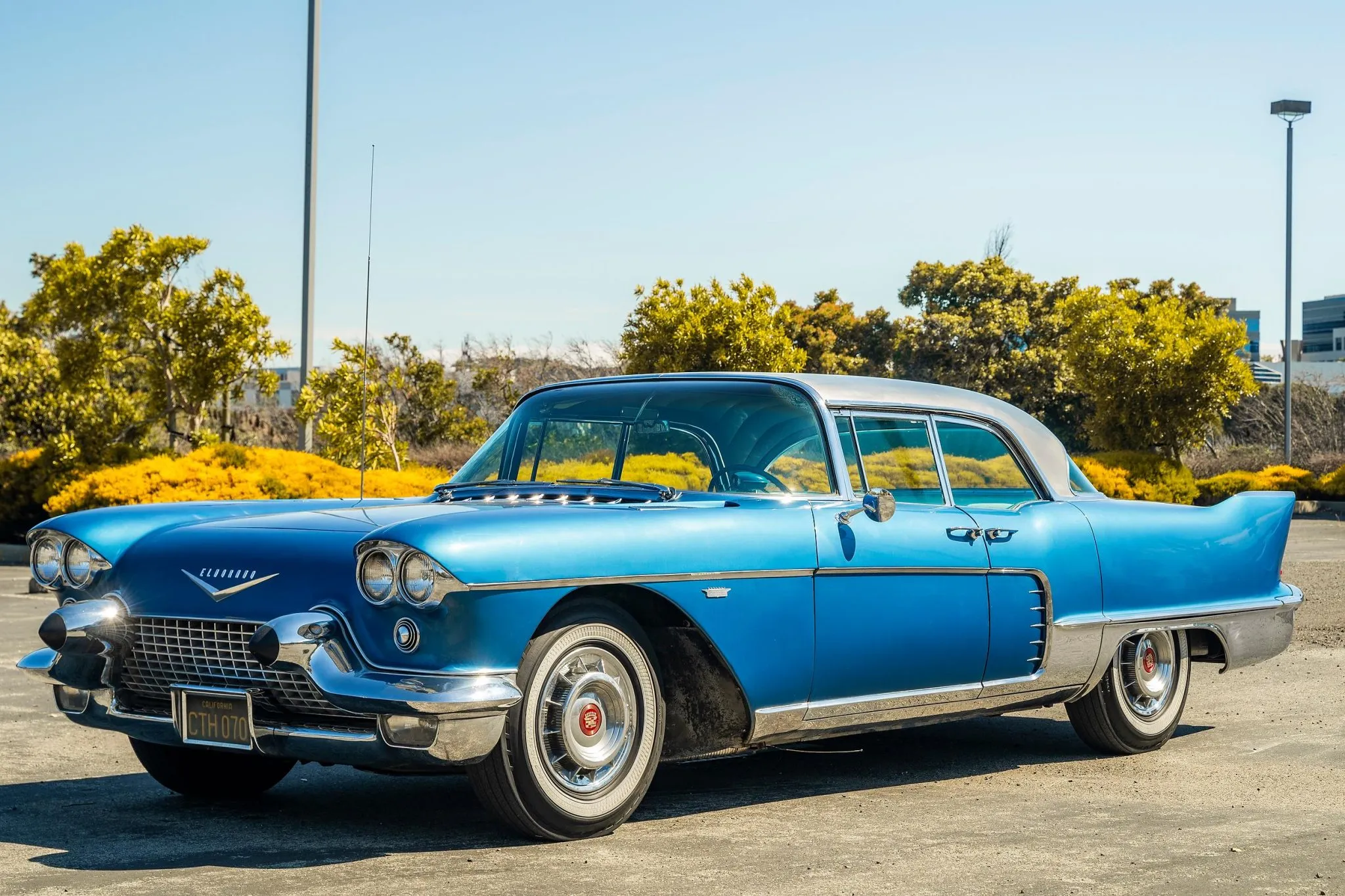
Automotive design has always been about more than mechanical performance. From the earliest days of motoring, manufacturers looked for ways to give their vehicles a distinctive identity. One of the most recognizable design traditions that emerged from this effort was the hood ornament.
A hood ornament sits proudly at the front of a vehicle, usually mounted on the hood or integrated into the grille area. In the early twentieth century, these ornaments often served a practical purpose.
Radiators required caps, and manufacturers began designing decorative radiator caps that eventually evolved into artistic symbols representing each brand.
Over time, these ornaments became powerful visual signatures. They represented luxury, heritage, and craftsmanship. When someone saw a particular ornament approaching on the road, they immediately recognized the brand behind it.
Some hood ornaments were inspired by speed and motion. Others symbolized elegance, power, or national heritage. Designers used animals, wings, human figures, and abstract shapes to communicate the personality of the vehicle.
As automotive safety regulations and modern styling trends evolved, hood ornaments gradually became less common. Many manufacturers replaced them with flat badges or integrated emblems to reduce potential injury risks and improve aerodynamics.
Despite this shift, the legacy of classic hood ornaments remains deeply embedded in automotive culture. For collectors and enthusiasts, these ornaments represent an era when car design celebrated artistry and symbolism as much as engineering.
Several vehicles became legendary not only because of their performance or luxury but also because of the distinctive ornament that adorned their hood. These small sculptures turned ordinary vehicles into instantly recognizable icons.
In this article we will explore ten vehicles that featured some of the most memorable hood ornaments in automotive history. Each one tells a story about design, heritage, and the unique identity of the brand it represents.
Also Read: 10 Vehicles With the Best Air Filtration for Drivers With Allergies
1. Rolls Royce Phantom
Few hood ornaments are as famous as the Spirit of Ecstasy that appears on Rolls Royce vehicles. When mounted on the hood of the Rolls Royce Phantom, this elegant sculpture becomes more than a decorative piece. It represents one of the most enduring symbols of automotive luxury.
The Spirit of Ecstasy first appeared in the early twentieth century. The design depicts a graceful female figure leaning forward with her robes flowing behind her like wings. The pose suggests movement, freedom, and quiet power rather than aggressive speed.
Unlike many other hood ornaments that were simply decorative badges, the Spirit of Ecstasy quickly became a defining feature of the Rolls Royce brand. Owners of the Phantom often consider the ornament an essential part of the vehicle’s identity.
Craftsmanship plays a major role in its appeal. Traditional versions were carefully sculpted and polished to create a smooth, elegant surface that reflects light beautifully. Over the years the ornament has been produced using a variety of materials including stainless steel and precious metals.
Another interesting detail is the mechanism that protects the ornament. On modern Rolls Royce Phantom models, the Spirit of Ecstasy can retract into the hood automatically. This feature helps prevent theft and also protects pedestrians in the event of a collision.
Beyond its engineering features, the ornament carries emotional significance. For many drivers, seeing the Spirit of Ecstasy rising from the hood signals entry into a world of refinement and prestige.
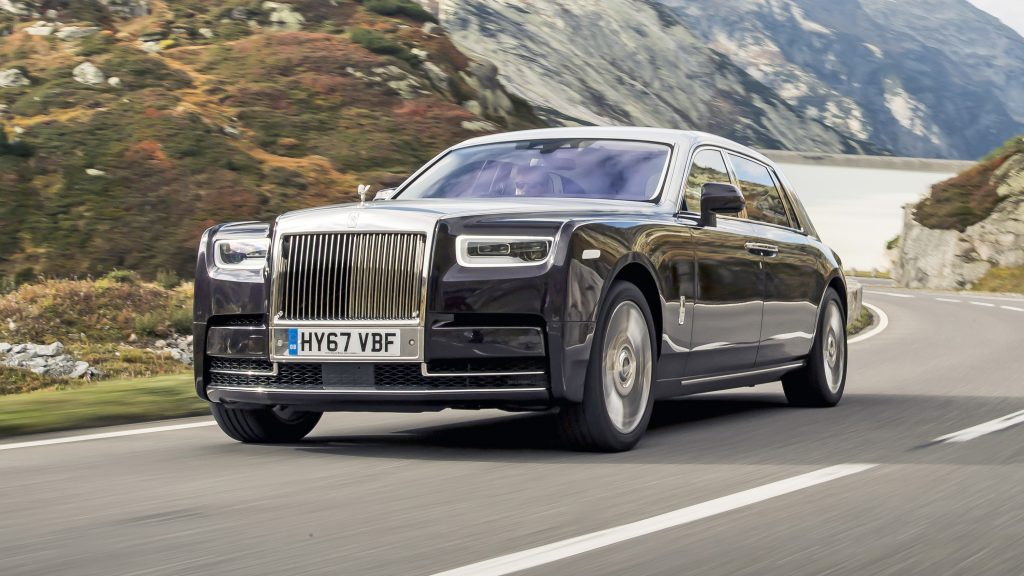
The Rolls Royce Phantom itself has long been associated with royalty, celebrities, and heads of state. The presence of the Spirit of Ecstasy reinforces that image of exclusivity.
While many manufacturers eventually abandoned hood ornaments, Rolls Royce continued refining its famous sculpture. The design has evolved slightly over time but the core identity remains unchanged.
As a result, the Rolls Royce Phantom stands as perhaps the most iconic example of a vehicle defined by its hood ornament.
2. Mercedes Benz S Class
When people think of classic hood ornaments, the three pointed star of Mercedes Benz often comes immediately to mind. Positioned proudly above the grille on many versions of the Mercedes Benz S Class, this symbol has become one of the most recognizable emblems in the automotive world.
The three pointed star represents a powerful idea that dates back to the early history of the company. It was originally designed to symbolize the brand’s ambition to dominate transportation on land, sea, and air. Over time this concept evolved into a global symbol of engineering excellence and luxury.
Unlike elaborate sculptural ornaments found on some luxury vehicles, the Mercedes Benz star is relatively simple in appearance. The design consists of a thin circular frame surrounding the iconic star with three equally spaced points. This minimalist approach allows the emblem to look elegant without appearing overly decorative.
The S Class, known as the flagship sedan of the Mercedes Benz lineup, helped reinforce the status of the hood mounted star. For decades this luxury sedan has represented the highest level of technology, comfort, and prestige within the brand’s range.
Drivers often appreciate how the ornament serves a practical purpose as well. Because it sits directly at the front center of the hood, it provides a visual reference point for positioning the vehicle. Many owners say the star helps them judge the front corners of the car more easily while parking.
Craftsmanship also contributes to its appeal. The ornament is typically made from polished metal, giving it a reflective surface that catches sunlight and streetlights in a subtle but distinctive way.
In modern times, some Mercedes Benz models have replaced the hood ornament with a large grille mounted emblem. However, traditional versions of the S Class still feature the standing star, preserving a long standing design tradition.

Seeing that three pointed star rising from the hood instantly signals the presence of a Mercedes Benz luxury sedan. Even in a world filled with modern badges and digital displays, the classic hood ornament continues to represent heritage and prestige.
For many enthusiasts, the Mercedes Benz S Class remains one of the vehicles most closely associated with a timeless and instantly recognizable hood ornament.
3. Jaguar XJ
Among classic automotive hood ornaments, the leaping Jaguar stands out as one of the most dynamic and visually striking designs ever created. Mounted on the hood of vehicles such as the Jaguar XJ, this emblem captures a sense of motion that perfectly reflects the brand’s identity.
The ornament depicts a jaguar mid leap, its body stretched forward as if chasing its prey. Muscles appear tense, the tail extends behind, and the head points directly ahead. The sculpture communicates speed, agility, and strength in a way few other automotive symbols manage to achieve.
Jaguar introduced this emblem during an era when hood ornaments were becoming important brand signatures. Instead of choosing a static badge or abstract shape, the company selected an animal associated with power and elegance.
The choice matched the character of Jaguar vehicles, which were known for combining luxury with strong performance.
The Jaguar XJ helped popularize the ornament during the late twentieth century. As the brand’s flagship luxury sedan, the XJ carried the leaping cat proudly on its hood, reinforcing the company’s sporty reputation even within a luxury segment.
Unlike simpler hood badges, the leaping Jaguar created a sense of drama when viewed from the driver’s seat. Owners often described the feeling of seeing the sculpture leading the car forward as an emotional connection with the vehicle.
The ornament itself was typically crafted from polished metal, giving it a reflective shine that highlighted the detailed sculpting of the animal’s form. Even small features such as the curve of the back and the shape of the paws contributed to the impression of motion.
Over time, safety regulations and evolving design trends led Jaguar to remove the standing ornament from many of its newer models. The brand shifted toward flat grille badges instead.
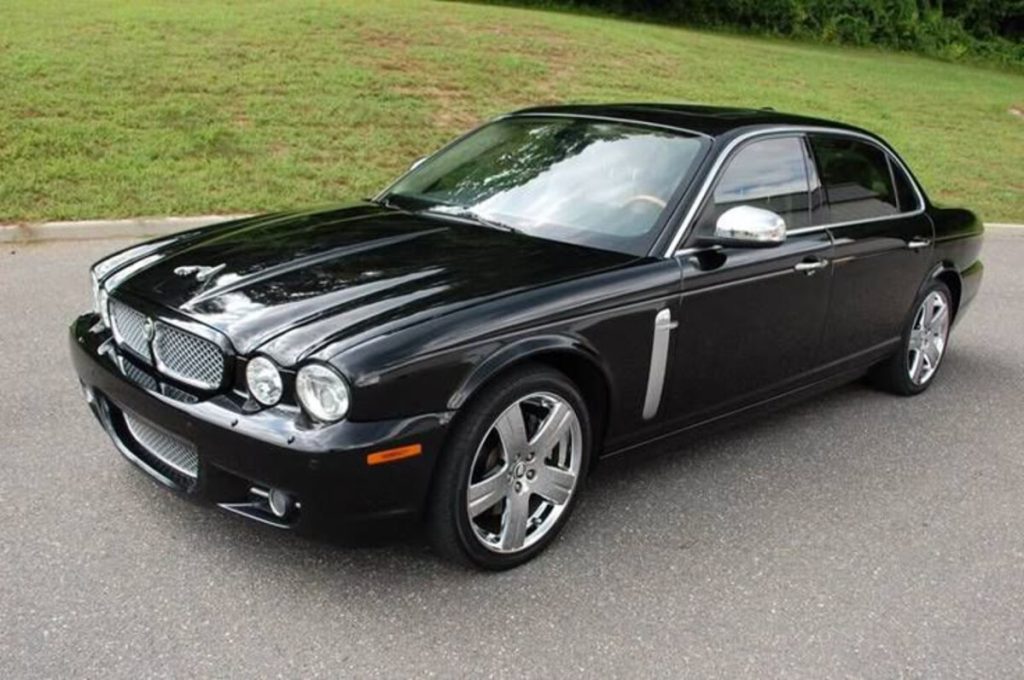
Despite this change, the leaping Jaguar remains one of the most memorable hood ornaments in automotive history. Classic Jaguar XJ models that still display the ornament are often admired by collectors and enthusiasts.
The sculpture continues to symbolize a period when automotive design embraced artistic expression as a way to communicate the spirit of a brand.
4. Bentley Flying Spur
Bentley has always been associated with craftsmanship, power, and refined luxury. One of the most recognizable symbols of the brand is the winged B emblem that sits proudly on the hood of vehicles such as the Bentley Flying Spur. This ornament combines elegance with a strong visual identity that has represented the company for decades.
The design centers around a bold letter B placed between two extended wings. These wings symbolize speed, freedom, and the aviation heritage that inspired many early automotive designers. Unlike some hood ornaments that rely on complex sculptures, Bentley’s emblem achieves its impact through balanced symmetry and strong proportions.
On the Bentley Flying Spur, the ornament becomes a focal point of the vehicle’s front design. The sedan itself is known for combining performance with luxury, and the winged emblem reinforces that identity before the vehicle even begins moving.
When viewed from the driver’s seat, the wings appear to stretch outward across the hood, creating a sense of width and presence. This visual effect contributes to the feeling of driving something special rather than an ordinary sedan.
Bentley has refined the ornament over the years to maintain both tradition and modern engineering standards. On many modern Flying Spur models, the hood ornament can retract into the body of the car. This mechanism protects the ornament from theft and also meets modern safety regulations.
The craftsmanship of the emblem reflects Bentley’s broader attention to detail. Each ornament is carefully finished to achieve a polished surface that catches light beautifully. The metal construction ensures durability while maintaining the elegant appearance expected from a luxury vehicle.
Another interesting aspect of the winged B is its ability to communicate heritage instantly. Even people who are not automotive experts often recognize the emblem as a symbol of prestige and exclusivity.
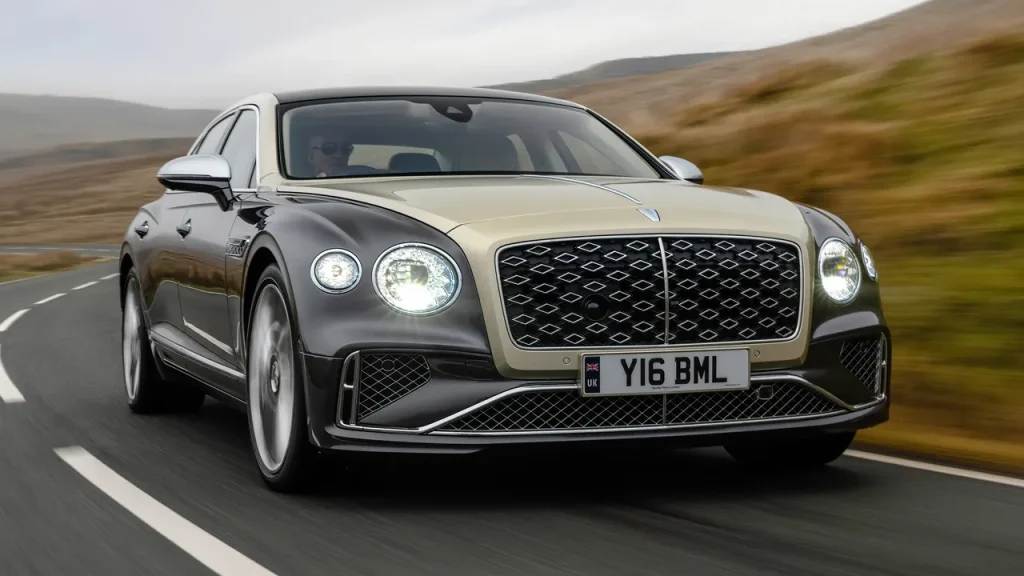
While some manufacturers have moved away from traditional hood ornaments entirely, Bentley continues to celebrate this design tradition. The Flying Spur carries the winged B as a proud reminder of the brand’s history and its commitment to classic automotive artistry.
For enthusiasts of luxury vehicles, the Bentley Flying Spur remains one of the modern cars that still embraces the timeless appeal of a hood ornament.
5. Pontiac Trans Am
Not every iconic hood symbol appears as a small metal sculpture standing upright. In the case of the Pontiac Trans Am, the hood ornament took a completely different form. Instead of rising above the hood, it spread dramatically across the entire surface as a bold graphic known as the Firebird.
This design became one of the most recognizable visual elements in American automotive culture. The Firebird decal covered a large portion of the hood, creating a powerful image that instantly identified the vehicle even from a distance.
The symbol itself represented a mythical bird with wide wings and an aggressive stance. Its design used sharp lines and flowing shapes to suggest motion and energy. The effect matched the personality of the Trans Am, which was built as a high performance muscle car.
During the 1970s and early 1980s, the Firebird hood graphic became so famous that enthusiasts began referring to it by a nickname. Many people called it the Screaming Chicken because of the way the bird appeared to stretch across the hood with wings fully extended.
This bold visual identity helped the Pontiac Trans Am stand out in a crowded muscle car market. While other performance cars focused on stripes or simple badges, Pontiac embraced a much more dramatic approach.
The hood graphic also reinforced the aggressive personality of the car. When viewed from above, the Firebird appeared to be launching forward, echoing the performance capabilities of the vehicle beneath it.
Owners often took pride in maintaining the vivid colors of the decal. Gold and bright contrasting tones were common, allowing the design to stand out clearly against darker paint colors.
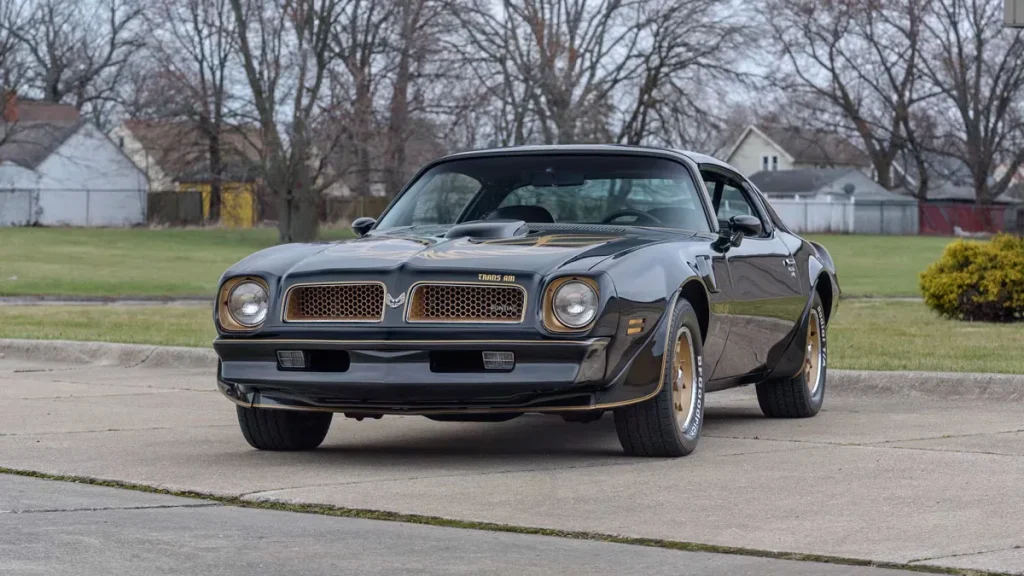
Although the Firebird emblem was technically different from a traditional standing hood ornament, its impact was just as powerful. It transformed the entire hood into a symbol of performance and attitude.
As automotive design trends changed and Pontiac eventually ended production of the Trans Am, the large hood graphic became a nostalgic reminder of the muscle car era.
Today the Pontiac Trans Am Firebird remains one of the most recognizable hood symbols ever created. Its dramatic style captured the spirit of American performance cars and turned the hood itself into a canvas for bold automotive identity.
6. Packard Twelve
Long before modern luxury cars dominated the market, Packard stood as one of the most prestigious automobile manufacturers in America. During the early twentieth century, the company built vehicles that symbolized elegance, wealth, and engineering excellence.
Among them, the Packard Twelve became famous not only for its powerful engine but also for the remarkable hood ornaments that adorned its front end.
Packard offered several distinctive hood ornament designs over the years, each reflecting the artistic style of its era. One of the most memorable was the graceful cormorant bird. This sculpture showed a bird with wings partially extended, standing proudly above the radiator cap.
The cormorant ornament captured attention because of its balance between realism and elegance. The bird appeared poised and dignified rather than aggressive. Its smooth lines and carefully sculpted feathers demonstrated the craftsmanship that Packard customers expected.
Another well known ornament used on Packard vehicles was the Goddess of Speed. This figure represented motion and innovation. The sculpture depicted a female form leaning forward with flowing elements that suggested wings or wind swept fabric.
These ornaments were not mass produced decorations. Many were crafted with extraordinary attention to detail, using polished metal that reflected light beautifully. Owners often considered them works of art rather than simple automotive parts.
The Packard Twelve itself was designed for buyers who valued prestige and mechanical excellence. With a powerful twelve cylinder engine and luxurious interior, the car represented the highest level of automotive sophistication during its time.
Mounted on the hood, the ornament became a symbol of that status. When a Packard approached, the sculpture leading the vehicle immediately signaled refinement and exclusivity.
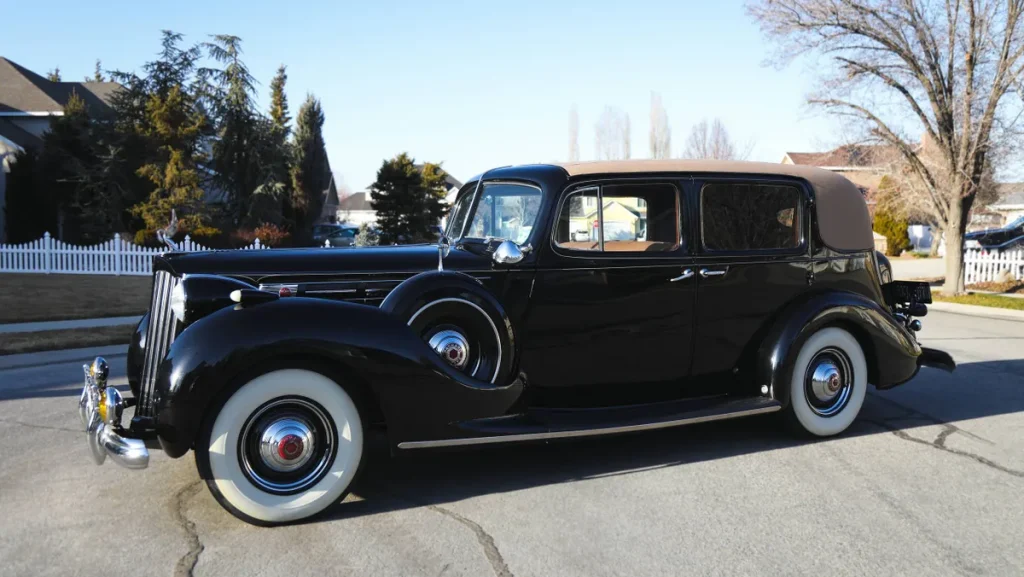
Unlike modern hood badges that are often flat or minimal, Packard ornaments embraced elaborate shapes and sculptural creativity. Designers treated them as an opportunity to express the character of the vehicle.
Although Packard as a company eventually disappeared from the automotive market, its hood ornaments remain legendary among collectors. Vintage Packard Twelve models displayed at classic car shows often attract attention because of the elegant sculpture sitting proudly at the front.
These ornaments remind enthusiasts of an era when automotive design combined engineering with artistic expression in a truly distinctive way.
7. Cadillac Eldorado
Cadillac has long been associated with luxury and prestige in the American automotive world. Throughout much of the twentieth century, the brand used distinctive hood ornaments to reinforce its reputation as a symbol of status and elegance. One of the vehicles that carried this tradition proudly was the Cadillac Eldorado.
The ornament commonly seen on the Eldorado featured the Cadillac crest surrounded by a stylized wreath. This design reflected the brand’s heritage and its connection to the historical figure Antoine de la Mothe Cadillac, the French explorer whose family crest inspired the emblem.
Placed at the front of the hood, the crest and wreath ornament acted as a visual signature for Cadillac vehicles. Even from a distance, drivers and pedestrians could recognize the brand immediately. The ornament stood upright with a polished metallic finish that caught sunlight and reflected surrounding scenery.
The Eldorado itself represented one of Cadillac’s most luxurious and expressive models. Introduced as a high end personal luxury car, it combined bold styling with comfort and powerful engines. The hood ornament played a key role in completing that image of prestige.
Unlike some ornaments that depicted animals or abstract shapes, the Cadillac design focused on heraldic symbolism. The crest included geometric patterns and color elements that represented strength, leadership, and tradition.
This approach gave Cadillac vehicles a regal appearance. When the Eldorado moved down the road, the crest at the front conveyed the impression of authority and refinement.
During the middle decades of the twentieth century, Cadillac hood ornaments became larger and more elaborate. The crest and wreath design grew into a prominent feature that complemented the dramatic styling of the vehicles.
As safety regulations evolved in later years, Cadillac gradually reduced the size of its hood ornaments and eventually transitioned to flat badges on many models. Despite these changes, classic Eldorado models remain strongly associated with the iconic crest and wreath sculpture.
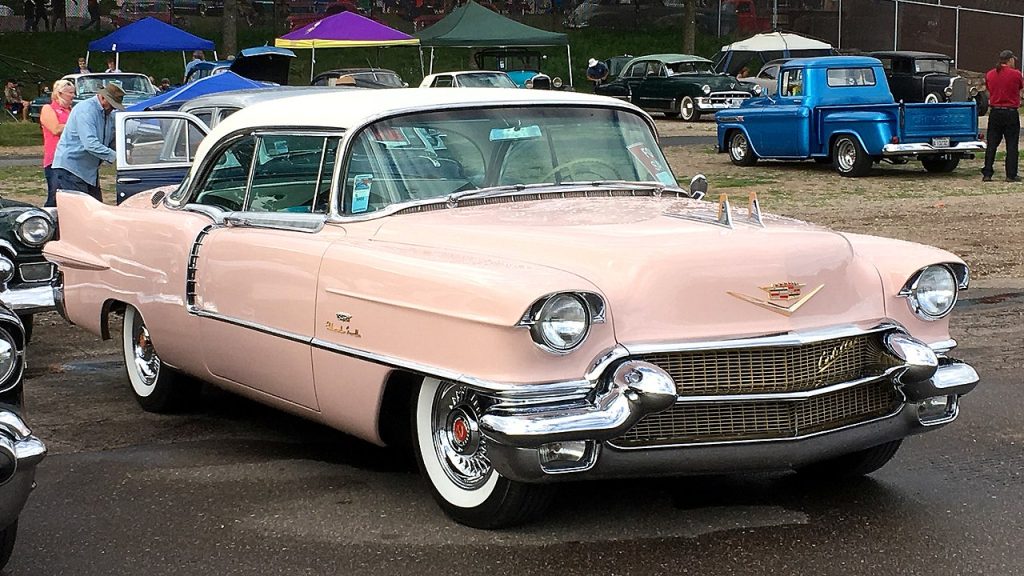
Collectors often admire these vehicles not only for their design but also for the symbolic ornament that represented Cadillac’s golden era. The combination of luxury styling and recognizable branding helped make the Eldorado one of the most memorable cars of its time.
The Cadillac crest standing at the front of the Eldorado continues to symbolize an era when American luxury cars proudly displayed their identity through distinctive hood ornaments.
8. Lincoln Continental
Lincoln has long represented refined American luxury, and few vehicles demonstrate this heritage more clearly than the Lincoln Continental. Throughout much of its history, the Continental carried a hood ornament that reflected the brand’s emphasis on elegance and quiet prestige.
The ornament most closely associated with classic Lincoln models featured a sleek, forward leaning star emblem. This design symbolized precision, direction, and the pursuit of excellence. Positioned at the front of the hood, the star provided a clear visual focal point for the vehicle.
Unlike some hood ornaments that relied on complex sculptures or animal figures, the Lincoln design focused on simplicity and symmetry. The star shape appeared balanced and modern, giving the vehicle a dignified appearance rather than an aggressive one.
The Lincoln Continental was often chosen by government officials, executives, and public figures. Because of this association, the hood ornament became linked with authority and sophistication. Seeing the Lincoln star approaching on the road often suggested the arrival of a vehicle connected with importance.
Another element that made the ornament distinctive was its placement and scale. The star stood upright on the hood in a polished metal form that reflected light subtly. It was noticeable without appearing overly dramatic.
Inside the automotive world, Lincoln built its reputation on smooth ride quality, spacious interiors, and understated luxury. The hood ornament complemented this philosophy by presenting a refined and tasteful symbol rather than a flamboyant one.
Over the years the Lincoln star evolved slightly in shape and styling, but the core idea remained consistent. The emblem continued to represent the brand’s identity even as vehicle designs changed.
Modern Lincoln vehicles have moved away from traditional standing ornaments in favor of illuminated grille badges and integrated logos. These changes reflect evolving safety standards and contemporary design trends.
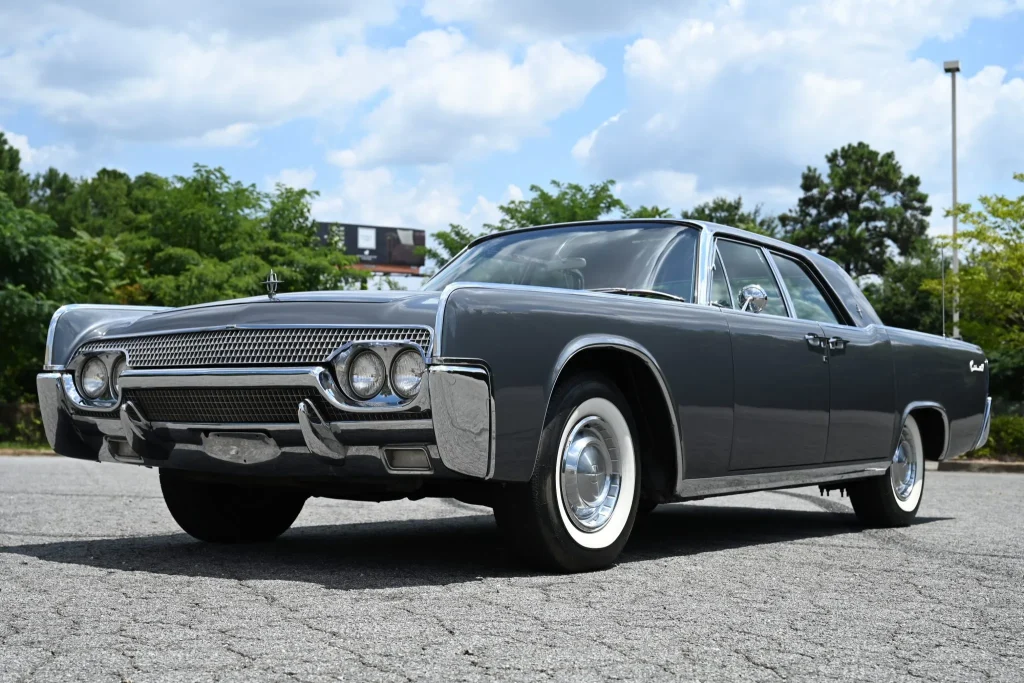
However, classic Lincoln Continental models remain strongly associated with the elegant star ornament. Enthusiasts and collectors often admire how the simple symbol added character to the vehicle’s front end.
The Lincoln star may not be as dramatic as some other hood ornaments, but its understated design captured the spirit of American luxury during the era when the Continental ruled the roads.
9. Chrysler Imperial
During the middle decades of the twentieth century, Chrysler sought to compete directly with the most prestigious luxury brands in the world.
One of the vehicles created for this purpose was the Chrysler Imperial, a car that emphasized elegance, comfort, and distinctive styling. A key part of its visual identity was the unique hood ornament placed prominently at the front.
The Imperial ornament often featured a stylized eagle with outstretched wings. This design symbolized strength, freedom, and authority. The eagle motif also reflected American heritage, making it an appropriate emblem for a luxury vehicle produced in the United States.
Unlike simple badges that sit flat against the grille, the Imperial ornament stood upright and extended slightly forward from the hood. This positioning gave it a commanding presence. When the vehicle approached, the ornament seemed to lead the car forward with confidence.
The sculpture itself displayed impressive craftsmanship. Designers paid careful attention to the shape of the wings, the curvature of the body, and the polished metal surface that allowed the ornament to catch and reflect light.
Chrysler introduced the Imperial as a separate luxury division for a period of time, and the hood ornament helped reinforce that exclusive identity. The eagle became a symbol associated specifically with Imperial vehicles rather than the broader Chrysler lineup.
Another interesting aspect of the ornament was how it complemented the bold styling of the car. Imperial models often featured dramatic tailfins, wide grilles, and long sweeping body lines. The eagle at the front balanced these design elements by adding a strong focal point.
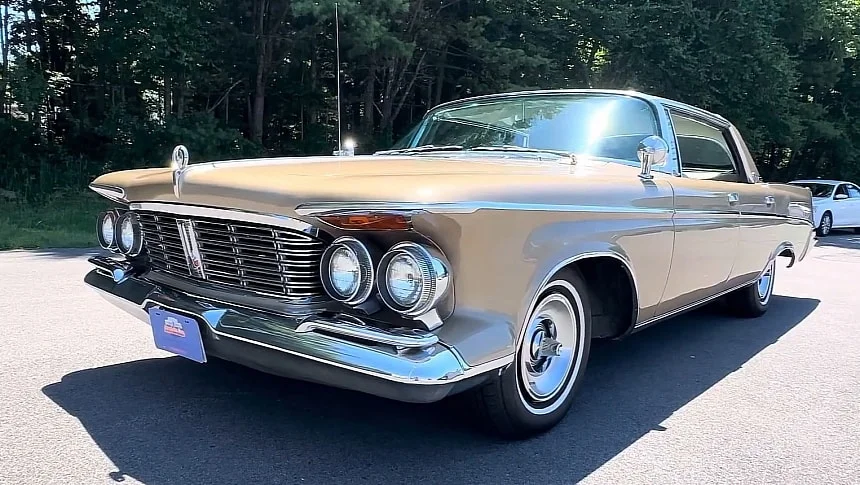
As automotive design trends shifted and safety regulations changed, Chrysler eventually moved away from prominent hood ornaments. Nevertheless, classic Imperial models remain closely linked with the distinctive eagle sculpture.
Collectors often admire the ornament not only for its visual appeal but also for what it represents. It reflects an era when American luxury manufacturers were willing to use bold design elements to express identity and prestige.
Today the Chrysler Imperial eagle stands as one of the memorable hood ornaments from a time when automotive design celebrated both craftsmanship and symbolism.
10. Ford Thunderbird
The Ford Thunderbird occupies a special place in automotive history. Introduced as a personal luxury car with strong performance character, the Thunderbird combined style, comfort, and individuality. One of the elements that helped give the car its distinctive personality was the Thunderbird hood ornament.
The emblem featured a stylized bird with wings spread wide, representing the mythical Thunderbird from Native American folklore. According to legend, the Thunderbird was a powerful creature associated with strength and the forces of nature.
Ford designers adapted this symbol into an elegant automotive ornament. The sculpture captured the bird in flight, with its wings extending outward and slightly upward. This shape created a sense of motion that matched the spirit of the vehicle.
Mounted on the hood, the Thunderbird ornament gave the car an unmistakable identity. When drivers saw the winged figure approaching, they could instantly recognize the model even before noticing the grille or body shape.
The Thunderbird itself was designed to appeal to drivers who wanted something more expressive than a traditional sedan. It offered sporty styling and personal luxury in a compact two seat format when it first appeared.
The hood ornament reinforced this personality by emphasizing speed and freedom. The bird seemed ready to take flight, suggesting that the car beneath it possessed both power and excitement.
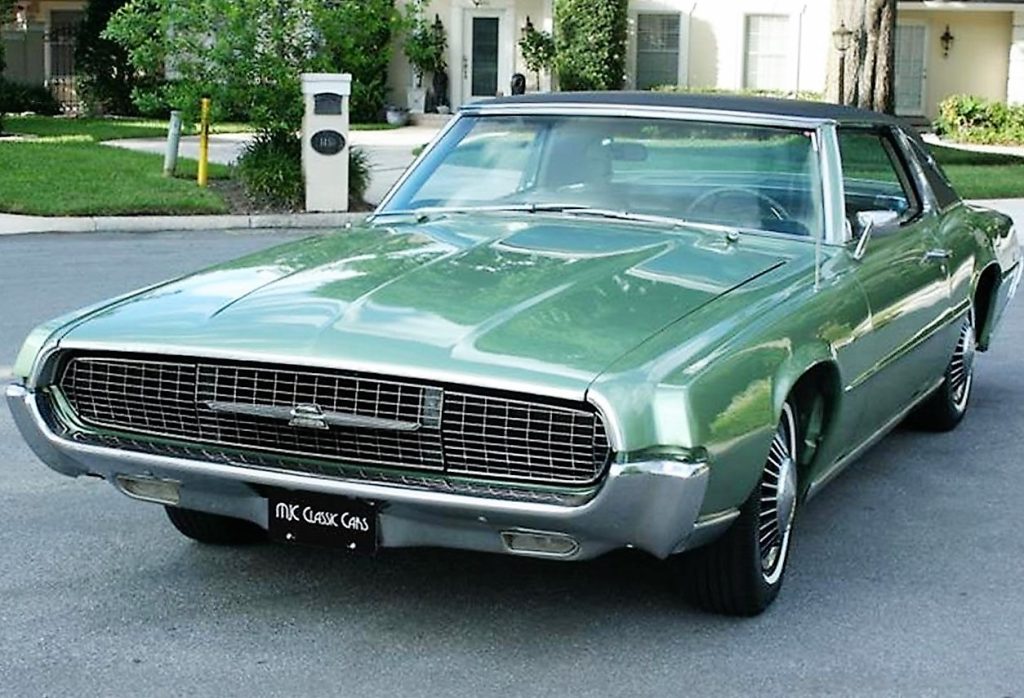
Crafted from polished metal, the ornament reflected sunlight and streetlights in a way that highlighted its sculpted details. Even small features such as the curves of the wings contributed to its visual impact.
As vehicle safety regulations evolved, Ford eventually moved away from large hood ornaments on later Thunderbird models. The brand shifted toward integrated emblems and grille mounted badges instead.
Despite this change, the original Thunderbird hood ornament remains one of the most beloved symbols in American automotive design. Classic Thunderbird models displayed at car shows often attract attention specifically because of the elegant bird leading the hood.
The ornament represents a time when manufacturers used artistic sculptures to express the spirit of their vehicles. In the case of the Ford Thunderbird, that spirit was one of freedom, motion, and timeless style.
Also Read: Top 10 Vehicles With the Best Visibility for Nervous Drivers
