
Payload capacity is one of the most overlooked specifications when people evaluate vehicles. Buyers often focus on horsepower, fuel economy, or towing ratings, yet payload determines how much weight a vehicle can safely carry inside the cabin or cargo area. This measurement includes passengers, luggage, equipment, and anything placed in the bed or trunk.
Interestingly, vehicle size does not always predict payload strength. Some compact vehicles are engineered with surprisingly strong suspensions, efficient weight distribution, and reinforced chassis structures that allow them to carry more weight than many drivers expect.
These smaller vehicles are often designed with practicality in mind, which makes them useful for work tasks, small businesses, and heavy daily use.
On the other hand, some larger vehicles give the impression that they should handle heavy loads easily. Their size, tall stance, and large cargo areas can make them appear capable of hauling significant weight.
However, certain large vehicles prioritize passenger comfort, luxury equipment, or off road styling rather than structural strength for payload.
As a result, some big SUVs and crossovers end up with payload capacities that are surprisingly limited. This contrast highlights an interesting reality in automotive engineering.
Sometimes the vehicles that appear modest and compact deliver the most impressive load carrying ability, while some large models struggle to match expectations.
Also Read: 5 Cars With Excellent Air Conditioning for Hot Climates vs 5 That Struggle
5 Small Vehicles With High Payload Capacities
Small vehicles are often associated with fuel efficiency, urban maneuverability, and lower ownership costs. However, a number of compact cars and small trucks have been engineered with another important capability in mind. They are capable of carrying substantial payloads despite their modest size.
This strength usually comes from careful engineering decisions. Manufacturers sometimes reinforce suspension components, optimize weight distribution, and design strong chassis structures that allow these vehicles to handle heavier loads safely.
In some cases, the simplicity of the vehicle also contributes to its capability. Fewer luxury features and lighter interiors leave more of the vehicle’s weight capacity available for cargo.
Another reason smaller vehicles can achieve impressive payload ratings is efficiency. Because the vehicle itself weighs less than larger trucks or SUVs, more of the total allowable weight can be allocated to passengers and cargo. This allows some compact models to compete with much larger vehicles in terms of real world carrying ability.
The following five vehicles demonstrate how smaller designs can deliver surprising practicality. Each one shows that payload capability is not always determined by size. Through thoughtful engineering and purposeful design, these compact vehicles prove that strength and efficiency can coexist in a smaller package.
1. Ford Maverick (2022–Present)
The Ford Maverick represents one of the clearest examples of how a compact vehicle can deliver impressive payload capability. At first glance, the Maverick appears significantly smaller than traditional pickup trucks.
Its overall footprint is closer to a compact SUV than a full size work truck, yet its engineering allows it to carry loads that many drivers would not expect from a vehicle of this size.
Ford designed the Maverick to serve both personal and practical roles. The truck’s unibody platform helps keep overall weight relatively low while still maintaining strong structural rigidity.
Because the vehicle itself does not consume excessive weight capacity, more of the allowable load can be dedicated to cargo and passengers.
Another factor contributing to its payload strength is the carefully tuned suspension system. The rear suspension is designed to handle cargo in the truck bed without excessive sagging, allowing the vehicle to maintain stable handling even when carrying heavy equipment or building materials.
The cargo bed itself is also part of the equation. While smaller than beds found on larger trucks, it is designed to maximize usable space. Built in mounting points, storage ideas, and practical bed dimensions make it easier for owners to transport tools, supplies, and other heavy items.
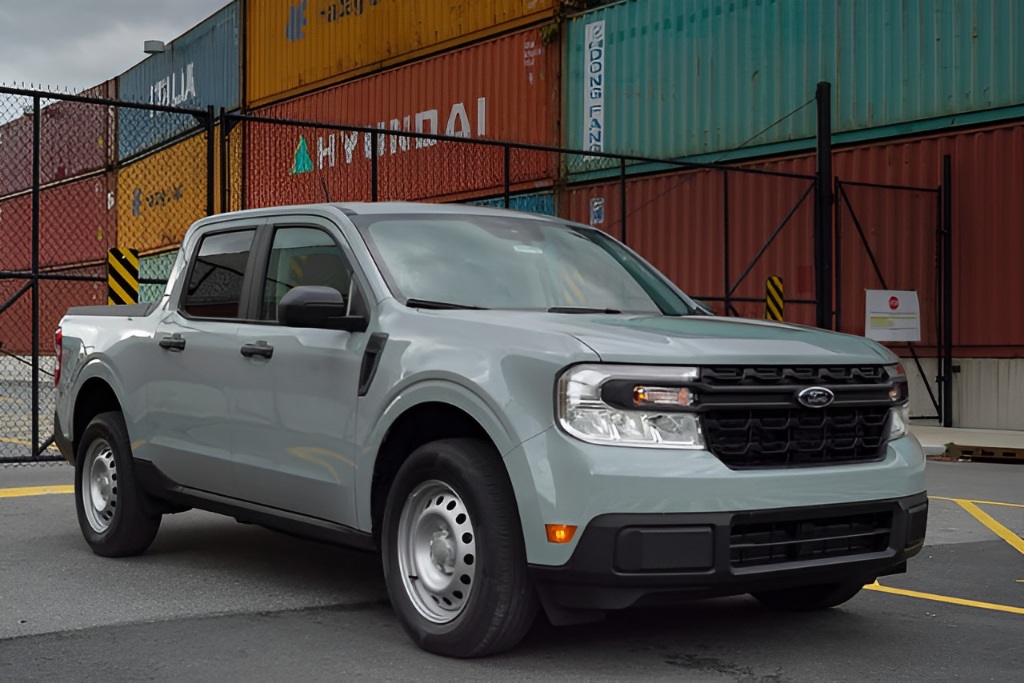
The reason the Maverick deserves attention in this discussion is simple. It challenges the assumption that compact trucks cannot handle serious workloads. By combining efficient engineering with practical design, the Maverick shows that a smaller vehicle can still function as a capable cargo carrier for many everyday tasks.
2. Toyota Hilux (Compact and Midsize Generations)
In many parts of the world, the Toyota Hilux has built a reputation as a small to midsize truck that can carry far more than its size suggests.
While it is not as large as full size American pickups, its engineering philosophy focuses heavily on durability and load carrying strength. This is one of the main reasons the Hilux continues to be widely used in industries that require dependable work vehicles.
The structure of the Hilux plays a major role in its payload capability. Unlike many smaller lifestyle oriented trucks, the Hilux uses a strong ladder frame chassis designed to tolerate demanding conditions. This frame provides the rigidity necessary to support heavy cargo in the bed without compromising stability during driving.
Another element that helps the Hilux perform well under load is its suspension design. Toyota equipped the truck with durable rear leaf springs, a traditional setup known for its strength and ability to support significant weight.
While this system may sacrifice some ride comfort compared to softer suspensions, it allows the truck to maintain balance even when carrying tools, equipment, or construction materials.
The simplicity of the truck also contributes to its effectiveness. Many versions avoid excessive luxury features or heavy interior components. By keeping the vehicle relatively straightforward, Toyota allows more of the truck’s total weight capacity to be used for payload rather than extra equipment.
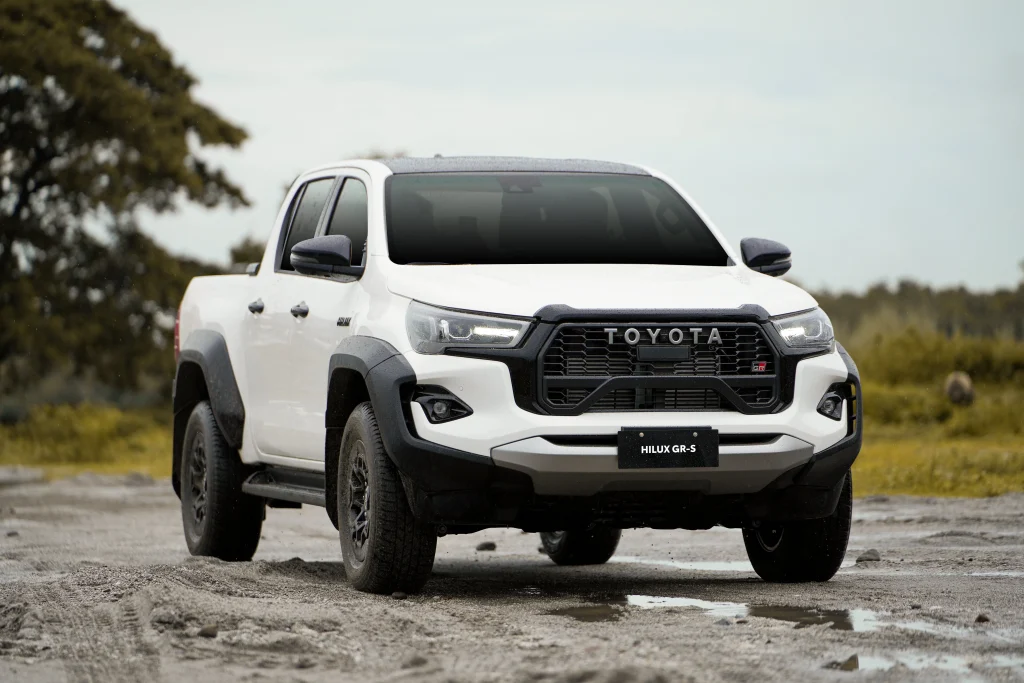
The Hilux earns its place on this list because it consistently proves that a smaller truck can perform serious work. Its design focuses on function, and that decision allows it to carry loads that rival or even exceed those of some larger vehicles.
3. Nissan NP300 Hardbody
The Nissan NP300 Hardbody may appear modest compared to modern trucks, yet its reputation for strength and practicality has made it a favorite in many markets around the world. Despite its compact size, this pickup has long been recognized for its ability to handle demanding cargo tasks.
One reason for this capability is the vehicle’s robust chassis construction. Nissan built the Hardbody using a sturdy frame that prioritizes structural strength over complex design. This framework allows the truck to distribute weight effectively across its body, helping it maintain stability even when the cargo bed is heavily loaded.
Another important factor is the truck’s straightforward mechanical design. The NP300 avoids complicated luxury features and focuses on essential functionality. Because the vehicle itself remains relatively lightweight, a larger portion of its allowable weight can be dedicated to payload.
The rear suspension setup further enhances the truck’s load carrying abilities. Like many durable work trucks, it uses leaf springs that are specifically designed to support heavy loads. This suspension design ensures that the truck remains stable when transporting equipment, tools, or agricultural supplies.
Owners often appreciate the practical nature of the cargo bed as well. Its dimensions and structural strength allow it to carry bulky items without difficulty. Whether used for small business operations or rural transportation needs, the bed provides a dependable space for heavy cargo.
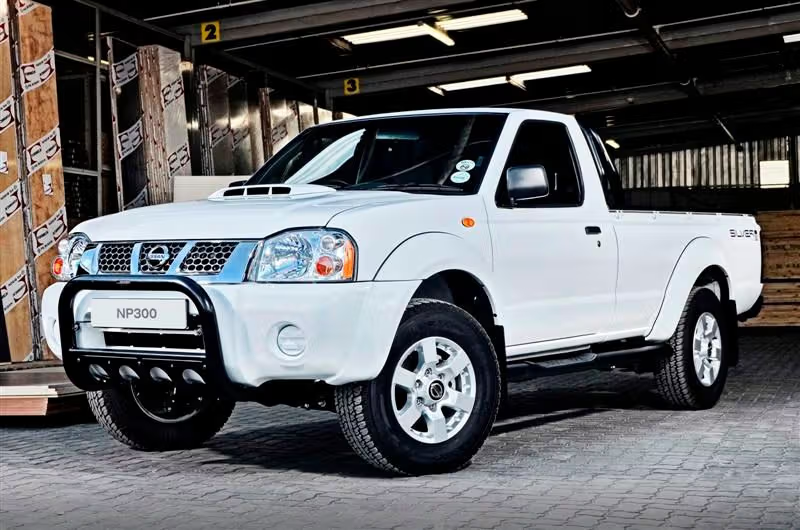
The NP300 Hardbody demonstrates how thoughtful engineering can give a compact truck impressive work capability. Its straightforward design allows it to perform tasks that many people might normally associate with larger pickup trucks.
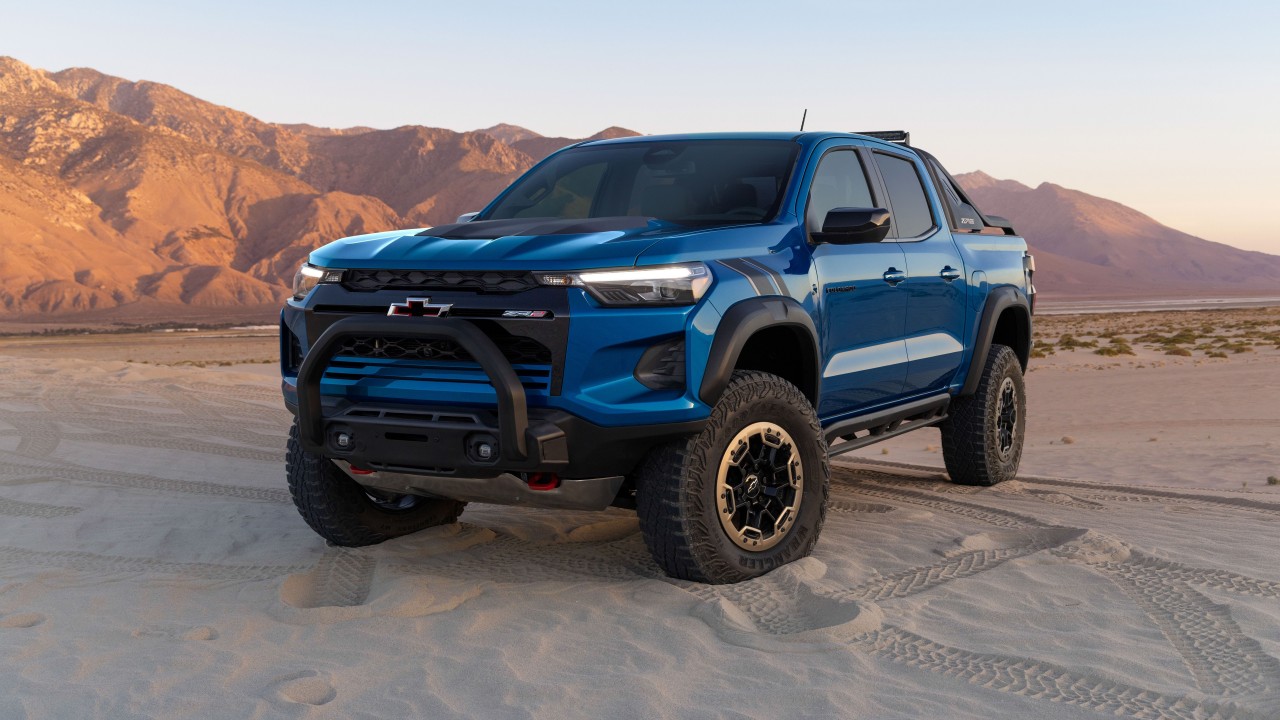
4. Chevrolet Colorado (First Generation 2004–2012)
The first generation Chevrolet Colorado entered the market as a midsize truck positioned between compact pickups and full size work trucks. At a glance, it did not appear as rugged or imposing as larger pickups, yet its engineering allowed it to deliver a payload capacity that surprised many owners.
One important factor behind this capability was the truck’s body on frame construction. Chevrolet designed the Colorado with a strong ladder frame that provided the structural rigidity necessary for hauling heavy cargo.
Even though the truck remained smaller and lighter than full size pickups, the frame ensured that it could support substantial loads without excessive flex.
Another reason the Colorado performs well in payload situations is its balanced chassis design. Engineers carefully distributed the vehicle’s weight so that the suspension and frame could work efficiently when cargo was added to the bed.
This balance helps maintain stable handling even when the truck is carrying equipment, building materials, or other heavy items.
The rear suspension also contributes to the truck’s strength. Leaf springs in the rear axle provide the stiffness required for load support.
While this setup may not deliver the smoothest ride compared to softer suspensions, it allows the vehicle to handle cargo demands that exceed what many people expect from a midsize truck.
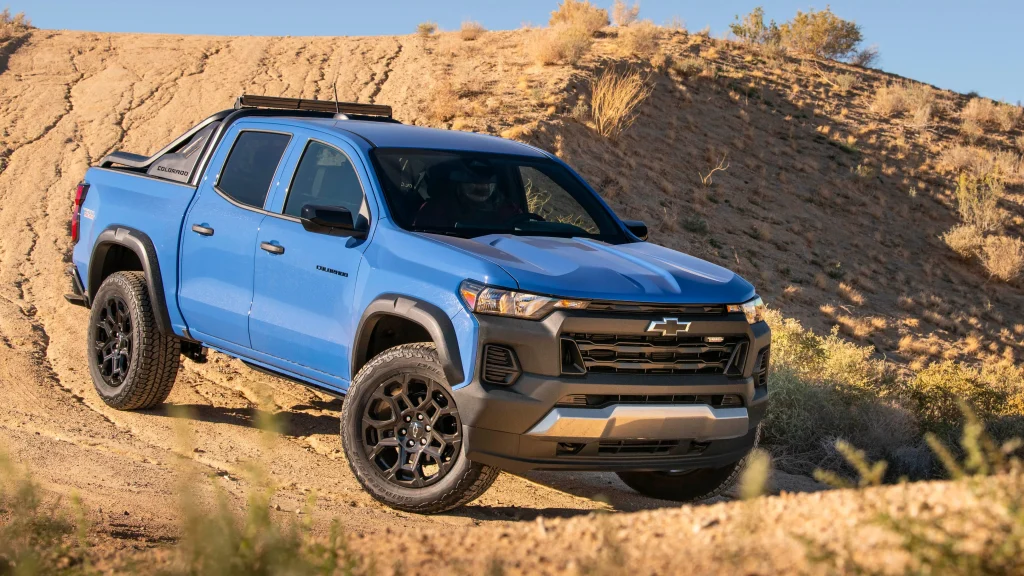
The Colorado’s relatively modest overall size actually works in its favor. Because the vehicle itself does not weigh as much as larger trucks, a greater portion of the allowable weight can be used for payload. This efficiency helps it perform tasks that might normally be associated with much bigger pickups.
For many drivers who need a practical work vehicle without the bulk of a full size truck, the Colorado demonstrates how thoughtful engineering can make a smaller pickup remarkably capable.
5. Subaru Baja (2003–2006)
The Subaru Baja is one of the most unusual vehicles ever designed for practical cargo use. It combined the structure of a compact wagon with the open bed of a small pickup truck. At first glance, the Baja might seem more like a lifestyle vehicle than a serious work machine, yet its payload capability made it surprisingly practical.
Subaru built the Baja on a reinforced version of its unibody platform, which provided a solid structural base for carrying cargo. Although it did not use a traditional truck frame, the strengthened body design allowed it to support a respectable amount of weight in the rear bed area.
Another unique feature of the Baja was its flexible cargo layout. The small truck bed could be extended into the cabin using a fold down rear panel system. This allowed owners to transport longer or heavier items while distributing weight more evenly through the vehicle’s structure.
All wheel drive also played a role in the Baja’s usefulness. While not directly related to payload capacity, the traction system made it easier for the vehicle to maintain control when carrying cargo in challenging conditions such as rain, snow, or uneven terrain.
Because the Baja remained relatively lightweight compared with traditional trucks, it could allocate a greater percentage of its total weight allowance to passengers and cargo. This balance made it more capable than many people expected when it first appeared.
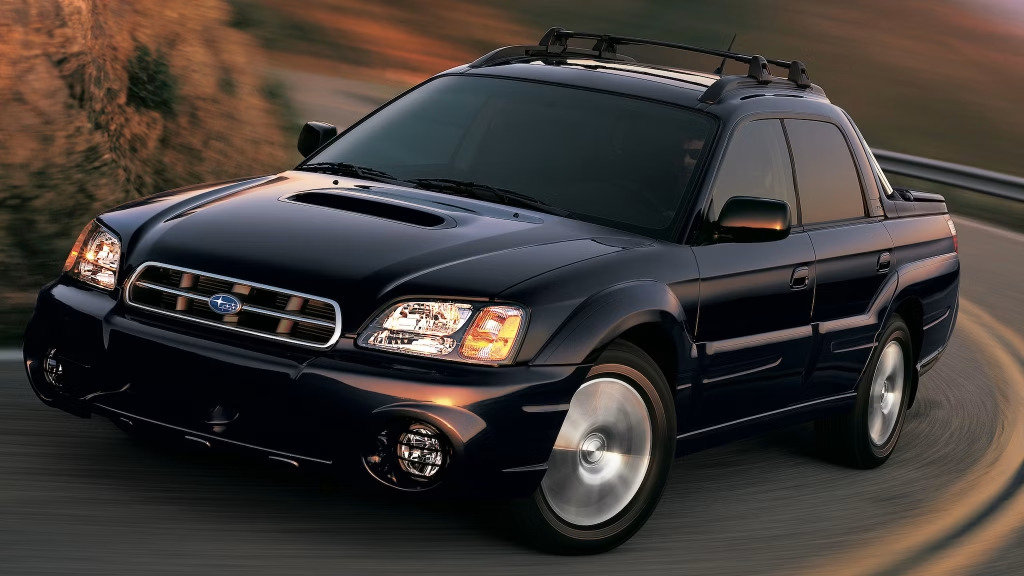
The Subaru Baja deserves recognition because it demonstrates that creative engineering can produce practical load carrying ability even in vehicles that do not follow conventional pickup truck design. Its combination of compact size and useful payload capacity makes it an interesting example in this discussion.
5 Large Ones That Fail
Large vehicles often create the expectation that they should carry heavy loads with ease. Their tall stance, wide bodies, and large cargo areas suggest strength and practicality. Many buyers assume that a bigger SUV or large crossover will naturally provide better payload capability than a smaller vehicle. In reality, this assumption is not always correct.
Modern large vehicles frequently prioritize comfort, luxury equipment, and passenger space rather than raw load carrying strength. Features such as panoramic roofs, power seating systems, large infotainment displays, sound insulation, and advanced driver assistance technologies add significant weight to the vehicle itself.
As a result, the remaining weight allowance for passengers and cargo can become surprisingly limited.
Another factor is suspension tuning. Many large SUVs are engineered to deliver smooth ride quality rather than handle heavy loads. Softer suspension systems improve comfort but may not be designed to support substantial cargo weight for extended periods.
Because of these design priorities, some large vehicles end up with payload ratings that feel disappointing relative to their size. Despite their imposing appearance, they may struggle to carry the same amount of weight that certain smaller trucks or utility vehicles can manage.
The following examples highlight vehicles whose large size can create expectations that their payload capacity does not always meet.
1. Land Rover Range Rover (Modern Generations)
The Land Rover Range Rover is widely recognized as one of the most luxurious full size SUVs available. Its commanding presence on the road, combined with a large body and spacious interior, naturally gives the impression that it should handle heavy loads without difficulty.
However, the engineering priorities of this vehicle focus far more on refinement and comfort than on maximizing payload capacity.
One of the biggest reasons behind this limitation is the sheer amount of luxury equipment integrated into the vehicle.
The Range Rover includes premium leather seating, complex climate control systems, multiple electronic displays, advanced driver assistance technologies, and thick sound insulation materials. All of these features increase the vehicle’s curb weight significantly.
When a vehicle already weighs a great deal before passengers or cargo are added, the remaining payload allowance becomes smaller. This means that despite its large size, the Range Rover cannot carry as much additional weight as some drivers might expect.
The suspension design also plays a role. Air suspension systems are used to provide a smooth ride and excellent off road capability, but they are not always optimized for supporting extremely heavy cargo loads. Their tuning focuses on comfort and adaptability rather than work oriented load carrying strength.
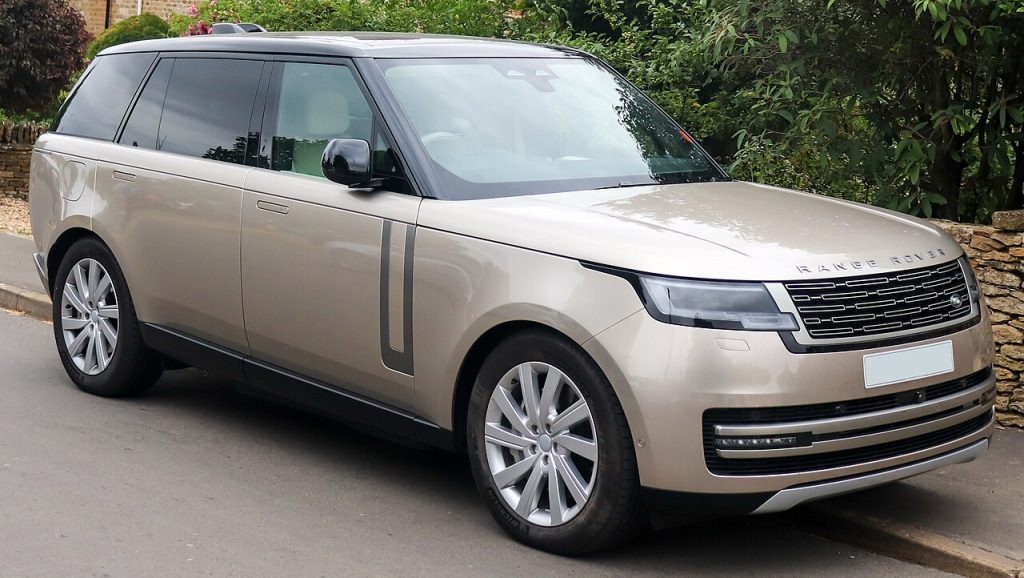
Another element to consider is the interior design itself. The vehicle prioritizes passenger comfort, meaning that much of the available space is dedicated to seating and luxury amenities rather than heavy cargo use.
The Range Rover excels as a refined luxury SUV with strong off road ability. However, when evaluated strictly on payload capacity, its large size can give the impression of greater hauling capability than it actually delivers.
2. Mercedes Benz GLS (2017–Present)
The Mercedes Benz GLS is often described as the flagship SUV in the brand’s lineup. Its long wheelbase, large body, and three row seating layout make it appear capable of handling almost any transportation task.
Many buyers assume that such a large vehicle would easily support heavy cargo loads, yet the GLS illustrates how luxury design priorities can limit payload capability.
A major factor affecting the vehicle’s payload rating is the extensive list of luxury features included as standard or optional equipment.
The GLS contains multiple power operated seating systems, large infotainment displays, premium audio components, and thick sound insulation designed to create a quiet cabin environment. Each of these additions contributes extra weight before passengers or cargo are even considered.
Because the base weight of the vehicle is already substantial, the remaining allowable load becomes more restricted. This means that once several passengers and luggage are added, the vehicle can approach its payload limit more quickly than many drivers expect.
Another element that influences this limitation is the suspension design. Mercedes engineers prioritize ride comfort, ensuring that the GLS delivers smooth and controlled driving behavior even on long journeys. The air suspension system is optimized for refinement and adaptability rather than heavy duty hauling tasks.
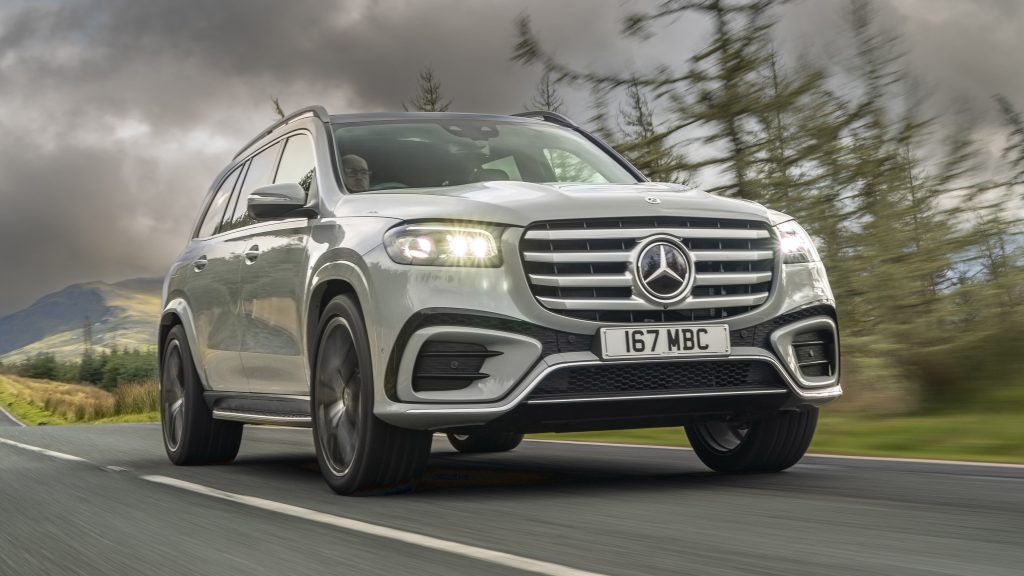
The interior layout also reflects the vehicle’s focus on luxury transportation. Much of the available space is devoted to comfortable seating and premium materials rather than cargo durability. Large cargo items may not be the primary purpose of this SUV’s design.
The GLS remains an excellent luxury family vehicle with advanced technology and impressive comfort. However, its payload capacity demonstrates that size alone does not guarantee strong load carrying ability.
3. Cadillac Escalade (2015–2020)
The Cadillac Escalade has long been associated with size, presence, and luxury. Its bold styling, large dimensions, and powerful engines create the impression of a vehicle built for both comfort and capability. Yet when payload capacity is examined closely, the Escalade reveals how a large SUV can fall short of expectations in this area.
One reason for this limitation is the substantial weight of the vehicle itself. The Escalade includes a heavy body structure, large engine components, and numerous luxury features designed to enhance passenger comfort. Premium leather seats, advanced infotainment systems, and extensive sound insulation all contribute to the vehicle’s overall mass.
Because payload capacity is determined by the difference between a vehicle’s maximum allowable weight and its curb weight, the Escalade’s heavy base weight reduces how much additional load it can carry. As passengers and luggage are added, the available payload allowance can decrease quickly.
Suspension tuning also plays a role in shaping the Escalade’s capabilities. Cadillac designed the vehicle to deliver a smooth and composed ride, which means the suspension focuses on absorbing road imperfections rather than supporting extremely heavy cargo.
While the SUV can certainly carry luggage and passengers comfortably, it is not optimized for heavy work oriented loads.
Another consideration is how the interior space is utilized. The Escalade prioritizes luxury seating across three rows, along with premium materials throughout the cabin. This design approach enhances passenger comfort but leaves less emphasis on maximizing cargo durability.
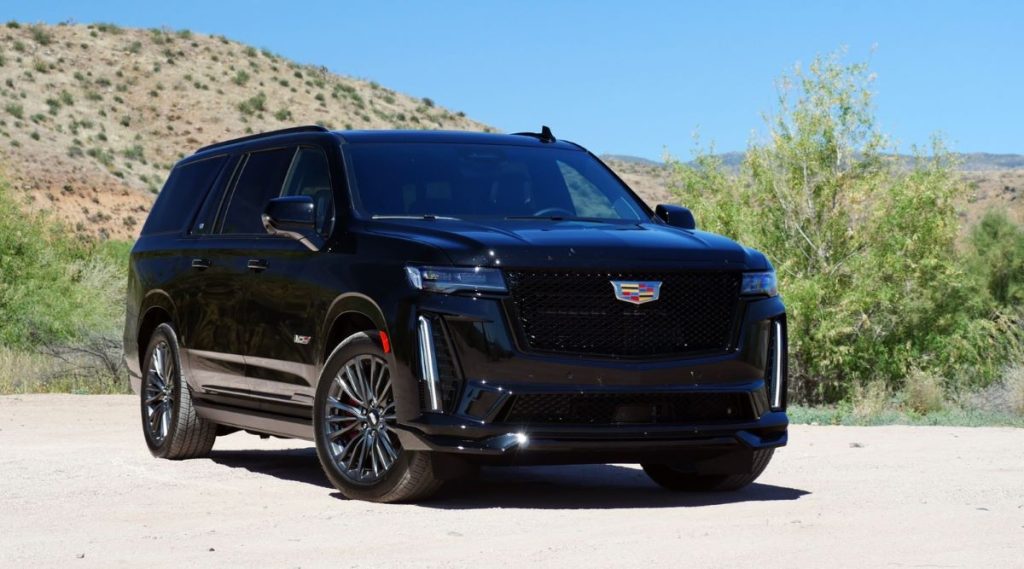
The Escalade remains a highly capable luxury SUV in many respects. However, its payload rating highlights how a vehicle’s size and appearance can sometimes create expectations that its engineering priorities do not fully support.
4. Tesla Model X (2016–Present)
The Tesla Model X is one of the largest electric SUVs on the market, and its futuristic appearance often leads people to assume it has the strength to handle heavy loads.
With its wide stance, spacious interior, and distinctive Falcon Wing doors, the vehicle looks capable of transporting large amounts of cargo without difficulty. However, its engineering priorities reveal a different story when payload capacity is considered.
A major reason for the Model X’s limited payload is the weight of its battery pack. Electric vehicles rely on large battery systems to provide driving range, and these components are extremely heavy. The battery pack alone accounts for a significant portion of the vehicle’s total weight before any passengers or cargo are added.
Because of this high base weight, the remaining allowance for additional load becomes smaller than many people expect from such a large vehicle. When several passengers are seated inside and luggage is placed in the cargo area, the payload limit can be approached fairly quickly.
The design of the vehicle also reflects a focus on technology and comfort rather than work oriented practicality. Large touchscreens, complex electronic systems, and premium interior materials add additional weight. These features enhance the driving experience but reduce the amount of capacity available for carrying heavy items.
Another factor worth mentioning is the sophisticated suspension system, which is designed to provide smooth ride quality and efficient handling. While this setup performs well for everyday driving, it is not specifically intended for hauling substantial cargo loads on a regular basis.
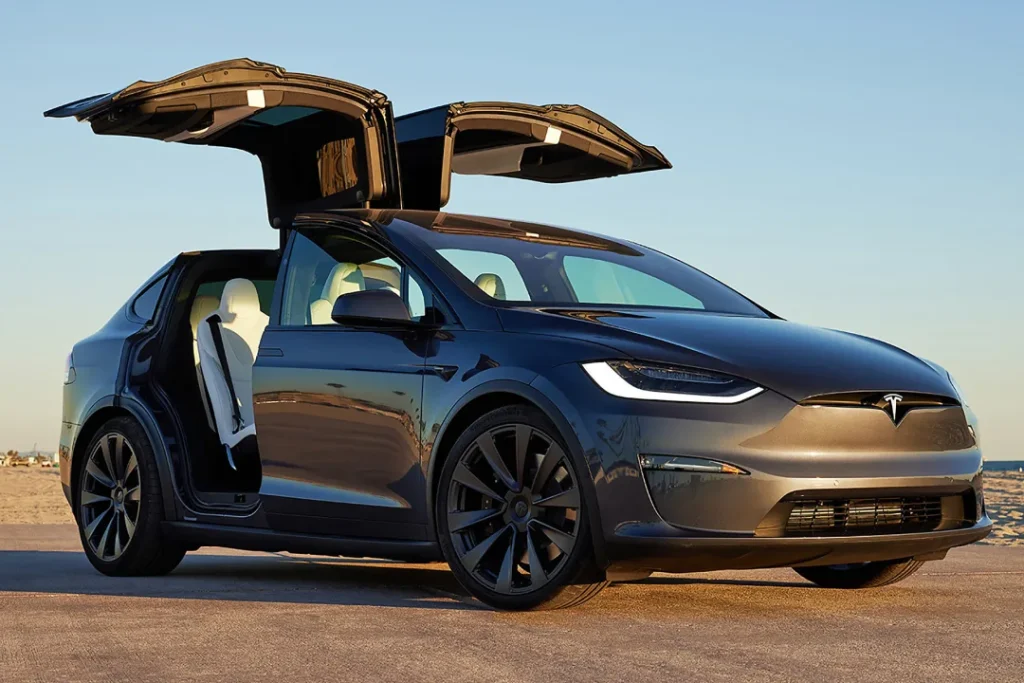
The Model X demonstrates how advanced technology and luxury features can influence payload ratings. Despite its impressive size and futuristic design, the vehicle is engineered primarily for passenger comfort and innovation rather than heavy duty load carrying.
5. Jeep Wagoneer (2022–Present)
The Jeep Wagoneer returned to the market as a large luxury SUV with a commanding presence and impressive road presence. Its size, tall stance, and spacious three row interior make it appear extremely capable when it comes to carrying passengers and cargo.
However, the Wagoneer also illustrates how large vehicles sometimes deliver payload ratings that do not fully match their visual strength.
One of the main reasons is the amount of equipment included in the vehicle. Modern versions of the Wagoneer feature extensive luxury elements such as large infotainment displays, premium seating materials, advanced driver assistance technologies, and complex electronic systems.
These features enhance comfort and convenience but significantly increase the vehicle’s base weight.
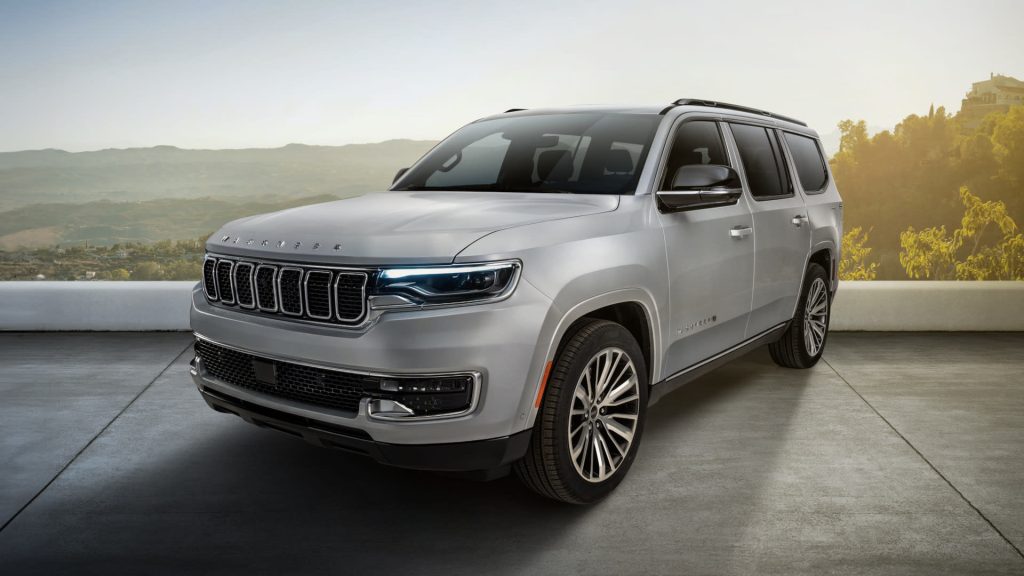
A heavier starting weight naturally limits how much additional cargo can be carried safely. Even though the Wagoneer has a large cargo area, the allowable payload can become restricted once passengers and luggage are added to the vehicle.
Suspension design also influences the vehicle’s capabilities. Engineers tuned the Wagoneer to provide a refined ride that appeals to families and long distance travelers. The suspension is intended to absorb road imperfections and maintain passenger comfort rather than support heavy commercial style loads.
Another aspect is the interior layout. Much of the available space is dedicated to spacious seating and premium materials. While this creates an excellent environment for passengers, it also reflects the vehicle’s focus on luxury transportation instead of work oriented hauling.
The Wagoneer proves that size alone does not guarantee high payload capacity. Its design highlights how modern large SUVs often prioritize comfort, technology, and passenger experience over raw load carrying capability.
Payload capacity often reveals surprising differences between vehicles. Some smaller models such as the Ford Maverick, Toyota Hilux, Nissan NP300 Hardbody, Chevrolet Colorado, and Subaru Baja demonstrate how efficient engineering can allow compact vehicles to carry substantial loads.
Their lighter structures and practical suspension setups make them effective for transporting cargo despite their modest size.
In contrast, large luxury SUVs like the Range Rover, Mercedes Benz GLS, Cadillac Escalade, Tesla Model X, and Jeep Wagoneer prioritize comfort, technology, and premium features.
These additions increase vehicle weight and reduce available payload capacity, proving that larger size does not always mean stronger load carrying ability.
Also Read: 5 New Engine Technologies That Are Keeping Internal Combustion Alive
