
Sport utility vehicles have become one of the most popular vehicle types in the world. Buyers appreciate their elevated driving position, spacious cabins, and versatility for families and adventure alike. However, because SUVs sit higher than traditional sedans, rollover risk has always been an important safety concern.
Rollover resistance is measured through a combination of engineering design, stability control systems, and crash testing.
Agencies such as the National Highway Traffic Safety Administration evaluate vehicles using metrics like the Static Stability Factor and dynamic rollover testing. These tests estimate the likelihood of a vehicle tipping during sharp maneuvers or collisions.
Modern SUVs have improved significantly compared to early models. Wider track widths, lower centers of gravity, advanced suspension tuning, and electronic stability control systems all contribute to stronger rollover resistance ratings. Engineers now prioritize balance and structural rigidity alongside comfort and performance.
For families, rollover protection is not just a statistic. It directly impacts real world safety during emergency lane changes, high speed cornering, and accident scenarios. A vehicle with a high rollover resistance rating offers added confidence in unpredictable conditions.
This list highlights ten SUVs that stand out for their excellent rollover resistance ratings. Each model combines thoughtful engineering with advanced safety technology to minimize the risk of tipping. These vehicles demonstrate how modern SUV design can deliver both practicality and stability.
Also Read: Top 10 Classic Muscle Cars That Don’t Justify Their Hype
1. Toyota RAV4
The Toyota RAV4 has consistently earned strong rollover resistance ratings thanks to its balanced proportions and thoughtful engineering. As a compact SUV built on a car based platform, it benefits from a lower center of gravity compared to larger body on frame SUVs. This fundamental design choice immediately improves stability.
One of the key contributors to its rollover resistance is its wide stance. Engineers gave the RAV4 a generous track width relative to its height.
The relationship between vehicle height and width plays a critical role in the Static Stability Factor used by safety agencies. A wider base makes it harder for the vehicle to tip during sharp maneuvers.
Electronic Stability Control is another major asset. The system monitors steering input, wheel speed, and lateral motion. If the vehicle begins to slide or lean excessively during sudden steering, the system selectively applies braking to individual wheels and reduces engine power. These corrections help prevent loss of control that could lead to a rollover.
The suspension tuning also supports confident handling. While SUVs often prioritize comfort, the RAV4 balances ride quality with controlled body movement. Reduced body roll during cornering decreases the likelihood of excessive weight transfer that can destabilize a taller vehicle.
Structural design adds another layer of protection. High strength steel reinforces the passenger cabin and roof structure. In the unlikely event of a rollover, a strong roof helps maintain survival space for occupants.
All wheel drive versions add further traction stability. Improved grip reduces the chance of sudden sideways movement that might trigger rollover scenarios on slippery roads. This is especially valuable in rain or light snow conditions.
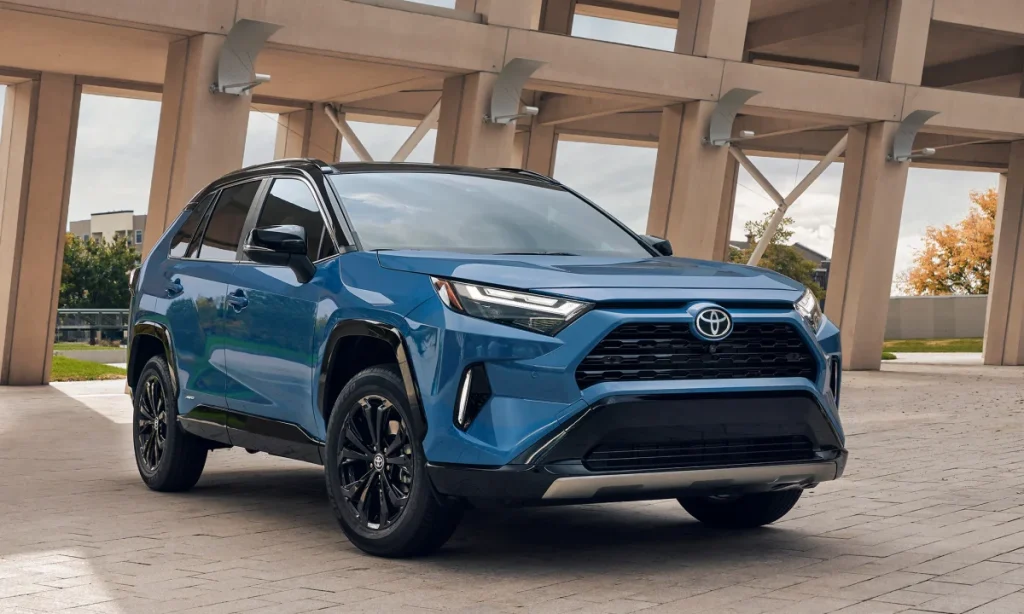
Another advantage comes from the RAV4’s moderate ride height. It offers the elevated seating position buyers want without pushing the center of gravity too high. This careful balance keeps everyday usability intact while supporting safety performance.
The Toyota RAV4 demonstrates how modern compact SUV design can deliver strong rollover resistance. Through smart platform engineering, advanced stability systems, and a well proportioned stance, it provides reassurance for families seeking dependable safety.
2. Subaru Forester
The Subaru Forester stands out for stability because of a design decision that defines the entire brand. The engine sits low in the chassis thanks to the boxer layout. This horizontally opposed engine places its mass closer to the ground, lowering the center of gravity in a way most SUVs cannot match.
A lower center of gravity reduces body lean during sudden maneuvers. When drivers swerve to avoid obstacles or take tight corners, the vehicle remains composed rather than top heavy. This characteristic directly improves rollover resistance ratings in safety testing.
Symmetrical all wheel drive plays a crucial supporting role. Power is distributed evenly across all four wheels, improving grip and directional control. When traction is balanced, the chances of sudden sideways movement decrease significantly. That stability is especially valuable on wet or uneven surfaces.
Subaru engineers also focus heavily on chassis rigidity. The global platform used by the Forester incorporates high strength steel to reduce flex. A rigid body structure allows the suspension to work more effectively, keeping tires planted and minimizing unpredictable motion.
Body roll control is another highlight. The suspension is tuned to limit excessive lean without sacrificing comfort. Drivers often notice the vehicle feels planted and predictable even during emergency lane changes.
Advanced driver assistance technology adds a preventive safety layer. Systems monitor steering input and vehicle motion, helping drivers maintain control during unexpected situations. These technologies work quietly in the background to support stability.
The Forester also benefits from balanced weight distribution. Because the engine and drivetrain sit low and centrally, weight spreads evenly across the chassis. This balance improves cornering confidence and reduces the risk of tipping.
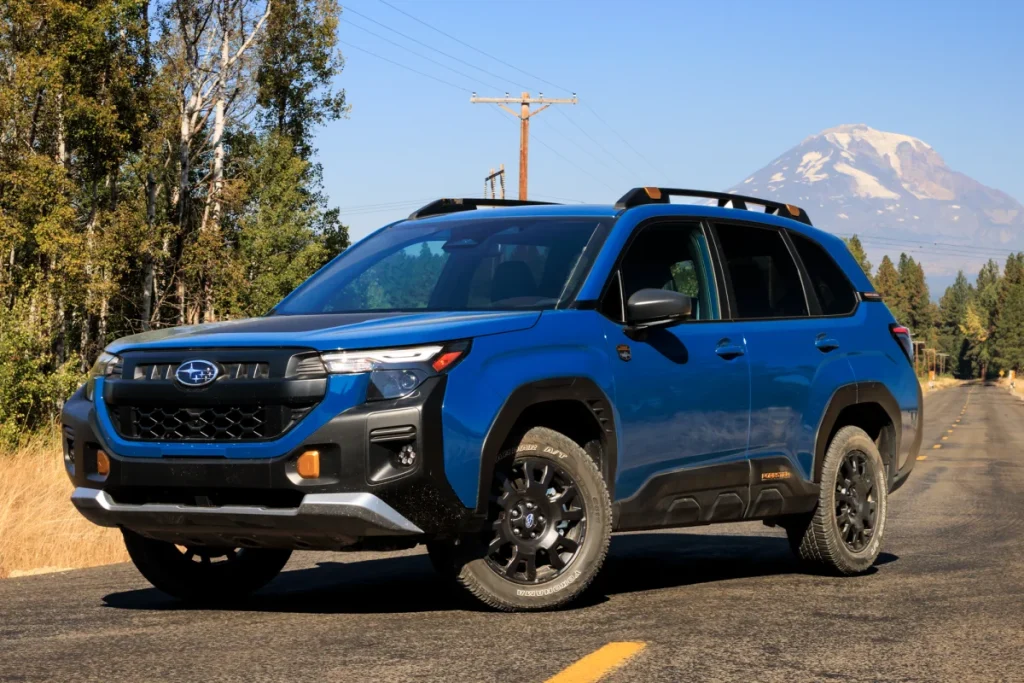
Ground clearance remains practical for light off road use, yet the overall height stays moderate. This balance between capability and stability reflects careful engineering priorities.
The Subaru Forester demonstrates how smart packaging and drivetrain layout can transform rollover safety. Its low mounted engine, balanced traction system, and rigid platform combine to create a stable and confidence inspiring SUV.
3. Mazda CX 5
Safety discussions often focus on technology, yet the Mazda CX 5 proves that physics and chassis balance still matter deeply.
This SUV earned strong rollover resistance ratings largely because of how intentionally its body is proportioned and tuned. Instead of chasing extreme ride height, engineers focused on keeping the vehicle planted and responsive.
The CX 5 feels closer to a sporty crossover than a tall utility vehicle. Its roofline sits slightly lower than many rivals, and the body width creates a broad stance. This proportion reduces the leverage forces that contribute to rollover risk during sudden direction changes.
Mazda emphasizes what it calls predictable vehicle behavior. This philosophy aims to make the vehicle react exactly how drivers expect during emergency maneuvers. When steering response feels natural, drivers are less likely to overcorrect, which is a common factor in rollover incidents.
Suspension tuning plays a major role here. The CX 5 uses carefully calibrated spring and damper settings that keep the body stable when cornering quickly. Instead of dramatic leaning, the vehicle maintains composure and grip. This stability becomes especially valuable during sudden lane changes on highways.
Weight distribution is another advantage. Engineers positioned heavy components strategically to keep mass centered and low. Balanced weight helps tires maintain consistent contact with the road, improving control and reducing abrupt weight transfer.
Electronic stability and traction systems operate quietly but effectively. These systems intervene when the vehicle begins to slide or rotate unexpectedly. By correcting movement early, they prevent the chain reaction that can lead to tipping.
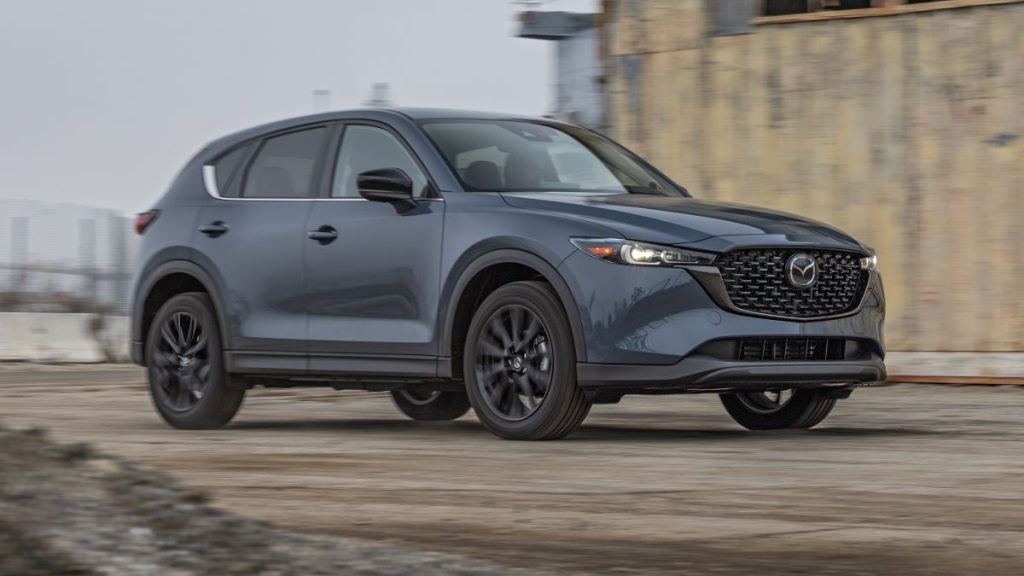
Steering precision contributes indirectly to rollover resistance as well. Accurate steering feedback helps drivers make smooth, controlled inputs rather than abrupt corrections. This reduces the likelihood of dramatic lateral forces.
The CX 5 also benefits from a rigid body shell. A strong structure allows the suspension to function accurately and consistently. Reduced flex means more predictable handling during challenging driving conditions.
This SUV demonstrates that driving enjoyment and safety can work together. By prioritizing balance, predictable handling, and intelligent proportions, the Mazda CX 5 achieves impressive rollover resistance while still feeling engaging to drive.
4. Honda CR V
Think about how most rollover accidents begin. A driver reacts suddenly, the vehicle shifts weight too quickly, and control becomes difficult. The Honda CR V was engineered specifically to prevent that chain of events from ever reaching a dangerous point.
One of the most important factors behind its strong rollover resistance rating is its calm and predictable handling personality. The CR V does not feel top heavy or nervous. Instead, it responds smoothly and progressively to steering input, which reduces the chances of abrupt overcorrection during emergency maneuvers.
The chassis architecture plays a large role in this behavior. Engineers created a rigid platform that resists twisting forces when cornering. When the body stays stable, the suspension can keep all four tires firmly planted on the road surface.
Another strength comes from the vehicle’s carefully managed ride height. It provides the elevated seating position drivers want while avoiding excessive height that could compromise balance. This measured approach keeps the center of gravity within a safe range.
Honda also focused heavily on stability technology. Vehicle Stability Assist constantly monitors steering angle, wheel rotation, and vehicle direction. If the system senses a developing loss of control, it reduces engine power and applies braking to specific wheels. These corrections happen quickly and quietly.
Tire grip plays an underrated role in rollover prevention. The CR V uses suspension geometry that helps maintain consistent tire contact during cornering. Maintaining traction during quick direction changes reduces the risk of sideways motion that could lead to tipping.
All wheel drive versions provide an additional safety benefit. By distributing power to multiple wheels, traction remains stable even when road conditions become slippery. Improved grip translates directly into better control.
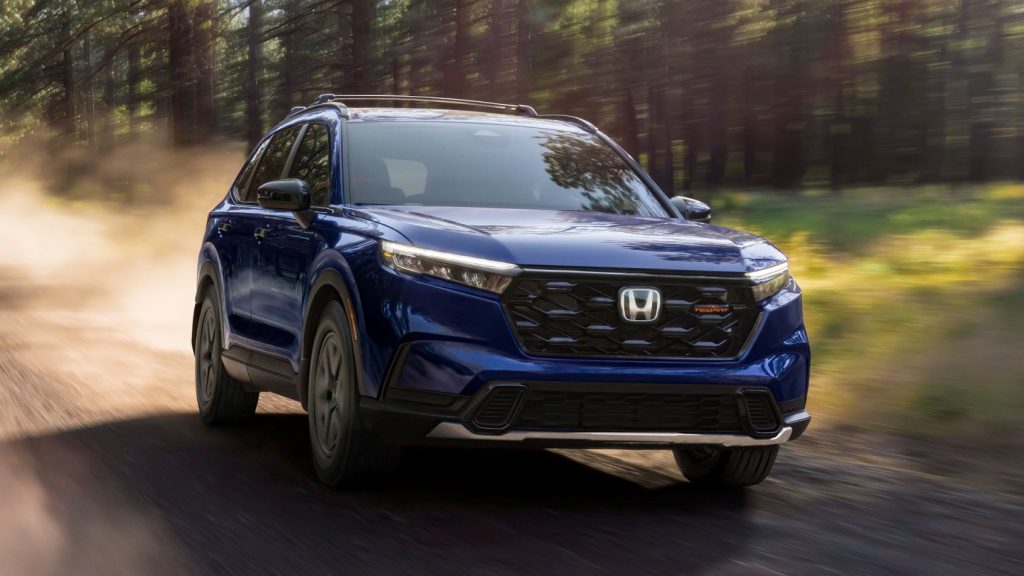
The CR V’s roof structure also earns high marks for strength. While rollover prevention is the goal, structural integrity remains essential if an accident occurs. A reinforced roof helps protect occupants by maintaining cabin space.
The Honda CR V succeeds by combining stability, predictable handling, and advanced safety systems. These qualities work together to create an SUV that feels composed and reassuring in real world driving.
5. Hyundai Santa Fe
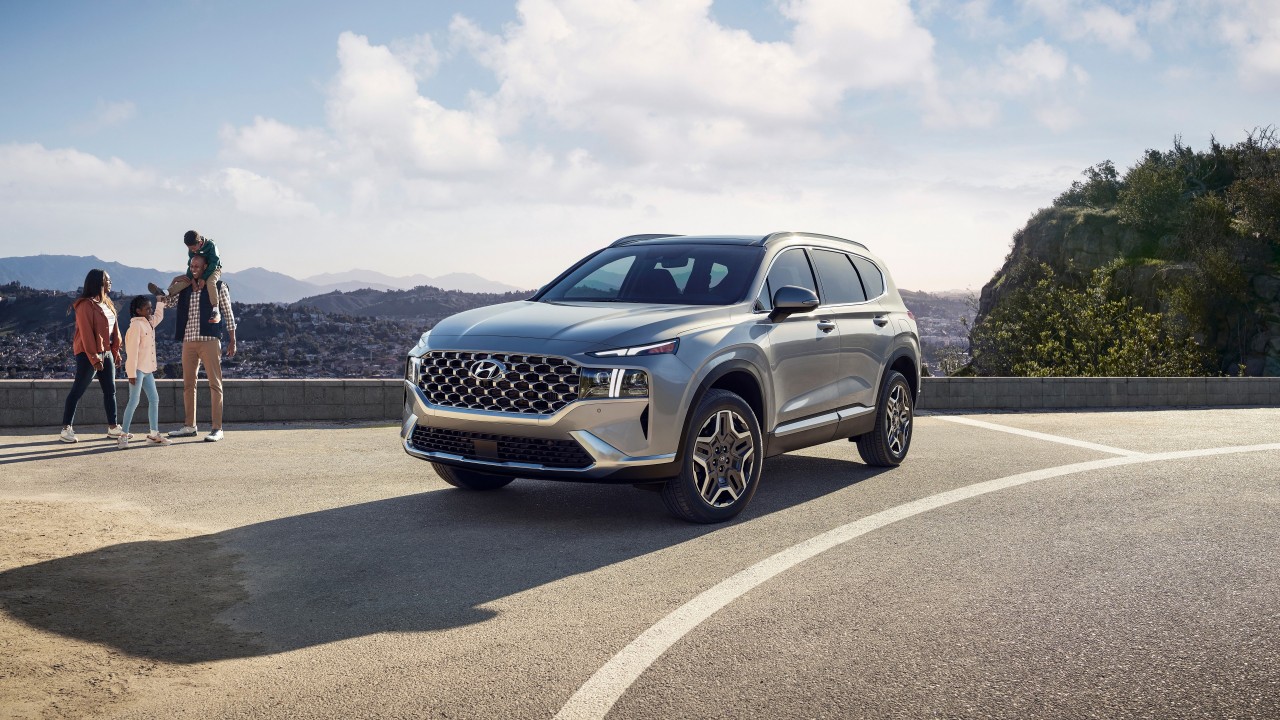
Not every SUV earns strong rollover resistance simply by being compact. The Hyundai Santa Fe is a midsize vehicle, which makes its impressive stability ratings even more notable. Despite offering generous cabin space and family friendly proportions, it manages to maintain excellent composure in demanding driving situations.
The Santa Fe benefits from a long wheelbase. A longer distance between the front and rear axles improves straight line stability and reduces sudden weight shifts. When a vehicle reacts more gradually to steering input, the likelihood of abrupt tipping forces decreases.
Another key factor is chassis tuning. Hyundai engineers designed the suspension to absorb road imperfections while controlling excessive body movement. The result is a vehicle that feels grounded rather than floaty, even during high speed highway maneuvers.
Weight management also contributes significantly. The Santa Fe uses lightweight yet strong materials in its construction. By reducing unnecessary mass high in the body structure, engineers help keep the center of gravity lower than one might expect for a midsize SUV.
Electronic systems act as a second line of defense. Stability control monitors vehicle direction and corrects unintended rotation. In emergency swerving scenarios, the system intervenes quickly to maintain balance and prevent sideways sliding that could escalate into a rollover.
The steering system is tuned for smoothness rather than sharpness. This deliberate calibration reduces overreaction. When drivers make controlled inputs instead of sudden jerks, stability improves naturally.
All wheel drive variants further enhance grip in poor weather. Power shifts automatically to wheels with better traction, minimizing the chance of losing control on wet or icy surfaces. Maintaining traction is essential for avoiding rollover initiating situations.
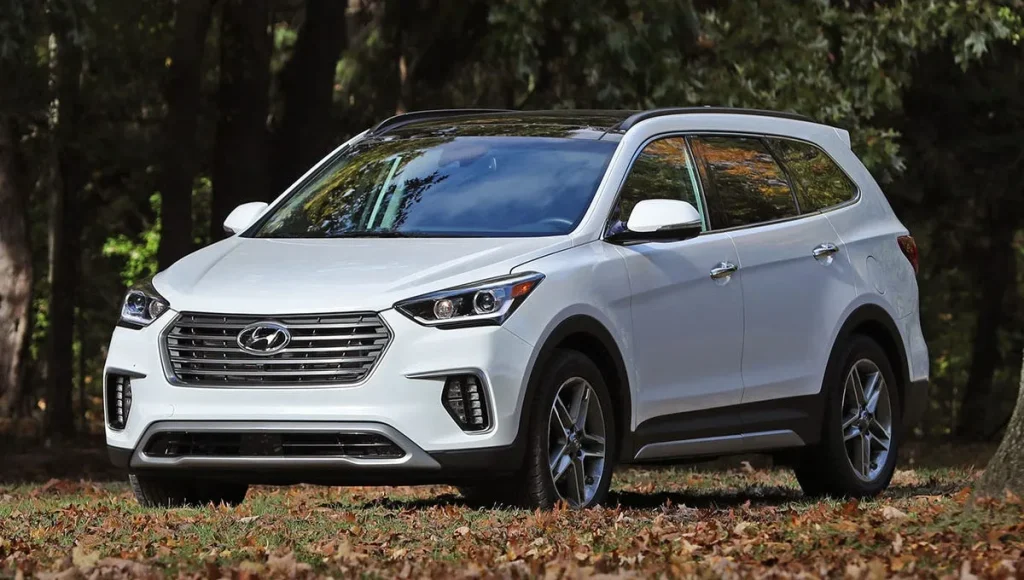
Another overlooked benefit is the Santa Fe’s roof strength rating. Strong roof reinforcement ensures that, in the rare event of a rollover, the cabin structure resists collapse. Prevention and protection work together.
The Hyundai Santa Fe proves that a larger SUV can still deliver excellent rollover resistance. Through thoughtful engineering, balanced suspension tuning, and advanced safety systems, it offers stability without sacrificing space or comfort.
6. Volvo XC60
Imagine a sudden highway obstacle. Traffic slows abruptly, a vehicle swerves, and the driver has only seconds to react. This kind of real-world scenario is exactly where the Volvo XC60 earns its reputation for exceptional rollover resistance.
Rather than focusing only on physical proportions, Volvo designed the XC60 around predictive safety the ability to detect instability before the driver even realizes danger is developing.
The XC60’s stability philosophy begins with data. Sensors continuously analyze steering input, lateral motion, and wheel rotation hundreds of times per second. When the vehicle senses a mismatch between driver intention and vehicle movement, subtle corrections begin instantly.
These adjustments are intentionally gentle and early, preventing the kind of sudden reactions that often trigger rollover accidents.
A major part of this prevention strategy is Volvo’s rollover mitigation system. Instead of waiting for extreme body movement, the system reacts the moment instability begins.
Engine power can be reduced and braking can be applied selectively, quietly bringing the vehicle back into a stable trajectory. Drivers rarely notice the intervention, but the safety benefit is significant.
The XC60 also benefits from a platform engineered around structural balance. Heavy drivetrain components sit low in the chassis, creating a planted feeling during high-speed driving. This design gives drivers a sense of confidence during sweeping highway curves and sudden avoidance maneuvers.
All-wheel drive further strengthens the vehicle’s composure in poor weather. On wet or uneven roads, traction remains consistent and predictable. This matters because many rollover incidents begin with a loss of grip rather than excessive speed.
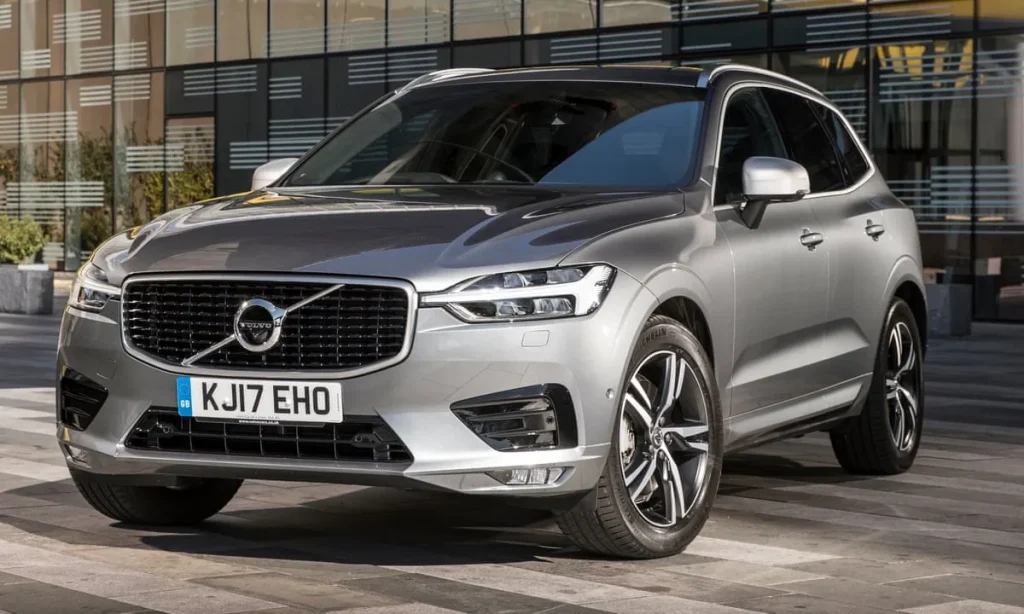
Volvo’s long-standing focus on roof strength completes the safety story. In the rare event of a rollover, the cabin structure is engineered to preserve occupant space. The XC60 demonstrates that rollover resistance is not just about avoiding accidents it is about preparing for every possible outcome.
7. Ford Edge
Some SUVs excel in city environments, while others feel most secure on the highway. The Ford Edge clearly belongs to the second category. Its strong rollover resistance is closely tied to its behavior during high-speed travel, where stability and driver confidence become especially important.
Long highway drives expose vehicles to crosswinds, lane changes, and sudden braking situations. The Edge was engineered to remain calm in these environments.
Its wheel placement near the corners of the body creates a planted stance that feels reassuring at speed. Instead of reacting sharply to steering inputs, the vehicle responds progressively and smoothly.
This calm behavior becomes particularly valuable during emergency lane changes. When drivers react suddenly, overly sensitive steering can cause overcorrection. The Edge avoids this by delivering predictable steering feedback. The vehicle feels steady rather than nervous, allowing drivers to make controlled adjustments.
Braking performance also plays an underappreciated role in rollover prevention. The Edge delivers consistent stopping power that helps drivers slow down confidently. When a vehicle can reduce speed quickly and predictably, drivers are less likely to resort to sudden swerving maneuvers that increase rollover risk.
The SUV’s structure supports these dynamic qualities. A rigid body allows the suspension to operate accurately, keeping the vehicle composed even on uneven pavement. The result is a driving experience that feels secure during long trips and high-speed cruising.
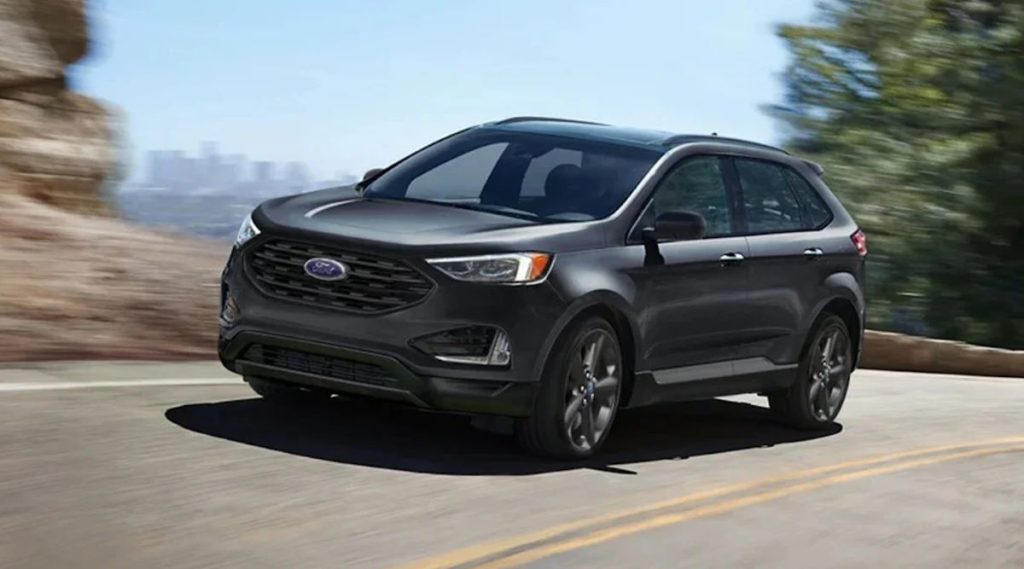
All-wheel drive enhances this confidence further in rain or poor weather. By maintaining traction, the system reduces the likelihood of sudden sideways movement. The Ford Edge shows how highway stability can play a major role in real-world rollover resistance.
8. Kia Telluride
Large family SUVs face a unique challenge. They must remain stable not only when empty, but also when fully loaded with passengers, luggage, and cargo. The Kia Telluride stands out because it maintains impressive rollover resistance even under these demanding conditions.
When a vehicle carries more weight, especially in the rear, balance becomes more difficult to maintain. Engineers designed the Telluride to handle these real-world scenarios. Its long wheelbase helps distribute weight evenly across the chassis, reducing the dramatic weight shifts that can occur during sudden maneuvers.
This balance is especially noticeable during road trips. A fully loaded vehicle can feel top-heavy if not engineered carefully. The Telluride, however, remains composed and predictable even with seven or eight occupants on board. This makes a meaningful difference for families traveling long distances.
Suspension calibration also contributes to this confidence. The vehicle absorbs bumps and imperfections without excessive body movement. Even when the cabin is full, the SUV feels grounded rather than floaty.
Electronic stability systems act as an additional safety net. When the vehicle detects unexpected movement, it can quickly adjust braking and engine output. These corrections help maintain control during sudden steering inputs.
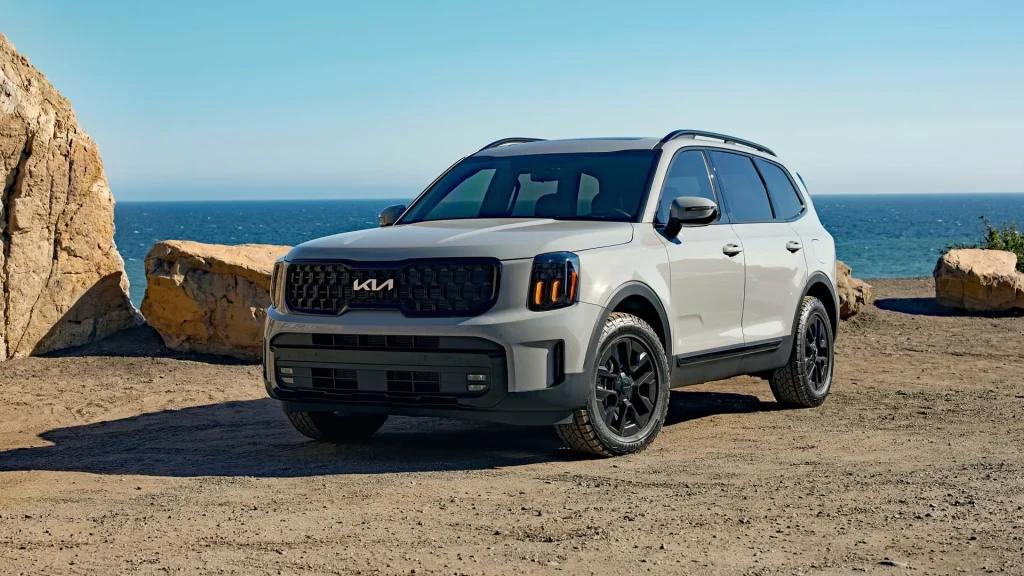
All-wheel drive strengthens the Telluride’s capability in rain or snow, where traction becomes critical. Reliable grip helps prevent the chain of events that can lead to rollover situations.
The Telluride demonstrates that a large three-row SUV can remain stable even under the demands of family life and long-distance travel.
9. Chevrolet Equinox
Rollover safety is often associated with dramatic highway maneuvers, yet many risky situations occur in everyday city driving. Quick turns, tight intersections, and sudden braking in traffic all test a vehicle’s balance. The Chevrolet Equinox excels in these daily scenarios thanks to its manageable size and predictable road manners.
Unlike larger SUVs, the Equinox feels easy to control in crowded environments. Its moderate height gives drivers the elevated view they want without creating a top-heavy sensation. This balance becomes valuable when navigating busy streets or parking lots.
Urban driving often involves sudden stops and quick lane changes. The Equinox responds smoothly to these inputs, helping drivers remain in control during unpredictable traffic situations. Steering feedback feels natural and consistent, reducing the risk of abrupt overcorrection.
Another advantage is its balanced stance. The relationship between width and height provides a solid foundation during cornering. Even quick turns at intersections feel stable and controlled.
Electronic stability systems work continuously in the background, monitoring wheel speed and direction. If the vehicle begins to drift from the intended path, small adjustments help restore balance.
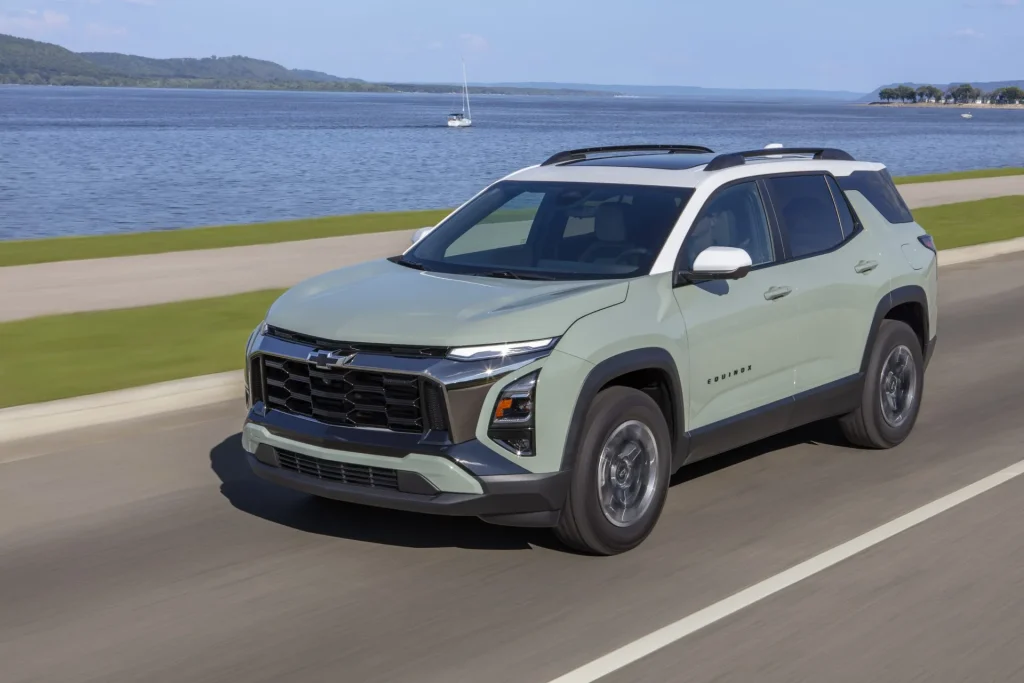
All-wheel drive models provide additional confidence during rainy commutes or uneven road surfaces. Maintaining traction in everyday driving reduces the chance of unexpected sliding.
The Equinox proves that rollover resistance is not just about extreme scenarios. It also matters during the daily routines most drivers experience.
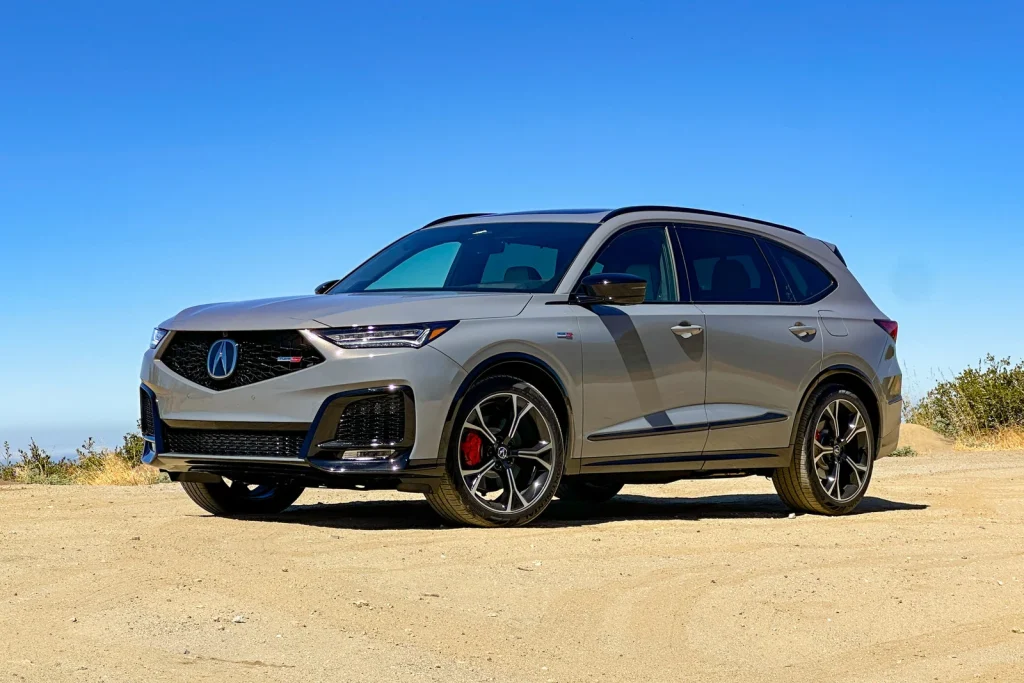
10. Acura MDX
Luxury SUVs must balance comfort with performance, and the Acura MDX demonstrates how this balance can enhance rollover resistance. Its approach focuses on precision and control, creating a vehicle that feels composed during dynamic driving.
One of the MDX’s defining features is its torque-vectoring all-wheel drive system. Unlike traditional systems that simply distribute power between front and rear wheels, this technology can send power between the rear wheels as well. The result is improved cornering stability and more controlled handling during sudden maneuvers.
This capability becomes especially valuable on winding roads. Instead of feeling top-heavy, the MDX feels planted and responsive. Drivers experience confident handling rather than excessive body lean.
The chassis plays an equally important role. High-strength materials create a rigid platform that allows the suspension to operate precisely. This precision keeps tires firmly connected to the road surface, even during rapid direction changes.
Braking performance further enhances stability. Strong and predictable braking allows drivers to slow down smoothly without relying on sudden swerving. This reduces the likelihood of panic reactions that can lead to rollover incidents.
Roof strength testing also shows the MDX’s commitment to occupant protection. While prevention remains the goal, structural integrity ensures safety if the unexpected occurs.
The Acura MDX concludes the list by showing how advanced engineering and performance-focused technology can deliver outstanding rollover resistance while maintaining luxury and comfort.
Sport utility vehicles have become incredibly popular thanks to their practicality, elevated driving position, and family-friendly versatility. However, their taller ride height has historically raised concerns about rollover safety.
Modern engineering has transformed this area dramatically, and today’s SUVs are significantly more stable than earlier generations. Improvements in chassis design, wider track widths, lower centers of gravity, and advanced electronic stability systems have helped reduce rollover risk in real-world driving.
This article shows ten SUVs that stand out for their strong rollover resistance ratings. Models such as the Toyota RAV4, Subaru Forester, Mazda CX-5, and Honda CR-V show how compact SUVs benefit from car-based platforms, balanced proportions, and predictable handling.
Their lower ride heights and well-tuned suspensions help minimize body roll and maintain consistent tire contact during sudden maneuvers. These characteristics are especially valuable during emergency lane changes or slippery road conditions.
Midsize options like the Hyundai Santa Fe, Ford Edge, and Chevrolet Equinox demonstrate how thoughtful engineering can deliver stability in everyday driving and highway travel.
Longer wheelbases, controlled steering response, and reliable braking performance help drivers stay in control during unexpected situations. These vehicles highlight the importance of real-world stability, not just test results.
Larger and premium SUVs such as the Volvo XC60, Kia Telluride, and Acura MDX prove that size and luxury do not have to compromise safety.
Advanced driver-assistance technology, torque-vectoring all-wheel drive systems, and strong structural design provide additional layers of protection. Even when fully loaded with passengers and cargo, these vehicles remain composed and predictable.
Overall, the list shows how modern SUV design prioritizes both prevention and protection. By combining intelligent electronics, balanced chassis engineering, and strong structural integrity, today’s SUVs offer drivers greater confidence than ever before.
Rollover resistance is no longer a major weakness of the segment but a key strength shaped by years of continuous safety innovation.
Also Read: 10 Cars With Rear Hinged Doors That Are Surprisingly Practical
