
In early 2026, the U.S. auto market is sending a clear signal: while electric vehicles remain central to long-term industry strategy, hybrids are currently winning the sales race.
Battery electric vehicles (BEVs) are no longer niche products, but growth has moderated compared to the explosive gains of the early 2020s.
At the same time, hybrid and plug-in hybrid models have seen renewed momentum, driven by practical considerations that matter to everyday buyers.
From cost stability and infrastructure realities to regulatory incentives and consumer psychology, hybrids occupy a strategic middle ground. Here are ten reasons why hybrids are outselling EVs in early 2026.
1. Lower Upfront Prices Across High-Volume Segments
Although EV pricing has come down compared to its 2022–2023 peak, hybrids generally remain more affordable in comparable segments.
A hybrid powertrain typically adds a few thousand dollars to a gasoline model, while a full EV often requires a larger pricing premium due to battery pack costs.
For mainstream buyers shopping in the $25,000 to $40,000 range, this difference remains decisive.
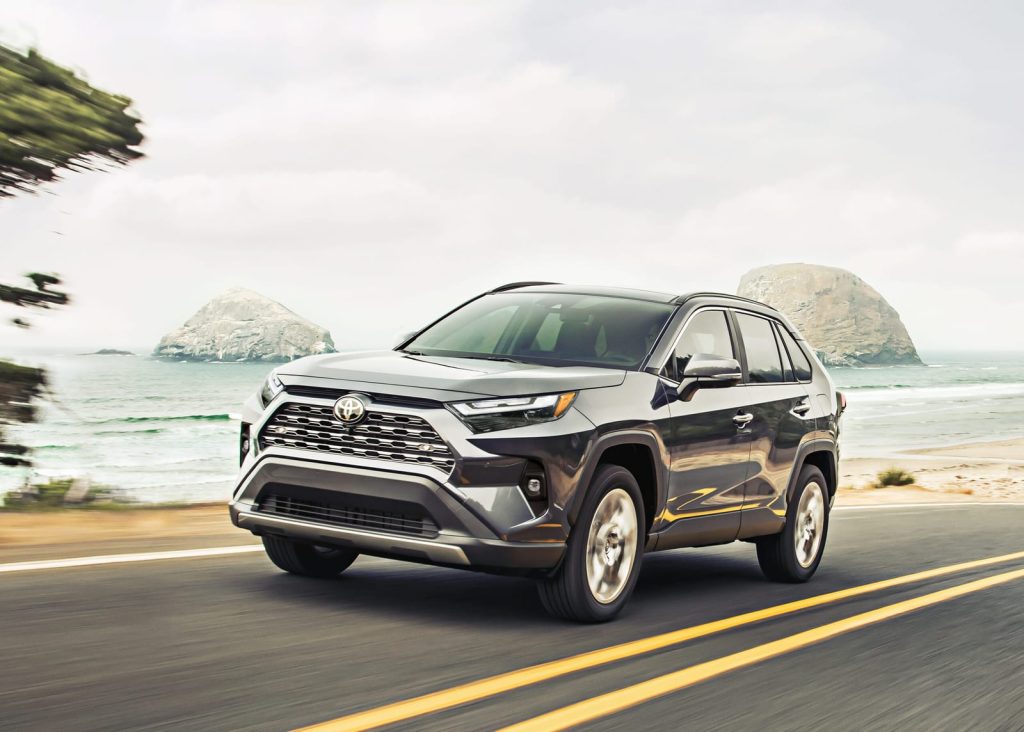
High-volume vehicles such as the Toyota RAV4 Hybrid and Honda CR-V Hybrid routinely undercut similarly sized electric crossovers on sticker price, especially when dealer markups and destination fees are included.
For families financing purchases over five to seven years, monthly payment sensitivity remains a major constraint. Hybrids align more comfortably with middle-income budgets.
The Toyota RAV4 Hybrid represents a calculated integration of fuel efficiency, practical utility, and everyday drivability within the compact SUV segment.
Rather than positioning hybrid technology as a niche upgrade, Toyota has embedded electrification into the RAV4’s mainstream identity, creating a vehicle that balances performance and economy without sacrificing interior space or versatility.
At the core of the RAV4 Hybrid is a 2.5-liter four-cylinder engine paired with electric motor generators and an electronically controlled continuously variable transmission (eCVT). The hybrid system operates through Toyota’s proven power-split architecture, allowing seamless transitions between gasoline and electric propulsion depending on load conditions.
Unlike traditional gas-only compact SUVs, the RAV4 Hybrid delivers immediate torque response from its electric motors, improving low-speed acceleration and urban drivability. The standard electronic on-demand all-wheel-drive system utilizes a rear electric motor rather than a mechanical driveshaft, enhancing traction without significantly increasing mechanical complexity.
Fuel economy remains one of its defining strengths. The hybrid configuration provides significantly improved efficiency compared to non-hybrid variants, particularly in city driving environments where regenerative braking and electric-only operation are most effective.
The RAV4 Hybrid is built on Toyota’s TNGA platform, which emphasizes structural rigidity and balanced weight distribution. Suspension tuning is calibrated to maintain comfort during daily commuting while retaining stable cornering dynamics. The battery placement under the rear seating area preserves cargo capacity and keeps the center of gravity relatively low.
Braking integrates regenerative systems with traditional hydraulic components, recapturing energy during deceleration while maintaining consistent pedal feel.
Inside, the RAV4 Hybrid maintains the practical layout of the standard RAV4 while integrating hybrid-specific instrumentation displays. Digital driver information screens provide real-time energy flow data, fuel economy metrics, and system performance insights.
Infotainment systems feature touchscreen interfaces with smartphone connectivity, navigation availability, and voice-command functionality. Higher trims introduce upgraded materials, enhanced sound systems, and advanced driver-assistance technologies through Toyota Safety Sense.
Overall, the Toyota RAV4 Hybrid delivers a structured balance between fuel-conscious engineering and everyday functionality. It offers improved efficiency without compromising space, traction, or long-term reliability, reinforcing its position as one of the most technically refined options in the compact hybrid SUV category.
2. No Dependence on Charging Infrastructure
The uneven expansion of U.S. charging infrastructure continues to shape purchasing decisions.
While urban areas and coastal states offer increasingly robust fast-charging networks, large portions of the Midwest and South still face patchy coverage.
Apartment dwellers and renters often lack access to home charging, which remains the most convenient and cost-effective way to own an EV.
Hybrids eliminate infrastructure anxiety. They refuel at any standard gas station and require no behavioral adjustment.
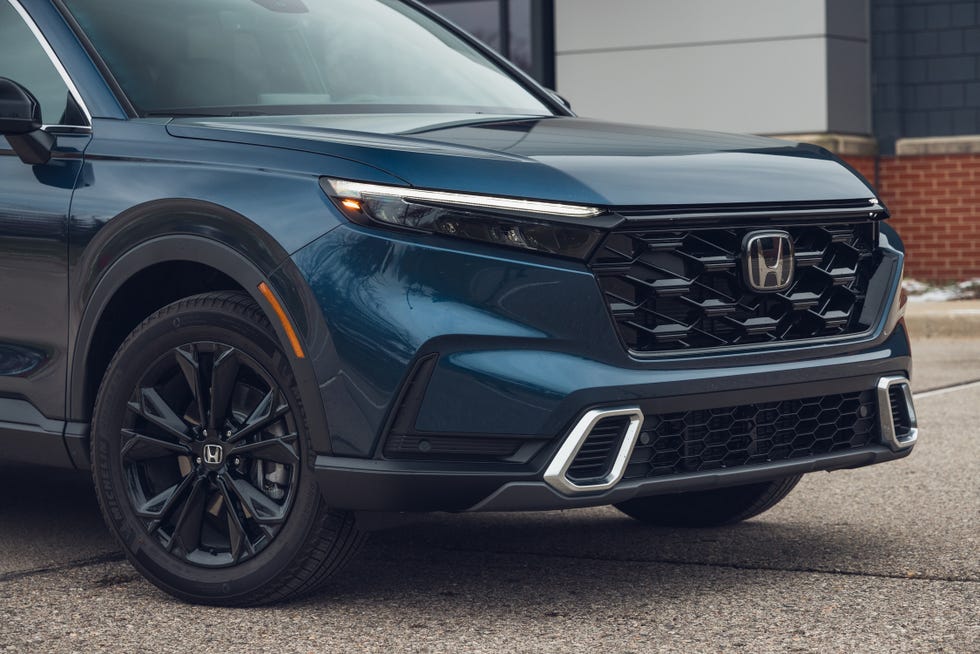
For drivers who commute long distances, take frequent road trips, or live in colder climates where range can drop, this flexibility carries significant weight. The hybrid offers fuel savings without introducing logistical complexity. The Honda CR-V Hybrid represents Honda’s methodical approach to electrification within the compact SUV segment.
Rather than dramatically altering the CR-V formula, Honda integrated a two-motor hybrid system into an already well-established platform, preserving practicality while enhancing efficiency and torque delivery. The result is a vehicle engineered for balanced performance, daily usability, and long-term reliability.
At the center of the CR-V Hybrid is a 2.0-liter Atkinson-cycle four-cylinder engine paired with two electric motors and an electronic continuously variable transmission (eCVT).
Unlike some hybrid systems that rely heavily on conventional transmission mechanics, Honda’s design often allows the electric motor to directly drive the wheels during lower-speed operation, improving responsiveness in urban traffic.
The electric motor provides immediate torque, giving the CR-V Hybrid a smoother and more controlled launch from a standstill compared to traditional gasoline-only compact SUVs. As speeds increase, the system transitions seamlessly between electric propulsion, hybrid assistance, and direct engine engagement to optimize efficiency.
All-wheel-drive variants use an electronically controlled rear system that enhances traction in adverse weather conditions while maintaining competitive fuel economy. The hybrid configuration improves city efficiency in particular, where regenerative braking and electric operation are most active.
Built on Honda’s global compact SUV platform, the CR-V Hybrid benefits from structural rigidity enhancements and refined suspension tuning. The battery pack is positioned low within the chassis to preserve cargo space and maintain balanced weight distribution. This placement contributes to stable handling characteristics and predictable cornering behavior.
Ride quality prioritizes comfort over aggressive sportiness. The suspension absorbs road imperfections effectively, making it well-suited for commuting and family use. Noise insulation improvements further reduce engine intrusion, particularly during steady cruising.
Inside, the CR-V Hybrid maintains the spacious cabin layout that defines the CR-V line. Rear-seat legroom remains competitive within the segment, and cargo capacity is largely unaffected by the hybrid components. The dashboard integrates digital driver displays that provide energy flow information and fuel economy tracking.
Infotainment systems feature touchscreen interfaces with smartphone integration, wireless connectivity in higher trims, and Honda Sensing driver-assistance technologies as standard equipment. Materials vary by trim level, with upper variants offering upgraded upholstery and additional convenience features.
The Honda CR-V Hybrid delivers a technically refined compact SUV formula, combining improved efficiency, smooth electric-assisted torque, and preserved practicality without compromising the foundational strengths that made the CR-V a segment leader.
3. Improved Hybrid Efficiency and Refinement
Hybrid systems in 2026 are no longer transitional technology; they are mature, optimized, and highly refined. Automakers have reduced drivetrain noise, improved regenerative braking feel, and increased battery durability.
Vehicles such as the Toyota Prius demonstrate that hybrid fuel economy can exceed 50 mpg while delivering modern styling and improved performance.
For many consumers, the real-world fuel savings of a hybrid, often cutting gasoline consumption by 30–40 percent compared to traditional internal combustion engines, represent a practical compromise.
The incremental benefit of going fully electric may not justify the higher cost or lifestyle adjustment.
4. Federal and State Incentive Complexity
Federal EV tax credits remain available under evolving rules tied to battery sourcing and domestic manufacturing.
However, eligibility criteria have become increasingly complex, especially following supply chain localization requirements introduced earlier in the decade. Many EV models no longer qualify for the full credit.
By contrast, several hybrids, particularly plug-in hybrids, still qualify for partial incentives depending on battery size and assembly location.
Additionally, state-level incentives vary widely. For consumers unwilling to navigate eligibility matrices or wait for tax-time reimbursement, hybrids often present a more straightforward purchase decision.
5. Insurance and Repair Cost Considerations
Insurance premiums for EVs have increased in some regions due to higher repair costs, battery replacement risks, and limited body shop expertise.
Battery packs represent a significant percentage of vehicle value, and even minor structural damage can result in elevated repair bills.
Hybrids, while more complex than conventional vehicles, rely on smaller battery packs and well-established service networks. After two decades of hybrid penetration in the U.S., maintenance and repair ecosystems are mature.
Buyers concerned about total cost of ownership frequently perceive hybrids as lower financial risk compared to EVs.
6. Residual Value Stability
Resale value trends have influenced consumer sentiment. EV residual values experienced volatility in 2023–2025 as rapid technological improvements and manufacturer price adjustments compressed used-market pricing.
Buyers became cautious about long-term depreciation. Hybrids have shown more stable resale performance.
Models such as the Toyota Camry Hybrid and Ford Maverick Hybrid maintain strong demand in secondary markets due to fuel efficiency and brand reputation.
Predictable resale value reduces lifetime ownership uncertainty, which matters for lease customers and trade-in buyers alike.
7. Cold Weather Performance Perception
Although modern EVs manage thermal conditions more effectively than earlier models, cold weather range reduction remains widely discussed.
In northern states, winter range anxiety continues to influence buyer psychology. Public discourse often amplifies anecdotal experiences of reduced performance during extreme conditions.
Hybrids do not face the same degree of range variability. Because they retain gasoline engines, drivers in states such as Minnesota, Wisconsin, and Illinois experience consistent operating range regardless of temperature swings.
Even if actual EV limitations are manageable, consumer perception still shapes purchasing decisions.
8. Fleet and Commercial Adoption Patterns
Commercial fleets play a substantial role in aggregate sales figures. Many municipal agencies, delivery services, and corporate fleets are adopting electrification gradually rather than exclusively.
Hybrids allow fuel savings and emissions reductions without requiring depot-level charging infrastructure upgrades.
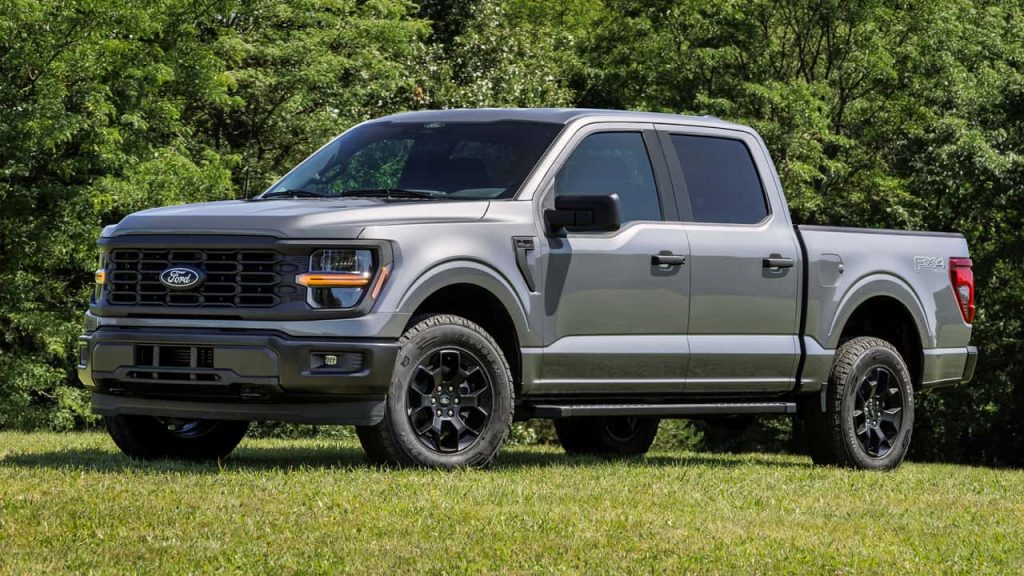
For example, hybrid variants of the Ford F-150 provide improved fuel economy for contractors and service fleets while retaining towing capacity and operational flexibility.
Fleet managers prioritize uptime and refueling speed; hybrids align more easily with existing logistics systems.
The Ford F-150 Hybrid, marketed under the PowerBoost name, represents a strategic expansion of the traditional full-size pickup formula.
Rather than transforming the truck into a purely efficiency-focused vehicle, Ford engineered the hybrid system to enhance torque delivery, towing performance, and functional utility while preserving the structural integrity expected from a half-ton platform.
At the center of the F-150 Hybrid is a 3.5-liter twin-turbocharged EcoBoost V6 paired with an integrated electric motor positioned between the engine and the 10-speed automatic transmission. This configuration allows the electric motor to supplement torque at low speeds, smoothing acceleration and reducing lag typically associated with turbocharged engines.
The hybrid system’s battery pack is compact and strategically positioned to avoid sacrificing bed space or interior volume. Unlike plug-in hybrid systems, the PowerBoost setup relies on regenerative braking and engine-generated charging, eliminating the need for external charging infrastructure. The electric motor provides immediate torque under load, which enhances towing response and urban drivability.
One of the defining advantages of the F-150 Hybrid is Pro Power Onboard. This integrated generator system allows the truck to function as a mobile power source, supplying electricity directly from the hybrid battery and engine system.
Depending on configuration, it can power tools, appliances, or job-site equipment, effectively transforming the vehicle into a portable energy hub.
Towing and payload ratings remain competitive within the segment. The hybrid system is engineered to complement rather than compromise hauling performance. The combination of electric torque assistance and turbocharged output improves stability when accelerating with a trailer attached.
Inside, the F-150 Hybrid mirrors the broader F-150 lineup, featuring large digital displays, advanced infotainment systems, and driver-assistance technologies. Digital instrumentation provides hybrid-specific data such as energy flow and battery status. Higher trims incorporate upgraded materials, noise insulation, and advanced connectivity features.
Ride quality benefits from the smooth torque delivery of the hybrid system, particularly during stop-and-go traffic conditions. The transition between electric assistance and gasoline power is designed to be seamless, minimizing perceptible drivetrain shifts.
Overall, the Ford F-150 Hybrid expands the full-size truck equation by integrating electrification as a performance enhancer rather than a limitation. It preserves towing strength and structural durability while adding torque immediacy and onboard energy versatility.
9. Consumer Preference for Gradual Transition
Electrification represents a structural shift in personal mobility. Many consumers prefer incremental change rather than immediate transformation.
Hybrids serve as a psychological bridge, offering electrified driving without eliminating familiar gasoline refueling habits.
This behavioral factor is significant. Buyers who have never owned an EV may feel uncertain about charging logistics, battery longevity, or long-term technological obsolescence.
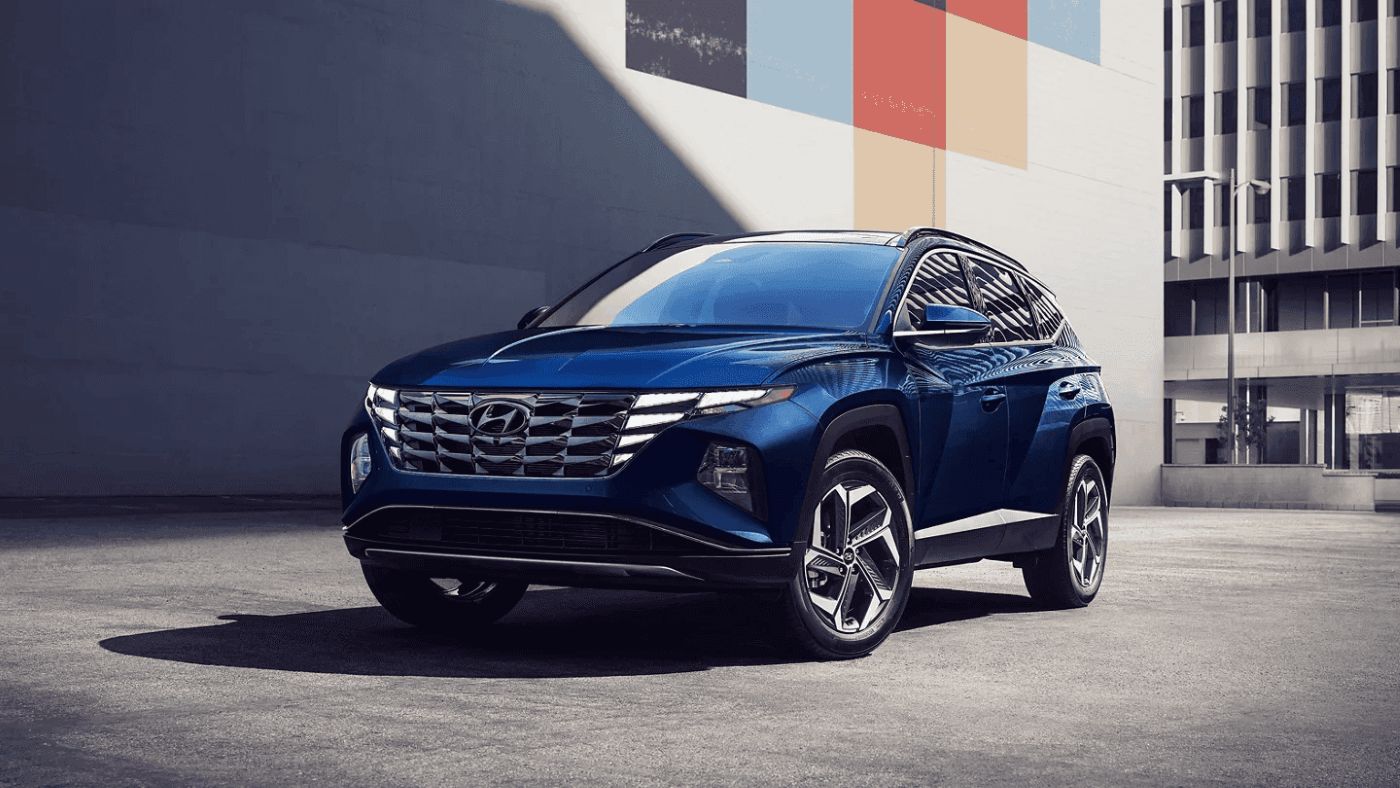
Hybrids reduce perceived risk. The decision feels evolutionary rather than disruptive. The Hyundai Tucson Hybrid represents Hyundai’s structured approach to electrified compact SUVs, combining efficiency improvements with balanced performance and contemporary design.
Rather than focusing solely on fuel savings, the Tucson Hybrid integrates a turbocharged engine with electric assistance to create a system that enhances both responsiveness and overall drivability.
At its core, the Tucson Hybrid utilizes a 1.6-liter turbocharged four-cylinder engine paired with an electric motor and a lithium-ion battery pack.
Unlike many hybrid systems that rely on continuously variable transmissions, Hyundai integrates a conventional six-speed automatic transmission. This decision preserves more traditional gear-shift behavior, providing a familiar driving feel while still benefiting from electric torque support.
The electric motor supplements acceleration at lower speeds, reducing turbo lag and delivering immediate torque during initial throttle input. This results in smoother urban driving and stronger mid-range response compared to naturally aspirated competitors. The hybrid system also incorporates regenerative braking, capturing energy during deceleration to recharge the battery without external charging.
All-wheel drive is typically standard on hybrid variants, distributing torque electronically to improve traction in wet or slippery conditions without significantly compromising fuel efficiency.
Built on Hyundai’s N3 platform, the Tucson Hybrid benefits from increased structural rigidity and refined suspension geometry. Battery placement beneath the rear seats helps maintain cargo capacity while lowering the center of gravity. This configuration contributes to stable handling and predictable cornering behavior for a compact SUV.
Suspension tuning emphasizes ride comfort while retaining composure over uneven pavement. Steering calibration prioritizes ease of control in daily commuting rather than aggressive sport dynamics.
Inside, the Tucson Hybrid features a modern, technology-forward cabin layout. Dual digital displays are common in mid-to-upper trims, integrating the instrument cluster and infotainment interface into a cohesive design. Hybrid-specific readouts provide energy flow and efficiency data for drivers monitoring performance.
Connectivity options include wireless smartphone integration, advanced driver-assistance systems, and customizable drive modes that adjust throttle mapping and steering response.
Overall, the Hyundai Tucson Hybrid combines turbocharged performance with electric assistance to deliver improved efficiency without sacrificing acceleration or interior practicality. It positions itself as a technologically refined, balanced option within the compact hybrid SUV segment.
10. Broader Model Availability Across Segments
Despite rapid EV development, certain segments remain underrepresented in fully electric form, particularly affordable three-row SUVs, midsize pickups, and lower-cost compact cars.
Hybrids, by contrast, are available across a broad range of body styles and price tiers.
The Hyundai Tucson Hybrid, Kia Sportage Hybrid, and similar offerings provide consumers with choices that balance price, practicality, and efficiency.
In segments where EV equivalents remain premium-priced or supply-constrained, hybrids capture mainstream demand.
The sales advantage hybrids hold in early 2026 does not signal a retreat from electrification. Rather, it reflects the transitional nature of the U.S. auto market.
Infrastructure expansion, battery cost reductions, and regulatory pressures continue to support long-term EV growth.
However, current consumer priorities, affordability, flexibility, resale stability, and reduced risk, align strongly with hybrid technology.
Hybrids represent a pragmatic midpoint between traditional internal combustion and full battery electric mobility.
Until charging infrastructure becomes universally convenient, battery costs decline further, and consumer confidence in EV depreciation stabilizes, hybrids are positioned to remain highly competitive.
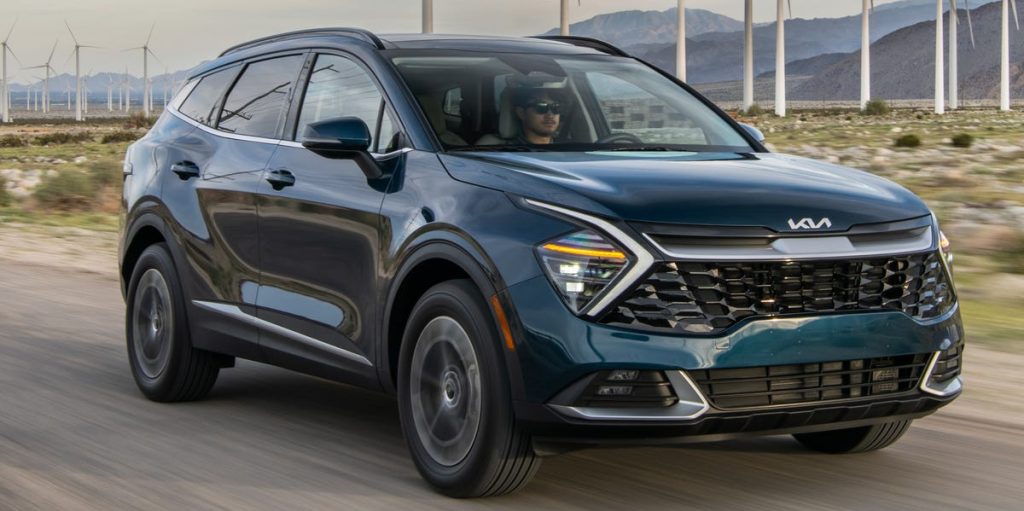
The Kia Sportage Hybrid represents Kia’s deliberate move toward electrified efficiency within the compact SUV segment while preserving the bold styling and practicality that define the Sportage lineup.
Rather than presenting the hybrid model as a niche alternative, Kia integrates electrification into the mainstream trim structure, allowing buyers to gain fuel economy improvements without sacrificing capability or interior space.
The Sportage Hybrid pairs a 1.6-liter turbocharged four-cylinder engine with an electric motor and a lithium-ion battery pack. Unlike some competitors that rely on continuously variable transmissions, Kia utilizes a six-speed automatic transmission.
This mechanical choice provides more conventional shift behavior, resulting in a driving experience that feels closer to a traditional gasoline SUV while still benefiting from electric torque assistance.
The electric motor enhances low-speed acceleration and smooths throttle response, particularly in urban conditions where stop-and-go traffic benefits from immediate torque delivery.
Regenerative braking captures kinetic energy during deceleration, recharging the battery without external input. The hybrid system transitions seamlessly between electric-only, gasoline-only, and combined operation depending on load demands.
Available all-wheel drive improves traction distribution without significantly reducing fuel efficiency, making the Sportage Hybrid adaptable to varied weather conditions.
Built on Kia’s updated compact SUV platform, the Sportage Hybrid benefits from a rigid structural foundation and optimized weight distribution. Battery placement beneath the rear seating area preserves cargo space while contributing to a lower center of gravity.
Suspension tuning leans toward ride comfort and composure rather than aggressive sport handling. Steering response is calibrated for stability and predictability, making it well-suited for daily commuting and family use.
Inside, the Sportage Hybrid features a modern dashboard layout with dual integrated digital displays in many trims. The infotainment system supports smartphone connectivity, navigation options, and customizable vehicle settings. Hybrid-specific data, such as energy flow and efficiency metrics, is accessible through the instrument cluster.
Higher trims introduce premium upholstery, enhanced audio systems, and expanded driver-assistance features. The cabin design emphasizes horizontal space and functional storage solutions, maintaining practicality as a core strength.
Overall, the Kia Sportage Hybrid delivers a technically balanced compact SUV experience, blending turbocharged performance with electric assistance to improve efficiency while maintaining interior versatility and everyday drivability.
The market’s message in early 2026 is not anti-EV; it is pro-practicality.
