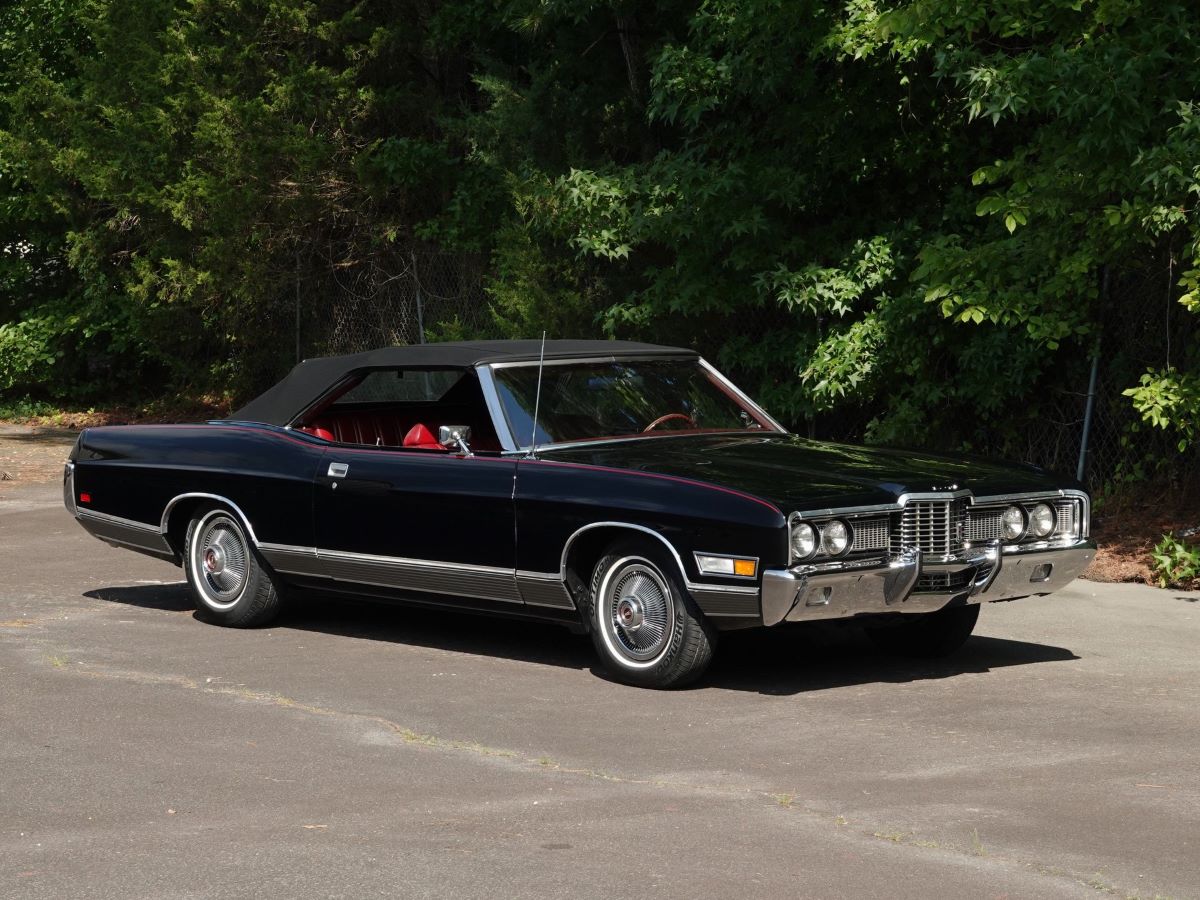
Bench seats were once fundamental to American automotive design. Before center consoles segmented cabins and bucket seats emphasized lateral support, a full-width front bench defined comfort.
In mid-century America, particularly from the 1950s through the late 1970s, automakers engineered these seats for interstate travel, family road trips, and everyday usability.
Thick padding, wide cushions, coil-spring support systems, and generous hip room made them structurally different from modern seating.
Below are six classic American vehicles that became especially well known for their comfortable front bench seats, supported by strong materials, substantial dimensions, and ride characteristics that complemented their interior design.
1. Chevrolet Impala
The Impala became one of the best-selling full-size cars in American history, and interior comfort was central to that success.
Late-1950s and 1960s Impalas featured expansive bench seats with deep foam cushioning layered over coil springs.
The width allowed three adults across the front without significant shoulder overlap, something rare in modern vehicles.
Chevrolet paired this seating with soft suspension tuning, producing a composed, floating ride. The seat backs were tall and broadly padded, supporting relaxed, upright posture suited to long highway drives.
While Super Sport models eventually shifted to buckets, standard Impalas retained the bench configuration for years, reinforcing their identity as practical yet comfortable cruisers.
The 1960 Chevrolet Impala represents a transitional moment in American automotive design, bridging the flamboyant styling cues of the late 1950s with the cleaner, more linear themes that would define the early 1960s.
Positioned as Chevrolet’s flagship full-size model at the time, the Impala combined bold exterior proportions with mechanical simplicity and broad market accessibility.
The 1960 model year marked the final iteration of the fourth-generation Impala. Its styling softened some of the exaggerated tailfins seen in earlier models, though rear fender sculpting and horizontal body lines still reflected late-1950s design influence.
The rear end featured distinctive triple taillights on each side, a design signature that would become closely associated with the Impala nameplate.
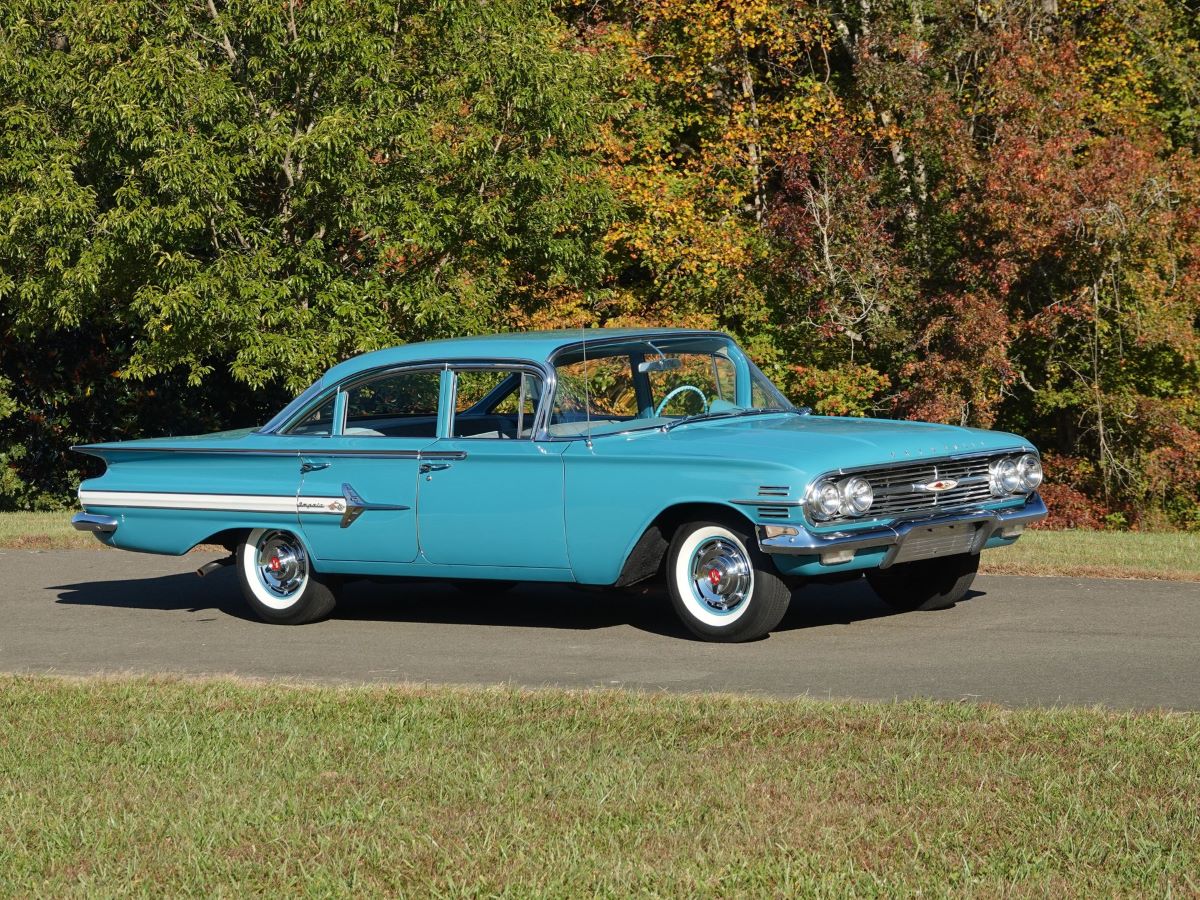
The body sat on Chevrolet’s X-frame chassis, which eliminated traditional side frame rails in favor of a central structural backbone. This configuration lowered the vehicle’s profile and improved ride height, though later safety evaluations would question its side-impact protection. Chrome trim elements and wide grilles reinforced the Impala’s upscale positioning within Chevrolet’s lineup.
The 1960 Impala offered a broad range of engine configurations, beginning with inline-six options for entry-level buyers and extending to multiple small-block and big-block V8 variants. The 283-cubic-inch V8 was widely available, while higher-output 348-cubic-inch V8 engines delivered significantly stronger torque and acceleration for performance-oriented customers.
Transmission options included a three-speed manual, a two-speed Powerglide automatic, and in some configurations, a four-speed manual. Power delivery emphasized smooth cruising capability rather than aggressive high-speed performance, reflecting its role as a full-size family and highway vehicle.
Inside, the Impala offered spacious bench seating, chrome-accented dashboards, and broad horizontal instrument layouts. Upholstery materials varied by trim, with higher-tier models incorporating upgraded fabrics and decorative inserts. The cabin prioritized comfort and passenger space, consistent with the era’s emphasis on wide-body full-size cars.
Available in multiple body styles, including sedan, hardtop, convertible, and station wagon, the 1960 Impala appealed to a broad demographic. It balanced affordability with aspirational styling, reinforcing Chevrolet’s dominance in the early 1960s American market.
Overall, the 1960 Chevrolet Impala stands as a defining example of transitional American automotive design, combining V8 performance options, distinctive rear styling, and full-size practicality within a structurally evolving chassis framework.
2. Cadillac DeVille
The DeVille represented peak mid-century American luxury. Its front bench seats were engineered not just for space but for isolation and softness.
Cadillac used premium leather or high-grade cloth, combined with thick foam layers and substantial internal framing.
Many models offered power-adjustable benches, allowing the entire seat assembly to glide and tilt.
What distinguished the DeVille was integration. The bench seat worked in conjunction with heavy sound insulation, a long wheelbase, and compliant suspension.
Occupants experienced minimal road harshness, making the front seat feel closer to residential furniture than automotive equipment.
In luxury trims, fold-down armrests added individualized comfort while maintaining the openness of a bench layout.
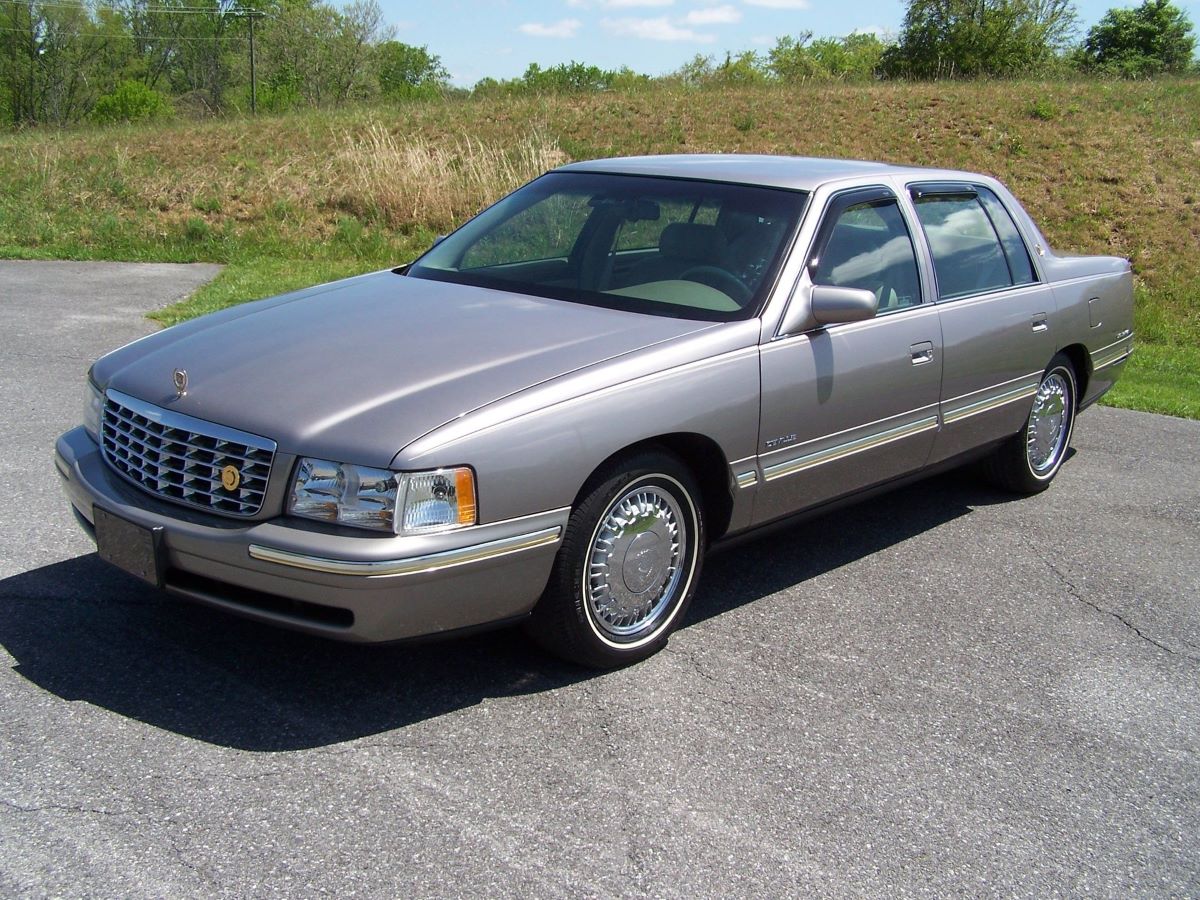
The 1997 Cadillac DeVille represented the final years of the eighth-generation DeVille platform before Cadillac introduced a full redesign for the 2000 model year. Positioned as a full-size luxury sedan, the 1997 DeVille combined traditional American comfort with increasingly modern powertrain technology, most notably through the use of Cadillac’s Northstar V8 engine in higher trims.
By 1997, the DeVille maintained a formal, elongated silhouette that reflected Cadillac’s luxury identity of the era. The front fascia featured a prominent chrome-accented grille and vertically oriented lighting elements. Body lines were smooth but substantial, emphasizing the car’s full-size proportions rather than aggressive styling cues.
The DeVille rode on a front-wheel-drive platform, which distinguished it from many earlier rear-wheel-drive luxury sedans. This layout allowed for a more spacious interior by eliminating the need for a central driveshaft tunnel, contributing to improved cabin room and flat rear floor space.
Trim levels typically included the base DeVille and the more upscale DeVille Concours. The Concours variant featured subtle exterior distinctions and performance-oriented enhancements.
The 1997 DeVille was most commonly associated with the 4.6-liter Northstar V8 engine. In the standard DeVille trim, the engine produced strong, smooth power calibrated for comfort. In the DeVille Concours, the Northstar received a higher-output tuning, increasing horsepower and providing a slightly firmer driving character.
The Northstar V8 utilized dual overhead camshafts and four valves per cylinder, which was relatively advanced for American luxury sedans of the time. It delivered refined acceleration and improved high-speed stability compared to older pushrod engines previously used in Cadillac models.
Power was routed through a four-speed automatic transmission engineered for smooth, unobtrusive shifts. Suspension tuning prioritized ride isolation, though the Concours trim incorporated a more performance-oriented setup for improved responsiveness.
Inside, the 1997 DeVille emphasized space and plush comfort. Wide leather seating surfaces, power-adjustable front seats, automatic climate control, and a premium sound system were standard or widely available. The dashboard design reflected late-1990s luxury trends, with analog gauges complemented by digital displays for select vehicle information.
Rear-seat space remained a key selling point, offering generous legroom suitable for executive or chauffeur use. Noise insulation was carefully engineered to maintain a quiet cabin environment during highway cruising.
Overall, the 1997 Cadillac DeVille delivered a combination of full-size luxury, modern V8 refinement, and front-wheel-drive practicality. It maintained Cadillac’s traditional comfort-focused identity while integrating advanced engine technology that positioned it competitively within the late-1990s American luxury sedan market.
3. Ford LTD
The Ford LTD was marketed as a quieter, more refined alternative to standard full-size sedans. Its bench seats reflected that positioning.
Plush velour upholstery became a defining feature in the early 1970s, offering a softer tactile experience than vinyl.
Seat cushions were wide and heavily padded, designed to reduce fatigue over extended travel. In Brougham variants, Ford added thicker carpeting, upgraded trim, and fold-down center armrests.
Structurally, the seat base provided substantial thigh support, preventing the “flat slab” feel common in cheaper sedans.
Combined with body-on-frame construction and soft spring rates, the LTD delivered one of the more comfortable bench-seat experiences of its era.
The 1971 Ford LTD represented the peak of Ford’s early-1970s full-size luxury philosophy, combining expansive dimensions, soft suspension tuning, and large-displacement V8 power under a design language that emphasized presence and comfort.
Positioned above the Galaxie 500 within Ford’s lineup, the LTD served as a near-luxury sedan aimed at buyers seeking upscale amenities without stepping into Lincoln pricing territory.
For 1971, the Ford LTD rode on a revised full-size platform featuring a longer wheelbase and broader stance compared to prior generations. The body styling reflected the era’s shift toward heavier, more squared proportions. A prominent front grille dominated the fascia, flanked by wide-set headlamps and substantial chrome accents.
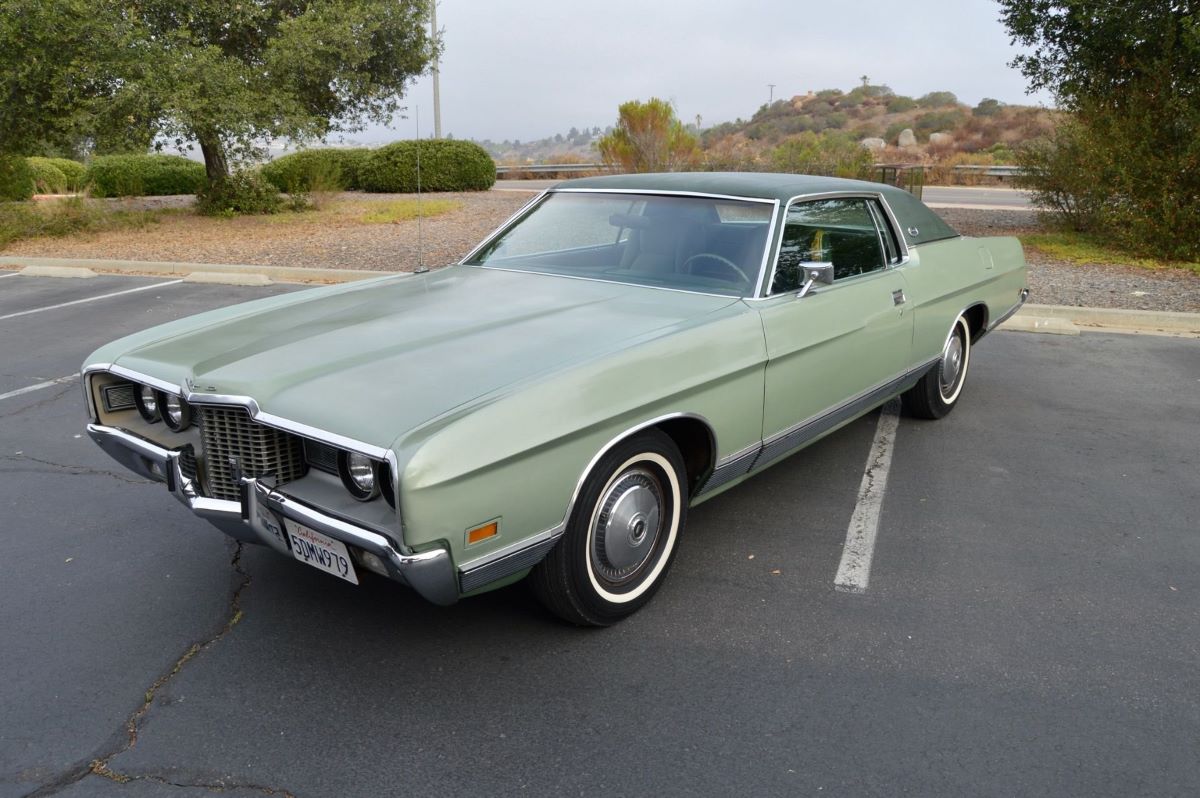
The rooflines varied depending on body style, with formal hardtops, pillared sedans, and station wagon variants available. The design placed strong emphasis on horizontal lines, reinforcing the car’s width and road presence. Vinyl roof options and chrome trim packages further enhanced its upscale positioning.
Under the hood, the 1971 LTD offered multiple V8 engine choices, reflecting the era’s preference for displacement over efficiency. Entry-level models typically featured a 351 cubic-inch V8, while larger options included 400 and 429 cubic-inch engines depending on configuration and market availability.
These engines delivered strong low-end torque, prioritizing smooth acceleration and highway cruising rather than aggressive high-RPM performance. Carbureted fuel delivery systems and relatively low compression ratios characterized the mechanical setup, particularly as manufacturers began adapting to early emissions regulations.
Transmission pairings included a three-speed automatic, which was common in luxury-focused full-size vehicles of the period. Ride quality was intentionally soft, with suspension tuning designed to absorb road imperfections and isolate passengers from vibration.
Inside, the 1971 LTD emphasized spacious seating and plush materials. Bench seats were common, often upholstered in cloth or optional vinyl, while higher trims featured upgraded textures and woodgrain dashboard accents. The wide cabin allowed for comfortable front and rear passenger accommodation, reinforcing the LTD’s appeal as a family and long-distance cruiser.
Standard and optional features included power steering, power brakes, air conditioning, and upgraded audio systems, amenities that were increasingly expected in upper-tier sedans of the time.
The 1971 Ford LTD embodied the characteristics of early-1970s American full-size luxury: expansive proportions, V8-powered smoothness, and a comfort-first driving experience. It reflected a period when size and torque defined market appeal, just before fuel economy concerns began reshaping automotive priorities later in the decade.
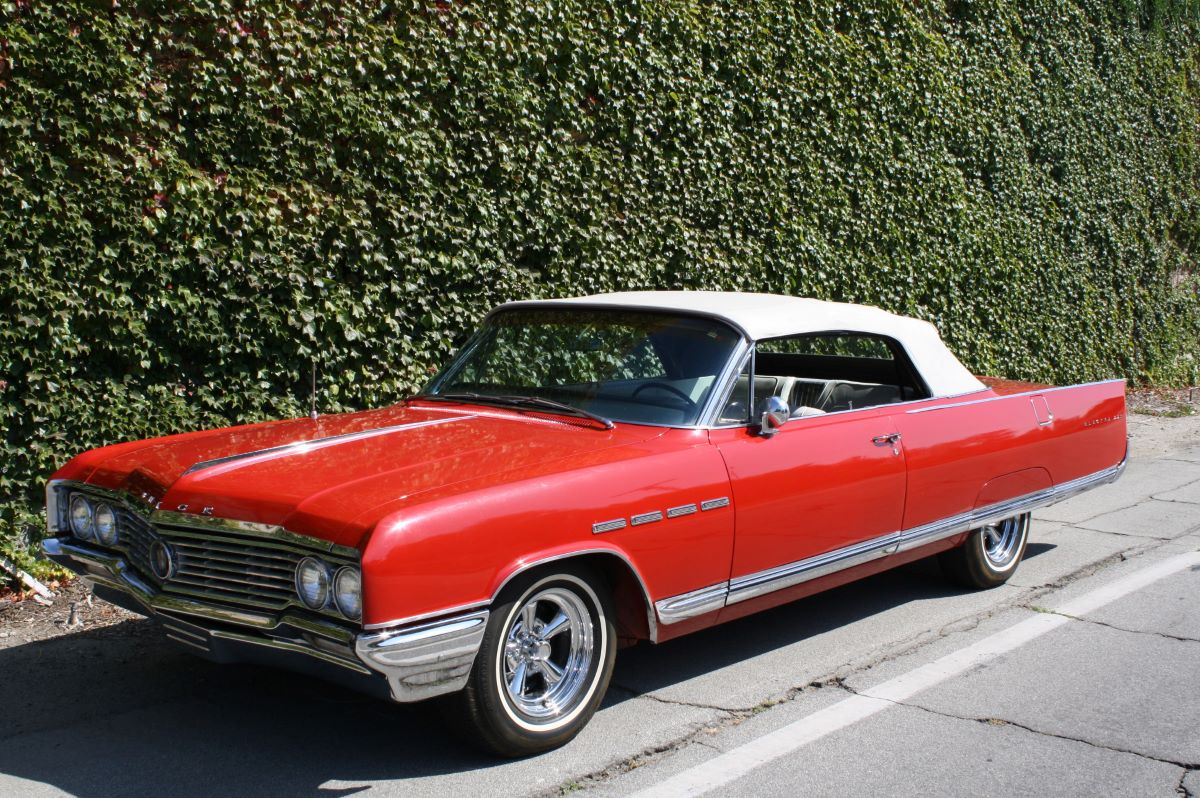
4. Buick Electra 225
The Buick Electra 225, often called the “Deuce and a Quarter”, was engineered around space. Its nearly 19-foot overall length translated into an expansive cabin.
The front bench seat was especially wide, with deep cushions and carefully layered foam for sustained support.
Higher trims incorporated power adjustments and integrated armrests, elevating comfort to near-Cadillac levels. Unlike some softer competitors, the Electra’s bench maintained structural integrity over long drives.
The result was a controlled yet plush seating feel that complemented Buick’s emphasis on quiet cruising and refined ride dynamics.
The 1964 Buick Electra 225 stood as Buick’s flagship full-size luxury sedan during the height of mid-1960s American automotive excess. Often nicknamed the “Deuce and a Quarter” in reference to its approximate 225-inch overall length, the Electra 225 was engineered to deliver expansive interior space, smooth V8 power, and refined ride quality within a bold, chrome-accented design.
The 1964 model year reflected Buick’s move toward cleaner, more linear styling compared to the tailfin-heavy late 1950s. The Electra 225 featured a wide, prominent grille flanked by stacked headlamps, with sculpted fender lines running the length of the body. Chrome trim remained abundant, outlining the windows and accentuating the vehicle’s substantial proportions.
Built on General Motors’ C-body platform, the Electra 225 offered both four-door sedan and hardtop variants, along with two-door hardtop and convertible configurations. Its long wheelbase contributed to a smooth ride and emphasized its status as Buick’s premium offering below Cadillac in the GM hierarchy.
Under the hood, the 1964 Electra 225 was typically equipped with Buick’s 401 cubic-inch “Nailhead” V8 engine. This overhead valve design produced strong low-end torque, well-suited for moving the vehicle’s considerable weight with minimal strain. In certain configurations, a larger 425 cubic-inch V8 was available, delivering even greater torque for effortless highway cruising.
Power was routed through a two-speed automatic transmission, commonly Buick’s Super Turbine 400 in later variations. The drivetrain emphasized smooth, unobtrusive shifting rather than aggressive performance. Acceleration was steady and controlled, reflecting the vehicle’s luxury focus.
Inside, the Electra 225 prioritized spacious seating and premium materials. Bench seating was standard, with optional upgrades including leather upholstery and enhanced trim detailing. Woodgrain accents and chrome highlights decorated the dashboard, reinforcing the car’s upscale identity.
Power accessories such as power windows, power seats, and air conditioning were commonly equipped or available as options. Rear passenger legroom was generous, consistent with its extended wheelbase design. Sound insulation contributed to a quiet cabin environment, particularly at highway speeds.
The 1964 Buick Electra 225 embodied mid-1960s American luxury through its expansive dimensions, torque-rich V8 power, and comfort-oriented engineering. It combined strong visual presence with mechanical smoothness, reinforcing Buick’s position as a premium brand within General Motors during that era.
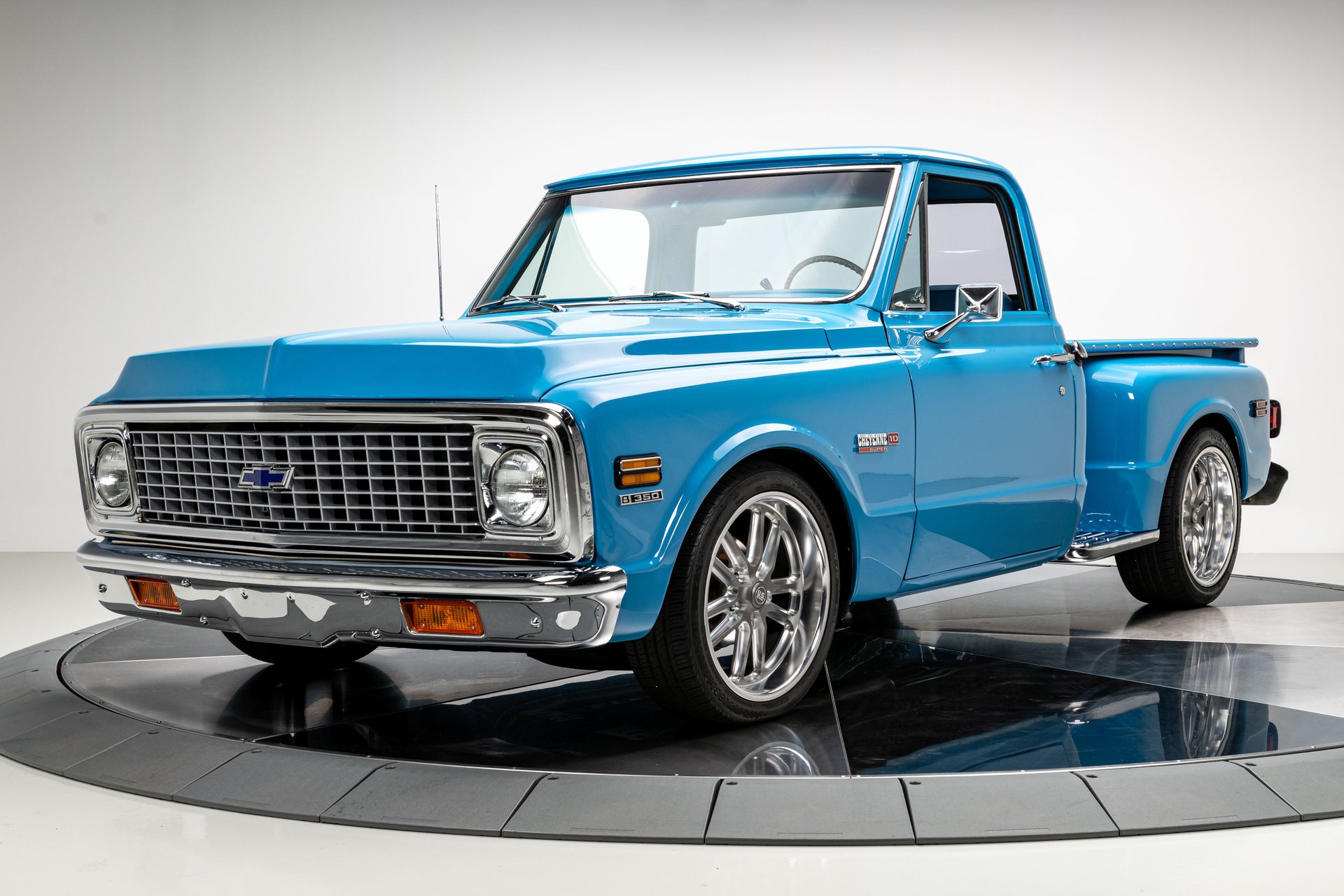
5. Chevrolet C10
Pickup trucks historically prioritized durability over comfort, but the 1967 redesign of the Chevrolet C10 shifted that balance. Chevrolet introduced a more car-like interior, including a wider and thicker front bench seat.
While upholstery materials often leaned toward vinyl for durability, padding thickness improved significantly over earlier trucks.
The seat base provided improved support for daily driving, reflecting the evolving role of pickups as personal transportation rather than strictly work vehicles.
Restored C10s frequently retain their original bench configuration because it defines the truck’s authentic character and usability.
The Chevrolet C10 stands as one of the most recognizable entries in Chevrolet’s long-running C/K pickup lineage. Produced across multiple generations from the early 1960s through the late 1980s, the C10 represented the rear-wheel-drive, half-ton configuration within the broader C/K designation.
Over time, it evolved from a straightforward work truck into a platform that blended utility, comfort, and eventually strong aftermarket appeal.
The C10 debuted in 1960 as part of Chevrolet’s new C/K series, replacing the earlier Task Force trucks. Early models introduced independent front suspension, a significant upgrade compared to prior solid-axle designs, which improved ride comfort and handling stability. Body styles varied depending on generation, including fleetside and stepside beds, short-bed and long-bed configurations, and multiple cab arrangements.
By the late 1960s and early 1970s, the C10 adopted more squared-off styling, broader grilles, and cleaner body lines. The 1973–1987 “Square Body” generation became particularly iconic, featuring flatter panels and a more modernized appearance. Chrome accents and optional trim packages allowed the C10 to function both as a work vehicle and as a more lifestyle-oriented pickup.
Throughout its production span, the C10 offered a wide range of engines. Early models included inline-six engines known for reliability and simplicity. Small-block V8 options, such as the 283 and later 350 cubic-inch variants, provided increased torque and hauling capacity. In certain years, larger big-block V8s were available for buyers requiring additional pulling power.
Transmission options evolved over time, including three-speed and four-speed manual gearboxes as well as automatic transmissions like the Turbo-Hydramatic series. The rear-wheel-drive layout reinforced the C10’s role as a light-duty pickup designed for hauling and general utility rather than heavy off-road use.
Inside, earlier C10 models prioritized simplicity with bench seating, basic instrumentation, and minimal ornamentation. Later generations incorporated improved sound insulation, upgraded upholstery, and optional air conditioning, reflecting growing consumer demand for comfort.
Over the decades, the Chevrolet C10 has gained strong recognition within restoration and customization communities. Its relatively straightforward mechanical design and broad parts availability have made it a popular platform for engine swaps, suspension upgrades, and modern restomod builds.
Overall, the Chevrolet C10 represents a foundational chapter in American pickup history. It combined structural durability, mechanical versatility, and evolving comfort features across nearly three decades, ultimately becoming both a dependable work truck and a cultural icon within the classic truck segment.
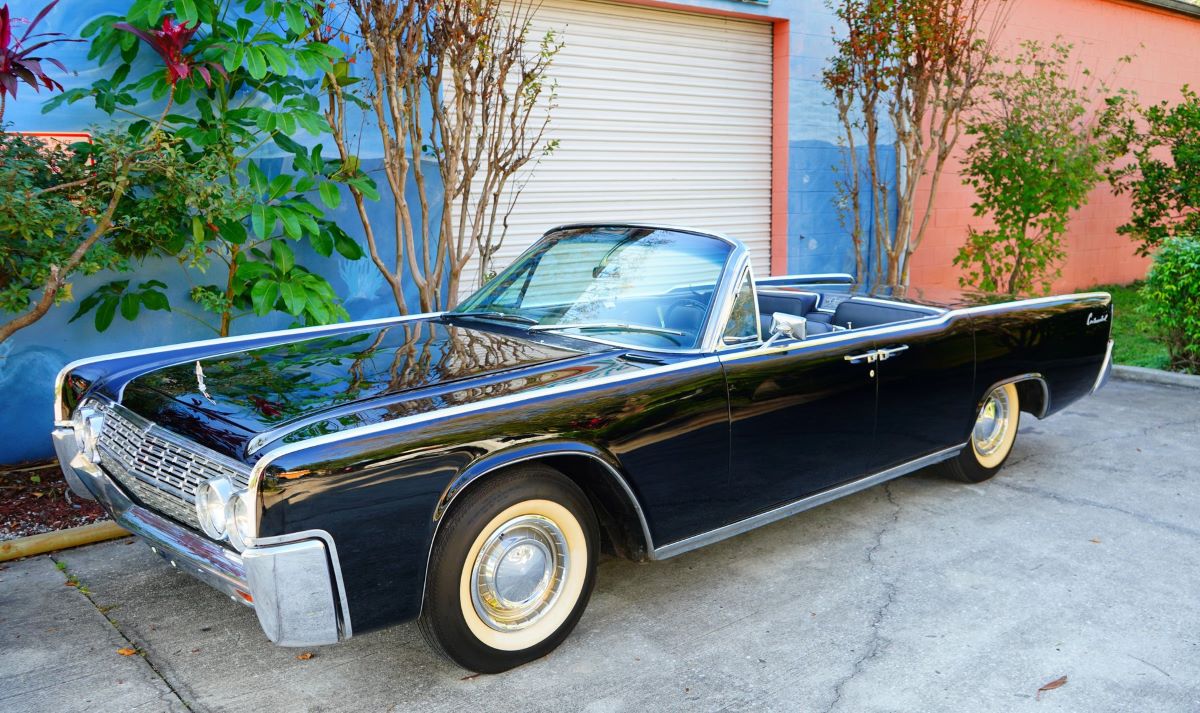
6. Lincoln Continental
The early-1960s Lincoln Continental is widely regarded as one of the most architecturally disciplined American car designs.
Its interior mirrored that restraint. The front bench seat was broad and firm yet comfortably padded, upholstered in high-grade leather.
The Continental emphasized posture and presence rather than softness alone. The seat design supported upright seating, complementing the car’s large glass area and squared-off cabin proportions.
When combined with a long wheelbase and balanced suspension, the bench offered a composed, dignified comfort experience. It remains one of the most admired examples of luxury bench seating in American automotive history.
By the late 1980s, regulatory changes, integrated seatbelt systems, center consoles, and evolving consumer preferences reduced demand for front benches.
The 1962 Lincoln Continental represents one of the most recognizable luxury sedans of the early 1960s, continuing the clean, restrained design language introduced with the fourth-generation redesign in 1961.
Under the direction of Ford design chief Elwood Engel, the Continental adopted a minimalist, slab-sided aesthetic that sharply contrasted with the tailfin-dominated styling of the late 1950s. The 1962 model carried forward that refined visual identity while reinforcing Lincoln’s positioning in the premium American luxury segment.
The 1962 Continental featured crisp, straight body lines and understated chrome detailing. Its flat body panels and squared proportions created a formal, architectural presence on the road.
One of its most defining characteristics was the rear-hinged “suicide” rear doors on four-door models. This center-opening configuration eliminated a traditional B-pillar, providing easier rear-seat entry while establishing a distinctive design signature that remains associated with the Continental nameplate.
Built on a unibody platform rather than a traditional body-on-frame chassis, the Continental emphasized structural rigidity and improved ride isolation. The long wheelbase contributed to its balanced stance and expansive interior proportions.
Under the hood, the 1962 Continental was powered by a 430 cubic-inch V8 engine. This large-displacement engine delivered strong low-end torque and smooth acceleration suited to the car’s weight and luxury orientation. Power was routed through a three-speed automatic transmission calibrated for seamless shifts and relaxed highway cruising.
The suspension system was tuned to prioritize ride comfort. Soft spring rates and substantial sound insulation created a quiet, composed driving experience. Steering response was engineered for ease rather than sportiness, aligning with the Continental’s executive and chauffeur-driven appeal.
Inside, the 1962 Continental emphasized spacious seating and refined materials. Leather upholstery was standard, and the dashboard layout reflected the exterior’s clean, horizontal design philosophy. Wood accents and chrome trim were used sparingly, reinforcing the car’s understated elegance.
Power accessories such as power windows, power seats, and air conditioning were widely available, underscoring Lincoln’s focus on convenience and passenger comfort. Rear-seat space was generous, particularly in sedan configurations, making it suitable for executive transport.
Overall, the 1962 Lincoln Continental embodied early-1960s American luxury through disciplined styling, V8-powered smoothness, and a focus on quiet sophistication. Its restrained design approach and distinctive rear-door configuration continue to define its lasting legacy within classic automotive history.
Airbag placement and structural safety requirements also made bucket seats more practical. Performance culture further shifted expectations toward driver-focused seating.
However, among collectors and enthusiasts, classic bench seats remain desirable precisely because they represent a different philosophy. They reflect a period when American vehicles were engineered for breadth, softness, and shared space.
These six cars illustrate that when executed correctly, a bench seat was not merely a cost-saving measure, it was a defining feature of comfort-oriented automotive design.