
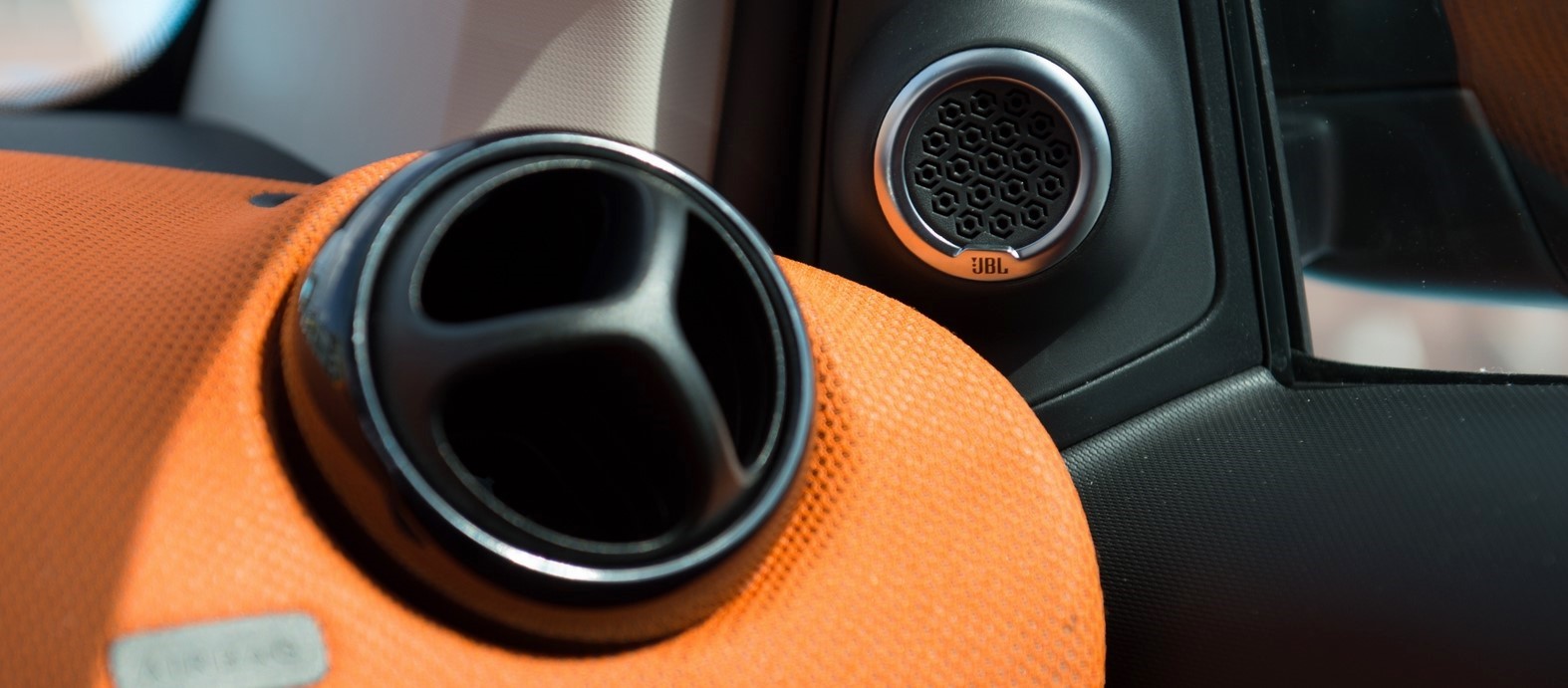
For many drivers across the United States, a vehicle’s sound system is no longer a secondary feature. It has become an essential part of the daily driving experience.
Whether commuting through city traffic, taking long interstate road trips, or simply running errands, in-car audio plays a central role in comfort and enjoyment.
Podcasts, music streaming platforms, audiobooks, and satellite radio have transformed expectations. Drivers now demand clarity, depth, and balance, even in affordable vehicles.
Historically, high-quality audio systems were reserved for luxury cars and expensive trim levels. Entry-level vehicles typically came with basic speaker setups that prioritized cost over acoustic performance.
That dynamic has changed significantly over the past decade. Automakers now recognize that technology and infotainment are major buying factors, even for budget-conscious shoppers.
Entry-level vehicles, typically compact sedans, subcompact SUVs, small hatchbacks, and affordable pickups, have seen major improvements in speaker placement, cabin insulation, digital sound processing, and brand partnerships with respected audio companies. As a result, buyers no longer need to upgrade to a luxury brand to enjoy strong sound quality.
Here are ten entry-level vehicles in the U.S. market that offer some of the best factory sound systems in their class.
1. Mazda3
The Mazda3 consistently delivers one of the most refined interior experiences in the compact car segment, and its sound system reflects that attention to detail. Even in lower trims, Mazda engineers carefully position speakers to optimize cabin acoustics rather than simply increasing speaker count.
The standard system provides impressive clarity, especially in the midrange frequencies where vocals and instruments live. High frequencies remain crisp without becoming harsh.
In higher trims, the available Bose premium audio system significantly enhances depth and balance, delivering tight bass and immersive sound staging that rivals more expensive vehicles.
Mazda’s strong sound insulation also plays a role. Reduced road noise allows listeners to enjoy music without needing to raise the volume excessively. For an entry-level compact car, the Mazda3 offers a surprisingly mature and well-balanced audio experience.
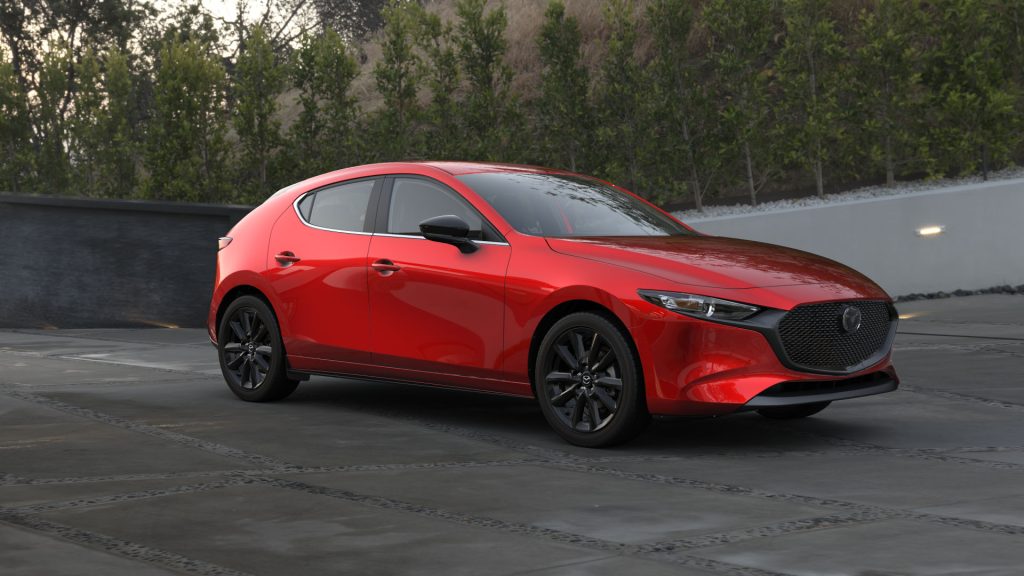
The Mazda3 stands out in the compact car segment by blending precision engineering, upscale design language, and driver-focused dynamics into an accessible price point.
While many entry-level vehicles prioritize efficiency and affordability above all else, the Mazda3 takes a more refined approach. It feels intentionally crafted rather than simply assembled to meet a budget target.
Visually, the Mazda3 carries Mazda’s “Kodo” design philosophy, characterized by smooth body contours and subtle reflections that shift with light. Instead of relying on aggressive lines or exaggerated styling elements, it communicates sophistication through restraint.
The front fascia remains clean and sculpted, while the profile flows seamlessly into a well-proportioned rear design. Whether in sedan or hatchback form, the Mazda3 projects a more premium presence than its compact classification might suggest.
Under the hood, the Mazda3 offers multiple powertrain options designed to balance responsiveness and efficiency.
The standard naturally aspirated engine delivers steady acceleration suitable for everyday commuting, while available turbocharged variants provide noticeably stronger midrange torque for drivers seeking added performance.
Steering calibration is precise, offering clear feedback through corners, and the suspension setup leans toward controlled composure rather than excessive softness. The result is a compact car that feels engaging without sacrificing comfort.
Inside the cabin, the Mazda3’s quality becomes even more apparent. Materials are thoughtfully selected, with soft-touch surfaces and minimalistic dashboard architecture that prioritizes horizontal symmetry.
The infotainment display is positioned for easy visibility without overwhelming the driver’s field of view. Rather than relying on oversized touchscreens, Mazda integrates a rotary controller that allows more intuitive operation while driving.
Noise insulation is another strength. Compared to many competitors in the compact class, the Mazda3 maintains a quieter cabin environment, enhancing both conversation and audio system clarity. Seating is supportive, with careful attention paid to ergonomics and posture.
The Mazda3 distinguishes itself by offering an experience that feels closer to an entry-level luxury vehicle than a traditional compact commuter. It balances style, driving precision, and interior refinement in a way that elevates expectations for what an affordable car can deliver.
2. Honda Civic
The Honda Civic has long been a benchmark in the compact segment, and recent generations have made noticeable improvements in audio quality.
Even base trims provide respectable clarity, but mid-level trims with upgraded multi-speaker configurations deliver particularly impressive performance.
The Civic benefits from improved structural rigidity and enhanced cabin insulation compared to earlier models.
This quieter environment supports better sound reproduction. Bass response is controlled rather than overpowering, while vocals remain clear and distinct, especially important for podcast listeners and talk radio enthusiasts.
For drivers seeking strong sound quality without stepping into a premium brand, the Civic remains one of the most reliable options.
The Honda Civic has long served as a benchmark in the compact car segment, earning its reputation through consistent reliability, balanced performance, and everyday practicality.
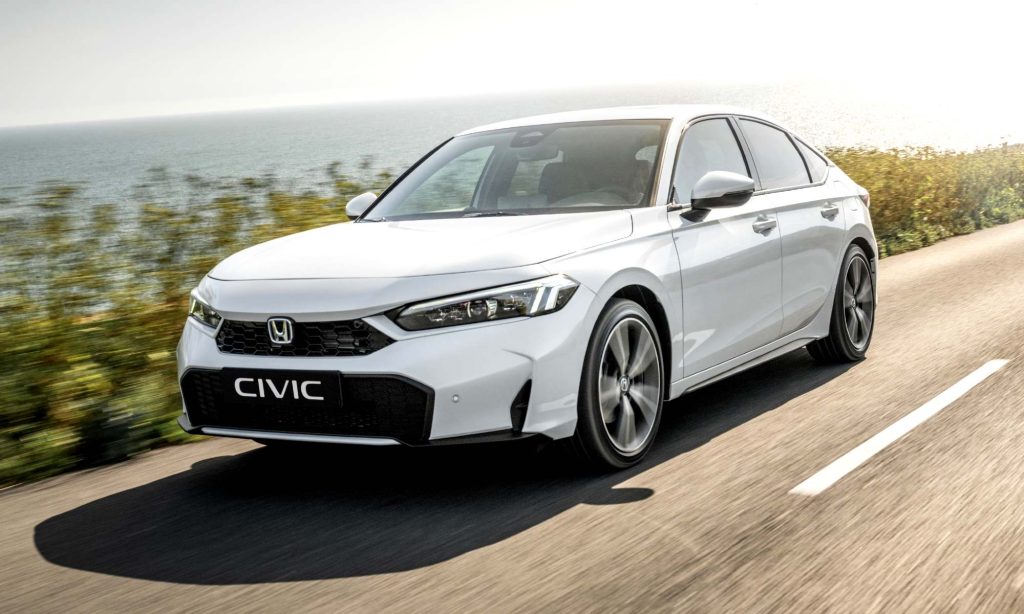
Over multiple generations, it has evolved from a simple economy car into a more refined and technologically advanced compact sedan and hatchback that still remains accessible to a broad range of buyers in the U.S. market.
From a design standpoint, the modern Civic embraces a clean and mature aesthetic. Its proportions feel longer and lower than earlier versions, giving it a more composed stance on the road.
Subtle character lines run along the body panels without excessive ornamentation, and the front fascia maintains a confident yet understated look. Whether in sedan or hatchback form, the Civic presents a more upscale visual presence than many competitors in its price bracket.
Under the hood, the Civic offers engine options that prioritize efficiency without sacrificing responsiveness. The standard naturally aspirated four-cylinder engine delivers smooth, predictable acceleration ideal for commuting and city driving.
Available turbocharged variants introduce stronger midrange torque, making highway merging and passing more effortless. Steering response is precise, and the suspension strikes a thoughtful balance between ride comfort and controlled handling. The Civic feels composed through corners while remaining comfortable on uneven pavement.
Inside, the Civic’s cabin reflects Honda’s shift toward a more refined interior layout. Clean horizontal lines dominate the dashboard, with discreet air vents integrated behind a mesh-like trim element.
Material quality has improved noticeably, offering soft-touch surfaces in key areas. The infotainment system is positioned for easy visibility, and physical controls remain intuitive and user-friendly.
Cabin noise levels are well managed, contributing to a relaxed driving environment. Seating comfort supports longer drives, and rear passenger space remains competitive within the compact class. Cargo capacity, particularly in hatchback form, adds practical versatility for everyday use.
The Honda Civic continues to deliver a well-rounded driving experience. It combines dependable engineering, efficient performance, and improved interior refinement in a package that remains practical and attainable for American buyers seeking long-term value in a compact vehicle.
3. Hyundai Elantra
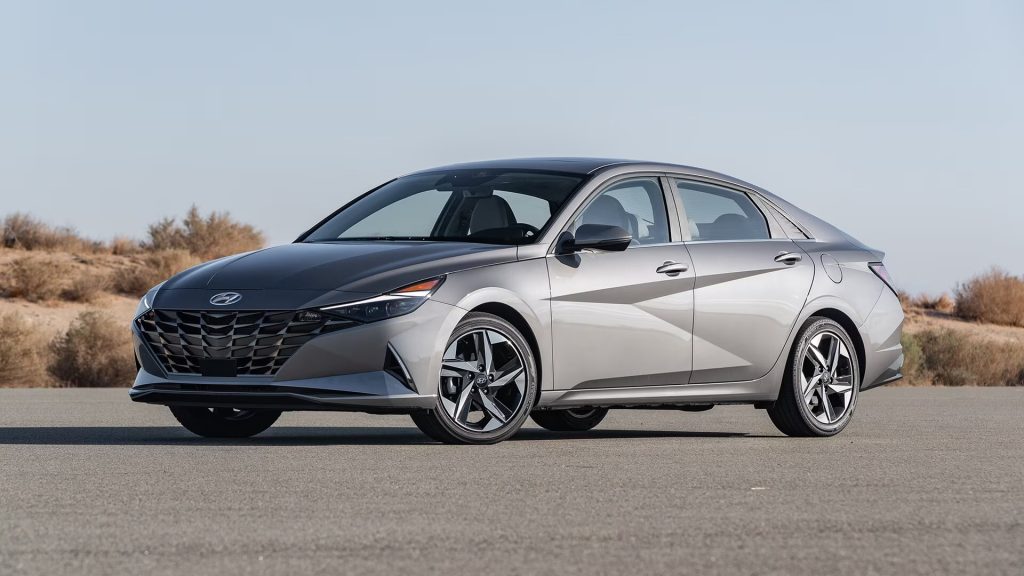
Hyundai has aggressively improved technology offerings in its lineup, and the Elantra reflects this shift. Select trims feature an available Bose premium audio system that stands out within the compact sedan segment.
The system provides balanced tuning, with crisp high-frequency detail and well-managed bass. Unlike systems that exaggerate low-end frequencies, the Elantra’s tuning leans toward clarity and accuracy.
This makes it versatile across music genres, from pop and hip-hop to classical and spoken-word content.
Even the standard system performs competitively, offering clean output for budget-conscious buyers.
4. Kia Forte
The Kia Forte often flies under the radar, but its available Harman Kardon premium sound system elevates it well beyond typical expectations for an entry-level sedan.
The system delivers strong bass presence and clear treble response, creating a more immersive listening environment. Speaker placement throughout the cabin supports improved sound staging, giving drivers a more dimensional audio experience.
With solid cabin insulation and intuitive infotainment controls, the Forte offers one of the most enjoyable in-car audio setups in its price category.
The Kia Forte occupies a strategic position in the compact sedan segment, delivering practicality, technology integration, and modern styling at a price point designed to remain accessible to a wide range of U.S. buyers.
While often categorized strictly as an entry-level vehicle, the Forte demonstrates how thoughtful engineering and feature prioritization can elevate a budget-friendly car beyond basic transportation.
Visually, the Forte adopts a sharp and contemporary design language. The front fascia incorporates Kia’s signature grille shape, flanked by angular headlamps that give the sedan a more assertive presence than many competitors in its class.
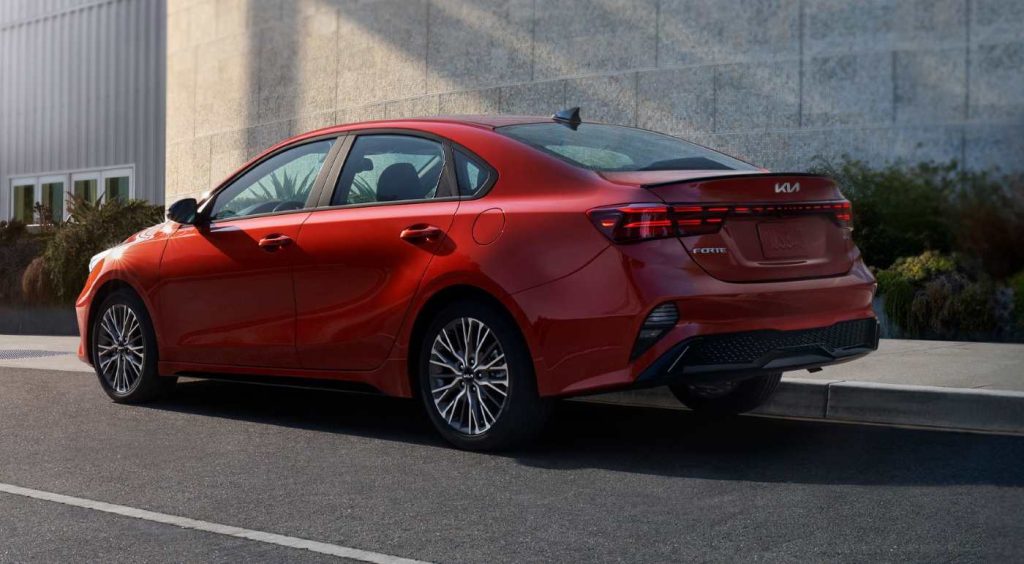
Subtle character lines along the body panels add definition without overwhelming the overall silhouette. The proportions are clean and balanced, contributing to a design that feels deliberate rather than purely utilitarian.
Under the hood, the Forte offers a naturally aspirated four-cylinder engine that prioritizes efficiency and steady power delivery. Acceleration is smooth and predictable, well suited for urban commuting and highway travel.
In select trims, a turbocharged engine variant provides stronger midrange torque, delivering more responsive performance for drivers seeking added engagement. The suspension setup emphasizes ride comfort while maintaining adequate composure through moderate cornering.
Inside the cabin, the Forte focuses heavily on value-oriented technology. The infotainment system is positioned prominently for visibility and ease of use, often featuring a large touchscreen display even in lower trims. Smartphone integration through Apple CarPlay and Android Auto is commonly included, reinforcing its appeal to younger buyers and daily commuters.
Material quality reflects its price segment but incorporates thoughtful design elements that enhance perceived refinement.
Controls are logically arranged, and seating comfort remains supportive for longer drives. Rear passenger space is competitive within the compact class, and trunk capacity provides sufficient room for groceries, luggage, or everyday cargo.
Safety technology is another area where the Forte performs strongly, with multiple driver-assistance features available across various trims. This integration of safety and technology reinforces its practical appeal.
5. Toyota Corolla
The Toyota Corolla has built its reputation on reliability and value, but recent generations have improved significantly in infotainment and sound system quality. Select trims offer an upgraded JBL premium audio system that enhances both clarity and depth.
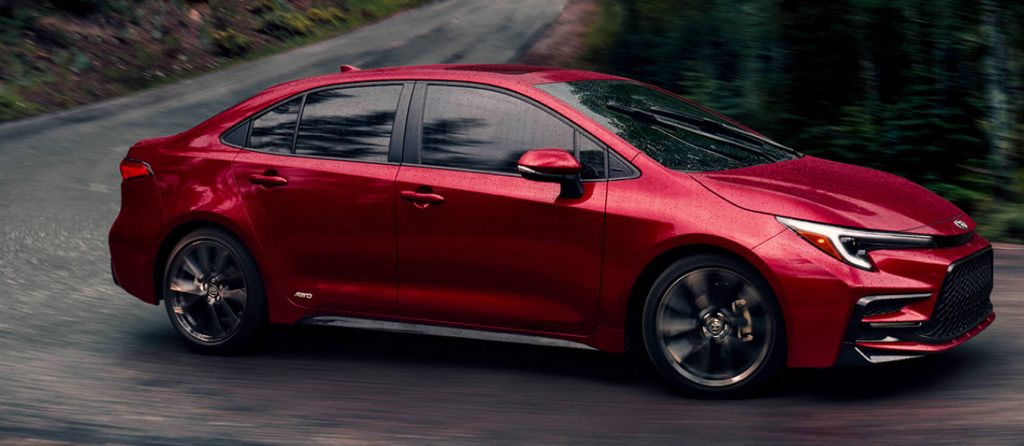
The JBL system provides stronger bass response and more defined highs compared to the base configuration. Sound distribution across the cabin remains balanced, avoiding distortion even at higher volumes.
For buyers who prioritize long-term reliability but also value in-car entertainment, the Corolla’s available JBL system is a compelling option.
6. Chevrolet Trax
The redesigned Chevrolet Trax has become a strong contender in the subcompact SUV category. While it is not marketed as a premium audio vehicle, its updated speaker tuning and quieter cabin have noticeably improved sound quality.
The system handles streaming audio clearly and maintains solid midrange performance. Bass output is moderate but clean, without excessive distortion.
For drivers seeking SUV practicality with respectable audio performance at an affordable price, the Trax delivers a balanced experience.
The Chevrolet Trax represents Chevrolet’s entry into the subcompact SUV segment, offering urban-friendly dimensions, practical cargo flexibility, and modern connectivity at an accessible price point.
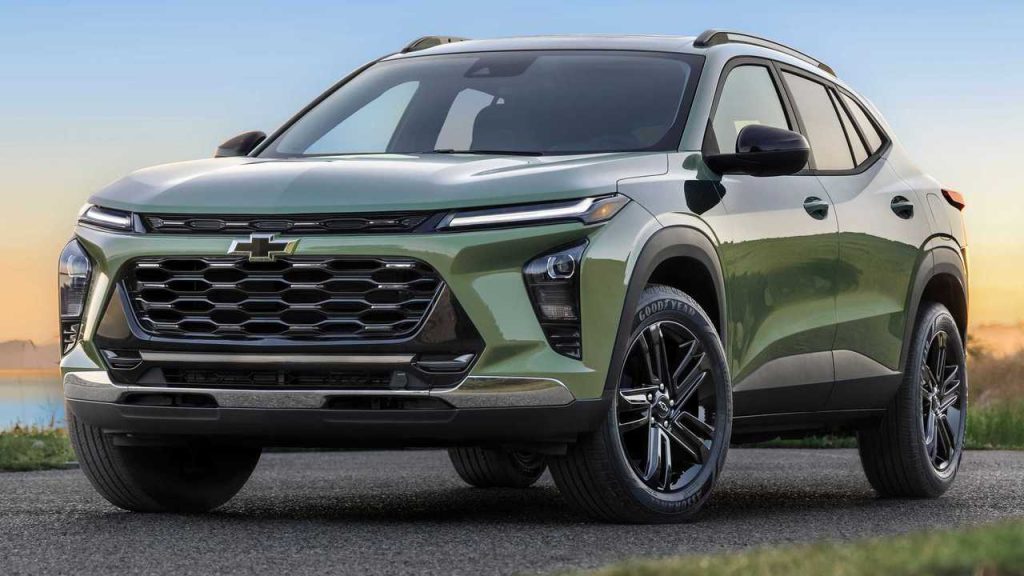
Designed primarily for city drivers and first-time buyers, the Trax balances maneuverability with the elevated seating position and versatility that many American consumers now prefer over traditional compact sedans.
Visually, the redesigned Trax adopts a more assertive and contemporary appearance compared to earlier generations. Its front fascia features a wider grille and slim lighting elements that create a cleaner, more modern aesthetic.
The body proportions emphasize length and stability rather than height alone, giving it a planted stance uncommon in older subcompact SUVs. The overall design feels more mature and less economy-focused, reflecting Chevrolet’s push toward broader market appeal.
Under the hood, the Trax typically utilizes a turbocharged three-cylinder engine calibrated for efficiency and everyday drivability. While not performance-oriented, the powertrain delivers steady acceleration suitable for urban commuting and highway merging.
The turbocharged configuration helps maintain usable torque at lower speeds, making stop-and-go traffic less taxing. Transmission tuning emphasizes smooth gear changes and predictable throttle response rather than aggressive output.
Ride quality prioritizes comfort and stability. Suspension calibration absorbs uneven pavement and city road imperfections effectively, making the Trax well-suited for metropolitan environments. Steering remains light and easy to manage in tight parking scenarios, reinforcing its practicality in crowded areas.
7. Nissan Sentra
The Nissan Sentra offers one of the more impressive optional audio systems in the compact sedan class. Its available Bose premium system delivers enhanced bass presence and refined high-frequency articulation.
Even lower trims benefit from thoughtful cabin insulation, allowing the standard system to perform well. The upgraded Bose configuration introduces improved sound staging and greater depth, creating a more immersive listening experience.
For commuters spending extended time on highways, the Sentra’s sound system provides clarity that holds up at speed.
The Nissan Sentra occupies a central position in the compact sedan market, delivering a blend of efficiency, comfort, and contemporary styling at a price point designed to remain accessible to U.S. buyers.
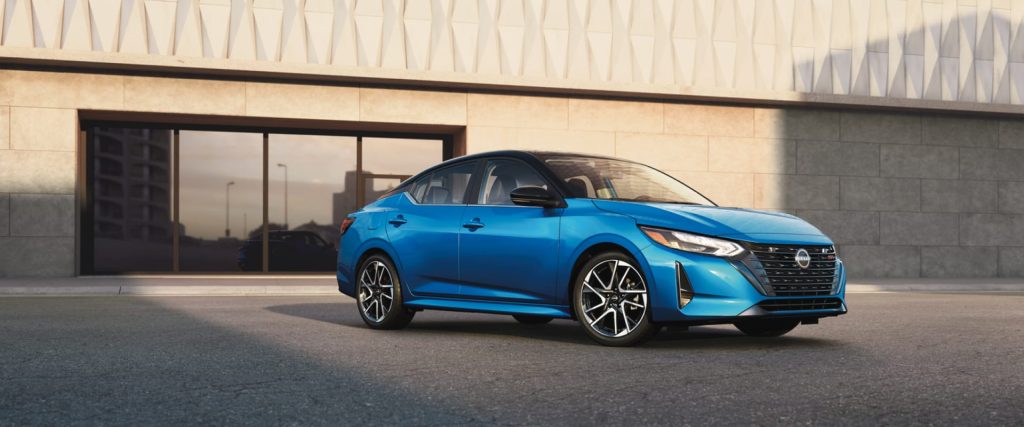
While earlier generations emphasized basic transportation, the modern Sentra reflects Nissan’s effort to elevate refinement and perceived quality within the entry-level segment.
From an exterior perspective, the Sentra adopts design cues that align with Nissan’s broader sedan lineup. A wide front grille and sharp headlamp design create a more assertive visual presence than many compact competitors.
The body lines are sculpted with subtle precision, avoiding excessive ornamentation while maintaining a clean and cohesive silhouette. The stance feels lower and more composed, giving the Sentra a more mature appearance than traditional economy sedans.
Under the hood, the Sentra typically features a naturally aspirated four-cylinder engine tuned for fuel efficiency and smooth power delivery. Acceleration is steady rather than aggressive, prioritizing daily commuting and predictable throttle response.
The continuously variable transmission (CVT) is calibrated to maintain engine efficiency while minimizing abrupt shifts. While not performance-focused, the powertrain delivers adequate responsiveness for highway merging and urban traffic conditions.
8. Subaru Impreza
The Subaru Impreza is known for practicality and all-wheel-drive capability, but its available Harman Kardon audio system makes it competitive in sound quality as well.
The system offers controlled bass and clear mids, producing a balanced sound signature that suits a wide range of music styles. The hatchback configuration enhances acoustic depth, contributing to a fuller listening experience.
For drivers in regions where Subaru’s AWD advantage matters, the Impreza provides strong audio without sacrificing utility.
The Subaru Impreza occupies a distinct position within the compact car segment by combining everyday practicality with standard all-wheel drive, a feature rarely found in entry-level vehicles.
Designed to appeal to drivers who prioritize year-round traction and durability, the Impreza balances efficiency with confidence-inspiring road manners, particularly in regions where weather conditions demand added stability.
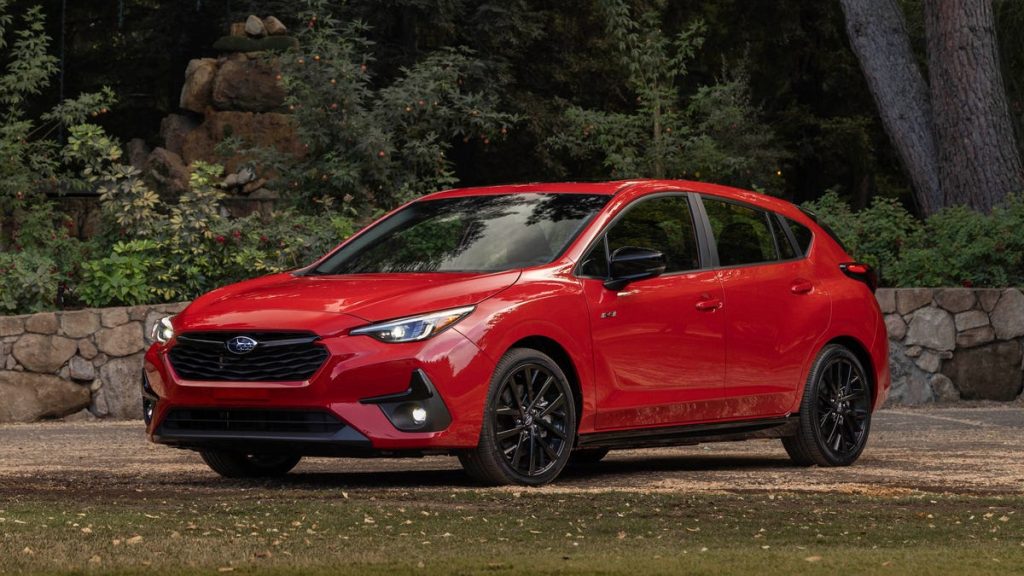
From a design standpoint, the Impreza presents a clean and functional exterior. Its proportions emphasize balance rather than aggression, with smooth body contours and a modest front fascia that reflects Subaru’s understated aesthetic.
The hatchback configuration, in particular, enhances versatility without significantly increasing overall footprint, making it suitable for urban commuting as well as outdoor-oriented lifestyles.
Under the hood, the Impreza typically features a naturally aspirated flat-four “boxer” engine. The horizontally opposed engine layout lowers the vehicle’s center of gravity, contributing to stable handling characteristics.
While acceleration is tuned primarily for efficiency and smoothness rather than performance, throttle response remains predictable and manageable for everyday driving scenarios. The continuously variable transmission (CVT) supports steady power delivery while optimizing fuel economy.
One of the Impreza’s defining mechanical traits is its symmetrical all-wheel-drive system. Unlike part-time systems that activate only when slip is detected, Subaru’s configuration distributes power continuously to all four wheels.
This enhances traction on wet pavement, snow-covered roads, and loose surfaces, providing additional driver confidence.
9. Volkswagen Jetta
Volkswagen’s Jetta combines composed ride characteristics with solid audio tuning. The available BeatsAudio system adds punchier bass and energetic sound staging, appealing to drivers who prefer a more dynamic audio profile.
Even the standard system performs well for its price class, offering clean highs and steady midrange output. The cabin’s material quality and insulation contribute to reduced distortion and improved clarity.
The Jetta remains a strong choice for buyers who value balanced driving dynamics paired with respectable sound performance.
The Volkswagen Jetta occupies a distinctive position in the compact sedan segment, offering a blend of European-influenced driving dynamics, efficient turbocharged performance, and understated styling.
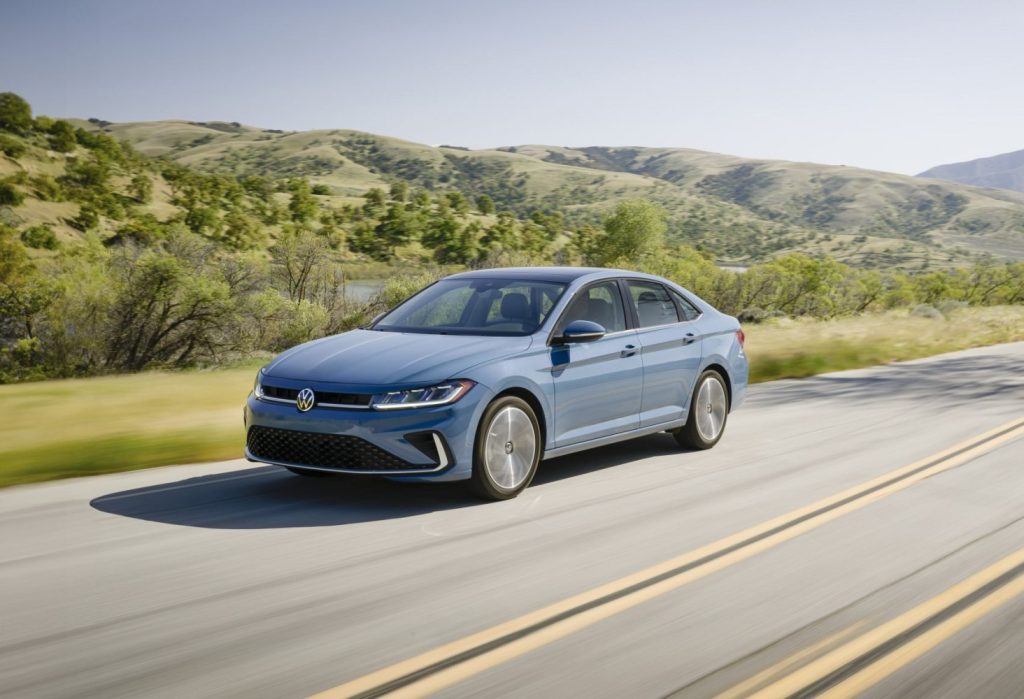
While priced within reach of entry-level buyers in the U.S. market, the Jetta presents a level of composure and refinement that often feels closer to mid-tier sedans.
Under the hood, the Jetta typically features a turbocharged four-cylinder engine designed to deliver accessible torque at lower RPM ranges. This setup enhances responsiveness during city driving and highway merging without requiring excessive throttle input.
The turbocharged configuration also contributes to improved fuel efficiency compared to larger naturally aspirated engines. Transmission options often include a smooth-shifting automatic, with select trims offering a manual transmission for drivers seeking greater engagement.
10. Ford Maverick
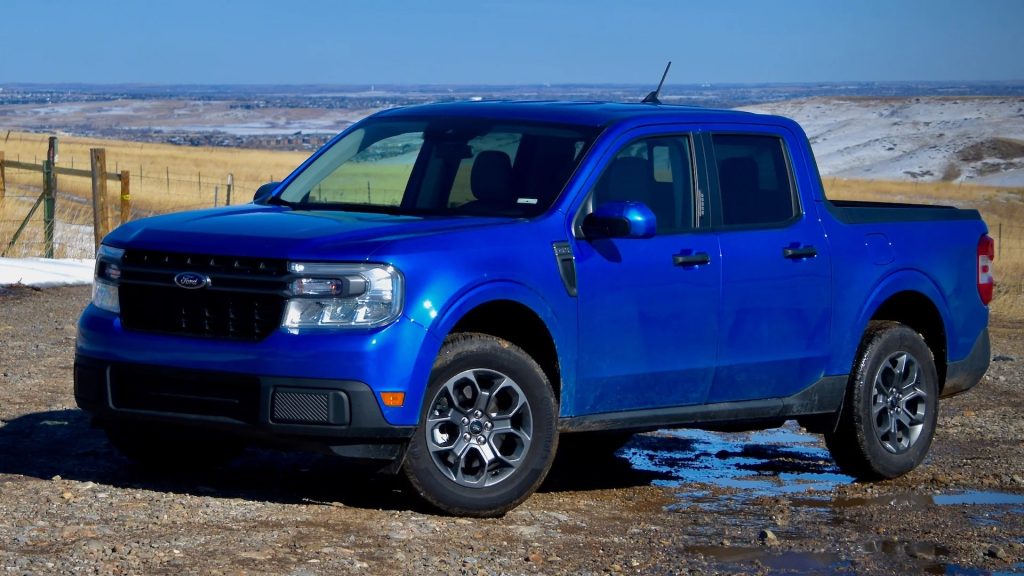
Although technically a compact pickup, the Ford Maverick qualifies as an entry-level vehicle in terms of price and accessibility. Its sound system has surprised many buyers with its clarity and speaker distribution.
Mid-tier trims with upgraded audio packages provide stronger bass and clearer treble compared to traditional base truck systems. The Maverick’s cabin design supports even sound dispersion, contributing to a comfortable listening environment.
For buyers who want versatility without sacrificing audio quality, the Maverick stands out as a unique and capable option.
Several factors explain the rapid improvement in factory audio systems within affordable vehicles.
First, consumer expectations have evolved. Streaming services such as Spotify, Apple Music, and high-resolution audio platforms have increased awareness of sound quality. Buyers now expect strong performance regardless of vehicle price.
Second, automakers frequently partner with established audio brands such as Bose, JBL, Harman Kardon, and Beats to differentiate trims and attract younger buyers.
Third, advances in digital signal processing allow engineers to fine-tune sound profiles more precisely. Even systems with fewer speakers can deliver impressive clarity when properly calibrated.
Finally, improvements in cabin insulation reduce road noise, allowing audio systems to operate more effectively without requiring excessive volume.
Entry-level vehicles in today’s U.S. market no longer require drivers to compromise on audio quality. While ultra-luxury models still offer advanced multi-speaker surround systems with higher wattage output, many affordable compact cars and small SUVs now provide balanced, immersive sound experiences.
For first-time buyers, students, young professionals, and families managing tighter budgets, strong factory sound systems are more accessible than ever. Vehicles like the Mazda3, Honda Civic, Hyundai Elantra, and Ford Maverick prove that excellent audio can exist in practical, affordable packages.
When shopping for a new vehicle, buyers should test the sound system using familiar music at varying speeds. Cabin noise levels, speaker placement, and tuning characteristics all influence the listening experience.
