

The modern automobile is undergoing one of the most significant transformations since the shift from carburetors to fuel injection. For over a century, cars were primarily mechanical machines powered by engines, controlled by physical components, and upgraded only through hardware redesigns.
Today, vehicles are rapidly evolving into rolling computers, complex digital platforms driven as much by software as by steel and aluminum. In the United States, where personal vehicles remain central to daily life, this shift carries profound implications.
The rise of the software-defined vehicle (SDV) marks a structural change in how cars are designed, sold, maintained, updated, and even monetized. In a software-defined vehicle, core functionality, from performance tuning to safety features, is controlled and continuously refined through code rather than purely mechanical components.
This transformation is not limited to electric vehicles. While EV manufacturers have accelerated the trend, traditional automakers are also restructuring their development pipelines around centralized computing architectures, over-the-air (OTA) updates, cloud connectivity, and digital feature activation.
For American drivers, that means ownership is no longer static. Vehicles can evolve long after purchase.
Below are eight reasons why software-defined vehicles are fundamentally reshaping what it means to own a car.
1. Over-the-Air Updates Extend Vehicle Lifespan
Over-the-air (OTA) updates are fundamentally changing how long a vehicle remains technologically relevant. In the past, once a car left the dealership lot, its software and electronic systems were largely fixed.
Improvements required service visits, physical part replacements, or waiting for the next model year redesign. With software-defined vehicles, manufacturers can now push updates wirelessly, allowing cars to evolve long after purchase.
For U.S. drivers, this represents a major shift in ownership value. OTA updates can enhance infotainment responsiveness, refine navigation systems, improve voice recognition accuracy, and optimize battery management in electric vehicles.
In some cases, updates even adjust acceleration mapping, energy efficiency, or driver-assistance calibration. Instead of becoming outdated within a few years, vehicles can receive meaningful performance and feature enhancements remotely.
Safety improvements are particularly significant. Advanced driver-assistance systems (ADAS), such as lane-keeping assist and adaptive cruise control, rely heavily on software algorithms.
Through OTA updates, manufacturers can refine these systems to improve object detection accuracy, braking response timing, or sensor integration. That means a vehicle purchased today can potentially become safer over time through algorithmic enhancements.
OTA updates also reduce inconvenience. Rather than scheduling dealership appointments for minor system adjustments or bug fixes, drivers can install updates overnight via Wi-Fi or cellular connection. This mirrors the experience consumers already expect from smartphones and computers.
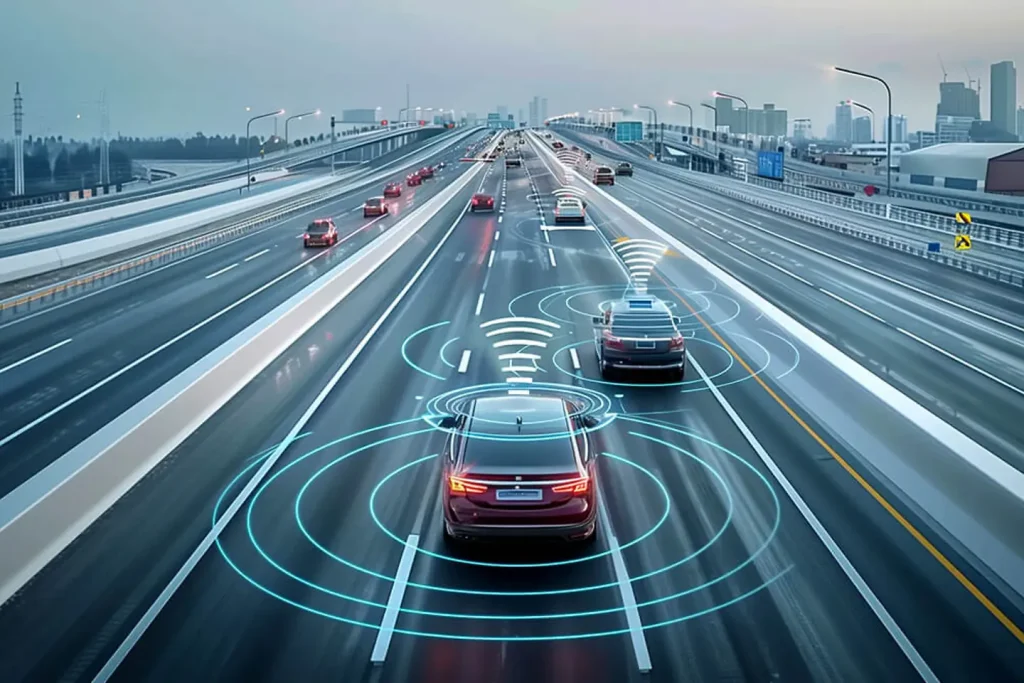
From a longevity standpoint, OTA capability extends a vehicle’s perceived lifespan. Technological obsolescence has traditionally driven owners to trade in vehicles sooner than mechanical wear alone would require. If a car continues receiving updates and feature improvements, it remains competitive for a longer period.
However, this benefit depends on manufacturer support. The duration and frequency of updates vary by brand. For American consumers evaluating new vehicles, long-term software support policies are becoming as important as warranty coverage.
OTA updates transform vehicles from static products into evolving platforms. By continuously refining performance, safety, and usability, software-defined architecture allows cars to adapt over time, fundamentally extending their functional and technological lifespan in the modern automotive landscape.
2. Features Can Be Activated After Purchase
The ability to activate features after purchase represents one of the most disruptive shifts introduced by software-defined vehicles. Traditionally, vehicle functionality was locked in at the point of sale.
Buyers selected a trim level, added optional packages, and once the paperwork was signed, that configuration remained permanent. If a driver later decided they wanted additional features, the only path forward was trading in the vehicle for a higher trim model.
Software-defined architecture changes that model entirely. In many modern vehicles, the necessary hardware for certain features is already installed at the factory.
Heated seats, advanced lighting patterns, adaptive cruise control, or performance modes may be physically present but digitally inactive. Through software authorization, manufacturers can enable these features later via over-the-air activation.
For U.S. drivers, this introduces flexibility that aligns with changing lifestyles. A driver who initially declines heated seats in a warm climate may relocate to a colder region and activate them later without replacing hardware.
Similarly, enhanced driver-assistance functions can be added as needs evolve, particularly for commuters with longer highway travel.
This model also alters financial planning. Instead of bundling features into higher-priced trims upfront, automakers can offer one-time activation fees or subscription-based access. Buyers gain the option to spread out feature costs over time, though this approach has sparked debate over long-term value.
From a resale perspective, vehicles with unlockable features may hold stronger appeal. Future owners may choose to activate capabilities that the original buyer never used, increasing adaptability across ownership cycles.
However, this flexibility also raises consumer awareness about transparency. Buyers must understand which features are included permanently and which require additional payment. Clear communication from manufacturers becomes essential.
Post-purchase feature activation transforms vehicles into customizable platforms rather than fixed products. It reflects a broader digital trend where ownership includes expandable functionality.
For American consumers accustomed to upgrading technology on demand, this approach aligns automotive ownership more closely with the evolving software ecosystem shaping modern life.

3. Car Subscription Models Are Redefining Value
Subscription models are redefining how value is measured in vehicle ownership. For decades, purchasing a car in the United States meant paying upfront for permanent access to its hardware and features.
Once you selected a trim level and optional packages, those capabilities belonged to you for the life of the vehicle. Software-defined vehicles have introduced a different structure: ongoing access rather than permanent inclusion.
Automakers are increasingly offering certain features through subscription plans. These may include advanced driver-assistance systems, enhanced navigation services, premium connectivity, remote start functions, performance upgrades, or even comfort features such as heated seats.
Instead of a one-time purchase at the dealership, drivers can activate these features monthly or annually through digital platforms.
For some consumers, this model offers flexibility. A driver might subscribe to enhanced navigation during frequent travel months and cancel during periods of reduced use.
Performance boosts or off-road modes could be activated for a road trip and disabled afterward. This usage-based access mirrors streaming services and other digital subscriptions that have become common in American households.
However, subscription pricing also changes the long-term ownership equation. While initial vehicle purchase prices may appear lower without bundled features, cumulative subscription costs over several years can exceed traditional upfront pricing.
This has prompted debate among consumers who prefer permanent ownership of hardware they already physically possess.
From the manufacturer’s perspective, subscription models create recurring revenue streams beyond the initial vehicle sale.
Vehicles become ongoing service platforms rather than one-time transactions. This aligns with the broader technology industry’s shift toward software-as-a-service economics.
For U.S. drivers evaluating new vehicles, understanding subscription policies is becoming essential. Buyers must assess not only purchase price and fuel economy but also the cost of maintaining desired features over time.
Subscription-based functionality reflects the integration of automotive ownership into the digital economy. It redefines value from static hardware acquisition to dynamic feature access, a transition that continues reshaping how Americans think about vehicle ownership and long-term cost.
4. Centralized Computing Improves Safety and Performance
Centralized computing is one of the foundational pillars of the software-defined vehicle, and it plays a direct role in improving both safety and performance.
Traditional vehicles relied on dozens of separate electronic control units (ECUs), each responsible for a specific function, engine management, braking, infotainment, transmission, airbag deployment, and more.
These modules often operated semi-independently, communicating through complex wiring networks that limited real-time data sharing.
In a centralized computing architecture, many of these functions are consolidated into a smaller number of high-performance processors.
Instead of isolated modules reacting individually, systems now operate through a coordinated software platform capable of processing vast amounts of data simultaneously. This shift dramatically increases computational speed and system cohesion.
For U.S. drivers, the safety implications are substantial. Advanced driver-assistance systems (ADAS), such as automatic emergency braking, lane-keeping assist, blind-spot monitoring, and adaptive cruise control, depend on continuous data streams from cameras, radar sensors, ultrasonic detectors, and GPS inputs.
Centralized computing allows these data sources to be analyzed in real time, improving response accuracy and reducing latency.
For example, when a vehicle detects a pedestrian crossing unexpectedly, centralized systems can coordinate braking, steering assistance, and stability control almost instantaneously. Faster data integration reduces the likelihood of delayed reactions that could lead to collisions.
Performance also benefits from this architecture. Engine tuning, regenerative braking optimization in electric vehicles, traction management, and suspension adjustments can all be managed through unified software control. This enables smoother transitions between driving modes and more precise power delivery.
Additionally, centralized systems simplify over-the-air updates. Instead of patching dozens of independent modules, manufacturers can refine algorithms within a unified computing environment. This means safety improvements and performance enhancements can be deployed more efficiently.
While centralized computing increases reliance on robust cybersecurity, it fundamentally modernizes vehicle architecture. For American consumers, it translates to more responsive safety systems, smoother driving dynamics, and vehicles that can adapt and improve over time through software refinement.
5. Remote Diagnostics and Predictive Maintenance
Remote diagnostics and predictive maintenance are redefining how vehicle owners approach service and reliability. In traditional automotive ownership, maintenance has largely followed fixed schedules, oil changes every certain number of miles, brake inspections at recommended intervals, and routine service visits based on time or mileage.
While effective, this model does not always reflect the actual condition of individual components. Software-defined vehicles introduce a more data-driven approach.
Modern vehicles are equipped with dozens of sensors continuously monitoring engine performance, battery health, brake wear, tire pressure, transmission behavior, and electrical systems.
Through telematics and cloud connectivity, this data can be transmitted securely to manufacturer servers or dealership service departments. Instead of waiting for a warning light to illuminate, potential issues can be identified early through pattern recognition and anomaly detection.
For U.S. drivers who rely heavily on personal vehicles for commuting and daily life, predictive maintenance reduces the likelihood of unexpected breakdowns.
Algorithms can detect irregularities in system performance, such as subtle battery voltage fluctuations or abnormal temperature patterns, before they escalate into costly failures.
Owners may receive alerts through smartphone apps, email notifications, or dashboard messages recommending inspection before a problem becomes critical.
Remote diagnostics also streamline service appointments. When a vehicle reports an issue, dealerships can often review diagnostic codes and performance data in advance.
This reduces guesswork, shortens repair times, and ensures the correct parts are available upon arrival. In some cases, minor software-related issues can be resolved entirely through over-the-air updates without a service visit.
This approach shifts maintenance from reactive to proactive. Instead of responding to breakdowns, owners can address emerging issues with greater precision. Over time, predictive analytics may even tailor service recommendations based on individual driving habits and environmental conditions.
While privacy considerations and data security remain important factors, remote diagnostics provide measurable benefits in reliability and convenience.
For American consumers, particularly those managing busy schedules, predictive maintenance represents a practical advantage of software-defined vehicle architecture, one that improves uptime and extends long-term vehicle health through intelligent monitoring rather than rigid intervals.

6. Cybersecurity Becomes Central to Ownership
Cybersecurity has become a central component of vehicle ownership as cars transition from isolated mechanical machines to fully connected digital platforms.
In the past, vehicle security focused primarily on physical protection, locks, immobilizers, and alarm systems. Today, with wireless connectivity, smartphone integration, over-the-air updates, and cloud-linked services, digital protection is equally critical.
Modern vehicles communicate through Wi-Fi, Bluetooth, cellular networks, GPS, and vehicle-to-infrastructure systems. Each of these communication channels introduces potential vulnerabilities if not properly secured.
Hackers may attempt to exploit weaknesses in infotainment software, remote start systems, telematics units, or keyless entry protocols. While large-scale breaches remain rare, cybersecurity threats are an active area of concern for automakers and regulators alike.
For U.S. drivers, cybersecurity is no longer an abstract concept. Vehicles now store personal data, including contact lists, navigation history, garage codes, and sometimes payment information linked to connected services.
A compromised vehicle system could expose sensitive data or, in extreme cases, interfere with vehicle operation.
Manufacturers are responding by investing heavily in encryption, intrusion detection systems, and regular security patches delivered through over-the-air updates.
Dedicated cybersecurity teams monitor for vulnerabilities and deploy fixes proactively. Federal agencies and industry groups have also developed guidelines to strengthen automotive cybersecurity standards.
From an ownership perspective, drivers play a role as well. Keeping vehicle software updated, using strong passwords for companion apps, enabling multi-factor authentication when available, and avoiding unsecured public Wi-Fi networks for vehicle connectivity are all important practices.
Cybersecurity also influences resale value and long-term reliability. Vehicles with outdated software or unsupported systems may carry higher risk profiles over time. As cars become more digitally integrated, buyers increasingly evaluate security track records alongside mechanical durability.
7. Integration with Smart Ecosystems
Integration with smart ecosystems is one of the clearest indicators that vehicles are no longer standalone machines but active participants in a broader digital environment.
Software-defined vehicles are designed to communicate not only with drivers, but with smartphones, home networks, cloud services, and even energy infrastructure. This level of connectivity fundamentally reshapes how Americans interact with their cars on a daily basis.
Through dedicated mobile apps, owners can remotely lock and unlock doors, start engines, precondition cabin temperature, locate the vehicle in crowded parking lots, and monitor charging status for electric models.
These functions extend control beyond physical proximity, allowing drivers to manage their vehicle from virtually anywhere with an internet connection.
For households that rely on smart home platforms, integration goes further. Electric vehicles can be programmed to charge during off-peak utility hours, reducing energy costs.
Some systems coordinate with home solar panels or battery storage systems to optimize charging efficiency. Climate control can be activated remotely before departure, improving comfort without idling the engine unnecessarily.
Voice assistants such as Amazon Alexa, Google Assistant, or Apple Siri can interact with connected vehicles. Drivers can check fuel levels, confirm door lock status, or send navigation destinations directly from their smart devices. This seamless communication reduces friction between daily routines and vehicle use.
In urban and suburban U.S. settings, integration also supports navigation updates, traffic-based rerouting, and real-time weather alerts. Cloud-connected systems continuously refine route efficiency and provide predictive arrival times.
However, this ecosystem connectivity also reinforces the importance of cybersecurity and data privacy. As vehicles become nodes within larger networks, secure encryption and responsible data management are essential.

8. Residual Value and Data Influence Resale
Residual value has traditionally been shaped by mileage, condition, brand reputation, and maintenance history. In the era of software-defined vehicles, however, digital factors and stored data are beginning to influence resale value in ways that were previously irrelevant.
As vehicles become increasingly software-driven, the state of their digital architecture now plays a meaningful role in determining market appeal.
One key factor is software status. Vehicles that remain current with manufacturer updates are often perceived as more secure and technologically relevant.
A car that has received regular over-the-air updates may offer improved driver-assistance calibration, enhanced infotainment performance, or refined battery management compared to an identical model running outdated software. For prospective buyers, this ongoing support can increase confidence and justify stronger resale pricing.
Activated features also affect valuation. In some software-defined vehicles, certain hardware components are installed universally but require digital activation.
A vehicle with permanently unlocked features, such as advanced driver assistance systems, upgraded performance modes, or premium connectivity services, may command a higher resale value than one with those features deactivated.
Buyers may consider whether subscriptions transfer with ownership or whether additional costs are required to access full functionality.
Data transparency is another emerging element. Telematics systems can record maintenance history, battery health metrics (in electric vehicles), driving behavior trends, and diagnostic reports.
In the U.S. used vehicle market, documented service history already influences buyer confidence. Now, digital health reports may provide even deeper insight into a vehicle’s condition. For example, verified battery health data in an electric vehicle can significantly impact resale pricing.
At the same time, privacy considerations must be addressed. Before resale, owners should ensure personal data, including contact lists, navigation history, and stored account credentials, is properly removed from the vehicle’s system.
As automotive software continues to evolve, resale value will increasingly reflect not only mechanical condition but digital standing. In a software-defined future, buyers are purchasing both hardware and code, and the quality of both influences long-term ownership economics.
For decades, vehicle ownership in the United States centered around mechanical durability, horsepower, fuel economy, and design. While those factors remain important, digital architecture now plays an equally critical role.
Software-defined vehicles challenge traditional assumptions about depreciation, customization, and longevity. A car purchased today may gain new capabilities tomorrow. Conversely, ownership may include ongoing digital costs that extend beyond the sticker price.
Consumers must evaluate vehicles not only by engine specifications and trim levels but also by software support policies, update frequency, subscription transparency, and cybersecurity track records.
This shift also influences regulation. Federal safety agencies increasingly monitor automated driving systems and cybersecurity compliance. Insurance providers are adjusting risk assessments based on connected vehicle features.
Software-defined vehicles represent a structural change in automotive design and ownership. For U.S. drivers, this evolution brings both opportunity and complexity.
Continuous improvement through over-the-air updates extends vehicle relevance. Feature flexibility enhances customization. Predictive maintenance reduces downtime. Yet subscription models and cybersecurity concerns introduce new considerations.
Ownership is no longer defined solely by mechanical hardware. It now includes digital infrastructure, cloud connectivity, and evolving functionality.
As automakers continue transitioning toward centralized computing platforms and software-first engineering, American drivers will increasingly experience vehicles not as fixed products but as dynamic systems, capable of adaptation long after leaving the dealership.
The road ahead is no longer just paved with asphalt. It is coded in software.
