
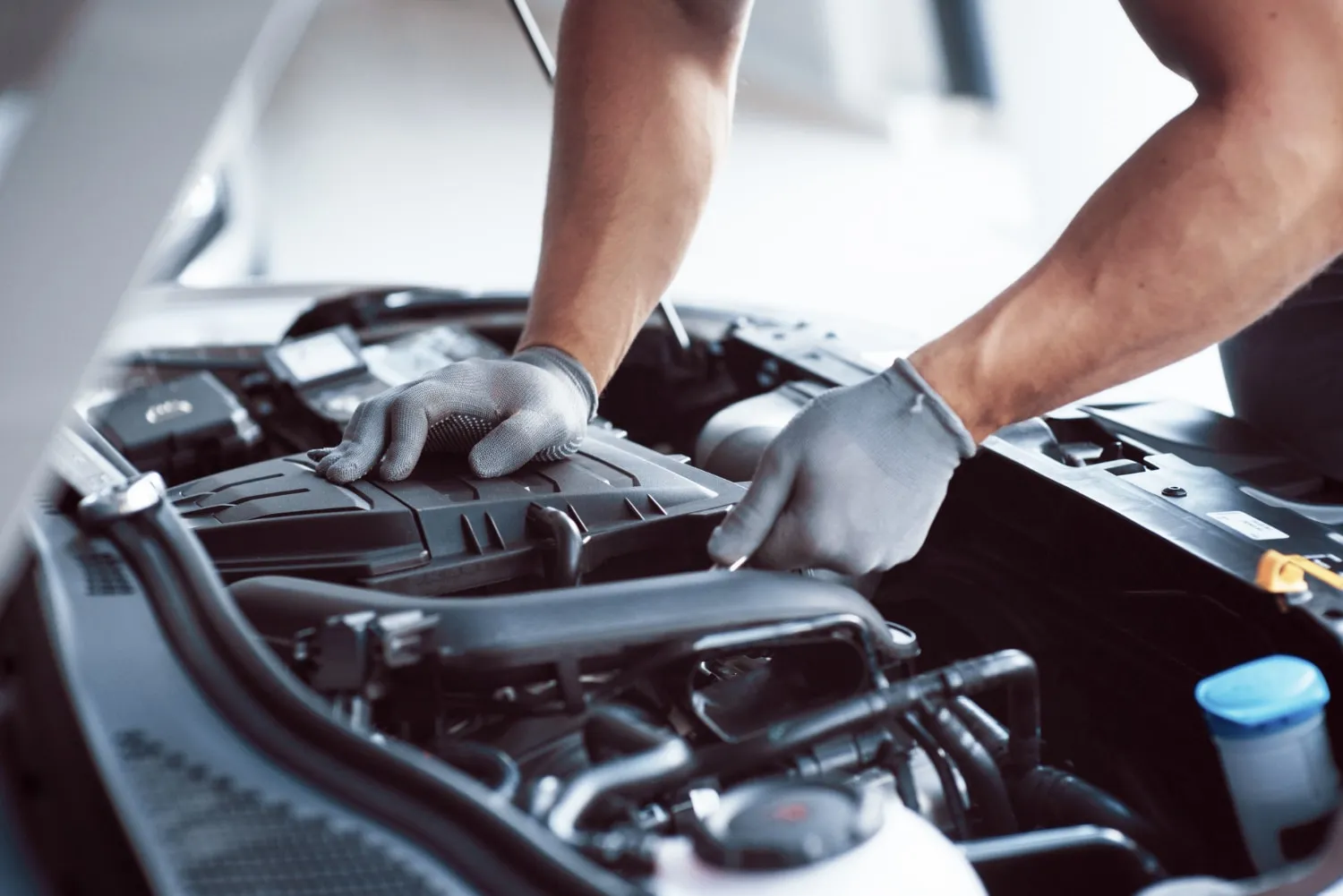
Grease on your hands, a solid set of tools on the bench, and the satisfaction of fixing your own car. Few things match that feeling. Working on your vehicle saves money, builds confidence, and creates a deeper connection with what you drive every day. Yet not every car makes that process simple.
Modern vehicles pack in technology, tight engine bays, and layers of plastic covers that can turn a basic repair into a frustrating project. That is why choosing a DIY friendly car matters. Accessible components, straightforward engine layouts, affordable parts, and strong community support all make a huge difference when you are under the hood.
Some models stand out for their mechanical simplicity. Others shine because parts are widely available and tutorials are easy to find. A few combine durability with smart engineering that leaves room to work without scraping your knuckles every five minutes.
Below, you will find ten cars that consistently earn praise from home mechanics. Each one offers practical design, dependable engineering, and a reputation for being approachable. If you enjoy turning your own wrenches or want to start learning, these vehicles make the journey far more rewarding.

1. Toyota Corolla 2010
Reliable, straightforward, and built with common-sense engineering, the Toyota Corolla 2010 is a dream for hands-on owners. Under the hood, you will not find unnecessary complications. Instead, you get a naturally aspirated four-cylinder engine with generous access to spark plugs, belts, and filters.
The space around the engine bay feels open compared to many newer compact cars. Oil changes are simple. Air filter replacement takes minutes. Even starter motor and alternator jobs can be handled without removing half the front end. That kind of accessibility builds confidence, especially for beginners.
Parts availability remains one of this model’s strongest advantages. Local auto parts stores stock nearly everything you might need, and pricing stays reasonable. Online tutorials and forum discussions are abundant, walking through common repairs step by step. When something wears out, you are rarely left guessing.
Durability also plays a role. Corolla engines from this era have a reputation for long service life when basic care is followed. Timing chain design eliminates the need for routine belt replacement, reducing long term maintenance tasks. Suspension components are simple and widely understood, making brake jobs and strut replacements approachable weekend projects.
Electronics remain manageable. Diagnostic trouble codes can be read with an affordable scanner, and systems are less layered than in newer vehicles. That simplicity allows DIY mechanics to focus on mechanical repairs rather than chasing software glitches.
For someone building skills or looking for a dependable project car, this Corolla offers a balanced experience. It does not fight you. It does not hide parts behind complicated assemblies. It rewards patience and basic mechanical knowledge with straightforward serviceability and long-term reliability.

2. Honda Civic 2012
Compact size does not always mean cramped design, and the Honda Civic 2012 proves that point clearly. Its engine bay layout reflects thoughtful engineering aimed at efficiency and practicality, which benefits home mechanics tremendously.
Open the hood and you will notice how components are logically arranged. Spark plugs sit right on top of the engine, making replacement quick and painless. Oil filter placement is reachable without gymnastics. Battery access is unobstructed, so replacement becomes a simple task rather than a stressful ordeal.
Honda’s naturally aspirated engines from this generation rely on proven technology. No turbochargers crowd the engine bay. No excessive plumbing snakes around critical components. This keeps repairs focused and manageable. Routine services such as brake pad replacement or coolant flushes can be completed with standard tools.
Community support for the Civic remains strong. Online guides, video tutorials, and enthusiast forums provide detailed walkthroughs for nearly every common repair. When tackling a job for the first time, having that shared knowledge can make all the difference.
Parts pricing stays reasonable due to the Civic’s popularity. Aftermarket options are plentiful, and original equipment components are widely stocked. Suspension parts, sensors, and ignition components rarely require special ordering.
Fuel efficiency and reliability add to the appeal. Fewer breakdowns mean fewer urgent repairs. When work is required, the design encourages learning rather than frustration. Even clutch replacement on manual models remains within reach for experienced DIYers.
For those who want a compact car that supports hands-on ownership, the 2012 Civic stands as a solid choice. It offers enough simplicity to welcome beginners while still rewarding experienced mechanics with predictable, logical engineering.
Also Read: 10 Must-Know Tips Before Working on Any Classic Car
3. Ford F-150 2011
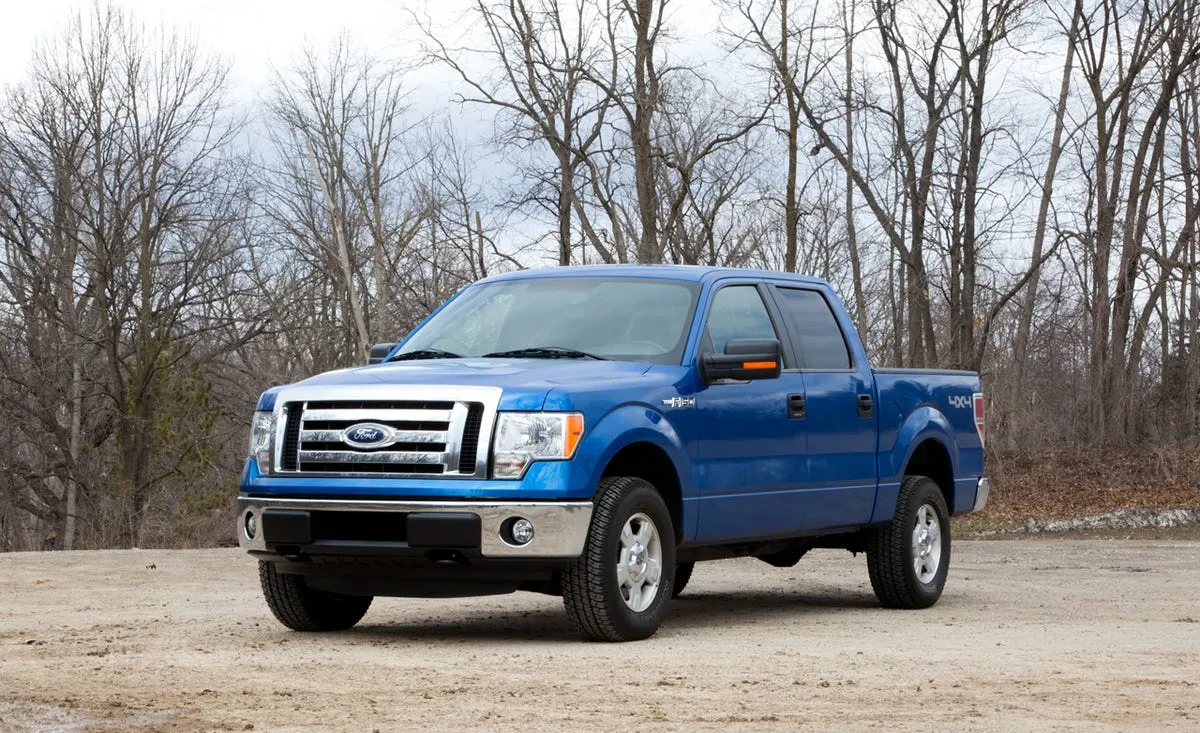
Size can work in your favor, and the Ford F-150 2011 demonstrates how generous space simplifies repairs. This full-size pickup provides room to move under the hood and beneath the chassis, reducing the physical strain that smaller vehicles sometimes create.
Engine options from this year include straightforward V6 and V8 configurations. Components are spaced apart rather than crammed together. Accessing spark plugs, ignition coils, and serpentine belts does not require removing layers of plastic covers. That design alone saves hours during routine service.
Lift the truck slightly with jack stands, and you will appreciate the frame design. Brake jobs feel manageable thanks to large, accessible calipers and rotors. Suspension components such as shocks and control arms are robust and clearly positioned. Working underneath feels less like solving a puzzle and more like following a logical layout.
Parts for the F-150 are easy to source. Because it is one of the best-selling trucks in the United States, aftermarket support is extensive. Whether you need replacement sensors, exhaust components, or drivetrain parts, availability remains strong, and pricing stays competitive.
Electrical systems are relatively straightforward for this era. Diagnostic tools can read codes without expensive equipment. Wiring diagrams are widely available, helping track down issues methodically. Durability also reduces stress for home mechanics. Many examples run for high mileage with consistent care. That reliability means fewer surprises and more predictable service intervals.
For DIY enthusiasts who prefer working with more space and sturdier components, the 2011 Ford F-150 delivers. It combines accessibility, strong parts support, and mechanical clarity in a package built for hands-on ownership.
4. Mazda MX-5 Miata 2015
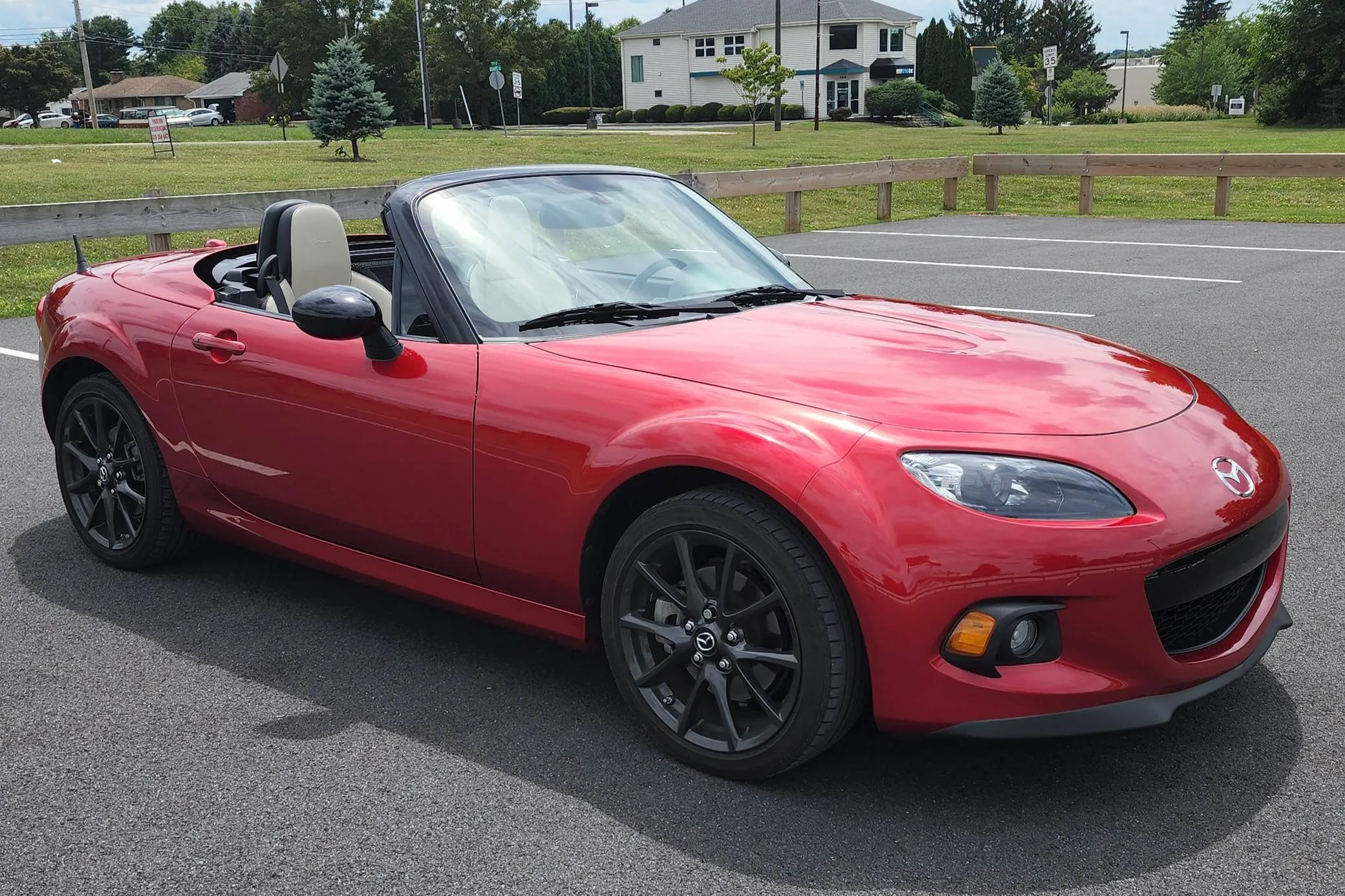
Lightweight sports cars often intimidate new mechanics, yet the Mazda MX-5 Miata 2015 turns that assumption upside down. This compact roadster blends driving excitement with mechanical simplicity, making it surprisingly friendly to service.
Pop the hood, and you will find a naturally aspirated four-cylinder engine with clean routing and visible components. Mazda kept the layout tidy, allowing access to spark plugs, ignition coils, and fluid reservoirs without awkward angles. Basic maintenance tasks such as oil changes and air filter replacements take little time.
Because the Miata is lightweight, parts are manageable in size and weight. Brake rotors and calipers are smaller than those on heavy SUVs, making replacement less physically demanding. Suspension components are straightforward and well-documented, which appeals to enthusiasts who enjoy upgrading or refreshing bushings and shocks.
Strong community involvement supports DIY efforts. Miata owners frequently share repair guides, modification tips, and troubleshooting advice. That shared experience lowers the learning curve for more advanced jobs such as clutch replacement or cooling system service.
Mechanical systems remain relatively uncomplicated compared to many modern performance cars. No excessive turbo plumbing or overcrowded engine bays complicate the picture. Electronic systems exist, yet they rarely overshadow the mechanical foundation.
Fuel economy and reliability add practical benefits. Fewer breakdowns allow you to focus on preventative care and performance improvements rather than emergency repairs. For drivers who want a car that rewards both spirited driving and weekend wrenching, the 2015 Mazda MX-5 Miata offers a balanced experience. It proves that owning a fun car does not mean surrendering control to the repair shop.
5. Chevrolet Silverado 1500 2014
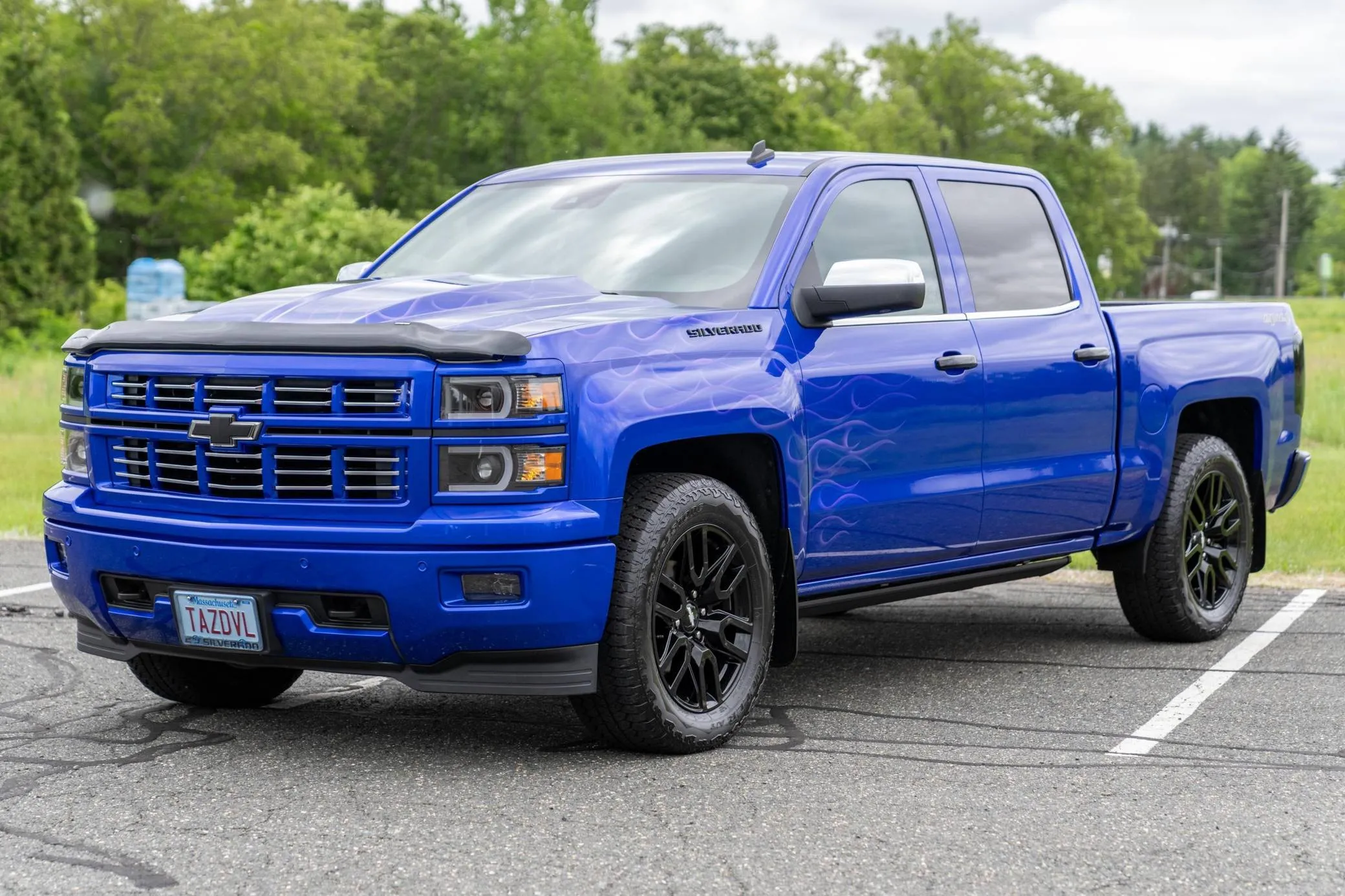
Practical design meets hands-on serviceability in the Chevrolet Silverado 1500 2014. This full-size pickup brings together durability and mechanical accessibility in a way that appeals strongly to DIY mechanics. Engine options such as the naturally aspirated V8 provide a traditional layout with visible components and logical routing.
Spark plug access remains reasonable, and accessory drive components are clearly positioned. Routine jobs such as replacing belts, tensioners, or water pumps can be tackled without disassembling half the engine bay. Underneath, the body-on-frame construction simplifies suspension and drivetrain work.
Ample ground clearance allows easier access when using jack stands. Brake systems are robust and straightforward, supporting confident weekend repairs. Aftermarket support is extensive due to the Silverado’s popularity. Parts ranging from basic filters to larger drivetrain components are widely available. Pricing remains competitive, and many stores keep common items in stock.
Electronic systems are present but manageable. Diagnostic scanners can read and clear codes without specialized dealership tools. Wiring diagrams and repair manuals are easy to obtain, which helps when troubleshooting sensor issues.
Durability further enhances the ownership experience. With regular care, these trucks handle high mileage reliably. That predictability encourages preventative maintenance rather than reactive repairs.
For those who appreciate a traditional truck with room to work and strong parts availability, the 2014 Chevrolet Silverado 1500 stands out. It offers the kind of mechanical clarity that makes DIY service practical, efficient, and satisfying.
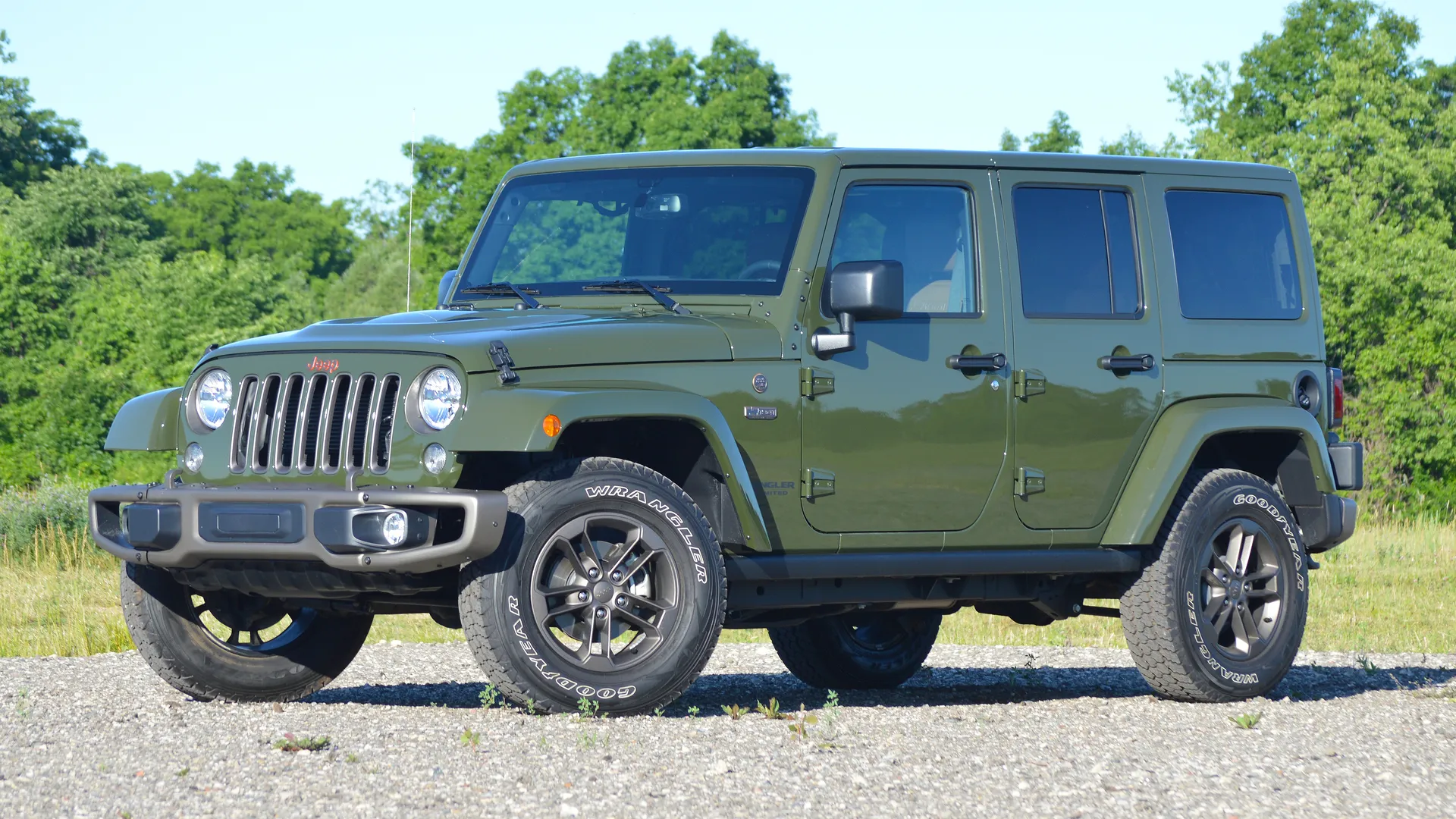
6. Jeep Wrangler JK 2016
Few vehicles encourage hands-on ownership like the Jeep Wrangler JK 2016. Built with body-on-frame construction and a straightforward V6 engine, this SUV feels intentionally approachable for those who prefer turning their own wrenches.
Lift the hood, and you are greeted by an engine bay that offers reasonable space to access ignition components, belts, and fluid reservoirs. Spark plug replacement, coil pack service, and oil changes can be handled without specialized equipment. The layout does not feel overcrowded, and components are positioned logically.
Move underneath, and the Wrangler’s design becomes even more inviting. Solid front and rear axles simplify suspension work compared to independent setups found in many crossovers. Replacing shocks, control arms, or sway bar links is manageable for someone with basic tools and patience. Skid plates and removable panels provide access while still protecting vital parts during daily driving or trail use.
Another advantage lies in the Wrangler community. Owners frequently share repair guides, troubleshooting advice, and detailed walkthroughs for everything from brake jobs to clutch replacements. That collective knowledge reduces guesswork and builds confidence for first-time mechanics.
Parts availability remains strong. Aftermarket support is extensive, and many replacement components are affordable. Whether you are fixing worn items or upgrading suspension components, sourcing what you need rarely becomes a challenge.
Electrical systems are present but not overwhelming. Diagnostic tools can read codes without dealership intervention. Most repairs rely on mechanical skills rather than advanced programming. For drivers who want a vehicle that feels like it welcomes personal involvement, the 2016 Jeep Wrangler JK stands tall. It invites you to learn, improve, and maintain it without excessive frustration.

7. Subaru Forester 2014
Practicality meets mechanical accessibility in the Subaru Forester 2014. This compact SUV offers a balanced design that supports both daily commuting and weekend wrenching. Open the hood, and you will see Subaru’s horizontally opposed engine layout.
While it looks different from inline configurations, it remains approachable. Spark plugs require a bit of patience due to side placement, yet access is still manageable with proper tools. Oil filter and drain plug placement allow for straightforward service without awkward positioning.
Symmetrical All Wheel Drive systems often intimidate new mechanics, yet the Forester’s setup proves dependable and understandable. Fluid changes for the front and rear differentials can be completed with basic knowledge and a service manual. Brake jobs and suspension repairs follow familiar patterns and do not demand specialized equipment.
Community support plays a large role in the Forester’s DIY appeal. Online forums and video tutorials cover common tasks such as timing belt replacement, wheel bearing service, and cooling system repairs. Clear documentation reduces uncertainty and supports skill development.
Parts pricing remains reasonable due to the model’s popularity. Aftermarket suppliers carry a wide selection of components, from control arms to ignition parts. That accessibility keeps repair costs within reach for home mechanics. Interior design is simple, meaning fewer electronic distractions when diagnosing mechanical issues.
Basic OBD scanners can retrieve fault codes, and many repairs rely more on mechanical understanding than software updates. For individuals seeking a versatile SUV that does not push them toward dealership visits for routine service, the 2014 Subaru Forester offers a reassuring balance of durability and serviceability.

8. Hyundai Elantra 2017
Affordability and clarity are central characteristics of the Hyundai Elantra 2017, qualities that position it as a practical option for individuals who prefer to carry out vehicle maintenance independently. Designed with accessibility in mind, this compact sedan offers a mechanical arrangement that supports both beginners and experienced technicians. Its engineering reflects a deliberate effort to balance modern automotive standards with service friendliness.
Beneath the bonnet, the naturally aspirated four-cylinder engine presents a tidy and organised layout. Components are clearly visible, and the spacing between parts allows sufficient room for tools and steady hand movement. Routine procedures such as oil changes are straightforward due to well-positioned drain plugs and oil filters.
Spark plugs are located at the top of the engine, covered by coil packs that can be removed using basic hand tools. Battery placement is unobstructed, which means replacement can be completed efficiently without dismantling adjacent components.
Design priorities for this generation emphasised durability and uncomplicated mechanical systems. Although turbocharged versions are available in certain trims, the base engine retains a simpler structure with fewer high-pressure elements. This reduces the likelihood of intimidating repairs for individuals who are still developing technical competence. Mechanical access remains reasonable, encouraging confidence during servicing tasks.
Brake and suspension maintenance follow established automotive conventions. Front and rear brake pads may be replaced using standard workshop tools, and the positioning of struts and shock absorbers supports access from beneath the vehicle when proper safety precautions are observed.
With adequate lifting equipment and careful attention, these repairs can be conducted methodically without unnecessary difficulty. Diagnostic procedures are also approachable. An affordable OBD scanner can retrieve fault codes quickly, allowing owners to identify potential concerns before they escalate.
Repair guidance is widely accessible through manuals and online instructional materials. Step-by-step explanations and recommendations regarding replacement parts are commonly available, assisting individuals in making informed decisions during servicing.
Cost considerations further enhance the vehicle’s appeal. Replacement parts, particularly common wear items such as filters, sensors, and ignition components, are widely stocked by automotive retailers. Competitive pricing encourages timely maintenance rather than the postponement of necessary repairs.
For motorists seeking a modern compact sedan that supports independent servicing without creating undue difficulty, the Hyundai Elantra 2017 represents a sensible choice. It combines mechanical clarity with reasonable running costs, providing an encouraging platform for disciplined and responsible vehicle ownership.
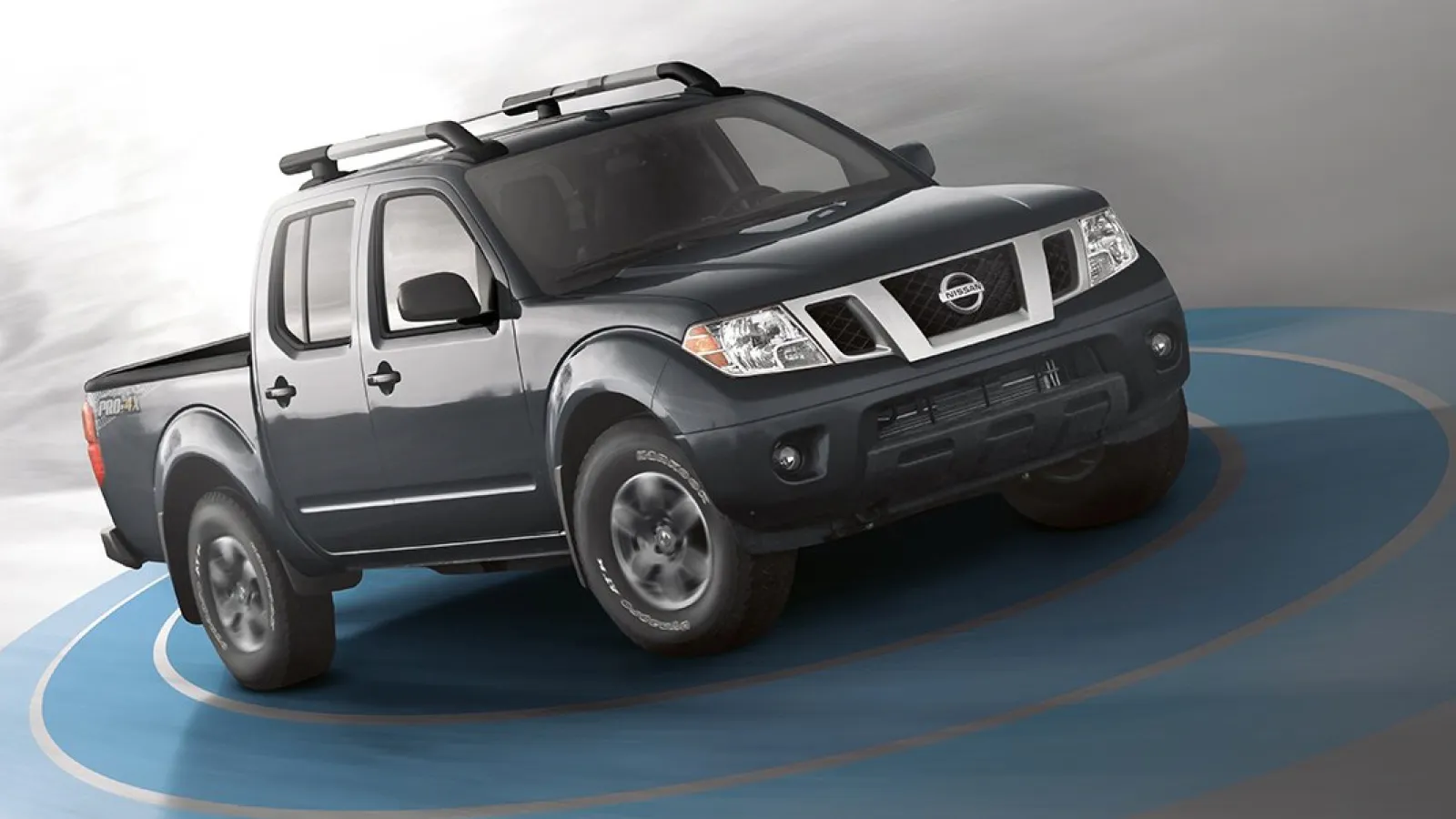
9. Nissan Frontier 2018
Traditional truck engineering continues to command respect in the modern automotive market, and the Nissan Frontier 2018 exemplifies this enduring approach with clarity and discipline.
Designed on a well-established platform, the vehicle offers a level of mechanical simplicity that appeals strongly to individuals who prefer to service and maintain their automobiles personally.
Its structure reflects a practical philosophy that prioritises durability, accessibility, and straightforward functionality. Available engine configurations include naturally aspirated V6 units arranged in a manner that promotes easy access to essential components.
Routine procedures such as spark plug replacement, belt adjustments, and fluid inspections can be carried out without dismantling multiple surrounding parts.
The engine bay provides sufficient space for tools and steady hand movement, thereby reducing unnecessary strain during maintenance activities. This generous layout allows technicians and private vehicle owners alike to approach repairs with confidence and efficiency.
Body-on-frame construction remains one of the Frontier’s defining strengths. This traditional build method simplifies underbody access and supports durability under demanding conditions. Suspension components are sturdy and positioned with practical spacing, allowing shock absorbers, leaf springs, and braking assemblies to be replaced without undue difficulty.
Adequate ground clearance further assists individuals working with jack stands, creating safer and more comfortable working conditions beneath the vehicle. Availability of replacement parts continues to be favourable due to the model’s extended production history.
Both original equipment and aftermarket components can be sourced without excessive delay, and pricing for common service items remains reasonable. Whether addressing worn sensors or renewing suspension bushings, owners rarely encounter prolonged shortages. This steady supply of parts contributes to a smoother repair process and encourages timely maintenance.
Electronic systems within the Nissan Frontier 2018 are present yet restrained. Diagnostic scanners can retrieve fault codes without reliance on specialised dealership equipment. Numerous repairs depend more on practical mechanical knowledge than on advanced software procedures.
This balance between modern technology and mechanical clarity benefits those who prefer direct involvement in vehicle upkeep. Durability remains a central attribute of this pickup truck. With consistent servicing, many examples achieve high mileage while maintaining dependable performance. Such reliability promotes preventative care rather than emergency intervention.
For drivers who value a pickup that remains approachable and honest in its engineering, the Nissan Frontier 2018 stands as a dependable choice. It offers working space, accessible components, and a design philosophy that supports disciplined, hands-on maintenance.
Also Read: 10 Pro Tips That Keep a Toyota Corolla iM Reliable Forever

10. Volkswagen Golf 2016
Compact hatchbacks often present hidden strengths to private vehicle owners who prefer independent servicing, and the Volkswagen Golf 2016 stands as a practical illustration of thoughtful German engineering. Behind its refined exterior styling lies a structure that supports careful, disciplined maintenance when approached with patience and proper preparation.
For individuals willing to study repair procedures and follow instructions precisely, this vehicle offers a rewarding ownership experience. Engine options for the 2016 model typically include efficient four-cylinder petrol and diesel units designed with orderly component placement. Major service points are arranged in a manner that reduces unnecessary obstruction.
In many variants, the oil filter housing is positioned for access from above the engine bay, which simplifies routine oil and filter replacement. This arrangement limits the need to work beneath the vehicle for basic servicing. Spark plug replacement is also straightforward, as ignition coil packs can be detached using standard hand tools without dismantling surrounding assemblies.
Such clarity in layout builds confidence, especially for owners developing their technical ability. The front-end architecture introduces a practical service position feature. For certain repairs, the radiator support can be moved forward to create additional working space without fully detaching the assembly.
This provision proves useful during procedures involving the timing belt, water pump, or cooling system components. While the process demands attention to detail, it reduces unnecessary strain and enhances accessibility once properly executed. Owners who adhere to service manuals and torque specifications will find this design consideration beneficial.
Suspension and braking systems follow conventional arrangements. Front brake pads and discs can be replaced using common workshop tools, provided that safety precautions are observed. Strut assemblies are accessible from both the wheel well and engine bay, allowing methodical removal and installation.
Rear suspension components are similarly approachable when the vehicle is securely lifted. These characteristics reduce uncertainty and encourage structured maintenance habits. Parts availability remains favourable due to the Golf’s global popularity.
Both aftermarket and original equipment components are widely stocked by suppliers. Pricing may vary depending on brand and specification, yet competition among retailers keeps routine service items within reasonable reach. Interior electronics reflect modern automotive standards, though they remain manageable with appropriate diagnostic equipment.
An OBD scanner can retrieve fault codes efficiently, and many common issues relate to replaceable sensors that do not require advanced programming. For drivers seeking a compact vehicle that combines refinement with practical service access, the Volkswagen Golf 2016 offers a balanced platform. It rewards discipline, careful study, and steady workmanship, making it suitable for responsible and committed DIY maintenance.
