
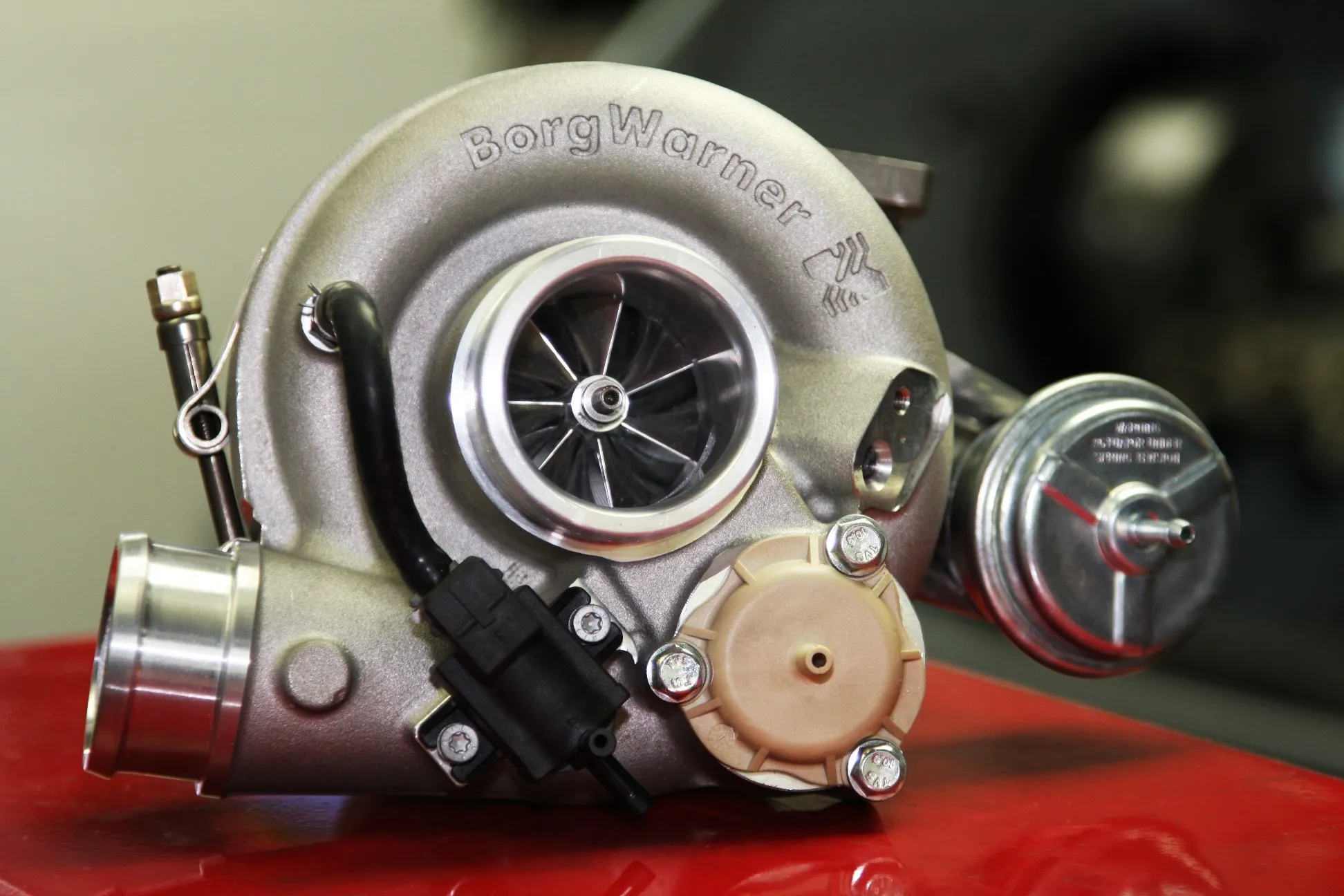
Turbochargers have transformed modern engines from mild and predictable to quick and responsive without demanding massive displacement. A small engine today can produce power that once required a much larger block, and it does so while maintaining respectable fuel efficiency.
That change did not happen by accident. It is the result of decades of engineering refinement centered on one simple idea: using exhaust gases to push more air into the engine. For drivers, that means stronger acceleration, better highway passing power, and in many cases improved mileage compared to older naturally aspirated designs. For owners, it also means new responsibilities.
Turbocharged engines operate under higher temperatures and pressures. They reward careful maintenance and informed driving habits. Ignoring those realities can lead to expensive repairs that could have been avoided.
Automakers such as Ford, Honda, BMW, and Porsche have embraced turbocharging across sedans, trucks, and sports cars. From practical daily commuters to high-performance machines, forced induction is now common rather than rare. Understanding how it works and what it requires will help you protect your investment.
Below are ten facts about turbochargers that every owner should know. Each one will give you practical insight you can apply right away, whether you drive a compact hatchback or a full-size pickup.
1. Turbochargers Use Exhaust Energy That Would Otherwise Be Wasted
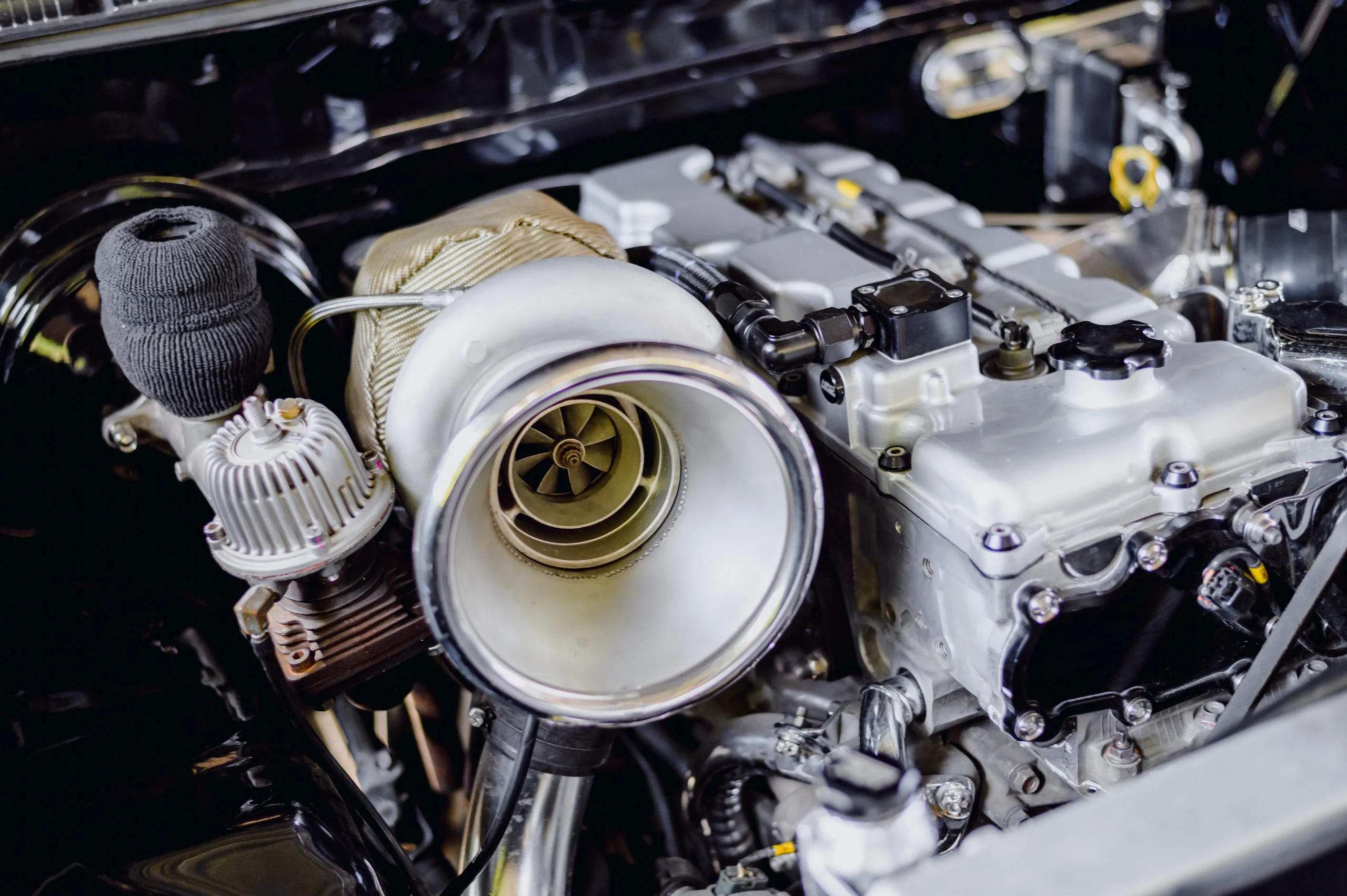
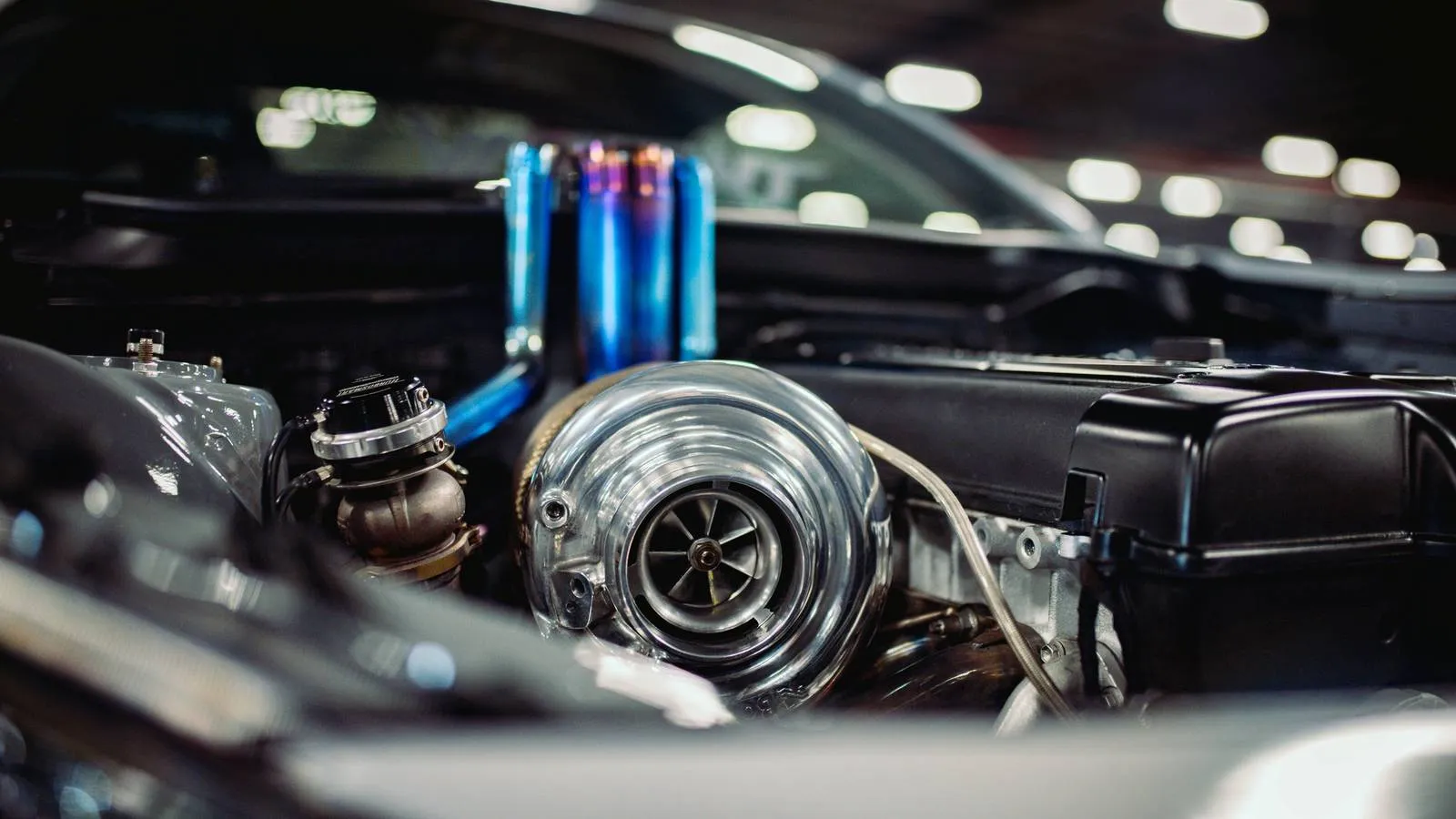
Picture the exhaust leaving your engine. In a naturally aspirated vehicle, the hot gas exits through the exhaust system and disappears into the atmosphere. A turbocharger changes that story completely. Instead of letting that energy go unused, it routes the exhaust through a turbine wheel. That turbine spins a connected compressor wheel, forcing additional air into the engine.
Extra air means more oxygen. More oxygen allows more fuel to burn. More fuel burned properly equals more power. This principle is why vehicles such as the Ford F-150 3.5L EcoBoost can produce V8-level output from a V6 engine. Drivers get impressive towing capability and strong acceleration without the weight and fuel consumption of a large displacement motor.
Energy recovery is what makes turbocharging efficient. Instead of relying solely on engine size, engineers rely on pressure. That pressure increases cylinder output per combustion event. It also improves performance at higher altitudes, where naturally aspirated engines struggle due to thinner air.
Owners should understand that this efficiency comes at a price. Turbos operate at extremely high speeds, often exceeding 150,000 revolutions per minute. Heat levels can reach well beyond what standard engine components experience. Those demands explain why high-quality oil and proper cooling systems are so important.
Recognizing that a turbocharger is driven by exhaust gases helps you appreciate why hard driving creates additional heat. Towing heavy loads or accelerating aggressively generates more exhaust flow, which spins the turbo faster. That is normal. What matters is giving the system the care it needs to handle those stresses. Understanding the source of turbo power helps you make smarter decisions behind the wheel and under the hood.
2. Smaller Engines With Turbos Can Replace Larger Engines
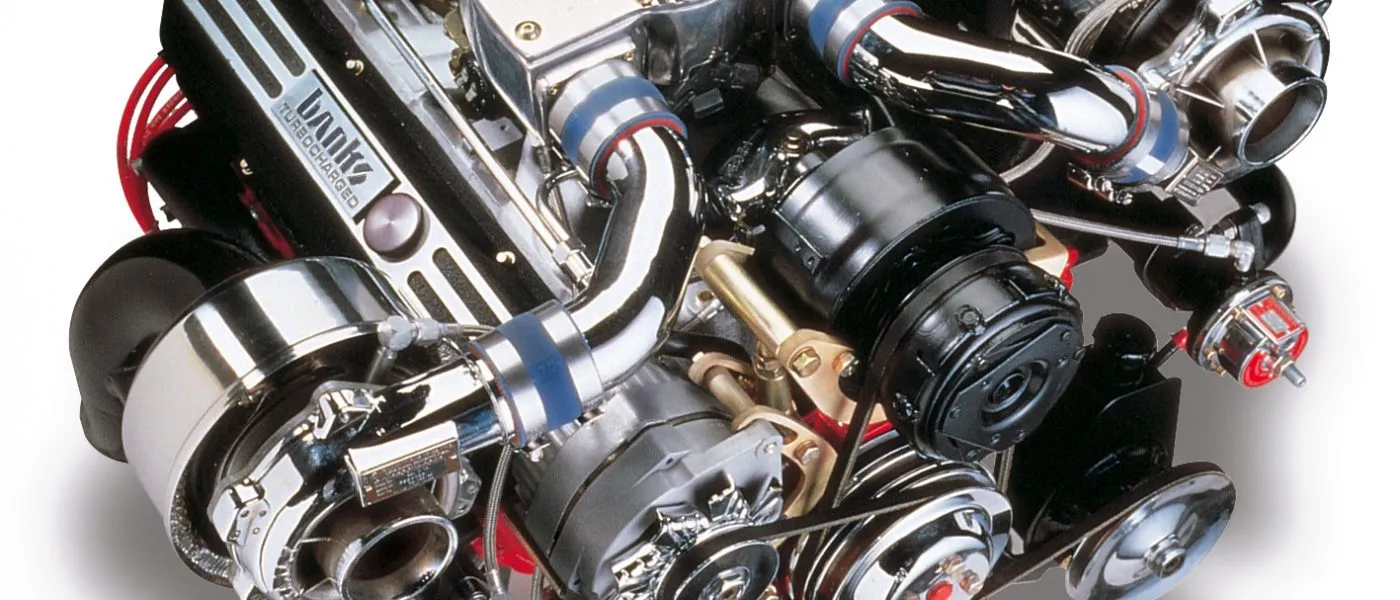
Downsizing has become a dominant trend in automotive design. Instead of building bigger engines to produce more power, manufacturers add turbochargers to smaller ones. The result is impressive performance combined with lighter weight and better fuel economy.
Take the Honda Civic 1.5L Turbo as an example. Earlier generations relied on larger naturally aspirated engines for strong performance. The turbocharged 1.5-liter engine delivers lively acceleration while keeping fuel consumption in check. For daily commuters, that means fewer stops at the gas station and quicker merging onto highways.
Reducing engine size offers several advantages. Smaller engines typically have less internal friction. They also weigh less, improving vehicle balance and steering feel. When paired with a properly tuned turbocharger, they can produce torque at lower engine speeds, giving drivers a strong midrange response without constant downshifting.
Still, downsizing requires careful engineering. Turbocharged small engines operate under higher cylinder pressures. That can stress pistons, connecting rods, and head gaskets. Modern materials and precise computer control systems help manage those forces.
As an owner, you should avoid assuming that a smaller engine equals less responsibility. Oil changes must be done on schedule. Ignoring service intervals can shorten turbo life. Fuel quality also plays a role. Some turbo engines perform best on premium gasoline because higher octane reduces the risk of pre-ignition under boost.
Smaller turbocharged engines represent a smart balance of power and efficiency. Treat them properly, and they can deliver both excitement and reliability.
Also Read: 8 Tips for Keeping an Older Car Running Like New on a Budget
3. Heat Is the Turbocharger’s Greatest Enemy
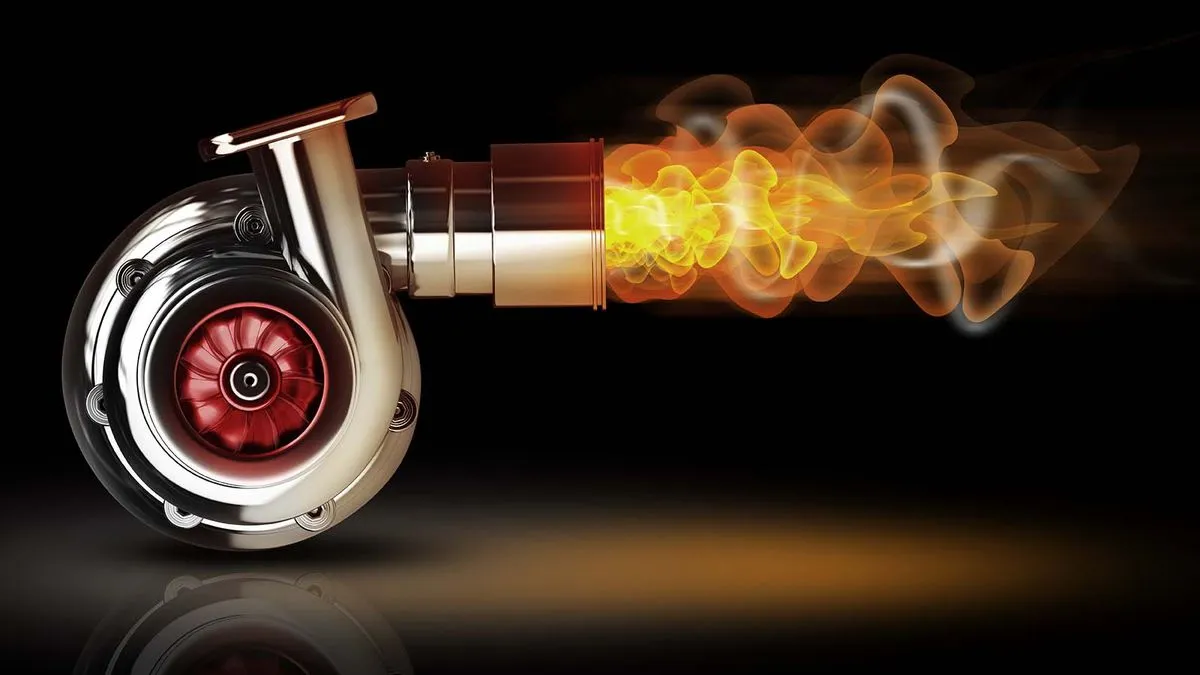
Every turbocharged vehicle runs hotter than its naturally aspirated counterpart. That reality is unavoidable. Compressing air raises its temperature. Spinning a turbine with hot exhaust gases adds even more heat. Managing that heat is critical for durability.
Consider the BMW 330i xDrive 2.0L Turbo. Its four-cylinder engine produces strong output thanks to precise turbocharging. Behind the scenes, multiple cooling systems work together to keep temperatures under control. Engine coolant circulates through passages designed to protect critical components.
Oil lubricates the turbo shaft while carrying heat away. An intercooler reduces the temperature of compressed intake air before it enters the combustion chamber. If any of these systems fail, trouble follows quickly. Sludged oil can restrict lubrication. Clogged intercoolers can reduce efficiency. Worn coolant hoses can lead to overheating.
Owners should adopt a simple habit after spirited driving. Allow the engine to idle for a short period before shutting it off. That practice helps stabilize turbo temperatures and prevents oil from baking inside the bearing housing. Modern vehicles with electric coolant pumps often handle this automatically, yet giving the system a moment to settle is still wise.
Synthetic oil is strongly recommended for turbocharged engines. It resists breakdown under high heat and maintains protective properties longer than conventional oil. Skipping oil changes may save money today but can result in costly turbo replacement later.
Heat cannot be eliminated from turbocharging, but it can be managed effectively. Staying aware of temperature-related stress will help you extend engine life.
4. Turbo Lag Is Real, but Technology Has Reduced It
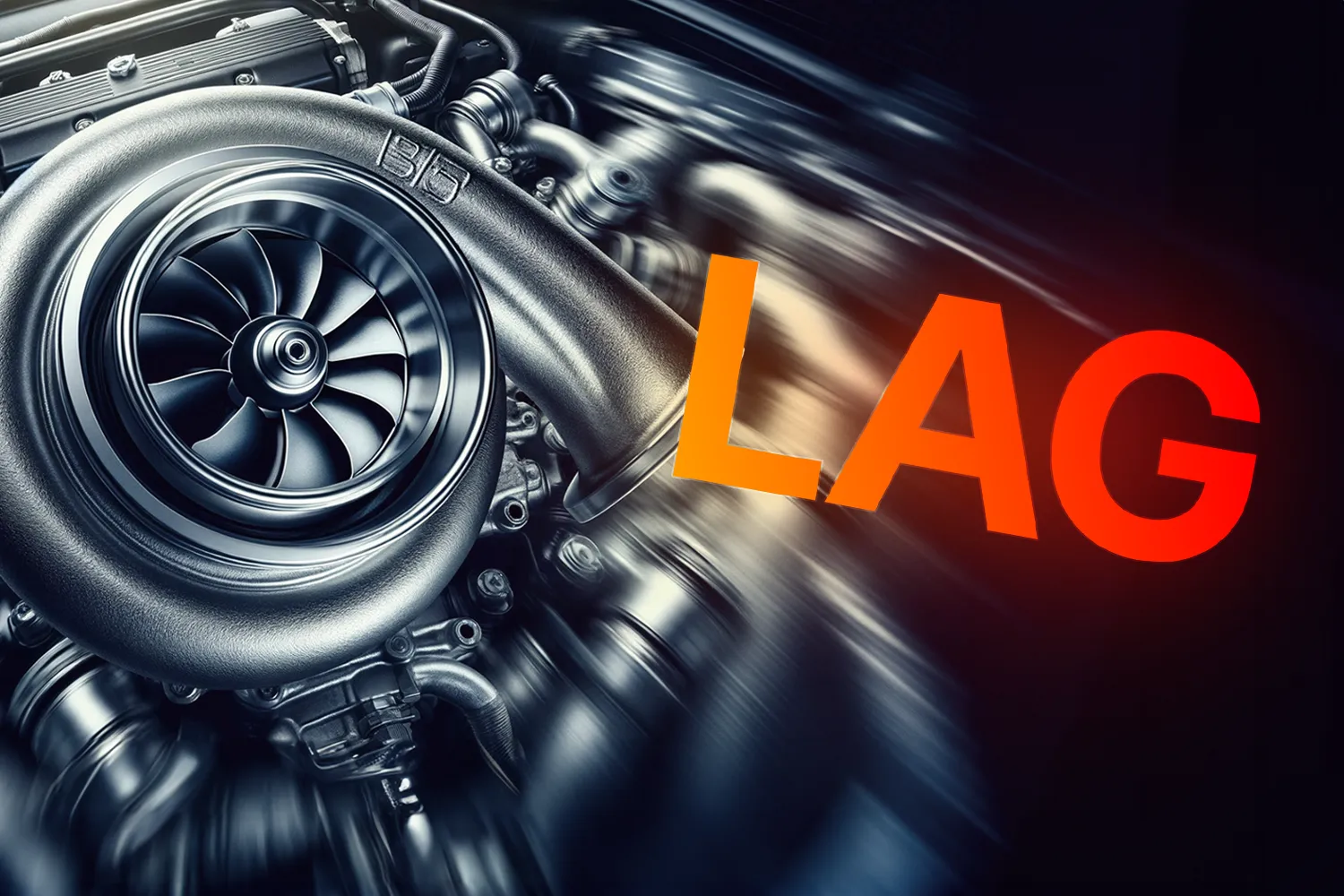
Press the accelerator in an older turbocharged vehicle, and a short hesitation may occur before the engine responds with full force. That delay is called turbo lag. It happens because the turbocharger depends on exhaust gases to spin its turbine. Until sufficient exhaust flow builds, the compressor cannot create the boost pressure needed to deliver extra power.
Early turbo systems were known for dramatic surges once boost arrived. Drivers would feel a sudden rush that could upset balance, especially in performance cars. Advances in engineering have changed that experience completely.
Modern vehicles such as the Porsche 911 Carrera 3.0L Twin Turbo rely on carefully sized twin turbochargers, rapid electronic throttle control, and highly responsive engine management software. These systems coordinate fuel delivery, ignition timing, and boost pressure with remarkable precision, producing acceleration that feels smooth and predictable.
Turbo size plays a central role in lag behavior. Smaller turbochargers spin up quickly because their rotating assemblies are lighter. That improves low-speed response but may limit peak horsepower. Larger turbochargers move greater volumes of air at high engine speeds, which supports impressive top-end output.
The tradeoff is slower initial spool time. Engineers often address this by pairing two smaller turbochargers instead of one large unit, or by using variable turbine geometry that adjusts airflow characteristics based on engine demand. Driver technique also influences perceived lag. Maintaining engine speed within the optimal torque range allows the turbo to stay partially spooled.
Smooth throttle inputs help preserve boost rather than allowing it to drop suddenly. Manual transmission drivers can reduce lag by selecting the appropriate gear before accelerating. Automatic transmissions with sport modes often hold lower gears to keep exhaust flow steady and boost available.
Altitude and temperature can affect turbo response as well. Thinner air at high elevations requires the turbo to work harder to produce the target pressure. Extreme heat can influence intake air density, although intercoolers mitigate much of that effect.
Lag has not disappeared entirely, but it has become far less intrusive in modern vehicles. Understanding how boost builds and how engine speed influences turbine rotation gives drivers greater control. With informed driving habits and appreciation for the system’s operation, turbocharged engines can deliver quick, confident acceleration without the dramatic delays once associated with early designs.

5. Proper Oil Changes Are Critical for Turbo Longevity
Oil performs a demanding job inside any engine, yet its responsibilities become even more intense when a turbocharger is involved. Within the turbo housing, a slender shaft connects the turbine and compressor wheels. That shaft rotates at extremely high speeds while exposed to intense heat. Continuous oil flow is what keeps those bearings lubricated and temperatures under control.
Consider the Subaru WRX 2.4L Turbo. This performance-focused sedan depends on a steady supply of clean oil to protect its turbocharger assembly. When oil breaks down or becomes contaminated, it can leave deposits inside the turbo bearing housing.
Carbon buildup restricts lubrication pathways and increases friction. Once that process begins, wear accelerates rapidly and failure can follow. Shorter oil change intervals are common for turbocharged engines because the oil experiences higher thermal stress.
Heat generated by the turbine can cook oil that lingers in the bearing housing after shutdown. Synthetic oil resists breakdown better than conventional formulations and maintains viscosity under elevated temperatures. For that reason, manufacturers frequently specify full synthetic oil for turbocharged applications.
Monitoring oil level is just as important as changing it on schedule. Some turbo engines consume small amounts of oil, especially under spirited driving. Allowing the level to drop too low can starve the turbo bearings of proper lubrication. A quick dipstick check every few weeks offers valuable peace of mind.
Viscosity selection deserves careful attention. Oil that is too thin may struggle to maintain a protective film under boost pressure. Oil that is too thick can reduce flow during cold starts, delaying lubrication to sensitive components. Following manufacturer recommendations ensures the correct balance between protection and circulation.
After enthusiastic driving, allowing the engine to idle briefly before shutdown helps stabilize turbo temperatures. That habit reduces the chance of oil overheating within the housing and forming deposits. Owners who neglect oil maintenance risk expensive repairs that could have been avoided with routine care.
Those who stay consistent with high-quality oil, proper intervals, and regular checks protect their turbocharger investment and maintain strong performance for many years.

6. Premium Fuel Often Protects Turbocharged Engines
Octane rating is more than a number printed on a fuel pump. For turbocharged engines, it directly affects performance, efficiency, and durability. When boost pressure rises, cylinder pressure increases as well. Higher pressure raises the risk of pre-ignition, a condition where fuel ignites before the spark plug fires. That uncontrolled combustion can damage pistons and valves.
Take the Audi S4 3.0L TFSI as an example. Although its turbocharged V6 can operate on regular gasoline in some markets, premium fuel allows the engine management system to maintain optimal ignition timing under boost. With higher octane fuel, the engine can safely deliver full performance without pulling timing to prevent knock.
Modern engine control units constantly monitor knock sensors. If low octane fuel is detected, the system adjusts ignition timing and sometimes reduces boost pressure. While this protects internal components, it also reduces power and efficiency. Drivers may notice softer acceleration and increased fuel consumption.
Fuel quality plays a role beyond octane. Clean fuel with proper detergent additives keeps injectors and combustion chambers free from deposits. Direct-injected turbo engines are particularly sensitive to buildup, since fuel does not wash over intake valves the way it does in port-injected designs.
Owners should review their vehicle manual carefully. If premium fuel is recommended rather than required, using it can still offer smoother operation and improved throttle response. For engines tuned to operate under big boost, premium fuel becomes even more important.
Choosing the right fuel is a simple decision that can protect an expensive turbocharged engine. Spending a little more at the pump may prevent far greater costs in repairs later.
7. Intercoolers Play a Critical Role in Power and Efficiency
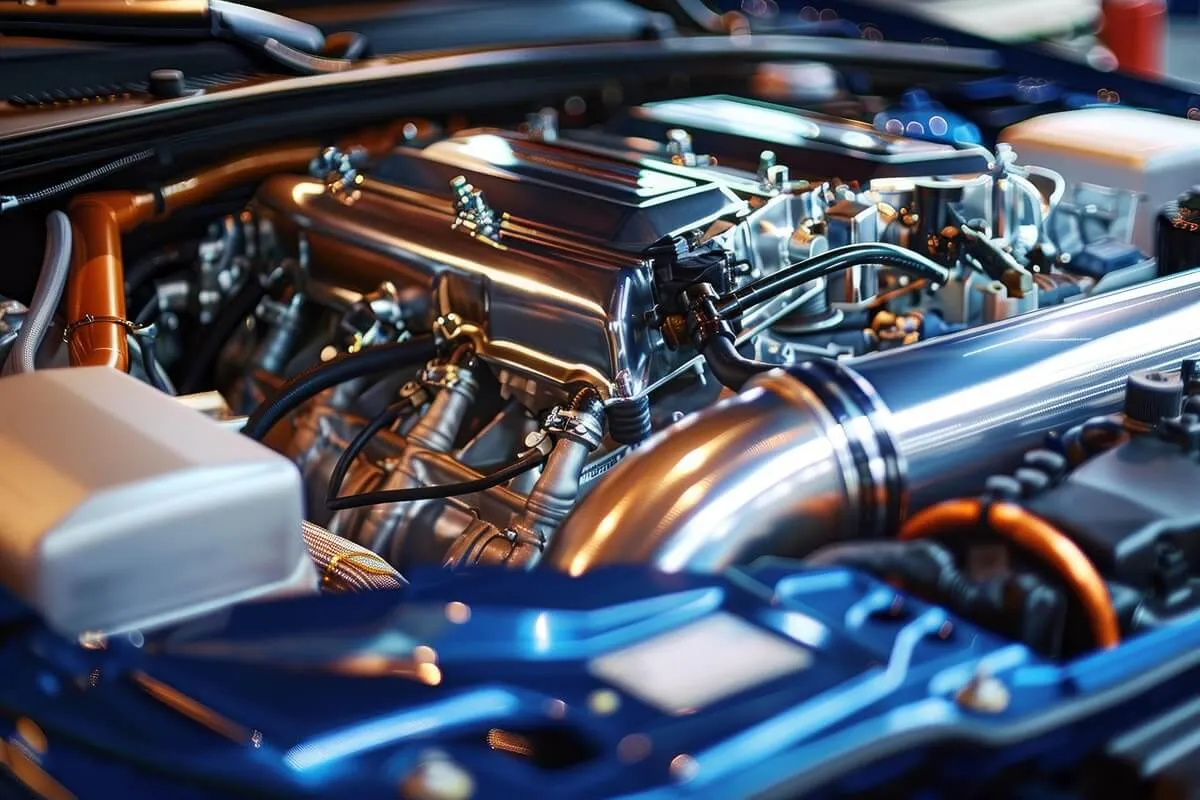
Compressed air leaving a turbocharger is hot. Hot air is less dense, which means it contains fewer oxygen molecules for combustion. That is where the intercooler steps in. By cooling the compressed air before it enters the engine, the intercooler increases density and allows more efficient combustion.
Performance vehicles such as the Chevrolet Camaro 2.0L Turbo rely on well-designed intercooler systems to maintain consistent power output. Without adequate cooling, repeated hard acceleration could cause intake temperatures to rise, leading to reduced performance.
Air-to-air intercoolers use outside airflow to reduce temperature. Air-to-water systems rely on coolant circuits for faster heat transfer. Both designs aim to stabilize intake temperature under sustained boost conditions. Heat soak can occur during repeated acceleration runs or in hot weather.
When an intercooler absorbs more heat than it can dissipate, intake temperatures climb. The engine control system may respond by reducing boost or altering ignition timing to protect components. Owners can help improve intercooler performance by keeping the cooling fins clean and unobstructed.
Debris, dirt, and bent fins reduce airflow. In modified vehicles, upgrading the intercooler can improve consistency under demanding conditions. Understanding the role of intercooling clarifies why turbocharged vehicles sometimes feel less responsive during extreme heat.
Cooling efficiency directly influences available power. A properly functioning intercooler ensures that the benefits of turbocharging remain steady rather than fading during spirited driving. Paying attention to this component helps maintain performance and engine health.
8. Turbochargers Require Stronger Internal Engine Components
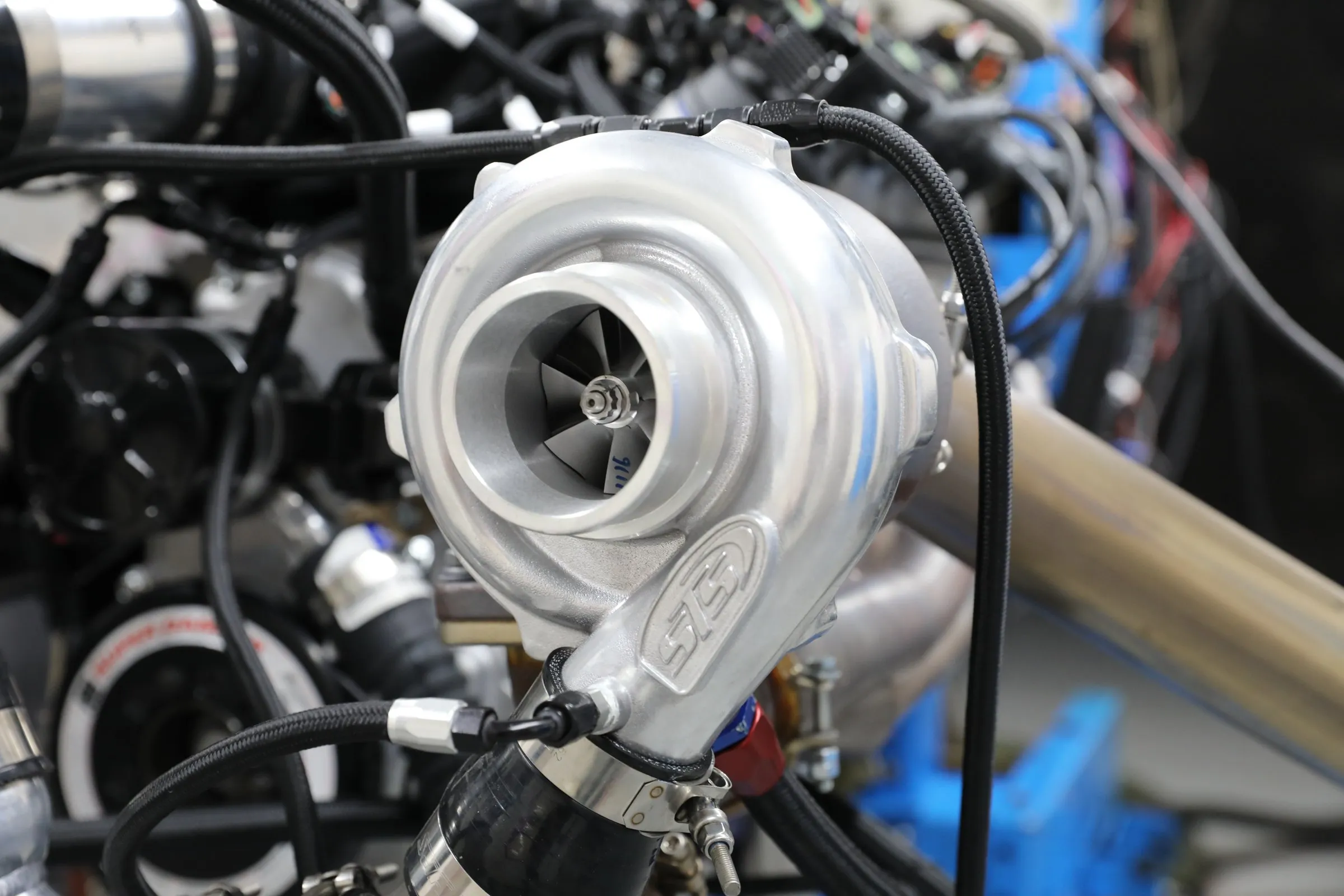
Forced induction increases the amount of air and fuel entering the combustion chamber. Once boost pressure rises, the combustion force inside each cylinder becomes far greater than what a naturally aspirated engine experiences. Pistons, connecting rods, crankshafts, cylinder heads, and head gaskets must therefore endure heavier mechanical and thermal loads.
Without reinforcement, these parts would wear prematurely or fail under sustained pressure. Engineering solutions focus on strength and precision. High-performance turbocharged engines often employ forged pistons rather than cast units. Forged components possess a tighter grain structure and improved durability under high stress.
Connecting rods are usually upgraded to handle additional tensile force generated during combustion. Crankshafts are carefully balanced and manufactured with materials designed to resist fatigue. Cylinder heads may include improved cooling passages to manage heat distribution effectively.
A practical illustration can be found in the Mercedes-AMG C43 3.0L Biturbo. Its engine is constructed to withstand elevated combustion pressure generated by twin turbochargers. Reinforced internal components and precise calibration enable consistent performance while maintaining reliability under demanding conditions. Such engineering allows the vehicle to deliver strong acceleration without compromising structural integrity.
Durability enhancements often come at a higher financial cost. Advanced alloys and specialised machining techniques increase manufacturing expenses. When repairs become necessary, replacement components may also carry higher prices compared to those used in simpler engines. This does not imply fragility; rather, it reflects the specialised nature of turbocharged systems.
Owners should exercise caution regarding performance modifications. Raising boost pressure without strengthening supporting components may expose internal parts to loads beyond their design limits. Proper tuning, compatible upgrades, and professional guidance are essential where performance enhancement is desired.
Routine inspection remains vital. Monitoring engine temperature, oil condition, and warning indicators can prevent minor concerns from developing into major mechanical damage. Listening for unusual sounds and responding promptly to dashboard alerts demonstrates responsible ownership.
An informed owner recognises that turbocharged engines operate under greater internal stress. Respect for service intervals, adherence to manufacturer recommendations, and avoidance of reckless modifications preserve durability. With disciplined care, reinforced internal components can provide dependable service while delivering the performance advantages that turbocharging offers.
9. Turbocharged Engines Benefit From Responsible Driving Habits
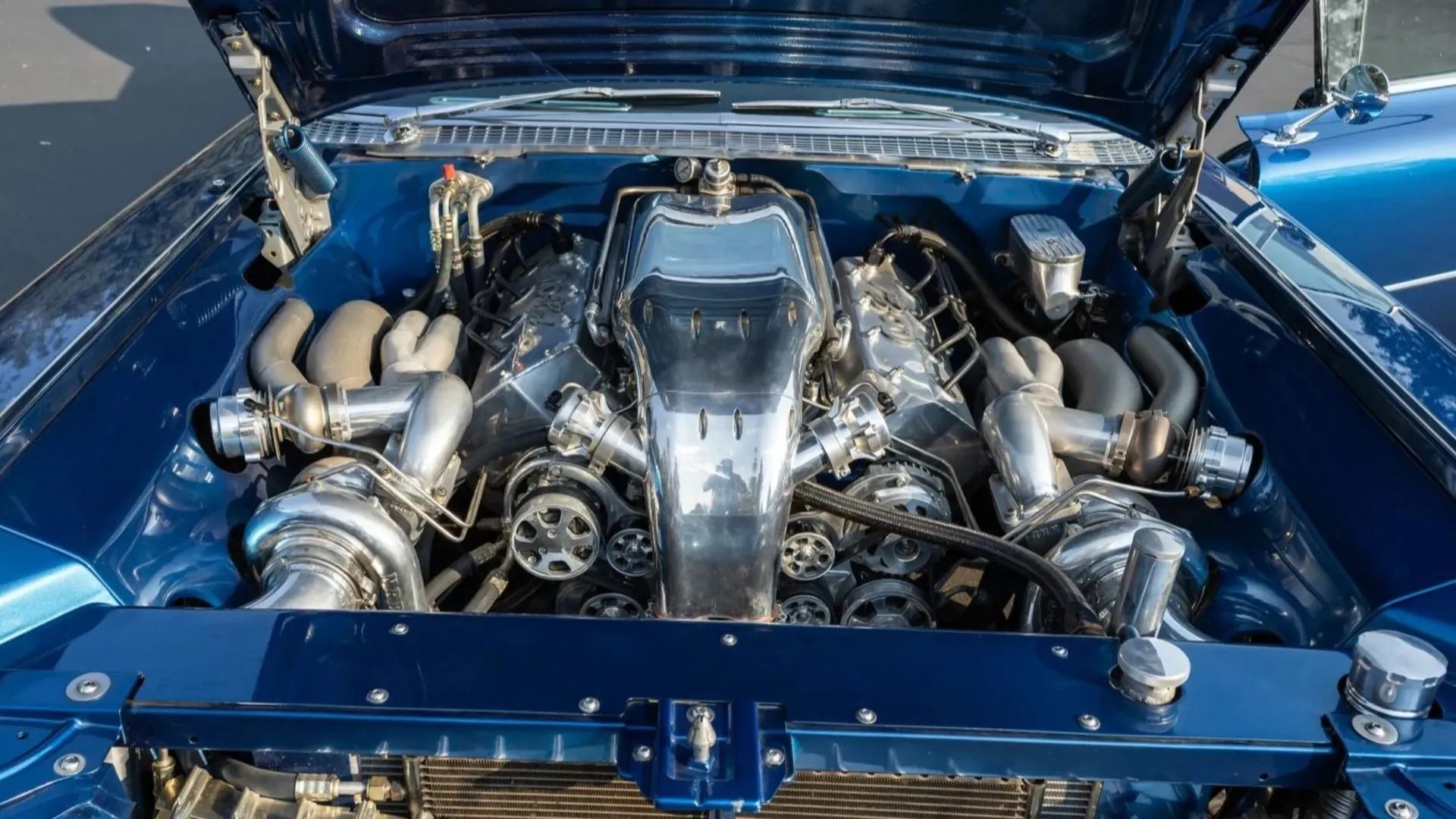
Driver behaviour plays an important role in the longevity of any engine, though it becomes even more relevant when a turbocharger is involved. Cold starts deserve particular attention. At startup, engine oil has not yet reached optimal circulation, and metal components remain contracted. Applying heavy throttle during this stage increases stress on bearings and seals that have not achieved full lubrication.
The Toyota GR Corolla 1.6L Turbo demonstrates how high-output turbo engines reward careful operation. Allowing the engine to warm to its normal operating temperature before engaging in vigorous acceleration protects internal components. Oil viscosity stabilises with heat, ensuring proper flow through the turbo bearing assembly.
Frequent short trips can also influence engine health. When an engine fails to reach full operating temperature, condensation and unburned fuel may accumulate within the oil. These contaminants reduce lubrication effectiveness. Periodic longer drives assist in evaporating moisture and preserving oil quality.
Sustained high-speed operation or repeated acceleration runs generate considerable heat. Reducing throttle input gradually and permitting a short period of moderate driving before shutting off the engine can help stabilise internal temperatures. Although modern cooling systems are designed to manage heat efficiently, driver awareness remains valuable.
Smooth throttle application contributes to mechanical sympathy. Abrupt acceleration and deceleration cycles create rapid changes in boost pressure. Gentle modulation of the accelerator supports consistent turbo operation and reduces mechanical strain. Scheduled servicing complements responsible driving.
Adhering to oil change intervals, monitoring fluid levels, and addressing warning signals promptly protects the turbocharger from avoidable damage. Respectful driving does not reduce enjoyment. Rather, it ensures that performance remains reliable and available whenever required.
A disciplined approach to warm-up, acceleration, and maintenance forms the foundation for long-term durability in turbocharged vehicles.
Also Read: 15 Best EV Charging Tips for Longer Battery Life
10. Turbochargers Have Become Mainstream Across All Segments
Turbocharging was once associated mainly with performance-oriented vehicles. Today, it is common across compact sedans, sport utility vehicles, pickup trucks, and luxury automobiles. Manufacturers adopt forced induction to balance fuel efficiency standards with consumer expectations for strong acceleration.
An example is the Hyundai Sonata N Line 2.5L Turbo. This midsize sedan demonstrates how a turbocharged four-cylinder engine can deliver robust power while maintaining practicality for everyday commuting. Instead of relying on a larger displacement engine, the vehicle achieves impressive output through pressurized induction.
Widespread adoption has improved parts availability and technical familiarity. Service technicians receive regular training on turbocharged systems. Diagnostic equipment now monitors boost pressure, intake temperature, and wastegate function with accuracy. Independent workshops are increasingly equipped to handle such engines, reducing reliance solely on dealership networks.
Fuel economy standards encourage manufacturers to employ smaller engines paired with turbochargers. This approach allows vehicles to meet regulatory requirements while satisfying drivers who expect responsive acceleration. As a result, turbocharged powertrains are no longer restricted to premium or performance models.
Owners benefit from this integration through improved access to replacement parts and knowledgeable service providers. Routine maintenance procedures have become more standardised, and educational resources are widely accessible.
Understanding how turbochargers operate remains important regardless of vehicle category. Awareness of fuel quality, proper lubrication, cooling system care, and sensible driving practices helps preserve engine health. Forced induction technology now forms part of mainstream automotive engineering.
Drivers who appreciate its operating principles gain confidence in maintaining long-term reliability while enjoying the advantages of enhanced performance.
