
The 1980s were a golden era for cars, combining bold design, engaging driving dynamics, and innovative engineering. During this decade, automakers produced vehicles that were focused on performance, driver connection, and distinctive style. Today, many of these cars are finally gaining the recognition and value they deserve.
Rising collector interest, the scarcity of well-maintained examples, and a renewed appreciation for analog driving experiences have caused prices to rise significantly. Iconic models like the Ferrari F40, Porsche 959, and Lancia Delta Integrale 16v now sell for six-figure sums.
This list highlights ten standout cars from the 1980s that are appreciating in value, exploring why each model has become highly sought after by collectors and enthusiasts. Their combination of performance, rarity, and cultural significance has cemented their place as automotive legends.
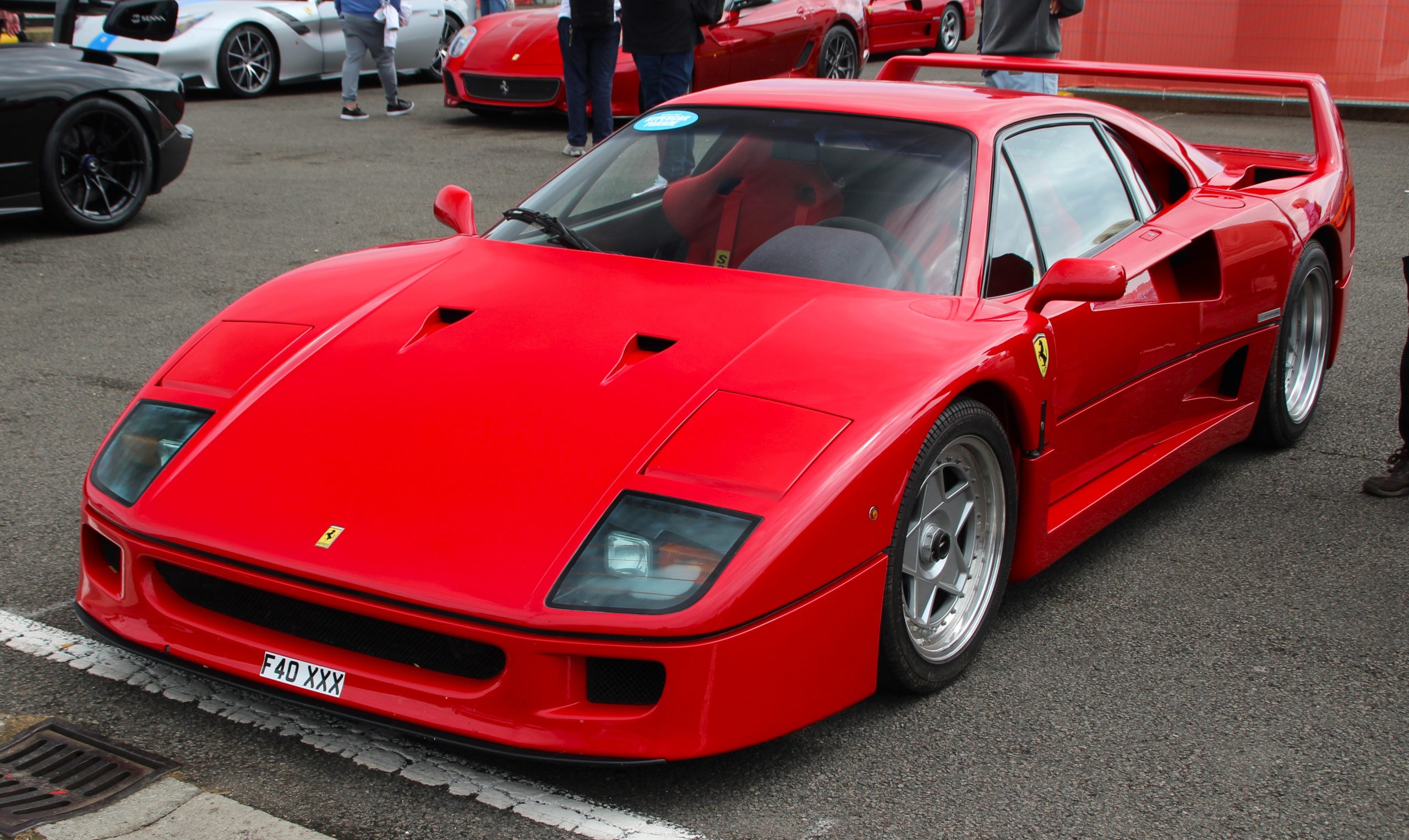
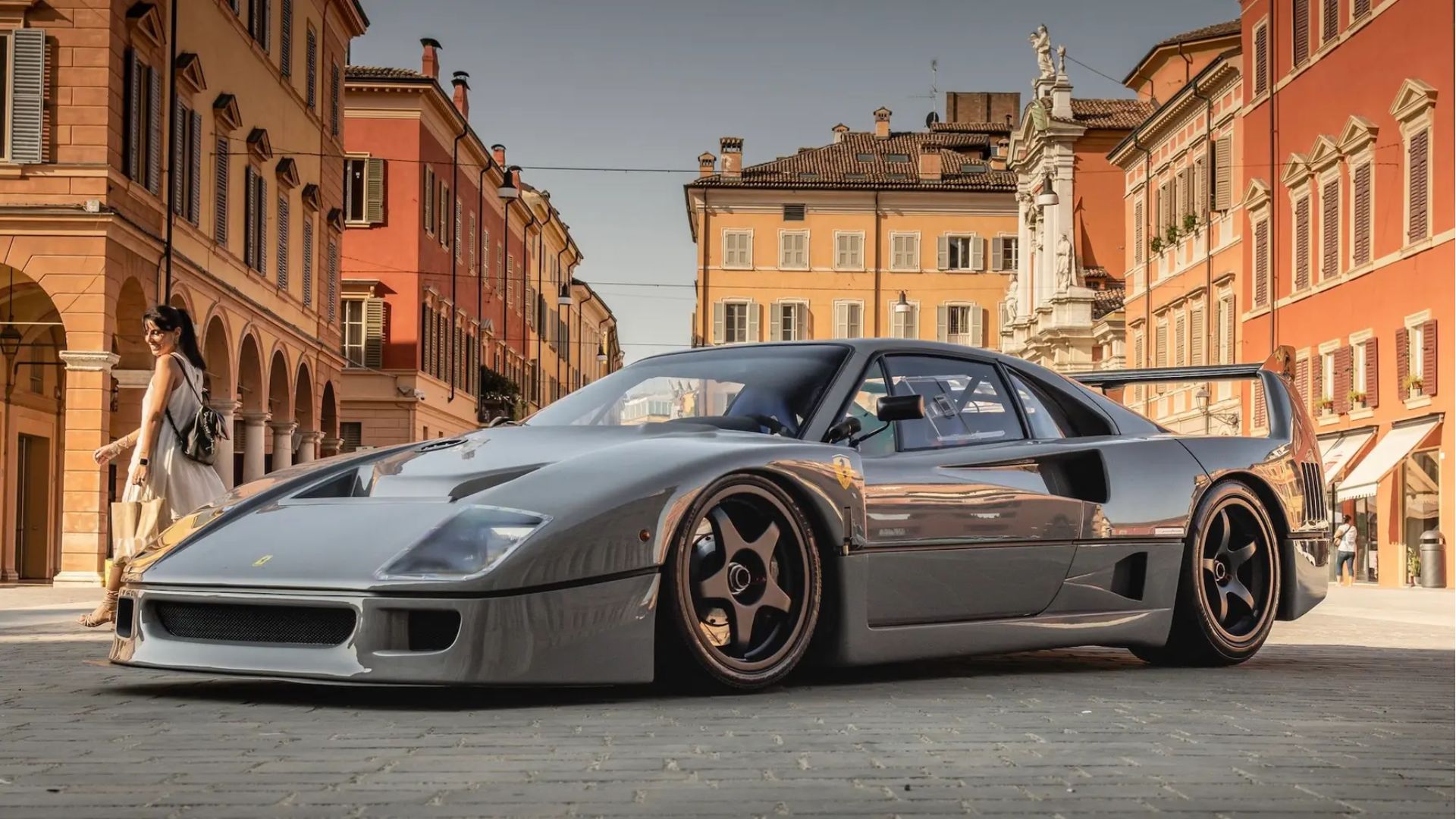
1. 1987 Ferrari F40: A Timeless Supercar Icon
The 1987 Ferrari F40 was built to celebrate Ferrari’s 40th anniversary and remains one of the most legendary supercars ever produced. Designed by Pininfarina, it combined extreme performance, lightweight construction, and a minimalist interior focused entirely on the driving experience.
The car is powered by a 2.9-liter twin-turbocharged V8 engine producing 478 horsepower, capable of accelerating from 0 to 60 mph in just over four seconds and reaching a top speed of 201 mph. Its body is primarily made of composite materials over a steel spaceframe, making it unusually light and rigid for the 1980s.
Only about 1,300 units of the F40 were built, giving it exceptional rarity. Its status as the last Ferrari personally approved by Enzo Ferrari adds to its historical significance. Originally sold for $417,000, pristine examples now often fetch between $3 million and $5 million.
Models without catalytic converters, known as “Non-Cat” versions, are especially sought after. Certification through Ferrari Classiche, commonly called the Red Book, confirms authenticity and increases market value. Cars with documented provenance or low mileage, particularly those linked to famous drivers, command the highest prices.
The F40 is celebrated for its analogue driving experience. In contrast to modern supercars with electronic assists and hybrid systems, it offers a pure and mechanical connection between driver and machine. The interior is stripped down, lacking carpets, soundproofing, and even traditional door handles.
The cockpit is compact and focused on driving, with a military-style cloth finish and a boxy dashboard. Every aspect, from the five-speed gated manual transmission to the turbocharged engine’s sudden surge at high RPM, is designed for performance.
Compared with its successor, the Ferrari F50, the F40 is smaller and lighter. It measures 174.4 inches in length with a 96.5-inch wheelbase and weighs 2,426 pounds, making it 286 pounds lighter than the F50.
Both cars use wide rear tires for traction, but the F40’s turbocharged V8 requires more complex plumbing and cooling. Its engineering is inspired by Ferrari’s classic racing cars from the 1970s, while the F50 uses technology derived from Formula One of the 1990s.
The Ferrari F40 remains a cultural and automotive icon. Collectors value it as a rare, historically significant, and pure performance machine. Its combination of speed, design, rarity, and the legacy of Enzo Ferrari ensures that it is still regarded as the ultimate analogue supercar.
Mid-engine, rear-wheel drive; 2.9-liter DOHC twin-turbo V8; 478 horsepower at 7,000 rpm; 5-speed manual transmission; top speed 201 mph; original price $417,000.
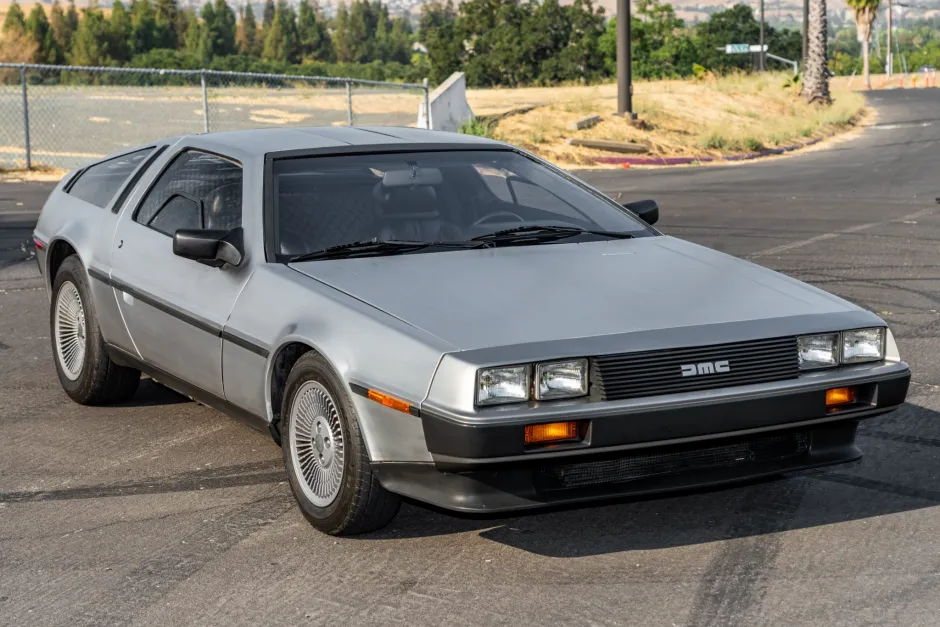
2. 1981 DeLorean DMC-12: From Controversy to Iconic Status
The 1981 DeLorean DMC-12 is one of the most recognizable cars in automotive history. Produced between 1981 and 1983, it celebrated bold design choices such as gull-wing doors and a stainless steel body, mounted on a fiberglass chassis. The car was marketed as a premium sports car, though its performance was modest.
Powered by a 2.85-liter V6 engine co-developed by Renault, Peugeot, and Volvo, it delivered 130 horsepower and 153 pound-feet of torque. Acceleration from 0 to 60 mph took 9.6 seconds with a manual transmission, making it slow compared to contemporary sports cars. Its rear-engine layout, envisioned by John DeLorean, provided a distinctive driving experience but also contributed to challenging handling dynamics.
The DMC-12 struggled initially with quality issues. Early models suffered from rattles, jammed doors, loose parts, and underdeveloped components, earning criticism from the automotive press.
Despite these flaws, the car captured attention for its futuristic appearance. Stainless steel panels resisted corrosion and gave it a unique visual appeal, though repair costs were high because damage could not easily be hidden. The interior is compact and driver-focused, with careful attention to accommodate DeLorean’s own tall frame.
The car’s fame skyrocketed due to its starring role as the time machine in the Back to the Future trilogy. This pop culture association has elevated the DMC-12 into an enduring icon, often compared in recognition to the Aston Martin DB5.
Fans of 1980s nostalgia, including Generation X collectors and younger enthusiasts, have driven renewed interest. Limited production around 9,000 units with roughly 6,500 surviving today ensures scarcity, which further increases desirability.
In recent years, the DMC-12 has become a viable collector car. The DeLorean Motor Company, now based in Texas, provides parts and service, improving usability and reliability for surviving models. Early production issues have largely been resolved through restoration and maintenance, making these cars more dependable than when new.
Market value has responded accordingly, with well-preserved examples selling between $50,000 and $100,000, roughly doubling in value compared to a decade ago. First-year 1981 models are particularly sought after for their historical significance.
Despite its performance limitations, the DMC-12 remains a unique driving experience and a symbol of 1980s design innovation. Its combination of iconic styling, cultural significance, and rarity has transformed it from a commercial gamble into a coveted collector’s item. For enthusiasts drawn to nostalgia, cinematic legacy, and distinctive engineering, the DeLorean DMC-12 continues to fascinate and inspire admiration.
Rear-engine, rear-wheel drive; 2.85-liter V6; 130 hp; 3-speed automatic or 5-speed manual; original MSRP $25,000; current market $33,200 to $102,000.
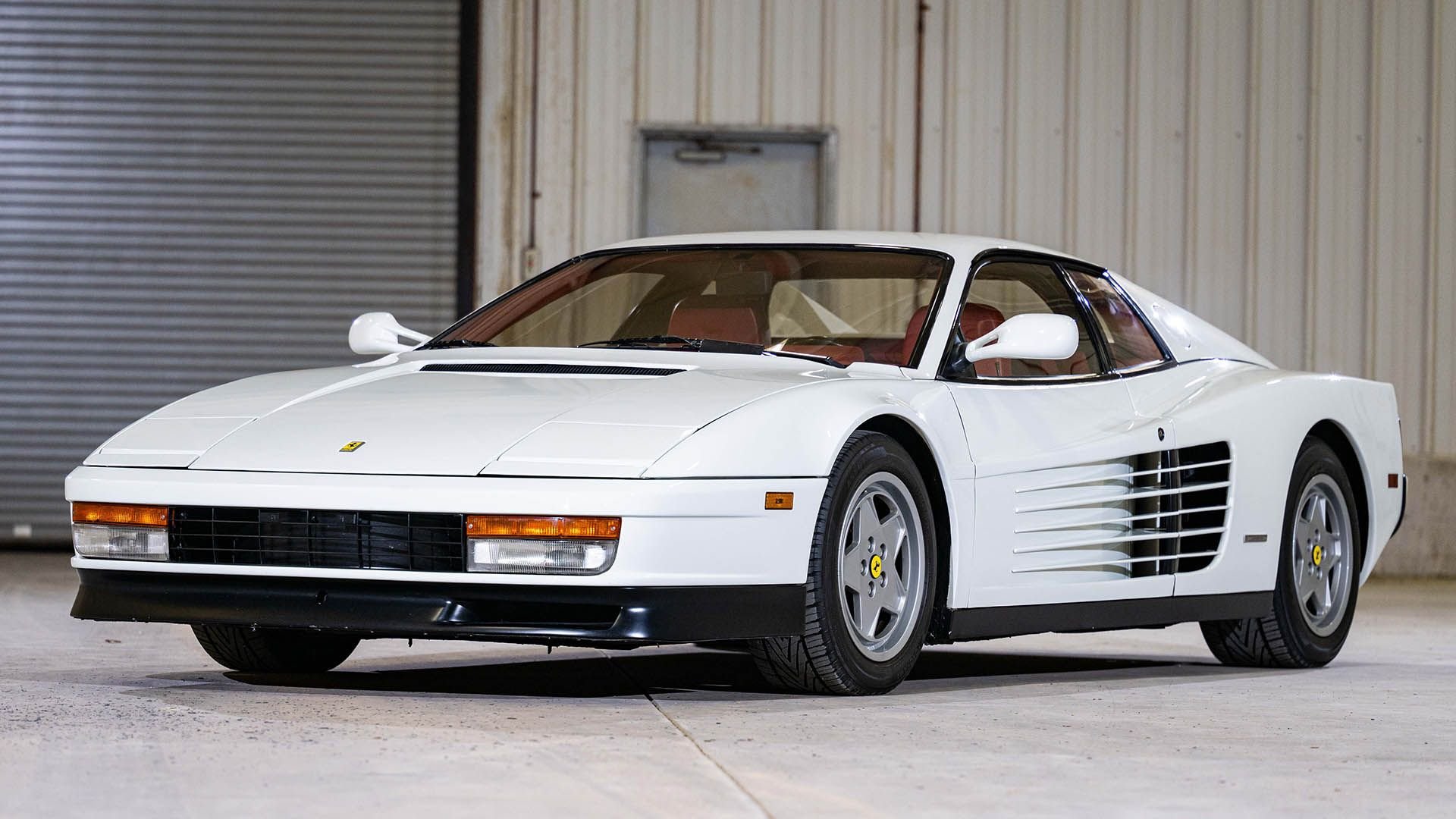
3. 1984 Ferrari Testarossa: The Iconic 1980s Supercar
The 1984 Ferrari Testarossa is a defining symbol of 1980s automotive design and performance. Introduced at the Paris Motor Show, it combined striking aesthetics with potent engineering to become one of Ferrari’s most recognizable models.
Designed by Pininfarina, the Testarossa featured wide rear hips, a low-slung wedge shape, and distinctive side strakes that channeled air to the rear-mounted radiators. Over its production run, approximately 10,000 units were built, cementing its place as a desirable grand tourer with broad appeal.
Under the hood, the Testarossa housed a 4.9-liter flat-12 engine producing 390 horsepower. This enabled a 0-60 mph sprint in just over 5 seconds and a top speed of 180 mph, making it a capable performer while remaining a comfortable long-distance GT car.
Power was transmitted through a gated 5-speed manual transmission, and the chassis utilized a tubular steel frame with double wishbone suspension. Steering was unassisted, giving the driver direct connection with the road, and the car’s weight and wide track provided stability, though the rearward-mounted engine created a unique handling challenge.
The Testarossa has experienced a significant resurgence in value due to its nostalgic appeal and iconic design. Early “Monospecchio” models from 1984 to 1986 are particularly coveted for their single side mirror and other unique features.
Average used prices have risen from around $40,000–$50,000 to over $160,000, reflecting both the car’s rarity and status as a usable classic. Its analog driving experience, lack of modern electronic aids, and distinctive V12 soundtrack appeal to collectors seeking a visceral, engaging driving experience.
Inside, the Testarossa balances style with comfort. The cabin is surprisingly spacious for a 1980s supercar, featuring supportive leather seats and an ergonomically designed dashboard that enhances visibility. The driver-focused layout emphasizes the pleasure of controlling a high-performance engine rather than luxury trimmings.
The Ferrari Testarossa’s combination of dramatic 1980s styling, analog performance, and cultural significance, thanks in part to appearances in Miami Vice and pop culture media, ensures it remains a highly desirable collectible. It captures the excess, excitement, and engineering prowess of its era while offering a driving experience that is both rewarding and memorable.
Rear mid-engine, rear-wheel drive; 4.9-liter flat-12 engine; 390 hp; 5-speed gated manual; 0–60 mph in 5.2 seconds; original MSRP $181,000; current market $64,400–$322,897.
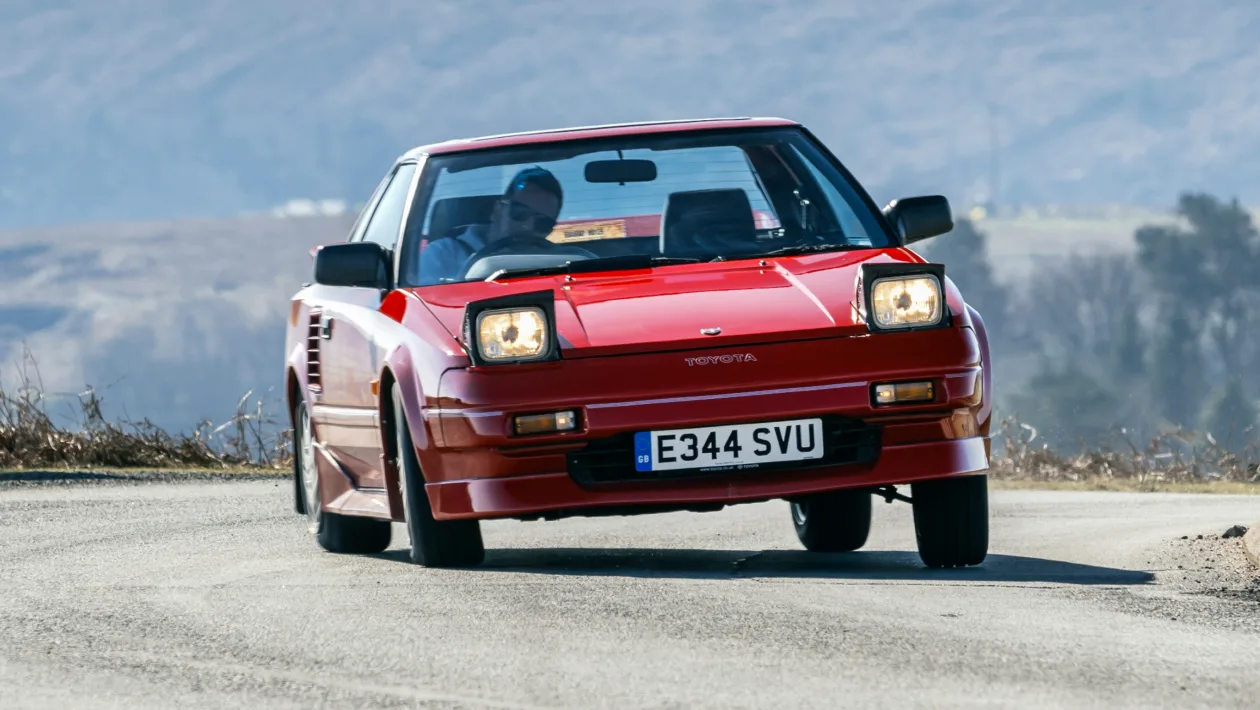
4. 1984 Toyota MR2 MK1: Japan’s Lightweight Mid-Engine Gem
The 1984 Toyota MR2 MK1 introduced an innovative mid-engine, rear-wheel-drive layout that was rare for an affordable sports car of its era.
Standing for “Midship Runabout 2-seater,” the MR2 combined compact dimensions, a lightweight chassis, and engaging dynamics to deliver a pure, fun-to-drive experience. Its wedge-shaped styling, pop-up headlights, and minimalist cockpit made it an iconic symbol of 1980s Japanese automotive design.
Powering the MR2 was a 1.6-liter 4A-GE inline-four engine producing 124 horsepower in the UK-spec model, capable of a 0–60 mph time of 7.7–8.1 seconds and a top speed of roughly 119–124 mph. The engine’s high-revving nature, combined with a precise five-speed manual gearbox, provided a responsive, connected driving experience that was unusual in this price range.
Weighing under 1,000 kilograms, the MR2 offered excellent handling, sharp turn-in, and a “go-kart” feel, further enhanced by its mid-engine balance. Steering was unassisted, brakes were all-disc, and MacPherson struts were fitted at all corners, giving the car a simple yet effective chassis setup.
The MR2 has grown in value as a collectible, driven by rarity, nostalgia, and appreciation for its unique mid-engine design. Many MK1s were neglected or modified over the years, and rust, especially around T-tops and sills, has reduced the number of clean, original examples.
Well-maintained cars, particularly low-mileage and supercharged variants, have seen substantial appreciation, some more than doubling in value over recent years. Its affordability relative to contemporary sports cars and enduring “fun factor” make it an attractive option for collectors seeking an engaging, lightweight coupe.
Beyond performance, the MR2 was technologically advanced for its segment, featuring multi-point fuel injection, a sixteen-valve head, and Toyota’s T-VIS variable intake system. Its thoughtful ergonomics, including adjustable seats, intuitive controls, and excellent visibility, created a comfortable yet driver-focused environment.
Enthusiasts appreciate how the MR2 combines mid-engine thrills with low running costs and reliability, a formula that sets it apart from competitors.
Today, the MK1 MR2 is recognized not only for its innovative engineering and agility but also for its cultural significance as a quintessential 1980s Japanese sports car. With lightweight construction, precise handling, and enduring charm, it remains a benchmark for affordable, mid-engine performance.
Mid-engine, rear-wheel drive; 1.6-liter four-cylinder; 124 hp; five-speed manual; 0–60 mph in 7.7 sec; original MSRP $11,194; current market $5,700–$33,352.
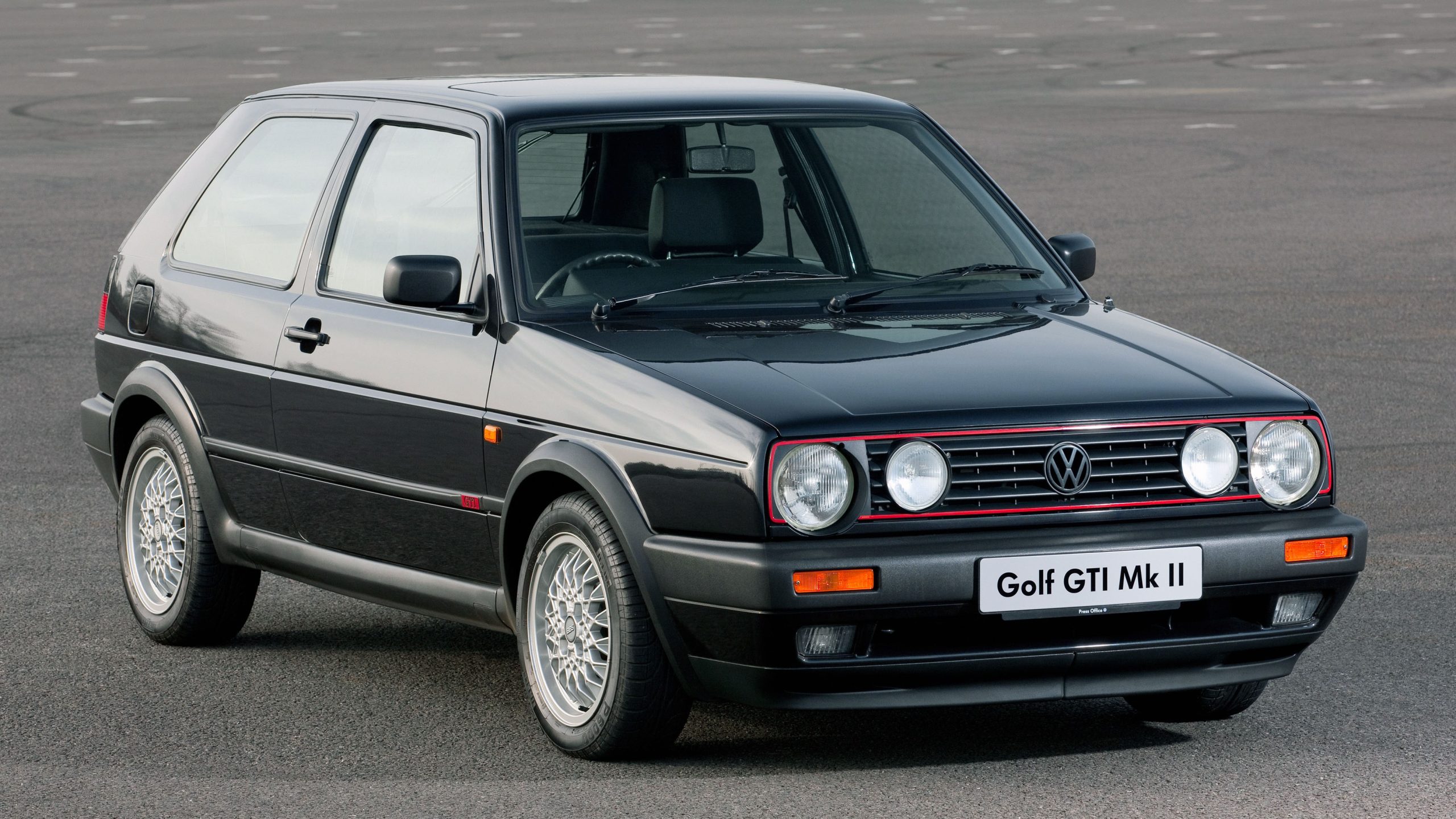
5. 1984 Volkswagen Golf GTI Mk II: The Classic Hot Hatch
The 1984 Volkswagen Golf GTI Mk II was built on the success of the original Mk I, offering a larger, more refined, and practical “hot hatch” experience. Launched as a 1984 model, the Mk II was 170mm longer, 55mm wider, and 10% heavier than its predecessor, addressing cabin space and luggage limitations while retaining the sporty driving character that defined the GTI name.
Its design improvements, including flush glass, integrated gutters, and a lower drag coefficient of 0.34, gave it a more modern and aerodynamic appearance.
Power came from a 1.8-liter eight-valve engine producing 112 hp and 116 lb-ft of torque, delivering a 0–60 mph sprint in roughly 8.3 seconds. Volkswagen soon introduced a more potent 139-hp 16-valve variant, further enhancing performance.
The Mk II retained its analog driving appeal with a communicative rack-and-pinion steering system, disc brakes all around, and a five-speed manual transmission, making it engaging for enthusiasts while more refined than the Mk I.
The Mk II GTI is increasingly valued as a modern classic due to several factors. Shrinking numbers of unmodified, rust-free examples make early 1984 models particularly rare. Its reputation for durability and “over-engineered” German build quality ensures reliability decades later.
Nostalgia also plays a major role, with Gen X and Millennial buyers seeking an authentic 1980s driving experience and appreciating its mechanical simplicity compared to today’s electronic-heavy vehicles.
Interior ergonomics were a step forward, with supportive sport seats, the iconic “golf ball” gear knob, clear gauges, and better soundproofing, heating, and ventilation, making it practical for everyday use. Offered in three- and five-door configurations, the Mk II balanced performance and practicality, a hallmark of the hot hatch segment.
Collector interest has pushed values higher, especially for well-maintained, low-mileage, and original examples. Early Mk II 8-valve models are prized for their bulletproof reliability and approachable driving experience, while later 16-valve and G60 variants appeal for greater speed. Enthusiasts emphasize structural integrity, as rust can appear in A-pillars, battery trays, and fuel filler areas, which is critical for long-term preservation.
Technically, the 1984 Mk II GTI features a 1,781cc four-cylinder engine, front-wheel drive, ventilated front discs, and a top speed of around 118–121 mph. Its combination of performance, practicality, and analog driving engagement cements the Mk II as a classic icon that defined the evolution of the hot hatch.
Market Range: $2,820–$17,300; Original MSRP: $13,650
Also Read: 5 Cars Owners Are Happy With Long-Term vs 5 They Aren’t
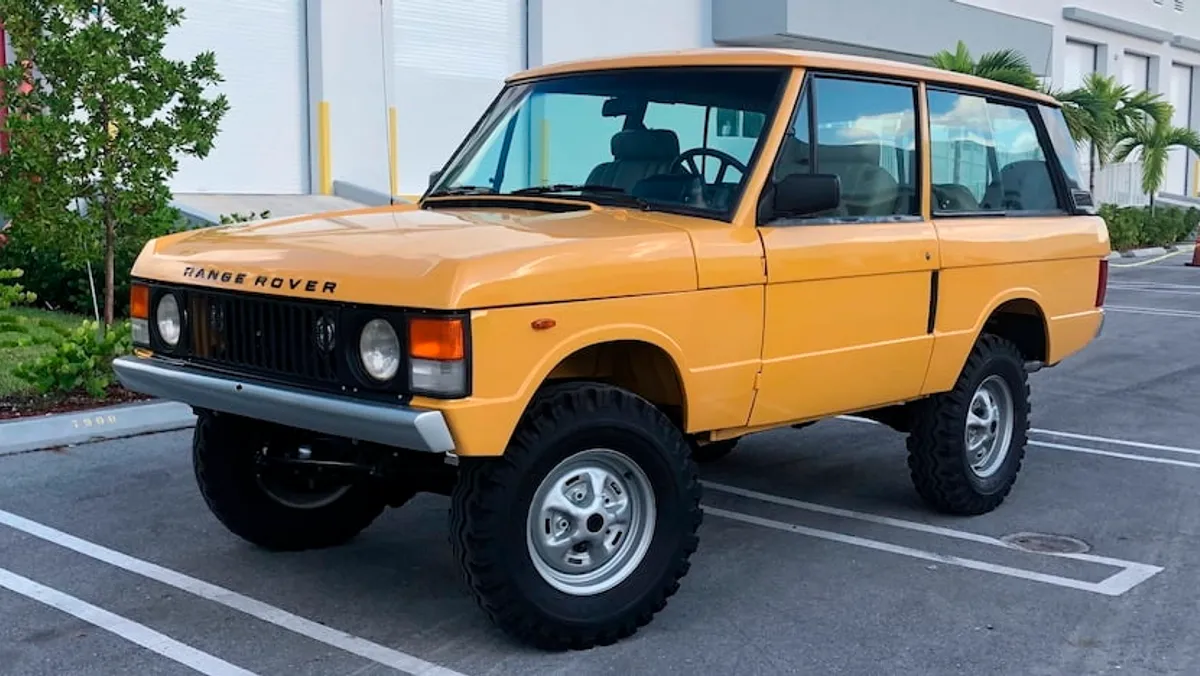
6. 1981 Range Rover Classic Five-Door: Luxury Meets Off-Road Heritage
The 1981 Range Rover Classic five-door marked a significant evolution of Land Rover’s flagship 4×4, combining off-road capability with growing luxury appeal. Originally launched in 1970 as a three-door, the Range Rover quickly became an icon for its blend of rugged utility and comfortable ride.
The introduction of the five-door model in 1981 addressed practicality concerns, particularly for families, offering improved rear passenger access while retaining the vehicle’s legendary versatility.
Powering the Classic was the 3.5-liter Buick-derived Rover V8, a smooth, torquey engine mated to a four-speed manual gearbox, with some models offering a factory overdrive. Permanent four-wheel drive and a coil-sprung chassis ensured competent off-road performance, while the aluminum body panels helped reduce weight without compromising durability.
The car was designed to balance workhorse utility with emerging luxury features, including a more comfortable interior compared to earlier two-door models. Vinyl and plastic surfaces allowed easy cleaning, emphasizing practicality alongside comfort.
The five-door Range Rover also set the stage for the modern “Chelsea Tractor” phenomenon, offering optional extras that increased refinement and brought it closer to a luxury SUV experience. Despite these upgrades, the vehicle maintained its capability on challenging terrain, making it equally at home on rough trails and urban streets.
Collectors prize the 1981 five-door Classic for its historical significance and iconic design. Key considerations for potential buyers include the condition of the steel chassis and sills, which are prone to rust despite the aluminum bodywork, as well as fuel consumption, which remains relatively high by modern standards. Early models may also lack power steering, making low-speed maneuvering more demanding.
Prices for the 1981 five-door Range Rover Classic range from approximately $10,600 to $64,600, with the original MSRP at $5,700. Its rising value reflects both its status as a classic Land Rover and its successful combination of luxury and off-road prowess.
A well-maintained example offers a practical, collectible vehicle that embodies the transition of the Range Rover from purely rugged utility to a versatile, high-end SUV capable of blending adventure with everyday comfort.
The 1981 five-door Range Rover remains a symbol of British automotive ingenuity, bridging traditional off-road toughness with the emerging luxury SUV market, and continues to be highly sought after by enthusiasts and collectors alike.
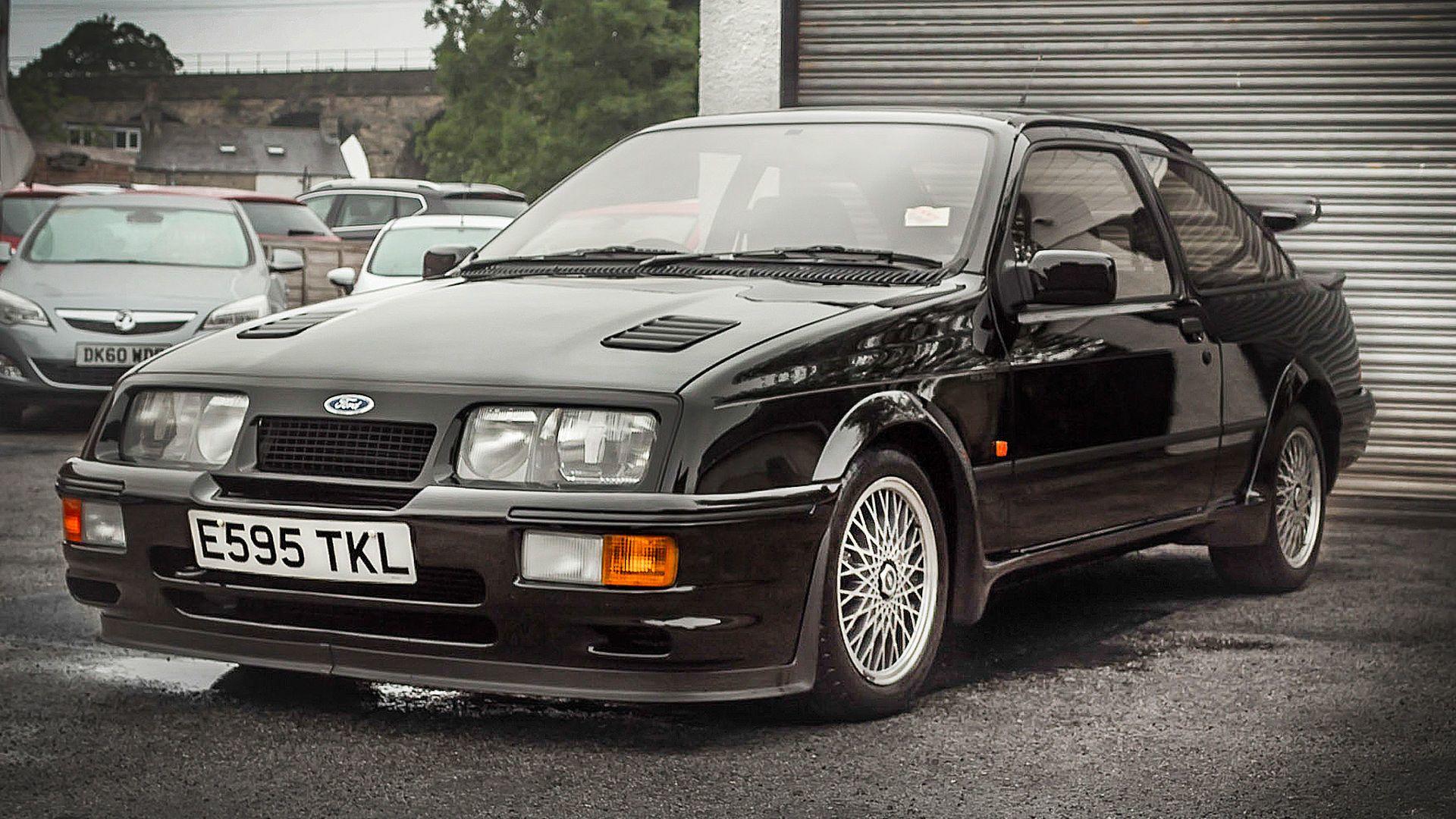
7. 1986 Ford Sierra RS Cosworth: The Ultimate ’80s Homologation Hero
The 1986 Ford Sierra RS Cosworth is an iconic homologation special, created to allow Ford to compete in Group A touring car racing. To meet regulations, 5,000 road-going models were produced, instantly making it a rare and highly sought-after machine.
Its most distinguishing feature, the massive rear “whale tail” spoiler, complemented aggressive, wide arches and a deep front bumper, giving it a truly memorable 1980s performance car silhouette.
Under the hood, the Sierra RS Cosworth featured a 2.0-liter turbocharged “YB” four-cylinder engine, producing 204 bhp and 207 lb-ft of torque. Rear-wheel drive, a five-speed manual transmission, and a performance-tuned suspension delivered sharp handling, quick steering, and high-speed stability.
Despite being based on a family hatchback, the car could sprint from 0–62 mph in 6.1 seconds and reach a top speed of 150 mph, making it competitive with contemporary supercars. The driving experience was raw and analogue, appealing to enthusiasts seeking an engaging, hands-on connection to the road.
Inside, the Sierra RS Cosworth came with Recaro sports seats and a driver-focused layout. Practicality was modest, with a 3-door hatch design and limited rear visibility, but it remained usable for everyday driving. Over the years, owners must watch for rust, particularly on sills and arches, and maintain the turbocharged engine carefully to avoid head gasket issues, especially in modified examples.
The Sierra RS Cosworth’s rarity and racing pedigree have driven a substantial increase in value. With only 5,545 units of the original 2WD model produced, well-preserved, low-mileage examples now command premium prices, with top-tier vehicles fetching well over $120,000.
Its legacy is built on motorsport success, particularly in the British Touring Car Championship (BTCC) and European rallying, cementing its status as a “giant-killer” of the 1980s.
Collectors are drawn to the Sierra RS Cosworth not only for its historical significance but also for its mechanical simplicity and tunability. Unlike Italian exotics or modern electronics-heavy cars, the YB engine is relatively easy to maintain and upgrade, making the car a rare combination of performance, accessibility, and cultural cachet.
Today, the 1986 Ford Sierra RS Cosworth has evolved from a “fast Ford” poster car of the 1980s into a modern classic prized for its thrilling driving experience, motorsport heritage, and unmistakable presence, an enduring symbol of Ford’s golden era of homologation heroes.
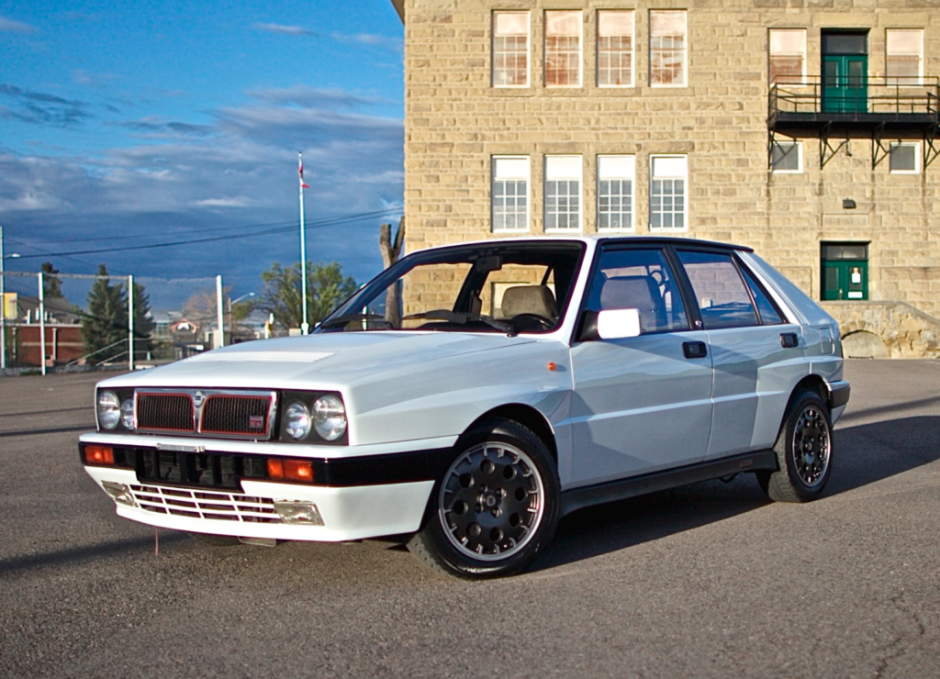
8. 1989 Lancia Delta Integrale 16v: The Rally-Bred Hot Hatch Icon
The 1989 Lancia Delta Integrale 16v represents the pinnacle of Lancia’s Group A rally homologation efforts, succeeding the HF Integrale and introducing a new 16-valve engine.
Powered by a 2.0-liter turbocharged inline-four producing 197 hp, the Integrale accelerates from 0–60 mph in just 5.7 seconds, with a top speed of 137 mph. Its all-wheel-drive system, combined with a balanced front/rear torque split, provides exceptional grip and “glued-to-the-road” handling, making it a precision-focused, driver-oriented hot hatch.
The 1989 16v model marked a significant performance leap over the earlier eight-valve cars. Mechanical upgrades included a faster steering rack, improved suspension geometry, and a revised torque distribution (47/53 front/rear), enhancing agility and cornering confidence.
The raised “16v” bonnet bulge visually distinguishes the model while accommodating the upgraded cylinder head. Its permanent four-wheel-drive system, firm suspension, and rear-biased torque contribute to a connected, analog driving experience increasingly rare in modern cars.
The Integrale’s interior balances performance with usability, featuring bolstered Recaro seats, a driver-focused dashboard with analog gauges, and excellent visibility through thin pillars.
The five-door hatchback layout ensures practicality, offering a usable daily driver alongside its rally-bred performance. However, the 16v is demanding to maintain, with rust-prone chassis sections, sensitive electronics, and turbo components requiring attentive care.
Collector interest in the 1989 Integrale 16v has surged due to its unrivaled rallying heritage, scarcity of unmodified examples, and growing nostalgia for analog driving.
It is celebrated as a “blue-chip” classic: original, rust-free models with documented histories command premium prices, with recent valuations showing a 38% increase over a few years. Its cultural status is cemented by Lancia’s dominance in the World Rally Championship, where the platform secured six consecutive Constructors’ titles (1987–1992).
Today, the 1989 Lancia Delta Integrale 16v is revered as one of the greatest hot hatches ever built. It combines raw, engaging driving dynamics, rally-proven performance, and usable practicality. While ownership demands careful maintenance, it rewards drivers with an intense, analog, and highly entertaining experience, bridging the gap between motorsport legend and road-going classic.
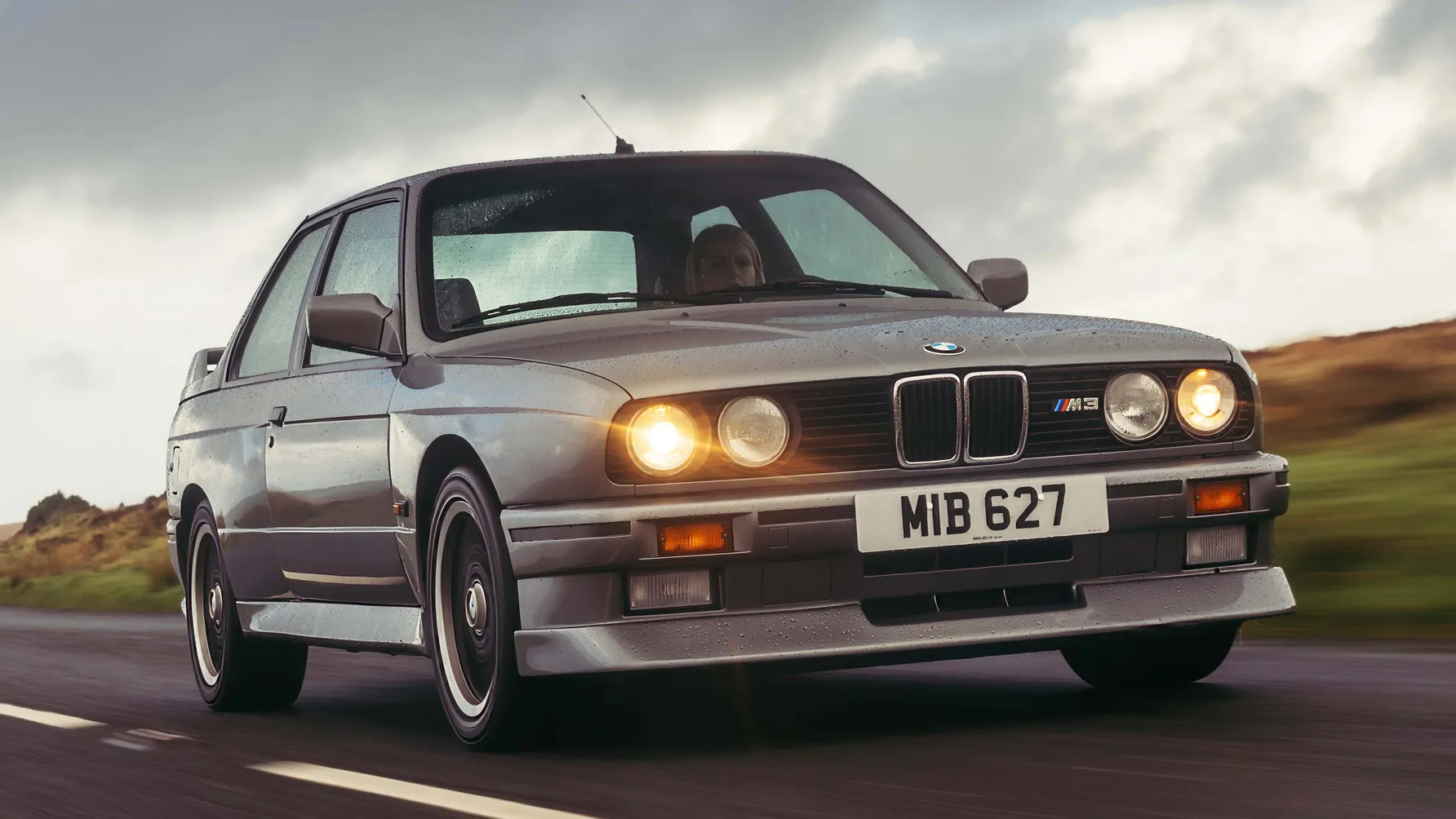
9. 1986 BMW M3 (E30): The Homologation Touring Car Legend
The 1986 BMW M3 (E30) is a seminal performance car, celebrated as one of the most successful homologation specials in motorsport history. Introduced to meet Group A touring car regulations, the E30 M3 was engineered primarily for racing, with BMW producing just under 18,000 units to qualify.
At its heart lies the high-revving 2.3-liter S14 four-cylinder engine, producing 192–200 hp, which propels the lightweight 1,200 kg chassis from 0–60 mph in 6.5 seconds. Power is delivered exclusively to the rear wheels through a manual gearbox, emphasizing a pure, analog driving experience that has become increasingly rare in modern vehicles.
The E30 M3’s racing pedigree is unparalleled. It dominated the World Touring Car Championship, DTM, and European touring car circuits, accumulating over 1,400 wins in just 1,628 days.
Its motorsport-inspired engineering included a stiff, balanced chassis, precise steering, and flared wheel arches to accommodate wider tires, resulting in exceptional handling rather than raw top speed. The car’s race-bred DNA translates directly to the road, offering an engaging, connected driving experience that enthusiasts prize.
Collector interest in the E30 M3 has surged due to its scarcity and status. Many were heavily modified, crashed, or used in competition, reducing the pool of original, unmodified examples. Restoration costs are high, particularly for the specialized S14 engine, making pristine cars highly valuable.
Special editions, such as the Sport Evolution with a 2.5-liter engine producing 235 hp, command even higher premiums. Today, auction prices for standard E30 M3s can reach $100,000–$250,000, reflecting both rarity and iconic status.
The car’s interior complements its performance-focused exterior. Drivers enjoy a functional cockpit with high-bolstered sports seats, simple analog dials, and classic 1980s features such as power steering, electric windows, and optional air conditioning. Its distinctive bodywork, including rear wing, steeper rear window, and widened arches, sets it apart from standard E30 models.
The 1986 BMW M3 (E30) is widely regarded as the ultimate 1980s sports saloon. Its combination of race-derived engineering, analog engagement, lightweight balance, and historical significance makes it a top-tier collectible and a definitive piece of BMW’s M division heritage.
For enthusiasts and collectors alike, the E30 M3 is not just a car; it is an enduring symbol of performance, precision, and nostalgia from a golden era of touring car racing.
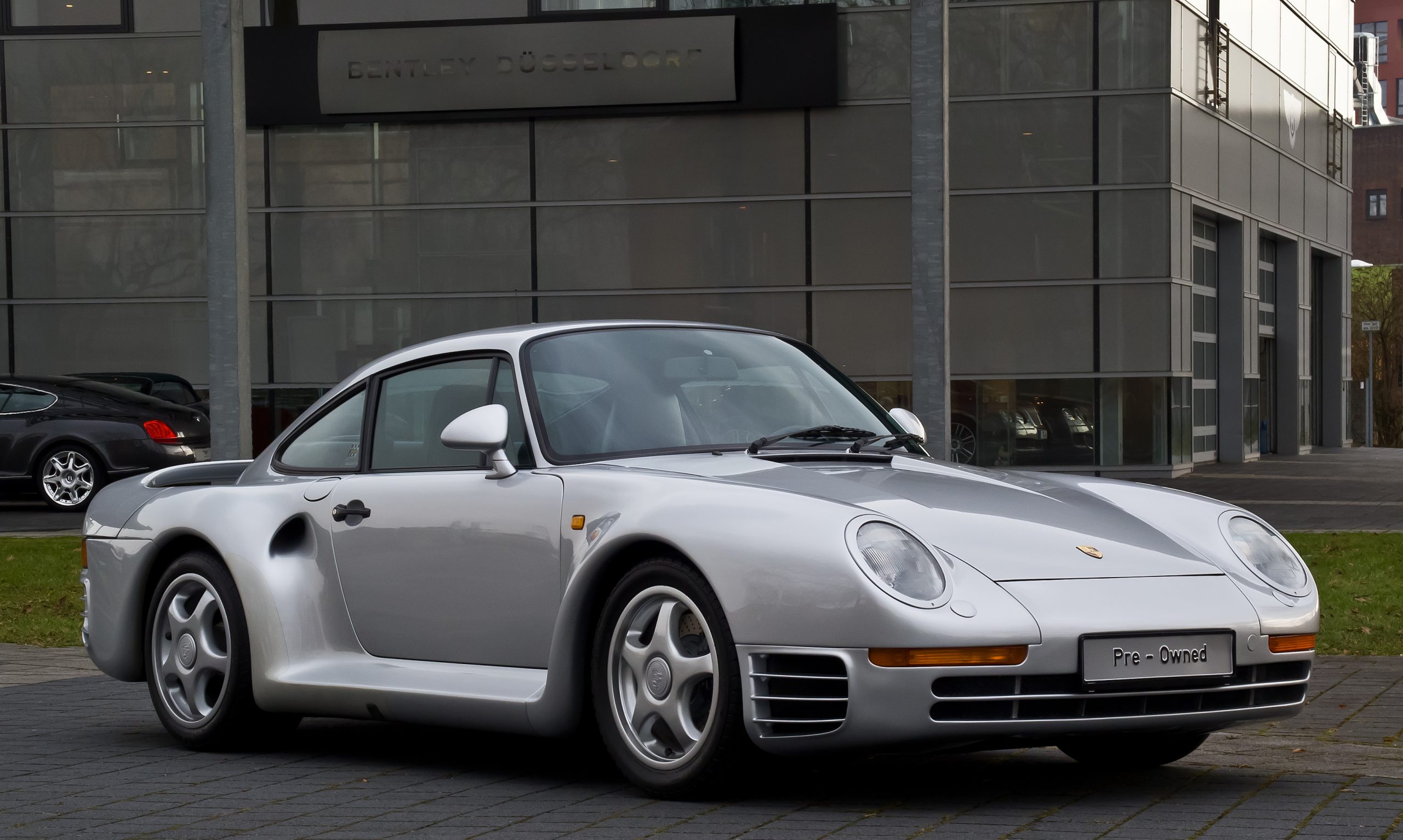
10. 1986 Porsche 959: The Technological Supercar Ahead of Its Time
The 1986 Porsche 959 is widely regarded as one of the most revolutionary supercars of the 1980s, blending cutting-edge technology with everyday usability. Born from the Group B rally era, the 959 was designed to push the limits of automotive engineering.
Powered by a 2.85-liter twin-turbo flat-six mounted at the rear, it produced 445 hp, accelerating from 0–60 mph in 3.6–3.9 seconds and achieving a top speed of 197–198 mph, making it the fastest production car of its time.
Power was sent to all four wheels via Porsche’s pioneering PSK (Porsche-Steuer-Kupplung) all-wheel-drive system, which could channel up to 80% of torque to the rear wheels, providing exceptional traction and control.
The 959 showcased technologies that were decades ahead of competitors. Its sequential turbocharging minimized lag, while the adjustable suspension and ride height system allowed it to function as both a rally-capable and comfortable road car.
Unique features such as a six-speed manual gearbox with a “Gelände” off-road gear, hollow-spoke magnesium wheels, and tire-pressure monitoring underscored its engineering sophistication. Despite these innovations, the 959 remained usable for daily driving, offering a comfortable cabin and stable, precise handling uncommon among contemporary supercars.
Rarity and exclusivity contribute heavily to its collectibility. Only 292 customer cars were produced, with just 29 units of the ultra-rare Sport model, commanding significant premiums at auction.
The 959’s motorsport pedigree, including dominance in the Paris-Dakar Rally, and ownership by high-profile figures such as Bill Gates and Jerry Seinfeld, further enhances its legendary status. Porsche Classic support ensures the maintenance and restoration of these rare machines, preserving their value.
Market trends reflect the 959’s “blue-chip” status. Standard models now trade between $1.5M and $2.2M, while Sport models often exceed $2.5M–$3.5M. Collectors increasingly prize the 959 as a pinnacle of analog supercar engineering, a bridge between raw driving engagement and technological sophistication.
Its combination of rarity, historical significance, rally heritage, and forward-thinking design makes the 1986 Porsche 959 a benchmark in automotive history and a long-term investment with enduring appeal.
Cars from the 1980s remain celebrated for their driver-focused engineering, mechanical simplicity, and bold styling. Collectors are increasingly seeking these vehicles for both their investment potential and the pure, engaging experience they offer. The ten cars featured in this list demonstrate how rarity, performance, and cultural impact have combined to make certain models highly desirable today.
From rally-bred hot hatches to legendary supercars, these vehicles provide both historical significance and emotional appeal. As values continue to rise, the cars of this era serve as a reminder of a time when driving was raw, exciting, and memorable. For enthusiasts and collectors, the 1980s represent a decade of timeless classics that are now recognized as both enjoyable to drive and worthwhile to own.
Also Read: Top 10 Cars With Manual Transmissions You Can Still Buy Brand New
