Classic British roadsters are celebrated for their timeless design, open-air driving experience, and unique character on winding roads. While many vintage sports cars can be intimidating due to complex mechanical systems or scarce parts, “Top 10 Classic British Roadsters That Are Simple to Work On” focuses on models that are approachable for DIY enthusiasts and first-time restorers.
From the easygoing MGB Roadster to the precise Lotus Elan S4 and the distinctive TVR 280i, these cars combine iconic styling with mechanical accessibility. Each model features straightforward engines, accessible suspension layouts, and readily available parts.
They are designed to be serviced and maintained without specialized tools, allowing owners to enjoy hands-on work while experiencing the visceral performance that defines classic British motoring. This guide highlights roadsters that are not only fun to drive but also practical to care for, offering a rewarding introduction to owning a vintage sports car.
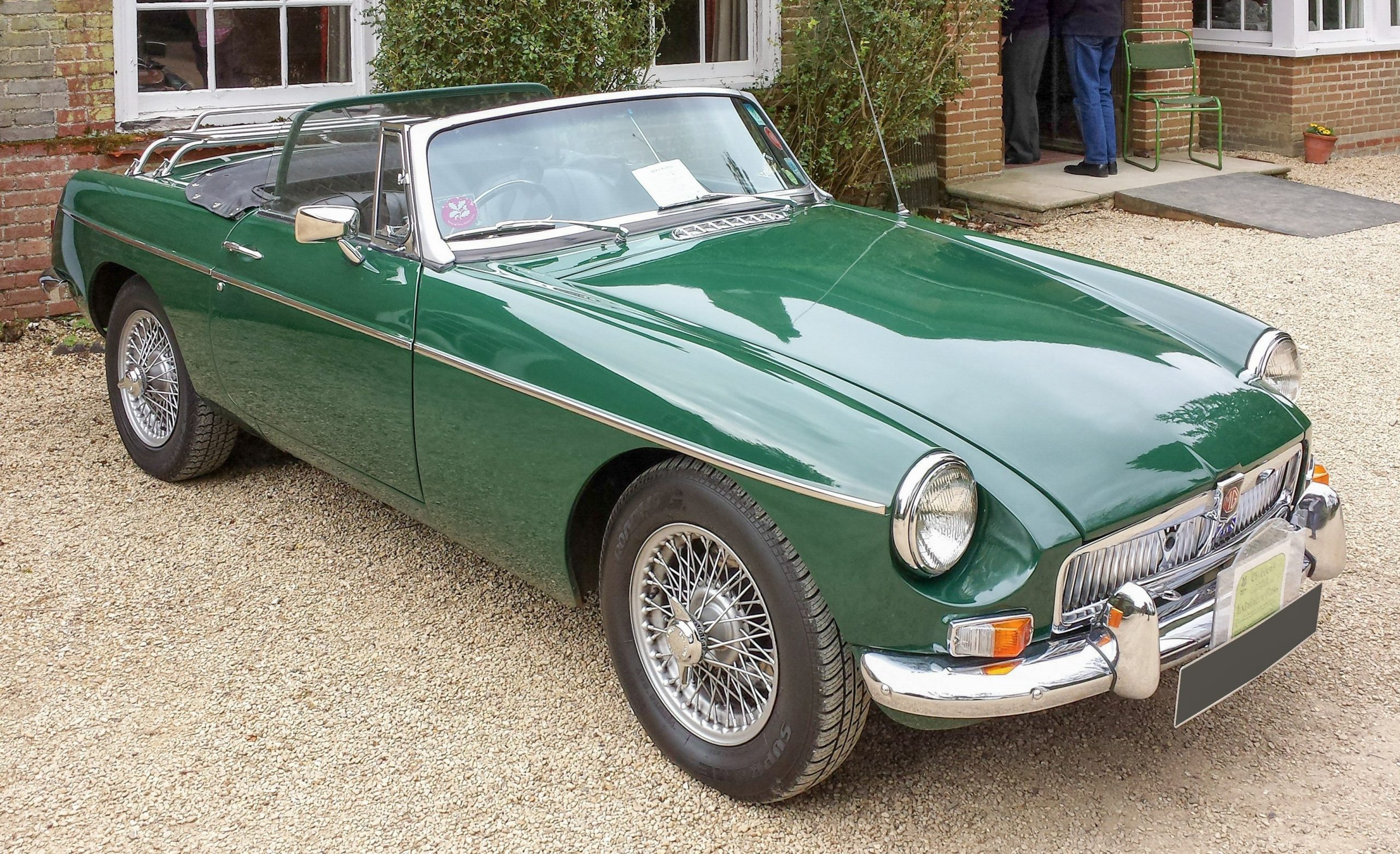
1. MGB Roadster (1962–1980): The Quintessential Entry-Level Classic
The MGB Roadster, produced between 1962 and 1980, remains an iconic British classic, celebrated for its timeless design, approachable driving experience, and affordability. Powered by the legendary 1.8-liter B-Series engine, the MGB is renowned for being beginner-friendly.
Its iron push-rod engine is durable, straightforward, and highly serviceable, with accessible components such as tappets and twin SU carburetors. The vehicle’s unibody construction and simple mechanical systems, including traditional rack-and-pinion steering and a basic Lucas-based electrical setup, make maintenance and repairs manageable even for novice owners.
Over 500,000 MGBs were built, ensuring an extensive supply of parts often more reliable than the originals. Enthusiasts benefit from a robust community, hundreds of online tutorials, and ready access to specialist suppliers, making it an ideal car for owner-led restoration and upkeep.
Common areas requiring attention include rust in sills, floor pans, and scuttle panels, as well as routine engine checks for oil pressure and head gasket integrity. Despite these vulnerabilities, the MGB is widely regarded as highly reliable and suitable for regular use.
Performance-wise, the MGB offers a comfortable, balanced ride rather than outright speed. Its 1.8-liter engine produces approximately 95bhp, paired with a standard 4-speed manual transmission; many models feature optional overdrive on 3rd and 4th gears for modern highway cruising.
The independent front suspension and rack-and-pinion steering deliver nimble handling, while the classic interior is generally comfortable, though taller drivers may find the windshield frame slightly restrictive.
The model evolved over time: early 1962–1974 chrome bumper versions are highly sought after, with higher compression engines, while 1974.5–1980 rubber bumper models were introduced to meet safety regulations. Though slightly heavier and with reduced performance, these later models are practical, budget-friendly, and often easier to maintain.
The MGB Roadster is a true entry-level classic: affordable, easy to maintain, and fun to drive. Its combination of accessible mechanics, plentiful parts, and timeless design ensures it remains a celebrated icon of British motoring and a top choice for enthusiasts seeking an approachable classic car.
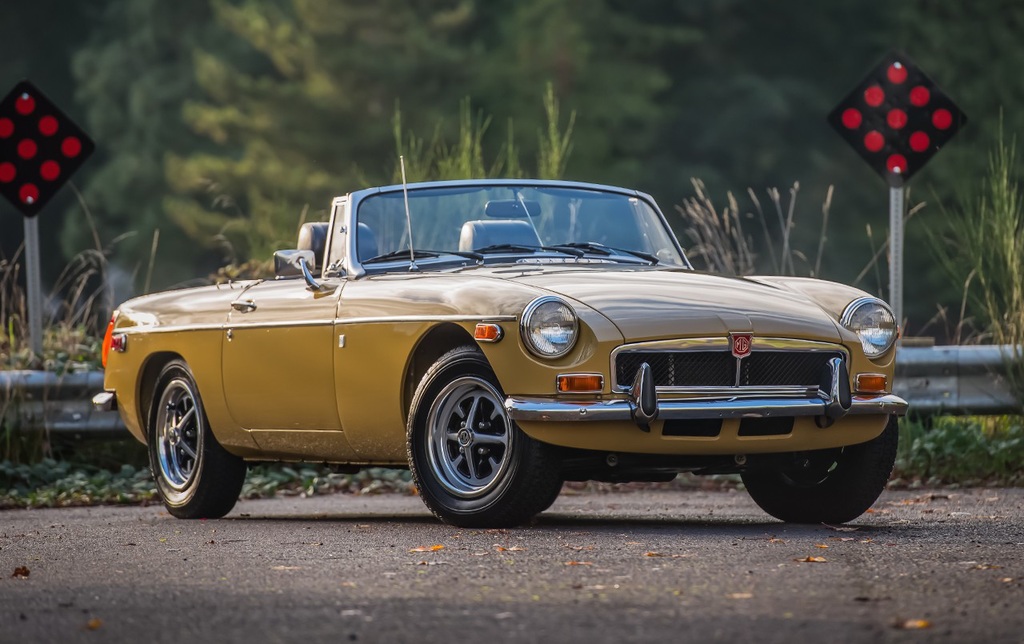
2. Triumph Spitfire MKIV (1970–1974): A Practical and Accessible Classic Sports Car
The Triumph Spitfire MKIV, produced from 1970 to 1974, stands out as one of the most beginner-friendly classic sports cars, valued for its simple engineering, lightweight construction, and exceptional mechanical accessibility.
Designed with home mechanics in mind, the MKIV features a unique forward-hinged one-piece bonnet that lifts entirely to reveal the engine bay, steering components, and front suspension. This design provides nearly unrestricted access to mechanical parts, making routine servicing and repairs unusually convenient compared with most sports cars of its era.
The car is built on a shortened Triumph Herald chassis using a separate body-on-frame layout. This construction allows the body to be removed relatively easily, simplifying restoration and structural repairs that can often be completed in a home garage.
Power comes from a straightforward 1,296cc four-cylinder engine known for durability and ease of maintenance. Many components are shared with other Triumph models, ensuring strong parts availability and affordable upkeep for owners.
The MKIV introduced several refinements over earlier Spitfire versions. Styled by Giovanni Michelotti, it received a more modern appearance with sharper lines and a squared rear design that reflected contemporary automotive trends.
Improvements to the rear suspension significantly enhanced stability, addressing the unpredictable handling characteristics associated with earlier swing-axle models. As a result, the MKIV delivers a more confident and balanced driving experience while maintaining the lightweight charm that defines the Spitfire range.
Performance is modest but enjoyable. The small engine prioritizes simplicity over speed, yet the car’s low weight of around 670 kilograms provides lively handling and an engaging open-top driving experience. A four-speed manual transmission is standard, and models equipped with optional overdrive are especially desirable for improved cruising comfort at higher speeds.
Potential owners should be aware of common issues. Rust remains the primary concern, particularly in the sills, floorpans, front arches, and trailing arm mounts. Mechanically, worn thrust washers can cause serious engine damage if ignored, and gearbox wear should also be inspected carefully.
The Triumph Spitfire MKIV offers affordable classic ownership, straightforward maintenance, and a pure driving experience, making it an excellent entry-level British sports car for enthusiasts and DIY restorers alike.
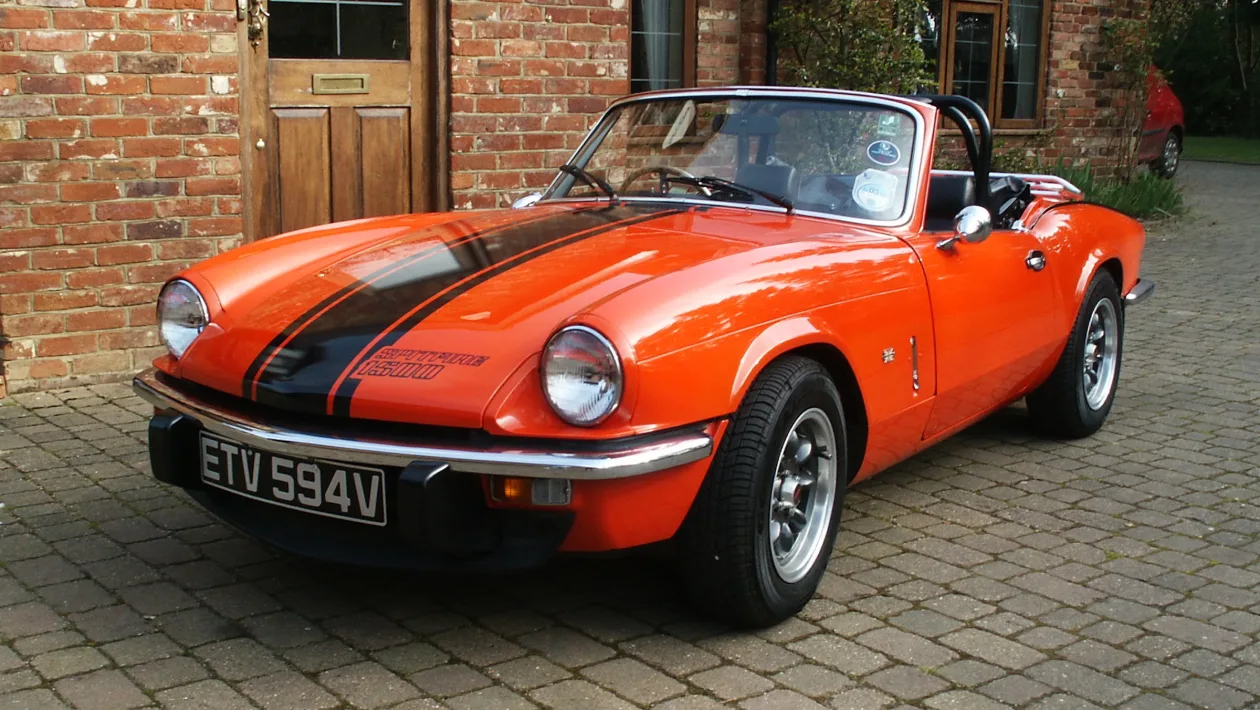
3. Austin-Healey “Bugeye” Sprite (1958–1961): Mechanical Simplicity and Beginner-Friendly Classic Motoring
The Austin-Healey “Bugeye” Sprite, produced from 1958 to 1961, is one of the most recognizable and approachable British sports cars ever built. Famous for its distinctive smiling appearance and fixed “frog-eye” headlights, the Sprite represents mechanical minimalism and lightweight design.
Created as an affordable entry-level sports car, it remains a favorite among enthusiasts and first-time restorers because of its simplicity, durability, and ease of maintenance.
At the heart of the Sprite is the compact 948cc BMC A-Series engine, a proven and robust power unit also used in vehicles such as the original Mini and Morris Minor. This overhead-valve engine is small, lightweight, and straightforward enough to be rebuilt on a standard workbench, making it ideal for owners learning mechanical skills.
Equipped with twin SU carburetors and uncomplicated mechanical systems, the car avoids complex electronics or modern accessories, focusing instead on fundamental engineering principles.
One of the Sprite’s most practical design features is its one-piece clamshell bonnet, which lifts forward to expose the engine, steering rack, and front suspension completely.
This exceptional accessibility simplifies servicing and repairs, encouraging owner involvement. The car’s minimalist construction further reduces maintenance concerns, as early models lack external door handles and even an external trunk lid, resulting in fewer components that can fail or require adjustment.
Weighing approximately 664 kilograms, the Sprite delivers a lively driving experience despite modest performance figures. Producing about 43 horsepower, it accelerates gradually but compensates with responsive rack-and-pinion steering and nimble handling that creates a go-kart-like feel.
The interior is intentionally basic, featuring simple bucket seats, a metal dashboard, and sliding side windows, reinforcing the car’s back-to-basics character.
Parts availability remains excellent due to shared components with other British Motor Corporation models and strong enthusiast support. Many owners also upgrade their cars with larger 1275cc engines, front disc brakes, or improved suspension systems to enhance usability.
Although rust and age-related wear must be monitored, the Bugeye Sprite is widely considered more fun than challenging to restore. Its charm, affordability, and mechanical accessibility make it an ideal introduction to classic car ownership and a beloved icon of vintage British motoring.
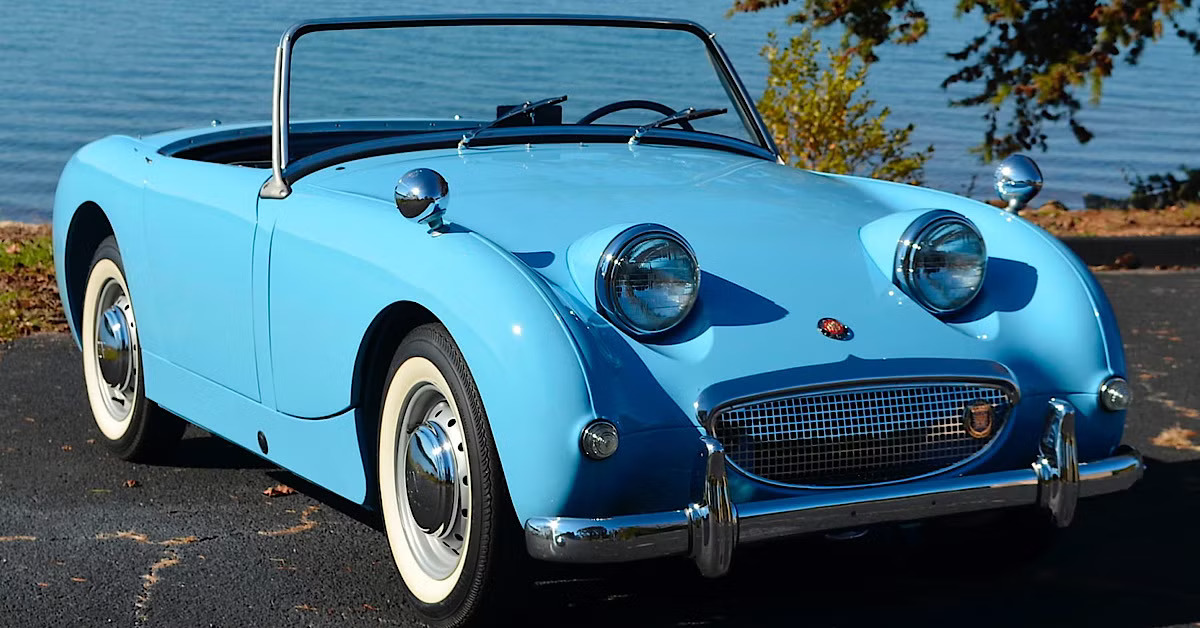
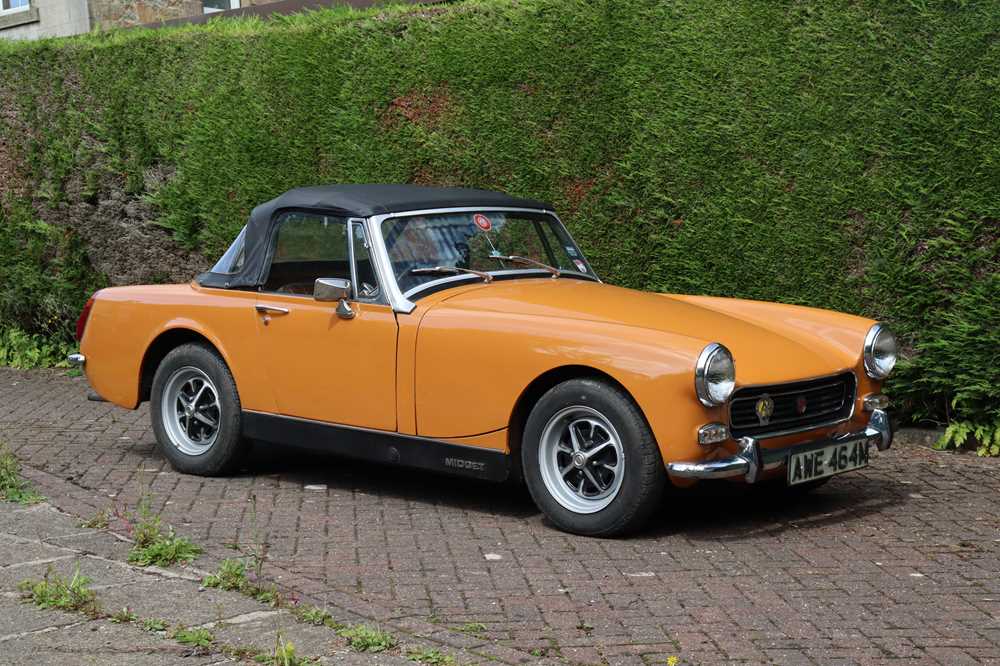
4. MG Midget MKIII (1966–1974): A Compact and Beginner-Friendly British Roadster
The MG Midget MKIII, produced from 1966 to 1974, is widely regarded as the most desirable and well-balanced version of the Midget range. Combining classic British sports car character with improved practicality, it offers simple engineering, lightweight construction, and excellent serviceability.
Often grouped with its sibling, the Austin-Healey Sprite, the MKIII belongs to the “Spridget” family and shares many mechanical components, making it an ideal entry-level classic for enthusiasts and first-time restorers.
At the heart of the MKIII is the 1275cc A-Series engine, the most powerful and tunable version fitted to the Midget line. Producing roughly 65 horsepower, the engine delivers lively performance while remaining durable and easy to maintain.
Its twin SU carburetors are straightforward to adjust, and the engine’s long production history means parts, expertise, and documentation are widely available. The mechanical layout is logical and uncluttered, allowing owners to learn maintenance skills even in limited workshop space.
Compared with earlier models, the MKIII introduced practical upgrades such as wind-up windows and a permanent folding convertible top, improving everyday usability without sacrificing simplicity.
The compact engine bay is tighter than that of larger classics like the MGB, but components are sensibly arranged for accessibility. Basic Lucas electrical systems, though occasionally temperamental, are simple to diagnose and repair due to their minimal complexity.
Lightweight engineering contributes significantly to the Midget’s appeal. Weighing about 700 kilograms, the car places little strain on brakes, tires, and suspension components, reducing maintenance costs.
The front double-wishbone suspension with coil springs and traditional rear leaf springs are conventional designs that are easy to service. On the road, the MKIII provides nimble handling, precise steering, and an engaging driving experience often described as go-kart-like.
As with many British classics, rust is the primary concern. Buyers should inspect sills, floor pans, wheel arches, and spring hangers carefully. Minor oil leaks and aging electrical components are also common but manageable issues.
The MG Midget MKIII offers an affordable entry into classic car ownership. Its blend of mechanical simplicity, strong parts support, and enjoyable driving dynamics makes it one of the best starter classics for DIY enthusiasts seeking an authentic vintage roadster experience.
5. Triumph TR6 (1968–1976): A Powerful and Honest Classic British Roadster
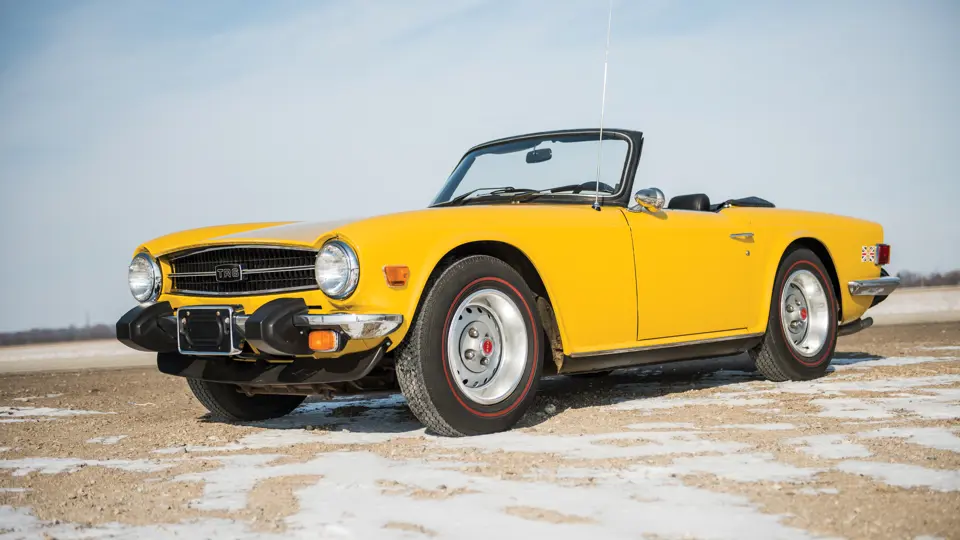
The Triumph TR6, produced from 1968 to 1976, represents a step up in performance and mechanical presence among classic British sports cars. Known for its muscular styling and strong six-cylinder engine, the TR6 combines traditional engineering with a raw and engaging driving experience.
Its rugged construction and straightforward mechanical layout make it especially appealing to mechanically confident hobbyists seeking a more powerful yet still manageable classic.
At the heart of the TR6 is a durable 2.5-liter inline-six engine, celebrated for its strong torque delivery and distinctive exhaust sound. The engine is considered under-stressed, meaning it was built with robust internal components designed for longevity when properly maintained.
Early UK models featured mechanical fuel injection producing higher power outputs, while most US versions used twin Zenith Stromberg carburetors that are simpler to maintain and easier to synchronize. With regular servicing, the engine is capable of a long service life before requiring a major overhaul.
The TR6 uses a traditional body-on-frame construction rather than a unibody design. This layout makes mechanical components such as the engine, transmission, and differential easier to access and repair. It also allows owners to identify structural issues more clearly, although chassis rust remains the most critical concern.
Areas around the frame, floor pans, and trailing arm mounts require careful inspection during ownership or purchase.
Driving the TR6 delivers a classic analog experience. Independent rear suspension improves handling compared with earlier Triumph models, while direct, non-assisted steering provides precise feedback at speed.
A four-speed manual gearbox is standard, often paired with optional overdrive for more relaxed highway cruising. Although not exceptionally fast by modern standards, the TR6 feels powerful thanks to its strong mid-range torque and responsive character.
Parts availability and enthusiast support are excellent, supported by active clubs and specialist suppliers. Owners benefit from extensive documentation and community knowledge, making maintenance and restoration achievable for dedicated enthusiasts.
The Triumph TR6 offers a compelling blend of performance, mechanical honesty, and classic styling. Its robust engineering, engaging driving dynamics, and accessible maintenance make it an ideal progression for hobbyists ready to move beyond entry-level classics into a more powerful vintage sports car experience.
Also Read: 5 Cars With Simple Dash Layouts vs 5 With Confusing Ones
6. Triumph TR3A (1957–1962): A Raw and Mechanical Classic for Hands-On Enthusiasts
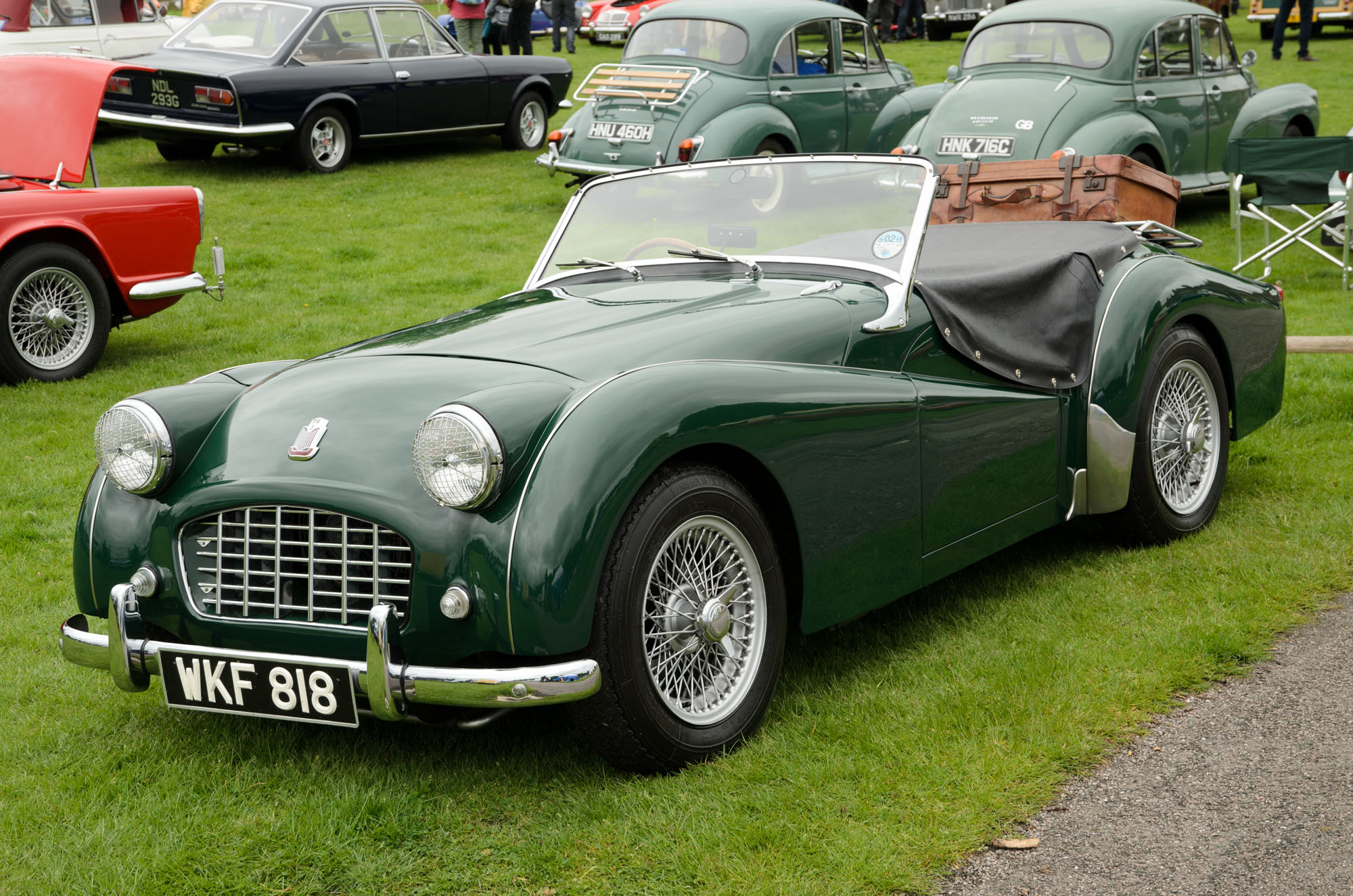
The Triumph TR3A, produced from 1957 to 1962, is one of the most characterful early British sports cars, celebrated for its rugged engineering and raw driving experience. With its low-cut doors, minimalist interior, and unmistakable wide “egg-crate” grille, the TR3A embodies a back-to-basics approach to motoring.
Designed during an era when simplicity and serviceability were priorities, it remains a favorite among enthusiasts who appreciate traditional mechanical craftsmanship and hands-on maintenance.
Power comes from a 1991cc inline four-cylinder engine producing around 100 horsepower. Known for strong torque and durability, the engine delivers lively performance for its time, allowing acceleration from 0 to 60 mph in roughly 10 to 12 seconds and a top speed exceeding 100 mph.
A unique feature of this engine is its wet-sleeve design, which allows cylinder liners to be replaced without machining the engine block. This design greatly simplifies rebuilding and makes the TR3A particularly attractive for DIY restorers working with basic tools.
The TR3A was also among the first mass-produced cars to feature standard front disc brakes, an advanced safety feature for the period. These brakes are mechanically simple and easy to service compared with modern braking systems. The car’s electrical system is equally straightforward, consisting of minimal wiring, basic circuits, and only a small number of fuses, making troubleshooting accessible even for beginners.
Driving the TR3A is an immersive and analog experience. The stiff suspension and direct steering provide responsive handling, though the ride can feel firm on uneven roads. Weather protection is limited, as the car uses a simple convertible top with removable side curtains, making it best suited for fair-weather driving. Inside, the cabin is minimalist, typically featuring leather seats and few comfort features.
As with many classics of its era, rust is the primary concern, particularly in the sills, rear wings, B-pillars, and spare wheel compartment. Mechanical components are generally robust, and parts availability remains strong thanks to dedicated specialist suppliers.
The Triumph TR3A is a true “nuts and bolts” sports car that rewards mechanical involvement. Its simplicity, historical significance, and engaging performance make it an appealing and approachable classic for enthusiasts seeking an authentic vintage driving experience.
7. Sunbeam Alpine Series V (1965–1968): A Refined and Practical Classic British Roadster
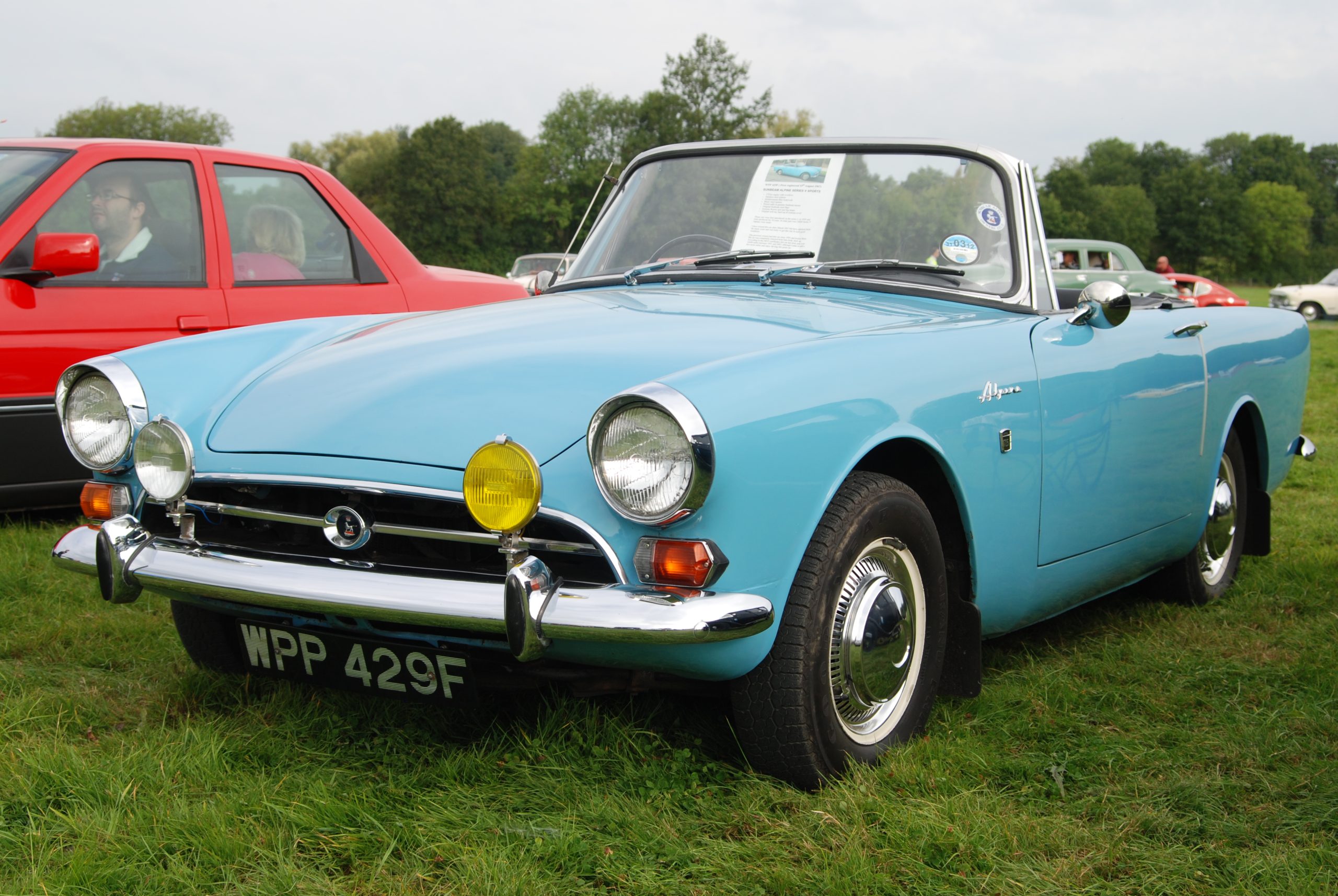
The Sunbeam Alpine Series V, produced from 1965 to 1968, represents one of the most refined and user-friendly British roadsters of its era. Designed to provide comfort and everyday usability alongside classic open-top motoring, the Series V balances sophistication with mechanical simplicity.
Known for its stylish appearance and association with early James Bond films, the Alpine delivers a more civilized driving experience compared with many raw sports cars of the 1960s while remaining approachable for home maintenance and restoration.
Power comes from a 1725cc inline four-cylinder engine featuring a five-main-bearing crankshaft, a significant improvement over earlier Alpine models. This design enhances smoothness, durability, and reliability, making the engine well-suited to long-term ownership.
Producing approximately 92.5 horsepower, the car offers adequate performance with a top speed of nearly 97 mph. The engine’s overhead-valve layout is straightforward to service, and its twin Stromberg carburetors are relatively simple to maintain or upgrade with modern alternatives for improved reliability.
The Alpine follows a conventional front-engine, rear-wheel-drive layout paired with a four-speed manual transmission, often equipped with Laycock de Normanville overdrive operating on third and fourth gears.
Suspension and drivetrain components were largely sourced from the Rootes Group parts inventory, meaning many parts are familiar and practical to source. Later suspension improvements eliminated earlier kingpin lubrication requirements, reducing maintenance demands and improving long-term usability.
Unlike more minimalist roadsters, the Series V emphasizes comfort and practicality. Features such as wind-up windows, a well-designed folding soft top, and a usable trunk make it feel closer to a small grand tourer than a stripped-down sports car. The cabin includes a wood-veneer dashboard and improved weather protection, enhancing everyday driving comfort.
Maintenance is generally straightforward thanks to an orderly engine bay and a reliable 12-volt negative earth electrical system. Parts availability is supported by specialist suppliers and enthusiast clubs, though sourcing can sometimes require more effort than with MG or Triumph models. Rust remains the primary concern, especially in box sections, floorpans, wheel arches, and door bottoms.
The Sunbeam Alpine Series V offers an appealing combination of classic style, mechanical simplicity, and everyday usability, making it an excellent choice for enthusiasts seeking a comfortable yet manageable vintage British roadster.
8. Lotus Elan S4 (1968–1971): Lightweight Engineering and Precision Classic Motoring
The Lotus Elan S4, produced from 1968 to 1971, represents a distinctive approach to classic sports car design, blending advanced engineering with logical mechanical simplicity.
Developed under Colin Chapman’s philosophy of “simplify, then add lightness,” the Elan focuses on reduced weight, efficiency, and exceptional handling rather than raw horsepower. Although Lotus has a reputation for technical complexity, the Elan S4 is thoughtfully engineered and accessible to enthusiasts who appreciate careful adjustment and precision maintenance.
A defining feature of the Elan is its steel backbone chassis, which forms the structural core of the car and supports the suspension, engine, and drivetrain. Unlike conventional unibody construction, this design allows excellent access to major components and makes chassis servicing or replacement relatively straightforward.
The fiberglass body is mounted to the chassis at several attachment points and is immune to rust, eliminating one of the most common restoration challenges associated with classic cars. Fiberglass panels are also easier to repair than traditional steel bodywork, reducing long-term restoration difficulty.
Power comes from a 1.6-liter twin-cam four-cylinder engine derived from the Ford Kent block. While more advanced than engines found in many contemporary British roadsters, it benefits from widespread racing use, meaning repairs, upgrades, and tuning procedures are extensively documented.
The engine is highly responsive and tunable, and many owners modify carburetors or upgrade known weak points to improve reliability. The front-engine, rear-wheel-drive layout remains conventional and easy to service.
The Elan S4 features fully independent suspension, with double wishbones at the front and Chapman struts at the rear. This setup produces remarkable balance and agility, giving the car handling characteristics often compared to lightweight race cars. Weighing approximately 1,500 pounds, the Elan delivers quick acceleration and extremely precise steering feedback.
The S4 introduced refinements such as improved electrical systems, better interior finishing, and increased usability compared with earlier models. Maintenance requires attention and mechanical understanding, but the car rewards careful ownership with an engaging and technically satisfying classic driving experience.
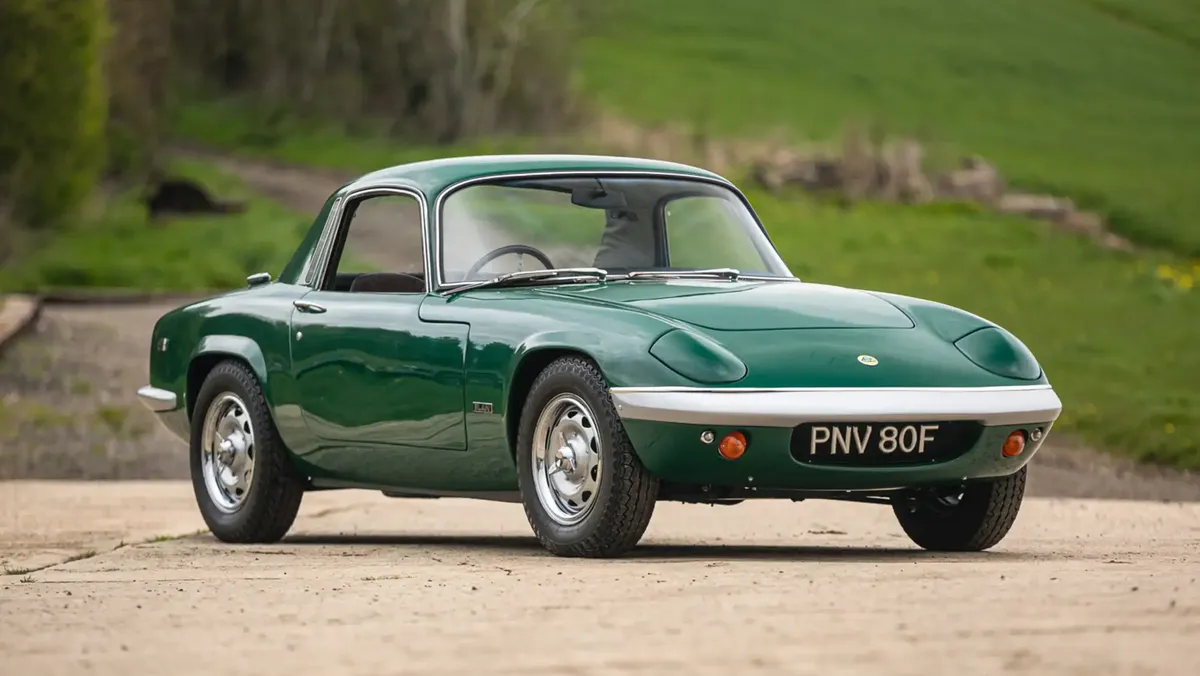
9. MG MGA 1600 (1959–1961): Elegant Simplicity and Accessible Classic Motoring
The MG MGA 1600, produced from 1959 to 1961, is widely celebrated as one of the most beautiful and mechanically straightforward British sports cars of its era. Its streamlined, aerodynamic body marked a radical departure from the earlier squared-off T-Series MGs, while its minimalist interior emphasized driving enjoyment over luxury.
The MGA 1600, often called the Mark I, introduced key mechanical improvements over the original 1500, including a larger 1,588cc B-Series engine and front disc brakes, making it safer and more capable in modern traffic.
Mechanically, the MGA 1600 is extremely accessible for enthusiasts and DIY restorers. Its B-Series inline-four engine is renowned for durability and a simple overhead-valve layout. The separate body-on-frame construction allows the entire body to be lifted for full drivetrain access, simplifying major restorations.
Standardized BMC components, including the gearbox and rear axle, make repairs and part replacements logical and straightforward. The four-speed manual transmission is precise, though first gear requires double-clutching due to the lack of synchromesh.
Maintenance and tuning are made easier by the MGA’s minimalist design. Many parts are interchangeable with other MGA or MGB models, including brakes and anti-roll bars. Bolt-on tuning equipment, such as SU or Weber carburetors, can be installed and adjusted with basic hand tools.
Front disc brakes introduced in 1959 significantly improved stopping power while remaining simple to service. Suspension is light and responsive, providing agile handling and a delightful experience on country roads.
Support for owners and restorers is extensive. Enthusiast clubs, specialist suppliers like Moss Motors, and comprehensive workshop manuals ensure that replacement parts and guidance are readily available. The combination of robust mechanics, lightweight construction, and abundant resources makes the MGA 1600 particularly well-suited for home restoration projects.
The interior is minimal, featuring basic gauges, telescoping steering, and side curtains instead of fixed windows, reinforcing its focus on driving purity. Aluminum doors, hood, and trunk reduce weight, while the plywood floor adds a simple structural solution. While the car can develop minor oil leaks and gearbox wear, these issues are well understood and manageable.
The MGA 1600 delivers an elegant, driver-focused experience. Its combination of iconic styling, straightforward mechanics, and strong community support makes it a highly rewarding and accessible classic sports car.
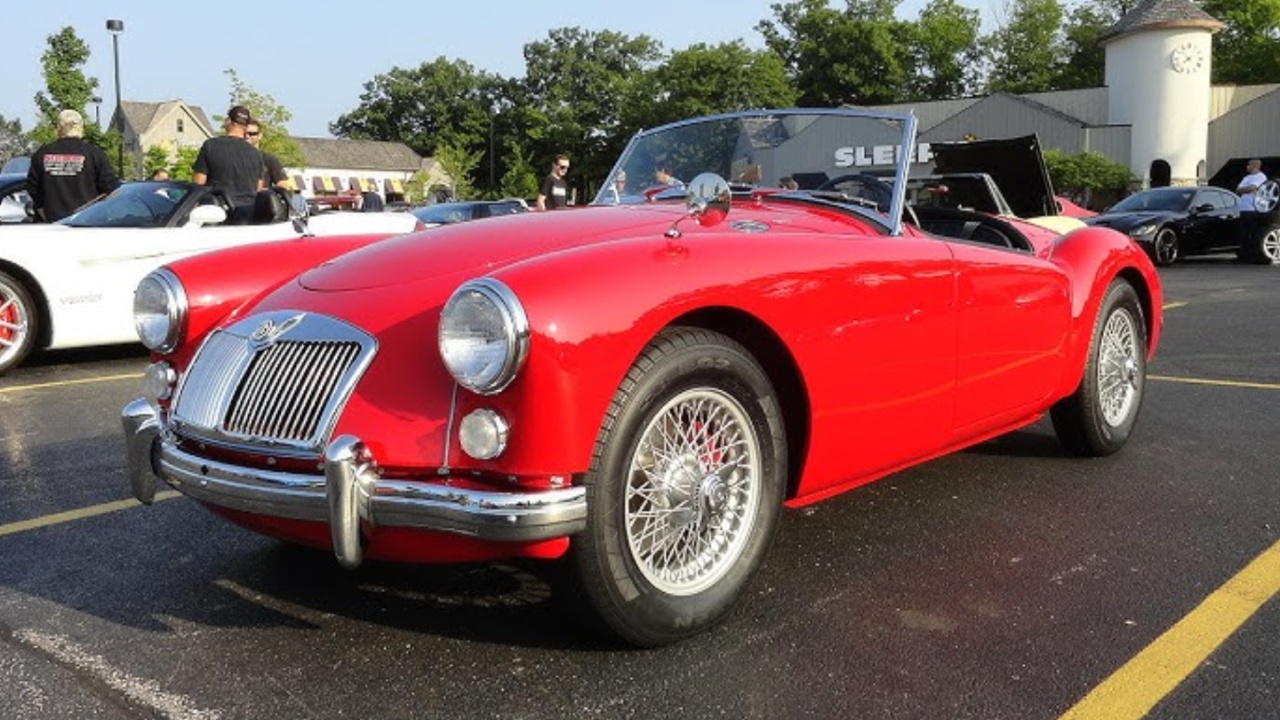
10. TVR 280i “Wedge” (1980–1987): Exotic Looks with Accessible Mechanics
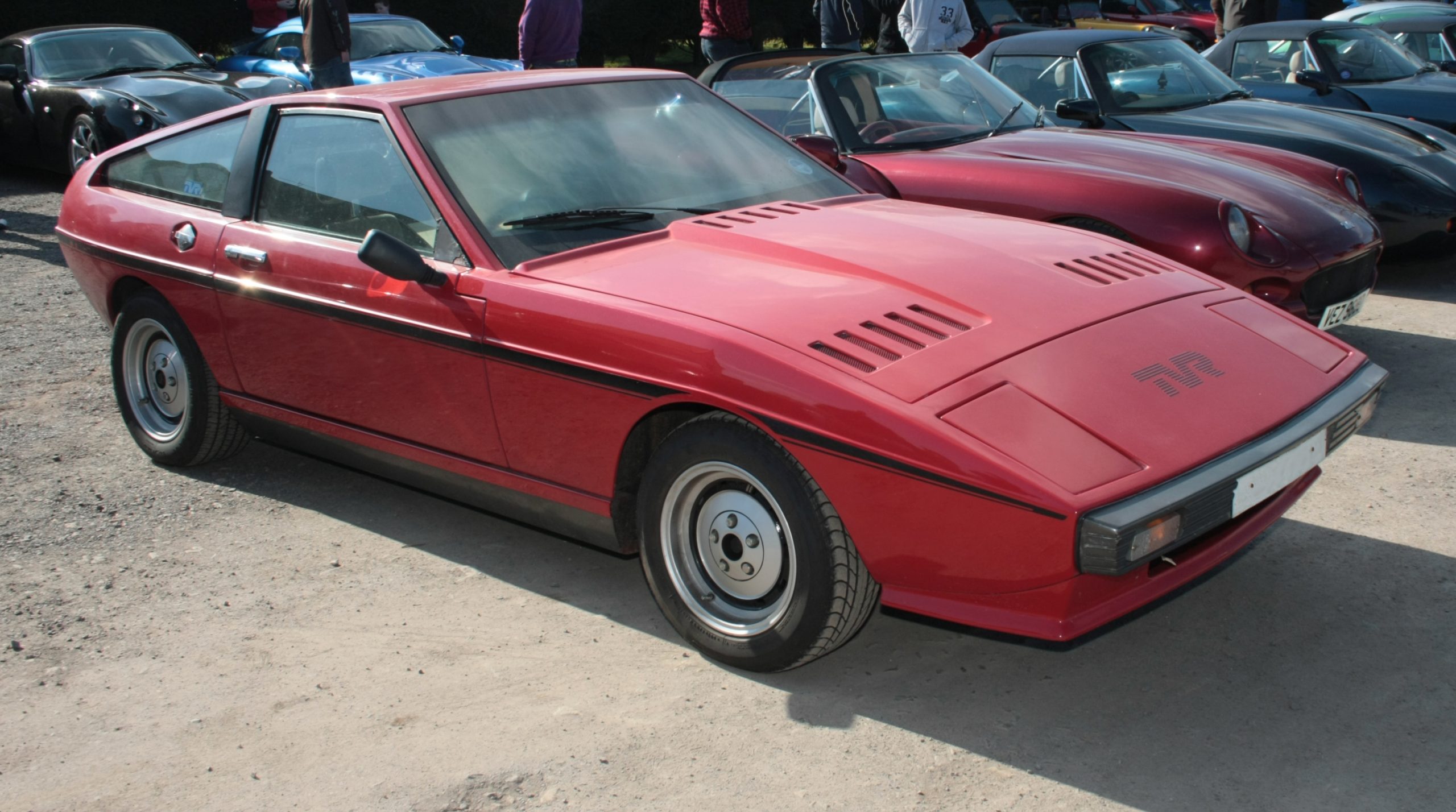
The TVR 280i “Wedge,” produced from 1980 to 1987, combines sharp, angular 1980s styling with surprisingly practical mechanics. Designed by Oliver Winterbottom, the car features a fiberglass body mounted on a tubular steel chassis, giving it a dramatic, low-slung appearance while remaining resistant to rust.
Unlike many TVRs that are hand-built and highly temperamental, the 280i uses largely off-the-shelf components, making it a rare blend of exotic looks and DIY-friendly maintenance. Its design appeals to enthusiasts who want an eye-catching classic without being intimidated by rare or proprietary systems.
Power comes from a 2.8-liter Ford Cologne V6, producing around 160 horsepower (145 hp in US models). The engine and drivetrain are sourced from mainstream Ford vehicles such as the Capri and Mustang II, meaning parts are widely available, inexpensive, and familiar to most mechanics.
The Bosch K-Jetronic fuel injection system is reliable and easier to maintain than many modern systems. The front double-wishbone suspension and Jaguar-sourced rear differential contribute to responsive, sharp handling, giving the car a raw yet controllable driving experience.
Maintenance is simplified by the car’s “parts-bin” philosophy. Many components, including brakes, switches, and ancillary parts, were sourced from other 1980s British or European vehicles.
The chassis design allows easy inspection and access to mechanical components, while the fiberglass body can be repaired without concerns about corrosion. Technical guides such as Steve Heath’s “Wedge Bible” provide comprehensive instructions, helping owners troubleshoot and service the car effectively.
The 280i is lightweight, around 2,300–2,600 pounds, enhancing both performance and ease of mechanical work. Its drivetrain is robust, and upgrades or repairs can be performed without specialized tools. However, owners should be aware of potential challenges, including electrical gremlins, occasional difficulty finding specific year-correct parts, and the cramped interior.
The TVR 280i delivers an engaging driving experience with distinctive styling, pop-up headlights, and a visceral feel reminiscent of more expensive hand-built sports cars. Its combination of mechanical accessibility, strong parts availability, and iconic wedge-shaped design makes it an appealing choice for enthusiasts seeking a classic British sports car that is both striking and practical to maintain.
Owning a classic British roadster does not have to involve constant frustration with hard-to-find parts or complicated repairs. The ten models featured, from the beginner-friendly Triumph Spitfire and MG Midget to the refined Lotus Elan and powerful TR6, show that style, performance, and simplicity can coexist.
These cars offer accessible engines, logical mechanical layouts, and strong enthusiast support, making maintenance, restoration, and upgrades achievable in a home garage. Owners can enjoy raw, analog driving experiences without being deterred by technical challenges.
Focusing on practical, well-documented classics ensures that both new and experienced restorers can appreciate British open-top motoring while combining heritage, engagement, and hands-on satisfaction into a fulfilling hobby.
Also Read: Top 10 Cars From the 1980s That Are Finally Increasing in Value