The 1970s was a defining decade for American muscle cars, marked by raw power, bold designs, and a culture that celebrated speed and style. During this era, automakers focused on producing vehicles that could deliver high horsepower while still maintaining distinctive appearances that captured attention on the streets and at car shows.
While many of these vehicles have become collector’s items commanding sky-high prices, there remain a number of models that enthusiasts can still acquire without emptying their wallets. These cars combine performance, nostalgia, and accessibility, allowing both new and seasoned collectors to enjoy a piece of automotive history.
Muscle cars of the 1970s often featured large V8 engines, aggressive styling cues, and performance-focused features that were revolutionary for their time. They offered a sense of freedom and excitement that resonated with the youth culture of the era, creating a legacy that persists today.
For modern enthusiasts, finding these cars at reasonable prices provides an opportunity to own a slice of that vibrant automotive culture while still investing wisely. Some models were produced in higher quantities, while others maintained reliability and parts availability, which contributes to their continued affordability.
In this article, we will examine ten muscle cars from the 1970s that are still within reach for many collectors and hobbyists. Each of these vehicles offers a unique combination of style, performance, and accessibility, making them ideal choices for those seeking an authentic experience without overspending.
From well-known classics to lesser-recognized gems, these cars continue to capture attention at car events and on the road. Their affordability ensures that the excitement and nostalgia of 1970s muscle cars remain alive and attainable for anyone willing to explore the options and invest a bit of time and care in their preservation.
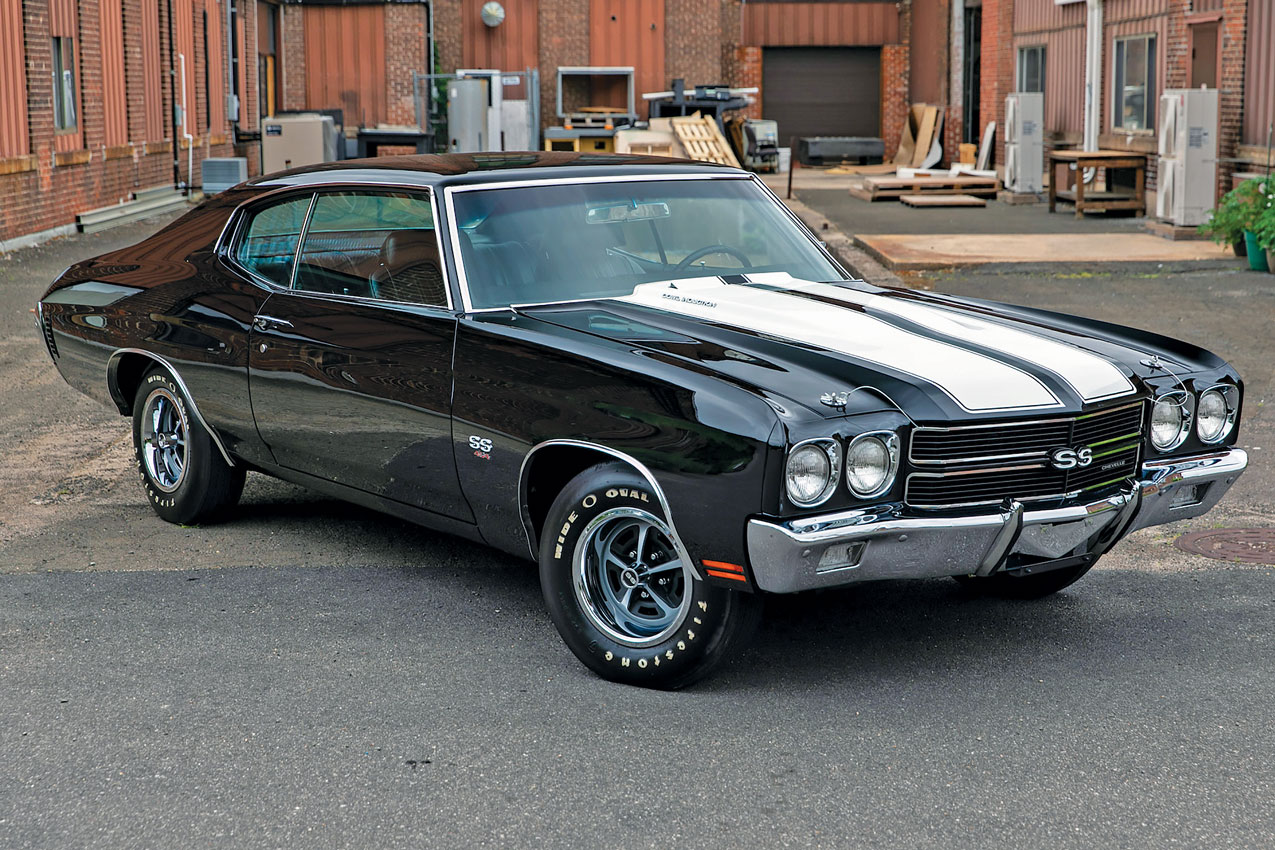
1. 1970 Chevrolet Chevelle SS
The 1970 Chevrolet Chevelle SS is one of the most iconic muscle cars from the era, known for its powerful performance and sleek design. Its bold front grille, clean lines, and aggressive stance made it an immediate favorite among enthusiasts.
With options like the 396 and 454 V8 engines, the Chevelle SS could deliver exceptional acceleration that rivaled many of its competitors. Today, the model remains one of the most affordable classic muscle cars while still offering significant collector appeal.
Chevelle SS was praised for its balance of power and comfort, making it suitable for both street and drag strip use. It featured upgraded suspension, front disc brakes, and performance-oriented tires to handle its potent engines.
The interior combined sportiness with practicality, offering bucket seats and optional tachometers that enhanced the driving experience. Its versatility allowed owners to enjoy high performance without sacrificing everyday usability, contributing to its lasting popularity.
Collectors often seek Chevelles with original SS trim and engine configurations, as these retain higher value and authenticity. Many affordable examples are available due to the high production numbers, allowing enthusiasts to find a model that fits their budget.
Restoring a Chevelle SS can also be cost-effective, with parts widely available and aftermarket support extensive. Its presence at car shows and in automotive media reinforces its status as a desirable classic muscle car.
The Chevelle SS also stands out for its timeless styling, which has influenced modern designs and retro-inspired models. Its elongated hood, short deck, and strong stance remain visually striking, even decades after its release.
The combination of aesthetics and performance ensures that driving a Chevelle SS is not only enjoyable but also a statement of style. Affordability makes it accessible to collectors who want to own a piece of automotive history without the premium of rarer classics.
The 1970 Chevrolet Chevelle SS represents a perfect balance of power, design, and practicality. Its reputation for performance and availability of parts ensures that enthusiasts can restore and maintain one without excessive difficulty.
The car’s history and iconic status make it a standout choice for anyone interested in affordable muscle cars from the 1970s. It remains a symbol of the era’s automotive culture, combining style, strength, and nostalgia in a package that is still attainable today.
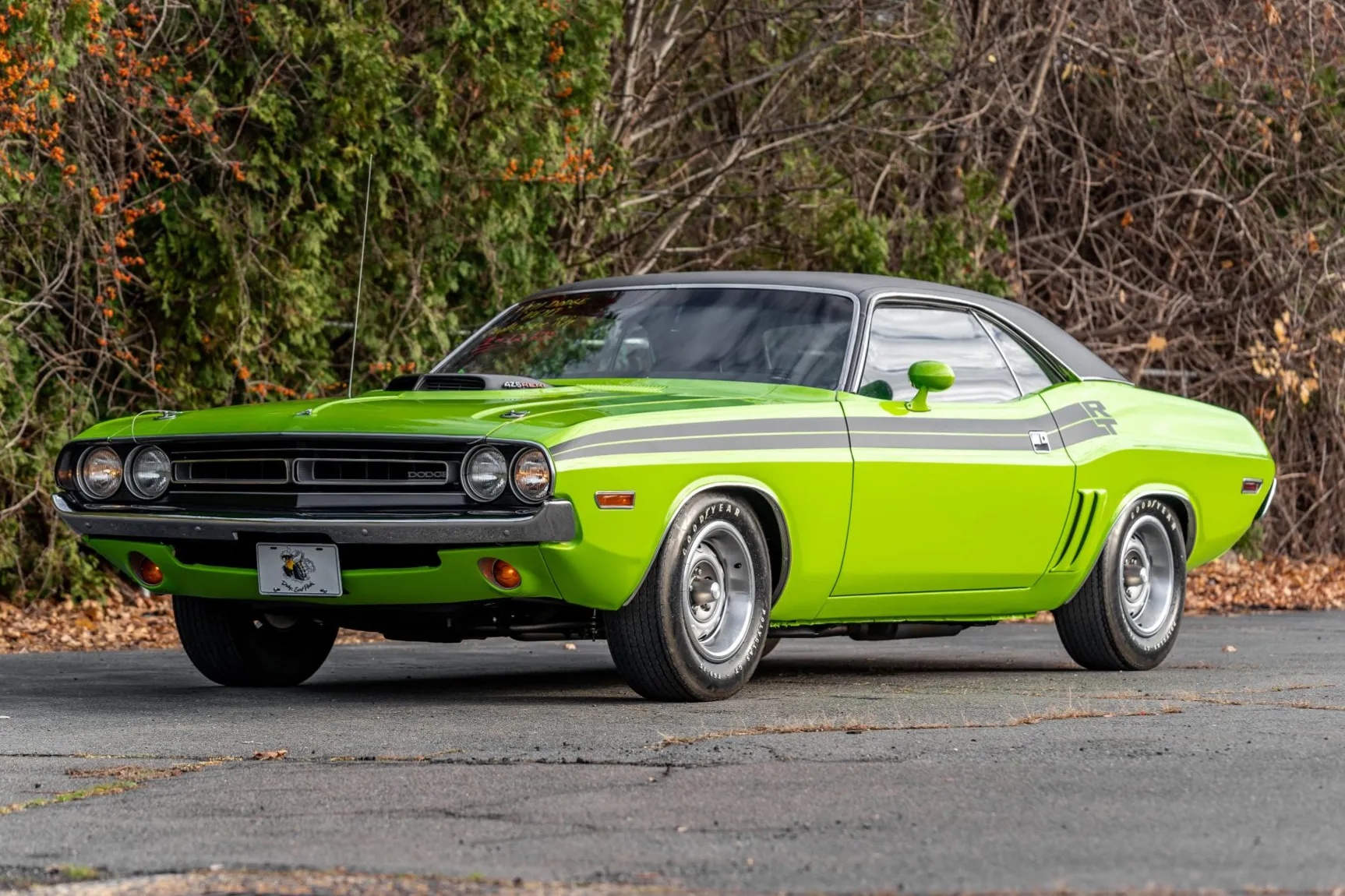
2. 1971 Dodge Challenger
The 1971 Dodge Challenger entered the market with a bold approach to styling and performance, aiming to compete directly with other pony and muscle cars of the early 1970s. Its long hood, wide stance, and signature split grille created a commanding presence on the road.
Available with a variety of engines, including the 383, 440, and legendary 426 HEMI V8, the Challenger delivered impressive acceleration and raw power. Its combination of looks and performance made it a desirable option for those seeking a classic muscle experience.
Dodge designed the Challenger with customization in mind, offering numerous trim levels, interior options, and engine packages. This allowed buyers to choose a configuration that matched their personal style and performance preferences. The car’s suspension was tuned for sporty handling, with optional heavy-duty upgrades for enthusiasts looking to push its limits. Its versatility and widespread appeal contributed to its continued recognition as a key muscle car of the decade.
Affordable examples of the 1971 Challenger are easier to find than rarer models, such as the HEMI variants, which are more expensive. Many mid-range engine models remain accessible to collectors and hobbyists, providing a chance to own a classic without overextending financially.
Restoration parts are available due to Dodge’s production scale and popularity, making repairs and upgrades practical. Its affordability does not diminish its historical significance or the excitement it brings to the driving experience.
The Challenger’s interior offered comfort alongside sportiness, with bucket seats, wood grain accents, and optional rally instruments. The design emphasized driver engagement while still accommodating passengers, making it suitable for both cruising and spirited driving.
Its well-proportioned design, along with attention to detail, has helped it retain strong visual appeal decades after production. Enthusiasts appreciate both its aesthetic charm and the opportunity to enjoy a car that embodies the 1970s muscle car culture.
The 1971 Dodge Challenger is a versatile and stylish muscle car that remains accessible to collectors. Its combination of engine options, distinctive design, and affordability makes it a compelling choice. It continues to represent the power and attitude of the 1970s, offering a driving experience that celebrates the era’s automotive innovation without requiring an enormous investment.
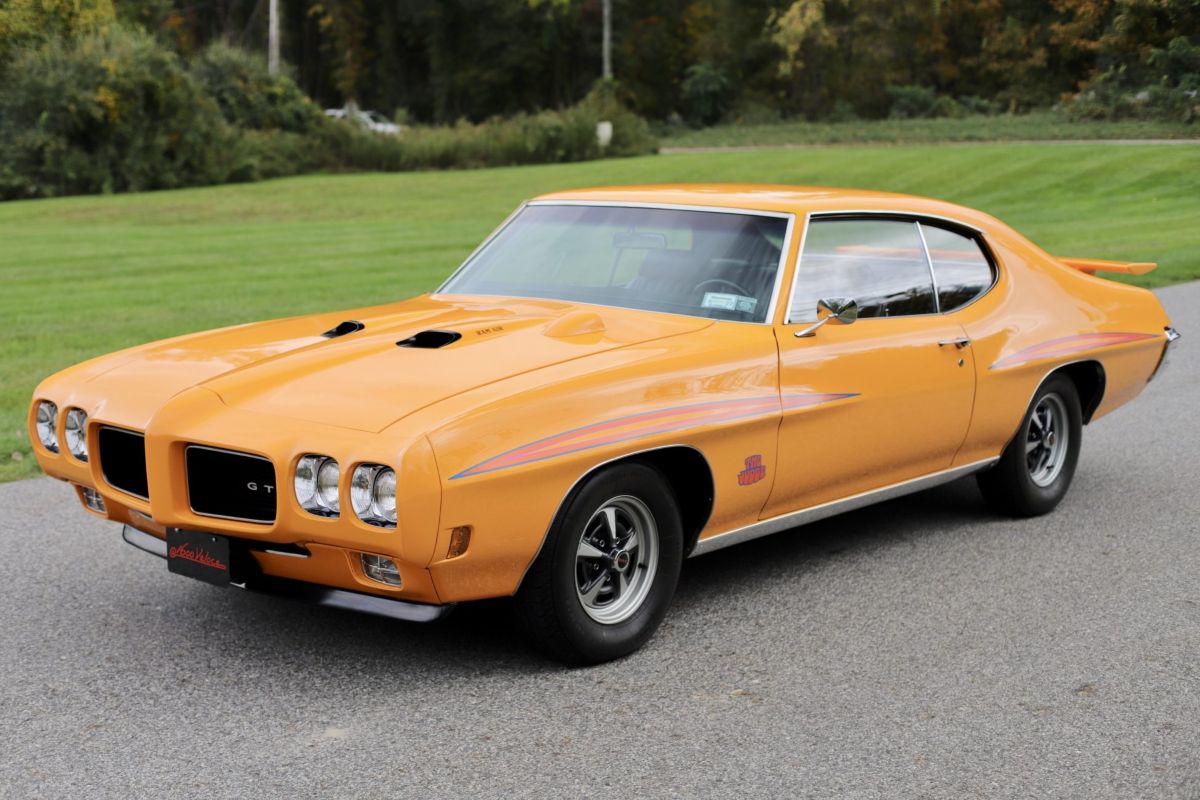
3. 1970 Pontiac GTO
The 1970 Pontiac GTO is often credited as one of the definitive muscle cars of its era, blending performance, style, and a reputation for dominance on both streets and tracks. Its dual headlights, chrome accents, and aggressive stance gave it a strong visual identity that appealed to enthusiasts.
With engine options ranging from a 350 V8 to the 455 V8, the GTO delivered impressive torque and acceleration, making it a thrill to drive. The combination of its look and power made the GTO a sought-after choice among performance-focused drivers.
Pontiac designed the GTO to balance straight-line speed with manageable handling, incorporating upgraded suspension and optional heavy-duty braking packages. Interior options included bucket seats and a functional tachometer, giving drivers a sense of connection to the car’s performance.
Its engineering allowed it to excel in drag racing while remaining comfortable enough for daily use, which contributed to its widespread popularity. The car’s reputation for reliability and drivability makes it an excellent option for enthusiasts seeking a classic that is affordable and practical.
Collectors often prefer GTOs with original Tri-Power carburetion setups, which maximize performance and maintain authenticity. Affordable examples exist due to the high production numbers and widespread availability of parts, allowing buyers to find a car that suits their budget.
Restoration is simplified by the presence of aftermarket support and reproduction components, keeping costs reasonable. The GTO’s combination of affordability, performance, and style makes it a frequent choice for those looking to enjoy a classic muscle car without excessive expenditure.
Stylistically, the 1970 GTO maintained a distinctive and timeless design. Its long hood, short rear deck, and optional rear spoiler gave it a balanced and muscular appearance. These design cues helped establish the GTO as an icon, influencing automotive trends for years.
The vehicle’s presence at car shows and cruise events remains significant, reflecting its enduring popularity and cultural importance within the muscle car community.
The 1970 Pontiac GTO exemplifies the best of the muscle car era, offering a blend of power, aesthetics, and accessibility. It remains a practical option for enthusiasts who desire a classic car experience without paying collector-level prices.
Its performance capabilities, design, and continued support in the automotive community ensure that it will remain an attractive and attainable muscle car for years to come.
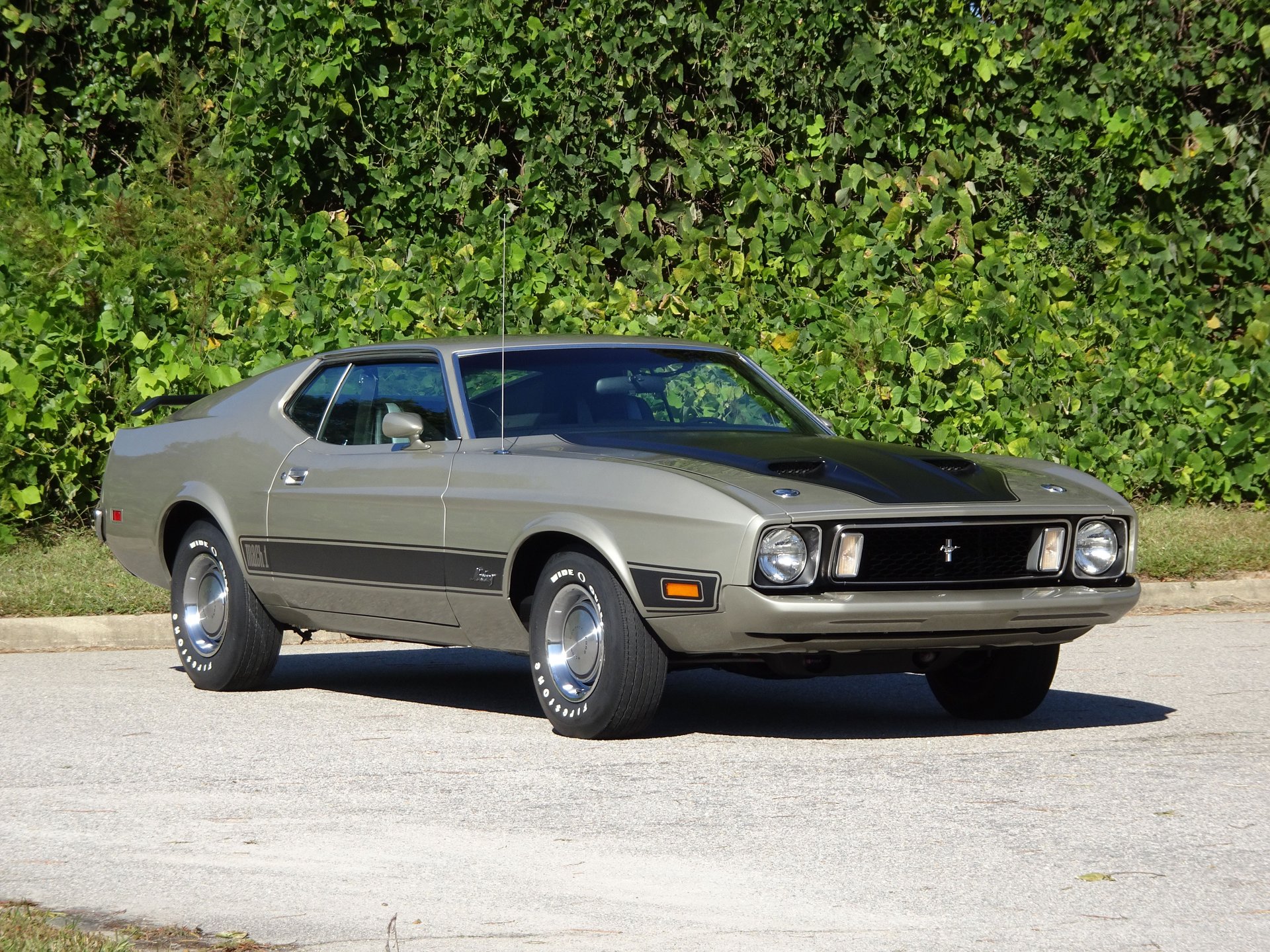
4. 1973 Ford Mustang Mach 1
The 1973 Ford Mustang Mach 1 represents a critical period in Mustang history, combining performance, style, and a slightly more refined approach to muscle car design. Its long hood, fastback roofline, and aggressive front end created an iconic look recognized worldwide.
The Mach 1 offered engine options ranging from a 302 V8 to the powerful 429 Cobra Jet, allowing enthusiasts to select a model tailored to their driving style. The car’s versatility in both appearance and performance made it one of the most appealing muscle cars of its time.
Ford emphasized handling and balance in the Mach 1, equipping it with upgraded suspension and optional heavy-duty steering packages. The interior offered sport-focused seats, optional shaker hoods, and detailed instrument panels, reinforcing its performance image.
Owners could enjoy spirited drives or long-distance cruising, making it practical as well as exciting. Its design and engineering reflected Ford’s goal of combining raw power with a well-rounded driving experience.
Affordable 1973 Mach 1 examples are often available due to the high production numbers and continued interest from enthusiasts. While rare special editions may command higher prices, standard versions remain within reach of many buyers.
Replacement parts and aftermarket upgrades are widely available, ensuring that restoration or maintenance can be done cost-effectively. Its combination of affordability and style ensures that collectors can enjoy a classic muscle car without excessive financial strain.
The Mach 1’s visual appeal remains significant decades after its release. Its bold stripes, hood scoops, and proportion create a sense of motion even at rest. The car’s design continues to influence modern Mustangs and retro-inspired models, highlighting its lasting impact.
Muscle car enthusiasts appreciate the Mach 1 for both its historical relevance and the excitement it delivers behind the wheel.
The 1973 Ford Mustang Mach 1 combines style, performance, and accessibility in a way that few muscle cars achieve. Its enduring design and affordability make it a practical yet thrilling choice for collectors. Enthusiasts can enjoy a piece of Ford history without sacrificing budget, while still experiencing the distinctive character and raw power that define classic American muscle cars.
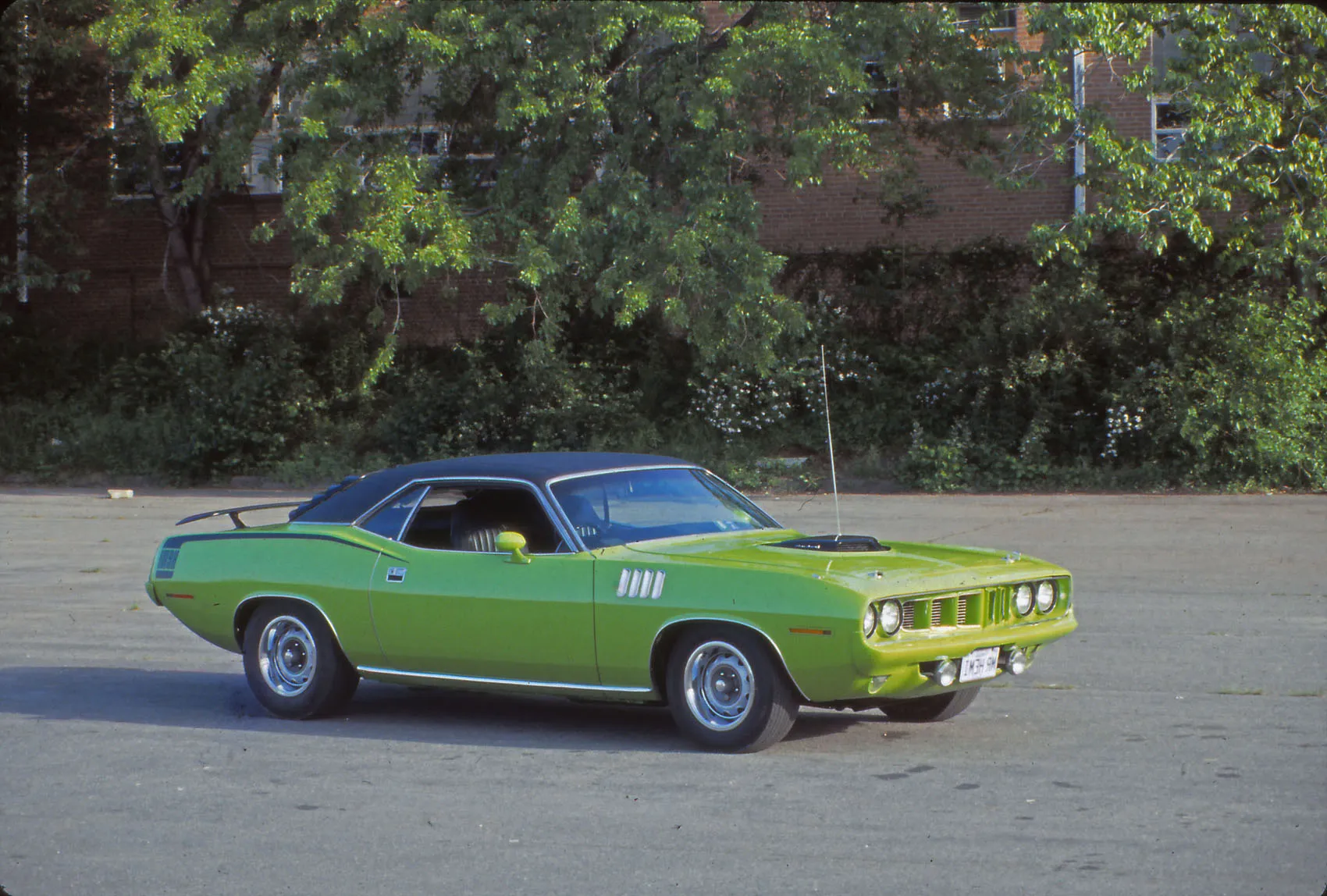
5. 1971 Plymouth Barracuda
The 1971 Plymouth Barracuda offered a unique combination of aggressive styling, light weight, and high-performance capability that set it apart from many other muscle cars of the era. Its compact design, fastback roofline, and large rear window created a distinctive silhouette that drew attention on the street.
Engine options included the 340, 383, 426 HEMI, and 440 V8, providing a range of performance choices suitable for both casual driving and competitive racing. The Barracuda’s combination of speed and style made it a favorite among enthusiasts seeking an affordable yet powerful muscle car.
Plymouth designed the Barracuda with agility in mind, equipping it with a sport-tuned suspension and responsive steering. The car’s compact frame allowed for excellent handling compared to larger muscle cars, giving drivers more confidence on corners and twisty roads.
Interior options focused on driver engagement, including bucket seats, optional rally gauges, and available performance-oriented packages. This balance of power, handling, and comfort contributed to the car’s popularity during the early 1970s.
Collectors often seek Barracudas with original high-performance engines, as these offer the most authentic driving experience. Affordable examples remain attainable due to production numbers and parts availability, making restoration and maintenance feasible.
Enthusiasts can customize or maintain a Barracuda without excessive expense, which adds to its appeal. Its presence at car shows continues to attract attention, highlighting its status as a classic American muscle car with a distinctive edge.
The 1971 Barracuda’s styling remains timeless, with its long hood, short deck, and sporty fastback design. Its bold front grille, aggressive stance, and optional racing stripes create a sense of power even when parked.
These design elements have cemented the Barracuda’s place in muscle car history, making it instantly recognizable to enthusiasts. Its visual appeal continues to complement its driving performance, creating a well-rounded classic vehicle.
The 1971 Plymouth Barracuda remains a compelling option for those seeking an affordable muscle car with both style and performance. Its combination of lightweight agility, powerful engine choices, and distinctive design ensures that it stands out among other 1970s classics. For collectors and hobbyists, the Barracuda offers a rewarding ownership experience that balances nostalgia, performance, and accessibility.
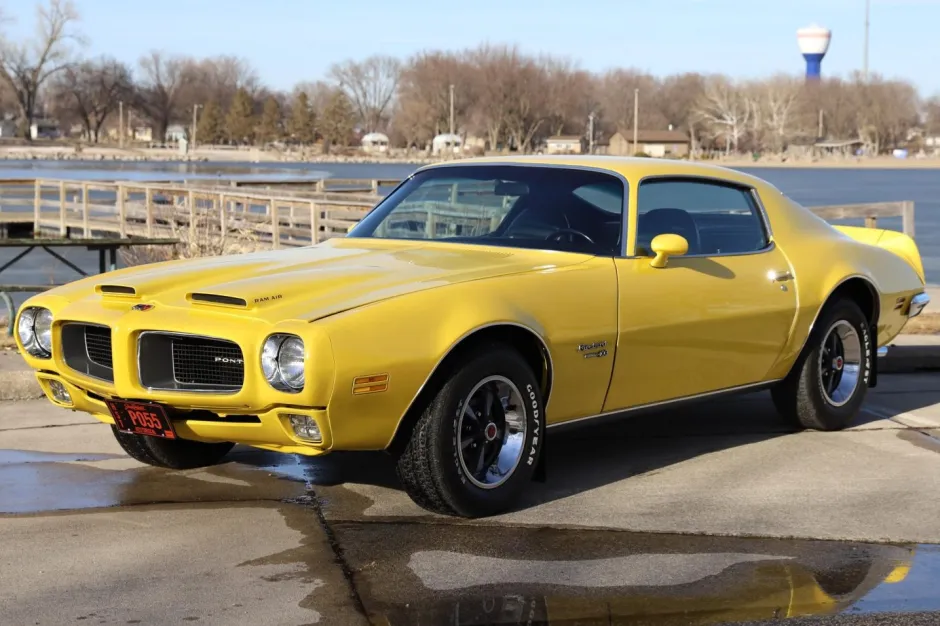
6. 1970 Pontiac Firebird
The 1970 Pontiac Firebird captured attention with its sleek, sporty appearance and performance-driven engineering, making it a favorite among enthusiasts seeking style and speed. Its long hood, short deck, and distinctive split grille created a look that was both aggressive and elegant.
Engine choices ranged from a 250 inline-six to a 400 V8, offering a variety of performance levels to match driver preferences. The Firebird’s combination of design flair and available power made it an accessible yet exciting option for collectors.
Pontiac focused on handling and driving dynamics in the Firebird, equipping it with independent front suspension, heavy-duty rear axles, and optional performance packages. These features allowed the car to remain stable and responsive even at high speeds, setting it apart from some of its larger contemporaries.
Interior options emphasized driver engagement, with bucket seats, center consoles, and optional rally gauges providing a sporty yet functional environment. The car struck a balance between comfort and performance, appealing to a wide range of buyers.
Affordable examples of the 1970 Firebird remain obtainable due to its higher production numbers and the availability of parts. Enthusiasts can often find vehicles in good condition without paying collector-level prices, and restoration costs are generally reasonable.
The popularity of the Firebird ensures a steady supply of aftermarket support, including performance upgrades and cosmetic replacements, which helps maintain affordability while enhancing functionality. Its presence at car shows and cruising events continues to attract attention, demonstrating its lasting appeal.
The Firebird’s styling contributes significantly to its continued popularity. Its fastback roofline, muscular fenders, and optional shaker hood create a dynamic appearance that emphasizes speed and power. Pontiac offered unique trim packages and color combinations, allowing buyers to personalize their cars while retaining original charm. This combination of distinct design and performance capability ensures the Firebird remains highly desirable among muscle car enthusiasts.
The 1970 Pontiac Firebird represents an attainable entry point into 1970s muscle car ownership. It provides a combination of performance, style, and practicality that few vehicles from the era can match.
Its affordability, design, and engineering make it a compelling choice for collectors and hobbyists seeking an iconic muscle car without paying premium prices. The Firebird remains a testament to the era’s commitment to innovation and excitement in automotive design.
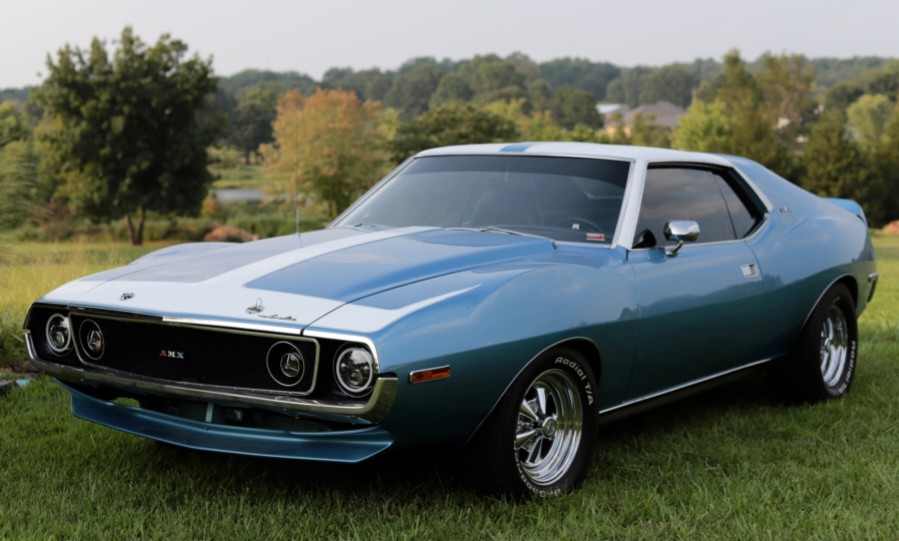
7. 1971 AMC Javelin
The 1971 AMC Javelin offered a unique take on the muscle car formula, emphasizing compact performance and aggressive styling in a package that stood out from competitors. Its swooping fastback roofline, wide stance, and prominent grille gave it a commanding road presence.
Engine options ranged from a 232 inline-six to a 390 V8, delivering a broad spectrum of power for drivers seeking speed or daily usability. The Javelin’s combination of individuality and performance made it a popular choice for enthusiasts seeking a muscle car that felt different from mainstream models.
AMC focused on handling in the Javelin, equipping it with performance-oriented suspension, heavy-duty brakes, and optional limited-slip differentials.
These features enhanced the driving experience, providing stability and control during spirited drives. Interior options were sporty yet functional, featuring bucket seats, floor-mounted shifters, and optional rally instrumentation. The car struck a balance between performance and comfort, allowing it to excel both on the street and at weekend drag events.
Affordable 1971 Javelins remain accessible due to moderate production numbers and the presence of parts from AMC’s other models. Collectors often seek high-performance V8 models, but inline-six versions provide a more attainable entry point for enthusiasts.
Restoration is relatively straightforward thanks to widespread availability of replacement parts, which helps maintain affordability while preserving originality. The car’s distinctive design ensures that it stands out at car shows and cruising events even decades later.
The Javelin’s visual appeal is one of its most compelling features. Its long, flowing lines, aggressive hood, and bold fender curves create a sense of motion even when stationary. AMC offered several color combinations and optional trim packages, allowing owners to personalize their vehicles while keeping the classic aesthetic intact. Its design remains memorable, helping the Javelin maintain a dedicated following among enthusiasts.
The 1971 AMC Javelin represents a muscle car that is both distinctive and attainable. Its balance of performance, handling, and style ensures that it remains a practical and exciting option for collectors. Enthusiasts can enjoy a car that stands out visually while offering genuine 1970s muscle car performance without the high costs associated with rarer models. The Javelin continues to be an underappreciated gem that offers strong value in the classic car market.
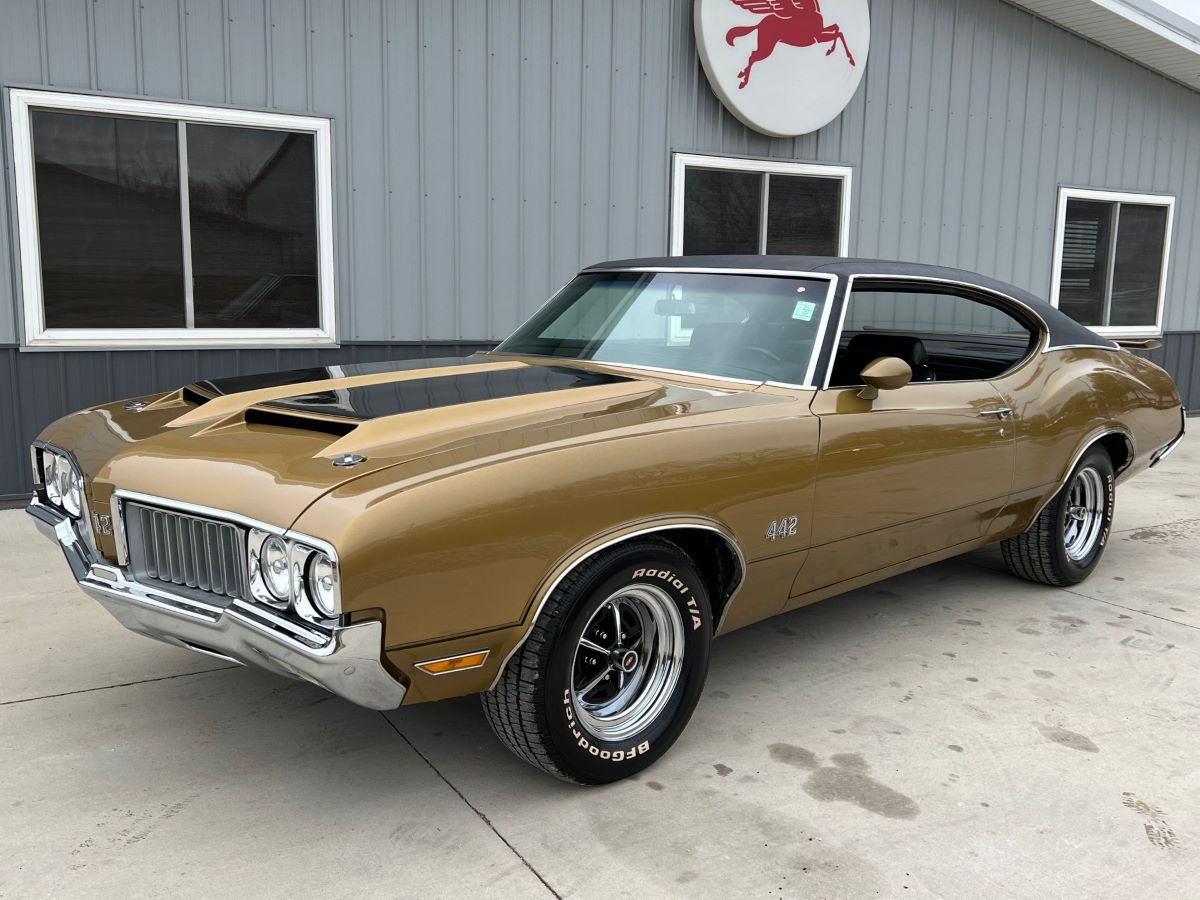
8. 1972 Oldsmobile 442
The 1972 Oldsmobile 442 delivered a combination of power, refinement, and classic styling, earning its place as one of the more sophisticated muscle cars of the 1970s. Its bold front end, dual headlights, and clean body lines created an imposing appearance that communicated performance and elegance.
The 442 featured a 350 or 455 V8 engine, providing impressive acceleration and torque for spirited driving. This combination of engine power and distinctive design made the 442 a favorite among those seeking a stylish yet aggressive muscle car.
Oldsmobile emphasized balance in the 442, incorporating heavy-duty suspension, performance steering, and upgraded brakes. Interior features included bucket seats, optional center consoles, and rally instrumentation, offering comfort alongside a sporty feel.
The car was designed to handle its power efficiently, allowing drivers to enjoy both street driving and weekend track events. Its engineering reflected a thoughtful approach to performance, ensuring that handling matched its engine capabilities.
Affordable examples of the 1972 442 remain obtainable due to reasonable production numbers and availability of parts. Enthusiasts can find models in good condition without overspending, and restoration options are abundant thanks to aftermarket support.
Collectors appreciate the 442 for its combination of performance and comfort, as well as its reputation for reliability relative to some other muscle cars of the era. Its value as an attainable classic continues to appeal to new generations of enthusiasts.
The 442’s styling remains a strong selling point, with a long hood, short rear deck, and muscular fenders creating an aggressive yet refined appearance. Optional stripes, hood scoops, and trim packages added visual interest and individuality.
These design elements ensure that the 442 stands out even today, offering a blend of performance and style that few competitors could match. Its aesthetic appeal complements its driving experience, making it an attractive option for collectors.
The 1972 Oldsmobile 442 offers a blend of power, refinement, and affordability that few muscle cars from the 1970s achieve. Its handling, interior comfort, and classic design make it a rewarding choice for enthusiasts seeking both style and performance.
Affordable examples allow collectors to enjoy a piece of automotive history while experiencing a car that balances the best aspects of muscle car culture. The 442 remains a timeless classic with practical appeal.
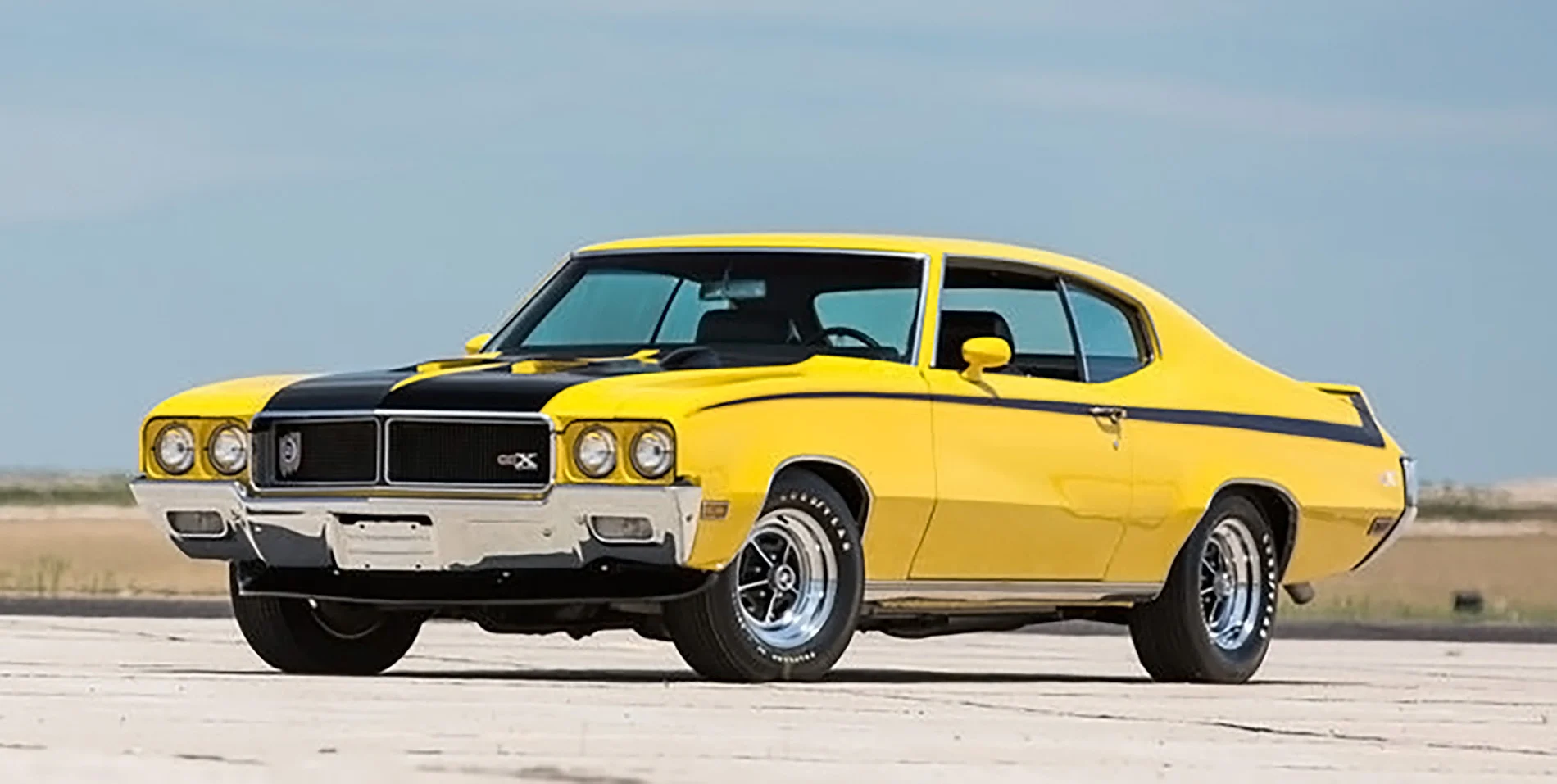
9. 1970 Buick GSX
The 1970 Buick GSX represents one of the most powerful and visually striking muscle cars of its era, combining high-performance engineering with distinctive styling. Its wide stance, prominent hood with functional air scoops, and bold stripes made it instantly recognizable.
Equipped with Buick’s 455 V8 engine and optional Stage 1 package, the GSX delivered immense torque and acceleration, rivaling many of its contemporaries. The combination of luxury touches and raw power made it one of the most desirable yet attainable muscle cars for enthusiasts.
Buick focused on performance handling with the GSX, incorporating heavy-duty suspension, limited-slip differentials, and upgraded brakes to complement its large engine. Interior options were sporty yet comfortable, including bucket seats, center console, and rally instrumentation.
The car was designed to balance speed with control, making it suitable for straight-line runs as well as spirited drives on winding roads. Its engineering ensured a confident and enjoyable driving experience, which contributed to its enduring reputation.
Affordable examples of the GSX remain accessible compared to rarer muscle cars, particularly if buyers opt for non-Stage 1 models. Replacement parts and restoration components are relatively easy to find, which helps maintain ownership costs at a reasonable level.
Enthusiasts can enjoy both the performance and aesthetics of the GSX without paying the inflated prices of other ultra-rare classics. Its combination of style, power, and availability makes it a standout choice for collectors seeking a balance between excitement and practicality.
The GSX’s styling remains a major factor in its popularity. Its long hood, short rear deck, wide tires, and bold graphics create an aggressive yet elegant look. Optional spoiler and shaker hood packages further enhanced its visual impact, making it a centerpiece at car shows and cruise events. These design elements, combined with its powerful engine, ensure that the GSX retains a commanding presence even decades after production.
The 1970 Buick GSX is a prime example of a 1970s muscle car that offers power, style, and attainable ownership. Its combination of raw performance, handling, and distinctive design makes it highly desirable for enthusiasts.
With parts availability and reasonable pricing for non-ultra-rare models, the GSX provides a thrilling driving experience and a strong visual statement without requiring extreme investment. It remains a symbol of the muscle car era’s creativity and engineering excellence.
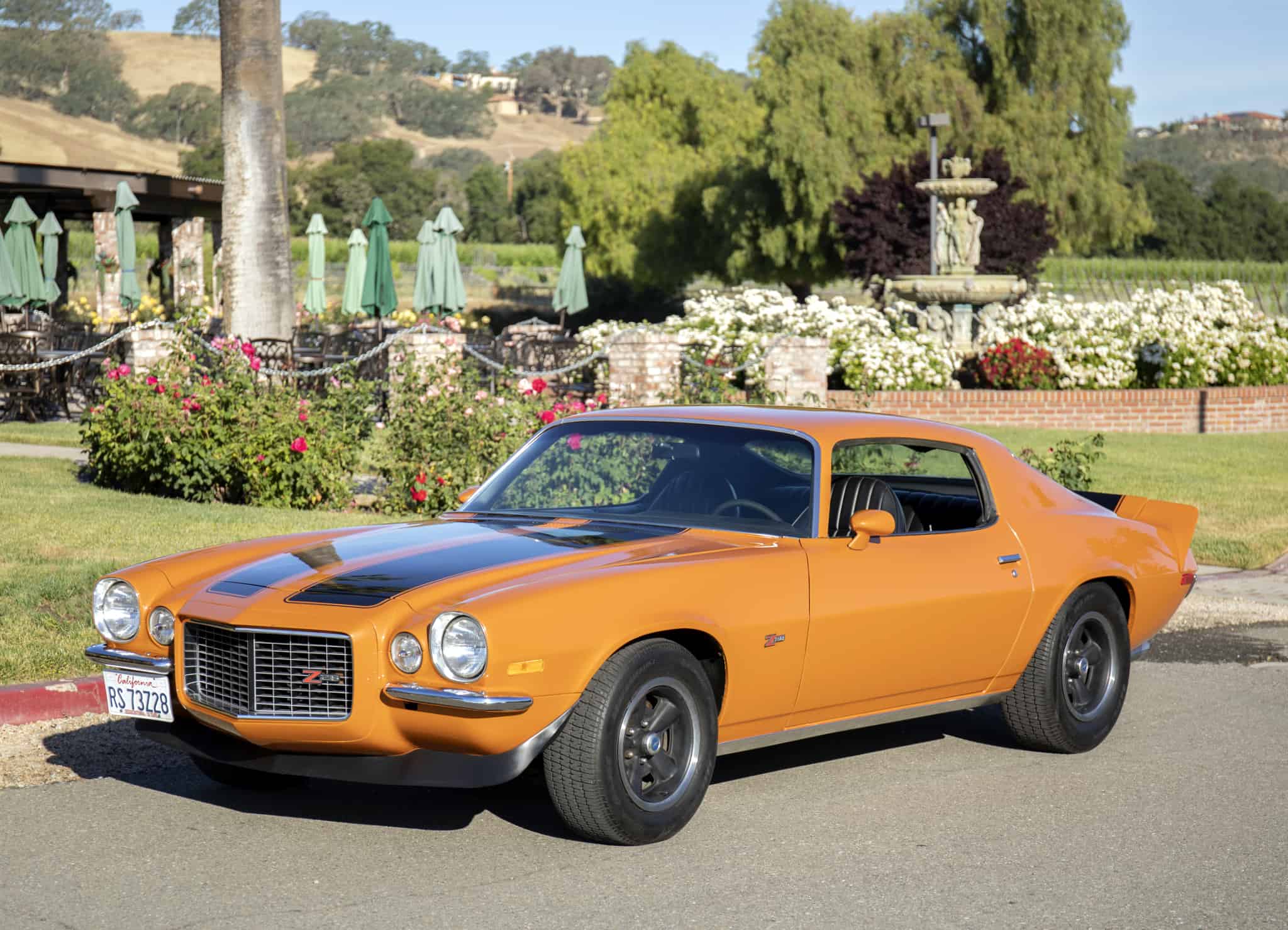
10. 1973 Chevrolet Camaro Z28
The 1973 Chevrolet Camaro Z28 is a legendary muscle car that blends performance, style, and versatility into a package that remains attainable for collectors today. Its aggressive front end, sleek fastback roofline, and aerodynamic shape gave it a commanding appearance on the road.
Powered by a range of small-block and big-block V8 engines, including the 350 and 396 options, the Z28 delivered strong acceleration and a sporty driving experience. Its combination of aesthetics and performance ensured it was a standout among early 1970s muscle cars.
Chevrolet designed the Z28 with precision handling in mind, equipping it with performance suspension, power-assisted brakes, and optional heavy-duty steering packages.
Interior features emphasized driver engagement, including bucket seats, a center console, and optional rally gauges. These elements allowed enthusiasts to enjoy spirited driving while maintaining comfort and control. The Camaro Z28’s engineering ensured that it could excel on the street, the track, or during weekend cruise events.
Affordable examples of the 1973 Z28 remain available due to strong production numbers and widespread parts support. While rare high-performance variants may command higher prices, standard Z28 models are achievable for many collectors.
Restoration and maintenance costs are manageable thanks to the popularity of the Camaro and the availability of aftermarket components. This combination of affordability and performance makes the Z28 a practical yet exciting classic car choice.
The Camaro Z28’s styling has stood the test of time, with its long hood, short deck, and muscular fenders creating a sense of speed even when parked.
Optional stripes, spoiler packages, and shaker hoods enhanced its visual appeal, making it one of the most visually striking muscle cars of the decade. Its design continues to influence modern Camaro models and remains an instantly recognizable icon of 1970s American automotive culture.
With manageable restoration costs and strong collector appeal, the Z28 remains a favorite among hobbyists. It embodies the spirit of the 1970s muscle car era, providing excitement, nostalgia, and style for those fortunate enough to own one.