
American automotive history is full of memorable cars, but not every classic commands a high price, at least not yet. “6 American Classics That Are Still Cheap But Won’t Be for Long” focuses on six vehicles that combine style, performance, and historical significance while remaining accessible to enthusiasts and collectors.
From rugged SUVs to muscle trucks, sports cars, and rare fastbacks, each car offers a distinct character. The 1981–1993 Dodge Ramcharger delivers dependable off-road capability, the 1990–1993 Chevrolet 454 SS exemplifies raw big-block muscle truck performance, and the 2006–2013 Chevrolet Corvette Z06 represents the peak of naturally aspirated, analog sports car engineering.
Meanwhile, the 1972 Ford Gran Torino Sport and 1971 Pontiac LeMans Sport provide striking muscle car styling with sleeper performance, and the 1965 Rambler Marlin offers rare, forward-thinking fastback design. These six models prove that true American classics can still be found at an affordable entry point, making them highly appealing for collectors today.
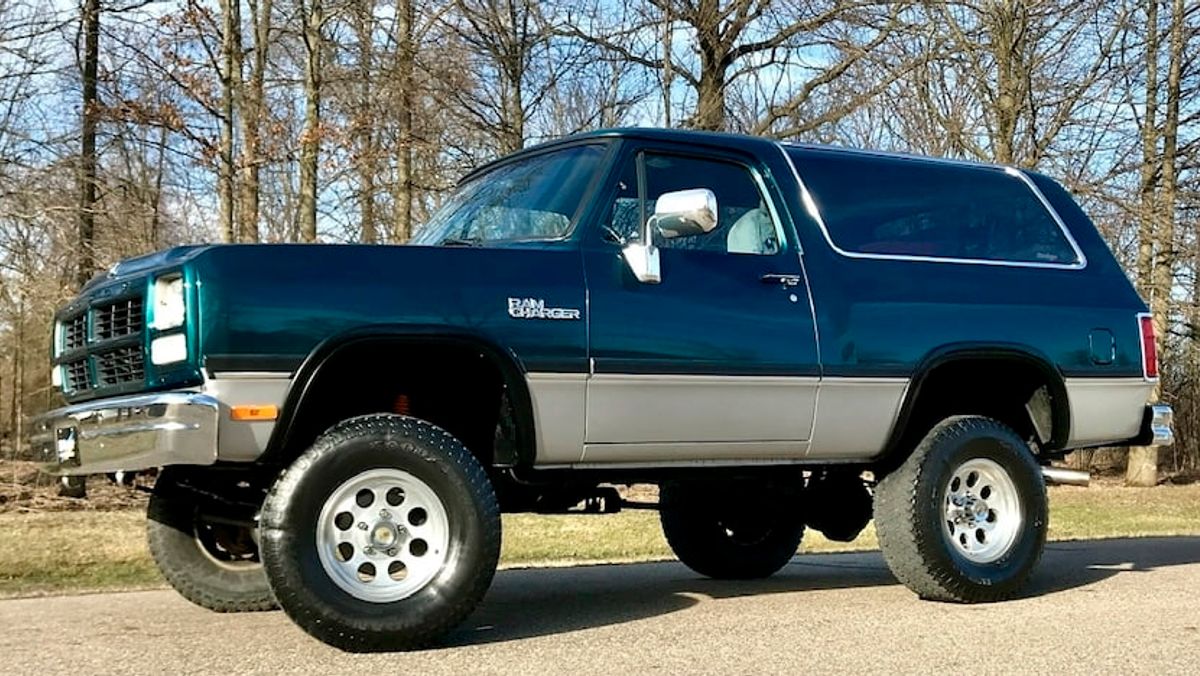
1. 1981–1993 Dodge Ramcharger: The Affordable Rising Classic SUV
The 1981–1993 Dodge Ramcharger represents one of the most underrated full-size American SUVs of its era. Often overshadowed by competitors like the Ford Bronco and Chevrolet K5 Blazer, the Ramcharger has recently gained recognition among collectors and enthusiasts as a durable, stylish, and increasingly valuable classic.
Combining rugged off-road capability, dependable V8 performance, and distinctive 1980s design, it offers a compelling alternative for buyers seeking vintage SUV character without the premium price tag.
One of the Ramcharger’s strongest appeals is its value. While Broncos and Blazers have experienced dramatic price increases, the Ramcharger has appreciated more gradually, making it a comparatively affordable entry point into the classic 4×4 market.
Median values have risen steadily recently, reaching around $16,450, yet clean examples still cost significantly less than similarly maintained rivals. As interest in vintage two-door SUVs continues to grow, collectors are increasingly turning toward the Ramcharger as a practical investment.
Mechanically, the Ramcharger embodies old-school utility. Most models are powered by reliable Mopar V8 engines, particularly the 5.2-liter (318) and 5.9-liter (360) units, known for durability and ease of maintenance. Later models introduced fuel injection, improving drivability while retaining mechanical simplicity.
The use of solid front axles in four-wheel-drive versions further enhances off-road capability, providing strength and articulation valued by enthusiasts. Unlike earlier generations with removable tops, the 1981–1993 models adopted a fixed steel roof and practical rear hatch design, alongside distinctive trims such as Macho and Prospector packages.
Rarity also contributes to the Ramcharger’s rising appeal. Lower production numbers and widespread rust issues have reduced surviving examples, making well-preserved units increasingly difficult to find.
As supply shrinks and collector demand grows, prices are expected to climb further. Market trends suggest strong interest in early (1981) and final-year (1993) models, especially higher-trim versions equipped with the 5.9-liter Magnum V8.
Owner experiences reinforce the Ramcharger’s reputation for toughness and longevity. Many drivers report vehicles exceeding 200,000 miles with regular maintenance, highlighting robust construction and reliable engineering.
Its strong 4×4 system performs confidently in snow, rough terrain, and towing situations, while the spacious interior and comfortable seating make it practical for both work and travel. Enthusiasts also praise its boxy, nostalgic styling, which stands out among modern SUVs and often inspires emotional attachment and pride of ownership.
Despite its strengths, the Ramcharger has notable drawbacks. Fuel economy is poor by modern standards, commonly ranging between 10 and 16 miles per gallon. Rust remains a persistent concern, particularly around rocker panels and windshield areas, and sourcing certain original parts can be challenging due to age.
Owners also mention quirks such as noisy highway driving, loose handling at higher speeds, and occasional issues with the rear hatch or aging components like ball joints and water pumps. However, many consider these manageable trade-offs typical of classic vehicles.
The 1981–1993 Dodge Ramcharger stands as a rugged, character-filled SUV that balances affordability with classic appeal. Its combination of durability, mechanical simplicity, off-road capability, and nostalgic design positions it as a rising collectible.
For enthusiasts willing to embrace its quirks and maintenance needs, the Ramcharger delivers a uniquely authentic driving experience, one that continues to earn loyalty decades after production ended.
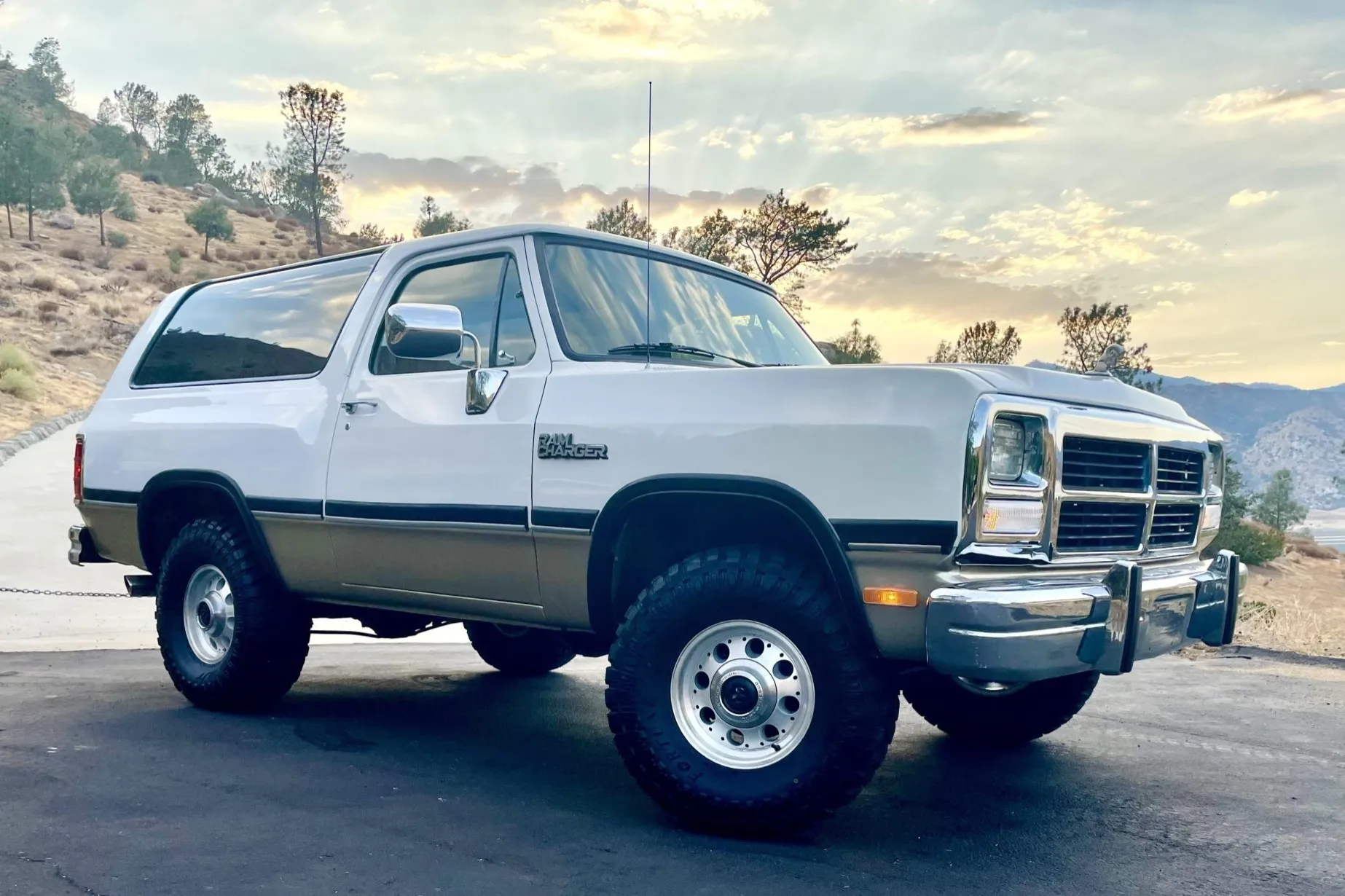
2. 1990–1993 Chevrolet 454 SS: A Big-Block Icon of the Muscle Truck Era
The 1990–1993 Chevrolet 454 SS is widely recognized as one of the most influential performance trucks of the early 1990s. Emerging during a period when performance vehicles were regaining popularity after the fuel-conscious 1980s, Chevrolet revived traditional American muscle philosophy by installing a massive big-block V8 into a lightweight full-size pickup.
Built on the GMT400 C/K1500 short-bed platform, the 454 SS delivered a raw, torque-focused driving experience that emphasized power, simplicity, and bold styling. Today, it has evolved from a niche performance truck into a sought-after collectible that continues to gain value among enthusiasts.
The defining feature of the 454 SS was its 7.4-liter (454 cubic-inch) Mark IV V8 engine. In its first year, the truck produced 230 horsepower and 385 lb-ft of torque, numbers that may seem modest today but were impressive for a pickup at the time. The real appeal came from its strong low-end torque, which provided rapid acceleration and a thrilling off-the-line feel.
Chevrolet refined the formula for the 1991 through 1993 models by increasing output to 255 horsepower and 405 lb-ft of torque. These later versions also received a significant upgrade with the addition of the 4L80-E four-speed automatic transmission, replacing the earlier three-speed unit and improving both performance and highway drivability.
Styling played a major role in establishing the 454 SS identity. Early models were offered exclusively in Onyx Black, featuring a monochromatic appearance with a blacked-out grille, minimal chrome accents, bold bedside decals, and a sporty front air dam equipped with fog lights.
The aggressive exterior distinguished it from standard work trucks and gave it a factory-custom appearance straight from the showroom. Inside, the cabin featured Garnet Red upholstery with high-back bucket seats and a center console, creating a sport-oriented environment uncommon in pickup trucks of the era.
Chevrolet also enhanced handling to match the truck’s performance intentions. A dedicated Performance Handling Package included Bilstein gas-charged shocks, a thicker front stabilizer bar, and quicker steering response.
These upgrades helped the truck feel more stable and controlled than a typical half-ton pickup, even though it was primarily designed for straight-line performance rather than corner carving. The driving experience emphasized mechanical engagement and simplicity, qualities that appeal strongly to enthusiasts seeking a more analog vehicle.
Limited production numbers have contributed significantly to the truck’s growing collectibility. Fewer than 17,000 units were produced across the four-year run, and many examples were modified or heavily used during the sport-truck craze of the late 1990s. As a result, original and well-preserved trucks are increasingly difficult to find.
The 1990 model attracts collectors for its unique single-color configuration and distinctive interior, while the rare 1993 version, with only 843 units built, is often considered the most desirable.
Market interest has surged as nostalgia for 1990s vehicles expands, particularly among Gen-X and Millennial buyers. Values have risen steadily, with pristine examples commanding high auction prices while driver-quality trucks remain accessible compared to other performance icons from the same period. This rising demand reflects renewed appreciation for vehicles that deliver character and authenticity.
The 454 SS does have compromises, including poor fuel economy and limited towing capability due to its performance-focused suspension setup. However, these drawbacks are often accepted by enthusiasts who value its big-block power and straightforward mechanical design.
The truck represents a time when performance relied on displacement and attitude rather than complex electronics. Its combination of rarity, nostalgic appeal, and unmistakable presence ensures the Chevrolet 454 SS remains one of the defining muscle trucks of its generation.
3. 2006–2013 Chevrolet Corvette Z06 (C6): The Peak of Analog American Performance
The 2006–2013 Chevrolet Corvette Z06 (C6) is widely regarded as one of the greatest performance bargains ever produced and a defining example of modern American sports car engineering.
Built during a time when performance cars were becoming increasingly digital, the C6 Z06 preserved a raw, driver-focused character centered on lightweight construction, naturally aspirated power, and manual transmission purity. Today, it is increasingly viewed as a modern classic poised for long-term appreciation as the automotive industry shifts toward turbocharged and electrified platforms.
At the heart of the C6 Z06 lies the legendary 7.0-liter LS7 V8, the largest-displacement small-block engine ever produced by General Motors. Hand-built and race-inspired, the LS7 produces 505 horsepower and 470 lb-ft of torque while revving to an impressive 7,000 RPM. Advanced internal components such as titanium connecting rods, sodium-filled exhaust valves, and a dry-sump oiling system highlight its motorsport pedigree.
The naturally aspirated design delivers immediate throttle response and linear acceleration, creating a visceral driving experience free from turbo lag or forced induction complexity. Paired exclusively with a six-speed manual transmission, the Z06 emphasizes driver skill and engagement.
Performance figures remain impressive even by modern standards. The Z06 can accelerate from 0 to 60 mph in roughly 3.4 to 3.7 seconds and reach a top speed near 200 mph.
When new, it rivaled exotic cars such as the Ferrari F430 and Porsche 911 GT3 despite costing a fraction of their price. Its exceptional performance-per-dollar ratio quickly earned it a reputation as a “supercar killer,” cementing its status among enthusiasts.
Lightweight engineering played a crucial role in achieving these capabilities. Chevrolet extensively redesigned the chassis rather than simply modifying the standard Corvette. The Z06 featured a unique aluminum frame that reduced weight significantly compared to the base model’s steel structure.
Engineers also incorporated carbon fiber body panels and composite flooring materials to further decrease mass. With a curb weight of approximately 3,130 pounds, the car achieved an outstanding power-to-weight ratio that enhanced acceleration, braking, and handling balance. Wider bodywork, massive rear tires, and functional air scoops reinforced both performance and aggressive styling.
The C6 Z06 also benefits from a direct racing heritage. Developed alongside the Le Mans-winning C6.R race car, it incorporated track-focused technologies rarely found at its price point.
The dry-sump oiling system prevents oil starvation during high-speed cornering, allowing sustained track use without compromising reliability. These race-derived elements gave the car genuine motorsport credibility while remaining usable on public roads.
Driving the Z06 is often described as intense and mechanical. The car delivers high levels of grip and feedback but demands respect from the driver. Its powerful rear-wheel-drive layout can produce sudden oversteer if pushed beyond limits, rewarding experienced drivers with exceptional connection and control. This analog character stands in contrast to modern performance cars that rely heavily on electronic assistance systems.
Despite its strengths, the C6 Z06 has known compromises. Interior quality is frequently criticized for excessive plastic materials and dated technology, reflecting Corvette’s focus on performance value rather than luxury refinement.
Early LS7 engines also developed a reputation for valve guide wear, which can lead to serious engine damage if not addressed. Many owners resolve this issue through preventative upgrades, making inspection history an important consideration for buyers.
As naturally aspirated engines and manual transmissions become increasingly rare, the C6 Z06 represents the closing chapter of a performance philosophy centered on mechanical purity. Its combination of race-derived engineering, immense power, lightweight design, and analog driving engagement positions it as a future collectible that continues to gain recognition among enthusiasts and collectors alike.

Also read: 5 Cars Owners Are Happy With Long-Term vs 5 They Aren’t
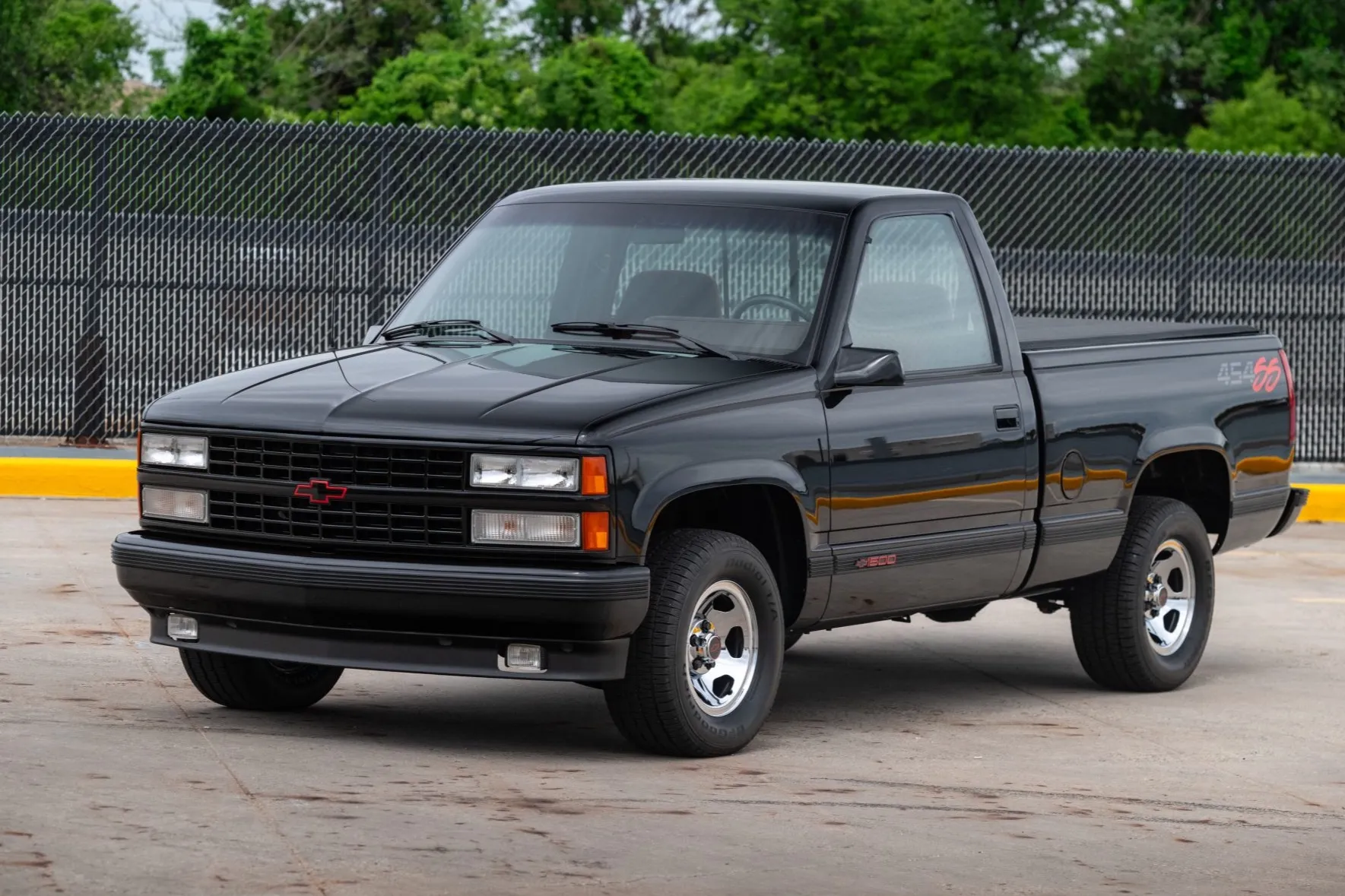
4. 1972 Ford Gran Torino Sport: An Undervalued Icon of Early 1970s Muscle
The 1972 Ford Gran Torino Sport occupies a unique place in American automotive history as a stylish and powerful muscle car produced during a transitional period for performance vehicles.
Arriving just as emissions regulations and rising insurance costs began reshaping the muscle car market, the Gran Torino Sport blended aggressive styling, V8 performance, and improved ride comfort into a package that remains surprisingly affordable compared to more famous rivals.
While models like the Chevrolet Chevelle SS and Dodge Charger command premium prices, the 1972 Torino offers similar presence and performance at a fraction of the cost, making it an increasingly attractive option for collectors.
A major reason for the car’s growing appeal is its one-year-only redesign. The 1972 model introduced dramatic “coke-bottle” styling characterized by a long hood, short rear deck, and sweeping fastback profile known as the SportsRoof.
Its recessed “fish-mouth” grille and clean front-end design gave the car a bold, aggressive appearance that stood apart from later models, which were redesigned with larger bumpers to meet new federal safety regulations. Many enthusiasts consider the 1972 version the purest expression of the Torino’s design, combining muscular proportions with NASCAR-inspired aesthetics that remain striking today.
Underneath the new styling, Ford made significant engineering changes. The Gran Torino transitioned from unibody construction to a body-on-frame layout, resulting in a heavier vehicle but one that delivered a smoother, quieter, and more substantial ride. This change reflected shifting consumer expectations as muscle cars began evolving toward comfort-oriented grand touring machines.
A revised suspension system, including a four-link rear setup with coil springs, improved handling balance and ride quality. Contemporary reviews often noted that the Torino handled corners more confidently than some competitors, offering a blend of performance and refinement uncommon for large cars of the era.
Engine choices allowed buyers to tailor the car’s character. While tightening emissions standards reduced horsepower ratings compared to late-1960s muscle cars, the Gran Torino Sport still offered several capable V8 options.
The base 302 cubic-inch engine delivered modest performance, but enthusiasts favored the 351 Cleveland V8 or the larger 429 big-block, which provided strong torque and excellent modification potential. The spacious engine bay makes the car appealing for restorers and performance builders looking to unlock additional power, reinforcing its reputation as an underrated performance platform.
The Gran Torino’s cultural significance also contributes to its rising recognition. Decades after production ended, the car gained renewed attention through its prominent role in the 2008 film Gran Torino starring Clint Eastwood.
This exposure introduced the model to a new generation of enthusiasts and reinforced its identity as a symbol of the final years of classic American muscle before the industry entered the performance downturn of the mid-1970s.
Inside, the Gran Torino Sport balanced sportiness with comfort. A wraparound dashboard created a driver-focused environment, while available bucket seats, center console options, and woodgrain trim added a level of luxury not always found in competing muscle cars. Improved sound isolation and ride smoothness made it suitable for long-distance driving, broadening its appeal beyond pure performance enthusiasts.
Despite increasing interest, the 1972 Gran Torino Sport remains relatively affordable, with good examples often priced far below comparable muscle cars. However, surviving cars are becoming harder to find due to rust issues and decades of hard use. Corrosion in areas such as floorpans and door panels is common, and certain one-year-only trim components can be difficult to replace.
As collectors search for alternatives to increasingly expensive classic muscle cars, the 1972 Ford Gran Torino Sport stands out as a distinctive and historically significant choice. Its combination of bold styling, V8 capability, cultural relevance, and accessible pricing positions it as a rising classic whose recognition continues to grow among enthusiasts.
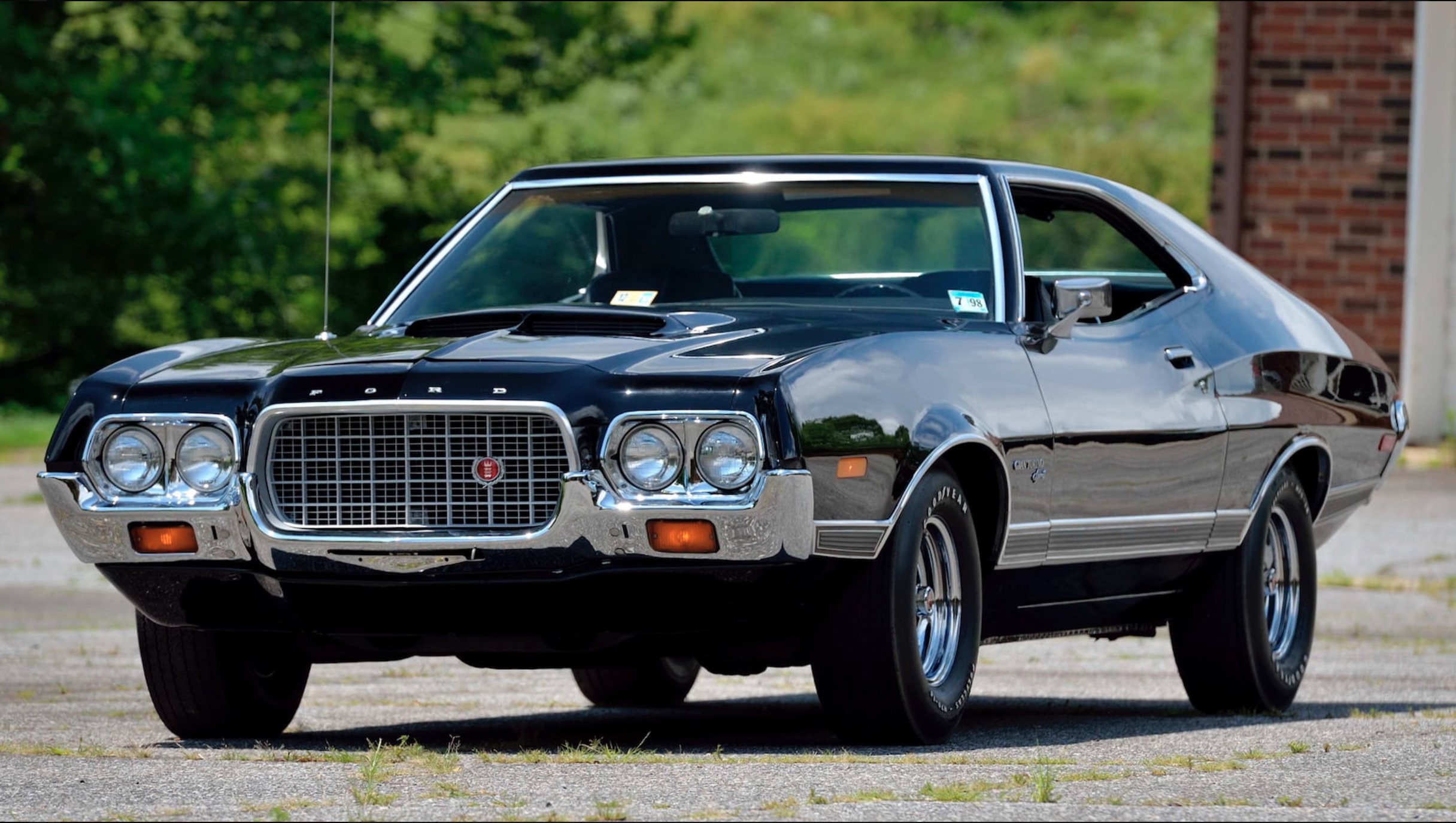
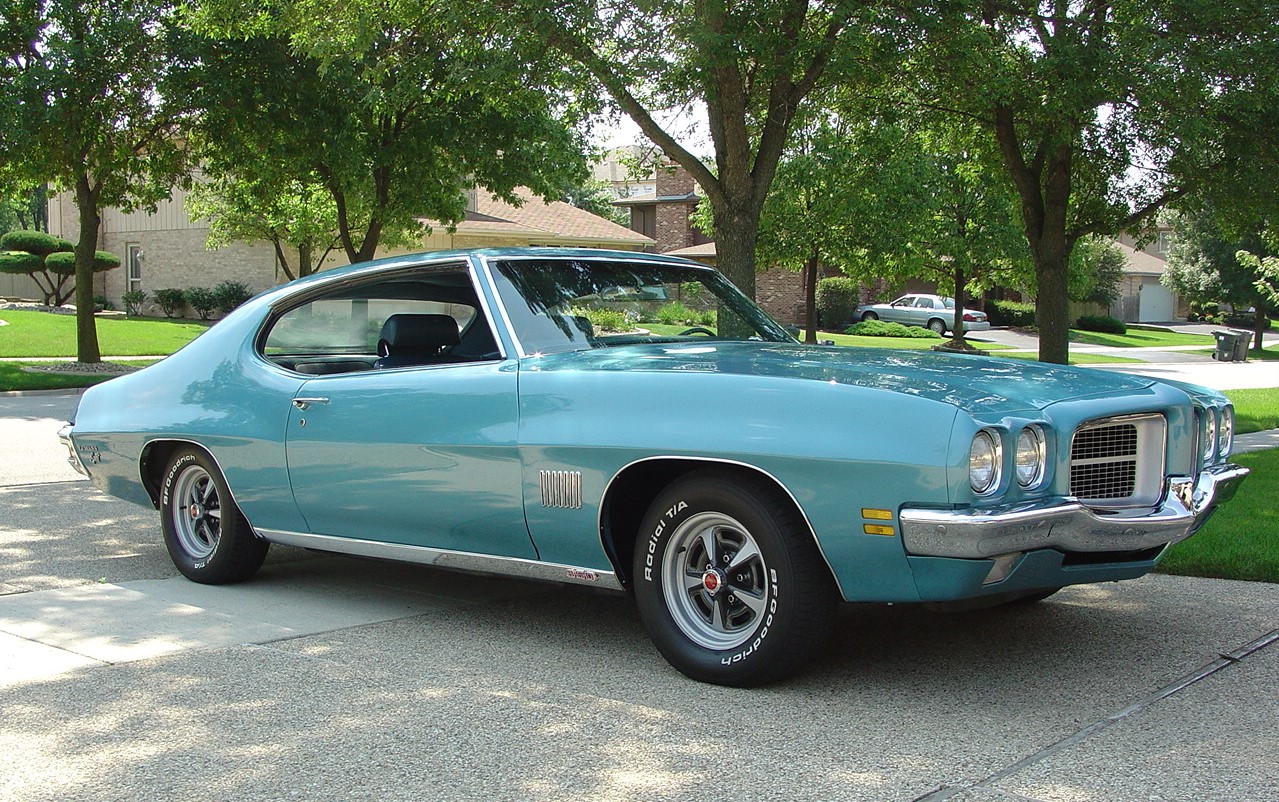
5. 1971 Pontiac LeMans Sport: The Sleeper Muscle Car Gaining Recognition
The 1971 Pontiac LeMans Sport represents one of the most underrated entries of the classic American muscle car era. Often overshadowed by its famous sibling, the Pontiac GTO, the LeMans Sport shares much of the same engineering, styling, and performance potential while remaining significantly more affordable.
Positioned as a refined alternative during a time when insurance costs and emissions regulations were beginning to reshape the performance market, the LeMans Sport delivered muscle car excitement with greater practicality and comfort. Today, collectors are rediscovering it as a stylish and capable classic whose value is steadily rising.
Built on General Motors’ A-body platform, the LeMans Sport benefited from the same foundation used by legendary vehicles such as the GTO, Chevrolet Chevelle, and Oldsmobile Cutlass.
This shared architecture gave the car strong performance credentials and excellent parts compatibility, which continues to make restoration and maintenance relatively accessible. Because it lacked the high-profile GTO badge, many LeMans models were driven more conservatively and preserved in better condition, creating a strong pool of survivor cars that appeal to modern buyers.
The 1971 model year introduced distinctive styling updates that helped define the LeMans Sport’s identity. A bold front fascia featuring recessed honeycomb grilles and pronounced quad-headlight surrounds gave the car a wider and more aggressive appearance.
One of the most desirable options was the T41 Endura styling package, which added the GTO’s body-colored front bumper. With this option, the LeMans Sport closely resembled its higher-performance counterpart, earning it a reputation as a visual twin at a lower price point. Sculpted body lines and sporty trim elements reinforced its muscular yet refined character.
Performance options played a major role in the car’s appeal. Although a six-cylinder engine was technically standard, most LeMans Sport models were equipped with V8 power. The 350 cubic-inch engine served as a reliable and smooth daily driver, while larger 400 and 455 cubic-inch V8s delivered genuine muscle car performance.
The 455 HO variant produced up to 335 horsepower, providing strong acceleration and a deep, unmistakable exhaust note. Paired with Pontiac’s durable Turbo-Hydramatic transmission, the car offered dependable performance suited to both cruising and spirited driving.
Unlike some high-strung muscle cars of the late 1960s, the LeMans Sport emphasized balance. Its suspension tuning created a stable and comfortable ride, making it well-suited for long-distance driving.
Power steering and predictable handling characteristics made the car easy to drive despite its size and weight. Drivers often describe the experience as relaxed yet engaging, combining classic V8 rumble with a smoother touring personality.
The LeMans Sport’s sleeper reputation is central to its growing popularity. Because it was historically viewed as the “non-GTO” option, prices remained accessible even as other muscle cars soared in value.
Collectors now recognize that it offers nearly identical aesthetics and mechanical potential without the premium associated with more famous nameplates. This value proposition has drawn enthusiasts seeking authentic muscle car character without entering the highest price tiers of the market.
Ownership advantages further strengthen its appeal. The spacious interior and large trunk enhance usability, while widespread parts availability simplifies maintenance. Mechanical components shared across GM A-body vehicles ensure ongoing support for restorers and hobbyists.
As interest shifts toward overlooked classics, the 1971 Pontiac LeMans Sport is emerging as a standout example of affordable muscle heritage. Its combination of GTO-inspired styling, strong V8 performance options, practical usability, and increasing collector attention positions it as a rising classic that captures the final years of America’s golden muscle car era.
6. 1965 Rambler Marlin: A Bold and Underrated American Classic
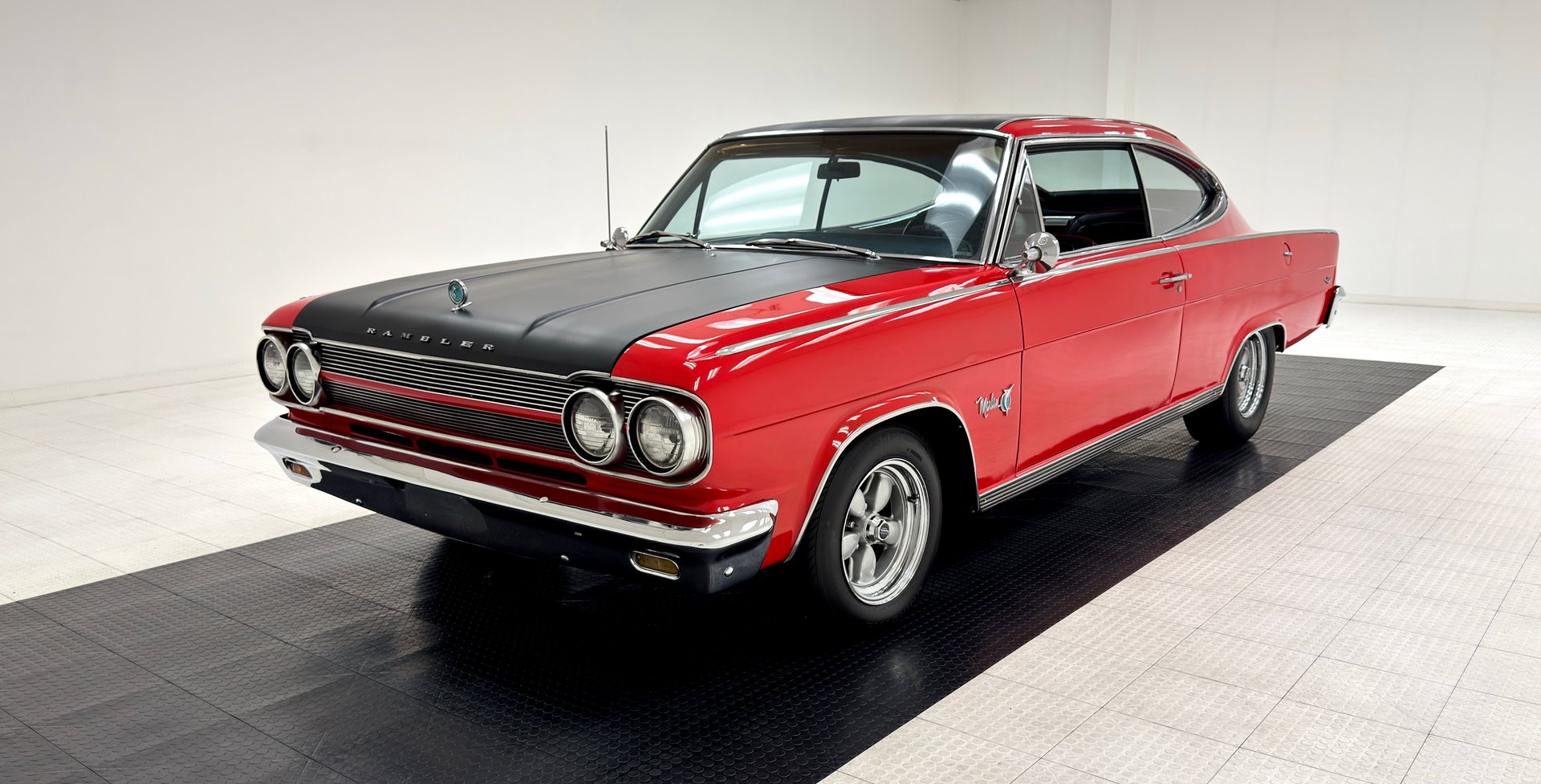
The 1965 Rambler Marlin represents one of American Motors Corporation’s most ambitious and unconventional vehicles, created during a time when automakers were experimenting with new market segments and styling trends. Designed to compete in the growing personal luxury category, the Marlin offered a distinctive alternative to mainstream American cars.
Although it never achieved the widespread recognition of models produced by Detroit’s largest manufacturers, the Marlin has gained increasing appreciation among collectors for its rarity, innovative design, and accessible entry price into classic car ownership.
The car’s most striking characteristic was its dramatic fastback roofline, a sweeping design inspired by the Rambler Tarpon concept car. This teardrop-shaped silhouette extended smoothly from the windshield to the rear bumper, giving the Marlin a futuristic appearance that arrived before fastbacks became widely popular in the late 1960s.
Built on the mid-sized Rambler Classic platform rather than a compact chassis, the Marlin prioritized comfort and interior space. Its large rear window and high roofline provided impressive rear-seat headroom and allowed seating for up to six passengers. While some critics initially viewed its proportions as unusual, modern enthusiasts often recognize the styling as bold and ahead of its time.
Rather than competing as a raw muscle car, the Marlin was engineered as a refined grand tourer intended for smooth and comfortable cruising. Buyers could select from multiple engine options, including a 232 cubic-inch inline-six producing 155 horsepower, a 287 cubic-inch V8 with 198 horsepower, and a powerful 327 cubic-inch V8 generating 270 horsepower.
Transmission choices ranged from a standard three-speed manual to an automatic “Flash-O-Matic,” along with the rare “Twin-Stick” manual transmission featuring electric overdrive.
Fewer than six percent of Marlins were equipped with this unusual option, making it highly desirable among collectors today. Contemporary automotive reviews praised the vehicle’s balanced handling and noted the inclusion of standard front power disc brakes, an advanced feature for its time.
Inside, the Marlin emphasized luxury and comfort to distinguish itself from smaller sporty cars such as pony cars entering the market. The interior borrowed design elements from AMC’s upscale Ambassador line, reinforcing its grand touring identity.
Features included individually reclining front seats with thick foam padding, an engine-turned aluminum dashboard, extensive carpeting that extended onto the door panels, and curved side glass designed to maximize passenger space. These details created a quiet and comfortable cabin suited for long-distance travel rather than aggressive performance driving.
Production numbers for the Marlin were relatively low, contributing to its growing collectibility. The 1965 model year recorded 10,327 units, the highest annual production for the model, and it remains historically significant as the only year the car carried the Rambler name before being rebranded as the AMC Marlin in 1966.
Across its three-year production run, only about 18,000 units were built, and many have since disappeared, increasing the rarity of surviving examples.
Interest in AMC vehicles has risen steadily as collectors search for unique alternatives to more common classics. Because many Marlins remain driver-quality survivors rather than fully restored show cars, well-preserved examples are becoming increasingly valuable.
Current market prices generally range from approximately $12,200 to $22,500, with exceptional restorations achieving far higher auction results. The 1965 Rambler Marlin stands today as a distinctive and historically important vehicle whose combination of rarity, comfort, and daring design continues to attract new appreciation among classic car enthusiasts.
These six vehicles illustrate how performance, design, and heritage can combine in affordable classics that are poised for rising value. As modern cars rely increasingly on technology and downsized engines, analog, high-displacement, and unique models are drawing more attention from collectors.
The Dodge Ramcharger offers rugged durability and nostalgic appeal, the Chevrolet 454 SS delivers pure muscle truck power, and the C6 Corvette Z06 remains a benchmark for manual, naturally aspirated performance. Meanwhile, the Gran Torino Sport, Pontiac LeMans Sport, and Rambler Marlin offer distinctive styling, sleeper performance, and rarity that make them increasingly sought after.
These cars provide an authentic driving experience and a connection to the golden eras of American automotive design. For collectors and enthusiasts looking for a smart purchase with both character and potential appreciation, this is the moment to act before the market fully recognizes their value.
Also read: 10 Cars With Rear Hinged Doors That Are Surprisingly Practical
