
Water fording is one of the most misunderstood aspects of vehicle capability. Most passenger cars are engineered for paved roads and moderate weather, not submerged obstacles.
Driving through standing water introduces multiple risks: hydro-locking the engine, damaging electronics, contaminating differentials, and compromising braking systems.
However, a small category of vehicles, primarily body-on-frame SUVs and specialized off-road models, are engineered with elevated air intakes, sealed electrical systems, and manufacturer-rated wading depths that allow them to traverse deep water without stalling when driven correctly.
For U.S. buyers in flood-prone regions such as the Gulf Coast, Florida, or parts of the Midwest, or for those who frequently encounter river crossings on trails, factory-rated water fording capability is not a novelty feature, it is functional engineering.
The following vehicles stand out for their manufacturer-stated wading depth, drivetrain sealing, and proven off-road durability.
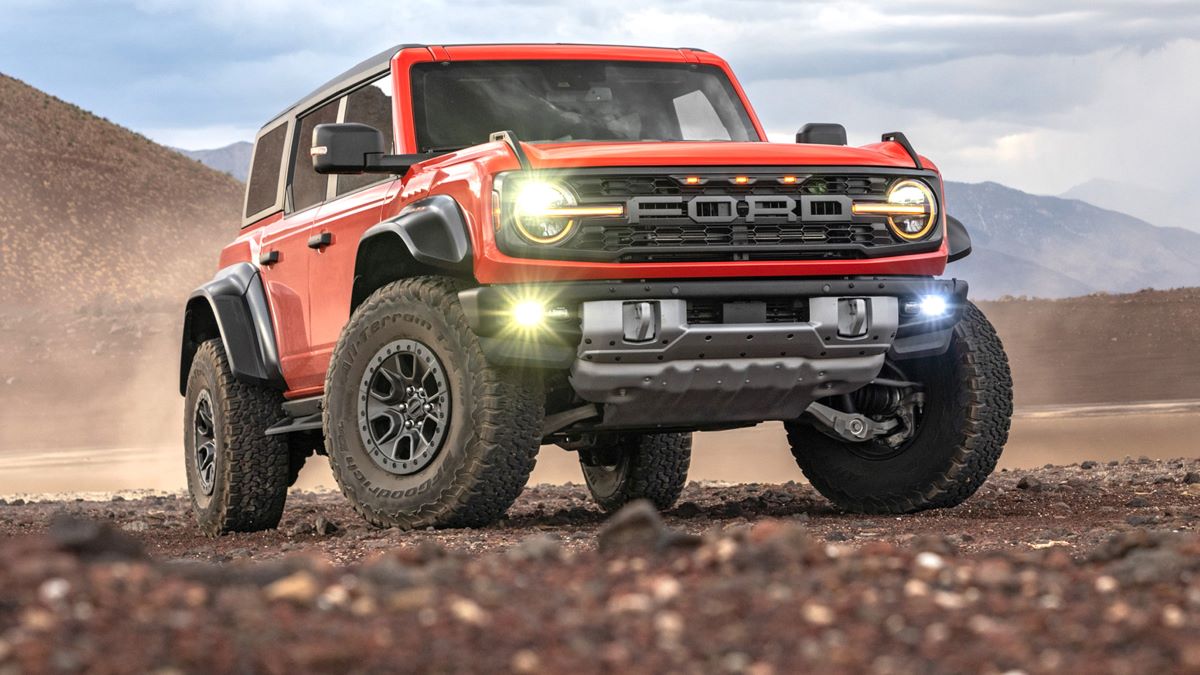
1. Ford Bronco
The Ford Bronco was engineered from inception to compete in serious off-road conditions, and that includes water. Properly equipped, the Bronco offers a factory-rated water fording depth of approximately 33.5 inches.
That capability is supported by high-mounted air intakes, extensive underbody shielding, sealed electrical connectors, and available steel bash plates.
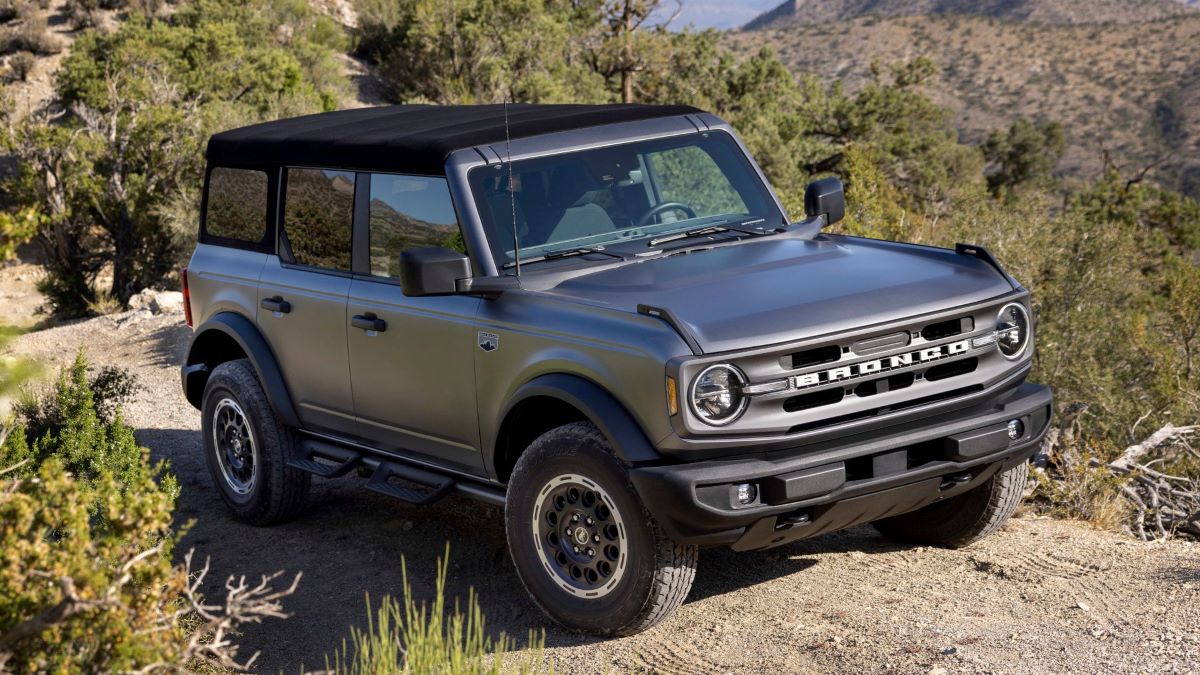
Unlike crossover SUVs, the Bronco rides on a body-on-frame chassis, which provides improved rigidity during uneven water crossings.
Its available Terrain Management System includes specific drive modes that optimize throttle and traction control response.
For U.S. buyers seeking both daily usability and legitimate off-road capability, the Bronco represents one of the most water-capable modern SUVs.
2. Jeep Wrangler
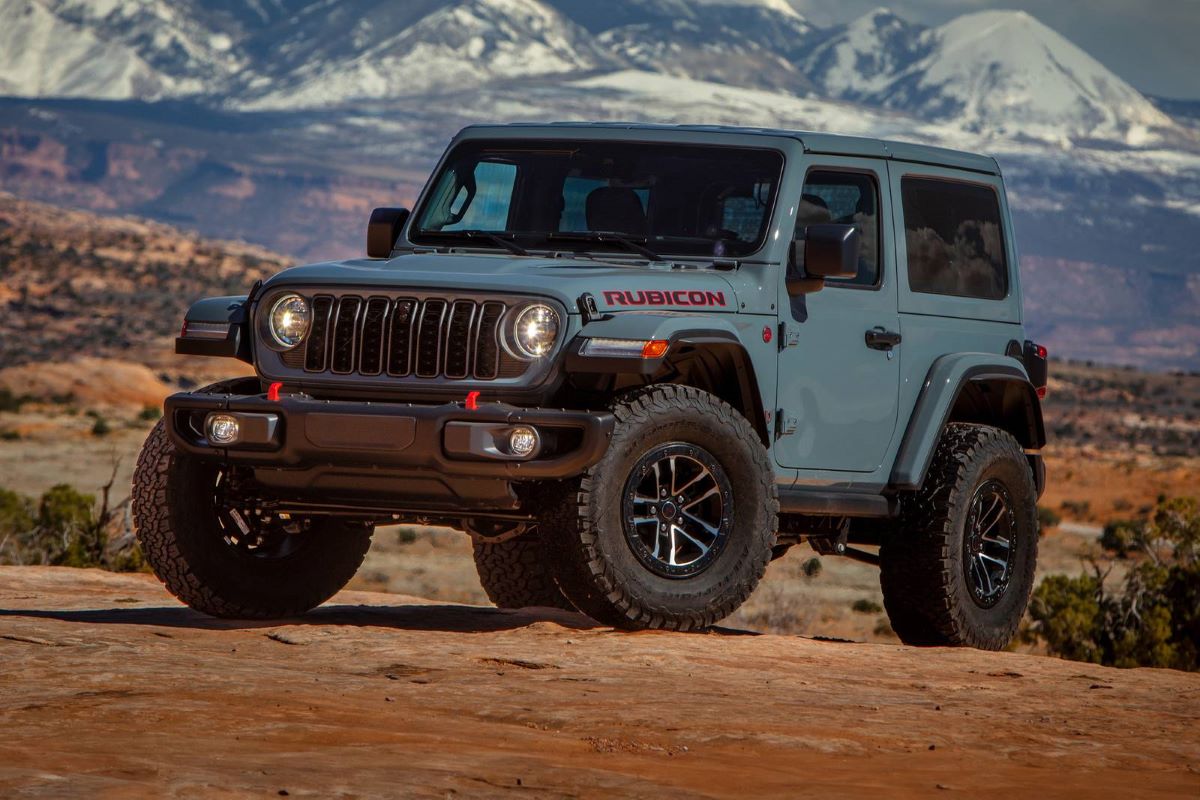
In the context of “Top 10 Cars That Can Drive Through Deep Water Without Stalling,” the Jeep Wrangler is one of the most technically capable production vehicles available. Unlike standard crossovers, the Wrangler is engineered with water fording as a core design parameter rather than an incidental capability.
Factory-rated water-fording depth for current Wrangler models reaches approximately 30 inches (about 760 mm), depending on configuration. This rating is supported by deliberate engineering decisions. The air intake is positioned high in the engine bay to reduce hydrolock risk, and critical electrical connectors are sealed to resist water intrusion during short-duration crossings. Axle and transfer case breathers are routed upward to minimize contamination when differentials are temporarily submerged.
The Wrangler’s body-on-frame construction contributes to durability under repeated exposure to water and uneven terrain. Solid front and rear axles, particularly in the Rubicon trim, provide articulation and structural resilience. Skid plates protect vulnerable underbody components such as the oil pan and transfer case, which is essential when submerged obstacles are not visible beneath murky water.
Powertrain options include a 3.6-liter V6, a 2.0-liter turbocharged inline-four, and diesel variants in select markets. All deliver substantial low-end torque, especially when paired with the Wrangler’s low-range transfer case.
Controlled throttle input is critical during water crossings; steady torque output helps maintain a consistent bow wave while preventing stalling. Manual and automatic transmissions are both engineered to handle low-speed load conditions typical of submerged driving.
The Wrangler’s four-wheel-drive system, available locking differentials, and electronic traction management enhance stability when riverbeds consist of sand, mud, or loose rock.
Maintaining slow, constant momentum is generally more effective than aggressive acceleration, and the Wrangler’s gearing facilitates this approach.
Post-crossing considerations remain important. Even with factory-rated capability, prolonged submersion or exceeding recommended depth can damage bearings, lubricants, and electronic systems. Proper inspection and maintenance after deep-water use are essential.
Within this category, the Jeep Wrangler stands as a purpose-built solution. Its water-fording capacity is not marketing-driven; it is supported by structural design, drivetrain engineering, and environmental sealing.
When operated within manufacturer limits, it can traverse deep water sections with a significantly lower risk of stalling compared to conventional passenger vehicles.
3. Toyota 4Runner
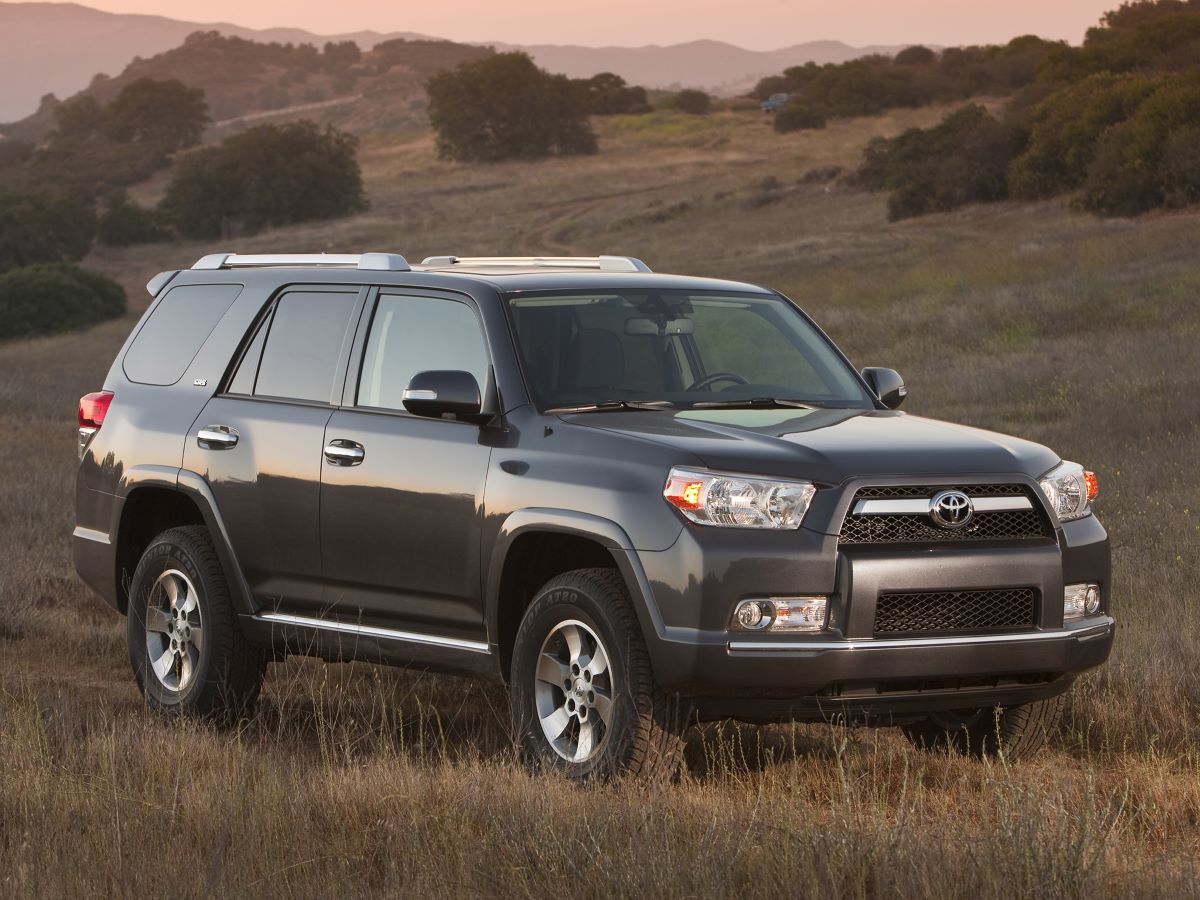
The Toyota 4Runner does not always advertise its water depth as aggressively as some competitors, but its traditional SUV architecture makes it inherently capable.
Unlike crossover-based SUVs, the 4Runner retains body-on-frame construction, a configuration that supports durability and drivetrain protection during off-road and water-fording scenarios.
Factory-rated water-fording depth for the 4Runner is approximately 27.5 inches (around 700 mm), depending on trim and equipment.
This capability is supported by a high-mounted engine air intake and elevated drivetrain components relative to the frame rails. Preventing hydrolock is central to deep-water operation; the intake positioning reduces the likelihood of water ingestion when crossing within rated limits.
The 4Runner’s solid rear axle and robust suspension architecture enhance stability when navigating uneven, submerged terrain.
TRD Off-Road and TRD Pro variants include skid plates to protect the transfer case, fuel tank, and engine underbody. These reinforcements are critical when obstacles beneath the water surface are not visible.
Power is typically delivered by a 4.0-liter naturally aspirated V6 producing strong low-end torque. While not optimized for maximum fuel efficiency, this engine provides predictable throttle response and consistent power delivery, both essential during water crossings.
Controlled, steady momentum is preferable to rapid acceleration, as it maintains a manageable bow wave ahead of the vehicle.
The available low-range transfer case allows the driver to operate at slow speeds with sufficient torque multiplication, reducing the risk of stalling.
Electronic traction control systems, combined with optional locking rear differentials and Toyota’s Multi-Terrain Select and Crawl Control systems, help manage wheel slip when riverbeds consist of mud, sand, or loose rock.
These features contribute to maintaining forward motion without excessive wheel spin, which can destabilize the vehicle in water.
As with all deep-water driving, adherence to manufacturer limits is critical. Prolonged submersion or exceeding rated depth can compromise bearings, seals, and lubricants. Post-crossing inspection is advisable.
Within this category, the Toyota 4Runner demonstrates that traditional SUV engineering, body-on-frame construction, low-range gearing, and drivetrain protection, remains highly relevant for drivers who require dependable deep-water capability without stalling when properly operated.
4. Land Rover Defender
The modern Land Rover Defender brings sophisticated engineering to water fording. It offers up to 35.4 inches of rated wading depth, one of the highest among production SUVs.
The Defender’s Terrain Response system includes a dedicated Wade mode that calibrates throttle response, suspension height (via air suspension), and traction systems specifically for submerged driving.
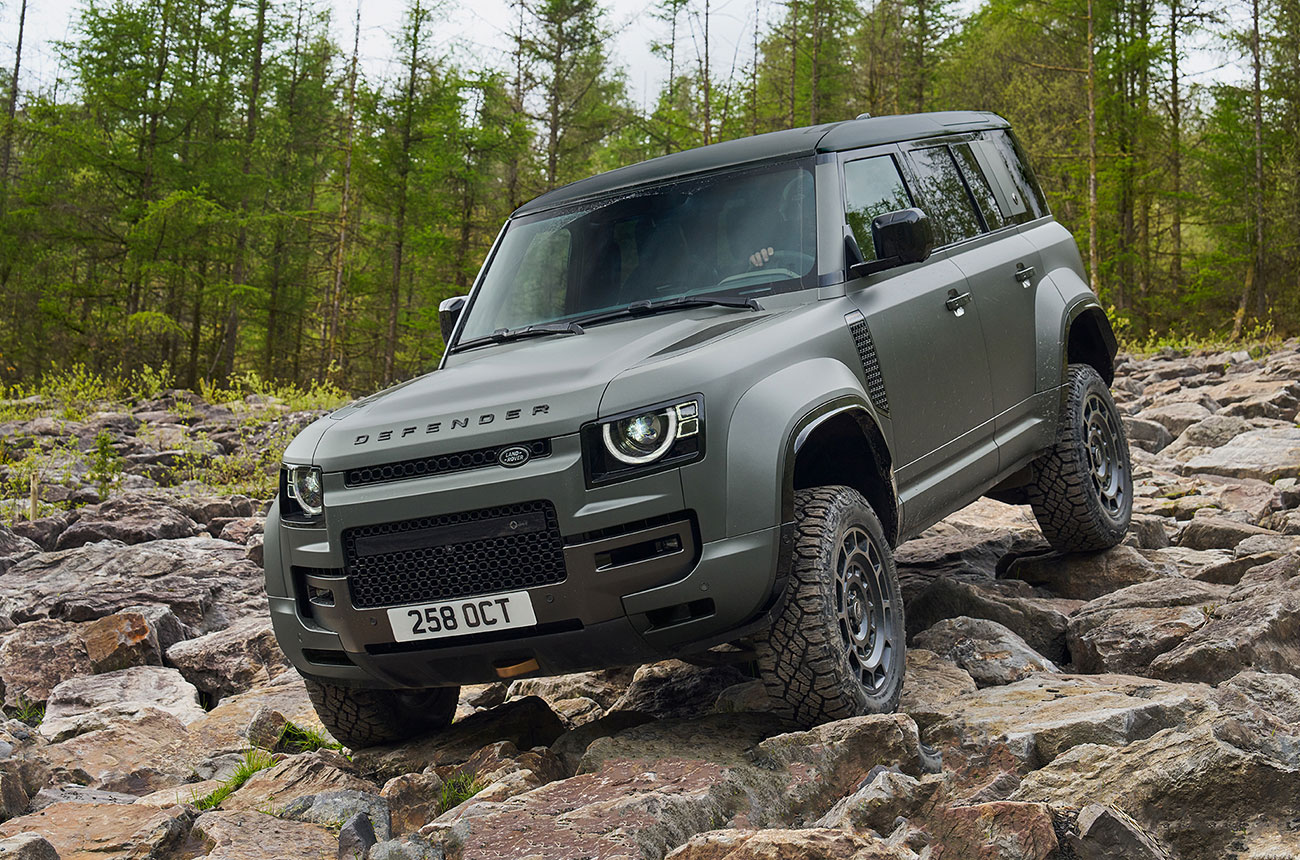
Sensors within the side mirrors can even display water depth on the infotainment screen.
This combination of mechanical capability and electronic integration makes the Defender one of the most technically advanced vehicles for deep water operation in the U.S. market.
5. Toyota Land Cruiser
The Toyota Land Cruiser has long been associated with global durability, including operation in flood-prone and remote environments.
Depending on generation, U.S.-spec models typically offer fording depths around 27 to 28 inches without modification.
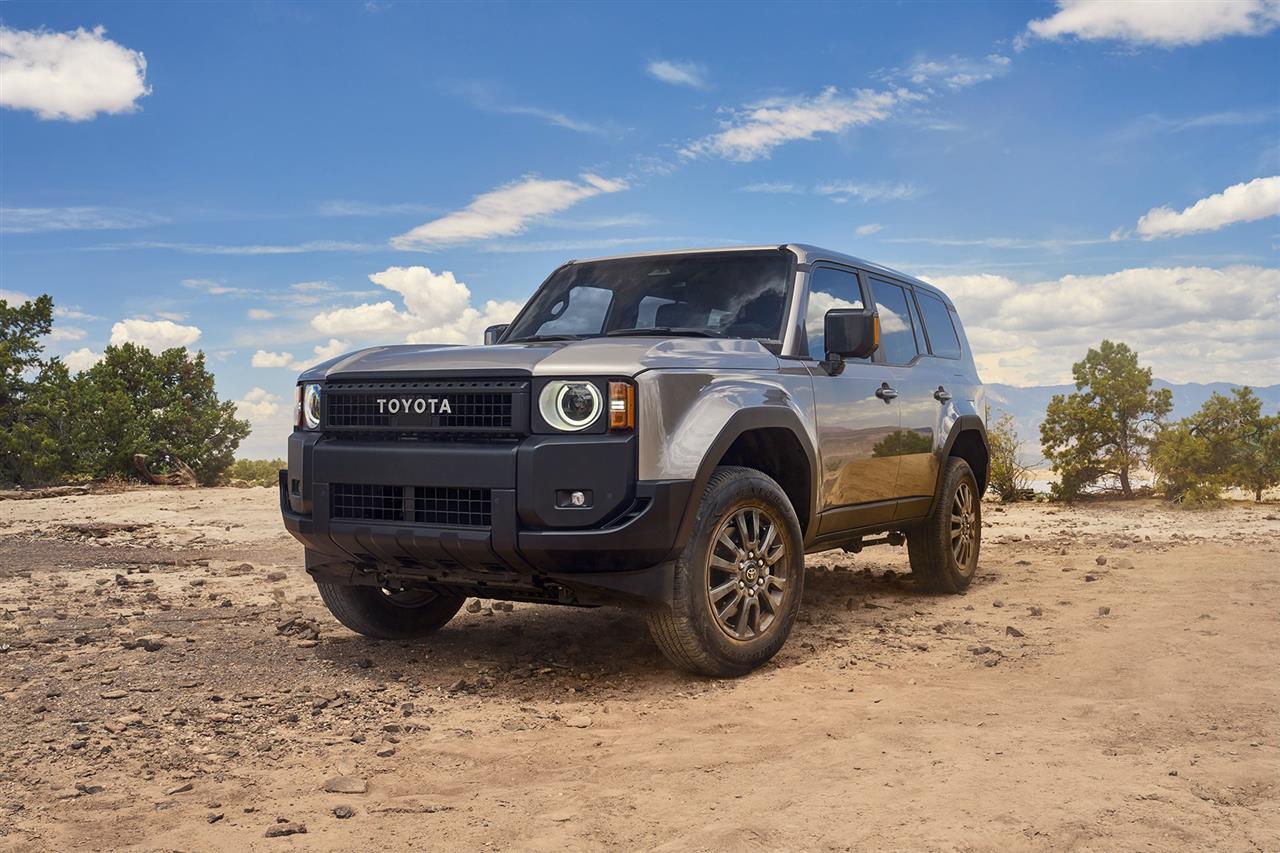
What distinguishes the Land Cruiser is not just water depth but resilience under repeated exposure.
Heavy-duty drivetrain components, robust sealing, and conservative engineering tolerances allow it to endure harsh conditions with lower long-term failure rates.
For buyers prioritizing durability over novelty features, the Land Cruiser maintains credibility.
Unlike crossovers designed primarily for paved-road use, the Land Cruiser integrates water-fording capability into its structural design, drivetrain configuration, and electronic sealing strategy.
Recent Land Cruiser generations built on Toyota’s TNGA-F body-on-frame platform emphasize torsional rigidity while maintaining the ground clearance necessary for off-road environments.
Drivetrain breathers are extended upward to reduce the likelihood of water contamination in axles and the transfer case during temporary submersion. Electrical connectors and control modules are sealed to tolerate brief exposure to water within specified limits.
Powertrain options typically include torque-rich twin-turbocharged V6 gasoline or diesel engines, depending on market. Strong low-end torque is critical during water crossings, as controlled, steady throttle input is preferable to aggressive acceleration.
Maintaining a consistent bow wave ahead of the vehicle reduces the chance of water reaching critical components.
The Land Cruiser’s low-range transfer case enables slow-speed operation with torque multiplication, minimizing the likelihood of stalling in resistance-heavy conditions such as muddy riverbeds.
Advanced four-wheel-drive systems, available locking differentials, and multi-terrain management software further stabilize traction when submerged surfaces consist of sand, silt, or rock. These systems help maintain consistent wheel rotation without excessive spin, which can destabilize forward progress in water.
Operational discipline remains essential. Exceeding rated depth or sustaining prolonged submersion can damage seals, bearings, and lubricants. Post-crossing inspection is recommended.
Within this category, the Toyota Land Cruiser stands as a structurally and mechanically integrated solution for deep-water traversal.
Its capability is not incidental; it is the result of deliberate engineering focused on reliability in extreme environments.
6. Chevrolet Colorado ZR2
Unlike standard light-duty trucks configured primarily for on-road utility, the ZR2 integrates off-road hardware that directly supports deep-water operation.
The Colorado ZR2 offers a factory-rated water-fording depth of approximately 31.5 inches (varies slightly by configuration).
This capability is supported by elevated air intake routing, sealed electrical connections, and carefully positioned drivetrain breathers to minimize water contamination of differentials and the transfer case during temporary submersion.
Hydrolock prevention remains central; the intake design ensures that, when operated within rated depth, water ingestion risk is materially reduced.
Structurally, the ZR2 benefits from a reinforced frame and underbody protection. Standard skid plates shield the oil pan, fuel tank, and transfer case, critical components that can be vulnerable when submerged obstacles are obscured by murky water.
The truck’s suspension system features Multimatic DSSV (Dynamic Suspensions Spool Valve) dampers, which improve wheel control and stability when traversing uneven riverbeds composed of rock, sand, or silt.
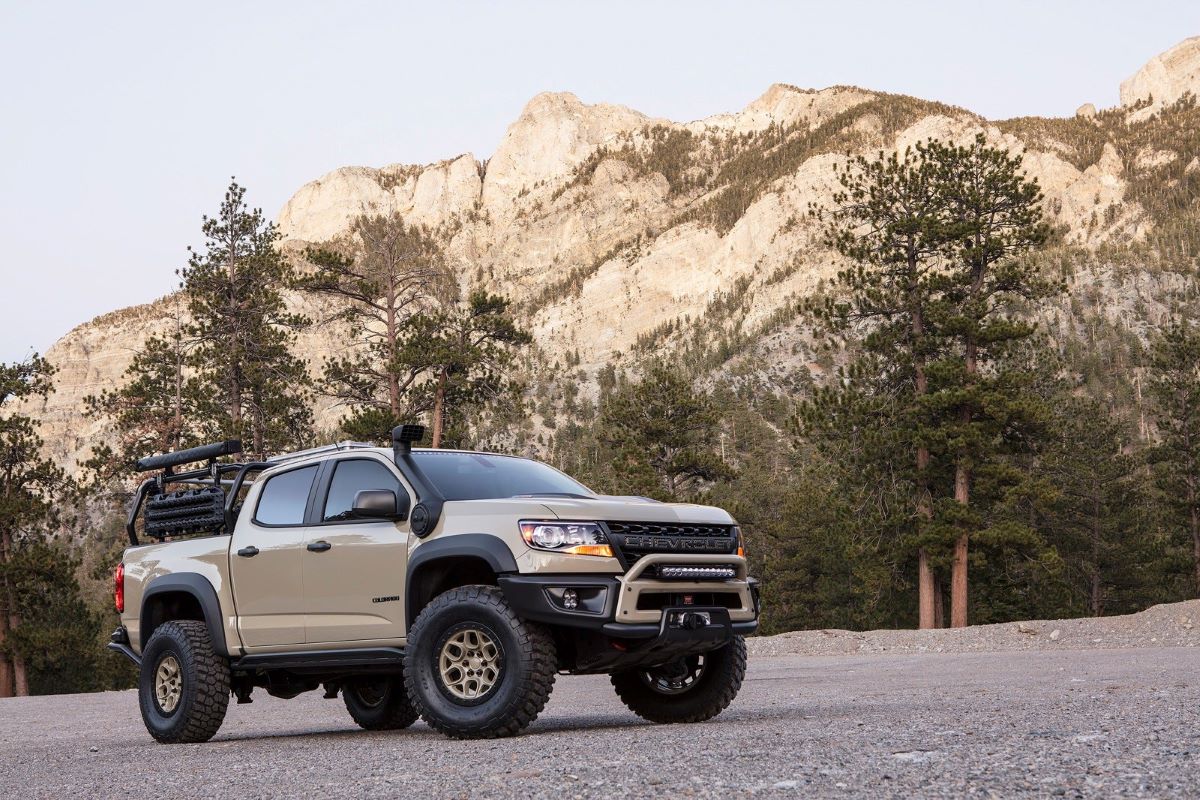
Power is delivered by a 2.7-liter turbocharged inline-four engine producing strong low-end torque. Torque availability at lower RPM is essential during water crossings, where maintaining steady, controlled momentum is preferable to abrupt throttle inputs.
The two-speed transfer case with low-range gearing allows slow-speed torque multiplication, reducing the likelihood of stalling while pushing through resistance from water and soft substrates.
Front and rear electronic locking differentials enhance traction when one or more wheels encounter reduced grip beneath the surface.
Combined with off-road drive modes and traction management systems, the ZR2 can maintain forward motion without excessive wheel spin, which could otherwise disrupt the bow wave and increase water intrusion risk.
As with all vehicles in this category, adherence to manufacturer specifications is critical. Prolonged immersion or exceeding rated depth can compromise seals, bearings, and lubricants. Post-crossing inspection remains advisable.
Within this segment, the Chevrolet Colorado ZR2 stands out as a structurally reinforced, torque-optimized platform designed to handle deep water crossings without stalling when operated within defined limits.
7. Ram 1500 TRX
The TRX’s intake system is positioned high within the hood scoop structure, reducing hydro-lock risk compared to standard half-ton pickups.
For buyers who want extreme performance without sacrificing water resilience, the TRX offers a unique combination.
While widely recognized for its supercharged power output, the TRX’s structural and mechanical configuration also supports serious water-fording capability.
The TRX carries a factory-rated water-fording depth of approximately 32 inches (around 813 mm), placing it among the most capable production pickups in this category. This rating reflects specific engineering measures.
The engine air intake system is routed high within the engine bay, reducing hydrolock risk during crossings within specified limits. Critical electrical components are sealed, and axle and transfer case breathers are positioned to minimize contamination when temporarily submerged.
Underneath, the TRX features extensive skid plate protection, shielding the front axle, transfer case, fuel tank, and other vulnerable components.
This reinforcement is essential during water crossings where submerged rocks or debris may be present. The truck’s widened stance and reinforced frame contribute to stability when traversing uneven riverbeds.
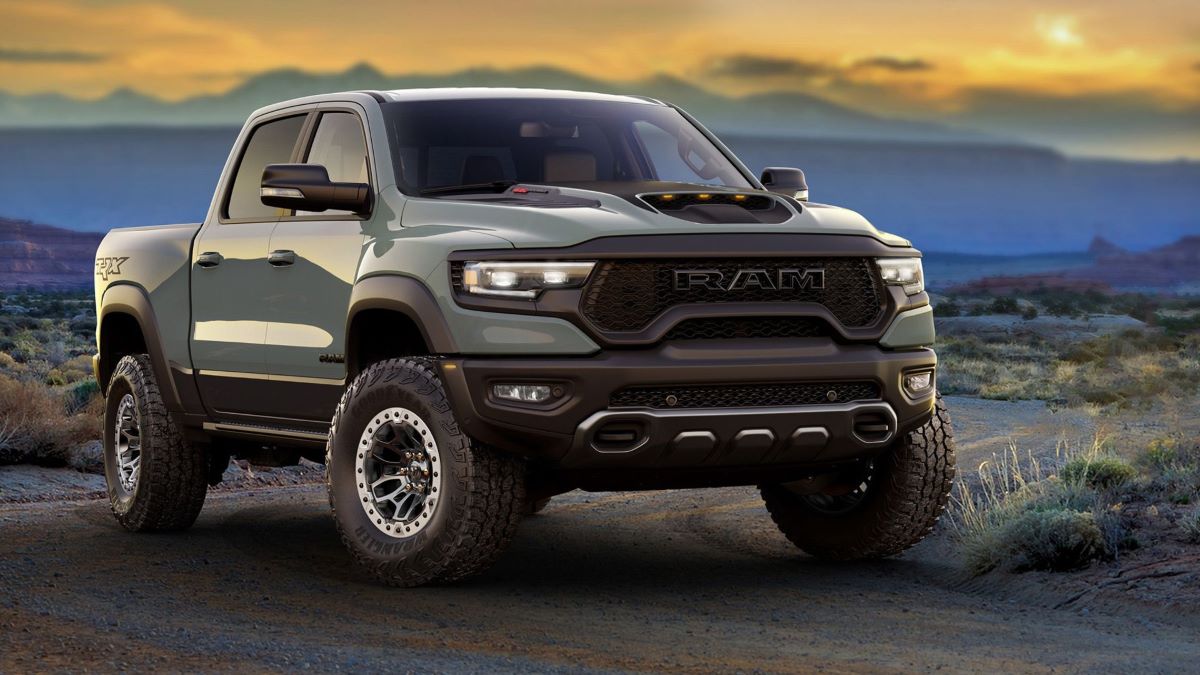
Power is supplied by a 6.2-liter supercharged V8 generating substantial torque across the rev range. Although the output far exceeds what is necessary for water crossings, the key advantage lies in accessible low-end torque.
Controlled throttle application is critical; steady, moderate input maintains a stable bow wave ahead of the vehicle and reduces the likelihood of stalling.
Advanced off-road suspension components, including Bilstein Black Hawk e2 adaptive dampers, maintain wheel control when traction varies beneath the surface. Electronic traction management systems further assist in regulating wheel slip.
As with any deep-water operation, exceeding rated depth or sustaining prolonged immersion can compromise mechanical seals and lubricants. Post-crossing inspection is advisable.
Within this category, the Ram 1500 TRX combines extreme power with structural reinforcement and drivetrain sealing, enabling it to traverse deep water sections without stalling when operated within manufacturer-defined parameters.
8. Mercedes-Benz G-Class
The G-Class retains military-derived engineering beneath its luxury image. With a fording depth of roughly 27 to 28 inches, three locking differentials, and substantial axle articulation, it remains highly capable in deep water scenarios.
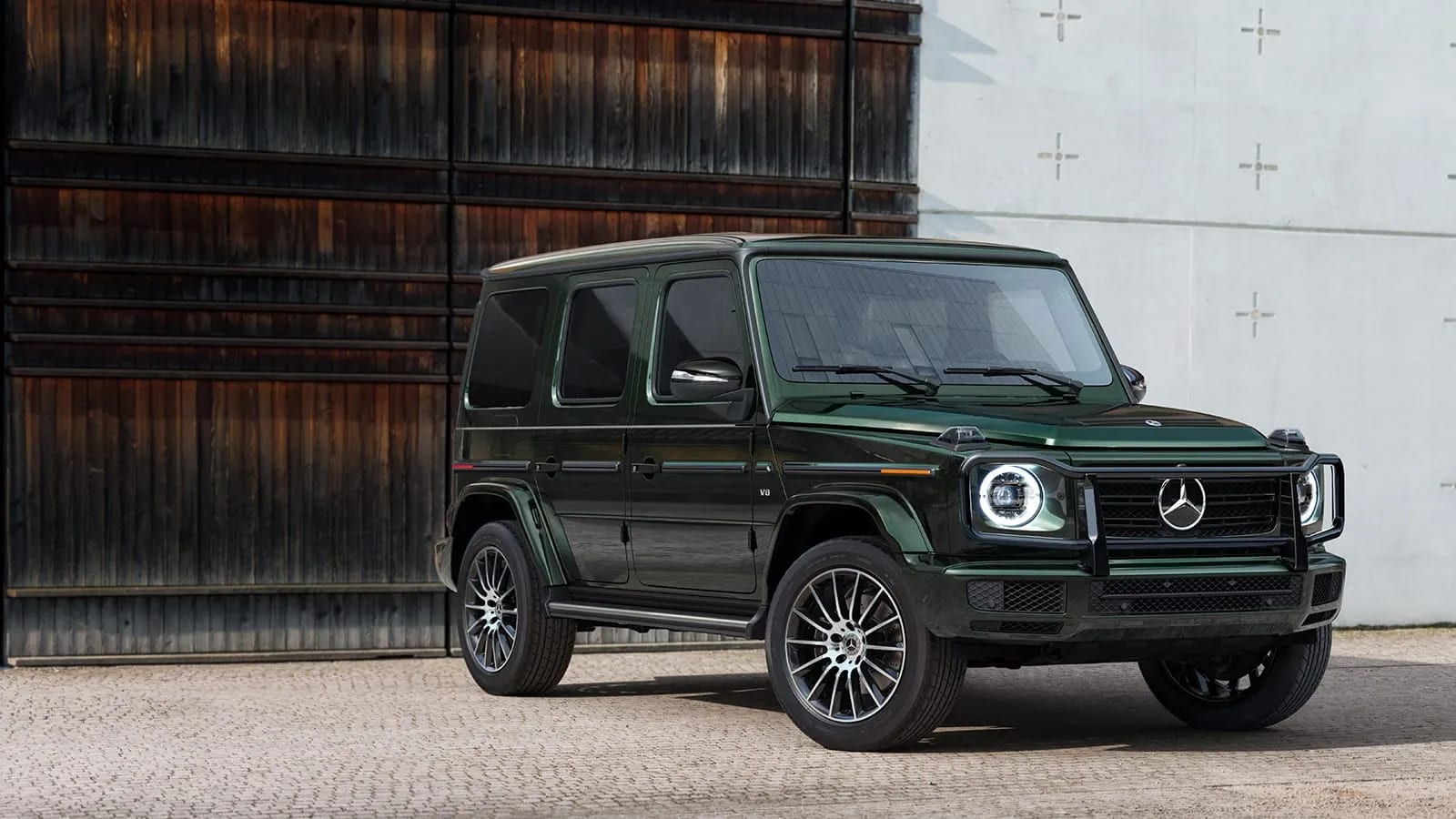
Unlike many luxury SUVs that prioritize pavement comfort, the G-Class maintains ladder-frame construction. This design choice contributes directly to durability during water immersion and uneven submerged terrain.
the Mercedes-Benz G-Class remains one of the most technically capable luxury SUVs engineered for extreme environments.
Although widely associated with status and on-road presence, the G-Class was originally developed as a military-grade utility vehicle, and its engineering foundation still reflects that purpose.
The G-Class is built on a ladder-frame chassis, a construction method that enhances structural rigidity and durability under off-road stress. This body-on-frame configuration allows critical drivetrain components to be positioned higher and better protected than in most unibody SUVs.
Water-fording capability depends on more than ride height. The G-Class incorporates a high-mounted air intake to reduce the risk of hydrolock when traversing water within rated limits.
Electrical systems and control modules are sealed to tolerate brief exposure, and drivetrain breathers are routed upward to help prevent water contamination in the axles and transfer case during temporary submersion.
This configuration is rare among production SUVs and significantly enhances traction when crossing submerged terrain with uneven grip, such as mud, sand, or loose rock.
The available low-range transfer case enables controlled, slow-speed movement with increased torque multiplication, reducing the risk of stalling while maintaining steady momentum.
Powertrain options vary by market, typically including turbocharged inline-six or V8 engines that deliver substantial low-end torque.
While these engines provide strong acceleration on-road, their torque characteristics also support stable throttle modulation during water crossings.
As with all vehicles in this category, operation within manufacturer-specified depth limits is essential. Exceeding rated capacity or prolonged immersion can damage seals, bearings, and lubricants. Post-crossing inspection is advisable.
Within this segment, the Mercedes-Benz G-Class combines luxury refinement with genuine structural and mechanical capability, enabling it to manage deep-water crossings without stalling when properly operated within defined parameters.
9. Nissan Armada
The Nissan Armada, while not marketed as an extreme off-roader, benefits from full-size SUV architecture and respectable ground clearance.
Though not officially promoted with a headline water depth figure like specialized off-roaders, practical fording in the mid-20-inch range is achievable under cautious conditions.
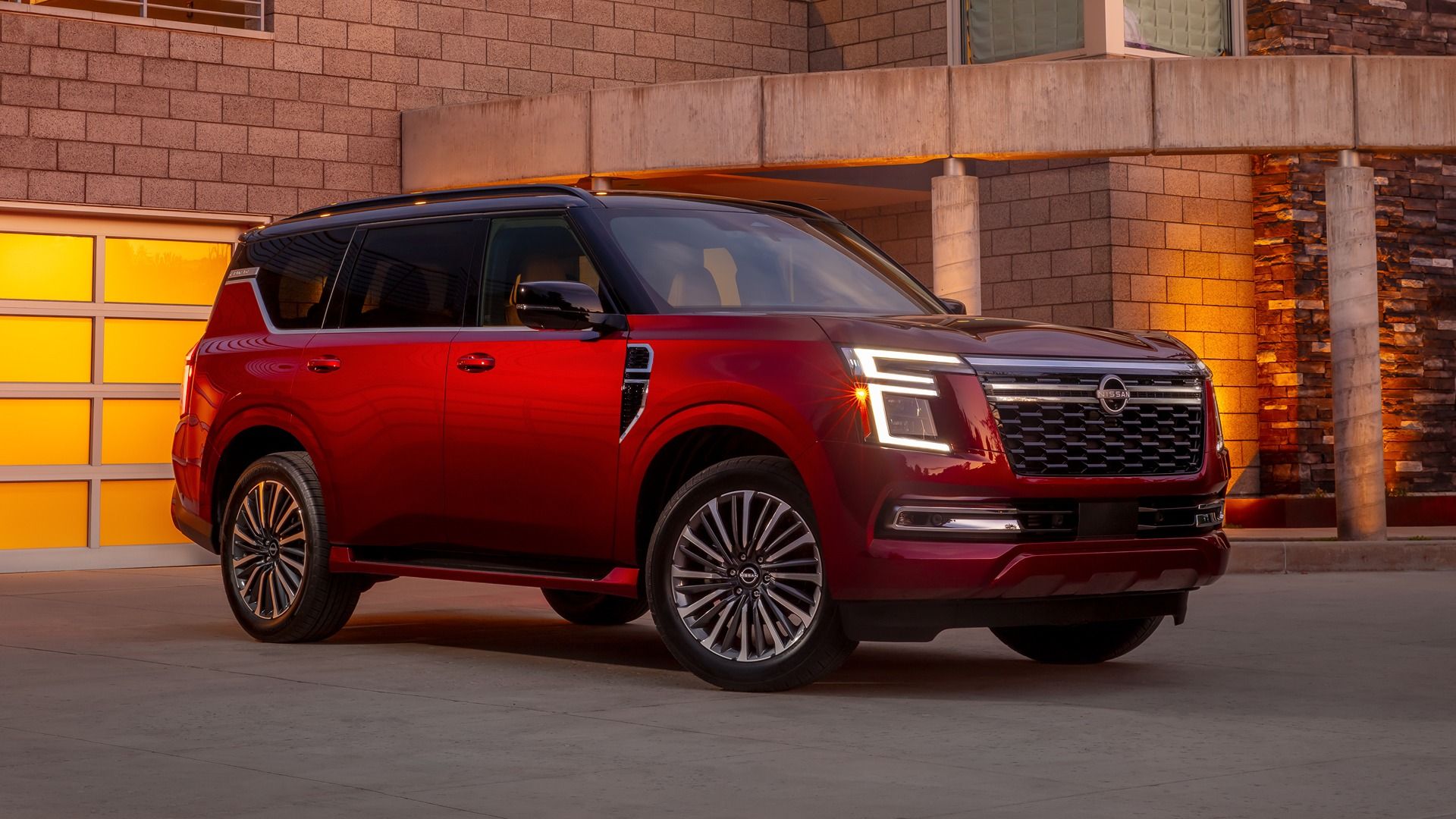
For U.S. families in regions with seasonal flooding, the Armada provides a balance between passenger capacity and moderate water resilience.
The Nissan Armada qualifies as a full-size SUV with structural attributes that support moderate water-fording capability.
While primarily positioned as a family-oriented, three-row SUV, the Armada’s body-on-frame construction provides a mechanical foundation suited for more demanding terrain than most unibody crossovers.
The Armada shares architectural principles with global Nissan Patrol models, utilizing a robust ladder-frame chassis.
This construction increases durability under load and allows drivetrain components to be mounted higher and better shielded compared to typical crossover platforms.
Ground clearance and underbody protection contribute to its ability to traverse standing water without immediate mechanical compromise when operated within safe limits.
Power is supplied by a 5.6-liter naturally aspirated V8 delivering strong low-end torque. In water-fording scenarios, consistent torque at lower RPM is critical.
Controlled throttle application maintains forward momentum and helps establish a stable bow wave ahead of the vehicle.
Abrupt acceleration is counterproductive; steady input reduces the likelihood of water entering vulnerable systems. The Armada’s torque characteristics support this controlled driving approach.
The available four-wheel-drive system, combined with a two-speed transfer case featuring low-range gearing, enhances traction and torque multiplication during slow-speed water crossings.
Electronic traction control assists when submerged surfaces consist of mud, sand, or loose rock. While the Armada does not typically feature locking front and rear differentials like some extreme off-road vehicles, its drivetrain configuration remains capable for moderate-depth crossings.
Air intake placement is sufficiently elevated to reduce hydrolock risk within practical limits, though the Armada’s factory-rated water-fording depth is generally lower than specialized off-road models such as heavy-duty pickups or dedicated off-road SUVs. Manufacturer guidelines should always be followed.
As with all vehicles in this category, prolonged submersion or exceeding safe depth thresholds can compromise bearings, seals, and lubricants. Inspection after deep-water exposure is recommended.
Within this segment, the Nissan Armada demonstrates that a full-size family SUV, when built on a traditional frame and equipped with low-range gearing, can manage controlled deep-water crossings without stalling when operated responsibly and within specified parameters.
10. Toyota Tacoma TRD Pro
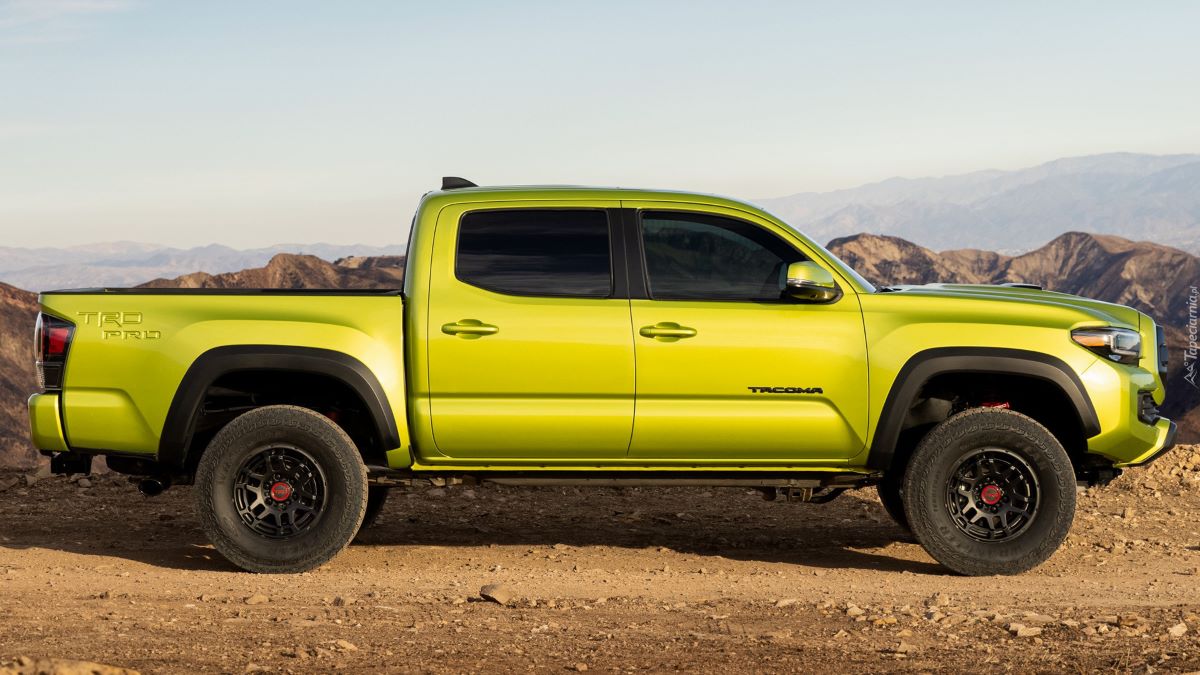
The Tacoma TRD Pro remains one of the most popular midsize trucks in the U.S. off-road market. With a fording capability of approximately 30 inches, reinforced suspension components, and factory skid plates, it is well suited for trail water crossings.
Toyota’s emphasis on mechanical reliability again plays a role. While not the deepest wader in this list, the Tacoma combines manageable size with durable engineering, making it practical for both daily driving and recreational off-road use.
Driving through deep water should never be approached casually, even in vehicles rated for high fording depths. Manufacturer figures assume steady, controlled movement and proper vehicle maintenance.
Rapid entry can create bow waves that exceed rated depth, and prolonged immersion can contaminate lubricants.
Buyers should understand that water capability is a system-level engineering feature involving air intake placement, electronic sealing, drivetrain breathers, and structural durability.
For U.S. consumers seeking vehicles that can traverse flood-prone streets or off-road river crossings without stalling, the models above represent the most credible factory-engineered solutions currently available.
