Luxury ownership in the United States has evolved. Buyers are no longer satisfied with premium badges, handcrafted interiors, and strong performance alone. Increasingly, they want flexibility in long-term ownership.
That means the ability to service and maintain their vehicles outside of franchised dealerships without excessive cost, proprietary roadblocks, or diagnostic limitations.
While many high-end brands rely heavily on dealership networks for software updates, parts coding, and specialized tools, some manufacturers design vehicles with broader service accessibility in mind.
These brands tend to share platforms with mainstream divisions, use widely available parts, support independent repair networks, or avoid overly restrictive digital locks.
Below are ten high-end brands that remain comparatively easy to service outside the dealership environment in the U.S. market.
These brands combine premium positioning with practical ownership considerations, making them smart choices for buyers who value independence and long-term cost control.
1. Lexus
Lexus occupies a distinct position in the luxury automotive market because it combines premium refinement with mechanical architectures closely related to Toyota platforms. This engineering overlap is a primary reason why Lexus vehicles are generally easier to service outside the dealership network compared to many European luxury competitors.
A significant advantage lies in parts availability and mechanical familiarity. Many Lexus models, including sedans like the ES and crossovers such as the RX, share engines, transmissions, and core components with Toyota vehicles.
Independent repair shops across the United States are already experienced with these powertrains, diagnostic procedures, and maintenance intervals. This reduces labor complexity and shortens service times.
Unlike several high-end European brands that rely heavily on proprietary electronic systems and dealership-locked software, Lexus vehicles tend to use more accessible diagnostic frameworks.
Independent technicians with modern scan tools can perform routine maintenance, brake service, suspension work, and even many electronic diagnostics without requiring factory-exclusive equipment. This accessibility significantly lowers long-term ownership costs.
Mechanical design also contributes to serviceability. Lexus engine bays are typically laid out with practical access in mind. Routine service items such as oil filters, air filters, spark plugs, and serpentine belts are not buried beneath excessive layers of trim or tightly packed turbocharging hardware.
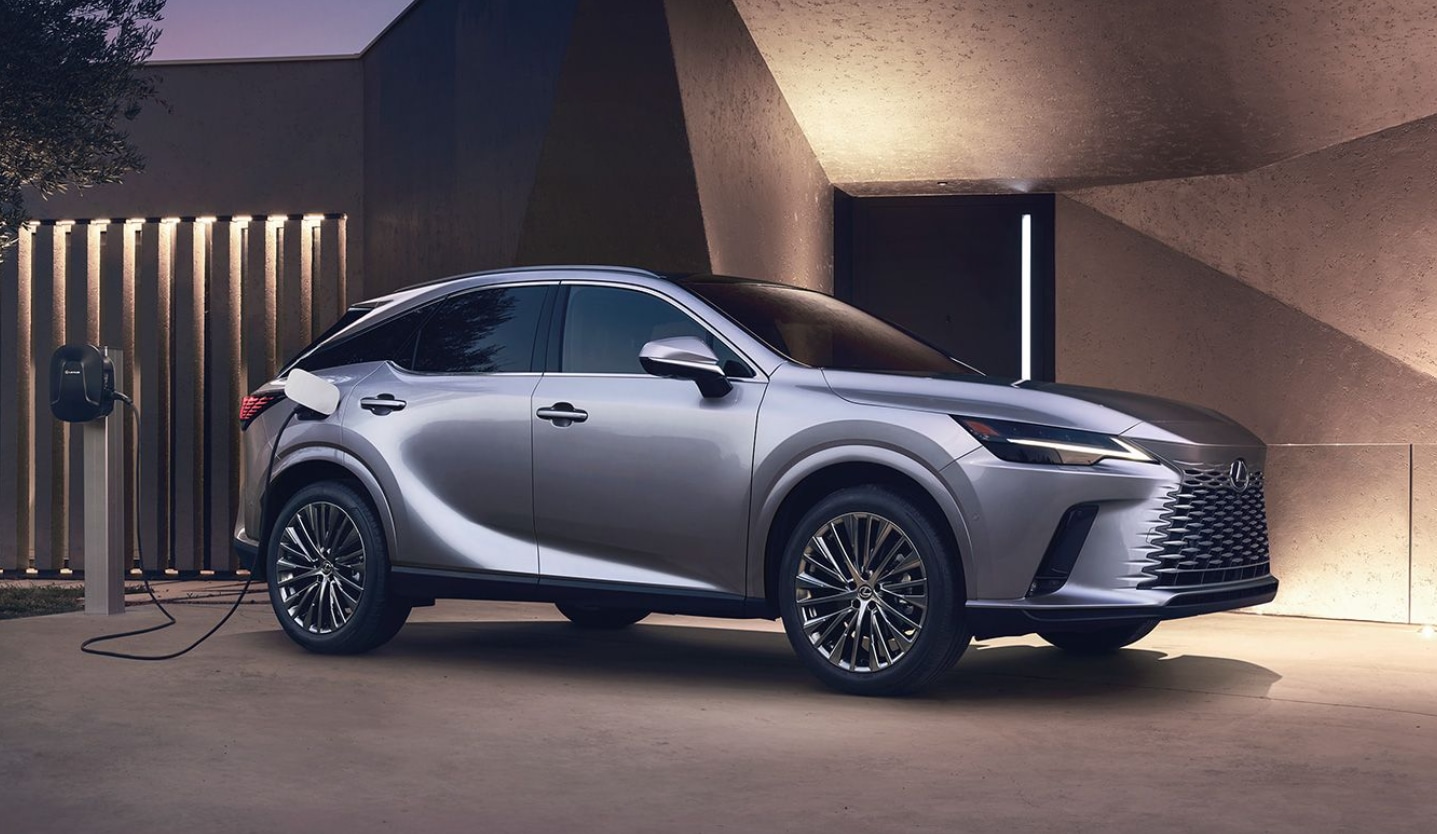
While newer models incorporate advanced driver assistance systems and hybrid components, their underlying architecture remains comparatively straightforward.
Reliability further supports independent service viability. Lexus vehicles are known for conservative engineering and durable component selection. Fewer unexpected failures translate to fewer specialized repairs that require dealership intervention.
When issues do arise, replacement parts are widely distributed through both OEM and high-quality aftermarket suppliers, creating competitive pricing outside authorized service centers.
Hybrid Lexus models, such as those using Toyota’s long-established hybrid systems, also benefit from broad technician familiarity. These systems have been in the U.S. market for decades, and independent repair shops increasingly possess the expertise and safety protocols to service them confidently.
The brand’s integration with Toyota’s proven platforms, widespread parts availability, and accessible diagnostics make it one of the more ownership-friendly premium manufacturers in the United States.
2. Acura
Acura maintains a reputation as a premium brand that balances performance and refinement with mechanical practicality. As Honda’s luxury division, Acura benefits from shared engineering foundations that significantly improve service accessibility outside dealership networks.
This structural relationship is a central reason the brand ranks among high-end manufacturers that are comparatively easy to maintain at independent repair facilities.
Many Acura models, including sedans like the TLX and SUVs such as the MDX and RDX, share core powertrain architectures with Honda vehicles.
Engines, transmissions, and electronic systems often derive from proven Honda platforms with incremental refinements rather than entirely bespoke systems. Independent technicians across the United States are already familiar with these components, reducing diagnostic time and minimizing labor complexity.
Parts availability further strengthens independent service feasibility. Acura components are widely distributed through both OEM and aftermarket channels.
Because of the shared engineering lineage, certain service parts, filters, brake components, ignition coils, and sensors, are readily obtainable without exclusive dealership sourcing. This competitive parts ecosystem helps contain maintenance costs.
From a mechanical layout perspective, Acura vehicles are generally engineered with accessibility in mind. Routine maintenance tasks such as oil changes, brake service, spark plug replacement, and suspension work typically do not require extensive disassembly.
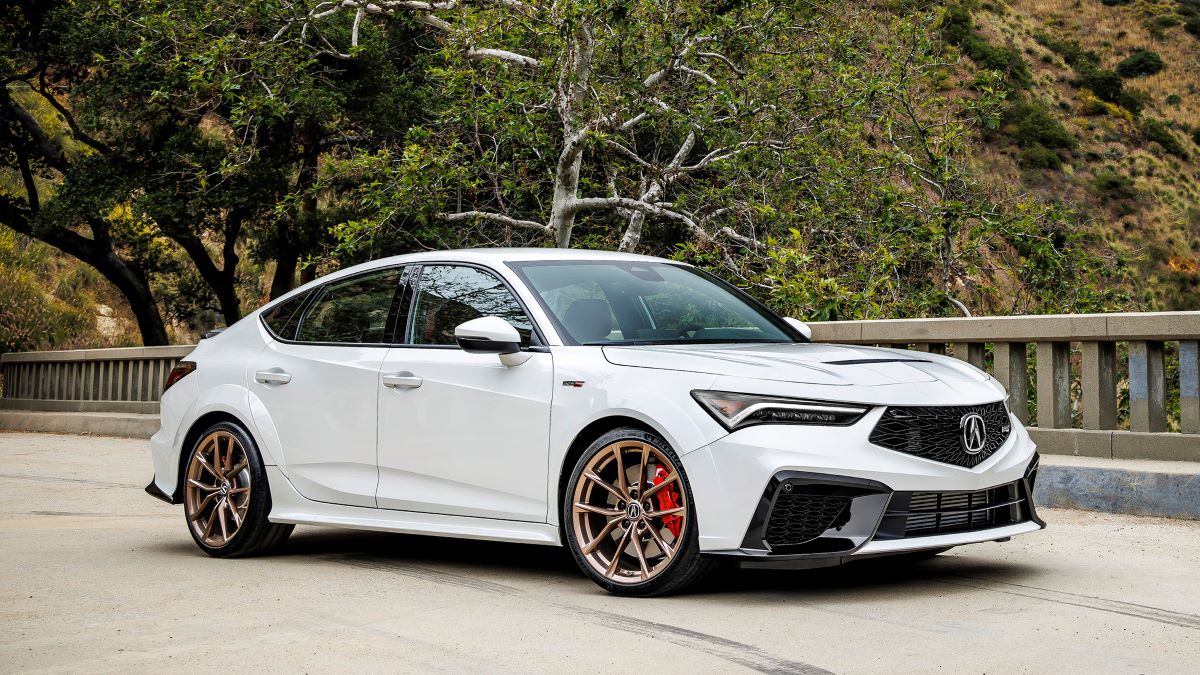
Compared to some European luxury brands that densely package turbochargers, cooling systems, and electronics into compact engine bays, Acura designs remain relatively straightforward.
Electronic diagnostics are also less restrictive. While modern Acura models incorporate advanced driver assistance systems and complex infotainment interfaces, they do not typically require proprietary dealership-only software for standard maintenance and many repairs.
Independent shops equipped with contemporary scan tools can access diagnostic codes, perform calibrations, and complete system resets without excessive barriers.
Reliability contributes indirectly to service ease. Acura’s conservative engineering philosophy reduces the frequency of unpredictable failures that demand specialized tools or factory intervention. When issues arise, they tend to involve components that are well understood within the broader Honda service ecosystem.
The brand avoids unnecessary mechanical complexity while maintaining strong parts distribution and technician familiarity. For owners seeking premium features without dealership-dependent maintenance, Acura offers a structurally accessible ownership experience in the U.S. market.
3. Genesis
Genesis has positioned itself as a premium automotive brand while leveraging the broader engineering and supply infrastructure of Hyundai. This structural relationship plays a critical role in making Genesis vehicles comparatively accessible for service outside the dealership network, especially when contrasted with more complex European luxury manufacturers.
Many Genesis models, including the G70, G80, and GV70, share foundational platforms, powertrains, and electronic architectures with Hyundai and Kia vehicles.
Although these systems are refined for performance and luxury applications, the underlying mechanical components are not entirely bespoke. Independent repair shops across the United States are increasingly familiar with Hyundai-derived engines, transmissions, and drivetrain systems, which reduces diagnostic uncertainty and labor time.
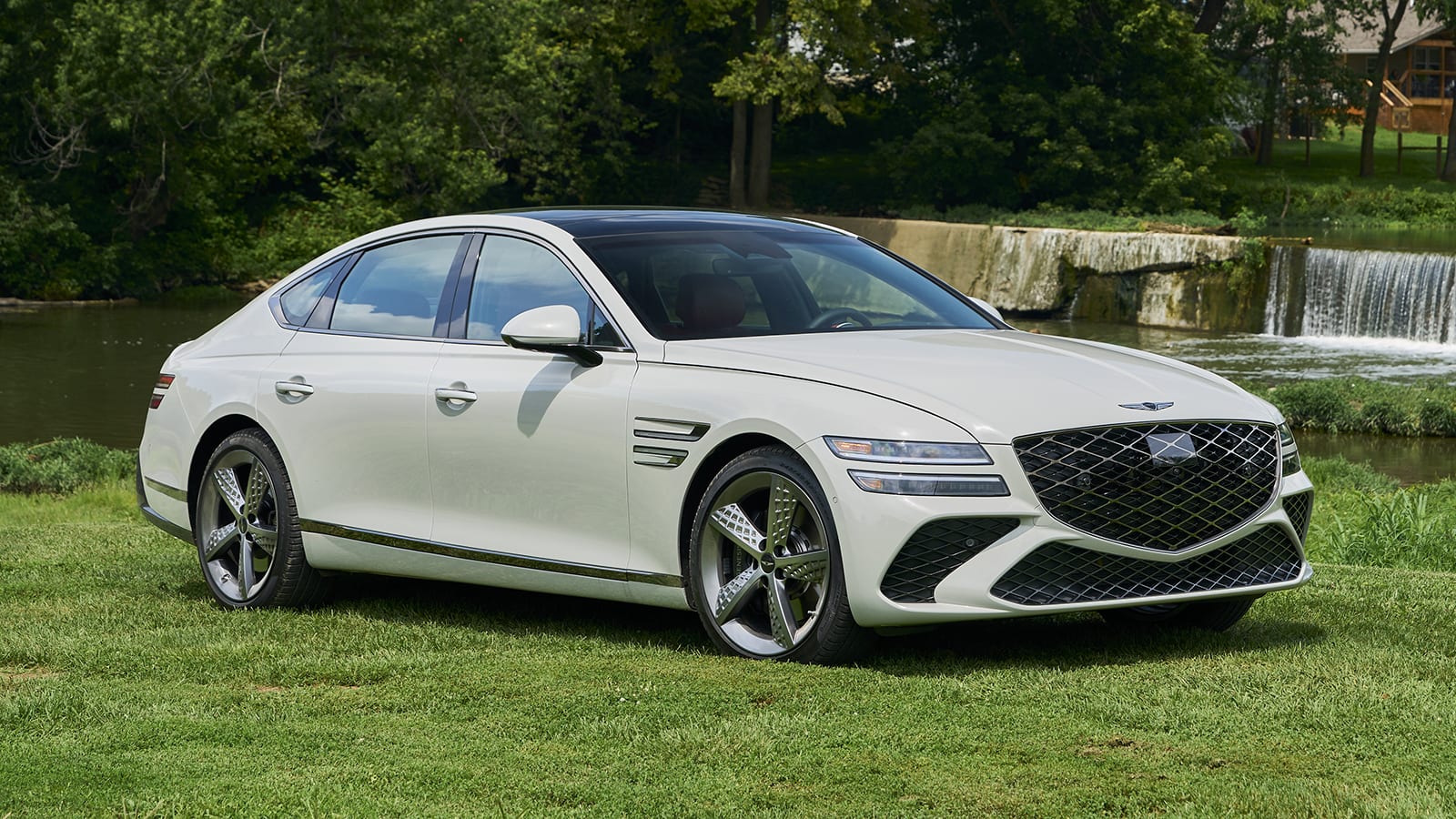
Parts availability is another advantage. Because Genesis operates within the Hyundai Motor Group ecosystem, replacement components are broadly distributed through OEM channels as well as competitive aftermarket suppliers.
Routine service parts such as brake components, filters, ignition systems, and suspension elements are generally obtainable without dealership exclusivity. This broad supply chain lowers repair costs and minimizes delays.
From a serviceability standpoint, Genesis vehicles are typically engineered with reasonable mechanical access. While modern models incorporate turbocharged engines, advanced driver assistance systems, and sophisticated infotainment interfaces, they do not generally rely on overly restrictive proprietary service barriers.
Independent technicians equipped with contemporary diagnostic tools can access electronic control modules, retrieve fault codes, and perform recalibrations for many systems without exclusive factory software.
Powertrain design also contributes to independent service viability. Turbocharged four-cylinder and V6 engines used in Genesis models are widely supported within the Hyundai ecosystem.
These engines do not require the specialized mechanical layouts often associated with certain European luxury brands that densely package performance components in ways that complicate repairs.
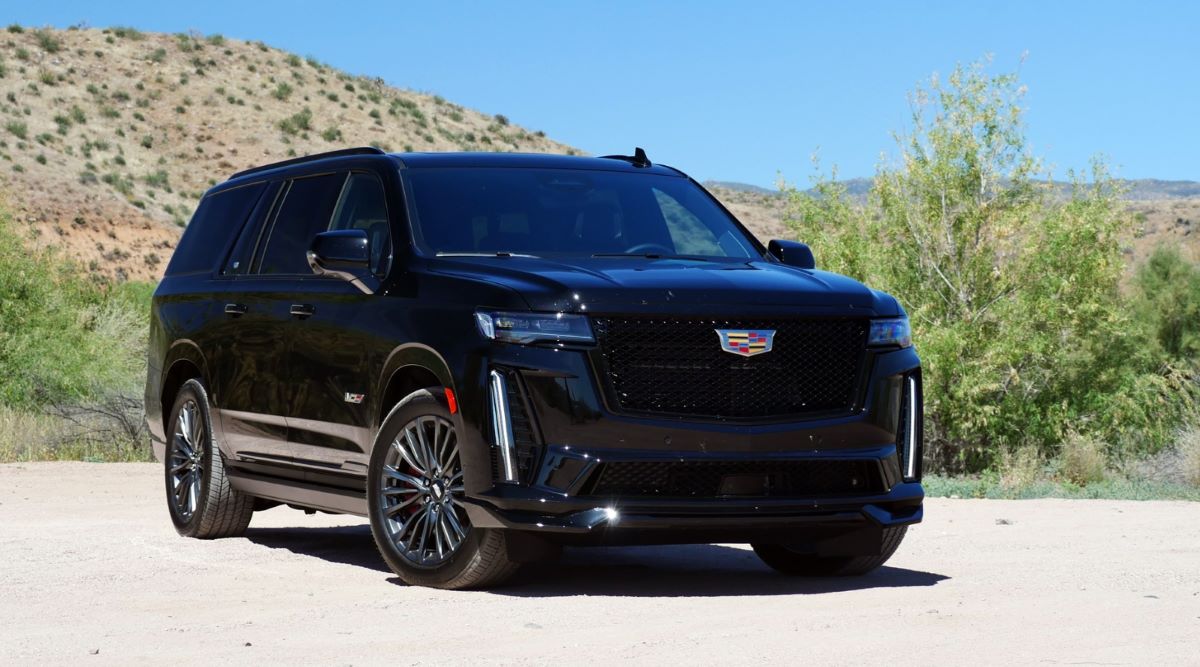
4. Cadillac
Cadillac occupies a distinct position among American luxury brands because it operates within the broader General Motors ecosystem. That corporate integration significantly improves service accessibility outside the dealership network.
Unlike certain European luxury manufacturers that rely on proprietary systems and tightly controlled parts channels, Cadillac vehicles benefit from widespread mechanical familiarity and distribution infrastructure across the United States.
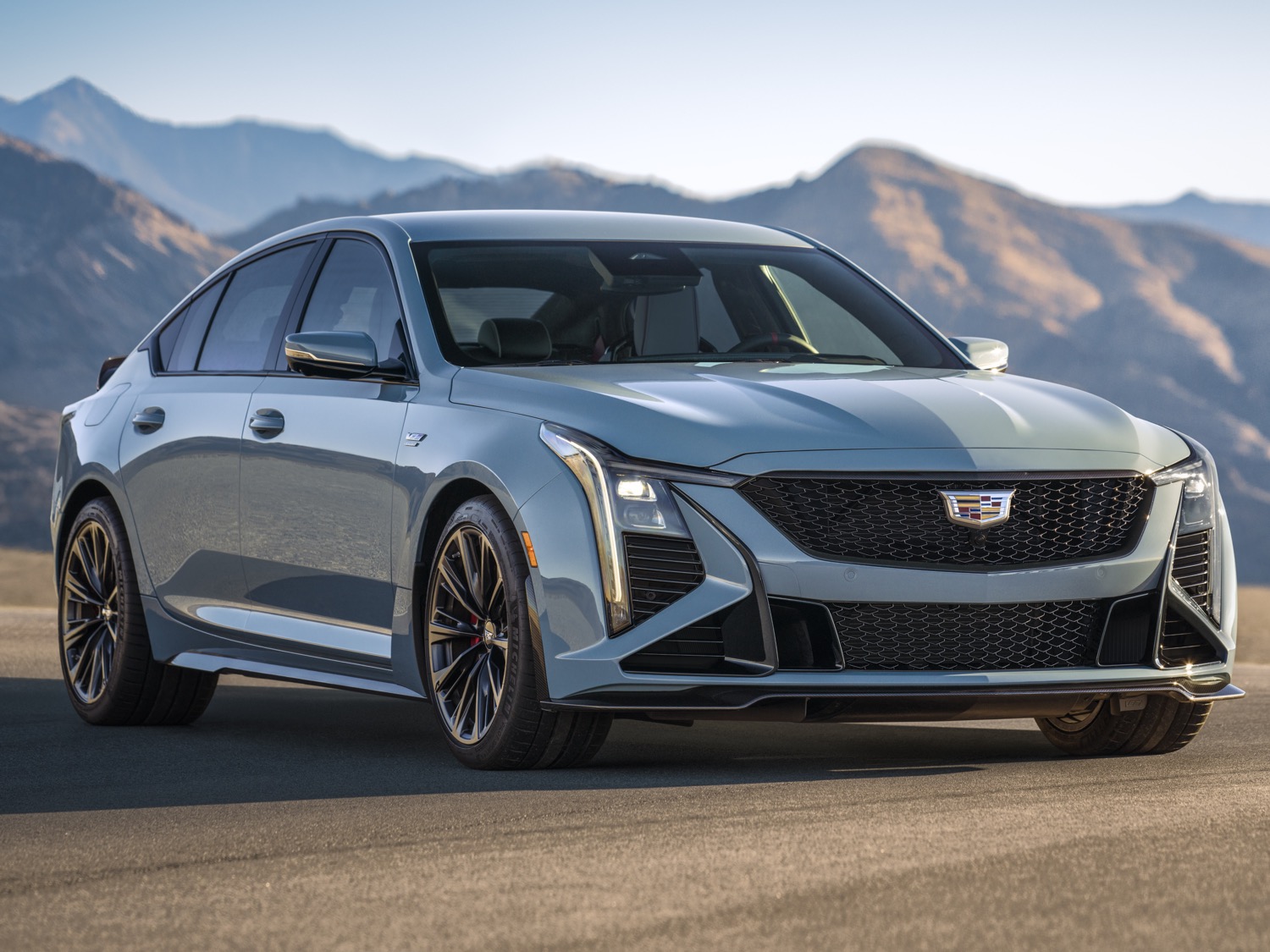
Many Cadillac models, including sedans such as the CT5 and SUVs like the XT5 and Escalade, share core powertrains and electronic architectures with other GM vehicles.
Engines, transmissions, and various drivetrain components are often derived from GM’s larger portfolio, meaning independent repair facilities are already experienced in servicing similar systems. This reduces diagnostic time and lowers labor complexity compared to brands that use highly specialized or low-volume mechanical designs.
Parts availability is another key advantage. GM maintains one of the largest parts distribution networks in North America.
Replacement components, ranging from brake systems and suspension elements to sensors and control modules, are widely available through OEM suppliers and competitive aftermarket channels. This accessibility limits delays and prevents excessive dealership markups once vehicles move beyond warranty coverage.
From a serviceability standpoint, Cadillac vehicles are generally engineered with conventional layouts. While modern models incorporate turbocharged engines, advanced driver assistance systems, and digital interfaces, they do not typically require exclusive dealership-only software for standard maintenance or common repairs.
Independent technicians equipped with current scan tools can access diagnostic codes, perform resets, and complete module programming for many systems without unusual restrictions.
Mechanical complexity does increase in performance-oriented variants, such as V-series models equipped with higher-output engines and adaptive suspension systems. However, even these vehicles remain within the broader GM engineering framework, maintaining compatibility with widely supported service procedures and tools.
5. Infiniti
Infiniti occupies a practical position within the luxury market because it operates as Nissan’s premium division, sharing substantial engineering architecture with its parent brand. This structural relationship significantly improves service accessibility outside dealership networks, particularly when compared to luxury brands that rely on proprietary systems and low-volume components.
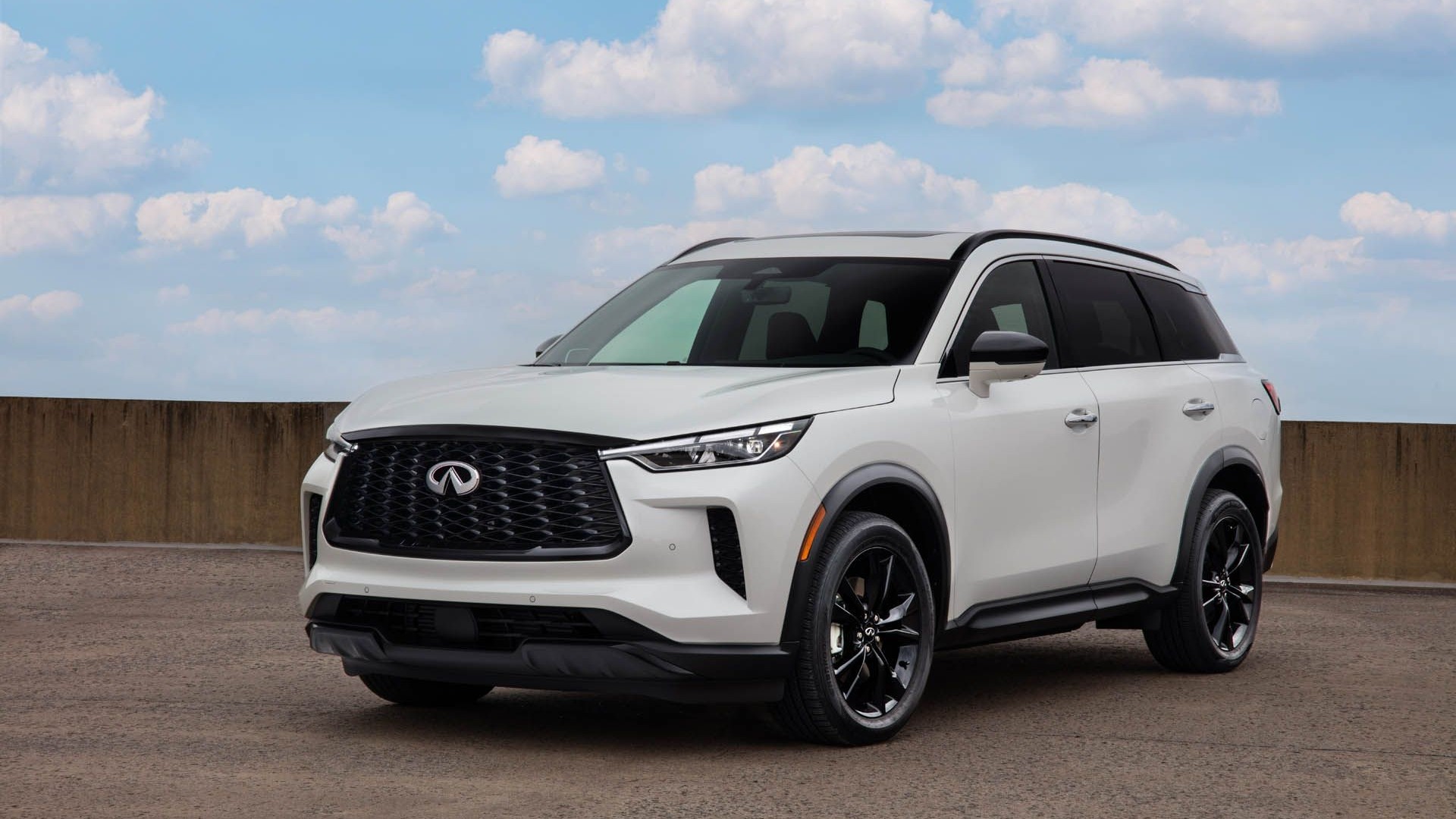
Many Infiniti models, including the Q50 sedan and SUVs such as the QX50 and QX60, utilize engines, transmissions, and electronic systems derived from Nissan platforms.
While these components are refined for increased performance and comfort, the underlying mechanical frameworks remain familiar to independent repair facilities throughout the United States. Technicians who routinely service Nissan vehicles can often apply similar diagnostic and repair procedures to Infiniti models, reducing labor complexity.
Parts availability is another key factor. Because Infiniti operates within the Nissan supply ecosystem, replacement components are widely distributed through OEM channels and supported by a competitive aftermarket.
Routine service items such as filters, brake components, suspension parts, and ignition systems are generally accessible without dealership exclusivity. This broad distribution network helps control ownership costs once vehicles move beyond warranty coverage.
From a mechanical layout perspective, Infiniti vehicles tend to maintain conventional engine bay organization. Even turbocharged powertrains, such as the VR-series engines found in certain models, are supported by established service documentation and widespread parts availability.
Unlike some European luxury brands that densely package components in ways that complicate routine access, Infiniti designs typically allow straightforward maintenance procedures.
Electronic diagnostics are similarly manageable. Modern Infiniti vehicles incorporate advanced driver assistance systems and digital infotainment platforms, but they do not usually impose restrictive software barriers that prevent independent shops from performing standard diagnostics and module programming.
With contemporary scan tools, independent technicians can retrieve fault codes, perform recalibrations, and complete many repairs without relying exclusively on dealership service departments.
Reliability trends further enhance service practicality. Infiniti’s conservative engineering approach often results in predictable maintenance patterns rather than unexpected system failures requiring specialized intervention.
6. Porsche
Porsche is often associated with high-performance engineering and precision manufacturing, yet it remains one of the more service-accessible European luxury brands outside the dealership network, particularly in the United States.
While Porsche vehicles are undeniably complex, the brand benefits from strong global volume, robust aftermarket support, and a well-established independent specialist community.
Models such as the 911, Cayenne, and Macan share components and platform elements within the broader Volkswagen Group architecture. This shared engineering foundation increases parts availability and cross-brand familiarity among experienced technicians.
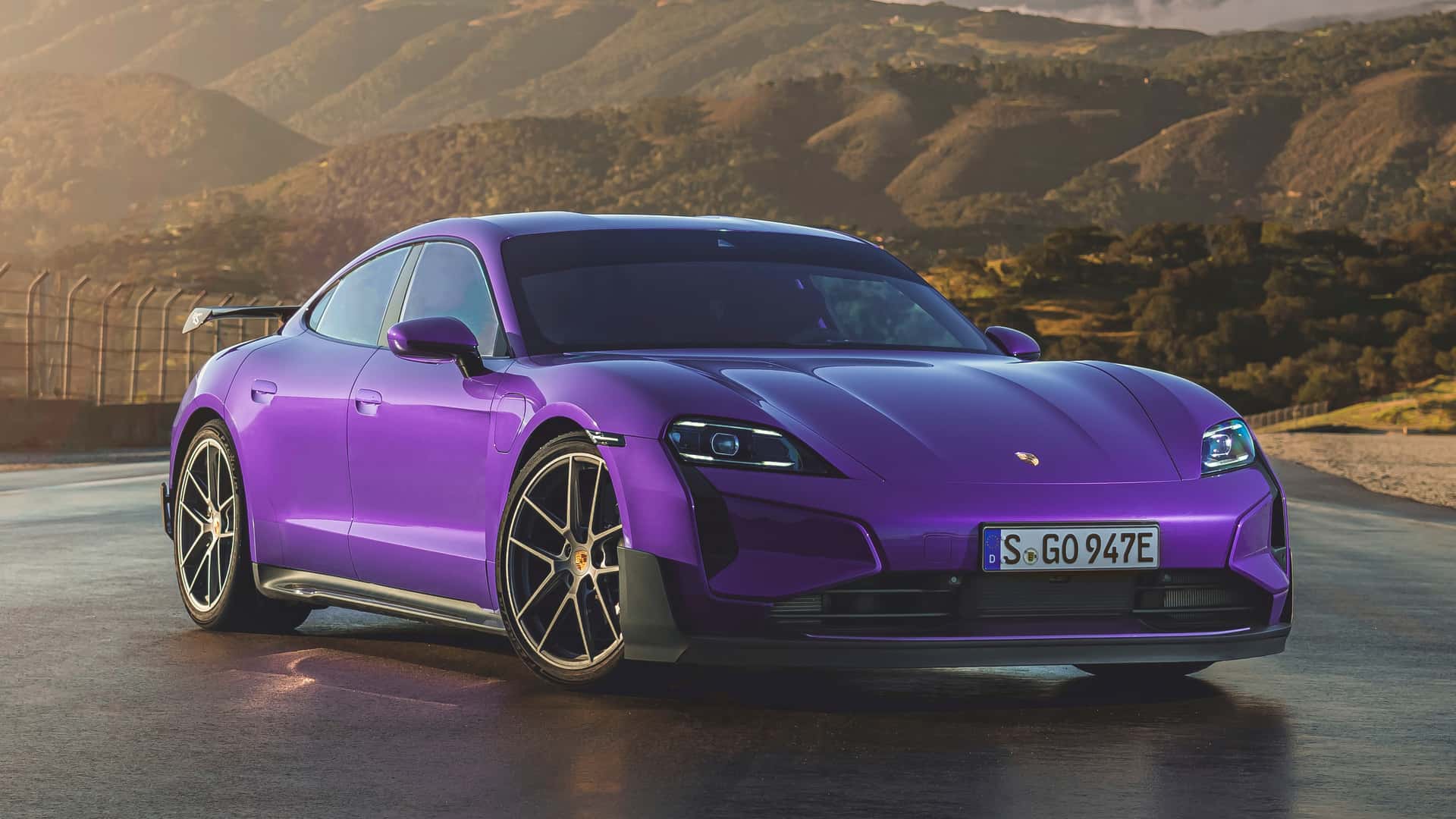
Independent European-focused repair shops routinely service Audi and Volkswagen models, which reduces the learning curve for many Porsche powertrains and electronic systems.
Parts distribution is a significant advantage. Porsche maintains extensive OEM supply channels, and a mature aftermarket ecosystem exists for both routine maintenance and performance components.
Brake systems, suspension parts, cooling components, and ignition systems are widely supported. While parts pricing remains premium, availability is not limited exclusively to dealership networks, allowing competitive sourcing.
Mechanical serviceability varies by model. Rear-engine layouts, such as those in the 911, require specialized knowledge, and certain repairs demand greater labor precision.
However, these procedures are well documented within the independent Porsche specialist community. SUVs like the Cayenne and Macan often present more conventional service access due to their front-engine layouts and shared platform structures.
Electronic systems are advanced but not entirely dealership-locked. Independent shops equipped with professional-grade diagnostic tools can perform module coding, fault tracing, and calibration for many systems. Porsche’s strong enthusiast and racing heritage has also contributed to a technical ecosystem where expertise is widely distributed beyond official service centers.
7. Audi
Audi operates within the broader Volkswagen Group, and that shared engineering foundation plays a central role in making the brand more serviceable outside dealership networks than its premium positioning might suggest.
While Audi vehicles incorporate advanced technology and refined interiors, many of their core mechanical and electronic systems are shared with other high-volume Volkswagen Group products, improving accessibility for independent repair facilities.
Models such as the A4, A6, and Q5 often use modular platforms like MLB or MQB architectures, which are also deployed across Audi, Volkswagen, and certain Porsche products.
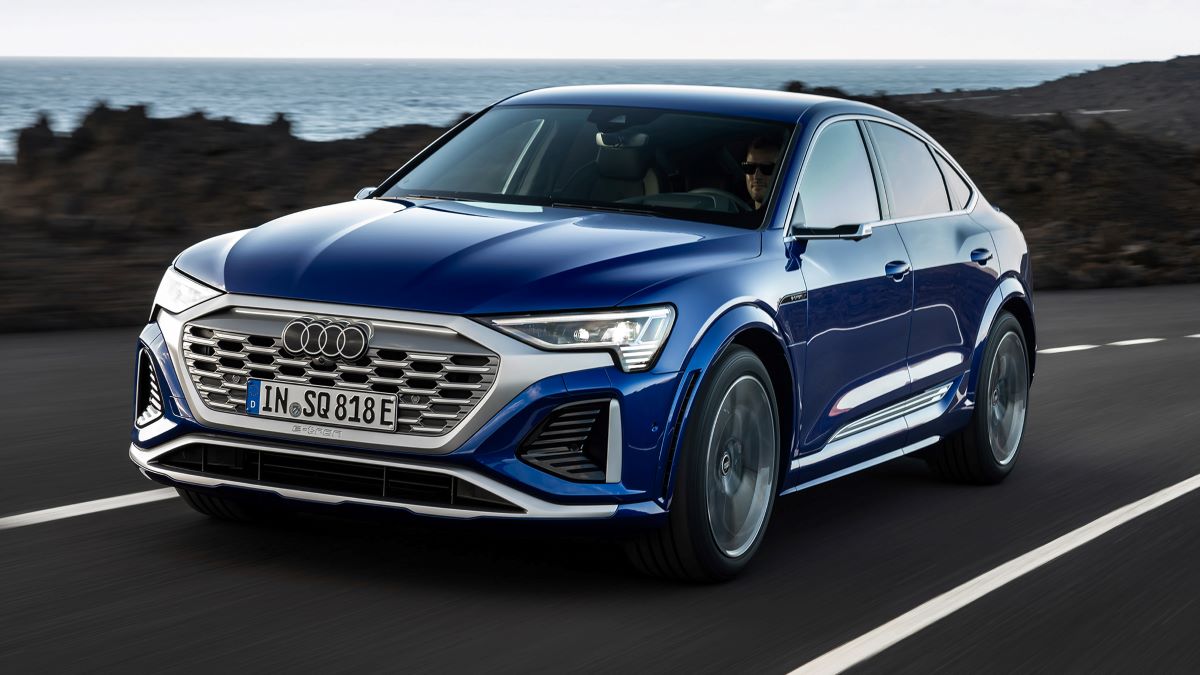
Engines, transmissions, and electronic control modules frequently share design lineage. As a result, independent European-focused repair shops are generally familiar with these systems, reducing diagnostic uncertainty and labor inefficiency.
Parts availability is another structural advantage. Volkswagen Group maintains extensive global supply chains, and Audi components are widely distributed through OEM channels and reputable aftermarket manufacturers.
Routine service items, brakes, suspension components, filters, ignition systems, cooling parts, are readily obtainable without dealership exclusivity. This broad ecosystem creates pricing competition and shortens repair turnaround times.
8. BMW
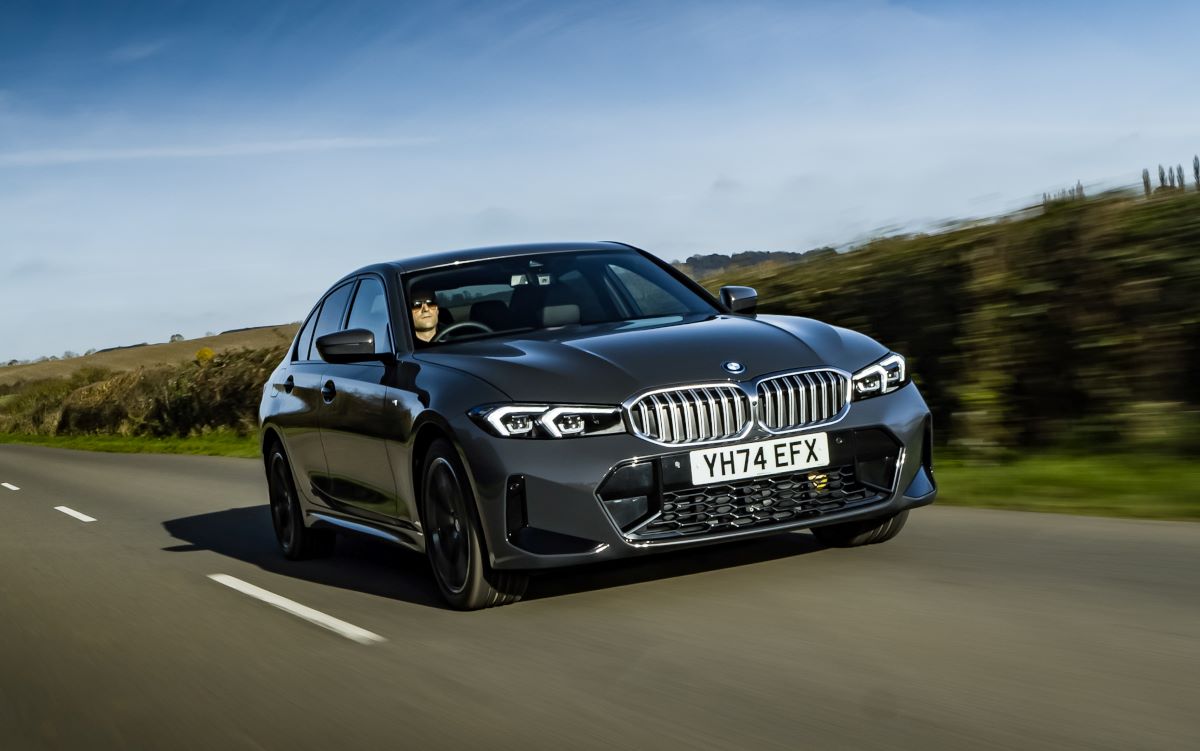
BMW maintains a reputation for performance-oriented engineering and driver-focused design, yet it remains one of the more service-accessible German luxury brands outside dealership networks, particularly in the United States.
While BMW vehicles incorporate sophisticated electronics and turbocharged powertrains, the brand benefits from high global production volumes and a well-developed independent specialist ecosystem.
Core mechanical architectures, such as BMW’s inline-four and inline-six engines, are widely supported and well understood within the independent repair community. Models including the 3 Series, 5 Series, and X5 share modular engine families and scalable platform structures. This consistency across the lineup reduces complexity for technicians who regularly work on BMW vehicles.
Parts availability is a significant factor. BMW maintains broad OEM distribution channels, and a mature aftermarket industry provides alternatives for common wear items such as brakes, suspension components, cooling systems, and ignition parts.
Independent European repair facilities frequently stock or source these components without relying exclusively on dealership supply chains. While pricing remains premium compared to mainstream brands, competition helps control costs.
9. Volvo
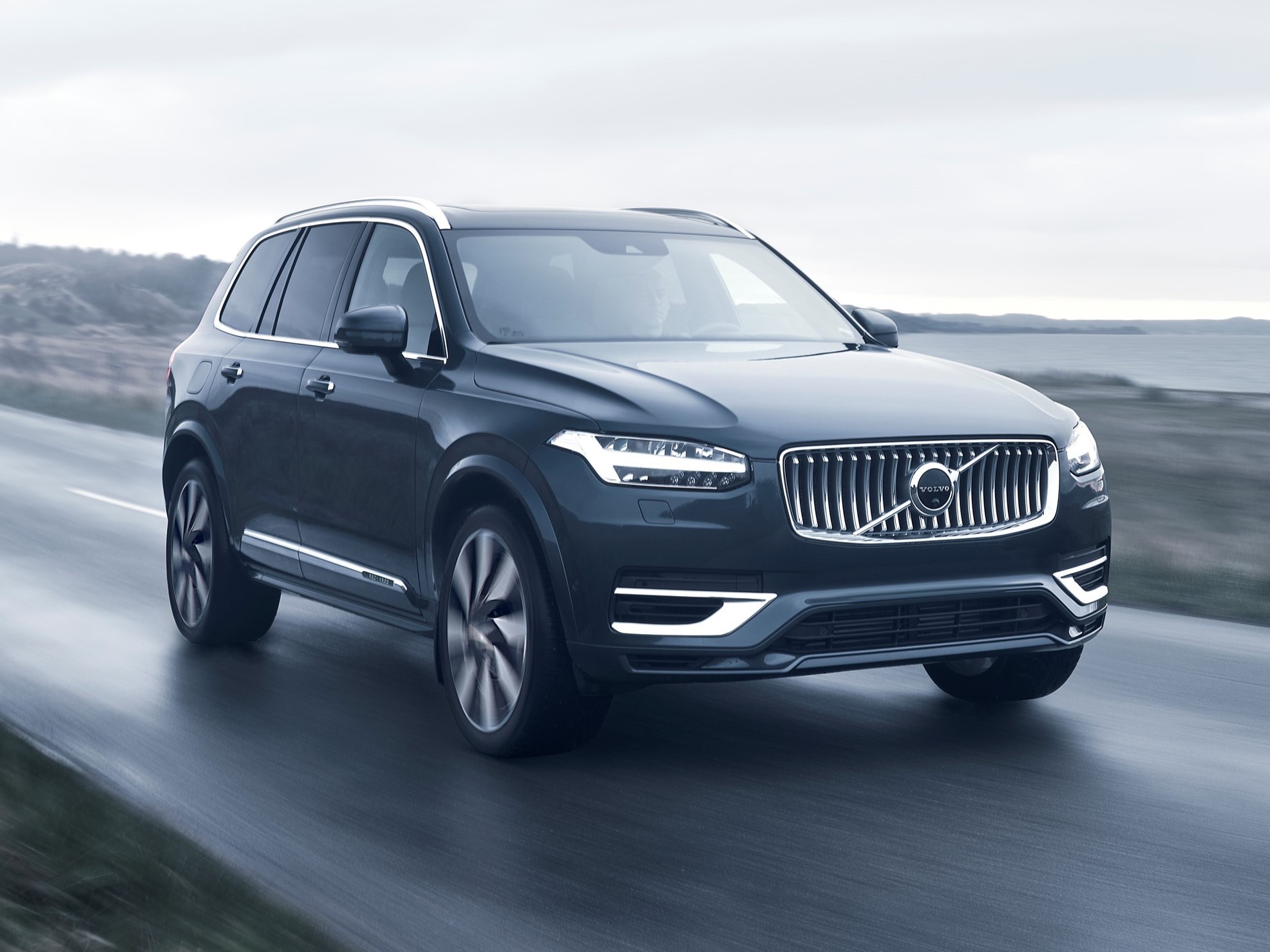
Volvo occupies a distinct space in the premium market, emphasizing safety engineering, structural integrity, and restrained Scandinavian design. Despite its sophisticated safety systems and turbocharged powertrains, Volvo remains relatively serviceable outside dealership networks, particularly in markets such as the United States where independent European repair infrastructure is well established.
Modern Volvo models, including the S60, XC60, and XC90, are built on the scalable SPA (Scalable Product Architecture) platform. This modular framework standardizes many mechanical and electronic components across the lineup.
Shared engine families, especially Volvo’s 2.0-liter turbocharged and twin-charged four-cylinder units, create mechanical consistency that independent technicians can learn and apply across multiple models.
Parts availability has improved significantly over the past decade. Volvo maintains broad OEM distribution channels, and a growing aftermarket ecosystem supplies common service components such as brakes, suspension parts, ignition systems, and cooling elements.
While certain proprietary modules and advanced safety components may still require dealership sourcing, routine maintenance items are widely accessible.
Electronic complexity is a consideration. Volvo vehicles integrate advanced driver assistance systems, digital interfaces, and multiple control modules tied to safety architecture.
However, professional-grade diagnostic tools used by independent European specialists can access fault codes, perform calibrations, and complete many system resets. While some software updates may remain dealership-dependent, standard mechanical and electrical repairs are generally manageable outside the authorized network.
Engine bay packaging is moderately dense due to turbocharging hardware and compact design priorities, which can increase labor time for specific repairs.
Nevertheless, Volvo’s modular approach ensures that service procedures are documented and repeatable. Independent shops experienced with European brands are typically equipped to handle these tasks without excessive complication.
10. Lincoln
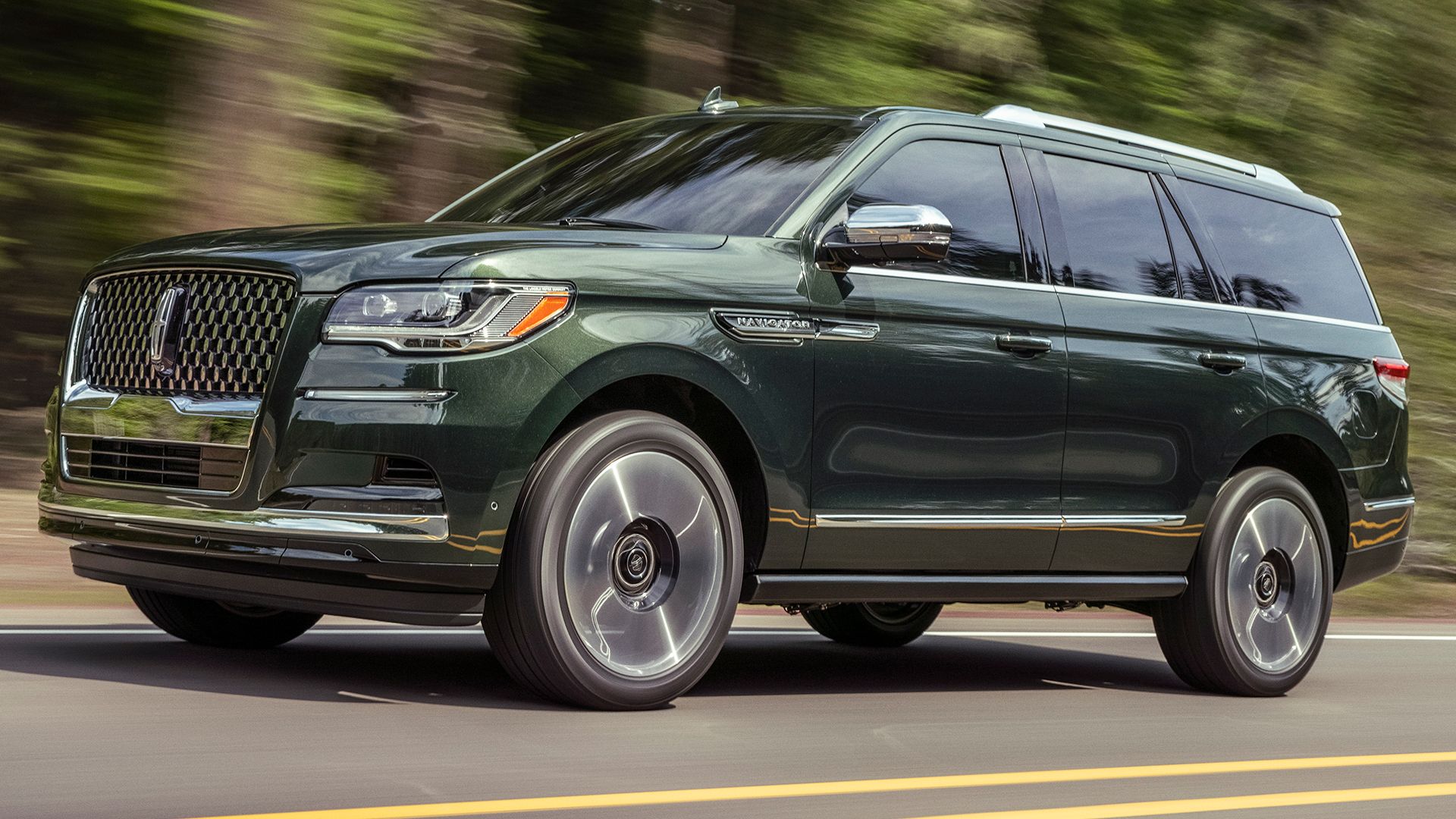
Lincoln benefits significantly from its integration within the broader Ford Motor Company engineering and supply ecosystem. As Ford’s luxury division, Lincoln vehicles share substantial platform, powertrain, and electronic architecture with mainstream Ford models. This structural overlap makes Lincoln one of the more accessible high-end brands to service outside the dealership network in the United States.
Models such as the Corsair, Nautilus, and Aviator often utilize engines and transmissions derived from Ford’s widely deployed EcoBoost lineup.
These turbocharged four-cylinder and V6 powertrains are familiar to independent repair facilities across the country. Because Ford products are serviced at high volume nationwide, technicians are generally experienced with the diagnostic procedures, maintenance intervals, and mechanical layouts that also apply to Lincoln vehicles.
Parts availability is a major advantage. Ford maintains one of the largest distribution networks in North America, and many Lincoln components are shared directly or indirectly with Ford counterparts.
Routine service parts, brake systems, suspension components, ignition systems, cooling elements, and filters, are widely available through OEM and competitive aftermarket channels. This broad supply chain reduces dependency on dealership-exclusive sourcing.
Electronic systems in modern Lincoln vehicles are sophisticated, incorporating advanced driver assistance features, digital instrument clusters, and adaptive suspension technologies.
However, these systems operate within Ford’s broader diagnostic framework. Independent shops equipped with professional-grade scan tools can typically access control modules, perform recalibrations, and complete many repairs without dealership-only software barriers.
Mechanical packaging is generally conventional. Front-engine layouts and transverse or longitudinal drivetrain configurations follow established Ford engineering principles. This predictability simplifies labor procedures compared to brands that use highly specialized or low-volume mechanical designs.
Maintenance costs for Lincoln vehicles are typically more moderate than many European luxury competitors. While premium materials and optional advanced suspension systems can increase certain repair expenses, the shared Ford infrastructure significantly limits long-term service complexity.
The combination of shared Ford engineering, extensive parts distribution, and widespread technician familiarity provides owners with meaningful flexibility beyond authorized dealership service centers.
However, brands that share platforms with mainstream divisions, maintain strong parts distribution, and support independent diagnostics remain more ownership-friendly over time.
Buyers who prioritize flexibility should evaluate not only performance and interior quality but also long-term service accessibility. These ten brands demonstrate that luxury and independent serviceability are not mutually exclusive.