Modern vehicles are expected to do more than simply transport passengers from one location to another.
For American drivers juggling commutes, school drop-offs, road trips, and grocery runs, thoughtful storage design has become an increasingly important differentiator.
While cargo capacity figures and rear-seat legroom dominate spec sheets, the real daily convenience often comes from smaller, intelligently placed storage solutions.
Secure phone trays, configurable center consoles, hidden compartments, seatback organizers, under-floor bins, and modular dividers can significantly improve usability.
In a country where drivers frequently rely on their vehicles as mobile offices, family haulers, or weekend adventure hubs, well-designed small-item storage is no longer a luxury feature, it is a practical necessity.
The following ten vehicles stand out in the U.S. market for their smart, flexible, and accessible storage solutions specifically tailored for small items.
These are not simply cars with large trunks; they are models engineered with attention to the details that make everyday life easier.
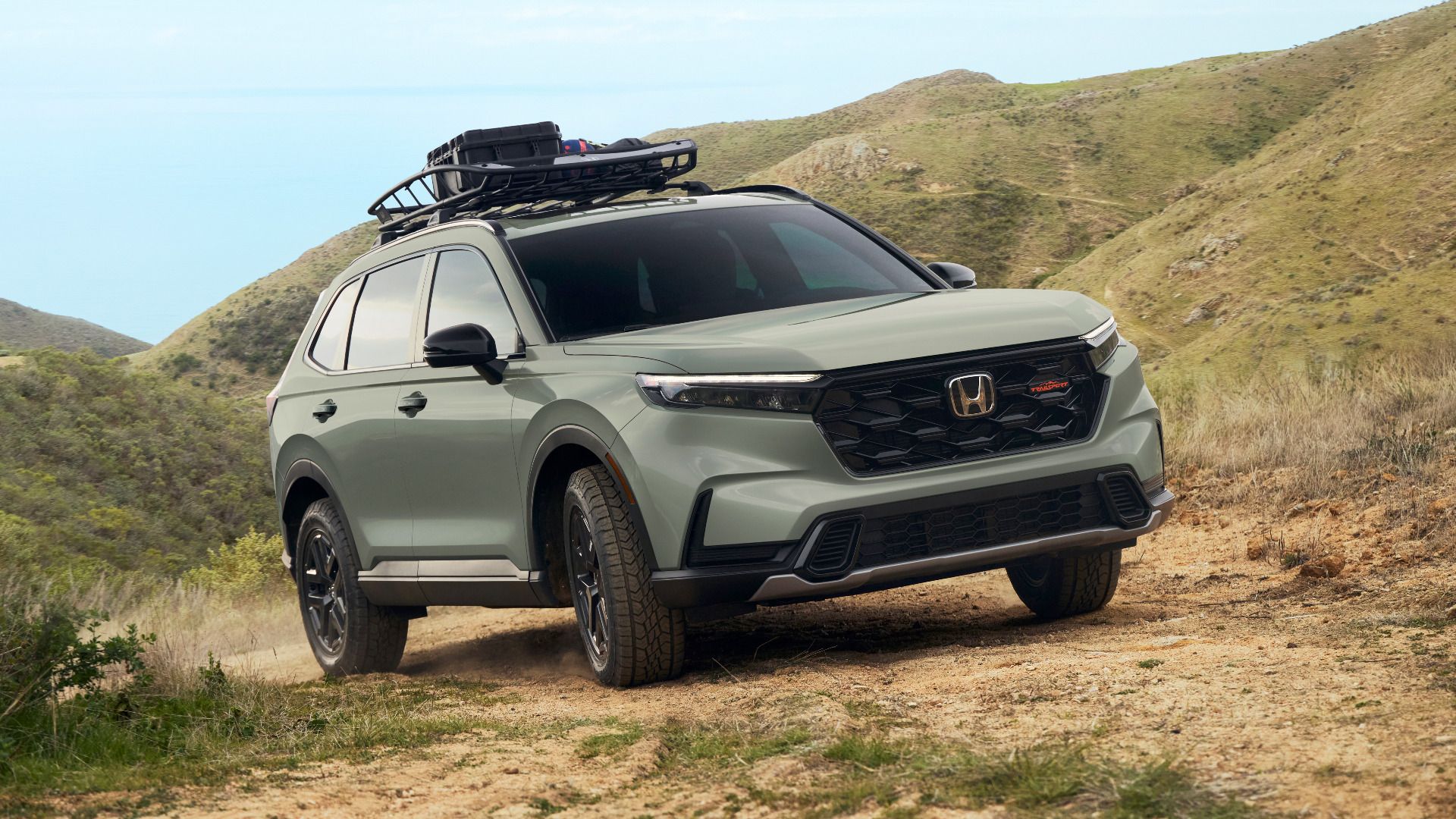
1. Honda CR-V
The Honda CR-V has consistently ranked among the most practical compact SUVs in the United States, and a significant part of that practicality comes from its thoughtful interior storage solutions. While many vehicles focus primarily on overall cargo volume, the CR-V distinguishes itself by offering well-designed spaces specifically intended for organizing small, everyday items.
In the front cabin, the center console is a primary highlight. The CR-V features a deep, configurable storage bin positioned beneath a sliding armrest, capable of accommodating larger personal items such as tablets, small bags, or water bottles.
Ahead of the gear selector, a wide tray provides space for smartphones, wallets, and keys without cluttering the cupholder area. Multiple USB ports are positioned within easy reach, reducing cable interference and improving organization.
Door pockets are also generously sized and shaped to hold large water bottles alongside smaller accessories. Unlike narrower compartments found in some competitors, the CR-V’s door bins maximize usable depth and width. The glove compartment is similarly well proportioned, offering practical capacity without encroaching on passenger legroom.
Rear passengers benefit from dedicated storage as well. Seatback pockets provide accessible placement for small electronics, reading materials, or travel essentials. The rear center console includes additional cupholders and, in certain trims, small storage trays for compact items. These features contribute to better organization during family trips or daily commuting.
The cargo area further enhances small-item management. Beyond its substantial overall capacity, the CR-V incorporates underfloor storage compartments that are useful for concealing emergency kits, tools, or smaller loose items that might otherwise shift during driving. The low load floor simplifies access while maintaining hidden space beneath.
Attention to ergonomics supports the storage design. Storage locations are positioned logically within arm’s reach, minimizing distraction. The layout reflects a focus on real-world usability rather than decorative complexity.
Rather than relying solely on cargo volume, it prioritizes compartment placement, depth, and accessibility. For drivers and families seeking structured interior space for daily essentials, the CR-V offers a well-executed balance of convenience and practicality.
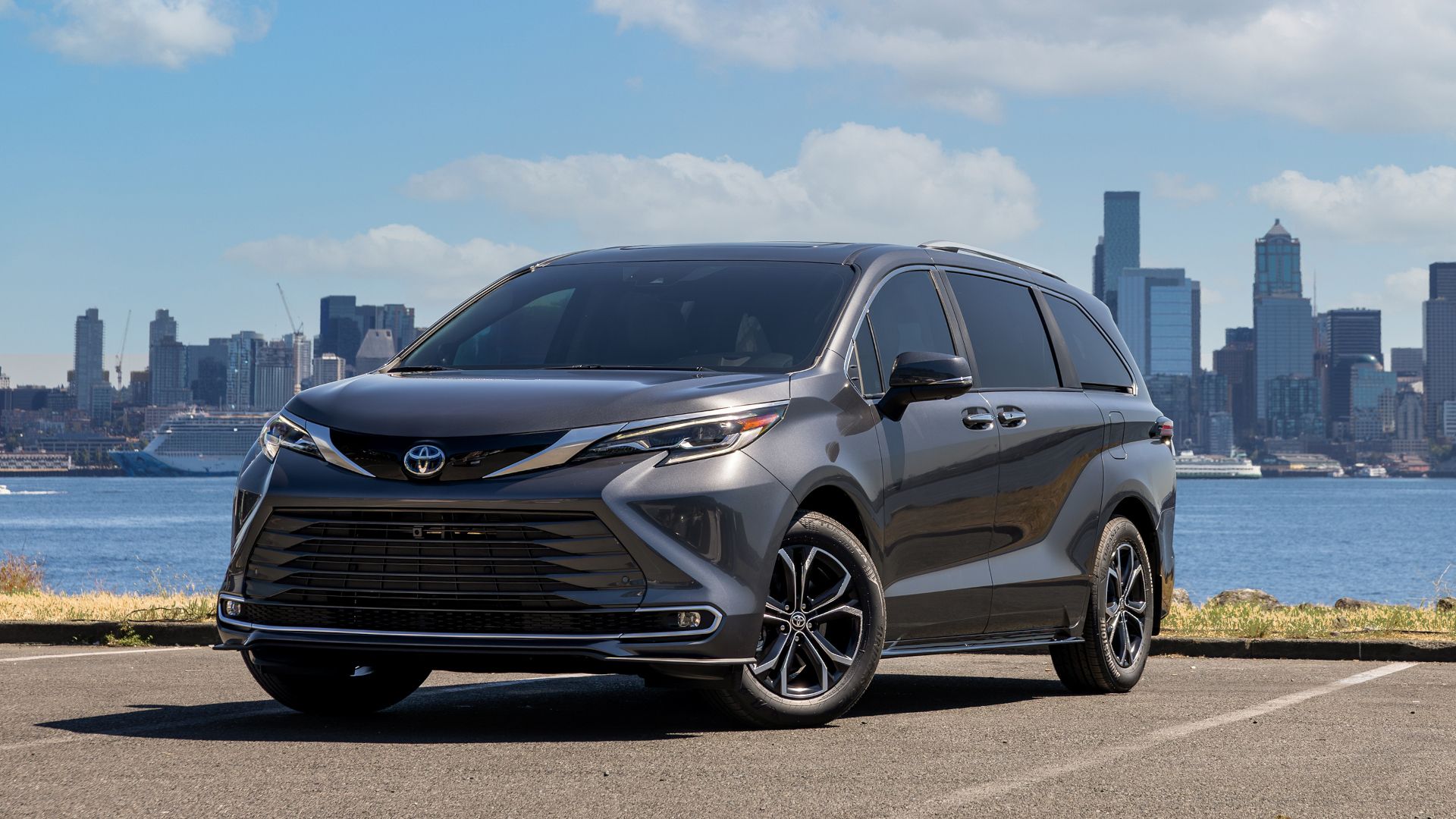
2. Toyota Sienna
The Toyota Sienna is engineered primarily as a family-oriented minivan, and that mission is clearly reflected in its interior storage architecture. Beyond its substantial passenger and cargo capacity, the Sienna excels at organizing small everyday items in a structured and accessible manner.
This focus on compartmentalization makes it particularly strong in discussions centered on storage solutions rather than raw cargo volume alone.
One of the Sienna’s most distinctive features is its large, bridge-style center console. Positioned between the front seats, this elevated console creates an open storage shelf beneath it, capable of accommodating handbags, small backpacks, or frequently used items.
The upper section includes multiple cupholders, a wireless charging pad (on equipped trims), and deep lidded compartments designed to separate smaller accessories such as keys, cables, or sunglasses.
The dashboard incorporates an extended shelf running across the passenger side, offering a convenient surface for placing smartphones, wallets, or travel documents without interfering with primary controls. Door panels are similarly designed with large bottle holders and secondary compartments, maximizing vertical and horizontal space.
Rear passengers benefit from thoughtful storage integration as well. Seatback pockets, fold-out tray tables on select trims, and accessible cupholders help maintain order during longer trips. Sliding door panels include additional molded compartments, allowing children or passengers to store smaller personal items within reach.
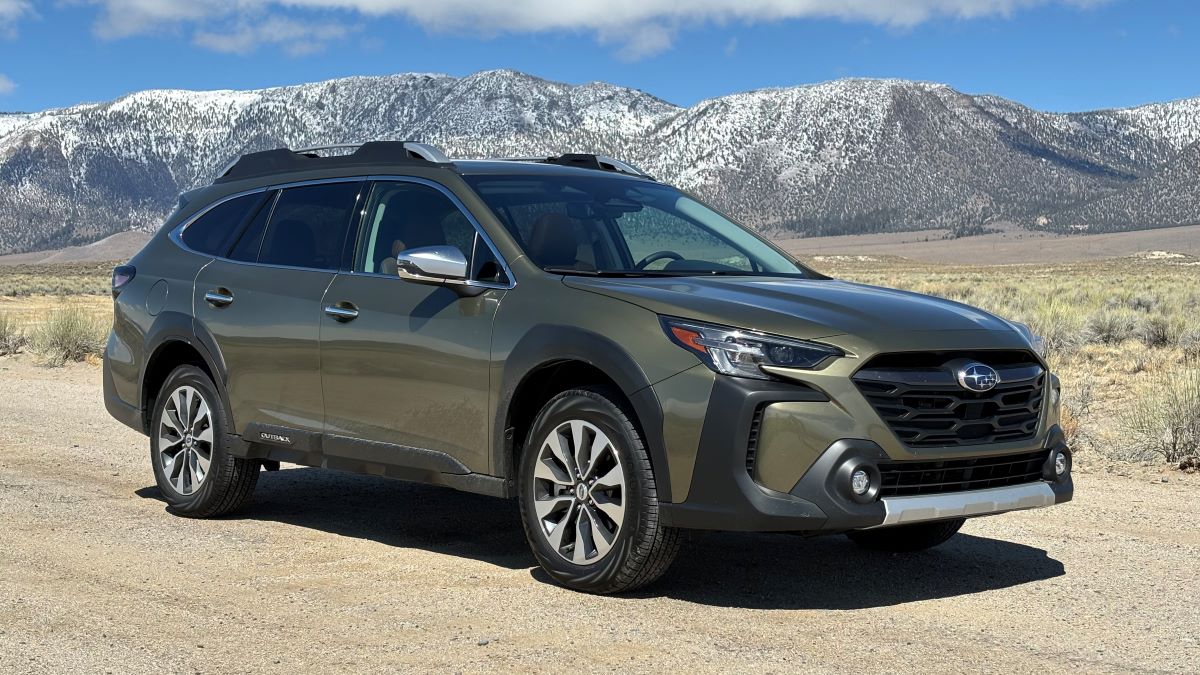
3. Subaru Outback
The Subaru Outback has long positioned itself as a practical crossover-wagon designed for daily usability and light adventure. Beyond its cargo capacity and standard all-wheel-drive system, the Outback stands out for its well-integrated small-item storage solutions.
Rather than concentrating storage in one area, Subaru distributes compartments throughout the cabin to improve organization and accessibility.
In the front row, the center console provides a deep primary storage bin beneath a padded armrest. This compartment is large enough to hold tablets, small bags, or charging accessories without becoming cluttered.
Ahead of the gear selector, a dedicated tray offers space for smartphones and wallets, often accompanied by USB ports positioned to minimize cable interference. Cupholders are wide and spaced to accommodate reusable bottles without encroaching on adjacent storage space.
Door panels are engineered with substantial lower bins capable of holding large water bottles alongside smaller personal items.
Unlike narrower designs in some competitors, the Outback’s door pockets maximize vertical depth, allowing items to remain upright and secure during movement. The glove compartment is also proportioned for practical document storage without sacrificing legroom.
Rear passengers benefit from seatback pockets and accessible cupholders integrated into the center armrest. The layout ensures that small electronics, travel snacks, and personal belongings can be stored without shifting during transit. This distributed design is particularly useful for long drives or outdoor excursions where multiple occupants carry gear.
The cargo area enhances small-item management through underfloor compartments. These concealed spaces are well suited for emergency kits, tools, or items that drivers prefer to keep separate from visible cargo. The wide-opening rear hatch and flat load floor make access straightforward while preserving hidden storage capacity beneath.
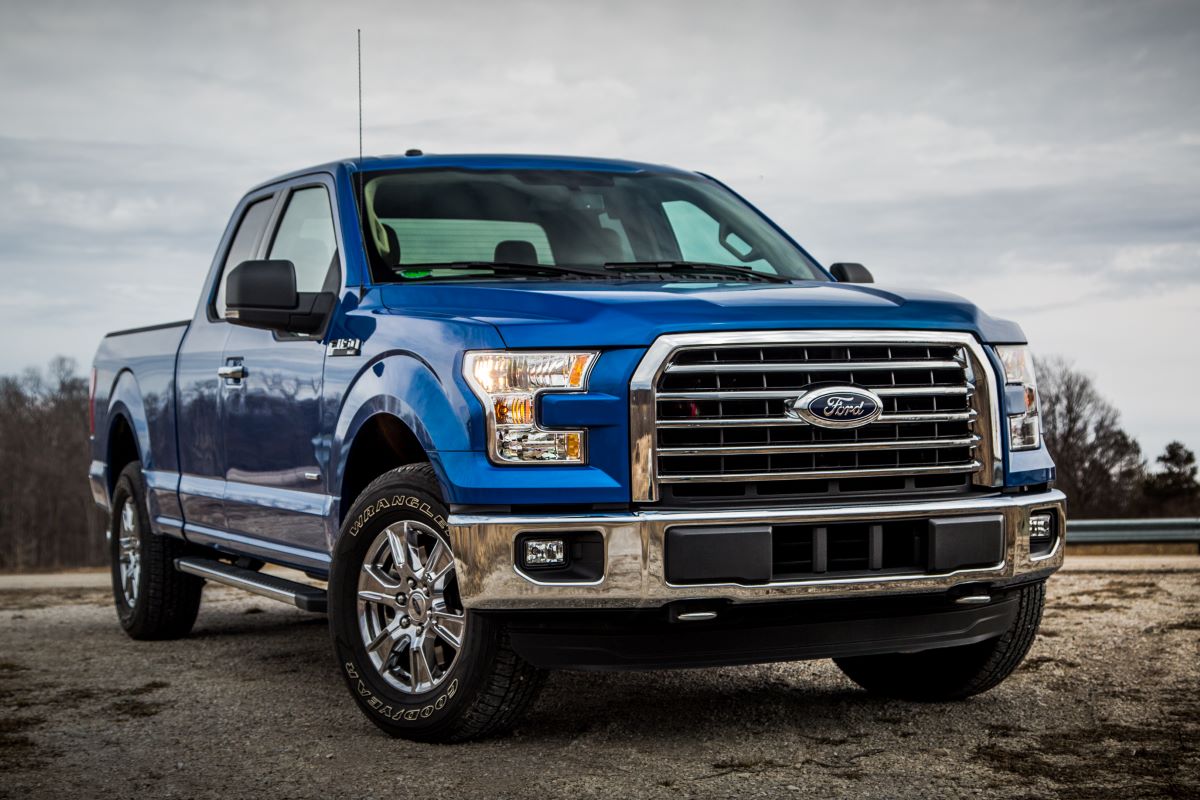
4. Ford F-150
The Ford F-150 remains America’s best-selling pickup, and part of its appeal lies in interior functionality.
Higher trims feature a fold-flat center console work surface that transforms into a desk, ideal for contractors or remote workers. Beneath it, a massive storage bin can house laptops, tools, or documents securely.
Rear-seat under-floor storage compartments add another layer of practicality, particularly in SuperCrew configurations.
Even the door pockets are engineered for oversized bottles and utility items. The F-150 demonstrates how pickup interiors have evolved into highly organized mobile workspaces.
The Ford F-150 is widely recognized for towing capacity and payload strength, but its interior storage architecture is equally notable. Designed for worksite functionality and daily usability, the F-150 integrates numerous small-item storage solutions throughout the cabin, making it one of the most versatile vehicles for organized interior space.
One of the most distinctive features is the available interior work surface. In certain trims, the gear shifter folds flat, transforming the center console into a broad, stable workspace.
Beneath this surface, a deep console bin provides substantial enclosed storage for tools, documents, tablets, or small equipment. The compartment is wide enough to accommodate hanging file folders in some configurations, reflecting deliberate design for professional use.
Front door panels incorporate large bottle holders and secondary molded compartments for smaller items. These bins are designed with significant depth to secure objects during driving, even when traveling on uneven terrain. The glove compartment is similarly generous, providing room for manuals, paperwork, and personal belongings without encroaching on passenger space.
Rear-seat storage further enhances organization. SuperCrew models offer under-seat storage compartments that can be used for tools, emergency kits, or loose accessories.
The rear seat bottoms can lift upward to reveal additional floor space, allowing small items to be stored securely inside the cabin rather than in the truck bed. This is particularly valuable for protecting electronics or sensitive gear from weather exposure.
Cupholder placement is abundant, with multiple positions in both rows to accommodate beverages without limiting adjacent storage zones. Additional small trays and cubbies positioned near charging ports help manage cables and handheld devices efficiently.
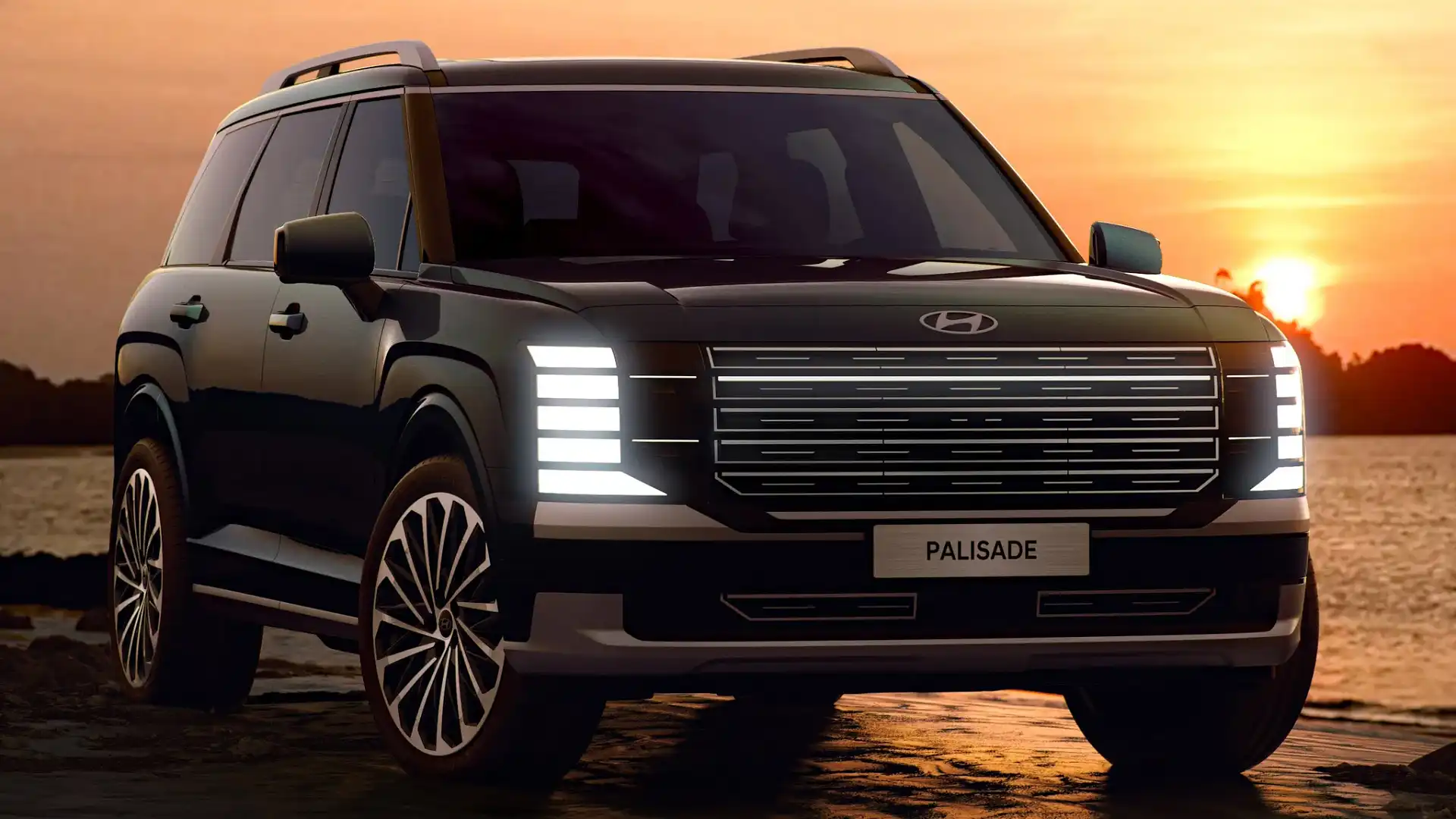
5. Hyundai Palisade
The Hyundai Palisade is engineered as a three-row family SUV with a strong emphasis on interior usability. While overall passenger comfort and cargo capacity are central to its appeal, the Palisade also distinguishes itself through thoughtful small-item storage integration across all three rows. Rather than relying solely on large cargo volume, it distributes compartments strategically to manage everyday clutter.
In the front cabin, the center console serves as a primary organizational hub. A large, covered storage bin beneath the armrest accommodates tablets, small bags, or charging accessories.
Ahead of the console, open trays provide accessible placement for smartphones and wallets, often paired with USB ports and available wireless charging to reduce cable congestion. The push-button gear selector frees up additional surface area, allowing for expanded storage space compared to traditional shifter layouts.
Door panels are designed with oversized bottle holders and secondary compartments, maximizing vertical storage without sacrificing interior refinement. The glove compartment offers practical depth for documents and personal items while maintaining a clean dashboard design.
Second-row passengers benefit from multiple cupholders, seatback pockets, and center console compartments depending on seating configuration. In models equipped with captain’s chairs, individual armrests and side storage enhance accessibility. Third-row occupants are not overlooked; dedicated cupholders and small storage recesses provide space for phones, drinks, or travel essentials, which is uncommon in some competitors.
The cargo area further enhances small-item management. Beneath the rear load floor, concealed storage compartments allow drivers to store emergency kits, tools, or loose accessories discreetly. Even when all three rows are in use, the rear storage well can secure smaller items to prevent movement during transit.
Ergonomically, the Palisade’s storage zones are positioned within intuitive reach points. The design prioritizes accessibility without overwhelming the cabin with excessive visual clutter.
This balance supports family travel, daily commuting, and long-distance trips where organization is critical. By integrating accessible compartments throughout the cabin and maintaining hidden storage in the cargo area, it delivers structured organization that complements its spacious three-row design.
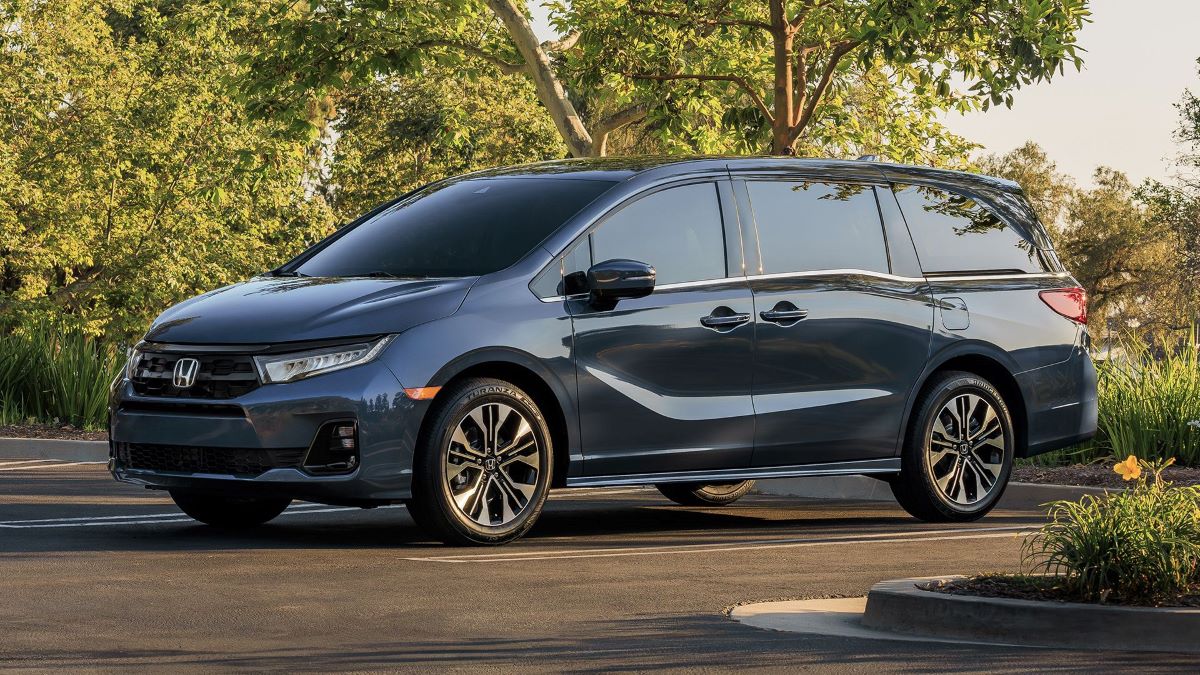
6. Honda Odyssey
The Honda Odyssey is engineered specifically for high-capacity family transport, and its interior storage solutions reflect that mission with precision. Beyond generous passenger and cargo space, the Odyssey integrates layered, practical compartments designed to manage the volume of small items that typically accompany family travel.
The front cabin provides a structured storage layout anchored by a large center console. A deep covered bin beneath the armrest accommodates electronics, small bags, and travel essentials without creating clutter.
Ahead of the console, open trays offer accessible placement for smartphones, keys, and wallets, while multiple USB ports are positioned to support device charging without cable interference. Cupholders are plentiful and strategically spaced to avoid encroaching on adjacent storage areas.
One of the Odyssey’s distinctive features is its configurable second-row seating system, often referred to as Magic Slide seats. While primarily designed for flexible passenger positioning, this system indirectly enhances storage functionality by allowing easier access to floor space and adjacent compartments. Second-row seatback pockets provide organized storage for tablets, books, and small travel accessories.
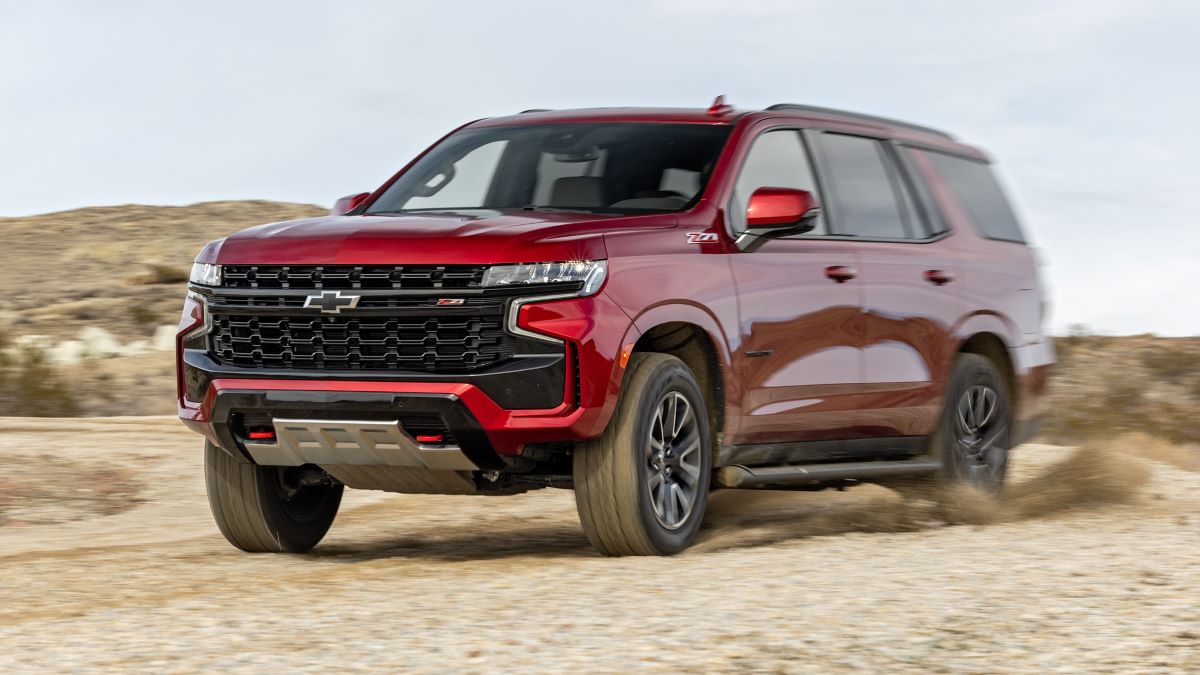
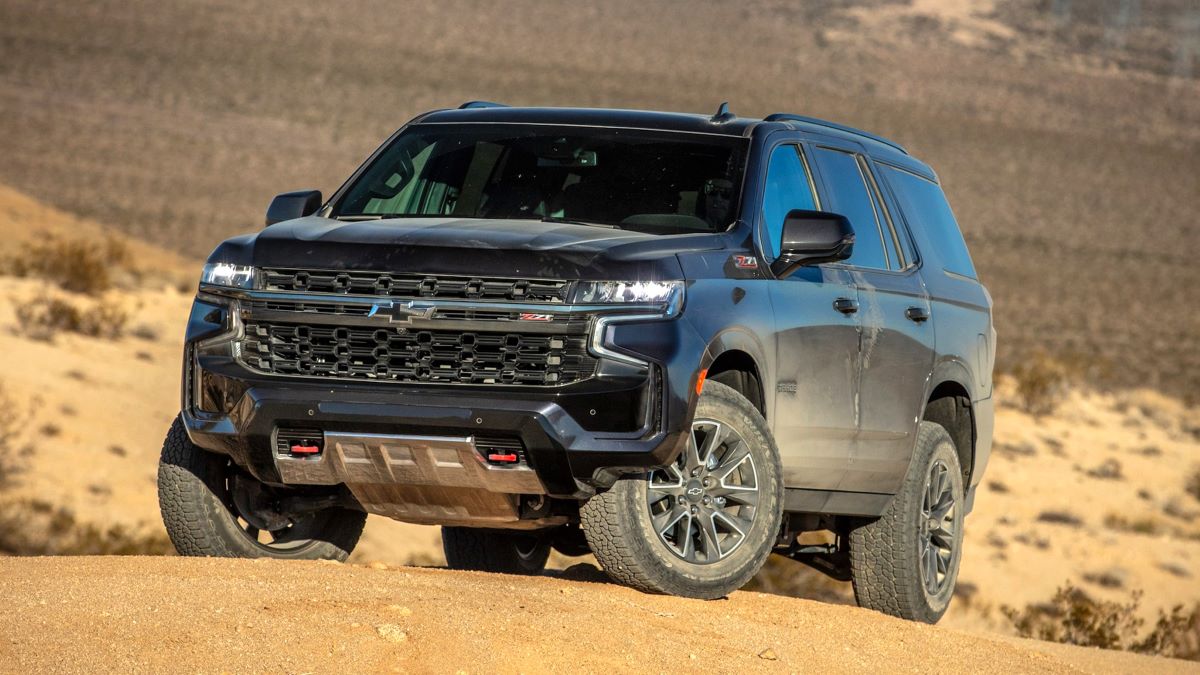
7. Chevrolet Tahoe
The Chevrolet Tahoe is engineered as a full-size SUV with an emphasis on passenger capacity, towing strength, and long-distance comfort. However, beyond its large-scale utility, the Tahoe also excels in small-item storage integration. Its interior layout leverages generous cabin dimensions to distribute compartments logically across all three rows, supporting organized daily use.
In the front row, the center console serves as a primary storage hub. The covered bin beneath the armrest is notably deep and wide, capable of holding tablets, small bags, or work-related materials.
Forward of the console, additional trays and cupholders provide dedicated placement for smartphones, keys, and beverages without overlapping storage zones. Some trims also include configurable sliding trays within the console to separate smaller accessories.
Door panels are engineered with large bottle holders and secondary molded compartments, taking advantage of the Tahoe’s wide cabin structure. The glove compartment offers substantial depth for documents and personal items, maintaining accessibility without reducing passenger space.
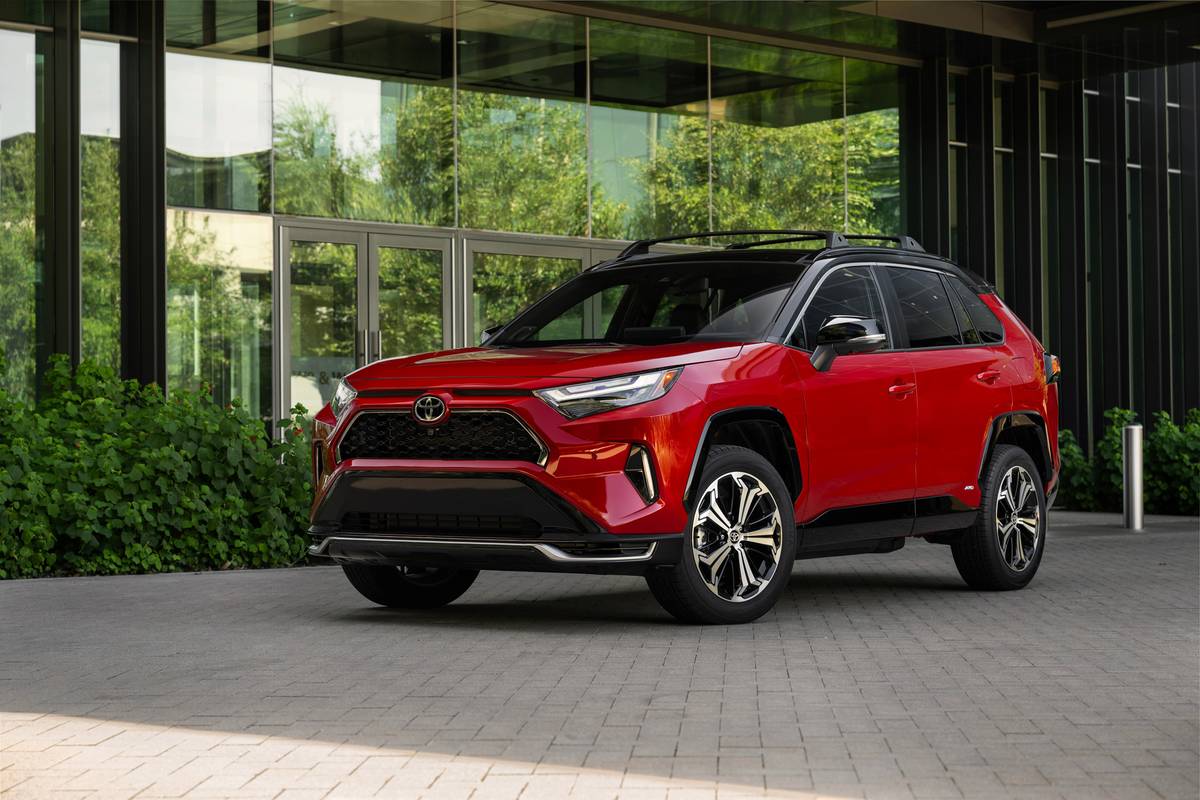
8. Toyota RAV4
The Toyota RAV4 has become one of the best-selling compact SUVs in the United States largely because of its balanced approach to practicality. While cargo capacity and fuel efficiency are central to its appeal, the RAV4 also delivers well-executed storage solutions for small items, making daily organization straightforward for drivers and families.
In the front cabin, the center console provides layered storage options. A deep, covered bin beneath the armrest accommodates larger personal items such as tablets, charging accessories, or small bags.
Ahead of the gear selector, a dedicated tray offers accessible placement for smartphones and wallets, often positioned near USB ports to simplify cable management. The cupholders are spaced to prevent interference with adjacent storage areas, maintaining usable surface space.
Door panels incorporate large lower bins capable of holding full-size water bottles alongside smaller objects. Unlike narrower designs found in some competitors, the RAV4’s door pockets maximize vertical depth, allowing items to remain secure during cornering or uneven road travel. The glove compartment offers practical document storage without intruding on passenger legroom.
Rear passengers benefit from seatback pockets and fold-down armrests with integrated cupholders in most trims. These features distribute small-item storage across the cabin rather than concentrating it in the front row. Charging ports in the rear further support organization by allowing devices to be powered without long cables crossing the interior.
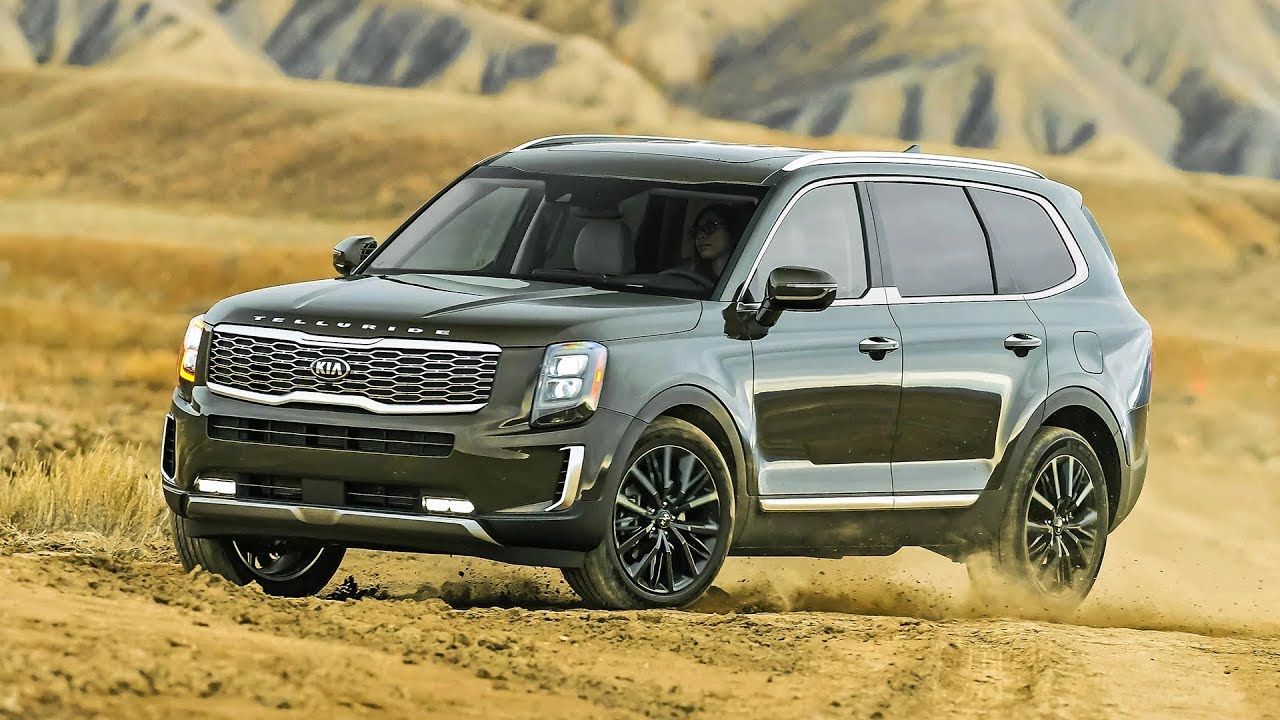
9. Kia Telluride
The Kia Telluride has established itself as a benchmark in the three-row SUV segment, not only for comfort and design but also for interior practicality. Beyond its passenger space and overall cargo capacity, the Telluride integrates multiple storage solutions specifically designed to manage small everyday items across all three rows.
In the front cabin, the center console serves as a structured storage hub. Beneath the padded armrest, a deep covered bin provides ample room for tablets, small bags, and charging accessories.
Forward of this compartment, an open tray positioned near the infotainment controls allows quick access to smartphones, keys, or wallets. Many trims include wireless charging, helping reduce cable clutter and improve organization. The push-button gear selector frees up additional console surface area, enabling more usable storage space than traditional shifter layouts.
Door panels are engineered with wide, deep bottle holders and secondary molded compartments, maximizing vertical and horizontal storage. The glove compartment is well proportioned for documents and personal items without encroaching on passenger comfort.
Second-row passengers benefit from multiple cupholders, seatback pockets, and center console storage depending on whether the vehicle is equipped with a bench seat or captain’s chairs. Dedicated charging ports are positioned within reach, supporting device organization without creating cable congestion across seating areas.
Third-row functionality is a notable strength. Unlike many competitors that offer limited amenities in the rear-most seats, the Telluride provides cupholders and small side storage recesses, ensuring passengers in all rows have access to dedicated compartments for personal items.
The cargo area further enhances small-item organization. Beneath the rear load floor, concealed storage compartments allow secure placement of emergency kits, tools, or loose accessories. Even with all seats upright, the rear cargo well helps contain smaller items and prevent movement during transit.
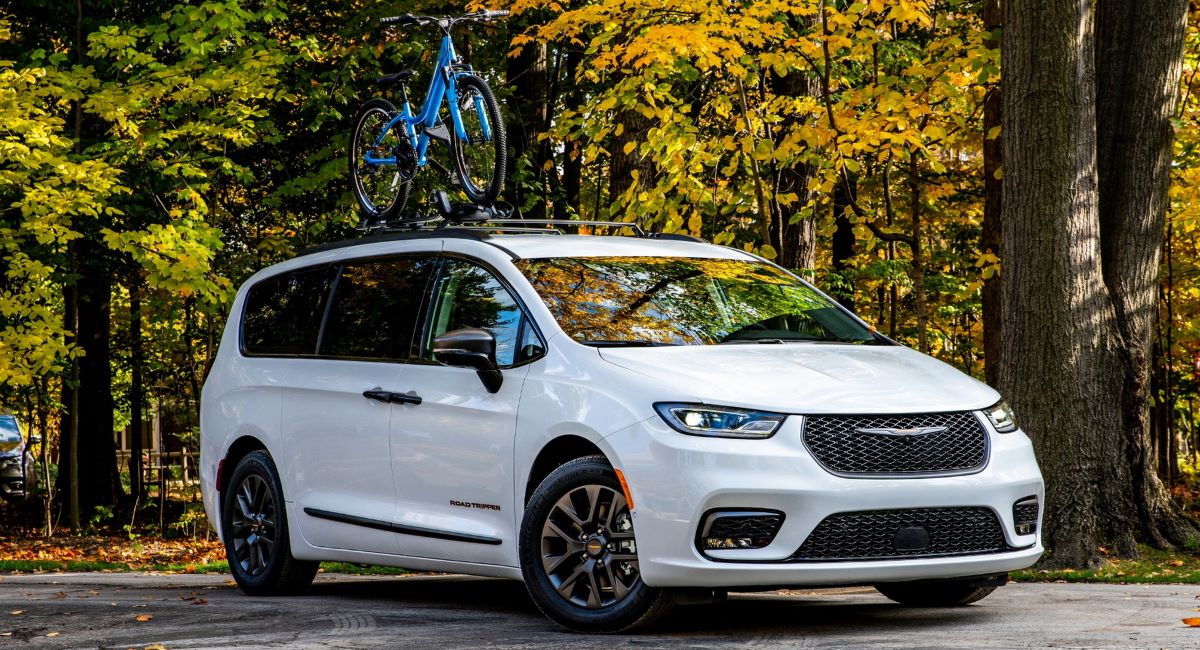
10. Chrysler Pacifica
The Chrysler Pacifica is engineered with interior adaptability as a central priority, and its storage architecture reflects a deliberate focus on small-item organization. As one of the most family-oriented minivans in the U.S. market, the Pacifica integrates layered compartments throughout the cabin rather than concentrating storage in a single location.
A defining feature is the Stow ’n Go seating system. While primarily designed to allow second- and third-row seats to fold flat into the floor, the underfloor wells double as concealed storage compartments when the seats are upright.
These bins are particularly useful for storing small bags, emergency kits, sports equipment, or loose accessories that drivers prefer to keep out of sight. This dual-purpose design provides flexibility unmatched by many competitors.
In the front cabin, the center console offers multiple levels of organization. A large covered bin beneath the armrest accommodates electronics and personal items, while a sliding console section reveals additional open storage below. Cupholders are positioned to avoid interference with nearby trays, and USB ports are placed strategically to minimize cable clutter.
Door panels across all rows incorporate deep bottle holders and secondary compartments, maximizing vertical space. The glove compartment provides practical document storage without sacrificing legroom. In higher trims, additional small trays and overhead compartments further enhance everyday usability.
Rear passengers benefit from seatback pockets and fold-down armrests with integrated cupholders. Third-row occupants are similarly supported with dedicated cupholders and molded side storage areas. This distributed approach ensures that small-item storage is accessible throughout the vehicle, reducing congestion in the front cabin.
The rear cargo area complements these features with additional underfloor compartments behind the third row. Even when all seats are in use, the recessed cargo well helps contain smaller items and prevent shifting during travel.
The combination of Stow ’n Go underfloor bins, flexible center console storage, and distributed passenger compartments creates a highly structured interior optimized for organized family use.
While horsepower and infotainment systems often dominate headlines, intelligent interior organization ultimately shapes daily satisfaction.
These ten vehicles demonstrate that meticulous attention to storage design can be just as impactful as performance or style.