
Luxury cars carry a certain promise. Plush cabins, refined engineering, and that quiet confidence that comes from driving something carefully built rather than merely assembled.
What rarely gets the same attention is what happens after the purchase glow fades. Repair bills, service schedules, and parts pricing quietly shape the long-term experience far more than glossy brochures ever admit.
Smart buyers know that luxury does not always mean financial strain. Some premium models manage to balance comfort and status with practical ownership costs that stay within reach. Others lean heavily into cutting-edge tech and performance, then hand owners invoices that feel closer to a mortgage payment than a service receipt.
This page separates those two realities. First comes a set of luxury vehicles known for keeping repair expenses sensible without sacrificing refinement. These cars suit drivers who enjoy premium features while still valuing financial calm.
Later, attention turns to models that demand deep pockets long after the keys are handed over. Those vehicles deliver exceptional experiences, yet repairs and upkeep can weigh heavily on budgets. Rather than vague brand talk, each section focuses on specific models with clear ownership patterns.
Expectations are grounded in real service trends, parts availability, and long-term dependability. If the goal is to enjoy luxury without constant anxiety at the repair shop, the following breakdown offers clarity before any purchase decision is made.
5 Luxury Cars With Reasonable Repair Costs
1. Lexus ES 350
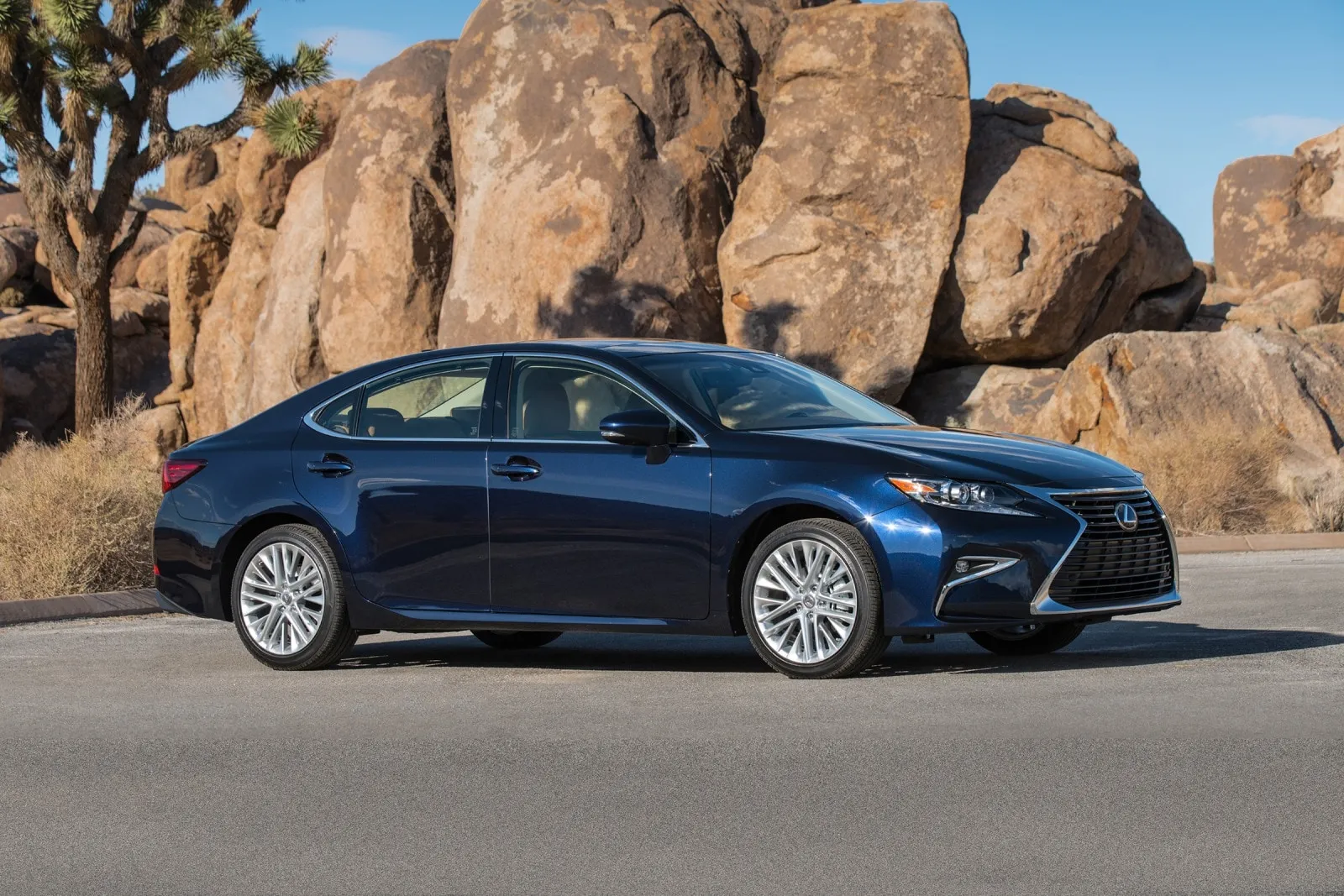
Quiet confidence defines the Lexus ES 350, a sedan built for drivers who value peace as much as polish. Instead of chasing radical design or experimental systems, this model leans into proven engineering that ages gracefully. That approach shows up clearly when repair bills arrive.
Under the hood sits a naturally aspirated V6 that avoids turbocharging stress and excessive heat. Components operate within comfortable limits, which reduces premature wear. Many service technicians praise this powertrain for its predictable behavior and long service life. Regular oil changes, brake replacements, and suspension work rarely surprise owners with inflated pricing.
Parts accessibility plays a large role in the ES 350’s affordability. Lexus shares numerous components with Toyota’s broader lineup, which keeps replacement parts widely available. Independent shops can service the car with confidence, limiting the need for dealership-only visits. Labor times also remain reasonable due to straightforward layouts under the hood.
Interior electronics follow a conservative path. Infotainment systems work reliably without packing every emerging feature into a single interface. Fewer software issues translate into fewer diagnostic charges. Climate controls, seat motors, and driver assistance systems tend to function as intended for years without intervention.
Ownership stories frequently highlight mileage well beyond 150,000 with minimal drama. When repairs do surface, costs resemble those of well-built midsize sedans rather than luxury nightmares. That steady experience allows drivers to enjoy leather seating, smooth ride quality, and refined sound insulation without bracing for financial shocks.
For anyone seeking an elegant daily driver that respects long-term budgets, the Lexus ES 350 remains a calm and dependable choice. It proves luxury can feel rewarding long after the warranty expires.
2. Acura TLX
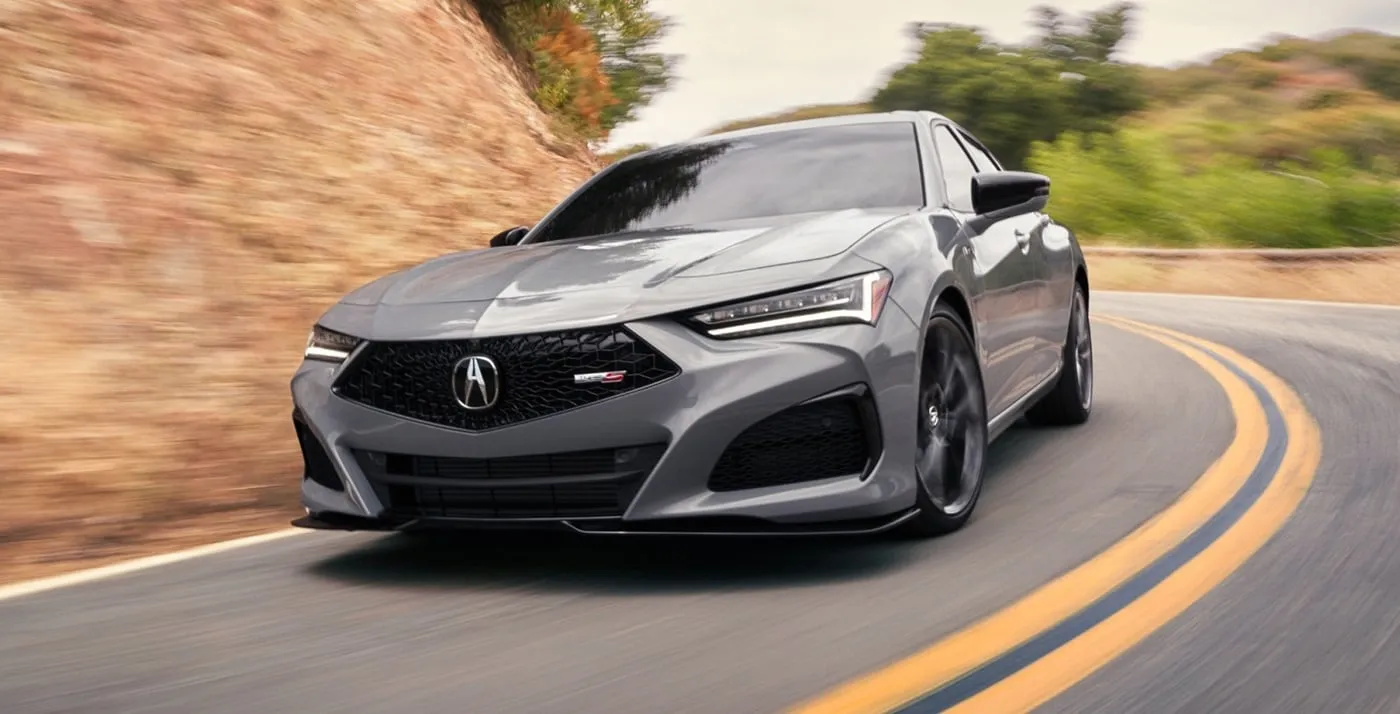
Sporty character blends with everyday reliability in the Acura TLX. While styling hints at performance ambition, the mechanical foundation stays grounded in durability. This balance helps keep repair costs approachable for a luxury-branded sedan.
Powertrain options rely on well-tested engines that avoid pushing limits. Whether equipped with the turbocharged four-cylinder or the V6 variant, tuning favors smooth delivery over aggressive output. That choice reduces strain on internal components and cooling systems. Owners often report consistent performance with limited unscheduled service visits.
Acura’s manufacturing philosophy supports affordability through smart part sharing. Many mechanical pieces align closely with Honda’s extensive ecosystem. This connection means replacement parts remain readily available at competitive prices. Skilled independent mechanics also feel comfortable servicing the TLX, reducing dependence on premium dealerships.
Suspension components hold up well under daily use. Bushings, control arms, and dampers typically last longer than expected in this segment. When replacements become necessary, labor time stays manageable due to thoughtful design. Brake systems also avoid exotic materials, keeping routine service costs under control.
Interior technology remains advanced without becoming fragile. Driver assistance features work quietly in the background, rarely demanding recalibration or software intervention. Screens and controls tend to age gracefully, avoiding the glitches that plague some competitors.
Insurance costs frequently stay lower than European alternatives, adding another layer of savings. That difference matters across years of ownership, especially for drivers planning to keep the car beyond the initial lease period.
The Acura TLX appeals to those who enjoy sharp handling and modern comfort without opening the door to unpredictable expenses. It stands as proof that premium branding and fiscal responsibility can coexist comfortably.
Also Read: 10 Luxury Vehicles With the Most Durable Leather and Wood Trims
3. Volvo XC60
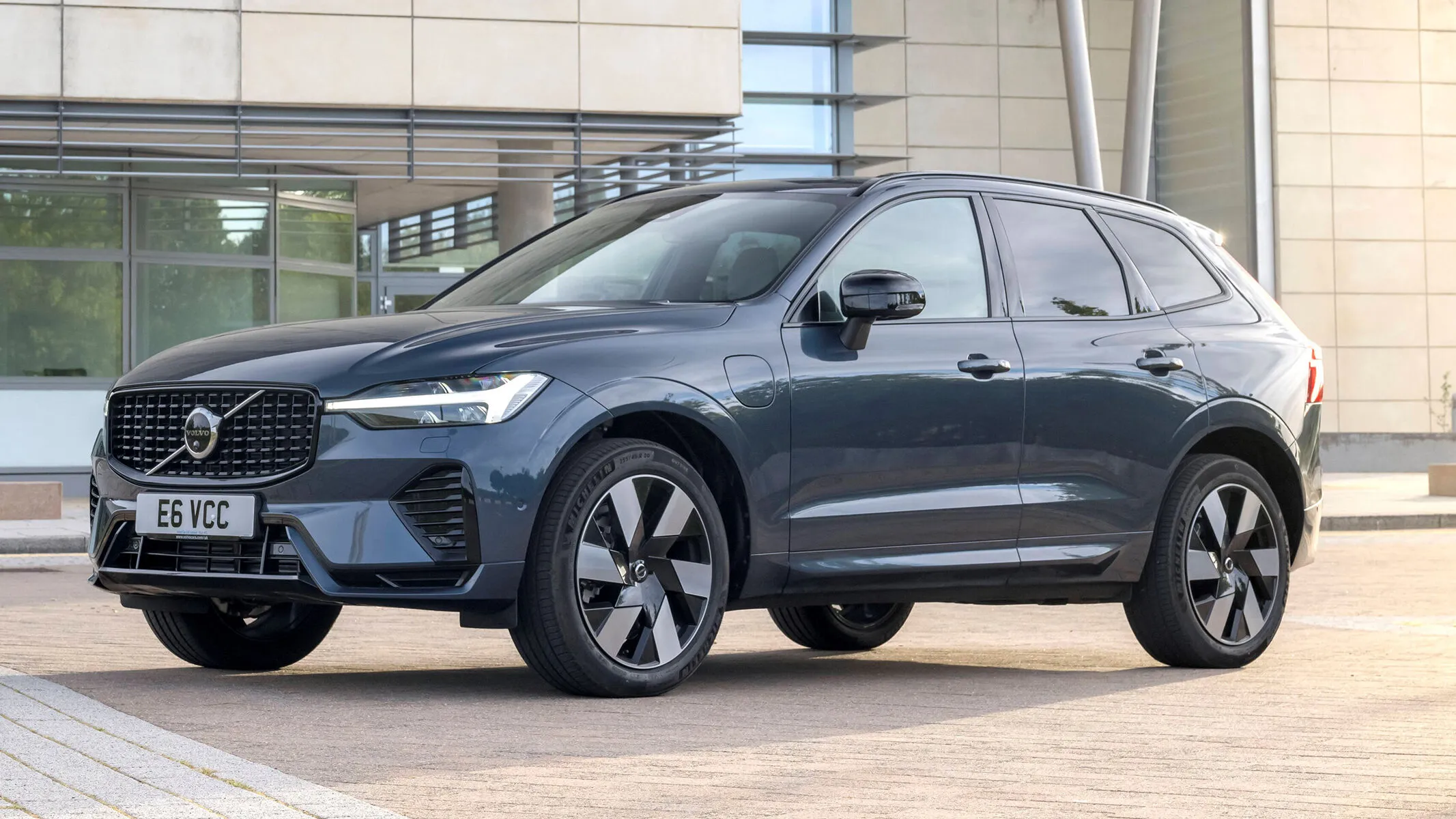
Safety-first engineering defines the Volvo XC60, yet that focus does not lead to intimidating repair bills. This midsize luxury SUV balances advanced protection features with thoughtful mechanical simplicity that supports long-term affordability. Volvo designs engines to prioritize efficiency and longevity rather than raw output.
Turbocharged options operate within conservative parameters, limiting stress on vital components. Regular servicing keeps these engines running smoothly for extended periods, and major failures remain uncommon when maintenance schedules are followed.
The XC60’s chassis demonstrates impressive durability. Suspension tuning favors comfort over aggressive sportiness, which reduces wear on joints and bushings. Owners frequently remark on how well the vehicle handles rough roads without frequent undercarriage repairs.
Parts pricing benefits from Volvo’s growing global presence. Increased production volumes have improved availability and reduced costs across many regions. Independent service centers now handle Volvo repairs with confidence, creating competition that helps keep labor charges reasonable.
Interior quality supports long-term satisfaction without constant fixes. Materials resist wear, and seat mechanisms operate reliably across years of daily use. Infotainment systems, while feature-rich, receive consistent updates that reduce long-term software issues.
Safety systems often raise concerns about recalibration costs. In the XC60, thoughtful sensor placement minimizes accidental damage during minor incidents. When repairs are needed, procedures remain well-documented, preventing runaway labor times.
Drivers seeking a luxury SUV that emphasizes well-being without financial strain often find the XC60 a reassuring companion. Its ownership experience feels balanced, practical, and quietly premium.
4. Genesis G80
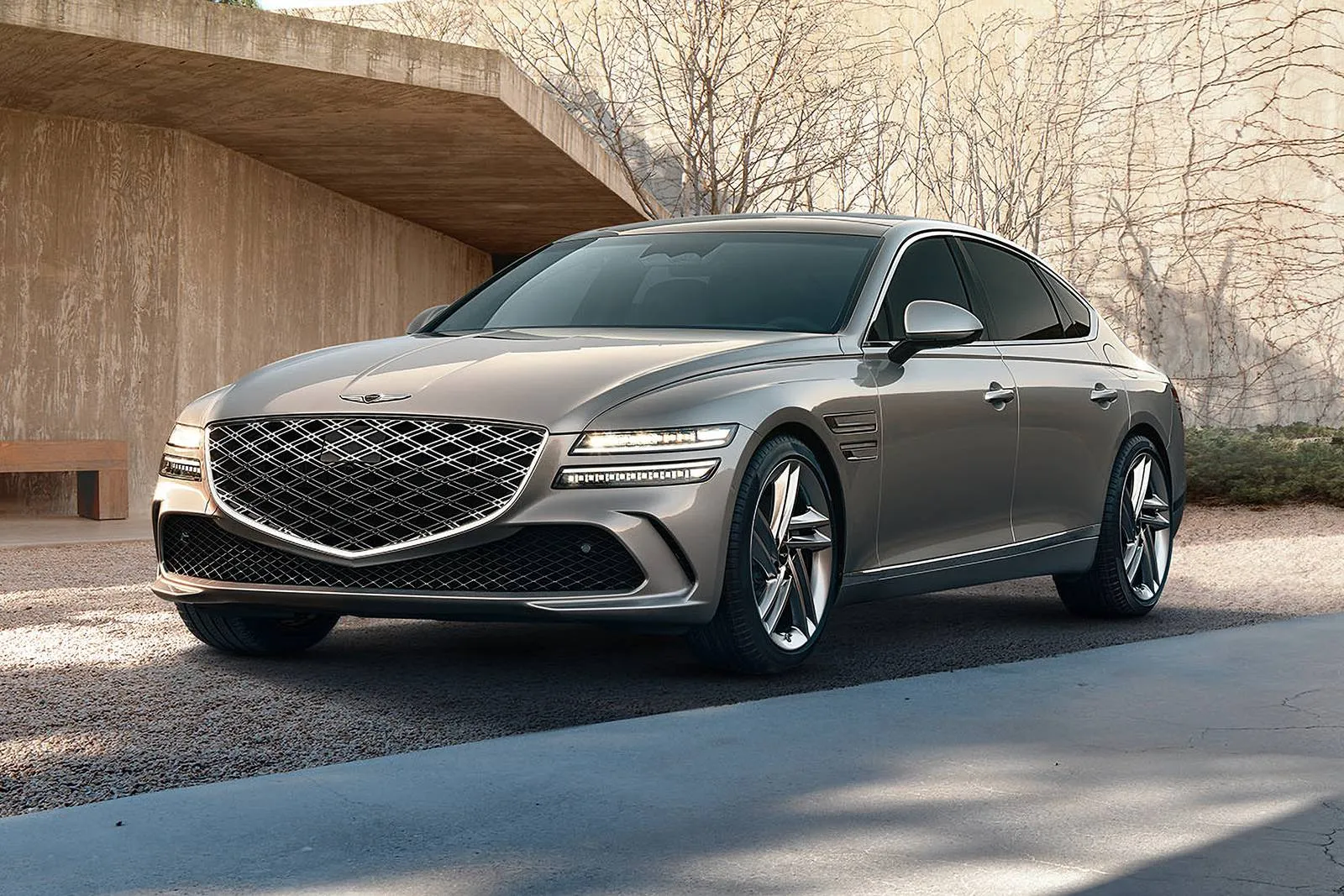
Genesis entered the premium automobile segment with a disciplined objective rooted in balance, clarity, and long-term ownership comfort. The Genesis G80 reflects that direction through thoughtful mechanical planning and a cost structure that avoids unnecessary strain on owners.
Rather than competing through excess or theatrical engineering, this sedan presents refinement that remains sustainable well after the initial purchase period. Powertrain design reflects restraint and foresight. Engine selections prioritize linear power delivery and mechanical longevity instead of chasing extreme output figures.
Both the turbocharged four-cylinder unit and the available V6 configuration operate within tolerances that reduce internal stress. Supporting systems such as cooling assemblies, transmissions, and drivetrain components benefit from conservative calibration, which supports dependable operation across extended mileage.
This measured approach lowers the frequency of premature component failure and reduces exposure to expensive corrective work. Servicing costs often surprise new owners in a positive manner. Routine maintenance expenses compare favorably with non-luxury executive sedans rather than traditional high-end rivals.
Replacement components are accessible and priced with moderation, a benefit of Genesis belonging to the Hyundai Motor Group. This industrial scale ensures stable parts distribution and eliminates pricing pressure caused by limited availability. As a result, owners experience predictability rather than uncertainty when service needs arise.
Driving comfort also contributes to reduced ownership strain. Suspension tuning favors composure and road absorption rather than aggressive stiffness. This setup reduces wear on structural and suspension elements, allowing bushings, joints, and dampers to retain functionality for longer periods. Steering and braking systems maintain consistent behavior through prolonged use, reducing the need for early replacements.
Interior systems demonstrate stability and practical design discipline. Technology is integrated without excessive layering or confusing interfaces. Controls remain intuitive, which limits accidental damage or misuse. Electronic components tend to operate reliably, reducing diagnostic visits and software interventions. Many owners report extended periods of cabin functionality without mechanical or electrical disruption.
Warranty coverage provides early reassurance, yet the stronger benefit appears beyond that protection window. Long-term ownership data indicates repair costs remain controlled even after coverage expiration. Independent service providers increasingly support Genesis vehicles, creating competition that benefits owners financially.
The Genesis G80 appeals to drivers seeking executive comfort supported by financial clarity. Its structure affirms that premium motoring does not require constant financial vigilance to remain satisfying.
5. Infiniti Q50
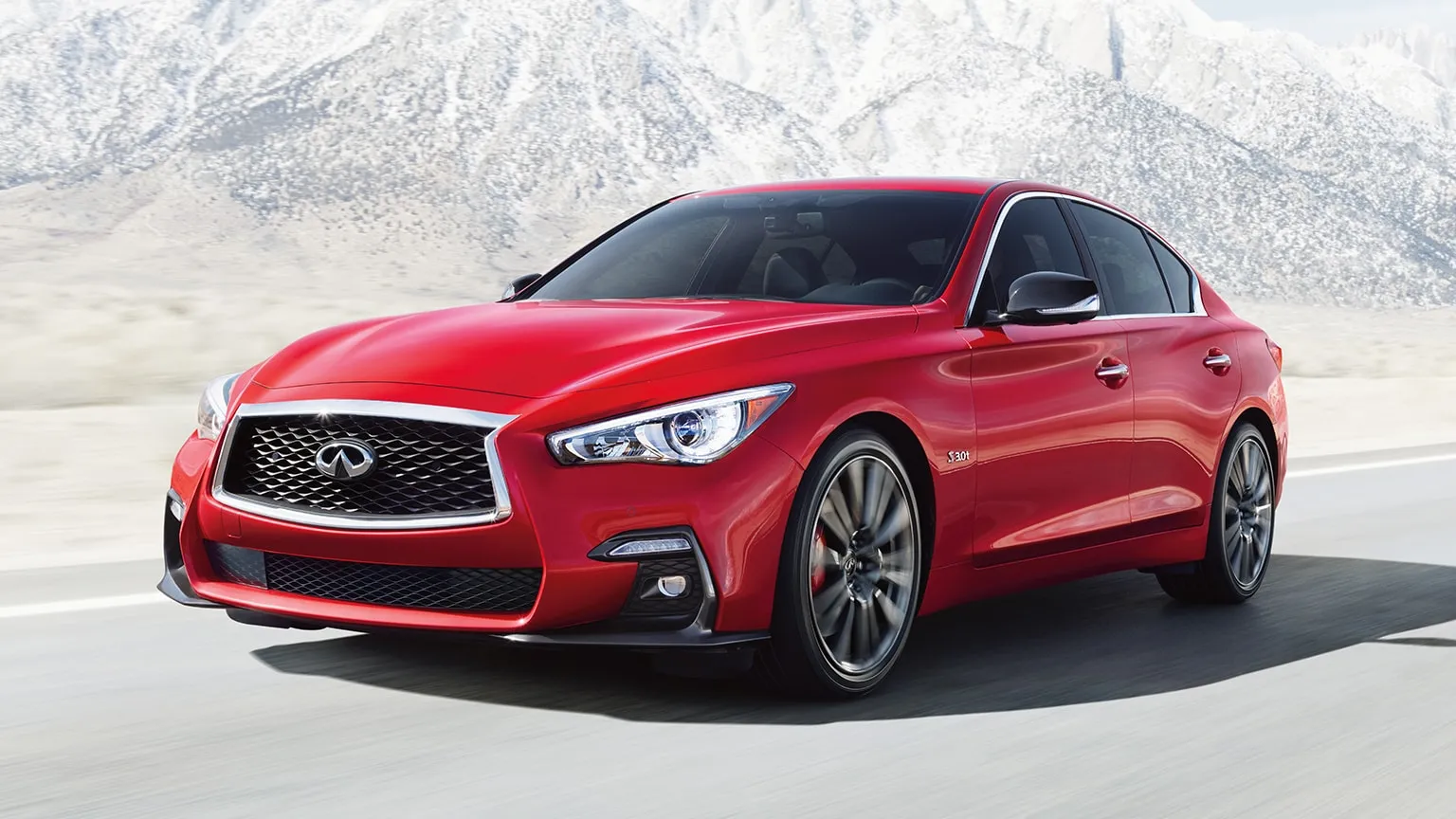
The Infiniti Q50 presents a carefully balanced identity that blends performance-oriented character with mechanical reliability. This sedan attracts drivers who value responsive handling and refined presentation while maintaining reasonable expectations for ownership expenditure. Its design philosophy avoids extremes, choosing instead a stable foundation that supports long-term use without escalating financial exposure.
Engine configurations reflect this balance. Turbocharged powerplants deliver confident acceleration without aggressive tuning that accelerates wear. Power delivery remains smooth and controlled, which protects internal components from excessive thermal and mechanical strain.
Transmission systems operate with consistency, and drivetrain assemblies demonstrate resilience across sustained usage. Regular servicing typically prevents escalation into costly mechanical interventions. Parts accessibility remains one of the Q50’s strongest advantages. Infiniti benefits from shared engineering resources within a large automotive group, which supports steady component supply and competitive pricing.
Replacement parts are readily available, and many servicing tasks do not require proprietary dealership tools. Skilled independent technicians are able to perform repairs effectively, reducing reliance on high-cost service centers. Structural durability strengthens the ownership experience. Suspension assemblies tolerate varied road conditions without rapid deterioration.
Components such as control arms, bushings, and dampers maintain performance through extended service intervals. Steering systems retain accuracy across mileage accumulation, reducing the likelihood of early mechanical intervention. Brake systems also age predictably, supporting stable maintenance planning.
Cabin electronics reflect practical engineering choices. Displays and control modules avoid excessive layering or over-engineered interfaces. This simplicity reduces the likelihood of electrical failure. Climate control systems, seat mechanisms, and driver assistance features operate reliably, limiting surprise workshop visits. Interior materials demonstrate durability that aligns with daily use rather than aesthetic fragility.
Insurance and servicing expenses often remain lower than comparable European luxury sedans. This difference becomes meaningful for owners who retain vehicles beyond standard lease durations. Reduced annual expenditure allows owners to enjoy the car’s performance character without sustained financial pressure.
The Infiniti Q50 delivers refined driving engagement supported by dependable construction. Its ownership experience suits individuals who appreciate premium design while maintaining disciplined financial expectations.
5 Luxury Cars That Become Financial Burdens
1. BMW 750i xDrive
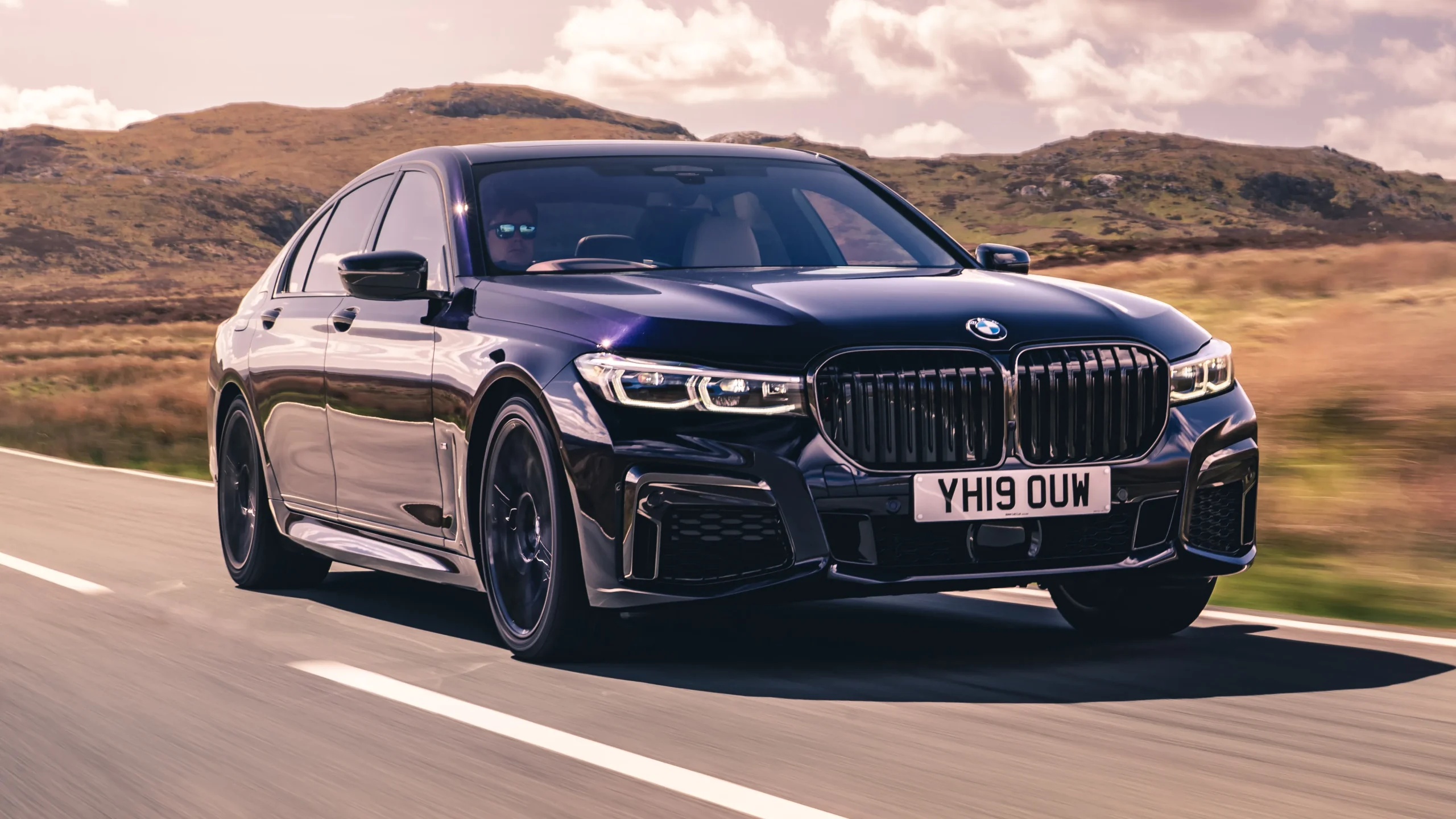
Opulence arrives quickly with the BMW 750i xDrive, yet long-term ownership often carries a heavy price. This full-size luxury sedan showcases advanced engineering, but that sophistication brings layers of expense once regular service visits begin stacking up. Ownership tends to feel manageable during early years, then repair demands grow rapidly as mileage increases.
Twin-turbocharged V8 power defines the driving experience. Heat management becomes a constant concern due to dense packaging under the hood. Cooling components such as hoses, reservoirs, and auxiliary pumps frequently require attention. Each repair may seem minor on its own, yet labor hours add up fast due to limited access around the engine bay.
Electronics represent another area where costs escalate. Multiple control modules govern suspension behavior, steering response, infotainment, and driver assistance features. When a warning light appears, diagnostics alone can cost hundreds before any repair begins. Software updates occasionally solve issues, though hardware replacement often becomes the final answer.
Air suspension systems provide smooth ride quality, but repairs rarely come cheaply. Struts, compressors, and sensors tend to fail as the vehicle ages. Replacement usually requires specialized equipment and calibration, pushing service invoices well beyond expectations for a sedan.
Interior luxury hides its own risks. Power seat motors, climate control actuators, and ambient lighting systems often rely on proprietary components. When failures occur, parts pricing reflects premium branding. Labor costs remain high due to intricate assembly beneath refined surfaces.
Insurance rates frequently reflect the vehicle’s repair history. Even minor incidents can trigger costly parts replacement due to sensor placement behind body panels. Combined with higher-than-average maintenance needs, yearly ownership expenses rise sharply.
BMW 750i xDrive ownership rewards those prepared for consistent financial commitment. Comfort and performance remain impressive, yet maintaining that experience demands patience and a strong service budget long after the showroom appeal fades.
2. Mercedes-Benz S580 4MATIC
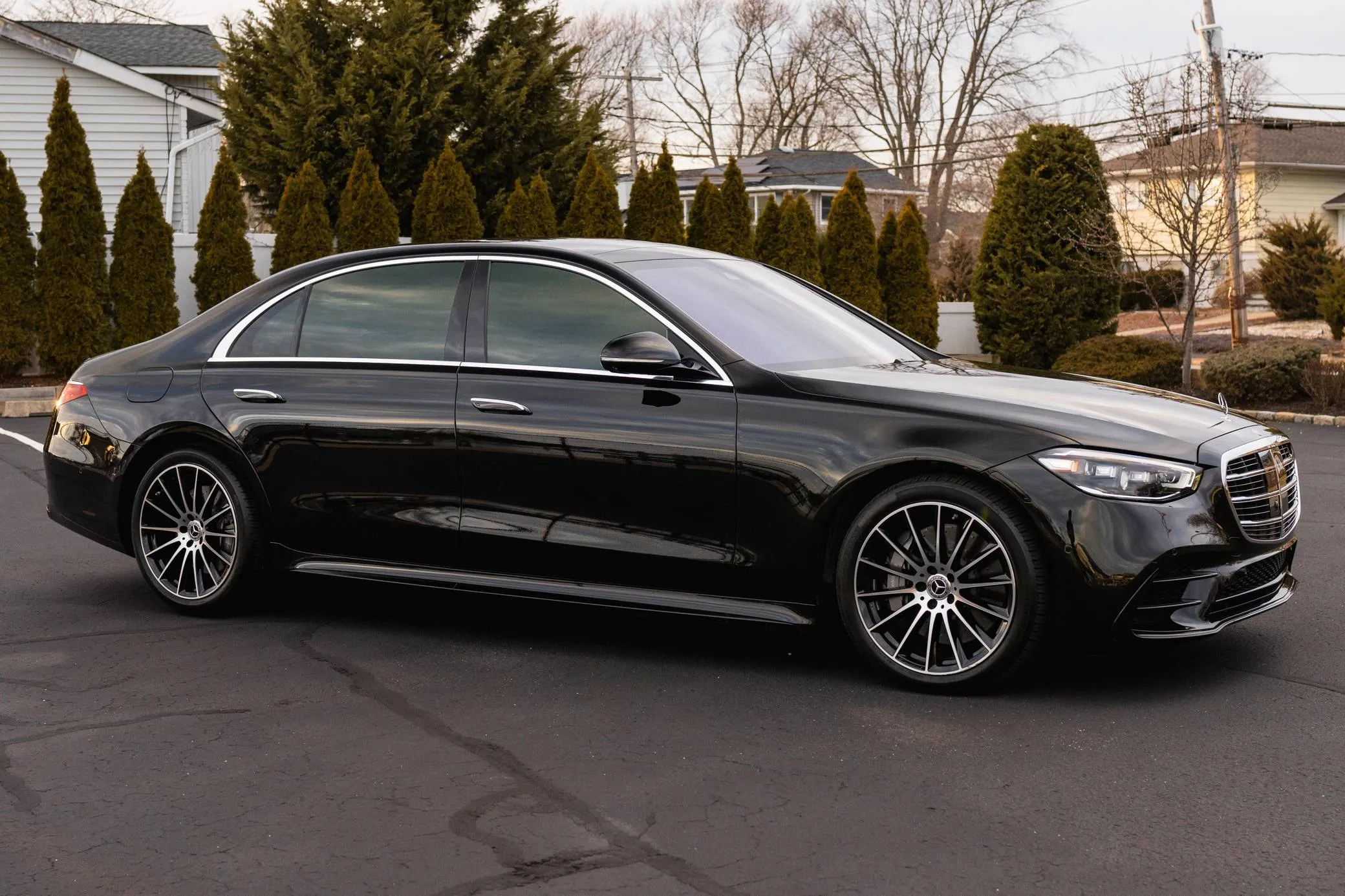
Luxury reaches an impressive level inside the Mercedes-Benz S580 4MATIC, but that refinement arrives with ongoing financial responsibility. Every feature aims to impress, and each system brings its own service requirements that extend well beyond routine maintenance.
Power comes from a turbocharged V8 paired with advanced mild-hybrid assistance. This setup delivers smooth acceleration, yet introduces additional components requiring specialized care. Battery management systems, electric assist units, and cooling circuits increase both parts count and labor time during repairs.
Suspension technology remains a defining trait. Adaptive air systems adjust ride height and damping automatically, offering comfort that feels effortless. As mileage grows, sensors, valves, and air lines often require replacement. Repairs demand precise calibration, pushing costs upward quickly.
Interior technology presents another challenge. Touch-sensitive controls, expansive digital displays, and integrated comfort features rely on interconnected modules. When one component fails, related systems may become affected. Troubleshooting such issues often involves lengthy diagnostic sessions at authorized service centers.
Body repairs rarely stay simple. Aluminum construction and advanced safety systems raise repair thresholds even for minor damage. Specialized tools and certified technicians become mandatory, limiting repair options and raising labor rates. Ownership experiences often mention escalating costs after warranty expiration.
Service plans may help temporarily, yet expenses grow once coverage ends. Parts pricing aligns with flagship status, and availability sometimes affects turnaround time. Mercedes-Benz S580 4MATIC ownership delivers a commanding presence and unmatched cabin comfort. That privilege, however, comes with persistent financial demands that require careful consideration before committing long-term.
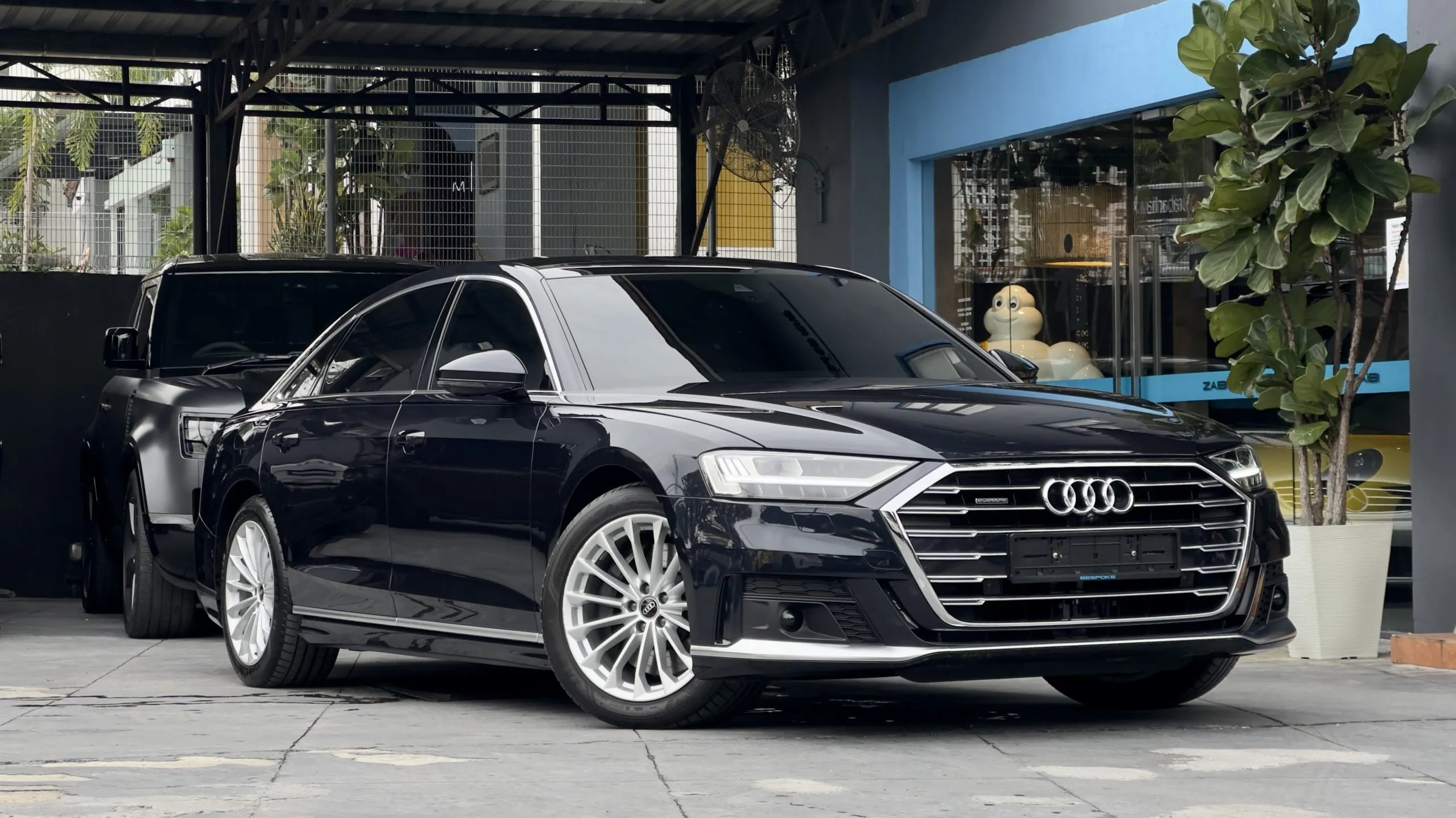
3. Audi A8 L 55 TFSI quattro
Technology-driven luxury defines the Audi A8 L 55 TFSI quattro, yet that same innovation often leads to sustained financial demand throughout ownership. Designed as a flagship sedan, this model places engineering ambition at the forefront, from its aluminum-intensive body structure to its heavily digitized interior environment.
While these features deliver refinement and visual appeal, they also introduce ownership responsibilities that extend well beyond routine service expectations. The turbocharged V6 engine provides smooth and confident performance, delivering power with composure rather than aggression. However, the engine depends on advanced fuel injection and tightly managed cooling architecture.
Direct injection systems commonly experience carbon accumulation on intake components, which necessitates periodic cleaning procedures. These services fall outside basic maintenance schedules and often require specialized equipment, adding to long-term service expenditure.
Audi’s quattro all-wheel drive system improves road stability and traction, especially under demanding conditions. This advantage comes with additional mechanical layers, including differentials, driveshaft assemblies, and electronic control units.
Each component must operate in precise coordination. When irregularities appear, diagnostic work becomes time-intensive, as identifying a single fault often involves evaluating multiple interconnected systems. Interior design relies heavily on digital interfaces.
Dual touchscreens manage climate settings, navigation, media, and vehicle functions. While visually impressive, this configuration reduces reliance on physical controls and increases dependence on software stability.
Responsiveness can decline with age, and replacing screens or control modules carries substantial expense. Even minor electronic malfunctions may require extensive diagnostic work.
Mechanical access remains limited due to compact packaging beneath the hood. Even straightforward tasks often involve partial disassembly, extending labor hours, and raising service invoices. This structural density affects both scheduled servicing and unexpected repairs.
Audi A8 L 55 TFSI quattro ownership favors individuals who place a high value on technological sophistication and modern presentation. Maintaining its polished driving experience requires consistent financial preparation, making it best suited for owners comfortable with ongoing investment in advanced automotive systems.
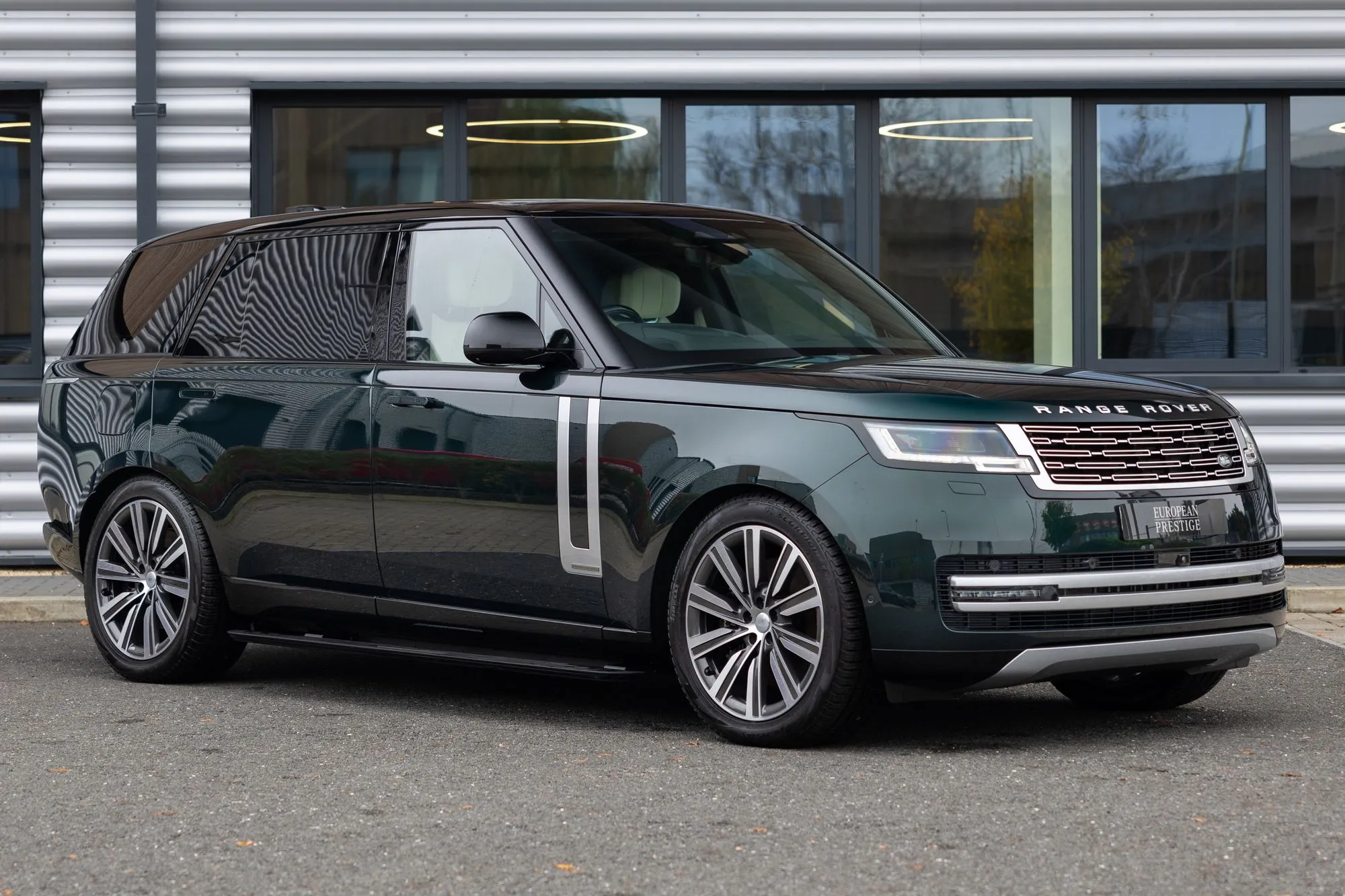
4. Range Rover Autobiography
Prestige and presence define the Range Rover Autobiography, but long-term ownership frequently tests patience and finances. While the vehicle excels in comfort and capability, reliability concerns often overshadow its strengths once warranty coverage ends. Engine options provide impressive performance, yet supporting systems tend to struggle under sustained use.
Cooling failures, oil leaks, and electrical faults appear more often than expected for a vehicle in this class. Addressing these issues promptly becomes essential to avoid larger repairs.
Suspension systems deliver exceptional ride comfort through adjustable air components. That same technology proves sensitive to wear. Compressors, valves, and air struts often require replacement as mileage increases.
Each service visit typically involves specialized tools and extended labor. Electrical reliability presents a consistent concern. Multiple modules control everything from seat functions to terrain response settings. When a single module malfunctions, cascading warnings may appear across the dashboard.
Tracing root causes requires extensive diagnostics. Interior craftsmanship impresses at first glance, yet long-term durability varies. Power features, touchscreens, and climate controls may demand attention earlier than expected. Replacement parts reflect premium pricing, even for seemingly small components.
Repair networks often limit flexibility. Certified service centers remain the preferred option due to vehicle sophistication. That exclusivity keeps labor rates high and reduces cost-saving alternatives.
Range Rover Autobiography ownership delivers commanding luxury and versatility. That experience, however, frequently arrives with ongoing repair commitments that place steady pressure on ownership budgets.
Also Read: Top 10 Luxury Cars With Physical Buttons Instead of Touchscreens
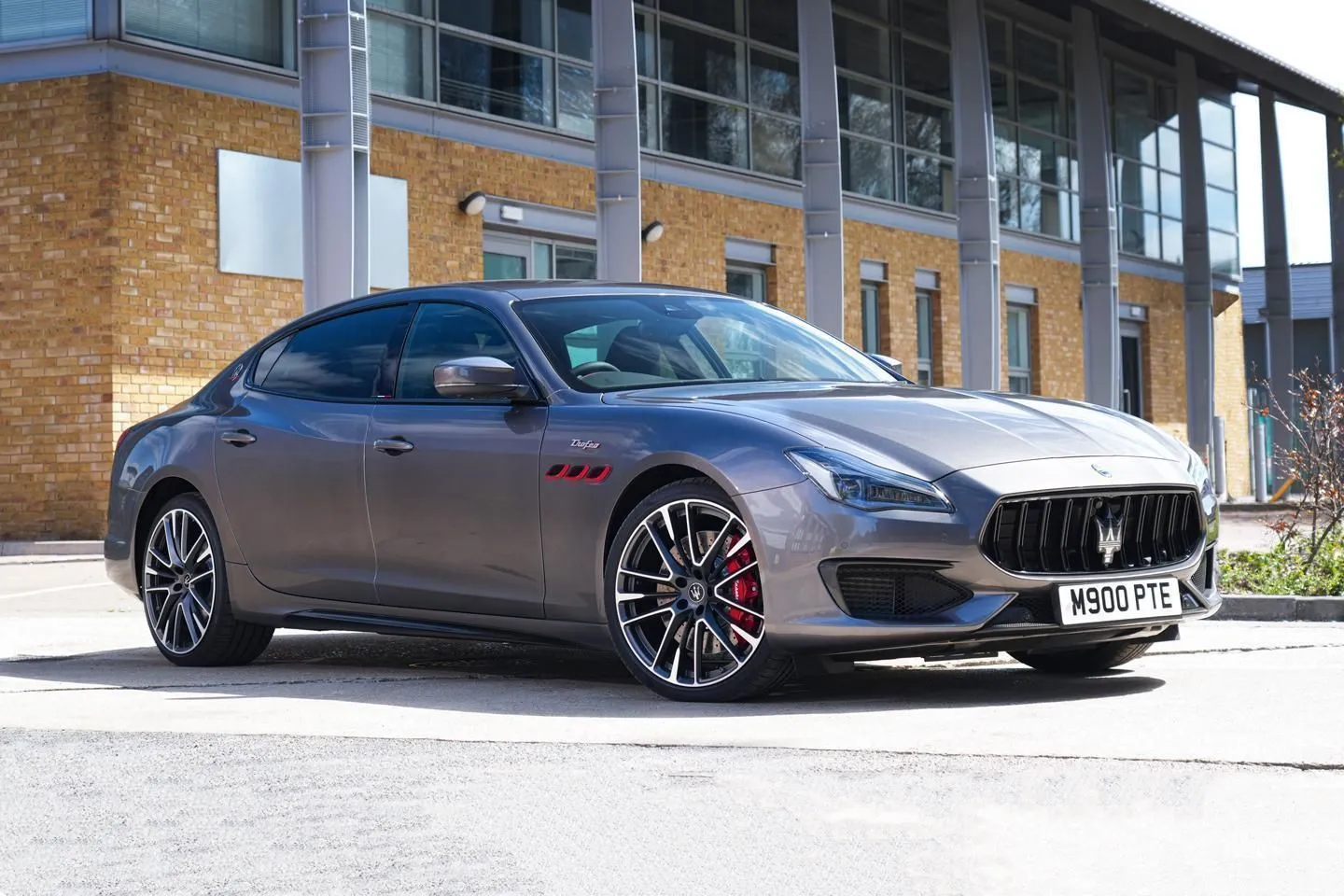
5. Maserati Quattroporte Trofeo
Exotic appeal and Italian styling define the Maserati Quattroporte Trofeo, though financial realities often temper the excitement. Performance and exclusivity remain strong selling points, yet repair and maintenance demands quickly become apparent. A high-output twin-turbocharged V8 powers the experience.
That engine delivers thrilling acceleration, yet requires meticulous care. Oil quality, cooling efficiency, and fuel system integrity demand constant attention. Service intervals remain frequent, and skipping recommended work often leads to larger issues.
Parts availability presents an immediate challenge. Limited production volumes affect supply chains, driving up costs and extending repair timelines. Even routine components may require waiting periods, adding inconvenience to expense. Electronics contribute another layer of concern.
Infotainment systems, driver assistance features, and adaptive suspension controls rely on proprietary software. Diagnosing faults often requires factory-level equipment available only at select service centers.
Interior craftsmanship blends luxury with artistry, yet durability varies. Trim pieces, electronic switches, and seat controls sometimes show wear sooner than expected. Replacement costs reflect exclusivity rather than practicality.
Insurance rates frequently exceed those of comparable luxury sedans. Performance potential, repair history, and parts pricing all influence premiums. Combined with regular service needs, annual ownership expenses rise quickly.
Maserati Quattroporte Trofeo ownership appeals to drivers drawn by rarity and performance flair. That choice demands financial resilience, as maintaining its character requires ongoing investment beyond initial purchase enthusiasm.
