
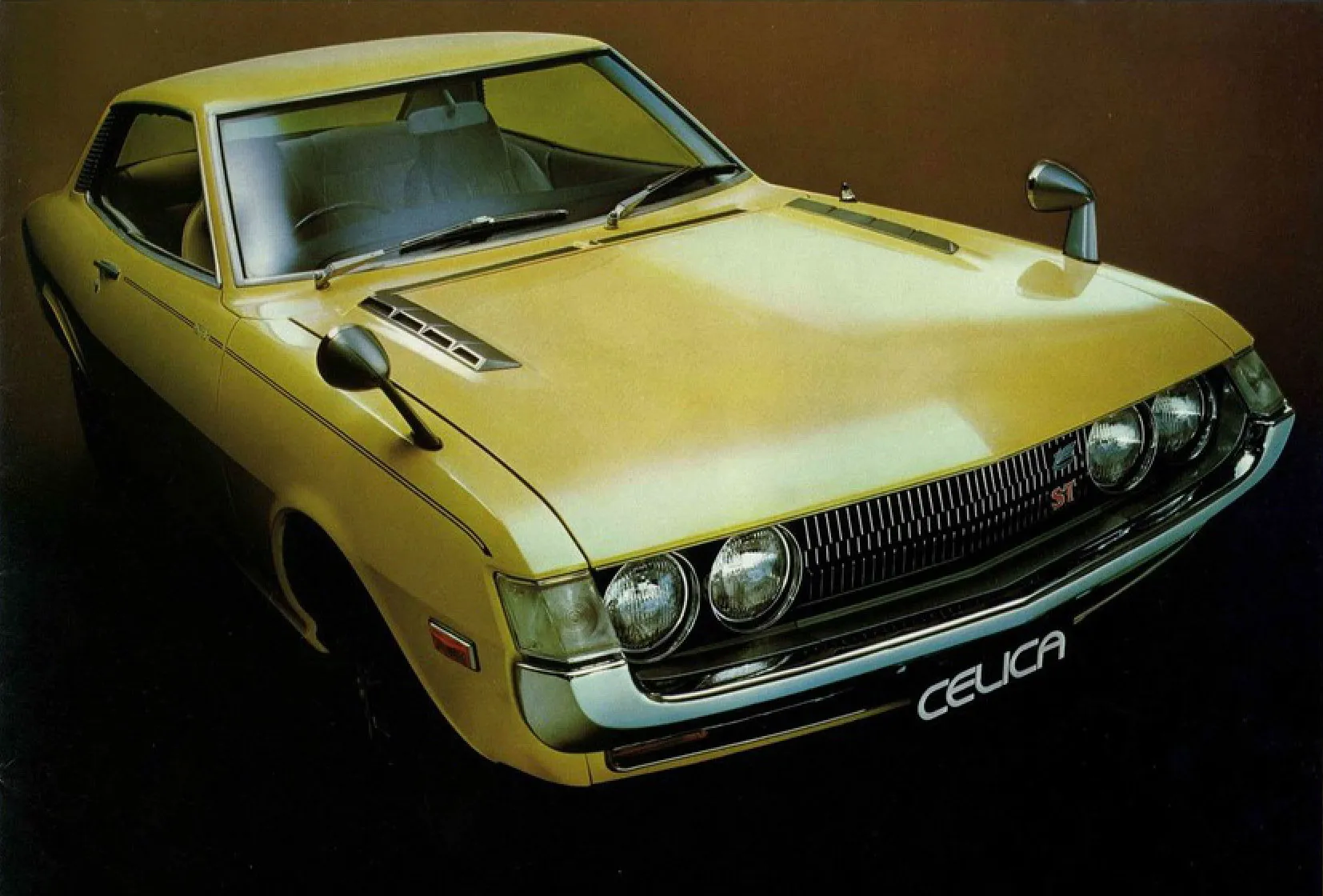
A few decades in automotive history inspire the same level of admiration as the 1990s. It was a time when Japanese manufacturers blended precision engineering with long-term durability, creating vehicles that still roam highways with hundreds of thousands of miles on the odometer.
These cars were not designed for short leases or disposable ownership. They were built to last, often outliving trends, technologies, and even the expectations of their original buyers. Metal felt thicker. Switchgear clicked with confidence.
Engines were tuned for smooth power delivery and endurance rather than headline-grabbing horsepower figures. While some models became icons for performance, others quietly earned reputations for unshakable reliability. Owners discovered that routine care was often all these vehicles needed to keep running year after year.
This list celebrates ten Japanese classics from the 1990s that earned reputations for toughness. Each model stands as proof that thoughtful engineering and durable construction can stand the test of time. From luxury sedans to off-road legends and practical family cars, these machines share one common trait: resilience.
Below, you will find the first five vehicles that embody that tank-like durability, each described with its own tone and perspective.
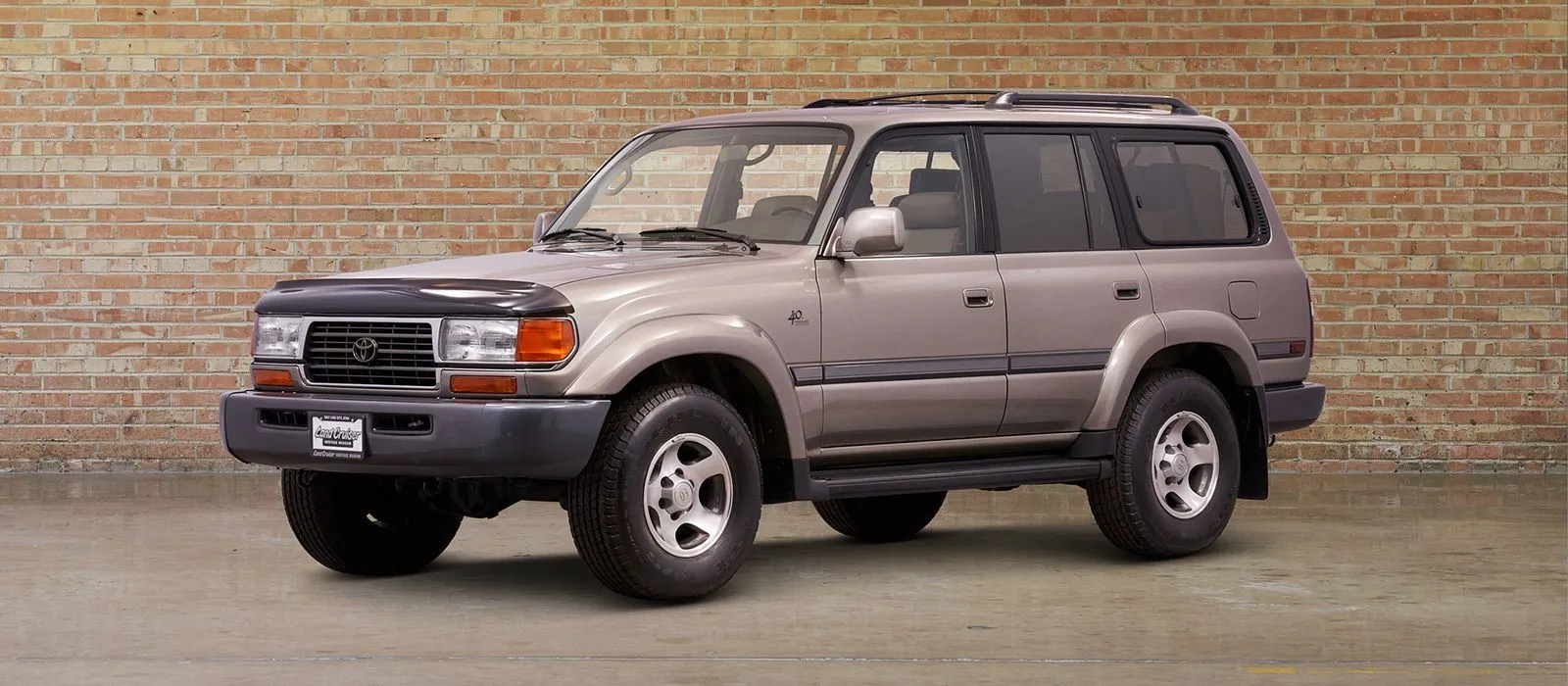
1. Toyota Land Cruiser FZJ80
Estimate: $15,000 – $35,000
Strength defines the Toyota Land Cruiser FZJ80 in a way few sport utility vehicles can genuinely claim. Introduced in the early 1990s as part of the 80 Series lineage, it was engineered with a singular objective: endure the harshest environments on earth without surrendering reliability.
From the Australian Outback to African safari routes and North American mountain trails, this SUV developed a global reputation for mechanical resilience. Thick steel body panels, a fully boxed body-on-frame construction, and a solid front axle distinguished it from softer, road-focused competitors. It felt overbuilt because it was intentionally overbuilt.
Power came from the legendary 4.5-liter 1FZ-FE inline-six engine, an iron-block unit tuned for durability and torque rather than speed. Output figures were respectable for its era, but longevity became its defining trait.
With consistent oil changes and cooling system maintenance, many examples have surpassed 300,000 miles without major internal repairs. The engine’s understressed design, combined with conservative tuning, allowed it to operate reliably in extreme heat and altitude.
Suspension engineering further reinforced its rugged character. Coil springs at all four corners improved ride quality compared to earlier leaf-sprung Land Cruisers, yet durability remained uncompromised. The chassis absorbed punishing impacts while maintaining composure on highways. Steering felt deliberate and substantial, reflecting the vehicle’s mass and purpose.
Inside, the cabin blended practicality with understated comfort. Materials were selected to resist wear rather than impress at first glance. Controls operated with reassuring precision, and switchgear often remains functional decades later.
Even the doors close with a dense, vault-like sound that communicates structural integrity. Ownership costs can include fuel consumption that reflects its size and weight, yet many enthusiasts consider that a fair trade for its reliability. High resale values continue to demonstrate enduring demand.
Decades after production ended, well-maintained examples remain daily drivers and global travel companions. Few SUVs from any era match the FZJ80’s combination of mechanical simplicity, structural strength, and proven longevity.
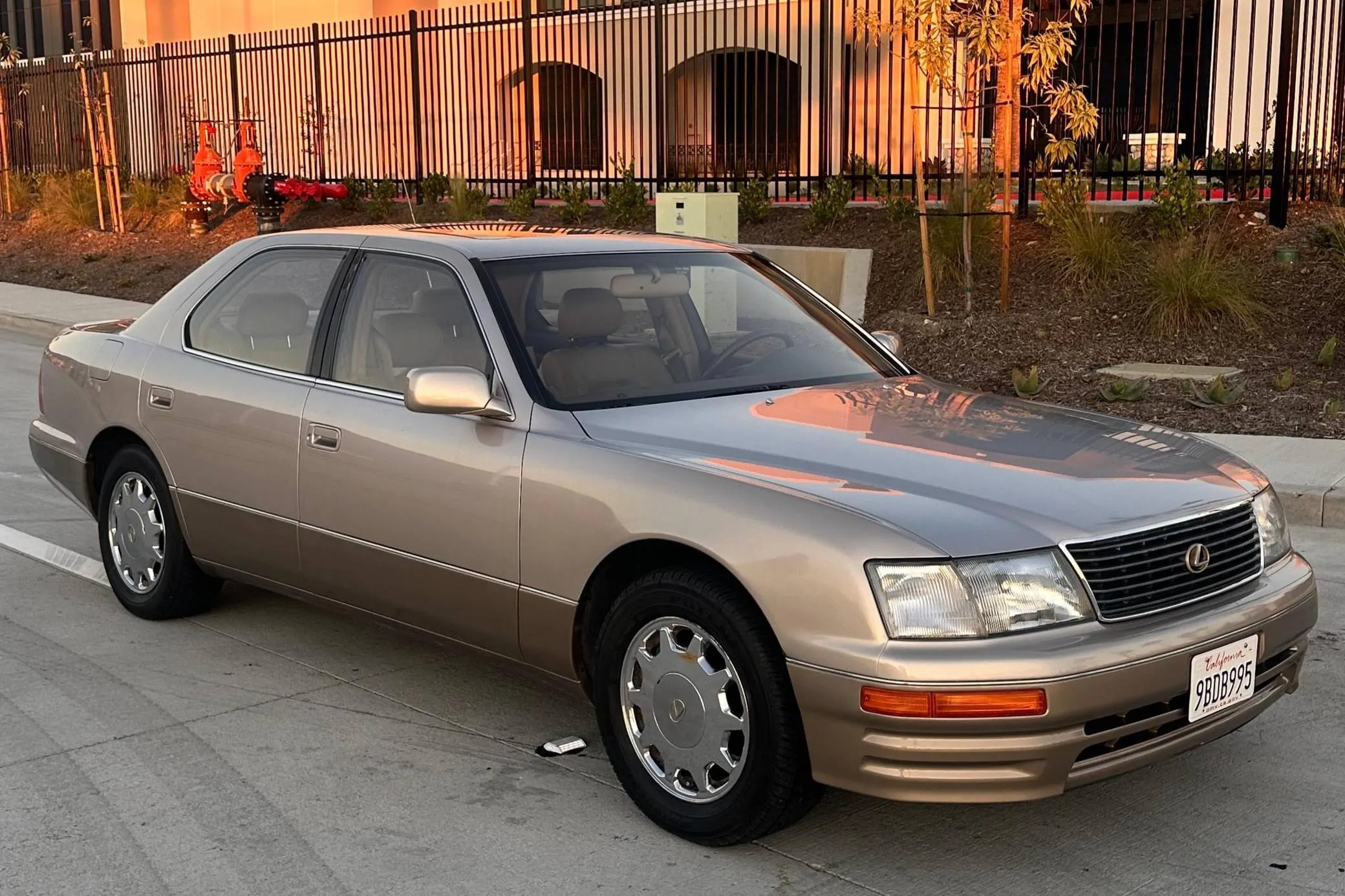
2. Lexus LS400
Estimate: $5,000 – $12,000
Refinement meets resilience in the Lexus LS400, a sedan that redefined expectations for luxury durability in the early 1990s. Developed with extraordinary attention to detail, it marked the ambitious entry of Lexus into the global premium market.
Rather than merely matching established European rivals, it quietly surpassed many of them in long-term reliability and build precision. At its core was the 4.0-liter 1UZ-FE V8 engine, an aluminum powerplant engineered with exceptional balance and tight manufacturing tolerances.
This engine delivered smooth, nearly vibration-free performance while maintaining remarkable durability. With routine maintenance, it is common for LS400 models to exceed 250,000 or even 400,000 miles. The engine’s conservative tuning and robust internal components contribute to its longevity.
Engineers prioritized smoothness without sacrificing mechanical strength. Cooling systems, engine mounts, and supporting components were similarly overengineered to ensure consistent operation across decades. Cabin craftsmanship set new standards at its price point.
Leather upholstery ages gracefully when cared for, wood trim retains depth and polish, and switchgear maintains tactile integrity. Even electronic components, which are often a weakness in aging luxury vehicles, have demonstrated surprising resilience. Climate control systems, power seat motors, and audio units frequently remain operational long after competitors experience costly failures.
On the road, the LS400 continues to feel composed and insulated. Suspension tuning emphasizes comfort, yet structural rigidity preserves stability at highway speeds. Road and wind noise remain impressively subdued, reflecting extensive acoustic engineering during development.
This model demonstrated that luxury could coexist with long-term reliability. It stands as a landmark achievement in Japanese automotive engineering, proving that meticulous design and uncompromising quality control can produce a vehicle that remains both refined and remarkably durable decades after its debut.
Also Read: Top 10 Affordable Classics for People Who Want to Start a Collection
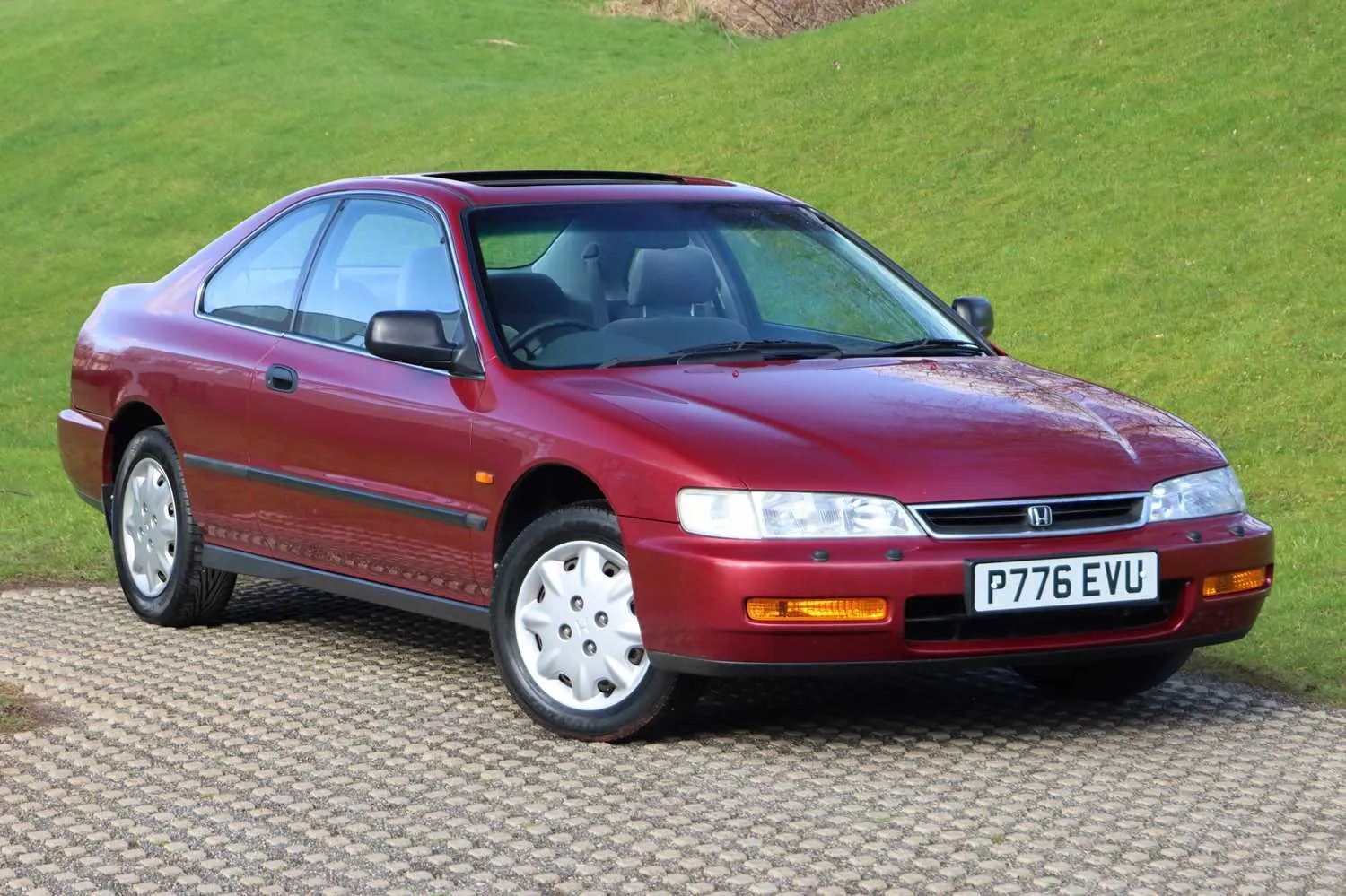
3. Honda Accord EX 1996
Estimate: $2,500 – $6,000
Reliability is often demonstrated through consistency rather than spectacle, and the Honda Accord EX 1996 provides a clear illustration of this principle. Introduced at a time when the engineering discipline was a defining strength of Japanese automobile manufacturers, this midsize sedan earned respect for its balanced performance, modest operating costs, and structural integrity.
It did not rely on aggressive styling or extravagant features to secure public approval. Instead, it delivered steady service and practical value to a broad category of drivers, including families, corporate employees, and students.
Equipped with a 2.2-litre inline four-cylinder engine, the Accord EX 1996 offered smooth acceleration and commendable fuel efficiency. The engine was designed with durability in mind, utilising high-quality internal components that supported long service intervals when properly maintained.
It was common for well-cared-for examples to exceed 250,000 miles without major mechanical failure. Transmission options included both manual and automatic variants, each recognised for dependable performance when serviced according to schedule. The mechanical layout was straightforward, which simplified diagnostics and repairs.
Attention to build quality distinguished this model from several of its contemporaries. Panel alignment was precise, paint application proved resilient, and interior materials demonstrated resistance to premature deterioration.
Seats retained their structure, dashboards avoided excessive cracking, and door mechanisms operated smoothly even after prolonged use. Such characteristics contributed to a solid and composed driving experience, free from intrusive rattles.
Affordability formed another pillar of its appeal. Replacement parts were widely accessible, and independent workshops possessed the technical familiarity required for efficient servicing. This ease of ownership reduced long-term financial burden and encouraged responsible maintenance practices among owners.
Although it lacked the commanding presence of larger sport utility vehicles or the prestige associated with executive saloons, the Honda Accord EX 1996 achieved distinction through reliability and consistency. Its continued presence on roads decades after production reflects thoughtful engineering and disciplined manufacturing standards. That sustained performance justifies its recognition among 1990s automobiles renowned for strength and endurance.
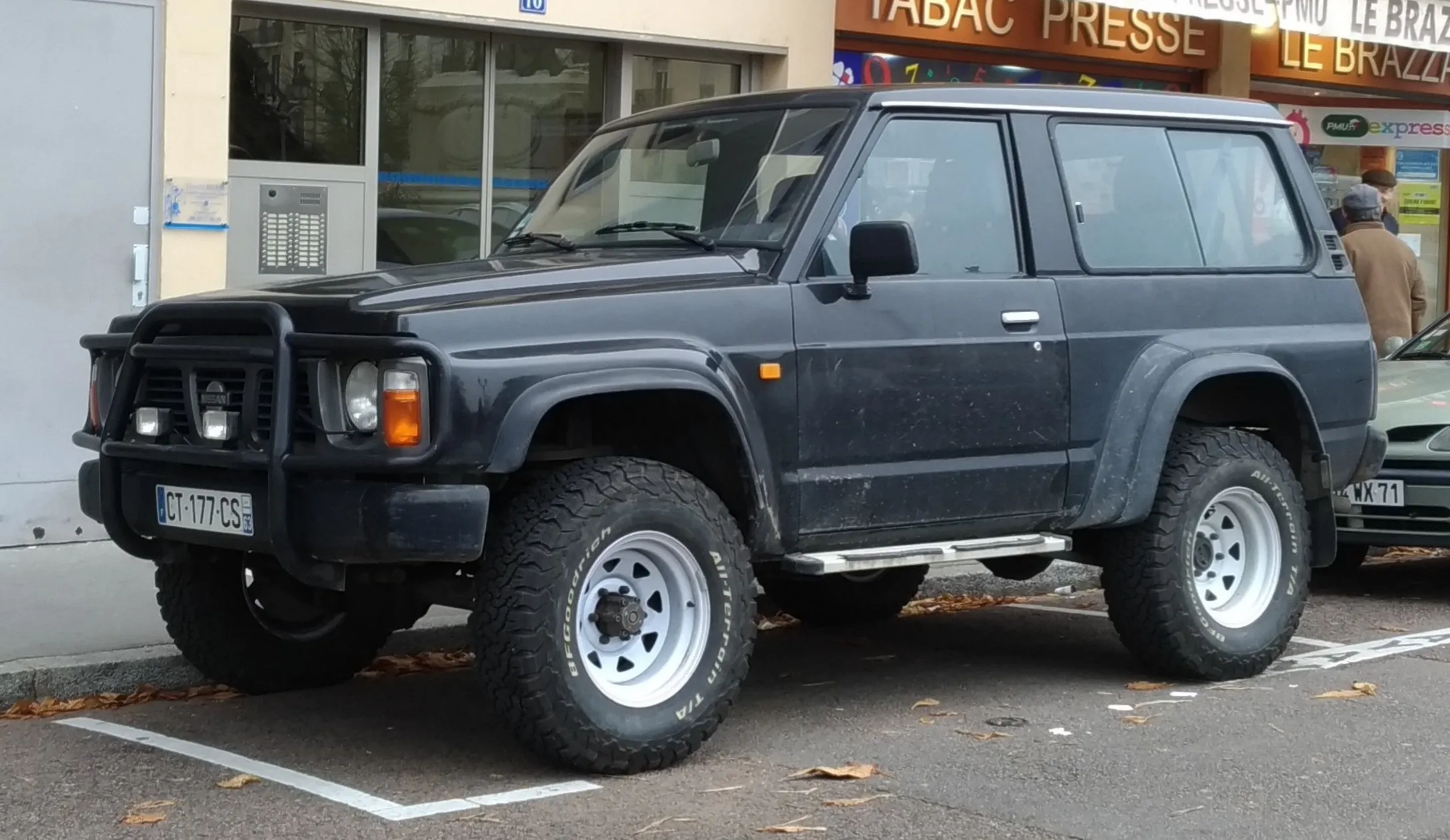
4. Nissan Patrol Y60
Estimate: $12,000 – $25,000
Robust engineering defines the Nissan Patrol Y60, a sport utility vehicle designed with durability as a primary objective. Produced during an era when structural strength was prioritised over aesthetic flourish, this model became associated with resilience and mechanical fortitude.
Its ladder-frame construction formed a rigid foundation capable of enduring demanding operating conditions. Solid axles at both front and rear further reinforced its capacity to manage rough surfaces without compromising structural stability.
Engine options included dependable inline-six petrol and diesel units, each developed to withstand prolonged use. Particular acclaim surrounded the TD42 diesel engine, widely regarded for exceptional longevity when maintained responsibly.
These power units were engineered with generous tolerances and durable internal components, enabling sustained performance without frequent mechanical distress. Owners frequently reported high mileage figures achieved with routine servicing and appropriate lubrication practices.
Suspension architecture reinforced its reputation for toughness. Heavy-duty coil springs and shock absorbers were calibrated to absorb repeated impact while preserving ride control. The Patrol’s substantial body panels contributed to a sense of solidity, reflecting the manufacturer’s commitment to durability rather than weight reduction.
Structural integrity remained evident even after extended exposure to demanding environments. Interior presentation was practical and purposeful. Controls were arranged logically, gauges were clear and functional, and materials demonstrated resistance to wear.
Electronic systems were comparatively limited, reducing the likelihood of age-related electrical complications. This mechanical simplicity enhanced long-term dependability and simplified maintenance procedures. Confidence in the Nissan Patrol Y60 stemmed from its steadfast performance under strain.
Owners valued its capacity to operate reliably in circumstances that would challenge less robust vehicles. Decades after its introduction, surviving examples continue to reflect the strength of their original construction. For individuals seeking a 1990s sport utility vehicle defined by resilience and straightforward engineering, the Nissan Patrol Y60 remains an enduring symbol of mechanical reliability.
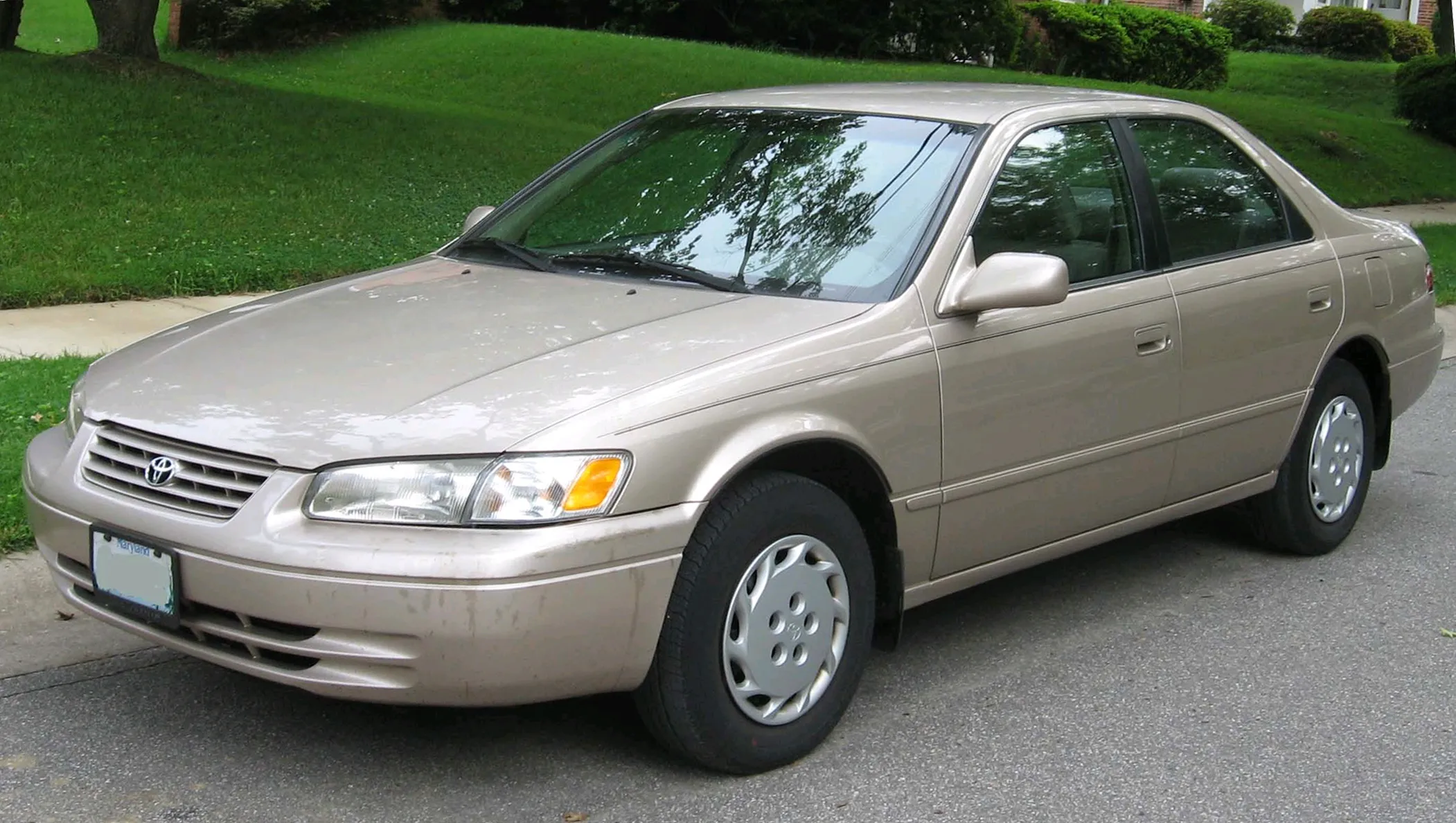
5. Toyota Camry XLE 1997
Estimate: $3,000 – $7,000
Measured refinement and enduring reliability converge in the Toyota Camry XLE 1997. This generation of Camry reinforced Toyota’s reputation for disciplined engineering and meticulous production standards. Designed to serve as a dependable family saloon, it combined comfort with structural strength, thereby appealing to a broad spectrum of motorists who valued consistent performance.
Engine configurations included reliable four-cylinder units as well as a refined 3.0-litre V6. Both variants demonstrated impressive longevity when maintained according to recommended schedules. Numerous examples surpassed 200,000 miles without substantial internal engine repairs.
Transmissions paired effectively with these engines, delivering smooth gear transitions and sustained operational stability. Mechanical systems were engineered with durability as a central objective, ensuring dependable service throughout extended ownership.
Cabin refinement improved appreciably within this generation. Soft-touch materials, supportive seating, and effective sound insulation created a composed interior environment. Craftsmanship extended beyond visual presentation to structural durability.
Trim components retained alignment, upholstery resisted premature wear, and control switches maintained reliable function after years of daily use. The vehicle’s body structure also displayed commendable resistance to corrosion when appropriately cared for.
Operating expenses remained reasonable. Replacement components were widely distributed, and technicians possessed familiarity with Toyota’s mechanical systems. This accessibility encouraged preventative maintenance, thereby prolonging vehicle lifespan. Owners frequently reported minimal unexpected repairs, reinforcing confidence in its design.
Though understated in appearance when compared with sport-oriented contemporaries, the Toyota Camry XLE 1997 established its reputation through sustained reliability. Its continued presence on modern roads affirms the durability embedded within its construction.
By delivering consistent transportation with minimal disruption, it secured recognition among Japanese automobiles of the 1990s, admired for strength, resilience, and disciplined engineering standards.
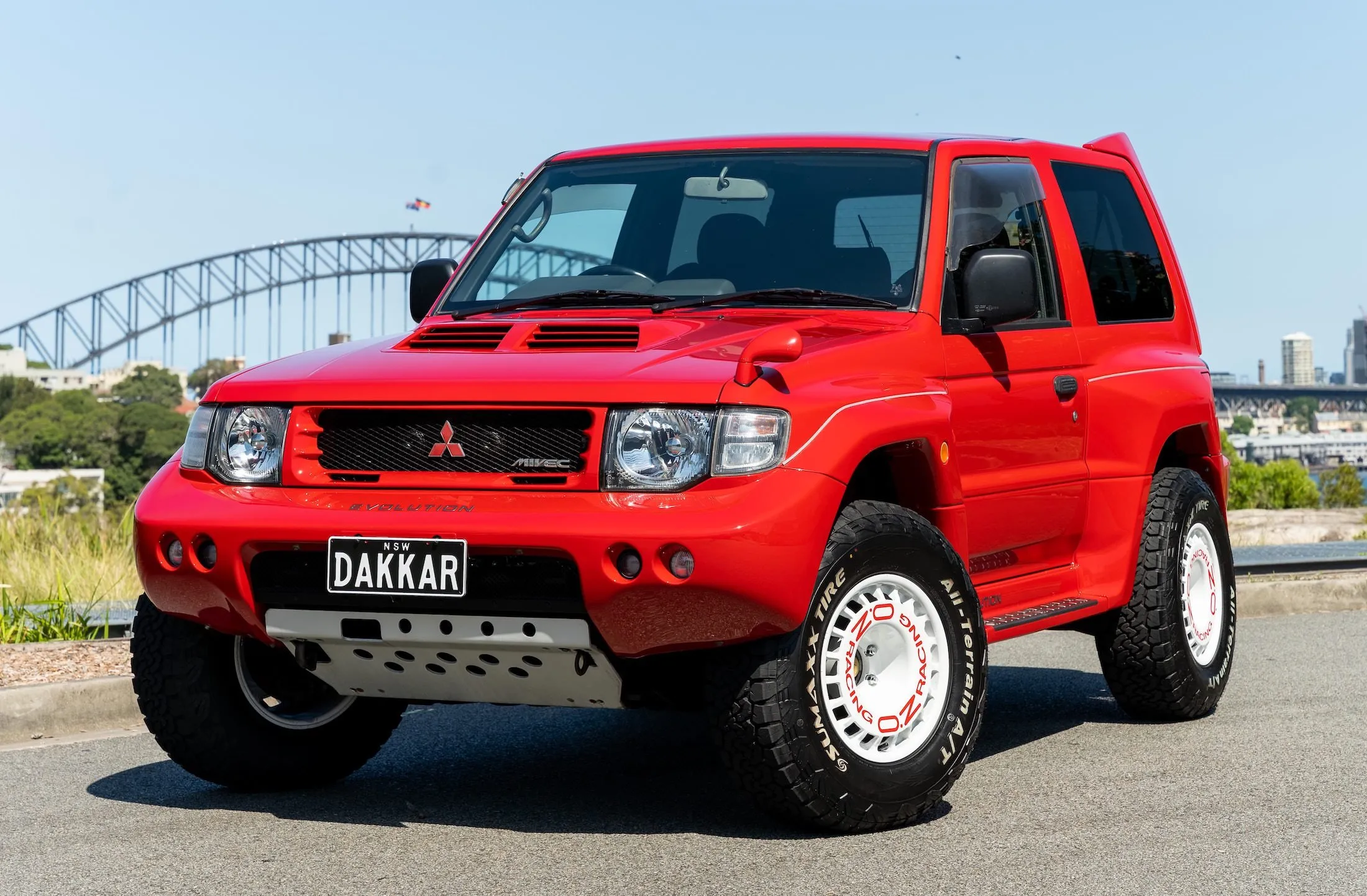
6. Mitsubishi Pajero Evolution
Estimate: $30,000 – $60,000
Purpose-built machines often carry an intensity that standard production vehicles lack, and the Mitsubishi Pajero Evolution embodies that spirit. Developed to meet rally homologation requirements, this wide-bodied SUV blended performance ambition with rugged engineering. While its flared fenders and hood vents grab attention, the foundation underneath reveals true durability.
Under the hood sits a 3.5-liter V6 engine engineered for responsive power and endurance. Built to endure grueling rally stages, it handles sustained stress with confidence. Reinforced suspension components, upgraded cooling systems, and strengthened drivetrain parts reflect a design brief centered on resilience rather than comfort alone.
Structural rigidity stands out immediately. Body panels feel solid, and the reinforced chassis resists flex under demanding conditions. Even today, well-maintained examples exhibit tight steering and firm suspension response. Owners often remark on how composed the vehicle feels despite decades of use.
Cabin materials reflect its performance focus. Supportive seats hold occupants firmly in place, and switchgear operates with satisfying precision. Although interior space is not as plush as a luxury SUV, durability remains front and center. Buttons, dials, and trim pieces frequently hold up impressively well.
Collectors value the Pajero Evolution for its rarity, yet its staying power rests on engineering depth. Built with rally competition in mind, it withstands daily driving without feeling fragile. While production numbers were limited, those who secure one discover a machine capable of handling hard use without complaint.
Performance SUVs from the 1990s sometimes struggle with aging electronics or worn suspension systems. The Pajero Evolution tends to defy that pattern when properly cared for. Its robust drivetrain and reinforced chassis earn it a place among Japanese classics that feel carved from steel rather than assembled from parts.
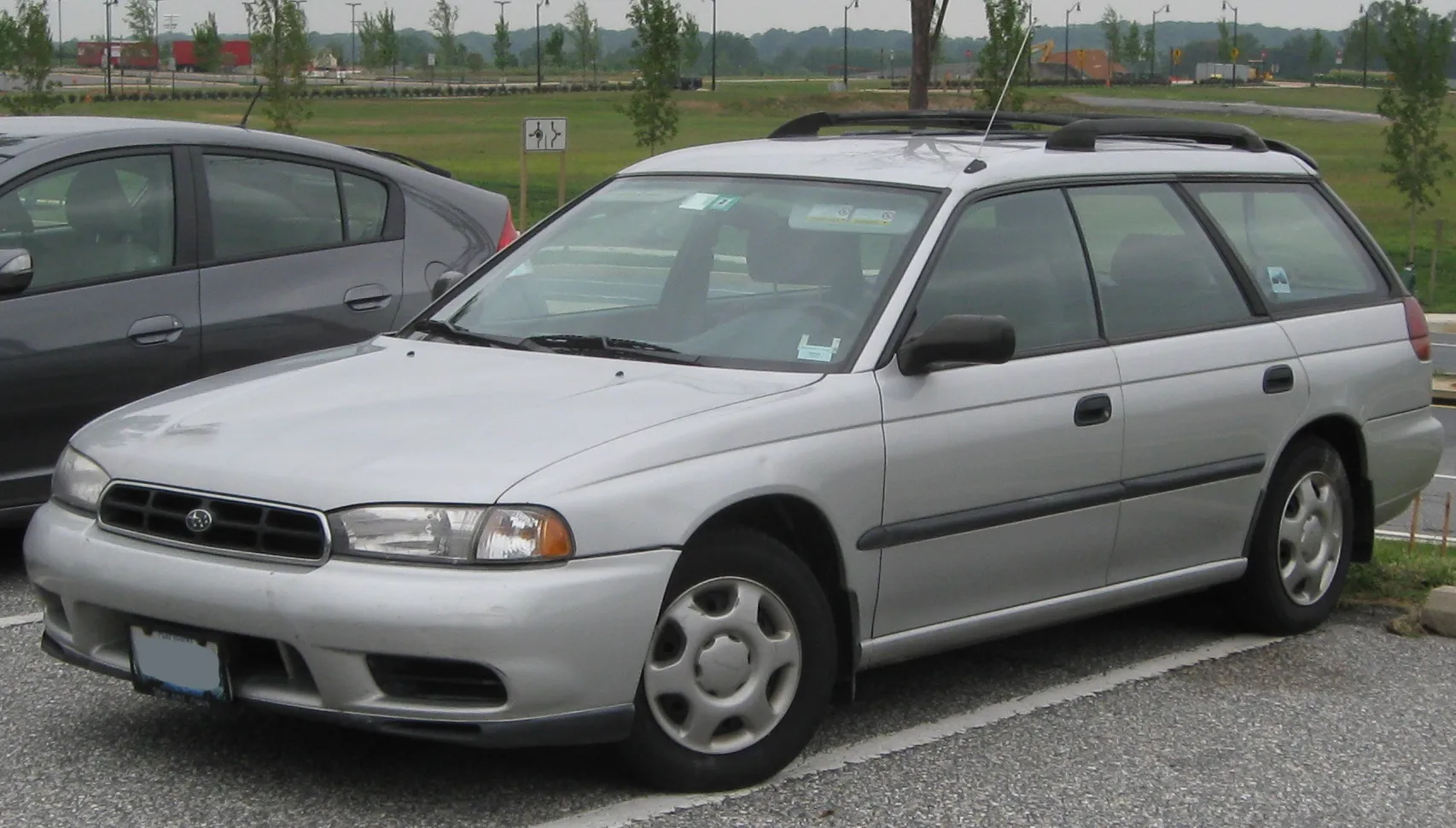
7. Subaru Legacy GT 1998
Refined practicality meets all-weather durability in the Subaru Legacy GT 1998. During the late 1990s, Subaru had already established a reputation for symmetrical all-wheel drive systems that delivered stability in challenging conditions. The Legacy GT carried that tradition forward while maintaining impressive longevity.
A horizontally opposed engine layout keeps the center of gravity low, promoting balanced handling. The 2.5-liter flat-four engine found in many 1998 models provides steady performance and, when maintained diligently, can accumulate high mileage without excessive wear. Subaru engineered these engines with robust internals designed to endure extended use.
All-wheel drive hardware adds weight and mechanical depth, yet Subaru constructed these systems with durability in mind. Drivetrain components frequently demonstrate resilience even after years of use in snow and rain. Drivers appreciate the consistent traction and solid feel during highway cruising.
Interior design favors practicality. Controls are logically arranged, and materials resist premature aging. Seats maintain their structure well, and dashboards tend to avoid severe cracking when properly cared for. Road noise remains controlled, contributing to a composed driving experience even as the odometer climbs.
Maintenance discipline matters with any aging vehicle, yet the Legacy GT rewards attentive owners. Suspension components and brakes are straightforward to service, and parts availability remains strong. That accessibility supports long-term ownership.
Plenty of sedans from the 1990s faded into obscurity due to mechanical fragility or corrosion issues. The Subaru Legacy GT carved out a different path, offering a blend of all-weather capability and structural integrity that continues to earn respect. For drivers seeking a dependable 1990s sedan with year-round confidence, this model stands firm.
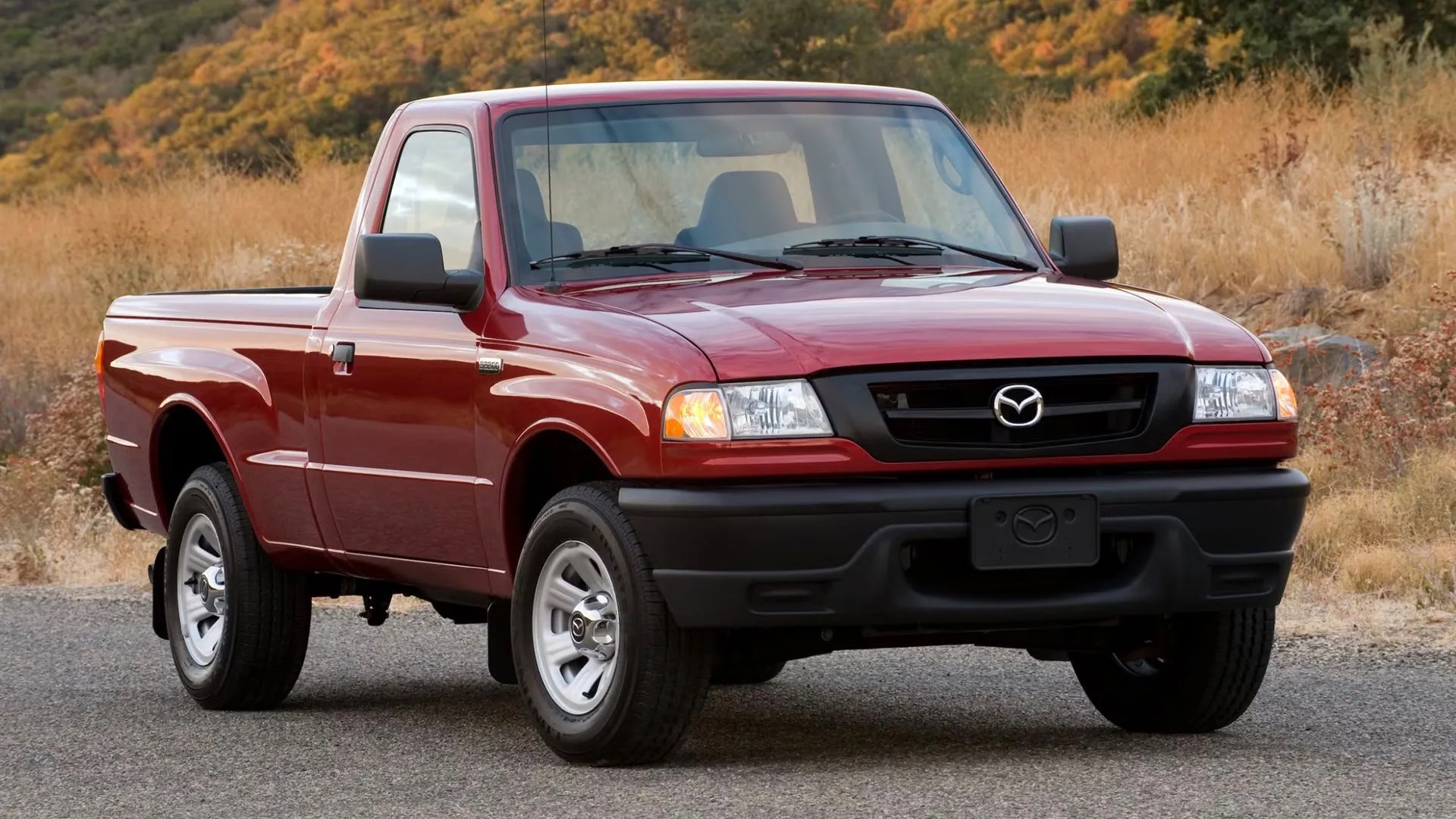
8. Mazda B-Series B4000 4×4
Estimate: $4,000 – $9,000
Engineering excellence is sometimes best expressed through restraint rather than extravagance, and the Mazda B-Series B4000 4×4 exemplifies this principle with clarity. Produced during the 1990s, this midsize pickup truck was conceived with functionality and mechanical strength as primary objectives.
It did not rely on decorative enhancements or excessive technological additions. Instead, it presented a disciplined design approach rooted in structural durability and dependable performance. Power is delivered by a robust V6 engine, carefully calibrated to provide steady torque and sustained output rather than aggressive acceleration.
Internal components were manufactured with durability in mind, supporting extended service life when maintained in accordance with recommended intervals. Numerous units have recorded mileage figures well above 200,000 miles while retaining mechanical integrity.
Both manual and automatic transmission options were constructed to manage workload without undue strain, offering reliable gear engagement and consistent performance across varied driving conditions. The structural foundation of the B4000 4×4 deserves careful recognition.
Its body-on-frame architecture provides a rigid platform capable of withstanding towing, cargo transport, and moderate off-road applications. Frame members were engineered to resist torsional stress, thereby preserving alignment and stability. Suspension systems were equally deliberate in their construction.
Heavy-duty components absorb repeated impact from uneven surfaces while maintaining composure and ride control. This mechanical fortitude contributed to the model’s reputation as a dependable work companion for commercial and personal purposes alike.
Interior presentation reflects practical priorities. Upholstery materials were selected for durability, and dashboard components were designed to endure sustained usage. Controls are arranged straightforwardly, facilitating ease of operation.
Electronic systems remain relatively limited, reducing exposure to age-related electrical complications. This simplicity supports long-term reliability and simplifies servicing procedures. The four-wheel drive system enhances operational capability without compromising dependability.
Transfer cases and differentials demonstrate resilience when maintained through routine lubrication and inspection. Proper care ensures continued traction performance without premature wear. During the 1990s, compact pickups frequently served multiple roles, including daily transportation, construction support, and rural mobility. The Mazda B-Series B4000 4×4 fulfilled these responsibilities with composure and reliability.
While it may not command the prestige associated with performance-oriented vehicles, its mechanical strength and disciplined engineering establish it as a durable representative of Japanese automotive manufacturing from that era.
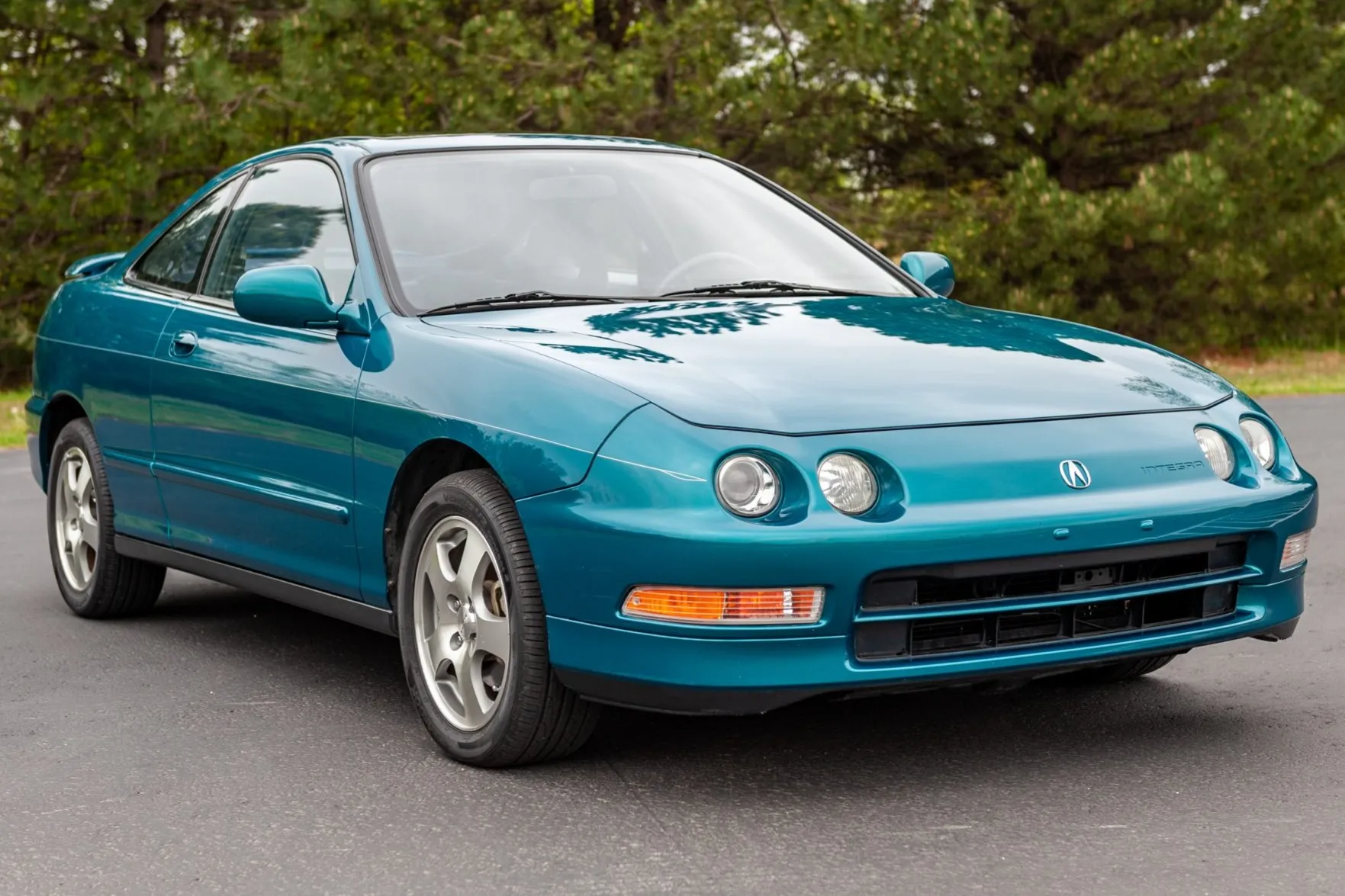
9. Acura Integra GS-R 1994
Estimate: $15,000 – $30,000
Durability within performance vehicles is often underestimated, yet the Acura Integra GS-R 1994 stands as persuasive evidence that spirited driving and mechanical longevity can coexist. Developed during a period of disciplined engineering practice, this compact coupe achieved a rare balance between dynamic capability and sustained reliability.
At the centre of its appeal lies the B18C1 VTEC engine, a 1.8-litre four-cylinder unit designed with precision and durability in mind. Advanced valvetrain technology permits high engine speeds without compromising structural integrity.
Balanced internal components and careful machining tolerances support long-term performance when routine servicing is observed. Numerous examples continue to demonstrate robust operation decades after production ceased, provided maintenance schedules have been respected.
Chassis engineering reinforces this resilience. Despite its relatively light mass, the vehicle exhibits structural rigidity that enhances both safety and driving stability. Body panels align with precision, and suspension geometry supports responsive handling while maintaining durability.
Steering response remains accurate, reflecting careful calibration and quality assembly standards. Interior construction further illustrates thoughtful design. Materials were selected for endurance rather than ostentation.
Controls operate with consistency, and instrument panels retain clarity. Seats maintain their structural support even after prolonged use. A restrained approach to electronic integration reduces exposure to technical malfunction, thereby extending service life.
Ownership experience is strengthened by accessible replacement components and widespread mechanical familiarity among technicians. Preventive maintenance, including timely oil changes and scheduled timing belt replacement, supports continued engine health.
While performance vehicles from the same period occasionally suffer from reliability challenges arising from improper modification, unaltered or responsibly maintained Integra GS-R models reveal the depth of their original engineering quality.
Agile yet dependable, refined yet durable, this coupe demonstrates that disciplined design can yield both excitement and endurance within a compact framework.
Also Read: Top 10 Big-Bore 1000cc Motorcycles Destined to Become Modern Classics
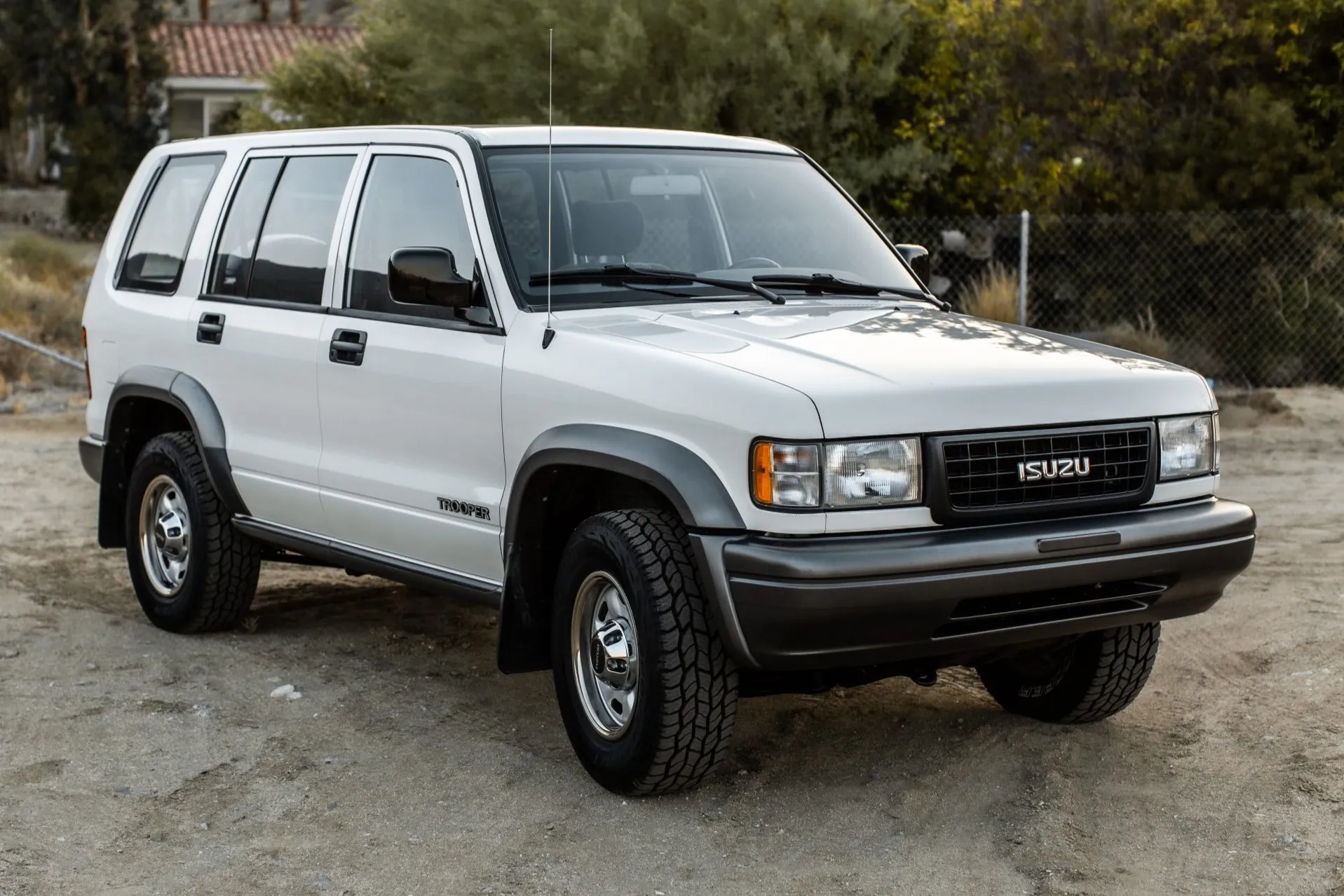
10. Isuzu Trooper S 1996
Estimate: $4,000 – $9,000
Structural strength defines the Isuzu Trooper S 1996, a midsize sport utility vehicle engineered with a deliberate focus on durability. Characterised by its upright profile and reinforced construction, this model reflects a design philosophy prioritising resilience and mechanical reliability.
A 3.2-litre V6 engine powers many variants, constructed with durable internal components intended for prolonged service. When maintained according to prescribed intervals, this power unit demonstrates steady performance across varied driving conditions. Transmission systems, whether manual or automatic, are similarly robust, delivering consistent engagement without undue mechanical strain.
The ladder-frame chassis provides a rigid backbone capable of managing substantial loads and uneven surfaces. Suspension assemblies were engineered to absorb impact while preserving alignment and ride stability. Drivers frequently observe confident highway behaviour alongside dependable off-road capability, illustrating balanced engineering execution.
Interior appointments reflect utilitarian intent. Seating materials resist premature deterioration, and control interfaces remain intuitive and durable. Instrumentation maintains clarity and functionality after extended use. Limited electronic integration reduces potential points of failure, thereby supporting long-term ownership.
Structural integrity is further reinforced by solid body panels and durable door assemblies. High-mileage examples often retain proper alignment and secure sealing, demonstrating the resilience embedded within their construction.
Although the manufacturer eventually withdrew from the passenger vehicle market within certain regions, the Trooper continues to command respect among individuals who value straightforward engineering and mechanical strength.
Its sustained presence on roads decades after manufacture confirms the durability of its design. Through disciplined construction and practical mechanical architecture, the Isuzu Trooper S 1996 stands as a lasting representative of 1990s Japanese automotive resilience.
