
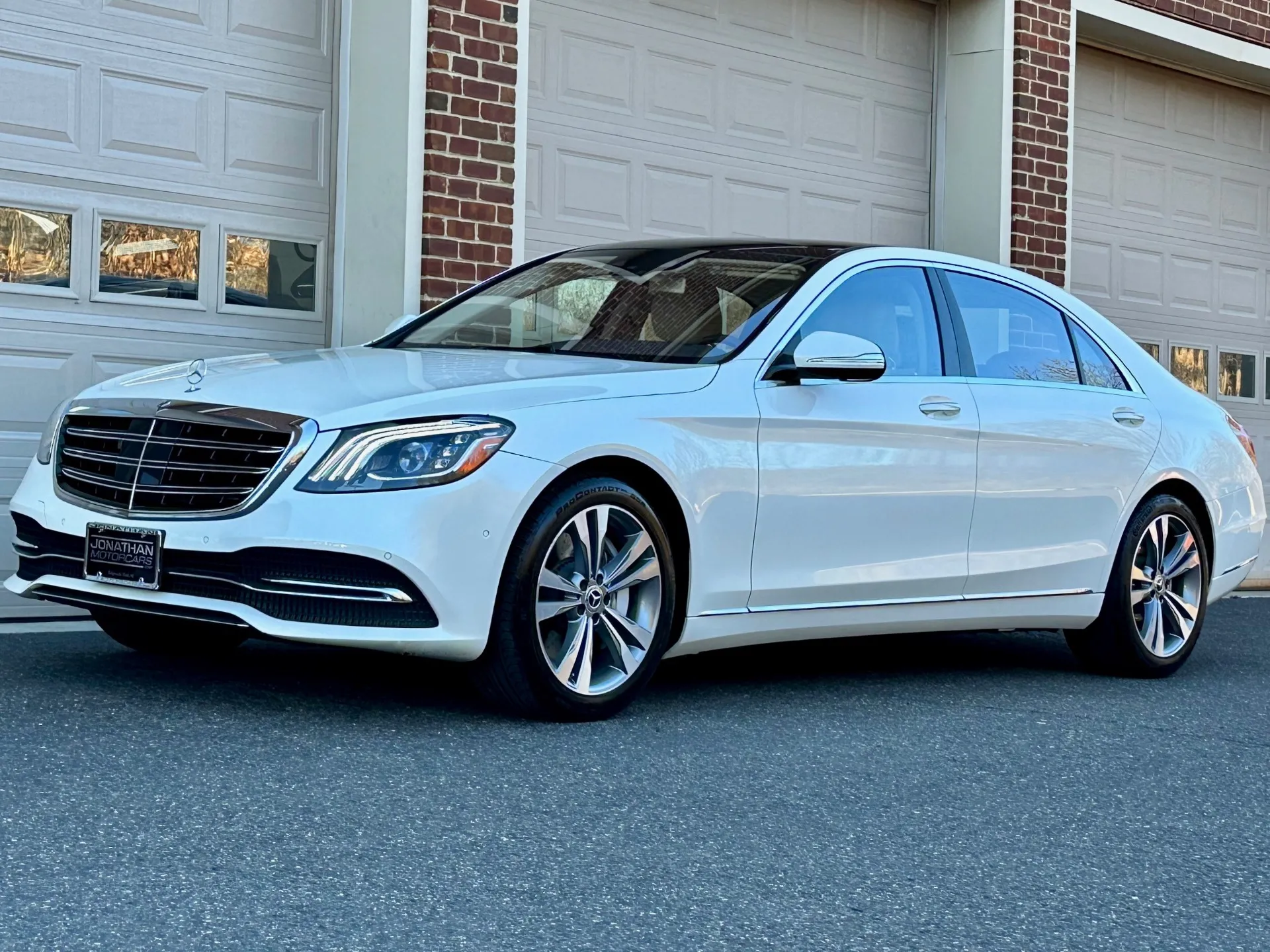
The automotive world is experiencing a revolution in glass technology, and smart windows that tint automatically are at the forefront of this transformation.
Gone are the days when car owners had to settle for static window tints that offered a fixed level of privacy and sun protection. Today, cutting-edge electrochromic and thermochromic technologies are enabling car windows to dynamically respond to sunlight, heat, and driver preferences all without lifting a finger.
Smart auto-tinting windows use a combination of advanced materials, including tungsten oxide layers and liquid crystal films, to change their opacity when electrical signals are applied. Some systems respond automatically to ambient light or temperature, while others can be controlled via a button, touchscreen, or even a smartphone app.
The benefits are far-reaching: reduced glare on sunny highways, UV ray protection for passengers and interior materials, lower cabin temperatures without overworking the air conditioning system, and an added layer of privacy whether you’re parked downtown or cruising on the open road.
As electric vehicles rise in prominence and luxury automakers compete to deliver the most sophisticated driving experiences, smart glass technology has become a defining feature in premium and forward-thinking vehicles.
From panoramic sunroofs that shade on command to rear windows that eliminate the need for sunshades, these innovations are reshaping what it means to ride in comfort and style. Here are the top 10 cars that feature smart windows capable of tinting automatically.
1. Tesla Model S
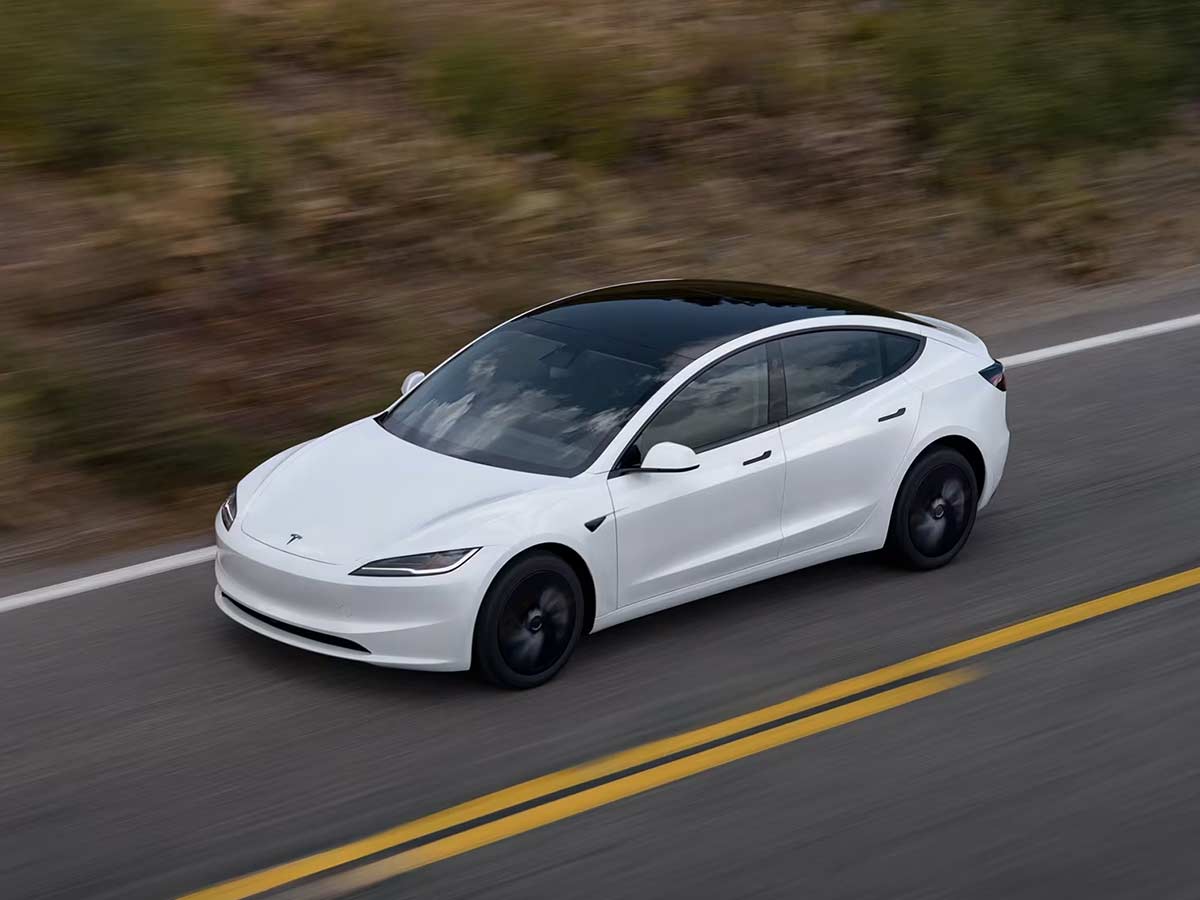
Tesla has always positioned itself as a technology-first automaker, and the Model S is perhaps the most iconic example of that philosophy in action. Among the many high-tech features found in this flagship sedan, the smart glass technology stands out as both a practical and futuristic feature that raises the entire driving experience.
The Tesla Model S features electrochromic glass technology integrated into its panoramic glass roof. This large, sweeping roof panel automatically adjusts its tint level in response to sunlight intensity and the driver’s preferences, providing a seamless balance between an open, airy feel and robust sun protection.
The system can be controlled through Tesla’s massive central touchscreen, allowing drivers to dial in their preferred opacity with ease. On a bright summer afternoon, the roof can darken considerably to block glare and reduce solar heat gain inside the cabin. On an overcast day, it can lighten to bring in more natural light, creating a more pleasant atmosphere for both driver and passengers.
What makes Tesla’s implementation particularly impressive is how it integrates with the rest of the vehicle’s smart systems. The glass roof works in conjunction with the car’s climate control, reducing the burden on the air conditioning system by blocking infrared radiation before it can heat up the cabin.
This not only improves passenger comfort but also has a tangible effect on the vehicle’s energy efficiency a critical consideration for an EV where every kilowatt-hour counts.
The Model S also uses UV-blocking properties in its glass, protecting occupants from harmful ultraviolet radiation and preventing the premium interior materials such as the fine leather seats and dashboard trim from fading or cracking over time.
The combination of aesthetic elegance and functional brilliance makes the Model S’s smart glass one of the best implementations in the industry.
Beyond the roof, Tesla has been progressively incorporating smarter glass solutions across its vehicle lineup, and the Model S benefits from this continued investment in research and development. The glass is designed to maintain optical clarity even when tinted, ensuring that visibility is never compromised for the sake of comfort.
Drivers who have experienced traditional static tints will immediately appreciate the difference the auto-tinting glass feels intuitive and responsive, adjusting almost imperceptibly to changing light conditions. For those who want a luxury EV that truly thinks ahead, the Tesla Model S and its smart window technology set a very high bar.
2. BMW iX
The BMW iX is the German automaker’s bold statement about the future of electric mobility, and it comes packed with innovations that go far beyond its impressive powertrain.
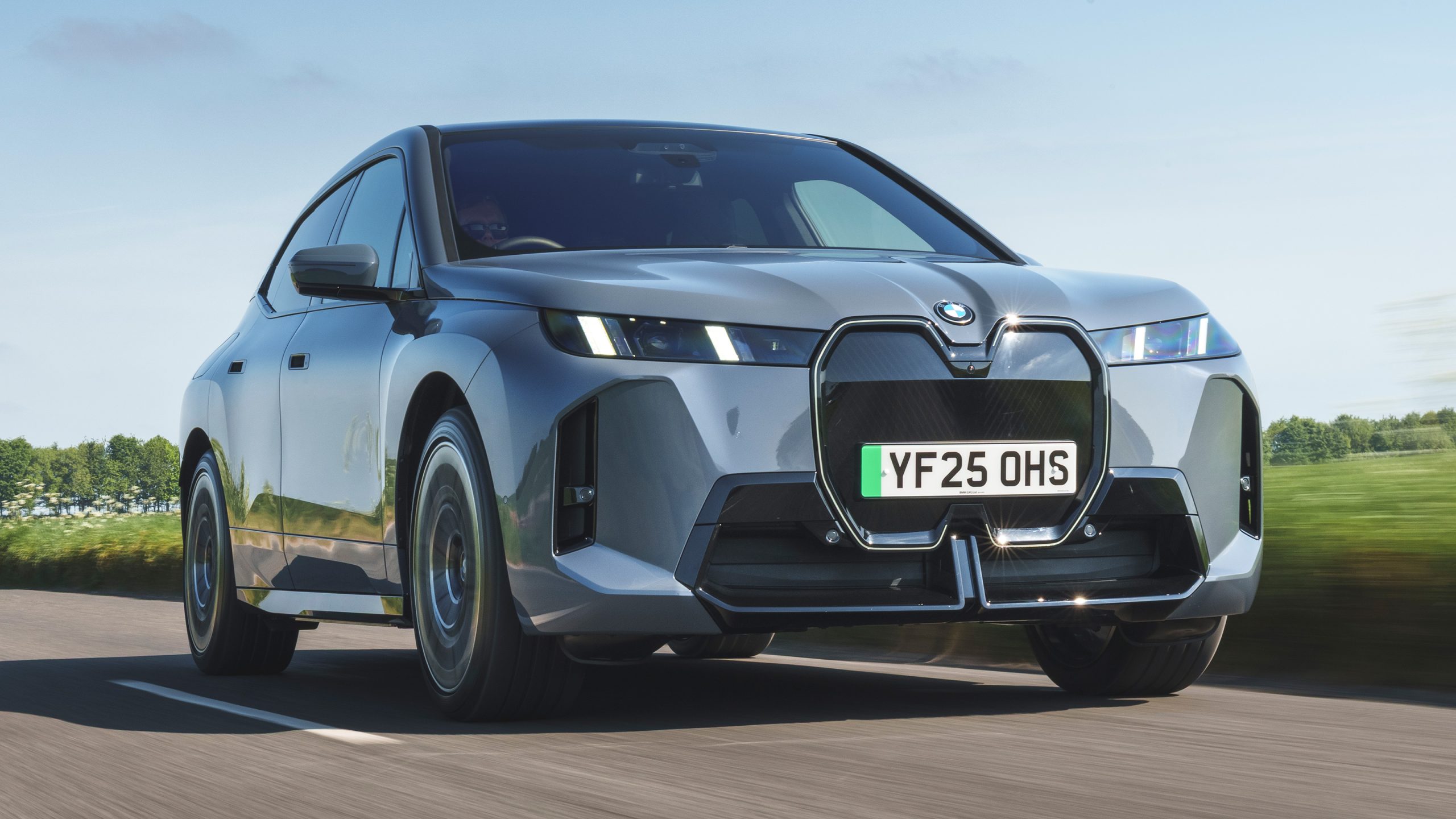
One of the most talked-about features is its electrochromic panoramic sky lounge roof a piece of glass technology so sophisticated that it has redefined what a sunroof can do.
BMW calls its system the “Sky Lounge” panoramic roof, and it incorporates smart glass that can transition from clear to deeply tinted at the touch of a button or automatically in response to ambient light.
The roof spans a large portion of the cabin overhead, flooding the interior with natural light when the tint is dialed back and providing a cozy, protected atmosphere when darkened.
Unlike traditional sunshades that physically block light, this system allows occupants to enjoy a view of the sky while still being protected from harsh UV rays and excessive heat.
The technology used in the BMW iX’s smart glass is an electrochromic system that uses an electric current to shift the orientation of particles within the glass layers.
When the current is applied, the particles align to block light; when it’s reduced or reversed, they scatter, allowing more light to pass through. The transition happens smoothly and relatively quickly, creating an effect that feels natural and premium rather than mechanical or abrupt.
From a practical standpoint, the smart roof significantly reduces cabin heat on warm days, making the iX more comfortable in summer climates without forcing the air conditioning to work overtime a meaningful benefit for an EV that draws power from the same battery pack powering the drivetrain.
BMW has engineered the system to maintain excellent optical quality throughout the tinting range, so there’s no distortion or haze as the glass darkens.
Interior passengers in the rear seats particularly benefit from this technology, as the overhead glass keeps them shaded without making the cabin feel closed off. The BMW iX also pairs this glass technology with exceptional acoustic insulation, using the laminated structure of the smart glass to dampen road and wind noise.
The result is a cabin environment that is quieter, cooler, and more refined than almost any competitor. For BMW loyalists stepping into the EV era, the iX’s smart windows are one of the most compelling reasons to make the switch.
3. Mercedes-Benz EQS
When Mercedes-Benz set out to create the EQS, its ambition was clear: build the most luxurious and technologically advanced electric car. The result is a vehicle that feels more like a high-end private jet than a road car, and its smart glass windows play a central role in delivering that sensation.
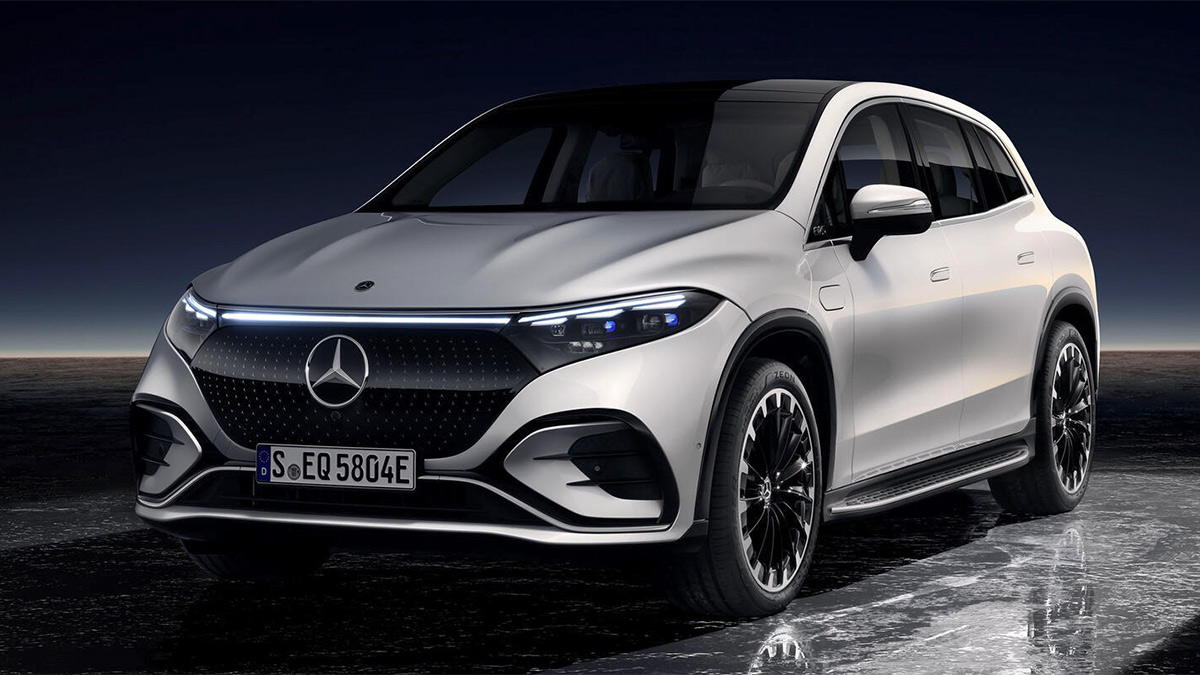
The Mercedes EQS features an optional panoramic glass roof with electrochromic tinting capability, branded under the company’s broader commitment to intelligent vehicle systems. The glass can transition through multiple levels of opacity, giving driver and passengers precise control over how much sunlight enters the cabin.
In automatic mode, the system uses sensors to detect changing light conditions and adjusts the tint accordingly, making the experience completely hands-free. In manual mode, occupants can fine-tune the opacity via the MBUX Hyperscreen a sweeping 56-inch curved display that stretches across the entire dashboard.
The EQS’s smart glass isn’t just about the roof. Mercedes has also incorporated rear-side window tinting technology in select configurations, addressing the privacy needs of rear-seat passengers who may be reading, working, or simply preferring discretion. In a world where the EQS is often used as an executive transport, this feature aligns perfectly with the expectations of its clientele.
The UV and infrared blocking capabilities of the EQS’s smart glass are among the best in the industry. The glass is rated to block over 99% of UV radiation, protecting occupants and the ultra-premium interior materials that come with the car’s multi-thousand-dollar trim options.
The infrared blocking capability ensures the cabin stays cool even during long drives in direct sunlight, reducing reliance on climate control systems.
Mercedes has also ensured that the transition between tint levels is exceptionally smooth and silent, contributing to the EQS’s reputation as one of the quietest cabins on the market.
The combination of the smart glass’s noise-dampening properties and the EV powertrain’s whisper-quiet operation creates a driving environment that rivals the hushed grandeur of a private limousine.
For those who demand the absolute pinnacle of automotive luxury and technology, the Mercedes EQS delivers smart glass features that are in a class of their own.
4. Tesla Cybertruck
The Tesla Cybertruck is nothing if not audacious. From its angular stainless steel exoskeleton to its performance figures that embarrass traditional sports cars, the Cybertruck is designed to challenge conventions at every turn.
Its smart glass technology is no different, bringing electrochromic window tinting to the rugged world of pickup trucks in a way that feels both practical and futuristic.
The Cybertruck features a large panoramic glass roof and rear window that utilize smart glass technology capable of automatically adjusting tint levels. Given the truck’s outdoor-focused lifestyle and the extreme conditions it’s designed to operate in scorching desert heat, blinding high-altitude sun, and intense glare off water or snow the auto-tinting glass is particularly useful.
Drivers who take the Cybertruck off-road or into challenging environments will find that the smart windows automatically dial in the right level of protection without any manual input required.
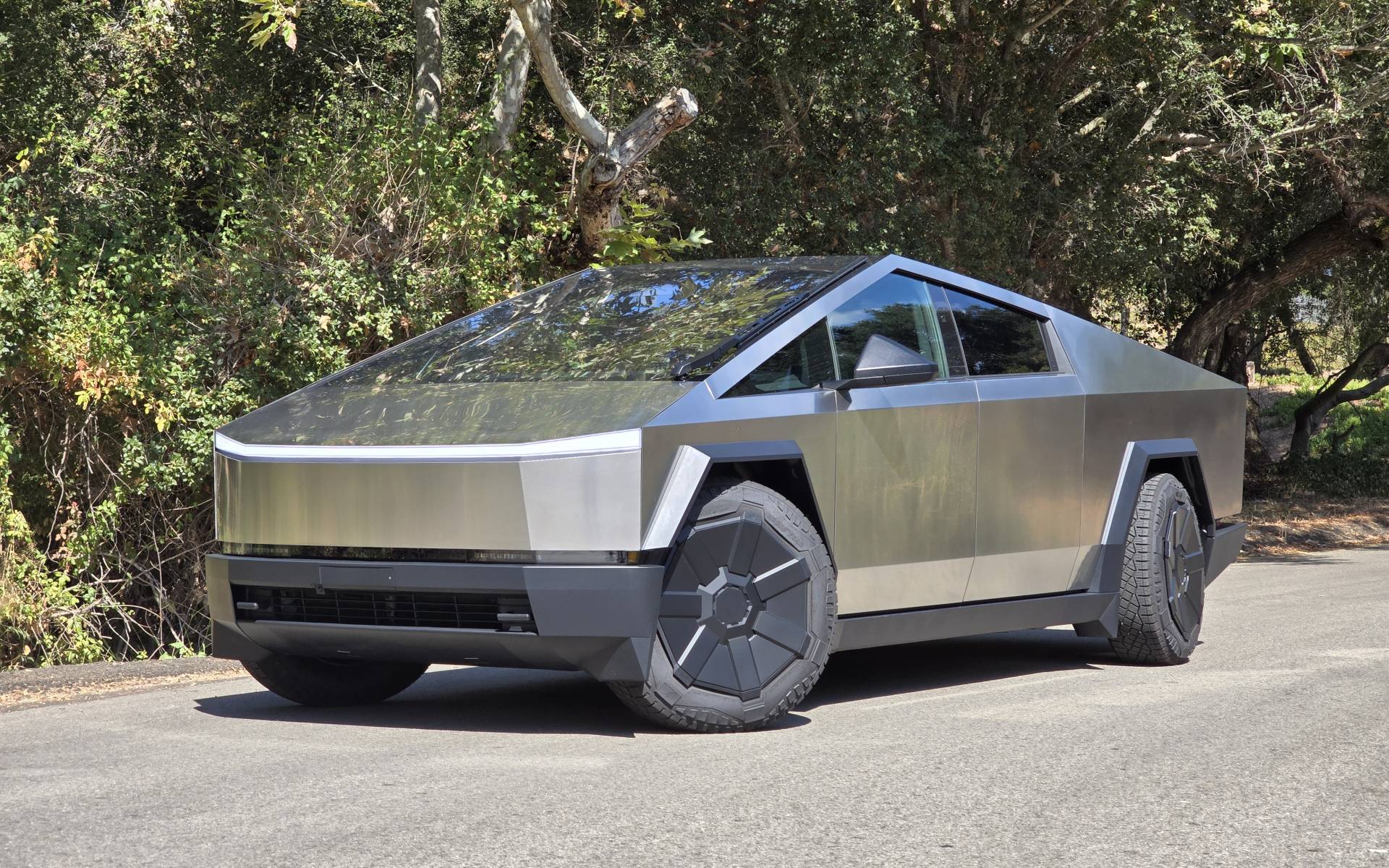
Tesla has engineered the Cybertruck’s glass to be exceptionally tough as well as smart. The “Tesla Armor Glass” used on the Cybertruck is designed to resist impact and shattering, and the electrochromic layer is integrated into this robust structure without compromising its protective qualities. The result is a window system that is both hard to break and smart enough to shade itself.
The practical benefits in daily use are significant. Parked in a sunny lot, the Cybertruck’s rear cabin can remain relatively cool thanks to the auto-darkening roof glass.
On long highway drives, the reduced glare helps both driver comfort and reduces fatigue. And because the Cybertruck is an EV that often tows heavy loads demanding significant battery power every marginal gain in thermal efficiency from the smart glass contributes to maintaining range.
The Cybertruck’s implementation of smart glass also reflects Tesla’s broader philosophy of making advanced features accessible and effortless. There are no complicated settings or menus to go through the glass simply does its job, responding intelligently to its environment.
For a truck that is positioned as both a workhorse and a technological showpiece, the auto-tinting windows are a fitting addition to an already extraordinary vehicle.
Also Read: Top 8 Cars With the Best Augmented Reality Head Up Displays
5. Porsche Taycan
The Porsche Taycan made headlines when it launched as the Stuttgart brand’s first fully electric production car, proving that electrification and driving passion could coexist beautifully.
What received less attention but deserves more is the Taycan’s sophisticated approach to glass technology, including its optional electrochromic panoramic roof with automatic tinting.
The Taycan’s panoramic roof system uses an electrically controlled glass that can be switched between light and dark modes, offering occupants a seamless blend of the open-top feeling and solar protection. Porsche has calibrated the transition to feel premium and measured not abrupt or industrial in keeping with the brand’s reputation for refinement.
The glass responds to ambient light sensors that monitor external conditions, automatically adjusting the tint when the sun is particularly intense and allowing more light in during overcast conditions.
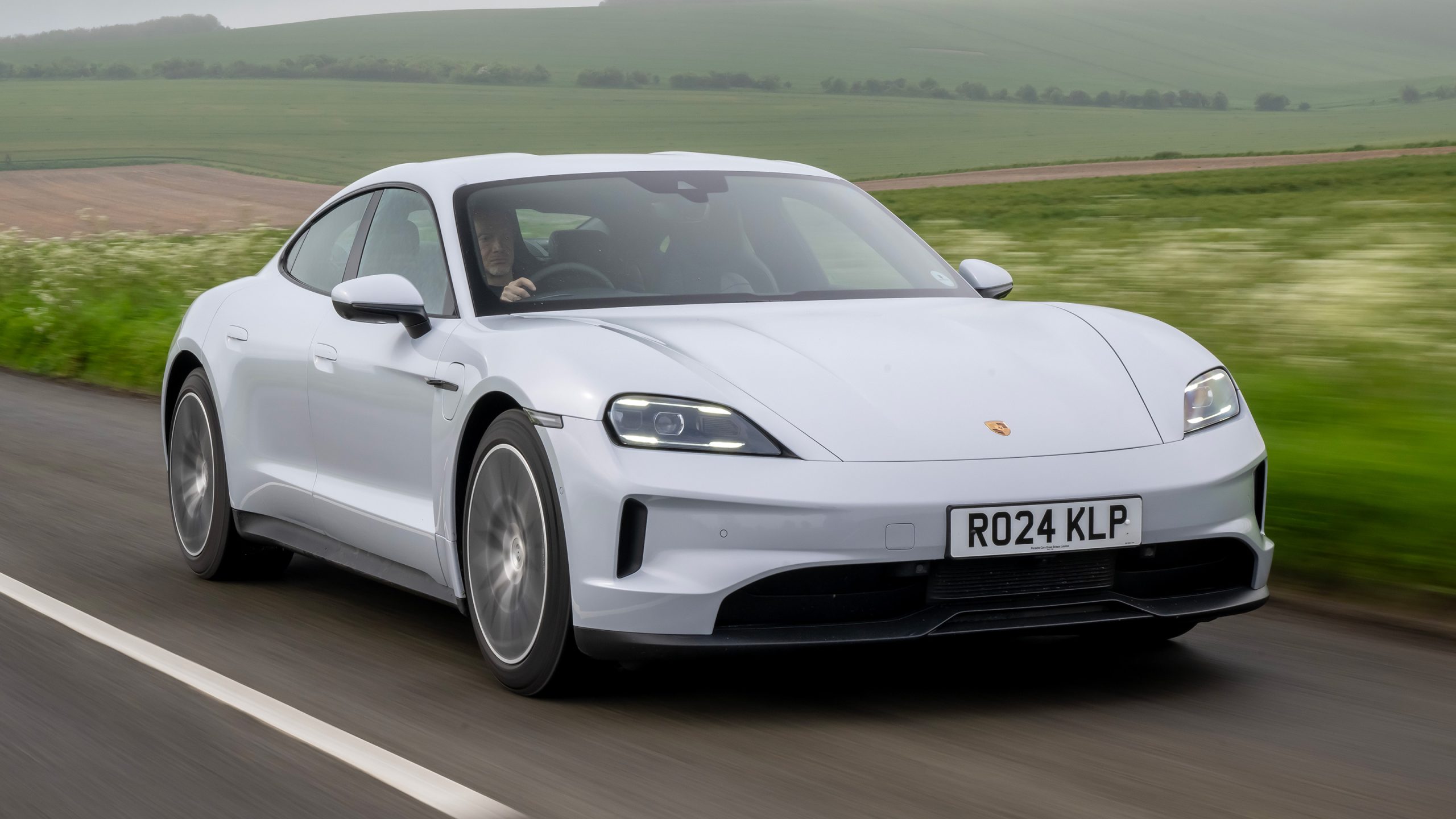
In the Taycan’s sport saloon body style, the panoramic roof stretches over both front and rear occupants, making the smart glass feature relevant for all passengers rather than just the driver.
This is especially appreciated on longer journeys where rear passengers might want to enjoy a view without suffering from solar heat or UV exposure.
The Taycan’s smart glass works in concert with its advanced climate control system, helping to pre-condition the cabin when the car is connected to a charger and reducing the thermal load before even pulling out of the garage.
Porsche’s engineers have paid close attention to optical quality in the Taycan’s smart glass, ensuring that the tinting doesn’t introduce any color cast or distortion.
The glass maintains a neutral, clear appearance across all opacity levels, which is critical for a car whose aesthetics are a fundamental part of its identity. There is also no compromise on structural integrity the glass panels meet Porsche’s exacting standards for safety and durability. For Taycan owners who use the car as their primary daily driver, the auto-tinting glass is a feature that quickly becomes indispensable.
The convenience of never having to manually adjust a shade, combined with the knowledge that the UV and heat protection are always optimized, makes the driving experience more relaxed and enjoyable. It’s a detail that speaks to Porsche’s meticulous approach to engineering where every element is refined to serve both function and feel.
6. Land Rover Range Rover
The Range Rover has long been the gold standard of luxury SUVs, beloved by royalty, executives, and adventurers alike for its combination of opulent interiors and genuine off-road capability.
In its latest generation, Land Rover has embraced smart glass technology as part of its commitment to delivering the most sophisticated cabin environment in the SUV segment.
The new Range Rover offers an optional tinted panoramic roof with smart glass properties that allow it to control light transmission dynamically. The system uses electrochromic technology to shift between clear and tinted states, helping to maintain the Range Rover’s famously serene cabin atmosphere regardless of external light conditions.
Whether crossing open moorland under a blazing sun or going through the city traffic, the smart roof ensures occupants remain comfortable without the need for manual intervention.
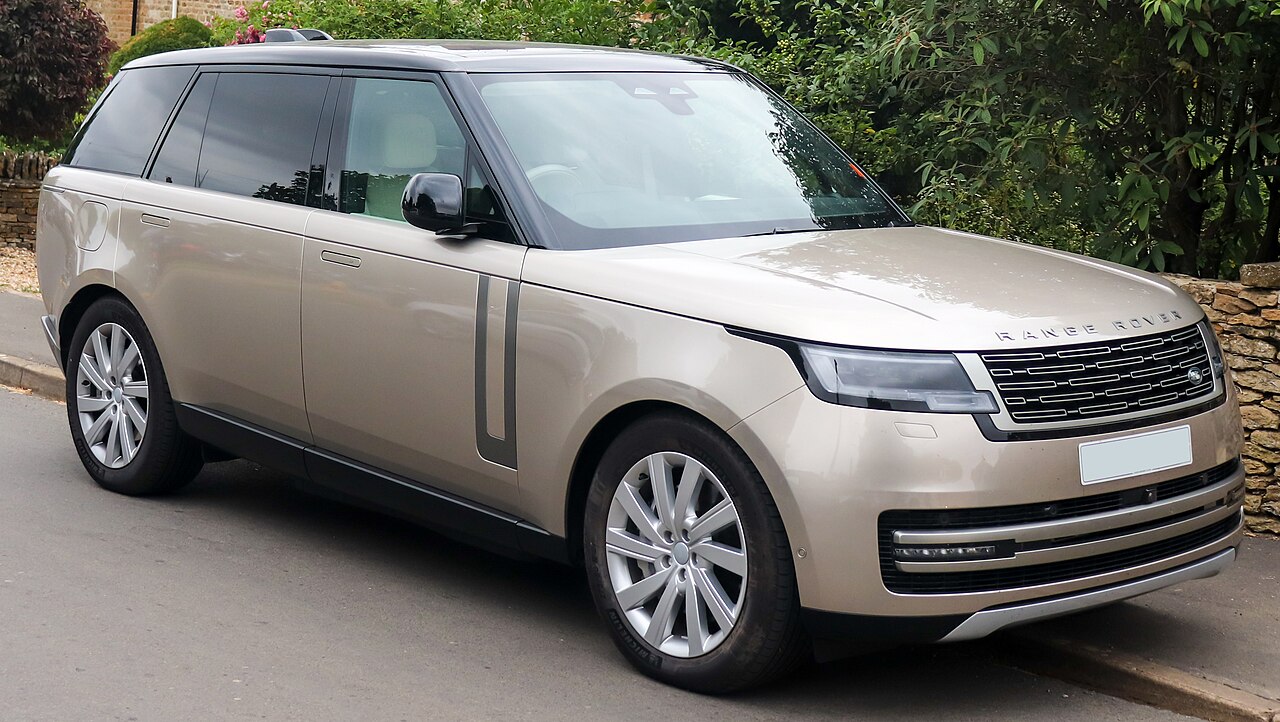
Land Rover’s implementation is particularly thoughtful in how it integrates with the Range Rover’s cabin management systems. Occupants can control the glass tint via the Pivi Pro infotainment system, one of the most intuitive and visually striking interfaces in the automotive world.
The system also works in concert with the Range Rover’s sophisticated climate control, pre-empting temperature rises by darkening the glass before the cabin heats up a proactive rather than reactive approach to thermal comfort.
For the Range Rover’s long-wheelbase and Executive Class versions, which are often used as rear-seat luxury transports, the smart glass offers an invaluable privacy function.
Rear passengers can darken the side and roof glass to create a cocoon of privacy and calm, transforming the back seat into a mobile office or retreat.
The UV blocking properties of the smart glass protect the Range Rover’s impeccable interior hand-stitched leather, wood veneers, and premium metal finishes from premature aging caused by sun exposure.
The Range Rover is also designed for genuine off-road use, and the smart glass proves its worth in challenging terrain where reflective surfaces like snow, sand, or water can create blinding glare.
The automatic response of the tinting system means drivers can keep their attention on the terrain without fumbling for shade adjustments. In every context luxury boulevard cruising, motorway travel, or challenging countryside adventures the Range Rover’s smart windows enhance the experience in ways that once experienced are hard to live without.
7. Audi e-tron GT
The Audi e-tron GT is the four-ringed brand’s most dramatic statement in the electric performance space, co-developed with Porsche and sharing the brilliant J1 platform underpinning the Taycan.
While the two cars share mechanical underpinnings, the e-tron GT puts its own distinctive stamp on the technology, including a sophisticated approach to smart glass in its panoramic roof system.
The e-tron GT’s glass roof is available with electrochromic functionality that allows it to shift from transparent to a dark, tinted state either automatically or on the driver’s command.
Audi has integrated this with the car’s MMI Touch Response system, allowing glass tint adjustment to be accessed intuitively through the same interface used to manage navigation, entertainment, and vehicle settings. The response time of the tinting is fast and smooth, reflecting the car’s character of precision and performance.
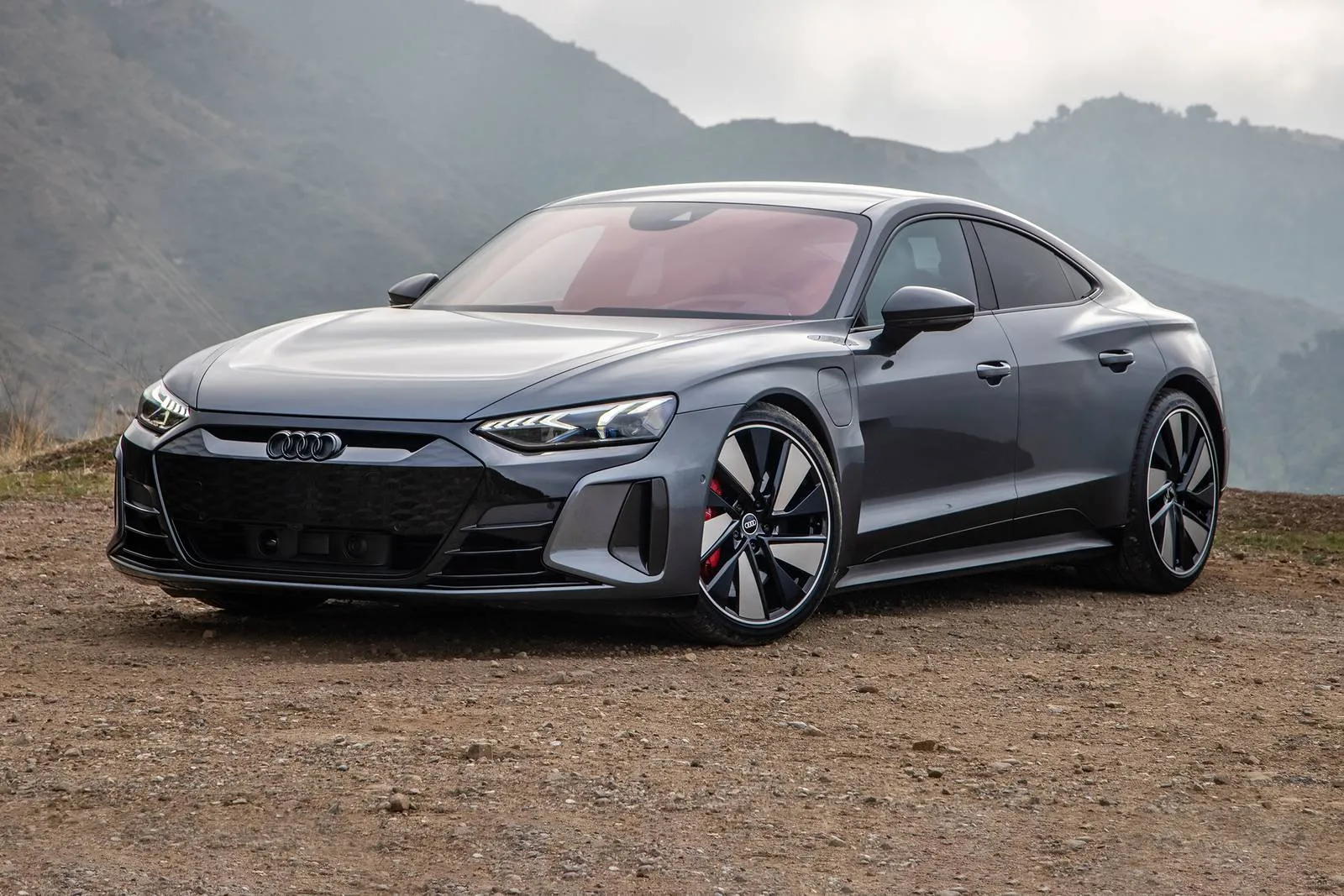
Audi’s approach to the e-tron GT’s smart glass is heavily focused on the driving experience. The brand’s engineers noted that on long, spirited driving routes the kind of roads the e-tron GT was born to tackle glare management is a significant factor in driver comfort and concentration.
The automatic tinting responds to changing light conditions as the car swoops through valleys and crests hilltops, ensuring that neither the low winter sun nor the midday glare ever catches the driver off guard.
The e-tron GT’s smart glass also contributes to the car’s broader energy efficiency story. By limiting solar heat gain through the roof, the system reduces the demand on the air conditioning, which in a high-performance EV has a meaningful impact on battery range particularly important during spirited driving when the powertrain is already working hard.
Audi has been careful to quantify these benefits, noting that smart glass can have a measurable positive effect on real-world driving range. From an aesthetic perspective, the e-tron GT’s smart glass roof is stunning in both its clear and tinted states.
The sweeping glass section accentuates the car’s dramatic, fastback roofline, and the ability to tint it on demand adds a dimension of visual drama that static glass cannot match.
Watching the roof darken in response to bright sunlight is one of those small but deeply satisfying technological moments that remind you just how far the modern automobile has come. The Audi e-tron GT is a worthy showcase for smart glass technology at its most athletic and refined.
8. Bentley Bentayga
Bentley occupies a rarefied position in the automotive world, crafting cars by hand to a standard of luxury that few brands even aspire to match. The Bentayga, as Bentley’s flagship SUV, carries that tradition forward while incorporating the very latest in automotive technology including smart glass windows that automatically tint to preserve the impeccable interior atmosphere that Bentley customers expect.
The Bentayga’s smart glass system is integrated into its panoramic sunroof and, in select configurations, into the rear side windows as well. The electrochromic glass responds automatically to changes in light intensity, darkening when the sun is intense and lightening when conditions change.
Bentley has calibrated this transition to be exceptionally gradual and smooth practically imperceptible because in a Bentley, even the behavior of the glass must feel effortlessly luxurious rather than mechanical.
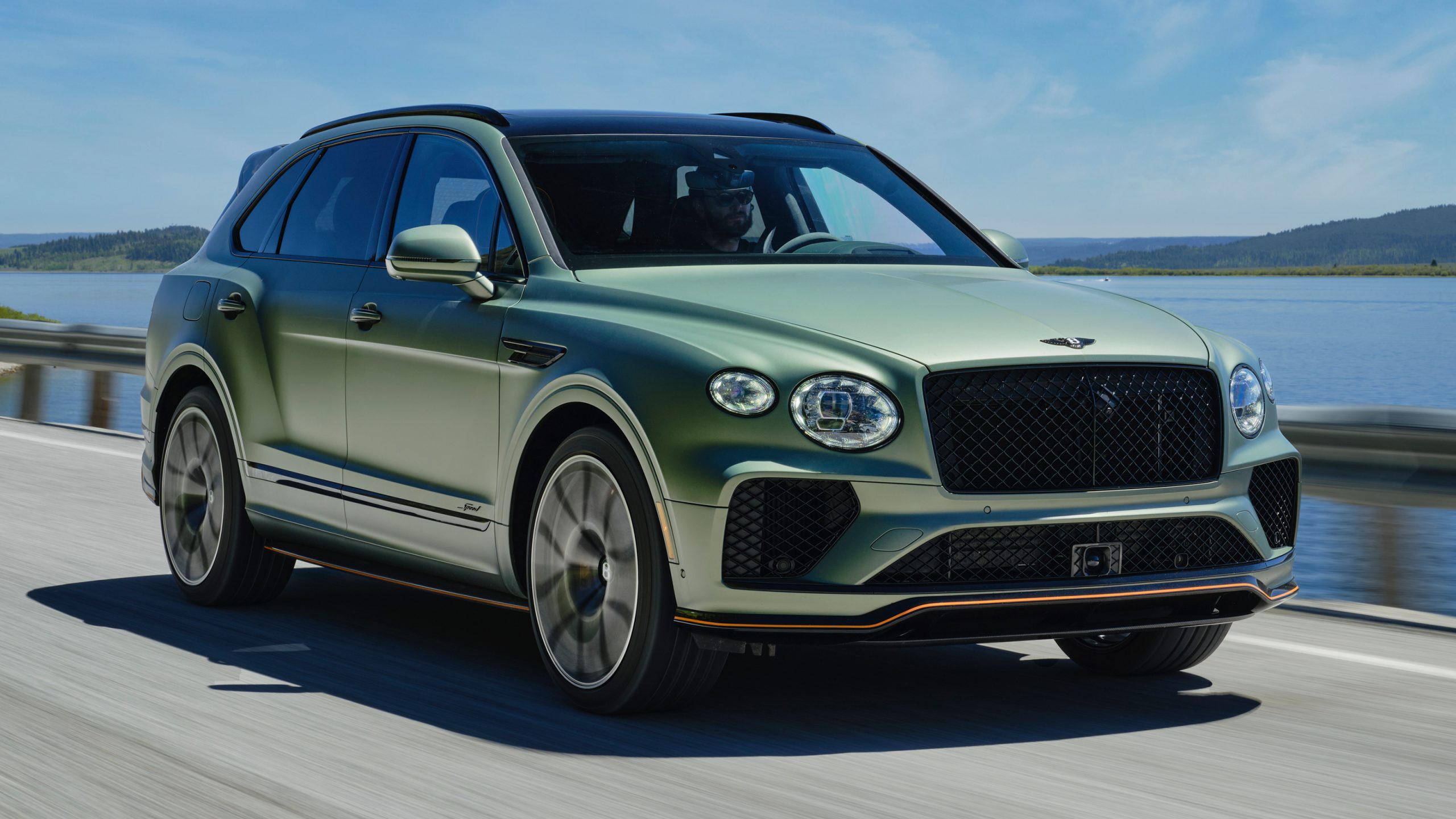
The UV protection offered by the Bentayga’s smart glass is particularly relevant given the extraordinary quality of materials inside the cabin. Hand-selected and matched timber veneers, hides sourced from cold-climate cattle to minimize insect bites and blemishes, and intricate metal brightwork are all vulnerable to UV degradation over time.
The smart glass actively protects these investments, blocking the radiation that would otherwise cause fading and cracking, ensuring the cabin retains its showroom quality for years and decades to come.
For Bentayga owners who use the vehicle as a chauffeur-driven transport a common use case in this segment the rear privacy afforded by auto-darkening side glass is invaluable.
The ability to create a shielded sanctuary in the rear cabin without requiring a physical partition or curtains aligns perfectly with the Bentayga’s role as a mobile executive office. Business calls, sensitive documents, and private moments are all protected by the glass’s ability to render the interior virtually invisible from outside.
Bentley has also ensured that the smart glass integrates with the Bentayga’s touchscreen-based cabin management system, allowing rear passengers to independently control their glass tint preferences without affecting the front occupants.
This kind of thoughtful, passenger-first design philosophy is exactly what sets Bentley apart from the mainstream luxury segment. In the Bentayga, smart glass technology is not merely a feature it is an intrinsic part of what makes the cabin experience worthy of the Flying B badge.
9. Rivian R1S
Rivian burst onto the automotive scene with a mission to electrify adventure, and the R1S SUV has quickly become one of the most talked-about vehicles in the EV market.
As an outdoor-focused premium electric SUV designed for camping, off-roading, and long overland journeys, the R1S faces uniquely demanding requirements from its smart glass technology and it delivers admirably.
The R1S features a large panoramic glass roof that incorporates smart tinting technology capable of automatic adjustment. For a vehicle that spends considerable time in wide-open world national parks, mountain passes, desert trails the ability to control the amount of sunlight streaming into the cabin is both a practical necessity and a comfort enhancer.
On a scorching desert drive, the auto-darkening roof prevents the cabin from becoming unbearably hot, protecting both occupants and the sensitive electronic systems that underpin the R1S’s advanced off-road capabilities.
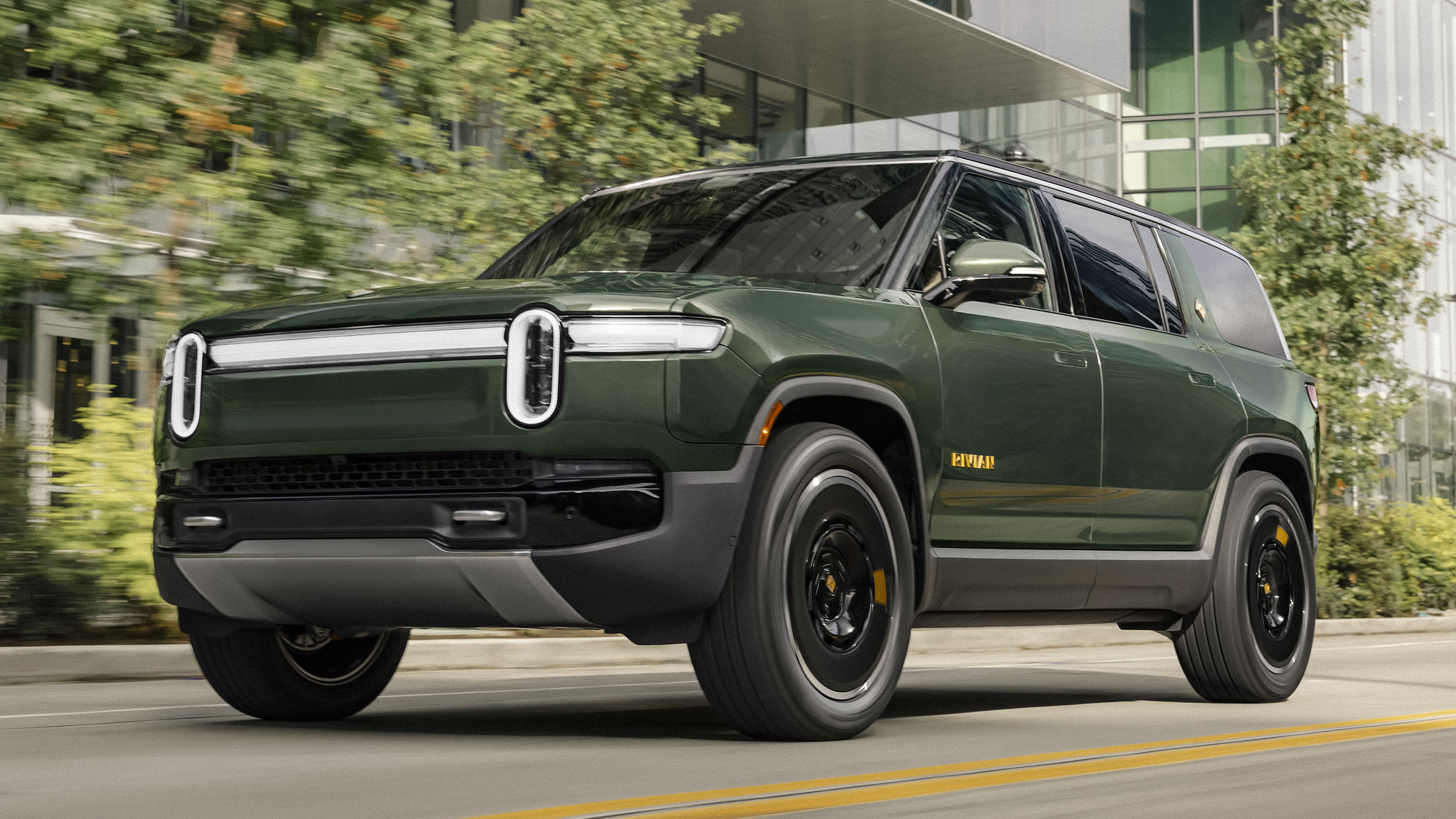
Rivian’s approach to smart glass reflects the brand’s broader ethos of thoughtful, purpose-built engineering. The system is designed to be reliable in extreme conditions from freezing mountain environments to blazing beach climates with a transition mechanism that remains responsive even when temperatures are at their most challenging.
Rivian has also ensured that the glass works seamlessly with the R1S’s camping and outdoor modes, where the ability to control privacy and temperature while stationary for extended periods is particularly valuable.
The Rivian R1S app extends control of the smart glass to the owner’s smartphone, allowing pre-adjustment of the tint before entering the vehicle a thoughtful feature for those who park in full sun and want to step into a cool, comfortable cabin.
The integration between the mobile app, the onboard touchscreen, and the automatic sensor-driven mode gives owners multiple ways to interact with the glass based on their preference and context.
From an environmental and efficiency perspective, the R1S’s smart glass is well-aligned with Rivian’s sustainability commitments. By reducing cabin heat gain, the system decreases reliance on the vehicle’s cooling systems, contributing to battery range conservation on long wilderness journeys where charging opportunities may be sparse.
For a vehicle designed to take families into the heart of nature, the smart windows are an elegant marriage of technology and purpose, enhancing the adventure without adding complexity.
10. Mercedes-Benz S-Class (Magic Sky Control)
Long before “smart glass” became an industry buzzword, Mercedes-Benz was already offering its pioneering Magic Sky Control technology in the S-Class a testament to the brand’s tradition of introducing cutting-edge innovations in its flagship sedan years before competitors catch up.
The S-Class’s Magic Sky Control system remains one of the most mature, polished, and impressive implementations of auto-tinting glass available in any production car today.
Magic Sky Control uses PDLC (Polymer Dispersed Liquid Crystal) technology in the panoramic roof glass. In its natural state, the liquid crystals are randomly oriented, blocking light and creating a tinted, opaque appearance. When an electrical current is applied, the crystals align uniformly, allowing light to pass through freely and giving the cabin a bright, open feel.
The transition can be triggered manually through the S-Class’s MBUX infotainment system, or the car can be set to respond automatically to ambient light conditions.
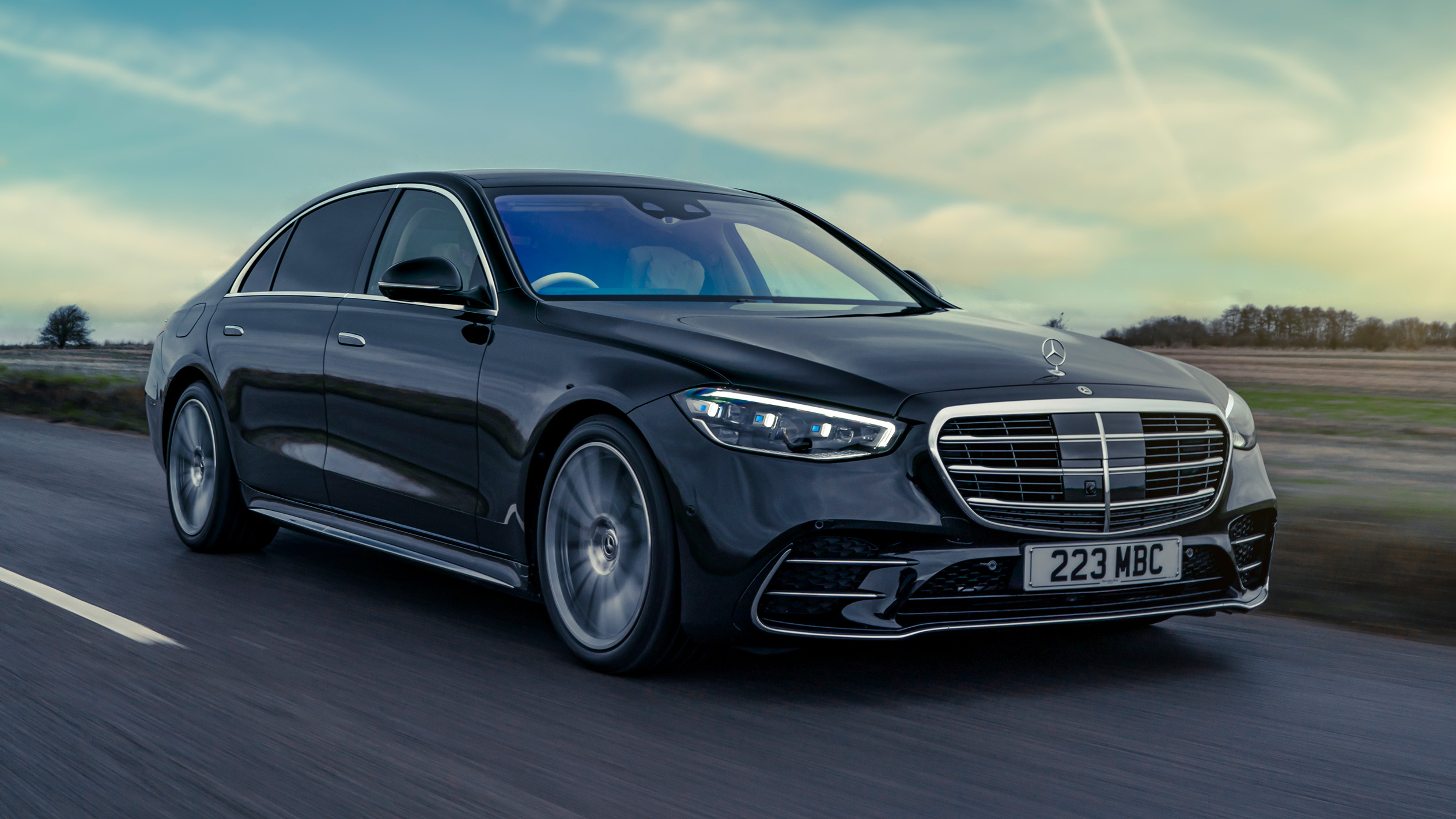
What sets the S-Class’s implementation apart is the speed and completeness of the transition. Unlike some systems that take several seconds to fully cycle, Magic Sky Control switches from light to dark and back almost instantly a characteristic that feels satisfying and premium rather than sluggish.
Mercedes-Benz has also engineered the system to maintain perfect optical clarity throughout the tinting range, so passengers looking through the glass see no distortion, color shift, or visual artifacts regardless of the opacity level.
The S-Class’s smart glass also contributes meaningfully to cabin temperature management. Mercedes reports that Magic Sky Control can reduce the interior temperature of a parked S-Class by a significant margin compared to a standard glass roof, reducing the time and energy needed to cool the cabin upon entry.
For a car that is frequently used as a prestige transport for senior executives and dignitaries, the comfort and privacy that Magic Sky Control provides in stationary situations outside hotels, airports, and corporate headquarters is especially valuable.
The Mercedes-Benz S-Class has always been the car that defines the state of the art in automotive technology, and its Magic Sky Control system exemplifies why.
It was one of the first production implementations of auto-tinting glass done truly well, and years later it remains a benchmark against which newer entrants are measured. For anyone interested in smart window technology, the S-Class is the car that started the conversation and continues to lead it.
Also Read: 5 Brands Leading the Way in Recyclable Interior Materials in 2026
