Classic cars represent more than transportation. They capture moments in automotive history defined by innovation, craftsmanship, and bold engineering ideas. However, owning one today often comes with a challenge that goes far beyond purchase price: finding replacement parts.
Many iconic vehicles were produced in limited numbers, built using hand-crafted techniques, or equipped with experimental technology that manufacturers never intended to support decades later. As time passed, factories closed, suppliers disappeared, and original components became increasingly scarce.
In 8 Classic Cars With Parts That Are Difficult to Find Today, we explore legendary machines whose rarity makes restoration both rewarding and demanding. From race-bred exotics like the Ferrari 250 GTO to revolutionary designs such as the Tucker 48 and technologically ambitious grand tourers like the Citroën SM, each car tells a story of brilliance paired with complexity.
These classics remain deeply admired, yet maintaining them requires patience, expertise, and often extraordinary dedication from collectors and enthusiasts alike.
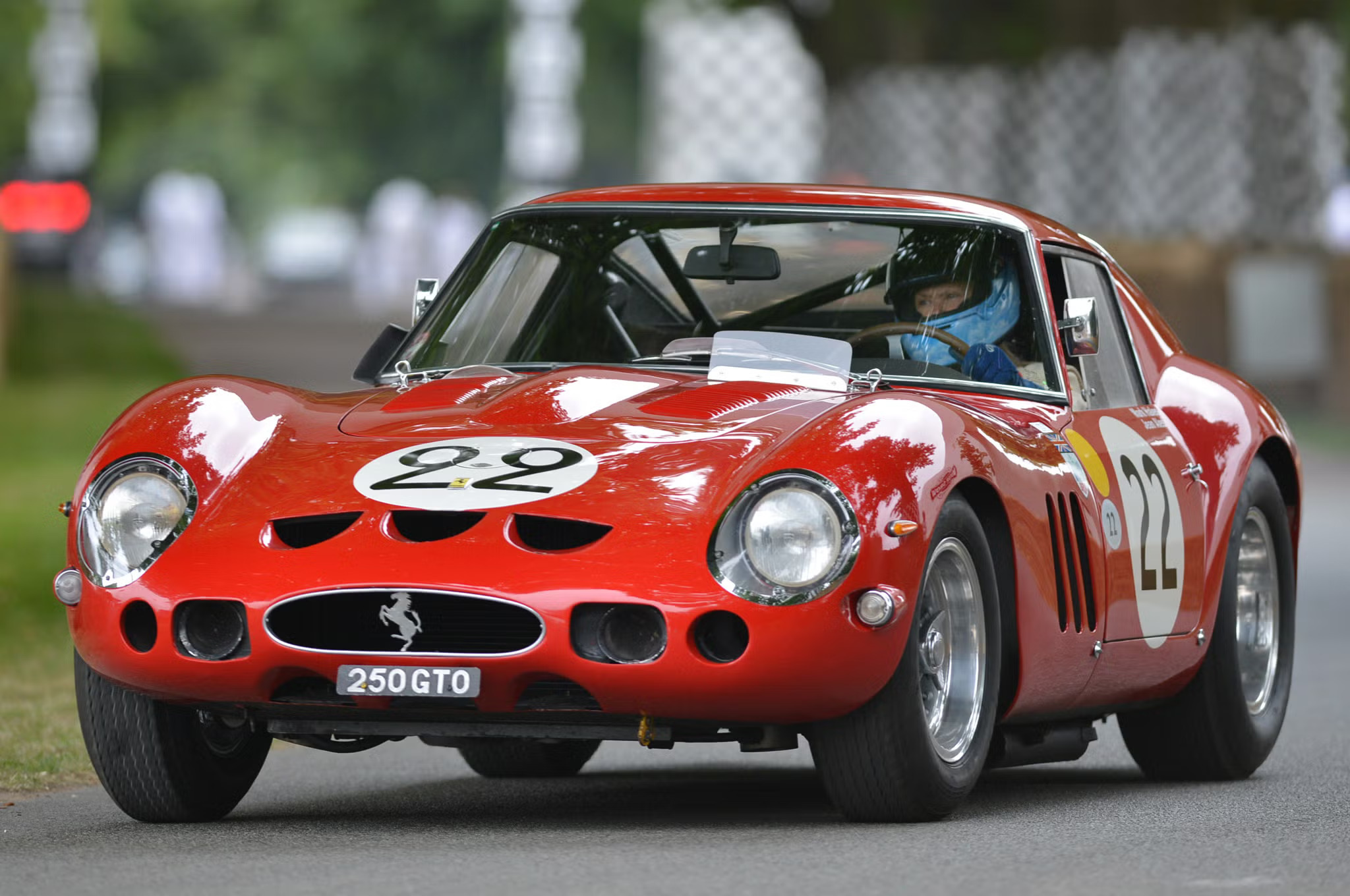
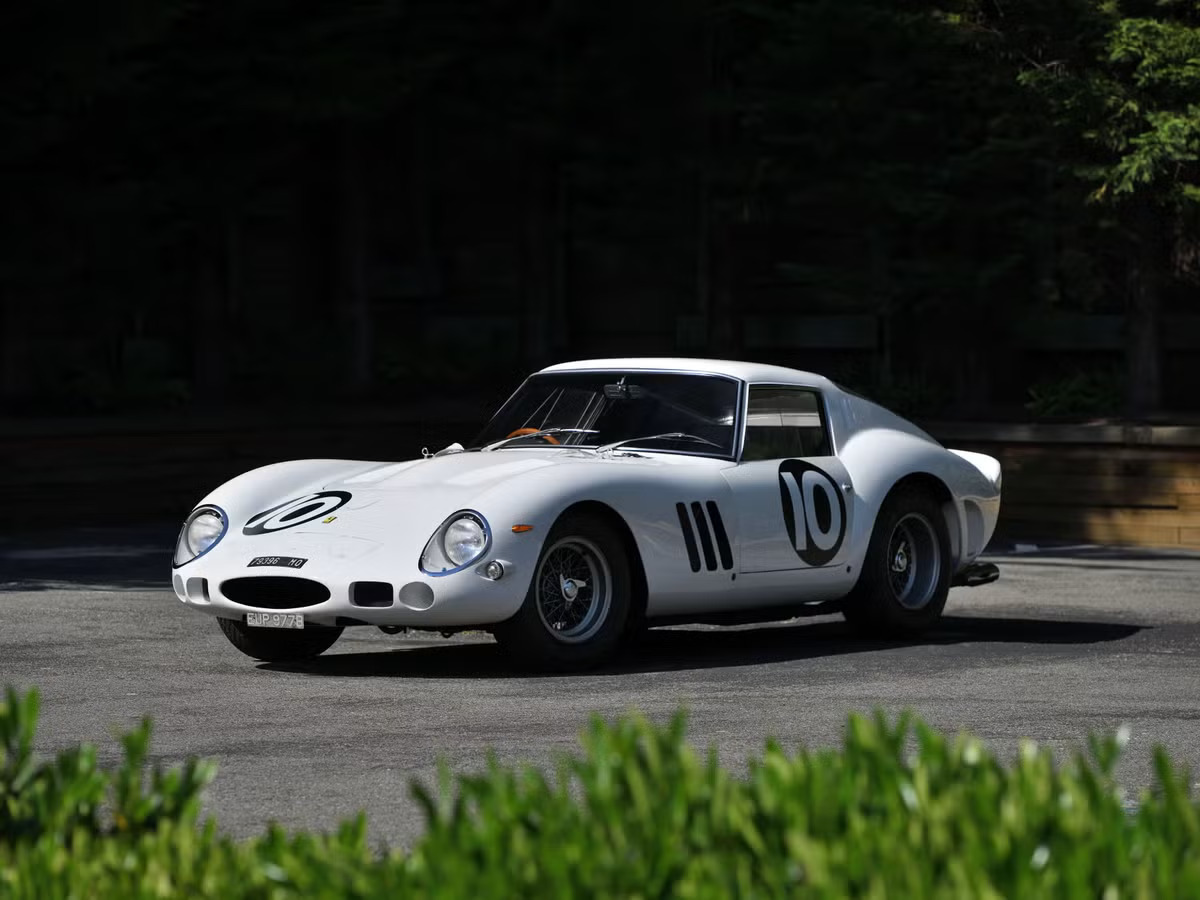
1. Ferrari 250 GTO: The Pinnacle of Rarity and Racing Heritage
The Ferrari 250 GTO is widely considered the most valuable car in the world, with only 36 units built between 1962 and 1964. Its extreme rarity, hand-built craftsmanship, and racing pedigree have made it a prized collector’s item, with values exceeding $70 million.
Each car was custom-built, with aluminum body panels shaped using original wooden “bucks” in Italy. Because of this, even minor components are incredibly difficult to find. Mechanical parts often require custom fabrication by specialized craftsmen, and original pieces are closely guarded, available only through exclusive networks of collectors and auction houses.
The 250 GTO evolved from the 250 GT SWB. Modifications were overseen by Giotto Bizzarini to respond to competition from Shelby’s Cobra and Jaguar’s E-type. Aerodynamics were refined through wind tunnel testing at Pisa University, while stylist Sergio Scaglietti lengthened and lowered the nose, extended the tail, and added a full-length belly pan to improve high-speed stability.
The car used a single-cam 3-liter V12 engine derived from the Le Mans-winning Testa Rossa, producing nearly 300 bhp, paired with a five-speed gearbox featuring the signature slotted gate.
Its chassis was lightweight and simple, with a beam rear axle and steel ladder frame. Disc brakes were fitted inside Borrani wire wheels, and suspension consisted of front wishbones and rear leaf springs with a Watt’s link, giving the car agile and predictable handling.
In its time, the GTO was built to race, not for comfort or ease of ownership. Drivers such as Jim Clark, John Surtees, and Phil Hill treated it as a tool to compete. Its soft suspension allowed skilled drivers to manipulate weight transfer through corners, while the low-mounted V12 and compact design improved balance.
On classic circuits like Goodwood, the GTO rewarded precision driving and a confident approach to cornering, offering performance that required both skill and understanding of the car’s dynamics.
The car’s legacy is defined by its combination of rarity, racing success, and engineering excellence. It played a key role in Ferrari winning the International Manufacturers’ Championship for GTs in 1962, 1963, and 1964.
Today, driving a GTO connects the driver directly to its era, providing the experience of a high-revving V12, responsive handling, and mechanical purity that modern replicas cannot match. Its value stems not from any magic formula, but from the convergence of hand-built craftsmanship, racing history, and the visceral engagement it offers both drivers and collectors.
2. 1969 Dodge Charger Daytona: The Winged Muscle Car Icon
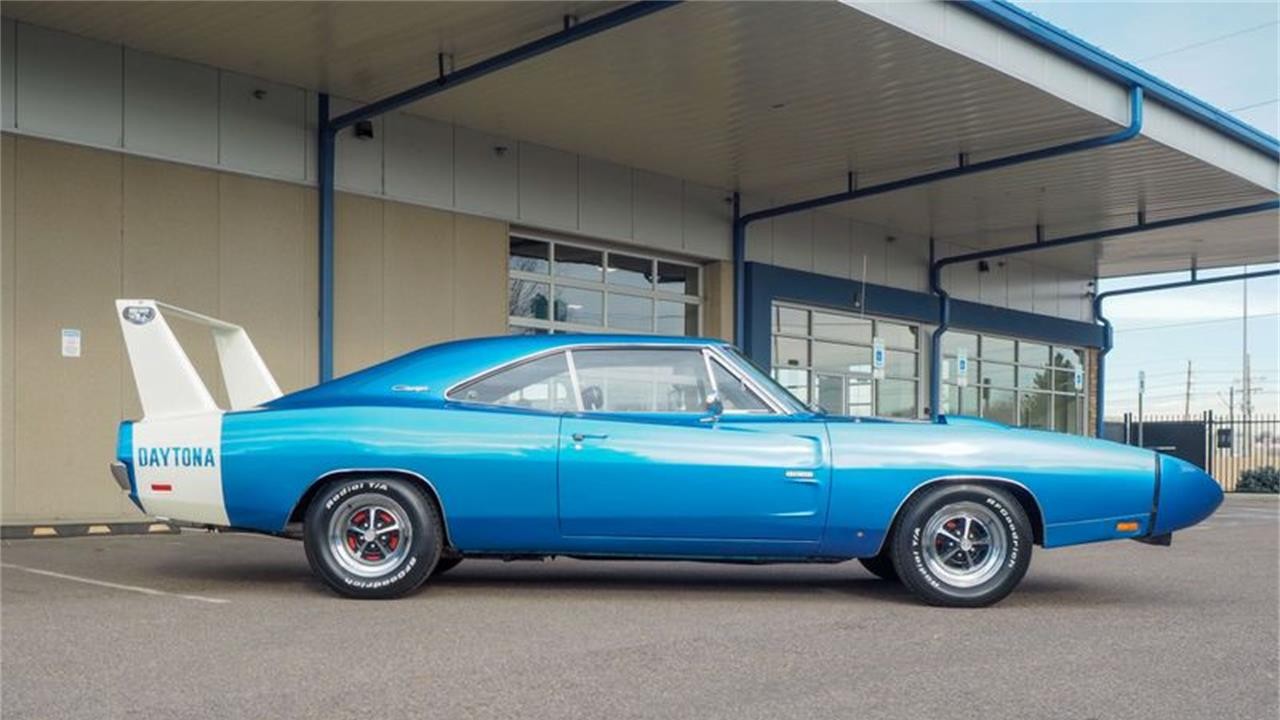
The 1969 Dodge Charger Daytona was built specifically for NASCAR homologation and is one of the most iconic and rare muscle cars in history. With only 503 units produced, it stands out for its extreme aerodynamic design, featuring a long, wedge-shaped fiberglass nose cone and a towering 23-inch rear wing.
These parts were produced in extremely limited numbers and were never intended for mass-market replacement. Authentic components such as the steel nose, internal headlight buckets, and the rear window “plug” are nearly impossible to find today, making restoration a significant challenge.
Many original cars were raced heavily or destroyed, and surviving vehicles are highly coveted, driving up the value and scarcity of genuine parts.
The Daytona was polarizing when it first appeared due to its radical design and higher cost compared to standard Chargers. It was built for speed and aerodynamics rather than comfort. Under the hood, buyers could choose between a 440 Magnum or a 426 Hemi V8, paired with either a three-speed automatic or a four-speed manual transmission.
The 440 V8, which produces 375 horsepower, delivers smooth torque and strong acceleration, making the car manageable and surprisingly comfortable for road use. The 426 Hemi, with 425 horsepower, was more racing-focused and less suited to everyday driving.
Despite its performance-focused exterior, the interior of the Daytona is understated, featuring vinyl or fabric seats, a thin-rimmed steering wheel, and easy-to-read gauges.
While the steering is vague and the brakes are small by modern standards, the car provides a comfortable ride and is enjoyable on long drives. Its driving experience emphasizes sustained power and smooth handling rather than raw, uncontrollable speed, making it accessible even to less experienced drivers.
The Daytona’s racing pedigree contributed to its legend. Designed to compete in NASCAR and achieve high-speed stability, the car’s aerodynamic enhancements were revolutionary at the time. The massive rear wing and streamlined nose reduced drag and improved performance on super-speedways.
Though it achieved limited success at launch, its historical significance, rarity, and distinctive styling have made it a highly sought-after collector’s item. Today, well-preserved or fully restored examples can fetch over a million dollars, with value influenced by originality, condition, engine, and racing history.
The 1969 Dodge Charger Daytona represents a unique intersection of American muscle car power and cutting-edge aerodynamic design. It is a rare piece of automotive history that continues to captivate collectors and enthusiasts, combining high performance with collectible rarity. Its bold looks, NASCAR heritage, and smooth driving experience make it an enduring icon of late 1960s American automotive engineering.
3. 1961 Lincoln Continental: The Iconic Suicide Door Luxury Classic
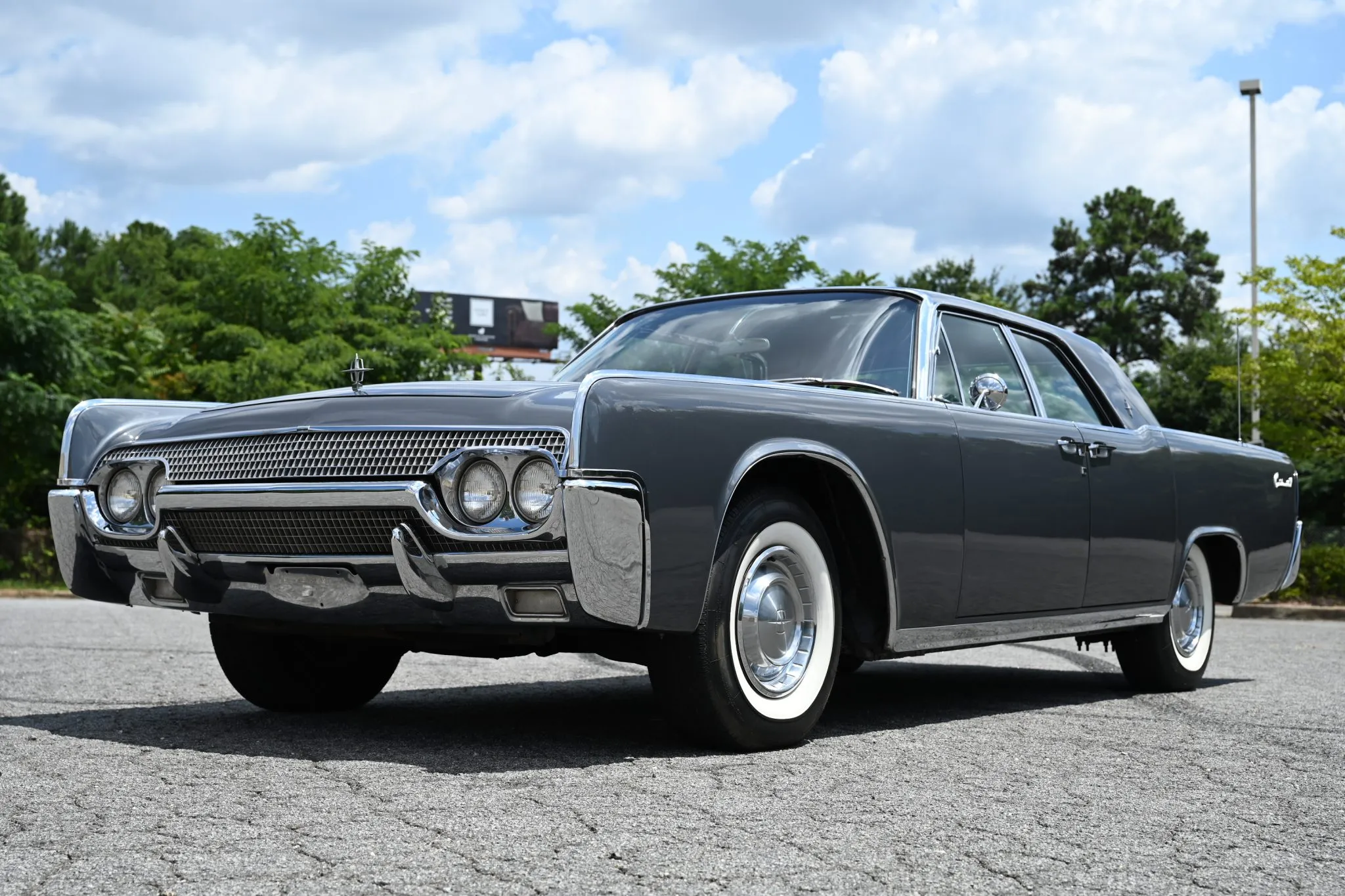
The 1961 Lincoln Continental, famous for its rear-hinged “suicide doors,” is a mid-century design icon and a standout in American automotive history. The first year of this generation is particularly notorious for one-year-only parts, making restoration challenging.
Interior trim, dash components, power window mechanisms, convertible top relays, and hydraulic systems were unique to 1961 and quickly redesigned in later models. Many parts are no longer reproduced, forcing restorers to source entire “parts cars” to salvage a single functional component. Stainless steel moldings, original radios, and mechanical systems are especially rare, requiring specialized vendors or expert rebuilding.
Part scarcity is largely due to the Continental’s exclusivity. Unlike mass-market vehicles such as the Ford Mustang or Chevrolet Camaro, the 1961 Continental shared very few components with other Ford models. Its unibody construction was uncommon for luxury cars at the time, welding the frame and body together and making structural and body repair parts highly specialized.
The suicide doors demanded unique hinges, latches, and alignment hardware that were not used on any other American car. Production numbers were relatively low, with approximately 25,000 units sold and just 2,857 convertibles, limiting the pool of donor cars today. Many systems, including the convertible’s dual-function hydraulic pump, are overly complex and difficult to replace with modern equivalents.
Specialized resources do exist for enthusiasts, including Lincoln Land in Florida, Old Lincoln Mercury Parts Store in New York, and The Lincoln Farm in Pennsylvania. Many owners rely on rebuilding original components, particularly power window motors, relays, and switches, to maintain authenticity.
Despite these challenges, the 1961 Continental offers a driving experience that reflects its era’s engineering excellence. Powered by a robust 430 cubic-inch V8, it provides smooth, effortless acceleration and ample power for highway driving.
The ride is firm but comfortable, aided by the unibody construction, suspension design, and substantial curb weight of over 5,100 pounds. Steering, braking, and handling are precise for a large luxury sedan of its time.
Inside, the Continental impresses with detailed interior styling, real walnut trim, and high-quality finishes. Power features include six-way adjustable seats, power door locks, power steering, and optional cruise control. Despite limited rear legroom in early convertibles, the cabin is wide enough to seat six comfortably.
The 1961 Lincoln Continental remains a symbol of luxury, craftsmanship, and innovation. Its distinctive suicide doors, unibody construction, and advanced features set it apart from contemporaries, creating a lasting legacy among collectors.
Maintaining and restoring these cars requires dedication, but for enthusiasts, the experience of driving a Continental represents the elegance, quality, and style of a bygone era of American automotive design.
4. De Tomaso Vallelunga: The Prototype Mid-Engine Masterpiece
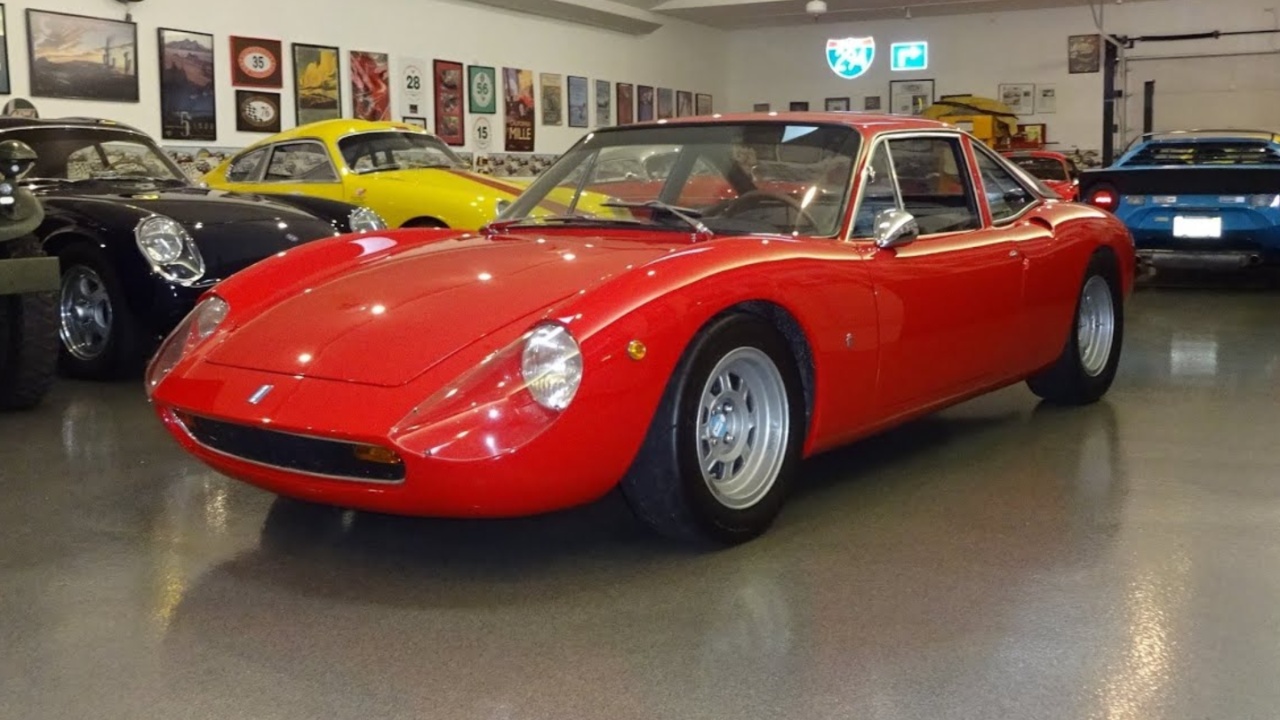
The De Tomaso Vallelunga, produced between 1964 and 1967, is a rare and pioneering mid-engined sports car, with only about 50 to 58 units ever built, including a handful of aluminum prototypes.
Alejandro de Tomaso’s first foray into road cars, the Vallelunga, combined bespoke engineering with parts borrowed from other manufacturers such as the Triumph Herald, Volkswagen, and Ford. Its rarity, prototype-like design, and hand-fitted components make restoration exceptionally difficult.
Even components from one car may not fit another, and original parts such as the cast-magnesium Campagnolo wheels, fiberglass body panels, Perspex rear window, and unique trim are virtually impossible to source today.
The Vallelunga’s engineering was revolutionary for its era. It employed a pressed-steel backbone chassis, using the 1.5-liter Ford Kent engine and VW/Hewland gearbox as semi-stressed members, a technique derived from Formula 3 racing. This arrangement improved weight distribution and lowered the center of gravity, creating a driving experience that emphasized balance and responsiveness over raw power.
The chassis and suspension design were unique, including magnesium alloy wheels specifically cast for the car and a pressed-steel backbone that supported the engine structurally. Specialized components, such as Campagnolo disc brakes, required custom fabrication, while bodywork was hand-formed and fitted individually, meaning no two cars were identical.
Despite its modest 104-horsepower engine, the Vallelunga is celebrated for its exceptional handling and driver engagement. Weighing just 726 kilograms (1,600 pounds), the car responds precisely to inputs, with steering often described as “telepathic.” Its low mass over the front wheels allows neutral cornering and a tactile connection to the road, creating what enthusiasts call a true “momentum car.”
The engine is reliable and easy to tune, allowing drivers to exploit the chassis limits without excessive risk, though NVH (noise, vibration, and harshness) can make long-distance touring fatiguing due to the engine’s integration into the backbone chassis.
Stylistically, the Vallelunga is a 1960s Italian design triumph, with fiberglass bodywork by Ghia, a glass fastback showcasing the engine bay, and a cockpit-like interior featuring classic Veglia gauges and a wood-rimmed steering wheel. Its low stance, clean curves, and attention to detail give it a prototype aesthetic that precedes De Tomaso’s later successes with the Mangusta and Pantera.
Today, the Vallelunga is a highly coveted classic for connoisseurs who value finesse, historical significance, and driving purity. With such a small number surviving and most parts long obsolete, it remains one of the most delicate, hand-crafted mid-engine cars from its era, representing a perfect balance of innovation, rarity, and tactile driving pleasure.
Also Read: 5 Cars With Simple Dash Layouts vs 5 With Confusing Ones
5. Tucker 48: The Revolutionary Parts-Orphan American Classic
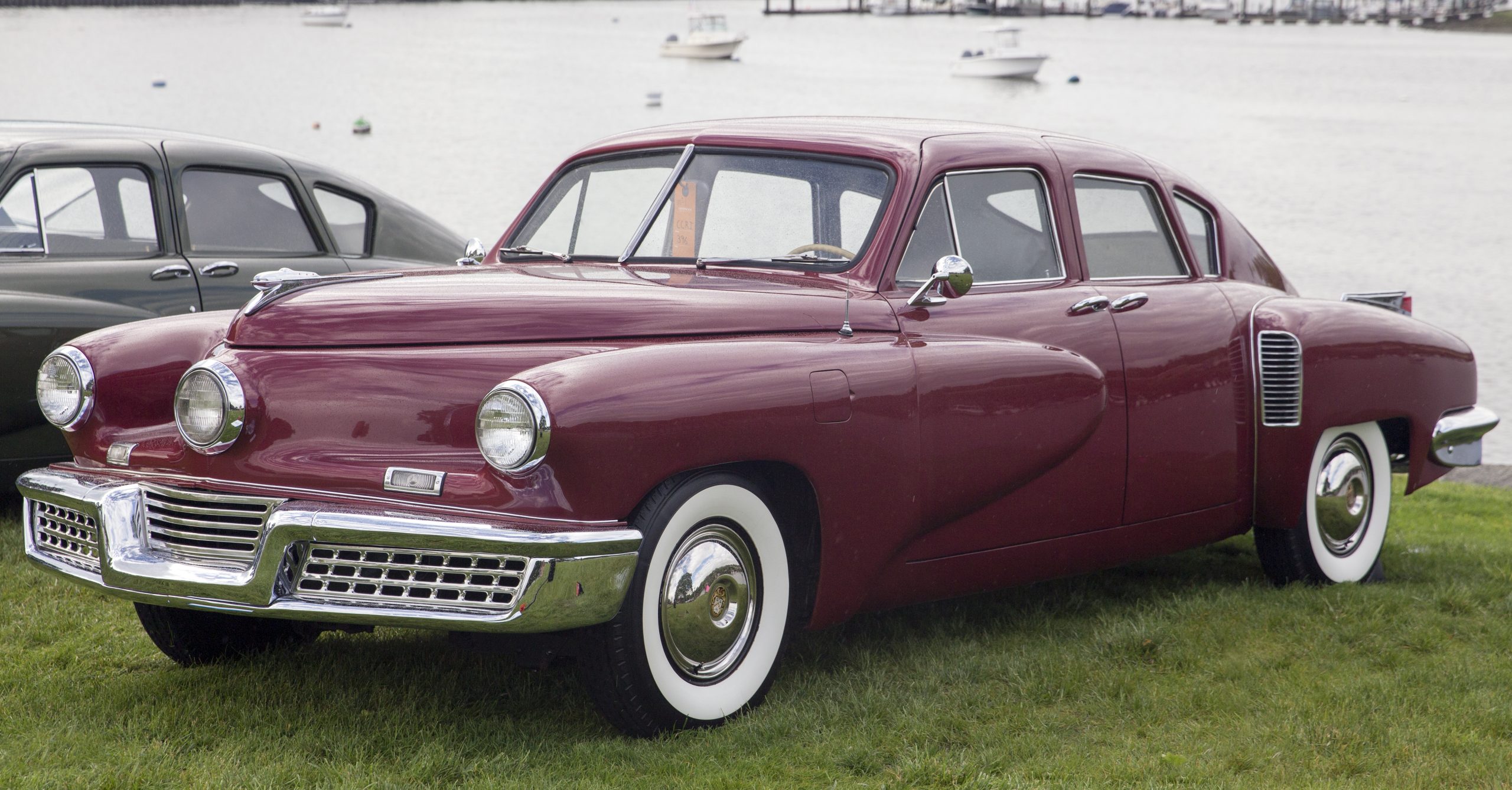
The Tucker 48, also known as the Tucker Torpedo, is one of the rarest and most innovative American cars ever produced. Only 51 units were completed before the company folded in 1949, making it a true “parts orphan.”
With no service network or long-term parts supply, every restoration requires custom fabrication and expert knowledge. Its combination of advanced engineering, hand-built construction, and unique components has made it a highly coveted collector’s item, with 47 of the original 51 cars still known to exist.
The Tucker 48 was revolutionary for its era. It featured a rear-mounted, 334-cubic-inch flat-six engine originally designed for helicopters, producing 164 horsepower and 504 Nm of torque. The car could reach speeds of 120 mph and boasted a drag coefficient between 0.30 and 0.32, demonstrating a sleek and aerodynamic design.
Safety innovations included a swiveling “Cyclops” center headlight that followed the steering, a pop-out windshield, a padded dashboard, and an integrated roll bar with seat belts. These features were decades ahead of contemporary automotive standards and remain distinctive hallmarks of the model.
Restoring a Tucker 48 is exceptionally challenging due to its low production and experimental engineering. Components were hand-built, often modified during production, and not interchangeable. The Torsalastic rubber-disc suspension is unique and no longer manufactured, while the central headlight uses a mechanical linkage found nowhere else.
Early cars used an experimental “Tuckermatic” transmission, with most fitted with reconditioned 12-year-old Cord 810/812 transmissions modified to the Y-1 specification. Custom bodywork, suicide doors, curved glass, and trim parts often require master machinists to reproduce parts from historical blueprints.
Because of its one-of-a-kind components, owners rely on specialist restorers such as Nostalgic Motoring Ltd. and Bob Ida, who have the expertise and equipment to recreate missing or damaged parts.
Even routine maintenance can involve extensive labor, such as fabricating engine heads or rebuilding hydraulic systems. Many parts, from the unique door handles to interior trim and specialized mechanical linkages, are not available commercially.
Despite its limited production and challenging upkeep, the Tucker 48 remains a celebrated example of American ingenuity and ambition. It represents a “what-if” moment in automotive history a car that anticipated safety and engineering advances decades before they became mainstream.
Its combination of rarity, pioneering design, and unique mechanical solutions has made the Tucker 48 a treasured collector’s car and a symbol of innovation that continues to capture the imagination of enthusiasts worldwide.
6. Citroën SM: The Avant-Garde French Grand Tourer
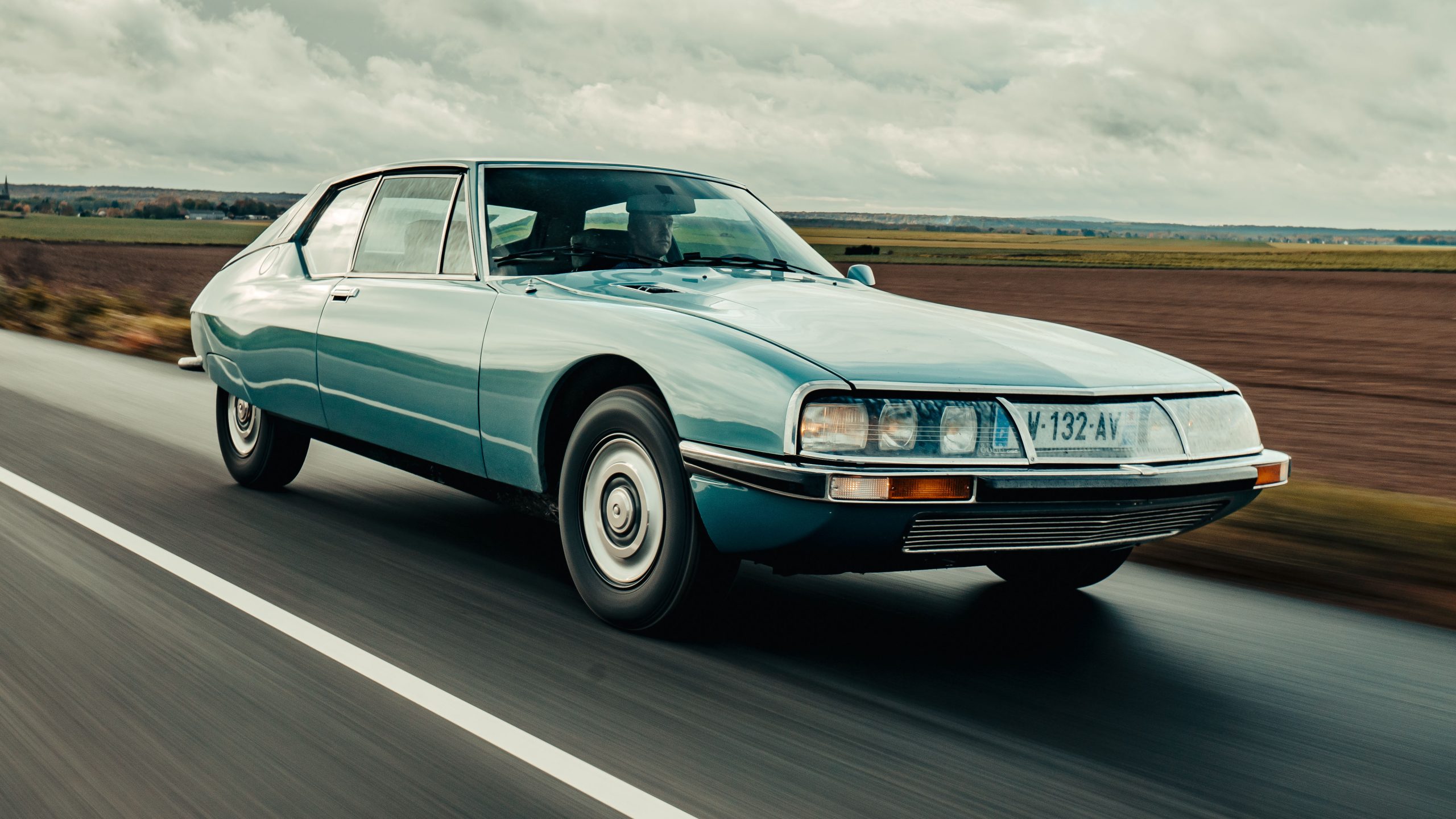
The Citroën SM, produced between 1970 and 1975, is a landmark in automotive design, combining French innovation with Italian engineering. Its futuristic styling, advanced hydropneumatic suspension, and Maserati V6 engine made it one of the most sophisticated luxury grand tourers of its era.
Despite its brilliance, it presents major challenges for modern owners due to complex, hard-to-source components, earning it a reputation as a high-maintenance classic. Only approximately 12,920 units were built, and many parts remain scarce due to Citroën’s 1974 bankruptcy and subsequent takeover by Peugeot.
One of the SM’s defining features was its hydraulic system, which controlled suspension, steering, brakes, and even the swiveling directional headlights. Specialized high-pressure pumps, unique seals, and hydraulic spheres require expert rebuilding, as very few mechanics today have the knowledge or equipment to service them.
Other rare components include the fragile glass nose-cone housing six headlights, bespoke carburetors, and rust-free body panels. While some drivetrain components were later shared with the Maserati Merak and Lotus Esprit, much of the SM’s technology was unique to the model, making restoration both expensive and intricate.
The SM was a technological marvel. It featured a 2.7-liter aluminum V6 mounted behind the front axle, producing 170–180 horsepower while driving the front wheels. The Diravi fully powered, self-centering steering system required only two turns lock-to-lock, providing a tactile and responsive driving experience.
Its aerodynamic Kammback body, designed by Robert Opron, delivered a drag coefficient of just 0.26, ensuring high-speed stability and efficiency. The car also featured fully independent suspension, disc brakes with load-sensitive distribution, Michelin carbon-reinforced resin wheels, and a sophisticated self-leveling ride height system.
Beyond technology, the SM excelled as a grand tourer. Its low and wide stance, coupled with a luxurious, driver-focused interior, allowed effortless long-distance cruising. The car’s handling was precise yet comfortable, delivering a serene driving experience, while its innovative features, from swiveling headlights to hydraulic suspension, set it apart from competitors such as the Mercedes SLC and Jaguar E-Type.
Citroën even experimented with convertibles, presidential four-door variants, and a V8 prototype, although the coupe remained the definitive and most celebrated version.
The SM’s combination of style, performance, and innovation has made it a highly sought-after classic. Owners prize it for its driving character, technological sophistication, and timeless design.
While maintenance and parts sourcing are challenging, the Citroën SM remains a testament to French ambition and creativity in the automotive world, offering a unique grand touring experience that few other cars can match.
7. 1962 AMC Rambler: Practical Innovation And The Challenge Of Preservation
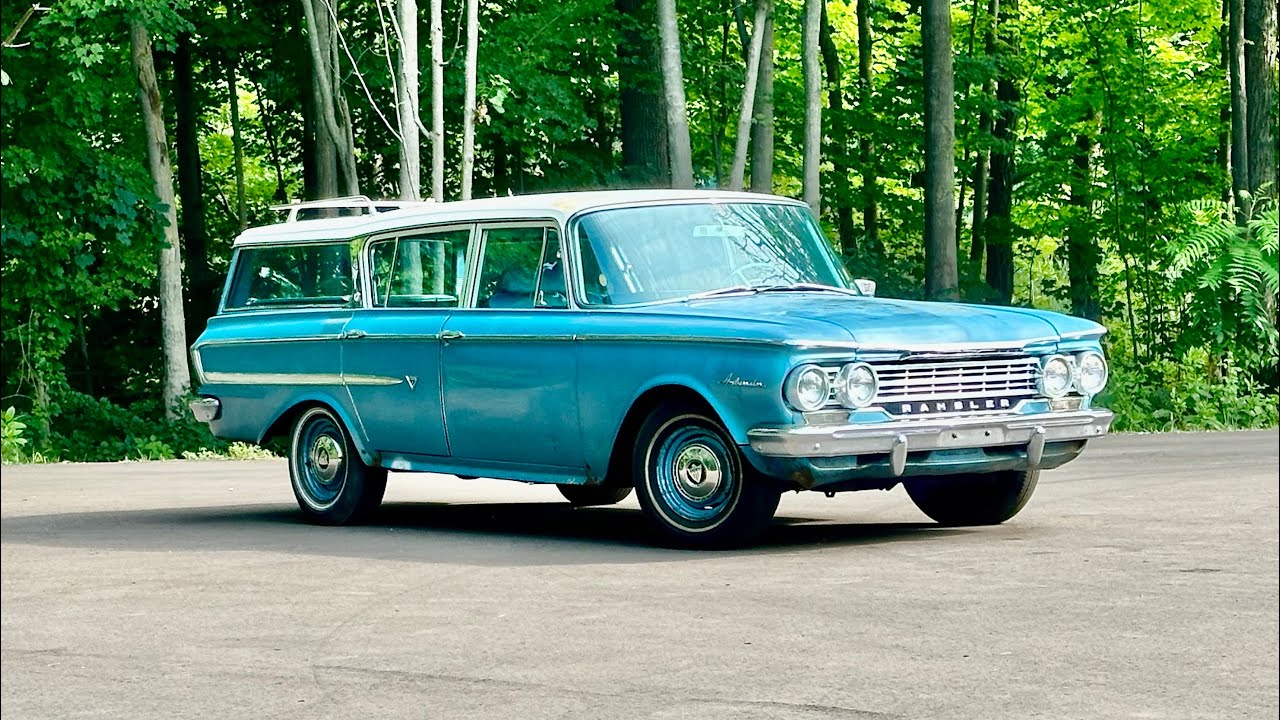
The 1962 AMC Rambler stands as an important symbol of American automotive practicality during an era dominated by large, flashy cars. Built by American Motors Corporation (AMC), the Rambler focused on efficiency, affordability, and smart engineering rather than performance or luxury.
While once a common presence on American roads, the model has become increasingly rare today, largely because replacement parts are difficult to find and aftermarket support is minimal compared to more popular classics like muscle cars from Ford or Chevrolet.
One of the main reasons for the Rambler’s parts scarcity is its one-year-only design. The 1962 model served as a transitional year before significant redesigns arrived in 1963, meaning many body panels, trim pieces, and structural components were unique to that specific production run.
As a result, owners restoring these vehicles often struggle to locate essentials such as rust-free fenders, dashboard emblems, or original hubcaps.
Unlike iconic performance cars that benefit from reproduction sheet metal and mass aftermarket support, Rambler restorers must rely on rare New Old Stock parts, donor vehicles, or specialized enthusiast communities. Even minor collision damage can render a car effectively irreparable due to unavailable replacement panels.
Mechanical components also present challenges. The Rambler’s 195.6 cubic-inch inline-six engine, based on older engineering principles dating back to the 1940s, requires specialized knowledge and uncommon parts.
Unique features such as torque tube drivetrains and model-specific hardware are rarely stocked in modern parts catalogs. Additionally, many Ramblers were originally purchased as economical daily drivers and used extensively until they wore out, leaving relatively few surviving examples for salvage today.
Despite these obstacles, the 1962 Rambler remains historically significant. AMC positioned the car as an intelligent alternative to Detroit’s excess, promoting compact efficiency under the leadership philosophy of George Romney. Rather than chasing horsepower wars, the Rambler emphasized reliability, practicality, and thoughtful design.
On the road, it delivered steady rather than speedy performance, producing between 125 and 138 horsepower depending on configuration. Reviewers praised its smooth ride, aided by unitized body construction that reduced rattles and improved structural rigidity compared to traditional body-on-frame competitors.
Inside, the Rambler showcased innovative interior design. Its famous “Airliner” reclining seats could fold flat, transforming the cabin into a resting space for travelers. Push-button transmission controls added futuristic appeal while maximizing interior room, reinforcing AMC’s reputation for clever packaging.
Stylistically, the 1962 model marked a shift away from heavy chrome toward cleaner, European-influenced lines and improved visibility. Though never considered glamorous, the Rambler earned a loyal following for its durability and honesty. Today, its practicality and understated character have helped it achieve cult classic status, representing a time when sensible engineering quietly challenged automotive convention.
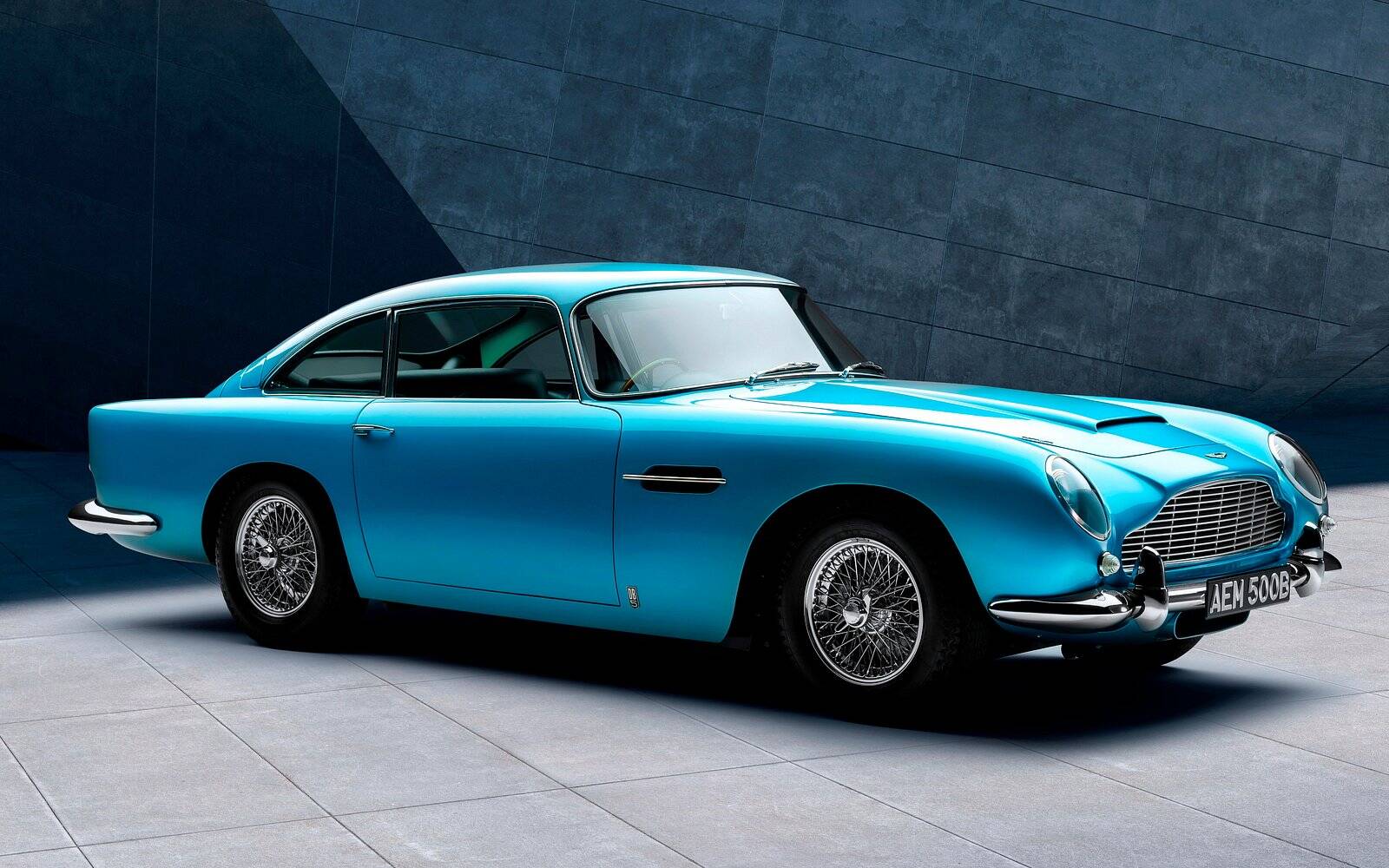
8. Aston Martin DB5: Iconic Grand Tourer Defined by Craftsmanship and Restoration Challenges
The Aston Martin DB5 is one of the most celebrated classic cars ever produced, gaining worldwide fame through its association with James Bond and earning a reputation as a landmark of British grand touring design.
Built between 1963 and 1965, only 1,022 units were manufactured, making the model rare from the beginning. Today, its limited production, handcrafted construction, and specialized engineering make restoration and maintenance complex and extremely expensive, limiting ownership largely to serious collectors and enthusiasts.
One of the primary reasons DB5 parts are difficult to obtain is its advanced Superleggera construction method. The car features an aluminum body mounted over a lightweight steel tube framework developed by Touring of Milan. Unlike conventional vehicles that use easily replaceable panels, damaged body sections cannot simply be swapped out.
Repairs require traditional coachbuilding skills, including hand-shaping aluminum panels and carefully rebuilding structural elements. Rust or accident damage can demand extensive labor, making even minor restoration projects highly specialized undertakings.
Mechanical components present additional challenges. The DB5 was equipped with a 4.0 liter straight-six engine paired with triple carburetors and a rare ZF five-speed gearbox. These components were produced in limited numbers and were not widely shared with other vehicles, leaving restorers dependent on scarce original parts or costly remanufactured replacements.
Since production ended more than six decades ago, factory stock has largely disappeared. Some replacement components are now produced through Aston Martin’s heritage division, but low production volumes keep prices exceptionally high. Owners often rely on expert specialists or modern techniques such as custom fabrication and 3D printing to recreate unavailable pieces.
Despite these difficulties, the DB5’s appeal remains undeniable. Its design blends muscular presence with refined elegance, combining bold styling cues into a cohesive and timeless shape. The interior reflects traditional craftsmanship, featuring leather upholstery, wood trim, and precision-built controls that emphasize quality and attention to detail. The cabin delivers a sense of occasion that modern vehicles rarely replicate.
On the road, the DB5 was designed as a grand tourer rather than an outright performance machine. Its 282 horsepower engine provided strong acceleration for its era, allowing a top speed of approximately 141 mph while maintaining smooth, comfortable cruising. Steering and braking require effort compared to modern cars, yet the vehicle excels during long-distance driving, where stability and refinement stand out.
The Aston Martin DB5 endures as a symbol of elegance, craftsmanship, and cinematic legacy, admired as much for its character and design as for its performance.
The cars featured in this list highlight how innovation and rarity often go hand in hand with long-term ownership challenges. Whether it is the hand-formed aluminum body of the Aston Martin DB5, the aerodynamic racing components of the Dodge Charger Daytona, or the one-year-only design of the 1962 AMC Rambler, each vehicle presents unique obstacles for restoration.
Parts scarcity has transformed these classics into preservation projects rather than everyday machines, requiring specialized knowledge, custom fabrication, and strong enthusiast communities to keep them alive.
Yet these difficulties are also part of their appeal. The effort required to maintain them reinforces their historical importance and deepens the connection between car and owner.
These vehicles endure not simply because of performance or value, but because they represent defining moments in automotive creativity. As surviving examples grow rarer, preserving these classics ensures that future generations can continue to experience the engineering ambition and artistry that shaped automotive history.
Also Read: Top 10 Cars That Offer a Pure Analog Driving Experience