European classic cars have always held a special place in automotive history. Their design, engineering, and driving experience have made them a symbol of sophistication and taste. Many car enthusiasts assume that owning one of these timeless machines comes with endless maintenance challenges.
However, several models defy that assumption, providing the charm of a classic car without the constant worry of repairs or complex upkeep. These vehicles combine durability with accessibility, allowing both seasoned collectors and newer enthusiasts to enjoy them.
Their engineering often reflects a balance of simplicity and efficiency, making it possible to keep them in running condition without excessive costs or frustration. Some models even share parts with more common vehicles, which makes replacements easier to source.
Others have mechanical systems designed for reliability, meaning that owners can focus more on the experience of driving than on fixing issues.
The appeal of these classics is not limited to their performance or aesthetics. They also offer a glimpse into European automotive history, showing the innovations and design philosophies of their era.
The tactile feeling of shifting gears, the sound of the engine, and the elegance of the body lines create an emotional connection that modern cars often cannot match. While maintenance is a concern for any older vehicle, certain European classics have gained reputations for surprising reliability.
Their popularity has encouraged enthusiasts to keep them in good condition, which has helped build communities and knowledge around maintaining these cars. Owning one is not just about transportation; it becomes part of a lifestyle.
From weekend drives along scenic roads to participation in car shows and gatherings, these vehicles offer an engaging and enjoyable experience. The following list highlights ten European classics that combine style, history, and the ease of upkeep, proving that vintage charm does not have to come with constant headaches.
These cars demonstrate that it is possible to enjoy the prestige of European automotive design while keeping the practical demands of maintenance manageable. Each model has earned a reputation for being straightforward in terms of care, requiring fewer specialized tools or frequent repairs compared to other classics.
Whether a car collector is seeking a first classic or a seasoned enthusiast is looking for a reliable addition, this list provides options that balance elegance and practicality. These European classics represent a sweet spot where passion meets sensible ownership.
They allow owners to indulge in nostalgia and craftsmanship without sacrificing reliability or convenience. This makes them ideal candidates for those who want the authenticity of a classic car experience without constant concern over technical challenges.
For anyone interested in classic cars, understanding which models are easier to maintain can save time, money, and frustration while still offering an unforgettable driving experience. These ten examples embody that philosophy, making them accessible, enjoyable, and enduring icons of European automotive history.
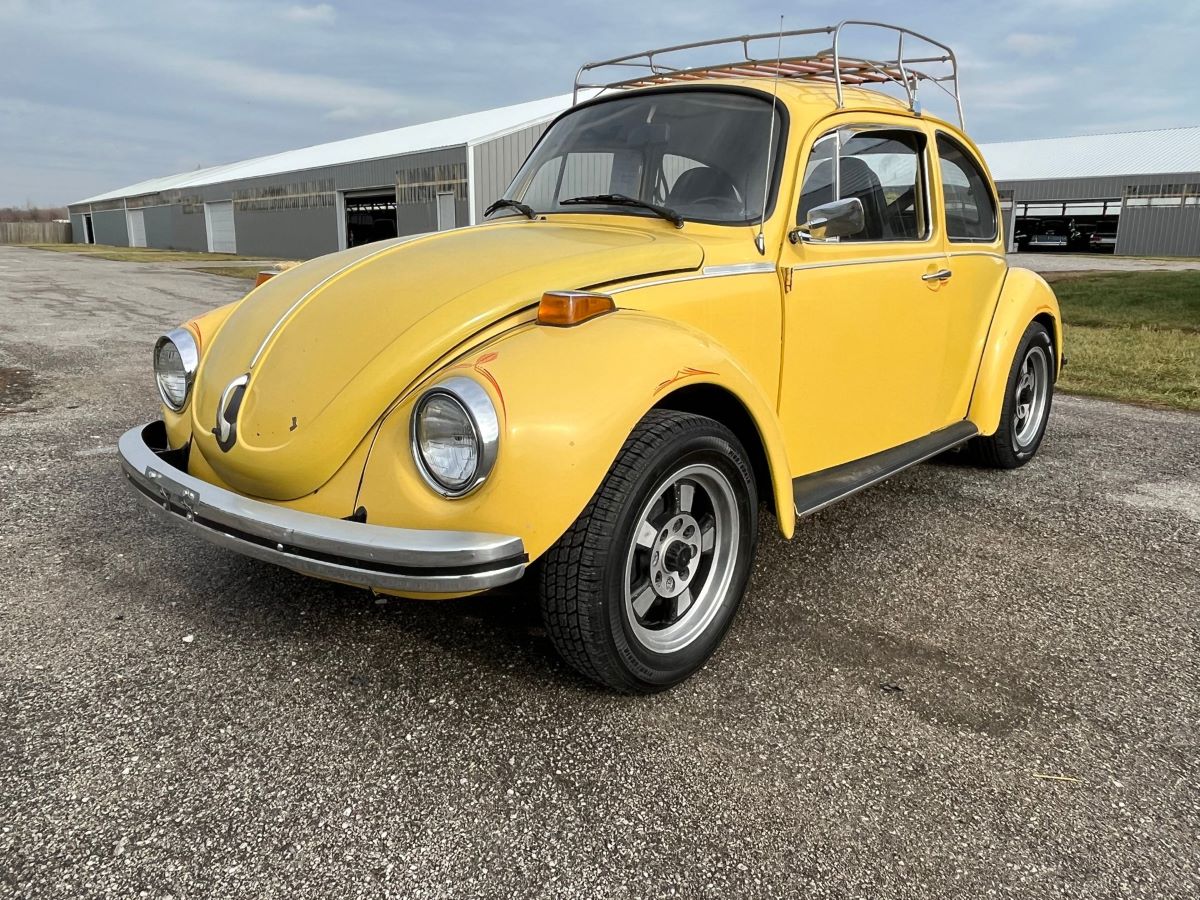
1. Volkswagen Beetle
The Volkswagen Beetle is recognized worldwide for its distinctive shape and enduring popularity. Originally designed in the 1930s, the Beetle became a cultural icon for its simplicity and reliability. Its air-cooled engine is easy to access and does not require complex maintenance. Replacement parts are readily available due to the car’s long production history.
The Beetle’s mechanical systems are straightforward, making repairs manageable even for hobbyists. The suspension and brakes are uncomplicated, which reduces service costs. The car’s small size also means fewer components to maintain. Many enthusiasts appreciate its predictable performance in various driving conditions.
Interior maintenance is also relatively simple. The design avoids unnecessary electronics, reducing the likelihood of electrical issues. Upholstery and trim are easy to clean and repair. Replacement interior parts are abundant in the aftermarket, ensuring owners can keep the cabin in good condition.
Fuel economy and mechanical durability make the Beetle an affordable classic to operate. Its engine is tolerant of basic maintenance and does not demand frequent overhauls. Owners often report that a well-maintained Beetle can run for decades. This combination of simplicity and resilience has contributed to its legendary status.
Restoring or customizing a Beetle is also practical. Many workshops and online communities focus on this model. This provides guidance and parts for keeping the car running smoothly. The Beetle’s reputation as a reliable, low-maintenance classic continues to attract new enthusiasts.
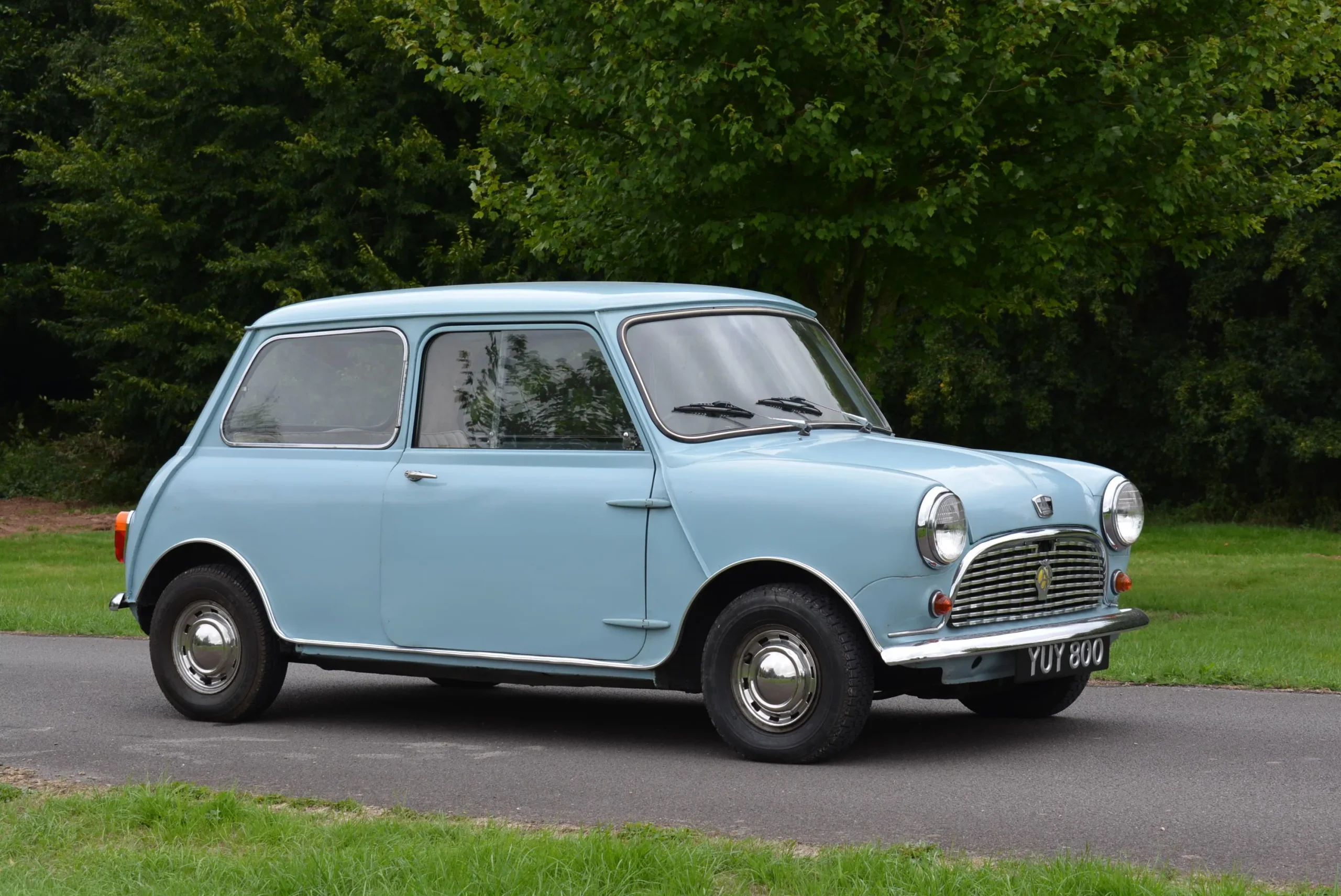
2. Mini Cooper (Classic)
The original Mini Cooper represents a milestone in compact European cars. Its clever use of space and front-wheel-drive layout was revolutionary in its time. The engine and transmission are compact and easy to service. Mechanics often praise the car’s straightforward construction.
Parts availability is another advantage. Due to its iconic status, aftermarket and vintage parts are widely produced. Owners can perform common repairs without specialized equipment. The car’s simple wiring and suspension make troubleshooting easier.
Fuel efficiency and modest engine size contribute to low running costs. Routine maintenance such as oil changes and brake servicing is quick and inexpensive. Its light weight also reduces stress on mechanical components. Many Mini enthusiasts enjoy the practicality of caring for their vehicle.
The Mini’s interior is uncomplicated, with basic controls and limited electronics. Seats, dashboards, and panels are easy to repair or replace. Classic styling remains desirable while avoiding complex modern systems. This simplicity makes ownership less intimidating.
Finally, the Mini offers a fun driving experience without extensive upkeep. Steering is responsive, and handling is agile. Its reliable nature combined with ease of maintenance has made the Mini a favorite among classic car beginners and collectors alike.
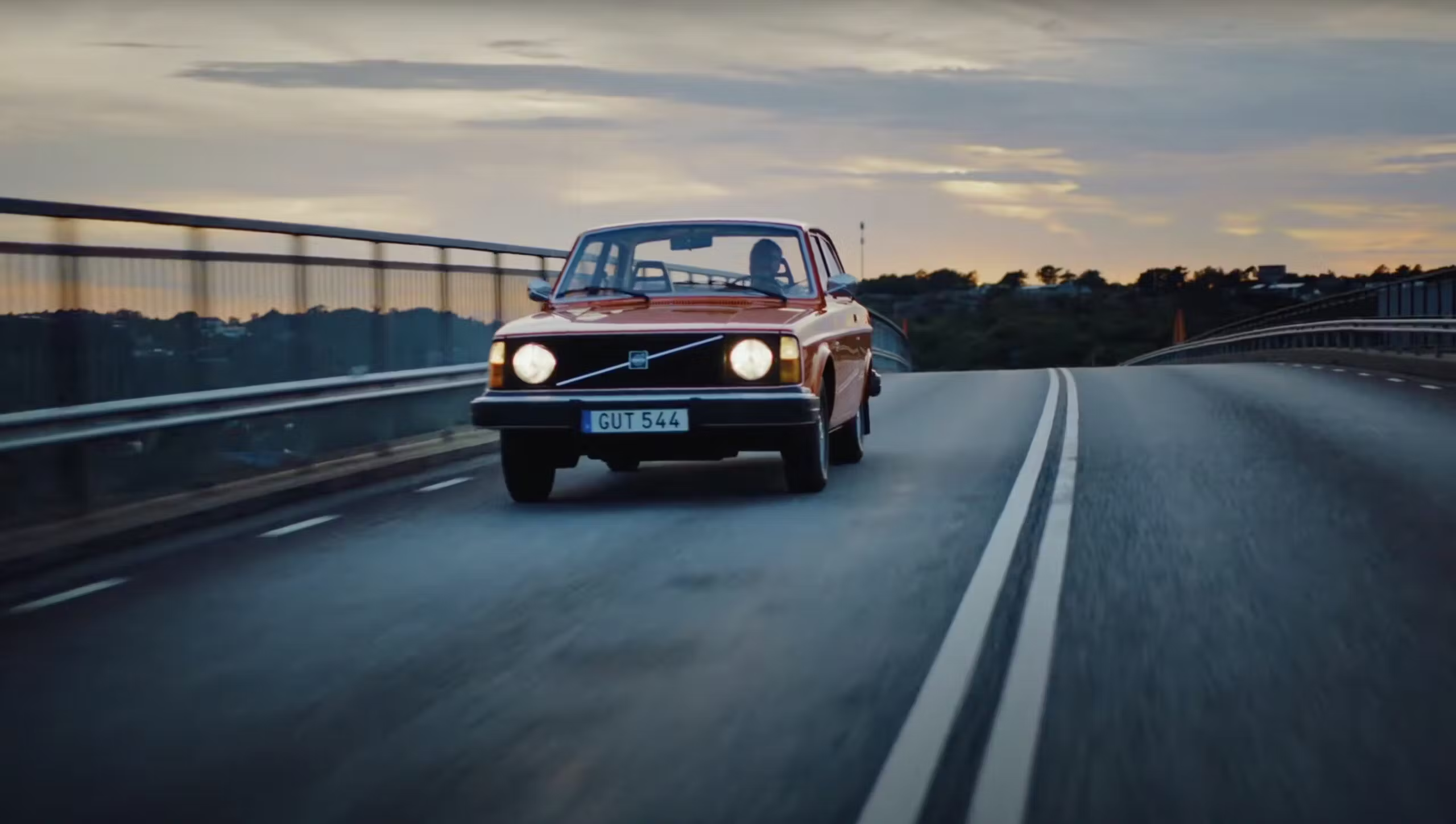
3. Volvo 240
The Volvo 240 is a symbol of durability and safety. Known for its boxy design, it provides an exceptionally solid build. Engine and transmission components are straightforward and robust. Many owners have reported decades of reliable service with minimal major repairs.
Volvo prioritized mechanical simplicity, meaning the car avoids overly complicated systems. Electrical circuits are basic, and the engine is accessible. Parts availability remains strong, thanks to its long production run. DIY repairs are feasible with standard tools.
The 240’s suspension and brakes are designed for longevity. Components are sturdy and easy to inspect or replace. Regular maintenance like brake pads and shock absorbers can be done at home or with modest investment. This keeps ongoing costs manageable.
Interior durability is another advantage. Seats, trim, and controls withstand wear and tear. Replacement items are plentiful and affordable. The cabin remains functional and comfortable, even after years of use.
The car’s fuel system and engine are not demanding. It tolerates basic maintenance schedules without sophisticated diagnostics. The combination of reliability, safety, and low-maintenance mechanics makes the Volvo 240 a practical European classic.
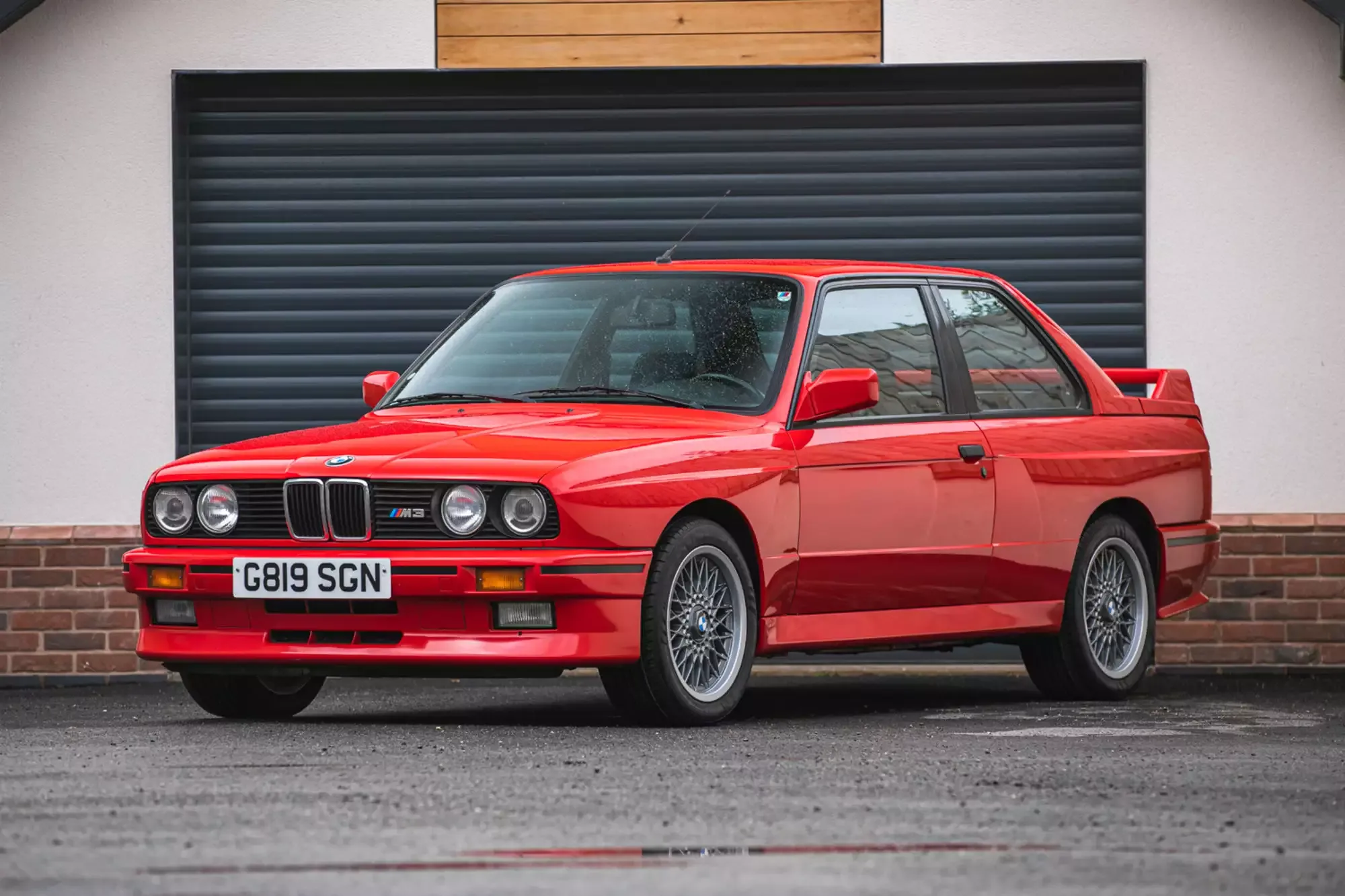
4. BMW E30
The BMW E30 series represents one of the most iconic and approachable classic BMWs. Produced in the 1980s and early 1990s, it combines timeless design with a remarkably simple mechanical setup.
Engines are straightforward, often featuring naturally aspirated inline-fours or sixes, which are easy to service. Parts are plentiful due to the car’s popularity, keeping maintenance costs manageable.
Routine servicing of the E30 is simple and does not require advanced diagnostics. Oil changes, belt replacements, and brake servicing can be completed by enthusiasts without specialized tools. Its suspension setup, while sporty, uses durable components that are widely available. This combination of accessibility and reliability appeals to both collectors and first-time owners.
The interior of the E30 is known for its durability and practicality. Basic controls, limited electronics, and solid materials make upkeep easy. Replacing worn seats, trim panels, or dashboards is straightforward thanks to aftermarket suppliers. The cabin is forgiving, and regular maintenance keeps it functional and comfortable for daily or occasional use.
The E30’s engines are resilient and often tolerate high mileage if maintained properly. Cooling systems, fuel delivery, and ignition components are simple by modern standards. Many owners enjoy the satisfaction of performing repairs themselves, adding to the car’s charm. Its low-tech reliability reduces stress for owners looking for a classic BMW experience.
Finally, the E30 balances driving enjoyment with low-maintenance appeal. Steering and handling remain sharp even after decades, and the car responds well to care without needing constant attention. This combination of sporty performance, mechanical simplicity, and parts availability makes it a standout choice for European classics.

5. Mercedes-Benz W123
The Mercedes-Benz W123 is often cited as one of the most reliable classic sedans ever produced. Its reputation comes from solid engineering and straightforward mechanical systems. Engines such as the inline-five and six-cylinder diesels are remarkably long-lasting and simple to maintain. The car’s design emphasizes durability and longevity.
Routine maintenance is convenient due to accessible components and minimal electronic complexity. Regular tasks like oil changes, fuel system checks, and brake servicing are achievable by most owners. Replacement parts are still widely available through specialists and online retailers, keeping repair costs reasonable.
The W123’s suspension and chassis are engineered for endurance. Components are sturdy, straightforward, and easy to inspect. This makes it easier to perform necessary repairs without professional intervention. Owners can enjoy confidence in daily or long-distance driving with minimal worry.
Inside, the W123 is built to last. Upholstery, dashboards, and controls resist wear, and replacement parts are still obtainable. The cabin is functional and elegant without being overly complicated. Its durability contributes to lower maintenance demands over the car’s lifetime.
Finally, the W123 provides a serene driving experience paired with mechanical simplicity. The engines run smoothly, transmissions are robust, and systems are designed for reliability. These traits make it an enduring favorite among collectors who want a European classic that does not require constant attention.
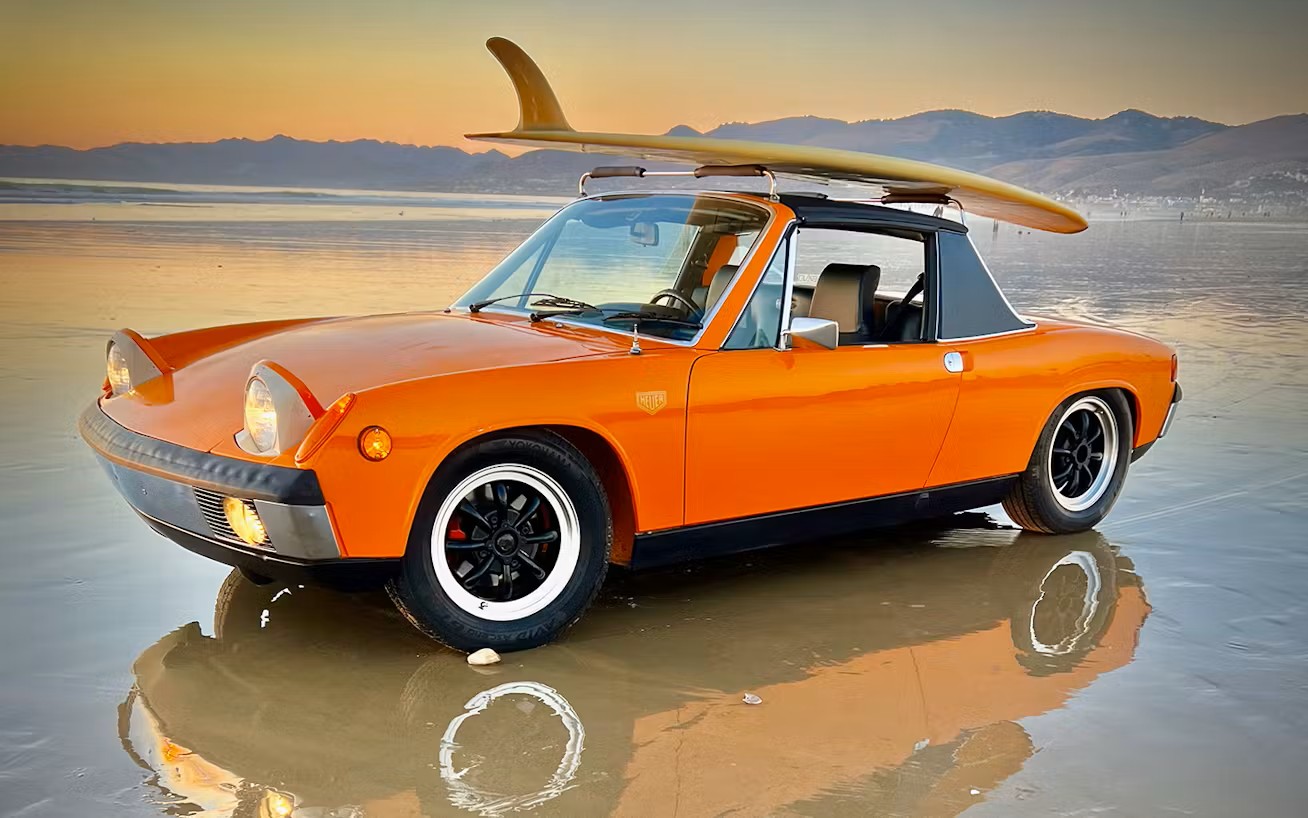
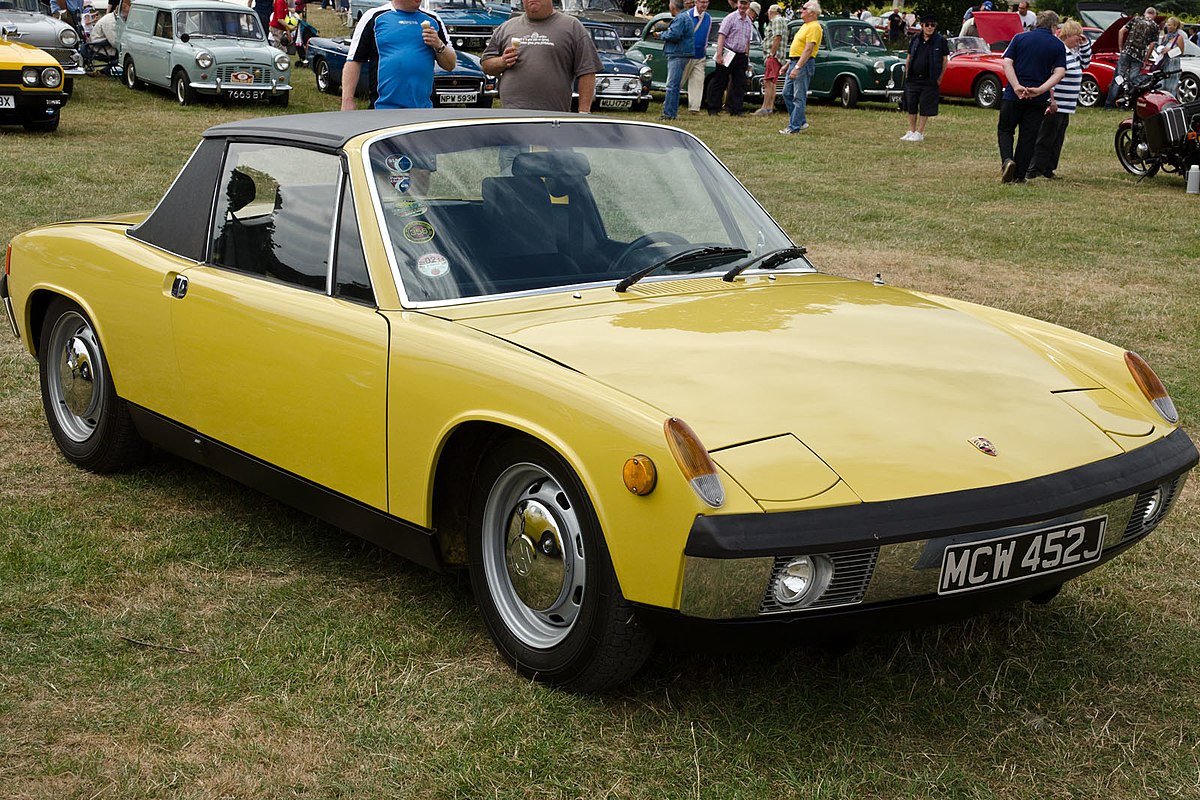
6. Porsche 914
The Porsche 914 may surprise some as an easy-to-maintain classic. Its mid-engine layout and flat-four engine are mechanically straightforward. Compared to other Porsche models, it avoids overly complex electronics or hydraulic systems. Owners appreciate the direct access to components for repairs and servicing.
Parts availability for the 914 is strong due to its popularity among enthusiasts and the ongoing support from specialty suppliers. Engines, transmissions, and body panels are obtainable, making restoration and upkeep feasible. Many repairs can be performed by enthusiasts with moderate mechanical experience.
Routine maintenance is relatively inexpensive. Oil changes, brake work, and suspension servicing are manageable tasks. The flat-four engine tolerates basic care well and is known for durability. Owners often report decades of reliable performance without major issues.
The interior is minimalistic and resilient. Seats, dashboards, and controls are simple, reducing the likelihood of costly electrical issues. Replacement items are widely available, keeping the car practical for everyday use or weekend drives. Its design focuses on the essentials, reducing maintenance headaches.
Finally, the Porsche 914 delivers the classic sports car experience without extreme upkeep. Its handling remains precise, and the engine is lively yet robust. This combination of driving pleasure and accessibility makes it an appealing choice for European enthusiasts seeking a lower-maintenance Porsche classic.
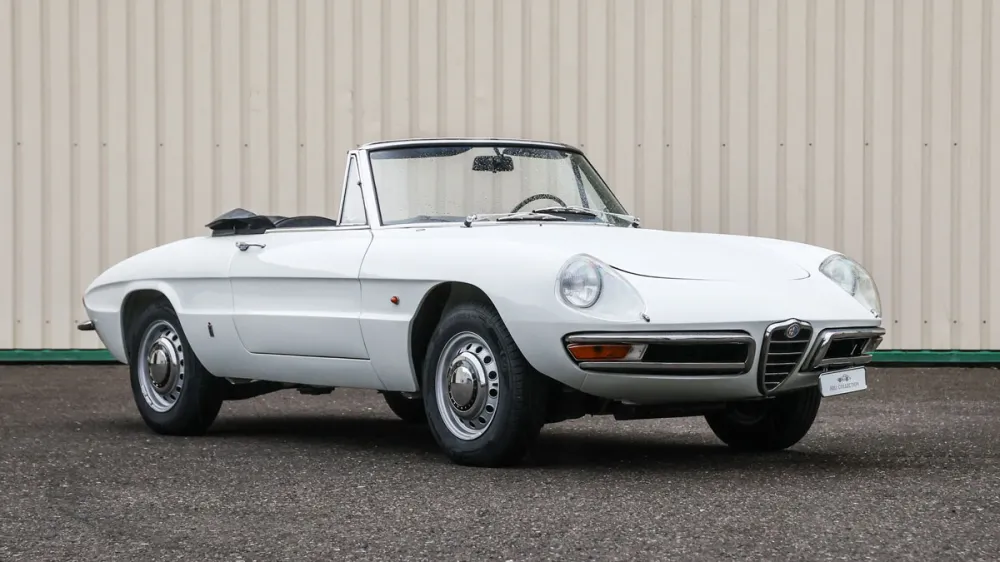
7. Alfa Romeo Spider (Series 2)
The Alfa Romeo Spider Series 2 is a classic Italian roadster that is surprisingly manageable for maintenance. Its engine and drivetrain are straightforward for a vintage sports car. Routine tasks like oil changes, carburetor adjustments, and brake servicing are within the reach of many owners.
Parts availability is better than many expect. Aftermarket suppliers and specialty shops produce a variety of components for mechanical, body, and interior maintenance. This support allows owners to maintain their Spider without excessive expense.
The Spider’s design emphasizes simplicity and light weight. Its chassis and suspension use accessible components, making inspection and replacement easier. The car’s mechanical reliability has improved with proper upkeep over the decades.
Inside, the cabin is minimal and durable. The dashboard and seating materials resist wear, and simple electrical systems reduce the likelihood of issues. Replacement interior components are easier to source than with more complex European sports cars.
Finally, the Alfa Romeo Spider offers an engaging driving experience while remaining practical. Steering is precise, and the engine responds predictably. Combined with manageable upkeep and parts availability, it represents an ideal balance of classic style and reliability.
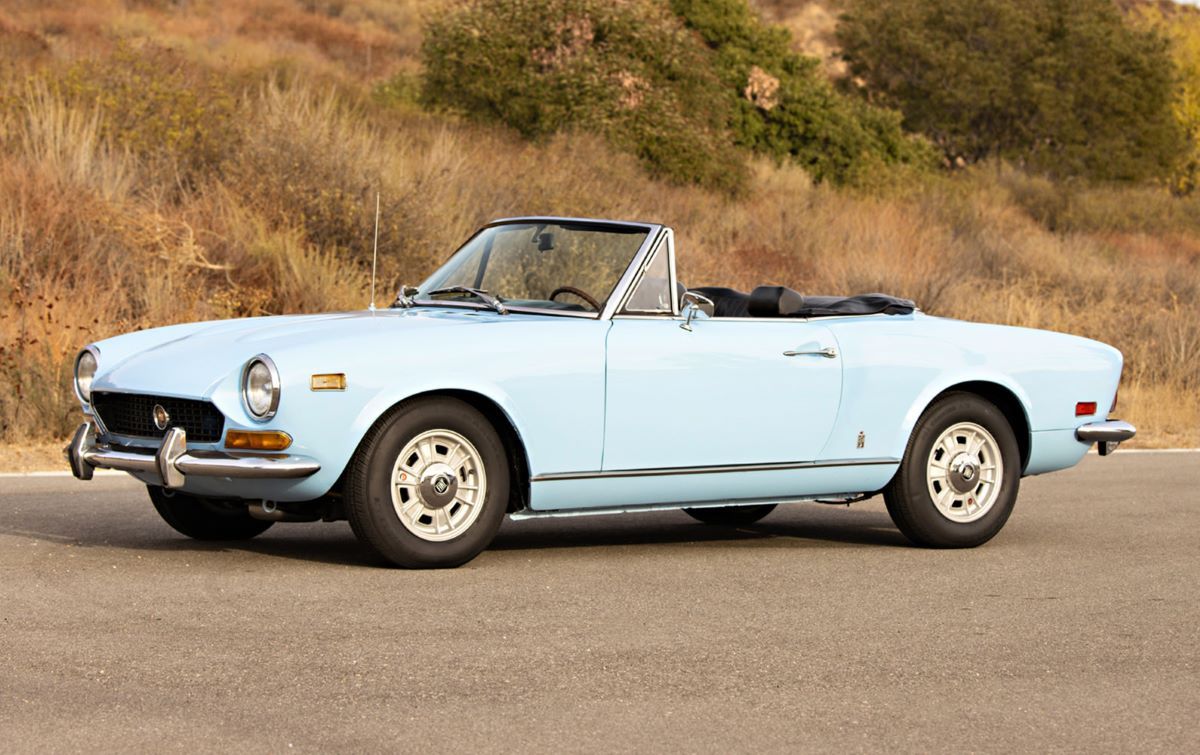
8. Fiat 124 Spider
The Fiat 124 Spider is an Italian classic that balances style with practical mechanics. Its engines are simple, carbureted or fuel-injected depending on the model year, and easy to service. Components such as the suspension, brakes, and steering are straightforward, which reduces repair complexity. Its lightweight construction adds to ease of maintenance and improves reliability over time.
Parts availability for the 124 Spider remains surprisingly strong. Vintage suppliers and aftermarket vendors produce replacement panels, suspension components, and engine parts. This makes restoration or routine maintenance less intimidating for first-time classic owners. Many enthusiasts report that even older Spiders can remain fully functional with regular care.
Routine maintenance is convenient and inexpensive. Oil changes, spark plug replacements, and brake servicing can be done with basic tools. The mechanical systems are robust, and the engine responds well to regular servicing schedules. Owners enjoy the simplicity of maintaining the car while preserving its classic appeal.
The interior is minimalistic, with few electronics and durable materials. Seats, dashboard, and controls are easy to clean and repair. Replacement interior parts are readily available, making it simpler to keep the cabin looking fresh. This focus on practicality makes ownership less stressful than with more complex European classics.
Finally, the Fiat 124 Spider delivers a rewarding driving experience. Its responsive steering, lightweight chassis, and nimble handling combine with straightforward maintenance to create a classic roadster that is both enjoyable and practical. Its reputation for low-maintenance charm makes it appealing to both new and experienced collectors.
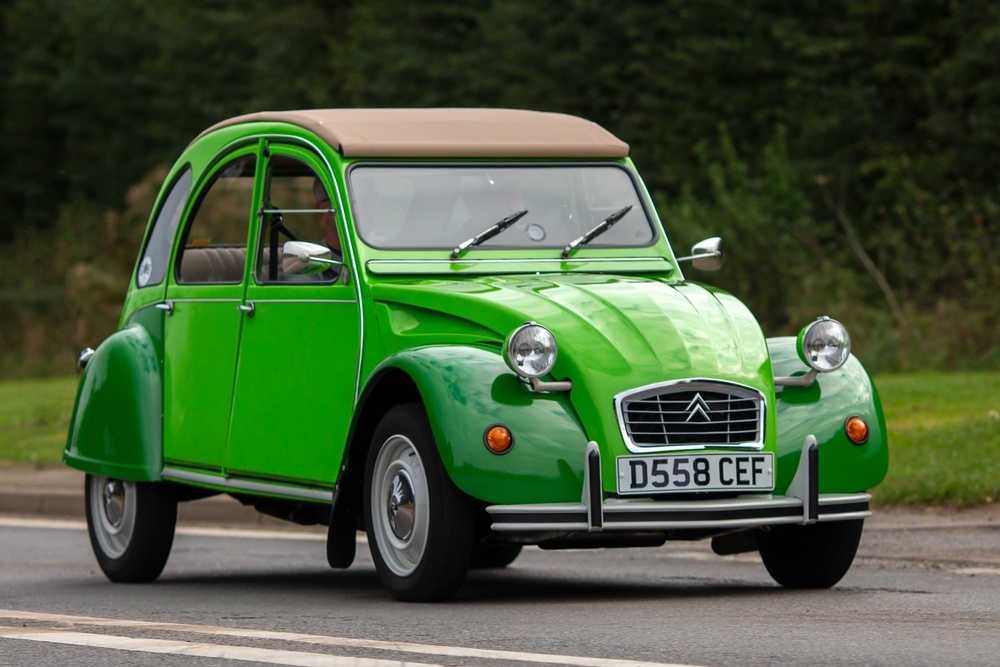
9. Citroën 2CV
The Citroën 2CV is a uniquely French classic with a reputation for simplicity. Its air-cooled engine and basic mechanical layout allow for easy servicing. The suspension uses a simple yet effective design, and the chassis is durable and forgiving. Owners can handle most maintenance tasks without specialized tools or extensive experience.
Replacement parts for the 2CV are widely available due to its long production run and dedicated enthusiast community. Engine components, body panels, and trim pieces are still produced by suppliers. This availability reduces the difficulty of keeping the car roadworthy for decades.
Routine maintenance is straightforward and cost-effective. Oil changes, brake adjustments, and carburetor tuning are accessible tasks. The engine and drivetrain are forgiving, requiring fewer frequent repairs than many other vintage vehicles. The car’s simplicity is central to its enduring charm.
The interior is utilitarian and built for durability. Simple materials, basic controls, and minimal electronics minimize potential issues. Replacement seats, dashboards, and trim pieces are easy to source, keeping interior maintenance manageable. Its practicality contributes to a stress-free ownership experience.
Finally, the 2CV provides a comfortable and engaging driving experience despite its humble appearance. Steering is light, and the suspension is surprisingly smooth for long drives. Combined with easy maintenance and strong parts availability, it remains an ideal choice for a European classic that is enjoyable and low-stress.
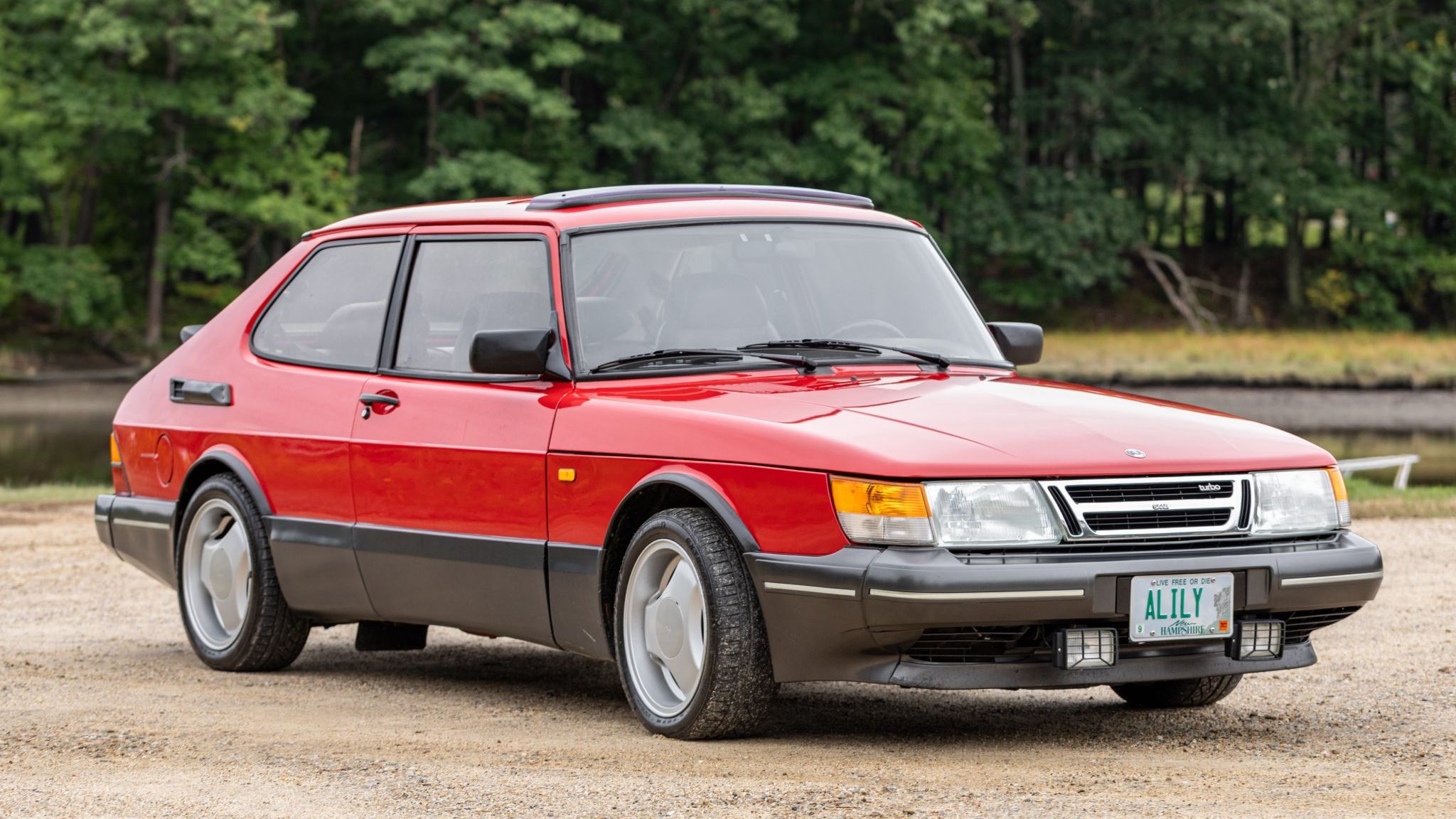
10. Saab 900 (Classic)
The classic Saab 900 is a Scandinavian European vehicle known for its reliability and practicality. Its turbocharged or naturally aspirated engines are accessible and simple to service compared with other vintage European sports sedans. Components are designed for durability, which allows for fewer unexpected repairs. The car’s reputation for longevity is well earned.
Parts availability is favorable, with aftermarket vendors and specialty shops producing essential replacement components. Engines, transmissions, and body parts can be sourced without excessive difficulty. This makes the Saab 900 a practical option for collectors who want a manageable classic.
Routine maintenance is simple and cost-effective. Oil changes, timing belt replacements, and brake servicing can be performed with standard tools. Many owners maintain their vehicles at home, reducing upkeep costs. The car’s mechanical design emphasizes reliability rather than complexity.
The interior is functional, well-built, and minimal. Seats, dashboard components, and controls are durable and easy to repair. The electronics are limited, reducing potential problems compared with other classic European cars. Replacement parts remain available through both OEM and aftermarket sources.
Finally, the Saab 900 delivers a comfortable and engaging driving experience. Its turbocharged models offer lively performance while maintaining dependability. Combined with low-maintenance mechanics and solid parts availability, it provides an appealing balance of classic charm and practical ownership.