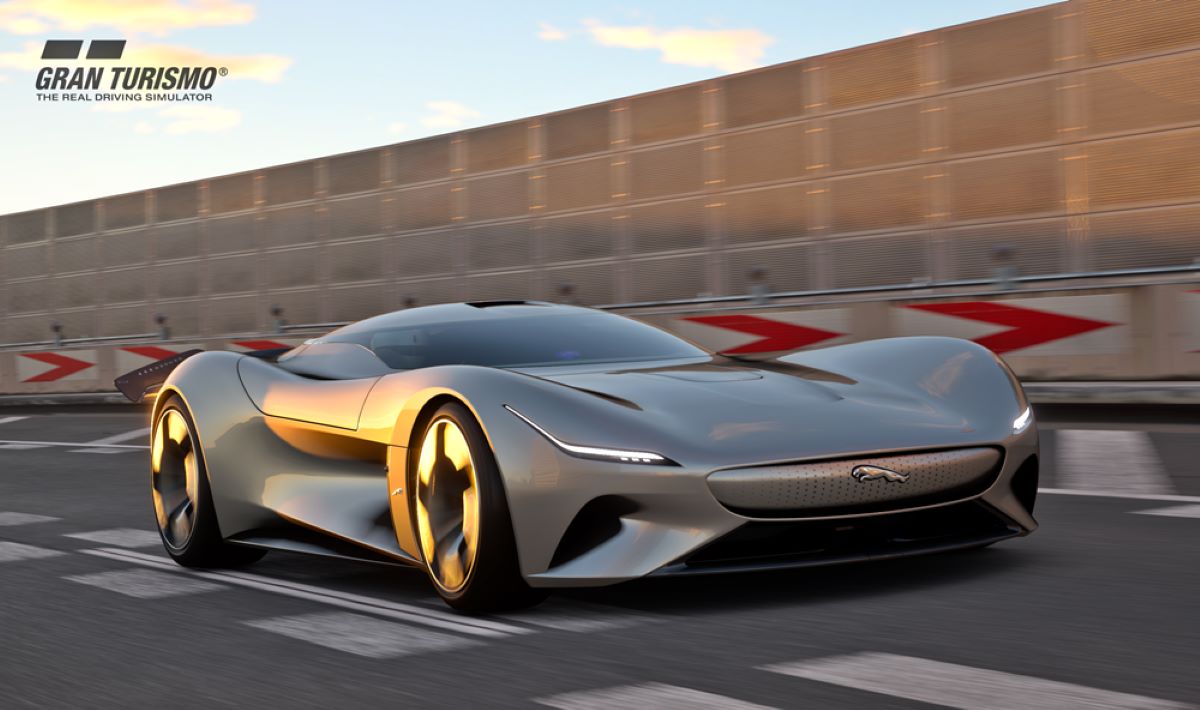
A company once associated primarily with consumer electronics is now presenting a purpose-built electric hypercar concept designed for the digital circuits of Gran Turismo.
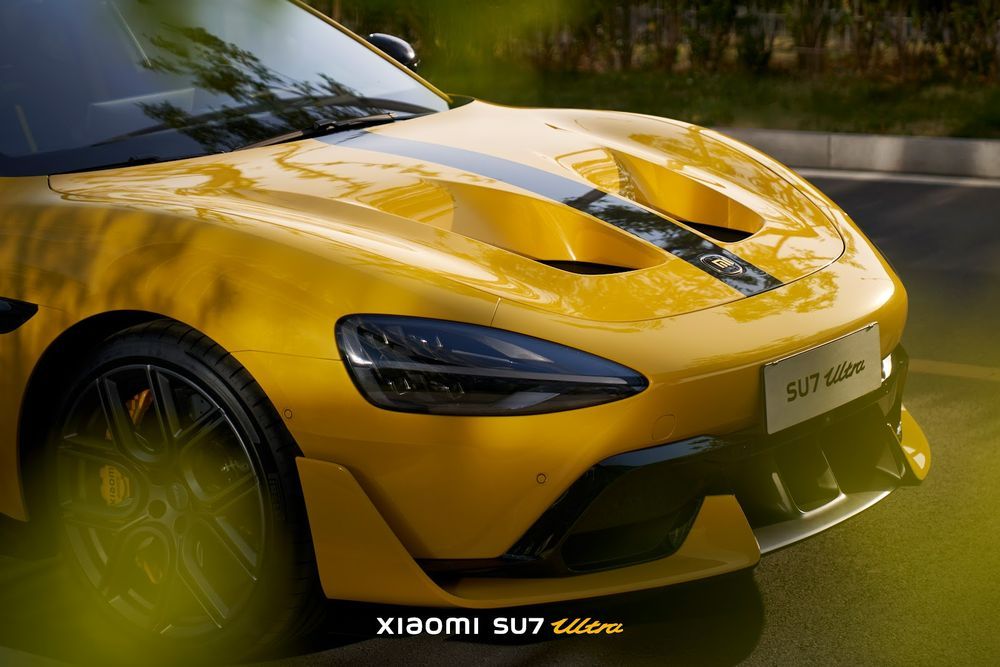
Five years ago, Xiaomi was best known for competitively priced smartphones and connected home devices. Today, the company is setting Nürburgring benchmarks with the Xiaomi SU7 Ultra and expanding its ambitions well beyond traditional tech hardware.
Following the inclusion of the SU7 in Gran Turismo 7, Xiaomi has now introduced the Xiaomi Vision Gran Turismo, its first hypercar concept created specifically for the Vision Gran Turismo program.
The invitation reportedly came from Kazunori Yamauchi, the architect of the Gran Turismo franchise.
That collaboration positions Xiaomi as the first Chinese brand to join a Vision GT roster traditionally populated by manufacturers such as Ferrari, Lamborghini, and Porsche.
Xiaomi characterizes the Vision Gran Turismo as a fully electric hypercar defined primarily by aerodynamics. The design centers on a teardrop-shaped cockpit that appears suspended within a body sculpted by airflow channels and hollowed aerodynamic sections.
Rather than relying on exaggerated external wings, the aerodynamic strategy is integrated into the vehicle’s form. Cross-shaped headlights contribute to airflow management. At the rear, a halo-style taillight is embedded within a substantial air outlet.
Beneath the surface, ducts and channels operate in conjunction with an Active Wake Control System and specialized “accretion” wheels engineered to optimize airflow behavior.
Performance figures, while virtual, are presented with technical precision: a 0.29 drag coefficient, -1.2 downforce, and a reported 4.1 aerodynamic efficiency rating achieved through simulation modeling.
Xiaomi’s head of design, Tianyuan Li, indicated that the objective was to balance low drag for top-speed performance with sufficient downforce for cornering stability. Yamauchi also acknowledged this equilibrium as a defining achievement of the concept.
Inside, Xiaomi introduces what it terms the “Sofa Racer” configuration. The dashboard, seats, and door panels form a continuous enclosure around the driver, emphasizing immersion.
Integration with Xiaomi’s in-house AI systems, including the MiMo model, allows interaction through light, sound, and tactile feedback. The broader aim is alignment with Xiaomi’s ecosystem strategy, linking vehicles, personal devices, and smart home infrastructure.
Although Vision Gran Turismo entries are primarily developed for digital environments, Xiaomi has constructed a full-scale physical model. The car is currently on display at Mobile World Congress 2026 in Barcelona, signaling that the project extends beyond purely virtual ambitions.
As with other Vision GT concepts, the Xiaomi Vision Gran Turismo will be playable within the Gran Turismo platform.
Whether it transitions into a road-going hypercar remains uncertain. Xiaomi continues to scale its production EV lineup while navigating the operational realities of automotive manufacturing.
Nonetheless, given its recent Nürburgring activity and accelerating global presence, the Vision Gran Turismo concept indicates that Xiaomi’s automotive trajectory is expanding rapidly, potentially beyond the confines of simulation.