Air suspension systems are a hallmark of modern luxury and performance vehicles, providing adaptive ride comfort, precise handling, and adjustable ride heights. Found in everything from full-size sedans to performance SUVs and pickups, these systems use air springs, compressors, and sophisticated electronics to deliver a smooth and controlled driving experience.
Despite their advanced engineering, air suspensions are prone to leaks and failures over time. Rubber air bladders can deteriorate, valve blocks may develop faults, and compressors can become overworked when minor leaks are left unaddressed. Environmental factors such as extreme temperatures, road salt, and debris accelerate wear, making certain models more susceptible than others.
This guide highlights eight vehicles, including the Land Rover Range Rover, Mercedes-Benz S-Class, Ram 1500, Tesla Model S, Audi A8, Jeep Grand Cherokee, Lexus LS, and Porsche Cayenne, that are known for air suspension systems prone to leaks. Understanding the causes, symptoms, and maintenance needs helps owners protect these complex systems while enjoying their vehicles’ performance and comfort.
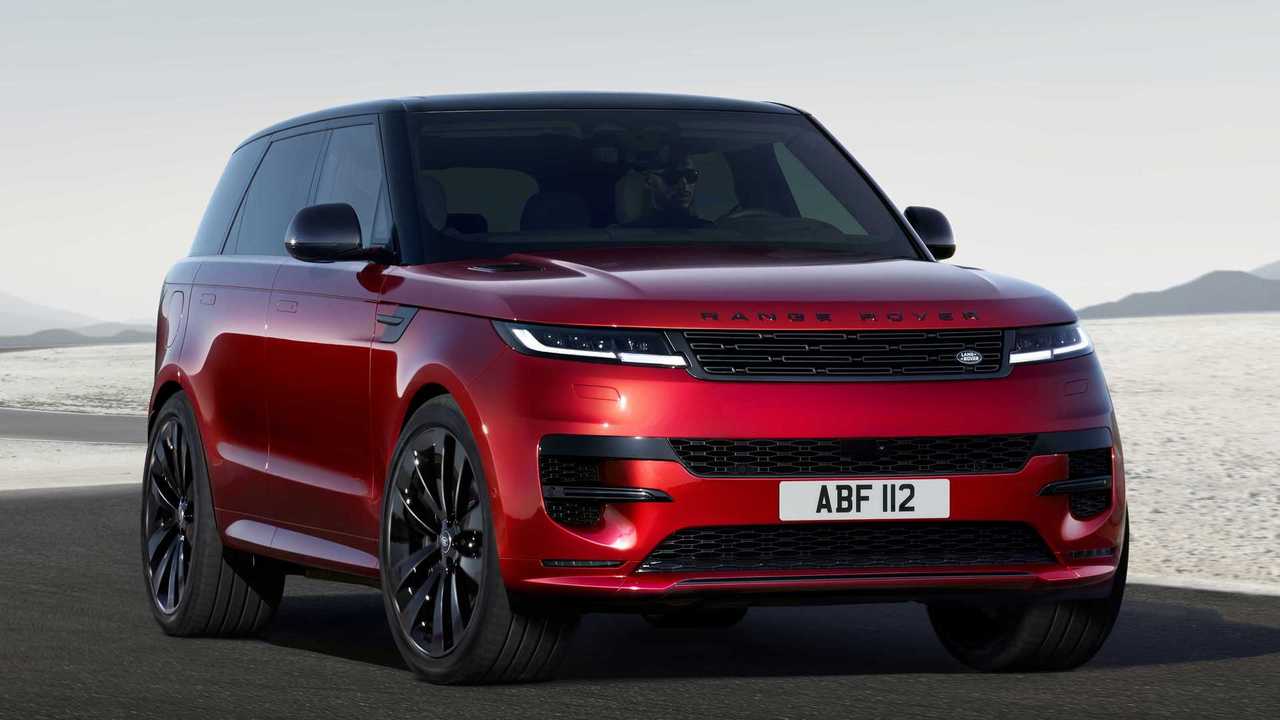
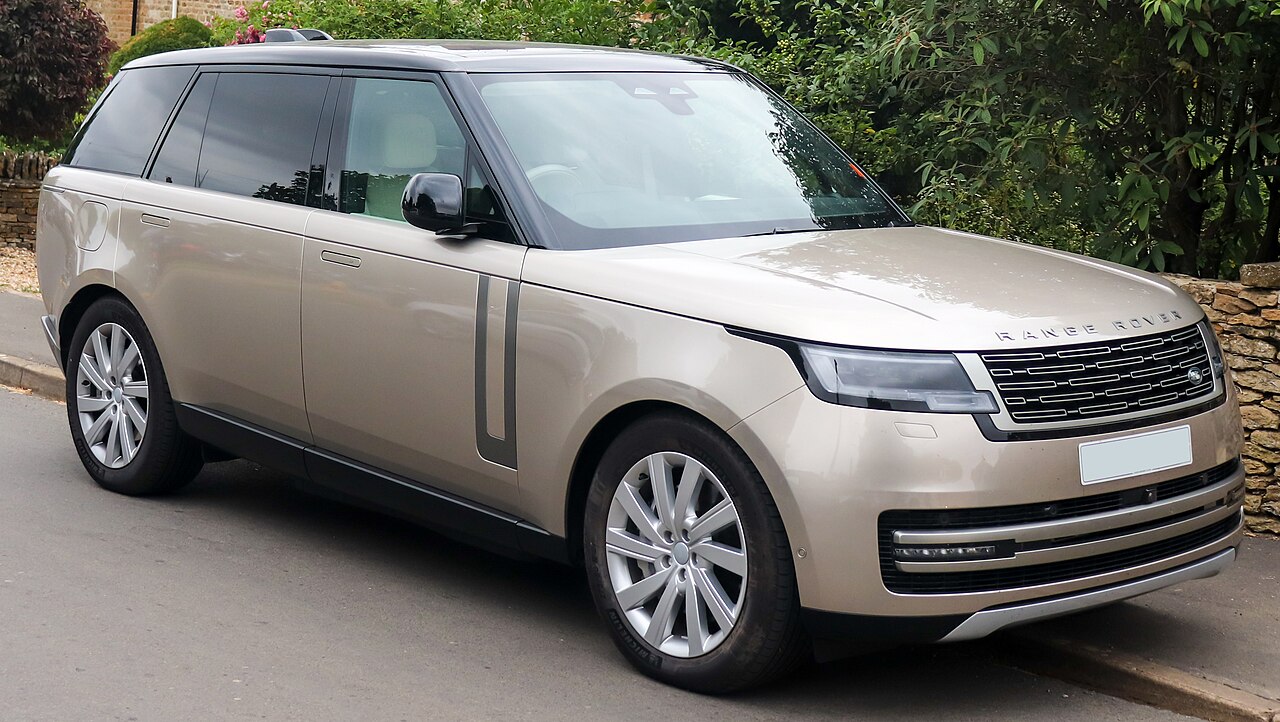
1. Land Rover Range Rover: Performance, Comfort, and Air Suspension Insights
The Land Rover Range Rover is renowned for its luxury, off-road capability, and advanced air suspension system. However, this sophisticated suspension is prone to issues. Its rubber air bellows deteriorate over time due to heat, moisture, and road debris, often causing fine cracks and sagging, sometimes on just one side.
These problems trigger “Suspension Inactive” warnings and, if left unchecked, overwork the air compressor, potentially leading to costly pump failure.
Leaks can also occur in the combined strut design of front air springs, valve blocks, or lines, with off-road use and heavy loads accelerating wear. Typically, air spring failures appear after 5–7 years or 70,000–90,000 miles, worsened by environmental exposure and aging components like brittle O-rings.
Range Rover’s air suspension delivers a plush, comfort-focused ride. In Comfort mode, it glides smoothly over roads, while Dynamic mode firms the ride slightly without compromising luxury. Off-road performance remains robust, a hallmark of the brand.
Under the hood, the Range Rover offers four powertrain options: the P400 3.0-liter turbo inline-six (395 hp) with a 48-volt mild hybrid system; the P530 4.4-liter twin-turbo V-8 (523 hp), which increases towing capacity to 8,200 pounds; the P550e plug-in hybrid (542 hp combined) for short-wheelbase models with an EPA-estimated 21 miles of electric range; and the range-topping P615 4.4-liter twin-turbo V-8 (606 hp).
All models use an 8-speed automatic transmission and standard four-wheel drive. Acceleration ranges from 5.5 seconds (P400) to 4.3 seconds (P530) for 0–60 mph. Fuel economy varies from 16–21 mpg city and 22–24 mpg highway, with plug-in hybrid models delivering slightly lower gasoline efficiency once the battery is depleted.
The interior continues Range Rover’s legacy of opulent materials and craftsmanship, offering leather or sustainable leather-free options, and seating configurations from four to seven passengers. Legroom is generous in the second row, while the third row suits shorter adults or children.
Cargo capacity ranges from 40.7 cubic feet behind the rear seats in standard models to 92.8 cubic feet in long-wheelbase trims. Features include a 13.1-inch infotainment touchscreen with Pivi Pro, wireless Apple CarPlay and Android Auto, optional dual 11.4-inch rear displays, and Meridian audio systems up to 35 speakers.
Safety is comprehensive, with standard automated emergency braking, lane-keeping assist, and adaptive cruise control. The limited warranty covers four years or 50,000 miles, but unlike some rivals, the Range Rover does not include complimentary scheduled maintenance. It balances luxury, performance, and advanced technology, with careful attention needed for air suspension longevity.
2. Mercedes-Benz S-Class: Luxury, Performance, and Air Suspension Overview
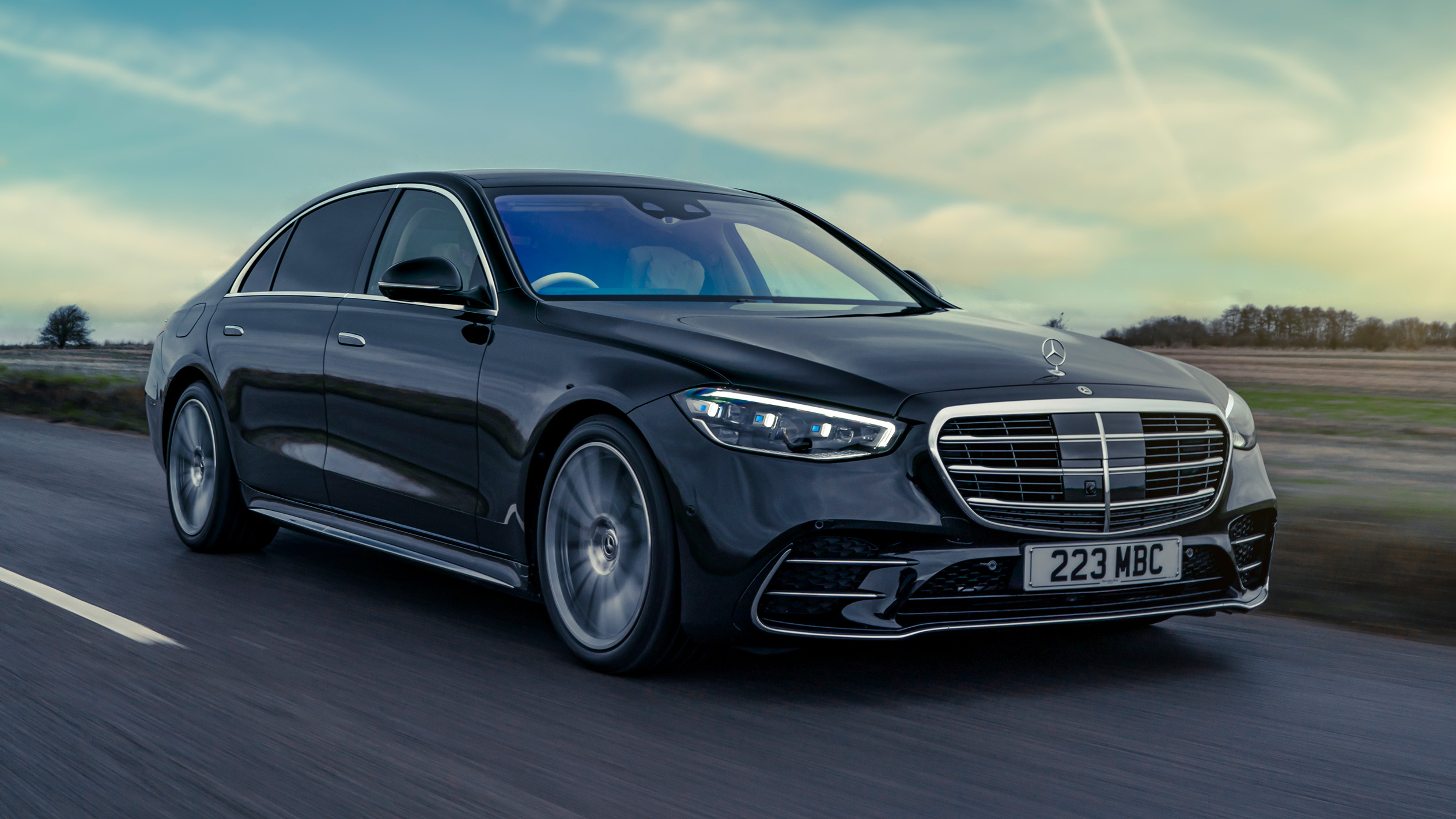
The Mercedes-Benz S-Class is renowned for its combination of opulent luxury, advanced technology, and smooth ride quality, but its Airmatic air suspension, particularly in the W220 and early W221 generations, can be prone to issues. Leaks often occur at the top of the front struts, where rubber seals dry out and crack over time, leading to overnight sagging or a “lowrider” appearance.
Because the airbag and strut are usually integrated, replacing a single corner can be costly, often running into thousands of dollars at dealerships. Common causes of air suspension failure include rubber air bag degradation, corrosion and moisture in the system, valve block malfunctions, damaged air lines, and overuse of the compressor.
Symptoms of failure include uneven sagging, loud or prolonged compressor operation, and a harsh or bouncy ride. Regular inspections of bellows and air lines are essential to avoid total system failure.
Under the hood, the S-Class is offered with multiple powertrains. The S500 features a 442-hp turbocharged 3.0-liter inline-six with a 48-volt mild hybrid system, while the S580 boasts a 496-hp twin-turbo 4.0-liter V-8. Both pair with a nine-speed automatic transmission and standard 4Matic all-wheel drive.
The S580e plug-in hybrid combines a 510-hp inline-six with an electric motor, delivering an EPA-estimated electric range of 48 miles, though real-world tests have reached 58 miles.
Acceleration ranges from 4.5 seconds for the S500 to 3.9 seconds for the S580, making the S-Class quick for its size. Fuel economy varies from 17–20 mpg city and 27–29 mpg highway, with the plug-in hybrid achieving up to 36 mpg on extended highway tests.
The interior maintains Mercedes’ high standards, with options for Nappa leather, real wood trim, and Manufaktur customization. Rear passengers enjoy heated, ventilated, and power-adjustable reclining seats, with optional features like folding tables, wireless charging, and dual 11.6-inch entertainment screens.
Cargo capacity is modest at 13 cubic feet, sufficient for luggage and personal items. Infotainment is centered on a 12.8-inch OLED touchscreen with the enhanced MBUX system, offering voice commands, facial recognition, and smartphone-style interaction. The standard Burmester 3D audio system can be upgraded to a 30-speaker Burmester 4D setup.
Safety is comprehensive, with forward-collision warning, automated emergency braking, lane-departure warning, lane-keeping assist, adaptive cruise control, and advanced parking capabilities.
Mercedes also offers optional rear-seat airbags and active suspension features that lift the car to mitigate collision damage. Warranty coverage is standard for luxury brands, at four years or 50,000 miles, but no complimentary maintenance is included.
The Mercedes-Benz S-Class blends performance, luxury, and technology, but owners should be aware of air suspension maintenance and the costs associated with the Airmatic system.
3. Ram 1500: Air Suspension, Performance, and Luxury in a Pickup
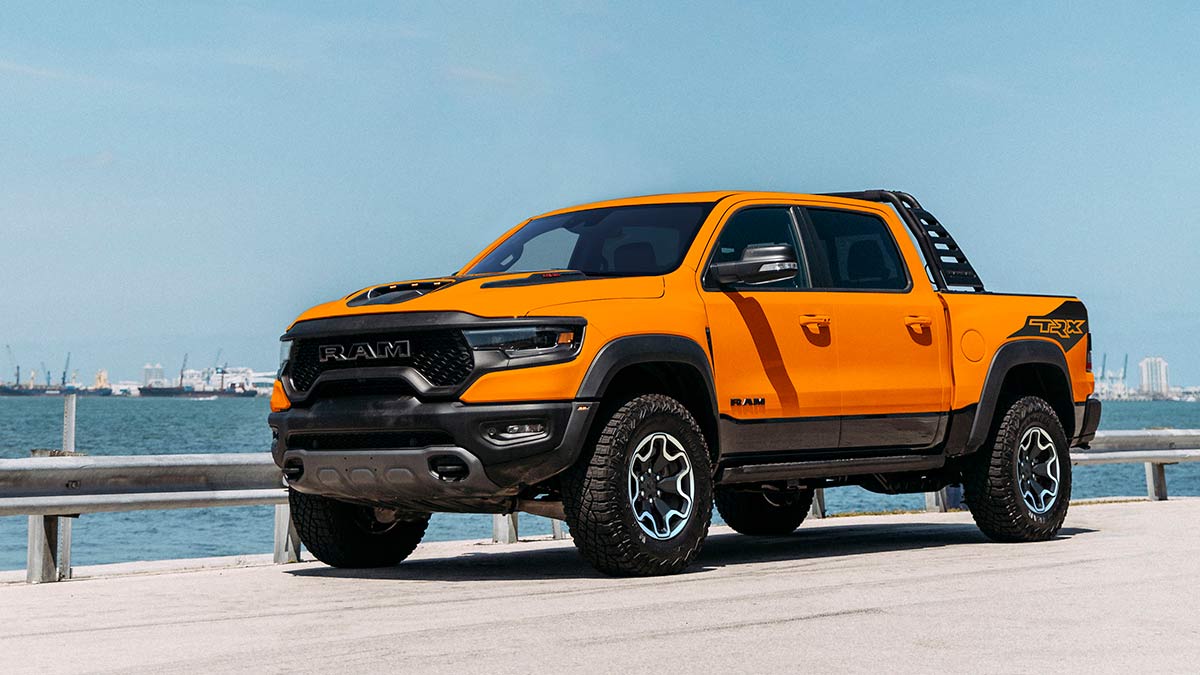
The Ram 1500 offers an optional four-corner air suspension praised for smooth ride quality, but it is sensitive to environmental conditions, particularly cold weather. Moisture trapped in air lines can freeze, causing valves to stick or seals to shrink and leak, resulting in a stiff ride or the truck getting stuck at its lowest entry/exit height.
Over time, rubber airbags, plastic and rubber air lines, and fittings become brittle and corrode, leading to leaks. Cold weather exacerbates these issues, and overworked compressors can fail prematurely.
Common signs include uneven sagging, rough ride quality, and compressors running constantly or failing to engage. Frequent maintenance and nitrogen refills are often required, and some owners replace the system with conventional coil springs when repairs become costly.
The Ram 1500 is available with three gasoline powertrains: a 305-hp V-6 with a 48-volt mild hybrid system, the returning 5.7-liter Hemi V-8 producing 395 hp, and a twin-turbo inline-six dubbed Hurricane with either 420 or 540 hp. All engines pair with an eight-speed automatic transmission.
In testing, the 540-hp Hurricane in a crew-cab Limited 4×4 reached 60 mph in 4.2 seconds, while a 420-hp Rebel achieved 4.9 seconds. Even the V-8 provides ample power for towing and daily driving. Every 1500 benefits from a comfortable rear coil-spring suspension, while models with air suspension gain adjustable ride height, improving fuel efficiency and off-road capability.
Towing capacity peaks at 11,610 pounds with a payload of up to 2,360 pounds, slightly below some competitors. The new Ramcharger PHEV extends towing to 14,000 pounds, and the heavy-duty Ram HD lineup offers up to 37,090 pounds. Fuel economy ranges from 20 mpg city and 25 mpg highway for high-output inline-six models, with real-world highway tests confirming these results.
Inside, the Ram 1500 blends utility with luxury. Crew-cab models provide spacious passenger and cargo areas, with higher trims offering premium leather, wood accents, and 24-way adjustable front seats with massage functions.
Infotainment is delivered via a responsive 12.0-inch or optional 14.5-inch touchscreen, compatible with Apple CarPlay and Android Auto, with an optional 10.3-inch passenger display for navigation and entertainment.
Safety features include standard automated emergency braking, blind-spot monitoring, and rear cross-traffic alert, with available adaptive cruise control and hands-free driving capabilities. Warranty coverage is competitive, with a three-year/36,000-mile limited warranty and an industry-leading 10-year/100,000-mile powertrain warranty, though no complimentary scheduled maintenance is included.
The Ram 1500 combines rugged capability, refined ride quality, and advanced technology, but owners of air-suspension-equipped models must remain vigilant about cold-weather effects and maintenance requirements.
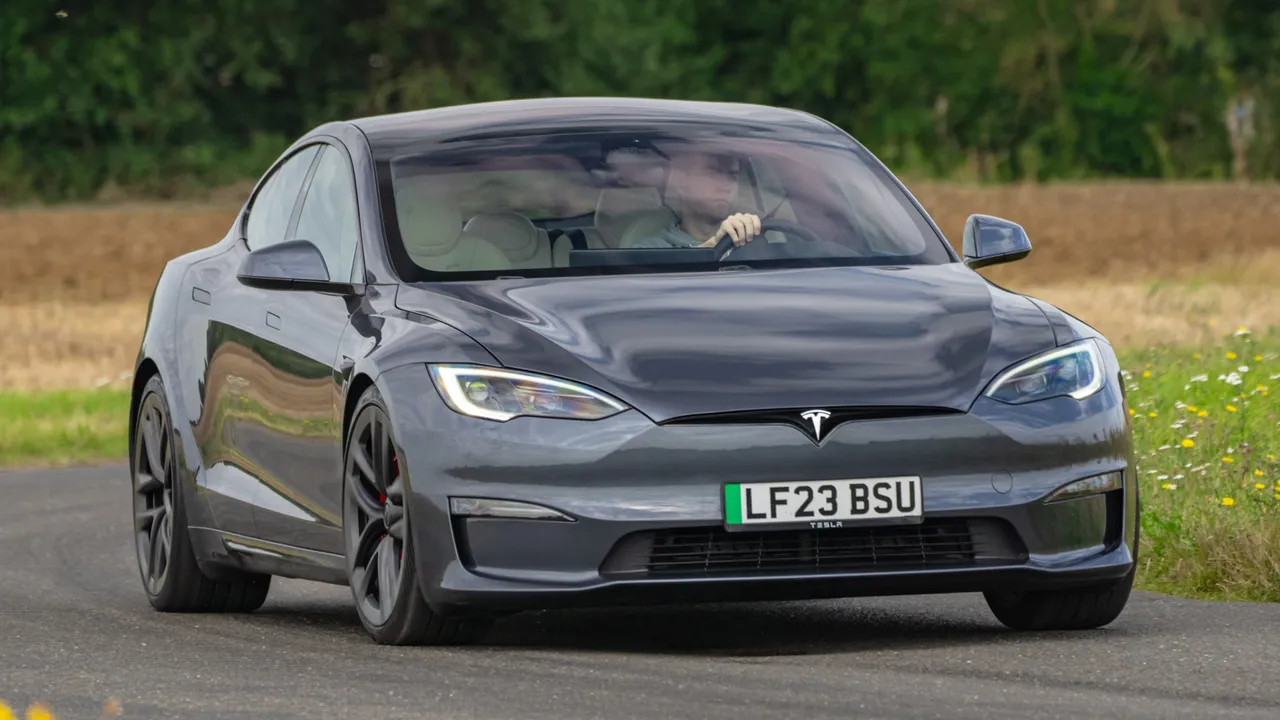
4. Tesla Model S: Air Suspension, Performance, and EV Luxury
The Tesla Model S features a “Smart Air Suspension” system designed for a smooth, adaptable ride, but early units are prone to leaks in the air lines and air springs, particularly at higher mileage.
Leaks often lead to sagging corners, a “pogoing” sensation while driving, or the car sitting dangerously low after a few hours of inactivity. Rubber components, including air struts, can harden, crack, or puncture over time, while nylon air lines and valve blocks may develop micro-leaks or seize.
Environmental factors such as road salt, moisture, and temperature fluctuations further accelerate wear, causing compressors to overwork and risk premature failure. Because Tesla’s air suspension is a sealed nitrogen system, leaks require specialized service, making DIY repairs challenging.
The Model S delivers outstanding electric performance with full-time all-wheel drive across all variants. The standard Model S provides quick acceleration and a comfortable, quiet ride, while the Plaid model adds a third electric motor and 1,020 horsepower, reaching 60 mph in just 2.1 seconds.
Drivers can choose between light or heavy steering effort, though the optional aircraft-style yoke steering can make hand-over-hand maneuvers awkward, with a traditional wheel available at no extra cost.
Range is a strong suit for Tesla, with the standard Model S achieving up to 410 miles per charge and the Plaid 309–368 miles, performing well on long-distance highway travel. Supercharging enables a 10–90% charge in roughly 37 minutes, while MPGe ratings range from 132 city/116 highway for the standard model to 108 city/99 highway for the Plaid, with real-world tests confirming efficiency.
Interior comfort is functional but less luxurious than some rivals, such as the BMW i5 or Mercedes-Benz EQE. The sloped roofline conceals a rear liftgate and 26-cubic-foot trunk, accommodating multiple carry-on cases.
Minimal small-item storage is offset by a large underfloor cargo bin. Infotainment centers on a large touchscreen controlling most vehicle functions, complemented by a secondary gauge cluster display and a rear-seat touchpad. Apple CarPlay and Android Auto are not supported.
Safety features include standard automated emergency braking and lane-departure warning, with available adaptive cruise control offering hands-free operation. Tesla’s Autopilot and Enhanced Autopilot packages add semi-automated lane changes and parking, though full self-driving capabilities still require driver attention.
Warranty coverage includes a four-year/50,000-mile limited warranty and an eight-year unlimited-mileage powertrain warranty, though there is no complimentary scheduled maintenance.
The Tesla Model S balances high-performance EV driving, long-range capability, and advanced air suspension technology, though owners should monitor potential leaks and system wear over time.
Also Read: Top 10 Cars That Can Drive Through Deep Water Without Stalling
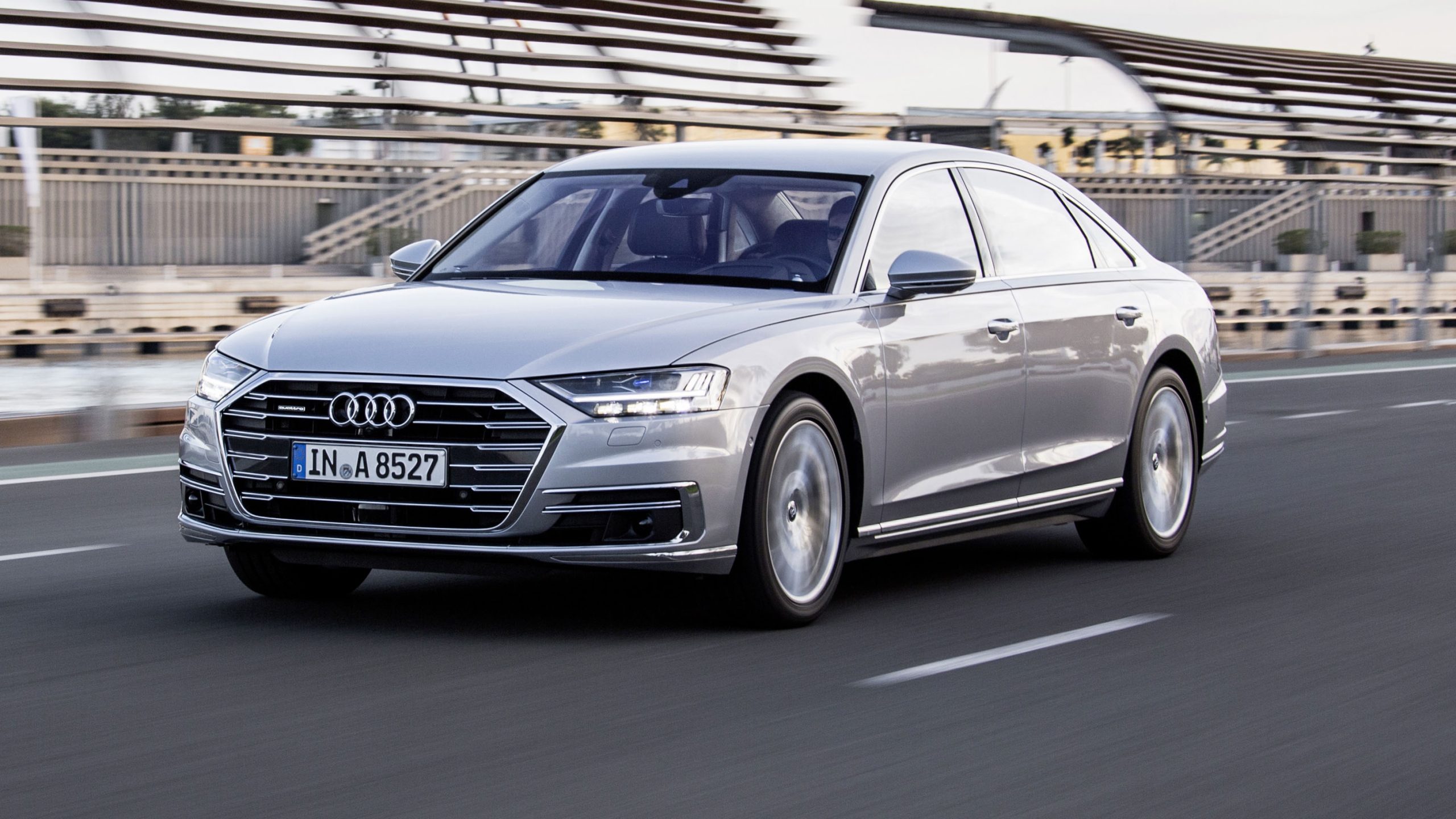
5. Audi A8: Air Suspension, Performance, and Luxury Sedan Experience
The Audi A8 features a sophisticated air-spring suspension system that provides an exceptionally smooth and controlled ride, but can be prone to problems as it ages. Front air springs are common points of failure, often developing slow leaks that cause the front end to sag after the car has been parked for a while.
The system’s valve blocks, which distribute air to each corner, can also develop internal leaks, resulting in uneven pressure and a noticeable lean during cornering. Rubber air struts and airbags deteriorate over time, typically within eight to ten years, becoming brittle and susceptible to cracks.
Exposure to road debris, road salt, and extreme weather accelerates this wear. Small leaks cause the compressor to run constantly, which can lead to overheating and eventual system failure. Symptoms include sagging corners, hissing or whining noises near the wheels, and dashboard suspension warning lights.
The A8 is powered by a 335-horsepower turbocharged 3.0-liter V-6 paired with a 48-volt mild hybrid system. Torque is delivered to all four wheels through an eight-speed automatic transmission, with 331 pound-feet available from just 1,370 rpm.
This combination produces smooth, responsive acceleration and achieves 0–60 mph in 5.3 seconds. Driving the A8 is quiet and refined, with the air suspension effectively smoothing out road imperfections. Despite its large size, the sedan remains composed in corners and demonstrates strong body control.
Fuel economy is rated at 19 miles per gallon in the city and 26 on the highway. The long-wheelbase interior provides generous space for passengers. Front seats are supportive and comfortable, while the second row offers ample legroom and optional features such as ventilation, massage, heated armrests, and power-adjustable lumbar support.
Audi offers a Luxury Rear Seat Package that replaces the rear bench with two bucket seats and a center console, which includes heated foot-massage functionality. Cargo space is modest at 13 cubic feet, enough to fit six carry-on suitcases, reflecting the model’s focus on passenger comfort.
The A8 comes with a 12.3-inch Virtual Cockpit gauge cluster and dual MMI touchscreens, including a 10.1-inch primary display above an 8.6-inch HVAC screen. Wireless Apple CarPlay and Android Auto are supported. Audio options include a 17-speaker Bang & Olufsen system with an optional 23-speaker upgrade.
Standard safety features include automated emergency braking, lane-departure warning, and front and rear parking sensors. Optional features include adaptive cruise control, lane-keeping assist, and blind-spot monitoring. Warranty coverage is four years or 50,000 miles for both limited and powertrain warranties, and the vehicle includes three years or 30,000 miles of complimentary maintenance.
The Audi A8 combines refined performance, premium interior comfort, and advanced air suspension, but regular inspections are important to maintain a smooth and reliable ride as the vehicle ages.
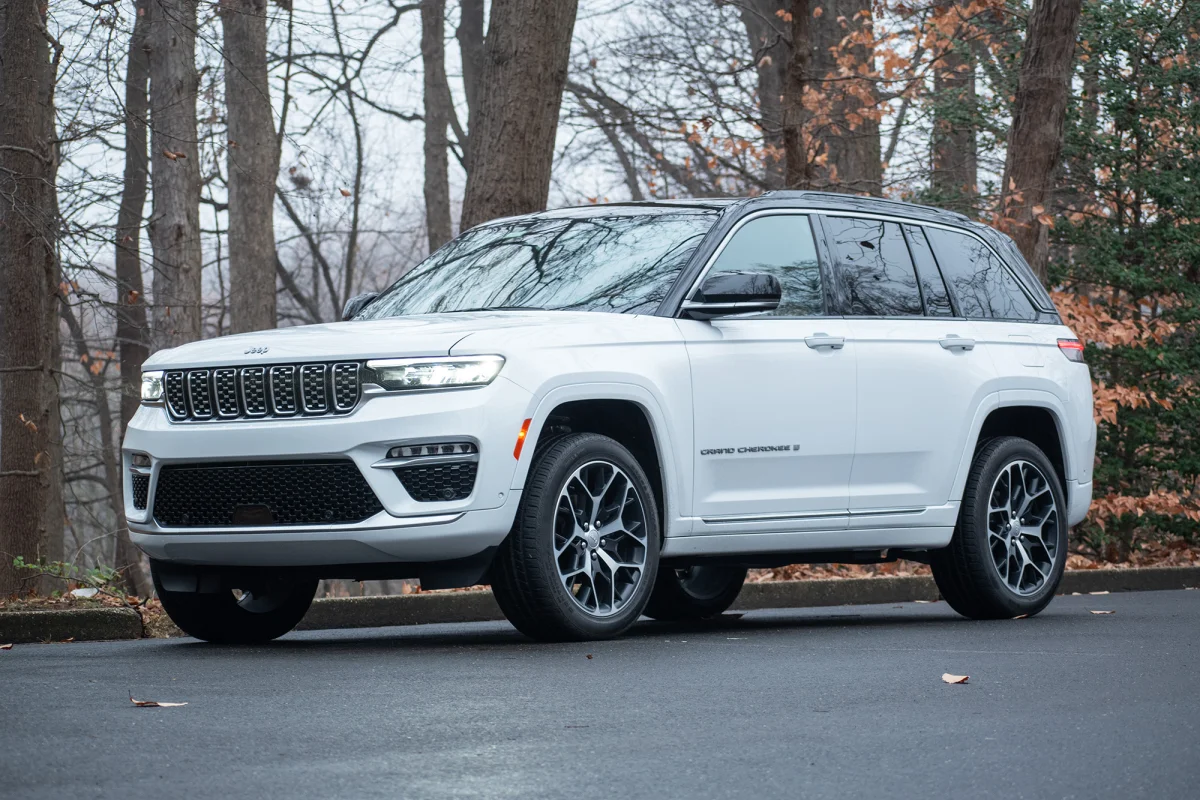
6. Jeep Grand Cherokee: Air Suspension and Mid-Size SUV Performance
The Jeep Grand Cherokee features the Quadra-Lift air suspension system, which provides adjustable ride height and a smooth driving experience but is prone to leaks and related issues. The system uses four air springs that can degrade over time or be punctured by off-road debris. When a leak occurs, the vehicle may display a “Service Air Suspension” warning and may fail to adjust heights.
Owners often report excessive noise from the air compressor as it struggles to maintain pressure, which is a sign of impending system failure. Rubber air bags, failing O-rings, and plastic air lines are the main sources of leaks. Exposure to extreme temperatures, moisture, road salt, and debris causes these components to dry, crack, or puncture, usually after 80,000 to 120,000 miles.
Key causes of leaks include deterioration of the rubber air springs, failed fittings or O-rings, environmental corrosion, punctures from debris, and overworked compressors. Common symptoms include the SUV sitting lower than normal, especially after sitting overnight, frequent or loud compressor operation, dashboard suspension warnings, and uneven ride height.
The Grand Cherokee offers two engine options. A 293-hp 3.6-liter V-6 is standard, while a 324-hp turbocharged 2.0-liter four-cylinder is available as an upgrade. Both engines are paired with an eight-speed automatic transmission. Rear-wheel drive is standard, with three all-wheel drive systems offering increasing off-road capability. One system can send all power to a single wheel if needed.
On paved roads, the Grand Cherokee is composed and smooth, with higher-level trims featuring adaptive dampers that enhance comfort. The turbo-four engine provides strong acceleration and a pleasing exhaust note. Acceleration tests show 0–60 mph in 7.4 seconds for the V-6 Summit trim and an estimated 6.5 seconds for the turbo-four.
The SUV has a maximum towing capacity of 6,200 pounds, slightly higher than some competitors. Fuel economy for the V-6 is 19 mpg city and 26 mpg highway, with 22 mpg observed in real-world highway testing.
Interior comfort is generous, with upscale trims offering leather, wood accents, and digital displays. Rear passengers have ample legroom, and cargo space is 13 carry-on suitcases behind the rear seats or 28 with the seats folded.
Infotainment includes a standard 12.3-inch touchscreen with Apple CarPlay, Android Auto, and optional passenger displays. Audio ranges from a six-speaker stereo to a 19-speaker McIntosh system in premium trims. Safety features include automated emergency braking, lane-keeping assist, and blind-spot monitoring, with adaptive cruise control optional.
The Grand Cherokee comes with a three-year or 36,000-mile limited warranty and a five-year or 60,000-mile powertrain warranty, with no complimentary maintenance. The Grand Cherokee combines capable engines, adjustable air suspension, and practical luxury, though owners must monitor the system for leaks and compressor strain to maintain reliability.
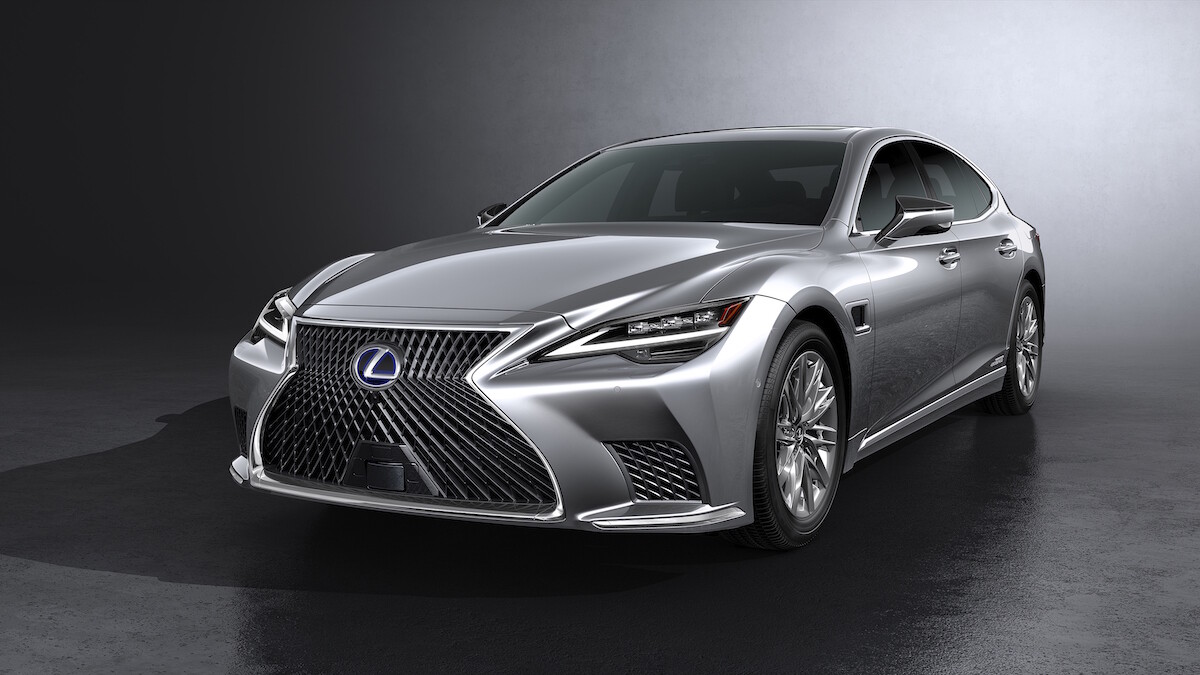
7. Lexus LS: Luxury Sedan with Air Suspension Challenges
The Lexus LS is widely recognized for its reliability, but its air suspension system is an exception. The LS uses air struts that can develop leaks over time, often resulting in a harsh, bouncy ride once internal pressure is lost.
Unlike other components of the LS, which can last well over 200,000 miles, the air suspension frequently requires attention much earlier. Because replacement parts are premium-priced, many owners opt for traditional coil-over conversion kits when the airbags begin to fail.
Lexus LS air suspension systems are prone to leaks primarily due to the natural degradation of rubber air bladders, which crack and tear over time. High-pressure operation and environmental exposure place significant stress on the system, sometimes causing compressor burnout. Failures can also occur in the air lines, fittings, or the valve block.
Complex electronics, including height sensors and an ECU, can further complicate issues by improperly leveling the vehicle and adding stress to specific struts. Age and mileage exacerbate wear, making leaks a common and costly maintenance concern. Typical symptoms include the car sagging on one corner or axle, especially after being parked overnight.
The LS500 is powered by a twin-turbocharged 3.4-liter V-6 producing 416 horsepower and 442 pound-feet of torque. All-wheel drive and a 10-speed automatic transmission are standard. The setup emphasizes smooth and quiet operation, although heavy throttle produces a noticeable exhaust note.
While comfortable and refined, the LS500 is slightly slower than competitors such as the BMW 740i and Mercedes-Benz S500, which reach 60 mph in 4.9 and 4.5 seconds, respectively. The LS500 completes the 0–60 mph sprint in 5.0 seconds, offering respectable acceleration for a full-size luxury sedan.
Fuel economy for the all-wheel drive LS500 is rated at 17 mpg city and 27 mpg highway. Real-world testing on a 75-mph highway route yielded 28 mpg.
The interior emphasizes comfort and quality materials, with supple leather, wood, glass, and fabric trim options. Front seats are plush and accommodating, while rear passengers enjoy spacious legroom. The trunk can hold six carry-on suitcases, although fixed rear seatbacks limit the ability to carry larger items.
Infotainment is centered around a 12.3-inch touchscreen with wireless Apple CarPlay, Android Auto, Amazon Alexa, navigation, and a 4G LTE Wi-Fi hotspot. The system also supports voice commands, and controls for seat heating and ventilation are conveniently placed on the console.
Safety is covered by the Lexus Safety System+ 3.0 suite, including automated emergency braking, lane-keeping assist, and adaptive cruise control with lane centering. Warranty coverage includes four years or 50,000 miles limited coverage, six years or 70,000 miles powertrain coverage, and one year or 10,000 miles of complimentary maintenance.
The Lexus LS combines smooth luxury, advanced technology, and strong V-6 performance, but its air suspension requires careful monitoring to maintain ride quality and avoid costly repairs.
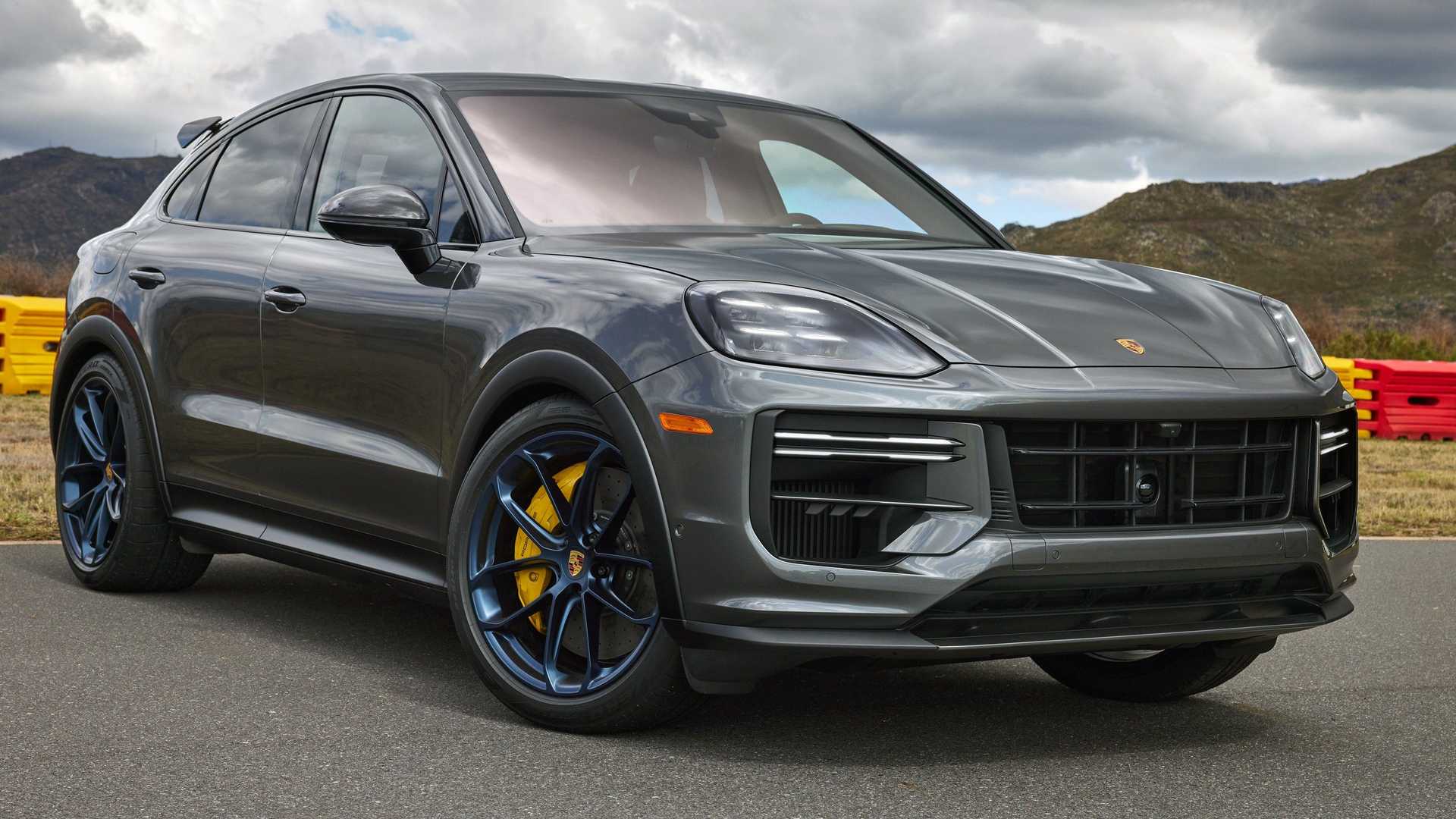
8. Porsche Cayenne: Performance SUV with High-Pressure Air Suspension
The Porsche Cayenne employs a high-pressure air suspension system designed to manage its weight and deliver sports-car-like handling. While this system provides a smooth and adjustable ride, it is prone to leaks over time. The rubber air bellows can develop pinhole leaks, and the plastic fittings connecting air lines are vulnerable to cracking.
These issues often cause the SUV to sag and trigger dashboard warnings. Repairs are labor-intensive, frequently requiring the removal of multiple chassis components to access the leaking air springs or the central compressor.
Air suspension leaks are primarily caused by natural aging of the rubber airbags, harsh environmental exposure to cold or salt, and fatigue from prolonged use. Key failure points include deteriorating rubber bladders, degraded seals in the valve block, faulty air lines, and overworked compressors.
Over time, leaks force the compressor to operate continuously, which can lead to overheating and premature failure. Common symptoms include “Suspension Fault” messages, uneven vehicle stance after parking, rough ride quality, and extended compressor operation.
Maintenance tips include regular cleaning of suspension components, using the system’s “jack mode” when lifting the vehicle, and scheduling annual professional inspections.
The Cayenne offers a range of engines to match different performance needs. The base V-6 delivers 348 horsepower, while the Cayenne S comes with a 468-hp twin-turbo V-8. The GTS model increases output to 493 hp, and the Turbo GT Coupe boasts a 650-hp twin-turbo V-8.
All models use an eight-speed automatic transmission and all-wheel drive. Adaptive dampers are standard, and performance options include adjustable air suspension, rear-wheel steering, and active anti-roll bars. Acceleration ranges from 4.7 seconds to 60 mph in the base V-6 to 2.8 seconds in the Turbo GT, highlighting the SUV’s sporty credentials.
Fuel economy varies by engine, with EPA ratings between 15–17 mpg city and 20–23 mpg highway.
Inside, the Cayenne features a modern dashboard with up to three digital displays. A 12.3-inch infotainment touchscreen and a 12.6-inch gauge cluster are standard, with an optional 10.9-inch passenger display.
The cabin is customizable, offering premium materials, heated and ventilated seats, massage functions, and four-zone climate control. Cargo capacity is 27.3 cubic feet behind the rear seats, expanding to 60.3 cubic feet when folded. The Cayenne Coupe has slightly reduced storage due to its fastback design.
Safety features include automated emergency braking, blind-spot monitoring, and lane-keeping assist. Optional technologies include adaptive cruise control with lane centering and a night-vision camera system. Warranty coverage consists of four years or 50,000 miles limited coverage, four years or 50,000 miles powertrain coverage, and one year or 10,000 miles of complimentary maintenance.
The Porsche Cayenne combines athletic performance, luxurious interior customization, and adaptive air suspension, but its high-pressure system requires regular maintenance to avoid costly repairs and maintain ride quality.
Air suspension technology provides unmatched comfort, handling, and versatility, but it requires careful maintenance to remain reliable. Each of the eight vehicles examined, from luxury sedans like the Audi A8 and Lexus LS to performance SUVs such as the Porsche Cayenne and Range Rover, shows that high-pressure air systems are vulnerable to leaks and component wear over time.
Rubber bladders, valve blocks, and air lines can degrade, and compressors may fail if forced to compensate for unnoticed leaks. Owners who monitor ride height, listen for unusual sounds, and respond to dashboard warnings can catch problems early and prevent costly repairs.
With proper care, these vehicles continue to offer the smooth, adaptable rides and dynamic driving experiences that define their segments. Air suspension remains a remarkable innovation, rewarding owners who balance luxury, performance, and attentive maintenance.
Also read: 5 Cars Owners Are Happy With Long-Term vs 5 They Aren’t