
Owning a vehicle in the United States is about more than the sticker price. While buyers often focus on monthly payments, fuel economy, and insurance rates, the long-term cost of ownership is frequently determined by something less visible: replacement parts.
From brake pads and control arms to alternators and electronic modules, parts pricing can dramatically influence how affordable a car remains after 60,000 or 100,000 miles.
In the U.S. market, where vehicles are driven longer and further than in many other countries, parts availability and cost play a major role in resale value and ownership satisfaction.
Brands with large domestic production footprints, shared platforms, and strong aftermarket ecosystems tend to offer more affordable parts. Others, especially luxury or low-volume brands, often come with premium repair bills.
Below are five brands known for relatively affordable replacement parts, followed by five that are typically more expensive to maintain when it comes to parts alone.
Most Affordable Replacement Parts
Replacement part pricing is one of the most overlooked variables in total cost of ownership. While purchase price, fuel economy, and insurance premiums are easy to compare, long-term maintenance expenses often determine whether a vehicle remains financially sustainable.
Components such as brake pads, alternators, sensors, suspension arms, radiators, and body panels inevitably require replacement over time. The cost of sourcing those parts, whether through OEM channels, aftermarket suppliers, or salvage networks, can vary dramatically between brands.
For American drivers, where annual mileage tends to be higher than in many global markets, wear-related replacements occur more frequently. A vehicle that appears affordable at the dealership can become expensive if proprietary components, limited supplier networks, or complex engineering inflate parts pricing.
Conversely, models built on widely shared platforms with strong aftermarket ecosystems typically benefit from competitive pricing and broader availability.
1. Toyota
Toyota’s dominance in the U.S. market translates directly into parts affordability. Models like the Camry and Corolla are among the most common vehicles on American roads, which creates massive economies of scale.
High production volume reduces OEM part costs, and the aftermarket industry produces a wide range of compatible components.
Among mass-market automakers in the United States, Toyota consistently ranks as one of the most economical brands for replacement parts. The affordability is not accidental; it is the result of production scale, platform sharing, conservative engineering, and a robust aftermarket ecosystem developed over decades.
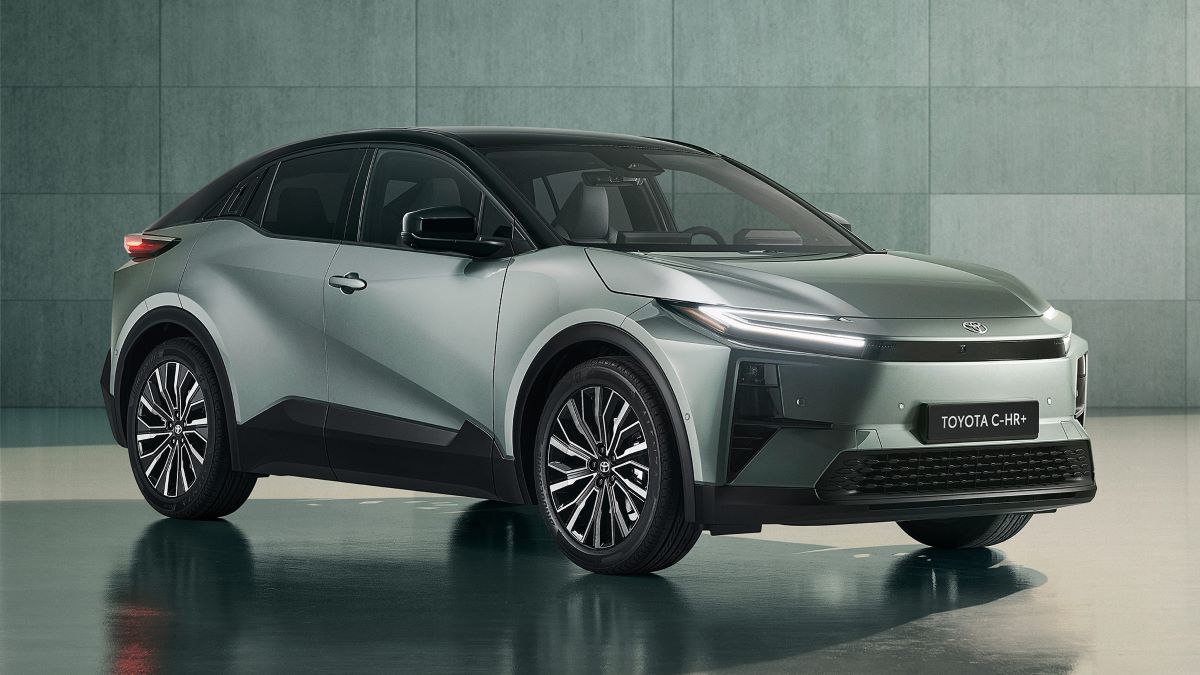
Toyota’s high global production volume significantly reduces per-unit manufacturing costs for components. Models such as the Toyota Corolla and Toyota Camry are produced in large numbers and sold across multiple regions, which creates strong supplier competition.
As a result, common wear items, brake pads, rotors, filters, alternators, water pumps, and suspension components—remain widely available and competitively priced. Independent parts manufacturers actively support these vehicles, further reducing costs for owners outside dealership networks.
2. Honda
Honda maintains a strong reputation in the United States not only for reliability but also for predictable and affordable replacement part pricing. Similar to Toyota, the brand benefits from high production volumes, long model cycles, and broad aftermarket support. These structural advantages translate directly into lower ownership costs over time.
Core models such as the Honda Civic and Honda Accord have been sold in large numbers for decades. This sustained volume creates competitive supplier ecosystems for both OEM and aftermarket components.
Routine wear items, brake components, control arms, radiators, alternators, ignition coils, and sensors, are widely available through multiple distribution channels. Price competition between suppliers keeps margins controlled, particularly outside dealership service departments.
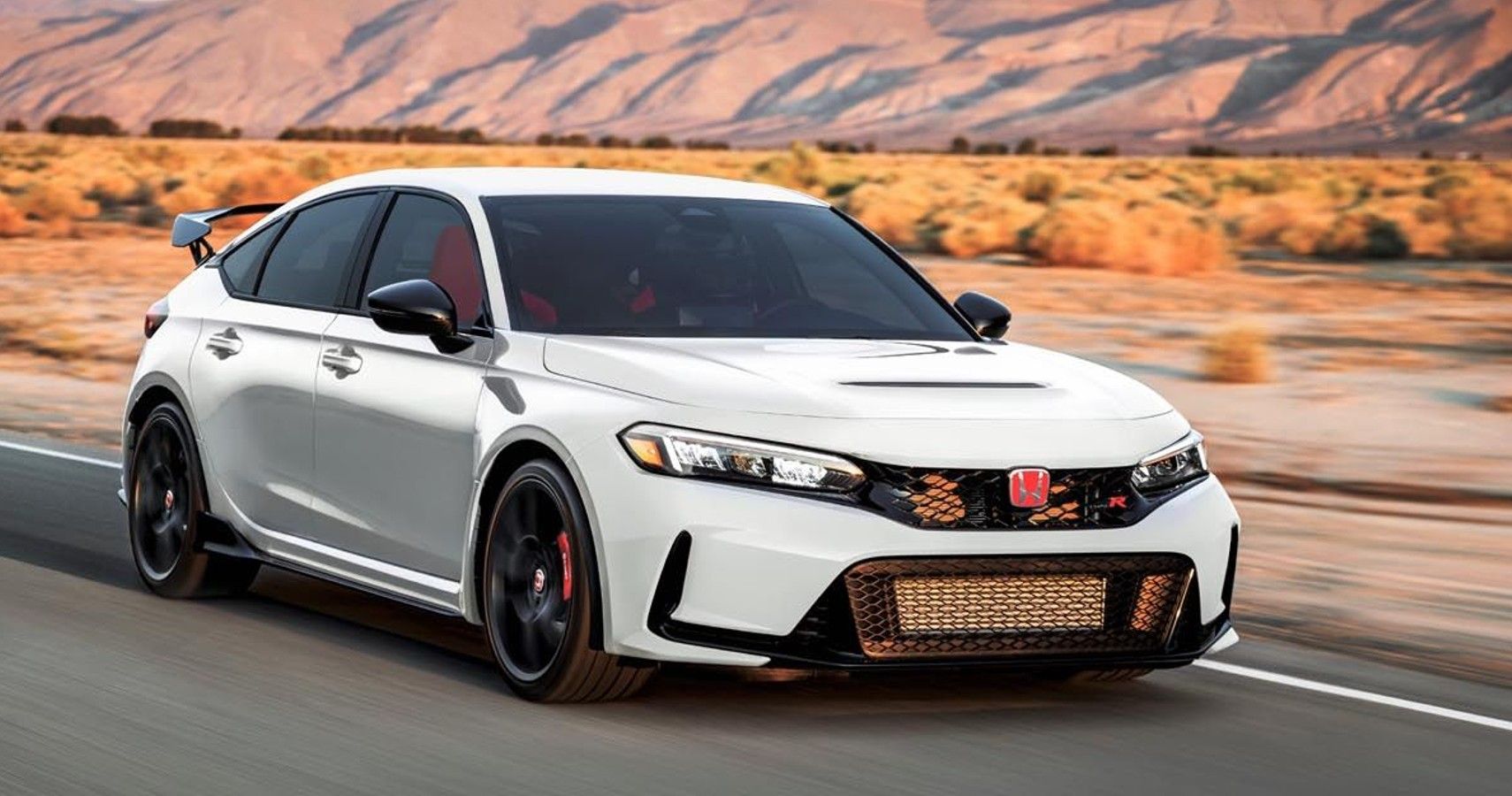
Platform and powertrain sharing also plays a significant role. Honda frequently standardizes engines and transmissions across its sedan and crossover lineup.
For example, mechanical components used in the Honda CR-V often overlap with those found in the Civic and Accord. This interchangeability improves parts availability and prevents scarcity-driven pricing. Additionally, the brand’s long production runs mean that parts tooling costs are amortized over many years, further reducing retail pricing.
3. Ford Motor Company
Among American automakers, Ford Motor Company stands out for maintaining relatively affordable replacement part pricing across much of its mainstream lineup. Scale is the primary driver. Ford’s high domestic production volume, particularly in trucks and SUVs, creates a large and competitive parts ecosystem that benefits long-term owners.
The most significant example is the Ford F-150, which has been one of the best-selling vehicles in the United States for decades. Its sustained sales dominance ensures widespread supplier participation for consumables and mechanical components.
Brake assemblies, suspension parts, radiators, alternators, sensors, and drivetrain components are readily available from both OEM and aftermarket channels. High demand supports competitive pricing and consistent inventory availability nationwide.
Platform and engine sharing further reduce cost exposure. Ford frequently deploys shared powertrains, such as EcoBoost four-cylinder and V6 engines, across multiple models, including the Ford Escape and Ford Explorer.
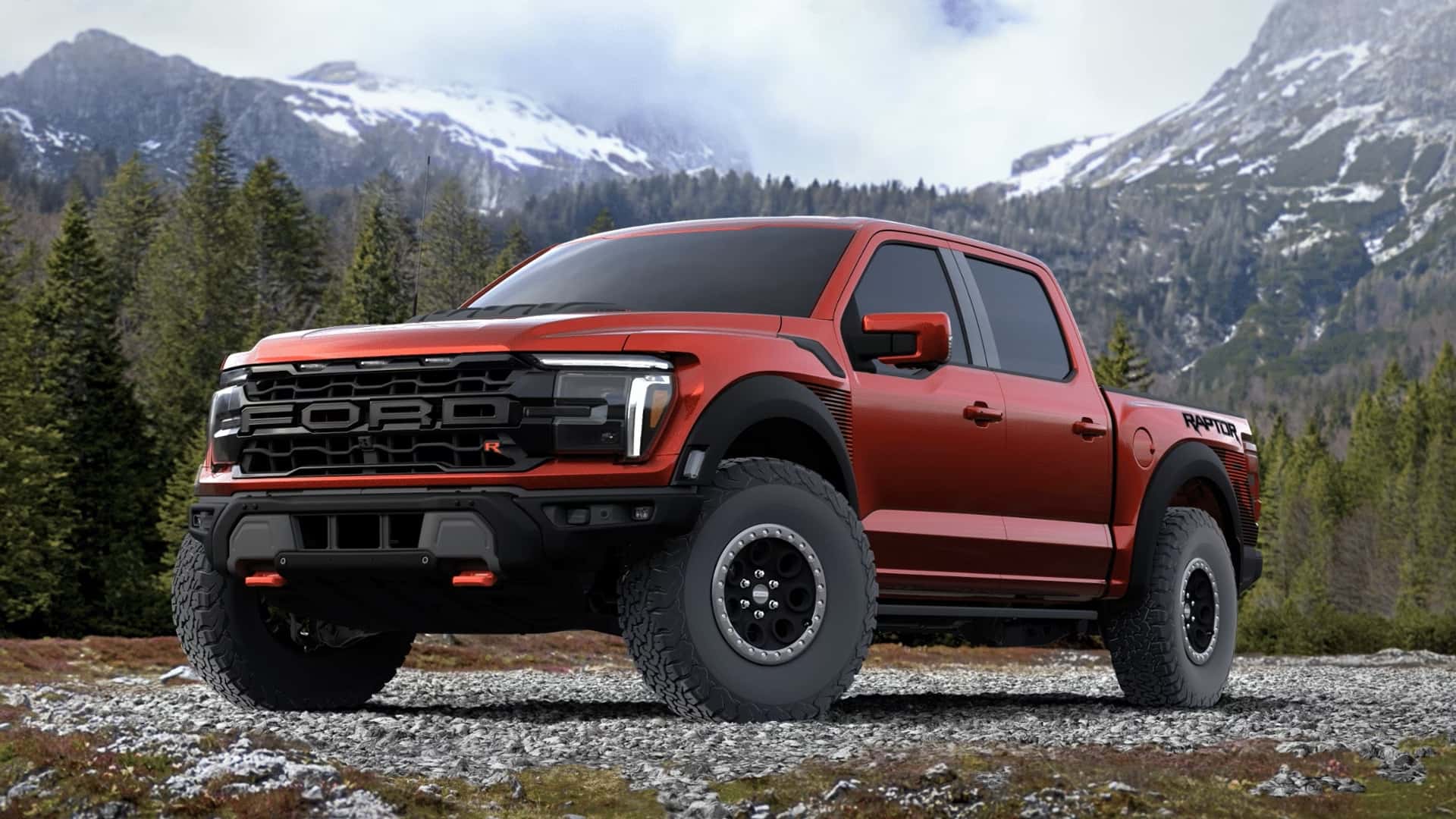
This cross-compatibility increases interchangeability and discourages the pricing inflation often associated with low-volume or specialized components. Long production runs also allow tooling and manufacturing costs to be amortized efficiently.
Ford’s domestic supply chain provides another structural advantage. With extensive distribution centers and dealership networks across the United States, replacement parts logistics remain streamlined.
Owners typically face shorter lead times and fewer import-related markups compared to some foreign brands. In addition, Ford vehicles are widely supported by independent repair facilities, increasing competition in both parts sourcing and labor pricing.
Even performance-oriented models such as the Ford Mustang benefit from robust aftermarket engagement. The enthusiast community drives high parts availability, including both OEM-equivalent replacements and cost-effective alternatives. This depth of support prevents monopolistic pricing and provides owners with multiple sourcing options.
The combination of production scale, shared engineering architectures, strong domestic supplier networks, and widespread service compatibility positions Ford as one of the more affordable brands to maintain in the U.S. market over the long term.
4. Chevrolet
The Chevrolet Silverado 1500 is a primary example. As one of the best-selling full-size trucks in the United States, it generates sustained demand for consumables and mechanical components.
Brake systems, suspension components, cooling parts, drivetrain assemblies, and electronic sensors are widely available from both OEM and third-party manufacturers. High production volume encourages price competition, which helps moderate replacement costs over time.
Platform sharing within General Motors further reduces pricing pressure. Components used in models such as the Chevrolet Equinox often overlap with other GM vehicles, increasing interchangeability.
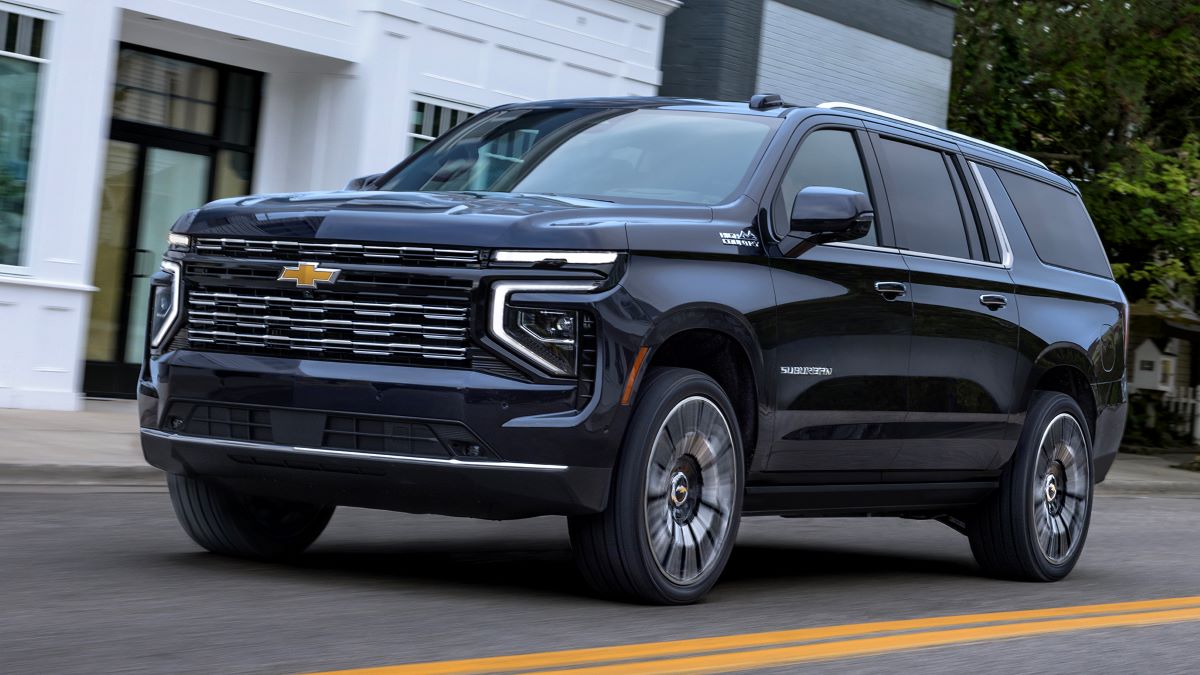
This shared architecture reduces reliance on low-volume proprietary parts and expands inventory availability across the country. Engines and transmissions deployed across multiple GM brands also benefit from economies of scale.
Sedans like the Chevrolet Malibu, while no longer the focal point of the lineup, continue to benefit from long production runs and mature supplier ecosystems. Common wear items remain competitively priced due to strong aftermarket penetration. Even larger SUVs such as the Chevrolet Tahoe maintain reasonable parts availability relative to their size and capability class.
Another cost-control factor is service accessibility. Chevrolet’s extensive dealer network and widespread independent repair support prevent labor monopolization. Diagnostic tools and replacement components are broadly available, reducing the likelihood of dealership-only repair scenarios that can increase total service expense.
5. Hyundai
Hyundai has steadily positioned itself as one of the more cost-efficient brands to maintain in the United States, and replacement part affordability plays a central role in that reputation.
Over the past two decades, Hyundai’s expansion in North American manufacturing and distribution has significantly strengthened its parts ecosystem, resulting in competitive pricing across mainstream models.
High production volume is a primary driver. Core vehicles such as the Hyundai Elantra and Hyundai Sonata are built in large numbers and supported by a mature supplier network.
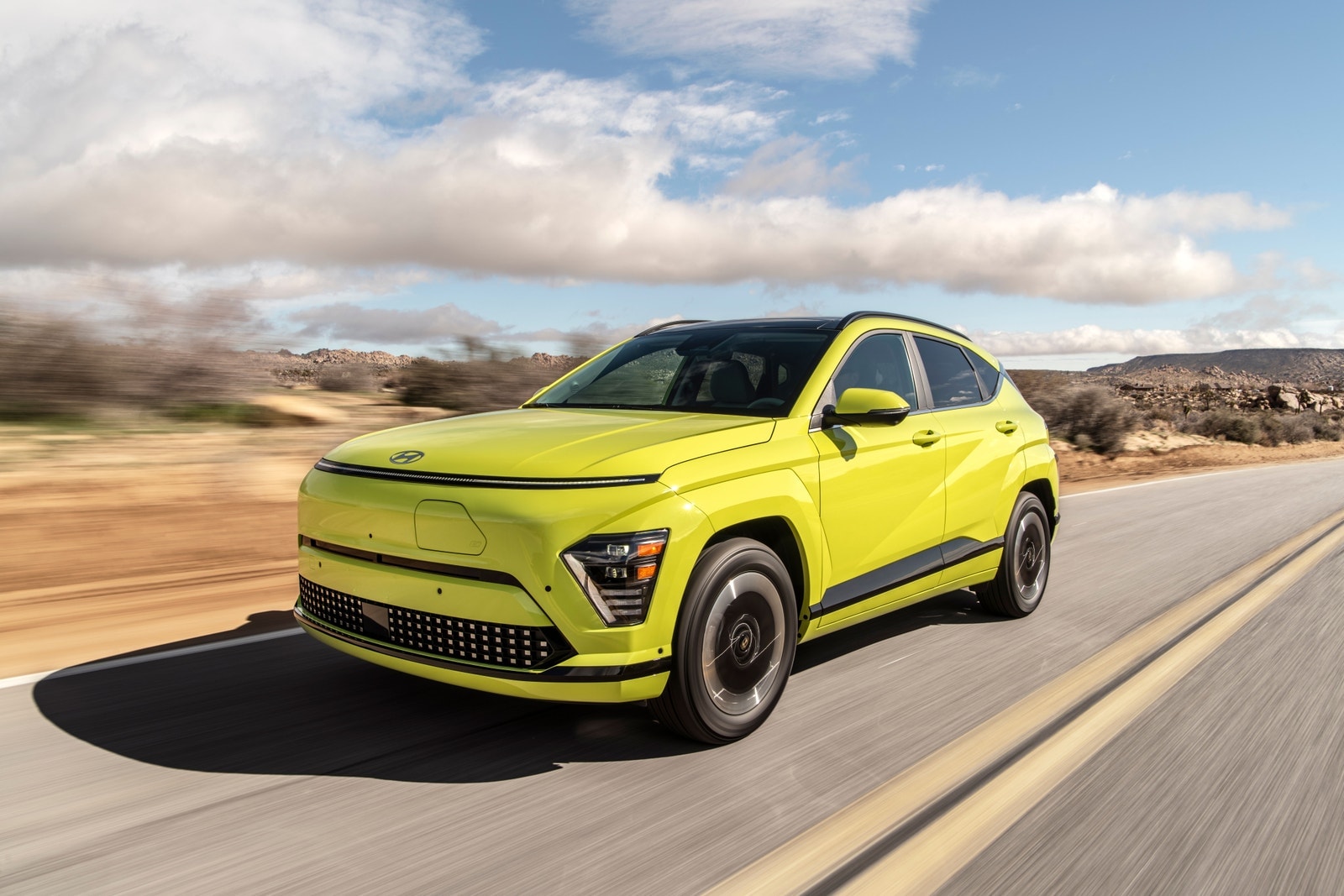
Routine maintenance components, brake assemblies, ignition coils, filters, alternators, control arms, and cooling system parts, are widely available through both OEM and aftermarket channels. Supplier competition helps maintain moderate pricing, particularly for high-wear items.
Platform sharing and standardized powertrains further reduce long-term parts costs. Hyundai frequently deploys common engine families and transmission systems across multiple vehicles, including crossovers such as the Hyundai Tucson and Hyundai Santa Fe.
This cross-compatibility increases interchangeability, improves inventory depth, and limits scarcity-driven markups. Longer production cycles also allow tooling investments to be amortized over time, stabilizing component pricing.
Brands With Expensive Replacement Parts
Replacement part pricing can significantly alter the long-term economics of vehicle ownership, particularly when dealing with premium, performance, or low-volume brands. While higher upfront pricing is expected in certain segments, many buyers underestimate how dramatically parts costs can escalate after the warranty period ends.
Components such as adaptive suspension systems, advanced driver-assistance sensors, LED matrix headlights, turbochargers, and electronic control modules often carry substantial replacement premiums, especially when proprietary engineering limits aftermarket alternatives.
In the United States, where vehicles are typically driven longer and accumulate higher annual mileage than in many other markets, replacement frequency increases exposure to these costs. Luxury and performance brands frequently rely on specialized components, aluminum-intensive construction, or tightly integrated electronics.
While these design choices improve refinement, safety, or performance, they also reduce interchangeability with mainstream platforms. Limited supplier competition and lower production volumes further constrain pricing flexibility.
1. BMW
BMW is widely recognized for performance engineering and driving dynamics, but replacement part costs in the United States are typically higher than mainstream brands. The pricing structure reflects the company’s engineering philosophy, lower production volumes relative to mass-market manufacturers, and the extensive use of proprietary components.
Core models such as the BMW 3 Series and BMW 5 Series incorporate advanced turbocharged engines, complex cooling systems, electronically controlled suspensions, and sophisticated onboard electronics.
These systems improve performance and refinement but introduce higher component costs when replacement becomes necessary. Parts such as high-pressure fuel pumps, adaptive dampers, electronic control modules, and integrated sensor assemblies often carry premium pricing due to specialized design and limited cross-brand compatibility.
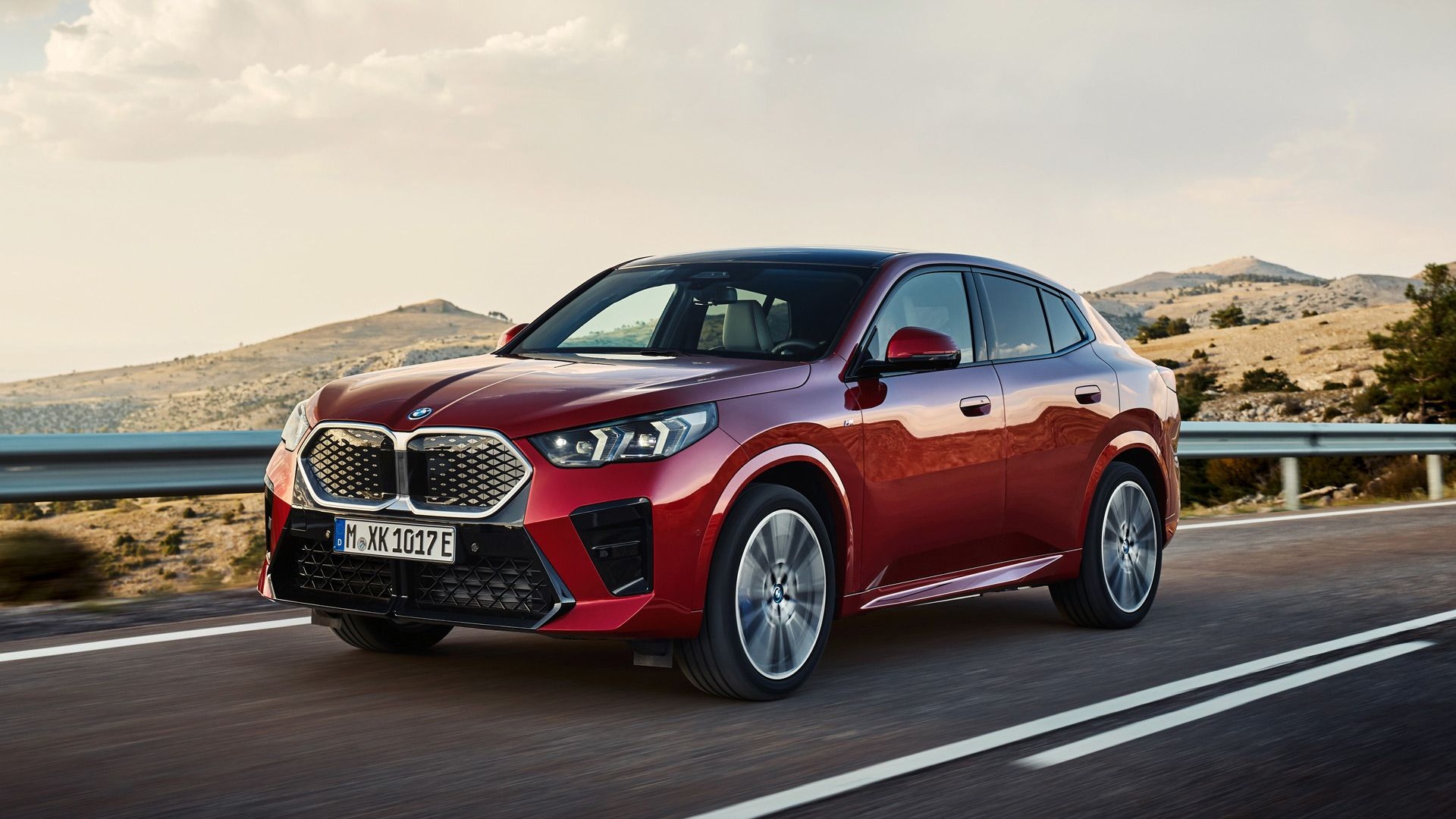
BMW’s increasing reliance on modular but brand-specific architectures also affects affordability. While certain engines are shared across multiple BMW models, interchangeability with non-BMW vehicles is limited. This reduces third-party competition and narrows aftermarket alternatives compared to high-volume Japanese or American brands.
SUV models such as the BMW X5 add further complexity. Advanced all-wheel-drive systems, air suspension options, and embedded driver-assistance sensors increase repair exposure. Even minor collision repairs can become costly when bumper assemblies require recalibration of radar and camera systems.
2. Mercedes-Benz
Mainstream luxury models such as the Mercedes-Benz C-Class and Mercedes-Benz E-Class incorporate turbocharged engines, multi-link suspension systems, advanced driver-assistance hardware, and sophisticated infotainment platforms.
When replacement is required, components such as adaptive dampers, LED lighting assemblies, radar sensors, and electronic control modules carry premium pricing. Many of these parts are brand-specific, limiting aftermarket competition and reducing cost flexibility.
SUV models such as the Mercedes-Benz GLE introduce additional complexity. Optional air suspension systems, active body control technologies, and integrated safety sensor arrays increase exposure to high-cost repairs.
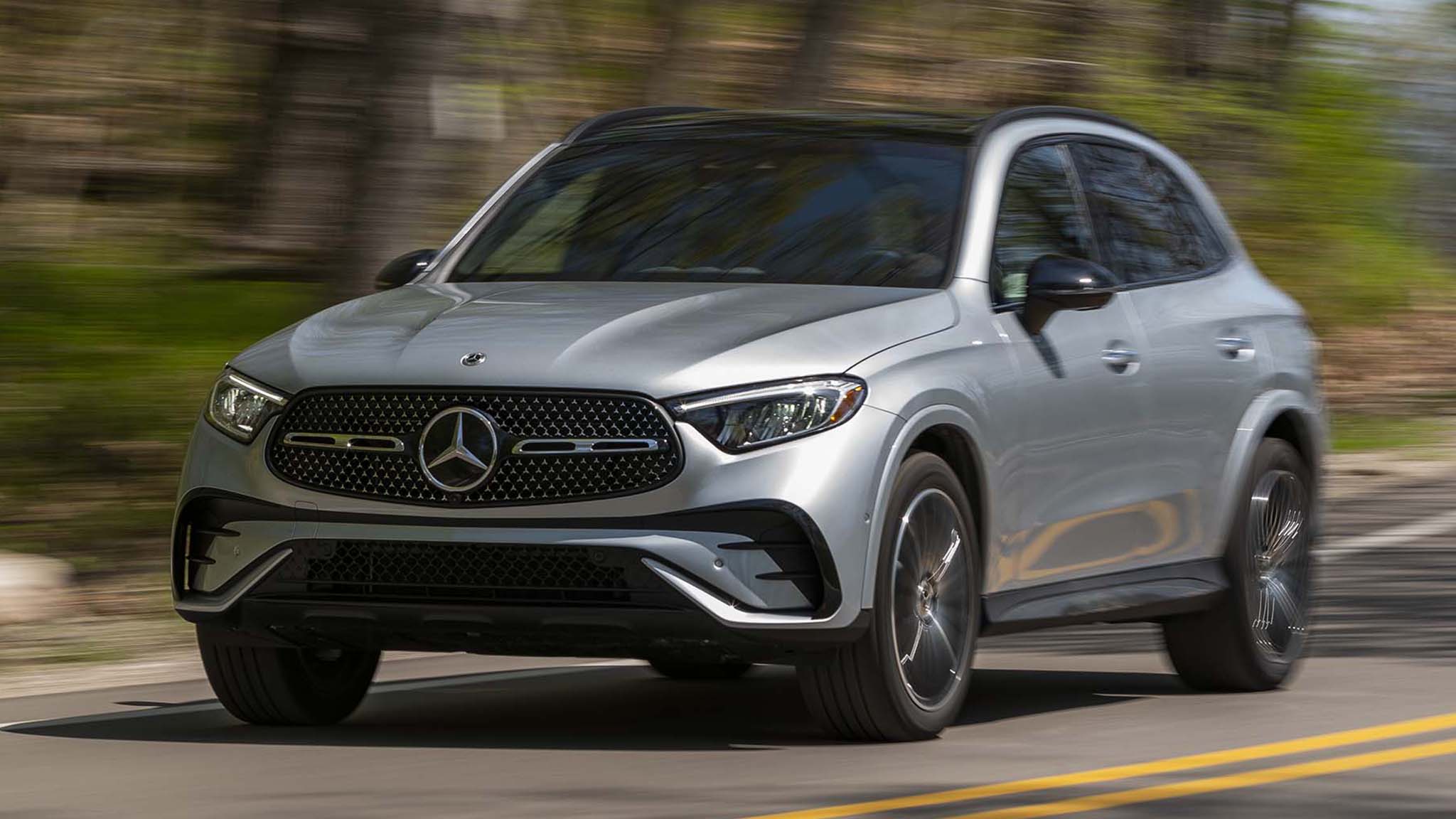
Even minor collision damage can require replacement of large bumper assemblies embedded with cameras and radar units, followed by specialized recalibration procedures.
Performance variants under the AMG sub-brand further increase parts expenses. Models like the Mercedes-AMG C63 utilize reinforced drivetrains, upgraded braking systems, and specialized cooling hardware designed for high output. Replacement costs for these components exceed those of standard trims due to both material upgrades and lower production scale.
Electronic architecture is another significant cost factor. Modern Mercedes-Benz vehicles rely on interconnected control systems that often require dealership-level diagnostics and software programming during part replacement. Labor expenses can rise due to restricted access to proprietary tools and calibration procedures.
Mercedes-Benz replacement part pricing reflects its engineering priorities: advanced systems, premium materials, and brand-specific integration. While the vehicles deliver high levels of comfort and technological sophistication, long-term maintenance and repair costs in the U.S. market are typically higher than those associated with mainstream manufacturers.
3. Audi
Core models such as the Audi A4 and Audi A6 utilize turbocharged engines, multi-link suspension systems, and sophisticated Quattro all-wheel-drive hardware.
While these systems enhance driving dynamics and traction, they introduce additional components that increase replacement exposure. Items such as high-pressure fuel pumps, electronic steering modules, adaptive suspension dampers, and LED matrix headlight assemblies typically carry premium pricing.
SUV offerings like the Audi Q5 further expand system complexity. Advanced driver-assistance technologies are embedded within bumpers, mirrors, and windshields, meaning even moderate collision repairs can involve costly sensor replacements and recalibration procedures. Integrated electronic architectures require specialized diagnostic tools, often limiting cost-effective independent repair options.
Although Audi shares certain engines and platforms within the broader Volkswagen Group, cross-brand compatibility does not always translate into significantly lower parts pricing at the retail level. Brand positioning, lower production volume compared to mass-market competitors, and dealership-centric service structures contribute to sustained cost premiums.
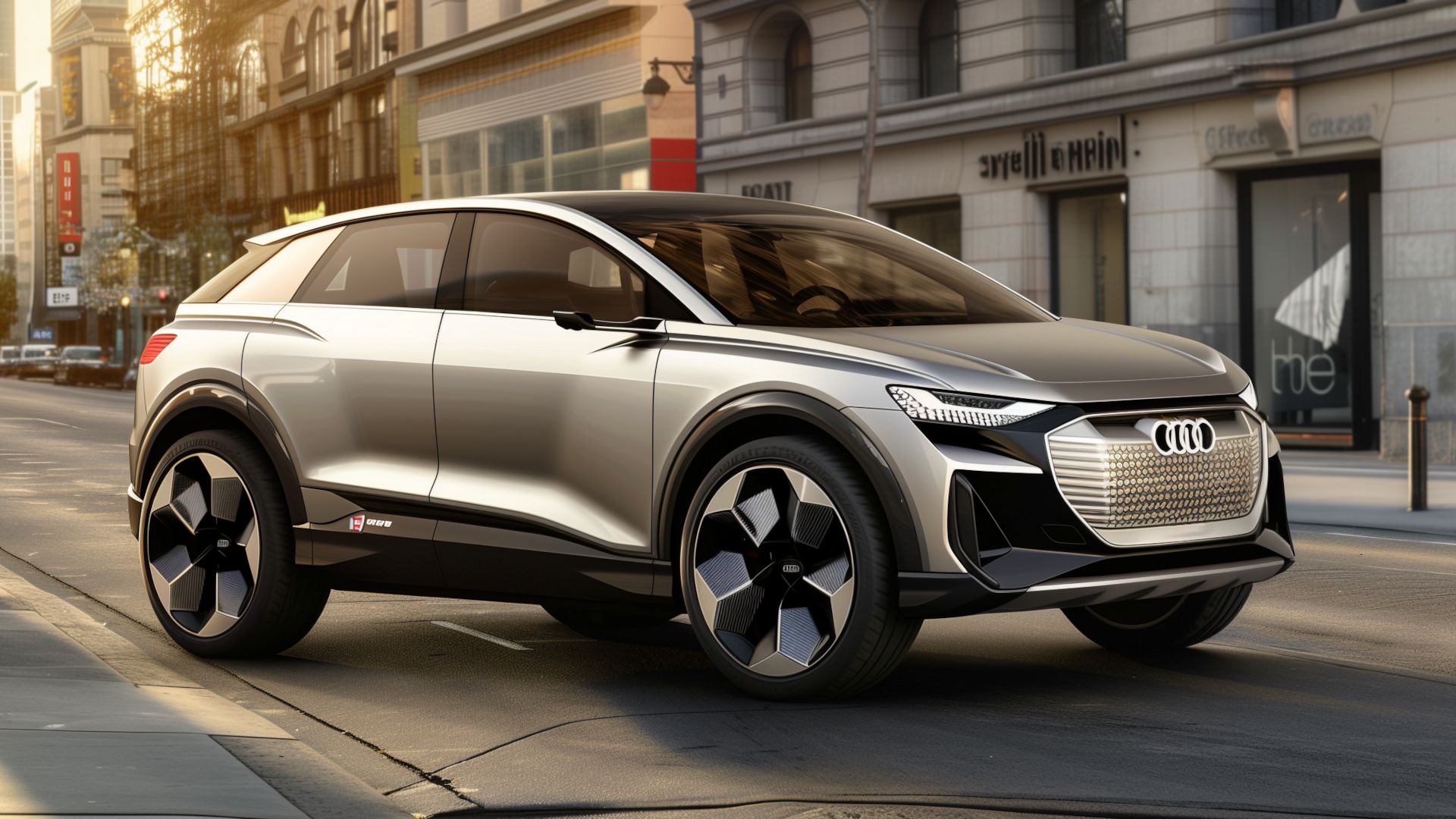
Performance-oriented variants such as the Audi S5 amplify expenses further. Upgraded braking systems, reinforced drivetrains, and enhanced cooling components are engineered for higher output applications. These specialized parts are produced in smaller quantities and are priced accordingly.
Electronic dependence is a key cost variable. Modern Audi vehicles rely heavily on interconnected control modules governing powertrain, safety, and infotainment functions. Replacement often requires software coding and calibration, increasing both parts and labor expenses.
4. Land Rover
Land Rover consistently ranks among the most expensive brands in the United States when it comes to replacement parts. The pricing reflects low production volumes relative to mainstream manufacturers, highly specialized off-road engineering, and extensive use of advanced suspension and electronic systems.
Flagship models such as the Land Rover Range Rover and Land Rover Range Rover Sport incorporate air suspension as standard equipment, electronically controlled differentials, terrain response systems, and advanced driver-assistance hardware.
Air suspension components including compressors, air struts, and ride-height sensors, are significantly more expensive to replace than conventional coil-spring setups. When failures occur outside warranty coverage, repair costs can escalate quickly.
Models like the Land Rover Discovery and Land Rover Defender also integrate complex four-wheel-drive systems designed for serious off-road capability.
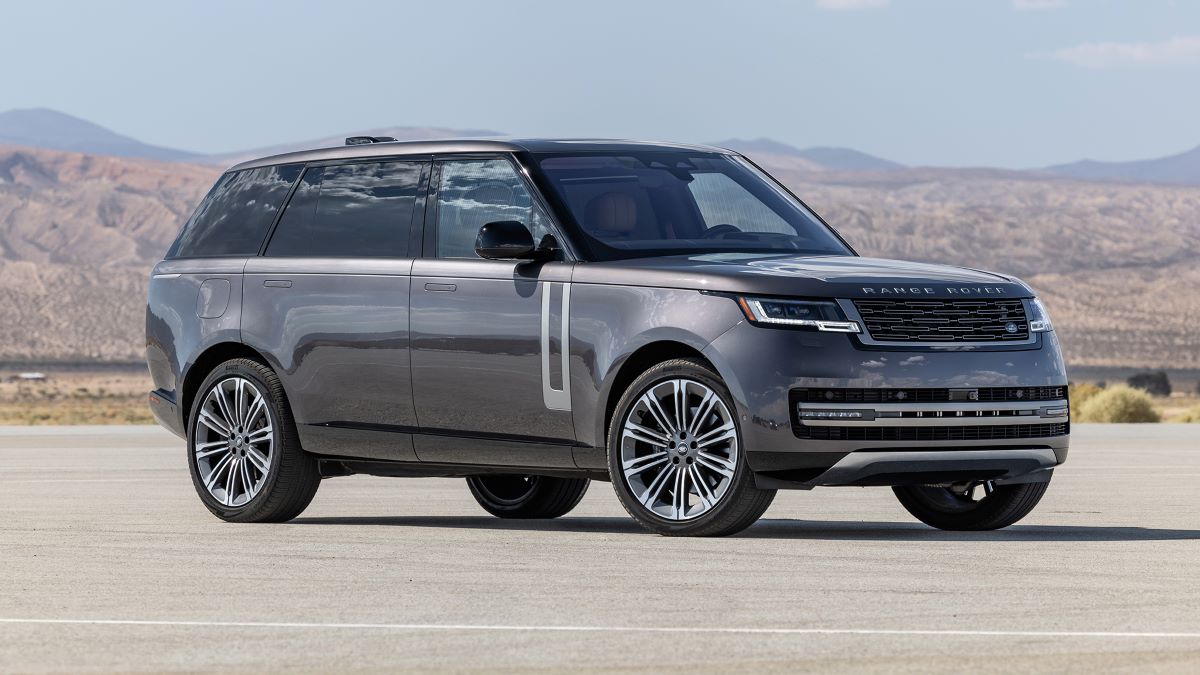
Locking differentials, transfer cases, and terrain management electronics increase mechanical complexity. These systems are engineered for durability in demanding environments but carry higher part costs due to specialized construction and limited cross-brand interchangeability.
Electronic integration is another major cost driver. Modern Land Rover vehicles rely on interconnected control modules that manage suspension, drivetrain, safety, and infotainment systems.
Replacement components frequently require dealership-level programming and calibration. Independent repair options may be limited due to restricted access to proprietary diagnostic tools, which can increase labor rates in addition to parts expenses.
Body and exterior components further contribute to cost exposure. Large aluminum body panels, integrated lighting assemblies, and sensor-embedded bumpers make even minor collision repairs expensive. Replacement headlight units and camera systems are typically priced at a premium due to advanced technology and lower production scale.
Land Rover’s high replacement part costs stem from its engineering priorities: luxury refinement combined with serious off-road capability. While the brand delivers distinctive design and advanced terrain performance, long-term maintenance and repair expenses in the U.S. market are generally among the highest in the SUV segment.
Replacement suspension components, electronic control modules, and cooling system parts often exceed the pricing seen in mass-market SUVs. Limited production volume compared to Toyota or Ford further reduces economies of scale.
5. Porsche
Porsche occupies a performance-focused niche in the U.S. market, and its replacement part pricing reflects that positioning. Elevated costs stem from low production volume relative to mainstream manufacturers, high-performance engineering standards, and extensive use of specialized materials and precision components.
The benchmark Porsche 911 illustrates the brand’s cost structure. Rear-engine architecture, turbocharged flat-six engines, advanced cooling systems, and performance-oriented braking hardware introduce highly specialized components.
Replacement parts such as turbochargers, electronic dampers, ceramic brake rotors, and high-performance clutches are engineered for durability under extreme operating conditions, but they command premium pricing due to material specifications and limited interchangeability.
SUV models like the Porsche Cayenne and Porsche Macan benefit from partial platform sharing within the Volkswagen Group, yet retail parts pricing remains elevated.
Adaptive air suspension systems, advanced all-wheel-drive hardware, and electronically controlled differentials increase system complexity. When replacement is required, both component cost and calibration labor contribute to higher total repair expenses.
The Porsche Panamera further demonstrates the financial impact of technological density. Multi-chamber air suspension setups, active aerodynamics, integrated driver-assistance systems, and high-output powertrains require precision manufacturing and proprietary electronics. Replacement modules often necessitate dealership-level programming, increasing labor exposure in addition to hardware cost.
Porsche’s emphasis on lightweight construction and high-performance braking systems also influences pricing. Options such as carbon-ceramic brake packages significantly raise replacement costs compared to conventional steel systems.
Even standard maintenance components, brake pads, rotors, cooling components, are typically priced above mass-market equivalents due to performance tolerances and branding premiums.
Electronic architecture is another cost variable. Modern Porsche vehicles rely on tightly integrated control systems that require specialized diagnostic equipment during part replacement. Independent repair options exist but are more limited compared to mainstream brands.
Porsche replacement part costs reflect performance engineering priorities, specialized materials, and low production scale. While the brand delivers exceptional driving dynamics and refinement, long-term ownership expenses in the U.S. market are generally among the highest in the performance and luxury segments.
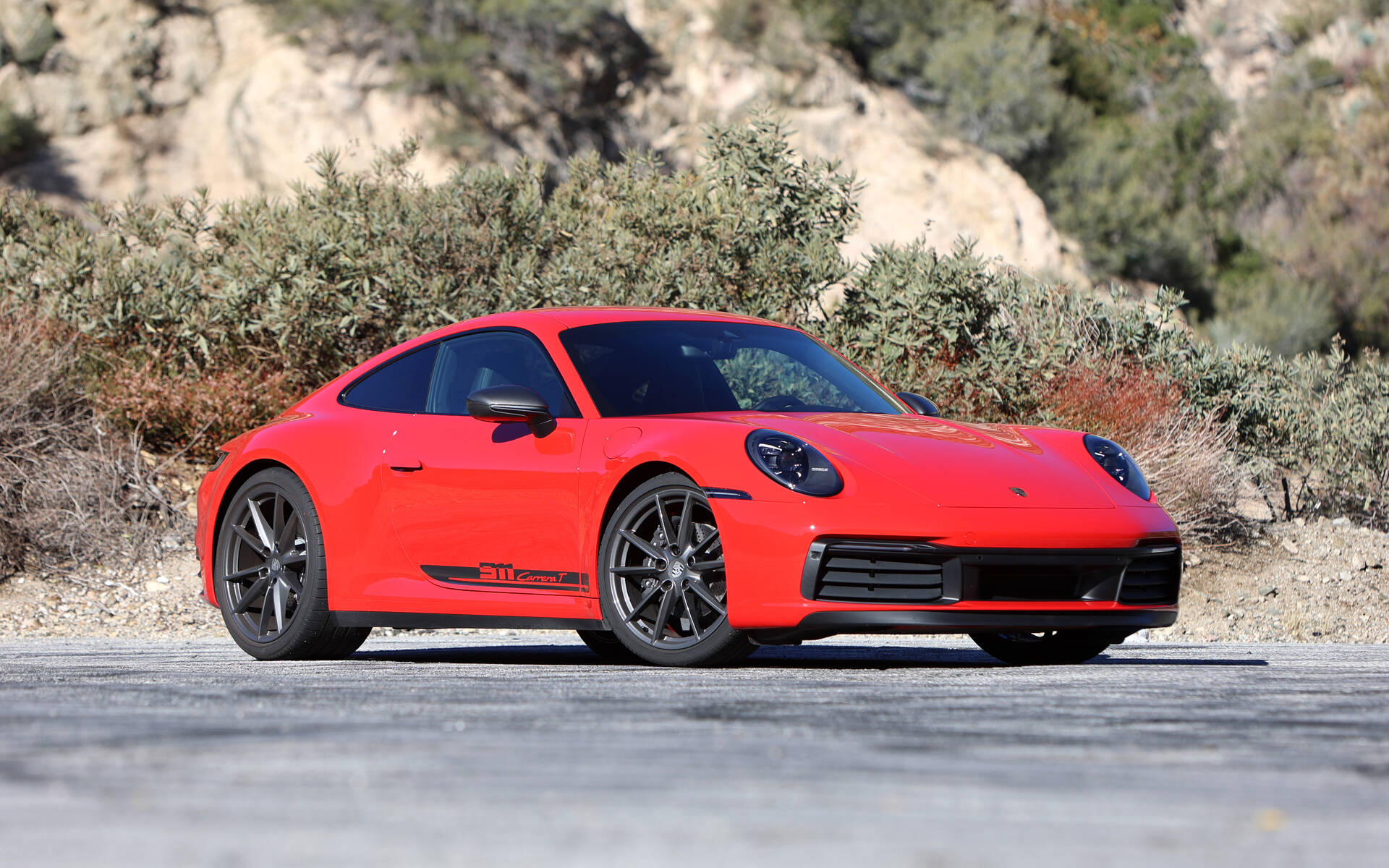
Luxury and performance brands such as BMW, Mercedes-Benz, Audi, Land Rover, and Porsche tend to carry higher parts costs due to advanced engineering, lower production volumes, and premium positioning.
For American buyers prioritizing long-term financial efficiency, researching parts pricing before purchase can be as important as evaluating fuel economy or reliability ratings.
Over a decade of ownership, the cumulative difference in replacement parts can amount to thousands of dollars, often outweighing the initial purchase price gap between mainstream and luxury brands.
