
Living in Salt Belt states comes with harsh winter conditions, and for car owners, one of the biggest challenges is corrosion. Road salt, snow, and moisture create a perfect environment for rust, turning even well-loved vehicles into potential safety hazards over time.
Some cars are particularly vulnerable due to design flaws, inadequate protective coatings, or poor drainage in the underbody, making certain models notorious for rapid rusting. From family sedans to rugged pickups and sporty coupes, these vehicles combine appealing performance and comfort with a hidden risk that often goes unnoticed until serious damage occurs.
In this list of 8 Cars That Are Known to Rust Quickly in Salt Belt States, we explore the Mazda 6, Toyota Tacoma, Ford Mustang, Mercedes-Benz C-Class, Jeep Wrangler, Volkswagen Passat, Nissan Altima, and Honda Civic. Each model offers a mix of strengths and vulnerabilities, highlighting why winter maintenance is crucial for northern drivers.
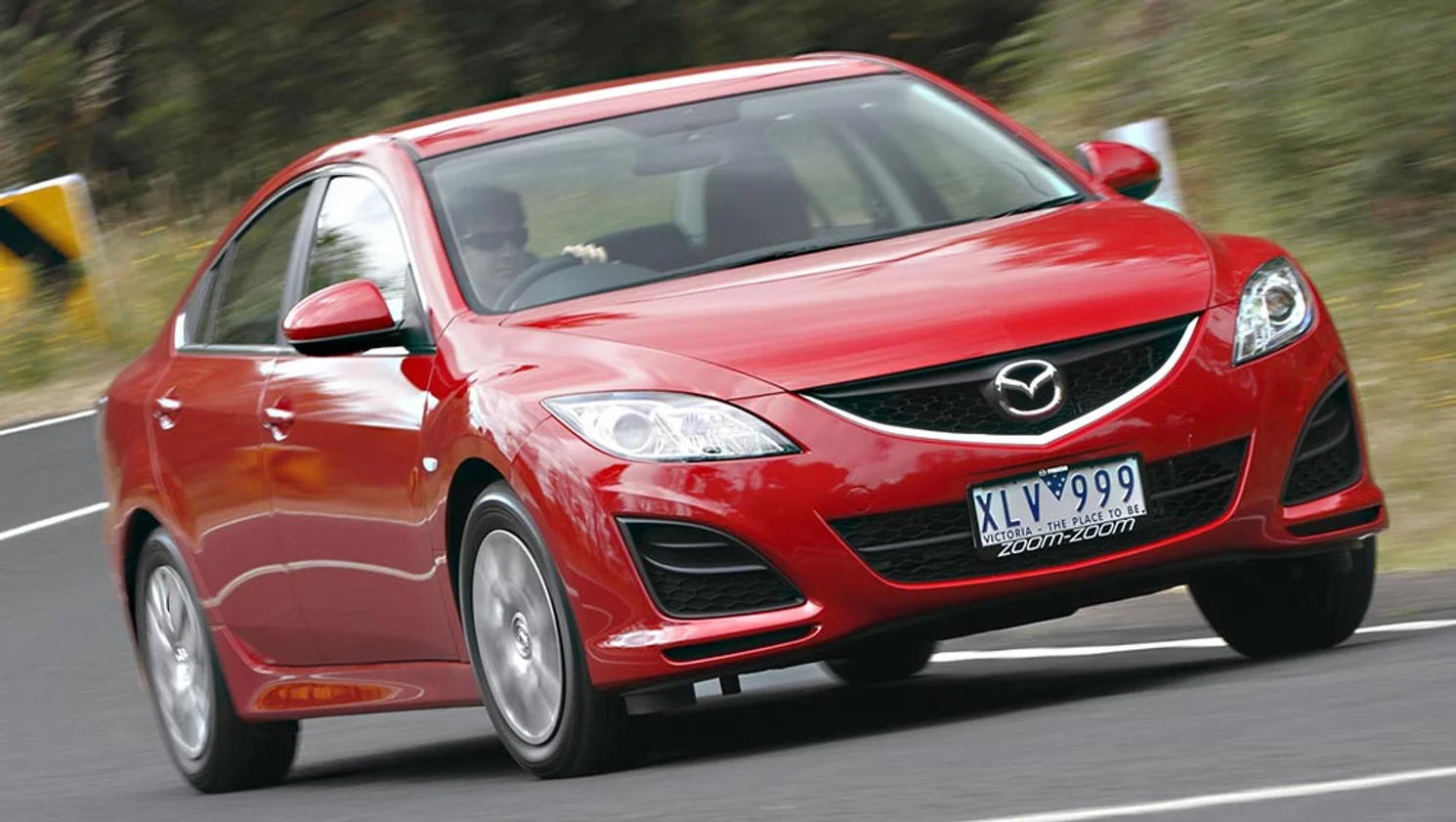
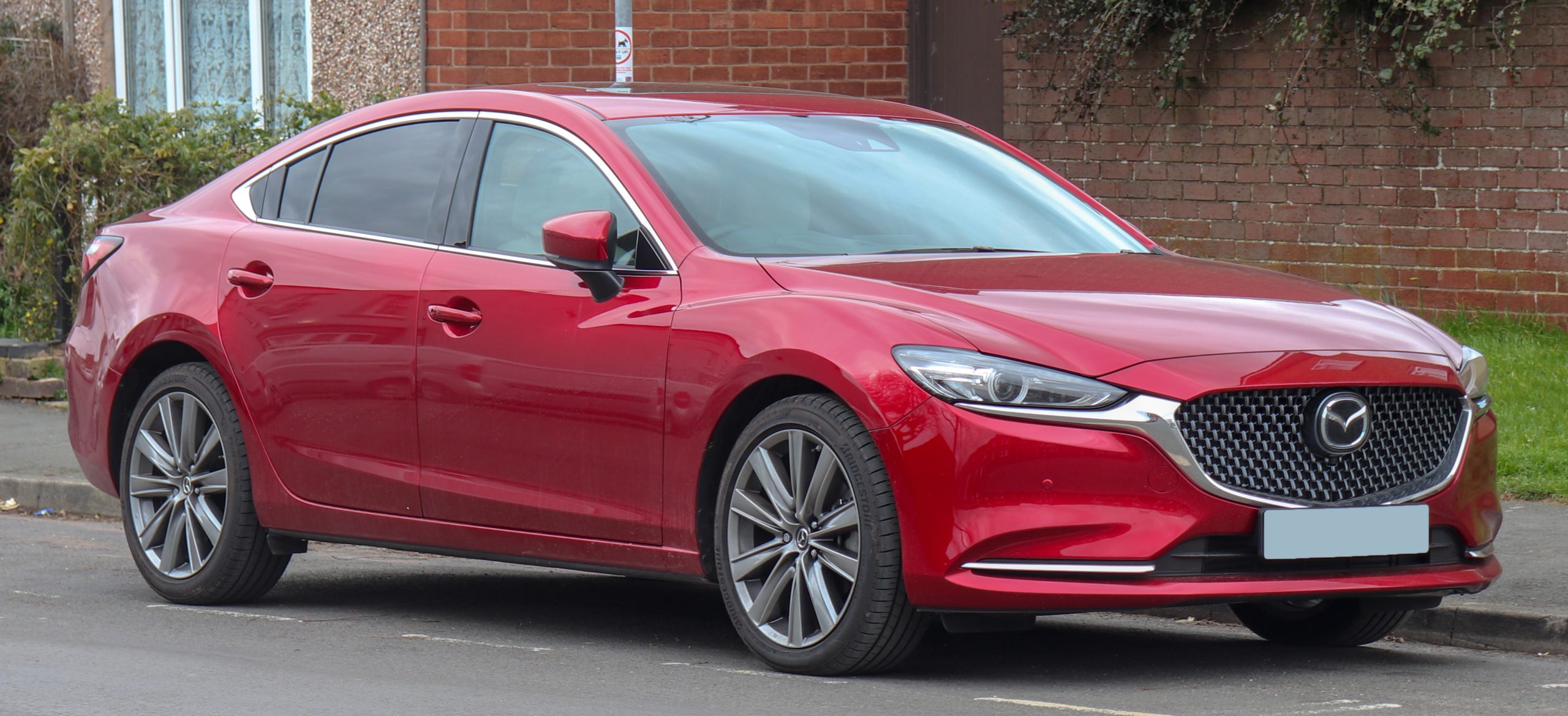
1. Mazda 6 (First & Second Generations): Rust Issues and Legacy
The first (2003–2008) and second (2008–2012) generations of the Mazda 6 are widely celebrated for their driver-focused dynamics, sporty handling, and versatile design, but they are also infamous for severe rust problems. The primary cause of corrosion was inadequate factory protection, including minimal galvanization on steel panels and thinner-than-average paint.
Road salt, slush, and trapped debris accelerated rust, especially in colder regions such as the U.S. Northeast, Midwest, and Canada. Even well-maintained examples often show bubbling paint on rear wheel arches and rocker panels, with some developing structural issues in suspension mounting points.
Design flaws compounded these material weaknesses. The rear wheel arches, rocker panels, door edges, trunk, and roof rails were prone to moisture and dirt accumulation, creating “rot from the inside out.” The second-generation 2009–2010 models even faced recalls due to corrosion on the front subframe and crossmember.
Poor drainage in suspension components allowed salt and water to sit, necessitating protective wax treatments and drainage modifications. Environmental factors such as humidity and road salt exposure further hastened corrosion, affecting not only body panels but also the undercarriage, brake lines, and fuel lines.
Despite these issues, the first-generation Mazda 6 was highly praised for its driving experience and versatility. Offered in sedan, hatchback, and wagon forms, it combined a communicative chassis and precise steering with adequate cargo space.
The 2.3L petrol engine was reliable when maintained, though the early 2.0L diesel suffered from crankshaft and injector failures. Automatic transmissions from 2005–2006 were sometimes harsh and prone to valve body defects.
The second-generation GH series grew in size and adopted a stronger, lighter body shell while improving interior quality. Electric power steering maintained sharp handling, and the 2.2L diesel offered better torque and reliability, though timing chain stretch required proactive maintenance. Critics noted the second generation had a firmer ride and a slightly less raw driving character compared to the first.
Both generations demonstrate that practical family cars can deliver engaging performance and driver enjoyment. While rust remains the most significant drawback, particularly in Salt Belt states, late-model second-generation units (2010–2012 facelift) offer a better balance of durability, refinement, and safety.
The first and second-generation Mazda 6 represent a transitional era where Mazda successfully combined “Zoom-Zoom” driving appeal with everyday practicality, even if long-term corrosion remains a concern for potential owners.
2. Toyota Tacoma: Rust Challenges and Modern Refinements
The Toyota Tacoma is well known for its mechanical reliability and off-road capability, but earlier models, especially those built between the mid-1990s and early 2010s, faced serious corrosion problems. Frames manufactured by third-party suppliers did not receive sufficient anti-corrosion treatment.
In regions that use heavy road salt, moisture and chemicals could penetrate the frame from the inside, sometimes causing leaf springs or the frame itself to fail.
These issues led to a multi-billion-dollar settlement and a large recall program in which Toyota replaced affected frames or offered buybacks. Even with later improvements, preventative maintenance such as heavy-duty undercoating is strongly recommended for trucks driven in harsh winter conditions.
The main reasons for rust problems included frame design, material defects, and supplier errors. Early Tacoma frames were made from layered steel that trapped water and salt, causing corrosion to start from inside the rails. Fully boxed frames on 1995 to 2004 models had poor drainage, allowing debris and moisture to accumulate.
Other components, including spare tire carriers, leaf springs, and brake lines, often corrode at the same time, creating serious safety risks.
Faulty frames supplied by Dana Corp worsened the problem, prompting lawsuits and extended warranties. Second-generation Tacomas built from 2005 onward adopted open C-section rails to improve drainage, and newer TNGA-F platform models feature improved rust resistance to prevent similar issues.
Despite these corrosion challenges, the Tacoma remained a capable and versatile pickup. Engine options include a turbocharged 2.4-liter four-cylinder and more powerful i-Force engines producing up to 278 horsepower and 317 pound-feet of torque. Transmission choices include a six-speed manual or an eight-speed automatic.
Both rear-wheel-drive and four-wheel-drive configurations are available, and suspension setups vary from traditional leaf springs on base models to coil springs on higher trims, which improve ride quality. Off-road TRD models come with enhanced hardware that allows strong performance in challenging terrain, reinforcing Tacoma’s reputation as a reliable adventure vehicle.
Modern Tacomas also offer significant improvements in interior comfort, technology, and safety. The cabins have higher-quality materials, larger digital displays, and more ergonomic controls. Standard safety and driver-assistance features include adaptive cruise control, lane-keeping assist, blind-spot monitoring, and automatic emergency braking.
Payload capacity reaches up to 1,705 pounds, and towing limits are as high as 6,500 pounds. Toyota provides a three-year, 36,000-mile limited warranty, a five-year, 60,000-mile powertrain warranty, and two years or 25,000 miles of complimentary maintenance.
While early Tacomas are highly susceptible to rust in salt-heavy regions, later models offer stronger corrosion protection, refined driving performance, and modern comfort and safety, maintaining the model’s popularity.
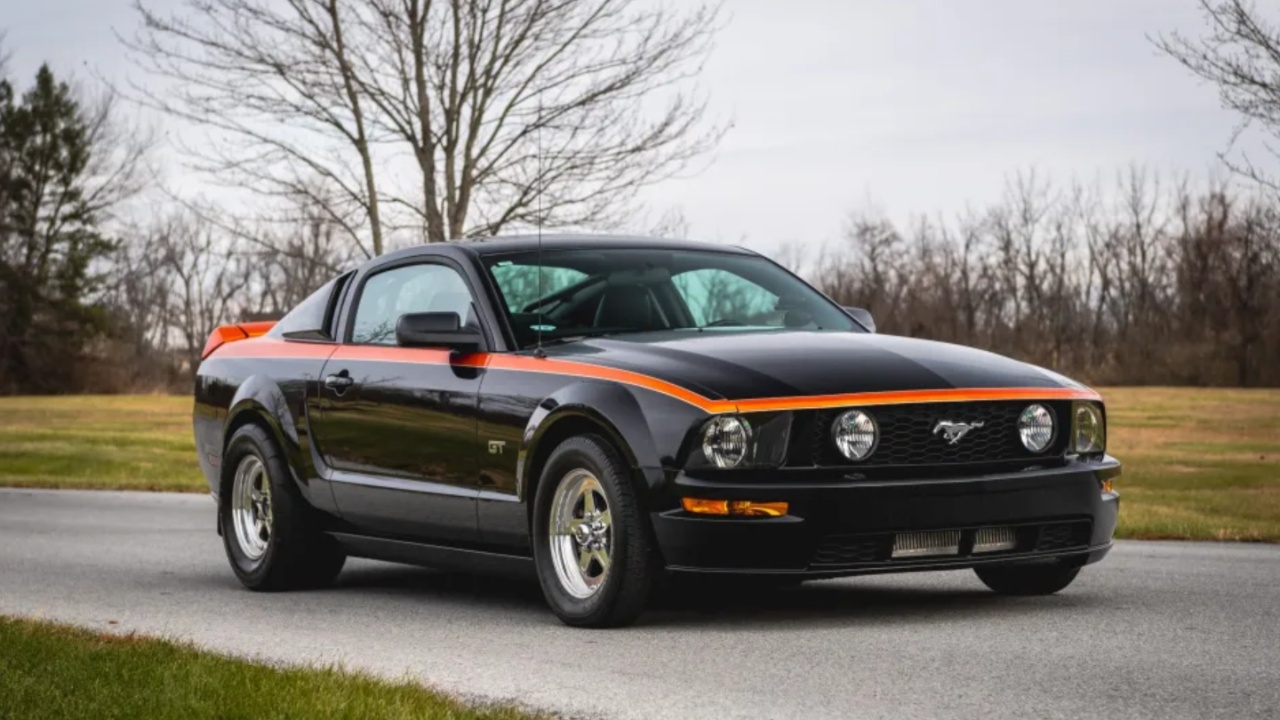
3. Ford Mustang (2005–2009 S197): Rust Concerns and Driving Legacy
The fifth-generation Ford Mustang, produced from 2005 to 2009 and known as the S197, is praised for its retro-inspired styling, V8 performance, and reliability, but it has notable corrosion issues in Salt Belt regions. The aluminum hood, used to reduce weight, is particularly prone to galvanic corrosion.
During manufacturing, iron contamination in the steel support frame bonded to the aluminum skin, and exposure to moisture and road salt caused chemical reactions that made the paint bubble and peel along the front edge. While this problem is mainly cosmetic, it is difficult to fix permanently and usually requires replacing the entire hood to fully eliminate the corrosion.
Beyond the hood, several areas of the Mustang are vulnerable to rust due to water traps, mixed metals, and limited factory underbody protection. The undercarriage, rear suspension, and frame rails are susceptible to salt accumulation. Water collects in the trunk area, behind the rear wheels, and inside the rocker panels and door bottoms.
Rear glass moldings allow moisture to seep into the trunk, while battery tray areas in the engine bay can corrode from battery fumes and water exposure. In snowy regions, these factors accelerate deterioration, making regular washing and protective undercoating essential to preserve the vehicle.
Despite these challenges, the S197 Mustang remains a strong choice for enthusiasts seeking a classic pony car experience. Engine options include a 4.0-liter V6 in base models and a 4.6-liter V8 in GT models. The V8 provides a distinctive muscle car feel with a strong exhaust note, while the suspension, featuring MacPherson struts at the front and a live rear axle, can feel floaty on rough roads.
Manual transmissions are favored for a more engaging driving experience, though automatic versions are also available. The interior is retro-styled with customizable dash lighting, but heavy plastic use and limited rear-seat space are drawbacks. Front seats are comfortable for longer trips, and properly maintained cars often exceed 200,000 miles.
The 2005–2009 Mustang delivers an exciting combination of performance, style, and affordability, making it a popular choice in the used sports car market. Preventative maintenance, including frequent washing and undercoating, is crucial to manage rust-prone areas such as the hood, rear quarter panels, and rocker panels.
Known mechanical issues include a two-piece spark plug design in early V8 models and plastic thermostat housings in some V6 cars. With careful attention to corrosion-prone spots, the S197 Mustang provides a nostalgic, engaging driving experience and strong long-term reliability, while allowing for extensive customization and aftermarket support.
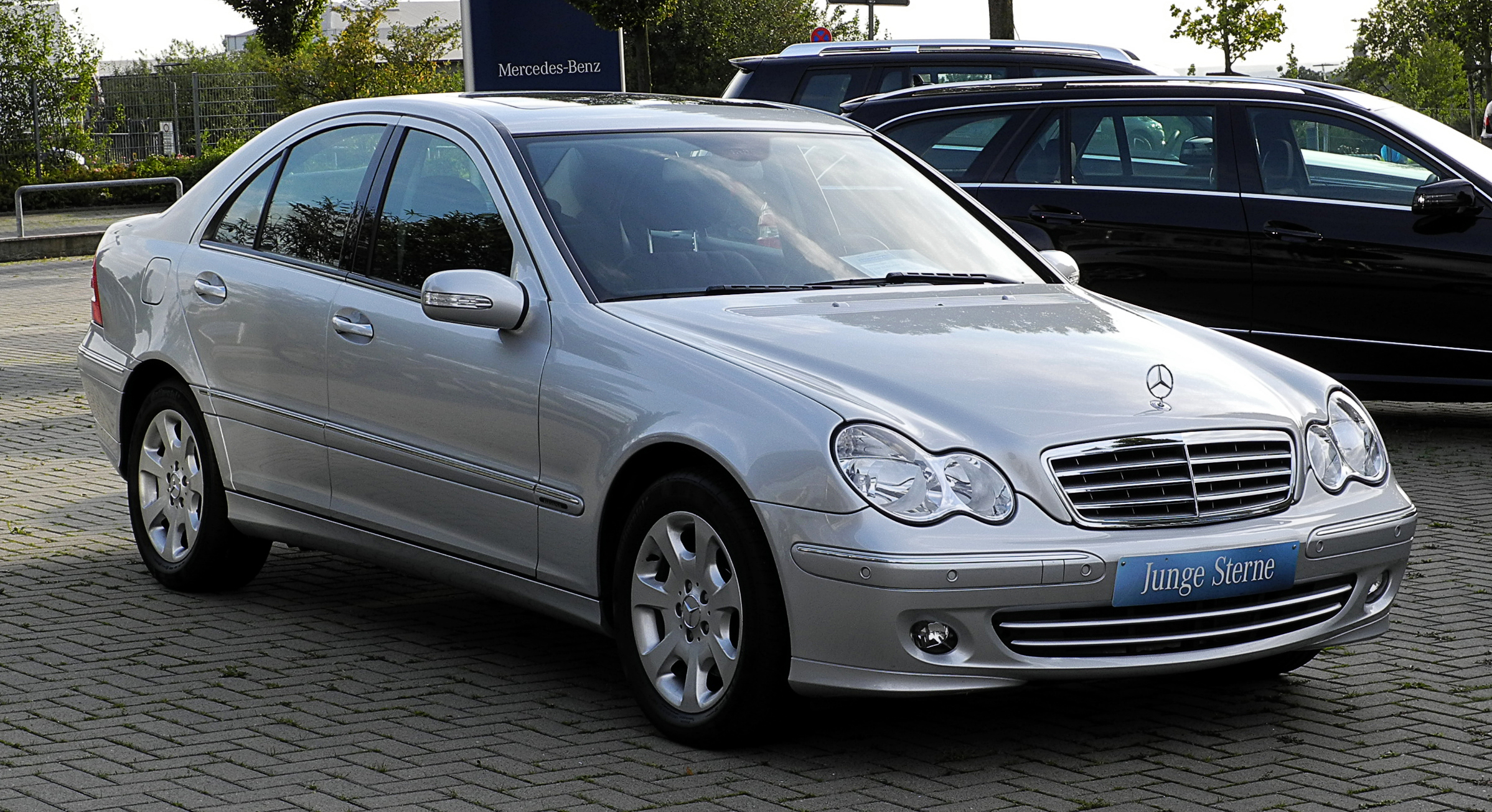
4. Mercedes-Benz C-Class (W203): Rust Vulnerability and Driving Experience
The Mercedes-Benz C-Class W203, produced between 2001 and 2007, is widely recognized for its refined ride, comfort, and solid build quality, but it is highly prone to rust, particularly in Salt Belt regions. During the late 1990s and early 2000s, Mercedes transitioned to water-based paints and faced cost-cutting pressures that compromised corrosion protection.
Road salt and moisture quickly attack unprotected steel, especially around wheel arches, lower door frames, rocker panels, and behind plastic trim, where corrosion often goes unnoticed for months. By the time rust becomes visible, the underlying metal is frequently compromised, making early W203 models high-risk used purchases in northern climates.
The root of the W203’s rust problems lies in a combination of inadequate galvanization, poor-quality steel, and design flaws. Mercedes did not fully implement galvanization on all models until 2004, leaving 2001 to 2003 cars particularly vulnerable. The early water-based paints failed to provide a durable protective seal, allowing spider-rusting to form beneath the paint.
Design elements such as plastic shields, crevices, and moisture-trapping areas near the wheel arches and rocker panels further accelerated corrosion. One of the most critical issues is rear subframe rust, which can compromise suspension mounting points and lead to structural failure, prompting Mercedes to offer a 20-year, unlimited-mile warranty extension for certain models, though not all W203s were covered.
While rust is the primary concern, the W203 offers a smooth, comfortable driving experience with a solid feel typical of Mercedes vehicles. Early adoption of features like electronic stability control, multiple airbags, and, in facelift models, updated command systems made it a technologically advanced entry-level luxury car for its time.
Engine choices include the 1.8L Kompressor petrol engines, which are prone to timing chain issues, and V6 options such as the C240 and C320, which offer more power but lower fuel economy. Diesel enthusiasts often favor the C220 CDI, known for reliability.
Transmission options include a 5-speed automatic, recommended for durability, and a 6-speed manual, which is less common. Suspension components such as front ball joints and rear wishbone bushes typically require replacement around 80,000 miles.
Despite its rust issues, the W203 remains a practical and comfortable daily driver, particularly models built after the 2004 facelift, which feature improved corrosion protection and interior upgrades.
Regular maintenance, careful inspections for hidden rust, and attention to known engine and suspension issues are essential for preserving these cars. When properly maintained, the W203 offers an affordable entry into Mercedes ownership, delivering the brand’s signature refinement, ride quality, and technology, while requiring vigilance in northern climates where winter road salt accelerates structural deterioration.
Also read: 5 Cars That Are Unstoppable in Deep Snow vs 5 AWD Models That Get Stuck
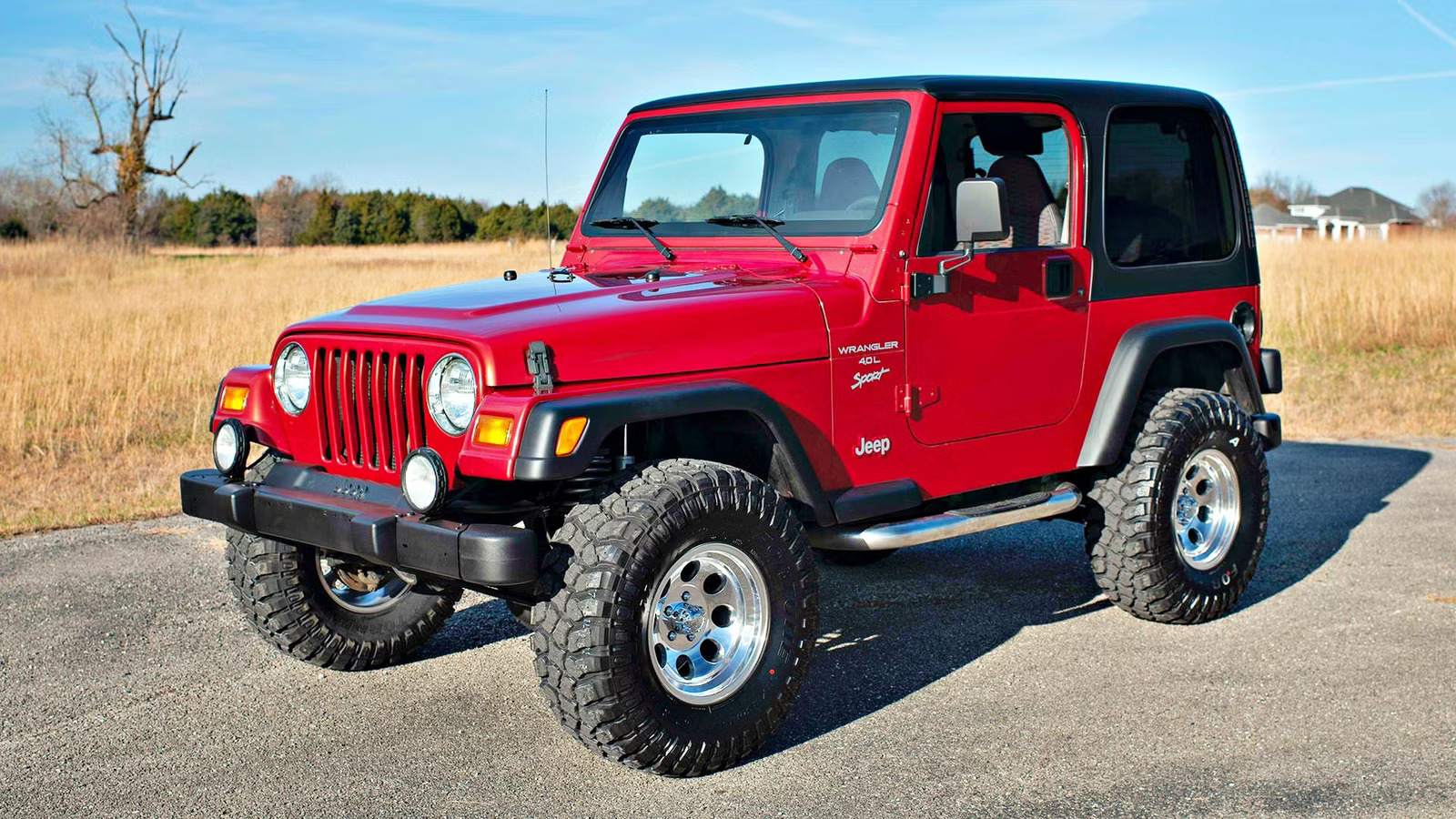
5. Jeep Wrangler (TJ & JK): Rust Risks and Off-Road Legacy
The Jeep Wrangler, particularly the TJ (1997–2006) and JK (2007–2018) models, is known for its rugged off-road capability but is highly susceptible to rust in Salt Belt regions. The vehicle’s boxed frame design creates low points where water, mud, and road salt collect and cannot easily drain.
Over time, this trapped moisture corrodes the steel from the inside, often causing frame damage near the rear control arm mounts. In addition, dissimilar metals used in door and hood hinges can lead to galvanic corrosion, creating bubbling paint and rust streaks that affect the vehicle’s aesthetic while highlighting structural vulnerability.
The main causes of rust in TJ and JK Wranglers are structural design flaws, environmental factors, and material issues. Boxed frames, rear torque boxes, skid plate areas, and body mounts trap debris and moisture, which promotes severe internal corrosion.
Aggressive road salt and de-icing chemicals accelerate oxidation, while foam inserts used for sound deadening can retain water inside rocker panels and fender supports.
The JK model introduced aluminum components bolted directly to steel panels, creating galvanic corrosion around hinges and tailgates when exposed to salt and moisture. Factory coatings often provide insufficient long-term protection, leaving the frames vulnerable without additional rust prevention.
Environmental exposure and lack of maintenance further worsen the problem. Wranglers are frequently used off-road or in heavy winter conditions, which increases mud and salt buildup on frames and suspension components.
Without consistent undercarriage washing and application of rust-inhibiting sprays such as Fluid Film or Krown, corrosion progresses rapidly, leading to structural “rot” where metal flakes and deteriorate.
Critical areas to monitor include rear lower control arm mounts, frame rails, rocker panels, fender supports, floor pans, and door or tailgate hinges. Applying internal frame coatings and lanolin-based sprays, combined with regular winter cleaning, is essential to prolonging frame life.
Despite the rust issues, both TJ and JK Wranglers are highly capable off-road vehicles. The TJ is celebrated for its classic, compact design, narrow body, and the legendary 4.0L inline-six engine, which provides excellent low-end torque on trails. Its ride is rougher and noisier on highways, but it remains a simple, reliable, and affordable off-roader.
The JK introduced a wider body, refined suspension, and improved comfort, particularly in the 4-door Unlimited models, along with modern engines like the 3.6L Pentastar V6.
While less nimble in tight off-road conditions, the JK offers superior passenger space, cargo capacity, and daily drivability. Choosing between them depends on whether the owner prioritizes traditional off-road simplicity and agility (TJ) or modern comfort, utility, and on-road manners (JK).
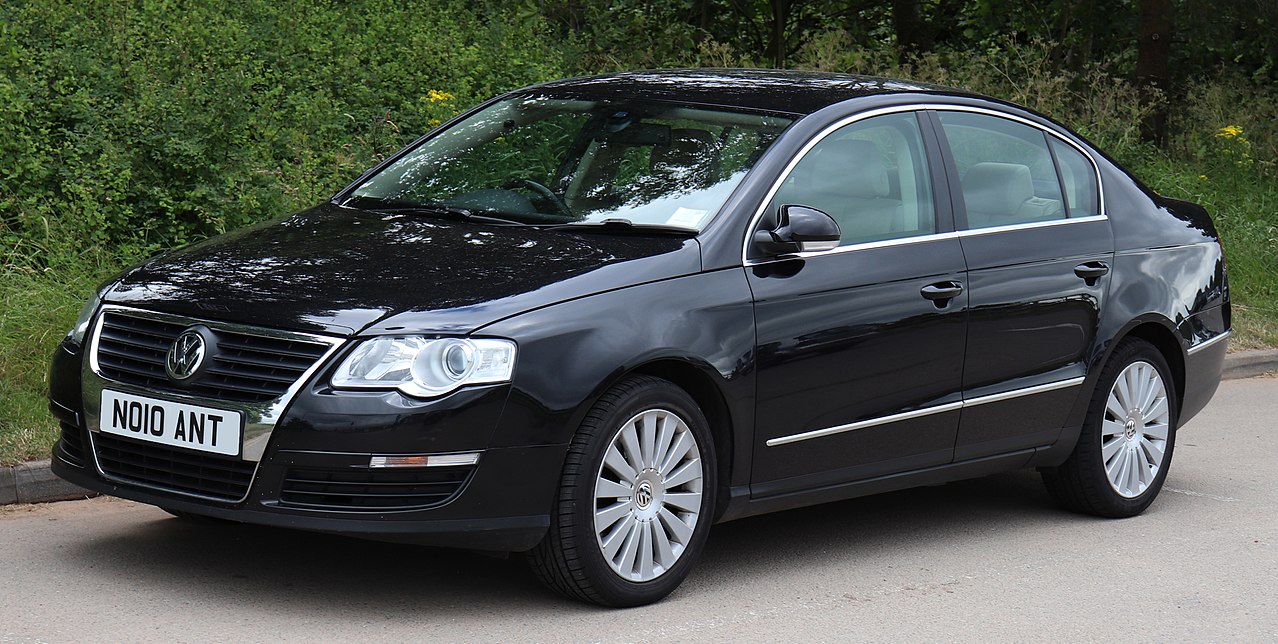
6. Volkswagen Passat (B6): Rust Issues and Practicality
The Volkswagen Passat B6, produced from 2006 to 2010, is widely regarded for its spacious interior, smooth ride, and premium feel, but it is highly prone to corrosion, particularly in Salt Belt regions. A critical design flaw involves the sound-deadening foam located behind the front fenders.
This foam absorbs water, dirt, and road salt, holding it directly against the metal of the inner fender. In areas with heavy winter road salt, this leads to severe rust in the center of the front wheel arches, a phenomenon often referred to as “Passat Rot.”
Many vehicles appear fine externally, but the metal behind the foam is often completely corroded. Compromised galvanization at door weld points further contributes to edge rust along the bottom of doors, requiring expensive bodywork if left untreated.
The rapid corrosion is caused by a combination of design flaws, moisture traps, and environmental exposure. Seams where the outer door skins meet the inner frames, as well as the tailgate and bonnet, are prone to rust if sealant fails. The B6’s fender liner pockets and rocker panel areas accumulate leaves, dirt, and debris, which hold moisture against the metal for extended periods.
Aggressive road salt used in northern climates acts as an electrolyte, accelerating oxidation and causing deep structural rust within five to six years of use. While Volkswagen provided a 12-year corrosion warranty, coverage often only applies once perforation occurs, leaving many owners responsible for costly repairs before that stage.
Despite its rust issues, the B6 Passat is praised for comfort, interior quality, and practicality. The cabin features soft-touch, high-grade materials, and both sedan and estate versions provide excellent space, including a boot of up to 1,731 liters in the estate.
The suspension is tuned for a refined ride, and engines such as the 1.9 TDI and 2.0 TDI offer good torque, fuel economy, and smooth highway performance. Petrol engines provide adequate power but can suffer from high oil consumption and timing chain tensioner problems.
The DSG gearbox, while efficient, is known for mechatronic and dual-mass flywheel issues. Electronics, including electric parking brakes and keyless ignition systems, can also be problematic in older models.
The Passat B6 remains a practical and comfortable choice for families and long-distance driving, but corrosion and maintenance challenges make careful selection essential. Prospective buyers should prioritize well-maintained examples with a full service history, paying close attention to wheel arches, rocker panels, door bottoms, and fender liners.
Regular cleaning, rust inspection, and protective coatings can help mitigate the worst of the “Passat Rot.” When properly maintained, the B6 delivers a smooth, stable driving experience with premium interior quality and versatile cargo space, making it a solid value for those willing to manage its corrosion-prone areas.
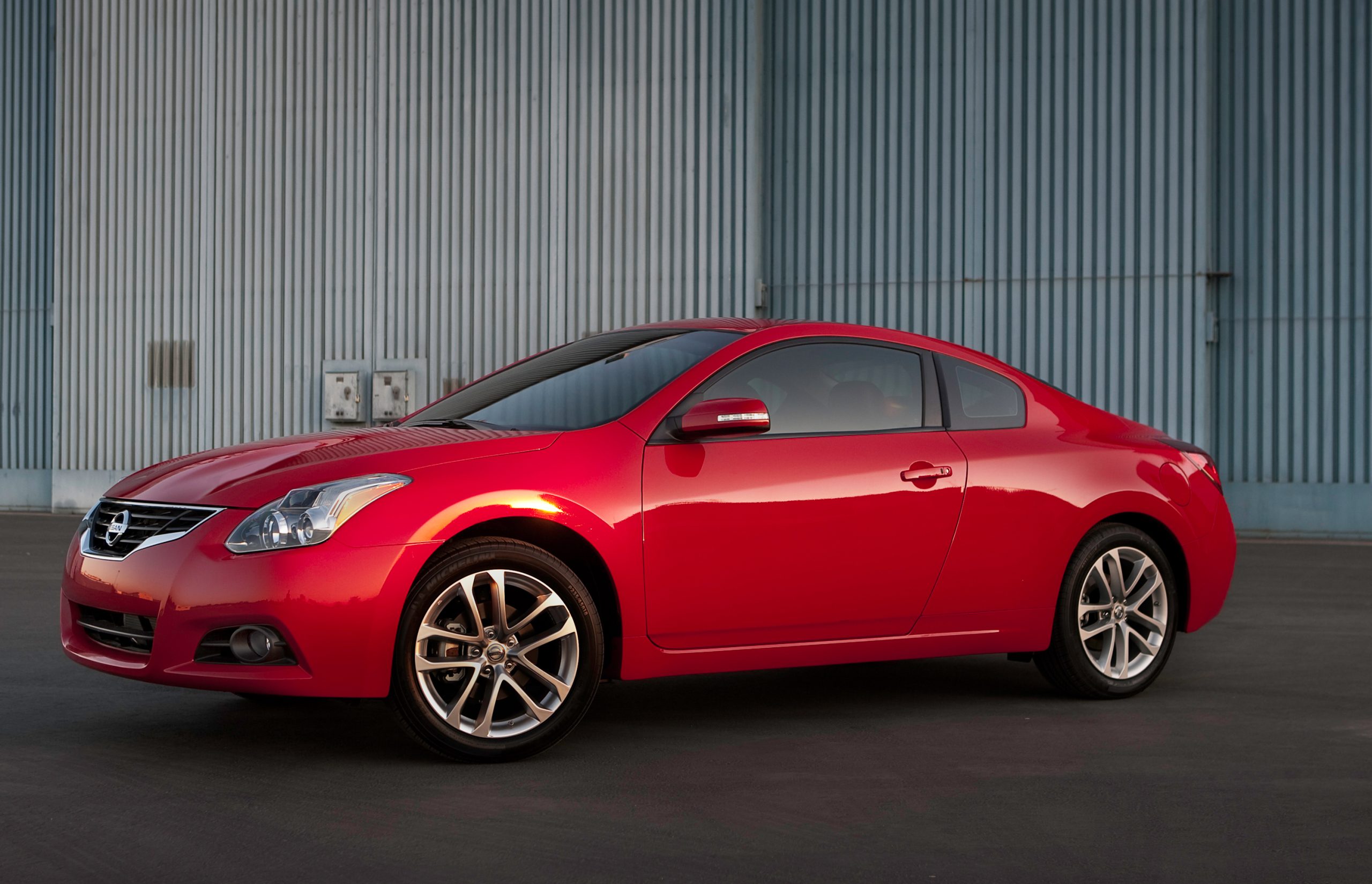
7. Nissan Altima (L32): Structural Rust Risks and Practicality
The fourth-generation Nissan Altima (L32), produced from 2007 to 2012, is known for its spacious cabin, comfortable ride, and responsive 2.5L and 3.5L V6 engines, but it is highly prone to corrosion in Salt Belt states. A major design flaw allows moisture and road salt to become trapped between the interior carpet and the metal floor pan.
This hidden, “inside-out” rust often goes unnoticed until the metal is severely weakened, with some owners discovering holes in the floorboards after less than ten years of use. Such structural deterioration can compromise seat mounting points, rear subframes, and the rigidity of the vehicle, creating serious safety risks.
The L32 Altima’s rust susceptibility stems from poor floor pan design, inadequate structural protection, and subframe exposure. Water and salt collect in the rear subframe and fender wells, causing rapid oxidation. The floor pan design prevents proper drainage, allowing salt-laden moisture to sit against the metal.
Rust often begins on hidden surfaces, including subframe components, before becoming visible, making early detection difficult. Additional vulnerable areas include brake lines and the exhaust system, which are exposed to road spray and debris, accelerating corrosion if untreated. Previous generations, including 2002–2006 models, were subject to class-action lawsuits due to similar floor pan failures.
Environmental factors in Salt Belt regions intensify the problem. High volumes of road salt and chemical de-icers act as electrolytes, speeding up metal oxidation. Water and debris can remain trapped in door sills, fender wells, and under the rear subframe, keeping structural components constantly wet.
Preventative measures, such as frequent high-pressure undercarriage washing and rust-inhibiting coatings, are essential for slowing corrosion in these vehicles. Without regular maintenance, structural rust can progress rapidly, leading to expensive repairs and safety hazards.
Despite these corrosion issues, the L32 Altima remains a practical midsize sedan. The cabin is quiet, roomy, and comfortable for passengers, while the V6 engines provide strong acceleration and highway performance. The car is generally affordable to maintain and comes well-equipped for its class. However, the CVT transmission is known to be prone to failure, and the suspension can feel bouncy over rough roads.
Rearward visibility is limited due to the high trunk lid. Prospective buyers should carefully inspect floor pans, rear subframes, and subframe mounting points, and test the CVT before purchase. When maintained properly, the L32 Altima provides a reliable, comfortable, and capable vehicle for daily driving, provided its corrosion-prone areas are closely monitored.
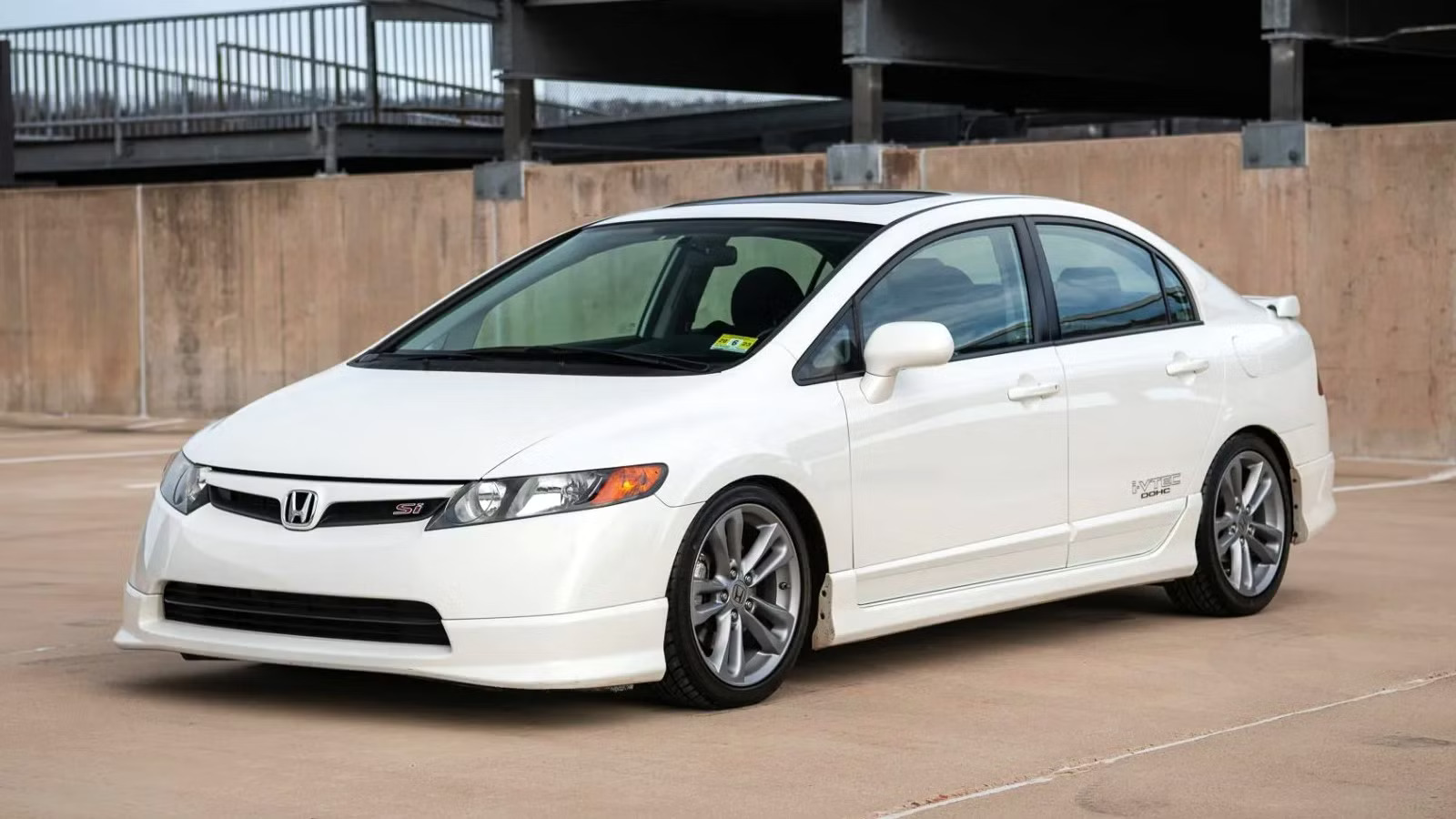
8. Honda Civic (8th Gen): Rust Vulnerabilities and Practicality
The eighth-generation Honda Civic (2006–2011) is widely regarded for its mechanical reliability, fuel efficiency, and practicality, yet it is highly susceptible to corrosion in Salt Belt regions. The primary issues involve poor paint adhesion, roof oxidation, and moisture trapped by weather stripping around the windshield, particularly above the driver’s head.
A service bulletin addressed “crow’s feet” paint cracking, which allowed salt to penetrate to bare metal, causing early surface rust. These vulnerabilities, combined with thin sheet metal, mean that Northern and Midwestern examples often age faster and appear more worn than their Southern counterparts.
Rust formation on the 8th Gen Civic is accelerated by underbody design flaws and environmental exposure. The Civic uses underbody panels made of composite or fabric materials to reduce noise and improve aerodynamics. These panels can become saturated with slush, dirt, and salt, trapping moisture against the metal frame and floorpan.
Rear subframe and suspension components are particularly prone to corrosion, and exposure to Salt Belt brine increases chemical oxidation on brake lines, control arms, and exhaust parts. Paint quality and lower door sills are also at risk, with surface rust sometimes advancing to structural issues if left untreated.
Preventive maintenance is essential for Salt Belt owners. Applying aftermarket undercoating or rust-inhibiting sprays like Fluid Film or WoolWax can create a barrier against trapped moisture. Frequent winter car washes with undercarriage rinses help remove accumulated salt.
Additionally, monitoring the rear subframe, suspension arms, and roofline for early signs of oxidation can prevent major structural damage. While mechanical components, including the reliable 1.8L R18A1 gasoline engine and 1.3L Hybrid engine with CVT, remain durable, neglecting corrosion-prone areas can compromise safety and reduce the lifespan of the vehicle.
Despite its susceptibility to rust, the 8th Gen Civic remains a practical, economical, and comfortable car. The sedan offers 39.4 inches of front headroom and 44.2 inches of legroom, while the coupe is slightly more compact. Cargo capacity is sufficient for daily needs, and trims range from the basic DX to the leather-equipped EX-L and the Hybrid.
Engines deliver solid fuel efficiency, with real-world averages ranging from 29 to 47 mpg depending on model and transmission. Safety features include multiple airbags, ABS with EBD, and stability control on later models. With diligent rust prevention and routine maintenance, the 8th Gen Civic provides a dependable and fuel-efficient option for drivers in challenging winter climates.
Rust can turn a dependable car into a major liability in Salt Belt states, where road salt and moisture accelerate corrosion. The eight vehicles listed, including the Mazda 6, Ford Mustang, Honda Civic, and Jeep Wrangler, show that even well-regarded cars can suffer serious damage from environmental factors.
Common problem areas include floor pans, subframes, suspension components, and thin or peeling paint. Regular maintenance, such as undercarriage washing, protective coatings, and inspections, can slow corrosion and prevent minor issues from becoming severe.
Awareness of rust-prone models helps owners make informed decisions, maintain safety, and extend the lifespan of their vehicles. With proper care, it is possible to enjoy the comfort, performance, and reliability these cars provide while protecting them from the harsh winter conditions common in northern climates.
Also Read: Top 10 Cars That Can Drive Through Deep Water Without Stalling
