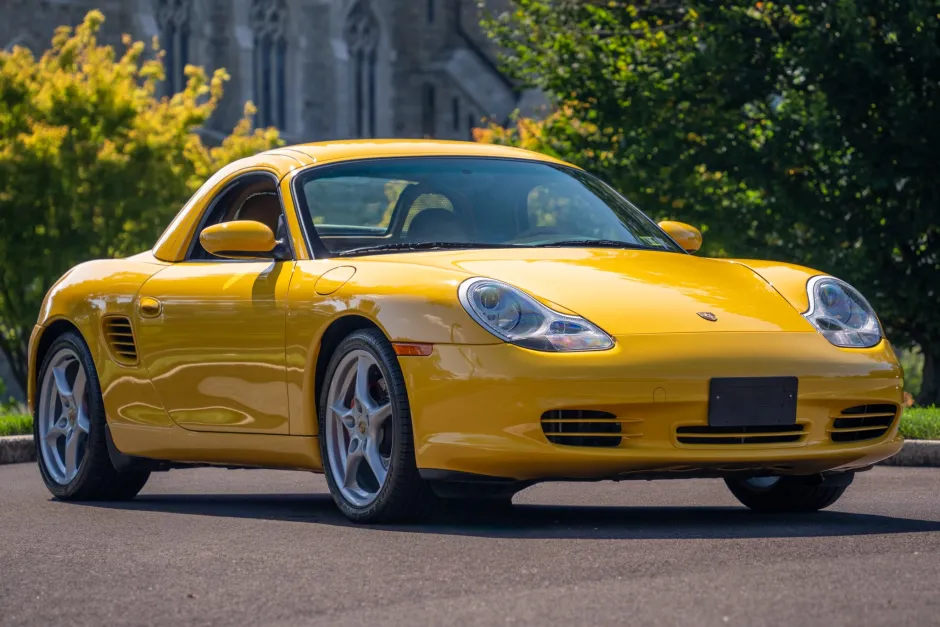
A performance car often brings to mind thrilling acceleration, responsive handling, and a connection to the road that few ordinary vehicles can match. Many drivers assume that such cars are always expensive to own, and insurance costs are frequently seen as the biggest barrier.
That assumption can be true with certain high horsepower machines, but it is not universal. A variety of performance cars from past years hit the sweet spot where driving excitement and reasonable insurance costs intersect. In many cases, these vehicles are also easier to maintain because parts are plentiful and mechanics are familiar with them.
Understanding how insurance premiums are calculated helps explain why some performance cars are affordable to insure. Factors in insurance evaluation include the likelihood of theft, cost of repairs, safety ratings, and the driver’s personal record.
A performance car that is not exotic tends to have lower repair costs and often shares components with more common variants. Brake systems, engine parts, and suspension pieces are sometimes interchangeable with mainstream models, which reduces insurance risk.
The insurers also look at historical data on accidents and claims for specific cars. If a model has fewer claims relative to its performance level, insurers reward it with lower premiums.
Another piece of the insurance puzzle is the driver’s age and driving history. A young driver in a registered sports coupe may pay more simply due to age risk factors, but older, experienced owners often enjoy lower rates. Some insurance companies also offer discounts for safety features, anti-theft devices, and bundling with other policies.
When a performance car is part of a household with careful drivers, the cost to insure can be surprisingly affordable. The key then becomes finding a balance between performance potential and real world insurance costs.
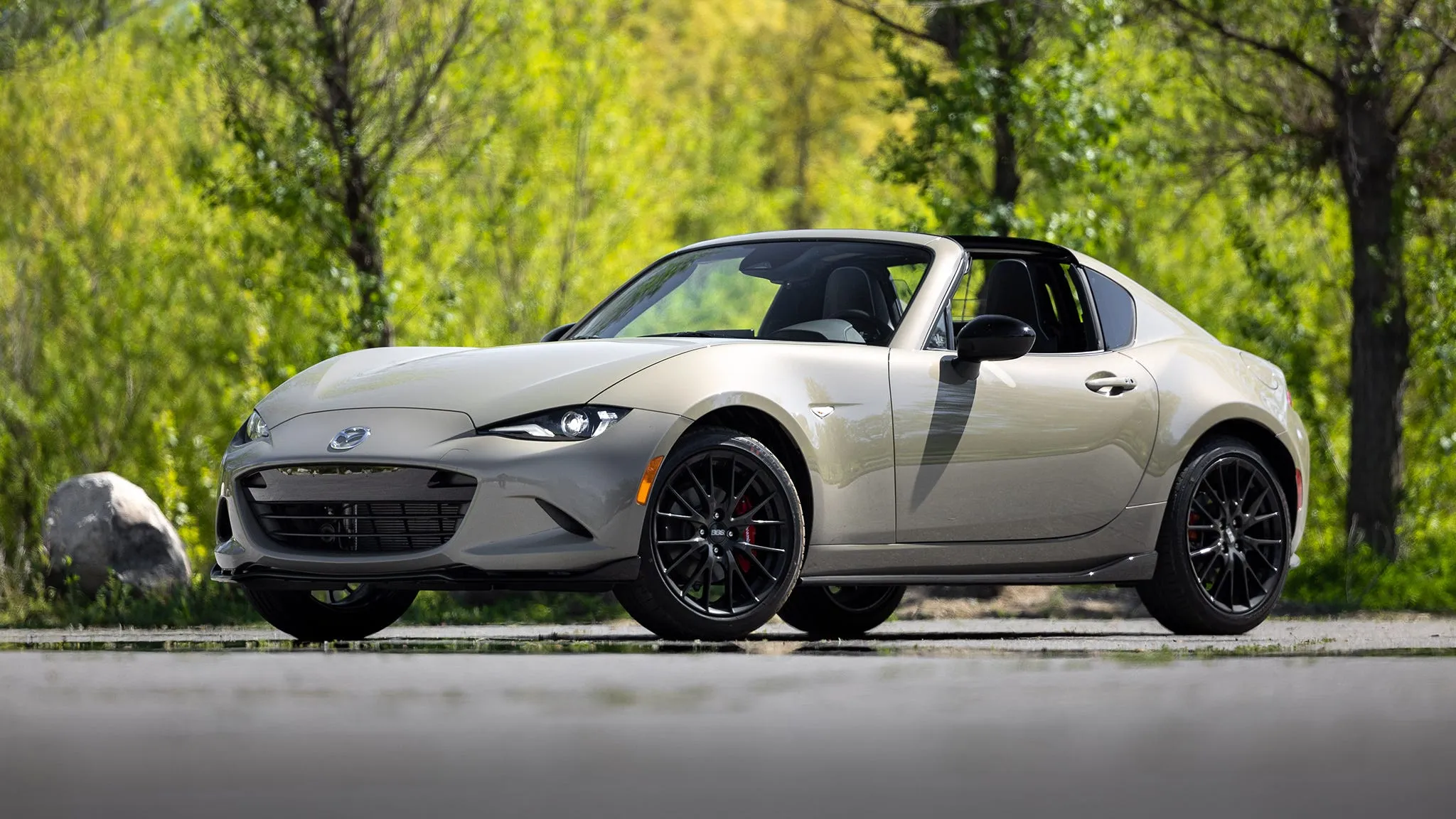
Mazda MX-5 Miata (NA/NB)
The Mazda MX‑5 Miata has long been celebrated for offering pure driving fun without the complexity or cost of bigger sports cars. Its lightweight design and balanced chassis make it a joy to drive on winding roads and city streets alike. Early generations provide classic roadster feel, with minimal electronics and proven mechanical simplicity that keep repair costs low.
Miatas are also popular among enthusiasts, meaning spare parts are easy to find and inexpensive. Insurance companies often recognize the Miata’s strong safety record and mature driver demographic, both of which help keep premiums reasonable. Unlike high horsepower peers, the Miata’s modest power output fits well within lower insurance brackets.
The widespread familiarity of mechanics with these cars also contributes to more accurate and often lower repair estimates after minor incidents. This familiarity reduces insurer risk assessments. Another reason the MX‑5 is affordable to insure stems from its reputation for fun rather than speed alone.
Performance is achieved through balance and driver engagement rather than huge engine output, which keeps statistical accident severity lower. Many owners further equip their Miatas with safety upgrades and quality tires that improve stopping distances and control. Insurers see these modifications positively when documented properly.
For prospective buyers, a used MX‑5 from the NA or NB generation is often priced modestly, which lowers total cost of ownership. Both generations have strong enthusiast communities ready to offer advice and maintenance tips.
This broad support network benefits owners who want to keep insurance claims minimal through proactive care. Whether driving daily or on weekend outings, the Miata remains a compelling blend of performance and economy.
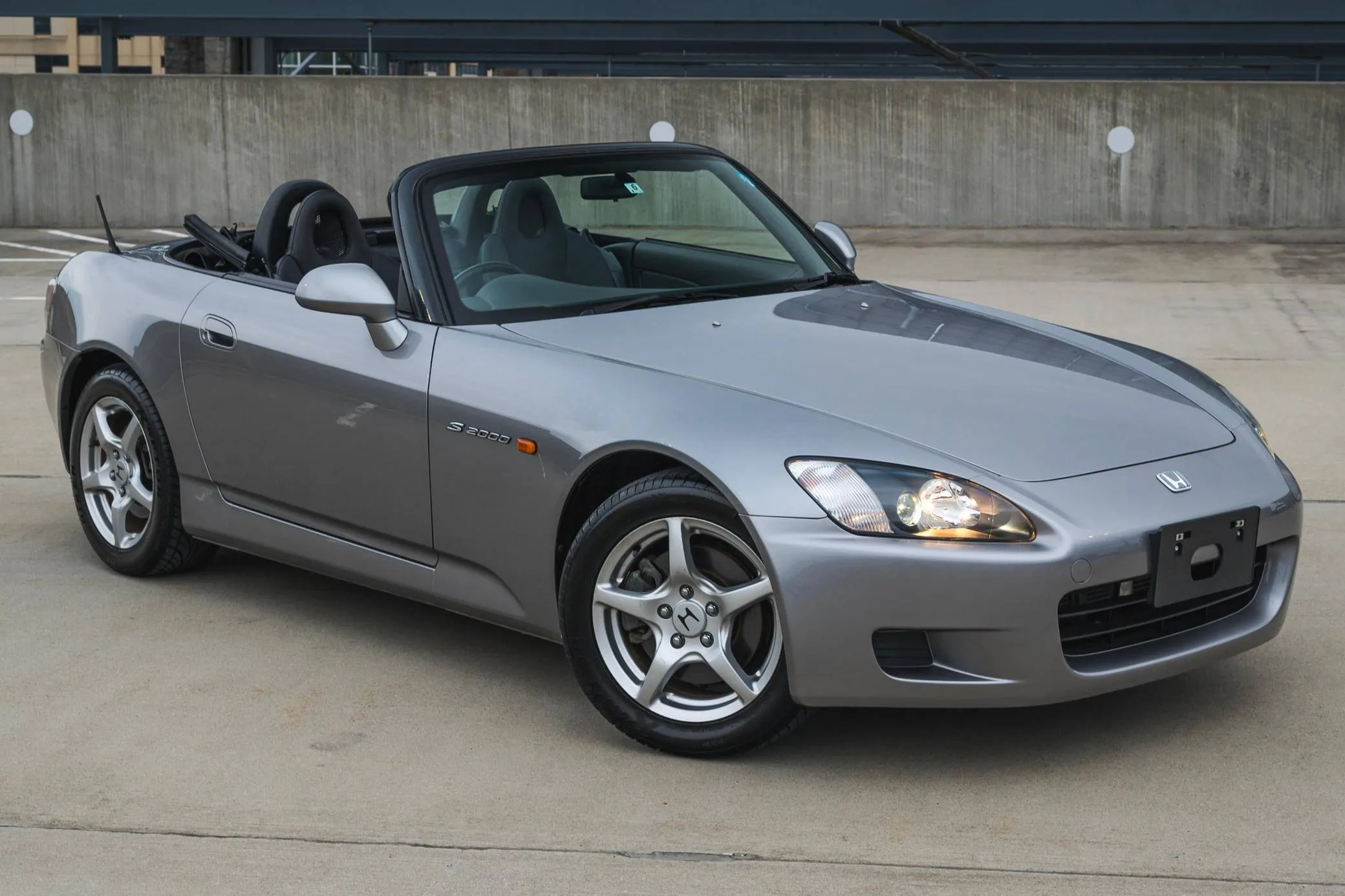
Honda S2000 (AP1/AP2)
The Honda S2000 is a modern classic recognized for its high‑revving engine and precise handling. With a reputation for build quality and reliability, this sports car continues to attract drivers who want excitement without constant maintenance headaches.
Its four‑cylinder engine spins freely to high RPMs, providing engaging performance that isn’t dependent on huge displacement. The car’s balanced chassis and responsive steering make it a favorite among enthusiasts.
From an insurance perspective, the S2000’s appeal to responsible drivers helps keep costs in check. Historically, owners of this model have tended to be careful, mature drivers who invest in proper maintenance
. That trend can result in better insurance risk profiles because insurers consider the types of people who gravitate toward a specific car. The S2000 also benefits from a strong safety cage and good crash test results for its era.
While performance is impressive, it remains within a range that avoids the highest insurance categories. The car’s four‑cylinder engine, though quick, is less costly to repair than larger engines with complex forced induction systems.
Parts are widely available due to the model’s popularity, and many serviceable components are shared with other Honda products. This parts commonality results in reasonable repair cost assumptions from insurers.
S2000 ownership also offers the benefit of a robust enthusiast market for used cars, upgrades, and technical knowledge. Owners often join online communities, attend meets, and exchange tips for maximizing reliability. This network leads to fewer breakdowns and insurance claims, which indirectly contributes to continued affordable insurance rates.
For performance seekers, the S2000 remains a standout choice. The combination of engine character, handling prowess, and manageable running costs makes it a strong candidate for those balancing fun and practicality.
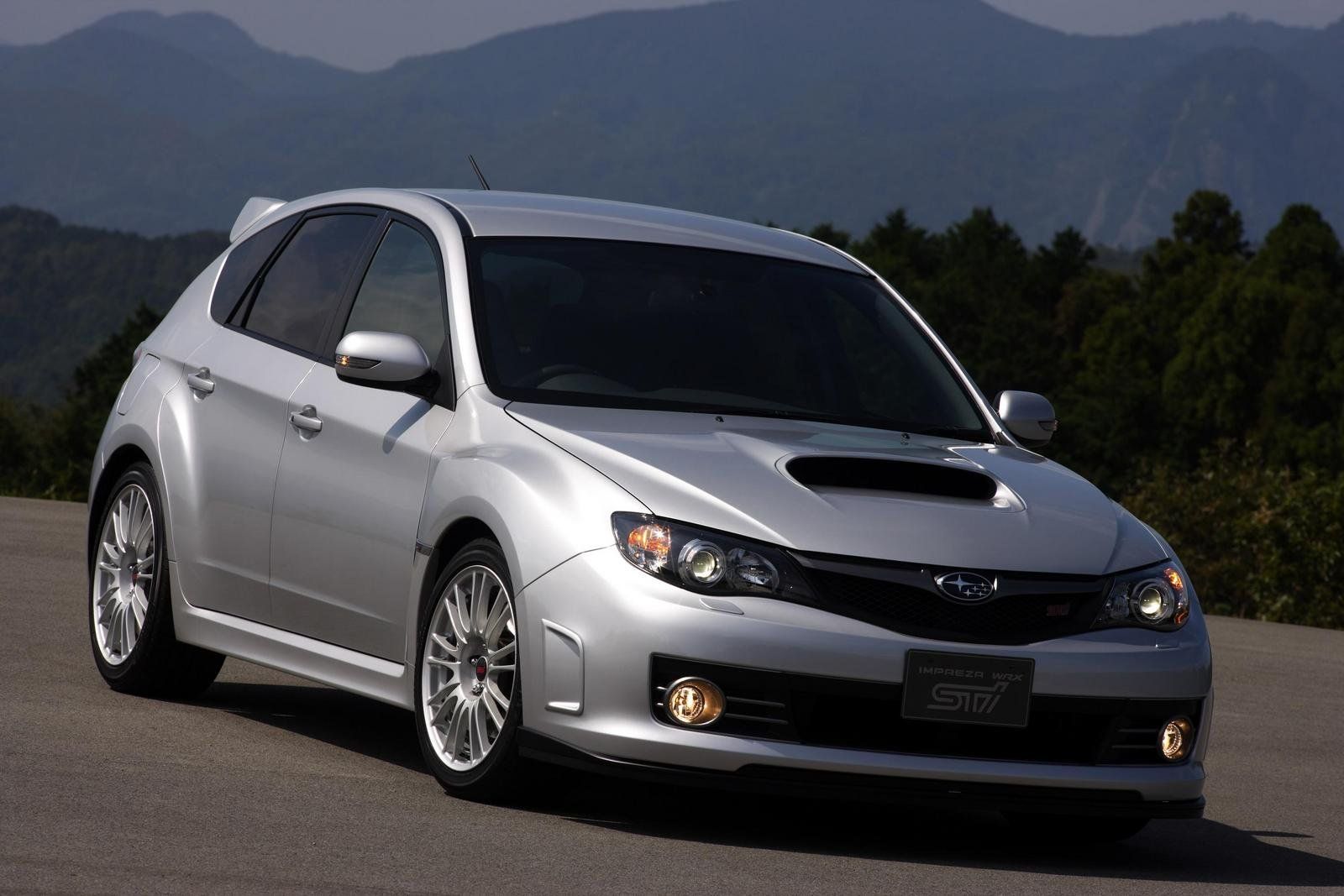
Subaru WRX (early 2000s)
The Subaru WRX from the early 2000s represents a performance car rooted in rally heritage. With all‑wheel drive and turbocharged power, it delivers confident acceleration and traction in diverse conditions. Enthusiasts appreciate the direct connection between driver input and vehicle response.
The boosted engine provides brisk acceleration, yet these cars are manageable in stock form. A wide array of aftermarket parts allows owners to fix or improve components without excessive expense.
Insurance treat these WRX models more favorably than many might expect, largely due to their longevity and predictability. Insurers evaluate risk based on real world data, and early WRX models have been on the road long enough to show stable claim histories.
Though turbocharged, these engines are robust when maintained correctly, and repairs are not as costly as on more exotic performance cars. Parts remain plentiful given Subaru’s global reach.
Another factor in insurance affordability is the all‑weather capability of traction systems. AWD contributes to safer handling in rain or snow, reducing the chances of loss‑of‑control incidents that drive up insurance premiums.
Many owners also add safety enhancements like performance tires, which improve control. Insurers take note of such upgrades when adequately documented, sometimes offering better rates. The combination of traction and driver confidence can justify lower risk assessments.
WRX owners often join clubs and participate in maintenance education, leading to vehicles that are well cared for and less prone to sudden failures. The culture of proactive upkeep ensures that used examples are typically free from deferred maintenance issues that might lead to insurance claims.
Used WRX models also tend to be priced reasonably in the market, matching their attainable insurance costs. These factors make the early WRX a compelling performance option.
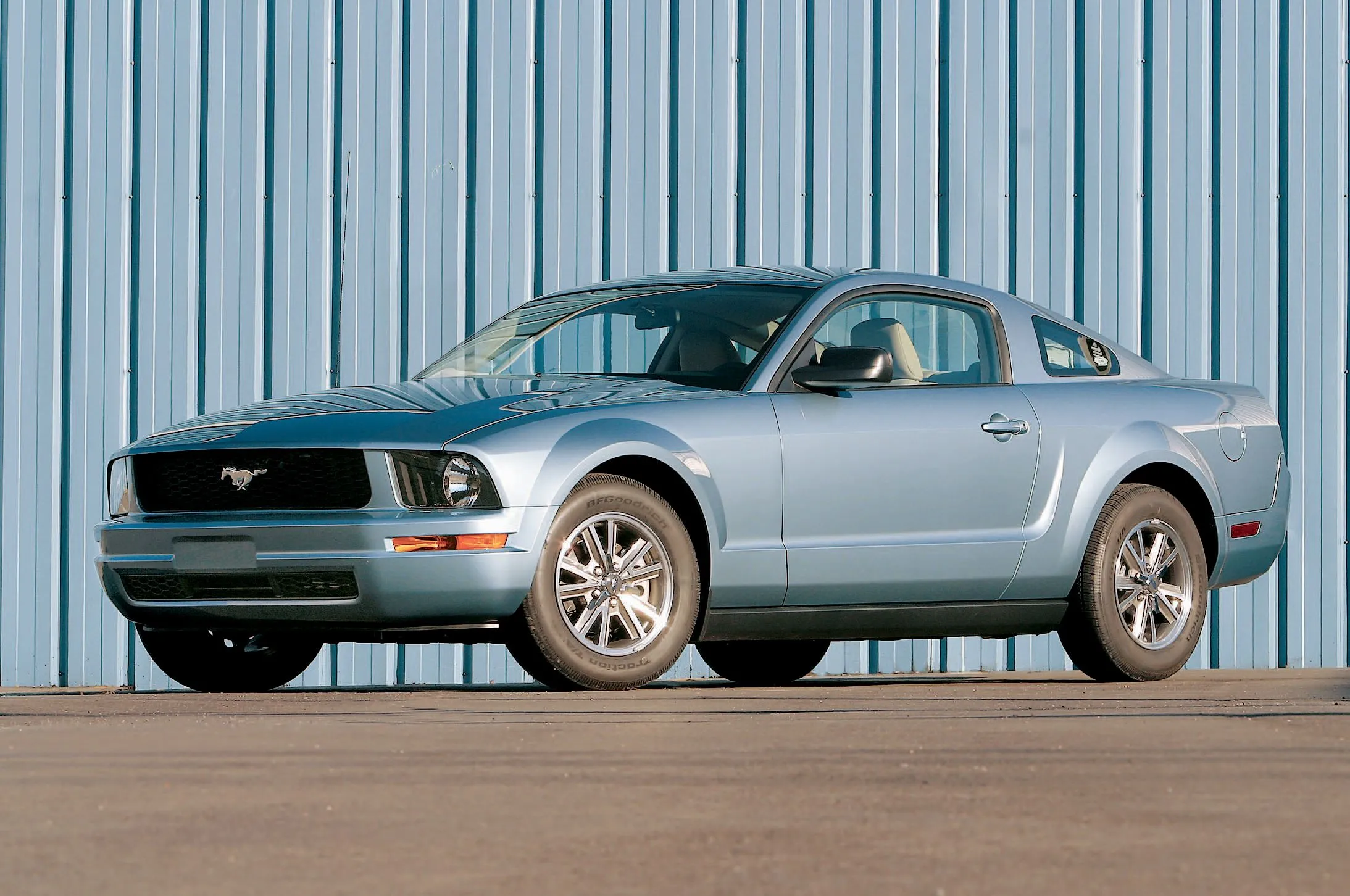
Ford Mustang V6 (late 2000s)
The Ford Mustang with a V6 engine from the late 2000s provides classic muscle car styling with approachable performance. Though not as potent as the V8 variants, the V6 delivers satisfying power for daily driving and spirited runs alike. Its straight‑six configuration offers a smooth powerband that feels eager without being intimidating to new drivers.
Enthusiasts appreciate the balance of torque and handling it offers within its class. Parts remain plentiful due to the Mustang’s popularity and long production run.
Insurance companies often price these V6 Mustangs more affordably than their higher output counterparts. The V6 engine is typically less expensive to repair than the more performance oriented V8, and parts are widely available.
Repair histories show that these models have reasonably low claim costs, which plays a significant role in insurance evaluations. This practicality aligns with premiums that are accessible to a broader range of drivers.
The Mustang’s strong safety features for its era also contribute positively to insurance classifications. Improvements in airbag coverage, anti‑lock brakes, and stability control help protect occupants and reduce claim severity.
While classic muscle cars can be associated with aggressive driving, the V6 model’s power is not so extreme that it invites excessive speed in normal use. This relative moderation can result in lower insurance risk scores.
Another benefit is the Mustang community’s emphasis on maintenance culture and aftermarket support. Owners share tips, parts sources, and repair strategies that help keep vehicles in good condition.
With regular servicing, these cars tend to have fewer unexpected mechanical problems. Insurers see well maintained vehicles as less likely to result in costly claims, contributing to more favorable insurance pricing.
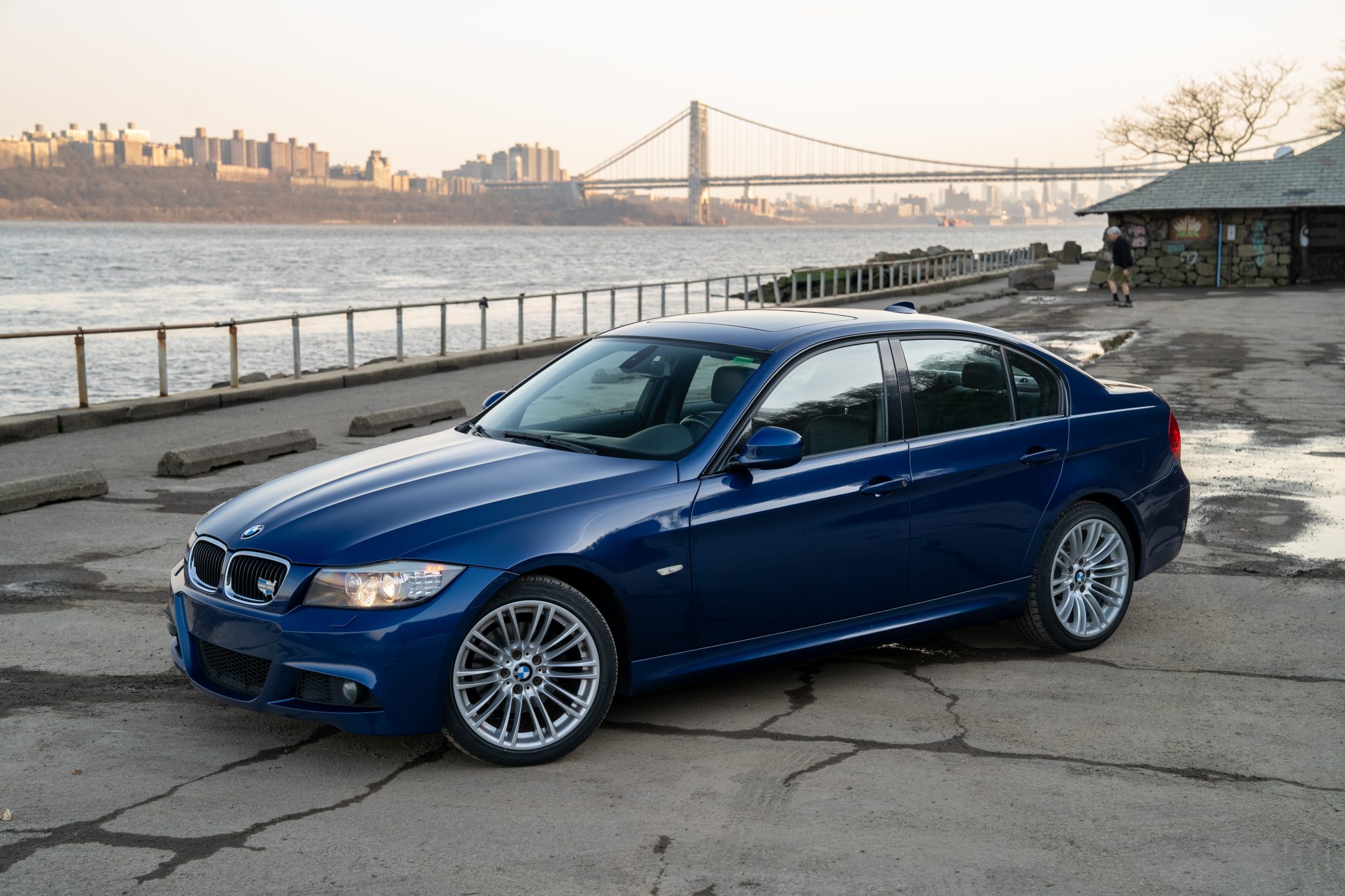
BMW 328i (E46)
The BMW 328i from the E46 generation remains a beloved choice among drivers who want performance and everyday usability. Its inline‑six engine provides a smooth and responsive delivery of power while maintaining refinement for daily travel.
Balanced handling and precise steering make it agile in corners while maintaining comfort on highways. The E46’s design has a timeless quality that still appeals to enthusiasts. Reliability, when maintained properly, supports long term ownership without constant surprises.
On the insurance side, the 328i often lands in a moderate category due to a combination of solid safety features and reasonable repair costs.
While European cars sometimes carry a reputation for higher maintenance expense, the 328i uses many components shared within BMW’s global inventory. This sharing of parts helps keep replacement costs predictable and not excessively high. Insurers value stable repair cost data when setting premiums.
Safety ratings for this generation were competitive for their time, with strong chassis rigidity and multiple airbags contributing to occupant protection.
Better crashworthiness typically correlates with lower insurance claims for injury, helping keep costs down. BMW also equipped these cars with features that promote driver stability and control in adverse conditions. Such equipment can be a positive factor in insurance evaluations.
BMW owners often take great care in preserving their vehicles, frequently investing in preventative servicing that reduces the likelihood of expensive breakdowns.
Because enthusiasts tend to maintain these cars meticulously, they accrue fewer claims over time. This trend can reflect positively in future insurance renewals. For those seeking a blend of spirited driving and sensible insurance costs, the E46 328i remains a strong contender.
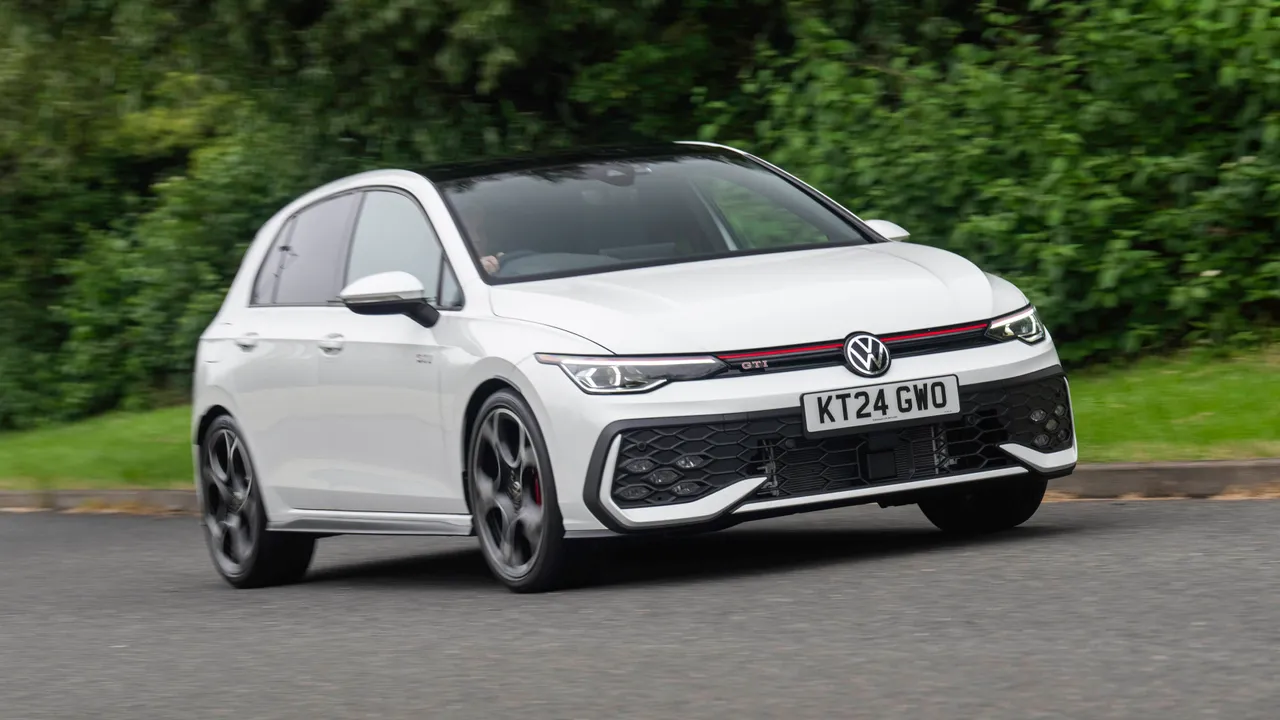
Volkswagen Golf GTI (Mk5)
The Volkswagen Golf GTI of the Mk5 generation combines performance and practicality in a compact package. Its turbocharged engine offers lively acceleration without intimidating complexity, and its chassis delivers agile handling suited to everyday driving and occasional spirited runs.
The hatchback layout provides useful cargo space, making it appealing for daily life as well as weekend enjoyment. The GTI’s balance of comfort and dynamics has made it a favorite for many drivers around the globe.
Insurance costs for the Mk5 GTI are often reasonable relative to its performance capabilities. Turbocharged cars sometimes carry higher premiums, but the GTI’s power level and proven reliability help temper insurer concerns. Repair costs remain predictable because Volkswagen made many of the parts in high volume for multiple models.
This broad availability contributes to insurance risk assessments that do not jump dramatically compared to less common performance cars.
The GTI also benefits from solid safety features, including stability control, multiple airbags, and good structural integrity. These safety systems help reduce the severity of accidents, and insurers take lower injury risk into account. Many owners also equip their cars with quality tires and brakes that improve control, which insurers view positively when properly documented.
A car that stays on the road and responds well to driver input is less likely to be involved in costly incidents. A strong community of owners and independent mechanics supports the Mk5 GTI, helping keep maintenance and repair know‑how widespread.
Enthusiast forums and local clubs provide advice that helps owners address issues early, reducing breakdown‑related claims. This proactive approach to car care indirectly supports lower insurance costs over years of ownership. The Mk5 GTI thus stands out as an engaging choice that keeps costs sensible.
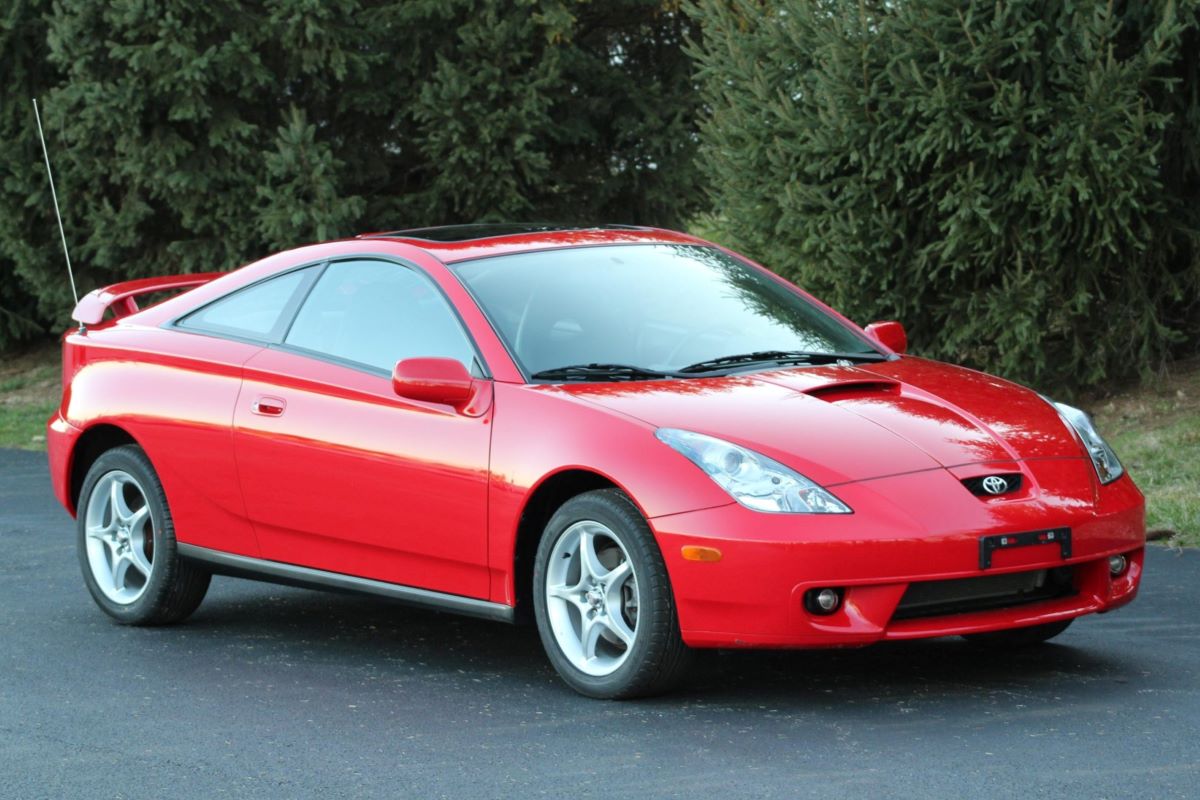
Toyota Celica GT‑S (7th Gen)
The Toyota Celica GT‑S from its seventh generation offers a combination of sleek styling and spirited driving that appealed to buyers seeking something sporty yet affordable. Its agile chassis and revving four‑cylinder engine deliver responsive performance that rewards attentive drivers.
Toyota’s reputation for reliability means that these cars often cover high mileage with fewer major repairs than many competitors. Enthusiasts appreciate the car’s low weight and nimble handling. Its design and engineering emphasized balance rather than brute force.
Insurance companies view the Celica GT‑S favorably because repair costs are typically modest and parts are easy to source due to Toyota’s extensive dealer and aftermarket networks. The four‑cylinder engine, while capable, is not large or complex, reducing repair expense risk.
Decades of real world ownership have provided insurers with stable data showing reasonable claim frequencies. The predictable cost environment helps keep premiums accessible. Safety features on this generation include multiple airbags and good body structure rigidity for its class.
These safety elements contribute to protecting occupants and minimizing injury severity in the event of a collision. Insurers often reward vehicles with better protective capabilities by offering lower injury liability portions of insurance. Additionally, the Celica’s manageable performance makes it easier for drivers to maintain control in everyday conditions.
Toyota enthusiasts often maintain their cars meticulously, investing in preventive servicing that helps avoid breakdowns. This culture of care means many used Celicas are in excellent mechanical condition, which correlates with fewer costly incidents.
A well preserved car with a clean maintenance history often qualifies for insurance credits or discounts for low risk. The GT‑S remains a compelling option for drivers seeking a sporty feel without steep insurance costs.
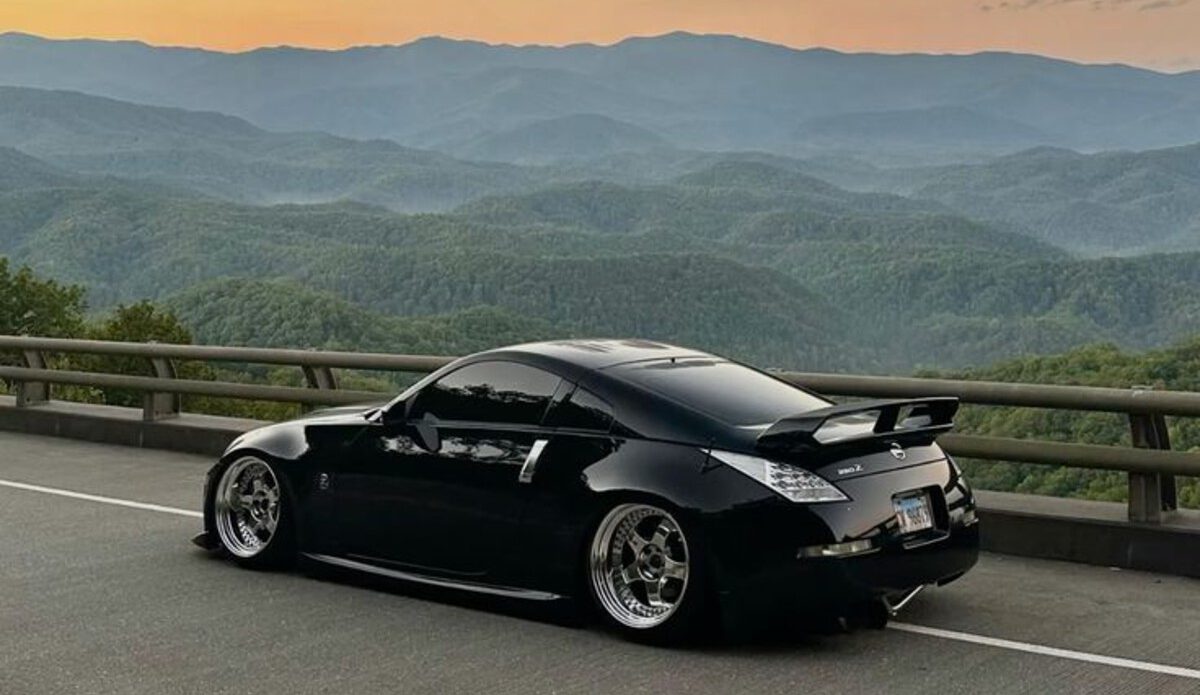
Nissan 350Z
The Nissan 350Z entered the market offering true sports car performance at a price that was relatively attainable compared to traditional exotic cars. Its V6 engine delivers substantial thrust, and the rear‑drive configuration gives the car balanced handling and a satisfying connection to the road.
The 350Z’s straightforward design and broad enthusiast base make it approachable for a variety of drivers. Strong aftermarket support keeps parts affordable and replacement options plentiful.
Insurance for the 350Z can be reasonable due to the balance of power and predictability. While performance is significant, the car’s engineering focuses on driver engagement rather than excessive horsepower.
Repair costs tend to fall within expectations for a V6 sports vehicle without exotic materials or complicated forced induction. Insurers look at historic claim data, and for well maintained 350Zs, claims are not disproportionately high relative to performance. This profile keeps premiums in a manageable range.
Safety systems such as stability control and modern restraint systems help protect occupants and lower the severity of accidents. Good crash test performance for its era and standard safety features often help reduce bodily injury claims.
The 350Z’s predictable handling traits, when driven responsibly, also contribute to its insurance classification. Drivers who demonstrate good habits are rewarded by insurers with lower risk categories.
Community support for the 350Z remains strong, with owners sharing advice on upkeep and cautioning against risky modifications that could raise insurance costs. By focusing on maintenance and avoiding radical performance modifications, owners help keep their cars within normal risk brackets. The 350Z remains a solid choice for someone wanting robust performance without excessive insurance burden.
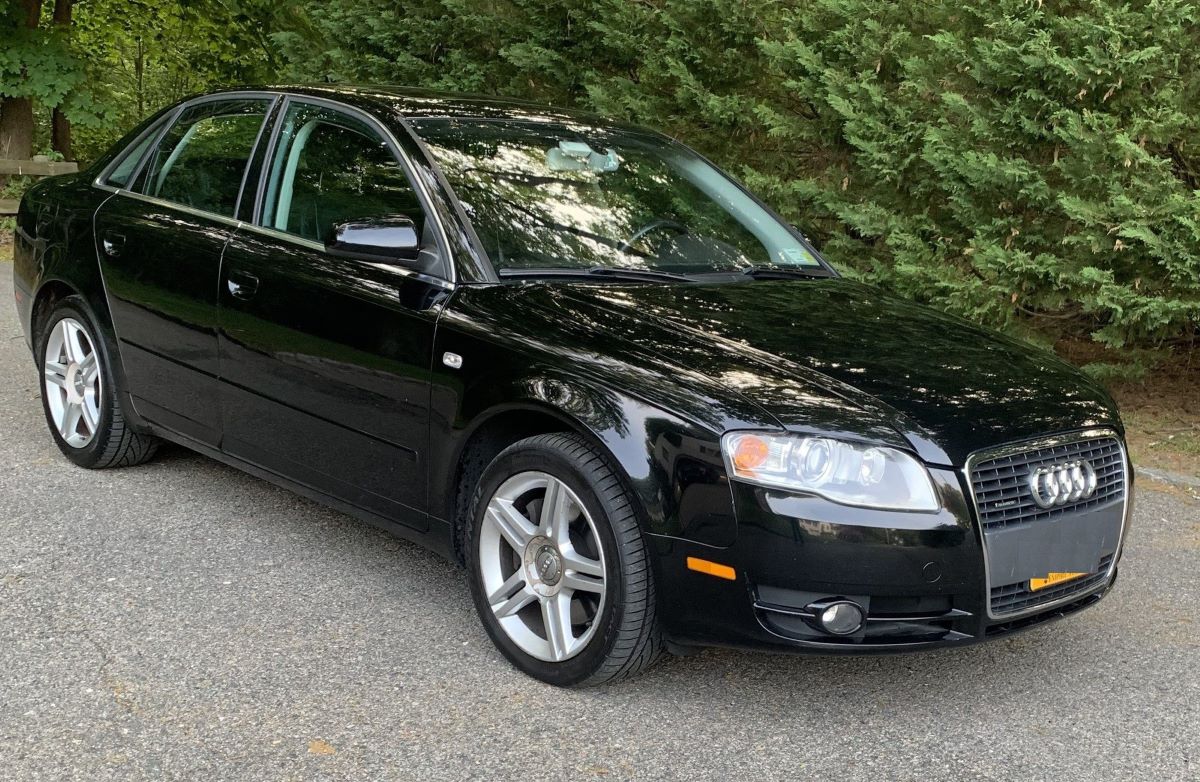
Audi TT Quattro (Early 2000s)
The Audi TT Quattro from the early 2000s combines distinctive design with all‑wheel drive traction that makes it enjoyable in a variety of conditions. Its turbocharged engine provides lively acceleration, while the quattro system enhances grip and stability. The TT’s interior and build quality give it a premium feel that many drivers appreciate.
Though Audi is a luxury brand, certain TT models have aging platforms that bring used prices into accessible territory. Enthusiasts find these qualities compelling.
Insurance companies often evaluate the TT Quattro’s all‑wheel drive capability as a positive for maintaining control, especially in less than ideal road conditions. The traction advantage can reduce the frequency of loss‑of‑control incidents, which in turn influences insurer risk assessments.
While luxury brands sometimes carry higher base rates, this particular model’s age and stable claim history help temper those costs. Insurers factor in repair frequency as well as severity. Repair costs for the TT Quattro are influenced by the availability of parts from older Audi and Volkswagen group vehicles.
Shared components with other models help reduce proprietary expense compared to more exotic brands. The turbocharged four‑cylinder is less costly to maintain than large displacement or specialized engines. Insurers prefer vehicles where repair cost estimates are predictable and grounded in broad data sets.
TT owners often engage in thorough care and preventative maintenance, which helps keep cars running well into higher mileages. Vehicles that are well kept and show fewer mechanical failures are less likely to generate claims related to breakdowns.
Proper service records and safety feature documentation may further support favorable insurance classifications. When balanced with spirited driving potential, the early TT Quattro remains an intriguing choice with approachable insurance costs.
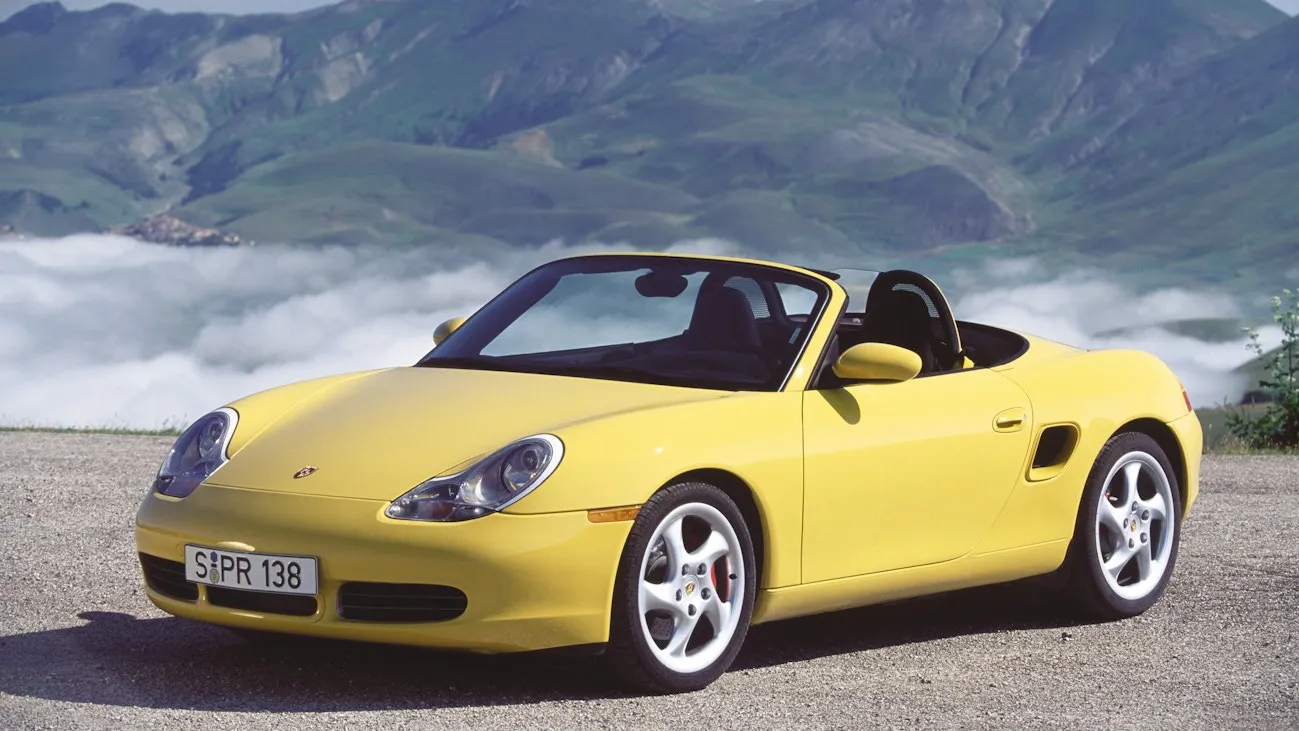
Porsche Boxster (986)
The Porsche Boxster of the 986 generation offers a mid‑engine layout and driving characteristics that many regard as pure sports car experience. Its flat‑six engine delivers a distinctive sound and ample power that engages drivers without overwhelming them.
Balanced weight distribution and precise steering make it responsive in corners and enjoyable on open roads. While Porsche is a high end brand, early Boxsters have depreciated into a range that can be attainable for many buyers. Enthusiasts prize the car’s engaging nature.
Insurance companies evaluate the Boxster’s risk profile based on real world performance and claim history. Though perceived as a luxury brand, the 986 Boxster’s established presence and predictable repair patterns help moderate premiums. Some might expect high insurance costs, but insurers recognize that many owners drive responsibly and maintain their vehicles well.
The mid‑engine design, while sporty, does not inherently translate to excessive risk in statistical data. Parts availability and aftermarket support for the Boxster have improved over time, making many repairs more affordable than historically assumed. Shared components with other Porsche models and strong enthusiast networks help owners keep maintenance costs manageable.
Repairs that are predictable and well documented tend to result in more favorable insurer assumptions. This practical reality supports insurance rates that are not prohibitively high compared to other performance cars.
Safety systems including multiple airbags and a stable chassis help protect occupants and reduce injury severity in collisions. Drivers who pair these features with responsible habits often see the benefit in their insurance profiles. A well maintained Boxster with a careful owner history may receive lower risk classification than expected.
For those seeking thrilling mid‑engine performance with insurance that isn’t extreme, the 986 Boxster remains a compelling choice.