Automakers have always searched for new ways to make their vehicles stand out, and throughout history, that often meant offering unusual factory options that pushed the boundaries of creativity. Some features were designed to deliver luxury and entertainment, while others focused on convenience, safety, or pure novelty.
In many cases, these ideas reflected the technological optimism of their era, when manufacturers experimented freely with bold concepts that were meant to impress buyers.
This list of Top 10 Cars With Unusual Factory Options That Are Rare Today highlights vehicles that came equipped with some of the most unconventional features ever installed at the factory.
From record players built into dashboards to portable radios that could slide out of the car, automakers explored ideas that today might seem surprising or even impractical. Other features, such as built-in ice makers, retractable picnic tables, and heartbeat-detecting security systems, reveal how car companies attempted to blend lifestyle convenience with automotive engineering.
Many of these options disappeared because they were expensive, fragile, or simply too unusual for widespread adoption. Over time, evolving technology and changing consumer preferences made them obsolete. Today, surviving examples equipped with these features have become highly prized among collectors and enthusiasts because they represent rare and memorable moments in automotive design.
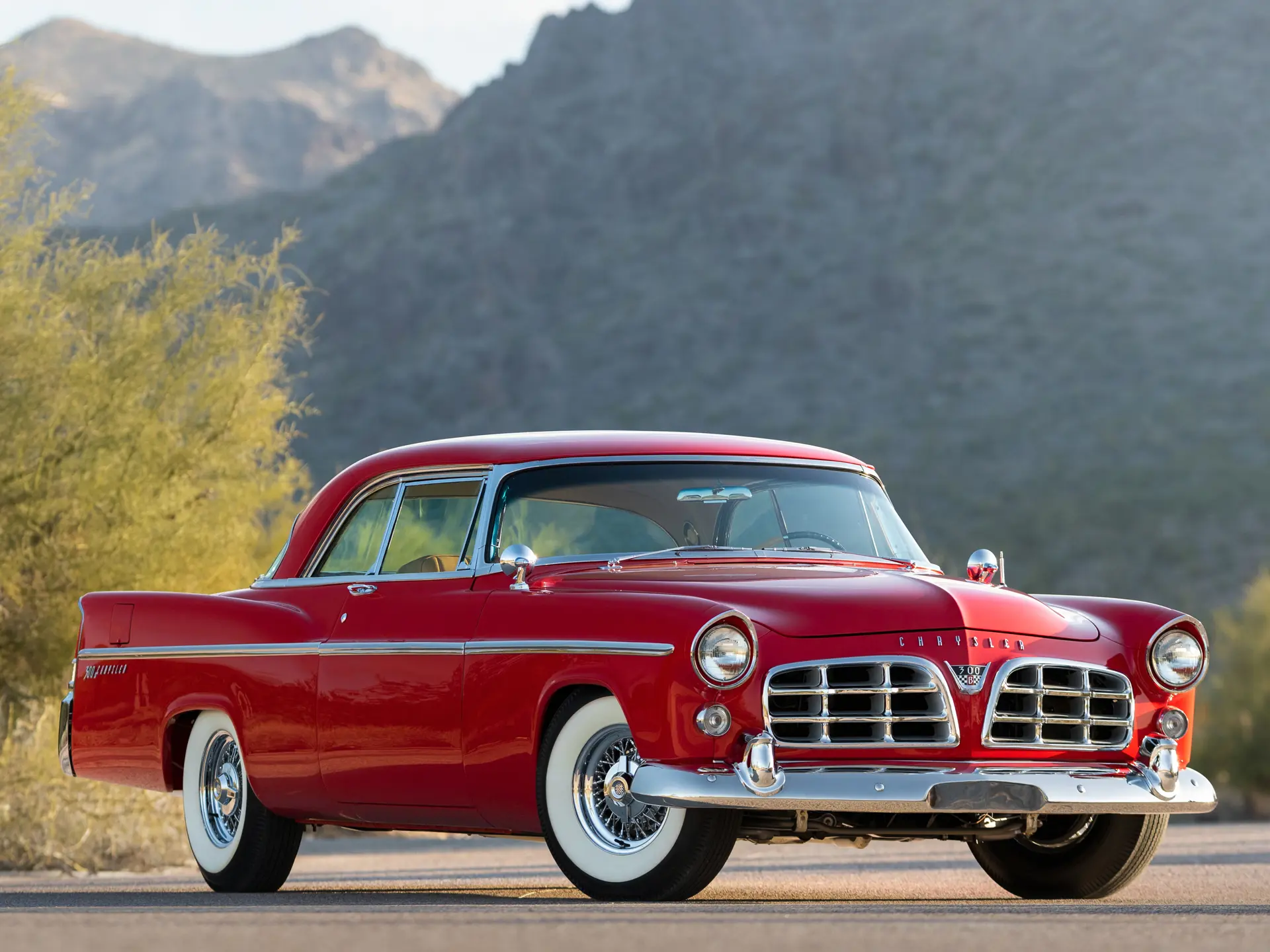
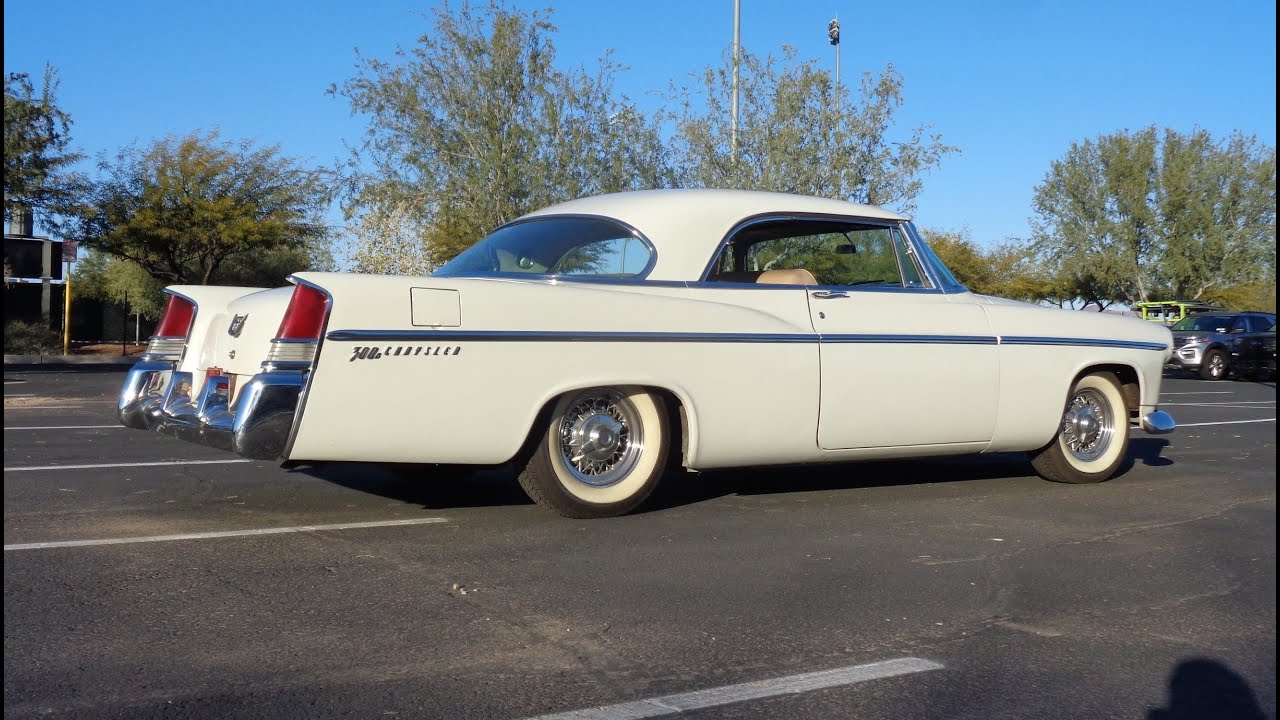
1. 1956 Chrysler 300B and the Highway Hi-Fi: Innovation Meets Quirky Luxury
The 1956 Chrysler 300B, an early American muscle car, combined high-speed performance with a suite of rare and unusual options, the most notable being the Highway Hi-Fi under-dash record player. Developed by CBS-Columbia, this innovative system aimed to bring long-form audio to the road, predating reliable in-car tape players and FM radios.
The player used proprietary 7-inch records spinning at 16 2/3 RPM, capable of delivering up to 45 minutes of music per side. To minimize skipping over bumps, the tonearm applied unusually high tracking force, but this design caused rapid record wear, making it both delicate and high-maintenance.
Installed across Chrysler’s 1956 lineup but most famously in the 300B, the Highway Hi-Fi was an expensive option, $200 at the time, roughly $2,000 today. Its combination of steep cost, fragile components, and limited catalog made it unpopular among buyers. Many units failed early, leading to high warranty claims, and functional examples are now exceedingly rare and highly sought after by collectors.
Integration with the car’s radio system allowed volume and tone control through existing controls, adding to the technological complexity. Despite its engineering ambition, the Highway Hi-Fi became a “revolutionary flop,” remembered more for its novelty than its practicality.
Beyond the Hi-Fi, the 300B offered performance-focused options that reinforced its muscle car status. Its 354 cubic-inch HEMI V8 engine produced between 340 and 355 horsepower, enabling top speeds of nearly 140 mph.
Buyers could select performance packages, including dual four-barrel carburetors, specialized rear differentials, heavy-duty suspensions, and other rare components like the pot-metal horn ring. These features, combined with the car’s forward-looking styling, made the 300B a standout in the “Forward Look” era of Chrysler innovation.
The Highway Hi-Fi represents a curious intersection of luxury, technology, and impermanence, a high-tech oddity in a car celebrated for raw speed. Today, surviving functional units are prized by collectors, not only for their rarity but also as tangible artifacts of 1950s automotive experimentation. The 1956 Chrysler 300B remains iconic for blending muscle car performance with experimental, if flawed, in-car technology.
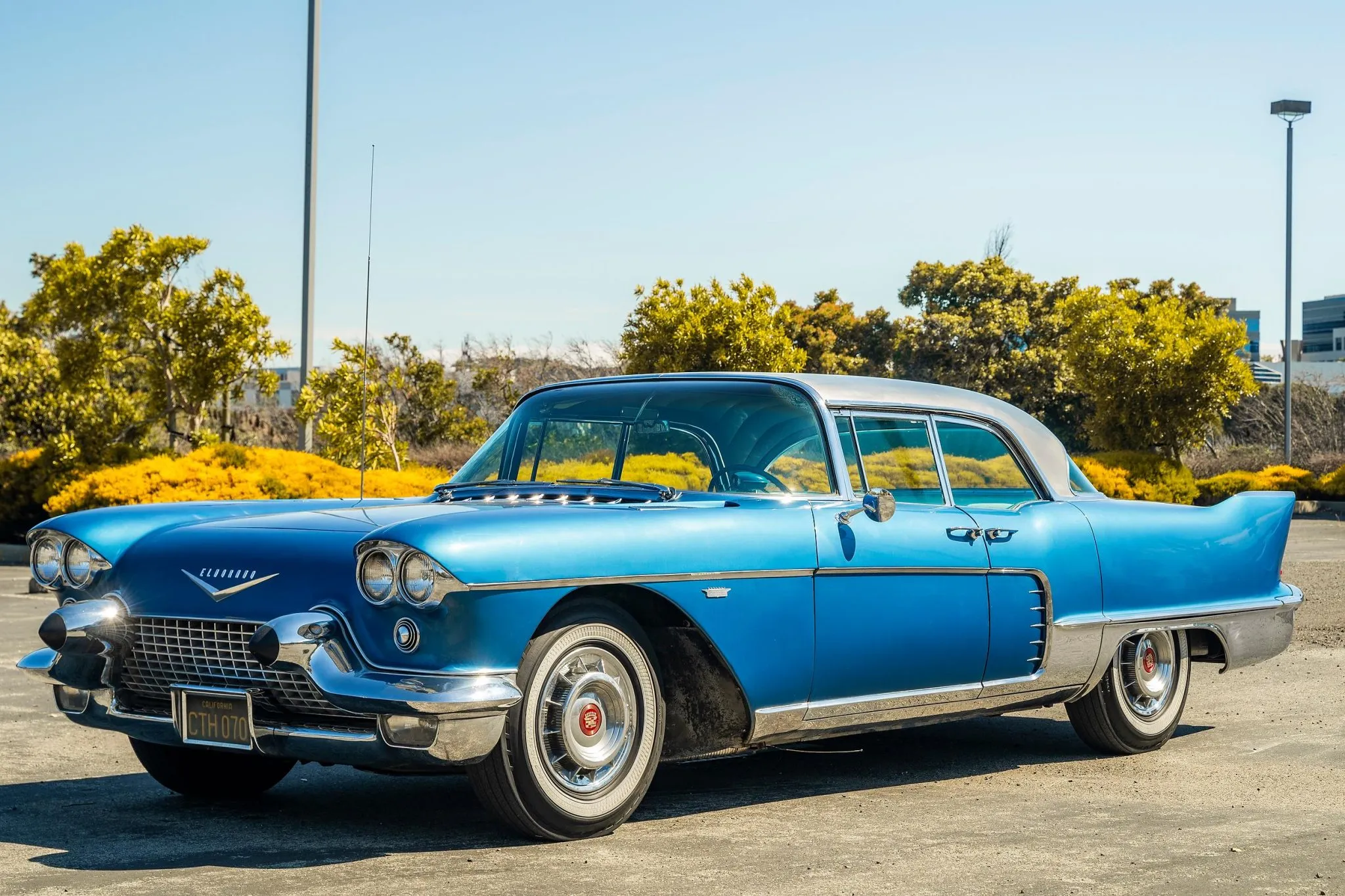
2. 1957 Cadillac Eldorado Brougham: The Magnetic Glovebox Bar of Ultimate Luxury
The 1957 Cadillac Eldorado Brougham represented the peak of American automotive luxury, costing more than a contemporary Rolls-Royce and hand-built for an exclusive clientele. Among its most extravagant features was the magnetic glovebox bar, a miniature in-car cocktail setup designed for convenience and elegance.
The glovebox opened to form a foldable metal shelf and included six stainless steel tumblers that attached magnetically to the tray to prevent spills while the car was in motion. Additional amenities included a cigarette case, tissue dispenser, and a rear-seat vanity kit with a perfume atomizer filled with Arpège Extrait de Lanvin, a notepad, and cosmetic mirrors, reflecting the lavish style of the 1950s.
Only 400 Eldorado Broughams were produced in 1957, making surviving examples extremely rare. Cars with intact original barware are nearly impossible to find, further enhancing the model’s value among collectors.
The magnetic glovebox bar reflected the social norms of the 1950s when drinking while traveling was considered acceptable for wealthy passengers, long before strict drunk driving laws were enforced. Cadillac’s goal was to provide the ultimate symbol of sophistication, comfort, and exclusivity for its elite customers.
The glovebox bar demonstrated a combination of luxury and technological ingenuity. Features such as the magnetized tumblers, fold-out tray, and integrated accessories highlighted the hand-built attention to detail. Other design elements, including a brushed steel roof, stainless steel accents, and plush interior appointments, reinforced the car’s high-end appeal.
Priced at over $13,000 in 1957, which is roughly $130,000 today, the Eldorado Brougham targeted buyers for whom cost was secondary to prestige and comfort. Its magnetic glovebox bar remains one of the most extravagant and unusual features in automotive history and serves as a lasting symbol of 1950s American opulence.
Today, the Eldorado Brougham is celebrated not only for its rarity and advanced features but also as a cultural artifact that reflects the indulgence and style of its era.
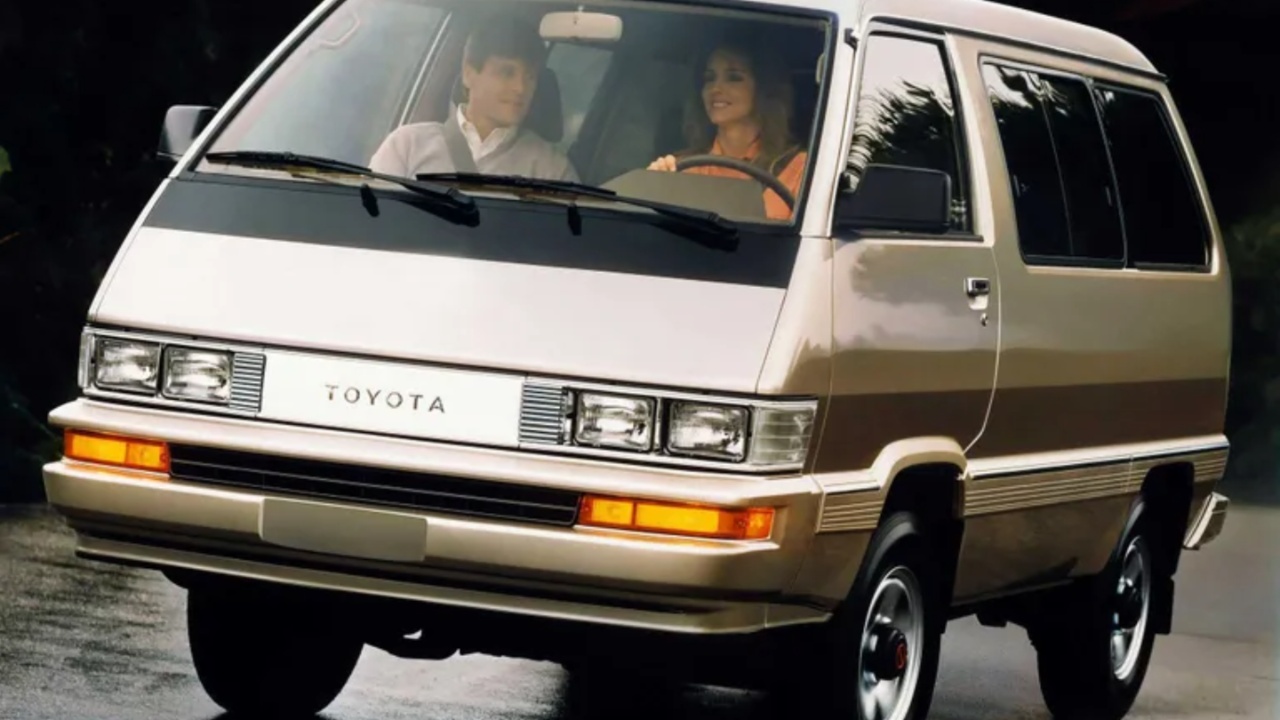
3. 1984 Toyota Van: Ice Maker and Cooler Box of 1980s Innovation
The 1984 Toyota Van, also known as the MasterAce Surf in Japan and the Space Cruiser in Europe, offered a unique and futuristic option: a console-mounted ice maker and cooler box located between the front seats. This feature was powered by the vehicle’s air conditioning system, using refrigerant lines to freeze water in small trays.
Designed for the van’s top-tier LE trim, which often requires the dual air conditioning option, the ice maker allowed passengers to chill drinks or make small amounts of ice during road trips. It reflected the era’s emphasis on convenience, leisure, and automotive experimentation.
At the time, Toyota intended the van as a high-end competitor to Chrysler’s minivans. The ice maker exemplified the 1980s trend of adding luxury and novelty to practical vehicles. It was intended for camping, long drives, and “van life” adventures, allowing families to enjoy chilled beverages on the go.
Despite its ingenuity, the system was slow, often taking an entire day to freeze a dozen small ice cubes, and it required the vehicle’s air conditioning to operate. Its limited capacity and reliance on complex AC-refrigerant integration meant it was more a fun novelty than a fully practical appliance.
Very few original buyers opted for the ice maker because it was an expensive add-on, making functional units extremely rare today. Over the past 40 years, many systems were removed, disconnected, or fell into disrepair due to mechanical failures and the difficulty of servicing the integrated refrigerant lines.
Modern 12-volt portable coolers have rendered the ice maker largely obsolete, but collectors prize surviving units as nostalgic, “unicorn” features from the radwood era.
Other unusual 1984 Toyota Van options included swivel captain’s chairs, a skylight roof with multiple panels, power curtains, and the Toyota Electronically Modulated Suspension System (TEMS). Combined with its versatile interior, fold-flat seats, and recreational focus, the ice maker helped make the van a standout example of 1980s automotive creativity.
Today, the 1984 Toyota Van ice maker is remembered as a quirky, high-tech relic that embodies the era’s experimental spirit. It offers more charm and novelty than practical function, but for enthusiasts of vintage Japanese vehicles, a working unit is a highly sought-after collector’s item.
4. 1997 Honda CR-V: Retractable Picnic Table and Outdoor Utility
The 1997 Honda CR-V, first-generation model, introduced a clever and practical feature that has become a defining hallmark of the vehicle: a retractable picnic table hidden beneath the rear cargo floor. Standard on all models, the folding table emphasized Honda’s “Comfortable Runabout Vehicle” philosophy, blending everyday practicality with outdoor-oriented convenience.
The table doubled as the structural floor panel of the trunk and featured folding metal legs, allowing it to serve as a sturdy, waist-high surface for camping, tailgating, or beach trips. Beneath the table, a waterproof plastic storage bin provided a hidden compartment that owners often used as an ice chest for drinks or wet gear.
This design was possible because the spare tire was mounted externally on the tailgate, freeing up interior space for the table and storage compartment. The first-generation CR-V also included other innovative, rarely seen features. Front and rear seats could recline fully and lock together to form a flat, twin-bed-sized sleeping surface, ideal for road trips and camping.
Some models offered an optional rear shower kit powered by the 12-volt outlet, complete with a water tank and spray nozzle. Certain trims included discreet storage drawers beneath the front passenger seat, and automatic-transmission versions featured a flat floor and column shifter, allowing a pass-through between the front seats for easier access to the rear.
Despite its ingenuity, many of these features have disappeared over time. The picnic tables were often broken, lost, or discarded, and evolving safety regulations and SUV design priorities eliminated similar multifunctional layouts in modern vehicles.
External spare tire placement reduced rear visibility and aerodynamics, which later led to interior-mounted tires and the removal of the table. Structural reinforcements in newer SUVs also made flexible, flat-floor designs less feasible.
Today, an original first-generation CR-V with an intact, functional picnic table is highly prized among 1990s JDM collectors. The table remains celebrated for its practicality, durability, and the clever way it transformed everyday cargo space into a versatile outdoor surface.
It embodies a “Swiss Army Knife” approach to vehicle design, highlighting Honda’s creative focus on lifestyle, utility, and convenience during the late 1990s. The retractable picnic table is widely regarded as one of the most iconic and functional hidden features of any mainstream SUV.

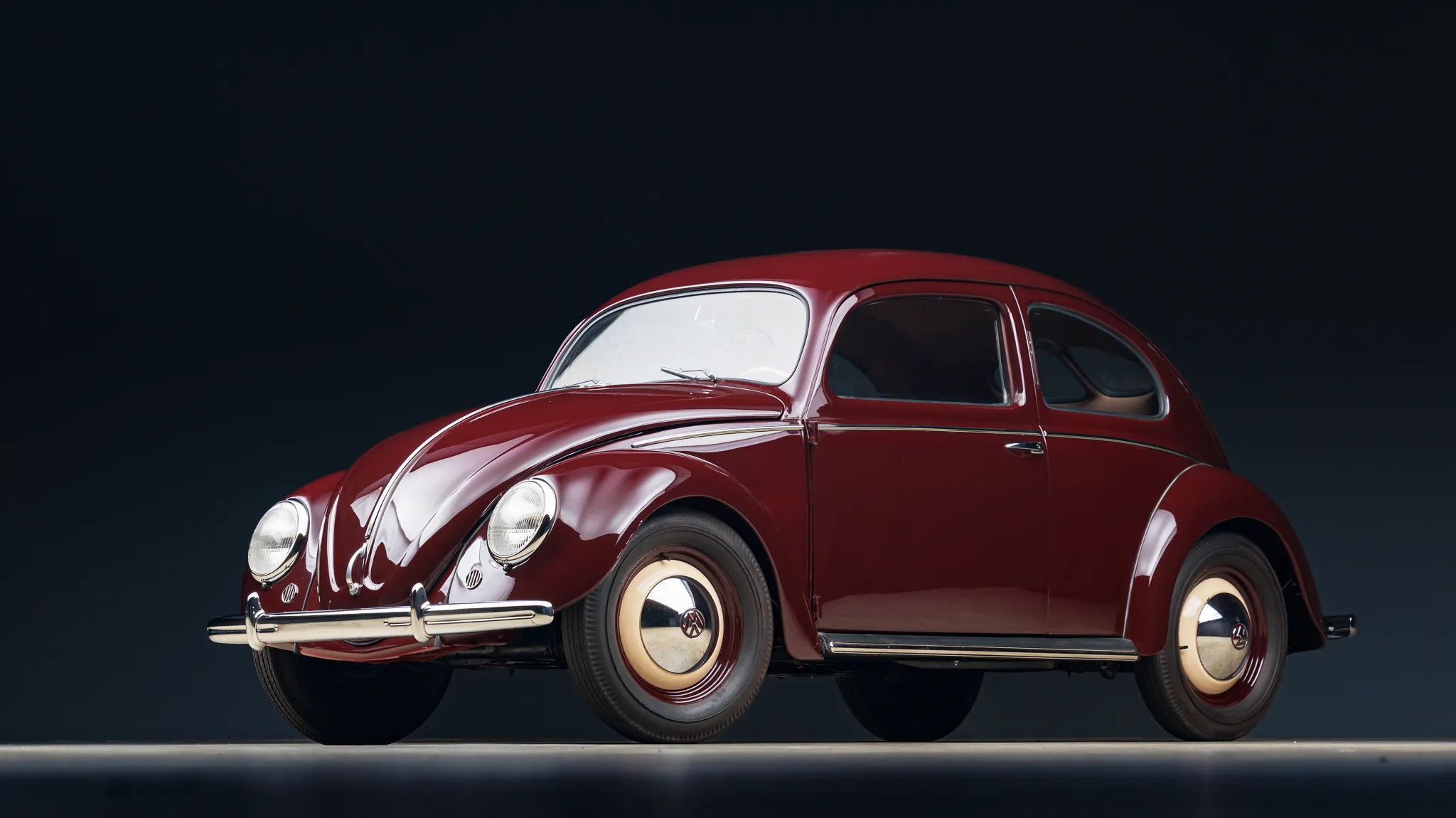
5. 1950 Volkswagen Beetle: Porcelain Flower Vase and Classic Charm
The 1950 Volkswagen Beetle featured a distinctive and whimsical accessory that has become a symbol of early Beetle charm: the porcelain flower vase, often manufactured by the German company Rosenthal. Known as the “Bud Vase” or Blumenvasen, this delicate dash-mounted vase allowed drivers to personalize their Spartan cabins with fresh flowers.
Beyond adding color and style, the vase also served a practical purpose, helping to mask engine fumes in the minimalist interior. Its presence reflected the Beetle’s blend of practicality and lighthearted personality, turning a functional “people’s car” into something more inviting and home-like.
The vases were rarely standard factory equipment and were typically installed by dealers or purchased as accessory items, making original porcelain examples uncommon today. Their fragility meant that many were broken in minor accidents, discarded by subsequent owners, or lost over decades of use.
The shift in automotive styling during the 1970s, combined with the introduction of ventilation systems and air conditioning, further reduced the need and appeal of the dash-mounted flower vase. Despite this, the vases remain iconic, representing a uniquely customizable aspect of early Volkswagen culture.
High-end craftsmanship made these vases particularly special. Many were produced by German porcelain manufacturers, featuring white or subtle decorative designs, and were designed to clip securely onto the dashboard, speaker grille, or window ledge.
They offered a cheerful, personalized touch that contrasted with the Beetle’s simple, utilitarian interior, creating a whimsical aesthetic that became associated with the car’s “love bug” persona.
Although Volkswagen briefly revived the flower vase for the 1998 New Beetle, it was eventually discontinued in 2011. Authentic, vintage 1950s examples are highly prized by collectors for their historical significance, charm, and rarity. Modern reproductions exist in ceramic or magnetic form, allowing enthusiasts to recapture the retro look without relying on fragile originals.
Today, the porcelain bud vase stands as an enduring symbol of personalization, nostalgia, and the playful spirit that defined the early Volkswagen Beetle, making it one of the most memorable accessories of classic automotive history.
Also Read: 5 Cars With Simple Dash Layouts vs 5 With Confusing Ones
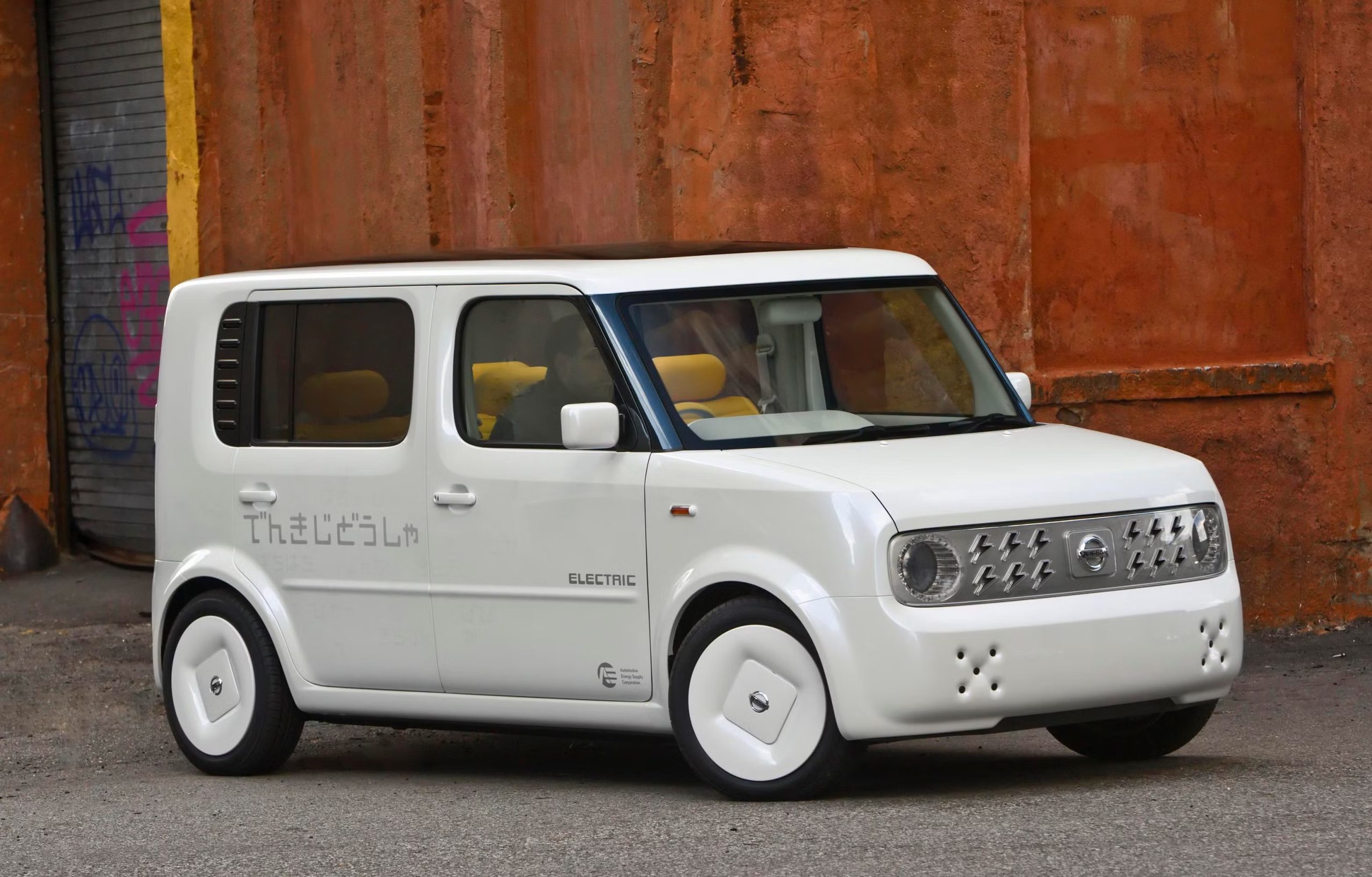
6. 2009 Nissan Cube: Shag Carpet Dashboard Pad and Quirky Interior Flair
The 2009 Nissan Cube embraced eccentric, Japanese-inspired design with one of its most unusual interior features: a shag carpet dashboard pad. Positioned in a small recessed area on top of the dashboard, this circular patch of shag carpet, sometimes referred to as a “dash topper,” was intended purely as an aesthetic element.
Officially offered as a $300 optional accessory, it aimed to create a 1970s-inspired lounge or “zen” vibe within the cabin. The feature complemented the Cube’s asymmetrical rear windows, curved lines, and playful interior motifs, emphasizing the car’s quirky, box-shaped personality rather than providing traditional functionality.
The shag carpet pad was custom-fit to the dashboard and often included hook-and-loop or adhesive backing for installation. While some owners used it practically to hold lightweight items like sunglasses, phones, or small personal effects, its primary purpose was decorative.
Reviewers frequently highlighted its role as a conversation piece and a textural accent that reinforced the Cube’s “cute” or whimsical aesthetic. Two-tone designs and circular patterns on the headliner often coordinated with the mat to create a cohesive lounge-like effect.
Despite its novelty, the dashboard shag proved polarizing among buyers. It was often considered a dust magnet, and the adhesive backing could wear out over time, leading to mats that became dirty, warped, or detached.
Take rates for the option were low, and many units were removed or neglected, making well-preserved examples extremely rare today. The discontinuation of the Cube in North America in 2014 further reduced the availability of original factory accessories, cementing the dashboard shag as a sought-after feature for enthusiasts of eccentric Japanese design.
Collectors and fans of “box car” culture now regard the Cube’s shag carpet dashboard as a hallmark of 2000s automotive whimsy. It represents a bold, playful approach to interior styling that prioritizes personality over practicality.
Its rarity, distinctive texture, and retro-inspired flair make it one of the most memorable and iconic interior features of the 2009 Nissan Cube, celebrated by those who appreciate the car’s unconventional charm and unapologetically quirky character.
7. 1978 Subaru BRAT: Rear-Facing Jump Seats and Clever Tax Loophole
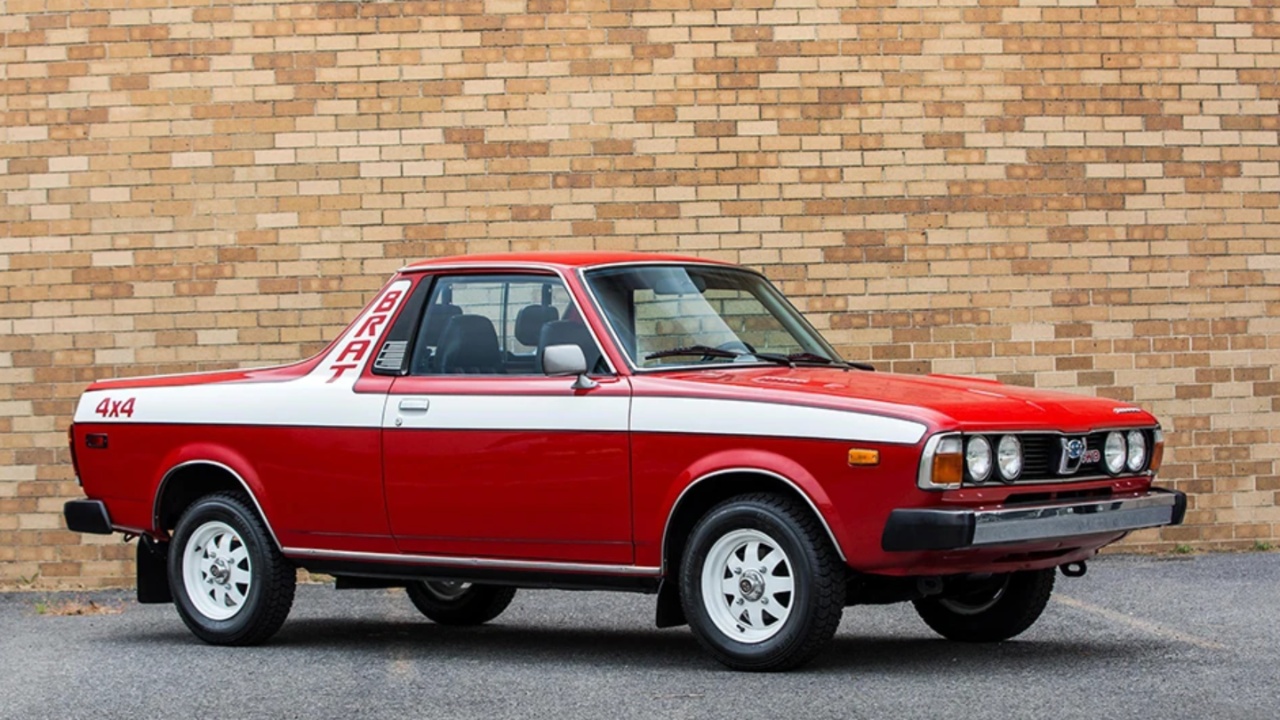
The 1978 Subaru BRAT (Bi-drive Recreational All-terrain Transporter) is remembered for one of the most unusual features in automotive history: rear-facing jump seats mounted in the truck bed. These seats were not designed for comfort or recreation but served a very practical purpose.
At the time, the United States imposed a 25% import tariff on light trucks, known as the “Chicken Tax.” By installing two rear-facing plastic seats with rudimentary seatbelts and grab handles, Subaru classified the BRAT as a passenger vehicle, reducing the tariff to just 2.5 percent. This clever loophole made the BRAT more affordable for American buyers while giving it a unique and quirky character.
The jump seats were functional in the sense that they could carry passengers, but they were far from practical. Passengers faced backward in the open truck bed, fully exposed to wind, debris, and the elements. The seats were uncomfortable, noisy, and placed riders’ heads near the roofline, creating a significant safety risk in the event of a rollover.
To provide minimal support, Subaru included small carpeted bases and “joystick” grips for passengers to hold. Despite this, most original owners removed the seats immediately, often clearing the cargo area for hauling or to prevent water accumulation and rust. Over time, exposure to the elements caused many remaining seats to deteriorate.
Today, original BRAT jump seats with intact seatbelts are extremely rare and highly sought-after by collectors and restorers. Their scarcity and historical context make them an iconic feature of the first-generation BRAT, highlighting Subaru’s combination of creativity and practicality. The jump seats, along with options such as T-tops and 4WD, contributed to the BRAT’s reputation as a quirky, fun, and versatile car-based pickup.
The rear-facing jump seats of the 1978 Subaru BRAT remain a symbol of ingenious automotive loophole engineering.
They exemplify a period when regulations shaped vehicle design in unexpected ways, producing an unusual feature that is simultaneously thrilling, dangerous, and historically significant. Collectors today prize BRATs that retain these original seats as rare artifacts of 1970s import strategies and the vehicle’s playful, utilitarian spirit.
8. 2017 Bentley Bentayga: The Breitling Mulliner Tourbillon Dashboard Clock
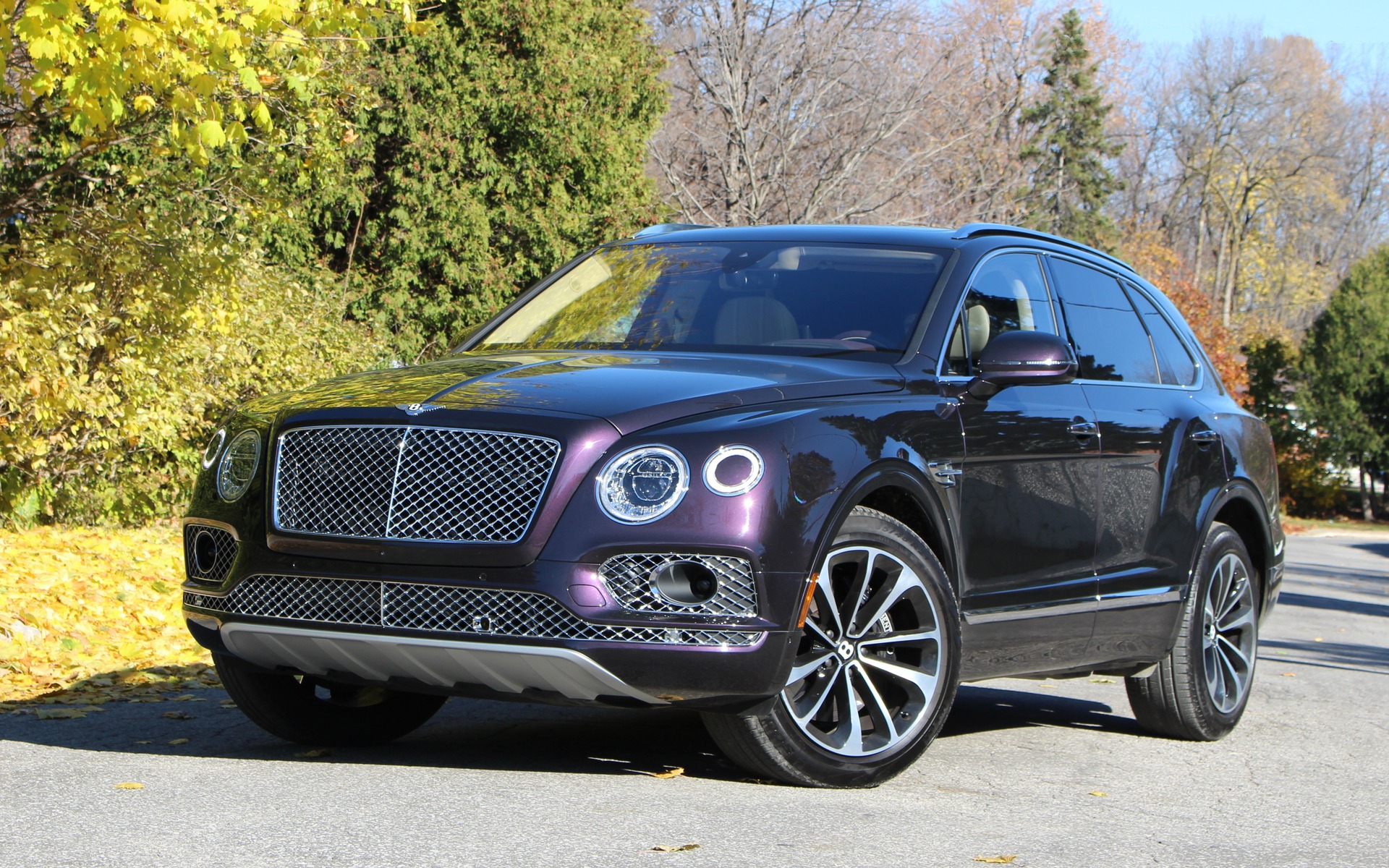
The 2017 Bentley Bentayga represented the pinnacle of ultra-luxury SUV design, combining extraordinary performance with nearly limitless customization. Among its most extravagant options was the Breitling Mulliner Tourbillon dashboard clock, an accessory that transformed the vehicle’s instrument panel into a showcase of high-end watchmaking.
Unlike ordinary digital or quartz clocks found in most vehicles, this feature was a fully mechanical tourbillon timepiece integrated directly into the dashboard. Created by the Swiss luxury watchmaker Breitling in partnership with Bentley’s bespoke Mulliner division, the clock featured intricate craftsmanship typically reserved for fine wristwatches.
The tourbillon clock was engineered to remain precise despite the motion and vibration of a vehicle. To achieve this, Bentley equipped the dashboard with a specialized automatic winding system powered by a high-precision motor.
This mechanism periodically rotated the clock to keep the delicate internal components wound and functioning accurately. The result was a miniature mechanical masterpiece that combined automotive engineering with traditional horology.
What made this option truly extraordinary was its price. The Breitling Mulliner Tourbillon costs approximately $160,000, nearly the price of many luxury vehicles and sometimes close to the base cost of the Bentayga itself.
Because of this staggering cost, only a handful of buyers chose to include it in their vehicles, making it one of the rarest factory options ever offered on a production car. For Bentley customers seeking ultimate exclusivity, however, it represented the height of personalized luxury.
Beyond the tourbillon clock, the Bentayga itself was already an impressive vehicle. Powered by a 6.0-liter twin-turbocharged W12 engine producing about 600 horsepower, the SUV could accelerate from 0 to 60 mph in around four seconds and reach a top speed of roughly 187 mph.
Inside, buyers could choose from handcrafted veneers, diamond-stitched leather, and numerous bespoke Mulliner upgrades. These included features such as refrigerated champagne coolers with crystal flutes, a folding leather event bench in the cargo area, and a high-end Naim sound system.
The Breitling Mulliner Tourbillon remains one of the most extravagant automotive accessories ever created. It symbolizes an era of luxury where cost was secondary to craftsmanship and exclusivity, demonstrating how far manufacturers were willing to go to satisfy the desires of an ultra-wealthy clientele.
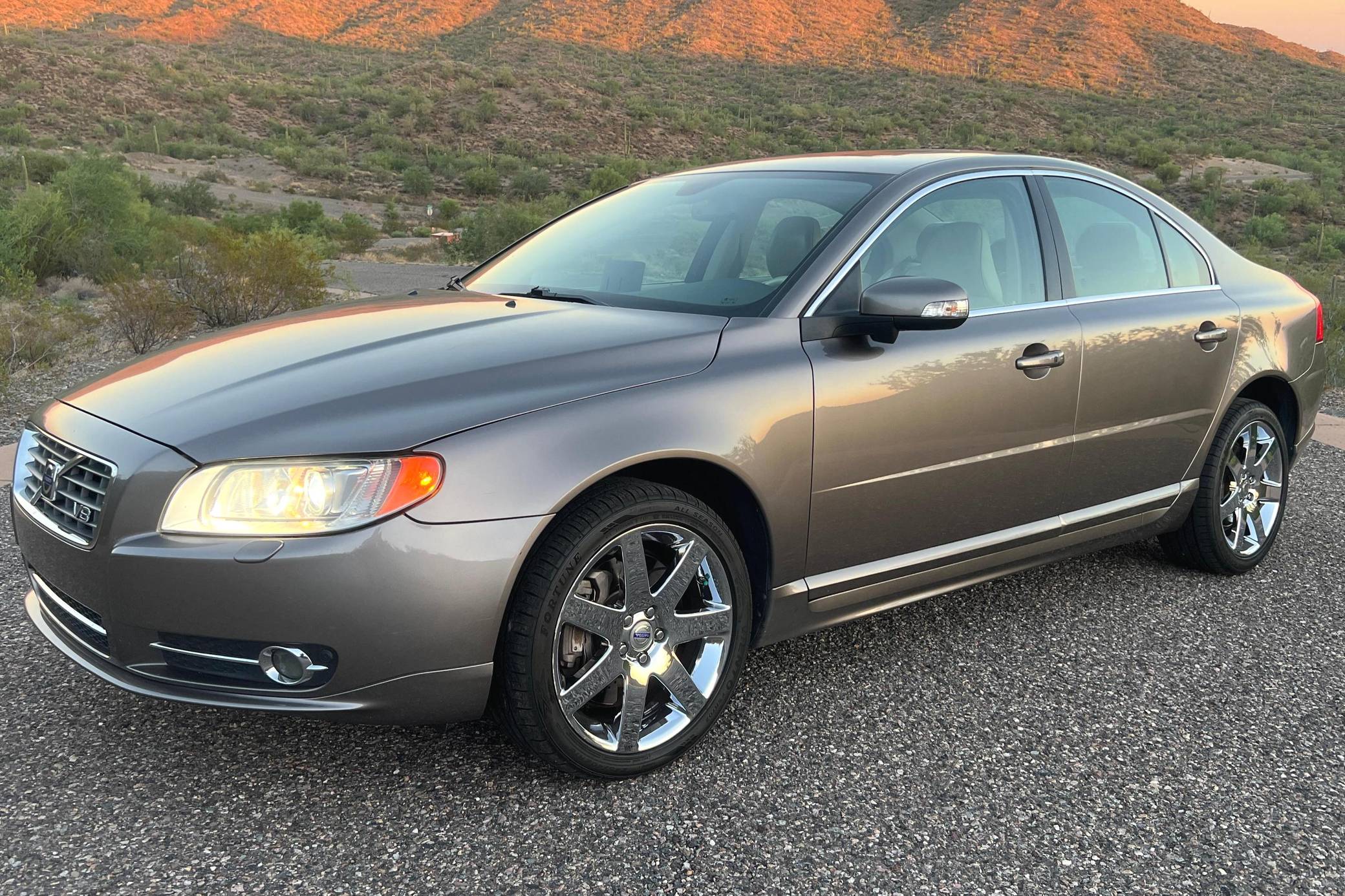
9. 2007 Volvo S80: Heartbeat Sensor Security Technology
The 2007 Volvo S80 introduced one of the most unusual automotive security features of the mid-2000s: a heartbeat sensor built into the Personal Car Communicator (PCC) key fob. Designed to enhance passenger safety and vehicle security, the system could detect whether someone was hiding inside the car before the driver approached it.
By sensing subtle vibrations caused by a human heartbeat, the technology provided a unique form of protection that reflected Volvo’s long-standing focus on safety innovation.
The system worked through a combination of interior sensors and a specialized electronic key fob. When the driver pressed the PCC remote from up to about 60 to 100 meters away, the car communicated its status back to the key. If the vehicle’s alarm had been triggered or if the sensors detected movement consistent with a heartbeat inside the cabin, the key fob displayed a flashing red warning light.
This alert indicated that a person or large animal might be inside the vehicle. The feature was intended to help drivers identify potential intruders before unlocking the car, offering an extra layer of protection against carjacking or theft.
Volvo developed the heartbeat sensor during a time when concerns about vehicle security and personal safety were particularly prominent in some markets.
The feature was especially relevant in regions where drivers feared criminals hiding in parked vehicles. It also had an unintended secondary benefit: the system could warn owners if a child or pet had been left inside the car, providing an additional safety safeguard.
Despite its innovative concept, the heartbeat sensor remained a niche feature. The technology required specialized sensors and communication systems, which increased costs and complexity. As a result, few manufacturers adopted similar systems. Within a few years, the rapid rise of smartphone-based vehicle monitoring and GPS tracking made such dedicated hardware less necessary.
Today, the PCC heartbeat sensor is remembered as a fascinating example of early 21st-century automotive experimentation. It represents a moment when automakers explored creative ways to enhance security before modern mobile connectivity became standard. For enthusiasts and collectors, the heartbeat-detecting key fob remains a rare technological relic from the pre-smartphone era of automotive safety innovation.
10. 1958 Oldsmobile: “Trans-Portable” Slide-Out Radio
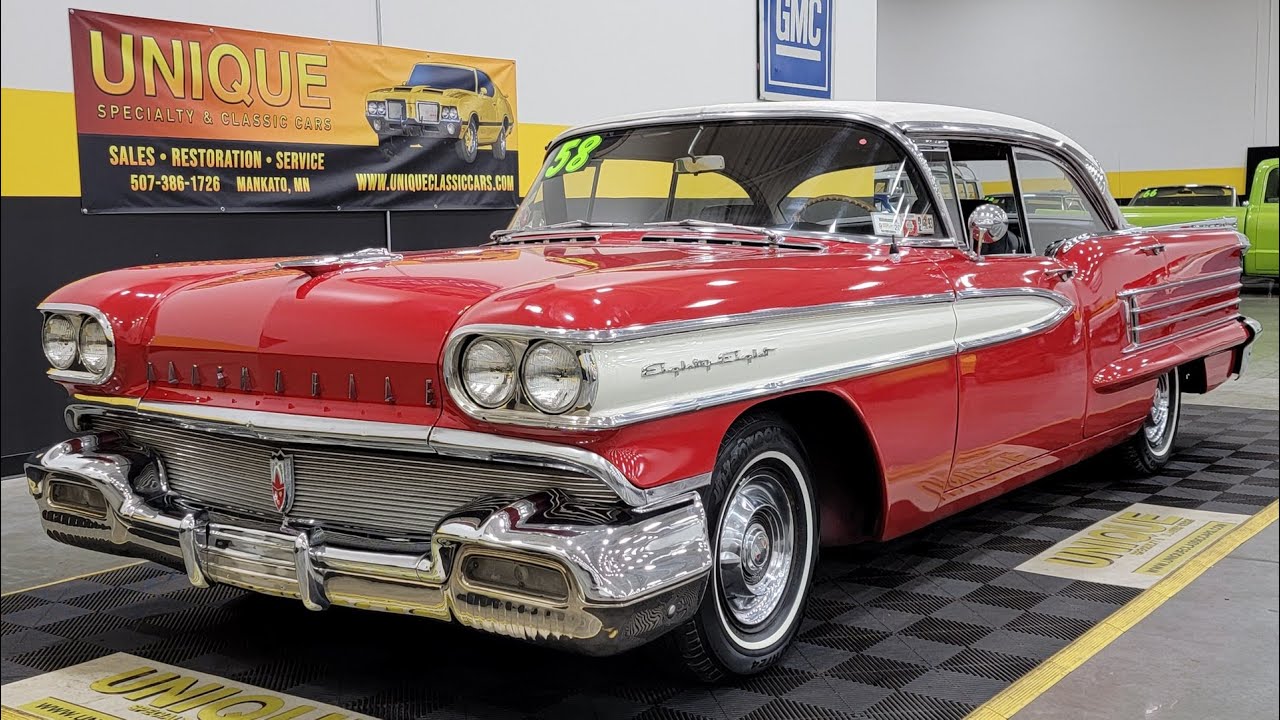
The 1958 Oldsmobile Trans-Portable radio was an innovative and unusual automotive feature that combined in-car entertainment with true portability. Introduced as an optional factory feature in the 1958 Oldsmobile lineup, the device served as the vehicle’s primary radio when installed in the dashboard, but could also be removed and used as a handheld transistor radio.
This dual-purpose design reflected the technological optimism of the late 1950s, when manufacturers were experimenting with ways to integrate emerging electronics into everyday products.
When the Trans-Portable radio was docked in the dashboard, it functioned like a traditional car radio. It connected to the vehicle’s 12-volt electrical system, antenna, and speakers, which allowed it to deliver stronger sound and higher fidelity. The system even used a tube-driven audio stage while in the car, taking advantage of the vehicle’s power supply for improved performance.
However, the radio could be unlocked and slid out of the dash in seconds. Once removed, it automatically switched to battery power and operated independently using four AA batteries and its own built-in speaker.
Designed for convenience and leisure, the unit included a handle and antenna so drivers could take it to places such as beaches, picnics, or sporting events. This made it one of the earliest examples of a truly portable car radio rather than simply a removable one intended for theft prevention.
The device also reflected the early transistor era by combining several transistors with vacuum tube technology. Its heavy-duty metal and leather casing was built to withstand frequent removal and transport.
Despite its innovation, the Trans-Portable radio had a short production life and limited popularity. It was only offered as a dash-mounted unit for the 1958 model year. By 1959, General Motors redesigned the concept and moved the removable radio to the glove compartment, making the original design unique to that single year. The option was also expensive, costing about $197 in 1958, which discouraged many buyers.
Today, the original units are extremely rare. Because the radio could be removed from the car, many were lost, stolen, or damaged over the decades. Additionally, the hybrid tube and transistor electronics are difficult to repair, and the specialized docking connectors often break or go missing. As a result, surviving examples with their original matching portable radios are highly prized by collectors.
The 1958 Oldsmobile Trans-Portable radio remains a fascinating example of mid-century automotive innovation. It anticipated later detachable car stereos and demonstrated how automakers experimented with combining emerging consumer electronics with vehicle design.
The cars featured in this list show that innovation in the automotive industry has often taken unexpected forms. Beyond performance upgrades and mechanical improvements, manufacturers have experimented with unusual features that transformed how drivers and passengers experienced their vehicles.
Options like the Highway Hi-Fi record player in the 1956 Chrysler 300B, the elegant cocktail bar of the 1957 Cadillac Eldorado Brougham, and the cleverly hidden picnic table in the 1997 Honda CR-V each demonstrate how creative engineering once shaped vehicle design.
Many of these features disappeared because they were expensive to produce, difficult to maintain, or simply too unusual for widespread adoption. Rapid technological change also meant that some innovations were quickly replaced by newer solutions, leaving only a small number of surviving examples.
Today, cars that still retain these rare options are highly prized by collectors. They represent moments when automakers experimented with bold ideas that combined luxury, entertainment, and practicality in surprising ways.
These unusual factory features remain memorable not only because of their rarity, but also because they show how imaginative automotive design could be when manufacturers were willing to try something completely different.
Also read: 10 Cars With the Best Storage Solutions for Small Items