Across the globe, many vehicles enjoy immense popularity, yet remain unavailable in the United States, leaving enthusiasts and practical buyers wishing they were offered domestically.
From rugged pickups to compact SUVs, these overseas models often combine capability, efficiency, and character in ways that stand out against the U.S. market’s usual offerings. Some vehicles, like the Toyota Hilux, are legendary for their durability and off-road prowess, while others, such as the Volkswagen Saveiro, provide compact utility for urban and light commercial use.
There are also iconic performance machines like the Renault Clio V6 or versatile wagons such as the Audi RS4 Avant, which combine speed with practicality.
Innovative urban EVs, including the BYD Seagull, and efficient crossovers like the Honda Elevate Hybrid, highlight how overseas markets are embracing technology, efficiency, and thoughtful design. This list explores eight remarkable vehicles sold internationally that U.S. drivers would eagerly welcome.
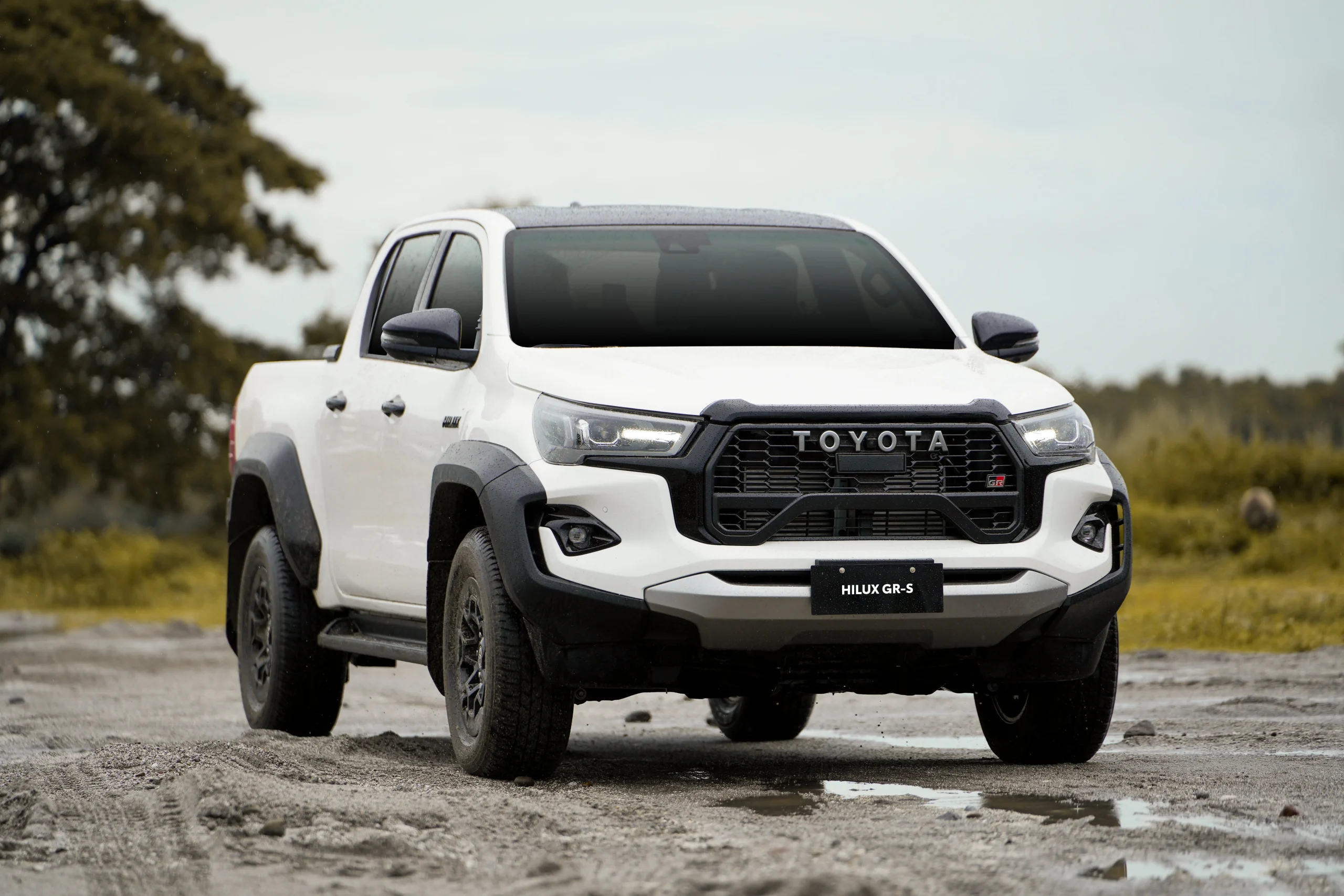
1. Toyota Hilux: A Global Standard for Durability and Utility
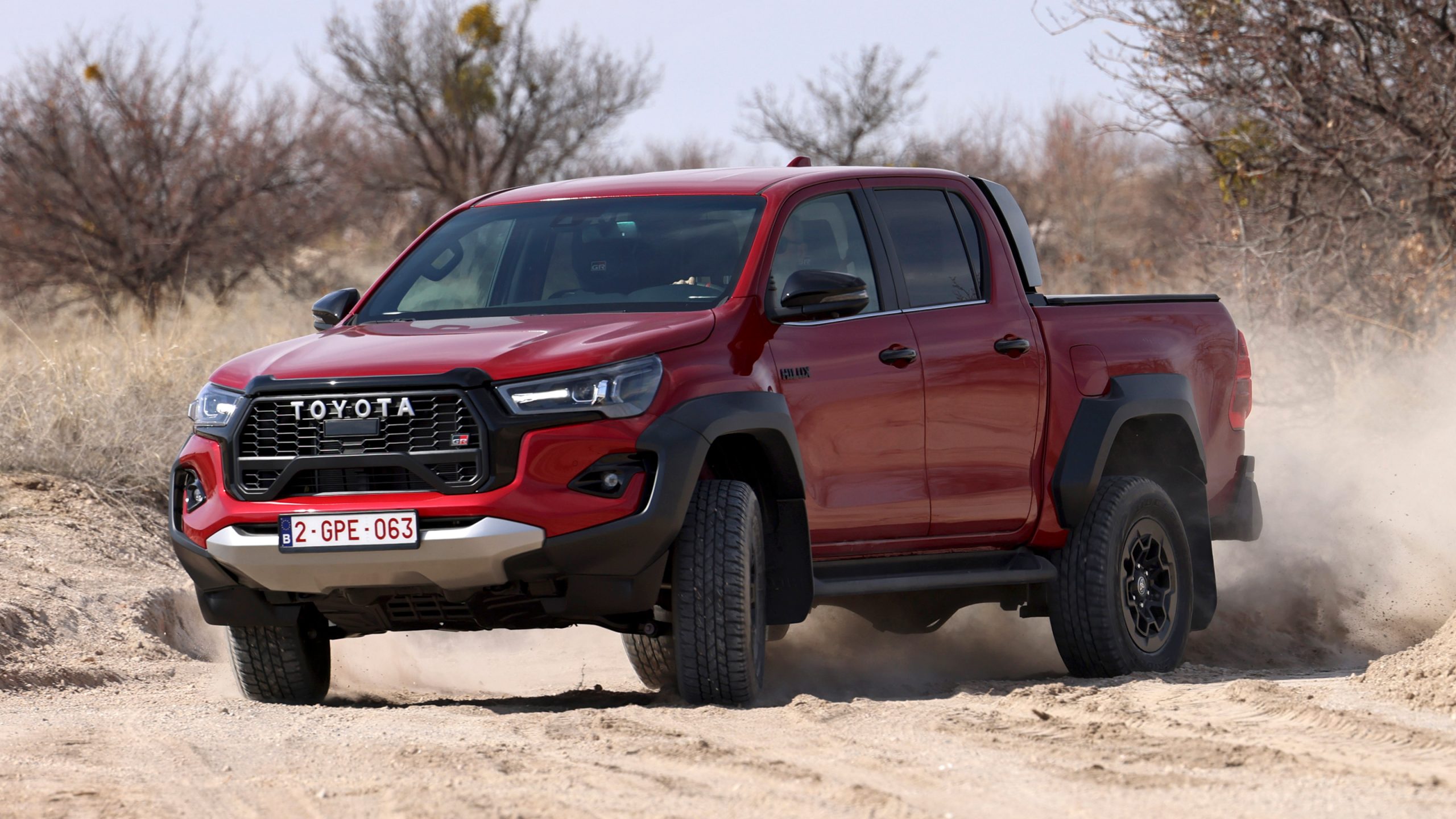
The 2026 Toyota Hilux continues to be one of the most respected and durable pickup trucks in the world. For decades, it has been known for reliability, strength, and the ability to operate in some of the harshest environments on earth.
While many modern pickup trucks emphasize luxury and lifestyle features, the Hilux focuses primarily on practicality and rugged performance. This philosophy has helped it maintain a strong reputation as a dependable work vehicle used across many industries.
The latest Hilux is powered by a 2.8-liter turbo diesel engine that produces up to 221 horsepower and 550 Nm of torque. This engine delivers strong low-speed power, which is especially useful for towing heavy loads and driving through difficult terrain. The truck uses a reinforced body-on-frame chassis, a design known for durability and strength under demanding conditions.
Recent models also feature a heavy-duty steel ladder frame that is approximately 20 percent stronger than previous versions. Together with a rear leaf spring suspension, this construction allows the Hilux to carry large payloads and maintain stability on rough roads and off-road trails.
Even though the Hilux is designed primarily for work, newer versions have introduced modern technology and improved comfort. The interior now includes a 12.3-inch digital instrument cluster and wireless smartphone connectivity, allowing drivers to access navigation and mobile apps more easily.
Higher trim models may also include leather seats, dual-zone climate control, LED lighting, and a panoramic view camera system. Safety has also improved with the addition of Toyota Safety Sense 3.0, which includes driver assistance technologies such as collision prevention, lane support, and adaptive cruise control.
The Hilux is also recognized as a global automotive icon. Since its introduction in 1968, Toyota has sold more than 27 million units in over 180 countries and regions.
It is widely used by farmers, construction companies, humanitarian organizations, and businesses that operate in remote or difficult environments. One reason for its popularity is its relatively simple engineering, which allows the truck to be repaired easily even in areas where advanced tools and specialized technicians are unavailable.
The Hilux also gained worldwide attention because of its reputation for extreme durability. A well-known demonstration of this toughness occurred on the television program Top Gear, where an older Hilux survived several destructive tests, including being submerged in seawater, hit by a wrecking ball, and placed on top of a building scheduled for demolition. Despite the damage, the vehicle was still able to start and run after basic repairs.
Despite its global success, the Hilux is not sold in North America. In that market, Toyota replaced it with the Toyota Tacoma, a pickup designed to match American preferences for smoother ride quality and additional comfort features. Trade restrictions such as the 25 percent Chicken Tax import tariff also make importing the Hilux less practical.
Today, the Hilux continues to compete strongly with rivals like the Ford Ranger and Isuzu D-Max. With high resale value, low ownership costs, and proven durability, the Hilux remains one of the most trusted pickup trucks in the world.
2. Volkswagen Saveiro: The Compact Pickup Built for Utility and Efficiency
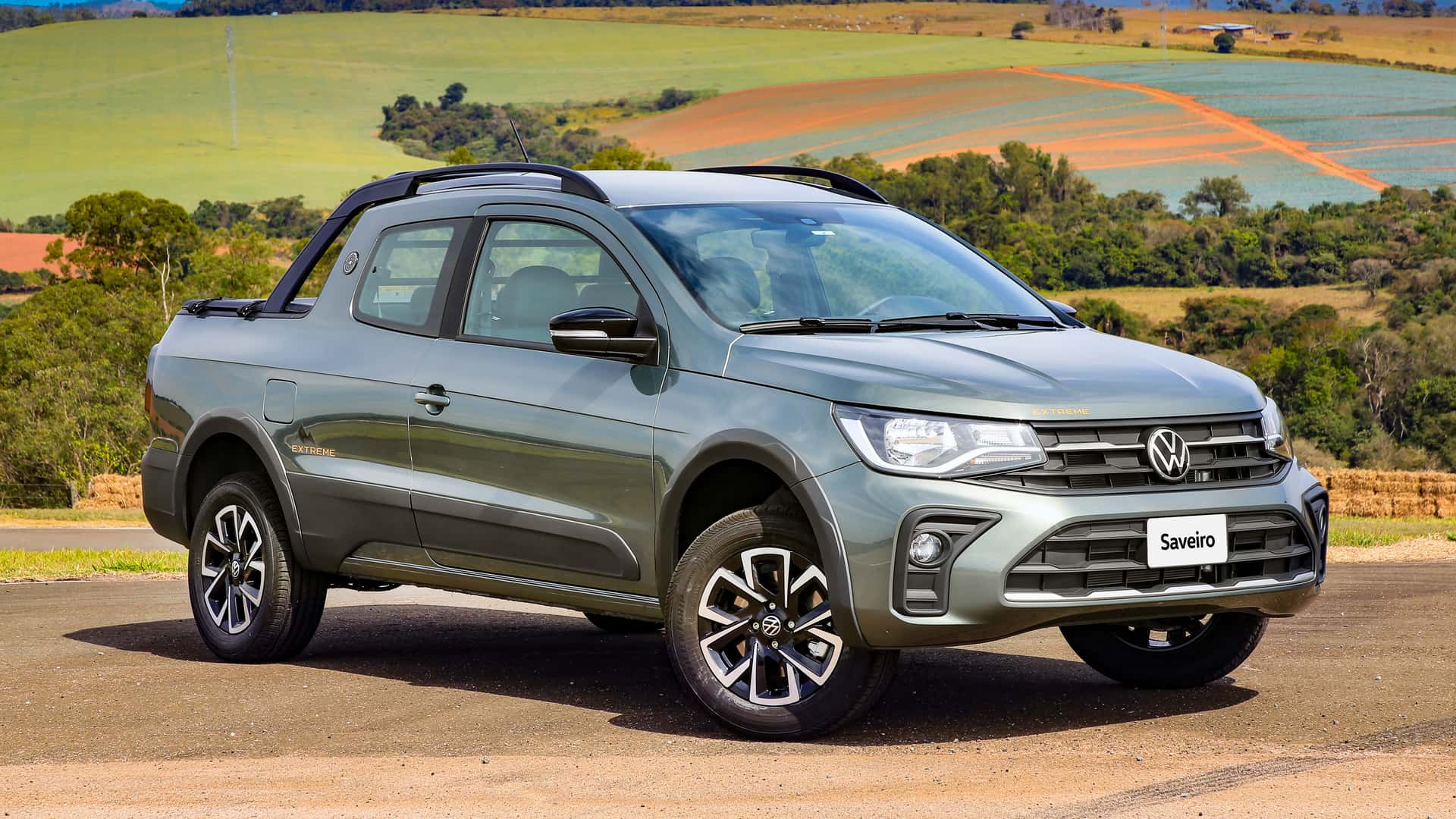
The Volkswagen Saveiro is a compact, car-based pickup that has dominated the Mexican and South American markets for over 40 years. Known for combining the practicality of a small car with the utility of a light commercial vehicle, the Saveiro has carved out a niche as an affordable, efficient, and highly versatile “half-tonner.”
The 2026 models, particularly the Robust and Extreme trims, continue this tradition with a 1.6-liter naturally aspirated EA211 engine producing around 116 horsepower and 158 Nm of torque, paired with a five-speed manual transmission driving the front wheels.
This setup provides reliable performance, excellent fuel efficiency, and a smooth, car-like driving experience, making the Saveiro ideal for city streets, tight parking spaces, and light commercial use.
One of the Saveiro’s main appeals is its compact dimensions combined with strong payload capacity. Despite its small size, the single-cab model can carry up to 712–715 kilograms, with a 924-liter cargo bed that offers best-in-class utility for urban or rural tasks.
The new five-door Double Cab provides additional interior space for passengers or storage, though rear legroom is limited. The Extreme trim adds 10 mm of ground clearance and improved approach angles, making it capable of handling light off-road conditions while still prioritizing urban maneuverability.
Volkswagen has maintained a focus on robust engineering and reliability. The Saveiro’s car-based unibody platform, originally shared with the VW Gol, ensures precise handling and a comfortable ride compared with larger, body-on-frame trucks.
Standard safety features include four-wheel disc brakes, electronic stability control, and hill-start assist, while higher trims offer modern technology such as touchscreen infotainment compatible with wireless Apple CarPlay and Android Auto. The Extreme trim also adds visual and comfort upgrades like leatherette seats, gray interior accents, a flat-bottom steering wheel, and exclusive metallic color options.
The Saveiro occupies a unique market position, blending the utility of a work-focused truck with a compact, city-friendly design. Its main competitors, such as the Fiat Strada, may offer additional conveniences like four-door configurations and automatic transmissions, but the Saveiro is often praised for its mechanical engagement, durability, and efficient performance.
With prices starting around $18,400 (342,490 MXN), it remains an accessible option for small business owners, tradespeople, or urban dwellers needing a practical “workhorse” without the bulk of a traditional pickup.
The Volkswagen Saveiro is a versatile, reliable, and economical compact pickup. Its combination of efficient powertrain, practical cargo capacity, urban-friendly dimensions, and durable construction makes it a standout choice for those who need a functional, nimble vehicle capable of both daily driving and light-duty work in South American cities and beyond.
3. Suzuki Jimny: A Small but Mighty Off-Road Icon
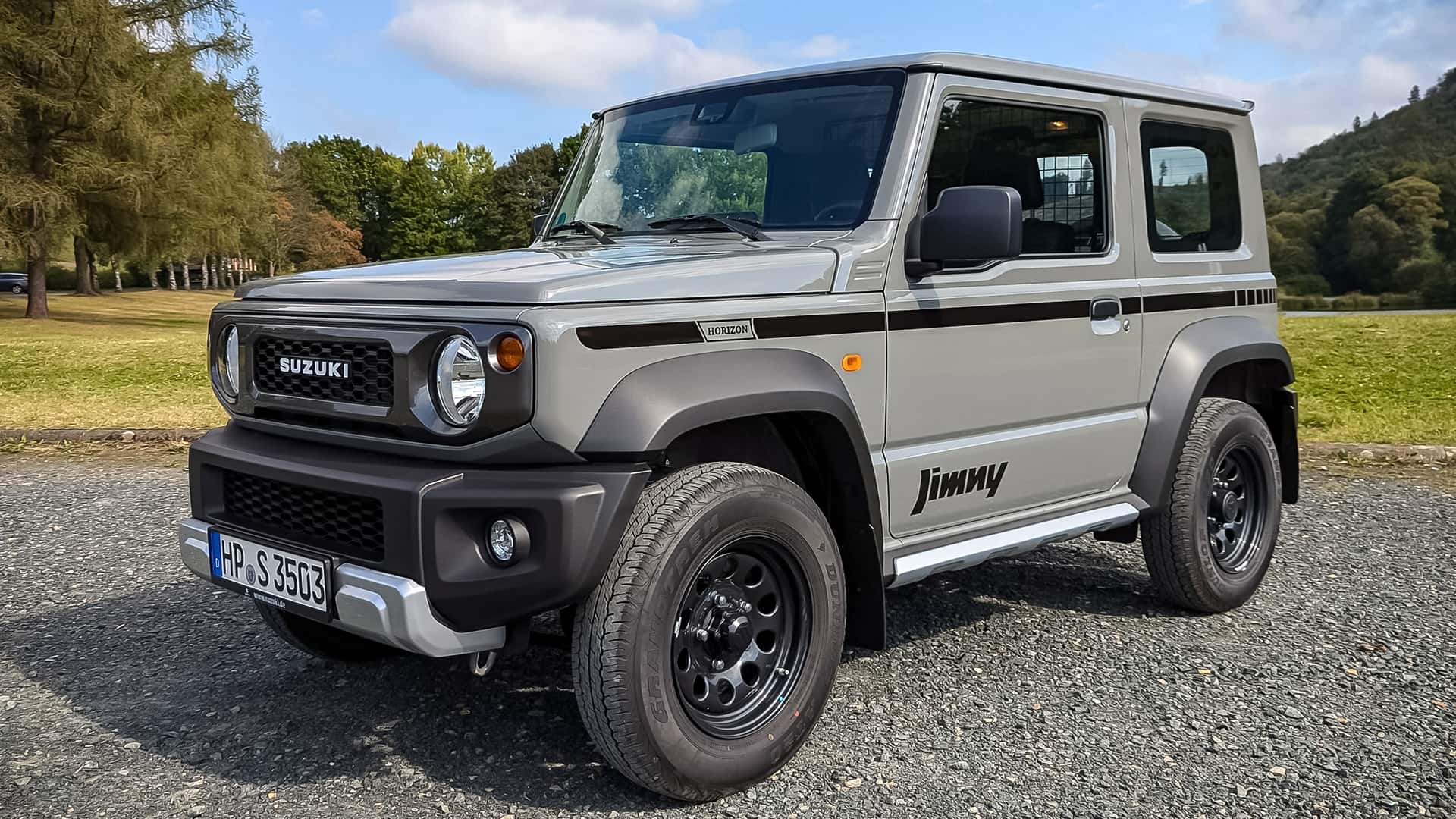
The Suzuki Jimny is a compact 4×4 that has earned a loyal global following thanks to its authentic off-road ability and distinctive retro styling. Unlike most modern compact SUVs that rely on car-based crossover platforms, the Jimny stays true to traditional off-road engineering.
The 2026 model continues this philosophy with a ladder frame chassis, solid axles, and the AllGrip Pro Four Wheel Drive system with a low-range transfer gear. These mechanical features allow the small SUV to tackle mud, sand, rocky trails, and snow with surprising capability, often outperforming much larger vehicles.
Powering the Jimny is a 1.5-liter K15B four-cylinder engine that produces about 100 horsepower. Although this engine is modest in output compared with larger SUVs, the Jimny’s lightweight design of around 1,100 kilograms helps it remain agile and effective off-road.
The vehicle focuses more on traction and maneuverability than outright speed. Its compact size also allows it to navigate narrow trails and tight environments that larger off-road vehicles may struggle to access. Because of this combination of low weight, strong drivetrain components, and simple mechanical design, the Jimny is often described as a “mountain goat” capable of climbing difficult terrain with ease.
One of the most significant recent updates is the introduction of a five-door Jimny variant, which adds extra rear seat space and improved cargo capacity. Earlier versions were known for limited practicality, particularly for passengers and luggage.
The new configuration makes the vehicle more suitable for everyday use while still preserving its rugged off-road identity. Inside, the Jimny retains a simple and durable interior designed for outdoor use. Features such as wipe-clean surfaces, steel wheels, and practical controls emphasize durability over luxury.
The Jimny’s design has also played a major role in its popularity. Its boxy shape and round headlights give it a classic appearance that recalls larger off-road vehicles like the Mercedes‑Benz G‑Class, while its small size and playful character make it approachable and distinctive.
This blend of toughness and charm has helped the Jimny develop a cult following among enthusiasts who appreciate vehicles that prioritize capability and character over technology and refinement.
Despite its popularity worldwide, the Jimny is not sold in the United States. Several factors contribute to this absence. The first is regulatory complexity. U.S. safety rules, such as the Federal Motor Vehicle Safety Standards and strict emissions requirements from agencies like the Environmental Protection Agency, would require expensive redesign and testing.
Additionally, American consumers often prefer larger vehicles with stronger highway performance and automatic transmissions, which differ from the Jimny’s lightweight, manual-focused design.
Economic and trade barriers also play a role. Import tariffs such as the 25 percent “Chicken Tax” on light trucks and the high cost of building dealership and service networks make entering the U.S. market financially challenging for smaller vehicles like the Jimny.
Even with these limitations, the Suzuki Jimny remains one of the most beloved compact off-road vehicles in the world. Its honest design, rugged mechanical layout, and playful personality make it a refreshing alternative to modern crossovers.
Also Read: 5 Cars With Simple Dash Layouts vs 5 With Confusing Ones
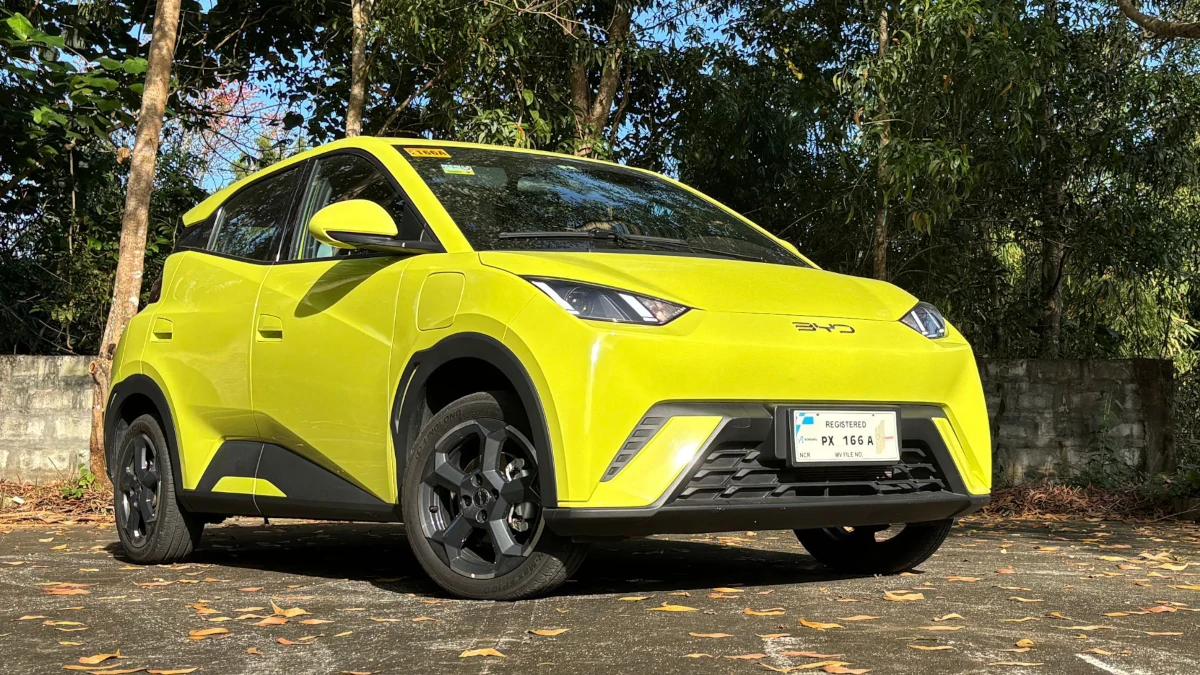
4. BYD Seagull: Affordable, High-Tech Urban EV
The BYD Seagull, also marketed in some regions as the Dolphin Mini, is a breakthrough in the entry-level electric vehicle (EV) segment, offering exceptional affordability, modern technology, and urban practicality. For 2026, it continues to deliver one of the most cost-effective EV solutions, with prices starting under $10,000 in select markets, making it a highly accessible option for first-time EV buyers and city commuters.
Its combination of a compact design, advanced battery technology, and high-tech interior has positioned the Seagull as a standout in its segment, challenging traditional petrol-powered hatchbacks in both efficiency and innovation.
At the core of the Seagull is BYD’s e-Platform 3.0, which supports the company’s proprietary Blade Battery technology. The battery is known for its safety, durability, and resilience, and future versions may even use cheaper Sodium-ion batteries to further lower costs.
Depending on the variant, the car uses a 30 to 38 kWh lithium-iron-phosphate (LFP) battery, providing a real-world range of 200–300 km and up to 405 km on the CLTC cycle, making it ideal for daily urban driving. Charging is supported with 30–40 kW DC fast chargers, allowing quick turnaround times for busy commuters.
Powering the vehicle is a 75-horsepower motor with 135 Nm of torque, sufficient for nimble city driving and acceleration up to 50 km/h in about 4.9 seconds. While the Seagull is not designed for high-speed highway performance, it excels in maneuverability and precision, allowing drivers to easily navigate tight streets and crowded urban areas.
Its compact footprint, measuring under 3.78 meters in length, coupled with a 66% wheelbase-to-length ratio, maximizes interior space despite its small exterior. The cabin is surprisingly roomy, featuring a 10.1-inch rotatable infotainment touchscreen, a 5-inch digital instrument cluster, and a well-organized layout, although it lacks rear USB ports and a center armrest in some variants.
Safety and build quality are also strong points. The Seagull employs high-strength steel for 61% of the body structure and is equipped with six airbags, providing stability and protection for city driving. Suspension tuning ensures a comfortable ride over urban bumps despite the short wheelbase, although low ground clearance of around 120 mm requires care over rough surfaces.
The BYD Seagull’s pros include its affordability, fun-to-drive nature, high-tech interior, and reliable, stable handling. Cons include limited top speed (around 130 km/h), noticeable cabin noise at higher speeds, and minimal highway performance.
The BYD Seagull represents a major step forward in accessible, urban EV mobility. Its combination of low cost, advanced battery technology, compact practicality, and modern cabin features makes it an ideal choice for city dwellers seeking an eco-friendly, stylish, and efficient daily commuter. Its rapid adoption, with over 200,000 units produced in just seven months, underscores its appeal and market impact.
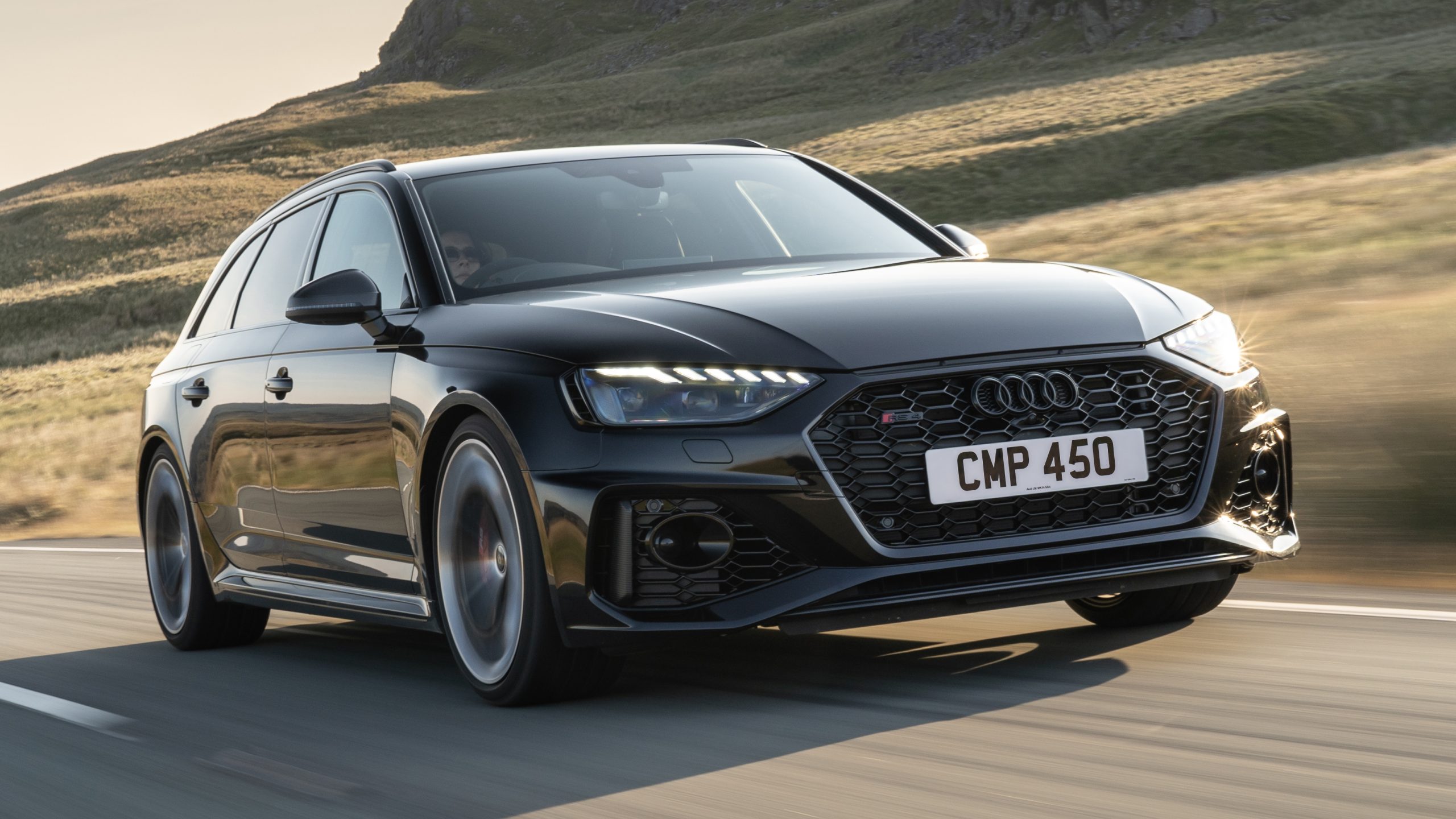
5. Audi RS4 Avant: High-Performance Wagon with Daily Usability
The Audi RS4 Avant is a high-performance wagon that successfully combines supercar-level speed with practical versatility. The 2026 model continues to feature a twin-turbocharged V6 engine paired with Audi’s renowned Quattro all-wheel-drive system, producing 444 horsepower and 600 Nm of torque.
This setup allows the car to accelerate from 0 to 62 mph in just 4.1 seconds while maintaining the cargo space and passenger comfort of a family wagon. Its compact size compared to the larger RS6 makes it more agile and easier to handle in daily driving situations without sacrificing performance.
The RS4 Avant is highly desired for its balanced size and exclusivity. It is not officially sold in the U.S., which gives it a cult following among enthusiasts. Many drivers also appreciate that this generation represents a final iteration with a traditional internal combustion engine before Audi moves toward electric models.
Its styling remains timeless, compact, and athletic, avoiding the oversized proportions of modern SUVs while retaining a powerful presence on the road.
The driving experience of the RS4 Avant is engaging and dynamic. The twin-turbo V6 delivers a restrained, throaty note at idle that becomes more intense under acceleration. Steering is precise and connected, and the electronically adjustable suspension allows the car to perform comfortably on city streets or aggressively on open roads.
The gearbox responds smoothly, and braking performance is strong, providing confidence and control at all speeds. Its chassis and handling feel sharp and composed, giving the driver a sense of connection with the road.
Inside, the cabin balances luxury and functionality. Leather seats provide comfort for long drives and support during spirited driving. The interior features high-quality materials, optional carbon-fiber trim, and a digital cockpit with two RS mode buttons on the steering wheel for customizing engine, gearbox, suspension, steering, and exhaust settings.
While the infotainment system can be unintuitive at times and fuel economy is modest at approximately 24 mpg, these are minor trade-offs for the level of driver engagement the car provides.
The Audi RS4 Avant excels at combining performance, handling, cargo versatility, and premium interior quality. Its compact proportions, exhilarating acceleration, and practical design make it a top choice for enthusiasts seeking a vehicle that is as enjoyable to drive as it is usable every day.
Its combination of raw performance and refined features ensures it remains a highly coveted option for those who value both speed and practicality.
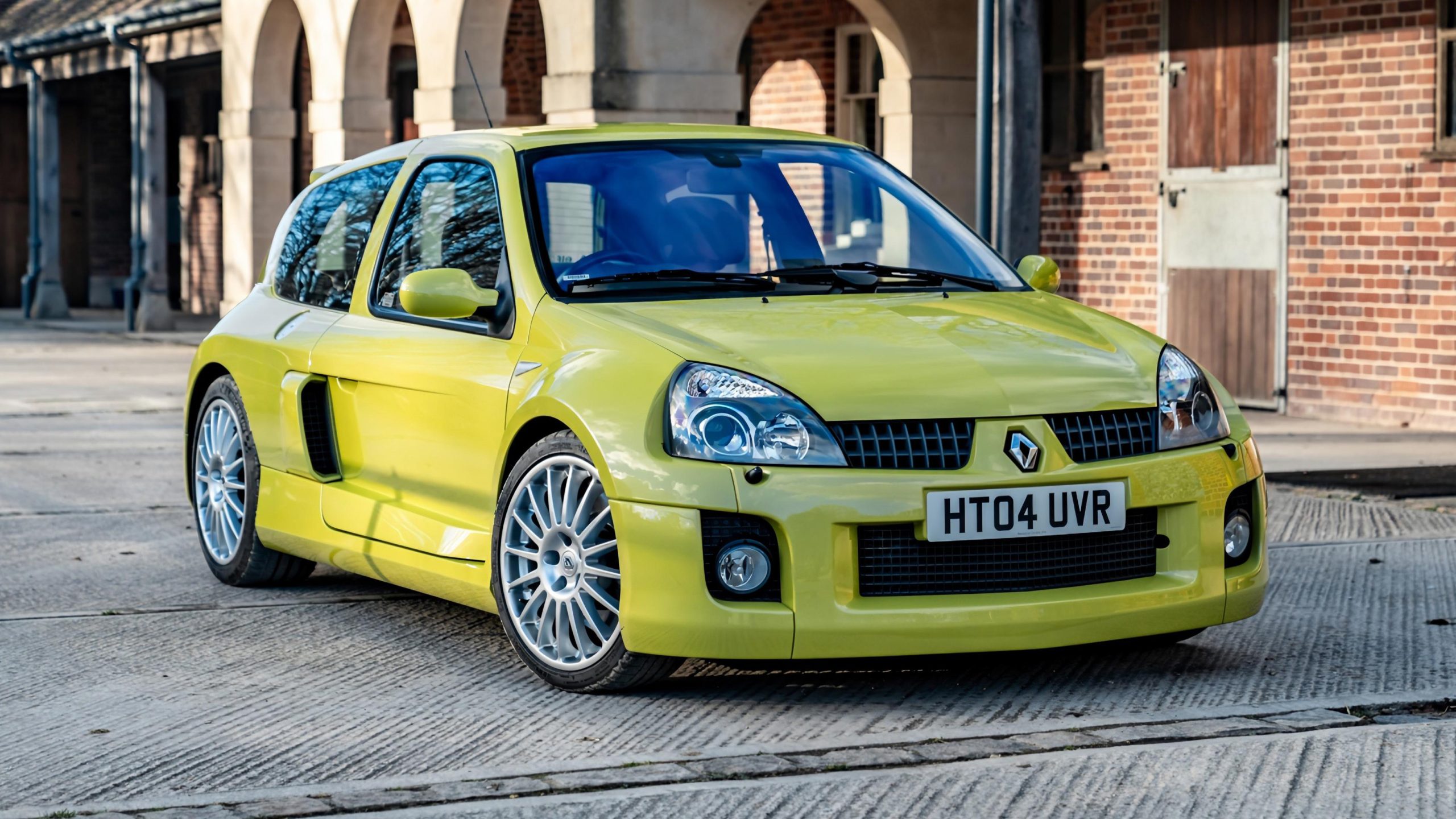
6. Renault Clio V6: The Mid-Engine Hot Hatch Icon
The Renault Clio V6 is one of the most radical hot hatches ever produced, combining compact dimensions with exotic, mid-engine performance. Built between 2001 and 2005, it replaced the rear seats with a 3.0-liter V6 engine and adopted a rear-wheel-drive layout, transforming a modest front-wheel-drive city car into a “pocket rocket” with a motorsport pedigree.
Its wide-body stance, unshielded engine, and raw exhaust note made it a visceral driving experience, often described as intoxicating by enthusiasts. As of 2026, early Phase 1 models are officially eligible for U.S. import under the 25-year rule, allowing American collectors to legally own this rare piece of French automotive history.
The Clio V6 is highly coveted due to its unique mid-engine configuration, which delivers handling characteristics rarely seen in hatchbacks. It was heavily promoted through motorsport channels and endorsed by F1 drivers such as Jenson Button, cementing its reputation as a driver-focused machine.
Its rarity, with only about 3,000 units produced globally, adds to its allure. Phase 1 models number around 1,513 units, while Phase 2 models account for approximately 1,309, making them highly desirable collector cars. The Clio V6 represents a bygone era when manufacturers prioritized mechanical purity and driving thrills over digital assistance or mass-market appeal.
Performance evolved across two distinct phases. Phase 1 (2001–2003) featured a 230 PS engine from the Renault Laguna, but the short wheelbase and mid-engine layout made it unpredictable, particularly in wet conditions.
Phase 2 (2003–2005) refined the formula with a 255 PS engine, a longer wheelbase, wider front track, and revised rear suspension, producing a more controllable and faster car that could accelerate from 0–62 mph in 5.8 seconds. Despite its raw character, the Clio V6 remained thrilling, with an engine redline of 7,150 rpm that filled the cabin with a supercar-like soundtrack.
Practicality was minimal. The interior shared much with the standard Clio Mk II, featuring basic plastics and limited storage, including a 67-liter front compartment and a small ledge behind the engine. The turning circle was famously poor, steering heavy, and the gear lever had a long throw, reinforcing its status as a no-compromise sports hatch rather than a daily commuter.
Today, the Clio V6 is a blue-chip collector’s car, with pristine Phase 2 examples often exceeding $75,000. Its combination of rarity, unique mid-engine layout, exhilarating exhaust note, and motorsport heritage has cemented its place in automotive history as one of the most audacious and engaging small performance cars ever made.
With early Phase 1 models now eligible for import to the U.S. under the 25-year rule, American collectors can finally experience this legendary hatchback, adding an exciting new chapter to its already storied legacy.
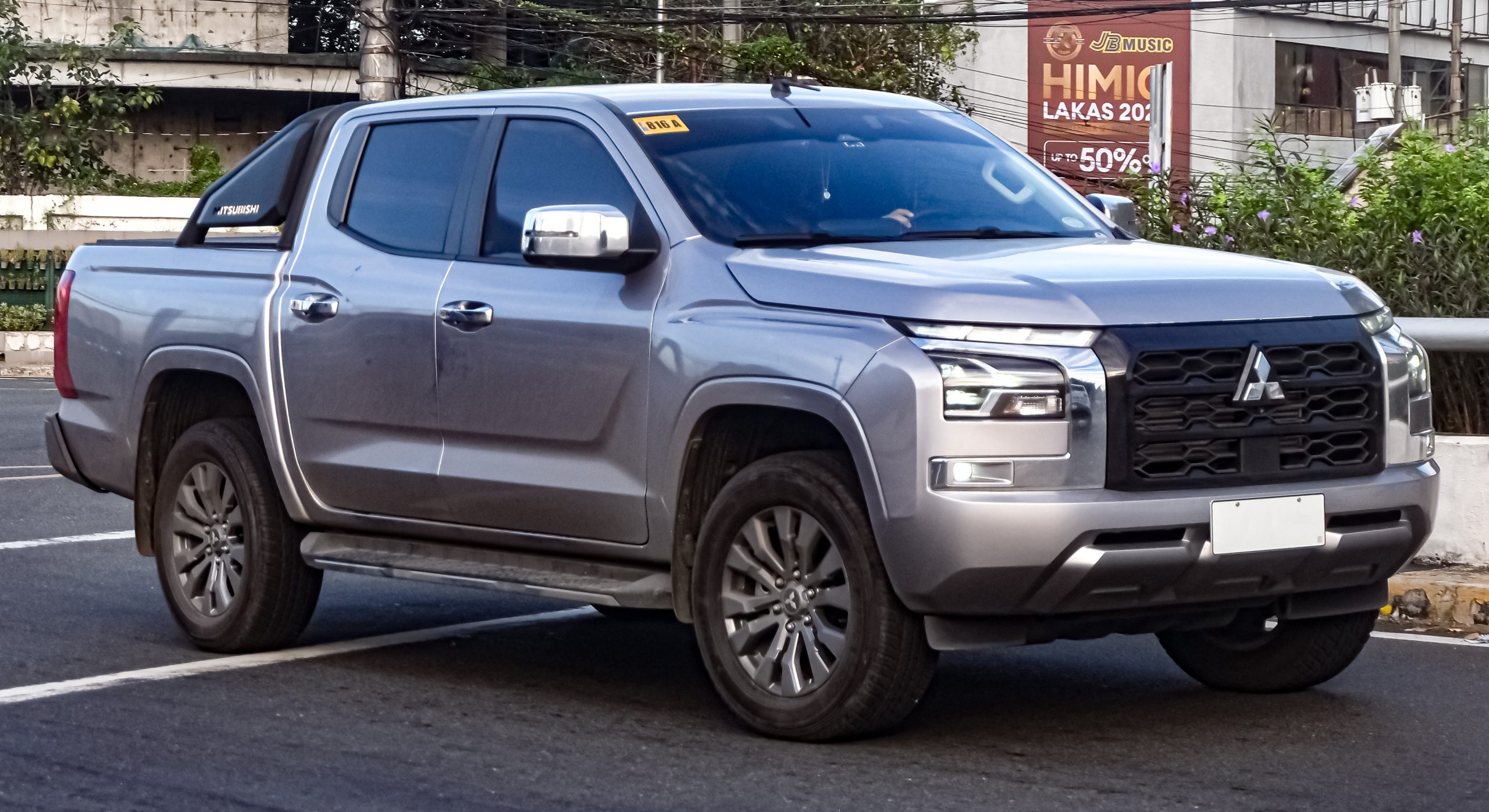
7. Mitsubishi L200 Triton: The Mid-Size Pickup Balancing Toughness and Comfort
The Mitsubishi L200 Triton is a globally renowned mid-size pickup celebrated for its durability, off-road capability, and surprisingly car-like handling. The 2026 model showcases the brand’s commitment to rugged utility without sacrificing comfort, featuring an aggressive Dynamic Shield design, a high-torque 2.4-liter clean diesel engine, and the advanced Super Select 4WD-II system that allows drivers to switch between 2WD and 4WD on the fly at speeds up to 100 km/h.
This combination of performance and versatility has made the Triton a preferred choice in regions such as Australia, ASEAN nations, and Latin America, though it remains absent from the U.S. due to trade barriers like the 25% Chicken Tax and the lack of local manufacturing.
The Triton is prized for its off-road capability, robust construction, and refined interior. Built on a ladder-type frame with a four-decade history of reliability, it offers a confident and engaging drive for both commercial and personal use.
Its suspension and variable power steering have been revised for 2026, delivering a more stable and comfortable ride, while dual-zone climate control, a 360-degree camera, and upgraded infotainment bring a modern touch to the cabin. Seating has been optimized with an upright posture, improved lumbar support, and leather options in the GLS and GSR trims, providing comfort during long drives or off-road excursions.
Practicality has been enhanced with a redesigned tray, now featuring a 42mm lower load floor, a 35mm longer tub, and a width of 1,545mm, allowing for standard Euro pallets and easier access.
Rear seating space has also improved, and the fold-down center armrest and roof-mounted rear air circulator enhance usability for passengers. Storage solutions such as door pockets, device charging areas, and ISOFIX child seat anchors make the L200 Triton a versatile vehicle for families and professionals alike.
The Triton is competitively positioned against rivals like the Ford Ranger, Toyota Hilux, and Isuzu D-Max, offering a mid-size alternative with strong diesel power, advanced 4WD, and a refined cabin.
Pricing ranges from $43,690 for the GLX 4×2 dual-cab to $63,840 for the flagship GSR 4×4 dual-cab, reflecting the range of capabilities and equipment available. Its global success is evident, with over 5.6 million units sold since 1978 across nearly 150 markets, and Australia alone contributing significant sales despite strong local competition.
With its blend of rugged reliability, modern comfort, and versatile utility, the Mitsubishi L200 Triton continues to be a benchmark mid-size pickup. It satisfies both the practical needs of work-oriented users and the expectations of drivers seeking a refined, capable, and engaging daily vehicle. This balance of toughness and refinement ensures the Triton remains highly desirable wherever it is available.
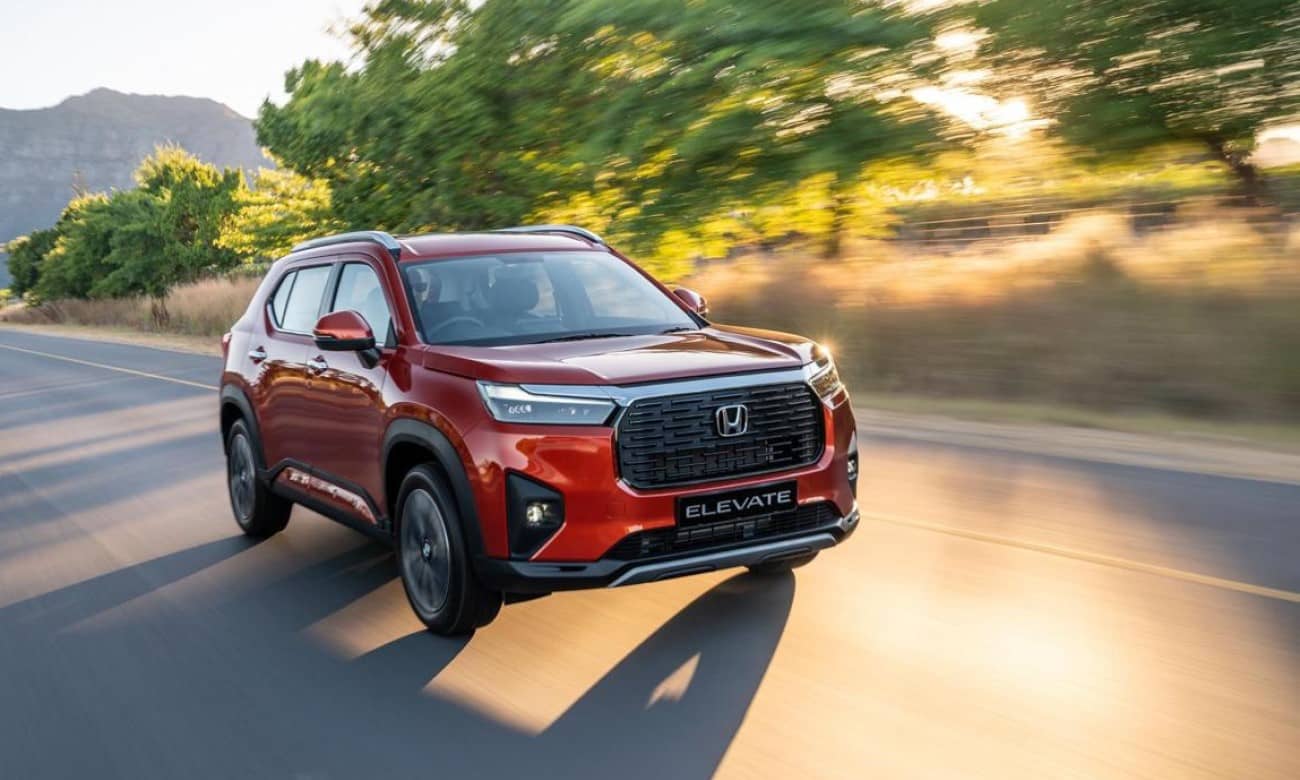
8. Honda Elevate Hybrid: Efficient, Practical, and Urban-Friendly
The Honda Elevate Hybrid is a compact SUV designed to combine efficiency, practicality, and comfort for urban and highway driving. Primarily targeted at markets like India and Southeast Asia, the 2026 Elevate Hybrid utilizes Honda’s advanced e:HEV two-motor hybrid system, achieving a remarkable fuel economy of up to 25 km/l.
This level of efficiency positions it as one of the most economical sub-compact crossovers, ideal for budget-conscious drivers seeking low running costs without compromising versatility or comfort.
The Elevate’s practical design is highlighted by its boxy, upright styling, which maximizes interior space and usability. With a generous 458-liter boot, passengers and cargo enjoy ample room despite the compact footprint.
Its high ground clearance of 220 mm allows the SUV to handle varied road conditions with confidence, making it suitable for both city streets and light off-road scenarios. These traits, combined with Honda’s reputation for reliability and build quality, have contributed to the Elevate’s strong appeal in other markets.
Performance is centered around a 1.5-liter engine paired with a hybrid system in select regions, delivering smooth acceleration and excellent fuel efficiency. The ride is comfortable, supported by a well-tuned suspension that balances everyday drivability with highway stability.
While the CVT transmission provides seamless power delivery, some drivers note it can feel unrefined when pushed hard. Safety is comprehensive, with the full Honda Sensing suite available in higher trims, including adaptive cruise control, lane-keep assist, and collision mitigation features, reinforcing its position as a safe, family-friendly choice.
Inside, the Elevate combines functionality with modern convenience. The cabin features synthetic leather seats, a 7-inch digital display, and straightforward, intuitive controls.
Connectivity is supported through wireless Apple CarPlay and Android Auto, while top trims add amenities like a sunroof, automatic climate control, and rear air vents. The interior emphasizes practicality, with comfortable rear seating and a user-friendly layout that caters to daily urban commuting or longer journeys.
The Honda Elevate Hybrid competes in the B-segment SUV market alongside rivals such as the Hyundai Creta and Suzuki Grand Vitara, standing out for its blend of fuel efficiency, practicality, and reliability. Its combination of a high-riding stance, spacious cabin, and economical hybrid powertrain addresses a growing demand for compact, versatile vehicles capable of performing in both urban and suburban settings.
By offering value, low running costs, and well-rounded performance, the Elevate Hybrid is a highly desirable compact SUV for buyers who prioritize efficiency and practicality. Its thoughtful balance of interior space, ground clearance, and hybrid technology makes it a compelling option for those seeking a dependable, urban-friendly crossover that does not compromise on comfort or capability.
These eight vehicles demonstrate the diversity, ingenuity, and practicality that international markets enjoy but the United States often misses. From the uncompromising toughness of the Mitsubishi L200 Triton and Toyota Hilux to nimble off-roaders like the Suzuki Jimny, each model offers a unique blend of capability, style, and performance.
Meanwhile, high-tech options like the BYD Seagull or Honda Elevate Hybrid showcase innovation in efficiency and urban mobility. Performance enthusiasts would appreciate the thrill and refinement of the Audi RS4 Avant or the exotic charm of the Renault Clio V6, highlighting that desirability is not limited to work or practicality alone.
Collectively, these vehicles reveal the exciting possibilities that American drivers are missing, from rugged durability to cutting-edge technology, proving that there is a wide world of automotive excellence waiting just beyond U.S. borders.
Also read: Top 10 Cars With Unusual Factory Options That Are Rare Today