Automobiles have always fascinated enthusiasts not only through performance but also through design that conveys speed and excitement. Throughout history, several vehicles have presented a striking contrast between appearance and capability.
They look aggressive, futuristic, or exotic, creating the expectation of blistering speed, yet their actual performance is modest. These cars often achieve iconic status due to their style, engineering ambition, or unique presence on the road, even when acceleration, torque, or track prowess is limited.
Examples include the gullwinged DMC DeLorean with its stainless-steel panels, the retro-futuristic Plymouth Prowler, and the serpentine Japanese Mitsuoka Orochi. In many cases, weight, engine limitations, or regulatory constraints forced manufacturers to focus on practicality or compliance over raw speed, creating a fascinating gap between expectation and reality.
1. DMC DeLorean: Style Over Speed
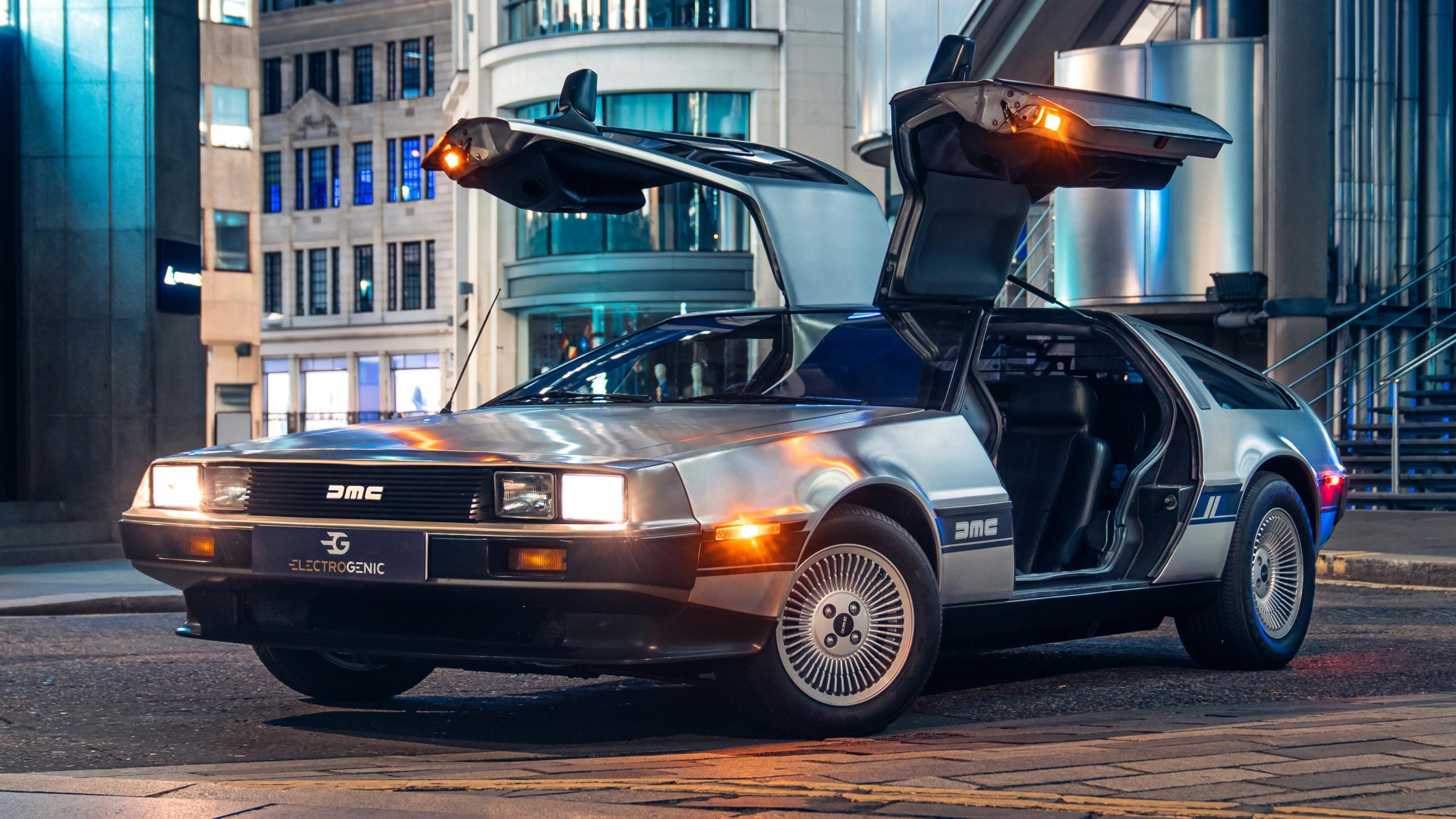
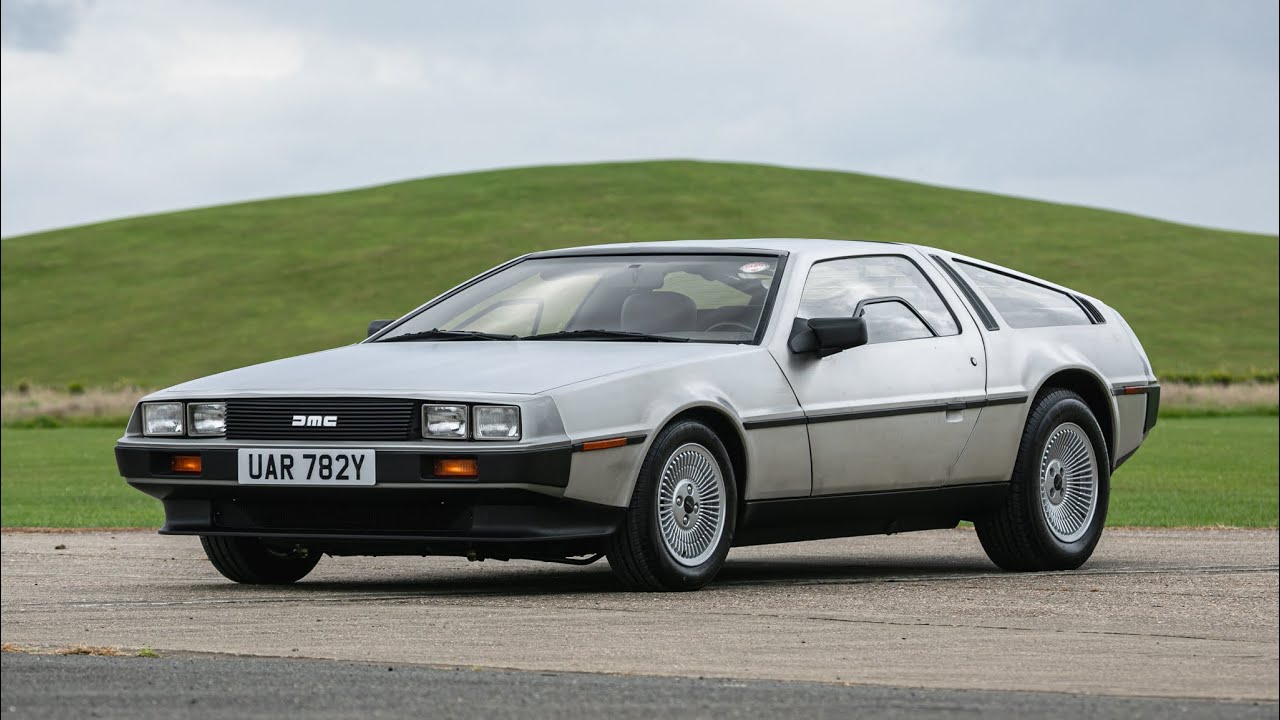
The DMC DeLorean, also known as the DMC-12, is one of the most iconic cars in automotive history. Its futuristic design, featuring brushed stainless steel body panels and dramatic gullwing doors, made it appear like a high-performance sports car from the future.
The car was designed by Italian designer Giorgetto Giugiaro, whose wedge-shaped styling gave it a sleek and aggressive presence. While its appearance suggested speed and advanced engineering, the production model struggled to deliver the performance that its looks implied.
The main factor behind this performance shortfall was the car’s modest engine. The DeLorean used a 2.85-liter Peugeot-Renault-Volvo (PRV) V6 engine producing about 130 horsepower and 153 lb-ft of torque.
This output was low for a vehicle marketed as a sports car. Road & Track testing recorded a 0–60 mph time of 10.5 seconds, which was slow compared with contemporaries such as the Porsche 911SC and the Datsun 280ZX Turbo.
Weight added further challenges. The stainless steel body panels were heavier than standard materials, and combined with a heavy chassis, the production car exceeded its original weight target by more than 500 pounds. This created a poor power-to-weight ratio, reducing both acceleration and top speed. Early 1980s United States emissions regulations also constrained engine output, limiting performance even further.
Despite these limitations, the DeLorean had a strong engineering foundation. It was built on a Lotus-developed backbone chassis, similar to the one used in the Lotus Esprit, with input from Lotus founder Colin Chapman.
This provided stable handling and a comfortable ride. The rear wheels were powered through either a five-speed manual or a three-speed automatic transmission. Drivers often preferred the manual version to make better use of the V6 engine’s limited power.
The interior of the DeLorean was practical and uncluttered. The center console featured only a few controls, and the “double-bubble” roof design allowed taller drivers, including the car’s creator John DeLorean, to sit comfortably. While the cabin could feel snug, the simplicity of the layout and the unique gullwing doors created a memorable experience for occupants.
Although the car did not live up to its performance promise, it gained lasting fame as the time-traveling vehicle in the film Back to the Future. The speedometer only reached 85 mph, falling short of the 88 mph fictional requirement for time travel, highlighting the contrast between reality and cinematic legend.
The DMC DeLorean remains celebrated for its striking styling, ambitious design, and cultural significance. It may not have been the high-speed sports car its looks suggested, but it has secured its place as one of the most memorable and iconic automobiles ever produced.
2. Plymouth Prowler: Style Over Substance
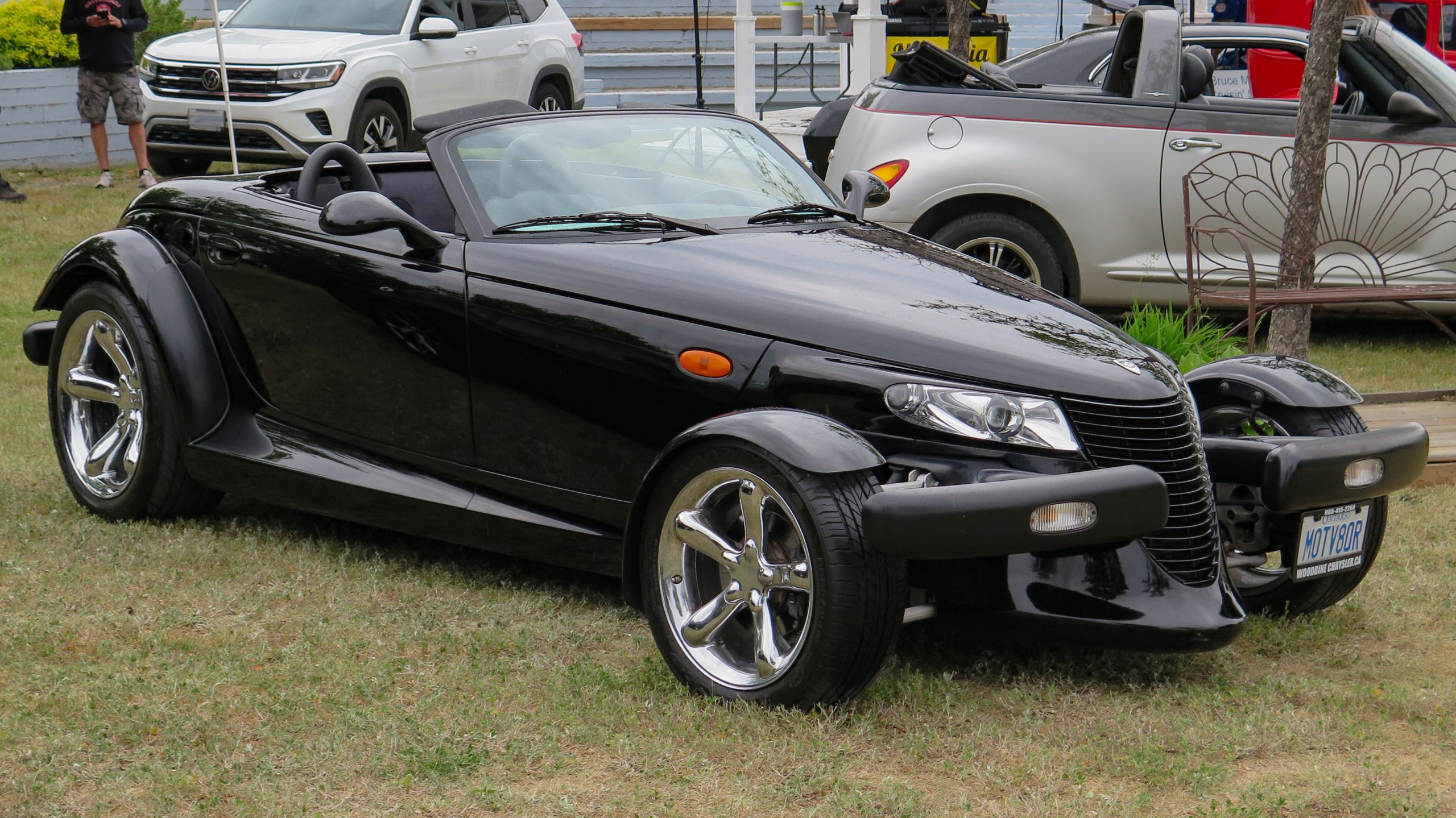
The Plymouth Prowler, introduced in 1997, was Chrysler’s daring take on a factory-built hot rod. Its low-slung, wedge-shaped design with exposed front wheels made it look like a street-legal drag racer, promising aggressive performance and attention-grabbing style. However, while its appearance suggested high speed and raw power, the car’s actual performance did not match expectations.
Under the hood, the Prowler featured a 3.5-liter V6 engine instead of the V8 commonly associated with classic hot rods. Early models produced 214 horsepower, while later models from 1999 to 2002 were upgraded to 253 horsepower. Even with this increase, the V6 lacked the torque and distinctive exhaust note of a V8-powered street rod.
The engine was paired exclusively with a 4-speed AutoStick automatic transmission, which limited driver control and reduced the sense of direct performance. The earliest models accelerated from 0 to 60 mph in approximately 7.2 seconds, while later models improved to about 5.7 to 5.9 seconds. Top speed was electronically limited to between 118 and 126 mph, modest numbers compared with the car’s aggressive styling.
The Prowler did excel in construction and handling. Chrysler used an aluminum-intensive chassis to reduce weight, with aluminum body panels, control arms, and crossmembers supplied by companies such as Mayflower Vehicle Systems and Alcoa.
Magnesium was used for the lateral dashboard brace, and stainless-steel exhaust manifolds replaced heavier cast-iron versions. This lightweight approach contributed to balanced weight distribution and stable handling, making the car more agile than its retro styling suggested.
Inside, the Prowler combined retro charm with practical components sourced from other Chrysler vehicles. Seats were high and upright, providing good visibility, while the cockpit incorporated elements from the Viper, Neon, and Grand Cherokee.
Despite being styled as a hot rod, the interior was comfortable, with simple controls and functional features like a six-CD changer and cruise control. Large, angled side mirrors enhanced rearward vision, though the car’s low hood and extended front overhang required careful attention to curb proximity.
The Prowler’s design often created a mismatch between expectations and reality. Its aggressive styling suggested a high-performance vehicle, but it was built more as a lifestyle or show car than a dragster.
The AutoStick transmission helped drivers make the most of the engine’s limited output, allowing manual-like control over shifts. Even if its speed did not match its looks, the Prowler drew attention wherever it went, making it a memorable example of 1990s automotive design.
The Plymouth Prowler remains celebrated for its radical design, lightweight construction, and distinctive presence on the road, demonstrating that sometimes style and character can outweigh pure performance.
3. Mitsuoka Orochi: Style Over Speed
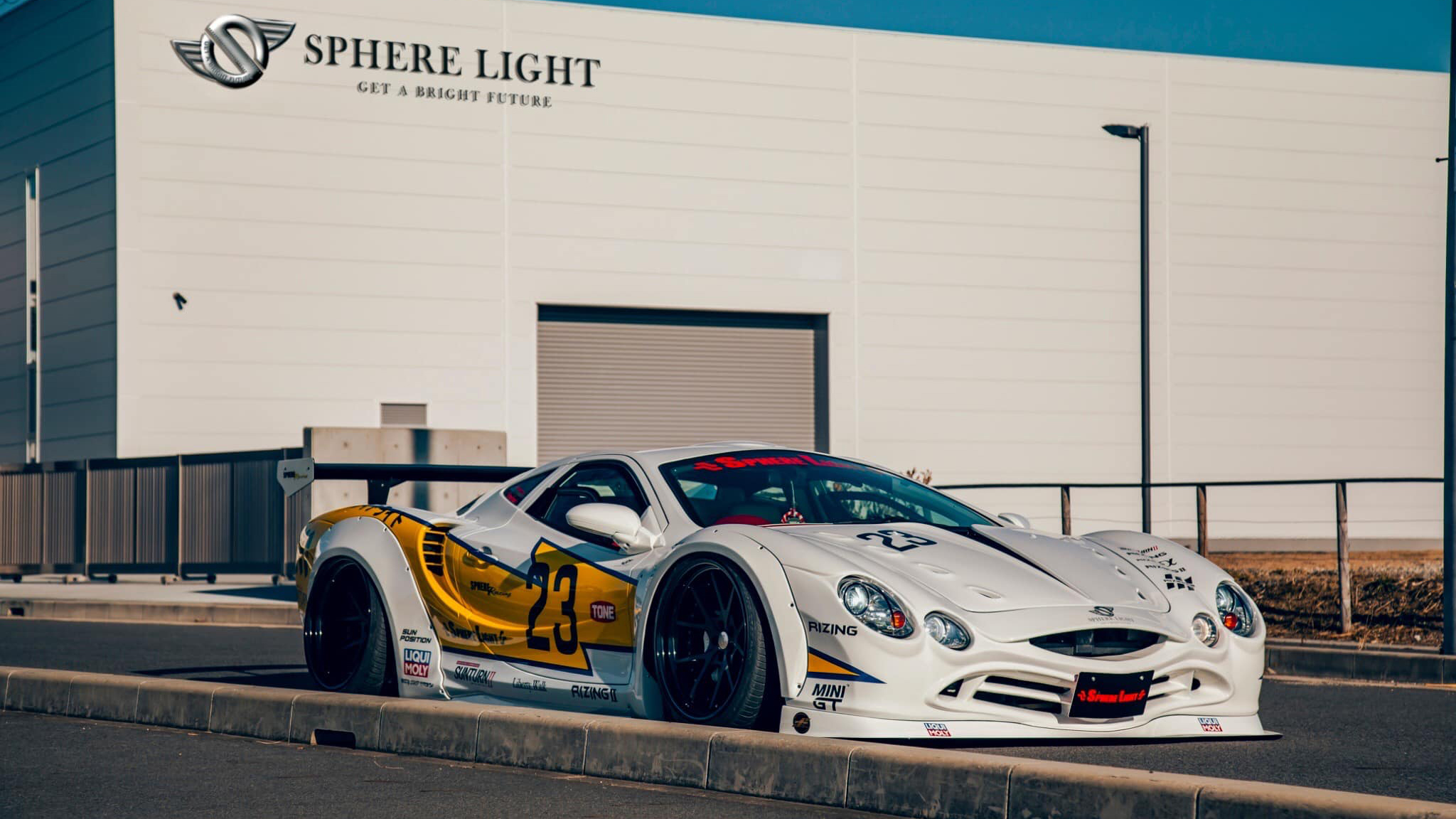
The Mitsuoka Orochi is one of the most uniquely styled cars to emerge from Japan, known for its serpentine, organic curves and low, mid-engine supercar silhouette. Introduced as a concept in 2001 at the Tokyo Motor Show and reaching production in 2006, the Orochi was designed to turn heads rather than break performance records.
Its avant-garde body, low profile, and exotic proportions give it the appearance of a high-end supercar, yet its engineering prioritizes comfort, drivability, and distinctive styling over speed or track capability.
Powering the Orochi is a 3.3-liter Toyota V6 engine, the same unit found in the Camry and Sienna. This engine produces roughly 233 horsepower and is paired with a 5-speed automatic transmission sourced from the Lexus RX. As a result, the car accelerates from 0–100 km/h (0–60 mph) in approximately 6.7 seconds.
While this performance is respectable compared with ordinary cars, it falls short of traditional sports cars or supercars, making the Orochi more of a “fashion statement” than a speed machine. Its rear-wheel-drive layout, combined with the modest V6, further emphasizes cruising capability over aggressive acceleration.
Several factors contribute to the Orochi’s limited performance. The engine is underpowered for a car with such aggressive styling, producing far less torque than the exotic looks suggest.
Acceleration is slowed further by the car’s weight, which exceeds 3,400 pounds, and by the use of the relatively outdated 5-speed automatic transmission that prioritizes smooth operation rather than rapid gear changes. While it mimics mid-engine supercars like the Honda NSX in layout, the Orochi lacks the driving dynamics or responsiveness expected from true performance machines.
Despite these limitations, the Orochi stands out for its individuality and Mitsuoka’s craftsmanship. Mitsuoka is a coachbuilder that specializes in transforming ordinary Japanese vehicles into visually striking models with retro or avant-garde designs.
The Orochi continued this philosophy on a grand scale, producing multiple special editions such as the Orochi Kabuto, Orochi Zero, Orochi Gold Premium, and Orochi Final Edition. Later, Mitsuoka created anime-inspired one-off models, including the Orochi Seven Eleven Evangelion Edition and Orochi Devilman, further cementing the car as a collector-focused piece rather than a competitive supercar.
The Mitsuoka Orochi is a polarizing example of automotive design where aesthetics and exclusivity outweigh raw performance. Its striking, alien-like appearance, limited production numbers, and Japanese craftsmanship make it one of the most intriguing vehicles of the 2000s.
While it cannot compete with true supercars in speed or handling, it perfectly embodies Mitsuoka’s history of imaginative, unusual, and attention-grabbing designs, ensuring that the Orochi remains an unforgettable and highly collectible car.
4. Ferrari Mondial 8: Comfort Over Speed
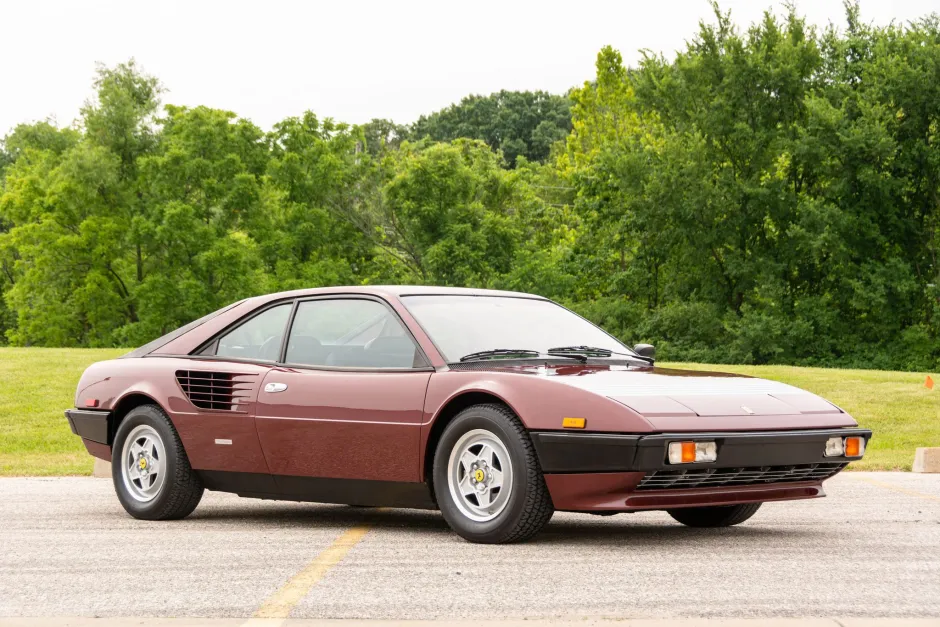
The Ferrari Mondial 8, produced from 1980 to 1982, is a mid-engine 2+2 coupe that wears classic Pininfarina styling, giving it the unmistakable presence of an Italian exotic. However, despite its striking appearance, the Mondial 8 is one of the slowest Ferraris ever produced.
Its 3.0-liter V8 engine was heavily detuned for emissions compliance in North America, producing just 214 horsepower. Coupled with a curb weight of nearly 3,500 pounds, the car struggled to accelerate, taking approximately 8 to 9 seconds to reach 0–60 mph. While later Quattrovalvole and “t” versions addressed this power deficit, the initial Mondial 8 earned a reputation for being “show but no go.”
The car’s performance limitations stem from several factors. The Bosch K-Jetronic fuel-injected V8 prioritized emissions and fuel efficiency over high-speed performance, resulting in muted power delivery. Its 2+2 layout added significant weight compared with Ferrari’s smaller sports cars like the 308 and 328, further hampering acceleration.
While the car retained the mid-engine layout typical of Ferraris, the additional mass and focus on comfort made it feel more like a grand tourer than a sports car. The Mondial 8’s 5-speed manual transmission maintained Ferrari’s traditional notchiness but could not compensate for the low-output engine or the heavy chassis.
Driving the Mondial 8 is a different experience from the more aggressive Ferraris of the era. Steering is less twitchy, the brakes are predictable, and the suspension absorbs road imperfections rather than transmitting them harshly to the cabin.
The cockpit is relatively roomy compared with prior 2+2 Ferraris, though rear seating is effectively symbolic and only suitable for small passengers. Ride quality is smooth and refined, with Michelin TRX tires and calibrated shocks ensuring a comfortable cruising experience rather than spirited track handling.
A notable aspect of the Mondial 8 is its embrace of convenience features for the era. Solenoid buttons operate the engine cover, trunk, gas filler, and even the glove box, reflecting a shift toward electronics and ease of use in Ferrari’s American models. While some of these systems were seen as gimmicky, they reinforced the car’s orientation toward comfort and accessibility rather than raw performance.
Despite its subdued acceleration and grand-touring focus, the Mondial 8 is still unmistakably a Ferrari. It offers the brand’s signature engine note, refined craftsmanship, and mid-engine dynamics, even if the “prancing horse rip and snort” is quieter than enthusiasts might expect.
Designed for accessibility and usability in the 1980s, the Mondial 8 represents a more democratic approach to Ferrari ownership, providing exotic looks and a comfortable driving experience rather than blistering speed.
Also Read: 5 Cars That Are Unstoppable in Deep Snow vs 5 AWD Models That Get Stuck
5. Pontiac Fiero GT: Looks Over Performance
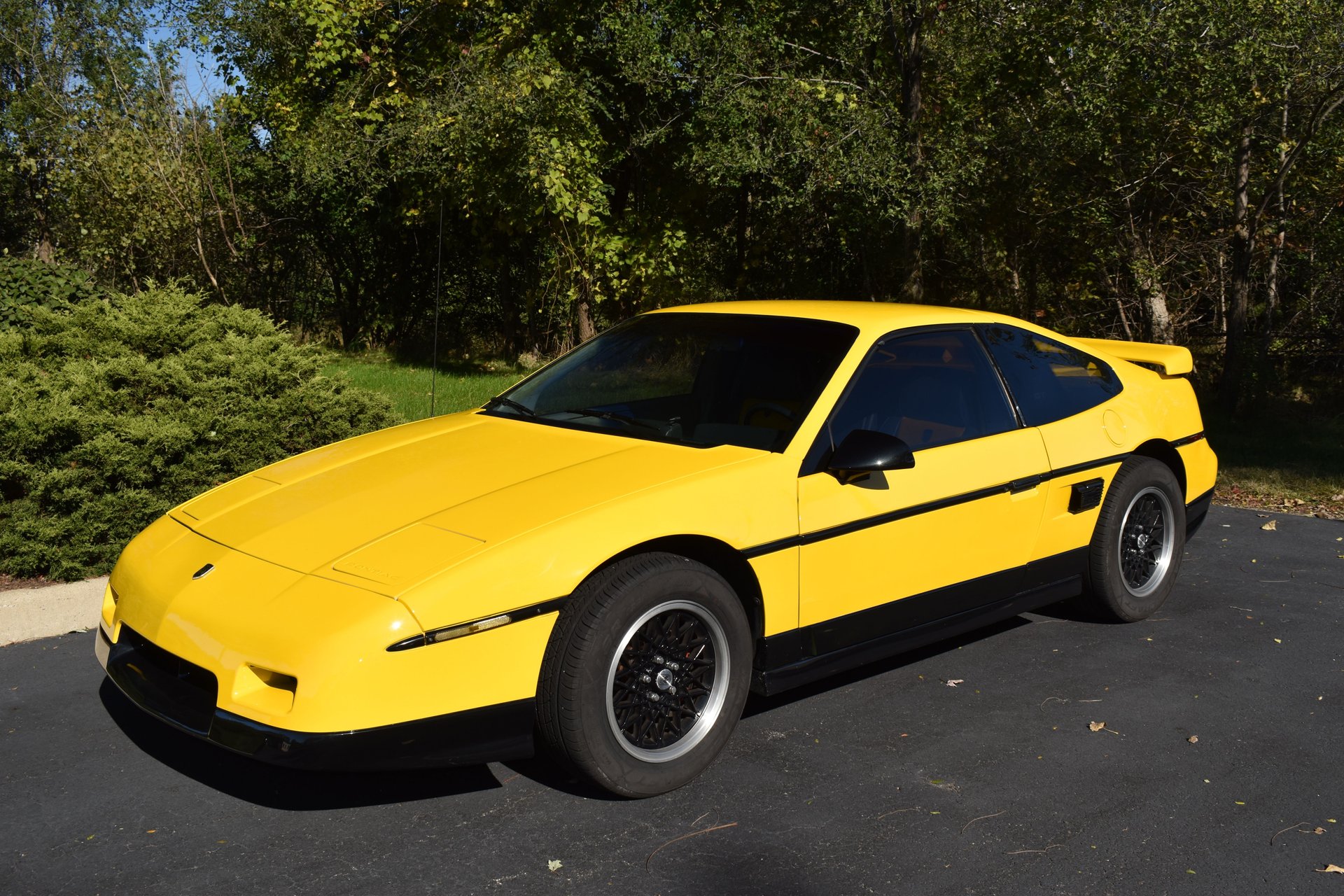
The Pontiac Fiero GT, produced in the mid-1980s, was designed to resemble a compact supercar with its low-slung, mid-engine layout and hidden pop-up headlights. Its wedge-shaped body and aggressive stance suggested high performance, but the reality often fell short.
Early models were powered by a 2.5-liter “Iron Duke” four-cylinder engine producing just 90–92 horsepower, prioritizing fuel efficiency over speed. The GT trim, introduced in 1985, received a 2.8-liter V6 generating 135–140 horsepower, which improved performance but remained modest compared to the car’s exotic appearance.
Acceleration for the Fiero GT was limited. Manual-equipped models reached 0–60 mph in roughly 7.9–8.1 seconds, while automatics took closer to 9 seconds. Although adequate for a daily driver, this was slow for a vehicle with mid-engine styling inspired by European sports cars.
Early models also suffered from a suspension system largely borrowed from the Chevrolet Chevette, which reduced handling precision. It was not until the 1988 model year that a revised suspension significantly improved cornering, balance, and driving dynamics.
The Fiero GT had several strengths that contributed to its lasting appeal. Its mid-engine layout gave it superior weight distribution compared to typical American cars of the era, creating sharper handling, especially in the 1988 version.
Its distinctive 1980s styling, often compared to Ferrari, made it a standout on the road. The car was affordable, providing a sports-car experience without a high price tag, and a dedicated enthusiast community developed around it, supported by a strong aftermarket for parts and upgrades.
Practical limitations were present as well. The steel space frame was prone to rust, and the plastic body panels could warp or degrade with age. Interior space was tight, and the lack of power-assisted steering made parking and low-speed maneuvers challenging. Brakes were functional but not highly responsive, and cargo space was limited, emphasizing style and driving experience over practicality.
The Pontiac Fiero GT demonstrates how styling and engineering priorities can create a vehicle that looks like a high-performance sports car but delivers more modest performance.
Its mid-engine layout, striking design, affordability, and improved handling in later models, particularly 1988, make it a fun and collectible example of 1980s American automotive innovation, despite its limited acceleration and early mechanical compromises.
6. Toyota Celica (7th Gen): Aggressive Looks, Modest Power
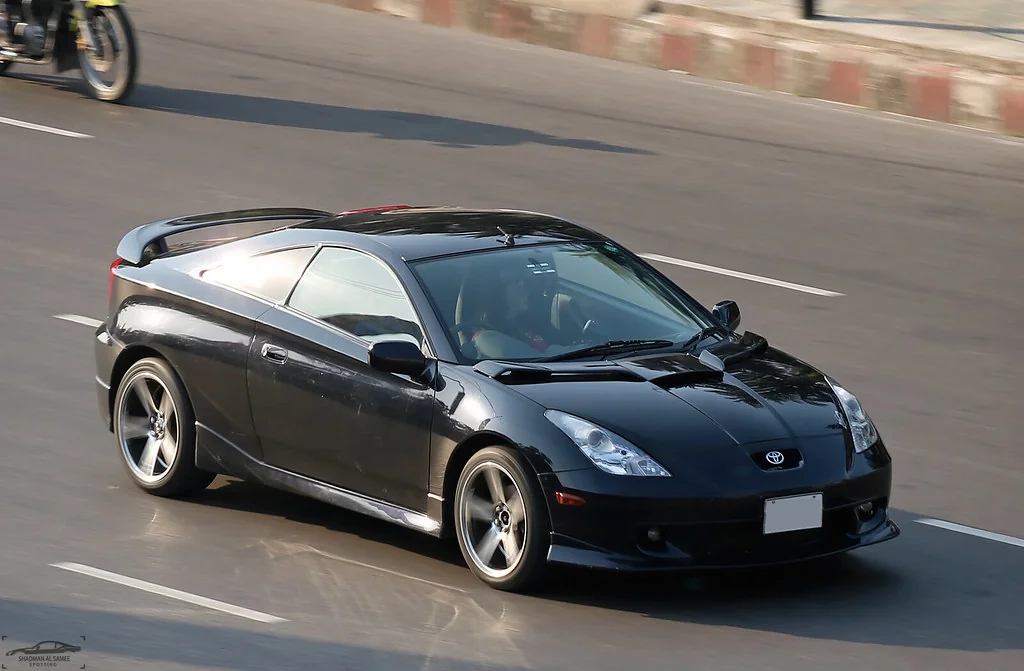
The seventh-generation Toyota Celica, produced from 1999 to 2006, returned the Celica to its roots as a lightweight, sharp, and agile coupe. After years of heavier, more grand-tourer-focused designs, Toyota emphasized a “wheel-at-each-corner” philosophy to maximize stability and handling.
The car’s wedge-shaped, motorsport-inspired styling, especially with the “Action Package” body kits and large rear wing, made it appear like a street-legal rally car, but its performance often did not match the aggressive exterior.
The interior focused on driver experience but was predominantly composed of grey and black plastics. Front bucket seats provided solid support, while the rear remained a cramped 2+2 suitable only for short trips or extra luggage. The liftback design added practicality with a 323-liter boot and split-folding rear seats, giving it surprising cargo versatility despite its compact footprint.
Two engines defined the seventh-generation Celica. The base GT model featured the 1.8-liter 1ZZ-FE four-cylinder producing approximately 140 horsepower, sufficient for daily driving and fuel economy around 34–37 mpg, but lacking low-end torque. The GT-S or 190 model used the 2ZZ-GE engine co-developed with Yamaha, delivering 180–192 horsepower.
This high-revving powerplant employed VVTL-i (Variable Valve Timing and Lift) technology to activate high-lift cam profiles above 6,000 rpm, requiring the driver to rev the engine aggressively to access its full performance.
While spirited at high RPMs, both engines were limited by front-wheel-drive layouts and the prevalent 4-speed automatic option in North America, which hindered acceleration and engagement compared with manual models.
Acceleration figures reinforced the gap between appearance and performance. The base GT reached 0–60 mph in approximately 8.7 seconds, while the GT-S achieved roughly 7.2 seconds, respectable for a lightweight front-wheel-drive car but modest compared to rivals.
Torque deficits and the need to operate at high revs made city driving feel underwhelming for the GT-S, and drivers often modified their cars visually rather than mechanically, emphasizing style over speed.
Despite its moderate power, the Celica earned praise for sharp, playful handling, low kerb weight (1,100–1,200 kg), and a responsive chassis that made cornering fun and precise. Comparisons with vehicles like the Acura Integra Type R highlighted its “tossable” character and agility, making it one of the best-handling front-wheel-drive cars of its era.
Reliability remained a strong point, though early GT models experienced oil consumption issues, and GT-S engines required inspection of lift bolts. Rust could affect the rear subframe, sills, and wheel arches in damp climates.
Enthusiasts appreciate the Celica for its combination of exotic styling, genuine handling, and practical daily usability, making it a well-regarded modern classic that still attracts attention on the road.
7. Subaru BRZ: Handling-Focused Looks with Modest Straight-Line Performance
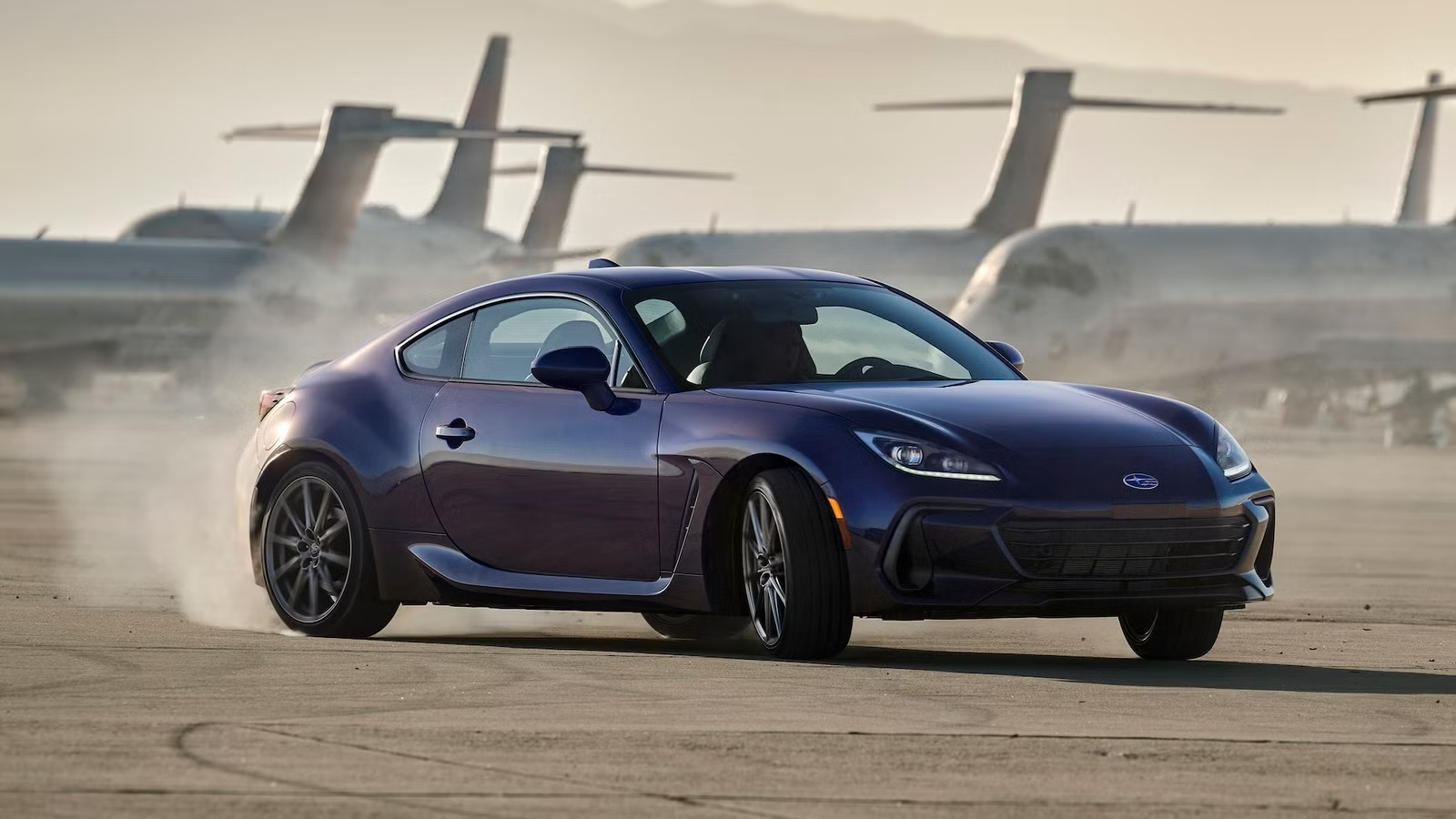
The Subaru BRZ has earned a reputation as a driver-focused sports car that looks aggressive but lacks straight-line speed compared with higher-powered competitors. From its debut until the recent 2.4-liter engine update, the BRZ was widely criticized as being “all chassis and no engine.”
First-generation models used a naturally aspirated 2.0-liter flat-four producing 200–205 horsepower, which suffered from a mid-range torque dip that made passing maneuvers feel sluggish. The second-generation 2.4-liter engine produces 228 horsepower, improving acceleration, but the car is still often perceived as slow because it is designed for balance, light weight, and handling rather than raw power.
The BRZ emphasizes driving dynamics over straight-line performance. It has a low center of gravity, rear-wheel drive layout, and a lightweight chassis (around 2,843 pounds), which contribute to sharp steering feedback, excellent cornering stability, and playful handling.
All models come standard with a limited-slip rear differential, while the tS trim adds a specially tuned suspension and upgraded brakes for enhanced track performance. Tires and suspension tuning are designed for tossable handling, prioritizing agility and fun rather than maximum grip, which can make the car feel less planted than higher-horsepower rivals.
Acceleration figures reflect this design philosophy. First-generation models posted 0–60 mph times above six seconds, while the second-generation 2.4-liter BRZ achieves roughly 5.5 seconds in tS trim.
Although these times are respectable for a lightweight, naturally aspirated sports coupe, the lack of a turbocharger or supercharger and modest torque make the car feel slower compared with turbocharged or high-output sports cars.
The interior is driver-oriented, featuring heavily bolstered front seats, a 7-inch digital gauge cluster, and a 2+2 seating configuration. Rear seats are cramped, serving more as cargo space than practical passenger seating. Cargo volume is 6.3 cubic feet, expandable by folding the rear seats, providing room for small items or extra gear.
The infotainment system includes an 8-inch touchscreen, Apple CarPlay, Android Auto, Bluetooth, and available SiriusXM, while safety features include Subaru’s EyeSight driver-assistance system, with forward-collision warning, automated emergency braking, and lane-departure warning standard, plus adaptive cruise control and rear braking on automatic models.
Fuel economy is efficient, with the 6-speed manual achieving around 20 city / 27 highway mpg and the automatic reaching 21 city / 30 highway mpg. Reliability is strong, consistent with Subaru’s reputation, and the car is covered by a three-year/36,000-mile limited warranty and five-year/60,000-mile powertrain warranty, though complimentary maintenance is not included.
Despite modest horsepower, the BRZ is celebrated for its lightweight agility, sharp handling, and driver engagement. Its low-slung styling, two-door coupe silhouette, and balanced chassis make it an enjoyable, fun-to-drive sports car that rewards cornering and precise control, even if it does not dominate drag strips or straight-line comparisons.
8. Chevrolet Camaro (Iron Duke): Muscle Car Looks, Commuter Car Performance
The 1982 Chevrolet Camaro represents one of the most infamous mismatches between styling and performance in American muscle car history. While the third-generation Camaro introduced a sharp, aerodynamic design with a lighter body and aggressive lines, its entry-level “Iron Duke” 2.5-liter four-cylinder engine produced only 85–90 horsepower.
This resulted in a painfully slow 0–60 mph time of roughly 20 seconds, turning what looked like a high-performance sports car into a commuter vehicle barely able to keep pace with family sedans or small hatchbacks of the era.
Chevrolet’s choice of the Iron Duke engine was heavily influenced by the 1970s fuel crisis and the need to meet stricter Corporate Average Fuel Economy (CAFE) standards. The 2.5-liter inline-four, built by Pontiac and paired with throttle-body fuel injection, prioritized durability and economy over acceleration or driving excitement.
While it earned a reputation as a “bulletproof” engine famously powering Grumman LLV postal trucks for decades, it was entirely unfit for a car marketed as a “Mustang-fighter.” Its low torque, lackluster horsepower, and pairing with a three-speed automatic transmission compounded the problem, making acceleration sluggish and highway passing hazardous.
Despite the underpowered engine, the Camaro’s chassis and styling were notable achievements. The car was 500 pounds lighter than its predecessor, with improved aerodynamics and sharper handling characteristics.
The wedge-shaped design, recessed headlights, and muscular stance suggested a modern, high-performance vehicle, creating expectations that the Iron Duke simply could not meet. Owners often noted the engine’s vibration, loud mechanical noise, and general “tractor-like” feel, which clashed dramatically with the Camaro’s sporty persona.
Market reception confirmed the disconnect: fewer than 15% of buyers selected the four-cylinder model, with most opting for the 2.8-liter V6 or 5.0-liter V8 options. While those engines were still affected by smog-era restrictions, they at least delivered respectable acceleration and partially justified the Camaro’s performance image.
The Iron Duke became a footnote in Camaro history, frequently appearing on lists of the worst cars of all time due to its combination of flashy aesthetics and underwhelming capability.
In retrospect, the Iron Duke Camaro embodies the challenges of balancing style, fuel economy, and regulations during the Malaise Era. It remains an example of “looks fast, acts slow,” a vehicle with a body that screams performance but a drivetrain suited for commuting.
Chevrolet acknowledged the mismatch by replacing the Iron Duke with a V6 as the base engine in 1986, leaving the Iron Duke Camaro as a cautionary tale and a collectible oddity for enthusiasts who appreciate its quirky place in muscle car history.
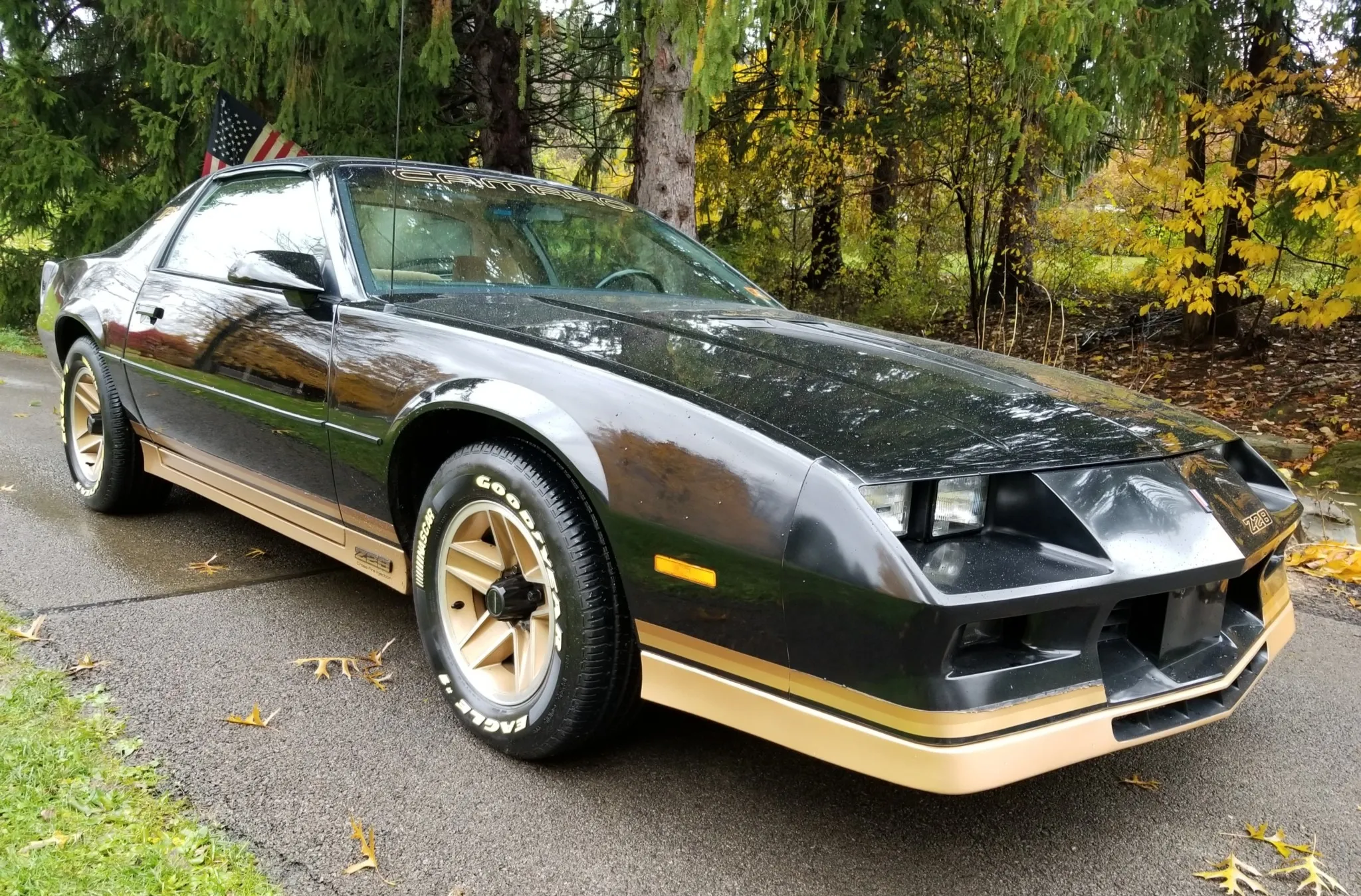
The eight vehicles discussed in this list, including the Italian-styled Ferrari Mondial 8, the mid-engine Pontiac Fiero GT, the lightweight Toyota Celica 7th Gen, the rear-wheel-drive Subaru BRZ, and the infamous Chevrolet Camaro Iron Duke, show that automotive appeal is often based on perception as much as horsepower.
These cars captivate enthusiasts through design, individuality, and driving engagement, even when their engines or drivetrains do not match their exterior statements. They remain memorable because of creativity, heritage, and visual impact. Despite underwhelming performance on paper, they continue to attract collectors and fans, proving that looking fast can be as iconic as being fast.
Also Read: Top 10 Cars for Beach Lovers With Easy-to-Clean Floors