Car names are more than just labels. They are symbols, carrying history, identity, and sometimes controversy. In the automotive world, a name can define a car’s image, its prestige, and even its appeal in international markets. Many of the most popular car names have been associated with luxury, speed, or reliability, instantly creating expectations in consumers’ minds.
However, the story behind some names is not always as original as it appears. In fact, a number of well-known vehicles carry names that were borrowed, adapted, or outright taken from other brands, leading to legal disputes and public scrutiny.
The process of naming a car is supposed to be a thoughtful exercise, considering market trends, brand identity, and trademark protections. Yet, in practice, this careful process has sometimes been bypassed, resulting in names that clash with preexisting trademarks.
What seems like a clever marketing strategy can sometimes backfire, attracting criticism or even lawsuits. These borrowed names reveal the complex interplay between creativity and legality in the automotive industry. They also expose a side of car manufacturing that is often hidden from the consumer.
When a brand adopts a name without proper rights, it raises questions about originality and ethics in business practices. Car enthusiasts often notice these similarities, creating debates about whether the borrowing was intentional or coincidental. Beyond legal consequences, the use of another brand’s name can affect public perception.
Customers might question the authenticity of the product or the integrity of the company using the name. This issue is not limited to small manufacturers; even major global carmakers have faced accusations of lifting names. Understanding the stories behind these names provides insight into how branding decisions are made.
It also sheds light on the competition and pressures that shape the automotive market. Names carry emotional weight, and a stolen name can create tension among fans, collectors, and companies alike. While some borrowed names remain obscure to most drivers, others have become iconic, making the controversy more visible.
This article examines ten famous car names that were actually taken from other brands. Each example highlights how a name can cross lines, intentionally or unintentionally, and what that meant for the companies involved. By reviewing these cases, we gain a better understanding of how automotive branding operates and the challenges brands face in claiming originality.
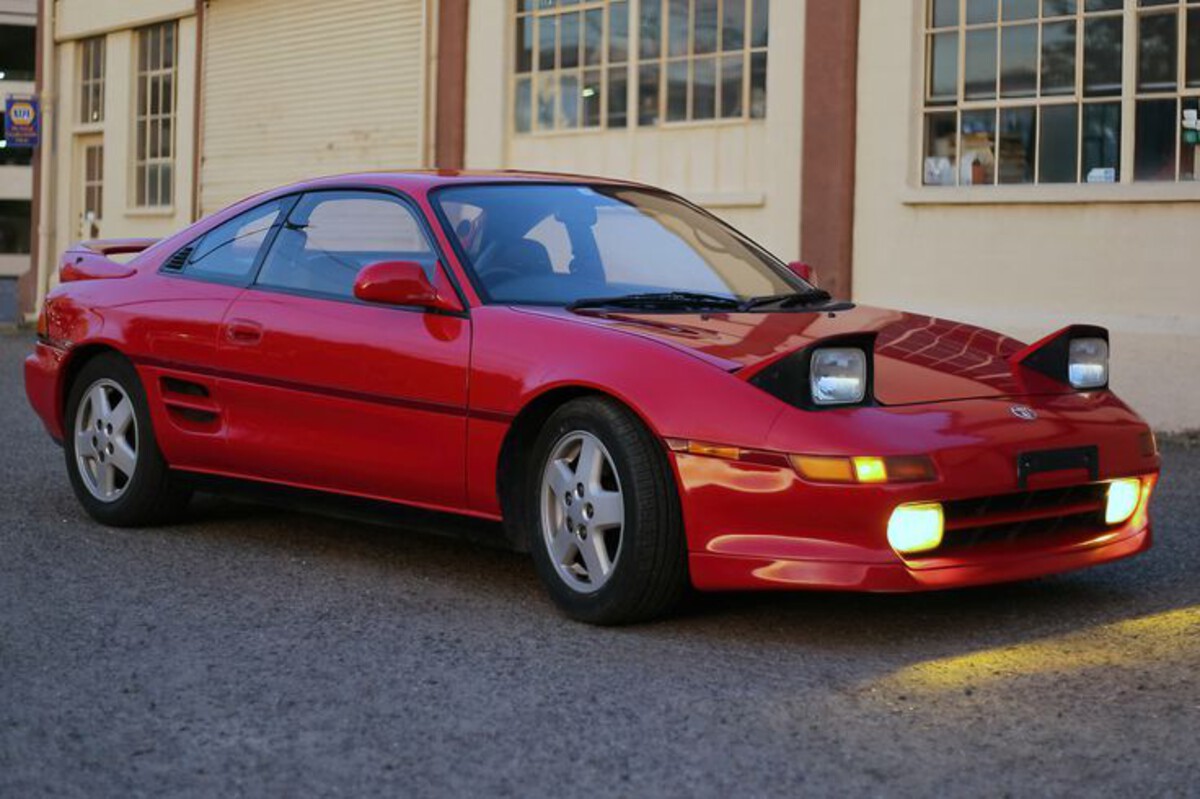
1. Toyota MR2 vs. Mitsubishi MR2
The Toyota MR2 is a sports car that first appeared in the 1980s. It quickly gained popularity for its lightweight design and mid-engine layout. However, its name closely resembled Mitsubishi’s use of MR as shorthand for “Mid-engine Rear-wheel drive.”
Mitsubishi had been using similar naming conventions for its sports cars in certain markets. Some industry analysts argue that Toyota’s addition of the number “2” seemed convenient but was essentially a repurposing of an existing idea. While Toyota’s MR2 became a brand in its own right, the original association with Mitsubishi’s terminology sparked discussions among enthusiasts.
These debates often focused on whether Toyota had deliberately borrowed the naming structure to attract sports car buyers familiar with Mitsubishi. The resemblance created confusion, especially in markets where both brands sold performance-oriented vehicles. Legal action was never fully pursued, but the controversy persisted in automotive forums and publications.
The MR2’s marketing emphasized affordability and performance. Its name was repeated across generations without major changes. This continuity helped build a legacy for Toyota, overshadowing the earlier associations with Mitsubishi. Despite the similarity, the driving experience and engineering of the MR2 distinguished it from any competitor.
Yet, the question of originality remains a talking point in discussions about Japanese sports cars. Fans and collectors sometimes compare the MR2 to Mitsubishi vehicles, noting the parallels in engine layout and handling. While Toyota maintained its position as a separate brand, the shadow of the borrowed name continues in historical analyses.
Automotive historians often highlight this example as a subtle instance of naming overlap that went largely unnoticed outside niche circles. Even today, the MR2 is celebrated for its design, but its name carries a quiet reminder of corporate mimicry.
Some experts suggest that the naming was a strategic choice. Borrowing elements from a recognized formula may have helped Toyota appeal to an already interested demographic. By using MR2, the company could convey mid-engine performance without investing in a completely new branding strategy.
However, the ethical implications of borrowing another brand’s terminology remain debatable. Naming conventions in sports cars often carry implied promises of performance and engineering philosophy. Using a name too close to a competitor risks accusations of riding on their reputation.
Toyota avoided direct legal entanglements but inherited the discussions by default. Enthusiasts sometimes see this as a clever marketing move, while others view it as unoriginal. The MR2 story serves as an example of how small naming decisions can have long-term effects. Over decades, the car itself becomes iconic, but the naming origins can shape its historical narrative.
The similarity also reflects the competitive nature of the Japanese automotive industry. Companies were racing to produce compact, affordable sports cars for a growing market. In this environment, naming overlap might have been more a coincidence than theft.
However, the resemblance was too strong to ignore, and it became part of the lore surrounding the MR2. Mitsubishi continued to use MR in its own models, emphasizing the original branding. The coexistence of these similar names highlights the blurred lines between inspiration and appropriation.
Consumers may not notice the difference initially, but historians and fans often point out the connection. In marketing studies, this case is cited as an example of brand name risks in competitive industries. It demonstrates that even subtle overlaps can attract attention when products are in the same market segment.
The MR2 became more than just a name. It became a symbol of Toyota’s approach to sports cars and their ability to create a lasting impression. The borrowed naming elements did not prevent the car from succeeding, but they remain a part of its story. Understanding this history adds nuance to how we view car names and branding strategies.
The MR2 example reminds companies that naming is a careful balance between originality and market recognition. It also shows that even when a name is contested, the product’s design and performance can define its legacy.
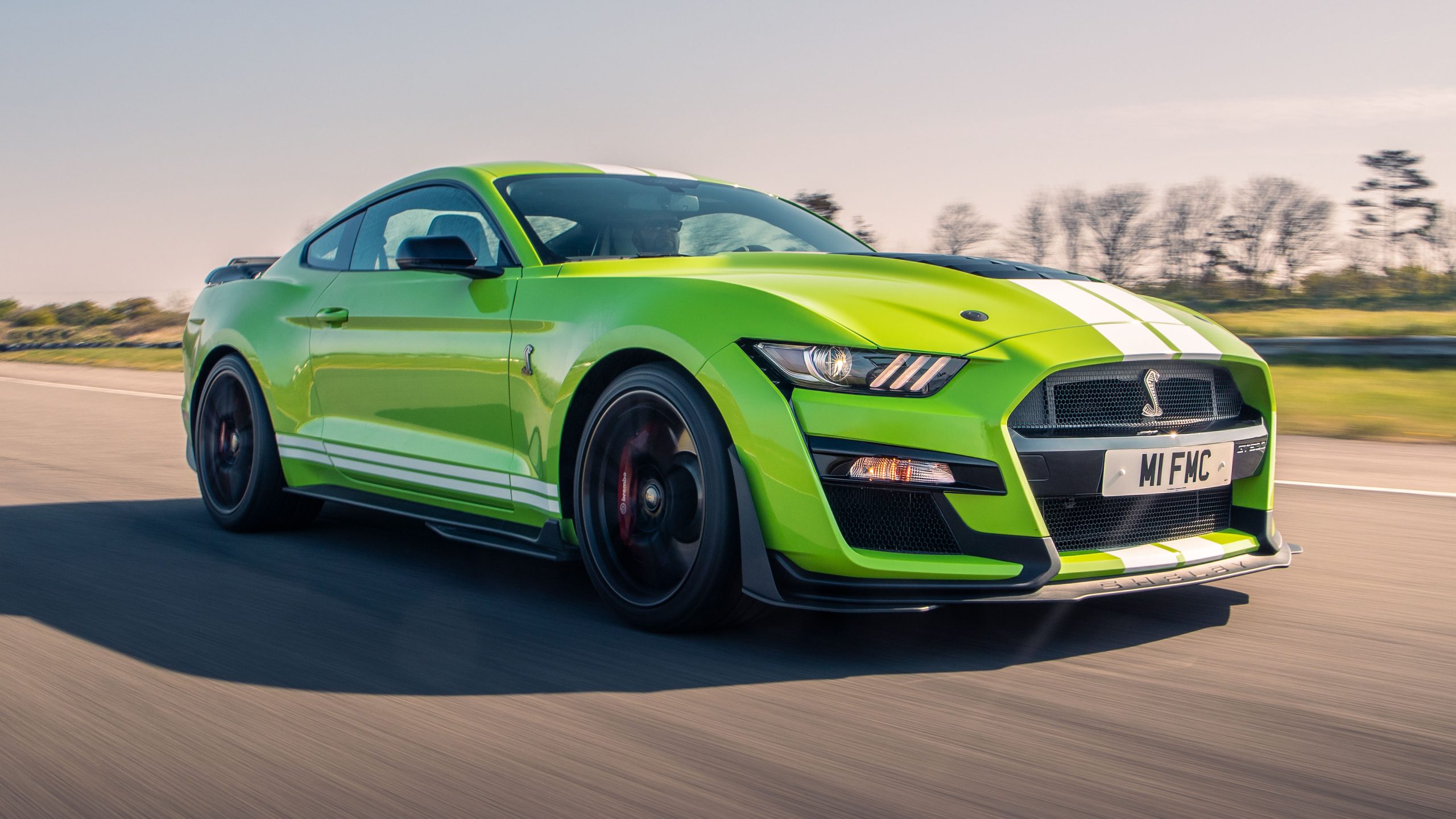
2. Ford Mustang vs. Shelby Mustang
The Ford Mustang is one of the most iconic muscle cars in history, but its name has connections that are less well-known. Carroll Shelby, the famed car designer, had originally worked on high-performance models under his own name before collaborating with Ford.
Some sources suggest that Ford adopted the “Mustang” name while Shelby had been using similar concepts for performance-tuned vehicles. The similarity created tension between the companies and fans who noticed overlapping marketing materials. Despite this, Ford’s Mustang became a household name, eventually eclipsing Shelby’s original influence. Collectors often debate whether the name choice favored commercial appeal over originality.
Shelby’s early work emphasized racing pedigree and engineering excellence. Ford, by contrast, focused on mass-market appeal and styling. The Mustang name carried connotations of wildness and speed, which aligned with Shelby’s original vision. The borrowing or overlap of names highlighted the fine line between collaboration and brand dominance.
Ford’s marketing effectively cemented the Mustang in public consciousness, but enthusiasts still associate Shelby with performance authenticity. Legal disputes were avoided through agreements, but the naming overlap remains a point of historical interest. Fans often point out that Shelby’s innovations laid the groundwork for what Ford marketed under the Mustang label.
The use of the Mustang name also reflects the importance of emotional branding. A single word can convey freedom, power, and excitement to consumers. By adopting a name similar to Shelby’s concepts, Ford leveraged an already appealing identity. This strategy proved commercially successful, but it sparked debates among automotive historians.
Some critics argue that Ford prioritized marketability over acknowledging Shelby’s contributions. Others see it as a natural evolution of collaboration and influence in the automotive industry. Either way, the shared name shaped how performance cars were perceived in the 1960s and beyond.
Over time, Shelby models gained their own distinction, often using the full “Shelby Mustang” designation. This created a dual legacy, with Ford dominating mainstream markets and Shelby appealing to enthusiasts. The original overlap in naming is often forgotten by casual consumers but remains significant to historians. It demonstrates how name recognition can influence consumer choices and brand identity.
The Mustang story illustrates the challenges of balancing collaboration, homage, and originality in naming strategies. Even decades later, debates continue about how much credit belongs to Shelby versus Ford in establishing the Mustang’s legendary status.
The Ford-Shelby naming overlap highlights broader patterns in automotive branding. Companies often borrow ideas from influential figures or popular trends to strengthen market appeal. The Mustang name achieved lasting fame, but it carried hidden histories of influence and appropriation.
Understanding this context enriches appreciation for both the vehicle and the strategic decisions behind its branding. Automotive enthusiasts view the Mustang not only as a car but also as a symbol of complex interactions between designers, manufacturers, and marketing ambitions.
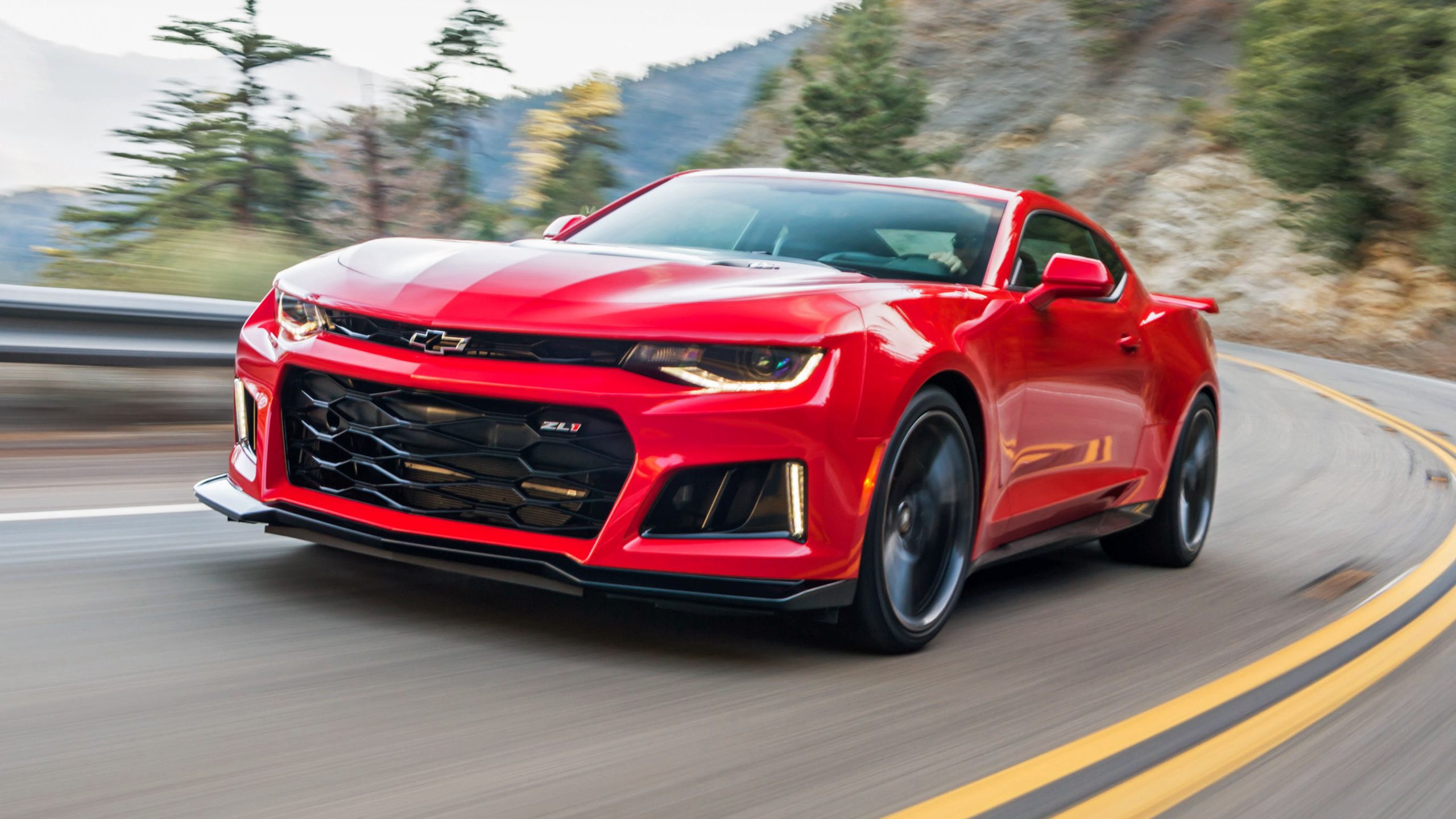
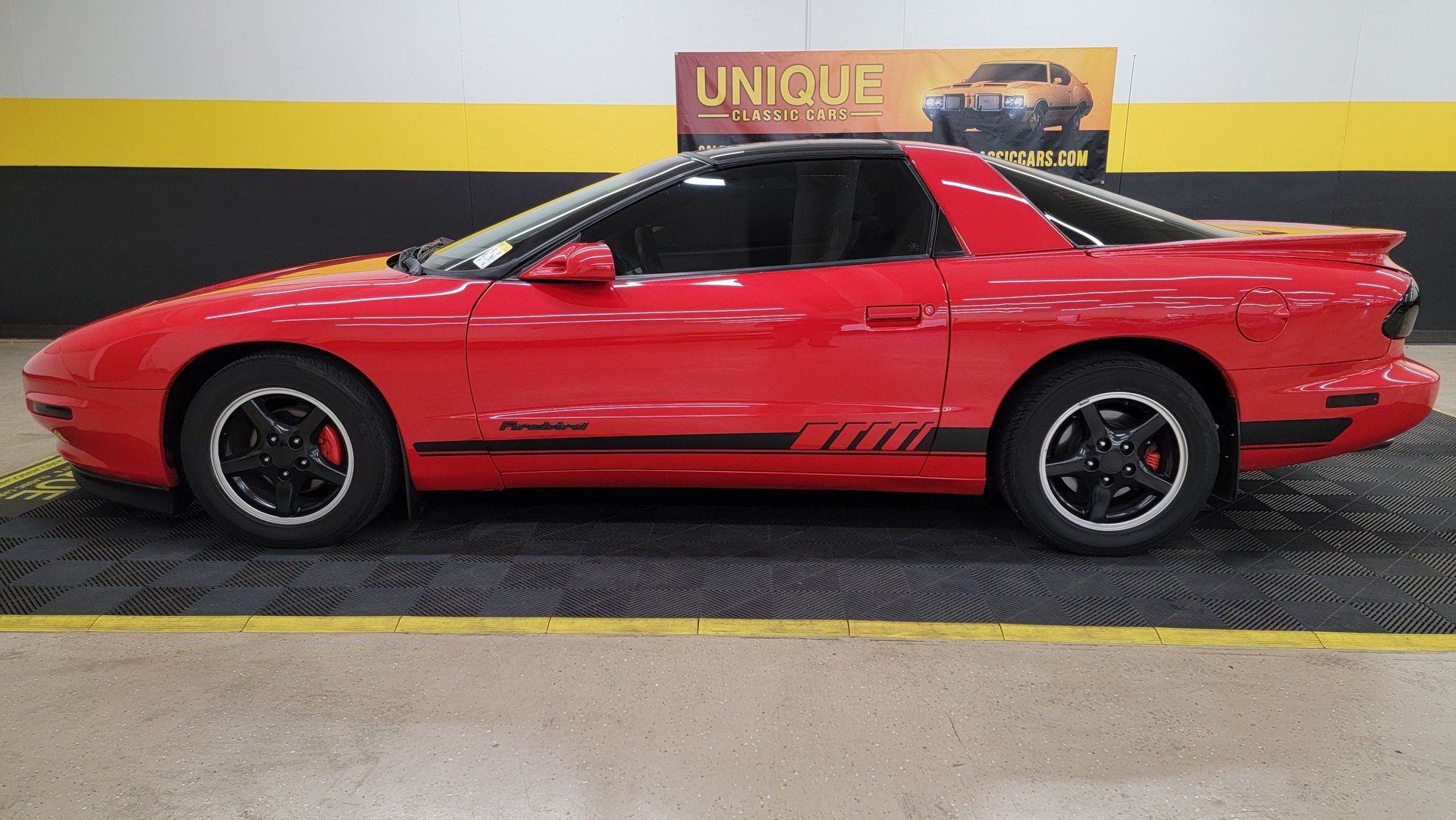
3. Chevrolet Camaro vs. Pontiac Firebird
The Chevrolet Camaro is widely recognized as a classic American muscle car, yet its naming history intersects with Pontiac’s Firebird. Both cars were developed to compete in the same pony car segment, with similar designs and performance goals.
Pontiac had explored naming options that emphasized speed and freedom, with “Firebird” capturing imagery of flight and power. When Chevrolet introduced the Camaro, its name choice was strikingly similar in tone and style, leading to speculation about influence. The parallels between the two names generated consumer comparisons, highlighting the competitive dynamics of the 1960s automotive market.
Pontiac’s Firebird concept emphasized elegance and aggressive styling, targeting a younger demographic. Chevrolet, by selecting Camaro, aimed to appeal to a similar audience while avoiding direct use of the Firebird label. However, the resemblance in theme sparked debates about originality versus inspiration.
Enthusiasts often point out that both names evoke similar imagery, suggesting a borrowing of conceptual ideas rather than literal trademarks. The tension between the brands reflected the larger trend of rivalry in the American muscle car era. This competitive environment encouraged aggressive marketing, where naming played a critical role in capturing consumer attention.
The Camaro name itself suggests agility and power, aligning with the Firebird’s own branding. Both names contributed to the mythology of the pony car, where speed, style, and personality were paramount. Chevrolet’s decision to emphasize performance and accessibility helped the Camaro become a commercial success, while Firebird carved its niche among Pontiac fans.
The similarity in naming shows how brands can subtly influence each other, shaping perceptions and market positioning. Despite the tension, the coexistence of these cars enriched the muscle car industry, offering consumers multiple options with comparable appeal.
The two cars competed for attention and sales, creating an environment where borrowing ideas was almost inevitable. Automotive historians often cite this case as an example of how competitive branding can blur the line between inspiration and appropriation.
The Camaro-Firebird connection demonstrates that a name can carry both power and controversy. Chevrolet’s success with the Camaro did not diminish the Firebird’s legacy, but it raised questions about originality and market strategy.
Names in this era were chosen with a blend of creativity and calculation, sometimes resulting in overlaps that become historically significant. Understanding these naming dynamics offers insight into the interplay between competition, branding, and consumer perception in the golden age of American muscle cars.
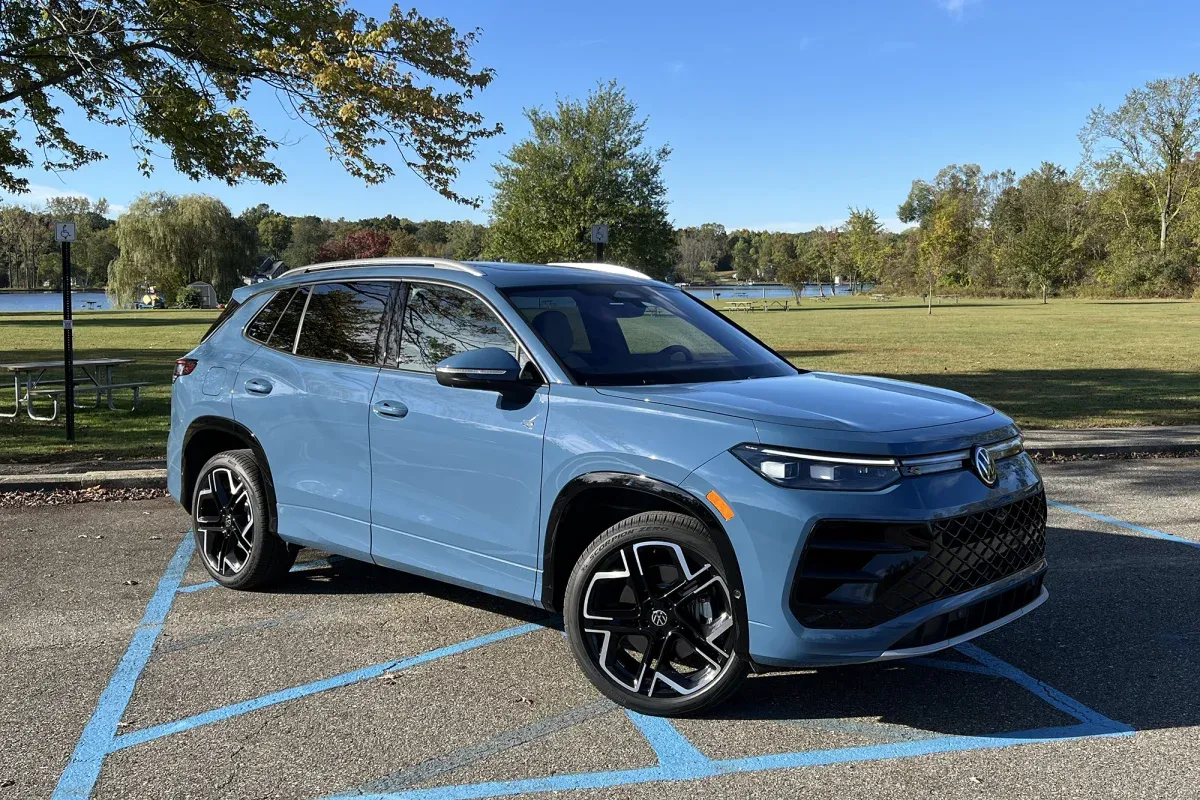
4. Volkswagen Tiguan vs. Tiguan Concept by Another Brand
The Volkswagen Tiguan is now a mainstream SUV, but its name was the subject of early disputes. The term “Tiguan” is a combination of “tiger” and “iguana,” symbolizing strength and adaptability. Before Volkswagen popularized it, other smaller manufacturers had experimented with similar names for concept vehicles.
These early uses were limited in scope, but they created a legal gray area when Volkswagen filed for international trademarks. Some critics argue that Volkswagen capitalized on an idea that had already been circulating in automotive circles. The controversy illustrates how even creative, seemingly unique names can overlap with prior work.
Volkswagen positioned the Tiguan as a versatile, compact SUV appealing to a broad demographic. Its name suggested agility and resilience, traits associated with both the tiger and the iguana. Early automotive enthusiasts noticed similarities to concept vehicles from smaller companies, sparking debates about originality.
Legal filings eventually favored Volkswagen, but the case remains an example of name disputes in the SUV market. The overlap highlights the importance of careful trademark research before launching a global vehicle. While the Tiguan became widely recognized, its naming story includes whispers of appropriation that are often overlooked.
The naming controversy also shows how cultural and linguistic creativity can intersect with legal constraints. Volkswagen’s combination of animal names created a distinctive identity, yet it was not entirely unique. Small automakers had experimented with similar names in promotional materials or concept prototypes.
Volkswagen’s adoption of “Tiguan” demonstrates how large manufacturers can formalize and globalize a name that may have originated elsewhere. Consumers tend to associate the name solely with Volkswagen, masking its contested origins. The case serves as a reminder that creative branding is often intertwined with legal strategy and market dominance.
Enthusiasts and brand historians note that Tiguan’s eventual success overshadowed the early disputes. The vehicle’s performance, design, and marketing solidified its identity in the market. However, the origins of the name continue to surface in discussions about automotive ethics.
Smaller brands often lack the resources to enforce naming rights against global corporations, highlighting power imbalances in the industry. Volkswagen’s Tiguan illustrates how effective branding can erase the visibility of prior claims, even when legal ambiguity exists. This dynamic is common in naming disputes across automotive history.
In the end, the Tiguan name embodies both creativity and controversy. Volkswagen’s SUV has achieved global recognition, but its naming history reminds us that originality is not always absolute.
The case demonstrates the complex interactions between legal protections, marketing strategy, and creative naming. It also shows that a successful vehicle name can carry a quiet history of prior use, reflecting the competitive and sometimes contentious nature of automotive branding.
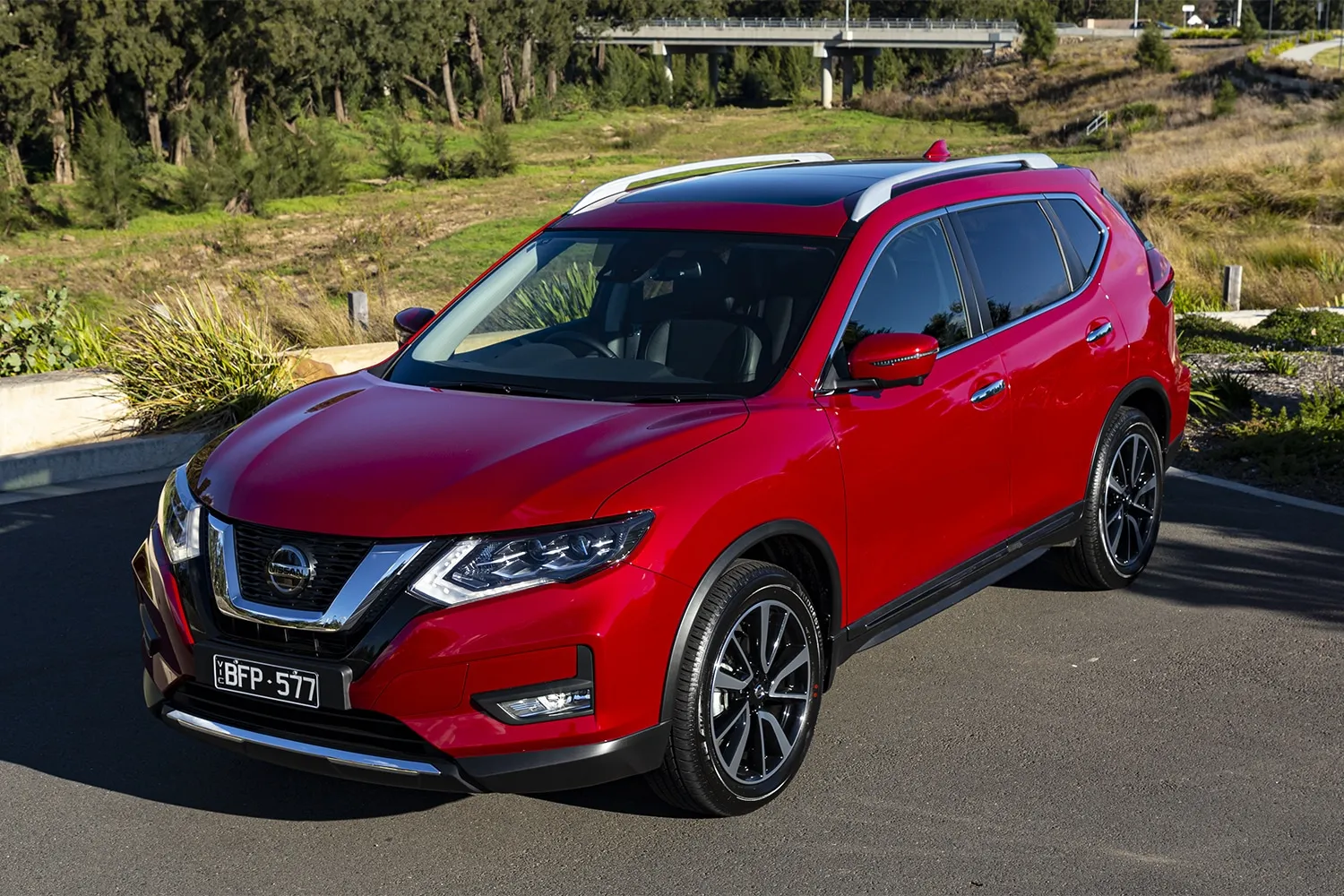
5. Nissan X-Trail vs. X-Trail by a Smaller Brand
The Nissan X-Trail is one of the most recognizable compact SUVs in the world, yet its name has origins that were disputed early in its development. Before Nissan’s launch, a small automotive company in Europe had registered the term “X-Trail” for limited production vehicles.
Although the brand was minor and not widely known, its prior claim created potential legal complications. Nissan proceeded with the launch anyway, claiming that their global reach and production scale distinguished the name. This situation illustrates how large automakers can sometimes overshadow smaller companies when naming conflicts arise. Automotive fans were aware of the similarity, sparking debates about ethics and originality.
Nissan’s X-Trail was designed to be versatile, appealing to families and outdoor enthusiasts. Its name emphasized adventure and ruggedness, qualities that resonated with SUV buyers. The earlier claim by the smaller brand did not reach most consumers, allowing Nissan to dominate the narrative.
Critics argued that the company could have chosen a completely original name to avoid confusion. However, the X-Trail quickly became a global success, and its association with adventure and reliability overshadowed the naming controversy. Legal actions were limited, partly because the smaller brand lacked resources to challenge Nissan.
The adoption of the name also highlights the power imbalance in the automotive industry. A large corporation can effectively claim a name through global trademark filings, even when smaller companies have prior usage. This situation raises questions about fairness in branding and the protection of intellectual property.
Automotive enthusiasts sometimes note that the X-Trail’s name might have been inspired by other vehicles, but the scale of Nissan’s marketing ensured widespread recognition. The story demonstrates that originality in naming can be influenced more by market reach than by invention.
Over the years, the X-Trail developed a strong identity. It became synonymous with durable performance, practicality, and off-road capability. The early controversy over the name has largely been forgotten by the public, but historians and industry analysts continue to reference it as an example of branding conflict.
The case shows how names can carry hidden histories, especially when smaller brands are involved. It also illustrates how large automakers can successfully globalize a name that was once niche or contested.
The Nissan X-Trail demonstrates that a powerful brand can eclipse prior claims. While the smaller company had an earlier association with the name, Nissan’s production scale and marketing dominance defined the vehicle in public perception.
This example highlights the tension between innovation, originality, and market power in automotive naming practices. Names are not only creative tools but also instruments of influence and visibility.

6. Mitsubishi Pajero vs. Pajero by Other Manufacturers
The Mitsubishi Pajero is one of the most famous SUVs worldwide, but its name has a complex history. In some countries, the term “Pajero” was already associated with products ranging from recreational vehicles to small trucks. Mitsubishi adopted the name to convey a sense of ruggedness and adventure, unaware or indifferent to earlier uses.
In Spanish-speaking countries, the name caused controversy because “Pajero” has a slang meaning, leading to marketing adjustments. Despite these issues, the vehicle became an icon of off-road performance. The borrowed name generated both legal and cultural debates that continue to intrigue automotive historians.
Mitsubishi positioned the Pajero as a durable, versatile SUV for challenging terrains. The name evoked strength and resilience, aligning with the vehicle’s reputation in rally competitions. Legal challenges from smaller manufacturers were minimal, but they highlighted the risks of overlapping names.
The situation demonstrates how global branding can collide with existing uses in local markets. Naming a vehicle for international audiences requires careful research and sensitivity to both language and trademarks. Mitsubishi navigated these challenges through branding adjustments and local market strategies.
The Pajero story also emphasizes how a name can carry multiple meanings. While intended to symbolize adventure, it had unintended connotations in certain regions. Mitsubishi’s ability to maintain the vehicle’s identity despite these complications reflects strategic marketing and brand management.
Automotive enthusiasts often study the Pajero as an example of how names can carry cultural significance beyond mere branding. The borrowed or contested aspect of the name adds depth to its history, showing that even iconic vehicles can have contested origins.
Over decades, the Pajero achieved global recognition, competing in the Dakar Rally and other high-profile off-road events. Its performance and reliability solidified the brand, overshadowing the controversy over the name.
Yet, the discussion about originality persists among collectors and industry analysts. The case demonstrates that even successful vehicles can carry hidden histories in their names, reminding manufacturers of the delicate balance between inspiration and appropriation.
The Mitsubishi Pajero illustrates the challenges of naming in a global market. Even iconic names can encounter prior claims, cultural misunderstandings, and legal concerns. The vehicle’s success shows that performance and marketing can outweigh controversies, but the naming story remains an important lesson. It highlights the intersection of language, culture, and legal considerations in automotive branding.
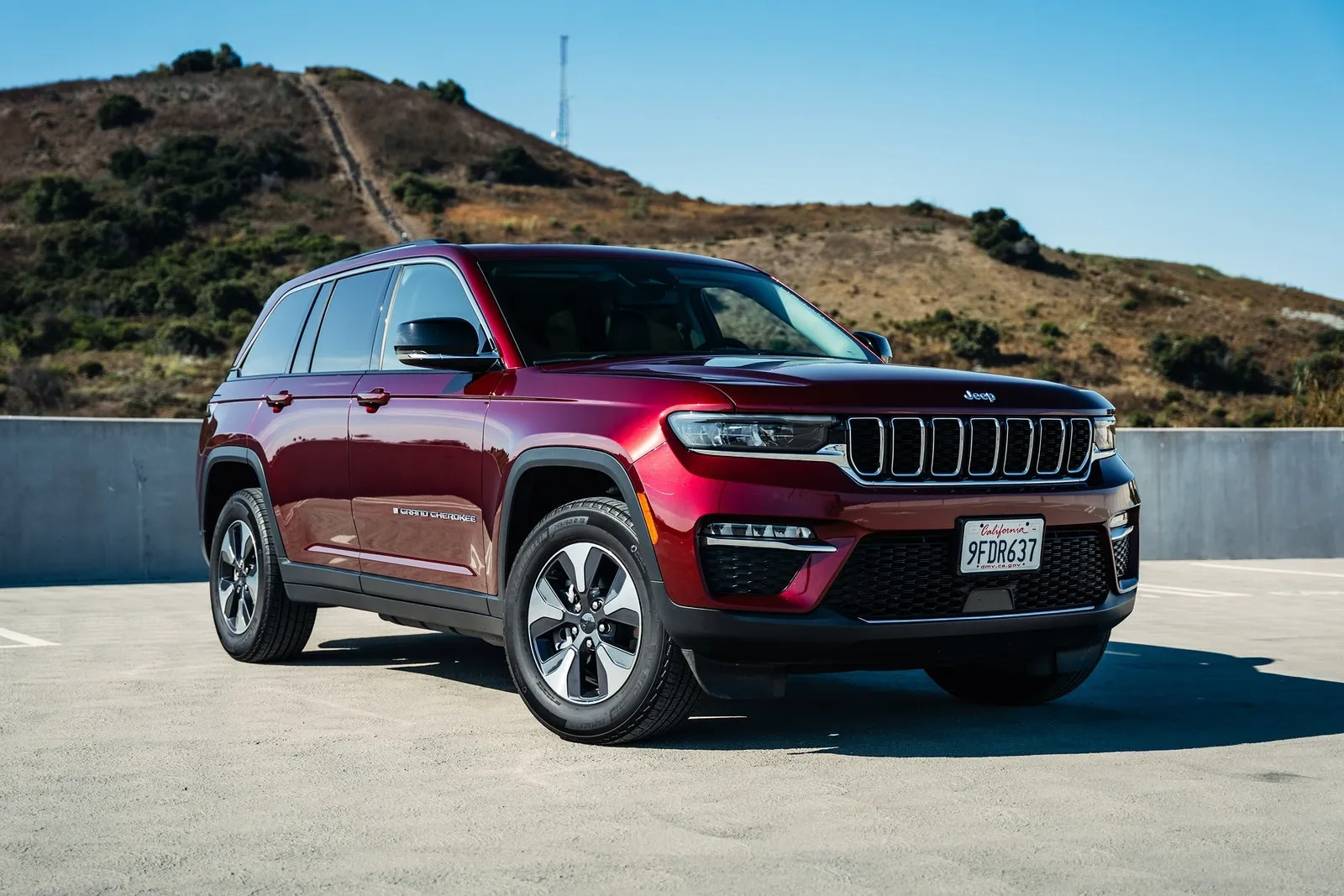
7. Jeep Cherokee vs. Cherokee Trademark Disputes
The Jeep Cherokee is a vehicle with a legendary reputation, but its name sparked significant legal discussions. “Cherokee” is derived from a Native American tribe, and the use of the name by Jeep was challenged on ethical grounds by advocacy groups.
Additionally, other automotive brands in small markets had attempted to use “Cherokee” for vehicles or trims, creating trademark disputes. Jeep’s marketing emphasized heritage and adventure, which made the use of the name commercially appealing. However, the overlapping uses and cultural considerations demonstrate the complexity of naming vehicles after existing concepts or communities.
Jeep leveraged the Cherokee name to suggest durability, toughness, and off-road capability. Its branding strategy relied heavily on the perceived authenticity of the vehicle, connecting it to rugged routes and outdoor lifestyles. Other companies that used similar names faced challenges in establishing recognition.
Jeep’s prominence ensured that it became the dominant association, overshadowing minor claims. This pattern shows how large automakers can consolidate identity and ownership around a name, even when disputes exist. Enthusiasts often debate whether the borrowing or reuse of such names respects cultural and legal boundaries.
The Cherokee case also highlights the role of ethics in branding. Using a name associated with a community or existing entity can provoke criticism and public scrutiny. Jeep navigated these challenges by emphasizing performance and heritage, rather than relying solely on the name.
Legal action in smaller markets was limited, but the controversy brought attention to the responsibilities of global manufacturers. Naming choices are rarely neutral, and the Cherokee example shows how both cultural and commercial considerations intersect in vehicle branding.
Over time, the Jeep Cherokee became iconic, celebrated for both its design and performance. The controversy surrounding the name has diminished in public memory, but it remains relevant in discussions of ethical branding. Automotive historians often cite the case as an example of how cultural sensitivity and trademark awareness can shape marketing strategies.
The Cherokee name demonstrates that while branding can elevate a vehicle, it may also carry hidden disputes and ethical questions.
Jeep’s use of Cherokee illustrates the power of association. While other brands or smaller entities may have used the name first, Jeep’s dominance secured public perception. This example underscores the delicate balance between creativity, legality, and respect for cultural origins in naming vehicles. Names are powerful, and their histories often reflect broader societal and industry dynamics.