Cars are often judged by performance, luxury, or style, but one feature that can instantly make a vehicle stand out is its door design. While most cars use conventional front-hinged doors, some manufacturers have pushed the limits of engineering and aesthetics to create truly distinctive systems.
From the Koenigsegg Jesko’s Dihedral Synchro-Helix doors to the BMW Z1’s disappearing vertical doors, designers have reimagined how drivers and passengers enter and exit a car.
Other notable examples include the Tesla Model X with its Falcon Wing doors, the McLaren P1 with dramatic butterfly doors, the Hyundai Veloster with its asymmetrical three-door layout, and the Rolls-Royce Phantom with its iconic rear-hinged coach doors.
These unique designs not only create a striking visual presence but also improve accessibility, safety, aerodynamics, and functionality. They illustrate how automotive design can combine creativity with engineering to deliver both style and practicality.
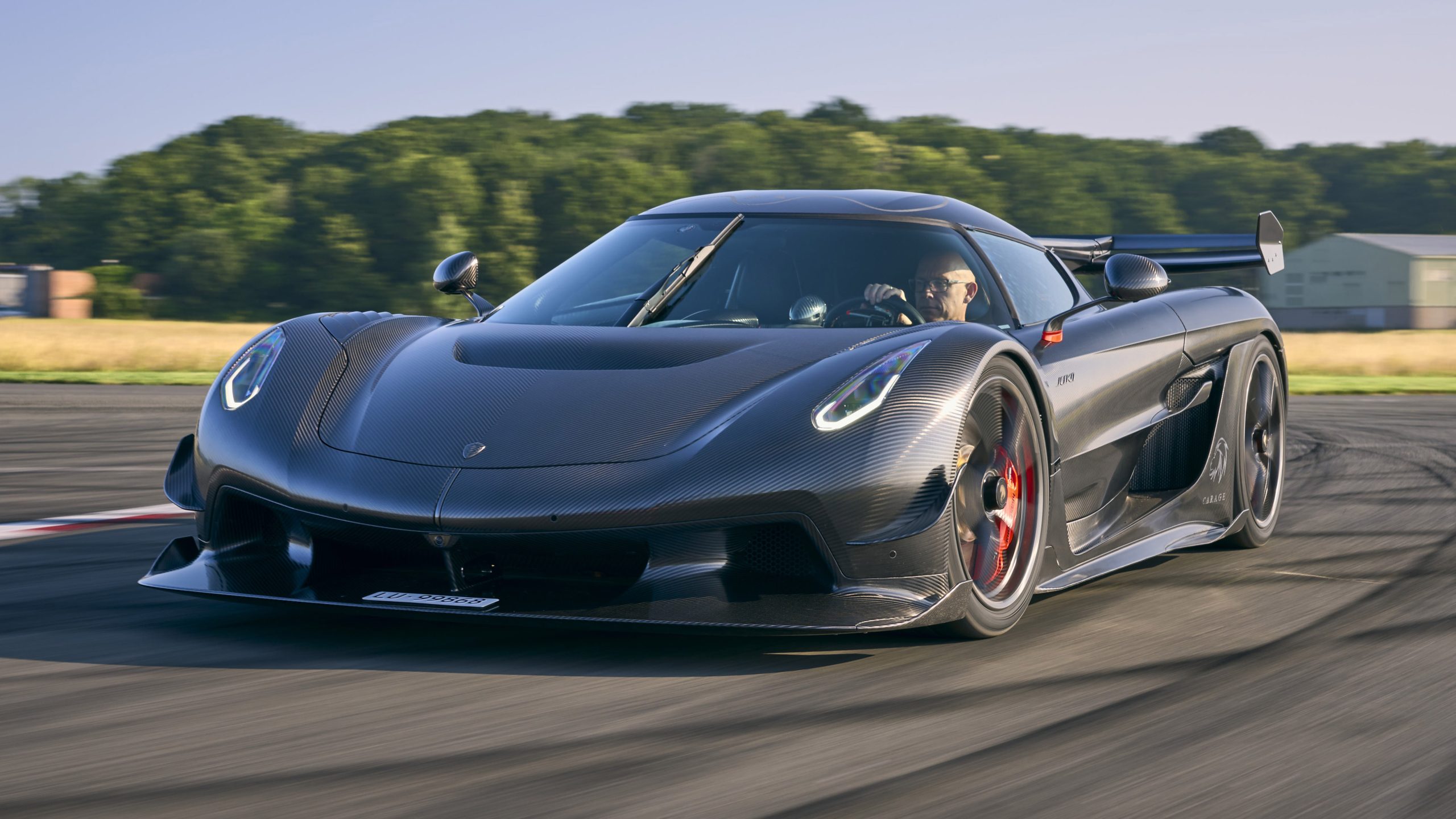
1. Koenigsegg Jesko: Advanced Engineering and the Dihedral Synchro-Helix Door System
The Koenigsegg Jesko is a Swedish hypercar known for its innovative engineering, powerful performance, and distinctive design. Developed by the manufacturer Koenigsegg, the vehicle represents the company’s dedication to pushing the limits of automotive technology.
Among its most recognizable features is the Dihedral Synchro-Helix door system, a unique mechanism that combines practicality with dramatic visual appeal. Along with its impressive powertrain, advanced aerodynamics, and refined interior, the Jesko demonstrates how modern hypercars integrate technology, design, and performance.
One of the most striking elements of the Jesko is its Dihedral Synchro-Helix doors. This system is unique because it combines outward and upward movement in a synchronized motion. When opened, the door first swings outward about 90 degrees and then rotates forward and upward in a smooth, fluid movement.
This mechanism creates a large opening that allows the driver and passenger to enter and exit the vehicle more easily than in many other low sports cars. The design also requires very little horizontal space, which means the doors can still be opened when the car is parked close to walls or other vehicles. Because of this, the system is not only visually impressive but also practical for everyday use.
The door system is integrated with Koenigsegg’s Autoskin technology. Autoskin allows the doors and several body panels to open and close automatically using sensors or the press of a button. Advanced electrohydraulic actuators control the movement of the doors, ensuring that they operate smoothly and precisely.
From inside the car, some of the mechanical parts, such as gears and actuators, can be seen. These exposed components highlight the engineering complexity of the mechanism and reflect Koenigsegg’s philosophy of turning mechanical design into a visual feature.
Even though the hinge system is complex, the doors themselves are made from lightweight carbon fiber to help maintain high performance and efficient weight distribution.
Performance is one of the most important aspects of the Jesko. The car is powered by a twin turbocharged 5.0-liter V8 engine that produces 1280 horsepower and 1106 pound-feet of torque when using standard gasoline. When fueled with E85, the engine can produce up to 1600 horsepower.
A key feature of the engine is its crankshaft, which is considered the lightest V8 crankshaft in the world. It weighs only 28 pounds and is machined from a single piece of solid steel. The crankshaft uses a flat plane configuration that allows for even firing between engine banks and contributes to the car’s distinctive engine sound.
The Jesko also introduces an advanced gearbox called the Light Speed Transmission. This nine-speed transmission was designed by Koenigsegg and uses a multi-clutch system that allows extremely fast gear changes. The company states that this system can shift faster than traditional dual clutch transmissions.
In addition, the vehicle includes a rear wheel steering system that improves both maneuverability and stability. At lower speeds, the rear wheels turn in the opposite direction to the front wheels, which allows the car to make tighter turns. At higher speeds, the rear wheels turn in the same direction as the front wheels to increase stability during high-speed driving.
Aerodynamics play a major role in Jesko’s performance capabilities. Compared with the earlier Agera RS model, the Jesko generates about 40 percent more downforce. The car can produce approximately 1764 pounds of downforce at 155 miles per hour and up to 3086 pounds at higher speeds. This aerodynamic force helps keep the vehicle stable and improves traction during extreme driving conditions.
Inside the cabin, the Jesko combines luxury materials with performance-oriented design. The two-seat interior uses materials such as leather, carbon fiber, and aluminum to create a refined environment. Standard features include power windows, adjustable pedals, and an adjustable steering column.
The seats are electrically operated and can be upholstered in leather or microfiber with various color options. The car also includes a detachable hardtop, which allows drivers to enjoy open-air driving when desired. Storage space is limited but functional, with small compartments located in the front and rear of the vehicle.
The Jesko also provides modern connectivity features. A 9-inch central touchscreen controls the infotainment system and supports Apple CarPlay. Other features include wireless phone charging, a USB port, a digital audio system, and a digital owner’s manual. Together, these elements add convenience while maintaining the vehicle’s focus on performance and innovation.

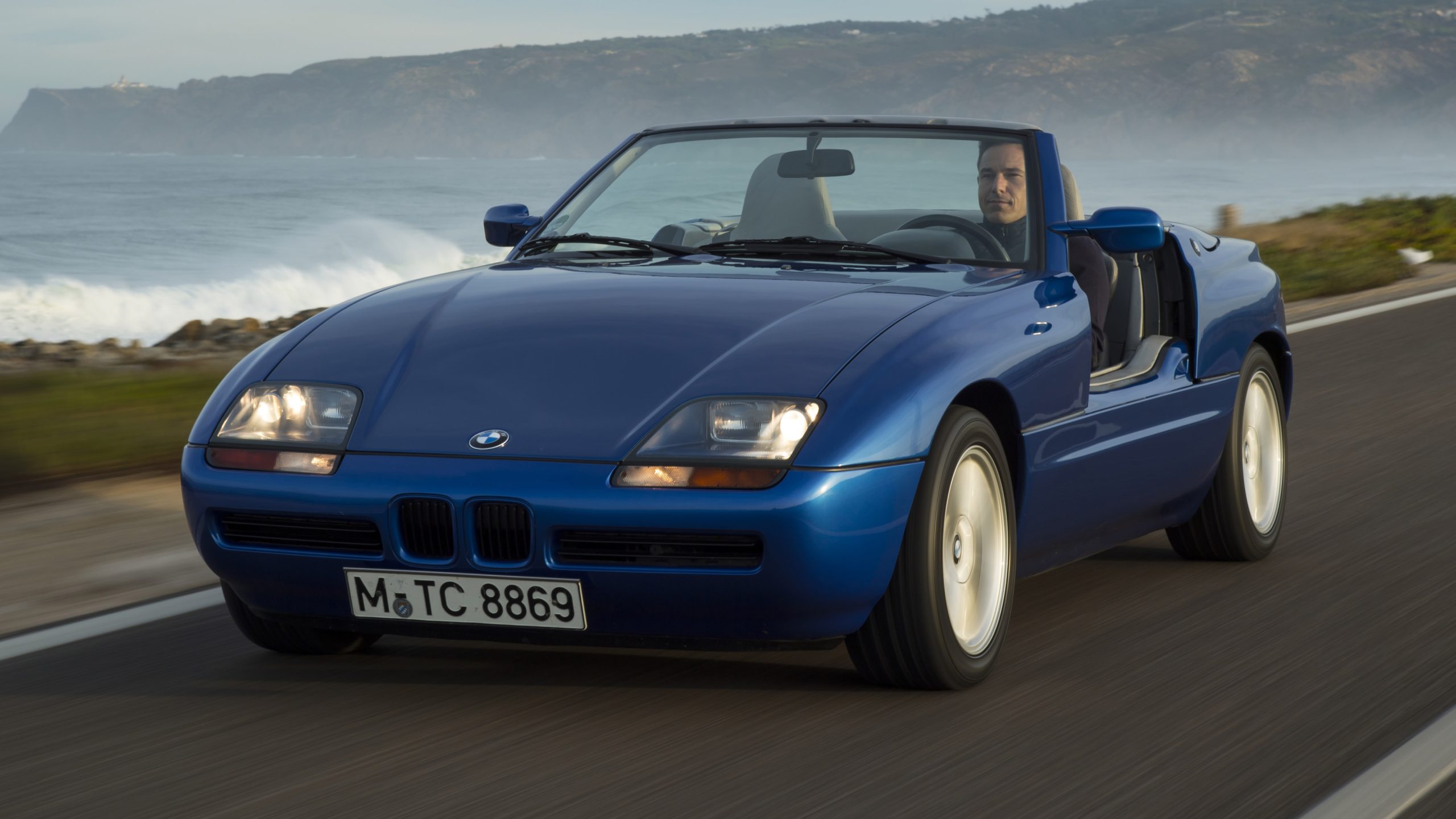
2. BMW Z1: Innovative Disappearing Vertical Door System
The BMW Z1 is one of the most distinctive and experimental sports cars produced by BMW. Manufactured between 1989 and 1991, the Z1 became famous for its unusual “disappearing” doors that retract vertically into the car’s body. Instead of swinging outward like traditional car doors, the Z1’s doors slide downward into the vehicle’s high side sills at the push of a button.
This unique design not only created a striking visual feature but also demonstrated BMW’s willingness to experiment with new technologies and engineering concepts. The Z1 was produced in limited numbers, with only about 8,000 units built, making it both rare and influential in the history of modern sports cars.
The Z1’s door system is its most recognizable feature. Unlike conventional hinged doors, the Z1 uses an electrically powered mechanism that allows the doors and windows to slide down into the body. When the driver activates the door mechanism, an electric motor drives a toothed rubber belt that pulls the door downward into the deep side sill of the car. At the same time, the glass window retracts into the door panel.
This process happens smoothly and quickly, giving the vehicle a futuristic appearance. The design also allows the car to be driven with the doors fully lowered, providing a completely open driving experience that resembles a barchetta-style roadster. Even though the doors disappear, the windows can still be operated independently if needed, though they automatically retract when the door is lowered.
One of the main advantages of this design is its practicality in tight spaces. Since the doors retract into the body instead of opening outward, drivers can easily enter or exit the car even in narrow parking spots where conventional doors might be difficult to open.
This feature makes the Z1 surprisingly convenient despite its unusual design. However, the deep side sills that house the doors create a high step-over point when getting into the vehicle, which can make entry slightly more challenging compared with traditional cars.
Safety was also an important factor in the design of the Z1. Because the doors disappear into the body, BMW engineers reinforced the car with exceptionally strong steel door sills.
These high and reinforced sills provide significant protection in side impact collisions, meaning that the removable outer door panels are not the primary structural safety components. In fact, the vehicle could technically be driven safely without the plastic door panels installed. This structural design demonstrates the careful engineering behind the car’s unconventional appearance.
The Z1 was created as part of BMW’s experimental “Technik” program, which was intended to explore new ideas in vehicle development, materials, and production techniques. The letter “Z” in the car’s name comes from the German word “Zukunft,” meaning “future.”
The car served as a test platform for technologies that could later influence other BMW models. For example, the Z1 introduced innovative body construction methods. Its main structure used a galvanized steel monocoque chassis combined with a plastic sandwich floor for added strength. The outer body panels were made from thermoplastic and fiberglass materials that could be easily removed or replaced.
Another unusual feature of the Z1 was its modular body panel design. The plastic exterior panels were bolted onto the chassis rather than permanently attached.
This allowed owners to theoretically change the color of the car by replacing the panels with a different set. According to BMW’s design concept, the body panels could be swapped with basic tools such as a screwdriver, although in practice, the process required more time and effort.
In addition to its unique doors and body construction, the Z1 also introduced engineering developments that influenced later BMW models. One of the most important was its advanced multi-link rear suspension system, later known as the Z-axle.
This suspension design improved handling and stability, and it was eventually used in vehicles such as the BMW 3 Series (E36). The Z1 also featured carefully designed aerodynamics, including an underbody layout that reduced lift and improved high-speed stability.
The car was powered by a 2.5-liter inline six-cylinder engine that produced around 170 horsepower. While this engine delivered smooth performance typical of BMW’s straight six engines, some critics believed the car’s excellent handling and grip could have supported a more powerful engine. Nevertheless, the Z1 provided an engaging driving experience with precise steering and balanced handling.
The design of the Z1 was led by Harm Lagaay, who later worked on major projects at Porsche, including the Porsche Boxster. The engineering program was managed by Ulrich Bez, who later became a key figure at Aston Martin.
The BMW Z1 remains one of the most innovative roadsters ever produced. Its disappearing doors, experimental materials, and advanced engineering concepts helped shape future automotive design while making the car a memorable and unique entry in BMW’s history.
3. Tesla Model X: Innovative Falcon Wing Door Design
The Tesla Model X is a fully electric luxury SUV produced by Tesla, known for combining advanced electric vehicle technology with distinctive design features. One of its most recognizable elements is the Falcon Wing door system. These rear doors are unique because they use a double-hinged design that allows them to open upward while folding inward.
This mechanism sets them apart from traditional gullwing doors and has become one of the most defining characteristics of the Model X. The Falcon Wing doors were created not only to provide a dramatic visual effect but also to improve practicality and passenger accessibility, particularly for families and passengers seated in the second and third rows.
Unlike conventional car doors that swing outward, Falcon Wing doors open vertically using a sophisticated two-hinge mechanism. When activated, the door first lifts upward and then bends at a second hinge so it can fit into tight spaces. This articulation allows the doors to open in parking spots with as little as 12 inches of side clearance.
As a result, passengers can still enter or exit the vehicle even when it is parked close to other cars or obstacles. The design also makes it easier for passengers to access the rear seats without bending or squeezing through narrow door openings, which is often a challenge in large SUVs.
To ensure safe operation, the Falcon Wing doors are equipped with multiple sensors. Ultrasonic sensors and other detection systems constantly monitor the surrounding environment. These sensors detect nearby vehicles, walls, pillars, or even low garage ceilings.
If an obstacle is detected, the door automatically adjusts its opening path to avoid contact. This intelligent system helps prevent accidental damage to the door or nearby objects. The sensors also enhance safety by preventing the door from closing on passengers or objects in its path.
Another advantage of the Falcon Wing door design is the increased accessibility it provides for families. The large opening created by the upward-lifting door allows adults to stand upright while assisting passengers in the rear seats.
This feature is particularly useful when installing child seats or helping children get into the vehicle. Because of the wide entry area, parents can easily reach into the cabin without awkward movements. In this way, the Model X combines the spacious convenience of a minivan with the styling and performance of a luxury SUV.
The doors also provide protection from weather conditions. When opened, they create a canopy above the door opening, offering partial shelter from rain or snow while passengers enter or exit the vehicle. This practical benefit makes the feature useful in everyday driving situations, especially in regions with frequent rain or harsh weather.
Although the Falcon Wing doors offer many advantages, they are also complex engineering systems. The intricate hinge mechanism, motors, and sensors require precise coordination to operate properly.
Early versions of the system required several software updates to improve reliability and ensure smooth operation in different environments. Over time, Tesla refined the system through software improvements and mechanical adjustments to enhance performance and user experience.
Beyond the doors, the Model X is notable for its electric performance and advanced technology. It shares many components with the Tesla Model S, including its electric drivetrain and battery technology.
The vehicle is available with dual motor or tri motor configurations and uses a large battery pack that is mounted low in the chassis. This placement improves stability and creates a flat floor throughout the cabin, which increases interior space for passengers and cargo.
The Model X can seat up to seven passengers, making it suitable as a family vehicle while still delivering impressive performance. Some versions of the vehicle produce extremely high power outputs and can accelerate from 0 to 60 miles per hour in just a few seconds, which is remarkable for a large SUV.
The vehicle also benefits from access to Tesla’s extensive charging infrastructure, allowing drivers to recharge quickly during long trips.
The Falcon Wing doors remain the most iconic feature of the Model X. Their unique design, advanced sensors, and practical functionality demonstrate Tesla’s approach to combining innovation with everyday usability.
The doors transform a conventional SUV concept into something more futuristic while also improving passenger access and convenience. Through this bold design, the Model X stands out as one of the most technologically distinctive vehicles in the modern electric car market.

Also Read: 5 Cars With Simple Dash Layouts vs 5 With Confusing Ones
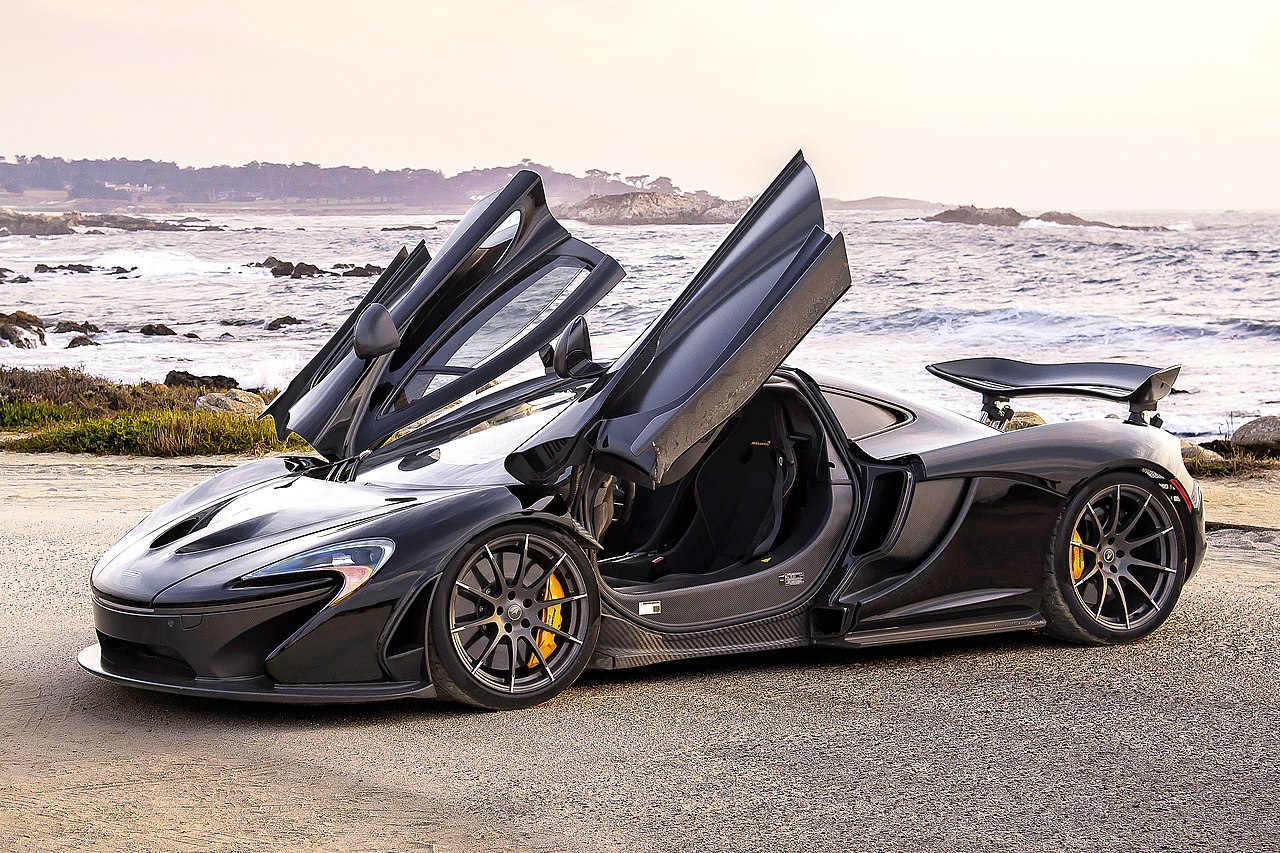
4. McLaren P1: Butterfly (Dihedral) Doors and Hypercar Design
The McLaren P1 is a high-performance hybrid hypercar developed by McLaren Automotive, recognized as one of the most technologically advanced road cars of its era.
Among its standout features are the butterfly, or dihedral, doors, which open upward and outward from hinges near the A-pillar, producing a dramatic, wing-like appearance. This design merges visual impact with functional engineering, emphasizing McLaren’s philosophy of combining style, accessibility, and performance.
The butterfly doors address the challenge of entering and exiting a low-slung hypercar with wide side sills. Conventional forward-hinged doors would make accessing the cabin difficult due to the car’s low seating position.
McLaren’s solution moves the doors outward and upward, creating a larger entry space. This motion allows the driver or passenger to step closer to the seat before lowering themselves into the cabin, significantly improving convenience compared with traditional door designs on many sports cars.
The mechanism itself is highly engineered, featuring a two-pivot system with a pin joint and a spherical joint. These components guide the door along a smooth, curved path as it rises, moving slightly away from the body before lifting upward.
The resulting motion not only enhances accessibility but also contributes to the P1’s aggressive and futuristic styling. When open, the doors resemble wings extending from the sides, reinforcing the car’s visual identity.
Butterfly doors also improve space efficiency. By lifting upward rather than swinging out horizontally, the doors need less side clearance, making entry and exit easier in tight parking areas and reducing the risk of striking nearby objects. The design also complements the P1’s aerodynamics.
Without conventional hinge placement along the body edge, McLaren could sculpt deeper channels and smoother curves along the sides. This directs airflow toward cooling components such as radiators, reduces drag, and enhances high-speed stability critical for a hypercar capable of extreme performance.
Performance is central to the P1. Its hybrid powertrain combines a twin-turbocharged V8 engine with an electric motor, delivering rapid acceleration, immediate torque, and the ability to operate in short-range electric mode. Advanced aerodynamics and active suspension systems, including adjustable ride height and a large rear wing, generate substantial downforce, maintaining stability and grip at high speeds on road and track.
Inside, the P1 emphasizes a lightweight, driver-focused design. Carbon fiber is used extensively to reduce weight while retaining strength, and the cockpit provides strong feedback from the chassis and steering. While minimalistic compared with luxury cars, the interior remains engaging and functional for high-performance driving.
The butterfly doors are one of the most iconic elements of the McLaren P1, combining striking aesthetics, improved cabin access, and aerodynamic benefits. They exemplify McLaren’s approach to integrating advanced technology, performance, and design, making the P1 a defining hypercar of its generation.
5. Hyundai Veloster: Unique Asymmetrical 3-Door Design
The Hyundai Veloster is a compact car produced by Hyundai Motor Company that stands out for its unusual asymmetrical door layout. Unlike conventional vehicles with the same number of doors on each side, the Veloster employs a “2+1” design: one large door on the driver’s side and two doors on the passenger side.
This setup blends the sporty aesthetics of a two-door coupe with the practical accessibility of a four-door hatchback. The unique configuration was aimed at buyers seeking a car with distinctive styling without sacrificing usability.
The asymmetrical design defines the Veloster’s identity. On the driver’s side, a single long door maintains the sleek, coupe-like appearance that appeals to performance-oriented drivers.
On the passenger side, the front door opens conventionally, while a smaller rear door provides access to the back seats. This arrangement allows rear passengers to enter and exit more easily than in a traditional two-door coupe, where access often requires folding the front seats forward.
Passenger safety and convenience were central considerations in the layout. The additional rear door is positioned on the curb side of the car, depending on the market. In left-hand drive regions, the rear door is on the right side, so passengers step directly onto the sidewalk instead of into traffic.
In right-hand drive markets, the configuration is reversed to maintain the same safety advantage. This thoughtful placement reduces risk in urban environments and reinforces the Veloster’s practicality.
To preserve the car’s streamlined appearance, the rear door handle is concealed within the bodywork near the window frame. This hidden feature allows the car to maintain a clean, coupe-like profile from a distance while still offering rear seat access.
The asymmetrical design also helps the Veloster stand out in a crowded compact car segment. Its unconventional layout provides a distinctive identity, appealing to younger buyers and those seeking a vehicle that diverges from typical hatchbacks and coupes.
Performance in early Veloster models came from a 1.6-liter petrol engine producing around 138 horsepower. While sufficient for daily driving, acceleration from 0 to 62 miles per hour took approximately ten seconds, reflecting a focus on style and practicality rather than high performance.
Inside, the Veloster seats four passengers. The cabin includes a modern dashboard, touchscreen infotainment, climate control, and Bluetooth connectivity. Materials are mainly durable, hard plastics that are well assembled and functional.
Front seating is comfortable, though taller passengers may find headroom limited if the car features a panoramic glass roof. Rear seat access is simplified by the extra door, but space is constrained, making the back more suitable for shorter trips or smaller passengers.
The Hyundai Veloster combines style, practicality, and safety in one unconventional package. Its asymmetrical door layout delivers sporty appeal without compromising rear seat usability, making it a distinctive and innovative offering in the compact segment.

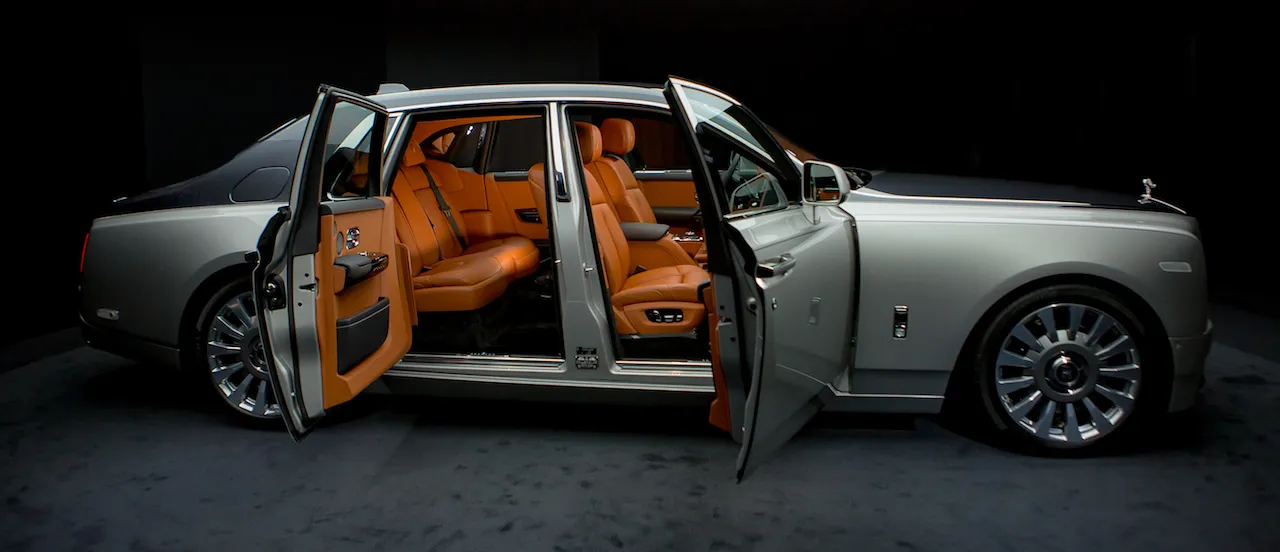
6. Rolls-Royce Phantom: Iconic Coach (Suicide) Doors and Luxury Design
The Rolls‑Royce Phantom is a pinnacle of luxury automotive design, produced by Rolls‑Royce Motor Cars, and embodies the brand’s commitment to elegance, craftsmanship, and cutting-edge technology.
One of its most striking features is its rear-hinged coach doors, historically called “suicide doors.” Unlike conventional front-hinged doors, these open from the center of the car, creating a wide, dramatic entrance that emphasizes comfort, sophistication, and a sense of ceremony during arrivals and departures.
The design of coach doors traces back to horse-drawn carriages, where rear-hinged doors allowed passengers to step out smoothly. Rolls-Royce carried this concept into modern luxury, maintaining the elegance associated with traditional transportation.
On the Phantom, when both front and rear doors are opened, they form a large, unobstructed entryway into the cabin. Passengers can enter or exit in an upright, natural posture, avoiding bending or crouching, which enhances dignity and ease of use.
A key benefit of the coach door layout is the graceful exit it provides for rear passengers. Opening toward the rear, the doors allow passengers to pivot outward and step directly onto the ground, which is especially striking during formal events or high-profile arrivals. The wide entry also enables chauffeurs to assist occupants efficiently, reinforcing the vehicle’s reputation as a chauffeur-driven luxury sedan.
Modern Phantom models, including the eighth generation, integrate advanced technology to enhance convenience. Rolls-Royce calls this system “Effortless Doors.” Passengers can close the massive coach doors at the touch of a button. A silent electric motor softly pulls the doors shut with a soft-close mechanism, eliminating the need for physical effort and preserving the cabin’s serene atmosphere.
Safety concerns historically linked to “suicide doors” are fully addressed through modern engineering. The Phantom employs robust latching systems, electronic controls, and reinforced structural components to ensure the doors remain secure while driving. These innovations eliminate the risks previously associated with rear-hinged designs.
Performance complements the Phantom’s luxurious design. A 6.7-liter twin-turbo V12 generates 563 horsepower, paired with an eight-speed automatic transmission and rear-wheel drive. The emphasis is on smooth, refined travel rather than aggressive speed. Advanced suspension technology, including cameras that detect road imperfections, allows the car to glide effortlessly over rough surfaces, ensuring a serene ride.
The cabin is a sanctuary of luxury, featuring soft leather, handcrafted wood, polished metals, and deep-pile carpeting. Rear passengers enjoy spacious legroom, particularly in the extended wheelbase version, with additional amenities like massage seats, refrigerated compartments, and advanced infotainment screens.
The coach doors remain a defining element of the Phantom. Their combination of elegance, heritage, and modern automation perfectly reflects Rolls-Royce’s philosophy. By blending tradition with innovation, the Phantom delivers a passenger experience that emphasizes comfort, sophistication, and timeless luxury.
The six vehicles featured in this collection show how door design can transform a car from ordinary to extraordinary. The futuristic folding motion of the Tesla Model X, the aerodynamic efficiency of the McLaren P1’s butterfly doors, and the regal entry of the Rolls-Royce Phantom’s coach doors all demonstrate the impact of thoughtful engineering.
These doors improve accessibility, optimize space, and in some cases enhance passenger safety, while making a strong design statement. Unique door systems are not simply visual flourishes. They are examples of how innovation, performance, and brand identity can come together to create vehicles that are functional, practical, and memorable in the automotive world.
Also Read: Top 10 Cars With Unusual Factory Options That Are Rare Today