
Few achievements in the automotive world are as impressive as sustained production over multiple decades. The vehicles that endure for more than 20 years do so not by chance, but through a combination of reliability, adaptability, and cultural resonance.
From rugged off-road workhorses to sleek sports cars, these long-lived models have earned their place in automotive history by meeting evolving consumer needs while maintaining the core qualities that first made them successful.
They demonstrate that longevity in the car industry is as much about trust, utility, and engineering excellence as it is about style. In this list, we explore ten vehicles whose enduring designs, innovative engineering, and unwavering popularity have allowed them to remain relevant across generations, proving that truly exceptional cars can defy time and trends.
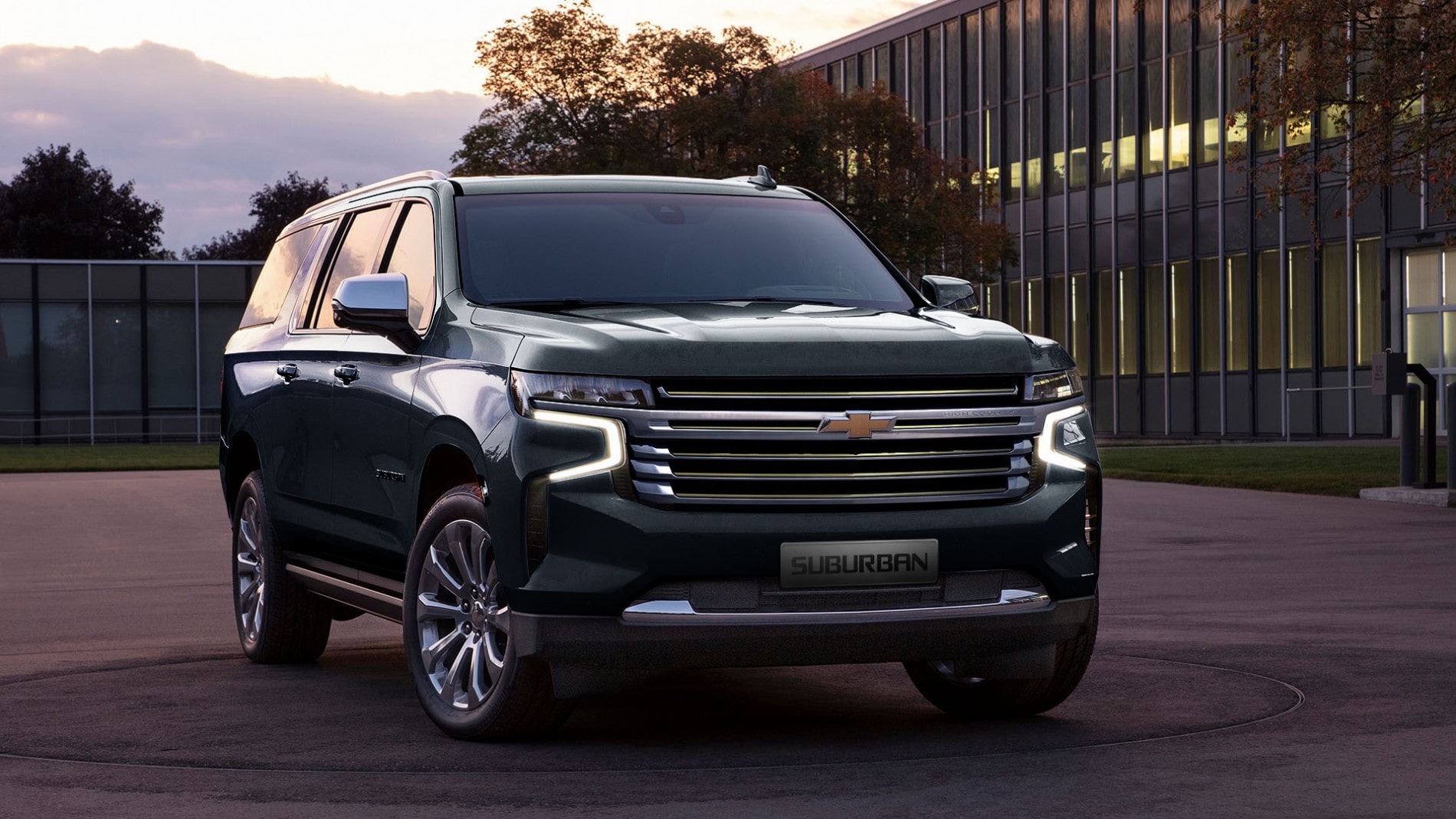
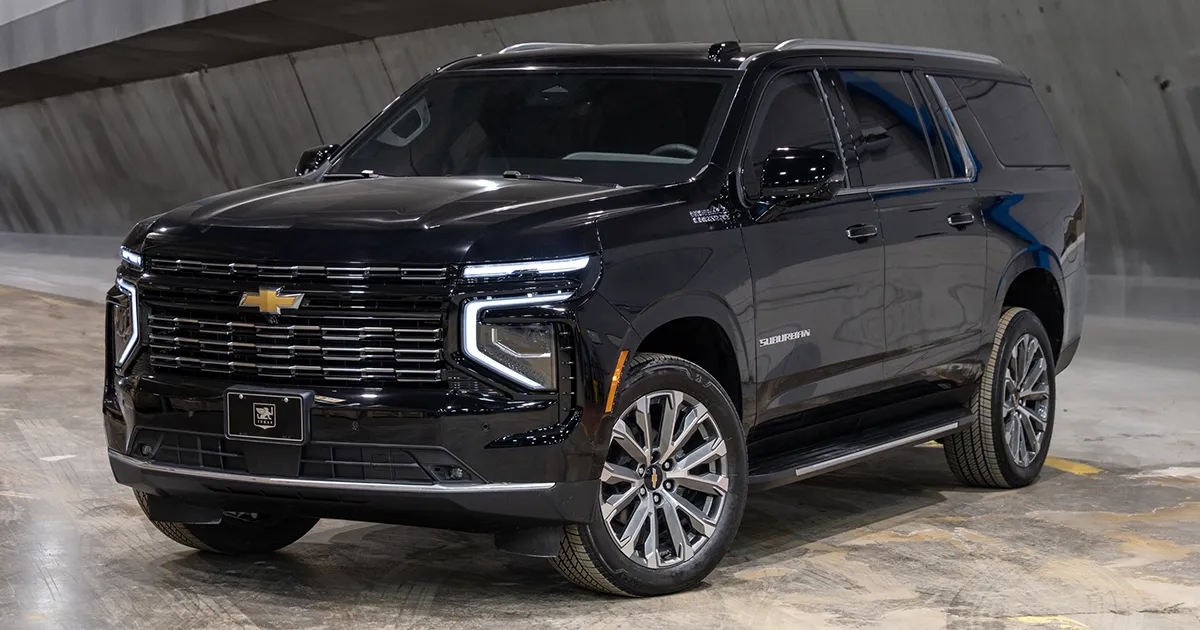
1. Chevrolet Suburban: Nine Decades of Versatility and Innovation
Since its debut in 1935, the Chevrolet Suburban has defined the American family SUV, earning the title of the longest-running nameplate in automotive history. Originally a “Carryall” wagon built on a truck chassis, it evolved from a rugged workhorse into a luxurious, high-tech family hauler over twelve generations.
Its enduring appeal lies in unmatched versatility, blending substantial towing capacity with spacious passenger accommodations, making it a favorite for large families, road trips, and even government fleets.
Over the decades, the Suburban has continually adapted to market demands. Early steel-bodied wagons transformed into sophisticated, modern SUVs with body-on-frame construction. Its massive three-row interior accommodates up to nine passengers, with sliding second-row seats and a flat, low cargo floor for added practicality.
High-end trims like the High Country offer luxury touches such as perforated leather, wood accents, and customizable interior color schemes, ensuring the Suburban remains competitive in both comfort and style.
Performance is another cornerstone of the Suburban’s appeal. Standard is a 355-hp 5.3-liter V8, with an optional 420-hp 6.2-liter V8 for maximum power, and a torquey, fuel-efficient 305-hp 3.0-liter diesel inline-six. All engines are paired with a 10-speed automatic transmission and rear- or all-wheel drive.
Advanced features like adaptive dampers and adjustable air suspension optimize ride height, aerodynamics, and off-road capability. The Z71 off-road trim enhances rugged performance with 20-inch all-terrain tires, skid plates, and a two-speed transfer case, while towing capacity ranges from 7,800 to 8,300 pounds depending on configuration. Diesel models achieve up to 26 mpg highway.
Technology and safety are equally prioritized. Modern Suburbans feature an 11-inch digital instrument cluster, a 17.7-inch infotainment display, standard Apple CarPlay, Android Auto, Wi-Fi hotspot, and optional Bose audio or rear-seat entertainment.
Standard safety systems include automated emergency braking, lane-keeping assist, and available GM Super Cruise hands-free driving. Chevrolet provides a three-year/36,000-mile limited warranty, a five-year/60,000-mile powertrain warranty, and complimentary first maintenance, further highlighting its reliability.
The Suburban’s long-standing success is built on a combination of durability, comfort, and adaptability. Its ability to serve as a family SUV, luxury vehicle, and capable workhorse ensures that it remains a benchmark in the full-size SUV segment, sustaining relevance and popularity for over ninety years.
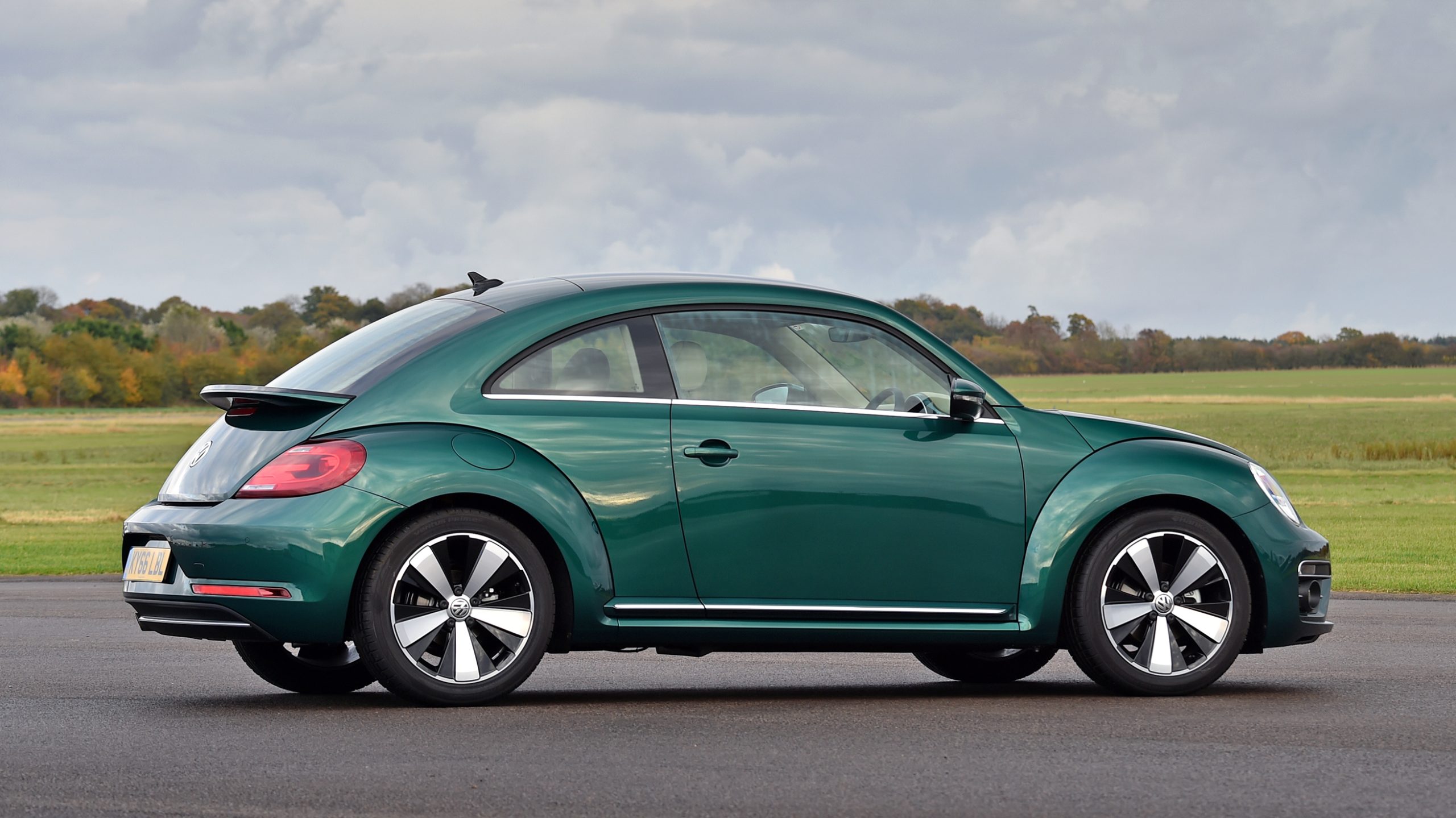
2. Volkswagen Beetle: A Timeless Automotive Icon
The Volkswagen Beetle, also called the “Type 1,” is one of the most recognizable cars ever made. Originally conceived in the 1930s as the “People’s Car,” mass production began in earnest after World War II. Its air-cooled rear engine and simple design made it affordable, reliable, and easy to maintain, which helped it gain a devoted global following.
The original Beetle remained remarkably consistent for over six decades, with production continuing in Mexico until 2003. More than 21 million units were built, establishing it as a symbol of practicality, clever German engineering, and cultural significance.
The Beetle’s long-lasting popularity stemmed from its affordability, reliability, and utility. Designed as an accessible car for ordinary people, it became highly successful in Europe, the United States, and other markets. Its simple mechanical layout made repairs straightforward, while over 78,000 incremental updates in engine design, comfort, and safety kept it relevant without altering its iconic shape.
Production also expanded to countries like Brazil and Mexico, allowing the Beetle to remain in circulation for decades. Its distinctive design and practicality made it a favorite second car for families and a cultural symbol, especially in the 1960s, when it became associated with counterculture movements.
In 1998, Volkswagen introduced the New Beetle, which combined retro styling with modern engineering. Unlike the original rear-engined Beetle, the New Beetle had a front-engine, front-wheel-drive layout built on the Golf platform. It offered engines such as a 2.5-liter five-cylinder that balanced power and efficiency.
While its suspension favored stable handling over ride comfort, and rear-seat space was limited, the interior featured unique styling cues, including the in-dash flower vase, and comfortable leatherette seating.
The New Beetle’s appeal relied as much on its owners as on its engineering. Affordable pricing, decent fuel economy, and easy maintenance allowed drivers to enjoy its nostalgic charm despite modest performance and interior limitations. Nearly 40,000 units were sold annually in the United States, and many cars were passed down through generations, keeping the Beetle relevant and beloved.
The Volkswagen Beetle remains an enduring automotive icon. Its combination of simplicity, reliability, and cultural significance ensured its success for over sixty-five years. Both the original and the New Beetle demonstrate that a car can be practical, memorable, and emotionally resonant across generations.
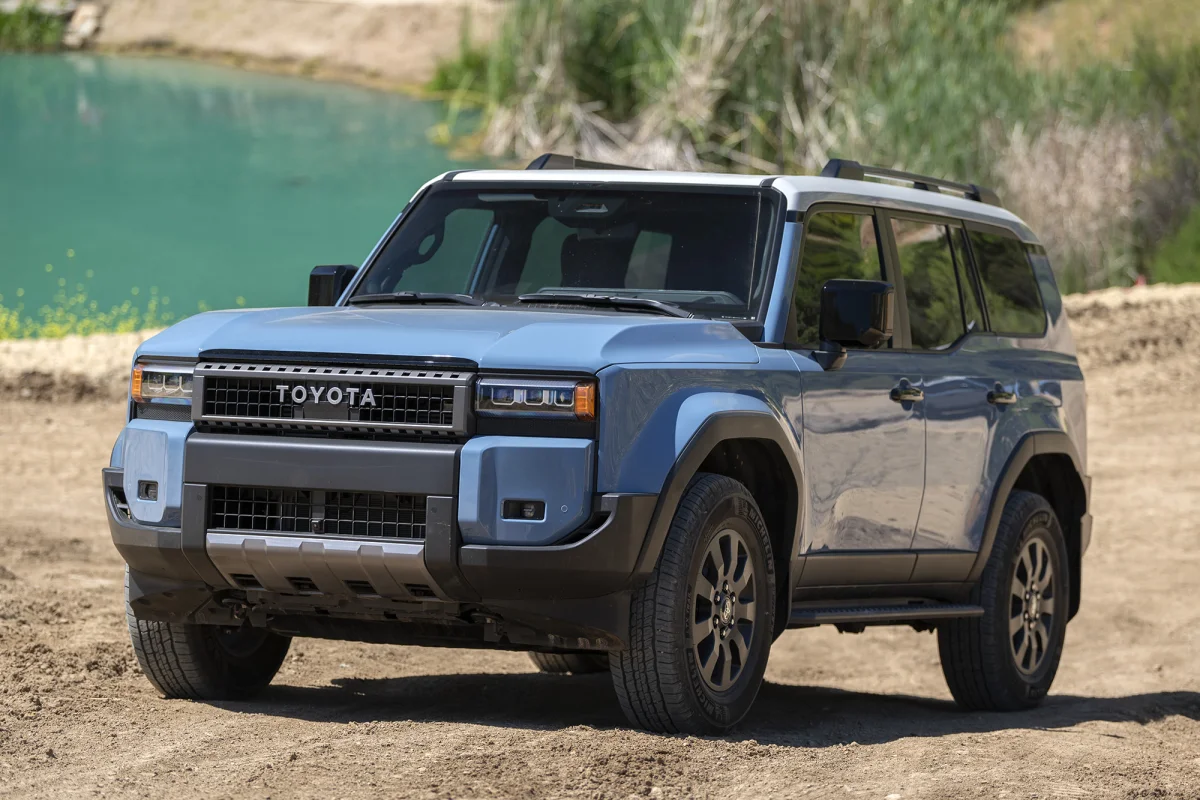
3. Toyota Land Cruiser: Legendary Durability Meets Modern Capability
The Toyota Land Cruiser has been a symbol of rugged reliability and global exploration since its debut in 1951 as the BJ, a military-grade off-roader developed during the Korean War. Over 70 years, it has evolved from a basic utility vehicle into a sophisticated SUV that balances comfort and toughness while remaining true to its “go-anywhere” heritage.
Built to endure the harshest environments, from the Australian Outback to desert cities, the Land Cruiser is renowned for reliability, durability, and the ability to last over 300,000 miles. Its reputation has made it indispensable for explorers, humanitarian missions, and specialized industries worldwide.
The Land Cruiser’s longevity is rooted in Toyota’s philosophy of Quality, Durability, and Reliability (QDR). Its rugged design and simple maintenance make it practical in remote locations, while constant evolution ensures modern technology and comfort are incorporated without compromising its core off-road capability.
The 70 Series, still in production for over three decades, exemplifies the Land Cruiser’s enduring appeal, maintaining coil-spring suspension and purpose-built features for extreme terrain. Over 10 million units have been sold globally, reflecting persistent demand for a vehicle that can “go anywhere and return safely.”
The newest generation of Land Cruiser features a downsized, two-row design with a hybrid powertrain. A turbocharged 2.4-liter four-cylinder engine combined with two electric motors produces 326 horsepower, paired with an eight-speed automatic transmission and four-wheel drive.
Advanced off-road systems include a locking center differential, low-range gearing, crawl control, and hill-descent control. While the hybrid provides smooth torque, the electric boost can be inconsistent due to the smaller battery. On-road performance is quiet and comfortable, with a 0–60 mph time of 7.7 seconds, and a towing capacity of up to 6,000 pounds.
Inside, the Land Cruiser blends practicality with comfort. It seats five and offers substantial cargo space, accommodating up to 31 carry-on suitcases with the rear seats folded. Features include heated seats, wireless Apple CarPlay and Android Auto, USB-C ports, and premium trim options with leather upholstery and a 12.3-inch touchscreen.
Standard safety features through Toyota Safety Sense 3.0 include automated emergency braking, adaptive cruise control, lane-departure warning, and lane-keeping assist. Toyota backs the Land Cruiser with a three-year/36,000-mile limited warranty, five-year/60,000-mile powertrain coverage, a 10-year/150,000-mile hybrid warranty, and two years of complimentary maintenance.
The Toyota Land Cruiser continues to define the balance between legendary off-road toughness and modern luxury, maintaining its position as a global benchmark in durability and versatility.
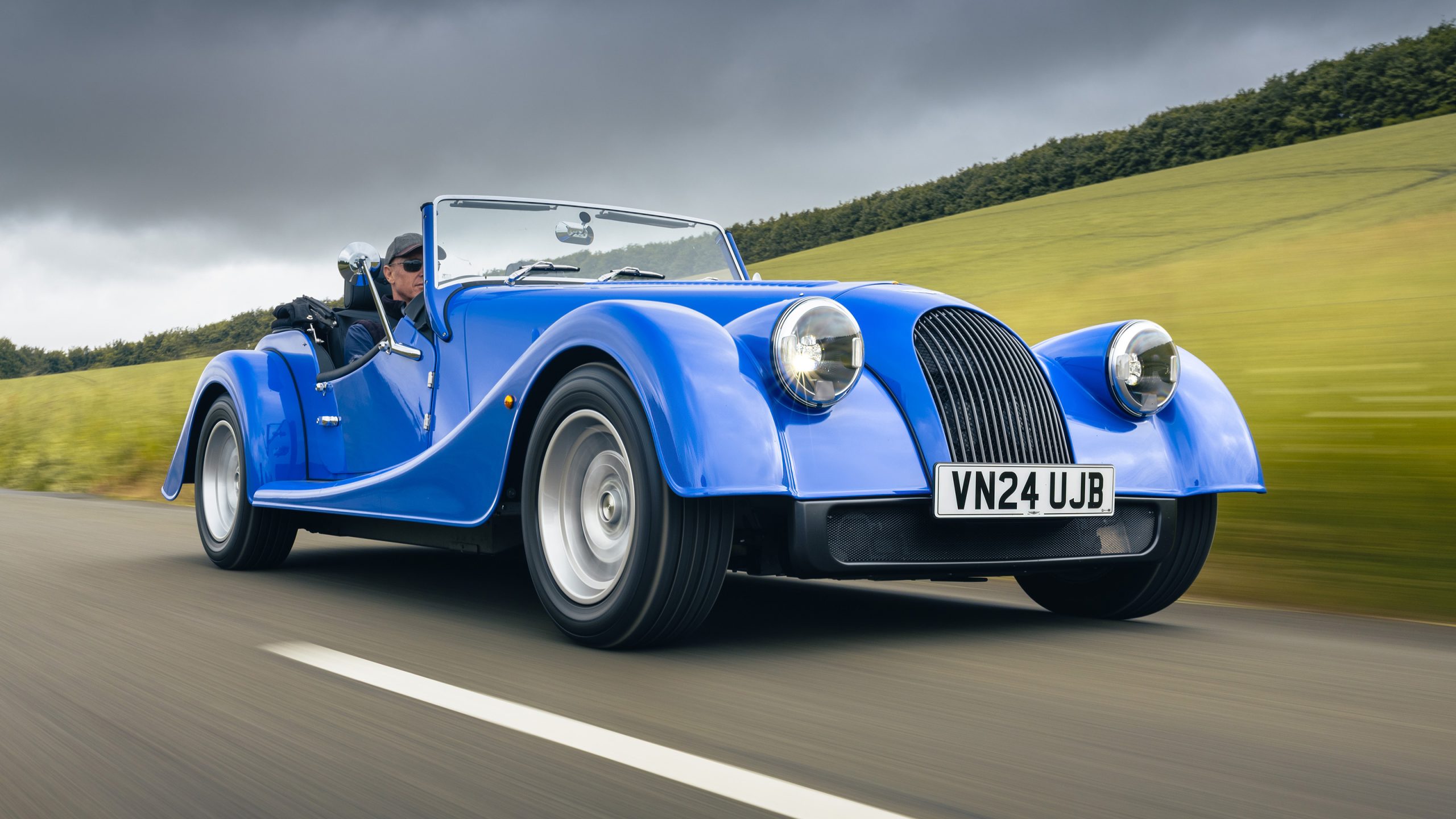
4. Morgan 4/4: Eight Decades of Timeless Craftsmanship
The Morgan 4/4 is one of the most remarkable survivals in automotive history. Launched in 1936, its name signifies “four wheels and four cylinders,” and it remained in continuous production until 2018. Over more than 80 years, the 4/4 retained its quintessential vintage British sports car styling, hand-built craftsmanship, and traditional ash wood frame, a method predating modern monocoque construction.
While engines, gearboxes, and safety features were modernized to meet regulations, the car preserved a raw, analog driving experience that appeals to enthusiasts seeking character over convenience.
The 4/4’s longevity is rooted in its timeless design, artisanal construction, and mechanical adaptability. It featured a steel ladder chassis reinforced with an ash wood frame, complemented by modern components over time, including Ford engines, Mazda five-speed gearboxes, and upgraded brakes.
Regulatory changes were met with thoughtful updates, such as galvanised chassis in 1995 and airbags in 1997, ensuring the car remained legal and safe without compromising its classic appeal. Small-scale production, averaging around 850 units per year, allowed Morgan to cultivate a loyal niche market that valued the 4/4’s analog driving feel over mass-market trends.
Driving a Morgan 4/4 is a visceral experience. Late models used a 1.6-liter Ford Sigma engine producing 110 bhp, paired with a Mazda five-speed manual gearbox. Lightweight at approximately 795 kilograms, the car accelerates from 0–62 mph in around eight seconds and can reach 115 mph.
Handling relies on a sliding pillar front suspension and unassisted steering, requiring constant driver focus. The ride can be abrupt over bumps, but this is part of the car’s charm, offering engagement and connection rarely found in modern vehicles.
Practicality is limited, with minimal storage, fiddly weather equipment, and a snug cabin featuring leather, wood, and analogue dials. Taller drivers may find space restrictive, but the car’s social appeal is undeniable, often eliciting smiles and waves from other motorists.
Maintenance focuses on preserving the hand-built body and ash frame, while mechanicals are generally reliable. The 4/4 is also nearly immune to depreciation, with well-maintained examples retaining value close to their original price.
The Morgan 4/4 stands as a living testament to traditional craftsmanship, delivering a unique, engaging, and timeless driving experience that persisted from the pre-war era into the 21st century.
Also Read: 5 Cars With Excellent Air Conditioning for Hot Climates vs 5 That Struggle
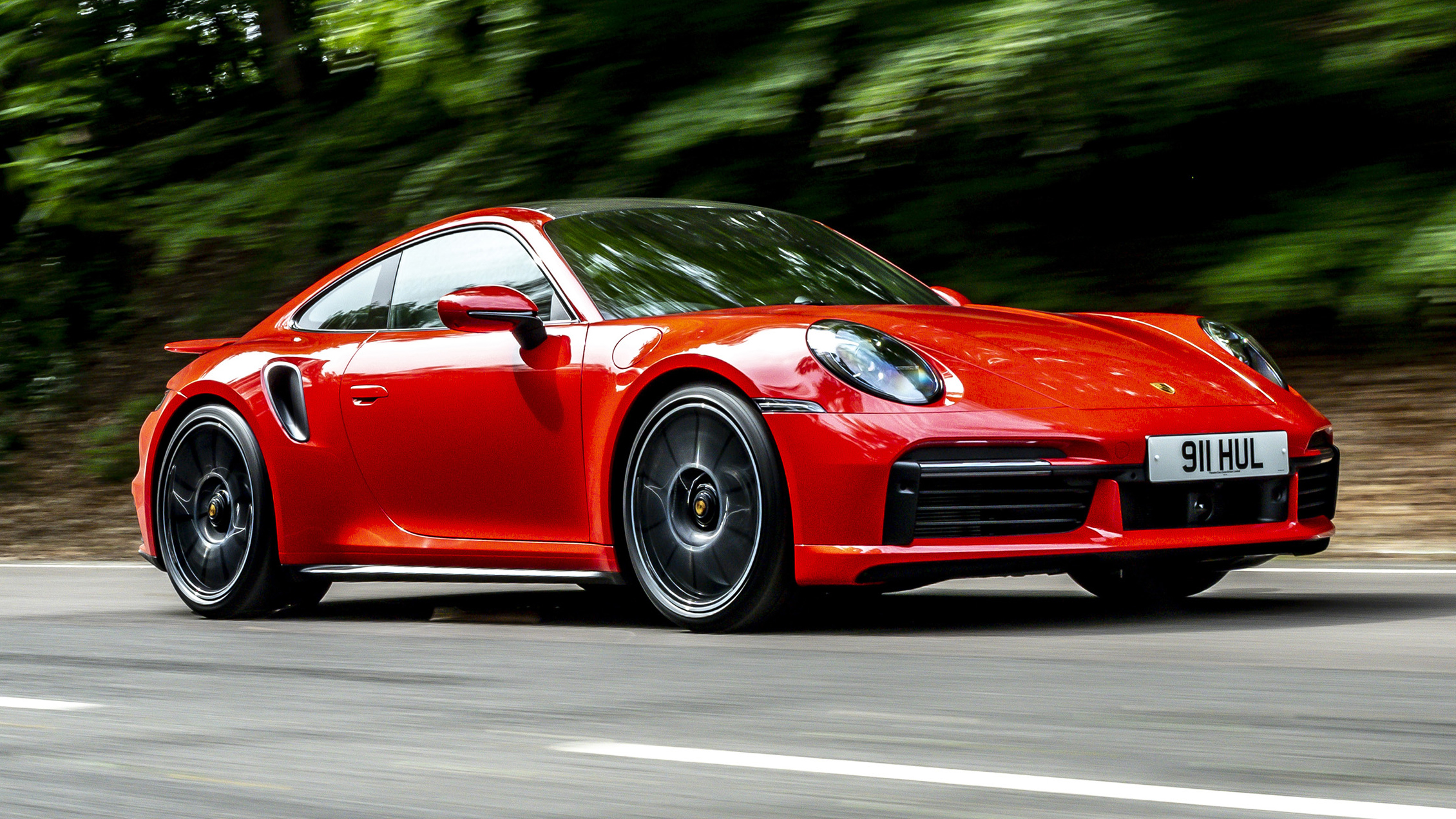
5. Porsche 911: Six Decades of Iconic Performance
The Porsche 911, introduced in 1963 as the successor to the 356, has become the benchmark for sports cars worldwide. Known for its distinctive rear-engine layout, the 911 combines track-ready performance with daily usability, allowing drivers to commute to work and race on the track in the same vehicle.
Over more than 60 years, the 911 has evolved continuously, transitioning from air-cooled engines to water-cooled and turbocharged variants while maintaining its unmistakable silhouette. Its timeless design, engineering precision, and versatility have ensured its status as one of the most enduring sports cars in history.
The 911’s longevity is built on several key factors. Its iconic design has aged gracefully, incorporating aerodynamic improvements and lightweight materials while retaining the familiar curves that define the model. Porsche has consistently enhanced performance and reliability through innovations such as the aluminum chassis in the 993 generation and modernization in the 996 generation.
The model line spans variants that serve both everyday driving and competitive racing, ensuring appeal to purists and new enthusiasts alike. Additionally, the 911 has acted as a brand savior, notably during the 1990s when the 993 generation helped sustain the company.
Modern 911 models deliver remarkable performance. The base Carrera features a twin-turbo 3.0-liter flat-six producing 388 horsepower, while the Carrera S and 4S variants reach 473 horsepower. The latest GTS incorporates a hybrid 3.6-liter flat-six with an electric motor, combining 532 horsepower for rapid acceleration and unobtrusive electric boost.
All models use an eight-speed PDK dual-clutch automatic transmission, offering a refined driving experience without sacrificing engagement. Acceleration ranges from 0–60 mph in 2.5 seconds for the GTS hybrid to 3.1 seconds for the base Carrera.
The interior balances modern technology with tradition. Optional 2+2 seating, a 12.6-inch digital instrument cluster, a 10.9-inch infotainment screen with Porsche Communication Management, and Apple CarPlay provide convenience, while design elements like the left-mounted start button honor the car’s heritage.
Safety features include forward-collision warning, automated emergency braking, lane-keeping assist, and adaptive cruise control. Porsche offers a four-year/50,000-mile warranty with one year of complimentary maintenance.
The Porsche 911 remains a symbol of enduring design, precision engineering, and unparalleled versatility, combining exhilarating performance with everyday usability for drivers across generations.
6. Ford Mustang: The Enduring Icon of American Muscle
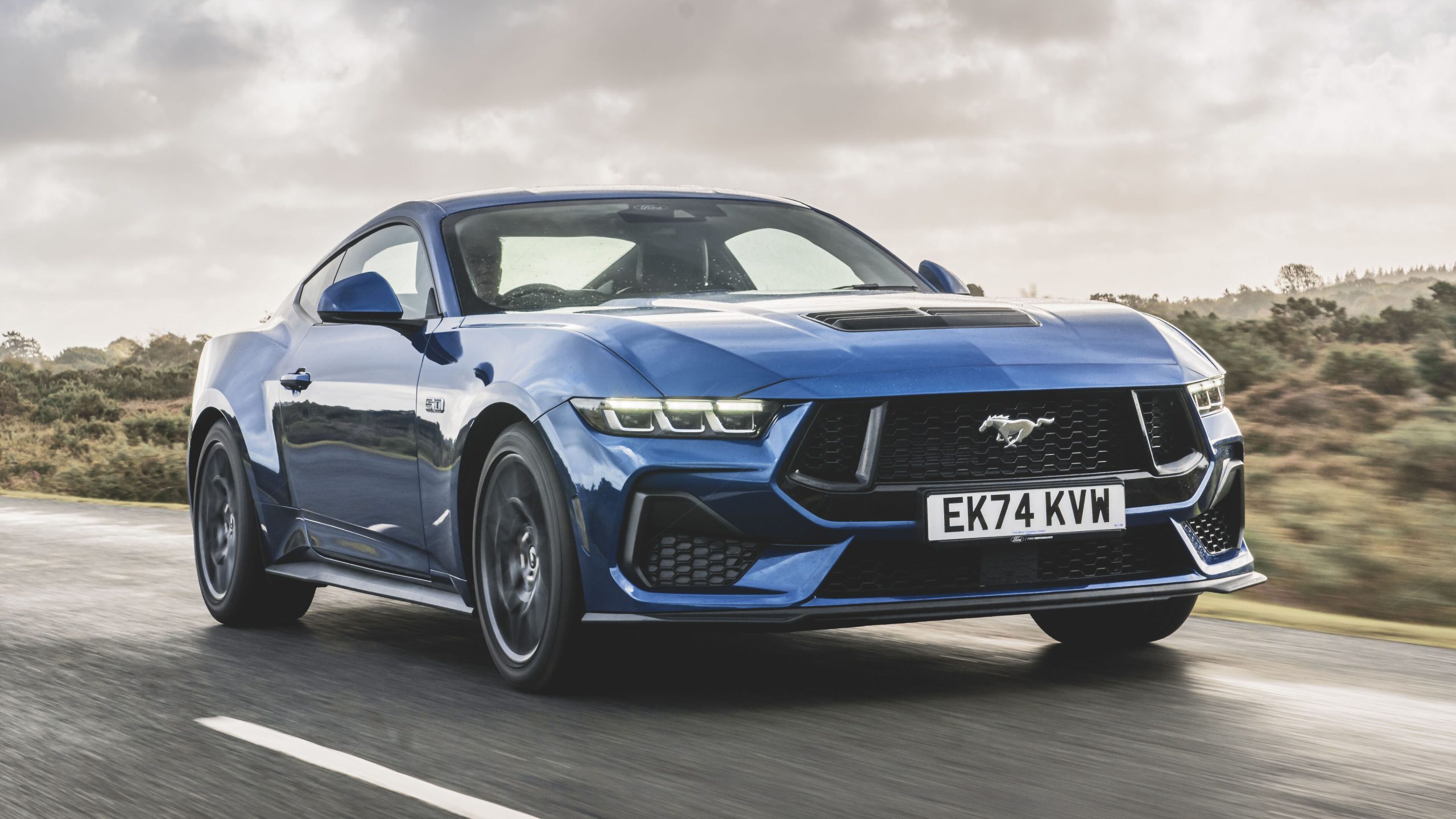
The Ford Mustang, introduced at the 1964 World’s Fair, ignited the “pony car” craze with its blend of affordable performance, long option lists, and customizable features. Its instant popularity forced competitors to respond, and over the decades, the Mustang has remained in continuous production, becoming a symbol of American automotive culture.
From the oil crises of the 1970s to the horsepower wars of the 2000s, the Mustang has adapted while preserving its front-engine, rear-wheel-drive layout, remaining a core expression of Ford’s brand identity.
The Mustang’s longevity is rooted in adaptability, strong brand identity, performance, and cultural significance. Across seven generations, it has evolved stylistically and technologically, from the compact Mustang II of the 1970s to the modern sixth- and seventh-generation models featuring independent rear suspension and efficient EcoBoost engines.
The Mustang caters to a wide range of enthusiasts, from affordable base models to high-performance versions like the Shelby GT500 and the track-focused Dark Horse, offering personalization and performance to suit varied driving needs.
Its global presence has expanded with left- and right-hand-drive availability, while its cultural status has been reinforced through appearances in films, songs, and a vibrant community of fans and car clubs.
Modern Mustangs deliver impressive performance and versatility. The base 2.3-liter EcoBoost produces 315 horsepower and 350 pound-feet of torque, while the 5.0-liter V8 GT generates 480 horsepower, optionally increasing to 486 with a performance exhaust.
The Mustang Dark Horse features a 500-horsepower V8 with adaptive dampers and track-ready tires, and the Dark Horse SC supercharged variant exceeds 700 horsepower. Acceleration ranges from 0–60 mph in 4.5 seconds for the EcoBoost to 4.1 seconds for the Dark Horse, with excellent handling, improved steering feedback, and responsive braking.
Inside, the Mustang blends modern technology with retro touches. The 12.4-inch digital instrument cluster is highly configurable, offering analog-style throwback displays, while infotainment is handled by a 13.2-inch Sync 4 touchscreen with Apple CarPlay, Android Auto, and voice control.
Ambient lighting and customizable drive modes enhance the driving experience. Safety features include automated emergency braking, lane-departure warning, and lane-keeping assist, while the Mustang is backed by a three-year/36,000-mile limited warranty and a five-year/60,000-mile powertrain warranty.
The Ford Mustang continues to define American muscle cars by balancing heritage, performance, and adaptability, remaining relevant and desirable across generations.
7. Mercedes-Benz G-Class: From Military Workhorse to Luxury Icon
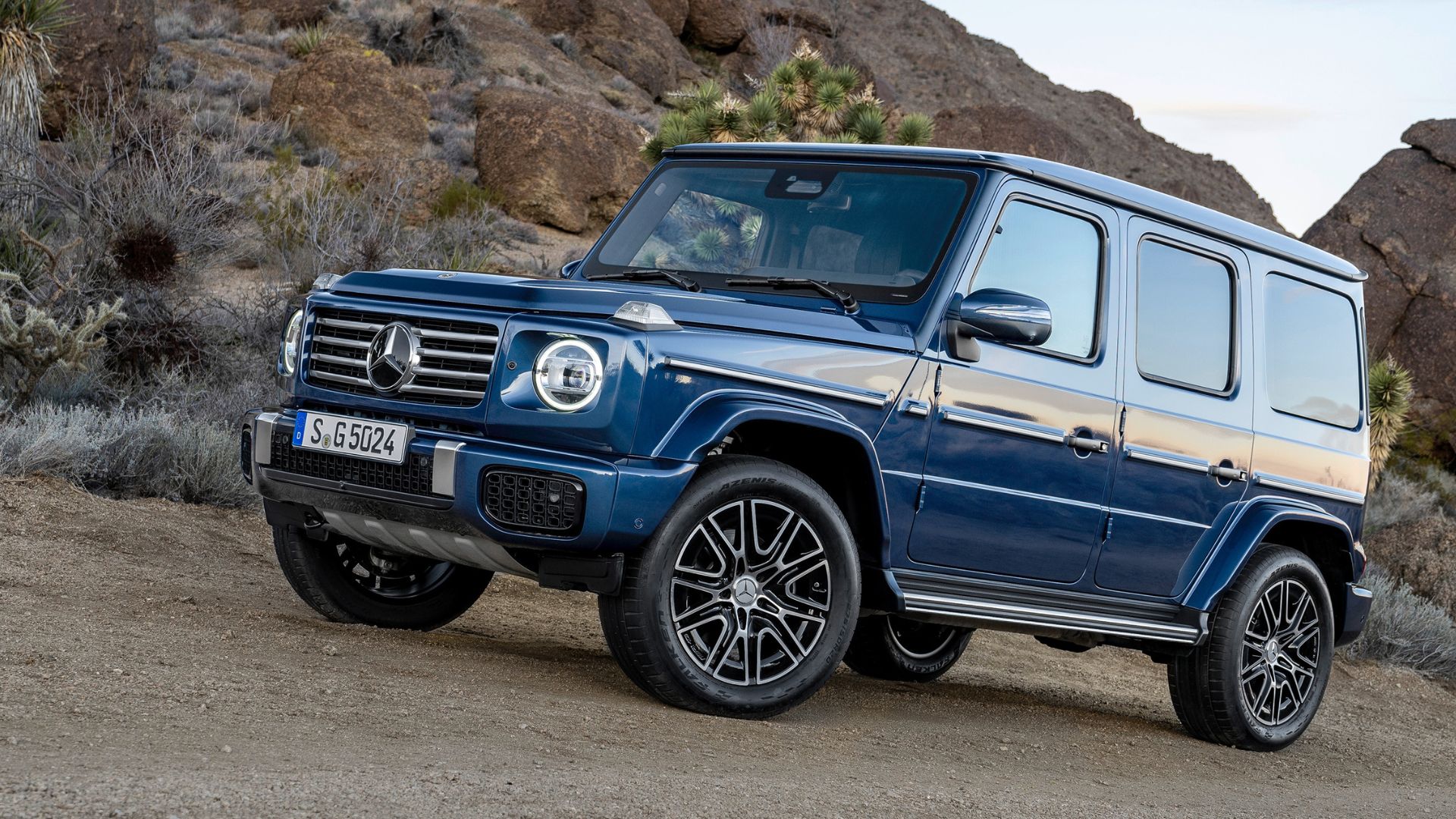
The Mercedes-Benz G-Class, or G-Wagen, debuted in 1979 as a rugged military vehicle designed at the request of the Shah of Iran. Its boxy, utilitarian design, high ground clearance, and three locking differentials made it capable of traversing the most challenging terrain.
Over the decades, the G-Class has transformed from a purely functional off-roader into a high-end luxury SUV, balancing iconic design, extreme durability, and modern comfort. Its 45-year production run demonstrates the power of an unmistakable and enduring design.
The G-Class has maintained relevance due to its combination of unmatched engineering, timeless style, and adaptability. Built on a ladder-type frame, it is exceptionally robust and long-lasting, with around 80 percent of all G-Wagens ever produced still on the road.
The classic boxy silhouette, round headlights, and utilitarian aesthetic remain largely unchanged, preserving the model’s instantly recognizable identity. At the same time, Mercedes has successfully transitioned the G-Class into a premium lifestyle vehicle, appealing to affluent customers and celebrities while retaining its off-road capabilities.
High-performance AMG variants, like the G63, pair sports-car-like power with rugged foundations, demonstrating the model’s versatility. Each G-Wagen is hand-assembled in Graz, Austria, ensuring meticulous quality and craftsmanship.
Modern G-Class models, such as the G550, are equipped with a 443-horsepower turbocharged and supercharged 3.0-liter inline-six engine mated to a nine-speed automatic and all-wheel drive.
A 48-volt hybrid system boosts low-end torque, and traditional off-road hardware, including triple differential locks and a low-range crawler gear, preserves legendary off-road performance. On-road, the G550 offers precise steering, composed handling, and a 0–60 mph time of 5.0 seconds, while towing capacity reaches 7,716 pounds.
The interior emphasizes luxury and technology, featuring dual 12.3-inch digital screens, leather upholstery, heated and ventilated seats, three-zone climate control, and a Burmester stereo. Cargo capacity is generous, and the optional rear entertainment system enhances passenger experience, though rear legroom is limited.
Infotainment is powered by Mercedes’ MBUX system with wireless Apple CarPlay and Android Auto. Safety features include adaptive cruise control, lane-keeping assist, blind-spot monitoring, and optional trailer-maneuvering assist.
The Mercedes-Benz G-Class endures as an icon by combining extreme durability, off-road mastery, and ultra-luxury refinement, remaining relevant for decades without sacrificing its unmistakable character.
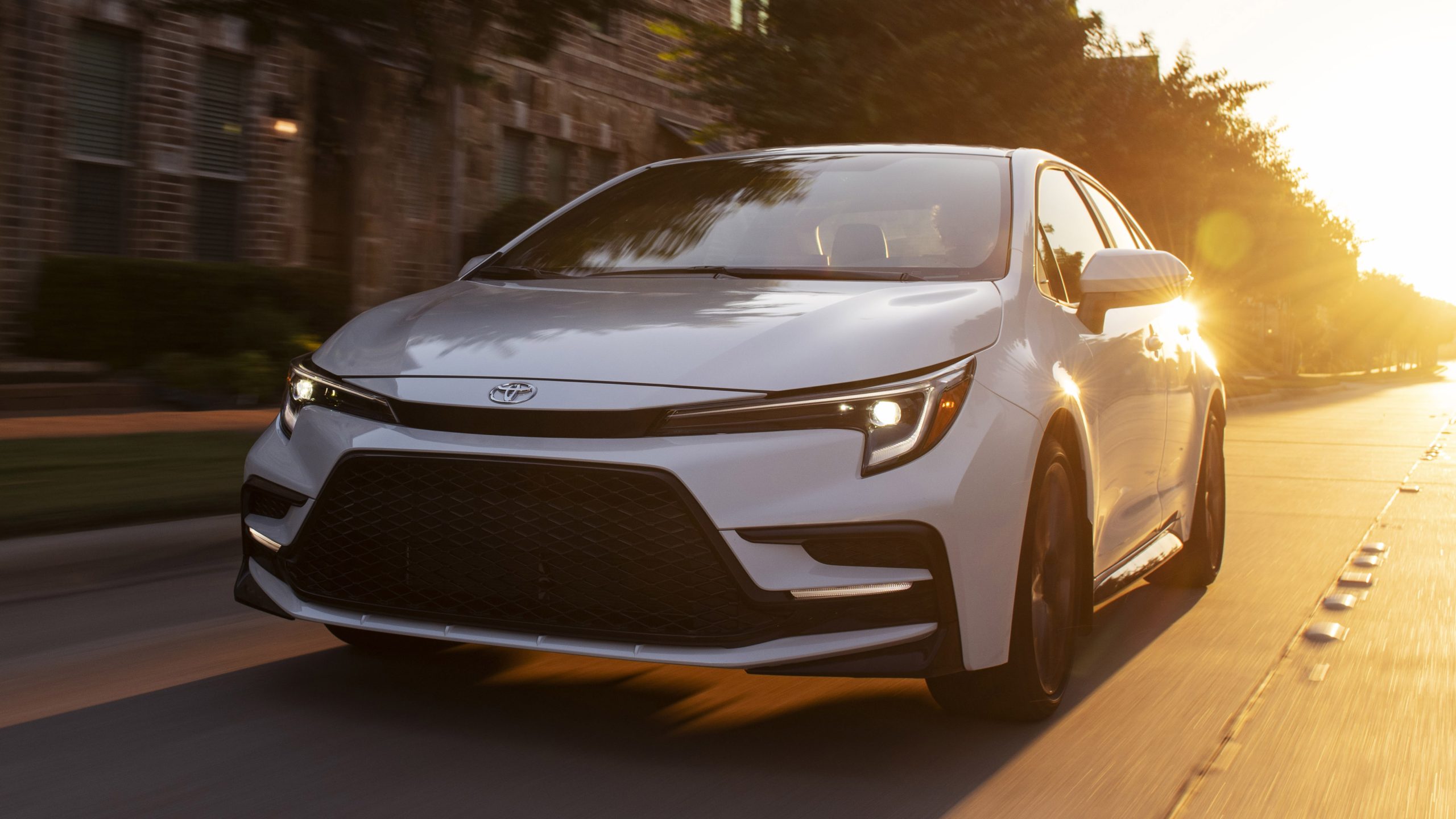
8. Toyota Corolla: The Global Standard for Reliability and Practicality
The Toyota Corolla, first launched in 1966, was designed to be an affordable, reliable car for the masses. Unlike flashier vehicles, its strength has always been durability, practicality, and efficiency. Over its 58-year history, the Corolla has become the world’s best-selling nameplate, with over 50 million units sold.
Through twelve generations, it has evolved to meet diverse global market demands while maintaining its reputation as a dependable daily driver. Its enduring popularity reflects the importance of practical, fuel-efficient transportation in everyday life.
The Corolla’s long-term success is built on several key pillars. Reliability and durability are central, with many examples exceeding 200,000 to 300,000 miles with regular maintenance. Toyota’s philosophy of over-engineering parts ensures longevity and minimal stress on components. Affordability and low ownership costs make the Corolla a favorite worldwide, offering high fuel efficiency and low-cost maintenance.
Continuous evolution has kept the model competitive, transitioning from a small 1.0-liter subcompact to a modern compact car with hybrid powertrains, advanced safety features, and the TNGA platform.
The Corolla’s mass-market appeal, coupled with Toyota’s “80 Points plus Alpha” development philosophy, ensures it meets all essential needs while providing extra value in handling, comfort, and reliability. Global manufacturing at fifteen plants allows the car to adapt to regional markets efficiently.
Modern Corolla models, such as the SE hatchback and XSE sedan, use a 169-hp 2.0-liter four-cylinder engine paired with a CVT, with hybrid options for improved efficiency.
Acceleration is moderate, reaching 60 mph in 8.3 to 9.0 seconds, while ride quality is comfortable and body control is steady. Fuel economy is impressive, ranging from 32–53 mpg depending on the model and powertrain, with the hybrid variants excelling in real-world efficiency.
Inside, the Corolla offers soft-touch materials, streamlined dashboards, and standard features such as Apple CarPlay, Android Auto, and an 8.0-inch touchscreen, with optional upgrades including a 12.3-inch digital gauge cluster, ambient lighting, and JBL audio.
Cargo space varies by body style, with practical solutions like the Enhanced Cargo Space option. Safety is robust through Toyota Safety Sense 3.0, including automated emergency braking, lane-keeping assist, and adaptive cruise control.
The Corolla’s combination of reliability, practicality, fuel efficiency, and continuous modernization has allowed it to remain a globally dominant vehicle for over half a century.
9. Mini: From Cult Classic to Premium Icon
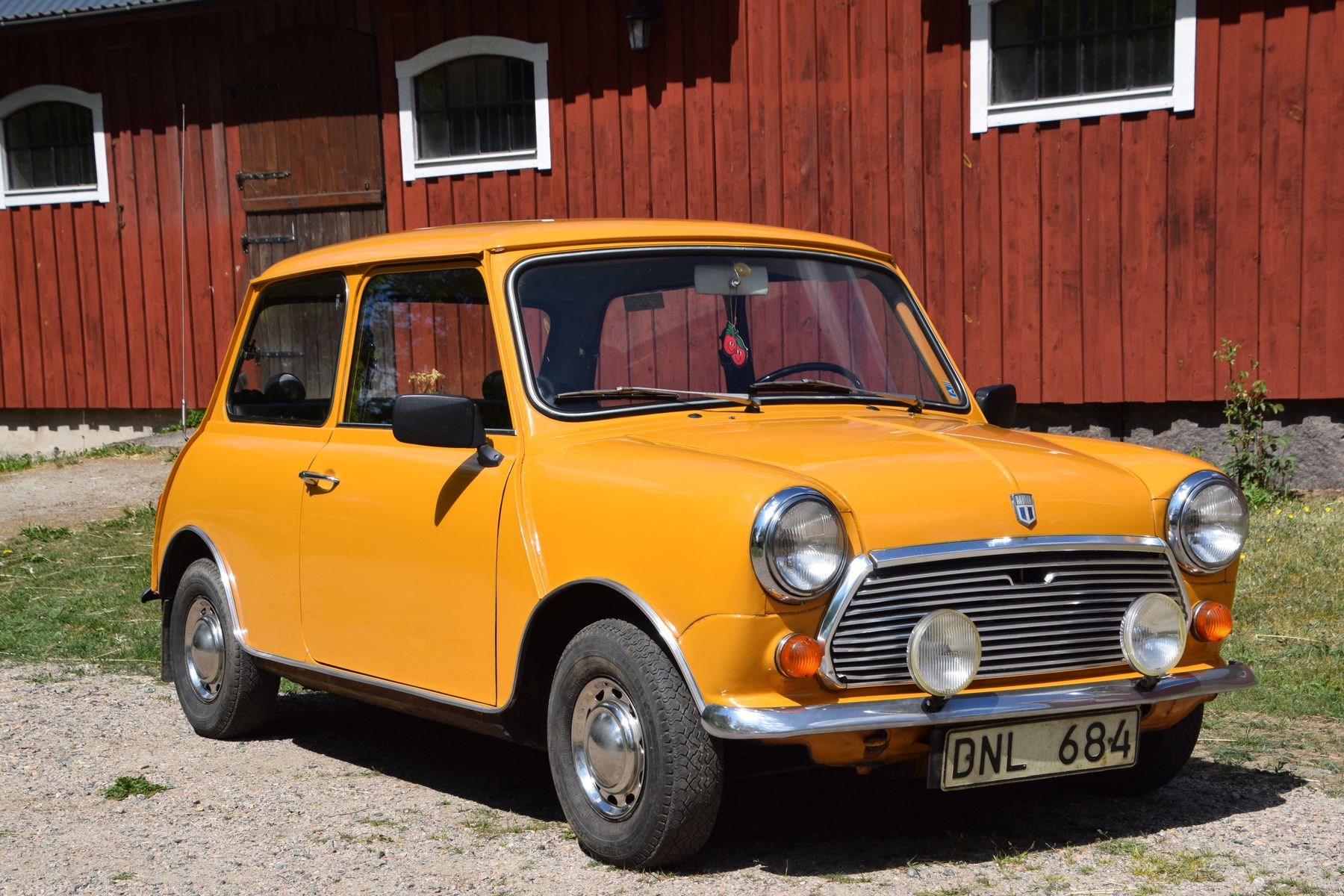
The Mini, launched in 1959 by BMC, revolutionized small-car design with its transverse engine and front-wheel-drive layout, which maximized interior space in a tiny footprint. Designed during the 1956 Suez oil crisis, it offered affordability, efficiency, and surprising practicality.
The Classic Mini ran for 41 years, becoming a cultural icon in the 1960s through pop culture, fashion, and motorsport success, including victories at the Monte Carlo Rally.
Its enduring appeal was rooted in its nimble “go-kart” handling, compact yet functional interior, and minimal design changes that made it instantly recognizable worldwide. Enthusiasts prized its raw driving engagement, though early models lacked luxuries and modern safety features, and rust issues were common.
When BMW acquired the brand in 1994, it strategically relaunched the Modern MINI in 2001, turning it into a premium, customizable lifestyle vehicle. While retaining the original “go-kart” driving feel, BMW improved refinement, safety, and reliability.
Modern MINIs expanded beyond the 3-door hatch to include the Convertible, Clubman, Countryman crossover, Paceman, and electric Cooper SE, ensuring relevance across multiple markets.
Extensive personalization options, such as colors, trims, and features, allowed buyers to make each car unique. The brand has also embraced electrification and continuous technological updates, positioning itself for a fully electric future by the early 2030s.
Driving experiences differ between generations. The Classic Mini weighed just 585–700 kg, offering unmatched nimbleness but a harsh ride. Early engines produced 34 bhp, while later 1275cc variants reached 63 bhp, suitable for city driving. Practicality was surprising for its size, but amenities and safety were minimal.
The Modern MINI retains the playful handling while adding refinement, grip, braking performance, and technology, such as touchscreen infotainment and better interior comfort. Larger body sizes accommodate safety regulations and family use, especially in 5-door and Countryman variants, though the 3-door remains tight in the rear.
The Mini’s longevity across both eras comes from its combination of revolutionary engineering, cultural significance, and adaptability.
The Classic Mini thrived as an affordable, cult-favorite design, while the Modern MINI leverages BMW’s premium approach to deliver style, technology, and sporty fun. Together, they showcase how a tiny car can leave a lasting imprint on automotive history, balancing charm, practicality, and driving enjoyment.
10. UAZ-452 “Bukhanka”: The Indestructible Loaf
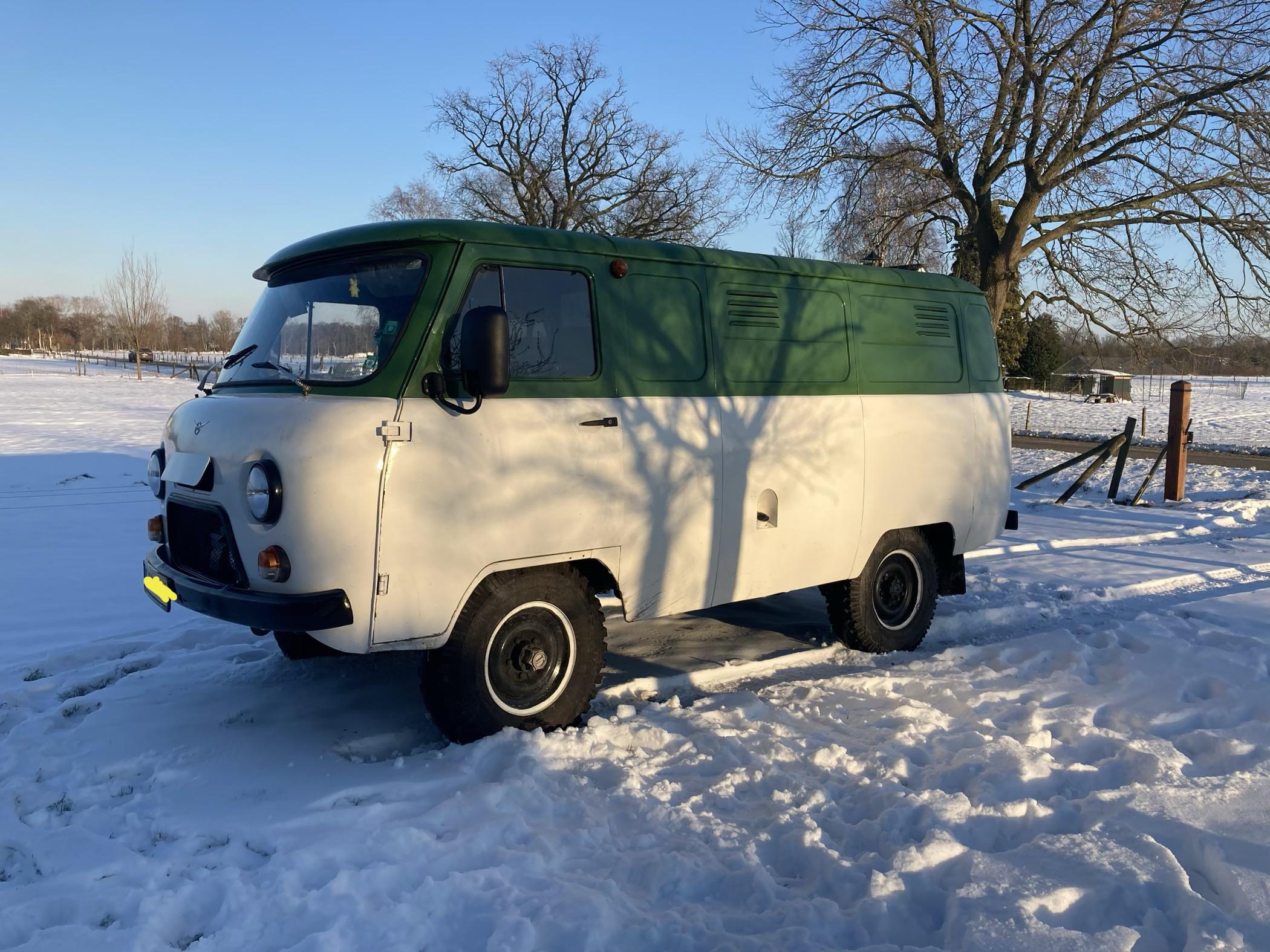
The UAZ-452, affectionately called the “Bukhanka” or Loaf for its boxy, bread-like shape, has been in continuous production since 1965. Designed in the Soviet Union as a military transport, it was built to navigate the harsh, roadless terrain of Siberia.
Its over 60-year production run is a result of a design focused on rugged simplicity, extreme off-road capability, and reliability. The Bukhanka’s straightforward mechanics allow it to be repaired almost anywhere using basic tools, making it essential in regions where modern vehicles cannot operate.
The vehicle’s long-term success comes from exceptional off-road performance and a durable 4×4 system. High ground clearance, short overhangs, and solid axles enable it to handle mud, snow, and rough roads with ease.
Its cab-over design and simple construction make mechanical work accessible, while the lightweight, utilitarian chassis reduces the risk of failures. The UAZ-452 is highly versatile, serving as an ambulance, cargo transporter, and passenger van. Limited anniversary editions have sold out before production, demonstrating ongoing demand.
Although its exterior design remains mostly unchanged, the Bukhanka has received updates to meet minimal modern standards. These include a 2.9-liter engine introduced in 1997, electronic fuel injection in 2008, and basic safety features such as ABS and seat belts.
Despite these upgrades, it remains a basic vehicle with minimal comfort and refinement. The cabin is noisy, the engine compartment is hot, and the top speed is only about 68 mph. Fuel consumption is higher than that of modern vans.
Despite these limitations, the UAZ-452 continues to be a practical and cultural icon in Russia and other regions. Its durability, affordability, and ability to operate in extreme conditions make it invaluable for military, industrial, and rural use. The Bukhanka demonstrates that a decades-old, utilitarian design can remain relevant when simplicity and reliability are prioritized over modern luxury.
The UAZ-452 is not a daily commuter vehicle but a living legend, representing extreme engineering, longevity, and the enduring appeal of practical, no-nonsense automotive design.
The top ten vehicles featured here showcase how durability, adaptability, and timeless appeal can extend a model’s lifespan far beyond the typical automotive cycle. Each car combines engineering ingenuity with cultural significance, whether it is the Chevrolet Suburban’s family versatility, the Porsche 911’s performance legacy, or the UAZ-452’s rugged practicality.
These vehicles illustrate that consistent quality, thoughtful updates, and a clear identity can keep a car desirable for decades. They are not just modes of transportation but icons that define eras, inspire loyalty, and reflect the changing priorities of drivers worldwide.
In celebrating their longevity, we see how exceptional design and engineering can create vehicles that remain relevant, loved, and on the road for generations.
Also read: Top 10 Cars With the Most Bizarre Door Opening Mechanisms
