
The internal combustion engine has powered automobiles for more than a century, but not every engine follows the familiar inline-four, V6, or V8 layout most drivers recognize today.
Throughout automotive history, engineers have experimented with unusual configurations in pursuit of smoother power delivery, better packaging, lower center of gravity, or simply technological curiosity.
Some of these experiments came from luxury brands looking for refinement, while others were driven by racing innovation or compact-car efficiency.
Although many unconventional engine designs never made it beyond prototypes, a surprising number actually reached mass production and powered real cars sold to consumers.
These strange configurations often solved specific engineering problems, though sometimes they created new ones in terms of maintenance complexity or manufacturing cost.
For American audiences familiar with the traditional V-engine architecture common in U.S. vehicles, these designs can seem particularly unusual. Yet they represent important chapters in automotive innovation and experimentation.
Here are ten of the weirdest engine layouts that didn’t just stay on the drawing board, they made it into real production vehicles.
10. W16 Engine
The W16 engine stands as one of the most unusual and ambitious production engine layouts ever created, symbolizing the extreme engineering philosophy behind modern hypercars. Introduced in the mid-2000s, the engine became the centerpiece of Bugatti’s revival under Volkswagen Group ownership.
Its first production application arrived in 2005 with the Bugatti Veyron 16.4, and the design continued through later models such as the Veyron Super Sport and the Bugatti Chiron. Although exotic engine configurations occasionally appear in concept vehicles or racing prototypes, the W16 is remarkable because it entered full production and powered some of the fastest road-legal cars ever built.
The origins of the W16 trace back to Volkswagen Group’s experimentation with compact multi-cylinder engine designs during the late 1990s. Engineers sought a way to deliver unprecedented horsepower without creating an engine so long that it would be impossible to package within a road car.
Their solution was to combine two narrow-angle VR8 engines onto a single crankshaft, forming a “W” configuration consisting of four banks of four cylinders. This layout effectively allowed sixteen cylinders to occupy a space shorter than many traditional V12 engines, making it possible to install the powerplant in a mid-engine hypercar.
Engineering details reveal just how unconventional the design is. The W16 uses four cylinder banks arranged in pairs at narrow angles, with each pair sharing a single cylinder head. The engine displaces 8.0 liters and features quad turbochargers to generate enormous power output.
Early versions in the Bugatti Veyron produced around 1,001 horsepower, while later iterations in the Chiron surpassed 1,500 horsepower. Despite its immense performance, the engine maintains relatively compact external dimensions thanks to the tight cylinder bank angles and integrated architecture.
The engine is mounted longitudinally in a mid-engine layout, driving all four wheels through a sophisticated dual-clutch transmission and permanent all-wheel-drive system designed to handle the extraordinary torque.
Design characteristics reflect the enormous engineering challenges involved in making the W16 viable for production. Managing heat and airflow is critical, which is why vehicles using the engine employ multiple radiators, elaborate cooling circuits, and carefully engineered aerodynamic ducting.
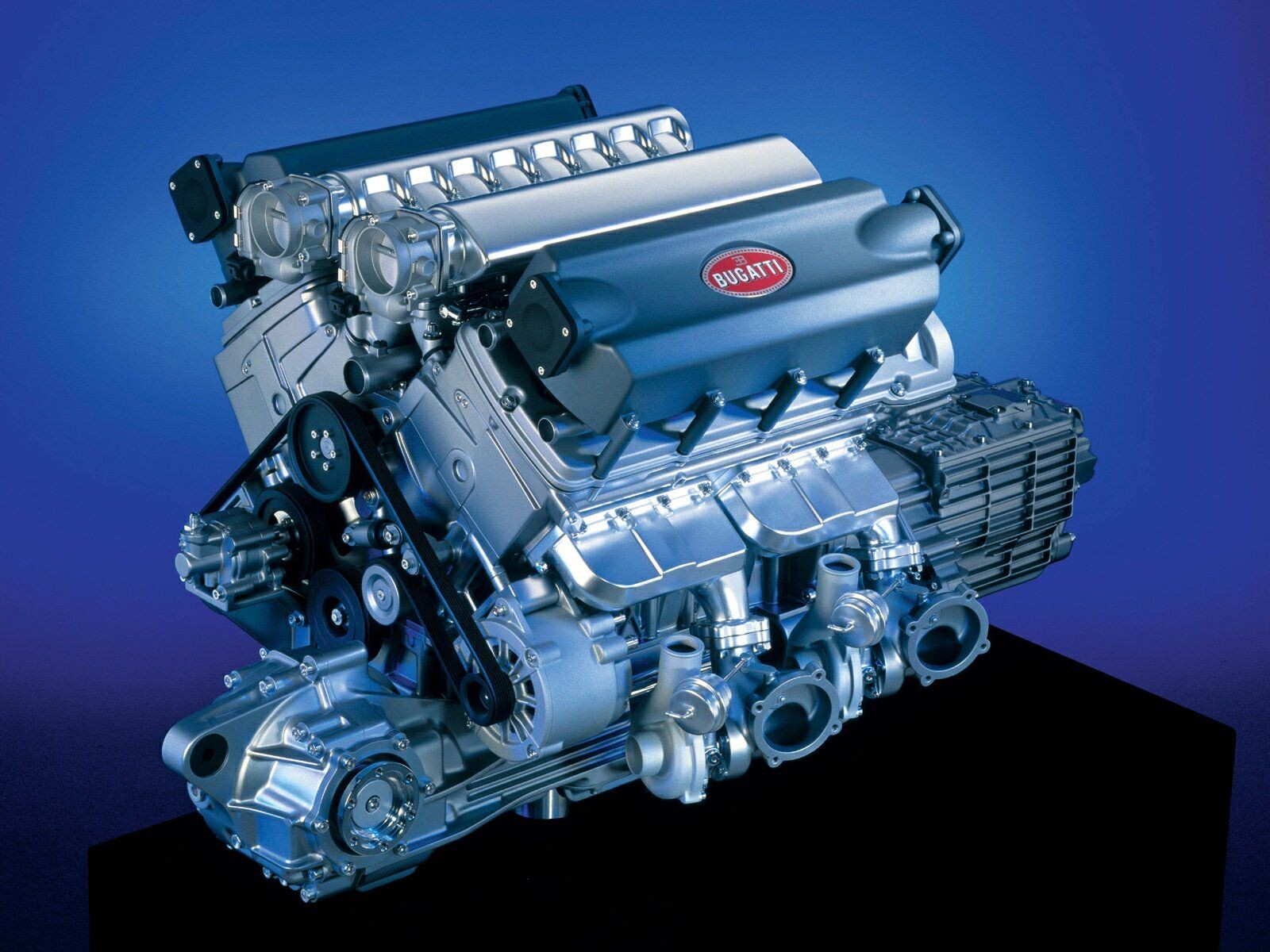
The quad-turbo setup provides both immediate throttle response and sustained high-speed power, while the robust crankshaft and reinforced internal components are built to withstand the stresses associated with four-digit horsepower figures. Even routine aspects such as lubrication and fuel delivery required extensive development to ensure reliability under extreme loads.
Historically, the W16 represents a rare moment when engineering ambition overcame conventional design limitations. Most manufacturers favor simpler layouts such as V8 or V12 engines because they are easier to produce and maintain. By contrast, the W16 is unapologetically complex, existing primarily to push the limits of automotive performance.
Its unusual cylinder arrangement, massive output, and highly specialized packaging make it one of the strangest engine configurations ever installed in a road-legal production vehicle. That combination of technical audacity and real-world production status secures the W16’s place among the weirdest engine layouts ever built.
9. H-Engine
The H-engine layout is rarely seen in production automobiles. In this design, two flat engines are stacked vertically and connected through a common crankshaft system, forming a shape resembling the letter “H” when viewed from the front.
The most notable use of this configuration appeared in the British Racing Motors H-16 engine used in Formula One during the 1960s.
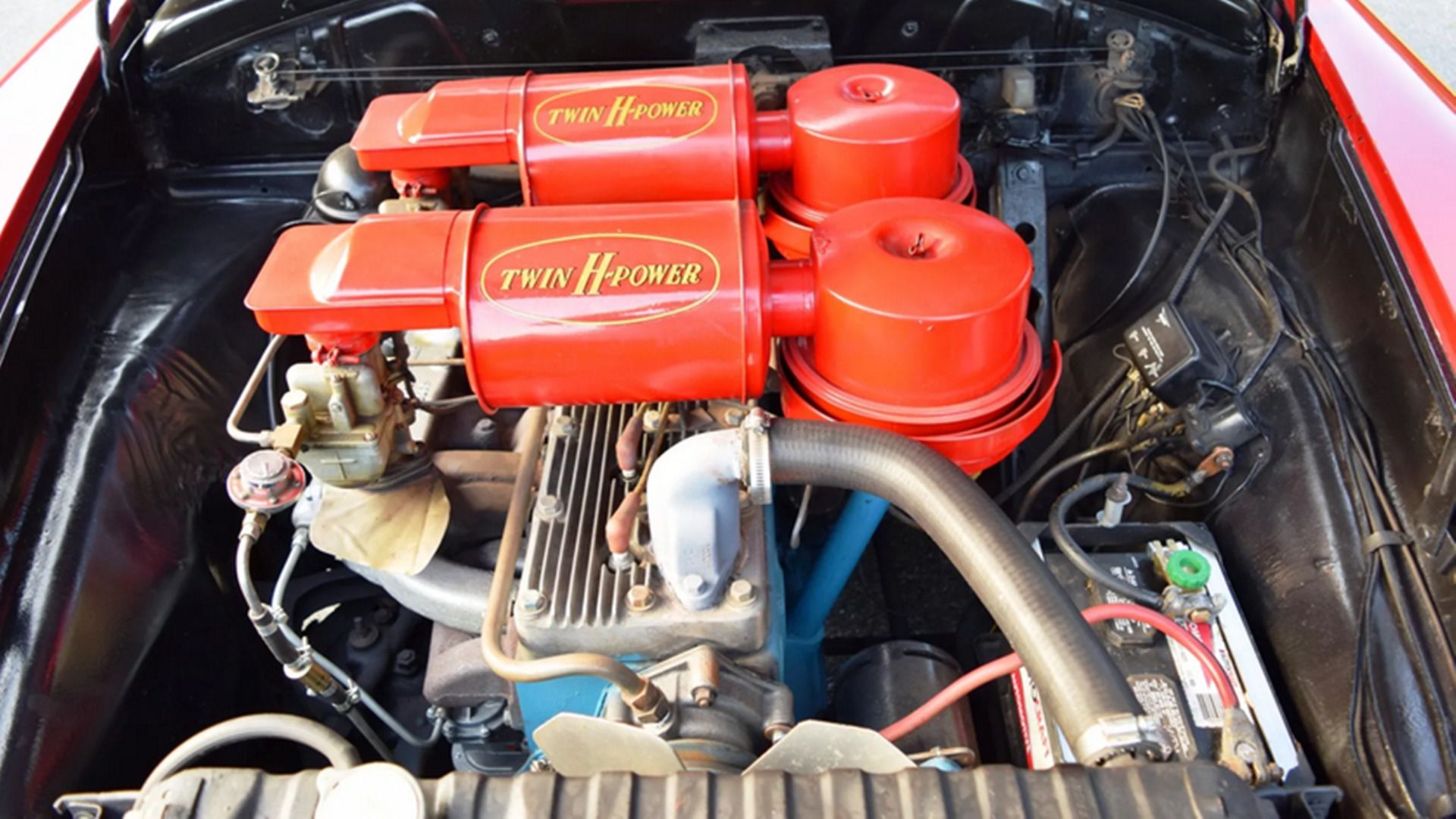
Though primarily associated with racing, the architecture did technically power production-based vehicles connected to the program.
The advantage of the H-engine was the ability to produce a very high cylinder count while keeping the engine relatively short in length.
However, the design was extremely heavy and mechanically complicated. The complexity of having two crankshafts and extensive gearing ultimately made it impractical for widespread automotive use.
8. Flat-12 Engine
The flat-12 engine occupies a unique place in automotive history as one of the most mechanically unusual yet highly effective engine layouts ever installed in production vehicles.
Emerging primarily during the late 1960s and continuing through the early 1990s, the configuration became closely associated with high-performance Italian sports cars, particularly those produced by Ferrari.
While horizontally opposed engines were already familiar in smaller four- and six-cylinder formats, the idea of stretching the design to twelve cylinders created an engine that was exceptionally wide, mechanically complex, and visually striking, qualities that firmly place it among the most unconventional layouts to reach road-car production.
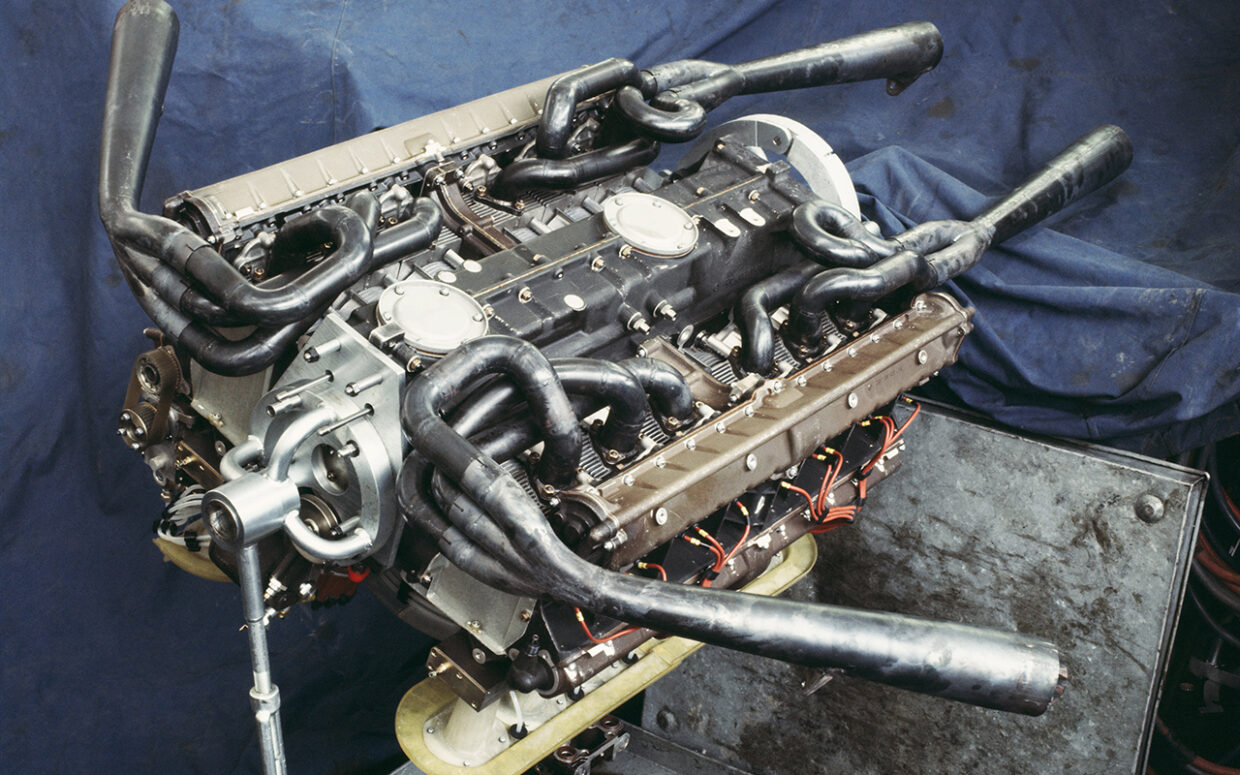
Ferrari first brought the flat-12 concept into the spotlight with the 1973 Ferrari 365 GT4 Berlinetta Boxer. The engine was developed during a period when Ferrari sought to translate its Formula One engineering philosophy into road-going supercars.
Engineers recognized that a horizontally opposed layout could lower the center of gravity significantly compared with traditional V12 engines. This allowed the engine to sit lower in the chassis, improving handling and stability in mid-engine sports car designs. Over time, the flat-12 evolved into larger and more powerful variants used in models such as the Ferrari Testarossa and its later derivatives, including the 512 TR and F512 M.
From an engineering standpoint, the flat-12 consists of two banks of six cylinders arranged directly opposite each other at a 180-degree angle. Each piston moves horizontally outward from the centerline of the crankshaft, creating perfect primary balance and exceptionally smooth operation. Unlike a traditional V-engine, where cylinders are angled upward, the flat configuration spreads the engine laterally across the chassis.
Most Ferrari applications used a longitudinal mid-engine layout paired with a rear transaxle, sending power to the rear wheels. Displacement ranged from roughly 4.4 liters in early versions to nearly 5.0 liters in later Testarossa models, with power outputs that exceeded 380 horsepower in some configurations.
7. Rotary (Wankel) Engine
Unlike conventional piston engines, the rotary engine replaces pistons with a triangular rotor spinning inside an oval-shaped chamber. This design, developed by German engineer Felix Wankel, eliminates many moving parts found in traditional engines.
The rotary became most closely associated with Mazda, particularly models like the RX-7 and RX-8. The engine’s compact size and high-revving nature made it popular for sports cars.
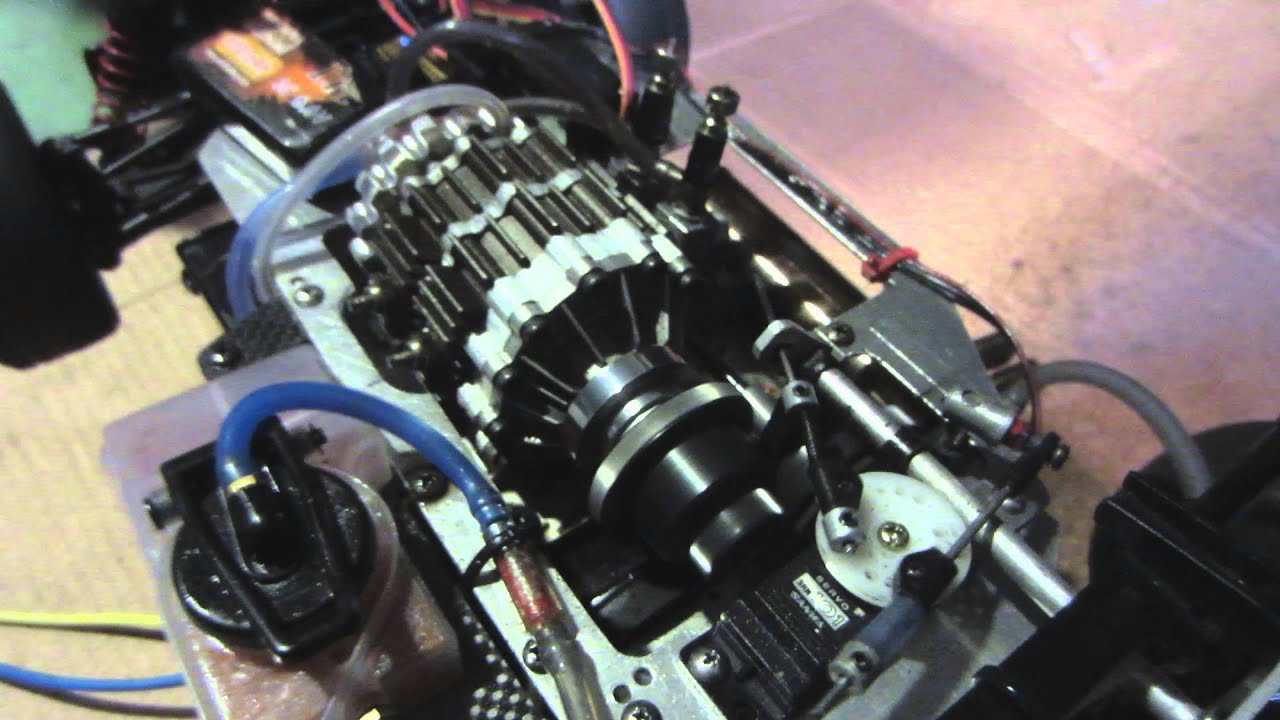
The rotary engine offers smooth power delivery and excellent power-to-weight ratios. However, it also has disadvantages, including higher fuel consumption and durability concerns related to rotor seals.
Despite these challenges, the rotary remains one of the most unique engines ever placed in mass-produced cars.
6. VR6 Engine
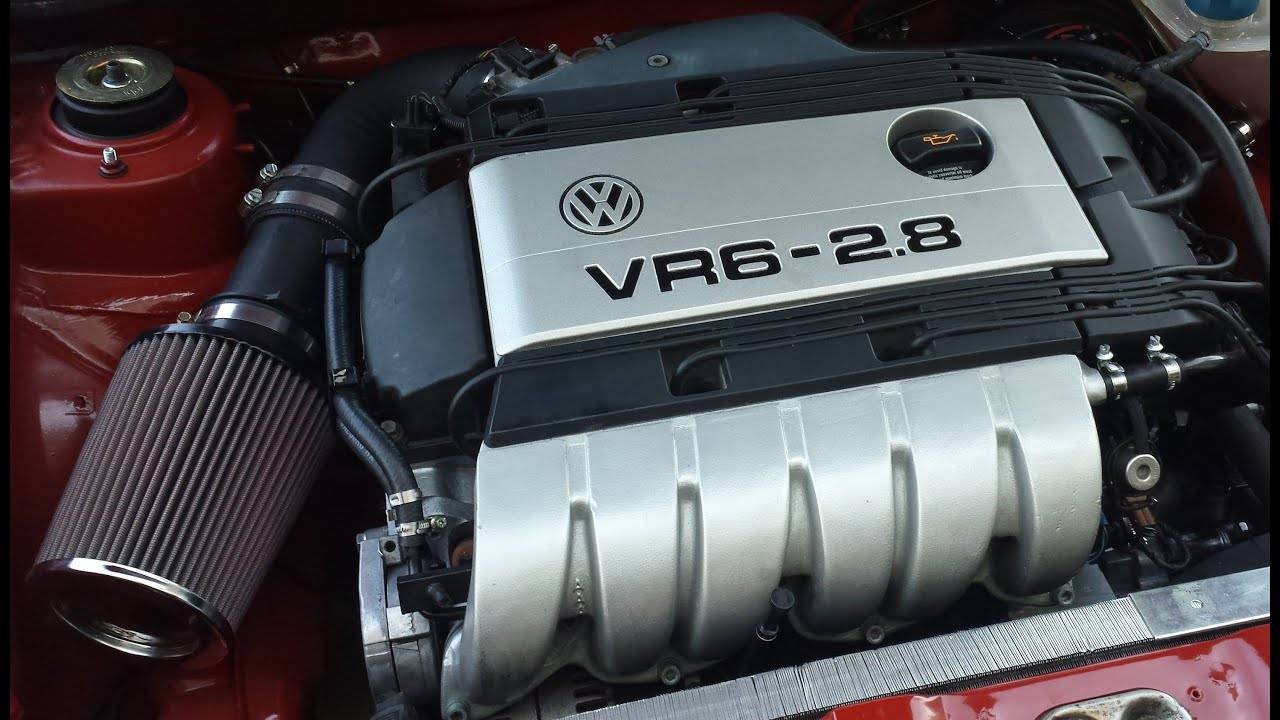
The VR6 engine is one of the most unusual engine layouts ever to reach large-scale production, blending characteristics of both inline and V-type engines into a compact and unconventional design.
Developed by Volkswagen Group and introduced in the early 1990s, the VR6 was engineered to solve a specific packaging problem. Front-wheel-drive vehicles typically lacked the space to accommodate larger six-cylinder engines, which were traditionally built in wide V6 configurations or long inline-six formats.
Volkswagen’s engineers responded by creating a narrow-angle six-cylinder engine that could fit into the same compact engine bays designed for four-cylinder powerplants.
The VR6 first appeared in the 1991 Volkswagen Passat and soon after in the Volkswagen Corrado and Golf models. Its name comes from the German phrase “V-Reihenmotor,” meaning “V-inline engine,” which reflects the hybrid nature of the design.
Rather than two widely separated cylinder banks like a traditional V6, the VR6 uses a very narrow angle, typically around 15 degrees, between its two rows of cylinders.
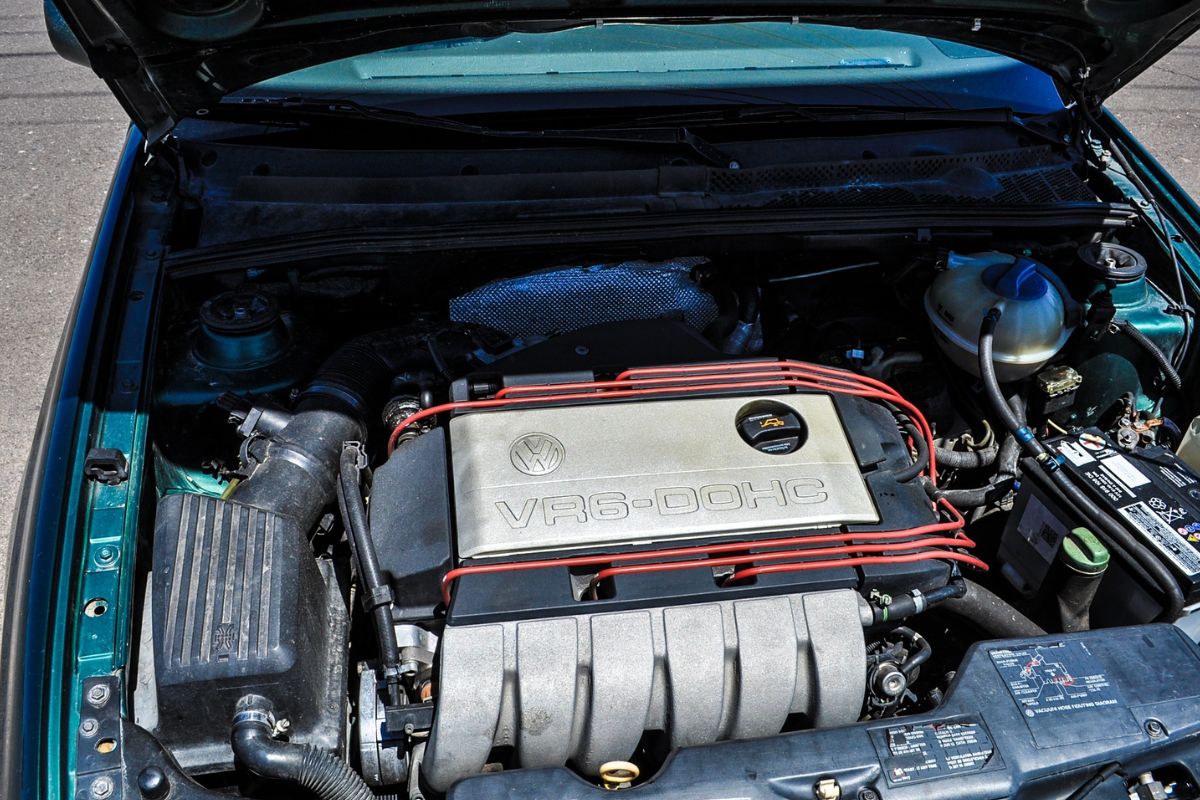
Because the banks are so closely spaced, both rows share a single cylinder head. This design significantly shortens the engine’s length while also keeping the width manageable, making it suitable for transverse installation in front-wheel-drive cars.
From an engineering perspective, the VR6 combines the compactness of an inline engine with the cylinder count and power output of a V6. Early versions displaced around 2.8 liters and produced roughly 170 horsepower, while later versions expanded to 3.2 or even 3.6 liters with substantially higher output.
The engine uses a staggered cylinder arrangement along a single crankshaft, allowing the intake and exhaust systems to remain relatively compact. Most VR6-equipped vehicles featured a transverse layout driving the front wheels through manual or automatic transmissions, though some models incorporated Volkswagen’s all-wheel-drive systems.
Design characteristics of the VR6 reflect the ingenuity required to make such an unusual configuration work in everyday vehicles. Because the cylinders share a single head, the engine requires carefully engineered intake runners and cooling passages to maintain balanced airflow and thermal stability.
The narrow-angle layout also produces a distinctive exhaust note that enthusiasts often recognize immediately. Despite its unconventional architecture, the VR6 proved durable and adaptable, appearing not only in passenger cars but also in performance-oriented models such as the Golf R32 and Audi TT variants.
Cars like the Volkswagen Golf VR6 and Volkswagen Corrado VR6 became known for their distinctive engine note and strong performance relative to their compact size.
The VR6 layout also later became the building block for Volkswagen’s W-series engines, including the W12 and W16.
5. Opposed-Piston Engine
The opposed-piston engine is one of the most unconventional internal combustion engine layouts ever placed into production vehicles. Unlike traditional engines that use a single piston moving within each cylinder, the opposed-piston design places two pistons inside the same cylinder, moving toward and away from each other. This unusual arrangement eliminates the need for a conventional cylinder head and creates a combustion chamber between the two piston crowns.
While the concept dates back to the early twentieth century and appeared in various industrial and military applications, it also found its way into limited production automobiles, most notably the British-built Commer TS3 diesel engine used in trucks during the 1950s and 1960s.
The engineering roots of the opposed-piston engine lie in efforts to improve efficiency and simplify engine construction. Designers realized that by removing the cylinder head and valve train, they could reduce mechanical complexity and improve thermal efficiency. In this layout, each cylinder contains two pistons connected to separate crankshafts located at opposite ends of the engine.
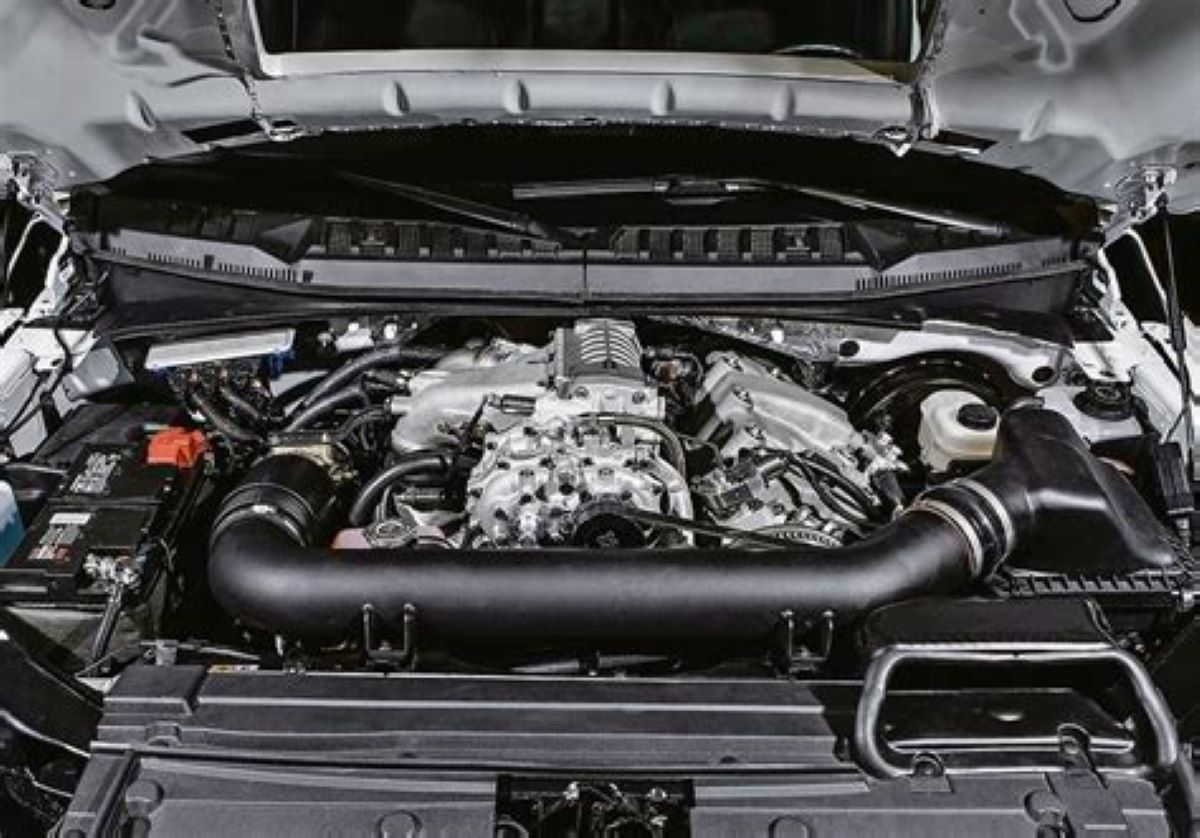
As the pistons move toward each other, they compress the air-fuel mixture between them; combustion then forces the pistons apart, transferring power through the crankshafts. Many designs employed two-stroke operation, using carefully timed intake and exhaust ports in the cylinder walls instead of conventional valves.
One of the most recognizable production examples appeared in the Commer TS3 diesel engine introduced in 1954. This three-cylinder, two-stroke unit effectively operated as a six-piston engine because each cylinder housed two pistons.
Rather than using two crankshafts, the TS3 employed an ingenious rocker mechanism that connected the pistons to a single crankshaft positioned beneath the cylinders.
This allowed the engine to remain compact enough for truck applications while still benefiting from the efficiency advantages of the opposed-piston concept. The engine delivered strong torque for commercial hauling, and its unusual mechanical layout earned it the nickname “The Commer Knocker” due to its distinctive sound.
4. W12 Engine
The W12 engine represents one of the most unusual cylinder arrangements ever placed into mainstream production, combining extreme compactness with the performance expected from a twelve-cylinder powerplant. Developed by Volkswagen Group in the late 1990s, the W12 emerged from the company’s experimental engine program that explored unconventional multi-cylinder configurations designed to fit within modern vehicle packaging constraints.
Unlike traditional V12 engines, which require significant space due to their wide cylinder banks, the W12 was engineered to deliver twelve-cylinder refinement in a much shorter overall length. This distinctive approach allowed manufacturers to install the engine in luxury sedans and grand touring cars where a conventional V12 might have been impractical.
Because the VR6 architecture already used tightly spaced cylinder banks sharing a cylinder head, the combined design remained relatively compact compared with traditional twelve-cylinder engines. This clever engineering allowed the W12 to fit into vehicles designed for front-engine layouts without dramatically increasing engine bay size.
Volkswagen Group introduced the production W12 in the early 2000s, most prominently in vehicles such as the Volkswagen Phaeton, Audi A8, and the Bentley Continental GT. The engine typically displaced around 6.0 liters and employed dual overhead camshafts with four valves per cylinder.
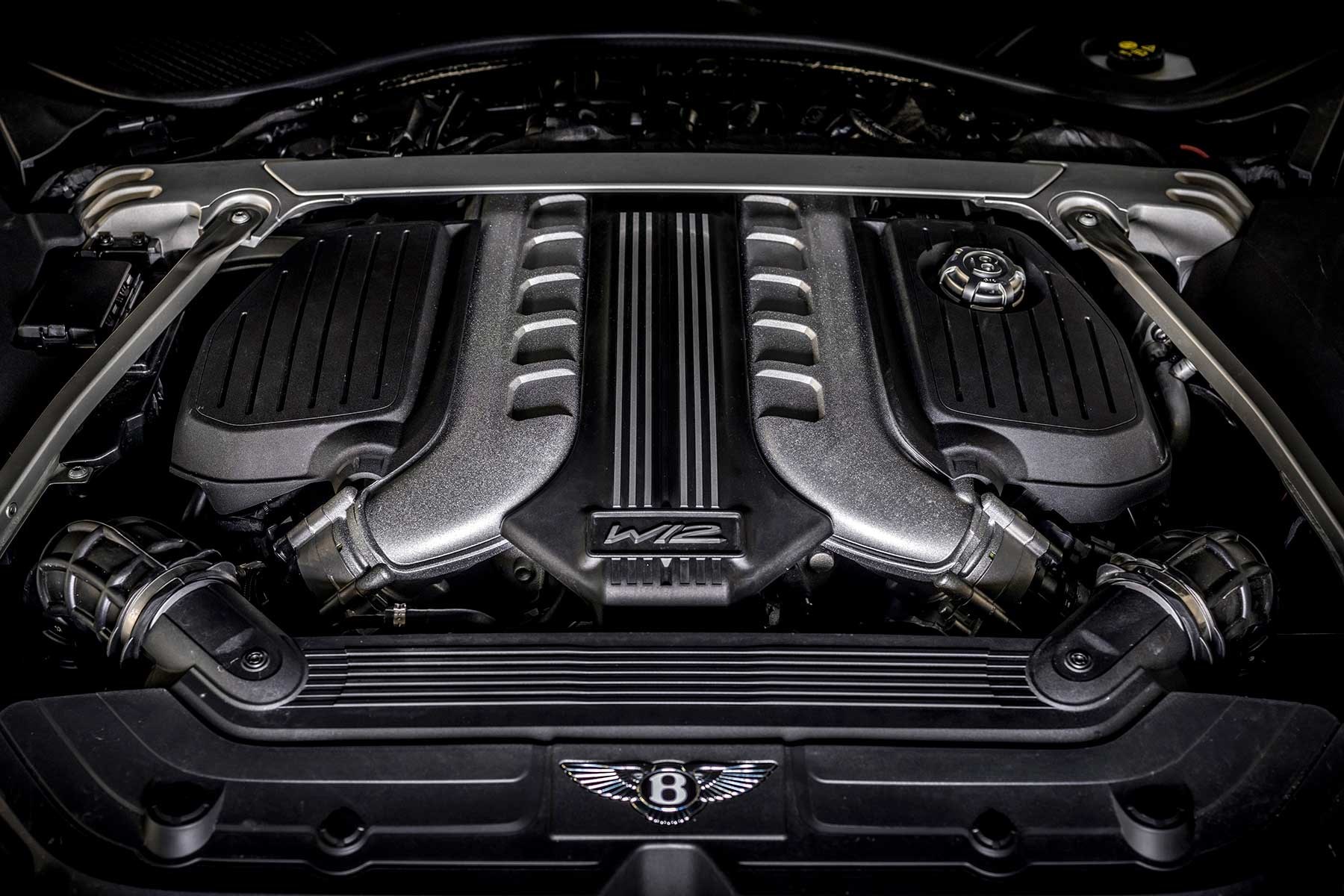
Most versions were naturally aspirated in early applications, producing roughly 420 horsepower, though later Bentley variants used twin turbochargers to increase output dramatically, surpassing 600 horsepower in some models. In luxury grand touring cars, the engine was mounted longitudinally and paired with sophisticated automatic transmissions and all-wheel-drive systems designed to manage its substantial power.
Design characteristics highlight the engineering creativity required to make the W12 viable for road use. The compact block design allows the engine to be significantly shorter than a traditional V12, improving packaging flexibility in large sedans and coupes.
The twelve-cylinder configuration delivers exceptionally smooth operation and abundant torque, qualities that are essential in high-end luxury vehicles. Advanced cooling systems, precision fuel injection, and careful balancing ensure that the engine operates reliably despite its complex architecture.
The W12 stands as a rare example of a highly unconventional engine configuration achieving sustained production success. Most unusual engine layouts remain confined to prototypes or limited experiments, yet the W12 powered numerous luxury vehicles for more than two decades.
Its four-bank cylinder arrangement, compact packaging, and combination of VR-engine technology make it one of the strangest yet most successful multi-cylinder designs ever built. That unusual architecture firmly earns the W12 a place among the weirdest engine layouts that actually reached production.
3. Boxer Engine
The boxer engine, also known as a horizontally opposed engine, is one of the most distinctive engine layouts ever used in production vehicles. Its defining characteristic is the arrangement of cylinders in two opposing banks that lie flat on either side of the crankshaft.
Instead of pistons moving up and down like those in inline or V-shaped engines, the pistons in a boxer configuration move horizontally toward and away from each other, resembling the motion of two boxers punching gloves together. Although the concept dates back to the late nineteenth century, it became a recognizable feature of several production automobiles throughout the twentieth century, particularly those produced by companies such as Subaru and Porsche.
The modern automotive boxer engine gained widespread recognition after World War II when engineers sought ways to improve vehicle balance and packaging efficiency. One of the earliest mass-production applications appeared in the Volkswagen Beetle, which used a small air-cooled flat-four engine mounted in the rear of the vehicle.
This design provided excellent weight distribution and a very low center of gravity, contributing to the Beetle’s stability and durability. Later, manufacturers like Porsche expanded the concept into higher-performance applications, using flat-six boxer engines in sports cars such as the Porsche 911, where the low engine placement enhanced handling and cornering performance.
From an engineering standpoint, the boxer engine differs from other flat engines because each piston has its own crankshaft journal, allowing opposing pistons to move in perfectly mirrored directions.
This arrangement creates excellent mechanical balance and reduces vibration, often eliminating the need for balance shafts that many inline engines require. The cylinders are positioned at a 180-degree angle, producing a very low engine profile that helps lower the center of gravity in the vehicle.
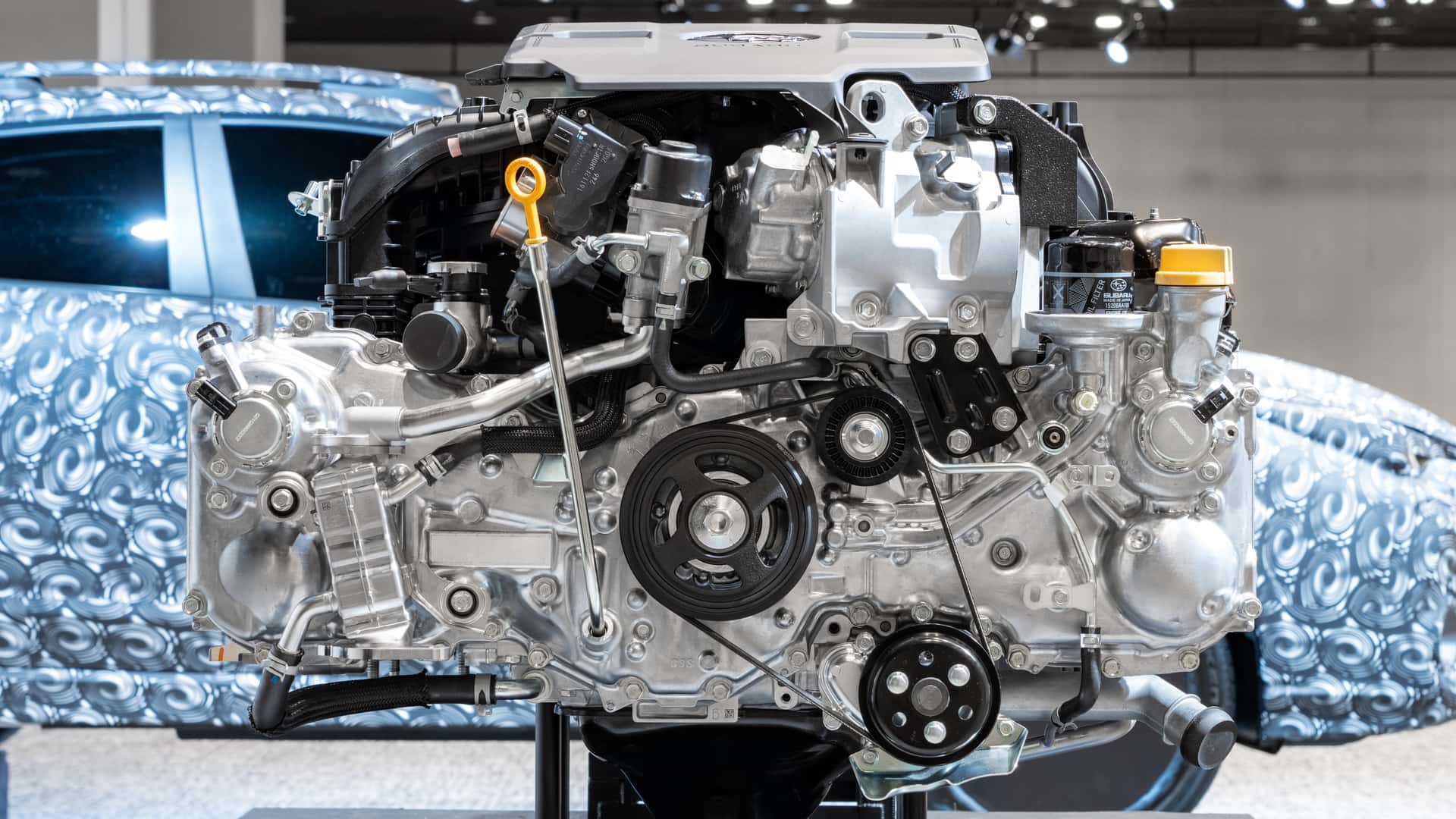
Boxer engines have appeared in several configurations, including flat-four, flat-six, and even flat-twelve versions in exotic sports cars. In most applications, the engine is mounted longitudinally or rearward in the chassis and connected to manual or automatic transmissions that drive either the rear wheels or, in Subaru’s case, an all-wheel-drive system.
Design characteristics of boxer engines emphasize stability and compact vertical height, though the layout also presents certain engineering challenges. Because the cylinders extend outward on both sides of the engine block, the engine becomes wider than most comparable designs.
This can complicate packaging in narrower engine bays and sometimes makes maintenance tasks more difficult. However, the layout’s inherent balance and smooth power delivery have made it attractive for performance-oriented vehicles where precise handling is a priority.
Historically, the boxer engine represents a rare example of an unconventional design that achieved lasting success in production vehicles. Its horizontally opposed layout deviates sharply from the more common inline or V-shaped configurations used throughout the industry. Yet its advantages in balance, stability, and handling have ensured its continued use for decades.
2. Radial Engine in Cars
Radial engines are more commonly associated with aircraft than automobiles. In this design, cylinders are arranged like spokes around a central crankshaft.
Although extremely rare in road vehicles, a few production cars experimented with radial engines in the early 20th century. The design provided excellent cooling because each cylinder was exposed to airflow.
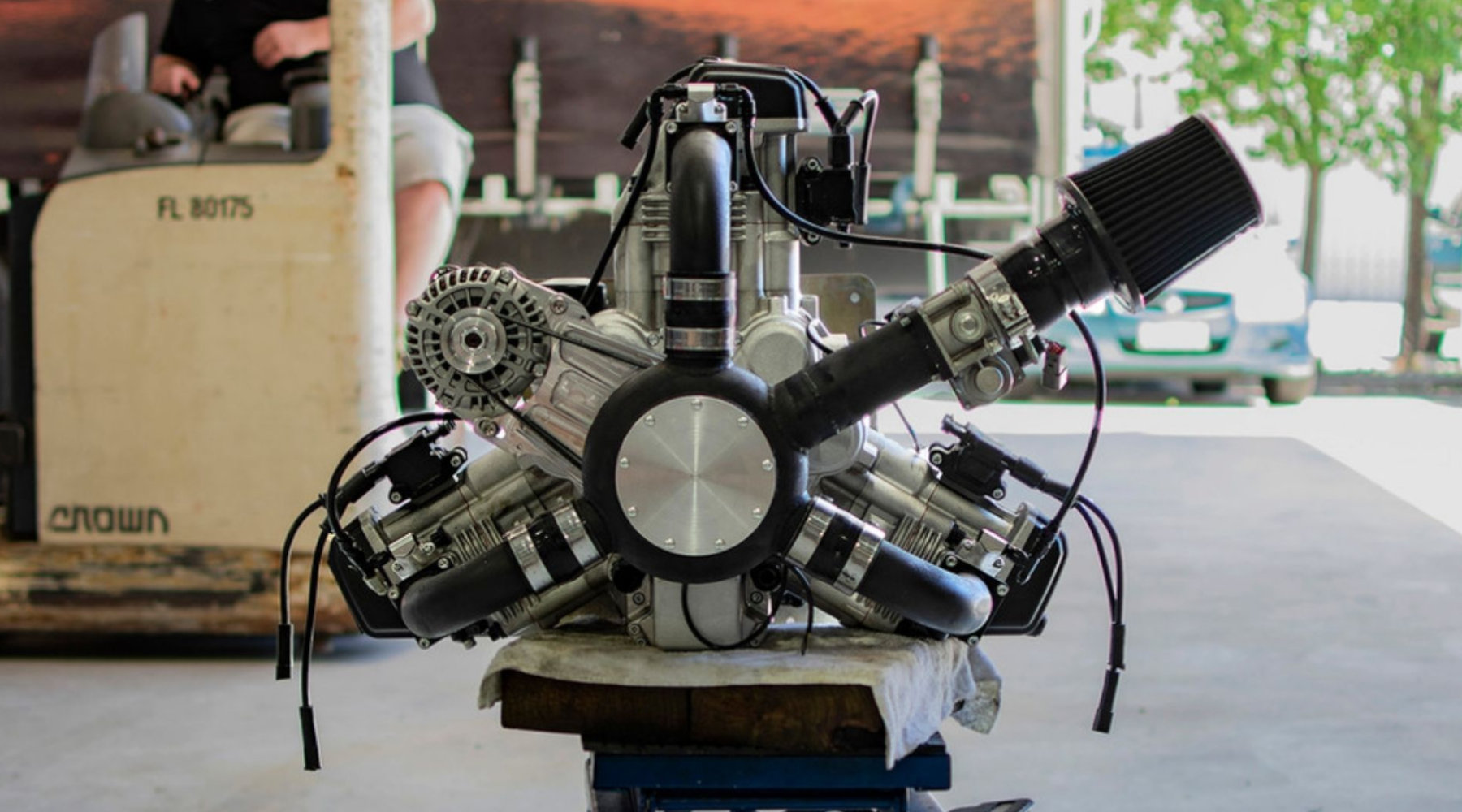
However, radial engines are very wide and difficult to package in a typical car chassis. As automotive engineering matured, more compact inline and V-engine designs quickly replaced them in passenger vehicles.
1. Napier Deltic Engine
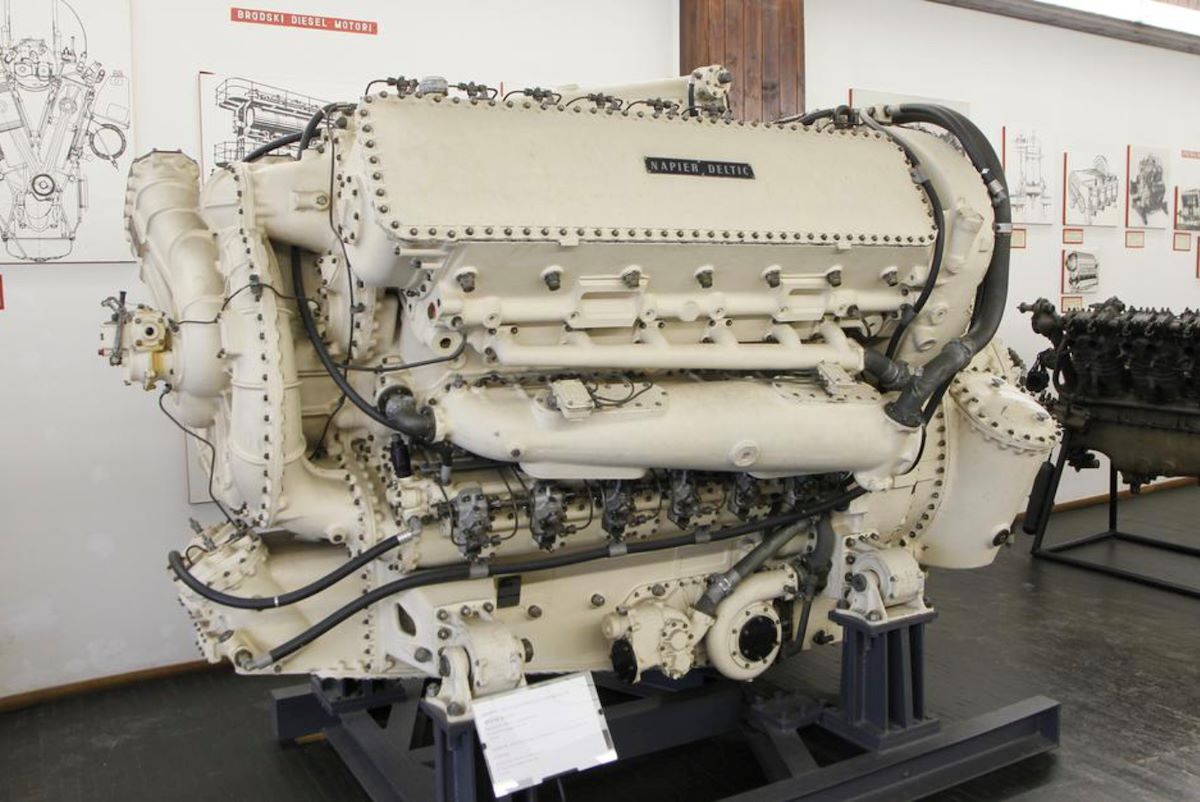
The Napier Deltic engine is one of the strangest engine designs ever put into production. Instead of a traditional block, the engine forms a triangular shape with three banks of cylinders arranged in a delta configuration.
Each corner of the triangle houses a crankshaft, and pistons operate in opposed pairs within each cylinder. This highly unusual layout was originally designed for marine and locomotive applications, where its compact size and high power output were advantageous.
While rarely seen in conventional automobiles, the Deltic remains an important example of how engineers have explored radically different solutions to achieve higher performance and efficiency.
Automotive history is full of engineering experiments, but only a handful of unconventional engine designs have made it beyond prototypes and into actual production vehicles.
These unusual layouts often emerged from specific technical challenges, whether improving performance, reducing size, or enhancing vehicle balance.
While most modern vehicles rely on relatively conventional inline or V-engine designs, the strange configurations listed above demonstrate how creative engineers can be when pushing the boundaries of mechanical design.
Some, like the rotary engine and boxer engine, continue to influence automotive engineering today, while others remain fascinating reminders of the industry’s willingness to experiment.
For enthusiasts and engineers alike, these unusual engines serve as proof that innovation in automotive design doesn’t always follow a straight line. Sometimes, the weirdest ideas are the ones that make history.
