
Choosing the right compact car is not only about style, fuel efficiency, or price, but also about the type of roads you will drive on. Some compact cars are designed to handle rugged rural roads, gravel tracks, and uneven terrain. They feature heavy-duty suspensions, reinforced chassis, and higher ground clearance, making them suitable for rural families or adventurous commuters.
Vehicles like the Suzuki Jimny and Subaru Outback combine compact dimensions with off-road capability, offering stability, traction, and durability where ordinary small cars would struggle. In contrast, many compact cars are built specifically for smooth city streets and highways.
They have lower ground clearance, sport-tuned suspensions, and lightweight chassis designed for comfort, efficiency, and precise handling on paved roads. Models such as the Renault Clio and Mitsubishi Mirage G4 perform exceptionally well in urban settings but are not suited for rough or unpaved roads. Understanding these differences is key to choosing the right vehicle.
5 Compact Cars With Heavy-Duty Suspensions for Rural Roads
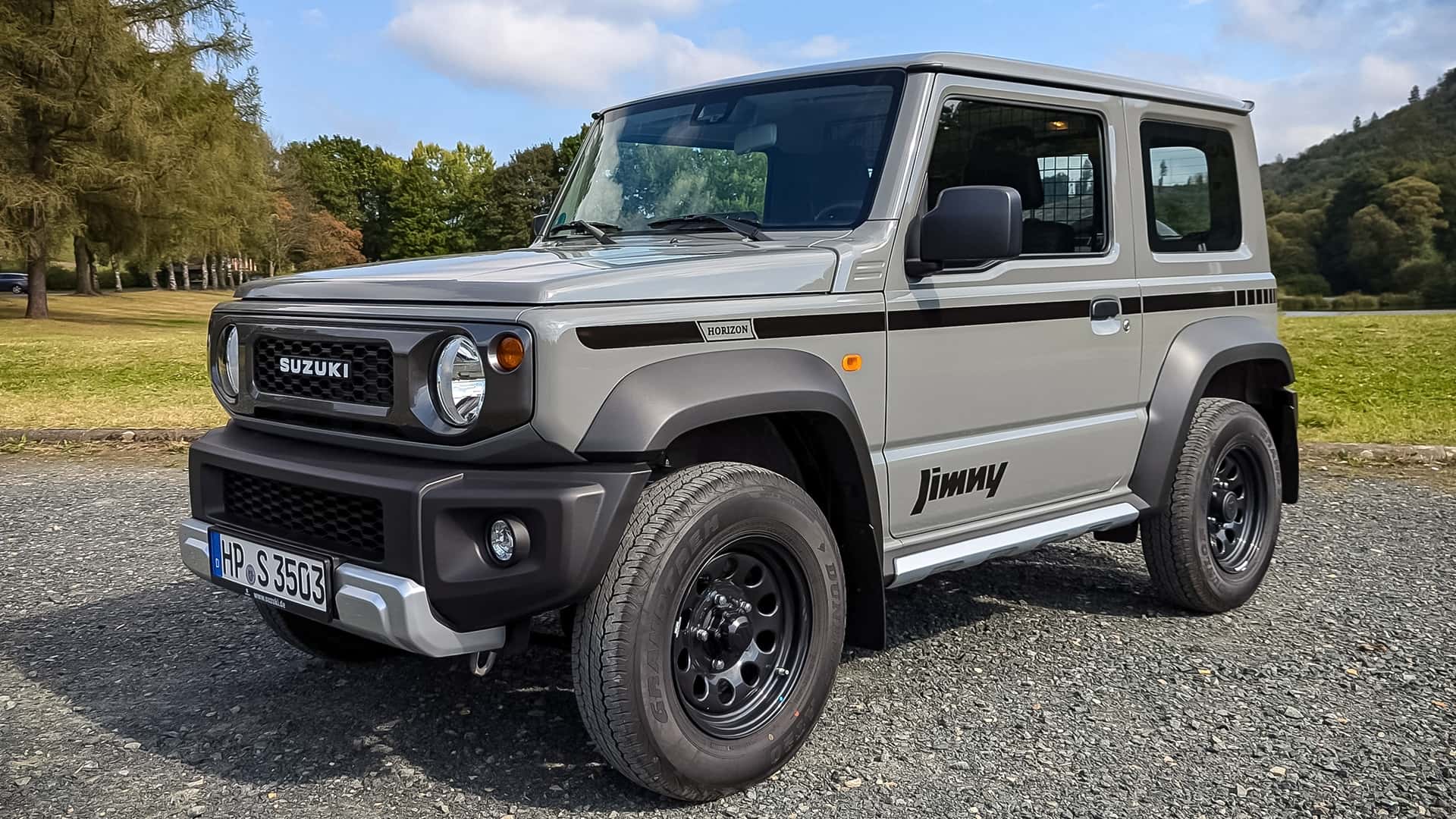
1. Suzuki Jimny (3 Door and 5 Door): Compact Off-Roader Built for Tough Terrain
The Suzuki Jimny is a compact sport utility vehicle designed primarily for difficult terrain and rural environments. Available in both three-door and five-door versions, the Jimny combines a lightweight body with traditional off-road engineering that is usually found in much larger vehicles.
This combination allows it to perform well on narrow trails, steep slopes, muddy roads, and uneven ground where standard compact cars would struggle.
One of the Jimny’s defining features is its ladder frame chassis, a heavy-duty design typically used in trucks and full-size off-road vehicles. This strong steel frame supports a three-link rigid axle suspension with coil springs at both the front and rear.
The system is designed so that when one wheel moves upward over a rock or rut, the axle forces the opposite wheel downward, helping maintain tire contact with the ground. This mechanical design improves traction and stability when driving on rough terrain.
Ground clearance is approximately 8.3 inches (210 mm), which allows the Jimny to pass over obstacles without scraping the underside. The vehicle also has excellent approach and departure angles, meaning it can climb steep hills or descend rough slopes with less risk of hitting the front or rear bumpers. These characteristics make the Jimny highly capable on trails, farm roads, and rural routes.
Another key feature is the AllGrip Pro Four Wheel Drive system. This part-time system includes a low-range transfer gear, which allows the Jimny to crawl slowly over rocks, mud, and slippery surfaces while maintaining strong traction. Drivers can switch between two-wheel drive and Four Wheel Drive depending on road conditions, making the vehicle versatile for both paved and off-road use.
The Jimny is powered by a 1.5-liter naturally aspirated four-cylinder engine that produces about 100 horsepower. It can be paired with either a five-speed manual transmission or a four-speed automatic. Performance is modest, but the lightweight body helps the engine manage the vehicle effectively on rugged terrain.
The three-door model emphasizes agility and maneuverability, making it ideal for tight trails. The five-door version adds a 13.4-inch longer wheelbase, improving stability and providing more cargo space for equipment or tools.
Pricing varies widely depending on region and availability. In many markets, lightly used Jimny models often sell for $25,000 or more, while commercial versions have historically started at around $20,000 before taxes due to limited supply and strong demand among off-road enthusiasts.
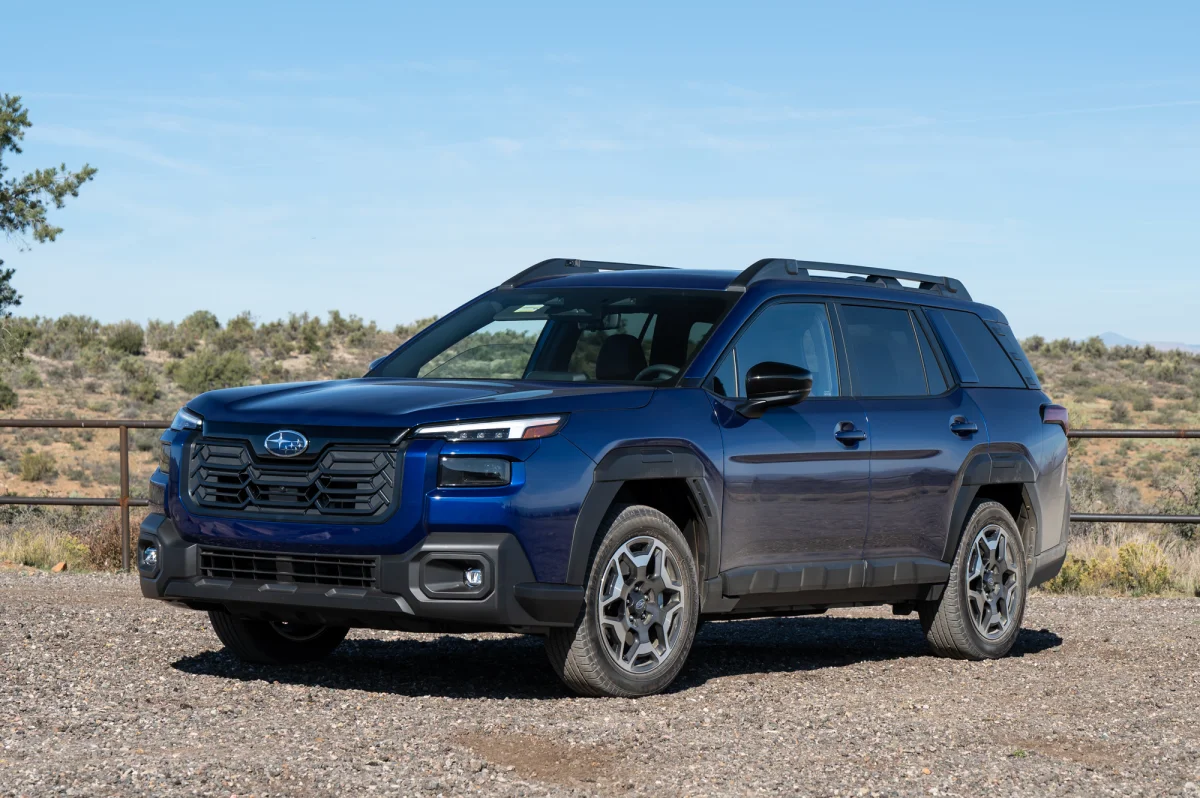
2. Subaru Outback: Comfortable Crossover with Strong All Wheel Drive Capability
The Subaru Outback is a crossover designed to combine the comfort of a passenger car with the durability of a sport utility vehicle. Known for its practicality and all-weather capability, the Outback has long been popular among drivers who frequently travel on gravel roads, rural routes, and uneven terrain. Its design focuses on ride comfort, traction, and everyday usability.
A key feature of the Outback is its heavy-duty independent suspension, which is tuned for long travel and impact absorption. This setup allows the vehicle to handle potholes, gravel roads, and washboard surfaces with greater stability and comfort than many standard crossovers. The suspension helps reduce harsh vibrations while maintaining control on rough surfaces.
Another defining feature is Subaru’s Symmetrical All Wheel Drive system, which is standard on all models. This system distributes power evenly to all four wheels, improving grip and stability on slippery roads, mud, or snow. Combined with about 8.4 inches of ground clearance (213 mm), the Outback offers enough height to protect its underbody when driving on uneven terrain.
The off-road-focused Subaru Outback Wilderness trim increases ground clearance to 9.5 inches and includes upgraded shocks and all-terrain tires for more demanding environments.
The Outback offers two four-cylinder engine choices. The standard engine is a 2.5-liter unit producing about 180 horsepower, while higher trims offer a turbocharged 2.4-liter engine with about 260 horsepower.
Both engines are paired with a continuously variable transmission, which is designed to improve fuel efficiency and smooth acceleration. The turbocharged model provides stronger performance, reaching 60 mph in about six seconds, while the base engine requires closer to nine seconds.
Fuel efficiency is competitive for the segment. Base models achieve about 25 miles per gallon in city driving and 31 miles per gallon on the highway, while turbocharged models average slightly lower figures.
Inside, the Outback emphasizes comfort and practicality. The cabin features modern materials, a large 12.1-inch infotainment display, and standard Apple CarPlay and Android Auto connectivity. Cargo space is also generous, with enough room for 11 carry-on suitcases behind the rear seats and up to 29 with the seats folded.
Safety is another major focus. All models include Subaru EyeSight driver assistance technology, which provides features such as forward collision warning, automatic emergency braking, adaptive cruise control, and lane keeping assistance. These systems help improve driver awareness and reduce the risk of accidents on both highways and rural roads.
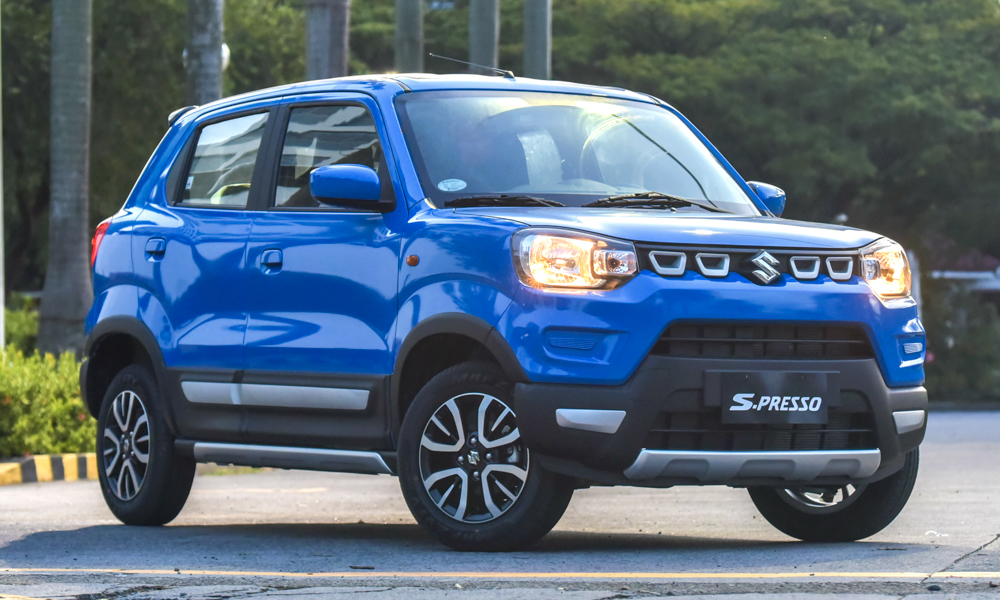
3. Suzuki S Presso: Affordable Mini SUV Designed for Rough Roads
The Suzuki S-Presso is a compact hatchback that is often marketed as a “mini SUV” because of its tall ride height and rugged design. Despite its small size, the S Presso is designed to handle rough roads, potholes, and uneven surfaces that are common in rural and developing areas.
Its combination of high ground clearance, lightweight construction, and simple mechanical design makes it a practical and budget-friendly vehicle.
One of the S Presso’s most notable features is its 7.1 inches (180 mm) of ground clearance, which is higher than many larger crossovers. This height allows the car to pass over deep potholes, speed bumps, and rough dirt roads without scraping the underside. The tall stance also gives the vehicle a more SUV-like appearance and improves visibility for the driver.
The suspension system is designed for durability rather than sporty handling. At the front, the S Presso uses MacPherson struts with coil springs, while the rear uses a torsion beam suspension with coil springs.
This setup is simple and robust, allowing the vehicle to absorb bumps and uneven road surfaces more effectively. The suspension tuning balances firmness and flexibility so the car can handle rough conditions while still providing acceptable ride comfort.
The S Presso is also extremely lightweight, weighing between 1,600 and 1,700 pounds (726 to 770 kilograms) depending on the configuration. This low weight improves fuel efficiency and makes the vehicle easy to maneuver on narrow roads or tight rural paths. It also has a very small turning radius of about 14.8 feet (4.5 meters), which helps drivers navigate tight parking spaces and crowded streets.
Under the hood, the S Presso uses a 1.0-liter three-cylinder engine that produces about 67 horsepower and 66 lb ft of torque. While not designed for high-speed performance, the engine provides adequate power for city driving and light rural travel. Buyers can choose between a five-speed manual transmission or an Automated Gear Shift system, which functions like an automatic but may feel slightly jerky during gear changes.
Inside, the S Presso features a high seating position that provides good forward visibility. The cabin is simple but functional, offering basic infotainment features and practical space for everyday use.
Because of its affordability, fuel efficiency, and ability to handle poor road conditions, the S Presso remains a popular entry-level vehicle in many developing markets.
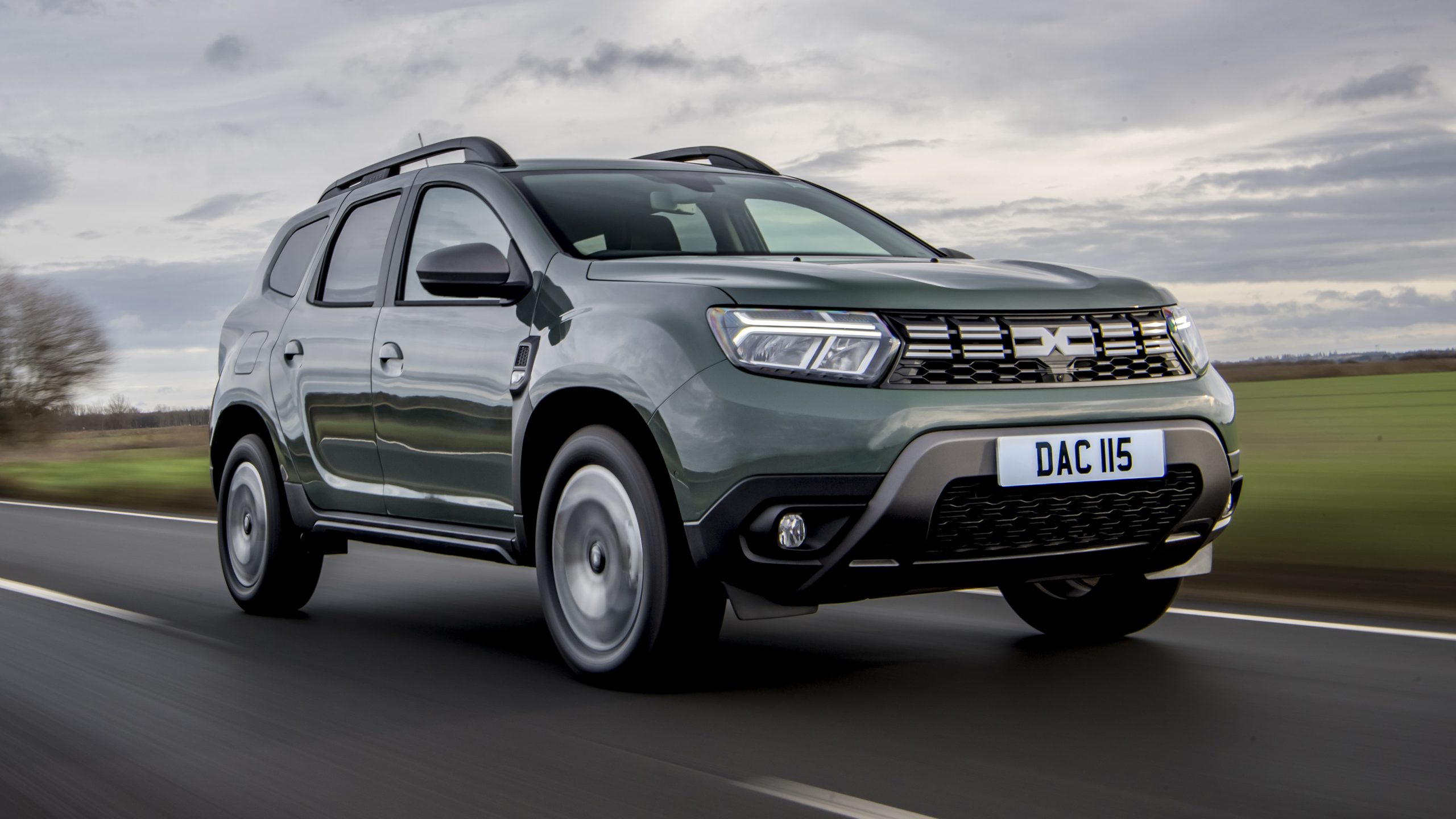
4. Dacia Duster 4×4: Budget-Friendly SUV Built for Rough Terrain
The Dacia Duster in its Four Wheel Drive configuration is widely recognized for delivering real off-road capability at a relatively low price. Designed as a compact and practical sport utility vehicle, the Duster prioritizes durability, ground clearance, and mechanical simplicity rather than luxury features. Because of this focus, it has become a popular choice among farmers, outdoor workers, and drivers who regularly travel on rough rural roads.
One of the most important strengths of the Duster 4×4 is its rugged suspension system. The vehicle uses MacPherson struts at the front and a more advanced independent multi-link rear suspension in the Four Wheel Drive version.
This setup allows the suspension to absorb constant vibrations from gravel roads, potholes, and uneven terrain. It also improves wheel articulation, helping the tires maintain contact with the ground and providing better traction on difficult surfaces.
Another major advantage is the vehicle’s 8.5 inches (217 mm) of ground clearance, which helps the Duster travel over rocks, deep ruts, and muddy surfaces without scraping the underside.
The SUV also features a 30-degree approach angle, allowing it to climb steep slopes or obstacles with reduced risk of damaging the front bumper. These characteristics give the Duster stronger off-road ability than many compact crossovers that are mainly designed for city driving.
The Duster’s Four Wheel Drive system includes selectable terrain modes intended for challenging conditions such as mud or snow. These modes adjust how power is distributed to the wheels, helping maintain traction when surfaces become slippery. The vehicle also uses short gearing in first gear, which allows careful low-speed movement when climbing steep hills or crossing rocky terrain.
Power is commonly provided by the TCe 130 turbocharged engine, which offers a balance between performance and efficiency. While it is not designed for high-speed driving, it produces enough torque for everyday use and light off-road conditions. Drivers may need to shift gears more often to keep the engine operating efficiently, especially on steep roads.
Inside the cabin, the Duster focuses on practicality. The interior uses durable materials designed to withstand regular wear, while the 456-liter cargo area offers useful storage space for tools, equipment, or luggage.
Although it lacks premium interior finishes and can produce more wind noise than some competitors, the Duster stands out for its strong value, dependable off-road ability, and practical design.
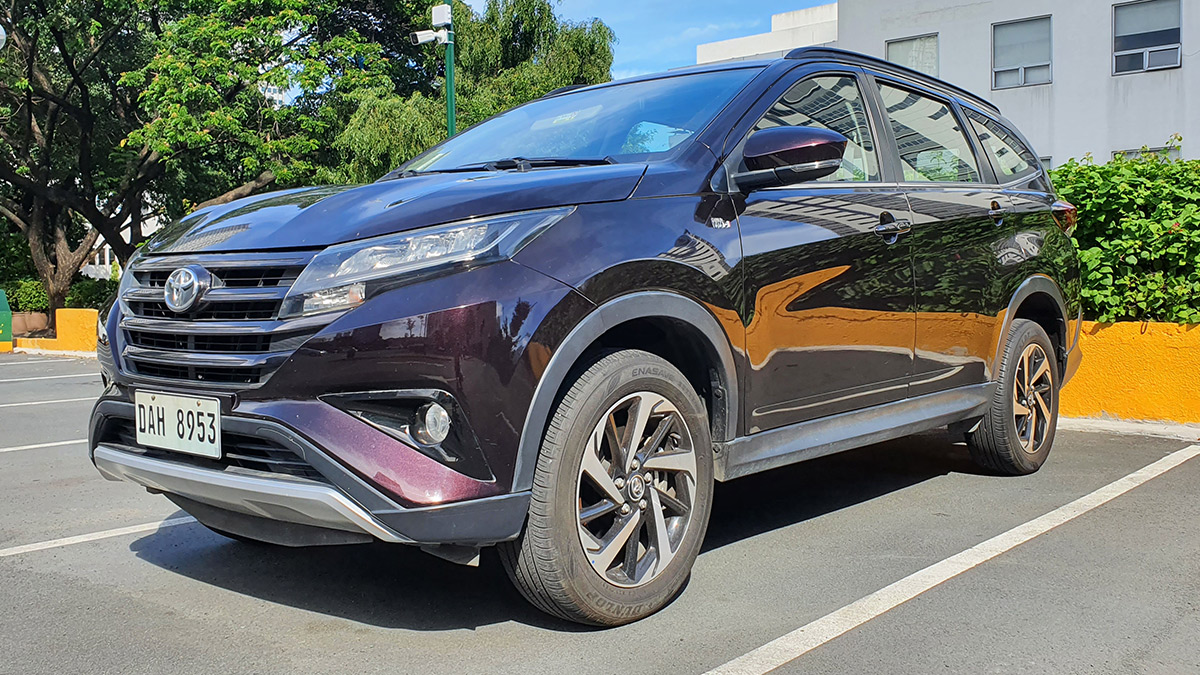
5. Toyota Rush: Practical Seven Seat SUV with Rugged Construction
The Toyota Rush is a compact seven-seat sport utility vehicle designed to combine the practicality of a family car with the durability of a light-duty off-road vehicle. Positioned between a traditional multi-purpose vehicle and an SUV, the Rush focuses on reliability, ground clearance, and passenger space. These qualities make it popular in markets where drivers frequently encounter rough roads, flooded streets, or uneven terrain.
One of the most distinctive aspects of the Rush is its Rear Wheel Drive layout combined with a semi-ladder frame structure. This hybrid construction blends the strength of a body-on-frame vehicle with the comfort and handling characteristics of a compact SUV.
The structure improves durability and helps the vehicle handle heavier loads without placing excessive stress on the chassis. As a result, the Rush can carry up to seven passengers while still maintaining structural stability on rough roads.
Another key feature is its 8.7 inches (220 mm) of ground clearance, which is among the highest in its class. This elevated ride height allows the Rush to pass through flooded streets, potholes, and rocky surfaces with less risk of underbody damage. The higher stance also gives drivers better visibility of the road ahead and contributes to the vehicle’s SUV-like appearance.
The Rush is equipped with a heavy-duty suspension system designed to support both passengers and cargo. The suspension is tuned to manage the weight of a fully loaded cabin while maintaining stability on degraded roads.
Although this setup provides durability, it can feel slightly firm or bouncy when the vehicle is lightly loaded. The stiffness, however, helps the suspension remain resilient during repeated impacts from rough surfaces.
Power comes from a 1.5-liter four-cylinder engine that produces about 103 horsepower. While the engine is reliable and efficient, it is not designed for aggressive acceleration or high-speed driving. Instead, it focuses on steady performance and fuel economy suitable for everyday transportation.
Inside the cabin, the Rush offers seating for up to seven occupants, making it a practical choice for families. The interior emphasizes functionality, with straightforward controls and durable materials. Safety features typically include multiple airbags, anti-lock braking systems, and electronic stability control.
While the Rush may lack the power and luxury of larger SUVs, it stands out as a dependable and versatile vehicle that balances affordability, passenger capacity, and rugged capability.
Also Read: 5 Cars Owners Are Happy With Long-Term vs 5 They Aren’t
5 Made Only for Smooth Pavement
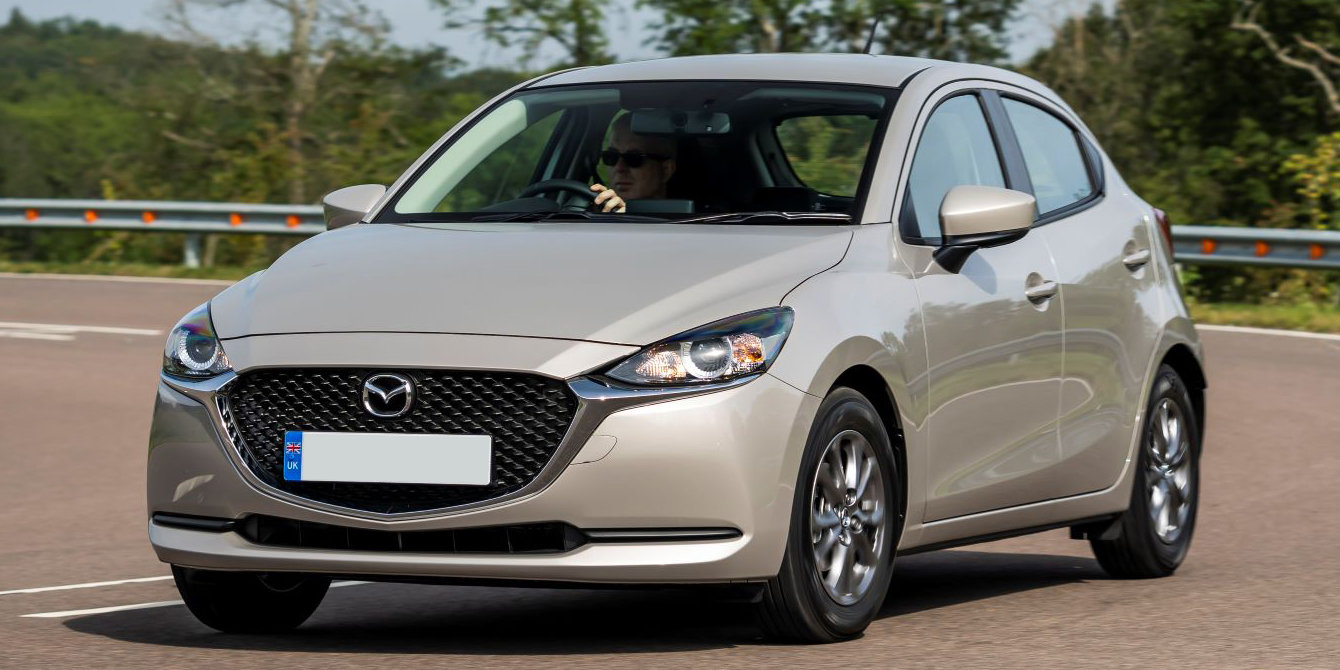
1. Mazda2 Sedan: Compact Car Focused on Precision and Urban Driving
The Mazda2 Sedan is a subcompact car designed with a strong emphasis on driving precision, efficiency, and refined road manners. Unlike many small cars that aim for versatility across different road conditions, the Mazda2 prioritizes smooth pavement performance and responsive handling.
Its engineering philosophy centers on Jinba Ittai, a concept used by Mazda that describes the feeling of harmony between driver and vehicle, similar to the relationship between a horse and rider.
One of the key aspects of the Mazda2 Sedan is its sport-oriented suspension tuning. The car uses MacPherson struts at the front and a torsion beam suspension at the rear, a common setup for compact vehicles.
However, the suspension is tuned to provide sharper handling and minimal body roll during cornering. This design improves steering precision and stability at higher speeds, especially on well-maintained asphalt roads. As a result, the Mazda2 delivers a more engaging driving experience than many other cars in the same segment.
The vehicle’s relatively low ground clearance of about 6.0 inches (152 mm) also contributes to its stable road behavior. A lower ride height helps reduce aerodynamic drag and improves cornering balance, but it also means the car is less suited for rough terrain or poorly maintained roads. Large potholes, gravel surfaces, or deep ruts can place extra stress on the suspension and increase the risk of scraping the underside.
Under the hood, the Mazda2 Sedan is powered by a 1.5-liter naturally aspirated four-cylinder gasoline engine. Depending on the version, the engine produces between 74 and 113 horsepower. The power is delivered to the front wheels through either a six-speed manual transmission or an automatic transmission. Some versions also incorporate mild hybrid technology to improve fuel efficiency.
Inside, the Mazda2 offers a practical and driver-focused interior layout. Standard features often include navigation, Bluetooth connectivity, cruise control, and air conditioning. Higher trim levels may add features such as a head-up display, heated front seats, and a reversing camera.
While the Mazda2 Sedan is praised for its precise steering and enjoyable driving dynamics, it does have limitations. The engine can feel underpowered compared with turbocharged rivals, and the firm suspension can produce a harsher ride on rough surfaces. Even so, the Mazda2 remains a well-balanced and efficient small sedan that excels in urban environments and on smooth highways.
2. Honda City: Efficient Urban Sedan Built for Smooth Roads
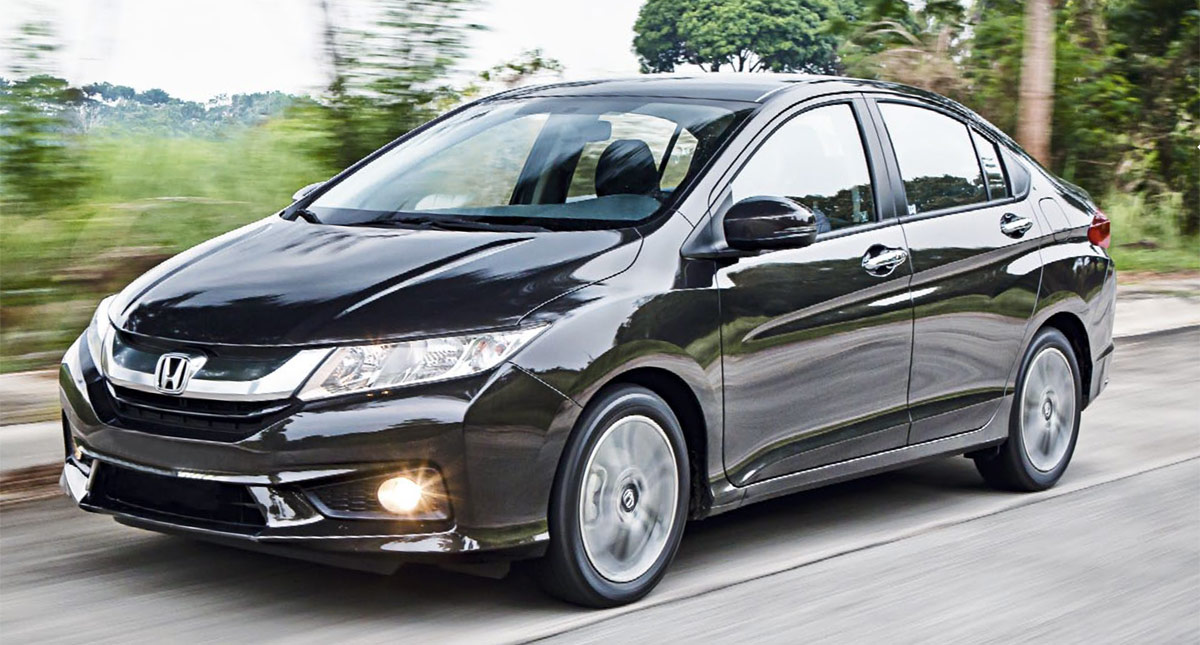
The Honda City is a subcompact sedan designed primarily for urban driving and highway travel. Known for its fuel efficiency, spacious cabin, and comfortable ride, the City has become a popular choice for commuters and families who spend most of their time on paved roads. Its engineering focuses on practicality, smooth driving dynamics, and everyday usability rather than rugged off-road capability.
One of the defining characteristics of the Honda City is its soft suspension tuning, which is designed to absorb minor bumps and imperfections on city streets. This setup allows the car to deliver a comfortable and quiet ride during daily commuting.
The suspension typically uses MacPherson struts at the front and a torsion beam at the rear, providing a balance between comfort and stability. While this configuration works well on paved surfaces, it may feel less controlled on heavily damaged roads or rough terrain.
Another important design factor is the car’s low ground clearance, which generally ranges between 5.3 and 6.5 inches (134 to 165 mm) depending on the model year and market.
The lower ride height improves aerodynamics, helps increase fuel efficiency, and contributes to better handling through a lower center of gravity. However, it also makes the vehicle more vulnerable to scraping when passing over deep potholes, high-speed bumps, or steep road entrances.
The Honda City is powered by a 1.5-liter four-cylinder gasoline engine that focuses on efficiency and smooth acceleration. The engine is commonly paired with a continuously variable transmission, which helps deliver steady power and improved fuel economy during stop-and-go traffic. This drivetrain setup is optimized for urban driving conditions rather than the high torque performance needed for off-road situations.
Inside the cabin, the Honda City stands out for its spacious interior and large trunk capacity, offering more passenger room than many other cars in the same segment. The layout emphasizes comfort and practicality, with supportive seating and easy-to-use controls.
Many models also include advanced safety features through Honda Sensing, which provides technologies such as collision mitigation braking, adaptive cruise control, and lane keeping assistance.
Although the City is not intended for rough terrain, it performs well on well-maintained roads and highways. Its efficient engine, comfortable ride, and reliable reputation make it a strong option for drivers who prioritize fuel economy, practicality, and daily commuting comfort.
3. Volkswagen Polo: Refined Hatchback Designed for Smooth Roads
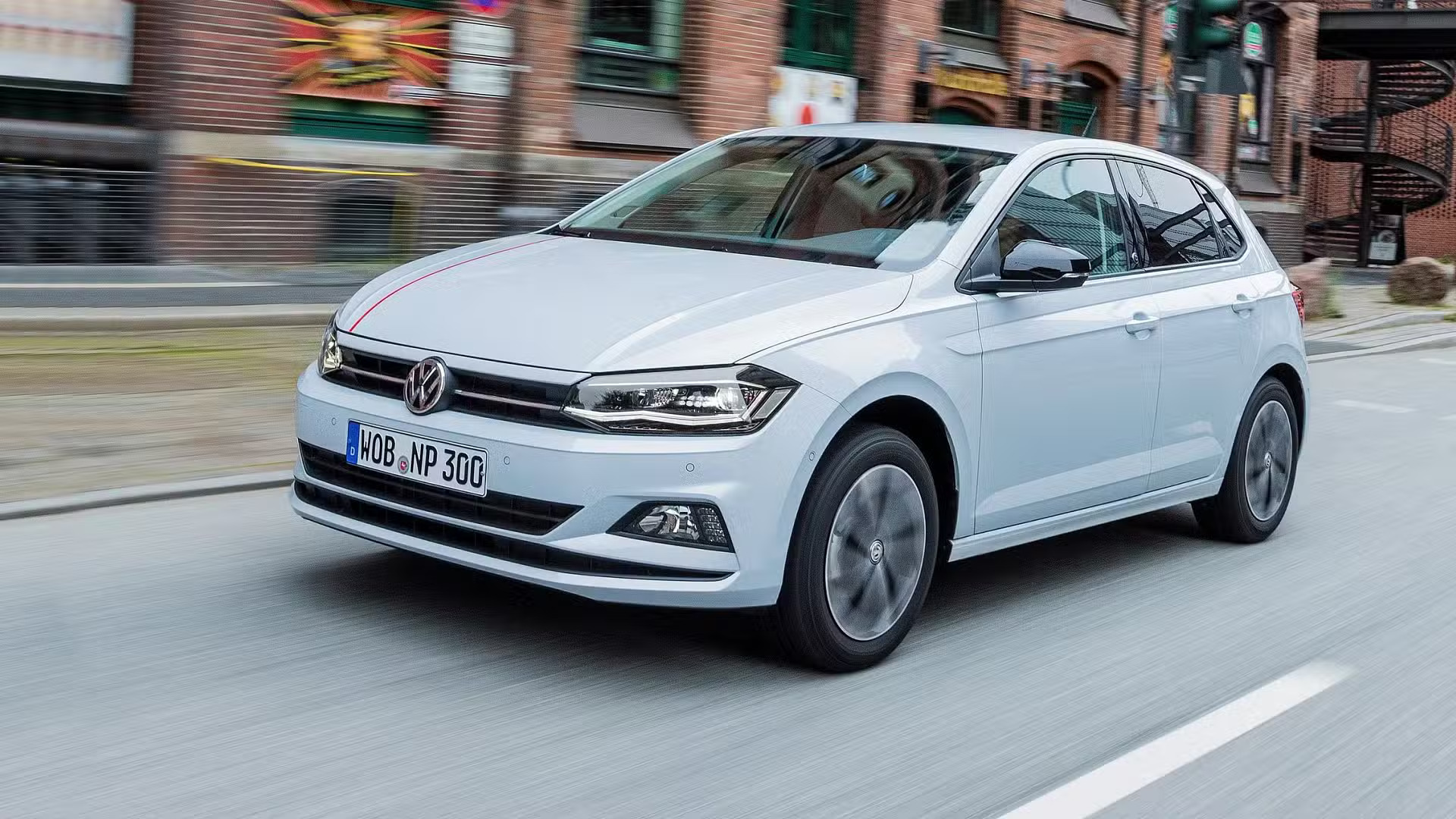
The Volkswagen Polo is a compact hatchback known for delivering a “big car” driving experience in a small package. Over several generations, the Polo has built a strong reputation for quality, comfort, and refinement within the supermini class. Its design focuses on smooth pavement performance, everyday practicality, and long-distance comfort rather than rugged capability on rough terrain.
One of the key strengths of the Polo is its well-balanced suspension system, which blends firmness with comfort to create a stable and composed ride. The dampers and springs are carefully tuned to perform well on paved roads, helping the car remain planted at highway speeds.
This setup gives the Polo excellent stability during motorway driving and allows it to feel more mature than many other small cars. Drivers often note that the car maintains a steady and confident feel even at speeds around 62 mph (100 km/h).
Although the suspension provides good comfort on normal roads, it is also relatively stiff compared with rough road vehicles. When encountering deep potholes, large ruts, or uneven dirt tracks, the suspension can feel harsh and “crashy.”
Unlike SUVs or off-road vehicles, the Polo lacks long-travel suspension and protective underbody components that would help it handle severe impacts or loose rocks. This design choice highlights its primary purpose as a city and highway vehicle.
The Polo’s compact size and light controls make it particularly effective in urban environments. Its small footprint allows easy parking and maneuvering through tight streets, while good visibility improves driver confidence in heavy traffic. The steering is tuned for simplicity and ease of use rather than sporty engagement, making the car relaxing to drive during daily commutes.
Modern versions of the Polo, especially the sixth generation introduced in 2018, also emphasize interior quality and technology. Many models include digital instrument displays, touchscreen infotainment systems, and smartphone connectivity features. These upgrades help position the Polo as a more premium option in the small car segment, often drawing comparisons with the larger Volkswagen Golf.
Performance varies depending on the engine. Most models use small turbocharged petrol engines that deliver a balance of efficiency and usable power for city and highway driving. The high-performance Volkswagen Polo GTI variant adds a stronger engine and sportier tuning for drivers seeking quicker acceleration.
Despite its premium feel and practicality, the Polo is not designed for harsh off-road conditions. Its suspension, ride height, and road-focused engineering make it best suited for well-maintained streets and highways. For drivers prioritizing comfort, refinement, and everyday usability, the Polo remains one of the most polished choices in the supermini category.
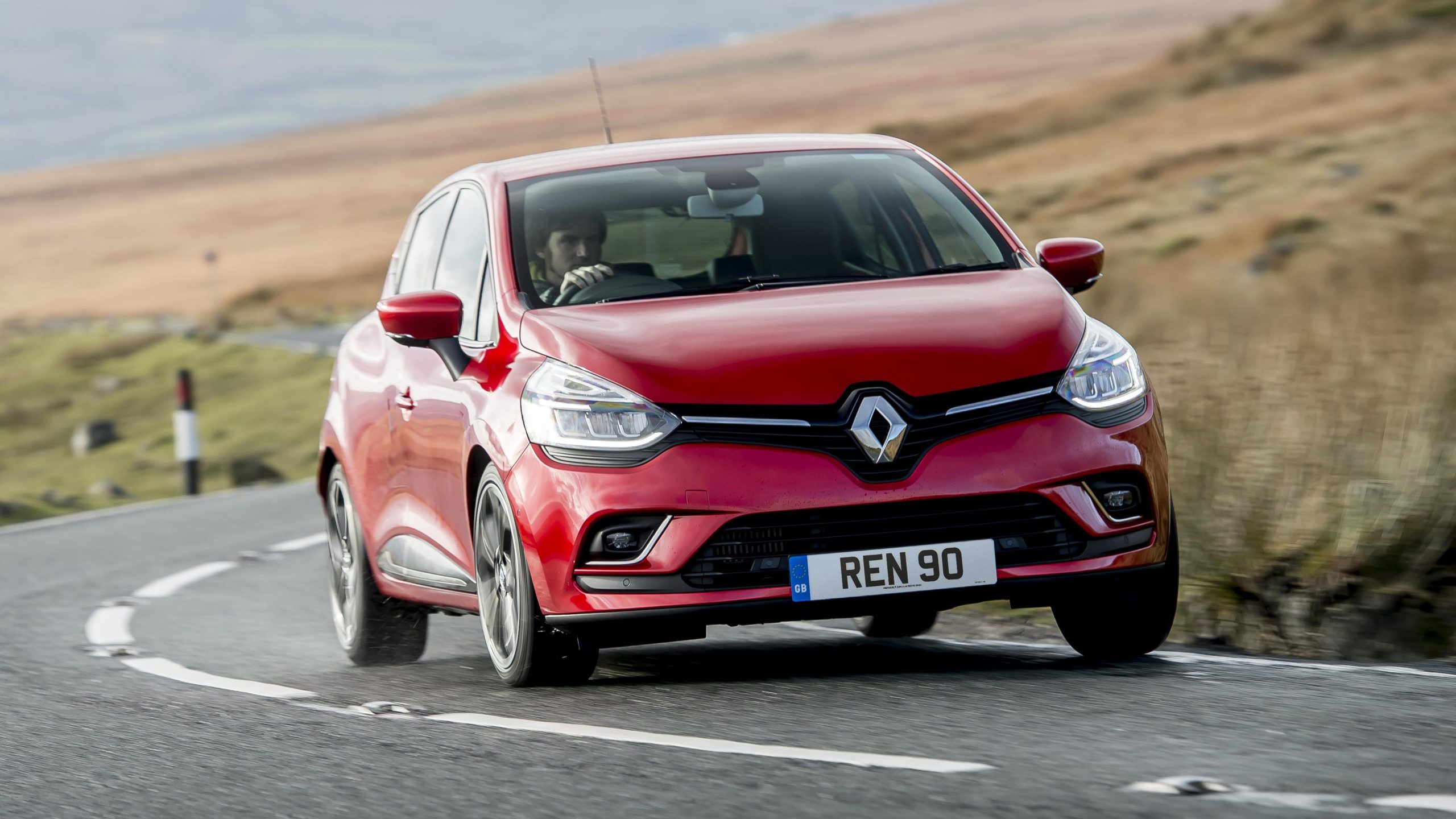
4. Renault Clio: Nimble and Engaging Supermini for City and Road
The Renault Clio has established itself as one of Europe’s most popular superminis, prized for its agility, handling, and practicality. Designed for smooth, paved roads and urban environments, the Clio excels in city streets and winding tarmac. Its suspension is firm and sport-tuned, offering excellent feedback and body control, which enhances cornering and highway stability.
However, this road-focused setup can feel choppy over rough terrain or potholes, as the geometry prioritizes grip over impact resilience, potentially leading to faster wear on components like bushings and links.
The Clio’s compact dimensions and low center of gravity make it highly maneuverable in urban traffic, while its light steering and well-weighted handling ensure it remains engaging for drivers who appreciate responsive feedback.
On highways, the Clio is refined, with minimal road and engine noise, providing a comfortable long-distance driving experience. For performance-focused buyers, the Clio E-Tech hybrid and Esprit Alpine trims offer higher power outputs, better acceleration, and supportive sports seats for enhanced stability during spirited driving.
The fifth-generation Clio, launched in 2019 and facelifted later, presents a striking design inspired by Renault’s SUV and electric models, including a new grille, ‘F1 Blade’ front bumper, LED lighting, and aerodynamic rear elements.
Inside, the cabin prioritizes ergonomics and practicality over flashiness, featuring well-placed physical controls, a digital driver display, and an infotainment touchscreen with wireless Apple CarPlay and Android Auto. While the interior lacks the Google-powered tech of larger Renault models, materials are well-finished, and storage and passenger space are competitive within the class.
Practicality remains a highlight. The five-door Clio offers generous legroom and a class-leading 391-litre boot in the petrol version, while the hybrid’s battery reduces cargo space slightly to 301 litres. Folding rear seats expand storage for larger loads, and ISOFIX points are provided for child seats in both rear and front positions. The Clio can also tow up to 900kg with the right specification.
Safety is strong, with a five-star Euro NCAP rating and extensive standard driver assistance features, including automatic emergency braking, lane-keep assist, and traffic-sign recognition. Although reliability surveys suggest mixed owner satisfaction, Renault offers a standard three-year/60,000-mile warranty, extendable for up to 100,000 miles.
Engaging to drive, practical, and well-equipped, the Renault Clio remains a compelling choice in the supermini segment, excelling on smooth roads and city streets while offering hybrid efficiency and advanced safety technology.
5. Mitsubishi Mirage G4: Efficient City Sedan for Budget-Conscious Drivers
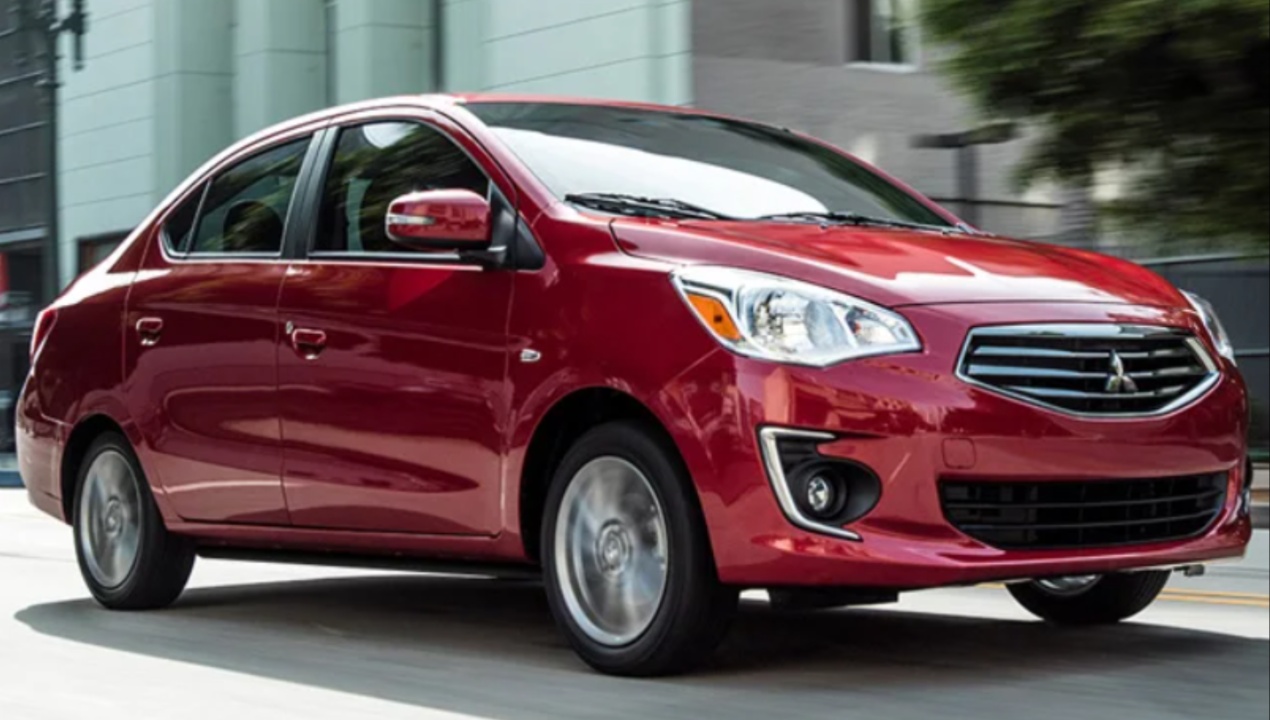
The Mitsubishi Mirage G4 is a compact, economy-focused sedan engineered primarily for urban commuting and low-cost motoring. Its lightweight design and modest 1.2-liter three-cylinder engine, producing 78 horsepower, make it highly fuel-efficient but leave it underpowered compared to rivals like the Nissan Versa.
The CVT and front-wheel-drive setup prioritize smooth, low-speed city driving, although acceleration on highways feels tepid, requiring heavy throttle input for overtaking. The engine can also become noisy at higher speeds, reflecting its budget-oriented design.
The Mirage G4’s suspension is tuned for comfort on smooth, paved streets, delivering a gentle ride in everyday traffic. However, its low-duty suspension and narrow tires mean the car struggles on rough roads, where the ride can feel harsh, and the chassis may face long-term wear if subjected to frequent potholes or degraded surfaces.
Its 160mm ground clearance is respectable for city use but insufficient for off-road or rugged terrain. The sedan’s compact dimensions, excellent visibility, and lightweight chassis make it highly maneuverable in tight urban settings, ideal for city errands, parking, and congested traffic.
Fuel economy is a standout feature. The Mirage G4 achieves EPA-rated figures of 35 mpg city and 41 mpg highway, outperforming some competitors while keeping running costs low. Its lightweight construction and small engine contribute to these impressive numbers, making it one of the most economical sedans in its class.
Inside, the cabin is modest and functional rather than luxurious. The Mirage G4 provides slightly more rear-seat legroom than its hatchback sibling, accommodating passengers comfortably in both rows.
Cargo space is limited to under 13 cubic feet, less than the Versa, but adequate for typical city use. Infotainment is basic but modern, with Bluetooth, a 7-inch touchscreen, Apple CarPlay, Android Auto, and optional Rockford Fosgate audio. Physical controls are simple, prioritizing usability over style.
Safety features include standard automated emergency braking with pedestrian detection, while optional aids like lane-departure warning and automatic high beams are available. Mitsubishi complements the Mirage G4 with strong warranty coverage: five years/60,000 miles for the limited warranty, 10 years/100,000 miles for the powertrain, and two years/30,000 miles of complimentary scheduled maintenance.
The Mitsubishi Mirage G4 is a no-frills, highly economical sedan that excels in city environments. Its lightweight, compact footprint, and low operating costs make it ideal for urban drivers seeking practicality and fuel efficiency, though its underpowered engine and basic suspension limit versatility on highways and rough roads.
When choosing a compact car, it is important to consider the type of terrain it is designed for. Cars with heavy-duty suspensions provide higher ground clearance, greater suspension travel, and a reinforced chassis to handle dirt roads, potholes, and uneven surfaces.
They are ideal for rural environments and off-road use. Pavement-focused compact cars offer smooth rides, precise handling, and fuel efficiency on city streets and highways, but can struggle on rough roads.
Examining the suspension, ground clearance, and chassis design ensures you select a car that matches your driving conditions. Whether your priority is rugged durability or urban agility, understanding these differences helps buyers make an informed decision that balances performance, comfort, and reliability for their specific needs.
Also Read: 10 Cars That Use Strange Materials Like Wood or Fabric in the Frame