
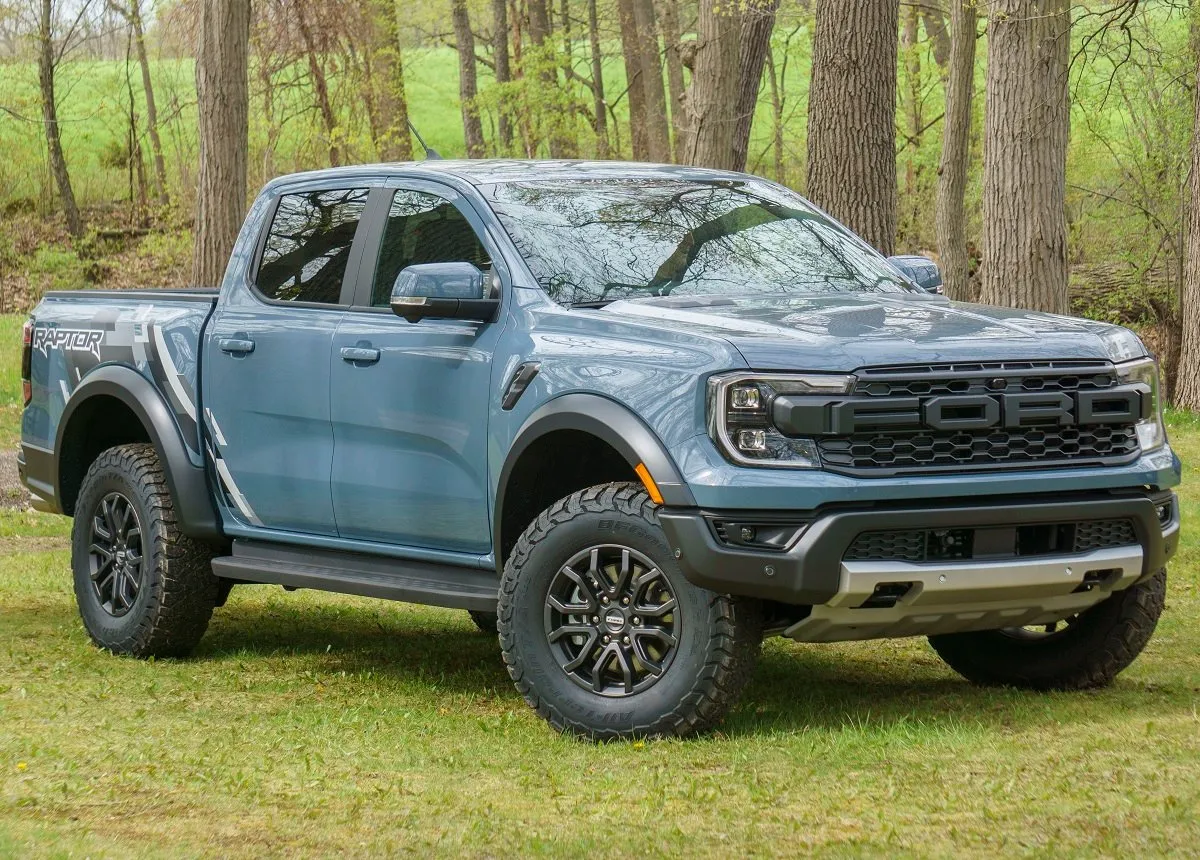
For decades, full size pickup trucks dominated the towing world. Their large frames, powerful engines, and heavy duty suspensions made them the natural choice for hauling trailers, boats, construction equipment, and campers.
Older full size trucks from the early 2000s often delivered towing capacities between 6000 and 9000 pounds, which was considered impressive at the time.
However, the pickup truck market has evolved dramatically over the past two decades. Modern midsize trucks have benefited from advances in engine technology, stronger chassis designs, improved transmissions, and sophisticated towing electronics.
Because of these improvements, many midsize pickups today can tow as much as older full size trucks once did.
Turbocharged engines, high strength steel frames, and smarter cooling systems now allow midsize trucks to deliver impressive torque and stability when pulling heavy loads.
In addition, modern braking systems, trailer sway control, and integrated towing modes make towing safer and easier for drivers who may not have years of towing experience.
Another advantage is efficiency. Midsize trucks typically weigh less than full size models and often deliver better fuel economy while still maintaining strong towing performance. This combination makes them attractive to drivers who want serious capability without the bulk and fuel consumption of a larger truck.
Many people today use their trucks for multiple purposes. A midsize pickup can serve as a daily driver during the week while still towing a camper, boat, or utility trailer on weekends. For many buyers, that versatility makes these trucks a practical alternative to traditional full size pickups.
The following trucks prove how far midsize pickups have come. Each model offers towing capability that rivals or matches older full size trucks, demonstrating that size alone no longer determines strength in the modern pickup market.
Also Read: 10 Best Trucks for Overlanding Through Remote Areas
1. Chevrolet Colorado
The Chevrolet Colorado represents one of the most significant shifts in how midsize trucks are engineered for real work. Earlier generations of midsize pickups were often seen as lifestyle vehicles rather than serious towing machines.
The Colorado changed that perception by offering a combination of strong engines, a reinforced frame, and a suspension designed specifically to support heavy loads.
One of the key reasons the Colorado stands out is its impressive towing capability. Certain configurations can tow more than 7000 pounds, which is comparable to many full size trucks built in the early 2000s.
This level of performance makes it suitable for towing medium sized campers, fishing boats, enclosed cargo trailers, and small construction equipment.
Engine options play a major role in the truck’s capability. Chevrolet designed the Colorado with powertrains that deliver strong low end torque, which is essential when pulling heavy loads from a stop or climbing steep grades.
The truck’s transmission is also tuned to maintain power delivery under load, helping drivers maintain steady speeds when towing on highways.
Beyond raw power, the Colorado includes several features that improve towing confidence. Trailer sway control helps stabilize a trailer when crosswinds or sudden steering inputs occur. An integrated trailer brake controller allows the driver to manage braking more effectively, especially when towing heavy loads downhill.
Cooling is another factor that determines towing performance. The Colorado uses upgraded cooling systems in towing equipped models to prevent engine overheating during long hauls or hot weather conditions. This ensures the truck can maintain performance even when pulling near its maximum capacity.
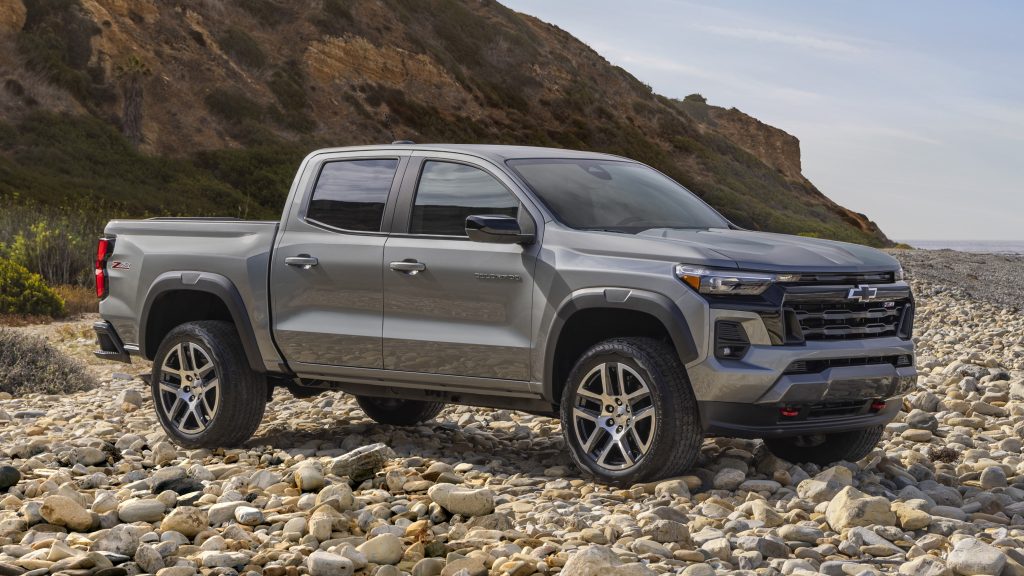
Drivers also benefit from the truck’s manageable size. Compared to a full size pickup, the Colorado is easier to park, easier to maneuver in city environments, and generally more comfortable for daily driving. Despite its smaller footprint, it still provides the strength needed for serious towing tasks.
Because of this balance between practicality and capability, the Chevrolet Colorado has become a strong example of how modern midsize trucks can match the real world towing performance of older full size pickups. When properly equipped, it proves that towing strength no longer depends solely on vehicle size.
2. Ford Ranger
When the Ford Ranger returned to the North American market, it did not come back as a lightweight lifestyle truck. Ford engineered the modern Ranger with a clear focus on capability, especially towing. The result is a midsize pickup that delivers towing numbers once associated with older full size trucks.
The heart of the Ranger’s performance lies in its turbocharged EcoBoost engine. Instead of relying on large displacement, Ford used turbocharging to produce strong torque at low engine speeds.
This matters when towing because trailers demand pulling force immediately when accelerating from a stop. With its turbocharged design, the Ranger delivers that torque quickly and consistently.
In properly equipped form, the Ranger can tow around 7500 pounds. To put that into perspective, many early 2000s full size trucks such as older F150 and Silverado models had similar towing ratings. For drivers hauling a mid sized camper or a car trailer, the Ranger offers more than enough capability.
Ford also engineered the Ranger’s frame to handle the stress created by towing. The truck uses a high strength steel frame designed to remain rigid under heavy load conditions. This rigidity improves stability, particularly when towing on highways or during crosswinds.
Another advantage comes from the Ranger’s electronic driver assistance systems. Ford includes trailer sway control as part of its stability system. When the sensors detect unwanted trailer movement, the system automatically adjusts braking and engine output to restore stability.
The Ranger’s towing experience is also supported by smart transmission programming. The automatic transmission selects gears that keep the engine in its torque band, preventing constant shifting while climbing hills or maintaining speed with a trailer attached.
Many truck buyers appreciate the Ranger because it combines real towing capability with everyday usability. It is smaller than a full size truck, easier to park in crowded areas, and typically more fuel efficient.
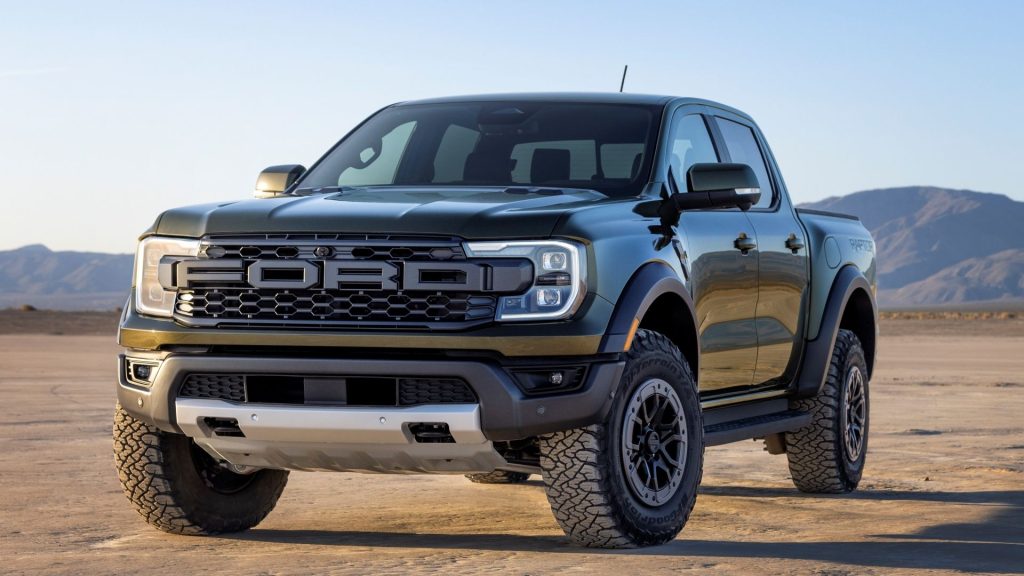
Yet when it is time to tow a trailer for a weekend trip or work project, the truck delivers strength that rivals many older full size pickups.
This balance between efficiency, maneuverability, and towing power explains why the Ford Ranger is often considered one of the most capable midsize trucks available today.
3. Toyota Tacoma
The Toyota Tacoma has built a reputation over decades for durability and reliability, but its towing capability is another reason many owners choose it.
While earlier generations were known primarily for off road performance, modern Tacoma models demonstrate that the truck is equally capable when pulling heavy trailers.
A properly equipped Tacoma can tow up to about 6800 pounds. That figure places it firmly within the range of towing capacities offered by many full size trucks from the late 1990s and early 2000s.
For many truck owners, that level of capability is more than sufficient for hauling recreational trailers, small boats, or work equipment.
Toyota designed the Tacoma’s structure with durability in mind. The truck uses a reinforced ladder frame that provides strength while maintaining the flexibility needed to handle rough terrain.
This design also contributes to towing stability because the frame resists excessive twisting under load.
Engine performance plays a major role in how the Tacoma handles towing tasks. The available V6 engine produces strong mid range power, which helps maintain speed when pulling a trailer up long grades.
Toyota paired this engine with a transmission designed to keep power delivery smooth even under heavy load conditions.
The Tacoma also includes several systems intended to assist drivers when towing. Integrated trailer sway control is built into the vehicle stability system, helping prevent unwanted trailer movement during sudden steering inputs or windy conditions.
One feature that sets the Tacoma apart is its multi terrain capability. Many owners use the truck both for towing and off road travel. This dual purpose design means the Tacoma is built to withstand challenging environments, which indirectly benefits towing durability as well.
Cooling systems are another area where Toyota focused on reliability. Trucks configured for towing receive upgraded cooling components to ensure the engine and transmission maintain proper operating temperatures even during extended towing sessions.
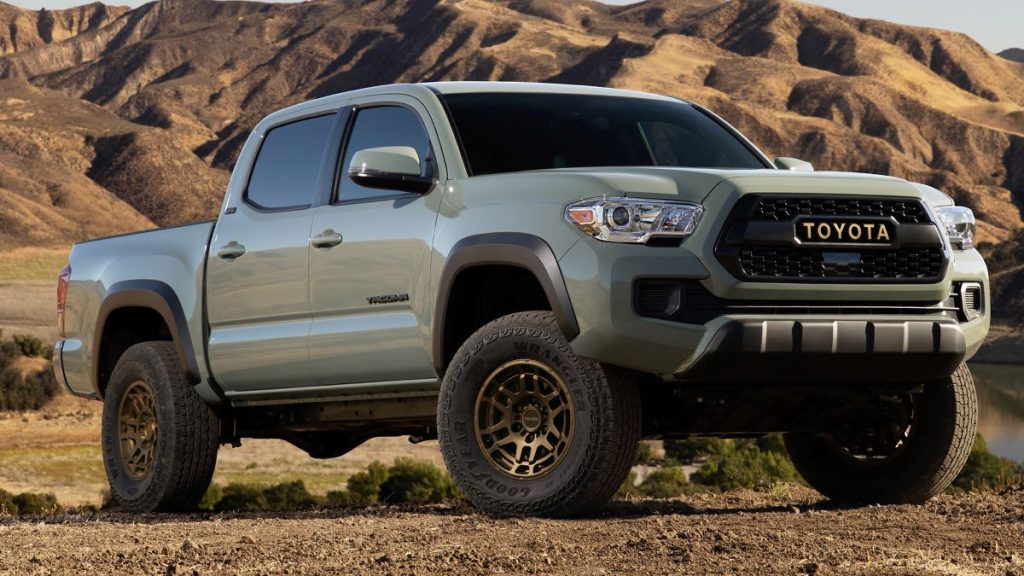
Although the Tacoma may appear compact compared to a full size truck, its towing capability proves that size does not always determine performance.
With strong engineering and proven durability, the Tacoma continues to show how midsize pickups can deliver towing performance similar to older full size trucks while remaining practical for everyday driving.
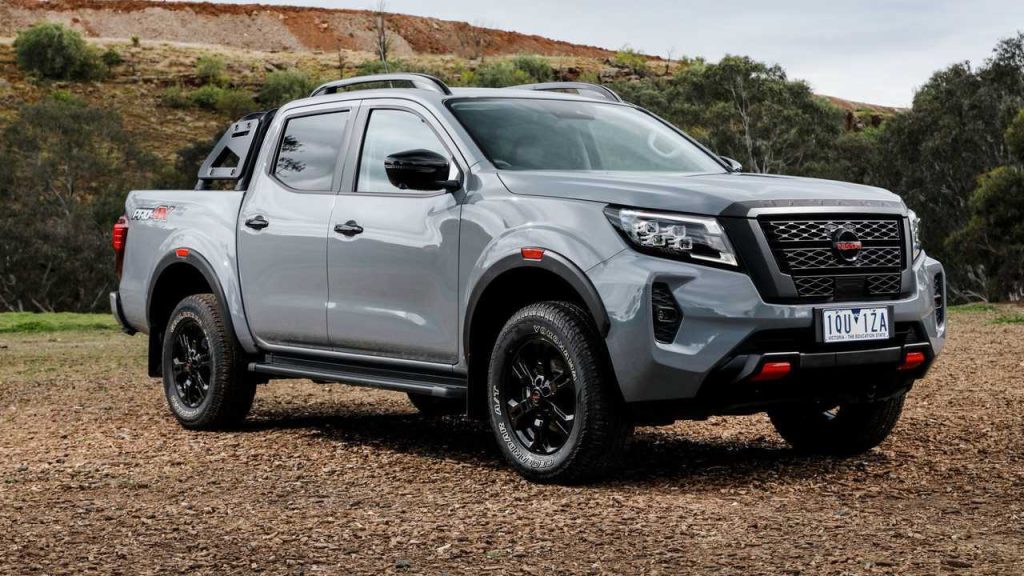
4. Nissan Frontier
Not every capable towing truck relies on complex engineering or multiple engine choices. The Nissan Frontier takes a different approach by focusing on simplicity and strong mechanical fundamentals.
This philosophy has helped the Frontier earn a reputation as a dependable midsize pickup that can handle serious towing duties.
The modern Frontier is powered by a robust V6 engine that produces strong horsepower and torque figures for a truck in this class. When properly equipped, it can tow up to around 6700 pounds. That number places it comfortably within the territory once occupied by many full size trucks from the early 2000s.
What makes the Frontier interesting is how it delivers this capability without unnecessary complexity. Instead of offering several engines or complicated powertrain options, Nissan focused on refining one well balanced powertrain that provides reliable performance in a variety of situations.
The truck’s ladder frame plays a major role in towing stability. Built using high strength steel, the frame is designed to handle both off road stress and heavy trailer loads. This structural strength ensures that the truck maintains composure even when pulling larger trailers on uneven roads.
Transmission tuning also contributes to towing performance. The Frontier’s automatic transmission is calibrated to provide consistent power delivery when climbing hills or accelerating with a trailer attached. Smooth gear changes help prevent sudden power interruptions that could destabilize a trailer.
Another helpful feature is the truck’s trailer sway control system. This technology constantly monitors vehicle motion and applies braking adjustments when necessary to keep the trailer stable. Drivers benefit from increased confidence, especially when traveling at highway speeds.
One of the Frontier’s biggest advantages is durability. Nissan engineered the truck with long term reliability in mind, which appeals to drivers who tow regularly for work or recreation. Whether pulling landscaping equipment, a boat, or a small camper, the truck is designed to handle repeated towing tasks without excessive wear.
Because of this combination of strength, reliability, and straightforward engineering, the Nissan Frontier demonstrates how a midsize truck can match the towing performance of many older full size pickups while remaining simple and dependable.
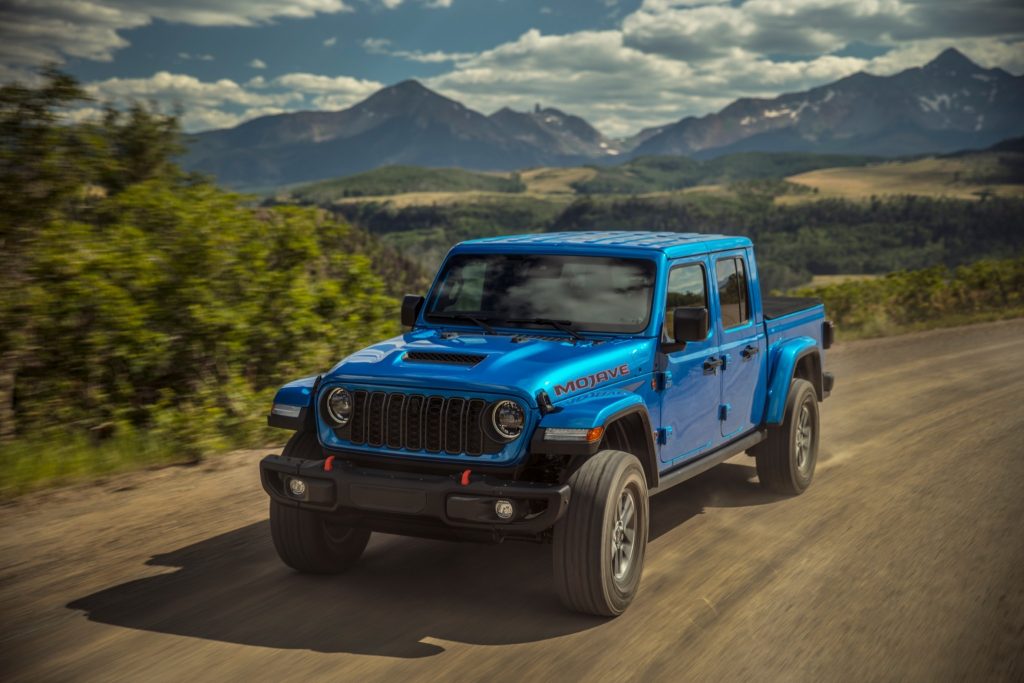
5. Jeep Gladiator
The Jeep Gladiator stands out in the midsize truck market because it blends traditional Jeep off road capability with genuine towing strength. While many people associate Jeep primarily with trail performance, the Gladiator proves that the brand can also deliver impressive towing capability.
When equipped with the right configuration, the Gladiator can tow up to approximately 7650 pounds. That figure places it among the strongest midsize trucks available and clearly within the towing range once dominated by older full size pickups.
Part of the reason for this capability lies in the Gladiator’s chassis design. The truck uses a reinforced frame derived from Jeep’s off road engineering experience. This structure provides the durability needed to handle rough terrain while also supporting heavy trailer loads.
The Gladiator’s long wheelbase also plays an important role in towing stability. A longer wheelbase helps distribute weight more evenly and reduces the likelihood of trailer sway. Drivers often notice that the truck feels more planted when towing compared to shorter wheelbase vehicles.
Under the hood, the Gladiator’s V6 engine produces solid torque output, which helps the truck move heavy trailers without excessive strain. The power delivery is designed to be smooth and predictable, allowing drivers to maintain control during acceleration or when climbing steep grades.
Jeep also integrated several towing technologies into the Gladiator. Trailer sway control, hill start assist, and advanced traction management systems work together to improve towing confidence. These systems are particularly useful when towing in challenging conditions such as gravel roads or mountain terrain.
Another benefit of the Gladiator is versatility. The removable roof and doors allow the truck to transform into an open air adventure vehicle, something no other pickup in the segment offers. Yet despite this lifestyle oriented design, it still delivers serious towing capability.
For drivers who want both adventure and utility, the Jeep Gladiator represents a unique option. It proves that a midsize truck can offer exceptional off road capability while still towing loads that rival those handled by older full size trucks.
6. Chevrolet Colorado ZR2
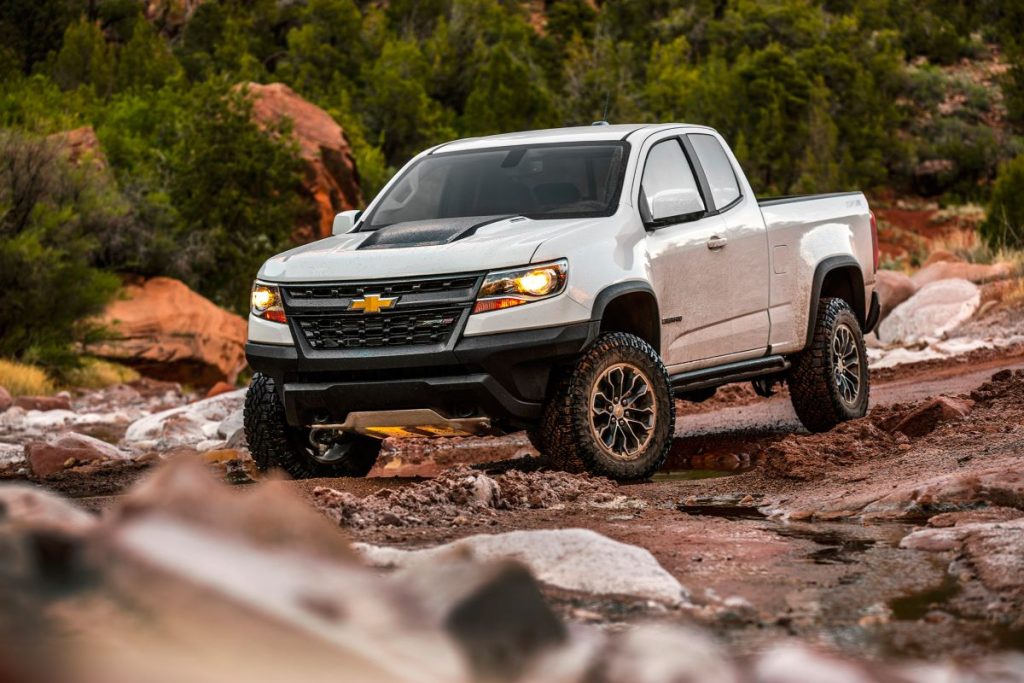
Most people associate the Chevrolet Colorado ZR2 with extreme off road performance rather than towing strength. Its wide stance, lifted suspension, and aggressive tires make it look like a truck built purely for trails and rocky terrain.
However, beneath its rugged appearance lies a platform that still offers impressive towing capability for a midsize pickup.
The ZR2 is built on the same strong foundation as the standard Colorado, which means it benefits from the truck’s robust frame and capable powertrain. When configured correctly, the Colorado platform can tow over 7000 pounds, a figure that comfortably overlaps with many full size pickups produced two decades ago.
What makes the ZR2 particularly interesting is how it balances off road engineering with towing practicality. The truck uses specialized Multimatic DSSV dampers that are designed to handle rough terrain while maintaining stability under load.
These advanced suspension components help keep the vehicle controlled even when a trailer adds additional weight to the rear.
Power delivery is another factor that contributes to the truck’s performance. The engine produces strong torque that allows the ZR2 to pull trailers without constantly struggling for power. When climbing hills or accelerating onto highways, the engine responds with steady force rather than sudden bursts that might upset trailer balance.
In addition to mechanical strength, Chevrolet includes several electronic systems that support towing tasks. Trailer sway control monitors the movement of the trailer and intervenes if instability begins to develop. The truck also benefits from modern braking systems designed to maintain control when towing heavier loads.
Drivers often appreciate the versatility offered by the ZR2. During the week it can serve as a comfortable daily driver, while on weekends it can tow recreational equipment such as boats, small campers, or off road vehicles. That combination of trail capability and towing strength gives it a unique position in the midsize truck market.
Although the ZR2 is primarily marketed as an off road machine, its towing ability demonstrates how far midsize trucks have progressed. Even specialized models like this one can deliver pulling power comparable to older full size trucks.
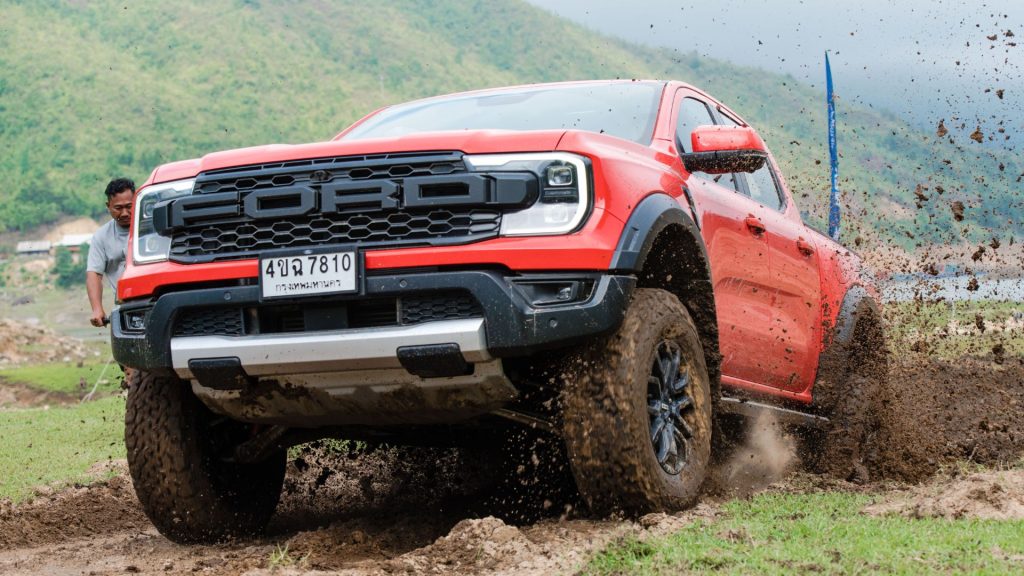
7. Ford Ranger Raptor
Performance trucks are typically associated with speed and desert running rather than towing, but the Ford Ranger Raptor manages to combine both qualities. Developed by Ford Performance, this version of the Ranger pushes the limits of what a midsize pickup can achieve.
Unlike the standard Ranger, the Ranger Raptor is engineered with a completely different philosophy. The truck features reinforced suspension components, a strengthened chassis, and high performance shock absorbers designed to handle extreme driving conditions.
While these upgrades are intended for off road performance, they also contribute to structural strength when towing.
The Ranger Raptor uses a twin turbocharged engine that produces impressive torque figures for a truck in this size category. This torque is crucial for towing because it provides the pulling force necessary to move heavy trailers smoothly from a stop.
Although its maximum towing capacity is slightly lower than the standard Ranger due to its off road suspension setup, it still falls within the range of many older full size trucks. This means the Ranger Raptor can easily handle trailers carrying recreational vehicles, motorcycles, or camping equipment.
One area where the truck truly shines is stability. The advanced suspension system helps keep the vehicle balanced even when towing on uneven surfaces. Drivers who tow in rural areas or on dirt roads often appreciate this additional control.
Ford also equips the Ranger Raptor with multiple driving modes, including settings that optimize power delivery and traction when hauling loads. These systems allow the driver to adapt the truck’s behavior depending on road conditions and trailer weight.
The interior of the Ranger Raptor reflects its performance focus but still includes features designed to assist with towing. Clear camera views, trailer monitoring systems, and responsive steering help drivers maintain confidence while pulling heavier loads.
By combining performance engineering with practical capability, the Ranger Raptor demonstrates that even high performance midsize trucks can deliver towing strength that rivals the capabilities of older full size pickups.
8. Toyota Tacoma TRD Pro
Some trucks focus purely on work, while others are designed to blend adventure with everyday practicality. The Toyota Tacoma TRD Pro sits firmly in the second category. Known for its off road reputation, this truck also proves that rugged trail capability can coexist with respectable towing strength.
Unlike basic work trucks that highlight towing numbers first, the TRD Pro is often introduced through its off road credentials. It features upgraded suspension components, skid plates, and specialized tuning designed to handle difficult terrain. Yet these upgrades do not prevent it from delivering towing capability that rivals many older full size trucks.
The Tacoma platform allows properly configured models to tow close to 6800 pounds. While the TRD Pro is not the highest towing variant of the lineup, its underlying engineering still supports serious hauling tasks.
That amount of capacity easily covers common towing needs such as small campers, fishing boats, utility trailers, and compact car haulers.
Toyota’s V6 engine plays a central role in this capability. Instead of focusing on extreme horsepower figures, the engine emphasizes consistent torque delivery.
This characteristic becomes particularly useful when pulling a trailer up long highway inclines where steady power matters more than sudden bursts of speed.
The TRD Pro’s suspension also contributes to towing stability. Fox shock absorbers and reinforced suspension geometry help the truck maintain composure when additional trailer weight shifts the vehicle’s balance. Drivers often notice that the truck remains predictable even when towing on uneven roads.
Technology further supports the towing experience. Toyota integrates trailer sway control within the vehicle stability system, constantly monitoring motion and correcting instability when necessary.
Hill start assist is another helpful feature, preventing the truck from rolling backward when starting on steep inclines with a trailer attached.
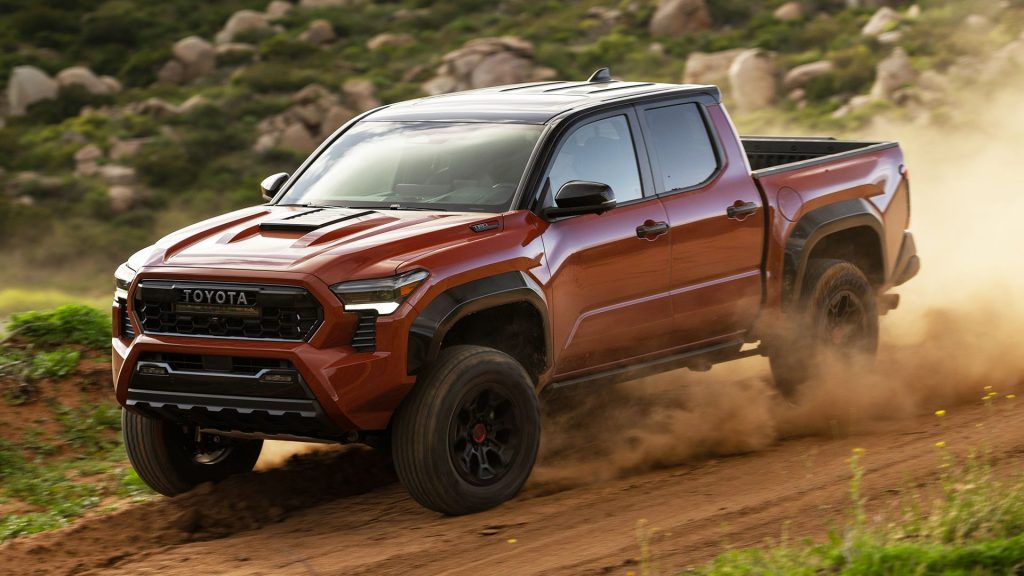
Perhaps the most interesting aspect of the Tacoma TRD Pro is its versatility. It can handle off road trails during outdoor adventures and still tow recreational equipment when needed. This combination makes it attractive to drivers who want capability without committing to the size of a full size pickup.
In practical terms, the Tacoma TRD Pro demonstrates that midsize trucks designed for adventure can still match the towing performance that older full size trucks once delivered.
9. GMC Canyon
The GMC Canyon approaches the midsize truck segment from a different perspective. Rather than emphasizing extreme off road ability or performance styling, the Canyon focuses on refinement while maintaining strong capability.
It offers a blend of comfort, technology, and towing strength that appeals to drivers who want a truck that feels both capable and polished.
At first glance, the Canyon may appear more like a premium lifestyle truck than a heavy duty work vehicle. However, its towing capacity tells a different story. When properly equipped, the Canyon can tow more than 7000 pounds, which places it squarely within the range of towing figures once associated with older full size pickups.
The truck’s engineering foundation is shared with the Chevrolet Colorado, but GMC positions the Canyon with a slightly more upscale approach. Despite this focus on refinement, the structural components remain strong enough to support demanding towing tasks.
Engine performance is one of the Canyon’s strongest attributes. The available powertrains are designed to produce strong torque output, which is essential when pulling trailers or transporting heavy loads. This torque helps the truck accelerate smoothly even when towing near its maximum capacity.
Towing confidence is enhanced by a series of integrated technologies. The Canyon includes an advanced trailering system that helps drivers monitor trailer connections, lighting, and stability. Cameras and driver assistance features provide additional visibility, making it easier to maneuver with a trailer attached.
The truck’s suspension is tuned to balance ride comfort with load carrying ability. This balance allows the Canyon to remain comfortable during daily commuting while still providing the firmness necessary to handle heavy trailer weights.
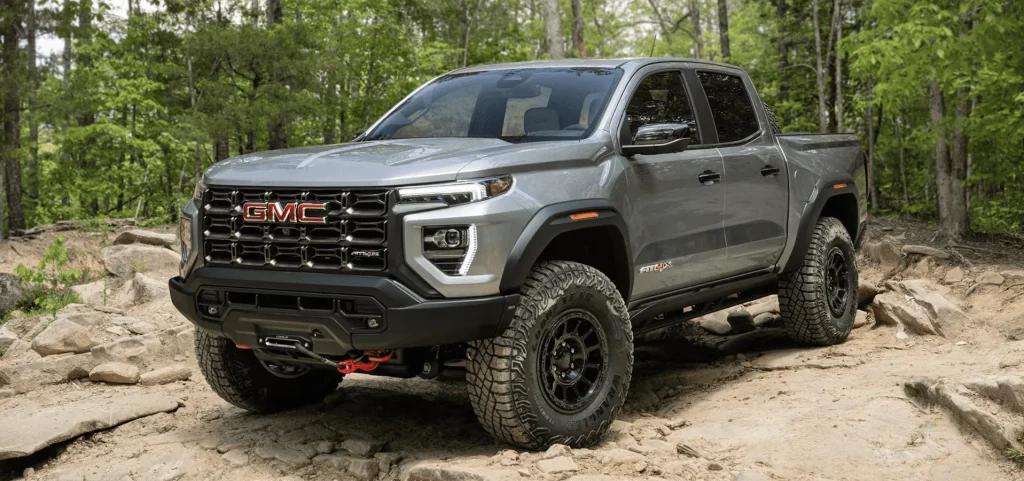
Another factor that attracts buyers is the truck’s manageable size. Compared with full size pickups, the Canyon is easier to navigate through city traffic and parking spaces. Yet when the need arises to tow a trailer, it offers capability that would have been considered impressive for a full size truck twenty years ago.
By combining comfort, modern technology, and strong towing numbers, the GMC Canyon proves that midsize trucks can deliver real utility without sacrificing refinement.
10. Honda Ridgeline
The Honda Ridgeline occupies a unique position in the midsize truck segment. Unlike traditional pickups that use body on frame construction, the Ridgeline is built on a unibody platform similar to many SUVs.
Because of this design difference, some truck enthusiasts initially questioned whether it could deliver real towing capability. Over time, however, the Ridgeline has proven that a different engineering approach can still produce impressive results.
Properly equipped Ridgeline models offer a towing capacity of around 5000 pounds. While that number may appear slightly lower than some competitors in the midsize segment, it still overlaps with the towing capability of many older half ton trucks produced in the late 1990s and early 2000s.
For a large number of drivers, this level of capability is more than sufficient for hauling travel trailers, small boats, or utility equipment.
One of the reasons the Ridgeline performs well when towing is its integrated chassis structure. Because the body and frame are built as a single unit, the truck maintains excellent rigidity. This rigidity helps reduce vibrations and provides a stable platform when pulling a trailer.
Honda also designed the Ridgeline’s all wheel drive system to support towing performance. The system distributes power intelligently between the front and rear wheels, which improves traction when launching a trailer from a stop or climbing steep grades.
Another factor that contributes to the Ridgeline’s towing ability is its smooth V6 engine. The engine produces steady power and works together with a responsive automatic transmission that keeps the truck operating within its optimal performance range while towing.
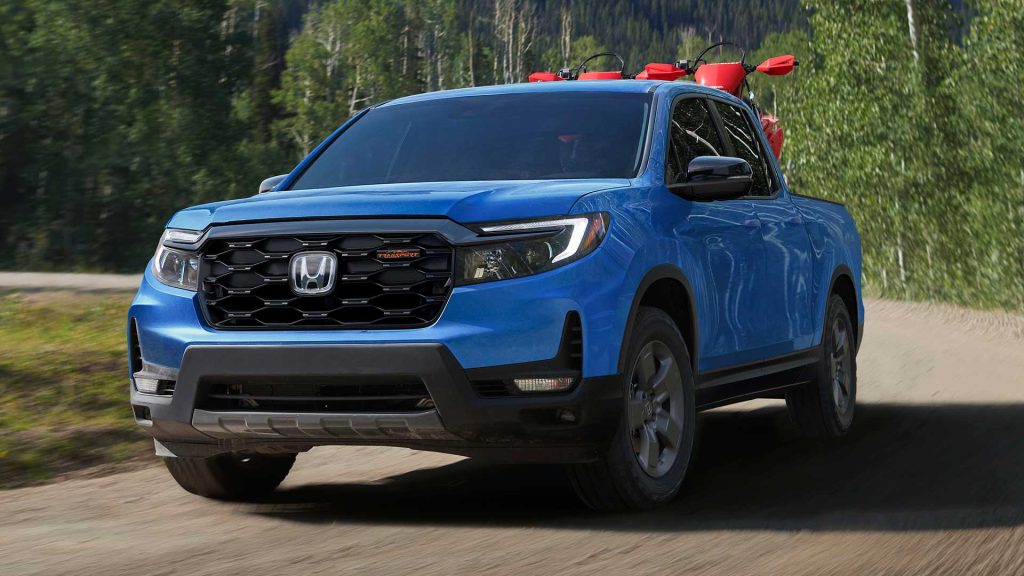
Drivers often notice that the Ridgeline offers a quieter and more comfortable towing experience compared with many traditional pickups. The independent rear suspension helps absorb road imperfections, reducing the bouncing sensation that sometimes occurs when towing with leaf spring setups.
The truck also includes practical features such as trailer stability assist and advanced braking systems that help maintain control when towing heavier loads. These technologies provide an extra layer of safety for drivers who may tow only occasionally.
What truly sets the Ridgeline apart is how easily it transitions between everyday driving and utility tasks. It feels more like an SUV during daily commutes but still offers enough strength to handle weekend towing responsibilities.
In the context of this list, the Honda Ridgeline demonstrates that midsize trucks do not always need massive frames or heavy duty suspensions to match the towing capabilities of older full size pickups.
Also Read: Top 10 Most Reliable Diesel Engines Ever Put in a Pickup
