
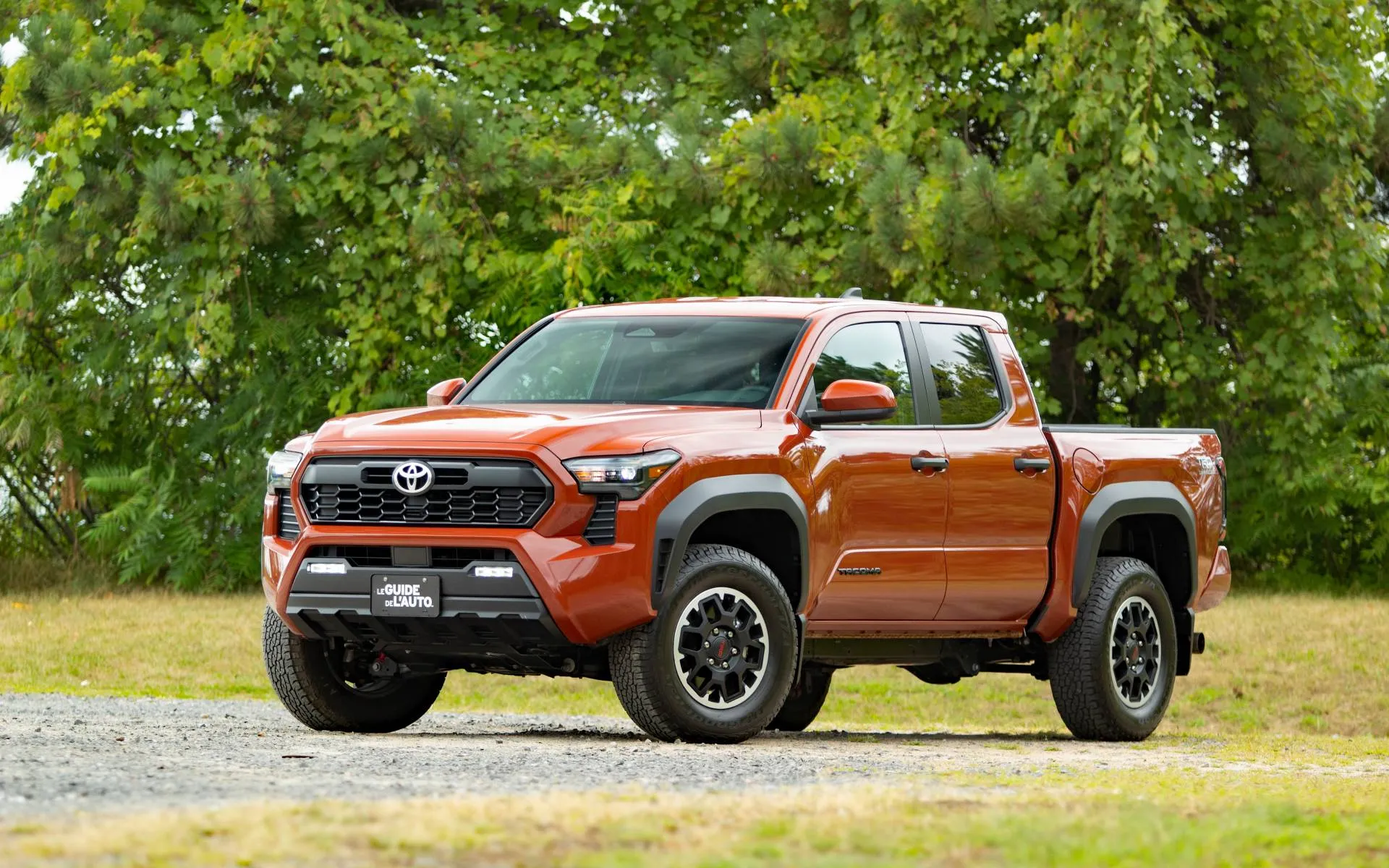
For many years, pickup truck design has increasingly focused on comfort, passenger space, and lifestyle features. Crew cab trucks with four full doors and spacious rear seating became the dominant configuration in the market.
While these trucks offer convenience for families and daily commuting, they are not always the most practical choice for people who rely on trucks primarily for work.
Recently, single cab trucks have begun to regain attention among contractors, fleet managers, and tradespeople. These trucks are designed with a straightforward philosophy. Instead of prioritizing passenger space, they focus on utility, durability, and efficiency.
The cab includes seating for the driver and one or two passengers, while the majority of the vehicle’s length is dedicated to the cargo bed.
For work focused buyers, this layout offers several advantages. A single cab truck often provides a longer bed within the same overall vehicle length compared to crew cab models. This additional cargo space allows workers to transport tools, equipment, construction materials, and other job site supplies more easily.
Another important factor is cost. Single cab trucks usually have a lower purchase price than larger cab configurations. They also tend to weigh less, which can improve fuel efficiency and reduce operating costs for businesses that rely on trucks every day.
The simplicity of these trucks also appeals to industries where reliability and ease of maintenance matter more than luxury features. Fewer interior components and less complex body structures can translate into lower repair costs and easier long term ownership.
As industries continue to prioritize productivity and cost control, many buyers are rediscovering the practical benefits of single cab pickups. What was once considered an outdated configuration is now being recognized again as a highly efficient tool for real work.
The following reasons explain why single cab trucks are steadily making a comeback among professionals who value practicality, durability, and job focused performance.
Also Read: 10 Best Sleeper SUVs That Can Keep Up With Sports Cars
1. Longer Bed Space for Real Work
One of the most significant advantages of a single cab truck is the ability to maximize cargo bed length. When a truck has only one row of seats, the manufacturer can dedicate more of the vehicle’s overall structure to the bed rather than passenger space. This design decision makes a noticeable difference for workers who rely on their trucks to transport materials.
Many single cab trucks are available with beds that measure eight feet in length. This extra cargo area allows workers to carry longer items without needing special equipment or creative loading techniques.
Construction professionals, for example, frequently transport lumber, pipes, ladders, drywall sheets, and metal framing materials that benefit from a longer bed.
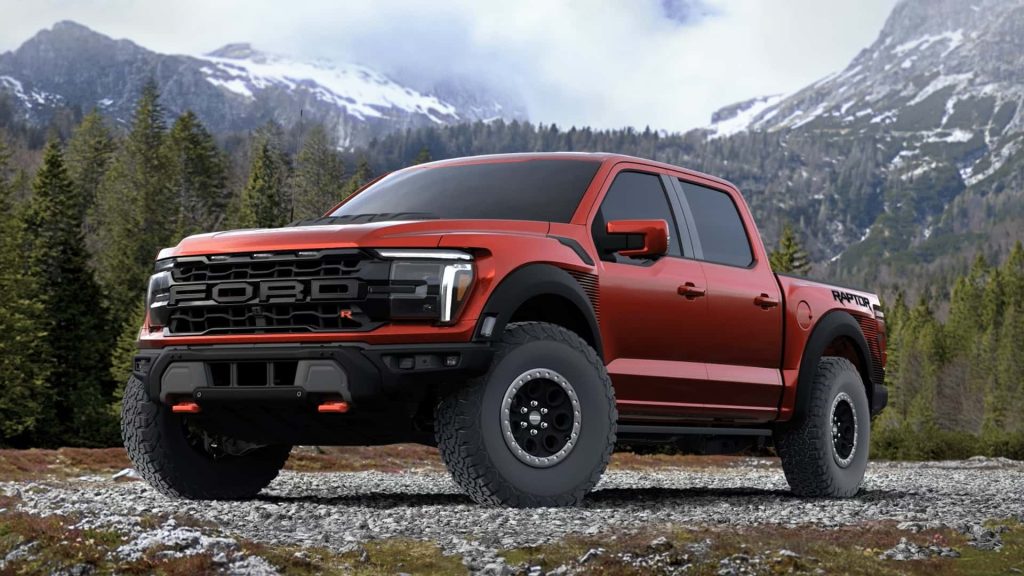
The increased bed length also improves weight distribution when carrying heavy cargo. Materials can be placed more evenly across the bed, which helps maintain vehicle balance and stability while driving.
Proper weight distribution becomes especially important when transporting large loads on highways or rough worksite roads.
Another practical benefit involves tool organization. Workers who carry toolboxes, compressors, generators, and other equipment often struggle to fit everything into shorter beds found on crew cab trucks. With a longer bed, these items can be arranged more efficiently without sacrificing space needed for materials.
Fleet operators also appreciate the versatility of a longer cargo bed. Many commercial upfits such as utility boxes, ladder racks, and storage systems are designed with eight foot beds in mind. Using a single cab truck makes these modifications easier to install and more effective for daily tasks.
For tradespeople such as electricians, plumbers, landscapers, and construction contractors, the truck bed essentially functions as a mobile workspace. Having additional length means fewer limitations when transporting tools and supplies between job sites.
Because of this practical advantage, many workers are rediscovering the value of single cab trucks. When the primary goal is moving equipment and materials efficiently, maximizing bed space often becomes more important than carrying extra passengers.
2. Lower Purchase Cost for Businesses
Businesses that rely on trucks as tools rather than lifestyle vehicles often evaluate purchases with a practical mindset. One of the strongest arguments in favor of single cab trucks is their lower initial cost compared with extended cab or crew cab models. For companies managing multiple vehicles, this price difference can significantly affect overall operating budgets.
A single cab truck typically costs several thousand dollars less than a comparable crew cab version. The reason is straightforward. Fewer doors, less interior space, and fewer structural components reduce manufacturing complexity. Those savings are reflected in the final purchase price.
Fleet managers pay close attention to these differences. When a business purchases five or ten trucks for its workforce, the price gap between cab configurations becomes substantial. Choosing single cab models can allow companies to expand their fleets or allocate funds to other equipment needed for daily operations.
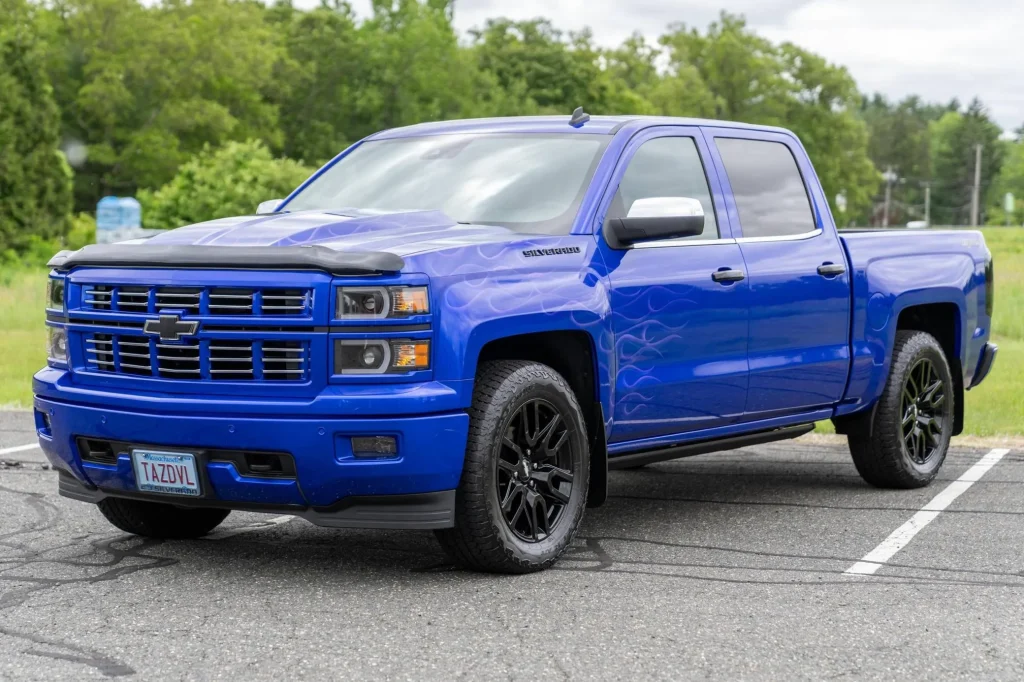
Lower purchase costs also reduce financing burdens. Businesses that lease or finance vehicles benefit from smaller monthly payments when choosing simpler truck configurations. This financial flexibility can help companies manage cash flow more effectively, particularly in industries where revenue fluctuates depending on project schedules.
Insurance expenses can also be slightly lower with single cab trucks. The simpler body structure and lower vehicle value may contribute to reduced premiums, which becomes another long term financial advantage.
Another factor that attracts businesses is depreciation. Work trucks are typically valued based on condition and functionality rather than luxury features. Since single cab trucks are already designed for practical use, they tend to retain value well in commercial resale markets.
For companies that view trucks primarily as work equipment, spending extra money on larger cabs rarely delivers a meaningful return. Instead, the focus remains on durability, cargo capacity, and reliability.
This economic perspective explains why many industries are returning to single cab trucks. When the goal is maximizing productivity while controlling expenses, the lower purchase price becomes a compelling reason to choose this configuration.
3. Better Maneuverability in Tight Work Areas
Job sites rarely offer the wide open spaces found in parking lots or suburban streets. Construction zones, warehouses, farms, and urban work areas often require drivers to navigate narrow paths, crowded equipment zones, and limited parking space. In these environments, vehicle size can significantly influence productivity.
Single cab trucks naturally have shorter overall lengths compared with crew cab pickups that use the same bed size. Without a second row of seating extending the cab, the vehicle’s wheelbase remains more compact. This shorter design allows drivers to maneuver more easily through tight spaces.
For example, contractors working in dense city environments often face narrow alleys and congested streets. A shorter truck can make turns more easily and requires less space to park near job sites. Workers spend less time repositioning vehicles and more time focusing on their tasks.
Turning radius also improves with a shorter wheelbase. This characteristic becomes especially useful when operating on construction sites where equipment, materials, and temporary structures limit available driving space. Drivers can adjust their position quickly without needing multiple attempts to complete a turn.
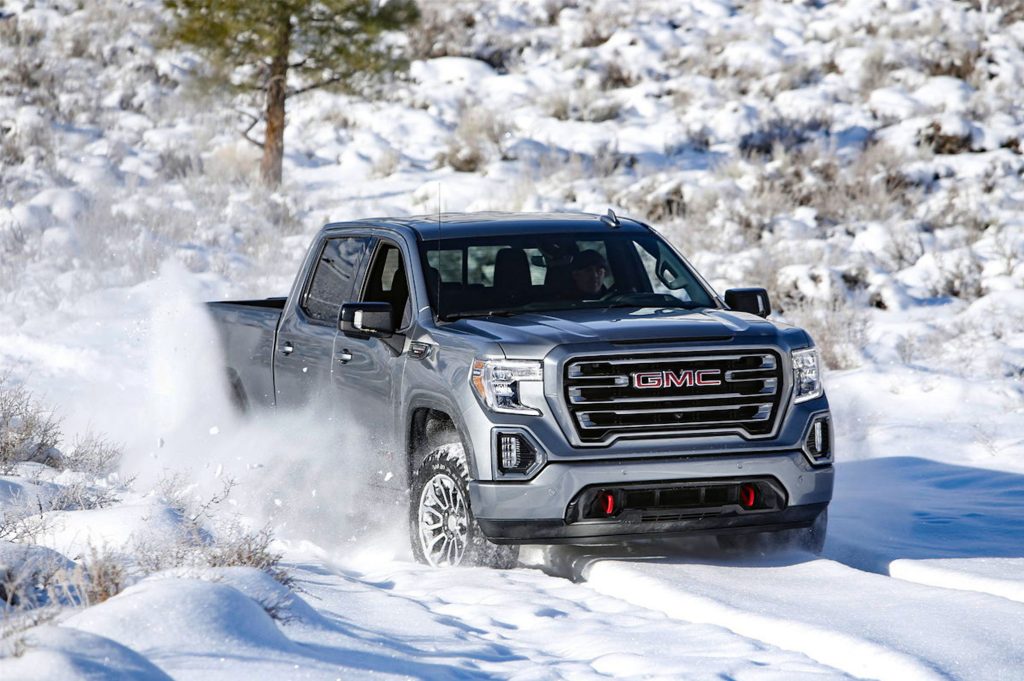
Another advantage appears when reversing with trailers. A more compact truck can often be aligned more precisely when backing up to loading docks or positioning trailers near work areas. This reduces frustration and saves time during daily operations.
Landscapers and agricultural workers benefit as well. Farms, orchards, and landscaping sites frequently contain narrow paths or soft ground conditions where maneuverability matters more than passenger capacity. A smaller cab design allows drivers to navigate these environments more confidently.
Reduced vehicle length can also improve driver visibility. With less body extending behind the cab, drivers may find it easier to judge distances and positioning when parking or approaching obstacles.
In work environments where efficiency and control are essential, maneuverability becomes a major advantage. Single cab trucks provide this benefit by maintaining a compact design that suits the tight spaces commonly encountered on job sites.
4. Lighter Weight Improves Efficiency
Weight plays a larger role in vehicle performance than many people realize. When a truck carries less mass, several advantages appear immediately. Single cab trucks naturally weigh less than extended cab or crew cab models because they have smaller cabins, fewer structural reinforcements, and reduced interior materials.
This difference may not sound dramatic at first, but it becomes meaningful when trucks are used daily for work. A lighter vehicle requires less energy to accelerate, which can improve fuel efficiency during city driving and frequent stop and go conditions.
For companies operating multiple trucks, even small improvements in fuel consumption can translate into noticeable savings over time.
The benefits are not limited to fuel economy alone. Reduced weight can also improve payload capacity. Since the truck itself weighs less, more of its allowable weight rating can be used for cargo instead of supporting the vehicle structure.
This means workers may be able to transport heavier tools or materials without exceeding the truck’s limits.
Acceleration and responsiveness also improve when unnecessary weight is removed. Drivers often notice that lighter trucks feel more agile when merging into traffic or climbing hills with equipment in the bed.
While performance is not the primary goal of a work truck, smoother driving characteristics can still improve the overall experience behind the wheel.
Braking performance benefits as well. A lighter truck places less strain on the braking system, which can shorten stopping distances and reduce wear on brake components. Over the life of a work vehicle, this can lower maintenance costs.

From a practical standpoint, lighter trucks may also cause less wear on tires and suspension components. Businesses that operate trucks constantly often track these expenses carefully, and even modest reductions in maintenance needs can help control operating budgets.
Because of these combined advantages, many fleet operators recognize the efficiency benefits of simpler truck configurations. By eliminating unnecessary weight, single cab trucks offer a more economical platform for daily work tasks.
5. Simpler Interior Means Greater Durability
Work trucks experience a very different type of use compared with personal vehicles. Instead of carefully maintained interiors and gentle driving conditions, they often endure muddy boots, heavy tools, construction dust, and constant entry and exit throughout the day. Under these circumstances, simplicity becomes an advantage.
Single cab trucks typically feature straightforward interior layouts designed with durability in mind. The cabin includes fewer seats, fewer electronic components, and less upholstery compared with larger cab configurations.
This reduced complexity helps the interior withstand the harsh environments commonly encountered on job sites.
Many work focused models are equipped with durable materials such as vinyl flooring instead of carpet. Vinyl surfaces can be cleaned quickly with water or a simple wipe, which is ideal for workers who frequently bring dirt, sand, or debris into the vehicle. This type of flooring also resists wear from heavy boots better than traditional carpeting.
Seat construction is usually designed for longevity rather than luxury. Thick fabric or vinyl seats can handle constant use without showing damage as quickly as more delicate materials. For businesses that keep trucks in service for many years, this durability becomes particularly valuable.
Another benefit of a simpler interior is easier maintenance. With fewer features and electronics inside the cabin, fewer components can fail or require repair. This can reduce downtime for vehicles that are essential to daily operations.
Cleaning the cabin is also faster. Workers can quickly remove debris, wipe surfaces, and return the truck to service without spending excessive time on maintenance. In busy industries where schedules are tight, this convenience can save valuable time.
For many professionals, the truck is simply a tool used to complete tasks efficiently. A durable and practical interior aligns perfectly with that philosophy. Instead of worrying about preserving luxury features, drivers can focus on getting their work done.
This emphasis on durability and practicality explains why single cab trucks remain attractive to industries where vehicles are expected to perform reliably under demanding conditions.
6. Easier to Upfit for Specialized Jobs
Work trucks rarely remain in factory condition for long. Many industries modify their vehicles with specialized equipment that supports daily tasks.
Electricians install utility boxes, contractors add ladder racks, and service companies often mount storage compartments or tool cabinets. Single cab trucks provide a particularly useful foundation for these modifications.
The straightforward body layout of a single cab truck simplifies the upfitting process. With only one row of seats and a longer cargo bed, there is more usable space for installing commercial equipment. This layout allows technicians to design storage systems that maximize efficiency without interfering with passenger areas.
Fleet managers often choose single cab trucks because many aftermarket accessories are designed specifically for them. Utility beds, service bodies, crane mounts, and tool compartments can be installed more easily when the truck’s frame and cab configuration follow traditional work truck proportions.
Another benefit involves weight management. Specialized equipment can add significant weight to a truck. Because single cab models often start with a lighter structure, they provide more flexibility when adding racks, toolboxes, compressors, or generators while remaining within the vehicle’s payload limits.
Upfitting also becomes easier from a design perspective. With fewer doors and structural pillars in the way, installers have more freedom to position equipment where it will be most practical for the worker using the truck. This can improve accessibility and reduce the time needed to retrieve tools during a busy workday.
Service companies frequently build their entire workflow around vehicle organization. When a truck is configured properly, workers can store equipment logically and access it quickly without searching through cluttered spaces. A longer uninterrupted bed makes it easier to create that organized layout.
Industries such as plumbing, electrical work, telecommunications, landscaping, and construction all benefit from vehicles that can be customized to match specific tasks. Single cab trucks provide the blank canvas needed for these modifications.
For businesses that rely on specialized equipment every day, the ability to modify a truck efficiently becomes extremely valuable. The simple layout of single cab trucks continues to make them one of the best platforms for commercial upfits.
7. Improved Visibility for Drivers
Driving a work truck involves far more than simply traveling between locations. Drivers often operate in environments filled with obstacles, heavy equipment, and workers moving around the job site. In these situations, clear visibility becomes an important safety advantage.
Single cab trucks tend to offer better overall visibility compared with larger cab configurations. Because the cab is shorter and the vehicle structure is simpler, drivers often have a clearer view around the truck when maneuvering in tight areas.
One benefit appears when reversing or backing up near loading zones. With less body extending behind the driver, it can be easier to judge distances and align the truck with trailers, docks, or storage areas. This improves accuracy and reduces the risk of minor collisions.
The simpler cabin layout can also contribute to improved side visibility. Fewer rear seat headrests and interior structures allow drivers to see more clearly through side windows and mirrors when checking surroundings.
Work sites frequently involve unpredictable movement. Forklifts, cranes, and other vehicles may be operating nearby while workers walk between equipment and materials. A driver who can quickly scan the surroundings has a better chance of noticing hazards before they become dangerous.
Another practical advantage involves trailer positioning. Drivers who tow equipment regularly often rely heavily on mirrors and rear visibility to align trailers correctly. A truck with fewer visual obstructions can make this task easier, especially for drivers who perform it multiple times each day.
Visibility also helps reduce driver fatigue. When it is easier to judge distances and vehicle position, drivers spend less time making constant adjustments or worrying about obstacles around them. This creates a smoother driving experience during long workdays.
Safety is a major concern for any business that operates vehicles. Improving driver awareness through better visibility can help reduce accidents and equipment damage.
Because single cab trucks maintain a simpler design with fewer visual obstructions, they naturally provide drivers with clearer sightlines. This practical advantage continues to support their role as reliable work vehicles.
8. Faster Entry and Exit During Busy Workdays
Time efficiency matters greatly in industries where workers move constantly between job sites, supply stores, and project locations.
A typical workday for contractors, delivery drivers, or maintenance crews may involve entering and exiting the truck dozens of times. In these situations, vehicle design can have a surprising impact on productivity.
Single cab trucks simplify this routine. With only two doors and a straightforward seating layout, drivers can enter and exit the vehicle quickly without navigating around additional seats or narrow spaces.
This may seem like a small advantage, but when repeated many times throughout the day it can save meaningful amounts of time.
Consider a contractor visiting several locations in a single day. At each stop the driver parks the truck, retrieves tools or materials, performs the necessary work, and returns to the vehicle before moving to the next site. A simple cab layout allows these transitions to happen smoothly and efficiently.
Another benefit comes from the position of tools and equipment. Because there is no rear seating area, many workers keep frequently used items directly behind the seats or within easy reach of the cab. This reduces the need to walk around the truck or climb into the bed repeatedly.
Delivery drivers also appreciate this simplicity. When transporting smaller items or equipment that must remain protected from weather, the area inside the cab can function as a quick access storage space. Without rear passengers, the cabin becomes an extension of the worker’s storage area.
Physical strain can also be reduced. Climbing in and out of vehicles repeatedly can be tiring, especially when carrying tools or materials. A straightforward two door layout eliminates unnecessary steps, making movement more natural and efficient.
The advantage becomes especially noticeable in industries where speed and efficiency determine productivity. Landscaping crews, repair technicians, and service professionals often rely on quick transitions between driving and working.
By removing extra doors and passenger areas, single cab trucks create a simpler environment that supports fast movement throughout the day. This practical design continues to appeal to workers who value efficiency above unnecessary complexity.
9. Easier Maintenance and Lower Repair Complexity
Maintaining work vehicles can represent a major expense for businesses that rely on trucks daily. The more complex a vehicle becomes, the more potential points of failure exist. Single cab trucks offer an advantage in this area because their design remains relatively simple compared with larger cab configurations.
A truck with fewer structural components generally requires less maintenance over time. Additional doors, window mechanisms, seat systems, and electronic controls all introduce parts that may eventually require repair.
By eliminating these features, single cab trucks reduce the number of components that can wear out or malfunction.
This simplicity also benefits technicians who service fleet vehicles. Mechanics often find it easier to access certain components when the vehicle structure is less complicated. Faster repairs mean less downtime, which is extremely important for businesses that depend on their trucks to generate income.
Interior maintenance can also be less demanding. Work trucks frequently accumulate dirt, dust, and debris from construction sites or industrial environments. Cleaning a smaller cabin area takes less time and requires fewer materials compared with maintaining a larger passenger compartment.
Body repairs may also be simpler. If a truck experiences minor damage from job site hazards, repairing two doors instead of four reduces both labor and parts costs. For fleet operators managing multiple vehicles, these savings can become significant over the life of the trucks.
Another practical advantage involves electrical systems. Modern vehicles contain many electronic features designed for comfort and entertainment. Single cab work trucks often avoid these extras, focusing instead on essential functionality. With fewer electronic components installed, the likelihood of electrical problems may decrease.
Businesses that keep vehicles for many years particularly appreciate this durability. Trucks designed with simplicity in mind often remain reliable even after extensive daily use.
Because of these factors, single cab trucks continue to appeal to companies that value reliability and manageable maintenance costs. When vehicles serve as essential work tools, reducing complexity becomes an important long term advantage.
10. Focus on Utility Instead of Passenger Space
Pickup trucks have gradually evolved into multi purpose vehicles that serve families, commuters, and recreational drivers.
While this transformation has expanded the truck market, it has also shifted attention away from the original purpose of many pickups, which was simply getting work done. Single cab trucks bring that focus back to utility.
When a truck is designed with only one row of seating, the manufacturer can prioritize functions that support work rather than passenger comfort. This approach results in a vehicle where cargo space, payload capacity, and durability receive more attention than rear seat legroom or entertainment features.
Workers who rely on their trucks every day often view passenger seating as unnecessary. Most job tasks involve one or two people traveling to a work location with tools and materials. In these situations, a larger cabin adds weight and complexity without improving productivity.
By limiting the cabin size, engineers can allocate more structural strength to the cargo bed and frame. This allows the truck to carry heavier loads and handle demanding tasks more effectively. Many industries value this capability because transporting equipment and materials is the truck’s primary function.
Another practical advantage involves organization. Without a rear seat area, workers frequently use the space behind the seats to store items that need protection from weather or theft. Tool bags, paperwork, and small equipment can remain secure inside the cab while larger materials occupy the truck bed.
This focused design philosophy also aligns with the needs of fleet buyers. Companies purchasing trucks for work crews often prefer vehicles that emphasize durability and functionality rather than luxury features that add cost without improving performance.
Drivers benefit as well. With fewer interior distractions and a simpler cabin layout, the vehicle feels more purpose built for the task at hand. The truck becomes a reliable partner for daily work rather than a vehicle designed to serve multiple unrelated roles.
As industries continue to value efficiency and practicality, the renewed interest in single cab trucks reflects a return to fundamentals. These trucks remind buyers that the most effective tools are often the ones designed with a clear and focused purpose.
Also Read: 10 Best Trucks for Overlanding Through Remote Areas
