
Classic cars are often associated with weekend drives, careful maintenance, and limited mileage. Many enthusiasts believe older vehicles are too fragile or complicated to serve as daily transportation.
While this idea may apply to certain rare or highly tuned classics, it does not represent the entire classic car world. Some vehicles built decades ago were engineered with durability, simplicity, and practicality that still hold up remarkably well today.
During the mid twentieth century, many manufacturers prioritized mechanical simplicity and long term reliability. Engines were designed with fewer electronic components, transmissions were straightforward to repair, and parts were often shared across multiple models.
Because of this approach, certain classics have proven that they can handle regular commuting, grocery runs, and long drives without constantly needing repairs.
Another factor that contributes to the everyday usability of some classic cars is the availability of replacement parts.
Many models were produced in large numbers and developed a strong enthusiast following. As a result, aftermarket suppliers continue to manufacture components, making maintenance far easier than many people expect.
Reliability in a classic car does not necessarily mean modern convenience or cutting edge efficiency. Instead, it means predictable mechanical behavior, strong engine designs, and the ability to keep running for decades with proper care.
When maintained well, some classic vehicles can accumulate extremely high mileage while still delivering an engaging driving experience.
For drivers who enjoy vintage styling but still need dependable transportation, a few classic cars stand out as surprisingly practical choices.
These vehicles combine timeless design with robust engineering, allowing owners to enjoy the charm of the past without sacrificing everyday usability.
The following list highlights ten classic cars that have earned reputations for being reliable enough to drive regularly.
Each one represents a different approach to durability, showing how thoughtful engineering can allow a car to remain dependable long after its production years have ended.
Also Read: 6 Modern Muscle Cars That Are Surprisingly Good in the Corners
1. Volvo 240
Few classic cars have earned a reputation for durability quite like the Volvo 240. Produced from 1974 to 1993, this Swedish sedan and wagon became famous for its ability to survive decades of daily use while requiring relatively straightforward maintenance.
One of the biggest reasons for the Volvo 240’s reliability lies in its engine design. The car commonly used the B21 and B230 four cylinder engines, which were built with extremely strong internal components and conservative power output.
Because these engines were not pushed to their limits, they developed a reputation for running well past 300,000 miles when properly maintained.
The mechanical layout of the Volvo 240 also plays a major role in its long term usability. The car relies on simple rear wheel drive architecture, durable manual or automatic transmissions, and relatively easy access to key components under the hood.
This simplicity allows mechanics and owners alike to perform repairs without dealing with complicated electronic systems.
Another factor that helps the Volvo 240 remain a dependable daily driver is the availability of parts. Since the model was produced for nearly two decades and sold in large numbers across multiple continents, replacement components remain widely available.
Many enthusiast communities also share repair guides and technical knowledge, making ownership easier even for people new to classic cars.
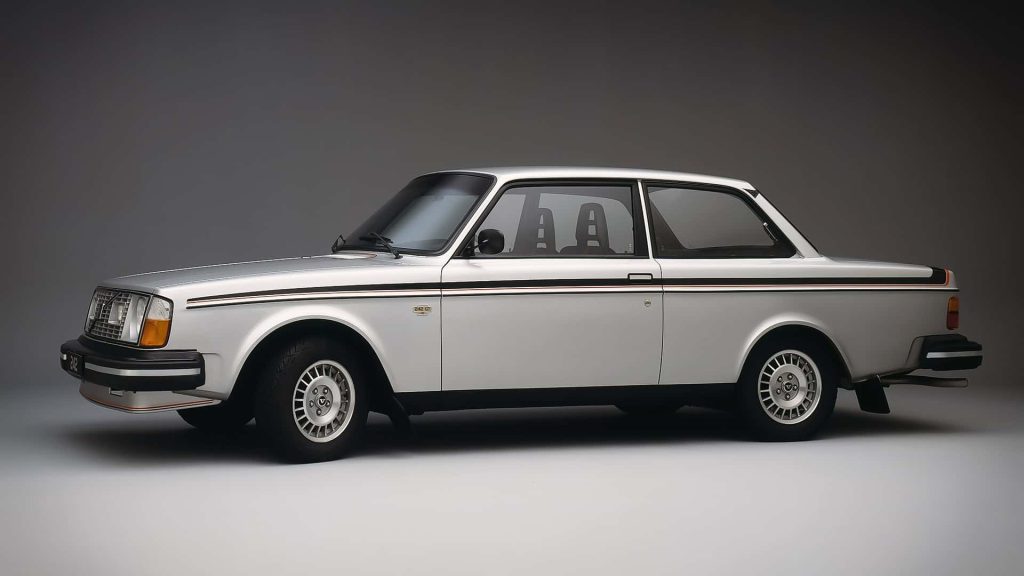
Durability extends beyond the drivetrain as well. The body structure and interior components were designed with safety and longevity in mind. Volvo used thick steel panels and strong structural reinforcements, which helped many examples survive years of heavy use.
For drivers looking for a classic car that can still handle everyday responsibilities, the Volvo 240 stands out as one of the most practical options. Its combination of rugged engineering, simple mechanics, and strong parts support allows it to remain surprisingly reliable decades after its introduction.
2. Mercedes Benz W123
The Mercedes Benz W123 represents a period when the company focused heavily on engineering durability rather than chasing rapid model changes or aggressive styling trends.
Produced between 1976 and 1985, the W123 quickly developed a global reputation for reliability, and many examples remain in daily service decades later.
What makes the W123 particularly dependable is the philosophy behind its construction. Mercedes engineers designed nearly every component with longevity in mind. From the overbuilt suspension components to the thick interior materials, the car was created to withstand years of constant driving.
Taxi companies across Europe, Africa, and the Middle East famously relied on the W123 because it could accumulate extremely high mileage without major mechanical failures.
Engine options also contributed to the car’s reputation. The diesel variants, especially the 240D and 300D models, became legendary for their ability to run for hundreds of thousands of miles.
These engines were not designed for speed but for consistency and mechanical endurance. Owners who kept up with basic oil changes often discovered that the engines would continue running reliably long after many other vehicles would require complete rebuilds.
Another advantage of the W123 is its mechanical accessibility. Although the car feels solid and sophisticated, many of its systems remain relatively straightforward compared to modern luxury vehicles.
This makes routine maintenance manageable for experienced mechanics and knowledgeable enthusiasts. Because the model sold in large numbers worldwide, replacement parts and technical knowledge remain widely available.
The driving experience also contributes to its suitability as a daily classic. The W123 provides a comfortable ride, excellent visibility, and stable highway performance.
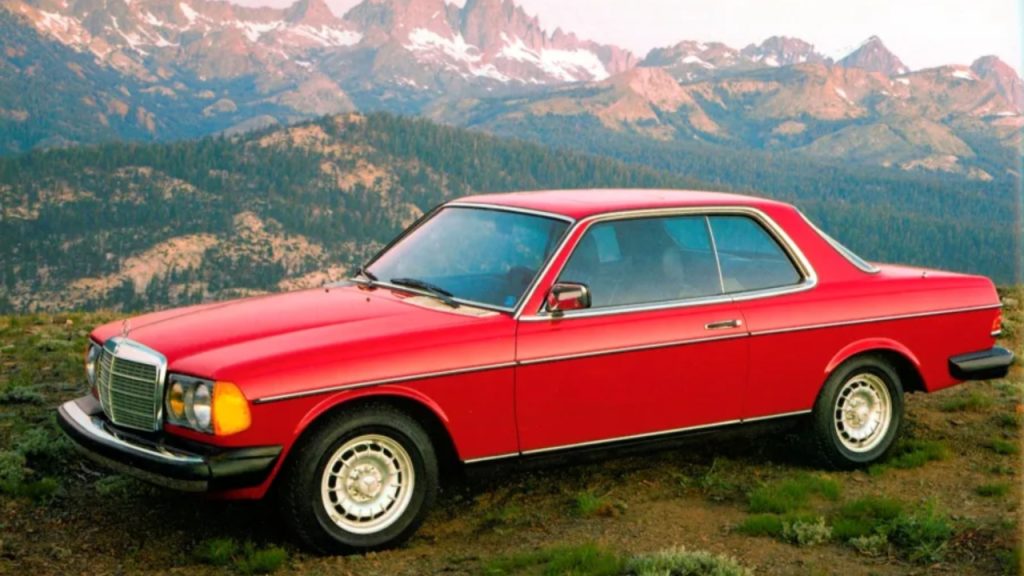
While it may not match modern cars in acceleration or technology, it delivers a smooth and dependable experience that works well for everyday transportation.
For many enthusiasts, the W123 represents the perfect balance between classic design and practical reliability. It proves that a well engineered luxury car can continue serving as dependable transportation long after its era has passed.
3. Toyota Land Cruiser FJ60
Some classic vehicles gained their reputation not from luxury or speed but from the ability to survive environments where most machines would fail.
The Toyota Land Cruiser FJ60 belongs to that category. Introduced in 1980, this rugged SUV became known for mechanical toughness that allowed it to function reliably in remote regions around the world.
The FJ60 uses Toyota’s legendary 2F inline six engine, an engine built with durability as the main priority rather than performance numbers.
Its low stress design, thick internal components, and simple carbureted setup allow it to operate reliably even after decades of use. Many owners report these engines continuing to run smoothly after extremely high mileage with nothing more than routine servicing.
Daily driving a classic SUV can sometimes be challenging, but the FJ60 offers a balance that works surprisingly well for modern use. The cabin is spacious, the driving position is comfortable, and the vehicle has excellent visibility thanks to its large windows.
While it is not a small vehicle, its predictable handling makes it manageable for regular commuting or family use.
Another advantage of the FJ60 is the strong aftermarket support built around the Land Cruiser community. Enthusiasts across the world maintain and restore these vehicles, which means parts suppliers continue to produce essential components.
This support network makes it far easier to maintain the vehicle compared with many other classic SUVs.
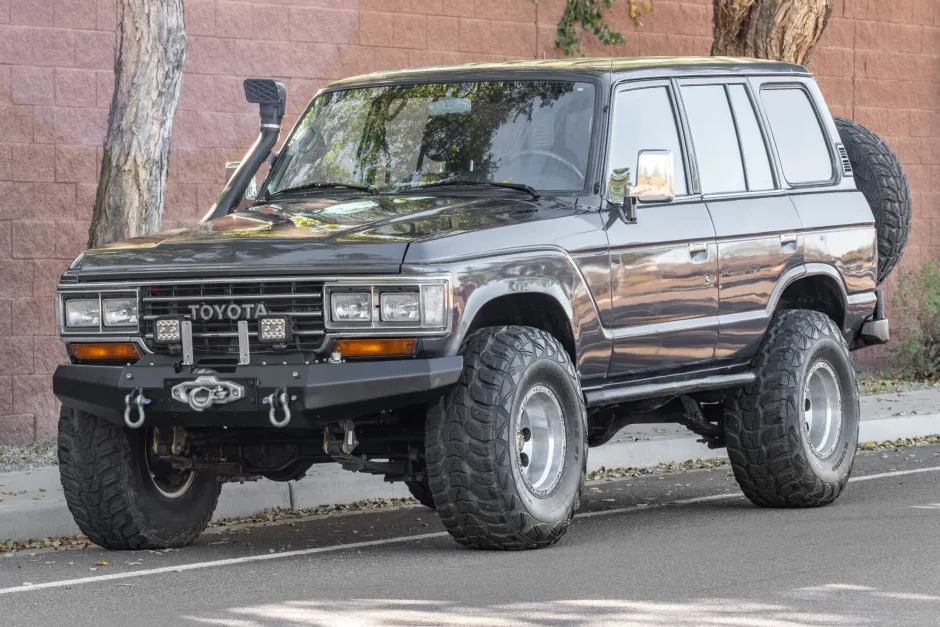
What truly defines the FJ60 is its reputation for endurance. These vehicles were commonly used in difficult terrain including deserts, mountains, and remote rural roads. If a car can survive those conditions, handling daily city driving becomes a much easier task.
For someone who appreciates classic off road design but still wants a vehicle capable of dependable everyday use, the Land Cruiser FJ60 stands as one of the most trustworthy choices from the classic SUV era.
4. Honda Civic (Fourth Generation 1988–1991)
Reliability has long been one of Honda’s defining characteristics, and the fourth generation Civic is one of the earliest examples that clearly demonstrated this reputation. Produced from 1988 to 1991, this compact car combined efficient engineering with a remarkably durable powertrain.
Unlike many older vehicles that were designed with heavy components and large engines, the Civic took a different path.
Honda focused on lightweight construction, efficient four cylinder engines, and carefully engineered mechanical systems that minimized unnecessary complexity. The result was a car that could run reliably for years while requiring relatively modest maintenance.
One reason the fourth generation Civic works well as a daily driven classic is its practicality. The car remains compact enough for modern city driving, making parking and maneuvering easy even in crowded urban environments.
At the same time, the interior provides adequate space for passengers and cargo, allowing it to function as a practical everyday vehicle.
The engines used during this generation, particularly the D series engines, became famous for their durability. These engines are known for their smooth operation and ability to accumulate high mileage with basic maintenance such as regular oil changes, timing belt replacements, and cooling system care.
Another advantage lies in the enormous enthusiast community surrounding older Civics. Because these cars were produced in large numbers and remained popular with enthusiasts, replacement parts remain widely available.
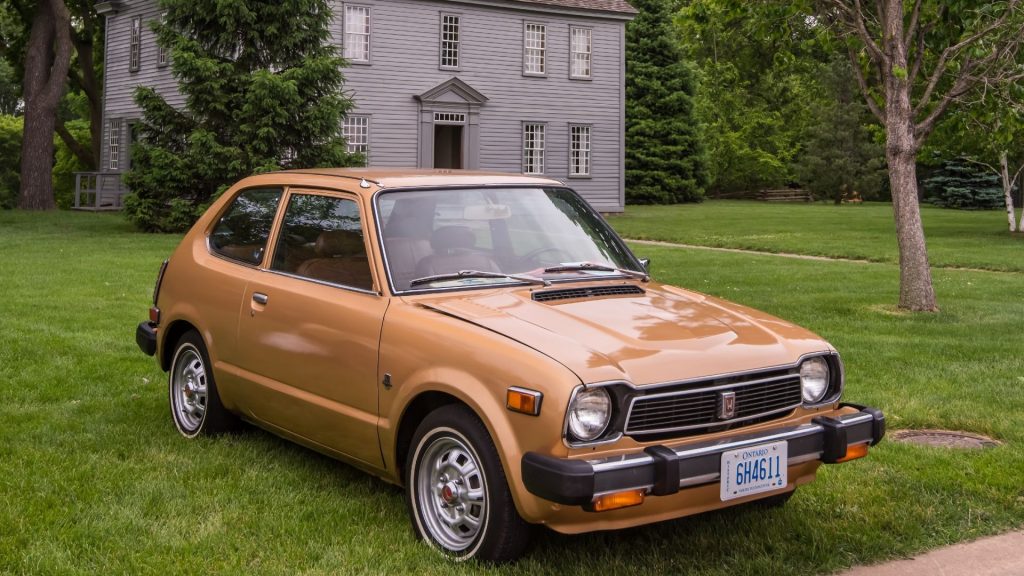
Both factory style components and aftermarket upgrades can be found without difficulty, which helps keep maintenance costs manageable.
Despite being over three decades old, a well maintained fourth generation Civic can still function as a dependable daily driver. It offers fuel efficiency, mechanical simplicity, and a reputation for longevity that continues to impress automotive enthusiasts today.
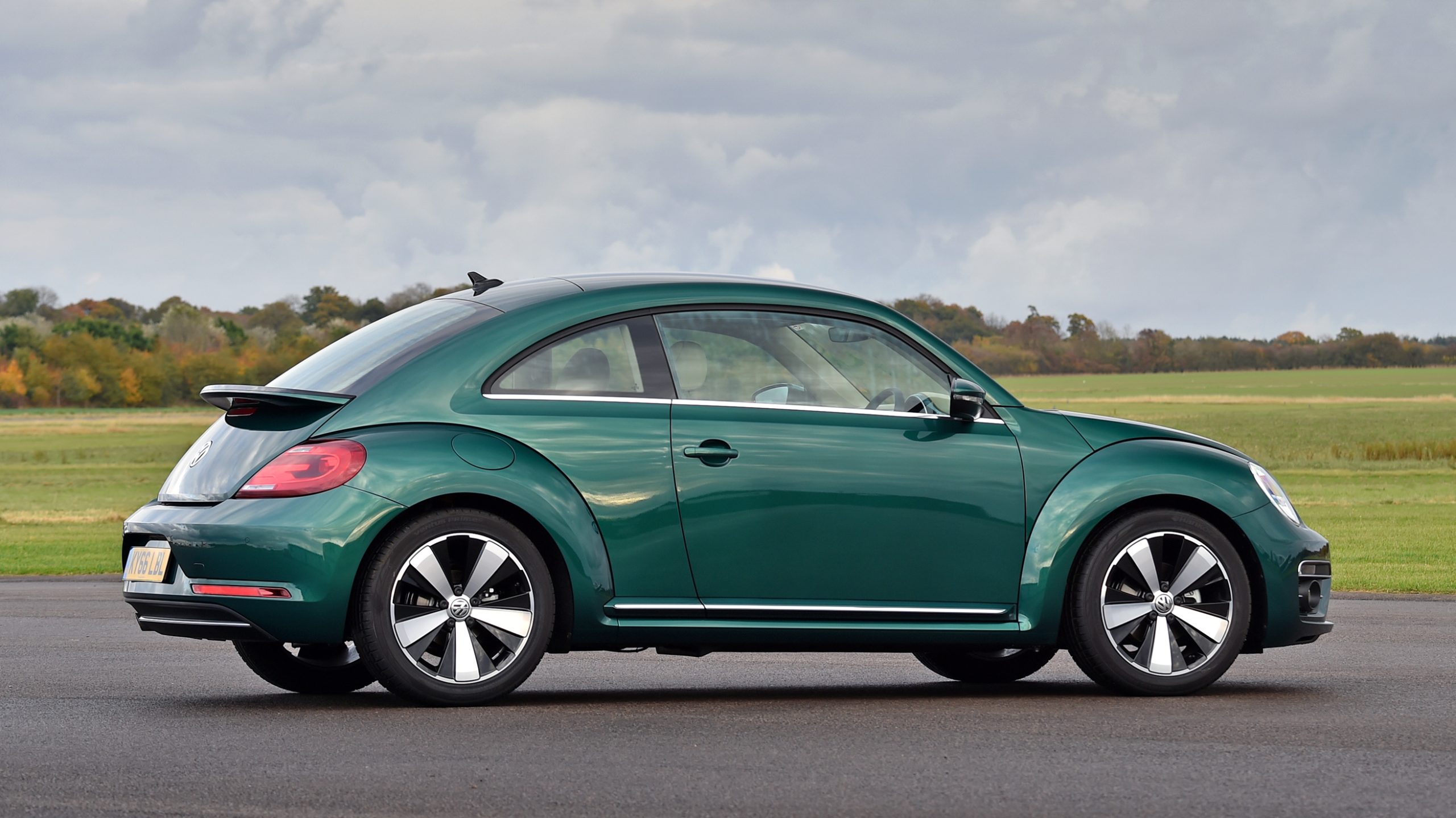
5. Volkswagen Beetle (1960s Models)
Few vehicles in automotive history demonstrate mechanical simplicity better than the classic Volkswagen Beetle.
During the 1960s, this small German car became one of the most widely used vehicles in the world. Its reliability did not come from advanced technology but from an extremely straightforward design that owners could maintain with minimal difficulty.
The air cooled flat four engine placed at the rear of the car is the defining feature of the Beetle. Without a radiator, coolant system, or complex electronics, the engine avoids many of the failure points commonly seen in other vehicles from the same era. This simplicity allows the Beetle to remain dependable even when driven regularly.
Another reason the Beetle adapts well to everyday use is the way it was engineered for durability rather than speed. The engine produces modest power, but the internal components are strong enough to handle years of continuous driving.
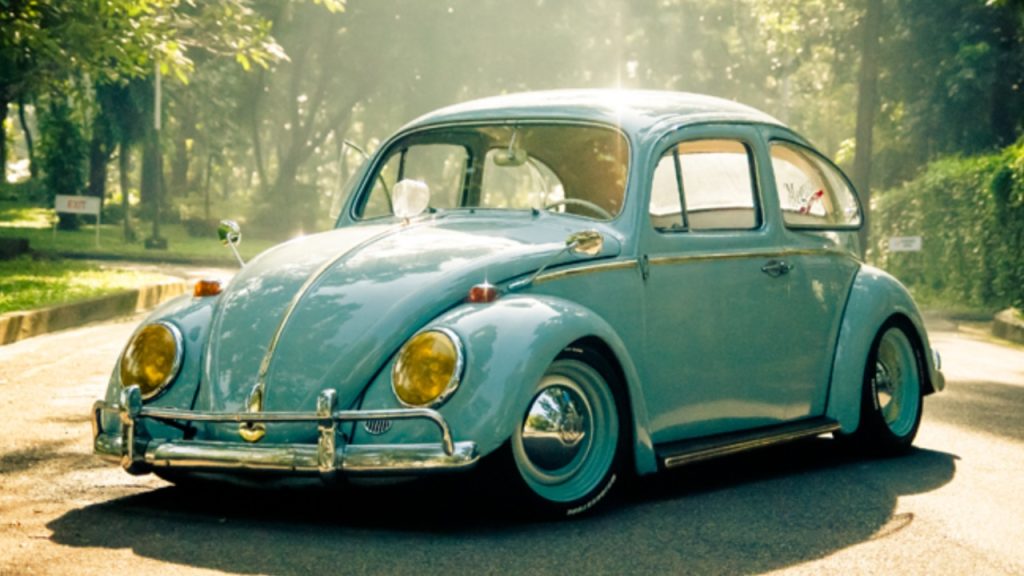
With routine maintenance such as valve adjustments and oil changes, many Beetles continue running for decades.
Maintenance accessibility also plays an important role. Opening the rear engine cover reveals a layout that is easy to understand and service. Many owners learn to perform basic repairs themselves, which reduces the cost of ownership and keeps the vehicle running reliably.
Parts availability remains excellent because the Beetle was produced in enormous numbers across multiple continents.
Even today, suppliers continue to manufacture replacement components ranging from engine parts to body panels. This global support network makes it much easier to maintain compared with many other classic vehicles.
Although it is small by modern standards, the Beetle still performs well as a practical daily car for short commutes and relaxed driving. Its distinctive shape, mechanical durability, and unmatched simplicity have helped it earn a reputation as one of the most dependable classic cars ever built.
6. BMW E30 3 Series
The BMW E30 represents a time when the company built compact sports sedans that combined driving enjoyment with solid mechanical reliability. Introduced in the early 1980s, the E30 quickly gained recognition not only for its balanced handling but also for its ability to remain dependable with proper care.
Many enthusiasts consider the inline six engines used in several E30 models to be among BMW’s most durable powerplants.
Engines such as the M20 were designed with strong internal components and a straightforward mechanical layout. When owners follow basic maintenance schedules, these engines can run reliably for extremely high mileage.
Reliability in the E30 is not limited to the engine. The car’s rear wheel drive platform is mechanically simple compared with modern performance vehicles.
Suspension components, braking systems, and steering mechanisms are all relatively easy to service. This simplicity makes the car manageable for regular use rather than limiting it to occasional weekend drives.
Another important factor is the balance between performance and durability. The E30 delivers an engaging driving experience while avoiding overly complex technology.
Drivers get responsive steering and a well balanced chassis without needing to manage complicated electronic systems that can become difficult to repair over time.
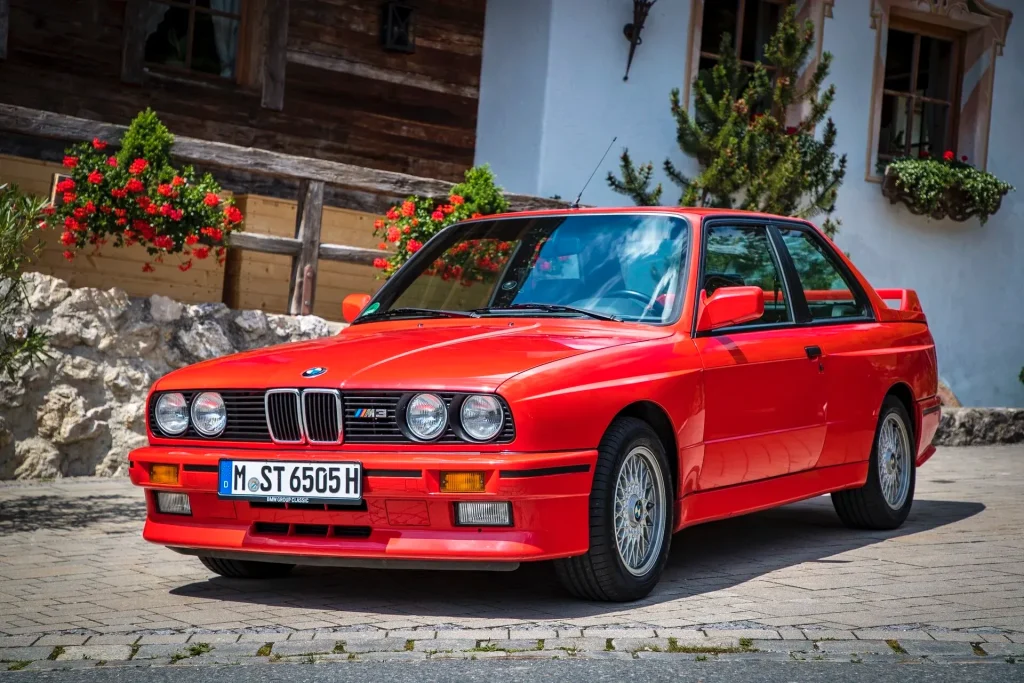
The E30 also benefits from a massive global enthusiast community. Owners share technical guides, restoration advice, and parts sources that make maintaining the vehicle far easier than many other classics. As a result, replacement components remain widely accessible.
What makes the E30 special as a daily driver is its versatility. It feels compact enough for city use while still providing comfort and stability on longer drives. For enthusiasts who want a classic car that offers both reliability and driving character, the BMW E30 continues to stand out as one of the most practical choices.
7. Chevrolet Caprice (1977 to 1990)
Large American sedans from the late twentieth century were often built with durability in mind, and the Chevrolet Caprice from this era is a clear example.
These full size cars were widely used by families, taxi fleets, and even police departments. Their ability to handle constant driving made them a dependable choice for everyday transportation.
A major strength of the Caprice lies in its straightforward mechanical design. Most models were equipped with small block V8 engines that had already proven themselves across multiple General Motors vehicles. These engines were not overly complicated, which meant repairs were relatively easy and parts were widely available.
The body on frame construction used in the Caprice also contributes to its long term durability. This type of design separates the vehicle’s body from its structural frame, allowing it to absorb wear over many years without causing severe structural problems.
If components such as suspension parts wear out, they can often be replaced without affecting the rest of the vehicle.
Comfort is another reason the Caprice works well as a daily classic. The spacious cabin provides generous seating and a relaxed driving position. Long drives feel smooth because the suspension was designed to prioritize comfort rather than aggressive performance.
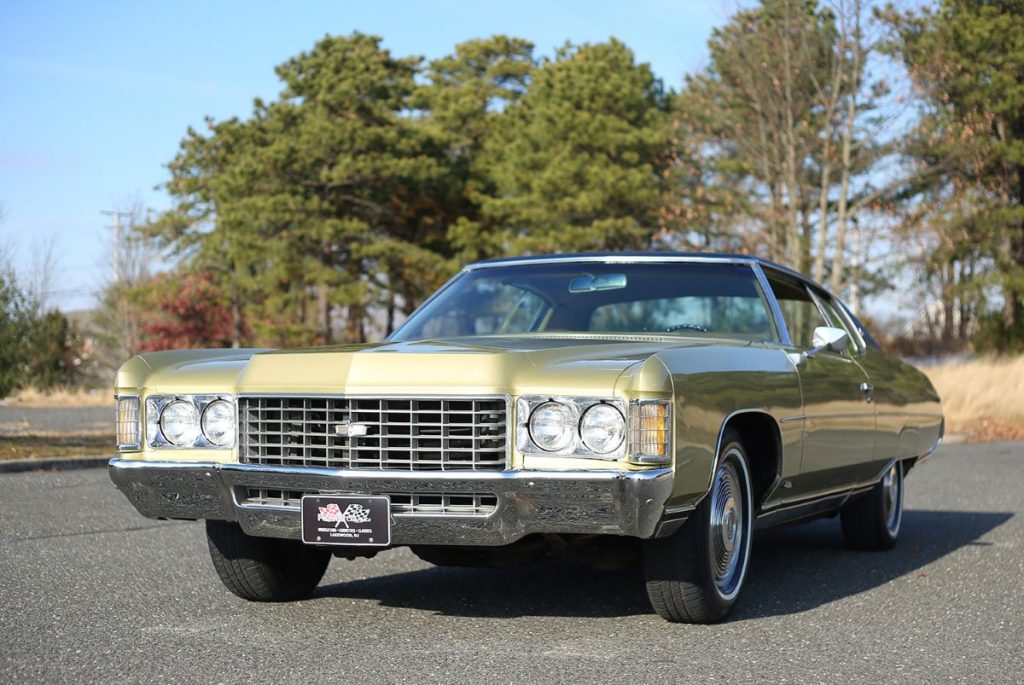
Because millions of these vehicles were produced, the supply of parts remains strong. Engines, transmissions, and suspension components are still widely available through aftermarket suppliers.
Mechanics are also familiar with the platform since it shares many components with other General Motors vehicles from the same period.
While fuel economy is not its strongest attribute, the Caprice compensates with durability and ease of maintenance. For drivers who appreciate classic American styling and want a vehicle capable of handling regular use, this sedan offers a dependable and surprisingly practical option.
8. Mazda MX 5 Miata (First Generation NA)
Sports cars are not always known for reliability, but the first generation Mazda MX 5 Miata proves that a performance focused car can still serve as dependable daily transportation. Introduced in 1989, the Miata revived the classic lightweight roadster concept while combining it with modern engineering reliability.
Instead of chasing extreme horsepower numbers, Mazda focused on balance, weight reduction, and mechanical simplicity.
The result was a car that delivered an engaging driving experience without placing excessive stress on its engine or drivetrain. This careful engineering approach helped the Miata earn a strong reputation for long term dependability.
Under the hood sits a compact four cylinder engine that is both efficient and durable. The engine operates smoothly at high mileage when basic maintenance is performed regularly. Oil changes, timing belt service, and cooling system upkeep are usually enough to keep the car running reliably for many years.
The Miata’s lightweight construction also reduces stress on components such as brakes, tires, and suspension parts. Because the car weighs far less than most modern vehicles, these components often last longer and are easier to replace when needed.
Another advantage is the enthusiastic owner community that surrounds the Miata. Owners share repair tutorials, maintenance tips, and restoration guides that make it easier for new drivers to maintain the vehicle. Replacement parts are also widely produced due to the model’s popularity.
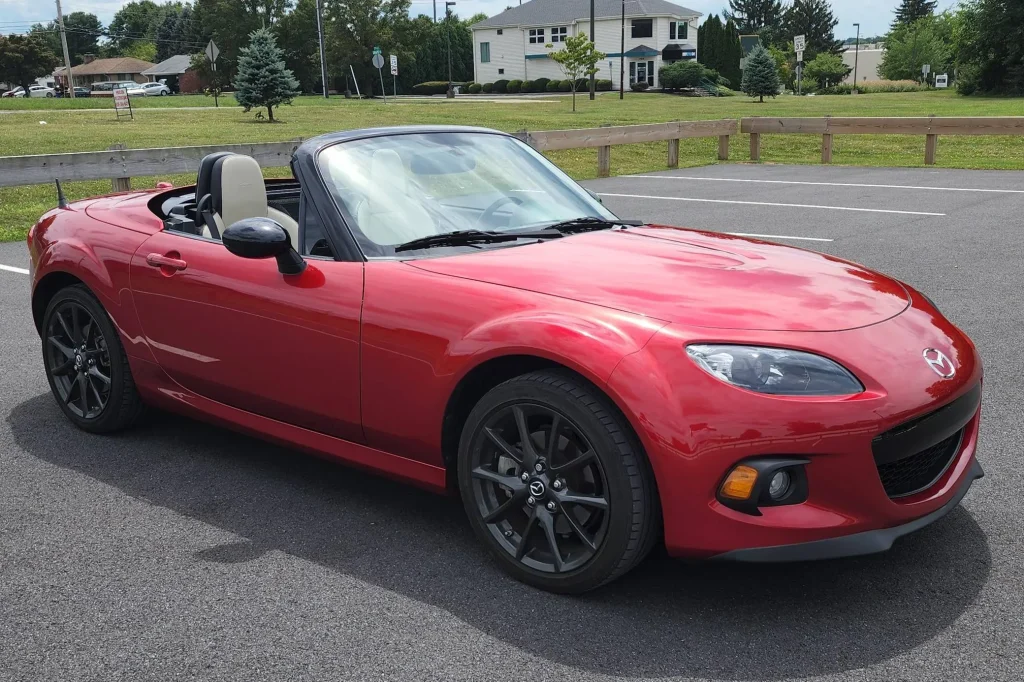
Driving a classic Miata daily offers more than just reliability. It provides a level of driver involvement that many modern cars lack. Responsive steering, balanced handling, and a simple mechanical design make every drive enjoyable.
For those who want a classic car that blends fun with practicality, the first generation Miata remains one of the most dependable sports cars ever built.
9. Ford Crown Victoria (1992 to 2011)
The Ford Crown Victoria built a reputation over many years as one of the most durable full size sedans ever produced.
While it may not always be the first vehicle people think of when discussing classic cars, its long production run and proven reliability have made it a respected choice among enthusiasts who want a dependable older vehicle for daily driving.
One of the key strengths of the Crown Victoria is the long lasting 4.6 liter modular V8 engine. This engine was designed for durability and steady performance rather than extreme power output. Because it operates under relatively low stress, many examples have reached very high mileage without major internal engine problems.
Another reason the Crown Victoria works well for everyday driving is its body on frame construction. This design makes the vehicle particularly resilient to years of use.
Fleet vehicles such as police interceptors and taxi units regularly accumulated hundreds of thousands of miles while remaining operational, which speaks volumes about the durability of the platform.
The mechanical layout of the car also keeps maintenance straightforward. Many components are easy to access and repair, and the platform shares parts with other Ford vehicles from the same era. Because of this, replacement parts are still widely available and reasonably priced compared with many other large sedans.
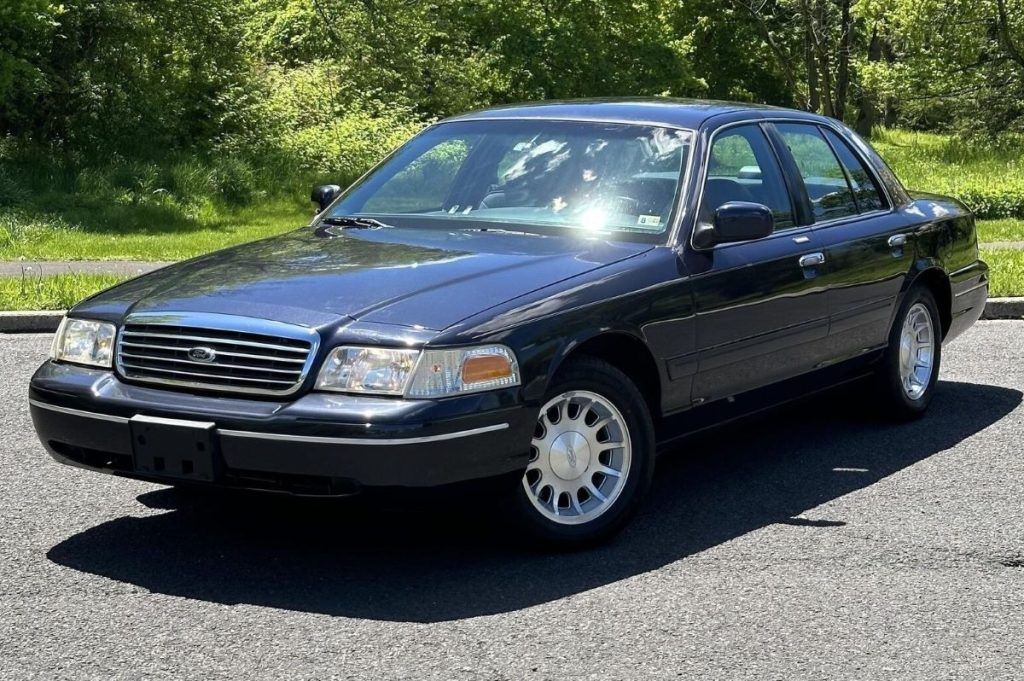
Comfort also plays an important role in the Crown Victoria’s practicality. The interior is spacious, the ride quality is smooth, and the car feels stable at highway speeds. Drivers who regularly travel long distances often appreciate the relaxed driving experience it provides.
When looking at older cars that can still handle everyday use, the Crown Victoria stands out for its toughness and simplicity. Its history of heavy duty service and strong mechanical design make it one of the most reliable classic sedans still capable of regular daily driving.
10. Lexus LS400 (1990 to 2000)
When the Lexus LS400 first appeared in 1989, it immediately changed expectations for luxury cars. While many luxury vehicles of the time were complicated and expensive to maintain, the LS400 introduced a different approach.
It combined refinement with exceptional engineering reliability, creating a luxury sedan that could remain dependable even after decades of use.
At the center of the LS400’s reliability is the famous 1UZ FE V8 engine. This engine was engineered with extremely tight manufacturing tolerances and strong internal components. Engineers tested the powertrain extensively before release, which resulted in a design that could handle long term use with remarkable consistency.
Owners often describe the LS400 as a car that simply keeps running with proper maintenance. Routine servicing such as fluid changes, timing belt replacement, and cooling system care is usually enough to keep the vehicle operating smoothly for many years. Many high mileage examples continue to perform reliably well beyond what most luxury cars achieve.
The build quality of the LS400 extends far beyond the engine. The interior materials were carefully selected to resist wear, and the cabin was assembled with impressive precision. Even older examples often maintain solid switchgear, durable seating surfaces, and a quiet driving environment.
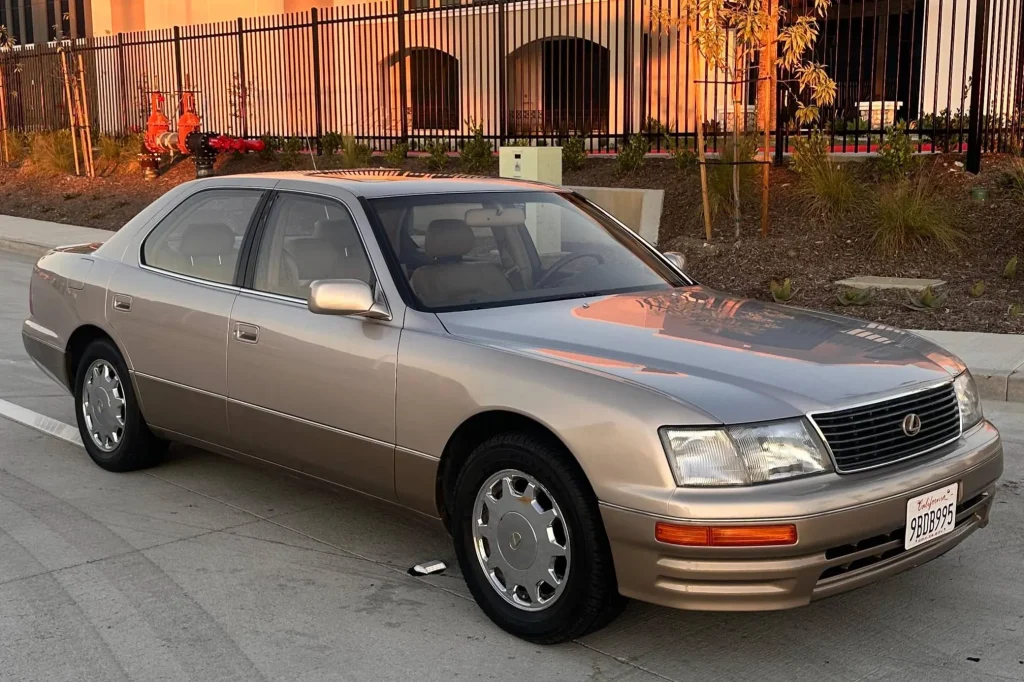
Another reason the LS400 remains practical today is its balanced design. The car offers comfort, smooth performance, and stable handling without relying on overly complicated systems that could become difficult to repair.
This thoughtful engineering allows it to age more gracefully than many other luxury vehicles from the same era.
For drivers who want a classic car that delivers both luxury and reliability, the Lexus LS400 represents one of the most impressive achievements in automotive engineering. It proves that a well built luxury sedan can remain dependable enough for everyday driving even decades after its debut.
Classic cars are often viewed as fragile machines that belong in garages or weekend shows, but many models were originally built with durability and long term use in mind. When properly maintained, several classic vehicles can still function as dependable daily drivers even decades after their production years.
The cars highlighted in this list demonstrate how strong engineering and mechanical simplicity contribute to long lasting reliability.
Vehicles such as the Volvo 240 and Mercedes Benz W123 became famous for their ability to accumulate extremely high mileage while continuing to run smoothly.
Others like the Toyota Land Cruiser FJ60 and Ford Crown Victoria proved their toughness through demanding real world use in fleets, rough environments, and long distance driving.
Smaller vehicles also show that reliability is not limited to large sedans or utility vehicles. Cars like the Honda Civic and Mazda MX 5 Miata combine efficient engineering with lightweight construction, allowing them to remain dependable and practical even after many years of use.
Another important factor that keeps these classics on the road is the strong enthusiast communities that support them. Replacement parts, repair knowledge, and restoration guidance remain widely available, making maintenance far easier than many people expect.
Together, these vehicles prove that classic cars do not always need to be limited to occasional drives. With thoughtful design and proper care, some older cars can continue serving as reliable everyday transportation while still delivering the timeless character that makes classic automobiles so appealing.
Also Read: Top 10 SUVs With the Best Rollover Resistance Ratings
