
Car interiors have evolved dramatically over the past several decades. Modern vehicles now rely heavily on digital displays, touchscreens, and minimalist dashboard designs that prioritize clean aesthetics and integrated technology.
While these advancements have introduced convenience and new features, they have also removed many of the distinctive dashboard layouts that once gave vehicles a strong sense of identity.
In earlier decades, dashboards were more than just functional control panels. They were a major part of a car’s personality. Designers experimented with shapes, gauge arrangements, materials, and driver focused layouts that made each vehicle feel unique.
Some dashboards emphasized symmetry and elegance, while others placed every control within easy reach of the driver. These designs reflected the philosophy of the brand and often became just as memorable as the exterior styling.
Today, many modern cars share a similar interior philosophy. Large rectangular screens replace traditional gauges, physical buttons are disappearing, and dashboards often look nearly identical from one brand to another. While technology has improved, some of the character and tactile interaction that drivers once enjoyed has been lost.
Looking back at iconic dashboard layouts from the past reveals ideas that could still work well today. Many of these interiors combined practicality with visual drama.
They organized information in ways that were intuitive for drivers and created an engaging environment inside the cabin. Instead of relying solely on screens, they used creative gauge clusters, distinctive shapes, and carefully placed controls.
Reintroducing some of these design concepts could help modern vehicles regain personality while still incorporating today’s technology. A well designed dashboard can enhance the driving experience by making the cockpit feel purposeful, immersive, and uniquely connected to the vehicle.
The following examples highlight ten iconic dashboard layouts that left a lasting impression on the automotive world. Each one demonstrates how thoughtful design can transform the interior of a car into something memorable, functional, and enjoyable for the driver.
Also Read: Top 10 Best Classic Cars for Driving in Heavy City Traffic
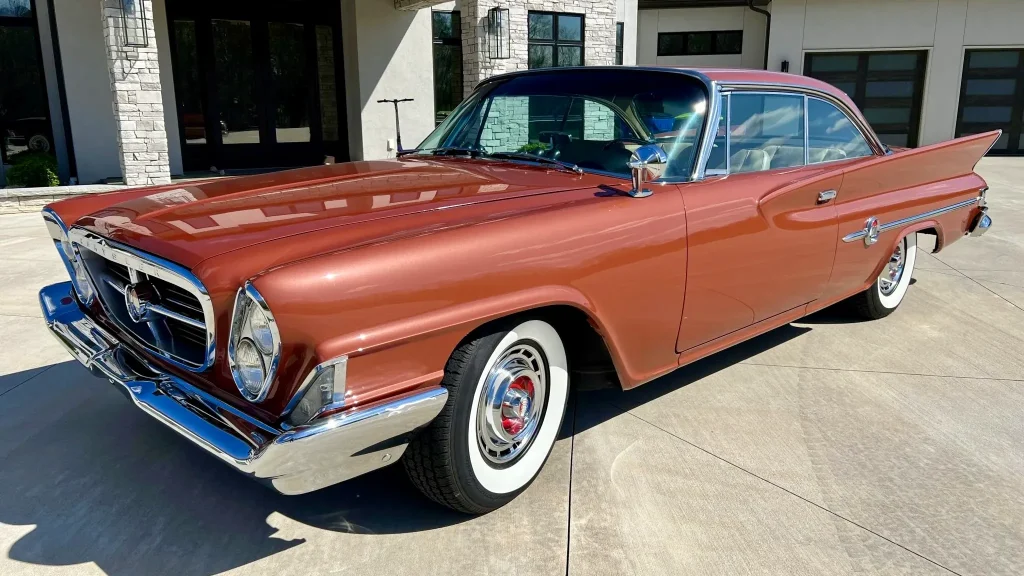
1. 1961 Chrysler 300G
The dashboard of the 1961 Chrysler 300G represents one of the most dramatic and distinctive interior designs ever placed in a production automobile.
At a time when American manufacturers were experimenting with futuristic styling inspired by the space age, Chrysler created a cockpit that looked unlike anything else on the road.
Instead of using a conventional flat dashboard with evenly spaced gauges, the 300G featured a sweeping instrument panel that curved around the driver.
The layout immediately created the feeling of sitting in a command center rather than a traditional automobile interior. The design emphasized driver engagement while still maintaining the luxury expected from Chrysler’s high performance flagship.
One of the most memorable features of the dashboard was its dramatic gauge cluster. Large round instruments were deeply recessed within sculpted housings, giving them a three dimensional appearance that made them easy to read at a glance.
The speedometer and other gauges were positioned directly in front of the driver, reinforcing the driver focused philosophy of the design.
Another standout element was the push button transmission control system mounted on the dashboard. Instead of using a conventional gear lever on the steering column or floor, Chrysler integrated push buttons labeled for each gear selection. This not only freed up interior space but also added to the futuristic atmosphere of the cockpit.
Materials played a major role in the design as well. Polished metal trim, textured surfaces, and carefully arranged switches created a sense of craftsmanship that elevated the entire cabin. Even small details such as knob placement and instrument lighting were thoughtfully designed to create visual harmony.
What made this dashboard particularly effective was its balance between drama and usability. While the layout looked bold and futuristic, the controls were still logically arranged and easy to operate. Drivers could quickly understand the layout without needing to search for essential functions.
Modern cars could benefit from revisiting this type of design philosophy. A driver oriented dashboard that wraps around the cockpit creates a stronger connection between the driver and the machine. Instead of feeling like a passenger operating a touchscreen tablet, the driver becomes the central focus of the interior environment.
The Chrysler 300G dashboard demonstrated how creative design could transform the cabin into an engaging driving space. Its combination of bold styling, driver focused ergonomics, and thoughtful craftsmanship remains a powerful reminder that dashboards can be both functional and unforgettable.
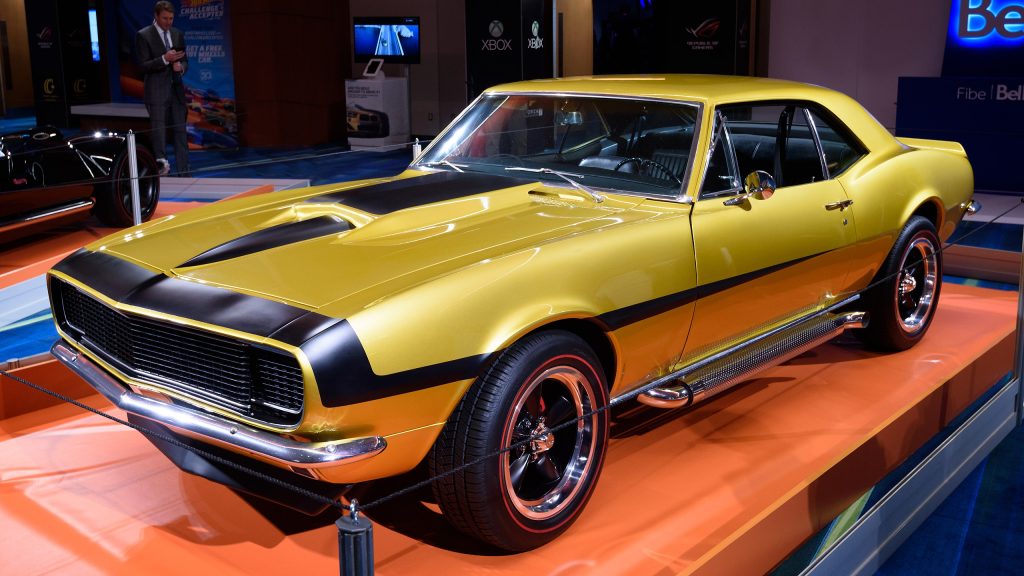
2. 1967 Chevrolet Camaro
When the first generation Chevrolet Camaro arrived in 1967, it quickly became known for its aggressive styling and performance focused personality.
Equally impressive was its dashboard layout, which captured the spirit of the muscle car era while delivering a clean and highly functional driving environment. The design balanced simplicity with visual appeal, proving that a dashboard did not need excessive decoration to feel special.
Unlike many modern interiors that rely on large digital panels, the Camaro used a clear analog gauge cluster placed directly in the driver’s line of sight.
The main instruments were housed inside a rectangular panel that was slightly recessed, giving the gauges depth and preventing glare from sunlight. This design helped drivers quickly absorb information without distraction.
One of the most memorable details was the optional center gauge cluster located beneath the main dashboard controls. This three gauge setup included readouts for oil pressure, fuel level, and electrical output.
Placing these gauges in the center created a balanced layout that still prioritized the driver while allowing passengers to see the mechanical heartbeat of the car.
The dashboard also incorporated a series of clearly labeled knobs and switches that controlled lighting, climate, and audio functions.
These controls were arranged logically so the driver could reach them easily without taking attention away from the road. Each knob offered a tactile feel that made adjustments possible even without looking directly at the controls.
Materials contributed to the Camaro’s distinctive atmosphere. The dashboard combined textured surfaces with metal trim accents that framed the instrument cluster and control panels. This mixture of finishes created visual contrast without overwhelming the interior.
Another strength of the design was its straightforward organization. Everything the driver needed was placed within immediate reach, and nothing felt unnecessarily complicated. The layout reflected the philosophy of muscle cars, which emphasized driving engagement rather than technological complexity.
Modern vehicles could learn from this approach by reintroducing clear, driver centered instrument clusters paired with physical controls. While digital screens provide flexibility, they often sacrifice the tactile feedback that drivers instinctively rely on.
The 1967 Camaro dashboard succeeded because it focused on the fundamentals of driving. Its combination of readable gauges, intuitive controls, and purposeful design created a cockpit that felt both practical and exciting.
Even decades later, it remains a powerful example of how effective dashboard design can enhance the entire driving experience.
3. 1984 Audi Quattro
During the early 1980s, Audi introduced a revolutionary approach to dashboard design with the original Audi Quattro.
While the car itself became famous for transforming rally racing with its all wheel drive system, the interior also represented a major step forward in driver focused ergonomics. The dashboard layout reflected the brand’s commitment to precision engineering and thoughtful design.
The most defining characteristic of the Quattro dashboard was its angled center console that faced toward the driver. Instead of presenting controls in a flat, symmetrical layout, Audi tilted the entire panel slightly in the driver’s direction.
This small but meaningful adjustment created a cockpit environment where every switch, button, and dial felt intentionally positioned for the person behind the wheel.
This driver oriented philosophy made the dashboard feel more like an aircraft control panel than a traditional car interior.
Drivers could adjust climate settings, operate the audio system, or monitor vehicle information without stretching across the cabin. The design reduced distractions and allowed the driver to remain focused on the road.
The instrument cluster itself was clean and highly readable. Large analog gauges displayed speed, engine revolutions, and other critical information with simple markings that could be interpreted instantly. Rather than cluttering the dashboard with excessive decoration, Audi emphasized clarity and precision.
Switchgear also played an important role in the Quattro’s reputation for quality. The buttons and rotary controls were solid and satisfying to operate, reinforcing the sense that every component had been engineered with durability in mind. Drivers could operate many of these controls purely by touch, which improved safety during spirited driving.
Another element that made this dashboard memorable was its understated elegance. Instead of flashy chrome or exaggerated shapes, Audi relied on clean lines and subtle textures. The layout felt modern without abandoning practicality, and the interior aged gracefully as design trends changed over time.
This approach influenced many future vehicle interiors. Over the following decades, numerous manufacturers adopted driver angled center consoles inspired by Audi’s concept. Even today, the idea remains relevant because it enhances usability while creating a stronger connection between the driver and the vehicle.

Modern dashboards often prioritize large central screens that are equally visible to both driver and passenger. While this symmetry may look appealing, it can reduce the driver focused character that makes a cockpit feel purposeful.
The Audi Quattro demonstrated that thoughtful ergonomics can transform an interior. Its angled dashboard design remains one of the most influential layouts in automotive history and serves as a reminder that driver centered design should never go out of style.
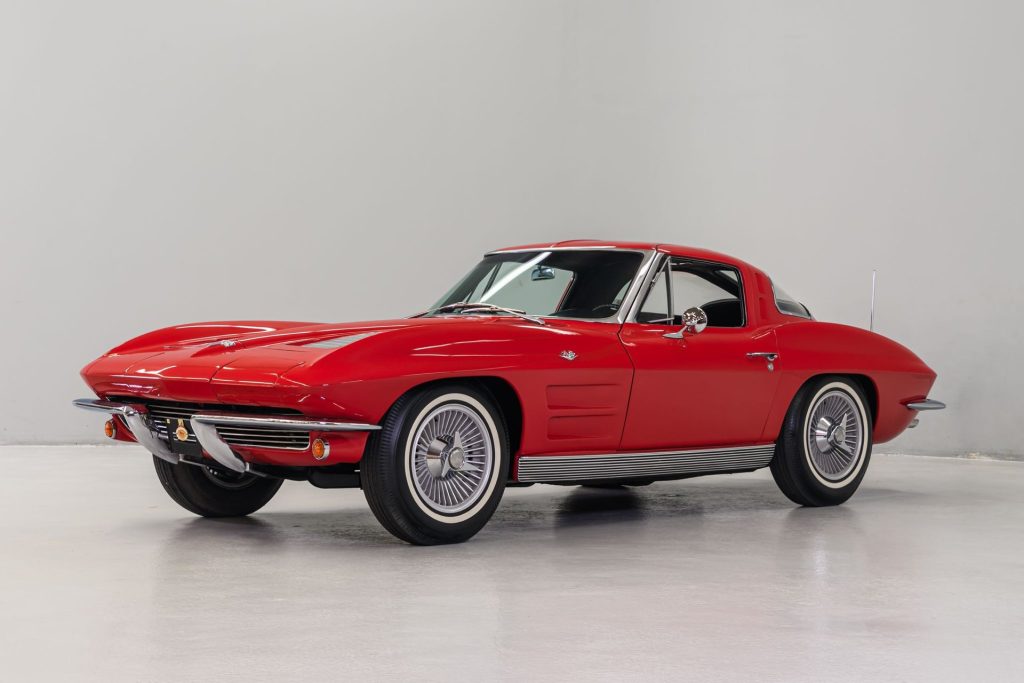
4. 1963 Chevrolet Corvette Sting Ray
The 1963 Chevrolet Corvette Sting Ray introduced one of the most recognizable dashboard designs in sports car history. Chevrolet engineers wanted the interior to reflect the performance focused nature of the car, and the result was a cockpit that placed the driver at the center of attention.
Unlike many cars of the early 1960s that still used wide symmetrical dashboards, the Sting Ray embraced a bold driver oriented layout.
The most distinctive feature of this dashboard was the center console that extended forward and divided the driver and passenger areas.
This design created a clear boundary within the cabin, almost like the cockpit of an aircraft. For the driver, it produced a feeling of being surrounded by controls rather than simply sitting in front of them.
Directly ahead of the driver sat a cluster of large circular gauges, carefully arranged to prioritize essential information.
The speedometer and tachometer were positioned prominently, while smaller gauges displayed oil pressure, fuel level, and engine temperature. The clear arrangement made it easy to monitor the car’s performance during spirited driving.
Another aspect that made the Sting Ray dashboard stand out was the hooded instrument panel. The gauges were recessed under a sculpted cover that reduced glare and enhanced readability in bright conditions. This simple design choice improved functionality while also giving the dashboard a dramatic visual presence.
The placement of switches and knobs followed a logical pattern along the center console. Drivers could easily reach climate controls, lighting adjustments, and other functions without stretching or shifting position.
The layout felt natural and intuitive, reinforcing the idea that the car was designed with driving enjoyment as its primary goal.
Materials used throughout the dashboard also reflected the Corvette’s sporty character. Brushed metal trim, textured panels, and polished accents created a purposeful aesthetic that complemented the car’s exterior styling. Every component appeared carefully integrated rather than randomly placed.
Modern sports cars often rely heavily on digital displays, which sometimes reduce the sense of mechanical connection between the driver and the vehicle. The Sting Ray dashboard demonstrated how physical gauges and tactile controls can create a more immersive driving experience.
This design remains influential because it transformed the interior into a true driver’s cockpit. By surrounding the driver with information and controls, the 1963 Corvette Sting Ray created an environment that felt exciting, functional, and unmistakably focused on performance.
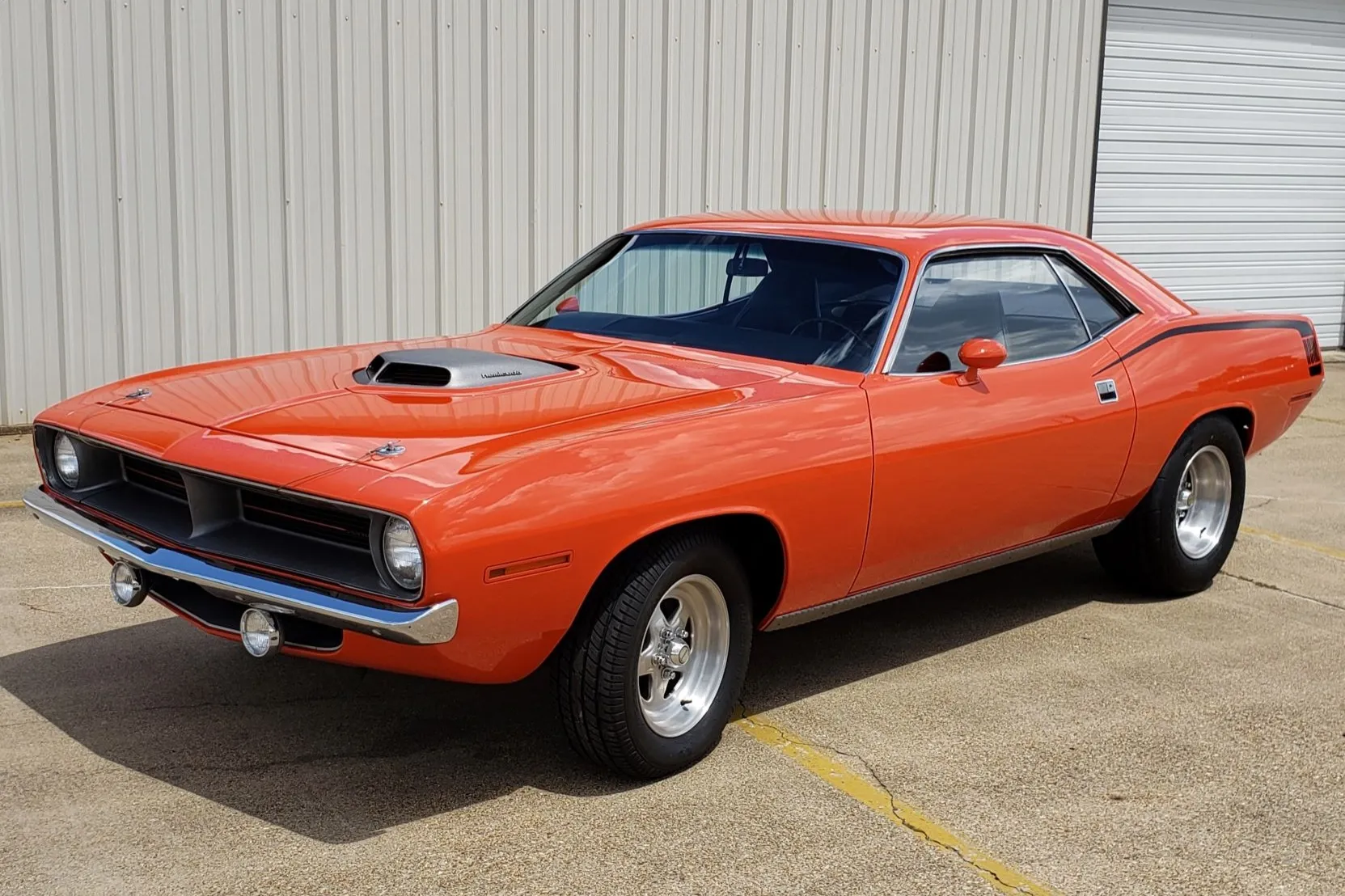
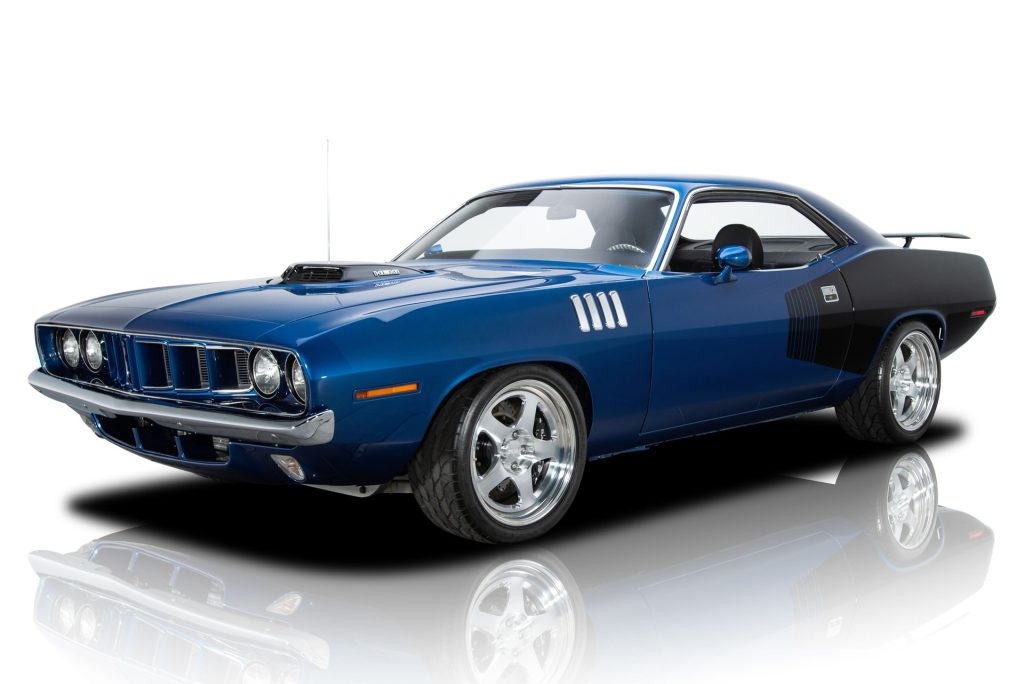
5. 1970 Plymouth Barracuda
The 1970 Plymouth Barracuda arrived during the peak of the American muscle car era, and its dashboard perfectly reflected the bold personality of the vehicle.
While some dashboards of the time leaned heavily toward decorative styling, the Barracuda emphasized clarity and strength. Its design captured the aggressive spirit of muscle cars while maintaining a clean and organized layout.
At first glance, the dashboard appeared straightforward, but closer inspection revealed thoughtful engineering. The instrument cluster was deeply recessed within a sculpted housing that stretched across the driver’s side of the dashboard.
This design framed the gauges in a way that immediately drew attention to the information most important to the driver.
Large round instruments dominated the cluster. The speedometer and tachometer were easy to read even during high speed driving, while smaller gauges provided additional engine information. Each gauge was positioned with clear spacing so drivers could interpret the readings instantly.
One of the defining characteristics of the Barracuda dashboard was its strong horizontal structure. The lines of the dashboard flowed smoothly from one side of the cabin to the other, giving the interior a wide and stable appearance. This layout also allowed controls to be placed in clearly defined zones.
Climate controls, radio functions, and lighting adjustments were grouped together in the center section of the dashboard. Rather than scattering switches randomly across the panel, designers arranged them in a predictable order that drivers could memorize quickly.
Texture played an important role in the Barracuda’s interior design as well. The dashboard combined durable materials with subtle patterns that added visual interest without distracting from the gauges. This mixture of practicality and style made the interior feel robust yet refined.
Another advantage of the layout was its durability. Muscle cars were built for enthusiastic driving, and the Barracuda’s dashboard components were designed to withstand constant use. The sturdy switches and solid knobs reinforced the car’s reputation for toughness.
In modern vehicles, touchscreens often replace physical controls entirely. While this approach may look futuristic, it can make simple adjustments more complicated during driving. The Barracuda dashboard reminds us that well placed physical controls are often more effective.
Its balanced layout, strong visual identity, and driver friendly organization make the 1970 Plymouth Barracuda dashboard an enduring example of how performance oriented interiors can combine style with functionality.
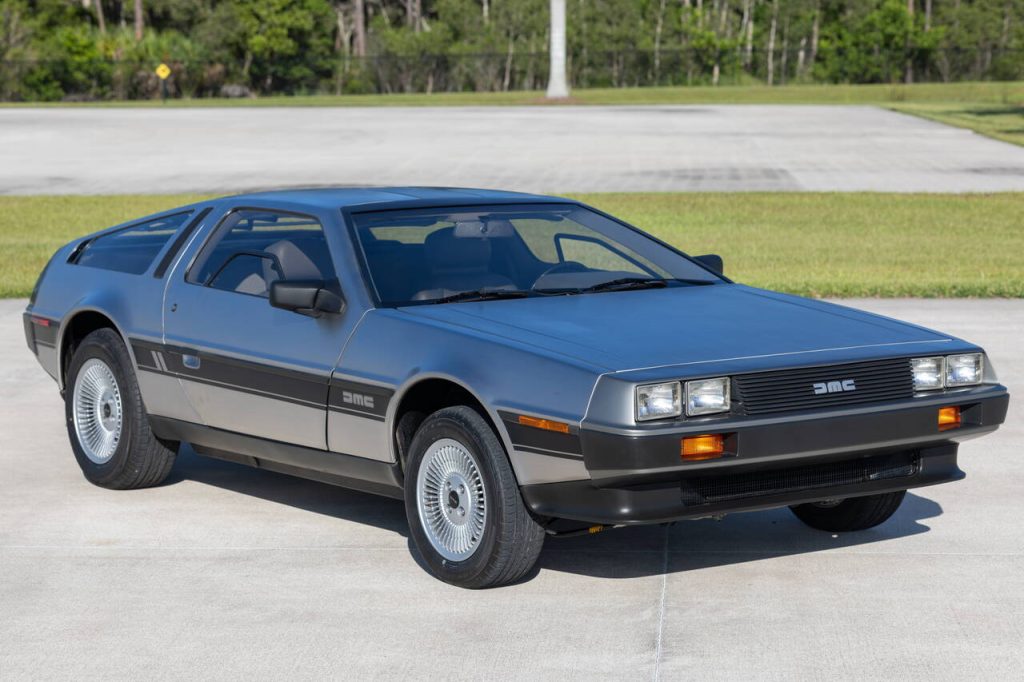
6. 1981 DeLorean DMC-12
The interior of the 1981 DeLorean DMC-12 presented a dashboard layout that looked strikingly futuristic for its time.
While many early 1980s cars still followed traditional symmetrical interior designs, the DeLorean approached the cockpit from a more technical and structured perspective. The dashboard emphasized organization and driver interaction, which helped the interior feel far more modern than most of its contemporaries.
A defining feature of the design was the clear separation between the instrument cluster and the control panels. Directly in front of the driver sat a rectangular gauge cluster that contained the speedometer, tachometer, and essential engine information.
The gauges were arranged neatly with strong markings and clear spacing, allowing drivers to understand the vehicle’s status instantly without searching across the dashboard.
Instead of scattering controls across the interior, the DeLorean used an angled center console that directed switches toward the driver.
Climate controls, lighting switches, and other adjustments were grouped together on this panel. The slight angle meant the driver could reach every control comfortably without leaning forward or stretching across the cabin.
Another interesting detail was the structured geometry of the dashboard itself. Straight lines and sharp edges gave the interior a technical appearance that matched the stainless steel exterior of the car. The design felt intentional and cohesive, as if every line was planned to reinforce the futuristic theme.
Materials also played a role in shaping the atmosphere. Dark surfaces combined with clearly labeled switches created strong visual contrast, ensuring that controls remained easy to identify even in low lighting conditions.
What makes the DeLorean dashboard memorable today is its forward thinking approach to layout. It combined driver focused ergonomics with a clean visual structure that still feels relevant decades later. Many modern vehicles could benefit from revisiting this balance of simplicity, usability, and distinctive character.
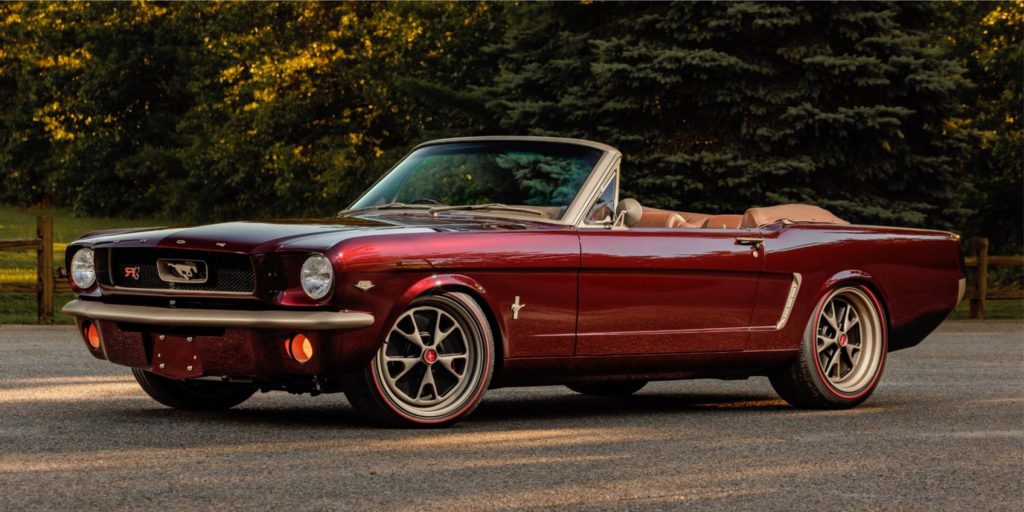
7. 1965 Ford Mustang
The 1965 Ford Mustang introduced a dashboard that perfectly matched the youthful energy of the new pony car segment. Instead of copying the conservative interiors found in many family sedans of the era, Ford created a layout that felt sporty and engaging while remaining simple enough for everyday drivers to use comfortably.
At the heart of the dashboard were two large circular instrument pods positioned directly in front of the driver. This dual pod arrangement immediately gave the interior a performance oriented look. The speedometer occupied one side, while supporting gauges provided information about fuel and engine conditions.
The round gauge housings created a visual focal point for the driver. Rather than spreading information across a wide panel, the design concentrated essential data in a compact area that could be read quickly. This layout made the dashboard feel purposeful and focused on driving.
Between the instrument pods and the center of the dashboard, the steering wheel framed the gauges in a natural way. Drivers could glance down and instantly understand the vehicle’s speed and condition without shifting their posture.
The center portion of the dashboard followed a straightforward vertical arrangement. Controls for the radio, heater, and ventilation were stacked neatly within a rectangular panel. Each knob was large enough to grip easily, allowing drivers to adjust settings without taking their eyes off the road for long.
Chrome accents surrounded the instruments and controls, adding a touch of style without overwhelming the design. These bright elements reflected the Mustang’s blend of sportiness and accessibility. The interior felt exciting but never complicated.
One reason the Mustang dashboard remains memorable is its clarity. Every element had a purpose, and nothing appeared unnecessary. The design respected the driver’s need for quick information while still delivering visual appeal.
Modern cars could learn from this philosophy by simplifying instrument layouts and restoring a sense of personality to interior design. The 1965 Mustang dashboard showed that a well balanced cockpit can feel both stylish and intuitive at the same time.
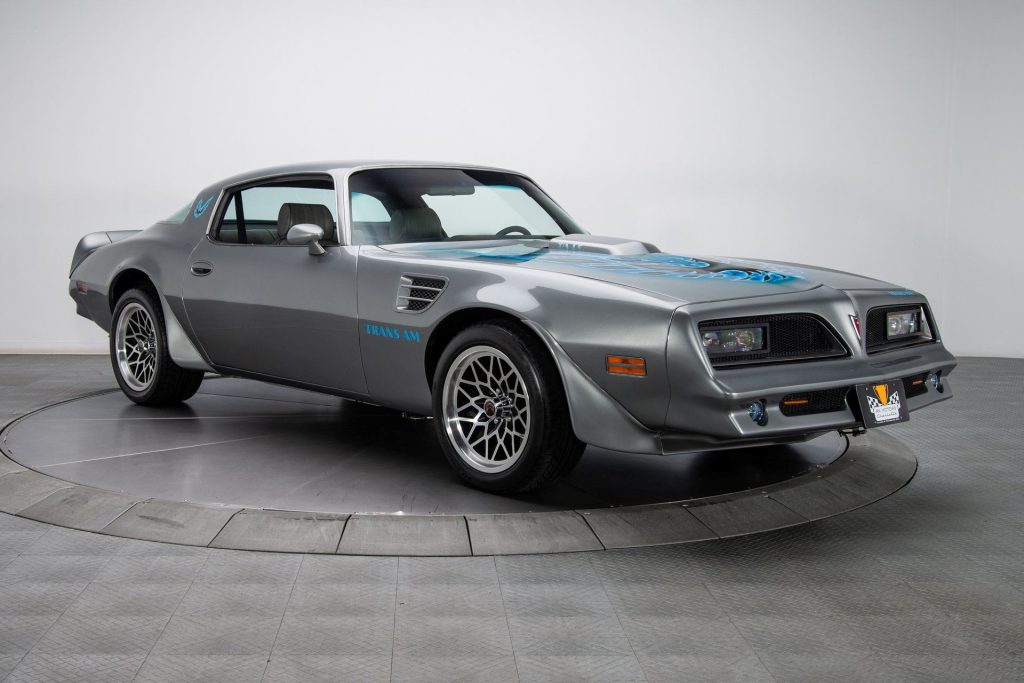
8. 1978 Pontiac Firebird Trans Am
Open the door of a 1978 Pontiac Firebird Trans Am and the dashboard immediately communicates attitude. Pontiac did not aim for quiet elegance here. The layout was dramatic, bold, and clearly designed to match the aggressive personality of the car itself.
At a time when muscle cars were evolving into more refined grand touring machines, the Trans Am dashboard still managed to feel performance oriented and theatrical.
The centerpiece of the design was the large engine turned aluminum panel that surrounded the instrument cluster and extended across the driver’s side of the dashboard.
This textured metal surface created visual excitement while also reflecting light in a subtle way. It was an unusual choice for a production car interior, and it instantly made the cockpit stand out.
Inside that panel sat a collection of round gauges that looked almost like racing instruments. The speedometer and tachometer occupied the primary positions, while additional gauges reported fuel level, oil pressure, and engine temperature.
Each dial had clear white markings against dark backgrounds, making them easy to read even during quick glances.
Below the main instruments, Pontiac included additional auxiliary gauges and controls that emphasized the performance nature of the car. Drivers could monitor engine behavior while also adjusting settings without taking their attention away from the road for long.
Another characteristic of the Trans Am dashboard was its layered structure. The upper section flowed smoothly from door to door, while the instrument panel sat slightly lower within a recessed area. This gave the dashboard depth and made the cockpit feel more immersive.
The steering wheel framed the gauges in a natural way, reinforcing the sense that the driver was sitting at the center of a purposeful machine. Every glance at the dashboard reminded the driver that this car was built with performance in mind.
Modern interiors rarely use materials like engine turned metal or deeply recessed analog gauges. Reintroducing some of these tactile and visually rich elements could help today’s vehicles regain a sense of excitement that many digital dashboards currently lack.
9. 1991 Acura NSX
When the Acura NSX was introduced in 1991, it changed the way many people viewed performance car interiors. Inspired by the visibility and ergonomics of fighter jets, the dashboard layout placed the driver in a highly focused environment that prioritized clarity and control.
The instrument cluster was positioned within a curved hood that surrounded the gauges in a sweeping arc. This shape reduced glare and ensured that critical information remained visible from multiple viewing angles. It also created a cockpit feeling that made the driver feel connected to the car.
Instead of overwhelming the driver with unnecessary decoration, the NSX dashboard focused on clean design. Large analog gauges displayed speed and engine revolutions with simple markings that could be read instantly.
Supporting gauges were arranged in a balanced layout so the driver could monitor engine conditions without searching across the panel.
A major strength of the NSX dashboard was its exceptional visibility. Designers carefully studied driver sightlines to ensure that the steering wheel never blocked important information. The top of the dashboard sat relatively low, allowing drivers to see the road clearly over the front of the car.
The center console followed a gentle upward slope that brought controls closer to the driver’s hand. Climate and audio controls were placed in a logical order, making them easy to operate without looking away from the road for long periods.
Another detail that made the NSX dashboard stand out was its build quality. Materials were carefully chosen to provide a solid and precise feel. Buttons moved with smooth resistance, and switches clicked into place with satisfying feedback.

This attention to ergonomics helped the NSX become famous for its driver friendly interior. Even during high speed driving, the layout remained intuitive and easy to use.
Modern supercars often rely heavily on digital displays, but the NSX demonstrated that analog instruments combined with intelligent layout can create a far more engaging experience. Its dashboard remains a benchmark for how performance oriented interiors should be designed.
10. 1959 Cadillac Eldorado
The 1959 Cadillac Eldorado featured one of the most visually striking dashboards ever created. At a time when American automotive design embraced bold styling and futuristic themes, Cadillac transformed the dashboard into a centerpiece of the interior.
The layout combined luxury, drama, and advanced features in a way that perfectly reflected the optimism of the late 1950s.
The dashboard stretched widely across the cabin, presenting a strong horizontal design that emphasized the car’s size and elegance. At the center sat a distinctive instrument cluster that used a rolling drum style speedometer rather than a traditional needle gauge.
Numbers rotated horizontally as the vehicle accelerated, creating a futuristic display that fascinated drivers and passengers alike.
Surrounding the speedometer were carefully arranged controls and indicator lights that provided essential driving information.
Instead of cluttering the dashboard with excessive gauges, Cadillac focused on presenting information in a clear and visually appealing manner. The result was a layout that looked sophisticated while remaining easy to understand.
Another memorable feature of the Eldorado dashboard was the generous use of chrome and polished metal trim. These reflective surfaces framed the instruments and controls, giving the interior a glamorous atmosphere.
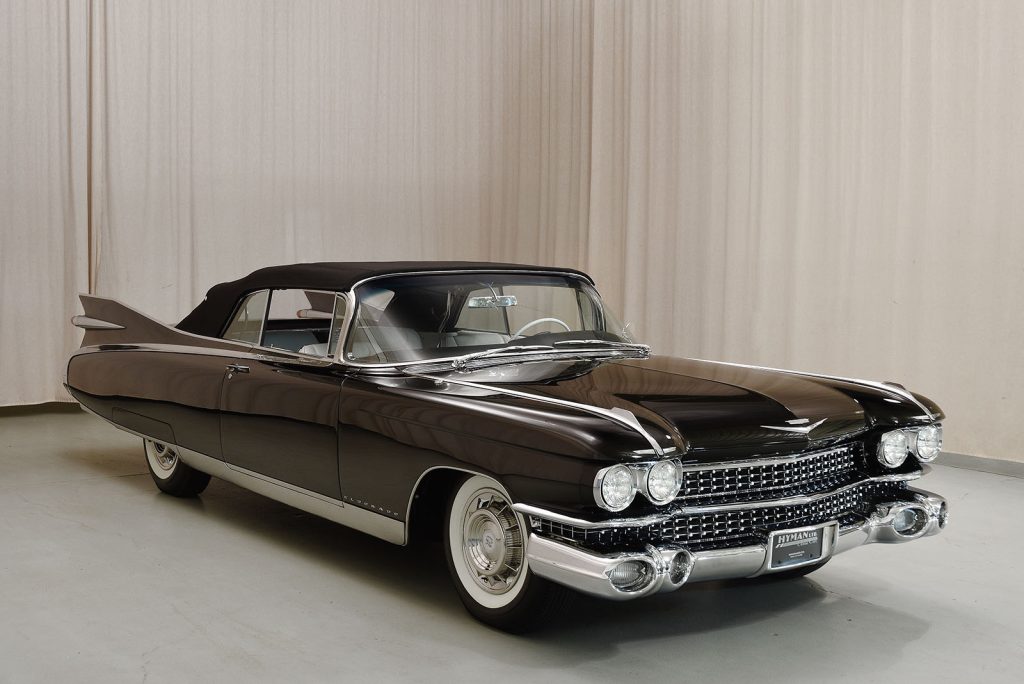
The design felt almost architectural, with each section carefully shaped to guide the driver’s attention toward the most important elements.
The control knobs and switches were large and precisely spaced across the panel. Drivers could easily adjust radio settings, lighting, or climate controls without confusion. The tactile feel of these controls contributed to the sense of craftsmanship that Cadillac was known for.
Color also played an important role in the dashboard’s appeal. Cadillac often paired contrasting interior shades with the chrome accents, creating an interior environment that looked luxurious and vibrant.
What makes the 1959 Eldorado dashboard truly iconic is its willingness to experiment with design. It demonstrated that dashboards could be artistic statements rather than purely functional panels.
Modern cars often favor minimalism, but revisiting the creativity and visual richness of designs like the Eldorado’s could help bring personality back into automotive interiors.
Also Read: 10 Front Wheel Drive Cars That Can Set Fast Lap Times
