
Parking a vehicle for several months might sound simple. Just turn off the engine, lock the doors, and walk away. Real life tells a different story. Automobiles are designed to move regularly, circulate fluids, and keep electrical systems active.
When a car sits still for long periods, several small issues can quietly develop. Tires flatten at contact points, batteries lose charge, fuel quality declines, and moisture may creep into areas that stay dry during daily driving.
Think about a vehicle such as the 2023 Toyota Camry XSE or the 2024 Honda CR-V Hybrid Sport Touring. Both are built for reliability, yet even dependable machines benefit from proper preparation before extended storage. Ignoring preparation can lead to frustrating surprises months later, including a dead battery, stale fuel, brake rust, or unpleasant odors in the cabin.
Good storage habits protect your investment and save money on repairs later. A few hours of preparation today can prevent hours of troubleshooting when it is time to drive again. Car collectors, seasonal drivers, and people traveling for extended periods all rely on proven storage methods to keep vehicles healthy while parked.
Preparation also keeps safety in mind. Fluids stay stable, rubber components remain in good shape, and electronics stay protected. Owners who follow proper procedures often return to vehicles that start easily and drive just as smoothly as before storage began.
Guidance below outlines ten smart practices for storing a car for several months. Each step explains why it matters and how to carry it out effectively. Follow these strategies and your vehicle will stay ready for the road whenever you return.
1. Choose the Right Storage Location
Picture two identical vehicles placed in different environments for several months. One sits in a dry garage while another stays outside beneath fluctuating temperatures and rain. Conditions alone can determine whether a car wakes up smoothly or develops issues. Storage location matters more than most drivers realize.
Owners of vehicles such as the 2024 Subaru Outback Wilderness often plan long outdoor trips or seasonal use, which makes proper storage even more important. Harsh sunlight, humidity, and sudden weather changes slowly affect paint, rubber seals, and interior materials. Selecting a safe environment protects these components.
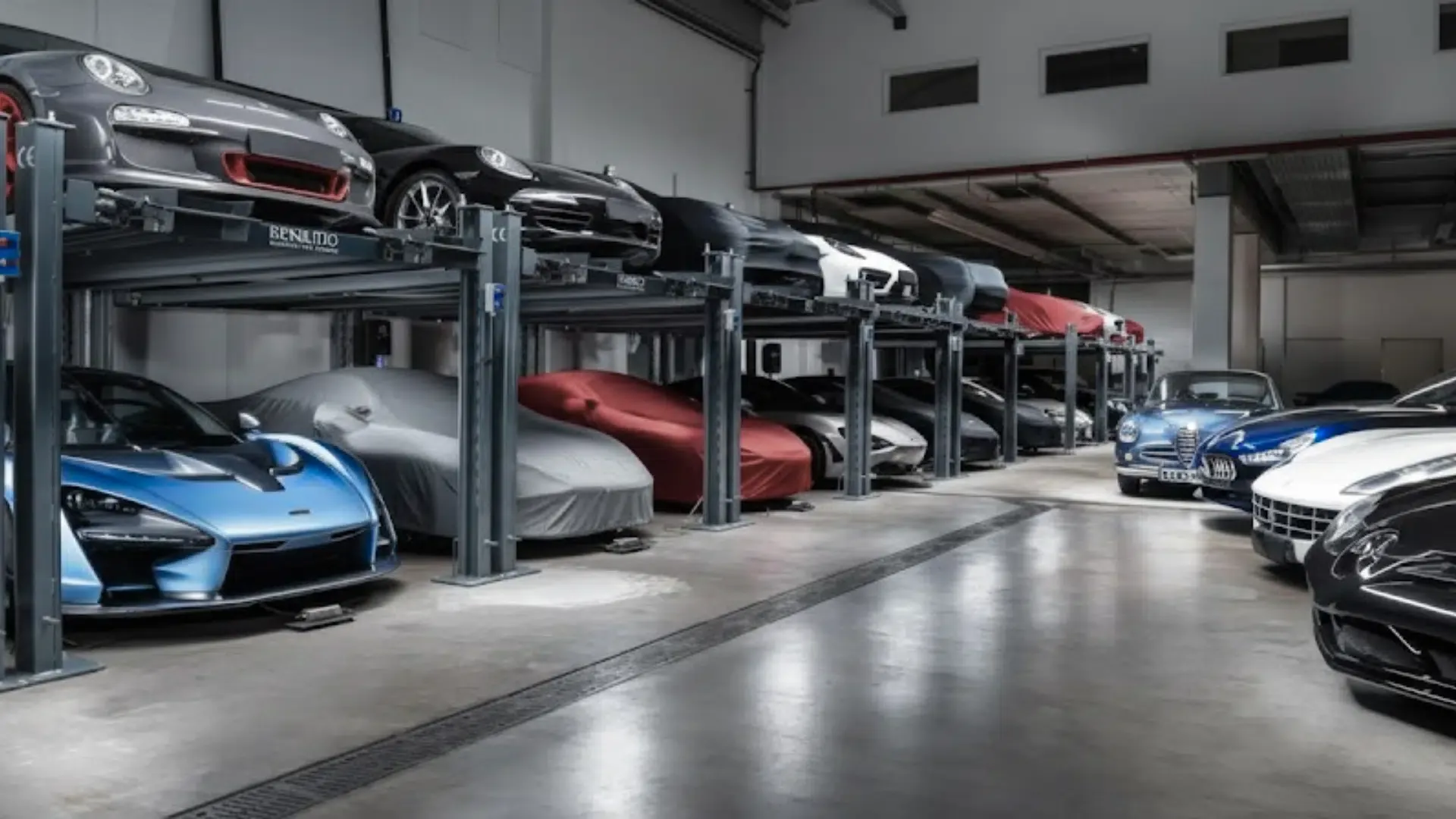
Indoor storage works best whenever available. A garage shields the car from precipitation, UV exposure, falling debris, and curious animals. Stable temperatures also reduce condensation that might form in mechanical parts. Even an unheated garage offers protection that outdoor parking cannot match.
Cleanliness of the storage space also plays a role. Dust, chemical fumes, or damp flooring may affect the vehicle during extended parking. Sweeping the area and keeping it dry creates a healthier environment for long stays.
Outdoor storage sometimes becomes unavoidable. In that situation, thoughtful placement helps. Parking on asphalt or concrete prevents moisture from rising from the soil. Grass parking areas tend to hold moisture and invite insects or rodents seeking shelter.
Security deserves attention as well. Vehicles parked for long periods can attract unwanted attention. Locked garages, secure gates, and motion lighting help deter tampering. Car covers add another layer of defense when outdoor storage is necessary. A breathable cover protects paint while allowing trapped moisture to escape. Plastic tarps should stay out of consideration because they trap condensation.
Drivers who plan to treat storage spaces almost like a protective shelter. Careful placement shields body panels, electronics, and interior materials from damage. Selecting a proper location may seem like a simple step, yet it often determines how well a car survives months of inactivity.
2. Give the Vehicle a Thorough Cleaning
Long-term storage begins with cleanliness. Dirt, road salt, and organic residue may look harmless at first glance, yet those materials gradually damage paint and metal surfaces. Washing a vehicle before storage prevents corrosion and preserves the exterior finish.
Take a sedan like the 2023 Mazda6 Grand Touring Reserve as an example. Its sleek paint and polished trim deserve protection during idle months. Leaving contaminants on the body allows them to bond with the surface and create stains or dull spots.
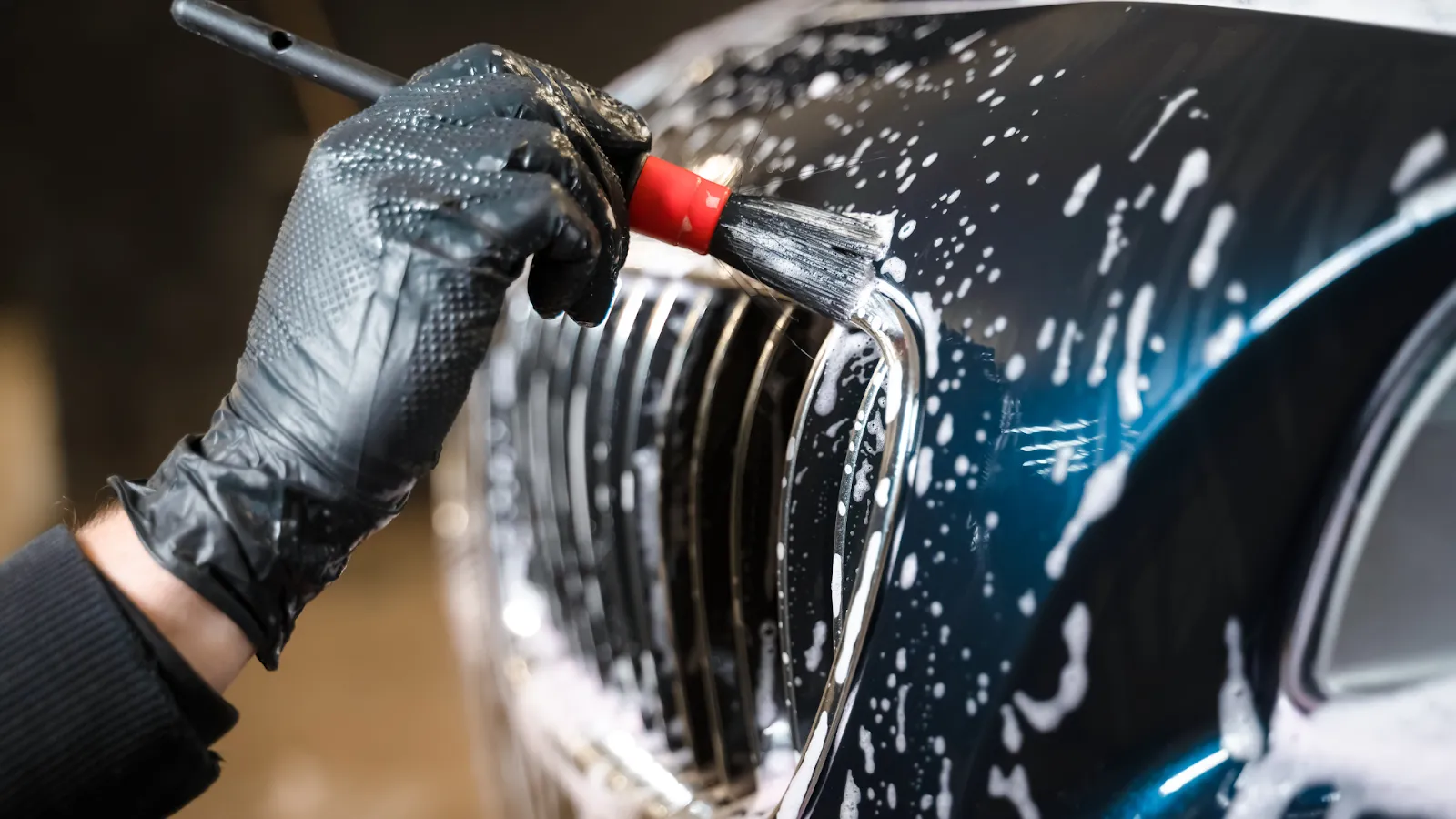
Start with a careful wash using proper automotive soap. Pay attention to wheel wells, lower body panels, and undercarriage areas where grime tends to collect. Road salt left behind from winter driving can slowly eat away at metal components if ignored.
Drying the vehicle completely becomes just as important as washing it. Water trapped around trim pieces or door seals may create mildew or corrosion. Soft microfiber towels help remove lingering moisture without scratching paint.
Interior cleaning also deserves attention before storage begins. Food crumbs, spills, and dust invite insects or rodents seeking shelter. Vacuum carpets, wipe surfaces, and remove trash from door pockets and center consoles.
Leather seats benefit from conditioning products that keep the material soft during long idle periods. Fabric upholstery stays fresher after light cleaning and proper drying. Trunk compartments should not be overlooked. Old grocery bags, paper items, or damp objects can create unpleasant odors over several weeks.
Windows deserve a final polish to prevent residue buildup. Clear glass improves visibility once driving resumes and avoids stubborn stains that become difficult to remove later. Clean vehicles age more gracefully during storage.
Dirt-free surfaces resist corrosion, interiors remain fresh, and owners return to cars that still feel well cared for. A simple cleaning routine creates a strong foundation for the rest of the storage preparation process.
Also Read: 6 Tips for Taking Professional Quality Photos of Your Classic Car
3. Protect the Battery From Discharge
Modern vehicles rely heavily on electrical systems. Even when a car sits quietly in a garage, small electronic components continue drawing power. Alarm systems, onboard computers, and remote entry modules gradually drain the battery.
Consider a luxury vehicle like the 2024 BMW 530i xDrive. Its advanced electronics deliver comfort and performance during daily driving, yet those same features quietly consume battery energy when the car remains parked. Months of inactivity may leave the battery completely depleted.
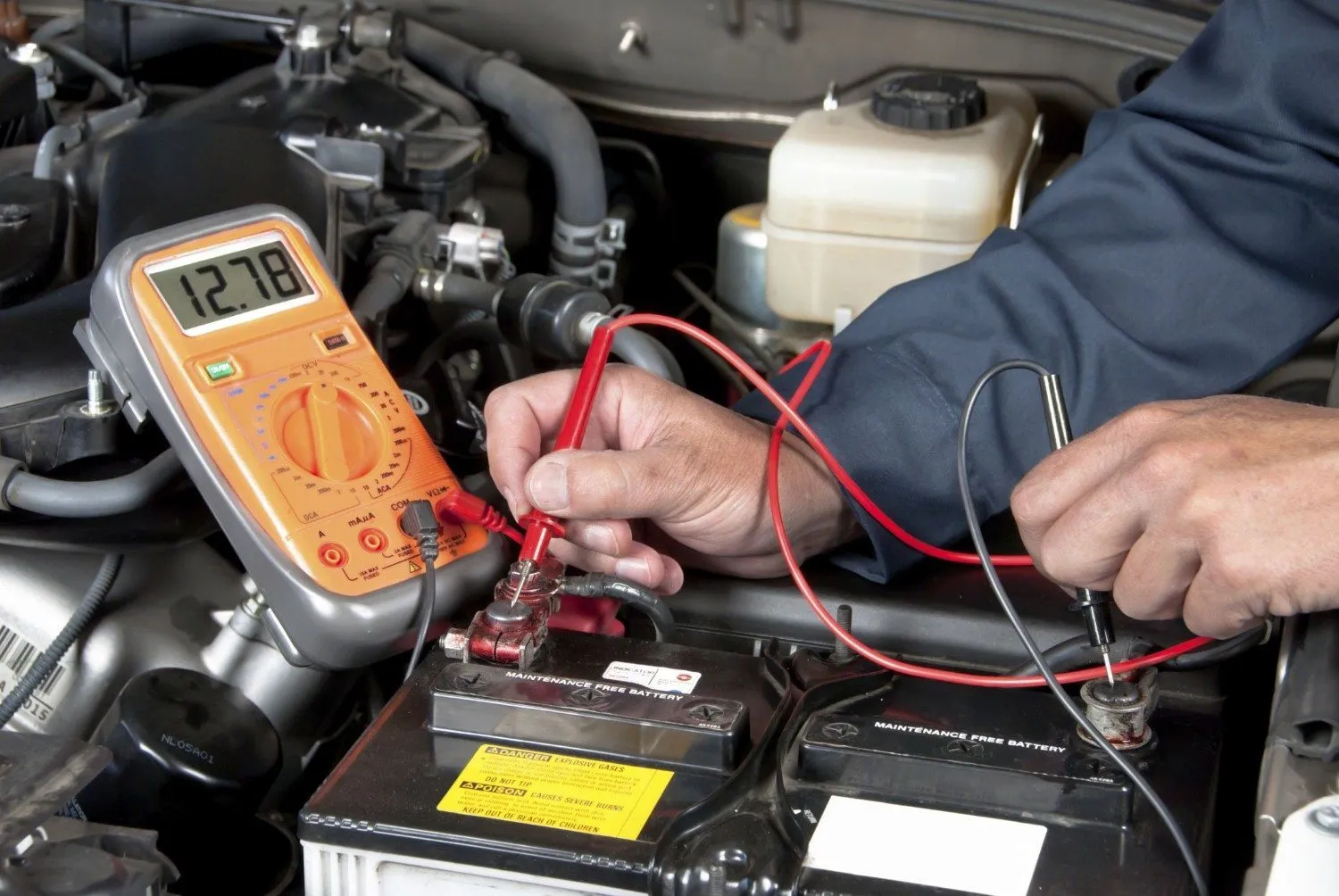
Battery maintainers provide an easy solution. These compact devices supply a steady trickle charge that keeps battery voltage within healthy limits. Unlike traditional chargers, maintainers monitor battery condition and prevent overcharging.
Connection typically takes only a few minutes. Attach the device to the battery terminals and plug it into a nearby outlet. Once connected, the maintainer automatically regulates power flow while the car remains stored.
Drivers without access to electricity can disconnect the negative battery cable instead. Removing the connection stops electrical drain and helps preserve remaining charge. A fully charged battery usually holds power longer when disconnected.
Another helpful step involves cleaning battery terminals before storage. Corrosion buildup may weaken electrical contact and reduce charging efficiency. A simple terminal cleaning brush and baking soda solution work well for this task.
Battery age also deserves consideration. Older batteries may struggle to recover after months of inactivity. Replacing a worn unit before storage can prevent headaches later. Cold temperatures slow chemical reactions inside batteries, while extreme heat speeds up self-discharge. Indoor storage once again helps maintain stable conditions that support battery health.
Owners who treat battery care seriously often avoid one of the most common storage problems. Instead of facing a silent engine and dim dashboard lights, they return to a vehicle ready to start with confidence.
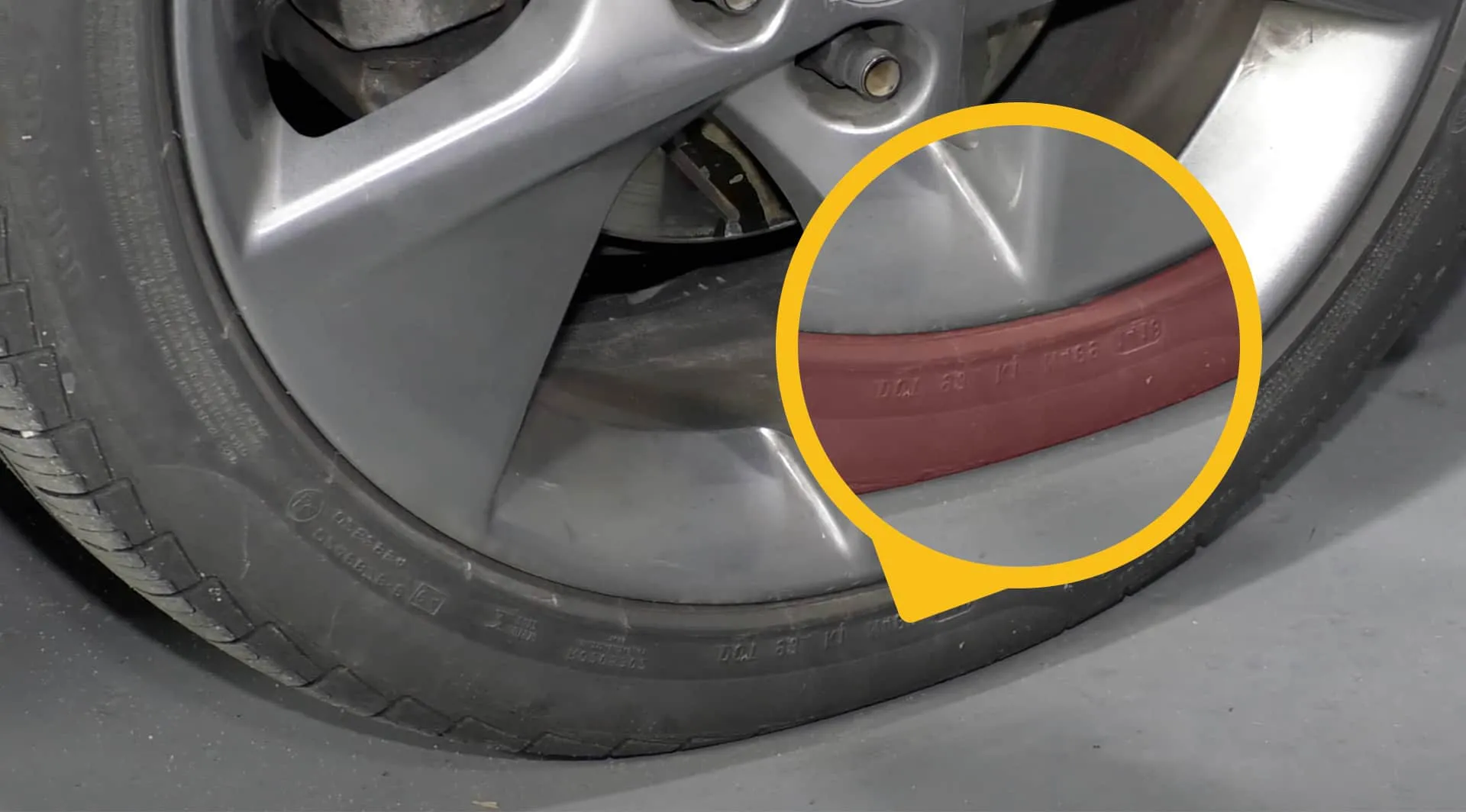
4. Inflate Tires Properly and Prevent Flat Spots
Tires carry the entire weight of a vehicle, even while parked. Months of sitting still can create flat spots where rubber remains pressed against the ground. These spots sometimes disappear during driving, though severe cases may lead to vibrations.
Vehicles such as the 2024 Ford Mustang GT Premium Fastback often sit in garages during the winter months. Performance tires on sports cars tend to feature softer compounds, which makes them slightly more vulnerable to shape changes during long storage periods.
Proper tire inflation helps reduce pressure on specific contact points. Checking pressure before storage ensures each tire supports the vehicle evenly. Adding a few extra pounds of air above the recommended pressure also helps maintain shape during extended parking.
Moving the vehicle occasionally can prevent flat spots as well. Rolling the car a few feet every few weeks changes the contact area on each tire. Even small movements help distribute weight more evenly. Tire cradles provide another useful option. These curved supports cradle the tire and spread weight across a larger surface area. Car collectors frequently use them for valuable vehicles stored during winter.
The parking surface also affects tire health. Smooth concrete works well because it offers stable support. Uneven ground or gravel surfaces place inconsistent pressure on tires and suspension components. Drivers storing vehicles for very long periods sometimes consider jack stands.
Lifting the vehicle slightly removes weight from the tires completely. Suspension components remain relaxed while tires avoid prolonged compression. Sunlight exposure should stay limited as well. UV rays gradually degrade rubber compounds and cause premature cracking. Indoor parking naturally solves this concern.
Attention to tire care may seem minor during storage preparation. Yet anyone who has experienced vibration from flat-spotted tires understands how frustrating the issue can become. A few preventative steps protect ride comfort and extend tire life.

5. Fill the Fuel Tank and Stabilize the Gasoline
Fuel systems perform best when gasoline remains fresh and free from contamination. Months of inactivity allow fuel to degrade, forming deposits that may clog injectors or fuel lines. Preparing the fuel system before storage helps prevent these problems.
Think about a hybrid like the 2024 Hyundai Tucson Hybrid Limited. Efficient engines depend on precise fuel delivery, and degraded gasoline can interfere with that balance. Proper storage treatment keeps the fuel system functioning smoothly.
Start by filling the tank almost completely. A full tank leaves very little air space where condensation could form. Moisture buildup inside the tank may lead to corrosion or fuel dilution. Fuel stabilizer products help preserve gasoline quality during extended storage. These additives slow chemical breakdown and prevent gum formation. Pour the stabilizer into the tank during the final refueling stop.
Driving the car for several minutes afterward allows the treated fuel to circulate through the fuel lines and injectors. This step ensures protection throughout the system rather than only inside the tank. Diesel vehicles benefit from stabilizers as well. Diesel fuel can develop microbial growth during long idle periods. Specialized additives help prevent that issue and maintain proper fuel characteristics.
Fuel caps should remain tightly secured once the tank is filled. Proper sealing prevents moisture entry and limits fuel evaporation. Storage duration influences how critical fuel preparation becomes. Short periods may cause minimal changes, though several months create a higher risk for degraded fuel.
Drivers who take time to stabilize gasoline often return to vehicles that start immediately and run smoothly. Ignoring fuel care sometimes leads to rough engine behavior or clogged components that require professional attention.
Fuel preparation may take only a few minutes, yet it plays a strong role in keeping the engine ready for its next journey.
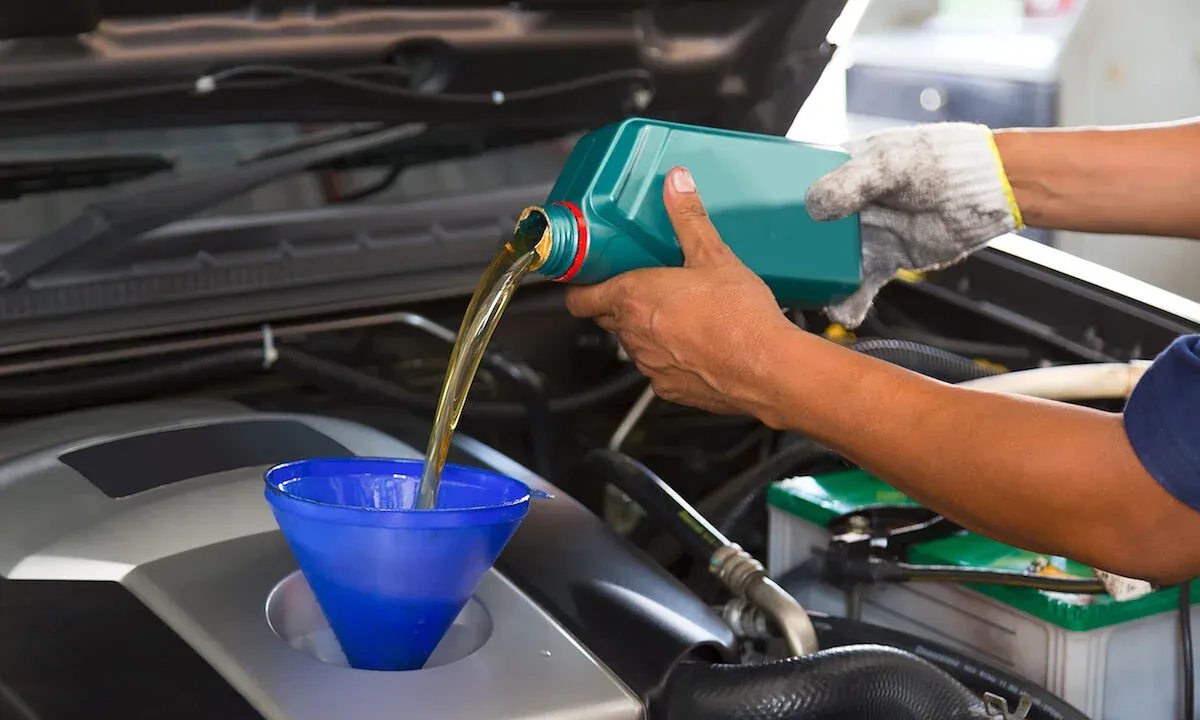
6. Change the Engine Oil Before Storage
Fresh engine oil works as a protective barrier inside the engine while a vehicle remains parked. Old oil may contain contaminants such as moisture, carbon residue, and tiny metal particles from regular driving. Leaving those substances inside the engine during several months of inactivity allows them to sit on internal components, which can slowly affect surfaces and lubrication quality.
Take a performance vehicle like the 2024 Chevrolet Corvette Stingray 3LT Coupe. High-performance engines operate with tight tolerances and rely on clean lubrication to stay healthy. Allowing contaminated oil to remain inside the engine for months is never a wise choice.
A simple oil change before storage removes harmful particles and replaces them with fresh lubricant designed to protect metal surfaces. Clean oil coats internal engine parts and prevents oxidation during periods without movement. This protective film reduces friction during the first start after storage.
Oil filters should always be replaced at the same time. A new filter ensures proper circulation once the vehicle returns to regular driving. Using high-quality oil recommended by the manufacturer supports engine protection during idle months.
After completing the oil change, running the engine for several minutes helps circulate the fresh oil throughout the system. This brief warm-up allows lubricant to coat the crankshaft, pistons, and valve train before the vehicle goes into storage.
Another point worth remembering involves the oil level. Verifying that the oil level reaches the proper mark on the dipstick prevents air pockets and maintains lubrication balance. Temperature conditions inside the storage area also influence oil stability.
Vehicles parked inside controlled environments tend to maintain better fluid consistency. Sudden temperature swings may cause condensation within the engine, which clean oil helps resist. Drivers who skip this step sometimes discover thickened oil or contaminants after long storage. Replacing oil beforehand creates peace of mind and protects engine health while the vehicle rests.
Returning to a car with clean oil also simplifies the first drive after storage. The engine runs smoothly, and internal components stay protected from the moment the ignition key turns.

7. Use a High Quality Car Cover
Protection from dust, sunlight, and accidental contact helps preserve a vehicle during extended storage. A high-quality car cover provides that layer of protection and helps maintain the condition of the paint and body panels.
Consider a luxury sedan like the 2024 Mercedes-Benz S 500 4MATIC Sedan. Its elegant paint finish and refined exterior deserve shielding from environmental exposure while the vehicle sits unused. A good car cover acts like a breathable shield that protects delicate surfaces.
Material choice matters when selecting a cover. Breathable fabrics allow trapped moisture to escape while still blocking dust and dirt. This airflow prevents condensation from collecting under the cover, which could damage paint if left trapped.
Soft inner linings provide additional protection for painted surfaces. Rough materials may scratch paint during installation or removal. High-quality covers include soft layers designed to sit gently on the vehicle. Outdoor storage requires covers with stronger weather resistance.
These models block rain, UV radiation, bird droppings, and falling debris. Indoor covers can focus more on dust protection while remaining lightweight and easy to handle. Proper fit plays a large role in effective coverage. Loose covers may flap in the wind, which could cause small scratches on the paint. Custom-fitted covers remain secure and protect the vehicle more effectively.
Before placing a cover on the vehicle, the car should already be clean and completely dry. Trapping dirt or moisture beneath the cover may cause damage during long storage periods. Installation takes only a few minutes.
Starting from the roof and gradually lowering the cover across the body helps achieve an even fit. Securing straps beneath the vehicle prevents movement if the storage area experiences airflow. Car collectors frequently rely on covers for prized vehicles. Even models like the 2023 Lexus LC 500 Coupe benefit from protection during winter or travel-related storage.
Using a proper cover keeps dust away from the cabin vents, shields paint from sunlight, and protects trim from environmental wear. Owners often return to vehicles that look just as polished as the day they were stored.
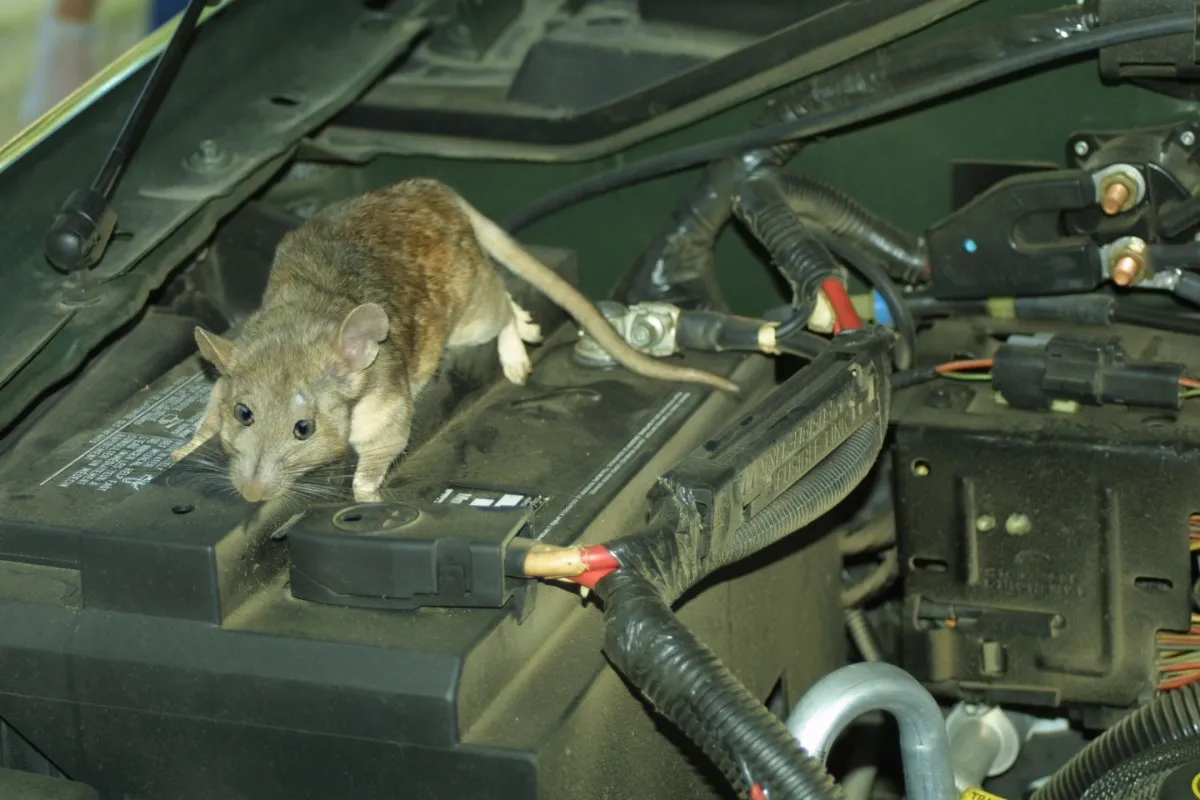
8. Prevent Rodents and Pests From Entering the Vehicle
Small animals often search for warm, quiet spaces to build nests. Vehicles sitting unused for months can easily become attractive shelters. Rodents may chew wiring, insulation, and soft materials inside the engine bay or cabin.
Vehicles with modern electronics, such as the 2024 Tesla Model Y Long Range, contain many wiring harnesses that connect sensors, lighting systems, and control modules. Rodent damage to these components may lead to expensive repairs.
Preventing animal entry begins with sealing potential access points. Inspect the storage area for openings that allow mice or other pests to enter. Closing gaps in walls or doors helps limit unwanted visitors. The vehicle itself also deserves inspection. Check air intake openings, cabin air filter housings, and small gaps around wiring passages. Some drivers place mesh screens over large openings to block entry while allowing airflow.
Scent-based deterrents offer another line of defense. Peppermint oil packs or commercial rodent repellents produce odors that discourage nesting behavior. Placing these items around the engine bay and storage area helps reduce pest activity.
Food sources should stay far from the storage location. Pet food, bird seed, and garbage bins attract animals that may wander toward the parked vehicle. Maintaining a clean storage environment limits temptation. Interior preparation also helps. Removing food wrappers and vacuuming seats eliminates crumbs that might attract pests. Even tiny food particles can encourage animals to enter the cabin.
Opening the hood occasionally during storage periods allows inspection for early signs of activity. Discovering nests or droppings early prevents larger damage. Lighting and sound deterrents sometimes help as well. Motion-activated lights or small ultrasonic devices create an environment that animals prefer to avoid.
Vehicles left unattended for months often become targets for curious rodents. A little preparation keeps wiring safe, prevents interior damage, and saves owners from frustrating repair bills later.

9. Release the Parking Brake and Protect the Braking System
Brake components face unique challenges when a vehicle remains stationary for months. Engaging the parking brake during long storage can cause brake pads or shoes to stick to the rotors or drums. Moisture and light rust may develop between the surfaces, creating resistance when the car finally moves again.
Performance sedans such as the 2024 Audi S6 Quattro Sedan use powerful braking systems designed for strong stopping ability. Those same components may bind together if left clamped for extended periods without movement.
Instead of leaving the parking brake engaged, wheel chocks provide a safer solution. These simple blocks sit behind the tires and prevent the vehicle from rolling. With chocks in place, the parking brake can remain released, allowing brake components to relax.
Parking on level ground supports this method. Flat surfaces reduce the chance of movement and make wheel chocks more effective. Before placing the vehicle into storage, drivers should inspect brake rotors for debris or heavy rust. A short drive and gentle braking session can clean rotor surfaces before the car rests for several months.
Moisture inside the storage area also influences brake condition. Dry environments reduce rust formation on rotors and calipers. Garages with good airflow maintain healthier conditions for metal parts. Periodic vehicle movement can also help. Rolling the car a short distance every few weeks changes the position of the brake pads on the rotors and prevents sticking.
The condition of the brake fluid deserves attention as well. Fresh brake fluid resists moisture absorption better than older fluid. Replacing aged fluid before storage supports braking system health. Owners sometimes forget about brakes when preparing a vehicle for storage. Yet these components remain exposed to environmental factors even while the car sits quietly.
Proper preparation ensures the vehicle rolls freely when driving resumes. Smooth brake operation adds safety and saves owners from dealing with seized components or noisy rotors.
Also Read: 10 Tips for Keeping Your Car Turbocharger Cool and Healthy
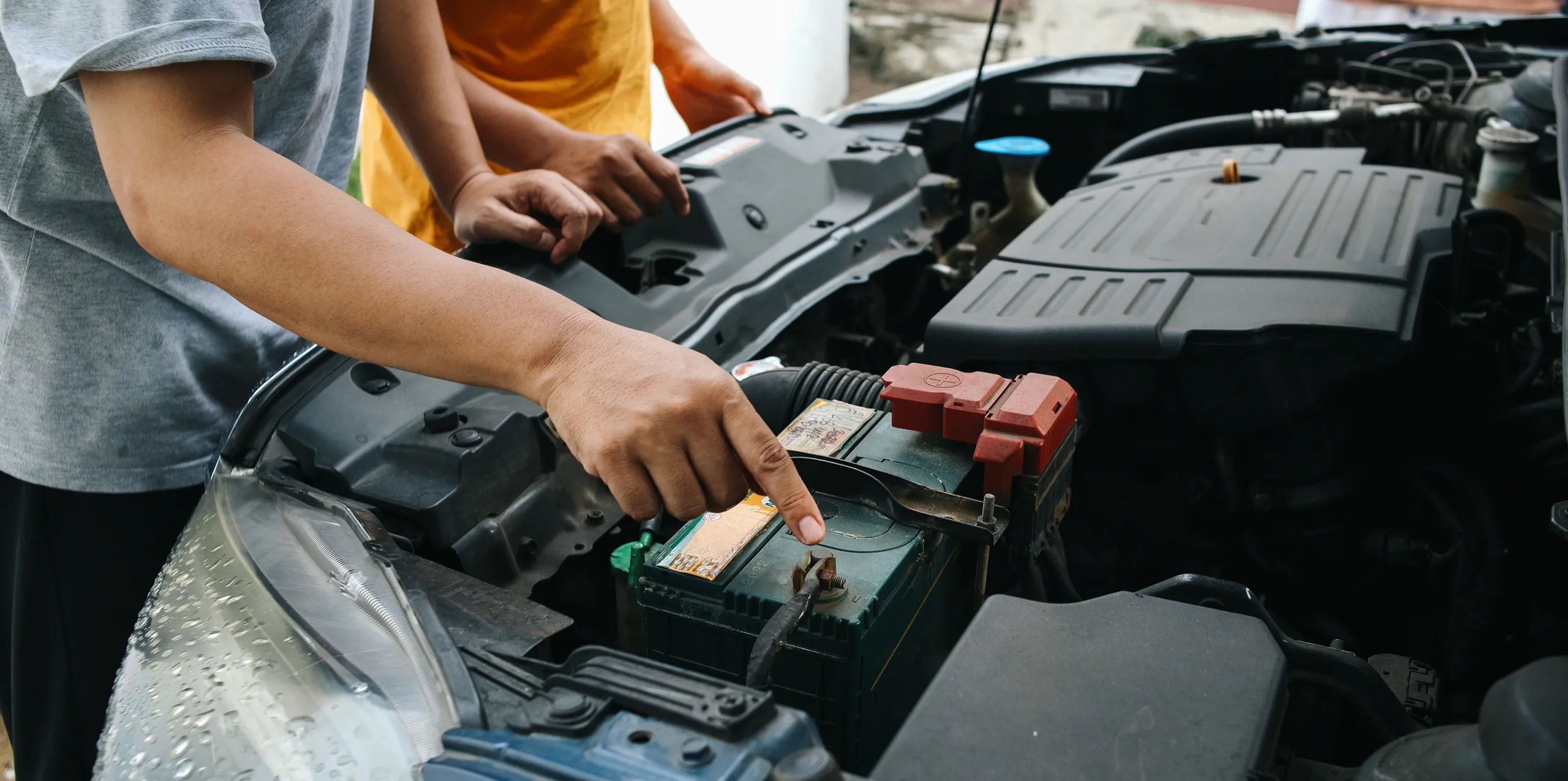
10. Perform a Careful Restart Procedure After Storage
Months pass quickly when a vehicle rests quietly in storage. When the time arrives to bring the car back into service, a careful restart procedure helps protect mechanical components and ensures everything operates properly.
Picture turning the ignition on a refined vehicle such as the 2024 Porsche Panamera 4 Executive after several months of inactivity. A thoughtful approach prevents unnecessary stress on the engine and supporting systems.
Start with a visual inspection. Walk around the vehicle and check for fluid leaks, tire pressure changes, or signs of pests. Confirm that the battery remains connected and fully charged. Next, examine fluid levels under the hood. Engine oil, coolant, brake fluid, and windshield washer fluid should all sit within proper ranges. Low levels may indicate evaporation or small leaks that occurred during storage.
Tire pressure often drops slightly during long idle periods. Inflating each tire to the recommended levels ensures safe driving and proper handling once the vehicle returns to the road. Before starting the engine, turning the ignition to the accessory position allows electronic systems to power up gradually. This step gives sensors and control modules time to initialize.
When the engine starts, allow it to idle for several minutes. This warm-up period circulates fluids through the engine and transmission. Gauges and dashboard indicators should remain under observation to confirm normal operation.
While the engine idles, listen carefully for unusual sounds. Quiet operation usually indicates that lubrication has reached the moving components successfully. After warm up, a gentle test drive should follow. Begin with low speeds and light braking to confirm proper steering, braking response, and suspension behavior.
During the first drive, pay attention to engine response and transmission shifts. Smooth operation suggests that storage preparation worked well. Completing a short inspection after the drive adds extra confidence. Checking beneath the vehicle for leaks and confirming fluid levels ensures everything remains in proper condition.
A careful restart routine helps vehicles transition smoothly from storage back to daily driving. Owners who follow these steps often find their cars performing just as reliably as they did before the long break.
