
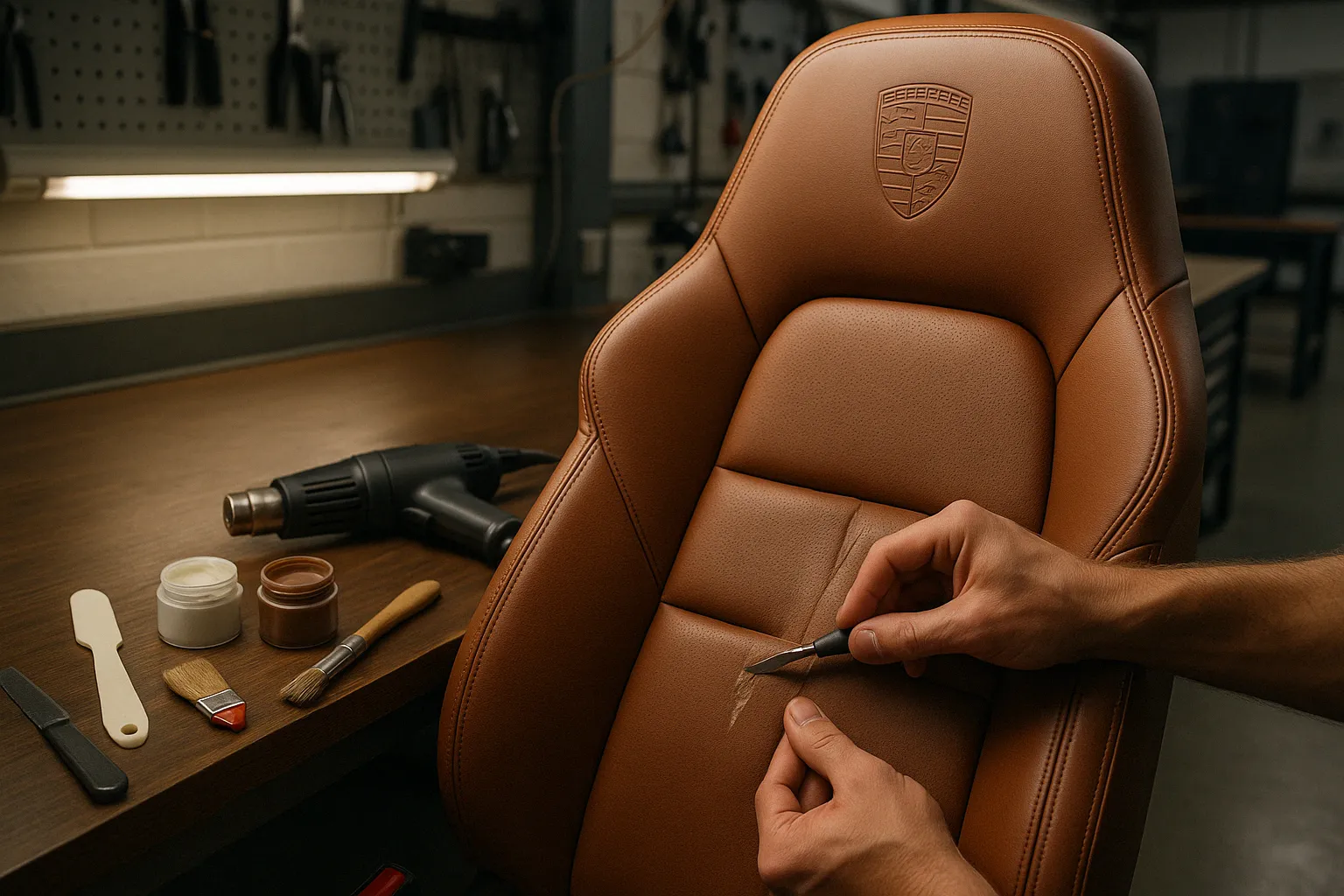
Cracked leather seats are one of those car problems that sneak up on you. One day, your interior looks clean and rich, and then a few seasons later, you are staring at a network of fine lines across the driver’s seat bolster that somehow appeared without any obvious warning. By the time cracking becomes visible, the damage is already done, and reversing it costs considerably more than preventing it ever would have.
Leather is a natural material, and that is both its greatest quality and its most demanding characteristic. Real leather breathes, flexes, and responds to its environment in ways that synthetic alternatives cannot replicate, which is exactly why it feels so good and ages so beautifully when it is cared for correctly.
But that same responsiveness to the environment means leather needs consistent attention to stay supple, strong, and crack-free. Left alone, leather loses moisture, stiffens, and eventually breaks down at the surface in those familiar, frustrating cracks that ruin an otherwise clean interior.
Here is the reassuring part: keeping leather in excellent condition is not complicated, it is not expensive, and it does not require professional detailing visits every month. What it requires is understanding what leather actually needs, building a few simple habits around that knowledge, and using the right products at the right intervals.
Car owners who follow a consistent leather care routine regularly keep their interiors looking genuinely new at 100,000 miles, while owners who ignore leather care are dealing with cracking by 30,000 miles. This page covers ten specific, practical secrets for preventing leather cracking, each one explained with enough detail to actually change how you approach your interior care routine.
Whether you drive a luxury sedan with Nappa leather or a midsize SUV with standard perforated leather seating, every tip in this article applies directly to protecting your investment and keeping that interior looking the way it did when you first sat down in it.
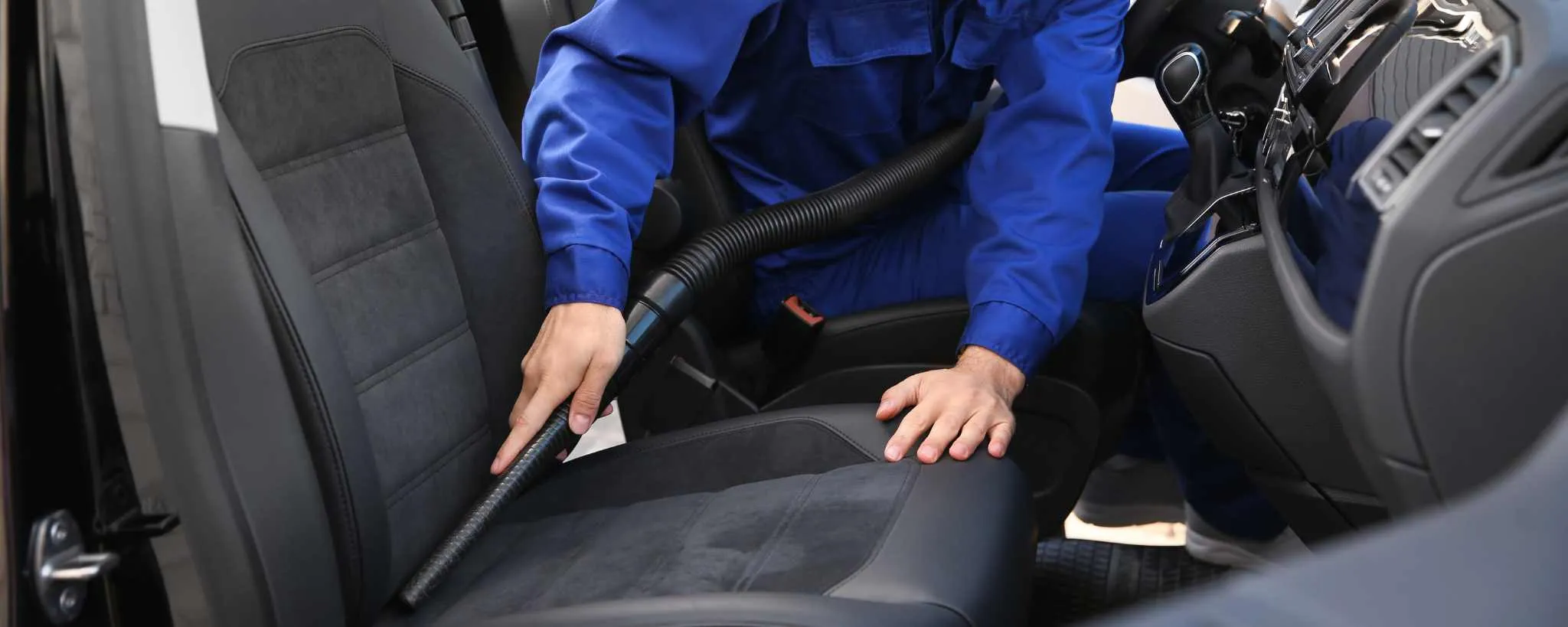
1. Clean Before You Condition: Why Order of Operations Is Everything
Most car owners who do condition their leather skip straight to the conditioner without cleaning the surface first, and that single habit mistake undermines every conditioning effort they make. Applying conditioner to leather that has not been properly cleaned first is like moisturizing skin without washing it.
You are sealing in the dirt, oils, sweat, and grime that are already breaking down the leather’s surface rather than delivering the conditioning agents to the leather itself. Leather surfaces in a vehicle accumulate a surprising variety of contaminants during normal use.
Body oils and perspiration transfer from skin every time someone sits down, and these biological oils are acidic enough to break down leather’s natural protective finish and dye layer if allowed to accumulate without removal.
Dust and fine particulate matter settle into the grain and act as microscopic abrasives that cut into the surface during every sit-down and movement. Sunscreen, hand lotions, and food residues create a layered contamination that conditioners cannot penetrate when it is present.
Cleaning leather correctly requires a pH-balanced leather cleaner, not an all-purpose interior cleaner, not a household cleaner, and not a damp cloth alone. Products like Lexol Leather Cleaner, Chemical Guys Leather Cleaner, or Meguiar’s Gold Class Leather Cleaner are formulated to lift contamination from leather without disrupting its finish or altering its pH balance.
Apply the cleaner to a clean microfiber applicator or soft brush rather than spraying it directly onto the seat surface, which can allow liquid to penetrate seams and cause issues underneath.
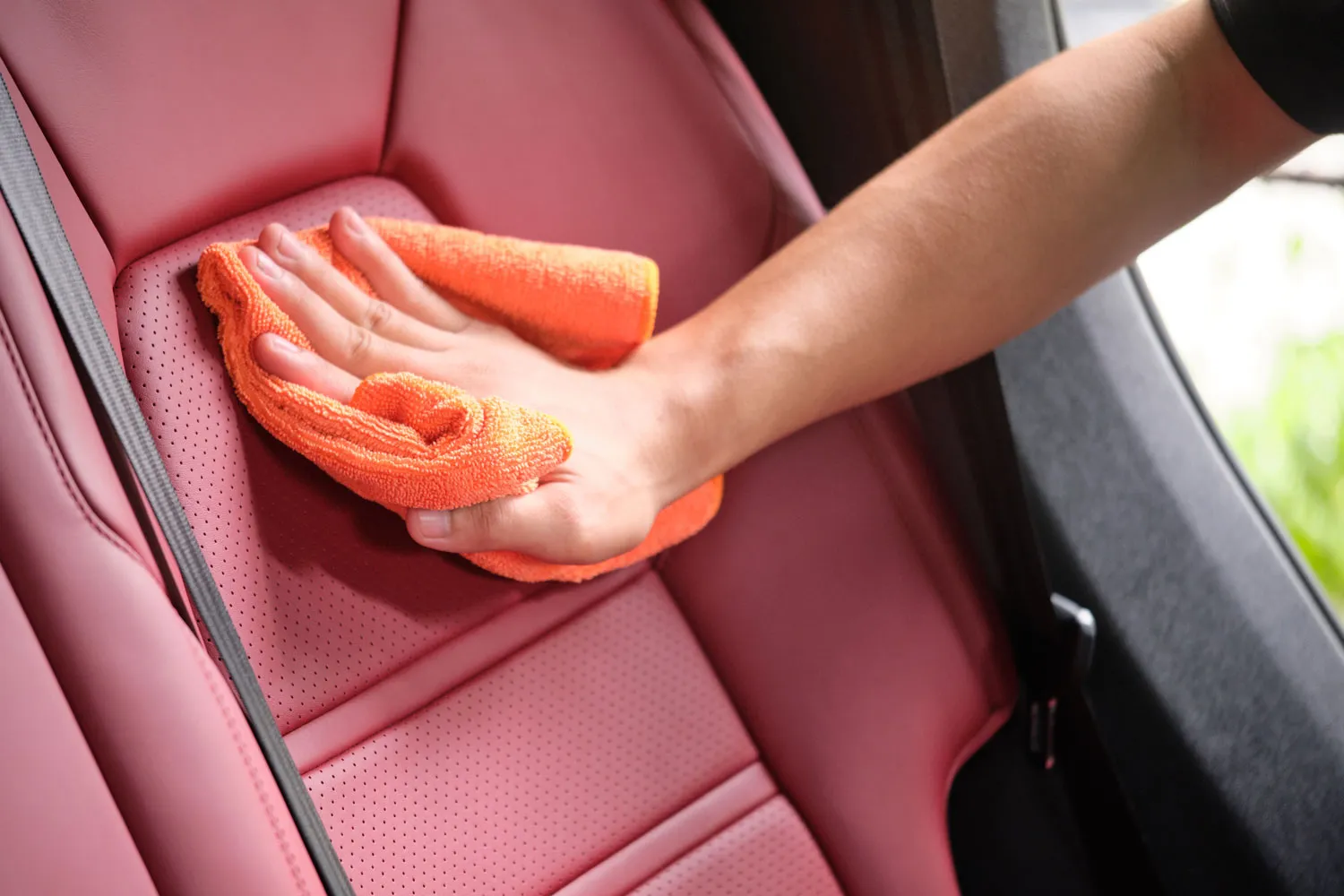
2. Choose a Conditioner That Actually Feeds the Leather, Not Just the Surface
Walk into any auto parts store, and you will find an entire shelf of leather conditioners, all of which claim to protect, restore, and preserve leather interiors. Not all of them deliver what the label promises, and choosing the wrong one is a very common mistake that gives car owners a false sense of security while their leather continues to dry out beneath a surface that merely looks conditioned.
Look for conditioners with lanolin, neatsfoot oil, mink oil, or beeswax among their active ingredients. These are the conditioning agents that have proven records of genuine leather fiber nourishment. Products from brands like Leather Honey, Bickmore Bick 4, Chemical Guys Leather Conditioner, and Griot’s Garage Leather Care are formulated with penetrating conditioning agents that reach the fiber structure rather than merely coating the surface.
Avoid conditioners that contain petroleum distillates or silicone as primary ingredients. These products produce a shiny, slippery surface that looks conditioned but repels the natural moisture exchange that leather needs to stay supple. Silicone-heavy conditioners are also notorious for making leather surfaces slippery, which is both uncomfortable and potentially unsafe for driver seating positions.
Application method matters as much as product choice. Apply conditioner sparingly to a clean microfiber applicator and work it into the leather using a gentle circular motion, allowing the product time to penetrate rather than wiping it off immediately. Allow the conditioner to absorb for the time specified by the manufacturer, typically ten to fifteen minutes, and then buff off any excess with a clean, dry microfiber cloth.
For a vehicle like the 2024 BMW 540i xDrive Sedan (G30 facelift), whose Vernasca leather seating is a premium material worth protecting seriously, using a penetrating conditioner every 60 to 90 days maintains the suppleness and color depth that makes BMW leather interiors so impressive when they are properly maintained. Choosing the right conditioner for this application is a decision that pays forward in preserved interior quality for years.
Also Read: 8 Tips for Keeping an Older Car Running Like New on a Budget
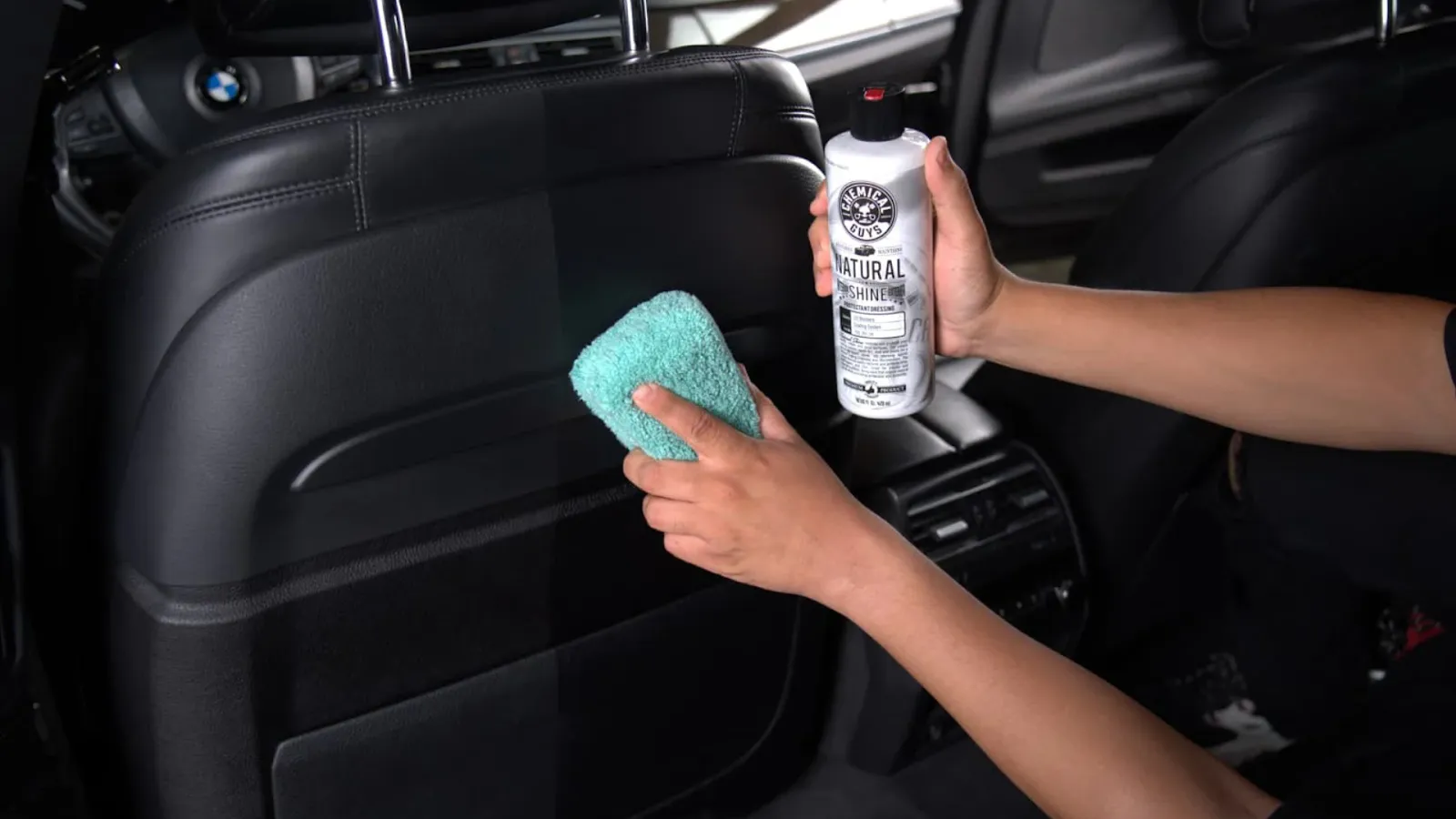
3. UV Protection Is Not Optional: How Sunlight Destroys Leather From the Outside In
Sunlight is leather’s most consistent and most destructive enemy, and it operates continuously without any action or neglect on the owner’s part. Ultraviolet radiation breaks down the organic compounds in leather at a molecular level, degrading the dye that gives leather its color, breaking down the finish layer that protects the surface, and desiccating the leather fibers underneath in a process that progresses every single day the vehicle is parked in sunlight.
Using a quality windshield sunshade every time the vehicle is parked is one of the single most impactful habits available for leather preservation. A reflective accordion-style sunshade positioned correctly behind the windshield reduces interior temperatures by 40 to 50 degrees compared to an unshielded vehicle in identical parking conditions, which has a direct and measurable impact on leather drying rate and UV exposure intensity.
Leather conditioners and protectants with built-in UV blockers, such as 303 Aerospace Protectant, Leatherique Rejuvenator Oil, or Chemical Guys VRP with UV protection, provide a surface-level UV barrier that absorbs radiation before it reaches the leather substrate. Apply these products after conditioning and allow them to cure before wiping, following the manufacturer’s instructions for each specific product.
A 2022 Cadillac CT4-V Blackwing with its semi-aniline leather interior represents a case where UV protection is particularly critical. Semi-aniline leather has a thinner protective finish than pigmented leather, making it more beautiful and more tactile but also more susceptible to UV-induced color fade and surface damage.

4. Parking Habits Matter More Than Any Product You Can Buy
Product recommendations get most of the attention in leather care conversations, but parking behavior is arguably the single most impactful variable in how quickly a leather interior ages. Where you park your vehicle, and for how long, determines the cumulative UV and heat exposure that your leather accumulates across each year of ownership. No conditioning routine fully compensates for parking habits that expose leather to maximum daily heat and UV load.
Covered parking is the most powerful leather preservation tool available, and it costs nothing if you already have access to a garage or covered parking structure. A vehicle parked in a garage maintains interior temperatures close to ambient air temperature throughout the day, avoiding the extreme heat buildup that direct sunlight parking produces in every season, not just summer.
UV exposure is essentially zero for covered parking, eliminating the primary driver of leather drying and color degradation during stationary periods that can comprise the majority of the vehicle’s daily hours. For vehicles that must park outdoors, position selection makes a meaningful difference.
Shaded parking under trees, building overhangs, or parking structure awnings reduces both UV intensity and heat buildup compared to open sun exposure. East-facing morning parking receives direct sun in the morning but transitions to shade in the afternoon, which is generally preferable to west-facing afternoon exposure that delivers the highest-intensity sun during the hottest part of the day.
Consider the impact on a vehicle like the 2024 Infiniti QX60 Luxe AWD, which comes equipped with semi-aniline leather on its front seats. An owner who parks this vehicle in a garage during the day and uses a sunshade when outdoor parking is unavoidable will have a noticeably better-preserved leather interior at 80,000 miles than an equivalent vehicle parked consistently in open sun without protection. Parking habits are free to change, and their impact on leather longevity is as large as any product routine.
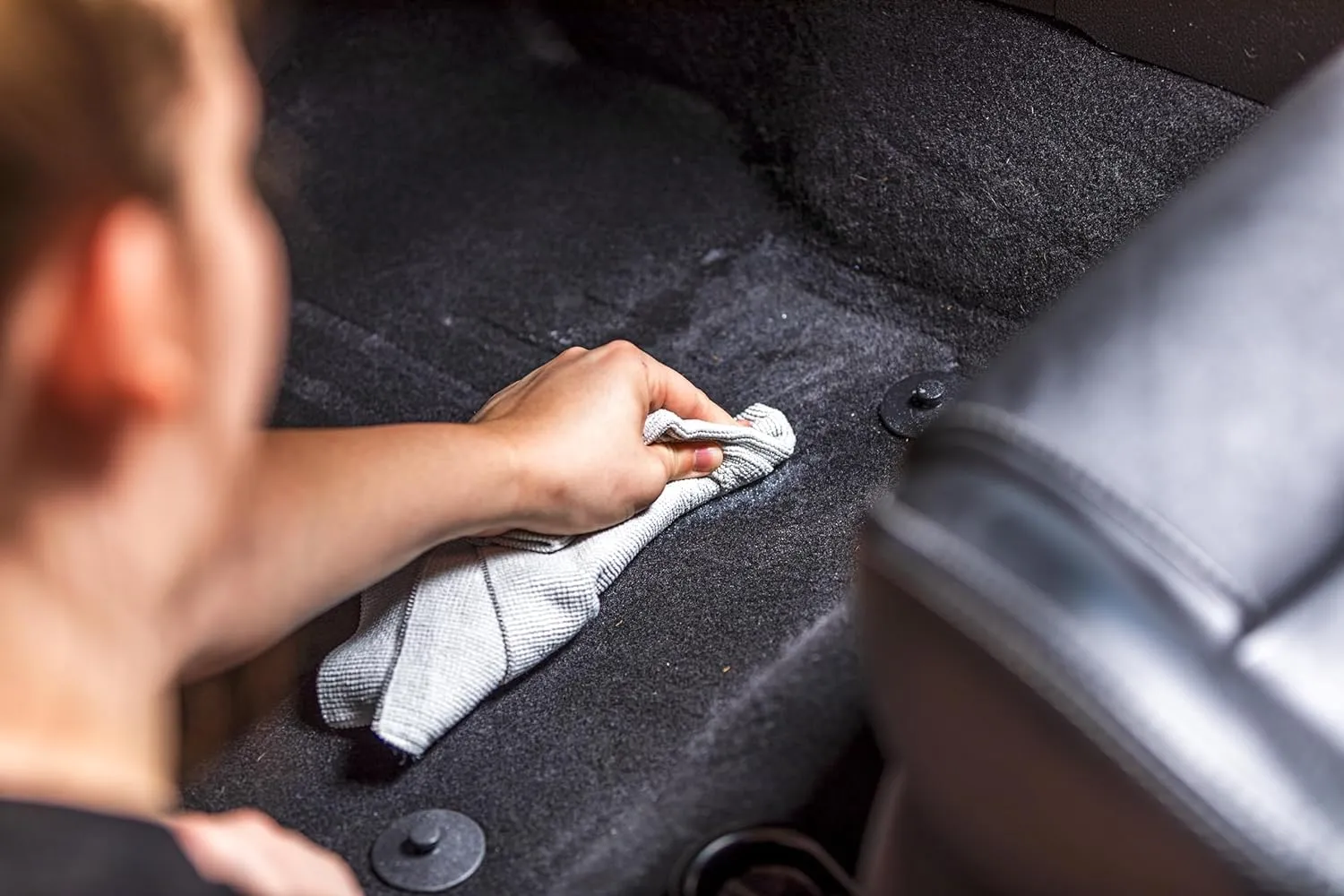
5. Address Spills and Stains Within Minutes, Not Hours
Spills happen in every vehicle, and how quickly and correctly they are addressed determines whether a spill becomes a temporary annoyance or a permanent stain that disrupts leather color and eventually compromises surface integrity.
Leather’s porous structure means that liquids penetrate below the surface finish within minutes of contact, and once a substance is absorbed into the leather fiber, removal becomes progressively more difficult and the risk of permanent damage increases with every passing minute.
Coffee, soft drinks, and other beverages are the most common leather spill culprits, and their acidity makes them particularly damaging when left in contact with leather for extended periods. Coffee’s tannins can permanently alter leather color, and the sugar content in many beverages creates a residue that attracts further contamination and can cause surface tackiness that eventually pulls and stresses the leather’s finish during normal use.
Blotting, not rubbing, is the correct immediate response to any liquid spill on leather seating. Rubbing spreads the liquid laterally across a larger surface area and drives it deeper into the leather’s porous structure. Blotting with a clean, absorbent microfiber cloth draws the liquid upward and out of the leather rather than pushing it further in. Use gentle downward pressure rather than a lateral wiping motion, and replace the cloth section when it is saturated rather than continuing to blot with a wet cloth face.
After blotting as much liquid as possible, apply a small amount of pH-balanced leather cleaner to the affected area and blot again to lift any remaining residue. Do not oversaturate the area with cleaner in an attempt to dilute the spill. Use a controlled, minimal amount and allow it to work on the surface for the brief time the product specifies before blotting clean.
6. Conditioning Frequency Is Determined by Climate, Not Calendar
Most leather care guides recommend conditioning every three months as a universal rule, and while quarterly conditioning works reasonably well as a starting point, it ignores the single most important variable in determining how often leather actually needs conditioning: the climate where the vehicle lives.
A blanket quarterly schedule that is appropriate for a vehicle in Seattle will leave a vehicle in Phoenix dangerously under-conditioned, while the same schedule might be more frequent than necessary for a vehicle in a mild, stable climate. Adjusting conditioning frequency to match your actual climate is one of the most impactful refinements any car owner can make to their leather care routine.
Hot, dry climates accelerate leather moisture loss dramatically. Vehicles in desert regions like Arizona, Nevada, New Mexico, and inland California experience summer temperatures that push interior heat to extremes that evaporate leather conditioning oils in weeks rather than months.
Leather in these environments benefits from conditioning every four to six weeks during summer months, transitioning to six to eight-week intervals during cooler seasons when evaporation rates decrease. Cold climates present a different leather stress pattern. Heating systems running at high output through long winters reduce interior humidity, creating a dry environment that stresses leather in a different way from summer heat but with comparable results in terms of accelerated moisture loss.
Vehicles in northern climates benefit from conditioning at the beginning and end of winter, ensuring the leather enters and exits the cold season with full moisture content that resists the drying effect of continuous heating system operation. Coastal environments introduce humidity that can actually benefit leather by slowing moisture loss, but the salt air in marine environments introduces a different concern.
Salt deposits that enter the vehicle on clothing and skin can accumulate on leather surfaces and draw moisture out through hygroscopic action while also contributing to dye degradation. Coastal vehicle owners should clean leather surfaces more frequently than interior owners in non-marine environments, even if conditioning frequency can be modestly reduced.
A practical way to assess whether leather needs conditioning is the touch test. Run a clean hand across a leather surface that has been cleaned but not recently conditioned. Leather that feels slightly stiff, has lost the soft, slightly yielding quality of well-conditioned leather, or shows any beginning of surface dryness needs conditioning, regardless of when the last application occurred.
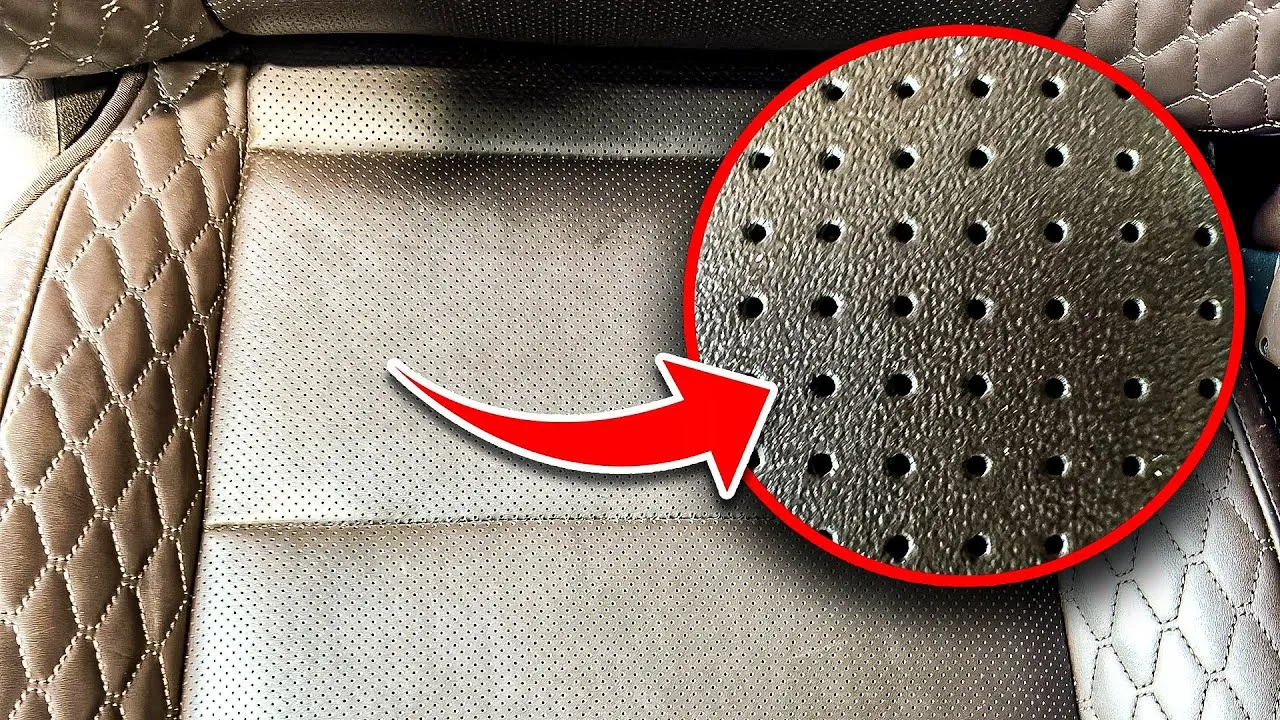
7. Perforated Leather Needs a Specific Cleaning Approach That Most Owners Get Wrong
Perforated leather seating has become increasingly common across a wide range of vehicles as manufacturers use it for both ventilation system functionality and aesthetic character, and it creates a specific leather care challenge that standard cleaning and conditioning approaches do not fully address.
Each perforation is a direct pathway for cleaning product residue, conditioner excess, and contaminants to penetrate below the leather surface in ways that solid leather surfaces do not permit. Getting the technique right makes a meaningful difference in long-term care outcomes for perforated seats.
Standard cleaning on perforated leather requires careful attention to product quantity. Applying too much liquid cleaner to a perforated surface allows excess to be drawn through the perforations by capillary action into the foam padding beneath the leather.
Use a soft-bristled detailing brush rather than a microfiber applicator when cleaning perforated leather. A brush allows controlled, directional agitation that cleans the surface and the immediate edges of perforations without driving product through the holes. Work the brush in light, circular motion using minimal cleaner applied to the brush head rather than the seat surface, and wipe the section clean with a lightly dampened microfiber cloth rather than a saturated one.
Conditioning perforated leather follows the same controlled-quantity principle. Apply conditioner to a small microfiber applicator, work it into the leather surface with the applicator, and avoid buffing the product in circular patterns that push it toward perforations.
Straight, parallel buffing strokes that move product away from perforations rather than toward them reduce the amount of conditioner that finds its way into the holes. After conditioning, run a dry brush lightly across the perforated surface to remove any conditioner that has settled in the perforation openings before it is drawn through.
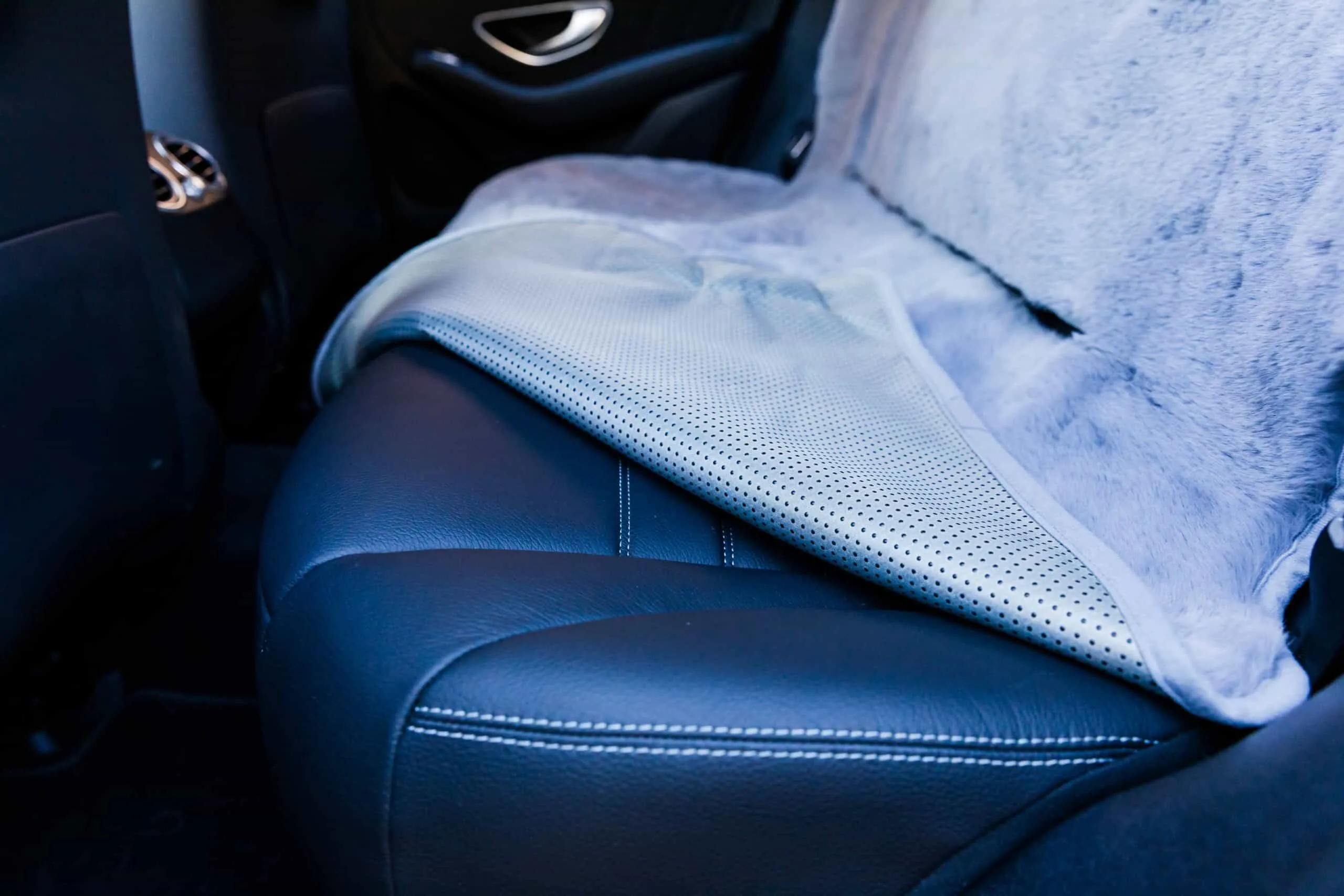
8. Seat Covers Are a Leather Enemy in Disguise When Used Incorrectly
Seat covers seem like an intuitive solution for leather protection. Put a cover over the leather, and the cover takes the wear and UV exposure instead of the leather. That logic works when the right seat cover is used correctly, but in a surprising number of cases, poorly chosen or incorrectly fitted seat covers actually accelerate leather deterioration rather than preventing it.
Non-breathable seat covers trap moisture between the cover and the leather surface, creating a consistently humid microenvironment that promotes mold and mildew growth on the leather’s surface and backing. Leather that is never allowed to breathe and dry between use cycles deteriorates from biological activity at a rate that open-air exposure would not produce.
Mold and mildew damage to leather is visible as surface discoloration and a characteristic musty smell, and it creates permanent damage to the leather’s dye and finish that is extremely difficult to reverse completely. Rough-textured seat covers whose inner surface has insufficient softness abrade the leather finish with every movement the driver and passengers make.
Leather’s finish, the clear or pigmented protective layer that sits above the dye and the fiber body of the leather, is the first line of defense against cracking and staining. Abrasive contact from a poorly lined seat cover removes this finish progressively in the areas of highest contact, leaving the leather beneath exposed and vulnerable.
If seat covers are genuinely necessary for a specific application, choose breathable, soft-lined covers that are vehicle-specific in their fit, not universal covers adjusted with straps and hooks. Covers made from breathable materials like genuine sheepskin or high-quality perforated neoprene allow the leather beneath to remain dry and allow natural air exchange that prevents moisture accumulation. Vehicle-specific cover designs that sit flush without bunching or creating tension points protect the leather without creating new stress sources.
9. Steering Wheel Leather Needs Separate Attention From Seat Leather
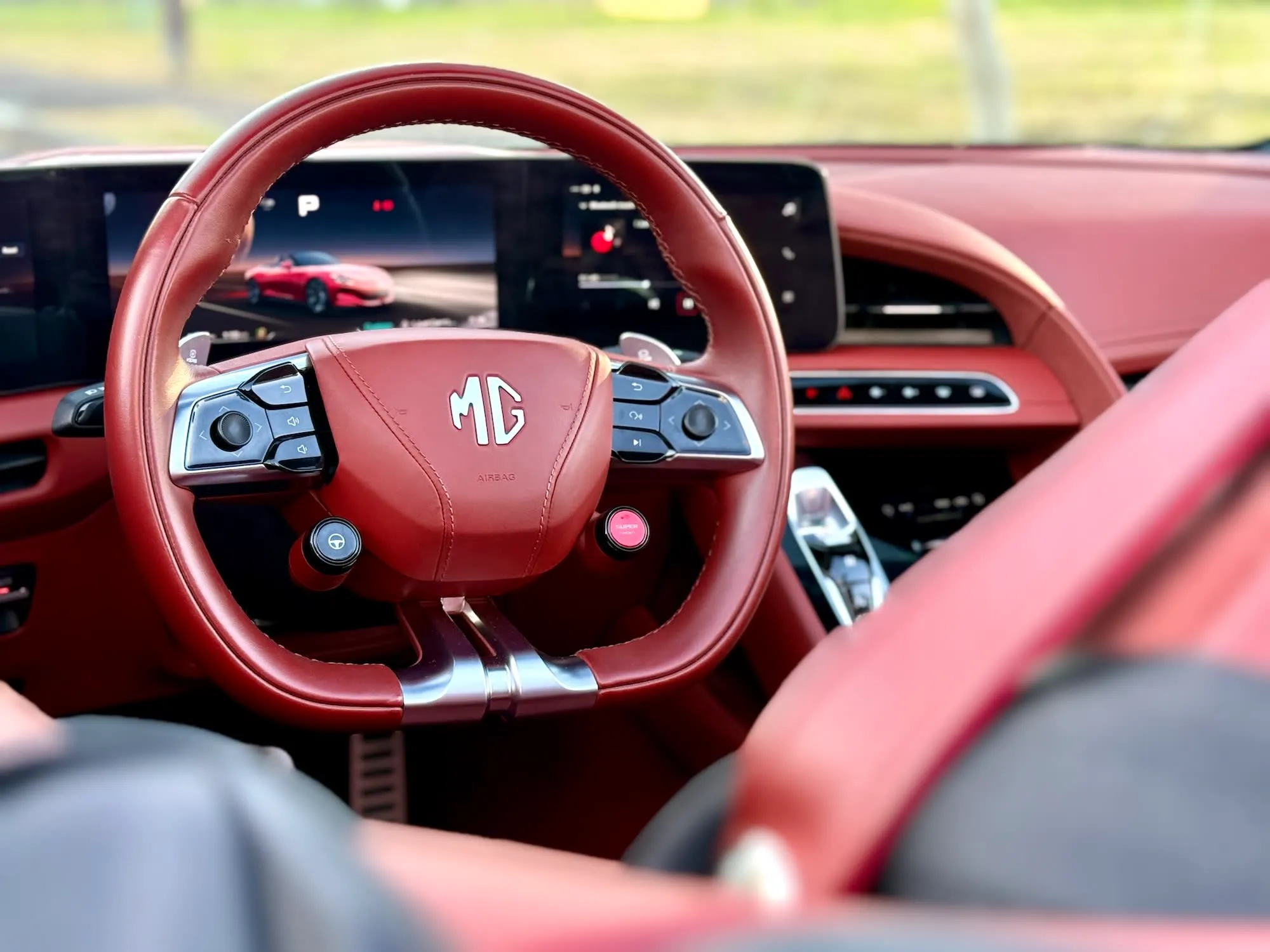
Steering wheel leather receives more physical contact per hour of vehicle use than any other leather surface in the vehicle, yet it is routinely ignored in leather care routines that focus entirely on seating surfaces. This oversight produces a predictable outcome: steering wheels that crack, peel, and develop shiny, worn patches while the seat leather remains in reasonable condition, creating a jarring quality inconsistency in an otherwise well-maintained interior.
Hand contact with a steering wheel transfers skin oils, perspiration, hand lotion, sunscreen residue, and environmental contaminants to the leather surface with every grip. Steering wheel leather typically has a lighter protective finish than seat leather because tactile feedback matters more at the wheel than the durability of the finish, making it more vulnerable to the chemical breakdown that skin oils produce when allowed to accumulate without regular cleaning.
The heat generated by hands on the wheel during extended driving also accelerates moisture evaporation from wheel leather in ways that seated leather does not experience. Cleaning steering wheel leather requires the same pH-balanced cleaner used on seats, but with even more attention to controlled quantity because steering wheels have stitching channels, control button surrounds, and spoke connections where excess liquid can cause problems.
Apply cleaner to a small microfiber cloth or detailing brush rather than the wheel surface, and work around buttons and stitching carefully. A detailing brush with soft, natural bristles is ideal for cleaning stitching channels where contamination accumulates and where a microfiber cloth cannot reach effectively.
Conditioning steering wheel leather benefits from thinner conditioning products rather than heavier cream conditioners used on seats. Thinner conditioners like Bickmore Bick 4 or Leather Honey, diluted slightly, absorb quickly and do not leave the steering wheel surface with a slippery residue that a driver needs to grip confidently during normal driving.
Also Read: 7 Easy Tips That Help a Honda Odyssey Survive Family Chaos
10. Professional Restoration Is Not the Last Resort: It Is Part of a Smart Long-Term Strategy
Car owners generally think about professional leather restoration in one of two contexts: either the leather is already cracked and damaged, and they are looking for a repair solution, or they want to sell the vehicle and need the interior to look presentable.
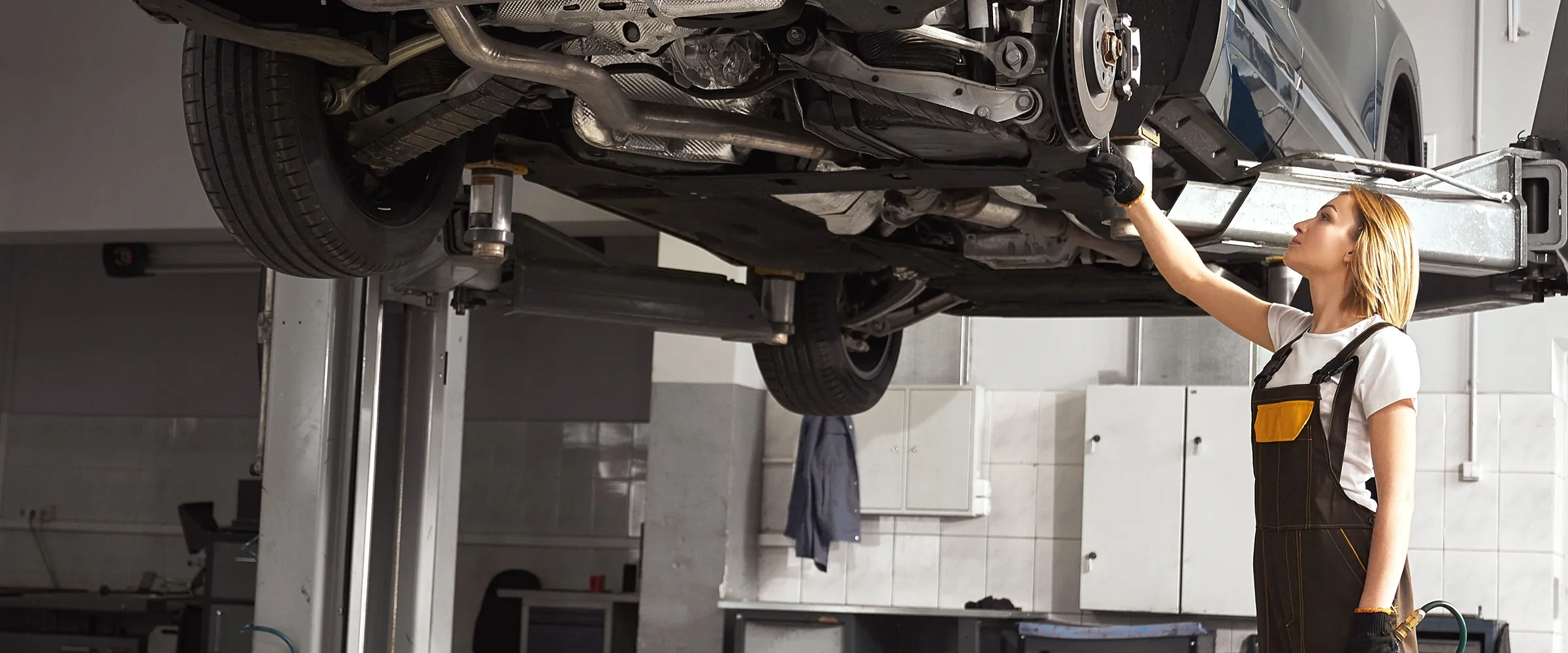
Both are valid reasons to seek professional help, but limiting professional leather care to these reactive scenarios misses the most valuable role that professional service can play in a leather preservation strategy. Color correction and finish restoration services, available at professional leather restoration facilities, address the early signs of dye fading and finish wear before they reach the stage where cracking and peeling become visible.
A professional applying a fresh dye coat and protective finish to leather showing early signs of UV-induced color fade is preventing the deeper material breakdown that follows surface deterioration, not just making the leather look better temporarily.
This intervention at an early stage costs considerably less than full leather restoration after cracking has occurred. Scheduling a professional leather care service once per year as part of a broader vehicle detailing programme, rather than waiting for problems to become visible, treats professional care as a maintenance investment rather than a repair expenditure.
Annual professional service combined with a consistent home care routine between sessions creates a two-tier protection programme that addresses both the routine contamination and conditioning needs that regular care handles and the deeper cleaning and surface restoration that only professional equipment and products can deliver.
For a vehicle like the 2024 Range Rover Sport Dynamic SE P400 (L461 platform), whose Windsor leather interior is a defining luxury attribute of a premium SUV at its price point, incorporating annual professional leather service into the vehicle’s care programme is a straightforward value-protection decision.
Leather that is cleaned before conditioning, conditioned with penetrating products at climate-appropriate intervals, protected from UV exposure, maintained through correct parking habits, and supported by annual professional service will stay supple, crack-free, and visually impressive for as long as you choose to keep the vehicle. That outcome is worth every minute of the routine it requires.
