In regions known as the Salt Belt, winter road maintenance relies heavily on salt and chemical de-icers to keep highways safe. While effective for melting ice and snow, these substances can be extremely harsh on vehicles, especially pickup trucks that often face heavy-duty use and long-term exposure to the elements.
Over time, salt, moisture, and debris can accumulate on a truck’s frame and undercarriage, accelerating corrosion and weakening critical structural components.
Not all pickups respond to these conditions in the same way. Some modern trucks are engineered with advanced materials, improved coatings, and smarter designs that help resist rust and prolong structural integrity. Others, however, have developed reputations for corrosion problems due to design flaws, inadequate factory protection, or materials that struggle in harsh winter climates.
This comparison highlights 5 pickups with rust-resistant frames alongside 5 trucks known to be prone to corrosion in the Salt Belt, helping buyers and owners understand which models are built to withstand years of winter exposure and which ones require extra caution and maintenance.
5 Pickups With Rust-Resistant Frames
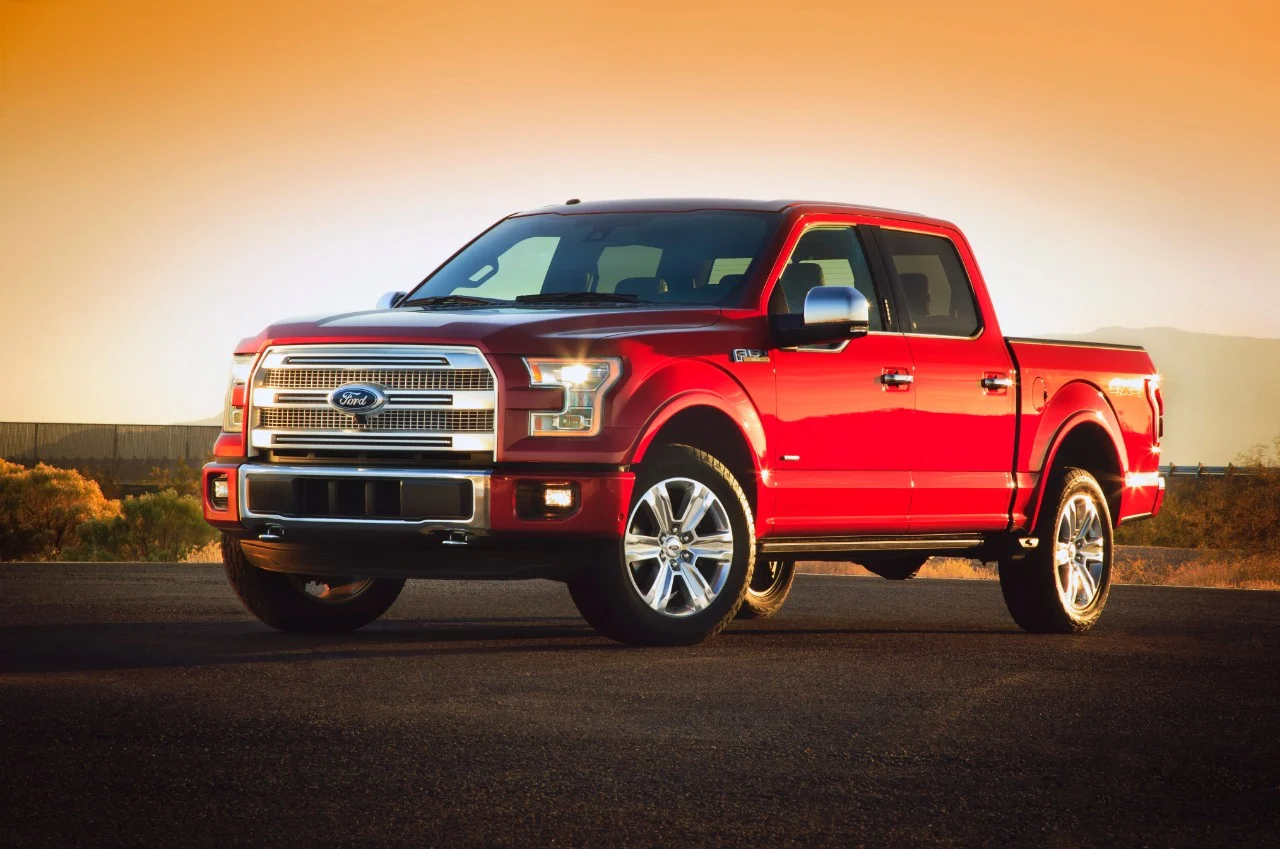
1. Ford F-150 (2015–Present)
The Ford F-150 (2015–Present) transformed pickup design by introducing an all-aluminum-alloy body, greatly enhancing corrosion resistance.
Built with military-grade 6000-series aluminum, the body panels and bed do not rust like traditional steel, allowing the exterior to stay in excellent condition even after years of exposure to road salt and harsh winter conditions. This design extends the truck’s structural life and helps maintain its resale value, making it a strong choice for buyers in regions where rust is a common problem.
To further protect the aluminum, Ford applies advanced electrocoating and painting techniques. These treatments prevent corrosion and reduce the risk of galvanic corrosion where aluminum panels connect to the steel frame. This combination of material and protective coatings ensures that the truck’s body remains durable and resistant to long-term environmental wear.
While the body panels resist rust effectively, the F-150’s high-strength steel frame still requires attention. The fully boxed frame uses high-strength, low-alloy (HSLA) steel designed for strength and durability, but steel is naturally susceptible to corrosion.
Rust can form in areas exposed to road salt, trapped moisture, and debris, particularly along welded seams and overlapping components. If left unchecked, this can lead to frame rot or structural weakening.
Experts recommend inspecting the undercarriage regularly and performing maintenance such as cleaning road salt and applying protective coatings to steel components. Ford notes that minor surface rust on the frame is typical and does not usually affect the truck’s performance, but preventive care is important to avoid hidden structural issues.
The combination of an aluminum-alloy body and high-strength steel frame, with proper maintenance, makes the 2015–Present Ford F-150 highly resistant to rust while retaining structural durability. Its innovative design provides lasting protection against corrosion and makes it a reliable choice for drivers in demanding climates who want a pickup that will maintain strength and appearance over time.
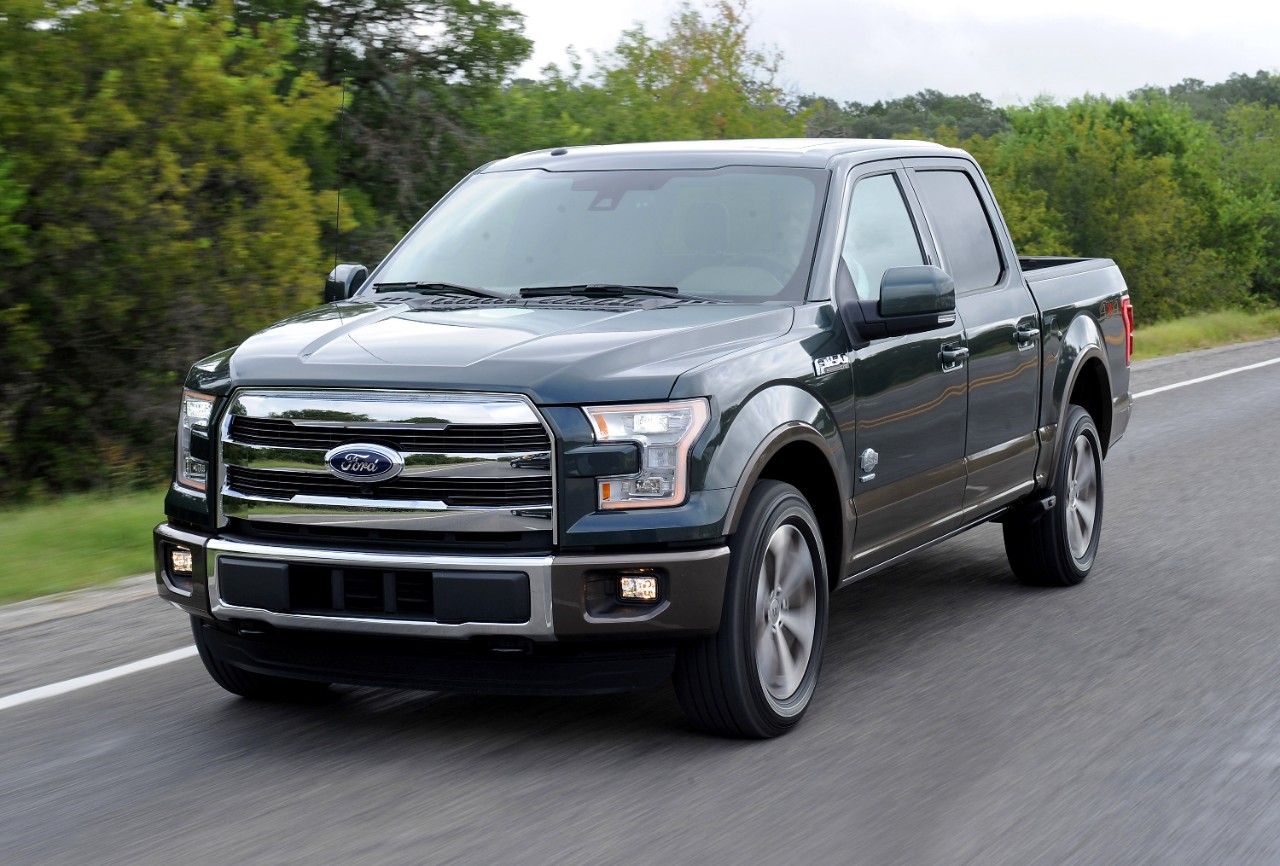
2. Chevrolet Silverado / GMC Sierra 1500 (Current Generation)
The current-generation Chevrolet Silverado 1500 and GMC Sierra 1500 (2019–2026) use a fully boxed, high-strength steel frame designed for durability, paired with a factory-applied, hot-melt wax coating to resist corrosion.
This thick, pliable layer acts as a self-healing barrier that repels moisture and road salt, and if lightly scraped, can often flow back to maintain coverage. The coating is one of the most innovative rust-prevention methods in the industry, especially for vehicles driven in Salt Belt regions. However, owners must avoid high-pressure undercarriage washes, which can strip the wax and reduce its effectiveness.
The trucks’ frames, while robust, have faced scrutiny due to premature coating failures. Reports indicate that in some cases, the wax can peel or drip, particularly in harsh climates, exposing the steel underneath to accelerated rust. This issue prompted General Motors to issue Technical Service Bulletin (TSB) No. 19-NA-255 in March 2024, covering 2011–2024 Silverado and Sierra models.
Dealerships can address this by removing failing wax, treating rusted areas, and reapplying a protective coating. Despite these concerns, the high-strength steel itself remains structurally sound but requires careful maintenance to avoid corrosion over time.
Body construction uses a combination of materials: steel is standard for most panels, while aluminum is used for the hood, doors, and tailgate to reduce weight.
Although the aluminum body panels resist rust, the steel components and frame are still vulnerable, especially when the wax coating fails. Key rust-prone areas include frame cross-members, fuel tank hangers, and rear fender supports, where moisture and debris can accumulate.
For owners in harsh, salty climates, additional preventive measures are recommended. Regular undercarriage washing to remove road salt, and the use of aftermarket rust-proofing treatments like Fluid Film or Corrosion Free, can help supplement the factory wax coating. Proper maintenance ensures that the frame remains protected and minimizes the risk of structural damage even on newer, low-mileage trucks.
With the combination of a high-strength steel frame, wax-based factory coating, and diligent maintenance, the Chevrolet Silverado 1500 and GMC Sierra 1500 provide strong rust resistance, but they require careful attention to prevent premature corrosion in challenging environments.
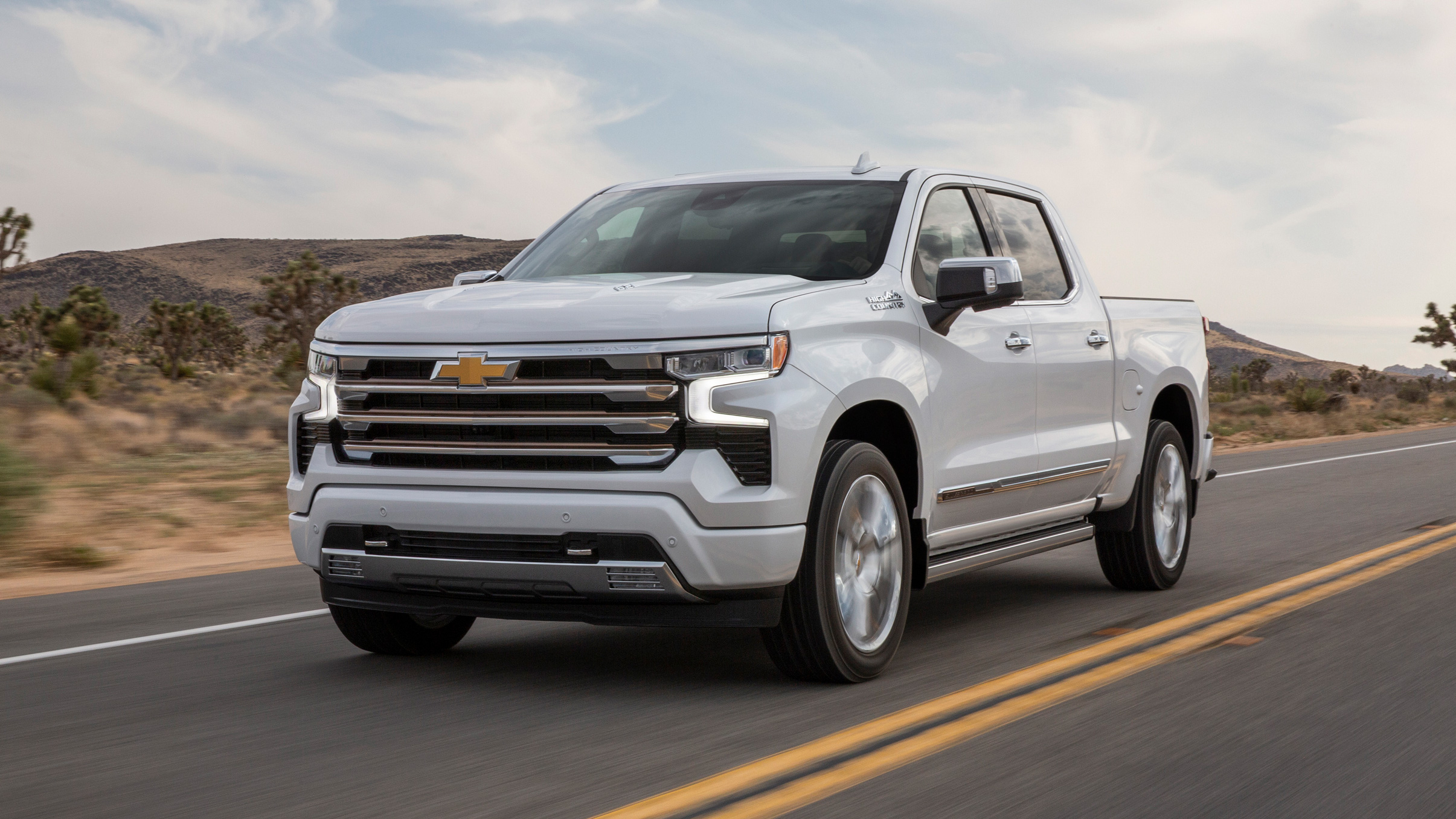
3. Toyota Tundra (2022–Present)
The Toyota Tundra (2022–Present) has been completely redesigned to address the corrosion problems that affected previous generations. The latest model features a fully boxed, high-strength steel frame that enhances structural rigidity and reduces areas where moisture and road salt can accumulate.
Toyota implemented an advanced electro-deposition (e-coat) process during manufacturing to ensure uniform coverage of protective coatings, improving resistance to rust in harsh environments, especially snow-heavy regions of North America.
Key features contributing to the Tundra’s improved rust resistance include its fully boxed steel frame, composite cargo bed, and strategic use of anti-corrosion materials. Unlike older open “C-channel” frames, the fully boxed design minimizes water and debris retention inside the frame rails.
Internal frame surfaces are treated with wax-like corrosion inhibitors, and tailored laser-welded blanks seal high-stress areas, addressing the “rust from the inside out” problem found in earlier models. These measures collectively enhance durability and extend the truck’s lifespan.
The cargo bed is made from Sheet-Molded Compound (SMC), a lightweight, corrosion-resistant composite material reinforced with aluminum crossmembers.
This completely rustproof bed eliminates the risk of bed corrosion that often occurs in steel designs, offering both long-term durability and resistance to dents. Aluminum components are also incorporated throughout the chassis to reduce weight and improve corrosion resistance further.
Built on Toyota’s TNGA-F body-on-frame platform, the 3rd-generation Tundra benefits from a design focused on durability and long-term reliability. Specialized coatings and protective applications are applied to the chassis during manufacturing to shield the frame and undercarriage from corrosion. Initial inspections of new models have shown high-quality coating performance, with no significant rust issues reported.
While the Tundra’s factory rust prevention is highly effective, some owners in high-salt Northern climates still choose to supplement it with aftermarket rust inhibitors, such as lanolin-based sprays, for added protection.
The 2022–Present Toyota Tundra demonstrates a significant improvement over previous generations, combining a fully boxed frame, rustproof composite bed, advanced coatings, and corrosion-resistant materials.
This modern approach effectively seals out moisture, prevents internal corrosion, and makes the Tundra a durable, long-lasting option for buyers seeking a truck capable of withstanding harsh winter conditions and salt-exposed roads.
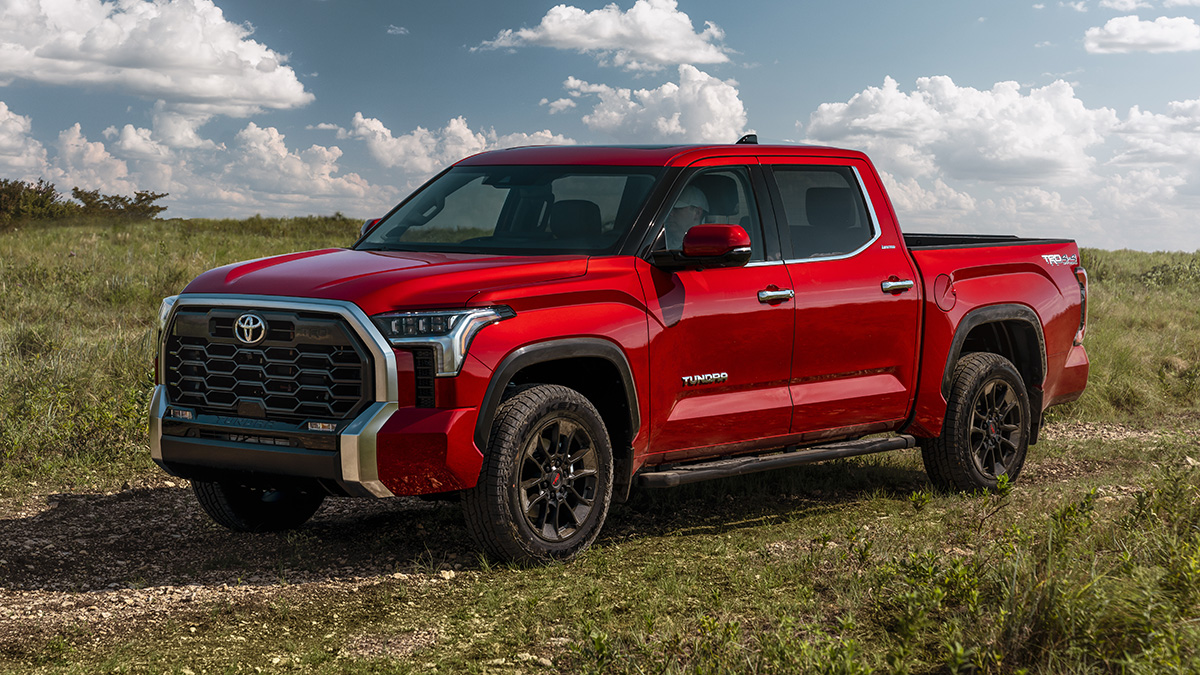
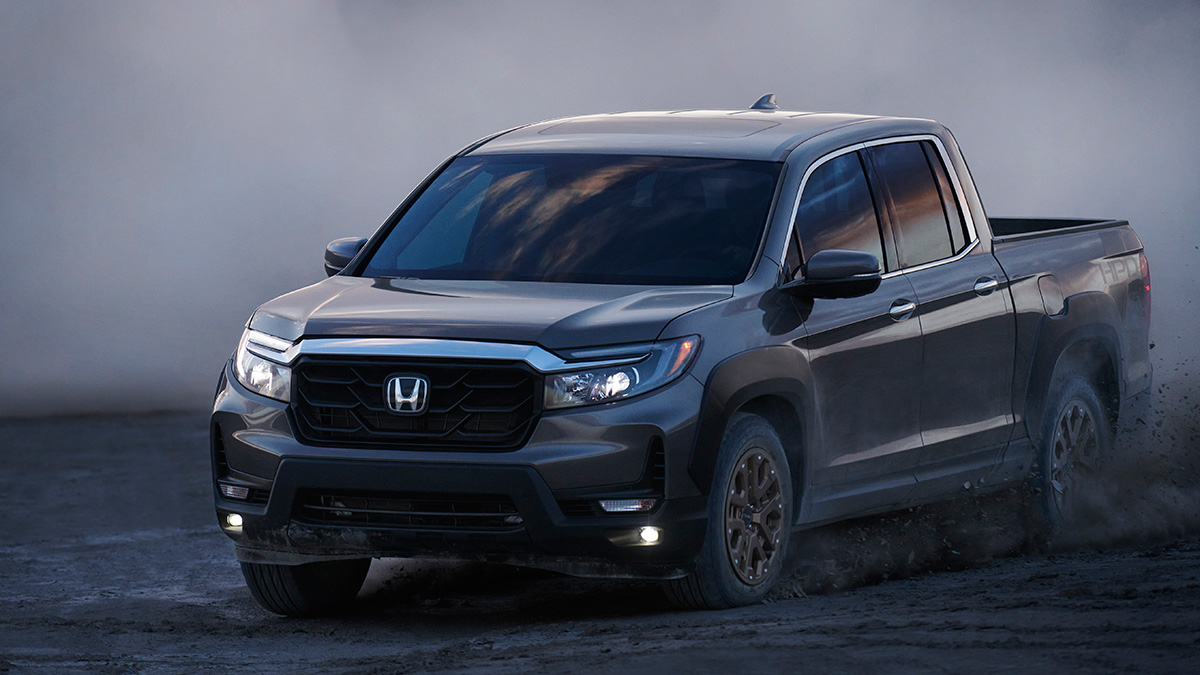
4. Honda Ridgeline
The Honda Ridgeline stands out among mid-size pickups for its rust-resistant design, largely due to its unibody construction and composite bed. Unlike traditional body-on-frame trucks, the Ridgeline integrates the cab and bed into a single structure, reducing the number of seams where water, dirt, and road salt can accumulate.
This design choice, combined with the use of high-strength and ultra-high-strength steel in critical areas, enhances structural integrity and minimizes the risk of corrosion over time.
A key factor in the Ridgeline’s rust resistance is its cargo bed, which is made from a steel-reinforced composite material. This bed is dent- and scratch-resistant, and unlike steel beds, it will not rust even if the surface is damaged.
The composite extends to the in-bed trunk, which is fully sealed and waterproof, preventing the hidden rust issues common in traditional trucks. This makes the bed virtually impervious to corrosion and maintains the truck’s long-term visual appeal.
Honda also applies factory rust protection to the frame and undercarriage. Protective coatings and specialized subframe treatments create barriers against moisture, oxygen, and road salt.
Modern Ridgeline models (2017–Present) benefit from these advanced rust-preventive measures, improving durability compared to first-generation trucks. However, even with these improvements, components such as the rear wheel wells, frame rails, and suspension parts may still experience rust in Salt Belt regions if proper maintenance is neglected.
First-generation Ridgelines (2006–2014) had well-documented rust issues, particularly where salt brine could become trapped near the fuel tank and rear subframe, sometimes requiring reinforcing plates or frame repairs.
Second-generation models address these problems through better design, improved coatings, and underbody protection, although routine preventive maintenance is still recommended. Applying protective undercoating, regularly clearing drains, and inspecting the frame and tailgate areas can help maintain long-term rust resistance.
In addition to its composite bed and unibody frame, the Ridgeline uses durable materials and careful engineering to protect against corrosion. These features allow many owners to drive high-mileage vehicles without significant rust concerns, especially in regions with moderate climates.
Combined with regular maintenance and inspections, the Honda Ridgeline offers one of the more rust-resistant options among mid-size pickup trucks, making it a practical choice for drivers who want the utility of a truck without the common corrosion issues associated with body-on-frame designs.
5. Tesla Cybertruck
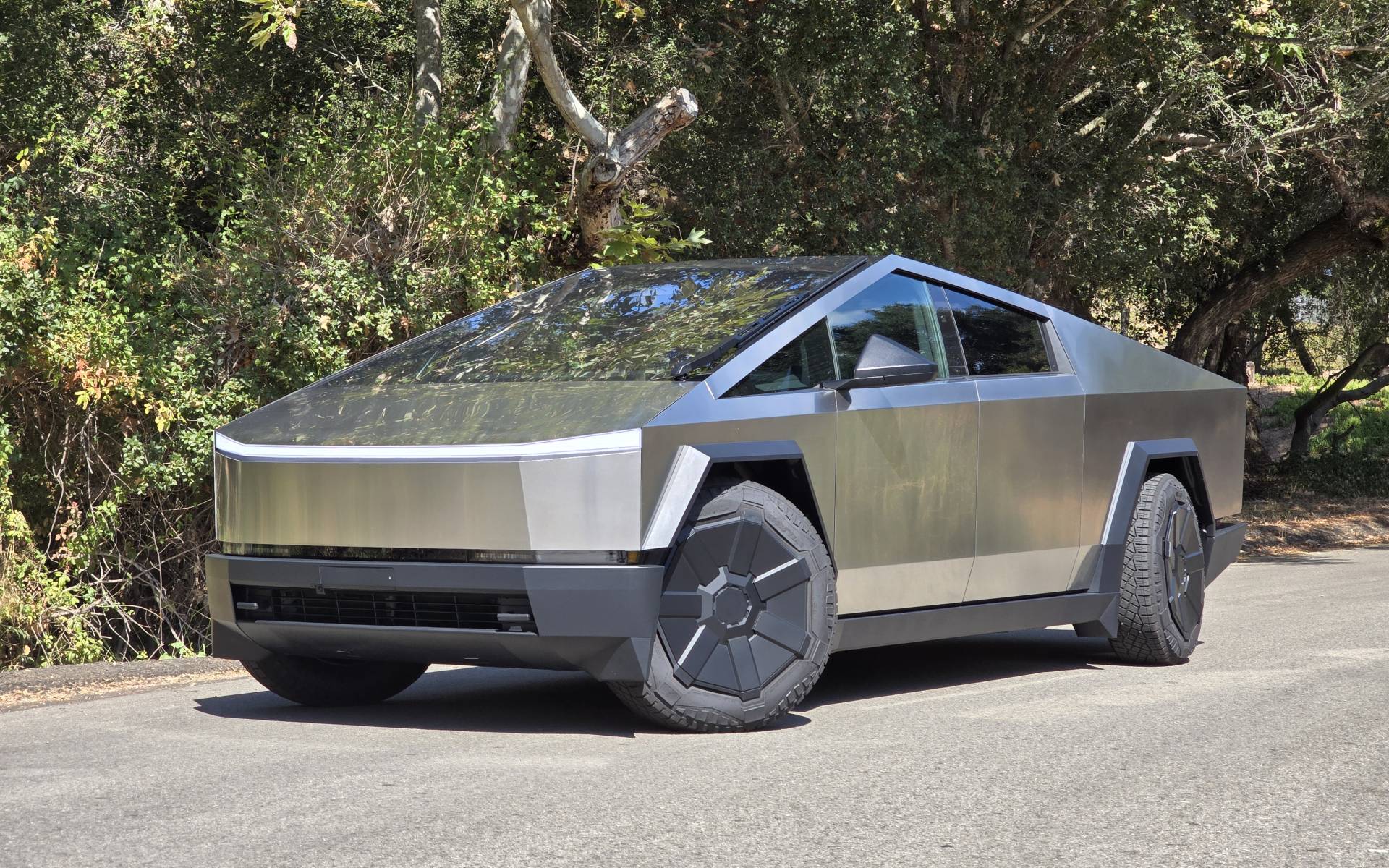
The Tesla Cybertruck is designed to be one of the most rust-resistant pickups on the market, thanks to its “Ultra-Hard 30X Cold-Rolled Stainless-Steel” exoskeleton. Unlike traditional trucks that rely on painted carbon steel, the Cybertruck uses a proprietary 3mm thick stainless steel alloy, similar to the material used in SpaceX Starships.
This stainless steel contains chromium, which naturally forms a thin, self-healing oxide layer that prevents corrosion, eliminating the need for paint or conventional undercoating. Its exoskeleton design integrates the body panels as the primary structure, reducing dependence on separate, rust-prone body-on-frame components while enhancing strength and durability.
Because stainless steel resists the chemical reactions that typically cause rust in carbon steel, the Cybertruck’s exterior remains highly resistant to road salt, moisture, and harsh winter conditions.
This material choice prevents the “rust bubbles” and structural corrosion that commonly affect conventional pickups. In addition to its corrosion resistance, the panels are highly dent-resistant and maintain structural integrity under heavy use.
While the Cybertruck’s stainless steel is extremely resistant to corrosion, it is not completely immune to surface staining. Environmental contaminants such as industrial dust, rail particles, bird droppings, and road salt can create small, orange rust spots on the surface.
These marks are superficial and do not indicate structural damage. Tesla advises owners to regularly wash the exterior and promptly remove corrosive substances. Using protective measures such as a clear paint protection film (PPF) or a passivation solution can help prevent surface oxidation and maintain the truck’s finish.
The stainless steel panels are also durable but can scratch, which may expose areas to minor surface oxidation if not cared for. Regular cleaning, protective coatings, and careful maintenance ensure that the Cybertruck remains visually pristine and highly resistant to corrosion over time.
Through its ultra-hard stainless steel construction, self-healing oxide layer, and exoskeleton design, the Tesla Cybertruck delivers exceptional protection against rust and environmental wear. Even in harsh conditions, its innovative materials and engineering provide durability and long-term corrosion resistance that surpasses traditional painted pickups.
Also Read: 5 Cars That Are Unstoppable in Deep Snow vs 5 AWD Models That Get Stuck
5 Prone to Corrosion in the Salt Belt
1. Toyota Tacoma (2000–2017)
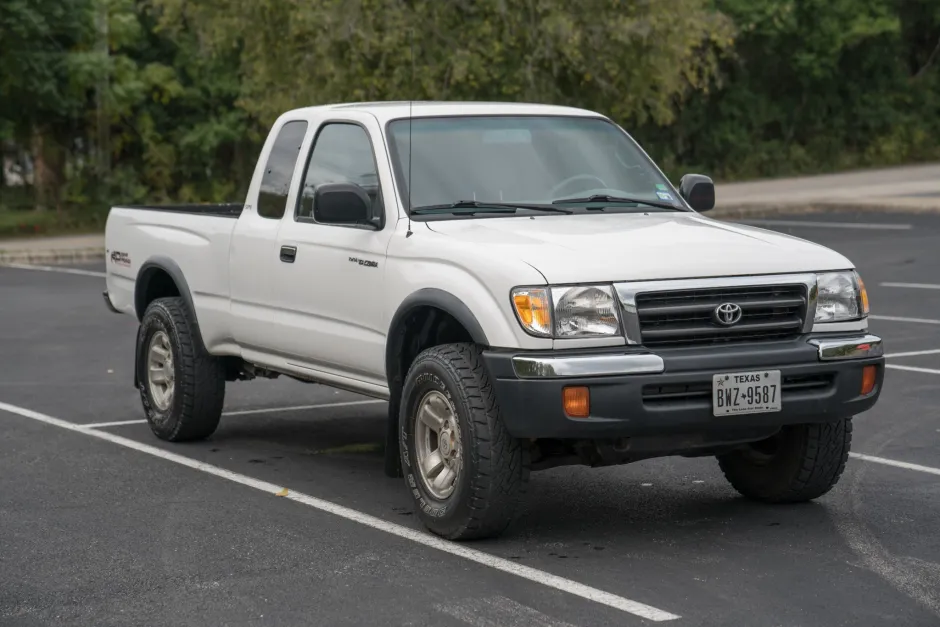
The Toyota Tacoma, built between 2000 and 2017, became widely known for severe frame rust issues, particularly in regions where road salt is heavily used during winter. Although the Tacoma had a strong reputation for durability and reliability, corrosion problems with its chassis significantly affected its structural longevity.
In many cases, the frame rusted from the inside out, making the damage difficult to detect until serious structural deterioration had already occurred.
The root of the problem traced back to the manufacturing process used for the truck’s steel frames. These frames were supplied by Dana Holding Corporation, a third-party manufacturer working with Toyota.
During production, the steel was not properly treated with a phosphate protective coating, which is essential for preventing oxidation and helping protective paint adhere to the metal surface. Without this coating, the electrophoretic “e-coat” paint applied to the frame failed to bond correctly. Over time, the paint layer would peel or flake off, exposing bare steel to moisture and environmental contaminants.
Design factors also contributed to the corrosion problem. The Tacoma used a partially or fully boxed frame, which improves rigidity and off-road capability but can create enclosed spaces where water and debris collect.
In salt-heavy regions of North America, road salt and brine could enter the frame through small openings and settle at the bottom of the rails. Because these areas lacked sufficient drainage, the trapped salty moisture created a corrosive environment inside the steel structure. By the time rust became visible on the exterior, the internal sections of the frame were often already weakened.
The consequences were serious and went far beyond cosmetic damage. In extreme cases, rust led to frame perforation, where holes formed in the metal. Critical components such as leaf spring mounts, suspension brackets, and spare tire supports could break away due to weakened metal. Some trucks even experienced frame buckling or structural failure when carrying heavy loads or during collisions.
Toyota eventually responded with one of the largest service campaigns in automotive history, reaching a $3.4 billion settlement covering roughly 1.5 million vehicles.
Remedies included corrosion-resistant compound (CRC) treatments for minor rust and full frame replacements for trucks with severe damage. Owners also received extended warranties of up to 15 years for frame corrosion, highlighting the seriousness of the issue for these Tacoma model years.
2. Nissan Frontier (1997–2021)
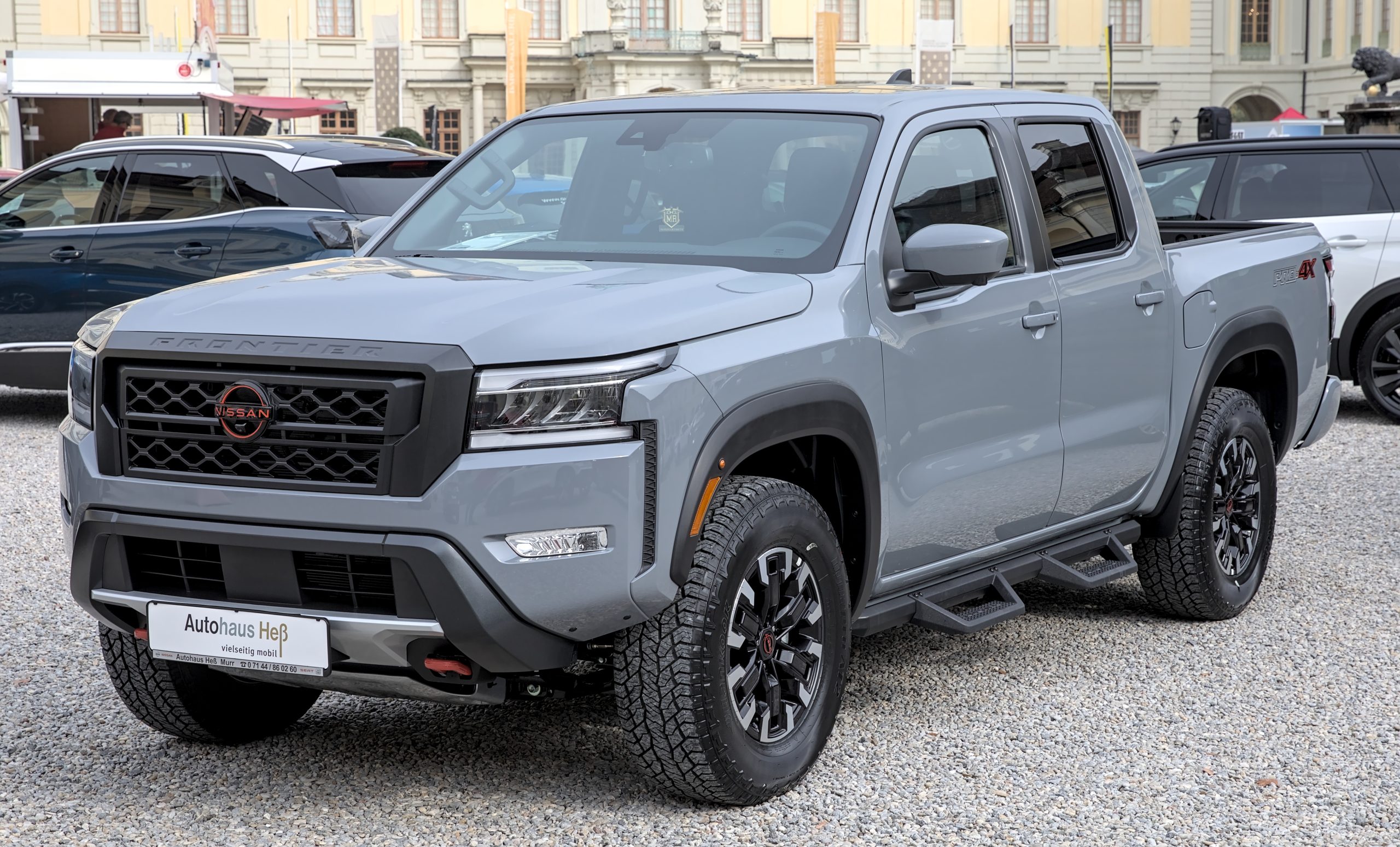
The Nissan Frontier, produced from 1997 to 2021, developed a strong reputation for severe undercarriage corrosion, especially in regions where road salt is heavily used during winter. Covering two generations, the D22 (1997 to 2004) and the D40 (2005 to 2021), these trucks often experienced frame rust that went beyond cosmetic damage and affected structural integrity.
Many owners reported flaking metal and deep rust scaling along the frame rails after only a few years of exposure to salted roads. In extreme cases, corrosion weakened the chassis so severely that the frame could buckle or crack. This created a situation where the truck’s mechanical components could remain reliable while the structure itself deteriorated prematurely.
One major cause of the corrosion problem was the Frontier’s fully boxed ladder frame. Boxed frames are designed to provide greater rigidity and strength than open C-channel frames, which is beneficial for towing and off-road durability. However, the design also creates enclosed spaces where water, road salt, and debris can collect.
In areas commonly known as the Salt Belt, road crews frequently apply salt and liquid brine to melt snow and ice. This salty mixture can enter the frame through small holes or drainage openings and remain trapped inside.
Because the moisture cannot easily escape, the interior of the frame can stay damp for long periods, allowing corrosion to develop from the inside out. In many cases, rust becomes visible on the exterior only after the internal metal has already been weakened.
Factory corrosion protection also played a role in the problem. Many Frontier frames and related components received relatively thin layers of wax-based coatings or simple paint rather than more durable treatments such as advanced electrocoating or galvanization.
Some models also had poorly sealed seams around the rear cab area and the bed mounts, which allowed salt spray and moisture to penetrate gaps between metal panels. Over time, this caused crevice corrosion and accelerated the spread of rust.
The most serious structural failures often occurred near the section of the frame between the cab and the bed, particularly around the leaf spring mounts. In severe cases, rust thinned the steel to the point that the frame could bend or break under normal driving conditions. These corrosion issues made frame integrity a major concern for long-term ownership of older Nissan Frontier models in harsh winter climates.
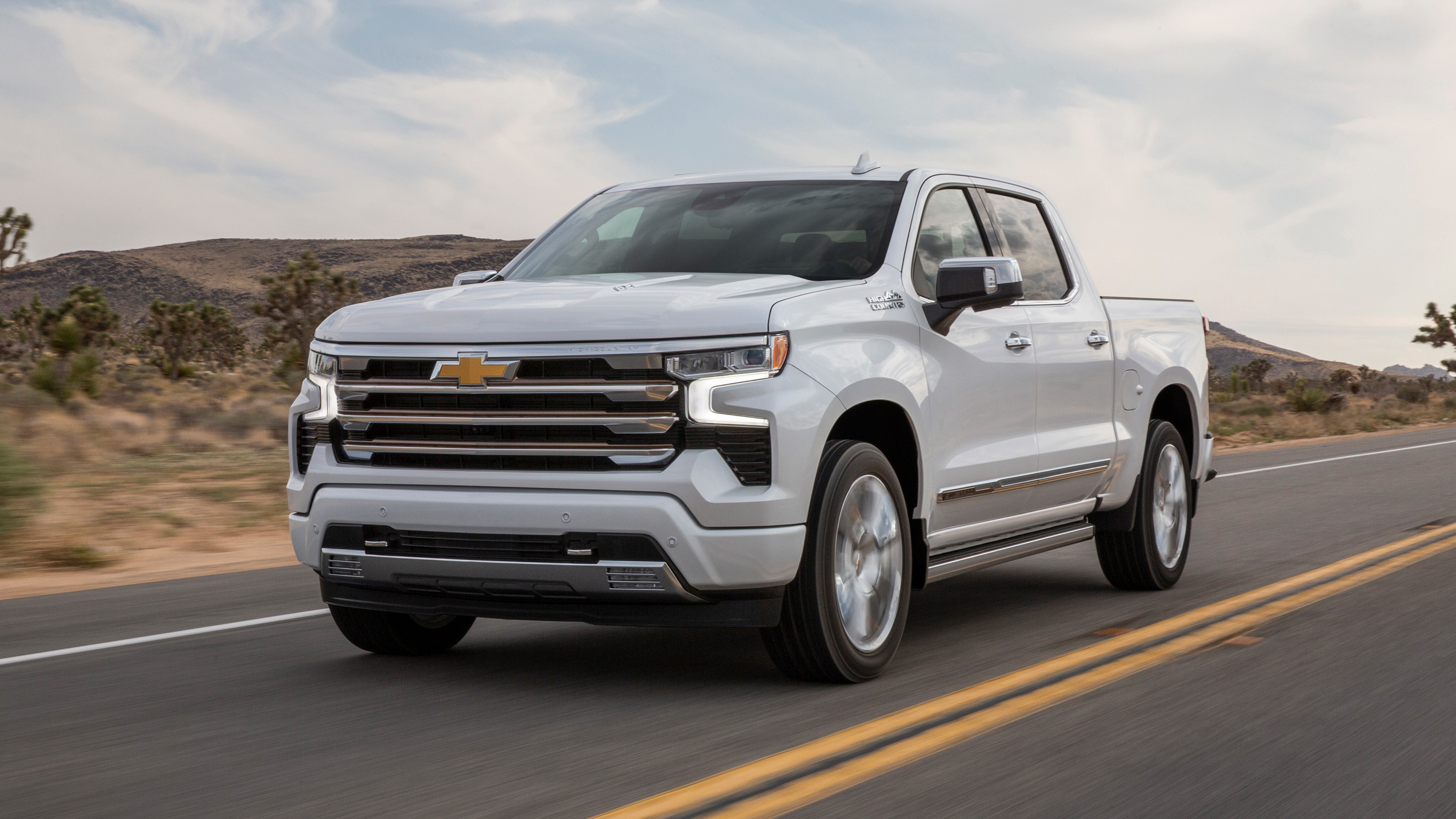
3. Chevrolet Silverado / GMC Sierra (2007–2013)
The 2007 to 2013 Chevrolet Silverado and GMC Sierra, built on General Motors’ GMT900 platform, became widely known for severe corrosion problems in regions where winter road salt is heavily used. Owners in the Salt Belt frequently reported extensive frame rust and body panel deterioration after relatively low mileage.
In some cases, trucks with fewer than 30,000 miles already showed noticeable corrosion on the frame and undercarriage. These issues often resulted in pitting, weakened metal, and even holes forming in structural components, particularly around rear wheel wells, bumper mounts, and other exposed areas of the chassis.
One major contributor to these problems was the wax-based coating applied to the truck’s frame during manufacturing. Instead of using more durable corrosion protection methods such as heavy paint coatings or advanced electrocoating, General Motors used a hot-melt wax treatment designed to shield the steel from moisture and salt.
In many cases, however, the metal surfaces were not properly prepared before the coating was applied. This caused the wax layer to lose adhesion and peel away in large sections over time. Once the coating began to fail, the exposed steel underneath became highly vulnerable to rust. In some situations, the remaining wax traps water and road salt against the metal, accelerating corrosion rather than preventing it.
Structural design elements also played a role in the corrosion issues. The GMT900 trucks used a fully boxed frame, which improved rigidity and strength compared to earlier designs.
However, this frame style created enclosed cavities that allowed road salt, sand, and slush to enter through small openings. Because these materials could not easily drain or be washed out, moisture remained inside the frame rails for long periods. This constant exposure to salt and water promoted internal rust that weakened the structure from within.
Body panel design also contributed to common rust locations. The rear wheel arches of the truck bed used a dual-wall construction that trapped dirt and salty debris above the wheel well area. Rocker panels and cab corners were hollow sections that sometimes contained foam insulation, which could absorb moisture and keep metal surfaces damp.
Unsealed seams in doors and tailgates also allowed water to collect along the edges, causing corrosion that spread upward from the bottom of the panels. These combined factors made rust a frequent long-term issue for this generation of GM trucks in harsh winter climates.
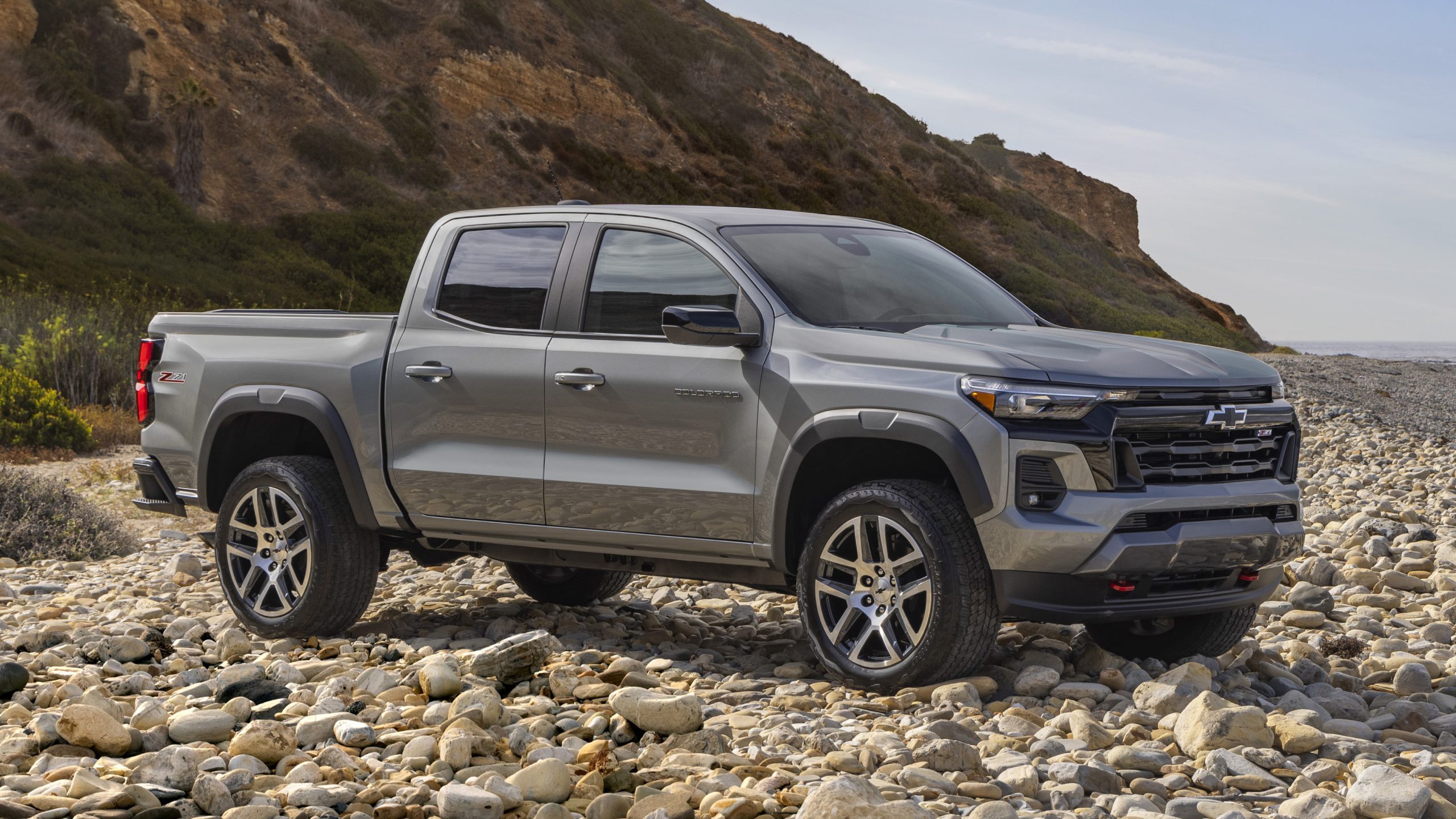
4. Chevrolet Colorado / GMC Canyon (2004–2011)
The 2004 to 2011 Chevrolet Colorado and GMC Canyon, built on General Motors’ GMT355 platform, are widely recognized as some of the most rust-prone mid-size trucks produced during that era. Owners in northern regions of North America, especially in the Salt Belt, where road salt and chemical de-icers are heavily used in winter, frequently reported serious corrosion issues.
These problems often appeared long before the trucks reached 100,000 miles. In many cases, corrosion developed inside the frame structure, making the damage difficult to detect until it became severe enough to cause structural failure or fail a safety inspection.
One of the main causes of the corrosion problem was the truck’s fully boxed frame design. A boxed frame provides increased strength and rigidity, which benefits towing capacity and off-road durability. However, this enclosed structure also created spaces where road salt, slush, and debris could enter through small factory openings.
Because the frame lacked adequate drainage, these corrosive materials often remained trapped inside the rails. Moisture mixed with road salt created a highly corrosive environment that allowed rust to develop from the inside out. As a result, the frame could weaken internally while still appearing relatively intact on the outside.
Another contributing factor was the factory corrosion protection applied to the frame. During this period, General Motors used a wax-based protective coating intended to shield the steel from moisture. Over time, however, this coating often dried out, cracked, or peeled away from the metal surface.
When the coating failed, it sometimes trapped water and salt against the steel, accelerating the oxidation process rather than preventing it. Some technicians also noted that the wax layer was sometimes applied without a strong primer or electrocoating underneath, leaving the metal vulnerable once the protective layer deteriorated.
Corrosion frequently appeared in several critical areas of the chassis. The rear leaf spring mounts were especially vulnerable, and rust in this area could weaken the connection between the suspension and the frame. The center sections of the frame rails could also thin significantly due to internal rust.
In severe cases, the spare tire carrier and surrounding metal could corrode so badly that the spare tire assembly detached while driving. These structural issues made corrosion a major concern for long-term ownership of these trucks in harsh winter climates.
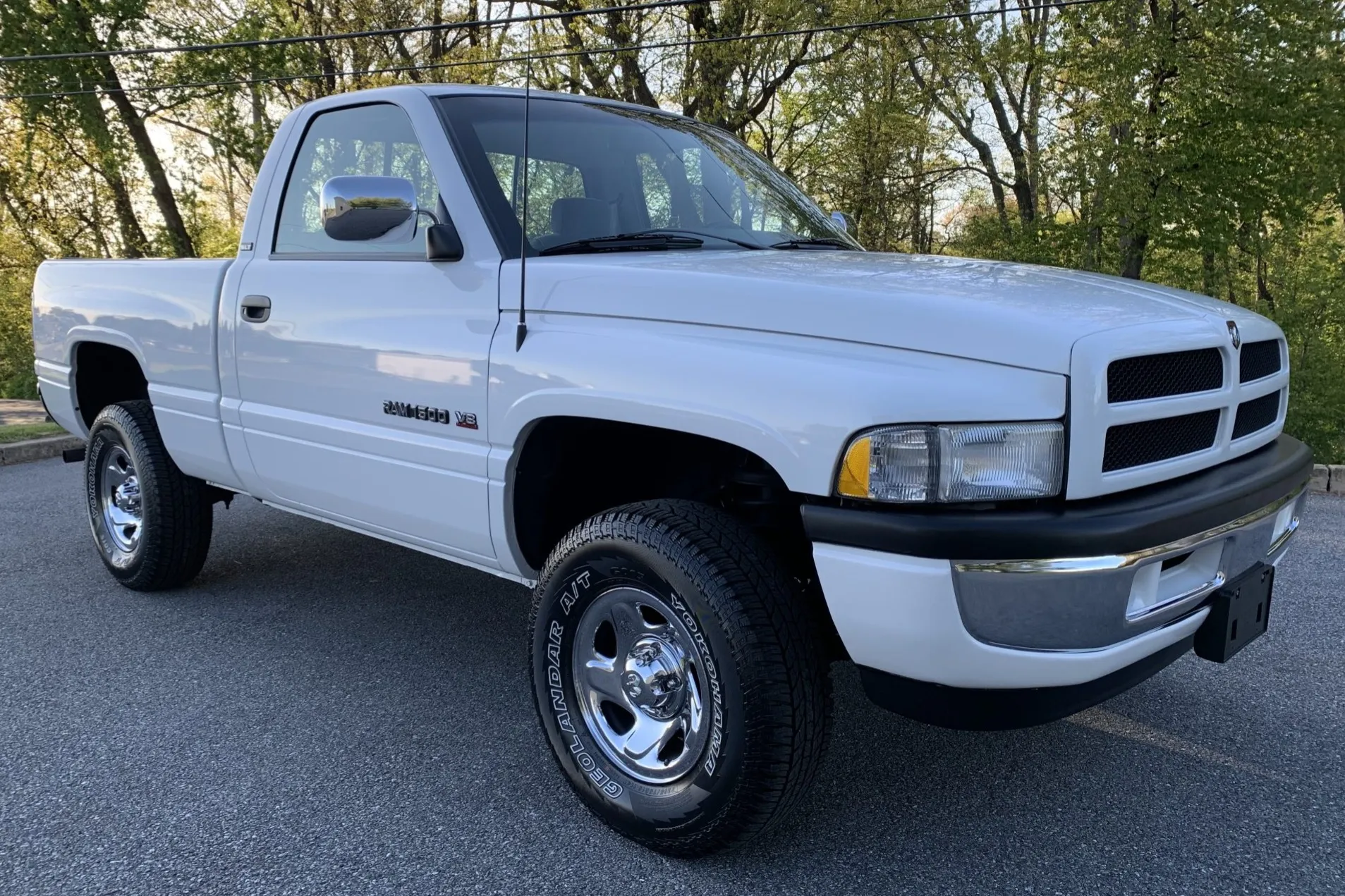
5. Dodge Ram 1500 (Mid-2000s)
The mid-2000s Dodge Ram 1500, part of the third generation produced from 2002 to 2008, became well known for corrosion problems, particularly in regions where winter road salt is heavily used. Owners in the Salt Belt frequently reported rust damage affecting both body panels and structural components.
While the trucks were praised for their strong engines and towing ability, corrosion often became a major long-term concern. Rust commonly appeared around the rear wheel arches and fenders, but the underlying chassis and frame were also vulnerable, especially in environments where salt, slush, and moisture remained on the vehicle for long periods.
One of the primary causes of corrosion was the design of several body panels, which unintentionally created areas where moisture and debris could accumulate. The rear wheel wells and rocker panels contained internal ledges and tight cavities that trapped road salt, mud, and water.
Because these sections lacked proper drainage, the corrosive mixture often stayed inside the panels, gradually eating through the metal. Over time, paint would begin to bubble as rust developed beneath the surface, eventually leading to visible holes in the sheet metal.
Material choices and sound-deadening features also contributed to the problem. Dodge installed foam inserts inside certain body cavities, such as the front fenders, to reduce road noise. Although effective for comfort, this foam absorbed water and salt like a sponge.
The trapped moisture remained in contact with the metal for extended periods, accelerating oxidation even during warmer months when humidity kept the salt active. In addition, the factory paint and primer were often thin in hidden areas such as pinch welds and door bottoms, leaving the metal susceptible to rust once the protective layer was damaged.
Structural elements of the truck also faced corrosion risks. Portions of the chassis included boxed sections and recessed areas where debris could collect. These spaces were difficult to clean and allowed salt and water to remain in contact with the steel frame. Over time, corrosion weakened important components such as suspension mounts, fuel tank straps, brake lines, and other undercarriage parts.
Common rust locations on these trucks include the rear wheel arches, rocker panels, cab corners, door bottoms, and various underbody components. Regular washing and protective rust-proofing treatments became essential for owners hoping to slow the corrosion process and maintain structural safety in harsh winter climates.
Rust resistance has become an increasingly important factor for truck owners who live in cold climates where road salt is unavoidable. As this comparison shows, some pickups stand out for their innovative materials, protective coatings, and structural designs that help limit corrosion over time.
Trucks like the Ford F-150, Toyota Tundra, Honda Ridgeline, and Tesla Cybertruck demonstrate how modern engineering can significantly reduce the risks associated with winter driving conditions.
At the same time, certain older models have gained reputations for frame and body corrosion due to design choices that allow moisture and salt to accumulate in hidden areas. Trucks such as the early Toyota Tacoma, Nissan Frontier, and several mid-2000s GM and Ram models illustrate how inadequate protection can lead to serious structural problems over the years.
For drivers in the Salt Belt, careful research, regular inspections, and preventive maintenance remain essential. Choosing a truck with strong rust protection can make a major difference in long-term durability, safety, and resale value.
Also Read: Top 10 Cars With the Best Braking Distances in Their Class