
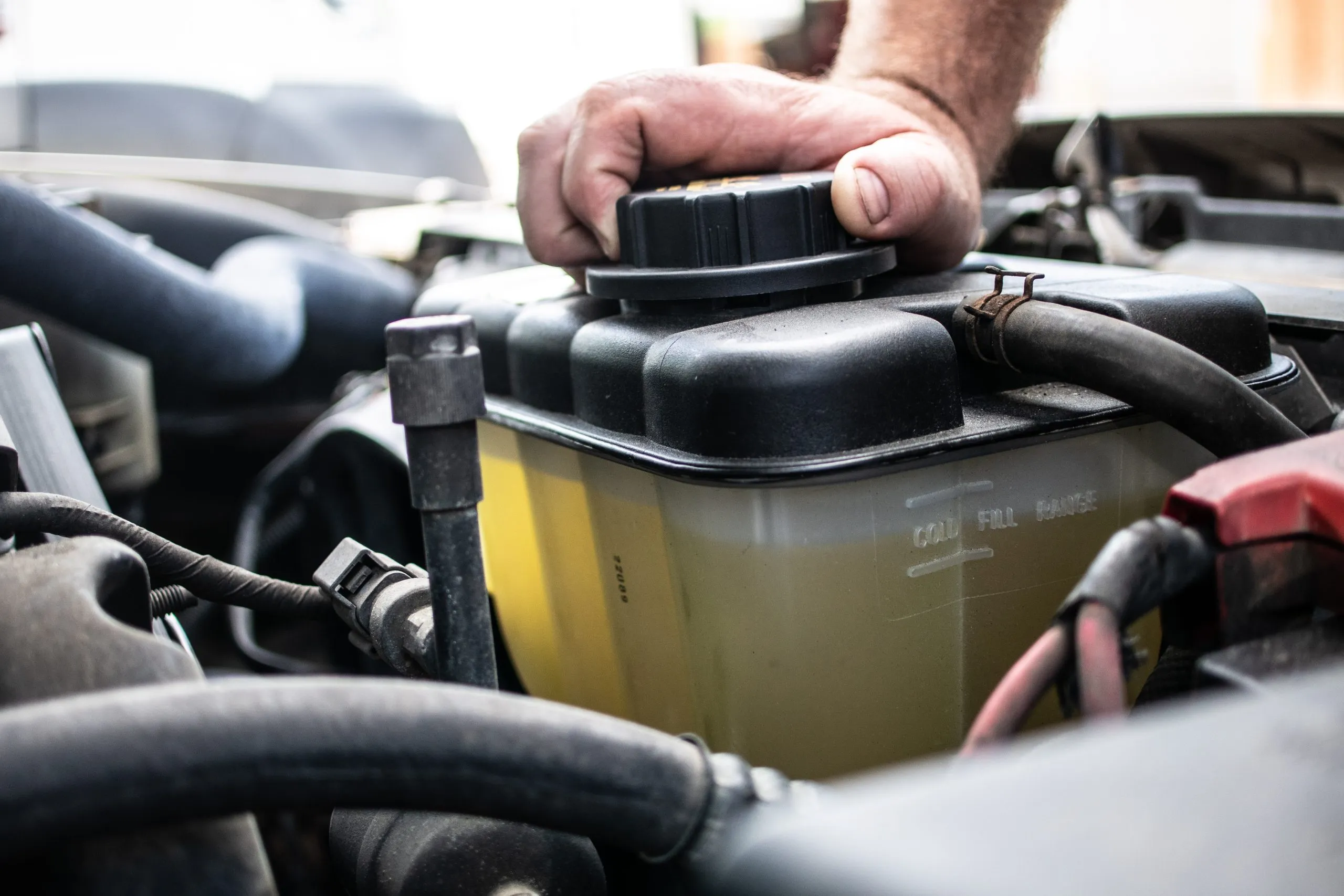
Coolant sits at the center of a vehicle’s temperature control system. This brightly colored liquid travels through the radiator, engine block, hoses, and heater core, absorbing heat and keeping the engine within a safe operating range. When coolant levels drop, overheating risks rise quickly.
Drivers often expect to see a puddle under the car when the coolant disappears. Yet in some cases, the level in the reservoir slowly drops without any obvious leak. Situations like this confuse even experienced vehicle owners.
A driver might notice the coolant reservoir falling lower every few weeks, even though the driveway stays completely dry. Something inside the cooling system may be allowing coolant to escape in subtle ways.
Consider vehicles such as the 2024 Toyota Corolla Hybrid SE or the 2023 Honda Accord EX-L. Both models feature efficient engines with tightly sealed cooling systems. When coolant disappears without visible dripping, internal conditions usually deserve closer attention.
Several hidden factors can cause this issue. Engine components may allow coolant to enter combustion chambers. Small evaporation points may exist in areas exposed to heat. Some parts of the cooling system may release coolant vapor rather than liquid.
Drivers who recognize the warning signs early often avoid expensive repairs. Paying attention to temperature gauges, cabin heater performance, and exhaust smoke can provide helpful clues.
The information below highlights ten possible reasons a vehicle might be losing coolant even when no visible leak appears. Each explanation breaks down what might be happening inside the engine and how drivers can recognize early warning signs before larger problems develop.
1. A Failing Head Gasket Allowing Coolant Into the Engine
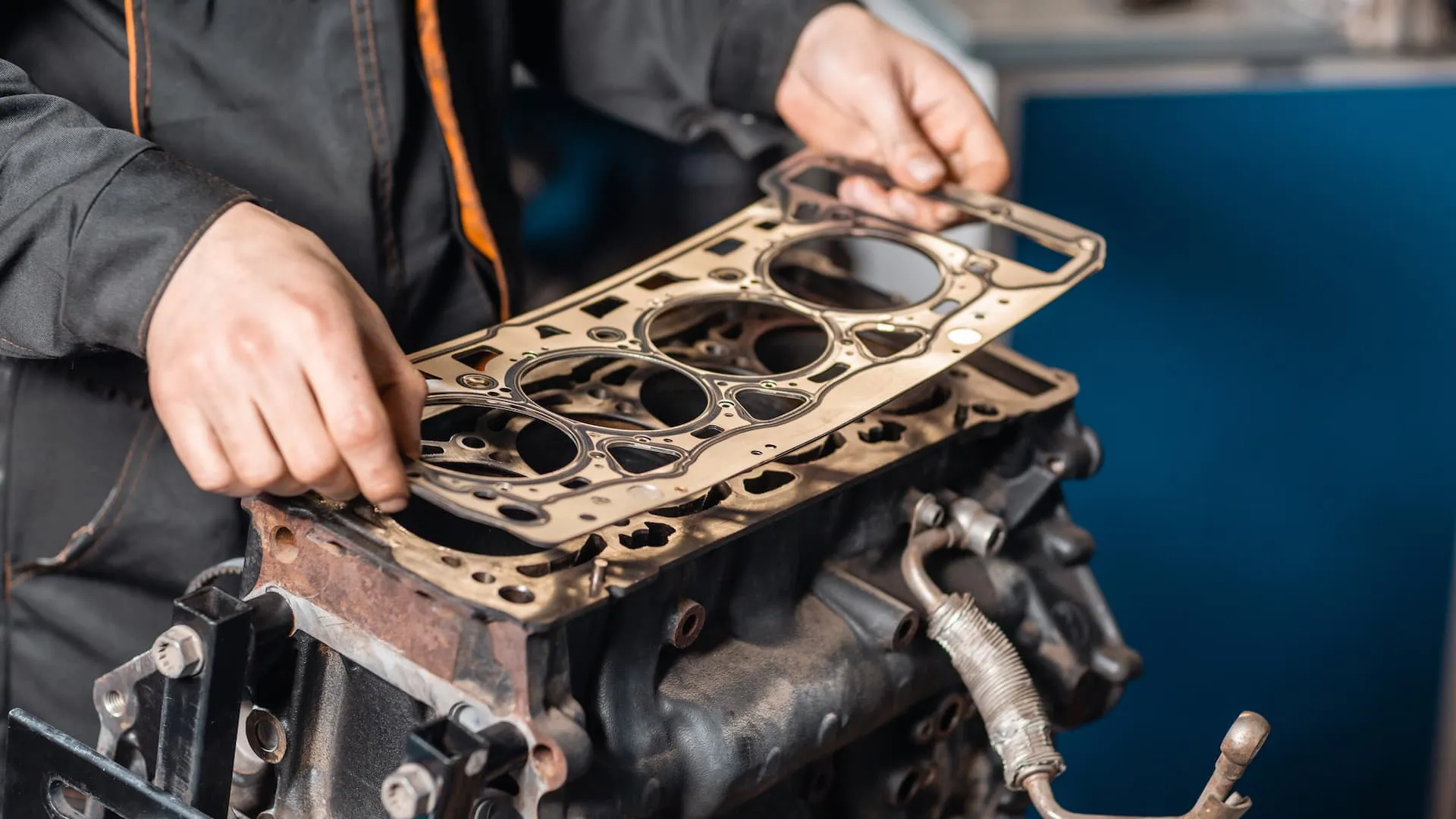
Engine components operate under intense heat and pressure. Among those parts, the head gasket plays a vital role. Positioned between the engine block and cylinder head, this thin yet durable seal prevents coolant, oil, and combustion gases from mixing. When the gasket begins to weaken, coolant may slip into areas where it should never be.
Imagine driving a midsize sedan such as the 2024 Nissan Altima SR VC-Turbo. Its advanced turbocharged engine relies on a sealed combustion environment. If the head gasket begins to deteriorate, coolant may seep into the combustion chamber instead of flowing through the cooling passages.
Coolant entering the combustion chamber often burns during the ignition process. Since the liquid turns into vapor during combustion, it leaves no puddle beneath the vehicle. From the outside, the driver may only notice coolant levels dropping slowly.
White exhaust smoke often provides the first visible clue. This smoke appears when coolant vapor exits the exhaust system. Drivers sometimes mistake this for normal condensation during cold starts, yet persistent white smoke after warmup usually signals coolant entering the cylinders.
Another sign involves engine misfires. Small amounts of coolant inside a cylinder may interfere with proper fuel ignition. Rough engine performance may appear during startup or acceleration. Cooling system pressure changes may also occur. Combustion gases might push back into coolant passages, creating bubbles in the radiator or reservoir.
Overheating risks increase once the head gasket loses its sealing ability. Reduced coolant circulation prevents the engine from releasing heat efficiently. Repairing a damaged head gasket usually requires disassembling the top portion of the engine.
Mechanics inspect the cylinder head surface and replace the gasket with a new component designed to withstand high pressure and temperature. Ignoring coolant loss caused by a failing head gasket may lead to warped engine components or complete engine damage. Quick diagnosis protects both the vehicle and the driver’s wallet.
2. Coolant Evaporation Through a Faulty Radiator Cap
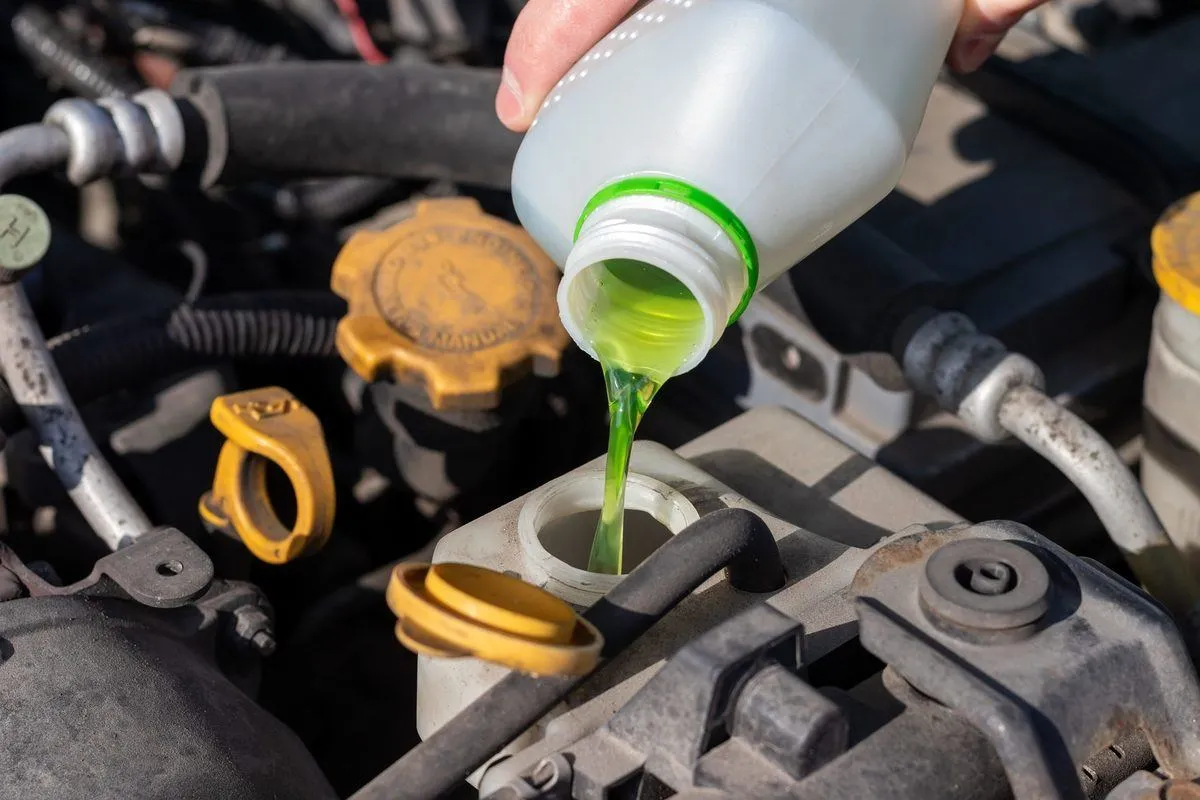
Small parts sometimes create big problems. Radiator caps often appear simple, yet they control pressure inside the cooling system. Proper pressure raises the boiling point of the coolant and keeps the fluid circulating efficiently.
Take a compact car like the 2024 Hyundai Elantra Limited. Its cooling system depends on a carefully controlled pressure environment. When the radiator cap loses its sealing ability, coolant may escape in vapor form instead of liquid.
Inside the cap sits a spring-loaded valve designed to maintain specific pressure levels. If this spring weakens or the rubber seal wears down, coolant vapor may release through the overflow tube. Unlike a visible hose leak, this release may leave no trace on the ground. Heated coolant can evaporate quickly after leaving the system, especially when the engine compartment remains warm.
Drivers may notice coolant levels dropping in the reservoir even though hoses, radiator seams, and water pump areas appear dry. Temperature fluctuations inside the engine bay increase the likelihood of evaporation. As coolant heats and cools during driving cycles, pressure changes push small amounts of vapor through a weakened cap seal.
Replacing a faulty radiator cap often solves the issue quickly. Fortunately, this component remains inexpensive and easy to install. Testing equipment used by professional mechanics can measure cap pressure retention. A cap that fails to hold pressure within manufacturer specifications may allow coolant to escape unnoticed.
Vehicles like the 2023 Kia K5 GT-Line also rely on precise cooling system pressure control. A defective cap may lead to gradual coolant loss and occasional overheating. Regular inspection of the radiator cap ensures the cooling system remains sealed. A tight seal keeps coolant circulating where it belongs rather than escaping silently through the overflow pathway.
Also Read: 10 Tips to Make Any Car Last Beyond 15 Years Without Expensive Repairs or Replacements
3. Internal Heater Core Seepage
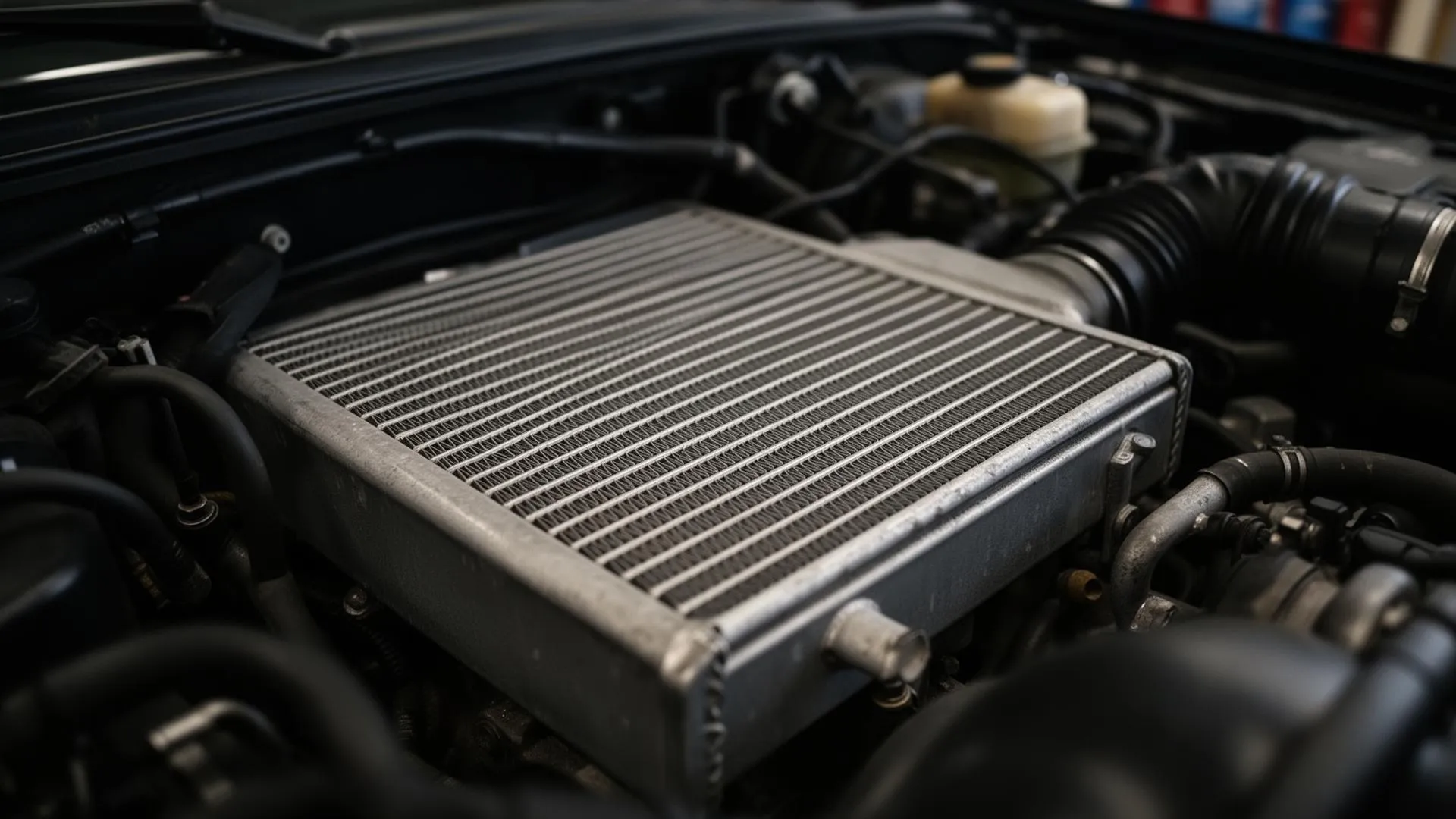
Warm air flowing through cabin vents during cold weather often comes from the heater core. This small radiator-like component sits behind the dashboard and transfers heat from engine coolant into the cabin airflow.
Consider a luxury sedan such as the 2024 Genesis G80 2.5T Advanced. Inside its climate control system, the heater core receives hot coolant directly from the engine. If tiny cracks develop within that core, coolant may seep into the ventilation system.
Instead of forming a visible puddle under the vehicle, leaking coolant may evaporate inside the heater housing. Warm air from the blower motor carries the vapor through the cabin vents. Drivers sometimes detect a sweet smell inside the car when this happens. Engine coolant contains ethylene glycol or similar chemicals that produce a distinctive odor.
Foggy windows also provide a clue. Coolant vapor inside the cabin may leave a thin film on interior glass surfaces. Wiping the windshield repeatedly without eliminating the haze can indicate heater core seepage. Carpet dampness near the dashboard may appear in more severe cases. Yet early-stage seepage may evaporate quickly, leaving little visible evidence.
Reduced heating performance may follow as the coolant volume decreases. Less coolant flowing through the heater core reduces the amount of heat available for cabin warming. Repairing this issue often involves removing parts of the dashboard to reach the heater core. Although the job requires time and patience, replacing the damaged component restores proper coolant circulation.
Vehicles such as the 2023 Volkswagen Passat SE rely on properly sealed heater cores for both climate control and cooling system balance. Ignoring coolant loss from this area may eventually affect engine temperature regulation.
Careful attention to cabin odors, window fogging, and heater performance can reveal this hidden source of coolant disappearance.
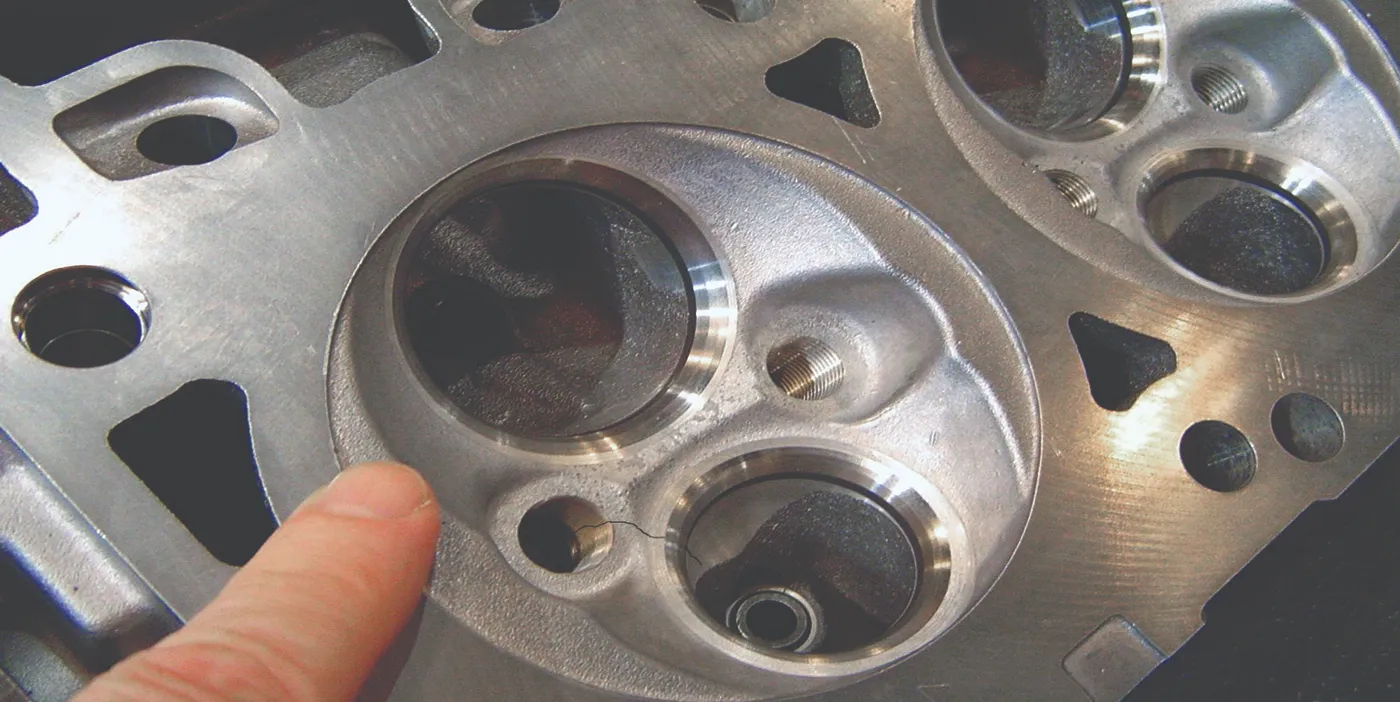
4. Cracks in the Engine Block
Engines endure intense pressure and temperature changes during operation. Metal components expand and contract repeatedly with each drive. Under certain conditions, tiny cracks may form in the engine block itself.
Sports cars like the 2024 Chevrolet Camaro SS Coupe generate high heat during spirited driving. If the engine block develops microscopic fractures, coolant may escape internally rather than dripping outside the engine.
Coolant passing through these cracks might enter the combustion chamber or mix with engine oil. Both situations reduce coolant levels without producing a visible leak beneath the vehicle. Oil contamination often becomes a warning sign. Milky residue on the oil dipstick or oil filler cap can appear when coolant mixes with engine oil.
Engine overheating may follow as coolant levels continue falling. Reduced coolant circulation makes it harder for the radiator to dissipate heat. Another symptom may involve poor engine performance. Internal coolant leakage can disrupt combustion and reduce power output.
Diagnosing engine block cracks often requires pressure testing or specialized imaging tools. Mechanics sometimes use dye testing to locate internal coolant escape paths. Repair options vary depending on crack size and location. Minor cracks may respond to specialized sealants, though major damage usually requires engine replacement or extensive rebuilding.
Vehicles such as the 2023 Dodge Charger R/T Scat Pack feature powerful engines that demand strong cooling system integrity. Even small internal fractures can allow coolant loss without visible leakage. Recognizing warning signs early prevents more serious damage. Prompt inspection protects the engine from prolonged overheating and costly repairs.
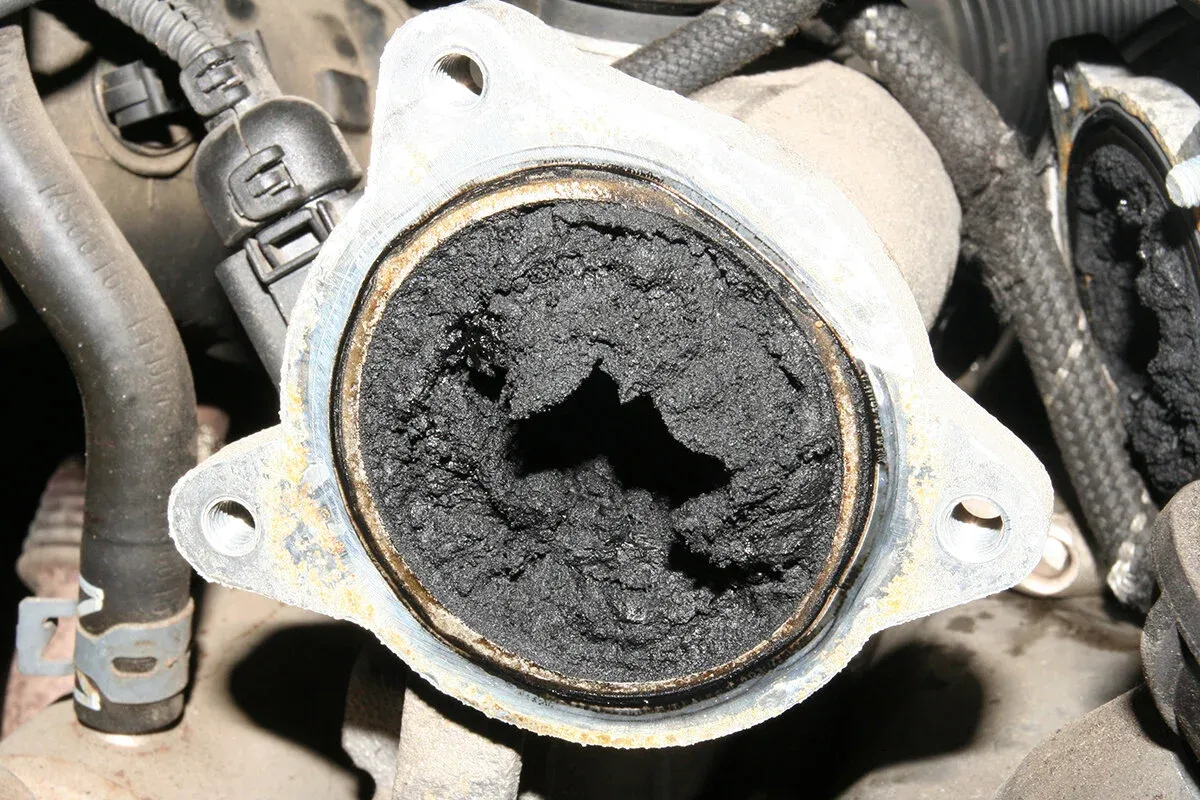
5. Coolant Entering the Exhaust System Through a Damaged EGR Cooler
Modern engines use exhaust gas recirculation systems to control emissions. Within some engines, an EGR cooler reduces the temperature of exhaust gases before they return to the intake system. This cooler often uses engine coolant to perform its job.
Consider a diesel-powered vehicle like the 2024 Ford F-250 Super Duty 6.7L Power Stroke Diesel. Inside its emission control system, the EGR cooler channels hot exhaust gases while coolant flows around it to absorb heat.
If cracks or corrosion develop within the cooler, coolant may enter the exhaust stream directly. Since the liquid travels through the exhaust system, it often exits as vapor rather than dripping onto the ground. Drivers may notice white exhaust smoke or a slightly sweet smell coming from the tailpipe. Those symptoms resemble head gasket failure, though the source originates inside the EGR cooler.
Gradual coolant loss often appears without visible leaks in hoses or radiators. Reservoir levels drop while the cooling system otherwise appears intact. Reduced engine performance may accompany this condition. Exhaust gases carrying coolant vapor may affect combustion efficiency and sensor readings.
Technicians usually inspect the EGR cooler using pressure tests or removal for internal examination. Replacing the damaged component restores normal coolant circulation. Heavy-duty vehicles rely on durable emission control systems. A compromised EGR cooler can create both cooling and performance concerns if ignored.
Owners of vehicles like the 2023 RAM 2500 Laramie 6.7L Cummins Diesel occasionally face similar situations due to the design of diesel emission systems. Careful inspection ensures coolant remains inside the cooling circuit where it belongs rather than escaping silently through the exhaust path.
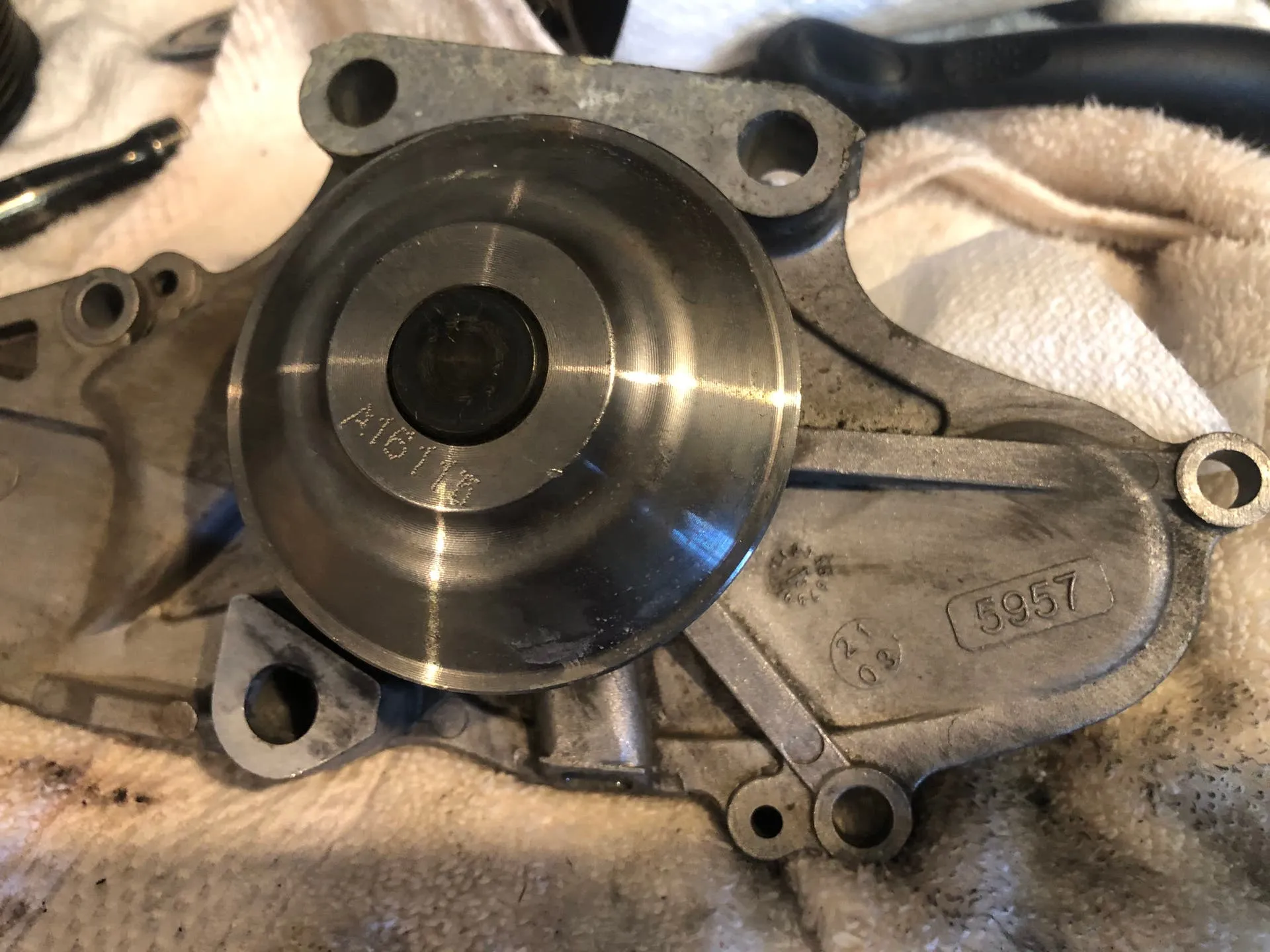
6. A Worn Water Pump Seal Allowing Coolant to Evaporate
Hidden beneath belts and pulleys, the water pump quietly pushes coolant through the engine and radiator. This steady circulation prevents overheating and keeps temperature levels stable. A small mechanical seal inside the pump protects the coolant from escaping while the impeller spins. Once that seal begins to wear down, coolant may escape in a way that rarely forms visible drips.
Consider a dependable crossover like the 2024 Subaru Forester Touring. Its flat four engine relies on consistent coolant circulation, and the water pump performs that duty during every mile of driving. If the pump seal begins deteriorating, tiny amounts of coolant can escape through a vent hole designed to release pressure from the pump housing.
Escaping coolant often lands on hot engine components or the spinning pulley surface. Heat quickly turns the liquid into vapor before it ever reaches the ground. Drivers searching for a puddle may find nothing at all, yet the coolant reservoir slowly declines week after week.
A faint sweet smell may appear under the hood after a drive. That odor often comes from evaporating coolant contacting hot metal surfaces. Another clue involves crusty residue forming around the water pump housing or pulley area. This residue appears when small droplets dry before dripping.
Temperature behavior sometimes changes slightly as coolant levels drop. The gauge might creep higher during long drives or heavy traffic. Nothing dramatic appears at first, which is why this problem can go unnoticed for quite a while.
Mechanics often inspect the water pump by checking the small weep hole beneath the housing. Moisture or dried coolant around that opening often indicates a seal beginning to fail. Replacing the water pump usually resolves the issue. Modern pumps often include new gaskets and improved sealing materials that restore proper circulation.
Owners of vehicles like the 2023 Toyota RAV4 Limited AWD sometimes encounter similar conditions once pumps accumulate high mileage. Addressing the issue early prevents overheating and protects the engine from unnecessary stress.
Quiet evaporation from a worn water pump seal may hide the source of coolant loss, though careful inspection often reveals the truth.
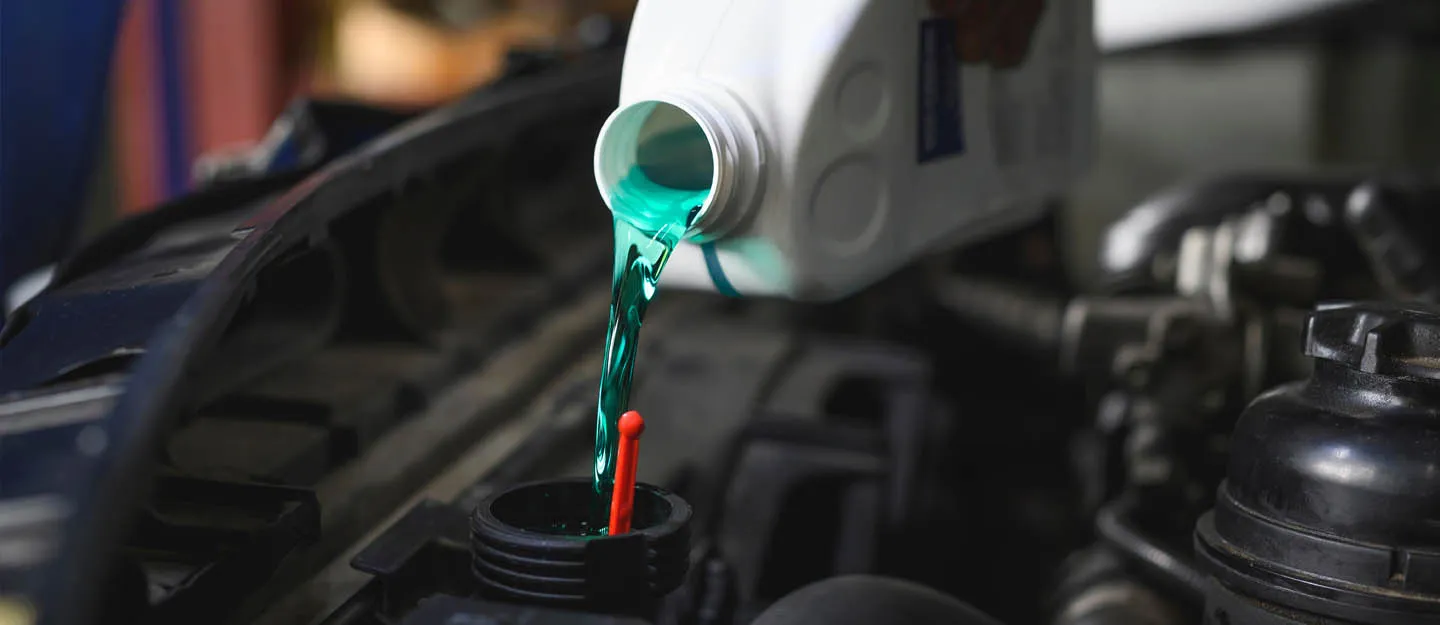
7. Air Pockets Inside the Cooling System Releasing Coolant
Cooling systems depend on steady fluid circulation without interruptions. Air pockets trapped inside the system disrupt that balance. Once air becomes trapped in coolant passages, fluid levels may appear to drop even though the system remains technically sealed.
Picture a midsize sedan such as the 2024 Kia K8 3.5L V6. After a coolant replacement or radiator repair, air may remain inside the engine block or heater core if the system was not bled properly. These trapped pockets expand when the engine heats up.
As the temperature rises, the air expands and pushes coolant toward the overflow reservoir. When the engine cools again, the system may not pull all the coolant back into circulation. Drivers may interpret this as coolant disappearing even though it simply relocated within the system.
Another symptom involves inconsistent cabin heating. Air pockets moving through the heater core interrupt steady coolant flow, causing bursts of warm air followed by cooler airflow. Temperature gauge fluctuations may also appear. Air prevents coolant from contacting certain engine surfaces, which interferes with heat transfer.
Gurgling sounds behind the dashboard sometimes reveal trapped air inside the heater core. Drivers may hear this sound during startup or while accelerating. Bleeding the cooling system removes those trapped pockets. Mechanics usually run the engine with the radiator cap off while adding coolant gradually. Specialized funnels or vacuum filling tools help eliminate hidden air pockets.
Vehicles such as the 2023 Mazda CX-90 Turbo Premium Plus use modern cooling systems that require careful bleeding procedures after service. Skipping that step allows air to remain trapped. Once the air escapes and coolant fills every passage properly, the reservoir level usually stabilizes. Temperature readings return to normal, and cabin heating improves.
What appears to be mysterious coolant loss sometimes turns out to be trapped air slowly working its way out of the system. Proper bleeding restores balance and prevents future confusion.
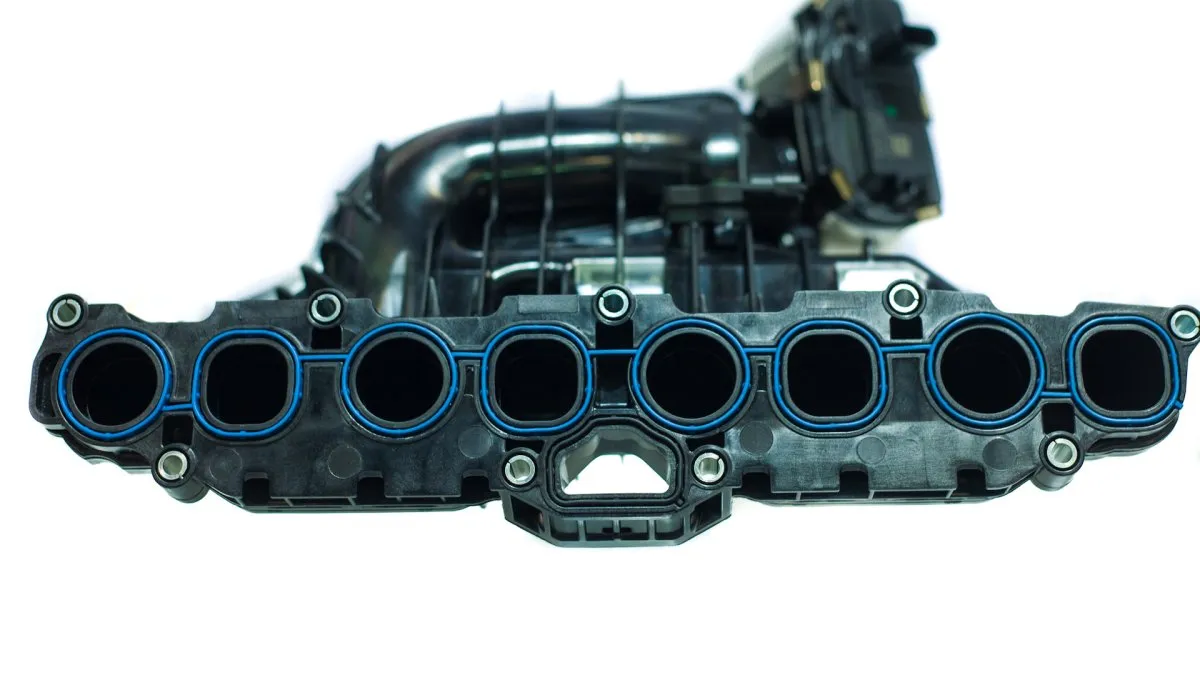
8. Coolant Passing Through a Faulty Intake Manifold Gasket
Certain engines route coolant through passages inside the intake manifold. This design helps regulate temperature and improve fuel efficiency. Gaskets seal these passages to keep coolant separated from air and fuel entering the engine.
Take a full-size SUV like the 2024 Chevrolet Tahoe Z71 5.3L V8. Within this engine layout, coolant travels through the intake manifold area. If the gasket sealing those passages begins to deteriorate, coolant may leak internally instead of dripping onto the ground.
Small amounts of coolant can enter the intake runners and flow directly into the combustion chamber. Once the engine ignites the air-fuel mixture, that coolant turns into vapor and exits through the exhaust system. White exhaust smoke sometimes appears during startup when this problem develops. Drivers may also notice a sweet smell from the exhaust. Since the coolant burns away, the driveway remains perfectly dry.
Engine performance may change slightly as well. Coolant entering the intake may interfere with combustion and create occasional misfires or rough idle conditions. Oil contamination can occur in more severe cases. Coolant mixing with oil forms a milky residue that appears under the oil cap or on the dipstick.
Diagnosis often involves pressure testing the cooling system while the engine is off. Technicians watch for coolant entering intake passages or cylinders during the test. Replacing the intake manifold gasket restores proper sealing.
Modern gasket materials resist heat and pressure better than older designs, improving durability. Vehicles like the 2023 GMC Sierra 1500 SLT 5.3L V8 share similar engine designs where coolant travels through intake components. Gasket wear after long mileage may lead to hidden coolant loss.
Drivers noticing coolant disappearance along with white exhaust smoke should consider this possibility. Early attention helps avoid deeper engine damage and restores stable cooling performance.
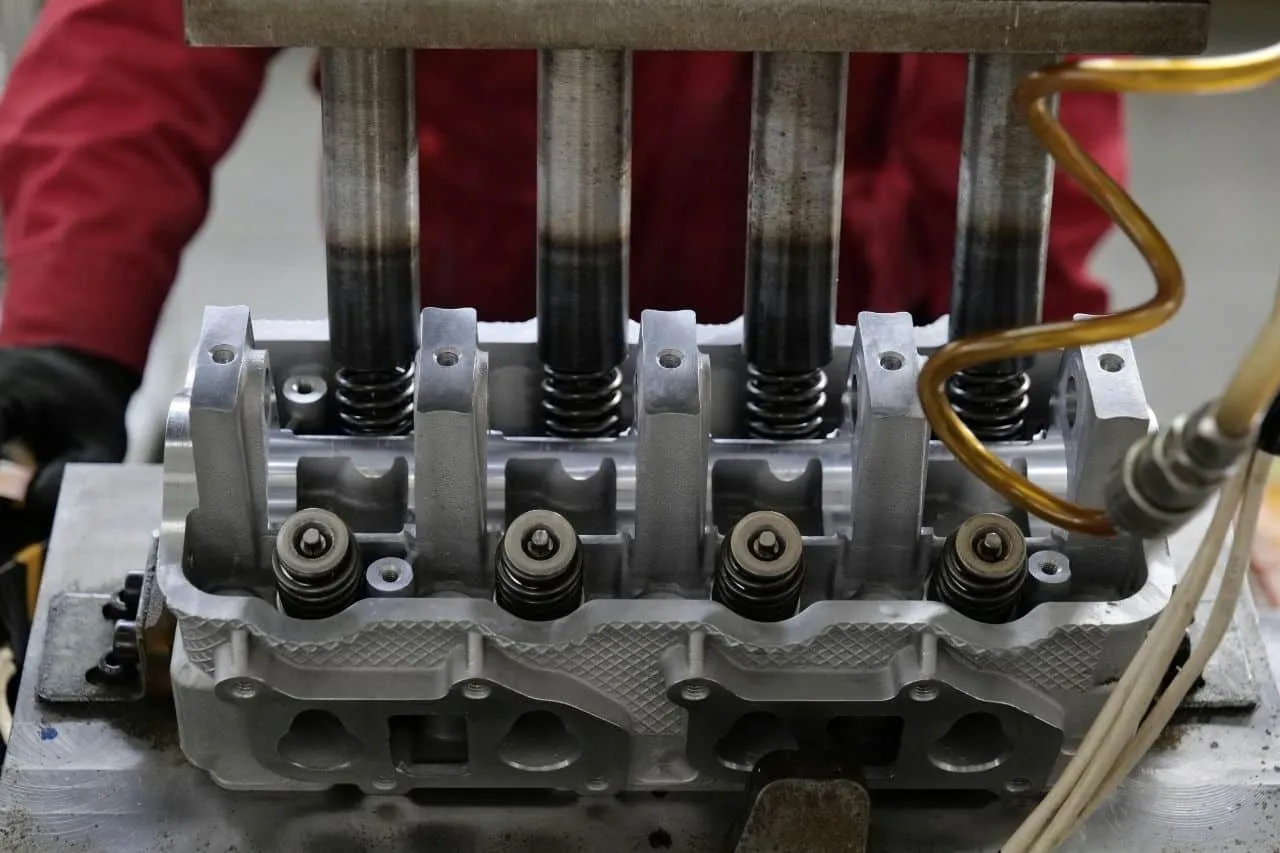
9. A Cracked Cylinder Head Allowing Coolant to Burn Internally
Extreme heat cycles place enormous stress on engine components. Cylinder heads experience especially intense conditions because they sit directly above the combustion chambers. Metal expansion and contraction during thousands of heat cycles may eventually produce small fractures.
Think about a refined luxury sedan such as the 2024 Lexus LS 500 F Sport. Its twin turbocharged engine produces impressive power while maintaining smooth performance. If a cylinder head develops a hairline crack, coolant may pass through the fracture and enter the combustion chamber.
Once the coolant reaches the combustion chamber, the engine burns it during normal operation. This process leaves no puddle beneath the vehicle, which makes diagnosis challenging. White exhaust smoke often appears again as a clue. Unlike normal condensation that disappears quickly, coolant vapor may linger after the engine warms up.
Loss of coolant gradually lowers the reservoir level, and drivers may notice the need to refill it frequently. Engine temperature may rise during long drives as coolant volume decreases. Spark plugs sometimes reveal evidence of coolant exposure. Mechanics may remove the plugs and find unusual deposits caused by coolant combustion.
Pressure testing the cooling system may reveal internal leaks connected to the cylinder head. Advanced imaging methods can also help detect cracks hidden inside the metal. Repair options depend on the severity of the fracture. Minor cracks sometimes respond to specialized repair methods, though many situations require cylinder head replacement.
High-performance vehicles such as the 2023 BMW M550i xDrive Sedan generate intense combustion heat that places similar stress on engine components. Regular maintenance and cooling system monitoring help reduce risk.
Prompt diagnosis remains essential whenever coolant disappears without explanation. Catching cylinder head issues early prevents larger engine damage and protects long-term reliability.
Also Read: 10 Affordable Maintenance Tips That Can Add Years to Your Car and Save You Costly Repairs
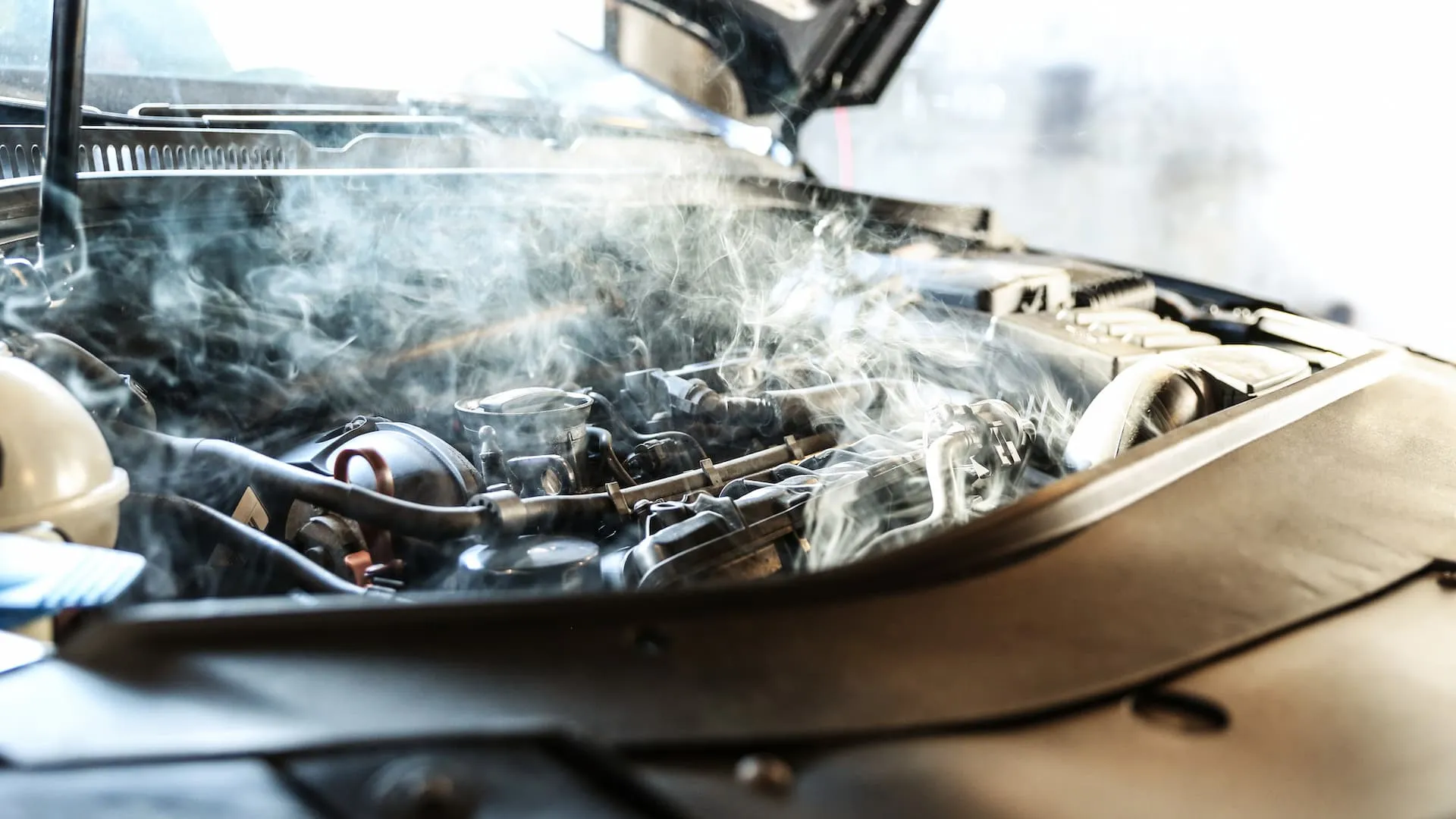
10. Coolant Boiling Away Due to an Overheating Engine
An engine that operates above normal temperature can cause coolant to evaporate gradually. Even when no hose leaks or gasket failures exist, overheating alone may lead to coolant loss through boiling.
Consider a stylish sedan like the 2024 Volkswagen Arteon SEL R-Line. Its turbocharged engine produces strong performance while relying on efficient heat control. If cooling airflow becomes restricted or a thermostat sticks closed, coolant temperature may rise beyond safe levels.
Once coolant reaches extremely high temperatures, some of it may turn into vapor inside the radiator or reservoir. Pressure valves release this vapor through the overflow system to protect the engine from excessive pressure.
Drivers searching under the vehicle may find nothing because the vapor dissipates quickly in the air. Still, the reservoir level continues to drop gradually. Temperature gauge readings often provide the earliest clue. A gauge climbing toward the upper range indicates heat buildup inside the engine.
Cooling fan failures sometimes contribute to the problem. Electric fans positioned behind the radiator draw air through the cooling fins. If those fans stop working, airflow decreases, and coolant temperature rises quickly during slow driving or heavy traffic.
Clogged radiator fins can also reduce cooling efficiency. Dirt, insects, and debris block airflow and prevent proper heat dissipation. Thermostat malfunction presents another possible cause. A thermostat stuck closed prevents coolant from circulating through the radiator, trapping heat inside the engine.
Vehicles such as the 2023 Acura TLX Type S rely on efficient cooling systems due to their performance-oriented engines. Any disruption in airflow or coolant circulation may lead to overheating. Inspection of the radiator, fans, thermostat, and coolant levels usually identifies the root cause. Restoring proper airflow and circulation stops the boiling process and stabilizes coolant levels.
A cooling system working within proper temperature limits keeps coolant exactly where it belongs. Once overheating disappears, coolant loss often stops as well.
